Photo credit: Buffalo's Outdoors/Youtube
You know the moment. You’re at the gun counter, the lights are bright, the clerk hands you something that feels like it was carved for your palm, and you start doing that little “point it at the corner of the floor” routine like you’re already on your way to being the next fast draw legend.
Then you get to the range and reality shows up. The trigger that felt “crisp” becomes a stacky mess once the timer or a tight group matters. The grip that felt perfect turns into a hot spot by magazine three. The tiny sights disappear against a dark target. And sometimes the gun that felt “solid” is really just heavy and miserable.
Here are 20 pistols that can win you over in the store, then punish you at the range. Some of them are good guns in the right lane. Some are just lessons with a price tag. Ask me how I know.
1. Smith & Wesson M&P Bodyguard .380

In the hand, the little Bodyguard feels like a smart, no-drama pocket solution. It’s light, it hides, and it has that “I can always have it on me” appeal that sells a lot of guns.
At the range, the long trigger and small grip can turn it into a low-percentage shooter. If your hands are big or your fundamentals aren’t locked in, it’s easy to print a pattern instead of a group. It’ll do its job up close, but it’s not a fun trainer, and fun matters if you actually practice.
2. Ruger LCP (Gen 1)
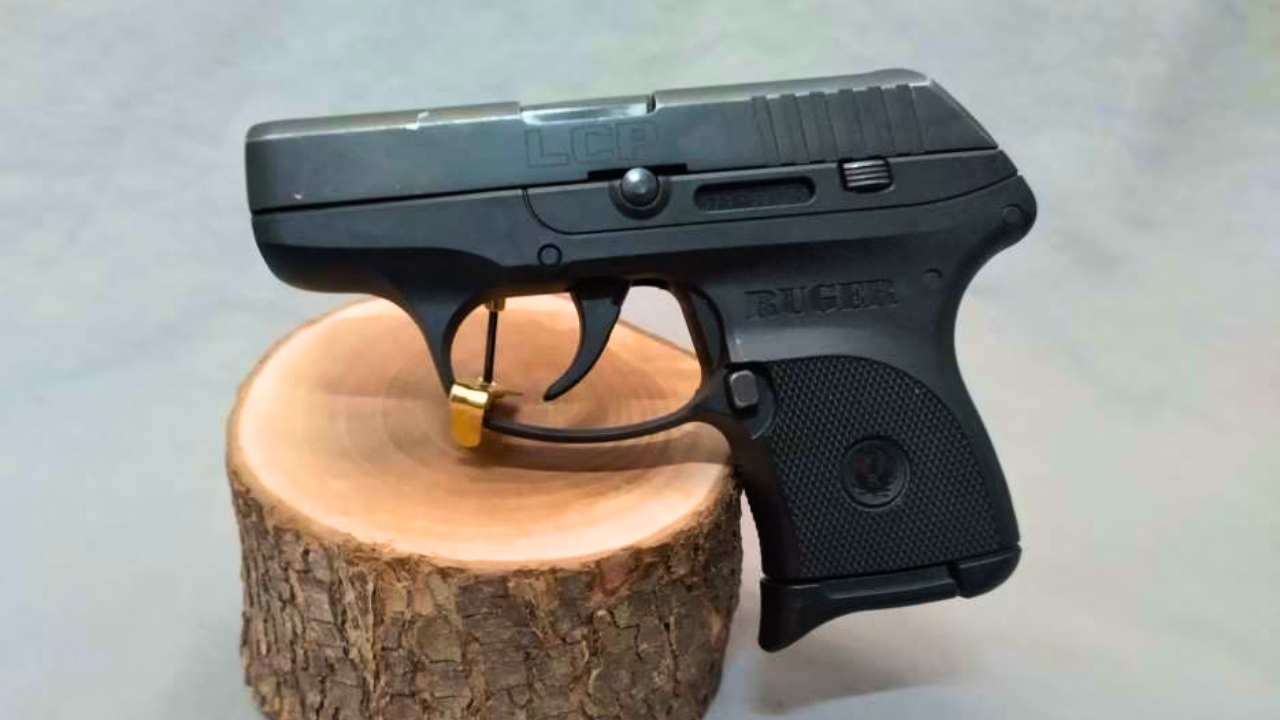
The original LCP is the classic “I’ll just grab it” pistol. It feels like nothing in the pocket, and in a gun store it seems like the simplest answer in the world.
On the line, the tiny sights and snappy little .380 recoil can make it miserable. The trigger is workable, but it’s not friendly, and the grip can feel like hanging onto a bar of soap under recoil. The newer LCP variants fix a lot, but the early ones can be rough company for 100 rounds.
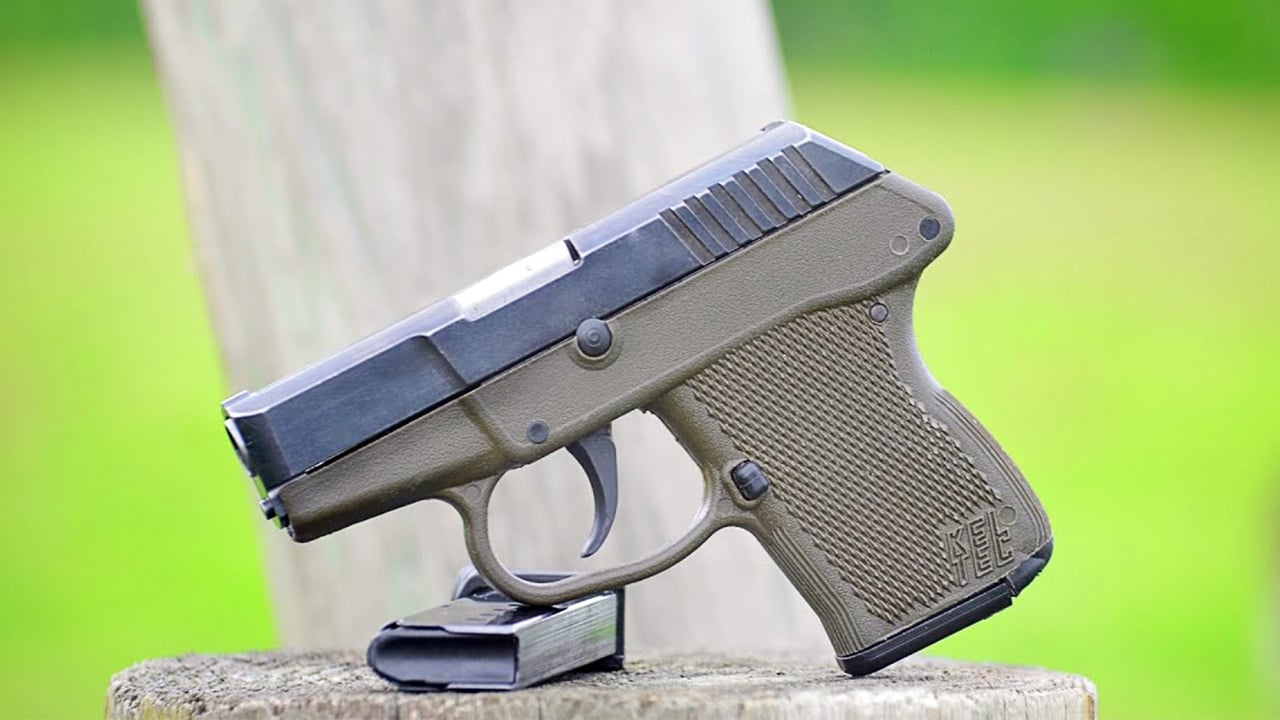
3. Kel-Tec P-3AT
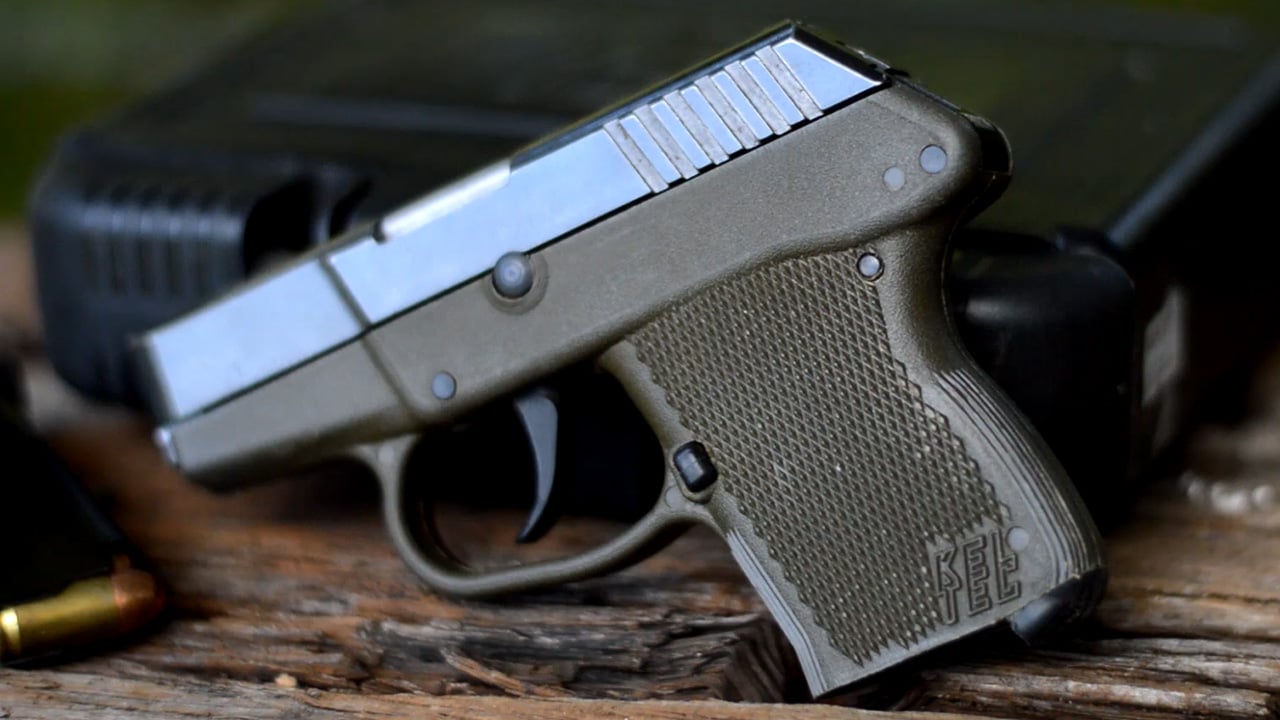
This one has sold because it’s thin, light, and cheap enough that a guy can justify it as a “just in case” gun. In the store, the idea of it is better than the reality.
At the range, the recoil impulse and minimal grip can beat up your hand fast. Some run fine, some don’t, and the consistency isn’t what a lot of shooters expect. If you don’t test your carry ammo through it, you’re guessing, and guessing is not a plan.
4. SIG Sauer P238
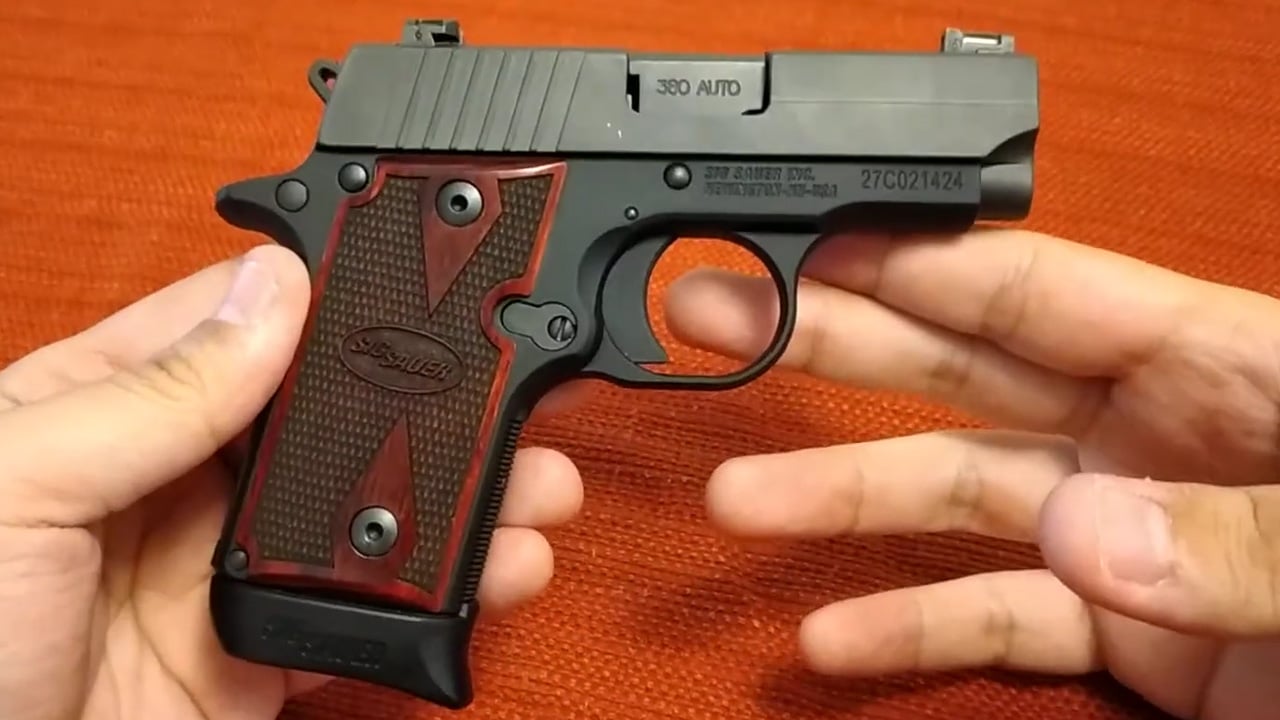
The P238 feels classy. It points naturally, the controls feel positive, and it has that mini-1911 charm that makes you want to love it. In the store it’s easy to think, “This is the perfect pocket pistol.”
At the range, the size still works against you. Short sight radius, small grip, and a gun that rewards good technique but doesn’t forgive sloppy reps. If you’re not used to running a safety under stress, it can also add a layer you didn’t think about while you were admiring the finish.
5. Springfield Armory 911 .380
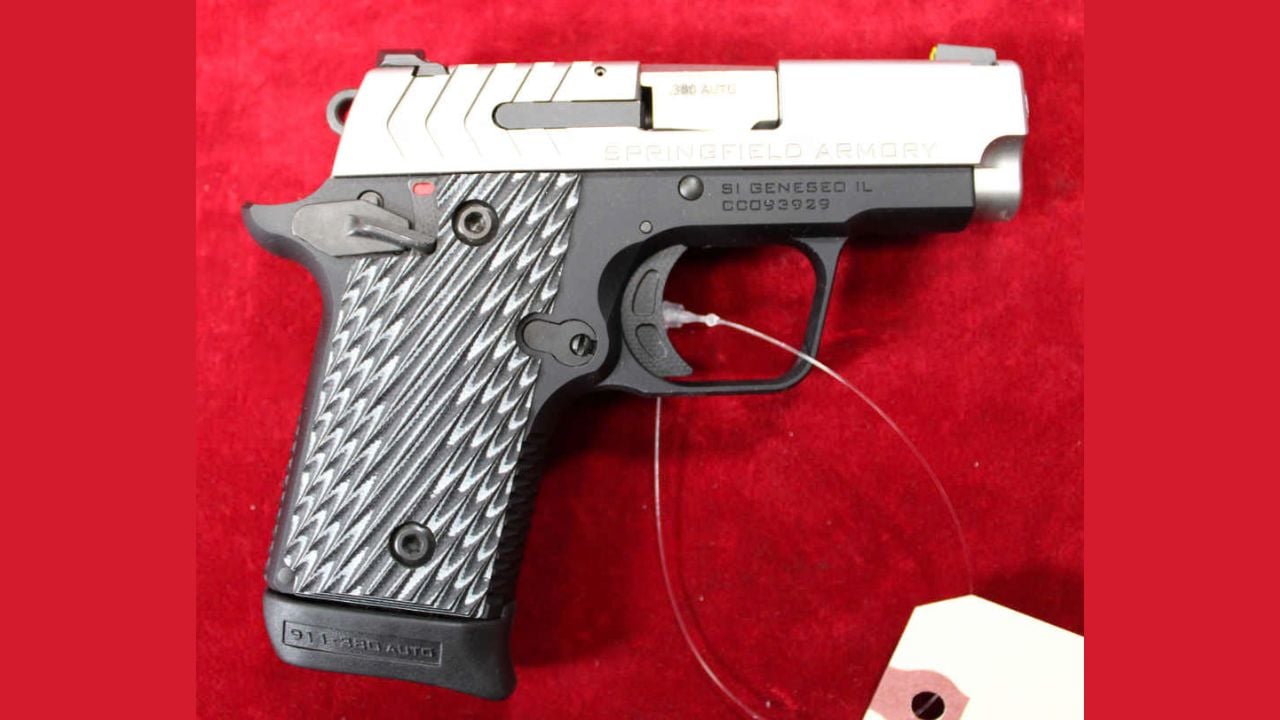
Another tiny 1911-style .380 that feels great in the hand and looks even better under glass. The ergonomics feel familiar, and that sells to folks who already like the 1911 manual of arms.
Range time can expose how “small” changes everything. The light weight and tiny frame can make recoil feel sharper than you expected, and a lot of shooters end up riding controls or fumbling reloads. It’s not junk, but it’s not a beginner-friendly confidence builder either.
6. Kimber Micro 9
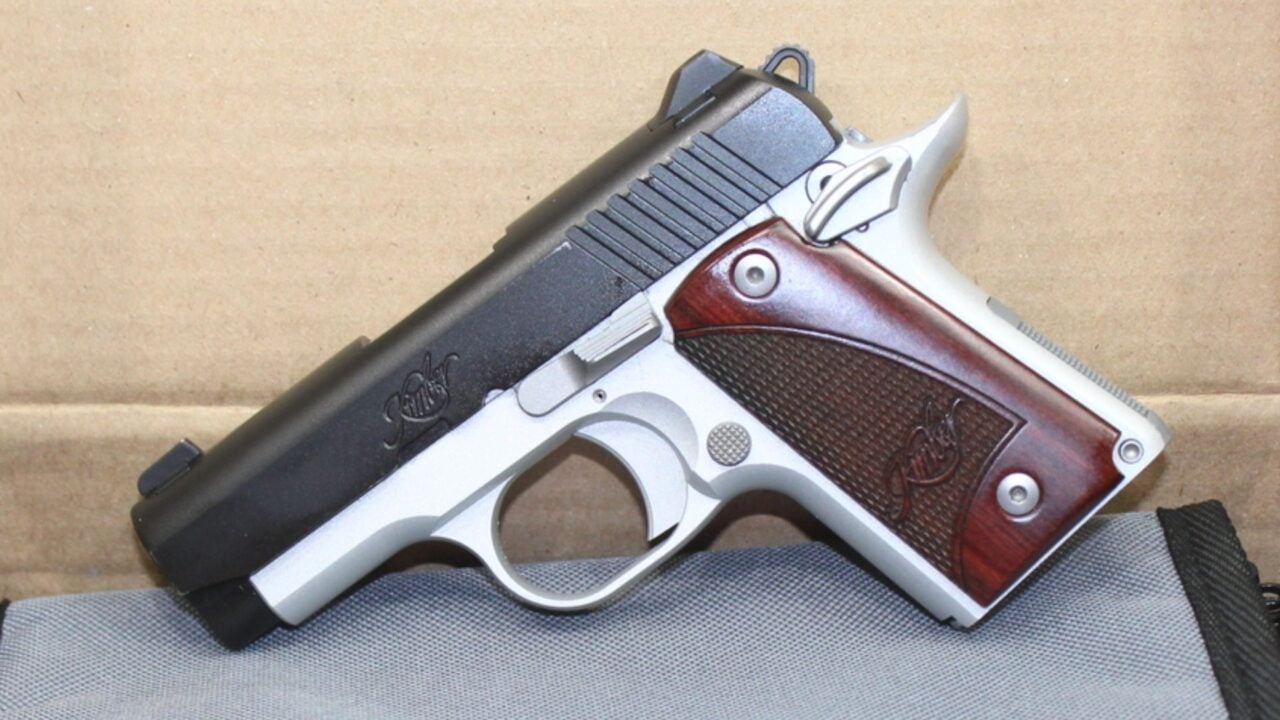
Kimber’s Micro 9 is one of those pistols that can make you open your wallet just by handling it. It’s slim, it’s pretty, and the trigger often feels great in dry fire.
The range is where some folks start chasing reliability and magazine quirks. When you’re paying Micro 9 money, you want it boringly dependable, not “mostly fine.” Also, that compact 9mm snap can make follow-up shots slower than you pictured while standing at the counter.
7. Glock 43

The Glock 43 feels like a no-excuses carry gun. Simple controls, familiar Glock trigger feel, slim enough to disappear. In the store it’s easy to call it “perfect.”
At the range, the truth is it’s a lightweight single-stack 9mm. That means recoil is sharp, and the grip can feel short unless you run extensions. Plenty of shooters can run it well, but plenty also discover they shoot a slightly bigger pistol a whole lot better.
8. Glock 26
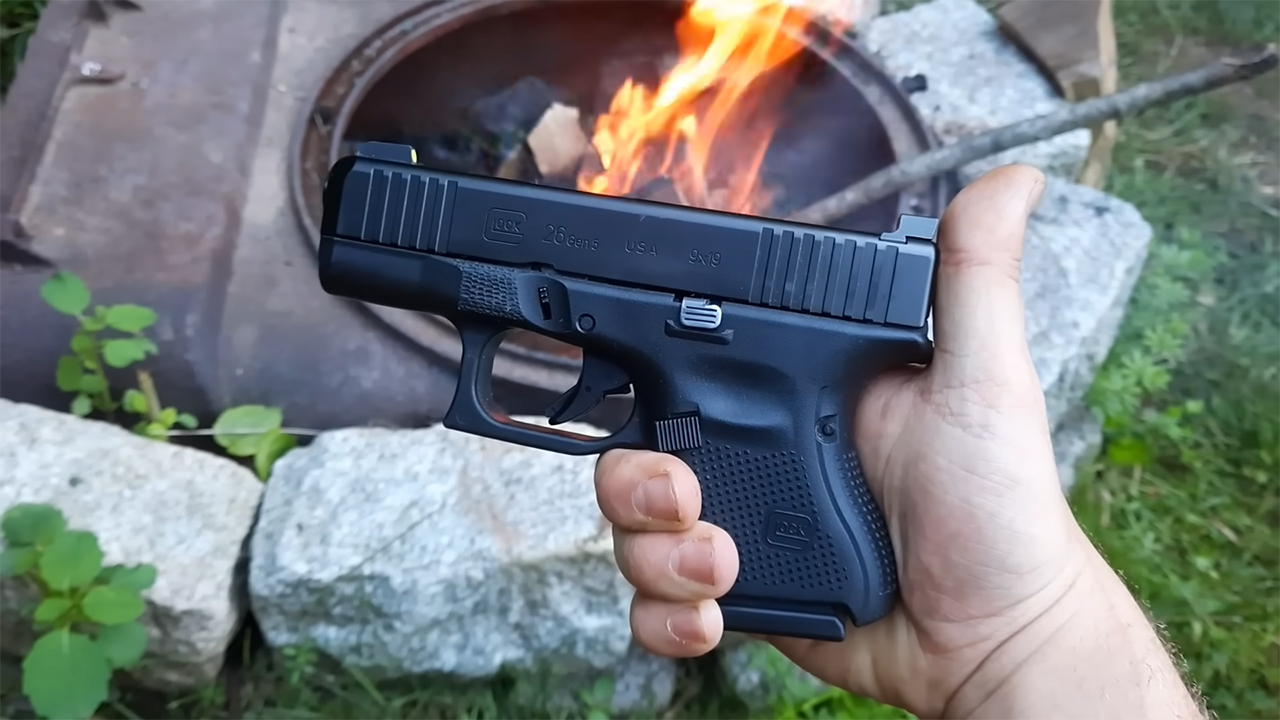
The 26 feels chunky and solid, like a little tank. It also has the reputation of being the baby Glock that shoots like a bigger gun, and there’s truth there.
But the range can show you the downside: the short grip can cause pinching, shifting, and inconsistent support-hand contact, especially during faster strings. If you’re not careful, you’ll end up “fixing” it with baseplates and extended mags until you basically reinvented a Glock 19, just with extra steps.
9. SIG Sauer P365 (early production guns in particular)
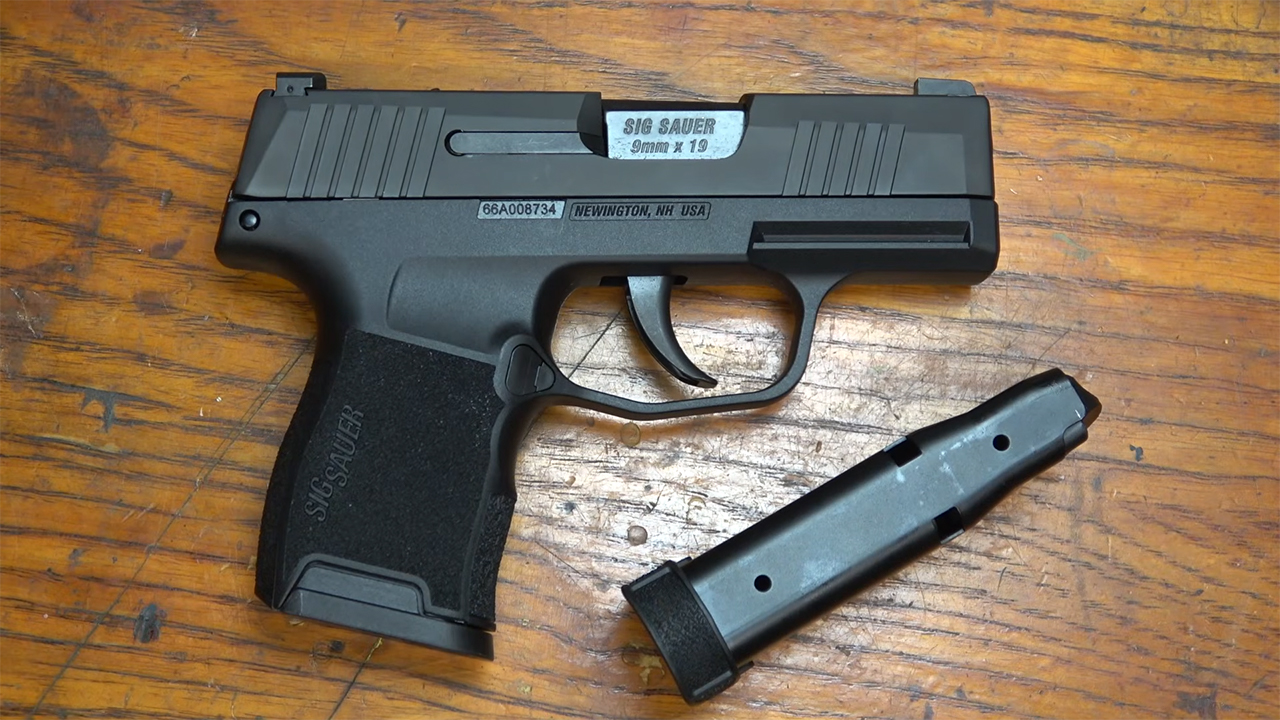
The P365 changed the carry world. In the store, it feels like magic: small gun, real capacity, good sights, good texture, and it points well.
At the range, the small size still demands discipline, and some early guns left people sour because “new hotness” sometimes means early hiccups. The modern ones are generally solid, but it’s still a micro-compact. It’s not going to feel like a duty gun during a long practice session.
10. Springfield Armory Hellcat

The Hellcat feels aggressive in the hand, and the capacity-to-size ratio is hard to ignore. It’s another one that sells itself when you’re holding it.
Then you run a few boxes through it and realize the grip texture and light weight can be a rough combo. Some shooters love that texture. Others end up with sore hands and slower splits because the gun moves around more than they expected. It’s capable, but it’s not gentle.
11. Smith & Wesson M&P Shield 9 (original 1.0)
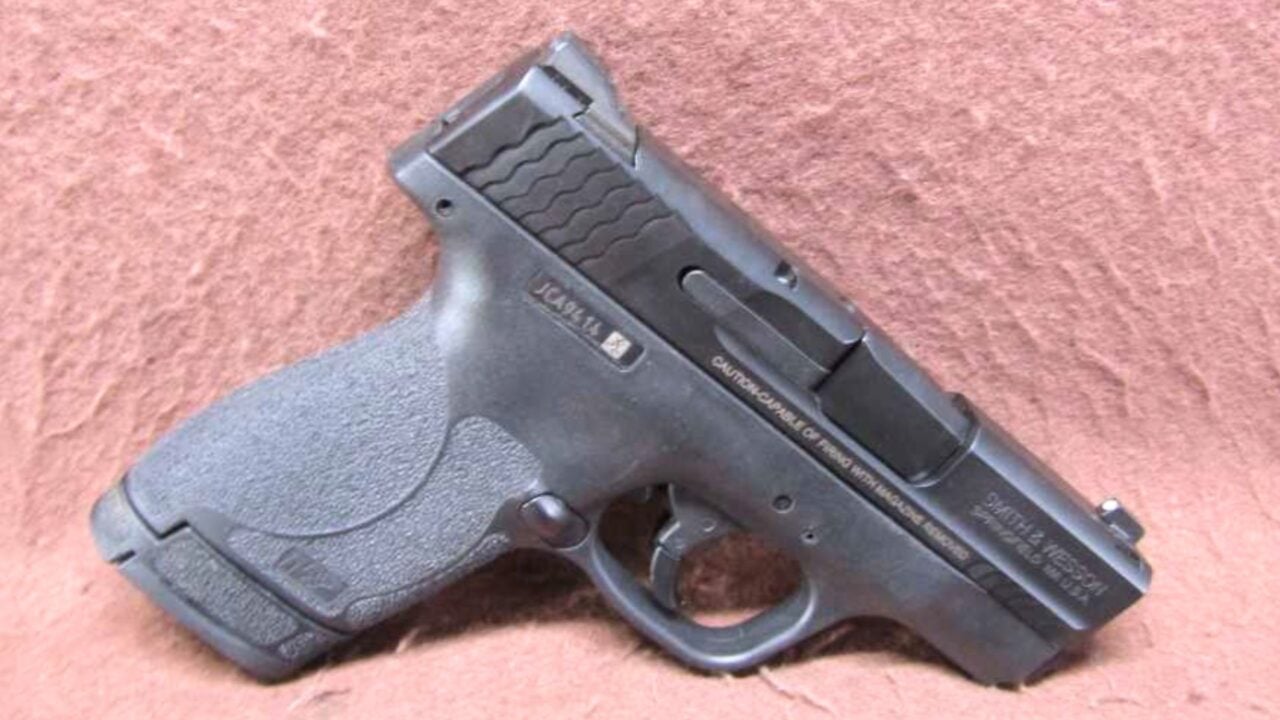
The original Shield has probably ridden in more holsters than most of the internet’s “top picks.” In the store, it feels thin, practical, and simple. It also just looks like a serious tool.
The older triggers can feel gritty and vague once you start trying to shoot tight groups or run drills. Plenty of Shields run forever, but many owners didn’t realize they’d be wanting an Apex kit or a newer model once the honeymoon ended. It’s a good carry gun that can be an underwhelming range gun.
12. Taurus G2C

The G2C feels like a deal. It fits a lot of hands well, the size is right, and the price makes a guy feel like he beat the system.
At the range, the trigger can feel inconsistent, and the overall refinement isn’t in the same league as the guns it’s compared to online. Some examples run great. Some don’t. The worst part is when you start avoiding practice because you don’t enjoy shooting it, and then the “budget win” turns into a training loss.
13. Taurus Judge (2.5-inch models especially)
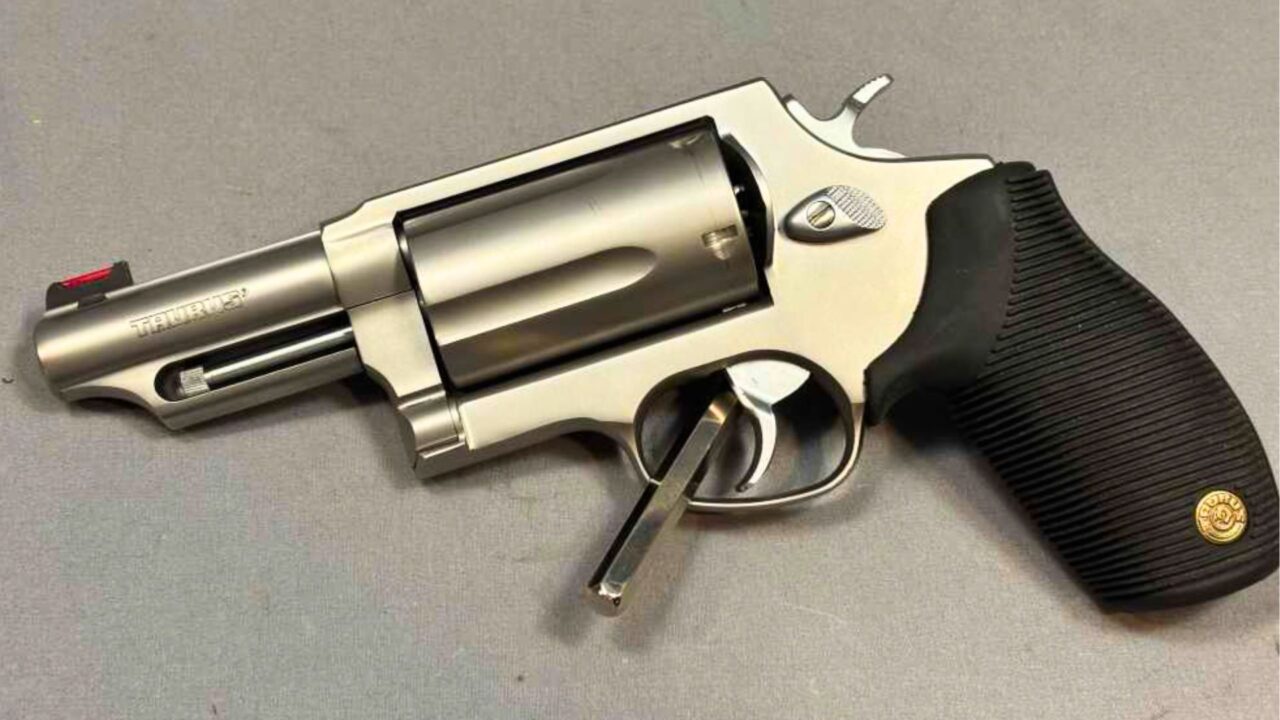
The Judge feels like a truck-gun legend when you pick it up. Big cylinder, big attitude, and everybody behind the counter has a story about snakes or “one shot will do it.”
At the range, it can be a mess. .410 out of a short barrel isn’t the tidy solution folks imagine, and .45 Colt recoil in that platform isn’t always pleasant. It’s also bulky and awkward compared to more straightforward options. Cool factor fades fast when accuracy and follow-up shots matter.
14. North American Arms Mini Revolver (.22 Magnum)

NAA minis are tiny, well-made little curiosities. In the store, they’re almost impossible not to smile at. They feel like the ultimate deep-carry answer.
At the range, they remind you why “tiny” is not always your friend. The grip is minimal, the sights are minimal, and the handling is slow. They’re not meant for long sessions, but plenty of folks buy one thinking they’ll practice regularly, then find out it’s a chore.
15. Walther PPK/S (.380)
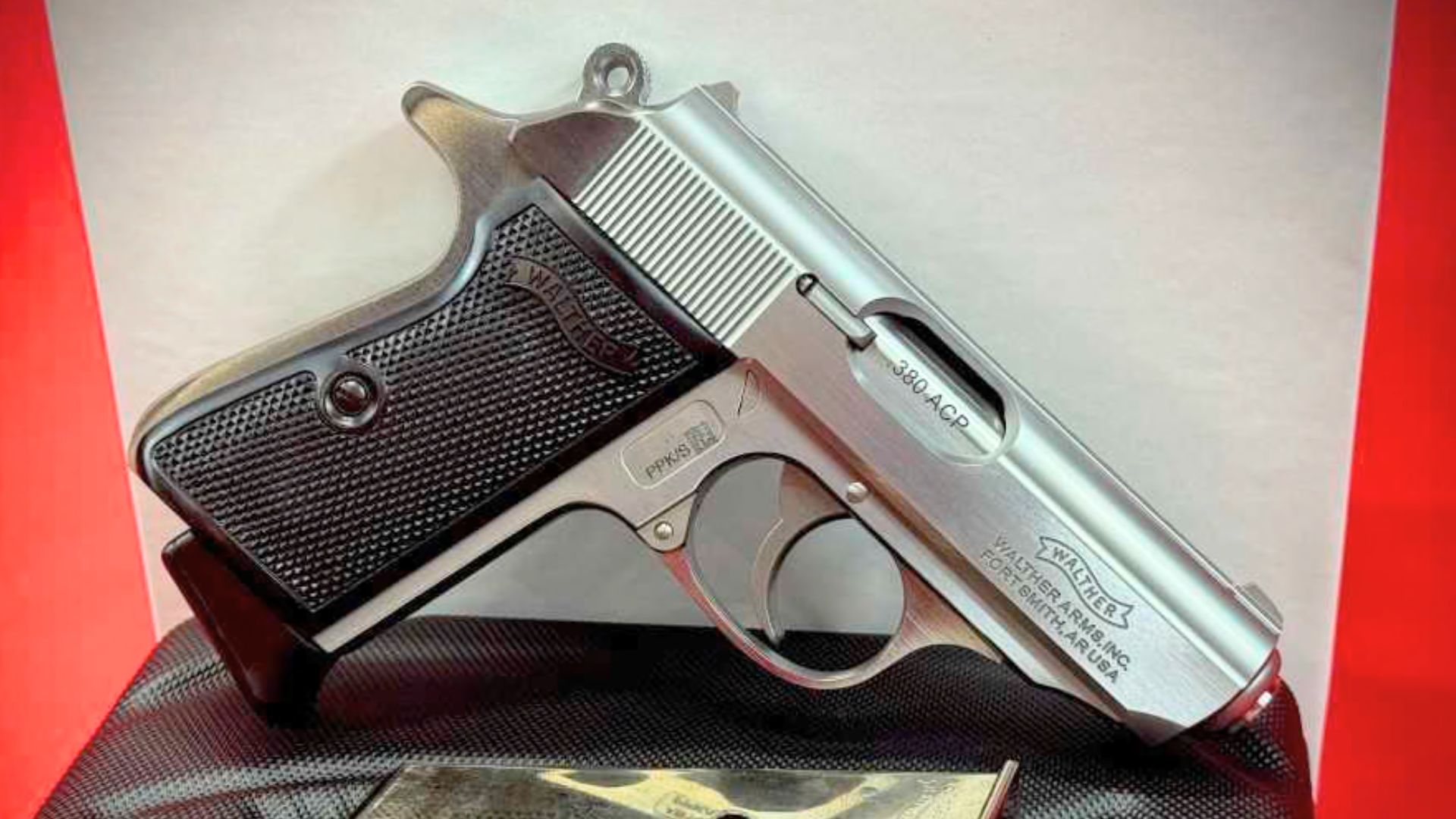
The PPK/S has history and style. It feels flat, it points well, and it has that all-steel confidence that polymer pistols don’t give you at the counter.
Range time can be a rude awakening. Blowback .380s can smack the hand harder than expected, and slide bite is real for some shooters. It can also be pickier about grip and ammo than folks expect. It’s a classic, but classics aren’t always comfortable.
16. Beretta Tomcat 3032 (.32 ACP)
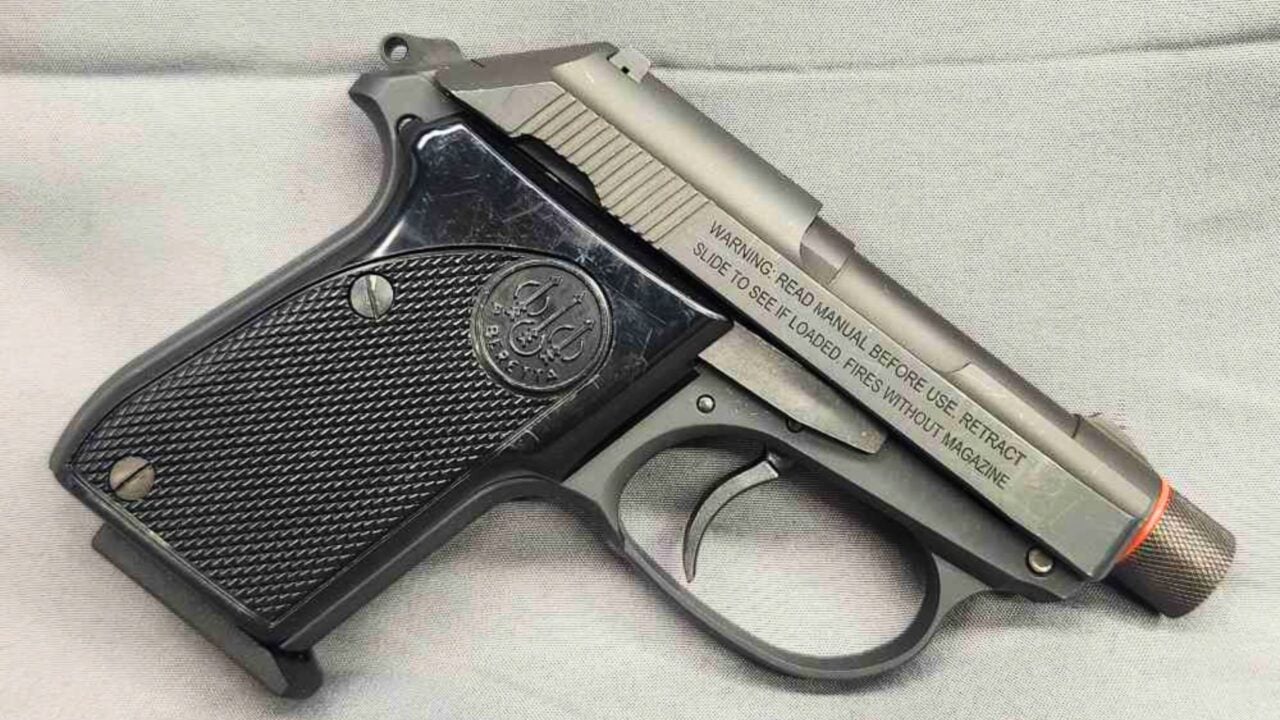
The tip-up barrel and compact frame make the Tomcat feel like a smart solution for folks who struggle with slide manipulation. In the store, it feels clever and friendly.
At the range, it can be surprisingly snappy for the caliber, and the small grip doesn’t help. Some examples are ammo sensitive, and the little gun heats up fast if you actually shoot it like you train. It’s a niche gun, and it behaves like one.
17. Kahr PM9
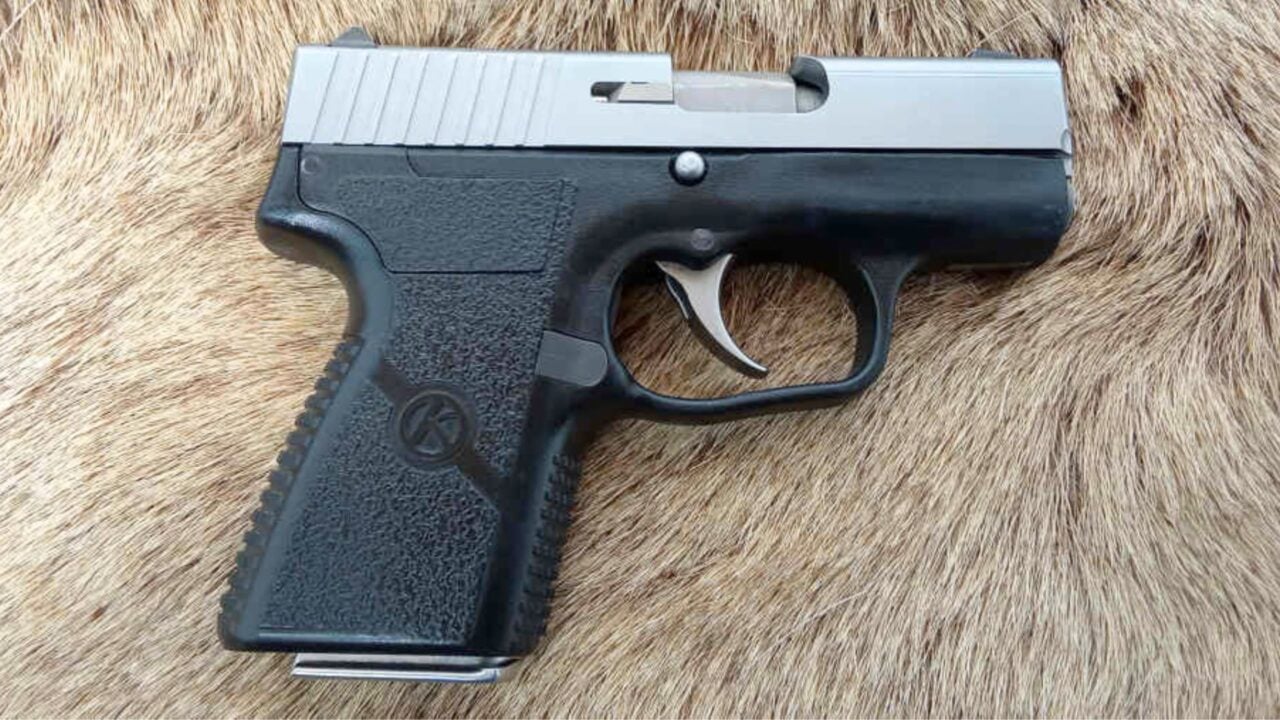
In-hand, the PM9 feels like a serious concealed-carry tool: slim, smooth, quality machining. Dry firing it in the shop, the long trigger can feel “revolver-like” in a good way.
On the range, that long pull can slow you down and make precision harder until you learn it. Kahrs also have a reputation for needing a real break-in period. If you’re the kind of guy who expects perfection on day one, you may walk away mad.
18. Remington R51 (Gen 1)
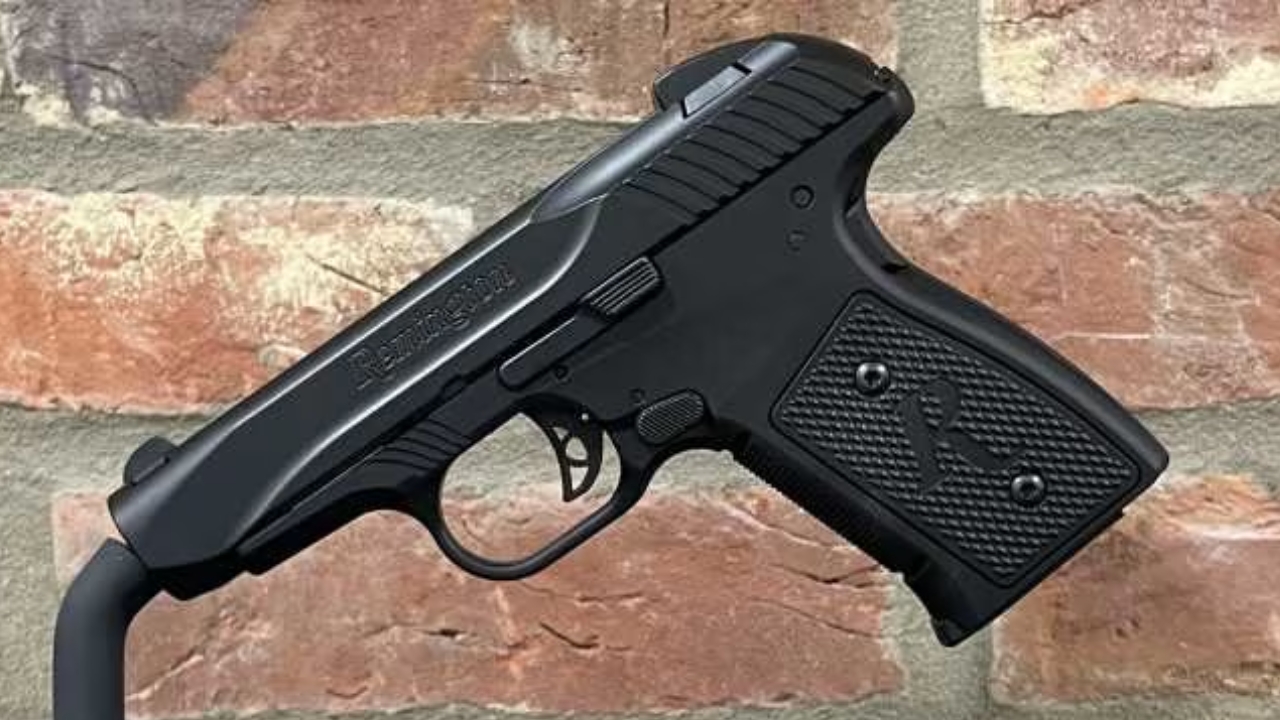
The R51 had hype, and in the store it feels like an interesting design with a good grip angle and low bore axis promise. It’s the kind of pistol that makes you think you’re getting something different and better.
Then you shoot it. The early guns earned their reputation for a reason, and more than a few owners found out the hard way that “innovative” sometimes means “teething problems.” When a pistol makes you nervous about the next round, you stop training. That one hurts.
19. SCCY CPX-2

SCCY pistols feel like a bargain that might actually work. They’re compact, simple, and the shape sits in the hand better than you’d expect for the money.
At the range, the long, heavy trigger can wear you out and wreck accuracy if you’re not disciplined. They can also be hit-or-miss in refinement. If you’re buying one, you need to be honest about what it is: a low-cost tool that demands extra attention in practice.
20. CZ 2075 RAMI

The RAMI is one of those pistols that feels like it should be perfect. CZ ergonomics, solid build, and that compact DA/SA vibe that makes you think “carry it forever.” In the store, it feels like a serious little brick of quality.
At the range, weight and thickness start to feel less charming, and the short grip can make it harder to control than a slightly larger compact. Add in that it’s not as supported with mags and parts as CZ’s more common models, and some owners end up wishing they’d gone with a P-01 or a PCR instead.
The lesson in all this isn’t that small pistols are bad or that you should only buy full-size handguns. It’s that the gun counter is a terrible place to judge recoil, trigger behavior under speed, sight tracking, and whether you’ll actually enjoy training. If you can rent before you buy, do it. If you can’t, at least be honest about what the pistol is meant to do, and then go prove it on the range while you can still make smart choices.
Like The Avid Outdoorsman’s content? Be sure to follow us.
Here’s more from us: