Photo credit: Kenneth D Fletcher/Youtube
Nothing will take the shine off a new pistol faster than a slide that starts feeling loose before the gun is even really broken in. A tiny bit of movement is normal on most semi-autos, especially service pistols built to run dirty. But when the slide-to-frame fit gets sloppy early, you’ll feel it in the way the gun tracks in recoil, the way the sights settle, and sometimes in the way accuracy opens up at the bench.
Before anybody gets mad, I’m not saying every example of these pistols is junk. Some of them are absolute workhorses. The point is certain models (or certain generations) have a track record of developing noticeable play sooner than they should, especially when they get run hard with hot ammo, minimal lube, or questionable maintenance. If you carry one, hunt with one on a chest rig, or keep it bouncing around in a truck console, this is the stuff you notice.
1. Taurus PT111 Millennium G2

I’ve handled a few of these that felt surprisingly decent right out of the box, then felt like a different gun a couple range trips later. The rails and general fit just aren’t what you’d call overbuilt, and when wear starts, you can feel the slide shifting when you press-check.
The frustrating part is the gun often still runs. So guys keep shooting it, and by the time they admit it feels loose, they’re already invested in holsters and extra mags.
2. Taurus G2C
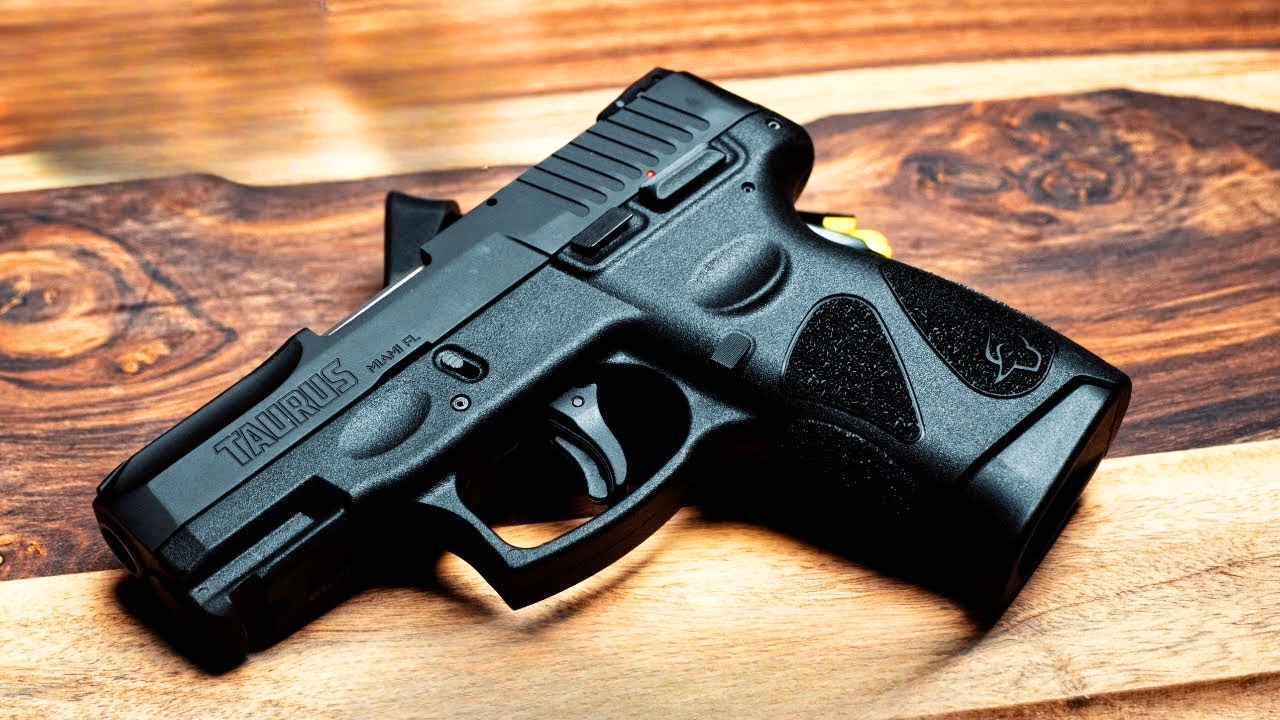
The G2C is basically the more carry-friendly cousin of the PT111, and a whole lot of them have lived hard lives. Light guns with snappy recoil can beat on themselves if tolerances and finish aren’t great.
If yours is tight and boring, good. If it starts to rattle early, don’t ignore it. At minimum, keep it clean and properly lubed and pay attention to any change in how it returns to battery.
3. Taurus GX4

Micro-compacts are a stress test for any company. The GX4 has good ergonomics for the size, but I’ve seen more than one where the slide fit went from “nice” to “busy” pretty fast.
That matters because these little guns already have a short sight radius and fast recoil impulse. Add extra movement and it can feel harder than it needs to be to shoot well.
4. SCCY CPX-2

These budget pistols get bought for glovebox duty and “just in case” carry. The problem is they’re also built to a price point, and you can sometimes feel it in the slide/frame relationship after modest use.
They can be serviceable, but if you want a pistol you’ll practice with weekly, there are better choices that stay tighter longer.
5. SCCY DVG-1

The DVG-1 was SCCY’s attempt to modernize the feel, and in the hand it points fine. But the ones I’ve been around that were shot a lot tended to get a little clacky up top earlier than you’d like.
If you own one, run it, but don’t let it become your “only” defensive pistol without a serious reliability and wear check schedule.
6. Hi-Point C9

Hi-Points are a weird deal. They’re ugly, heavy, and more reliable than they have any right to be. Still, the blowback design and chunky slide mass can make wear show up in ways that feel like looseness.
I’m not picking on the guy who owns one. I get it. But if you’re chasing a tighter, more refined feel, this isn’t that.
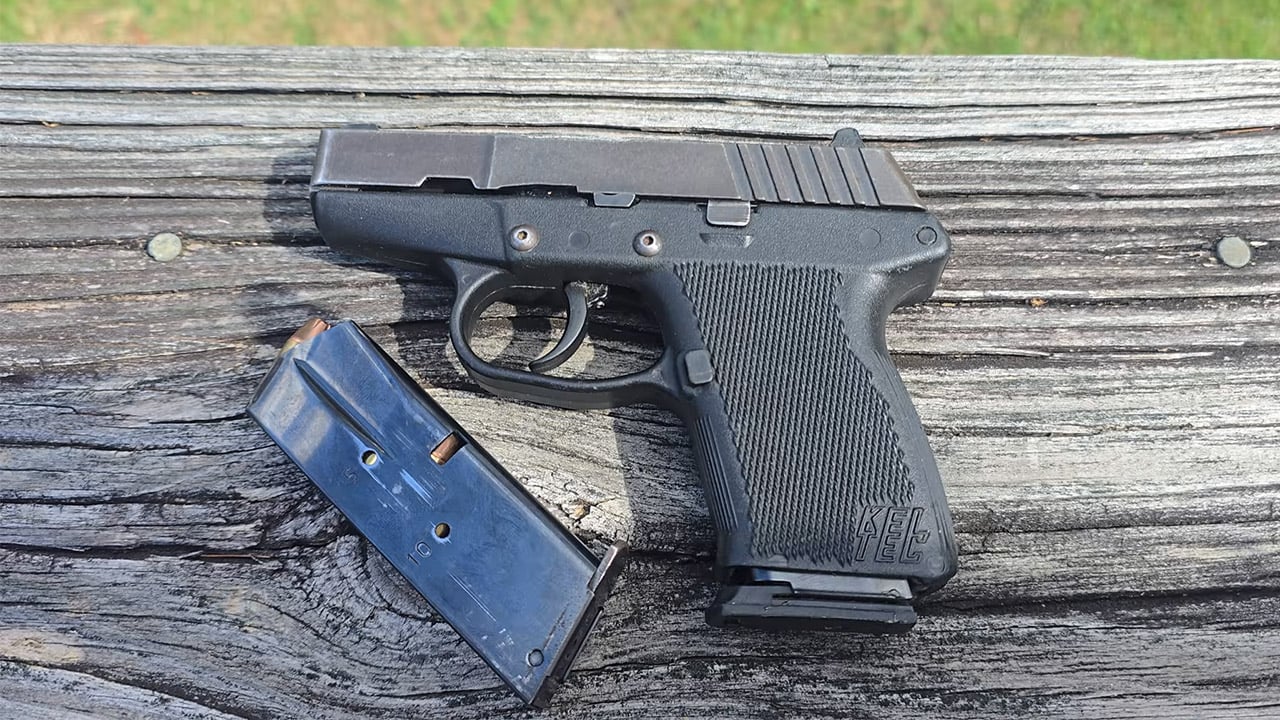
7. Kel-Tec P-11
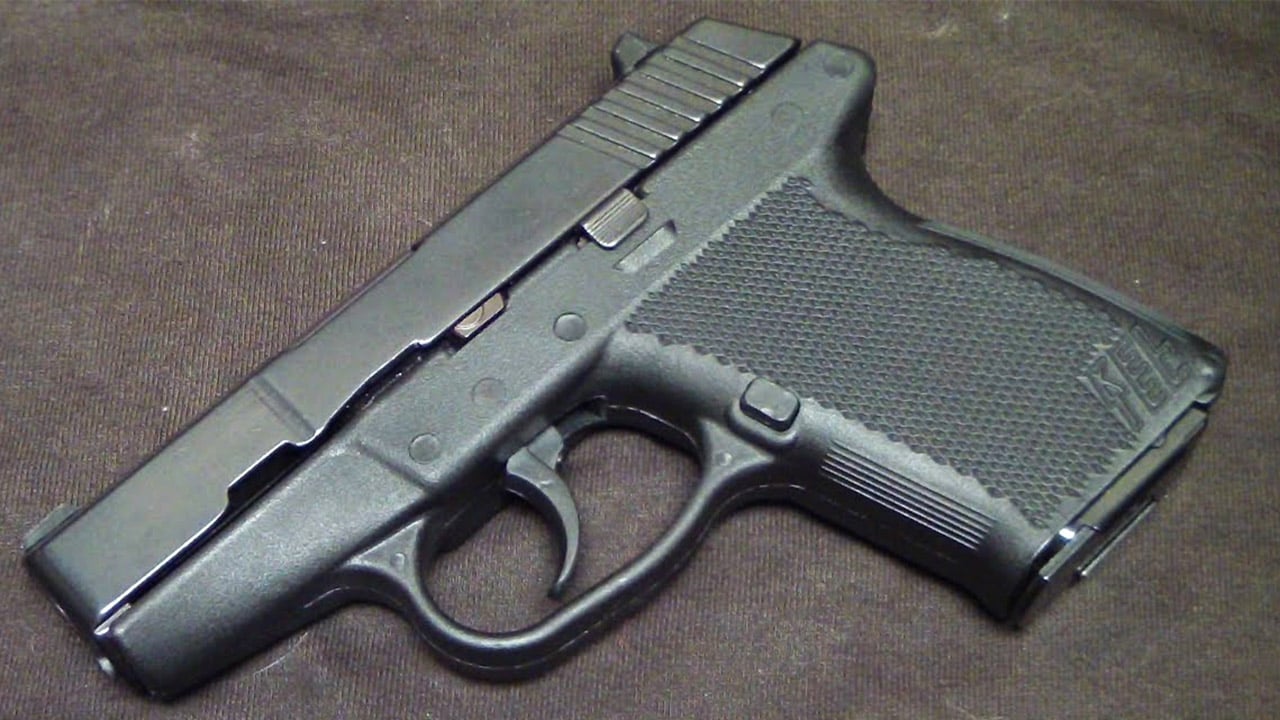
The P-11 is one of those “it’s not pretty, but it’s light” pistols. Early Kel-Tec compacts can feel loose even when they’re within spec, and some loosen up quickly with steady shooting.
They can still do the job inside realistic defensive distances, but if you’re picky about a solid lockup feel, this one can disappoint.
8. Kel-Tec PF-9

The PF-9 is thin and easy to hide, which is why it got popular. But light, slim 9mms tend to transmit more stress into contact points, and I’ve seen PF-9s that felt rattly early.
It’s also not a high-comfort practice gun. When a pistol is unpleasant to shoot, guys often run a box or two, then stop paying attention to wear until it’s obvious.
9. Kel-Tec P-32
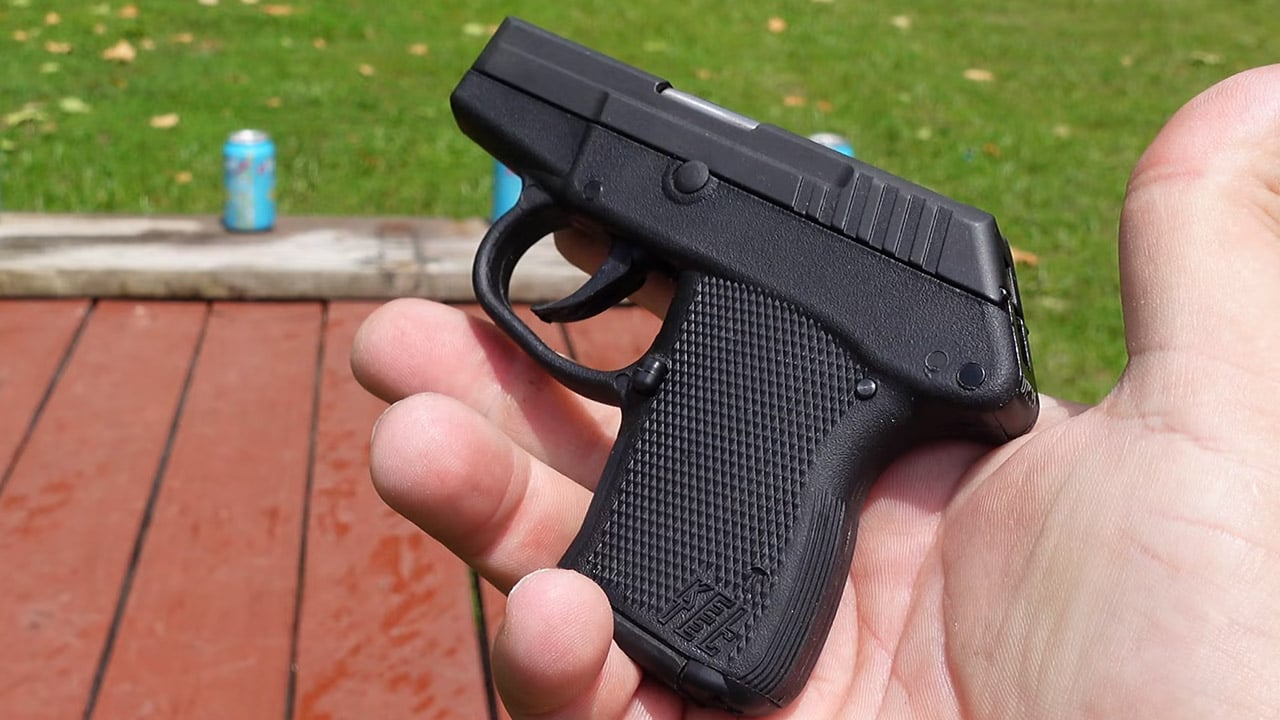
Little .32s have a place, especially for deep concealment. The P-32 is so light that any change in fit feels exaggerated, and some examples develop noticeable play faster than folks expect.
That doesn’t automatically make it unsafe or unreliable, but it does change the feel and can hurt confidence. Confidence matters.
10. Walther P22

If you’ve been around rimfire pistols much, you’ve heard mixed things about the P22. They’re fun when they’re running, but the materials and small parts don’t always wear like you want over time.
Once the top end starts feeling sloppy, you’ll often see it show up as inconsistent accuracy. And with .22s, ammo choice and cleaning already make life complicated.
11. Sig Sauer Mosquito

This one has frustrated more shooters than it has impressed. The Mosquito can be picky, and as it wears, the whole gun can start to feel loose and “toy-ish.” That one hurts because it wears the Sig name.
If you’ve got a good one, keep it. If you’ve got a finicky one that’s loosening up, don’t waste years trying to make it into something it’s not.
12. Ruger SR22
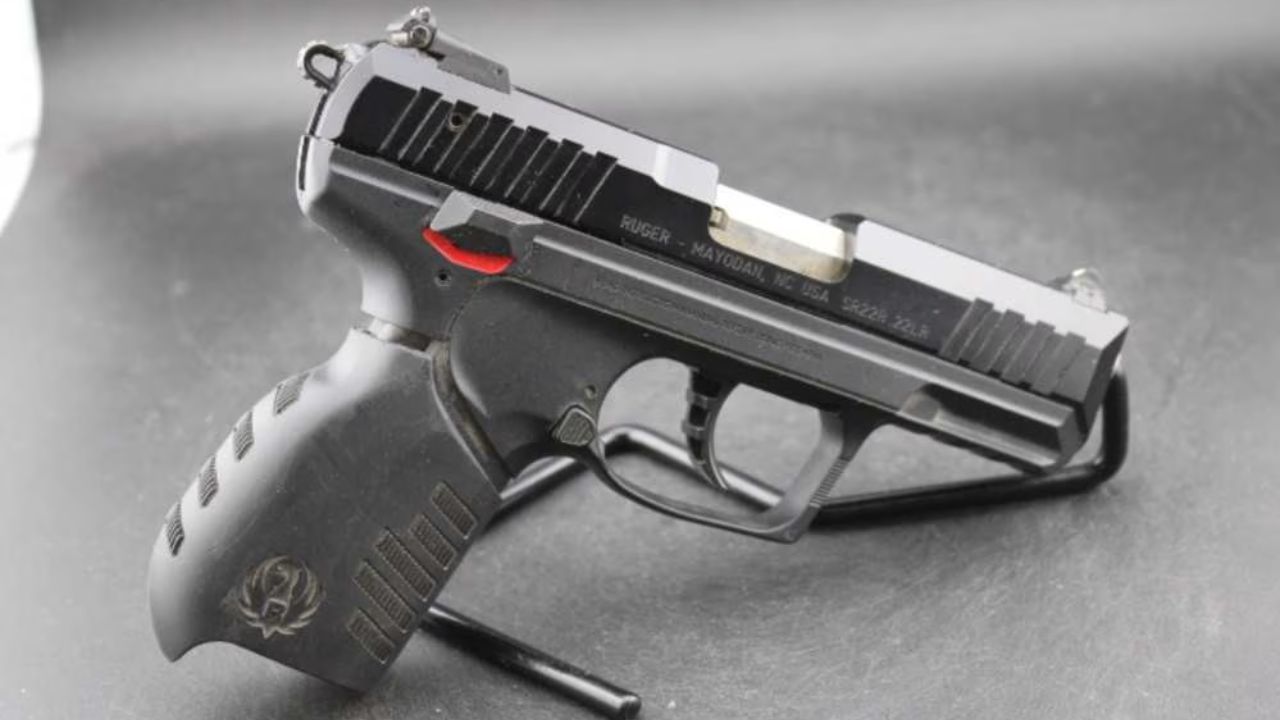
The SR22 is generally a better bet than the Mosquito, but I’ve seen SR22s that developed noticeable slide play sooner than expected, especially with heavy use and less-than-ideal cleaning habits.
Rimfires get filthy. If you run one hard, keep it maintained. When the fit gets loose, it can start feeling like the gun is “jumping” in your hands more than it should.
13. Beretta 92FS (high round-count examples)

The 92 is famous for reliability and smooth shooting. It’s also a design that can show wear in the locking block area and rails as round count climbs, and eventually you can feel more movement than on a fresh gun.
This isn’t a knock on the platform. It’s more of a reminder that military-style service pistols are meant to run, not stay bank-vault tight forever.
14. Beretta APX (early production guns)

The APX is a good-handling striker gun that never got the respect it deserved. Still, I’ve handled early APXs that felt like they developed a little extra slide wiggle faster than competing duty guns.
In practical terms it may not change much at 7–15 yards, but it’s something you notice if you’re used to a tighter Glock or M&P.
15. Smith & Wesson SD9VE
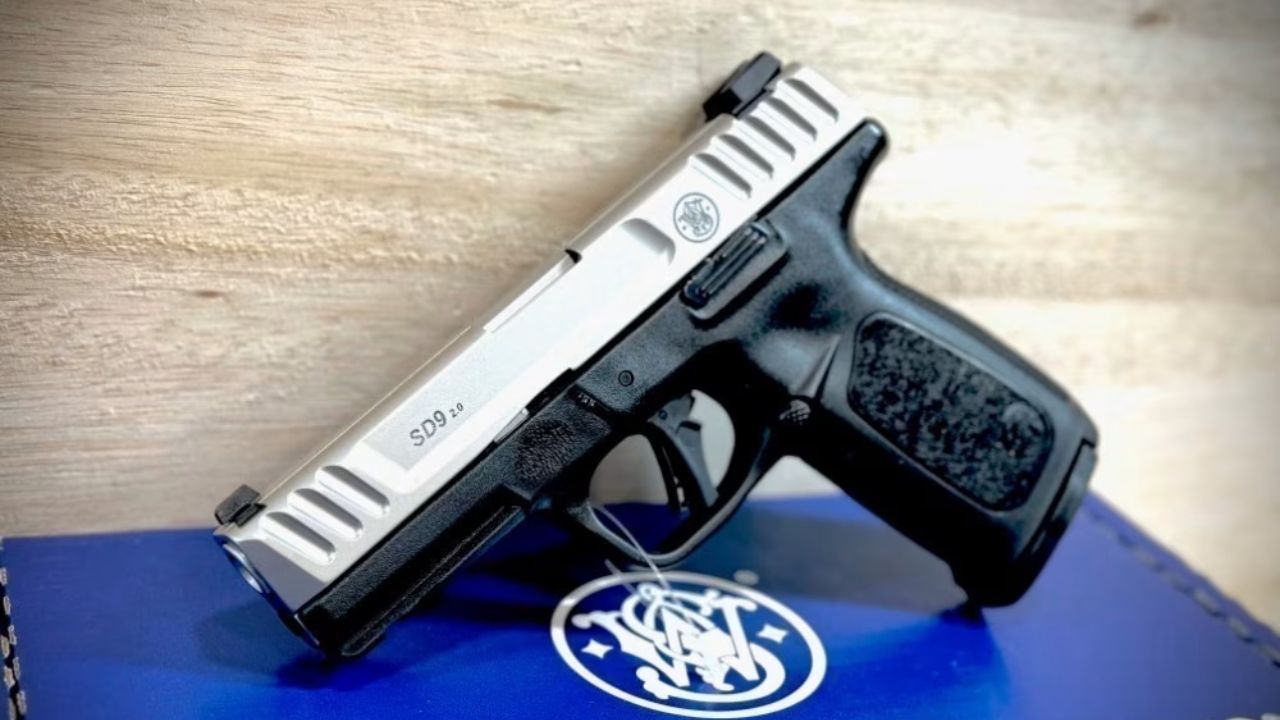
The SD9VE is a budget-friendly defensive pistol that can run a long time. The tradeoff is it’s not built with the same refinement as S&W’s higher-end lines, and I’ve seen them get “loose up top” earlier than expected.
If you’re using one, I’d spend money on ammo and training before chasing upgrades. But keep an eye on wear and don’t let a bargain gun become a neglected gun.
16. Smith & Wesson M&P Shield (first-gen, hard-used guns)

The first-gen Shield earned its place. It also got carried a lot, sweated on a lot, and shot a lot. When a slim pistol lives that kind of life, slide-to-frame fit can start to feel more mobile sooner than a thicker duty gun.
Most of the time it’s just honest wear. The real issue is owners not noticing the gradual change until the gun feels “different” during fast strings.
17. Springfield Armory XD-S (early runs)

The XD-S is another slim carry gun that got used hard. Some early examples seemed to show more slide movement with relatively modest round counts, and it’s not always confidence-inspiring on a pistol meant for close-to-the-body carry.
If you keep one, replace recoil springs on schedule and pay attention to any change in cycling feel. Springs are cheaper than surprises.
18. Remington R51 (first generation)
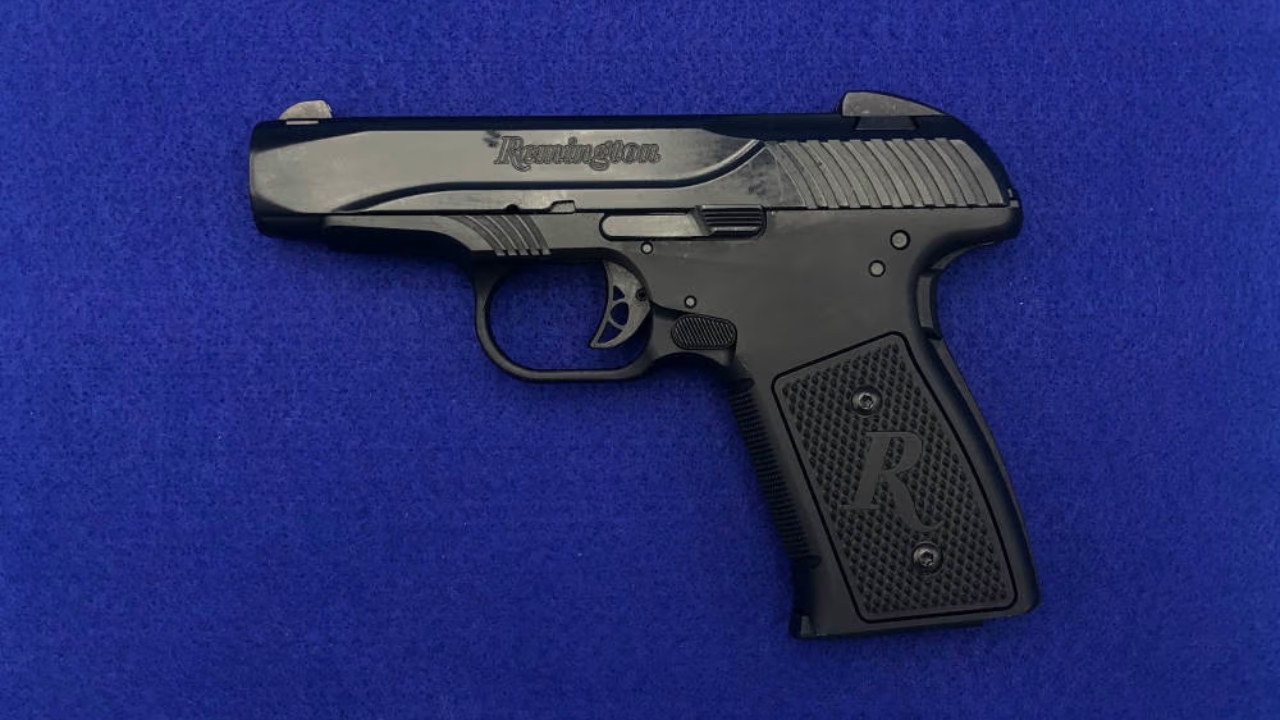
The R51 story is a rough one. The early guns had enough issues that “slide feel” wasn’t even the main complaint, but loose and inconsistent fit was part of the overall mess.
Even when you find one that runs, it’s hard to recommend as a serious-use pistol. Parts and support aren’t what they should be for something you might bet your life on.
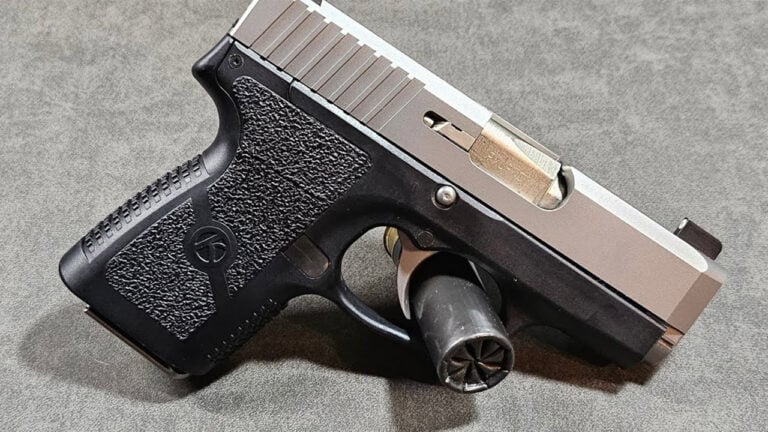
19. Kimber Solo
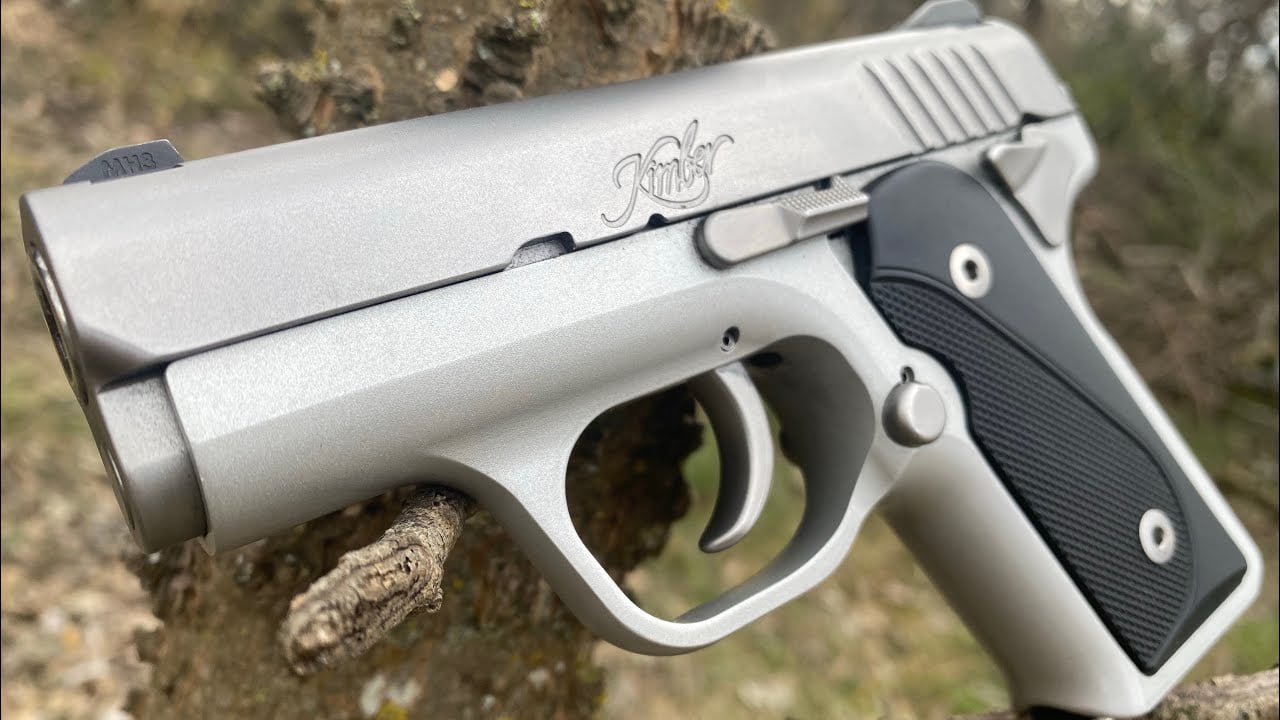
The Solo was marketed like a premium micro 9mm before micro 9mms got truly sorted out. Between ammo sensitivity and the stresses of packing a 9mm into a tiny footprint, some Solos loosen up in a way that makes the gun feel tired early.
Kimber makes handsome pistols, no doubt. But this particular concept was ambitious, and not every sample aged gracefully.
20. Rock Island Armory 1911 GI (loose-fit “rattle” guns)

Here’s the thing about GI-style 1911s: a little rattle is almost part of the genre. Some Rock Island GI models are intentionally fit on the looser side to run in the dirt, and they can feel like they’ve got play from the start.
But I’ve also seen them get looser fast if they’re run dry or fed a steady diet of hot loads. A 1911 likes oil. Ask me how I know.
Slide play by itself isn’t an automatic death sentence, and a tight pistol isn’t automatically a reliable one. What matters is whether the gun stays consistent, stays safe, and keeps putting rounds where you need them under speed. If your pistol suddenly feels different, don’t just shrug it off. Clean it, lube it, check your recoil spring condition, and if you’re not confident in what you’re seeing, let a competent gunsmith look it over before you keep betting on it.
Like The Avid Outdoorsman’s content? Be sure to follow us.
Here’s more from us: