Photo credit: Academy Sports
Buyer’s remorse hits harder with firearms because the disappointment usually does not appear at the gun counter. A pistol may feel comfortable during a five-minute inspection. A rifle may look perfect under store lighting. The problems often show up only after the owner pays for ammunition, buys a holster or optic, and spends enough time shooting to notice what the gun does poorly.
Not every firearm on this list is unreliable, and plenty of owners are satisfied with them. The issue is that each one competes against alternatives that are easier to shoot, better supported, more refined, or simply less expensive. These are the guns that can leave buyers wondering why they did not spend their money on the other model they considered.
SIG Sauer P290RS

The SIG Sauer P290RS appeared to offer exactly what many concealed carriers wanted at the time. It was a small 9mm from a respected manufacturer, used a double-action-only trigger, and had enough weight to feel more substantial than the lightest pocket pistols. Buyers expected SIG quality in a compact package that could be carried nearly anywhere.
The long, heavy trigger quickly changed the experience for many owners. It made accurate shooting harder than it needed to be, especially when paired with the short grip and limited sight radius. Capacity was also modest, and the pistol felt heavy compared with newer micro-compacts that offered more rounds and better triggers. A buyer who handled a P290RS beside a later P365, Shield Plus, or Hellcat would have little trouble seeing how quickly the market moved past it. Many owners ended up wishing they had chosen a more shootable carry gun.
Remington RM380

The Remington RM380 was marketed as a simple metal-framed pocket pistol with a double-action trigger and snag-free exterior. It was small enough for true pocket carry and often sold at an appealing price. For someone looking for an inexpensive backup gun, the feature list seemed reasonable.
The shooting experience was much less convincing. The trigger was long and heavy, the sights were extremely basic, and the tiny grip made recoil more noticeable than buyers expected from a .380 ACP. It could function adequately, but it did not offer the refinement of a SIG P238, the affordability and support of a Ruger LCP, or the capacity of newer pocket pistols. Owners who bought it because of the Remington name often discovered that the name carried more weight than the actual performance.
Honor Guard 9mm
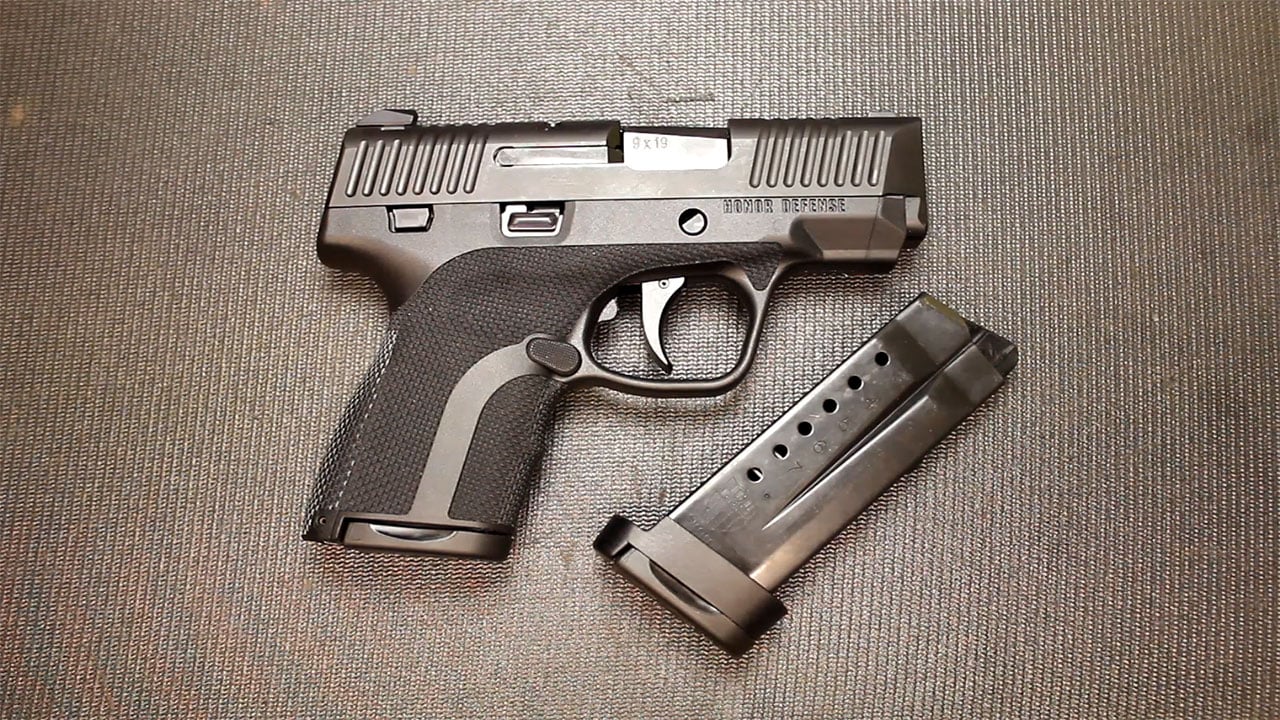
The Honor Guard entered the concealed-carry market with a modular chassis, aggressive grip texture, interchangeable backstraps, and options for manual safeties or long slides. It sounded like an ambitious American-made alternative to established compact pistols.
The problem was timing and confidence. The market already had proven choices from Glock, Smith & Wesson, Springfield Armory, and SIG Sauer. The Honor Guard lacked their aftermarket support, magazine availability, and long-term reputation. Concerns surrounding drop safety also damaged trust, even as the company defended the design. A carry pistol needs to inspire confidence beyond the test target included in the box. Many buyers eventually wished they had chosen a platform with a larger support network and a clearer future.
SCCY CPX-2

The SCCY CPX-2 became popular because it offered ten rounds of 9mm in a compact pistol at a very low price. Its rounded shape, simple controls, and lifetime warranty made it tempting to buyers who wanted a defensive handgun without spending several hundred dollars more.
The heavy double-action trigger made the pistol difficult for many owners to shoot well. Recoil felt sharp, the grip could become uncomfortable, and quality control was not consistent enough to erase doubts. Some examples ran reliably, while others produced repeated frustrations. The low purchase price became less attractive once owners started replacing magazines, testing different ammunition, or paying transfer fees on a replacement gun. Many would have been happier saving longer for a used Glock, M&P, or Ruger.
Taurus PT709 Slim
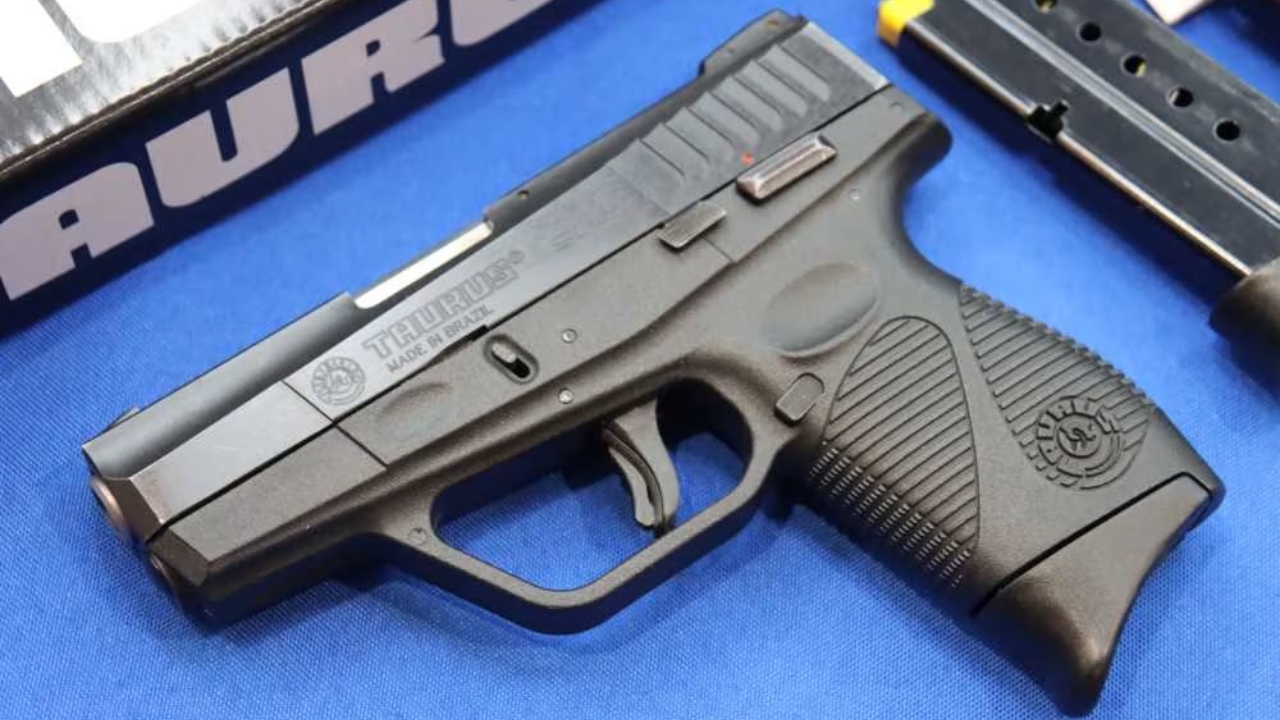
The Taurus PT709 Slim was one of the earlier affordable single-stack 9mm pistols. It offered compact dimensions, a relatively thin grip, and more power than the small .380 pistols that dominated pocket carry. At the time, it seemed like a practical answer for buyers who could not afford more expensive options.
Its trigger, reliability record, and overall finish varied enough to create mixed experiences. Some owners carried them for years without trouble, while others encountered feeding, extraction, or parts issues. The pistol also became outdated quickly once the Shield, Glock 43, and other better-supported slim 9mm pistols arrived. Buyers who purchased the PT709 based mostly on price often ended up spending more later when they moved to a pistol they trusted and enjoyed shooting.
Ruger EC9s
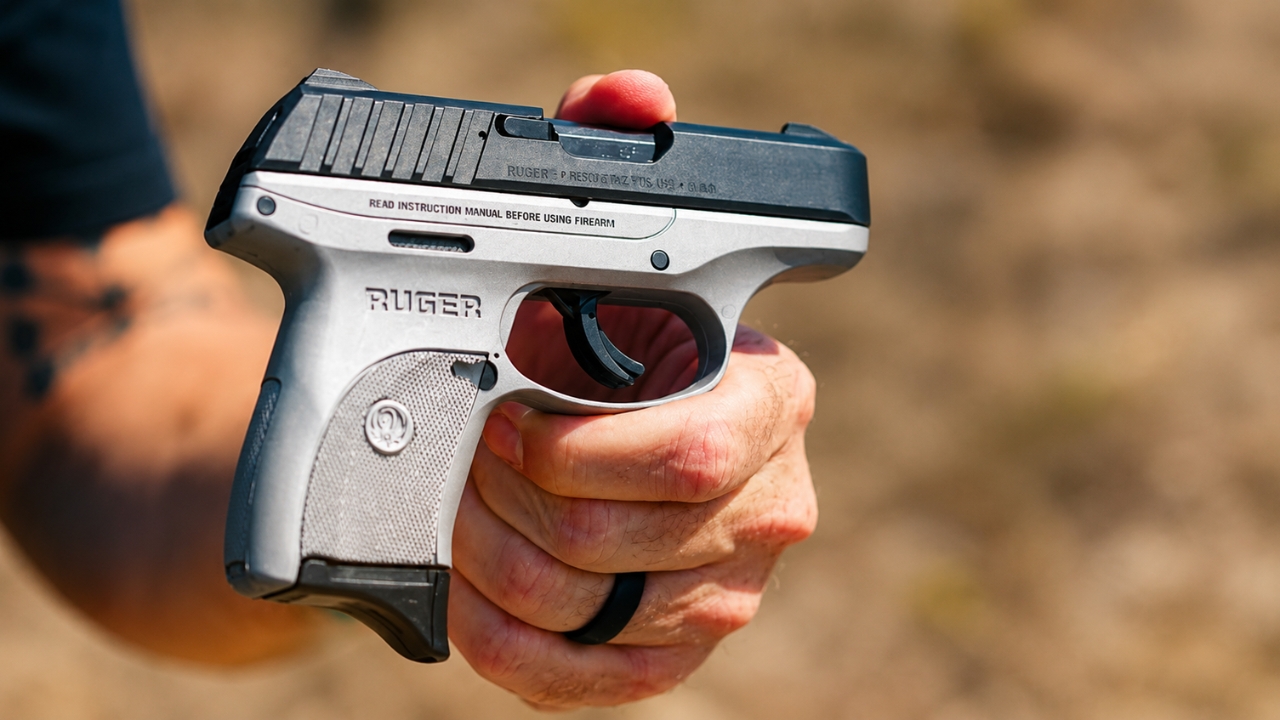
The Ruger EC9s gives buyers a reliable basic 9mm at a low price, and for many people it works exactly as intended. Its slim profile, light weight, and simple controls make it easy to carry. The problem is that the cost savings are visible in nearly every part of the gun.
The sights are machined directly into the slide and cannot be easily replaced. Capacity is limited, the trigger is only adequate, and the finish feels basic beside more refined compact pistols. A buyer who spends slightly more can often get better sights, more rounds, and an optic-ready slide. The EC9s is not a bad defensive gun, but some owners quickly wish they had skipped the entry-level model and bought something with more room to grow.
Springfield Armory XD Mod.2 Subcompact
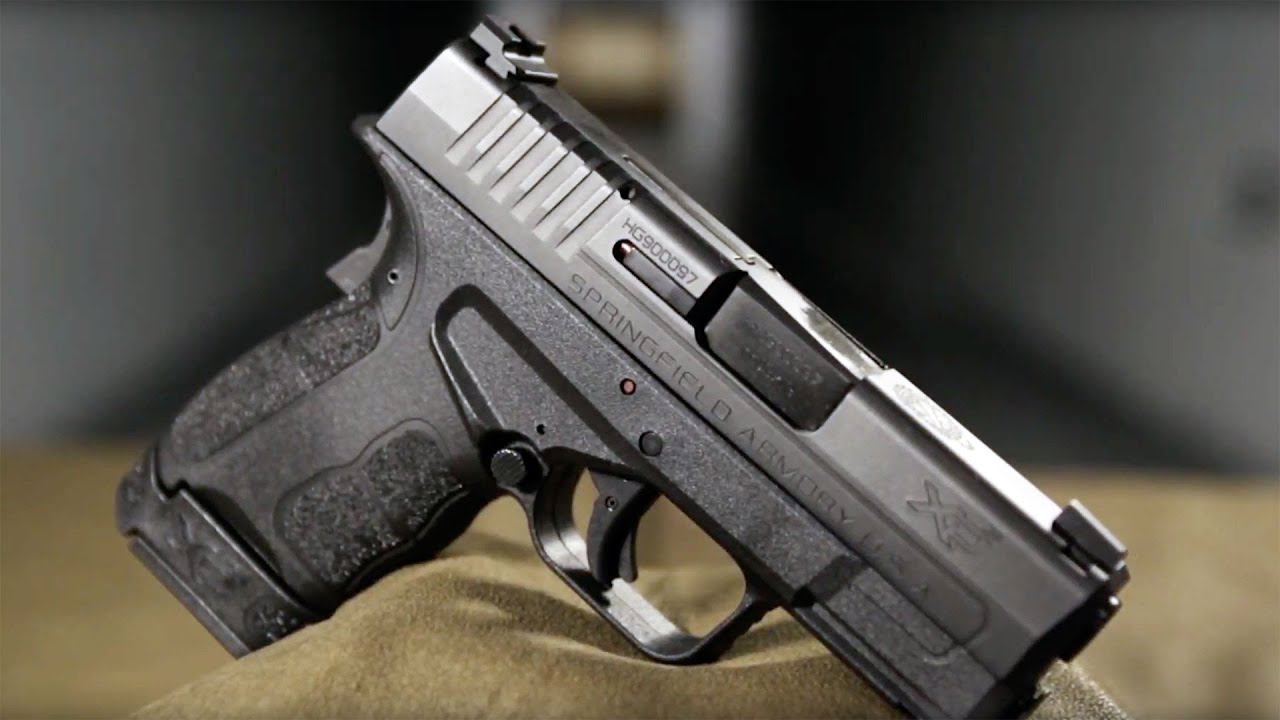
The XD Mod.2 Subcompact looked like a strong carry option when buyers wanted more capacity than a single-stack pistol but did not want a full-size handgun. It offered a short grip, a familiar striker-fired action, and the grip safety associated with the XD family.
The pistol was thick, top-heavy, and less comfortable to conceal than its short dimensions suggested. The “Grip Zone” markings also became an easy target for criticism, making the gun feel overmarketed. It shot reasonably well, but the high bore axis and bulky slide made recoil feel less controlled than on several competitors. Many owners eventually moved to thinner, lighter pistols with similar capacity and better aftermarket support. The XD Mod.2 was usable, but it rarely felt like the best answer.
Beretta APX Carry
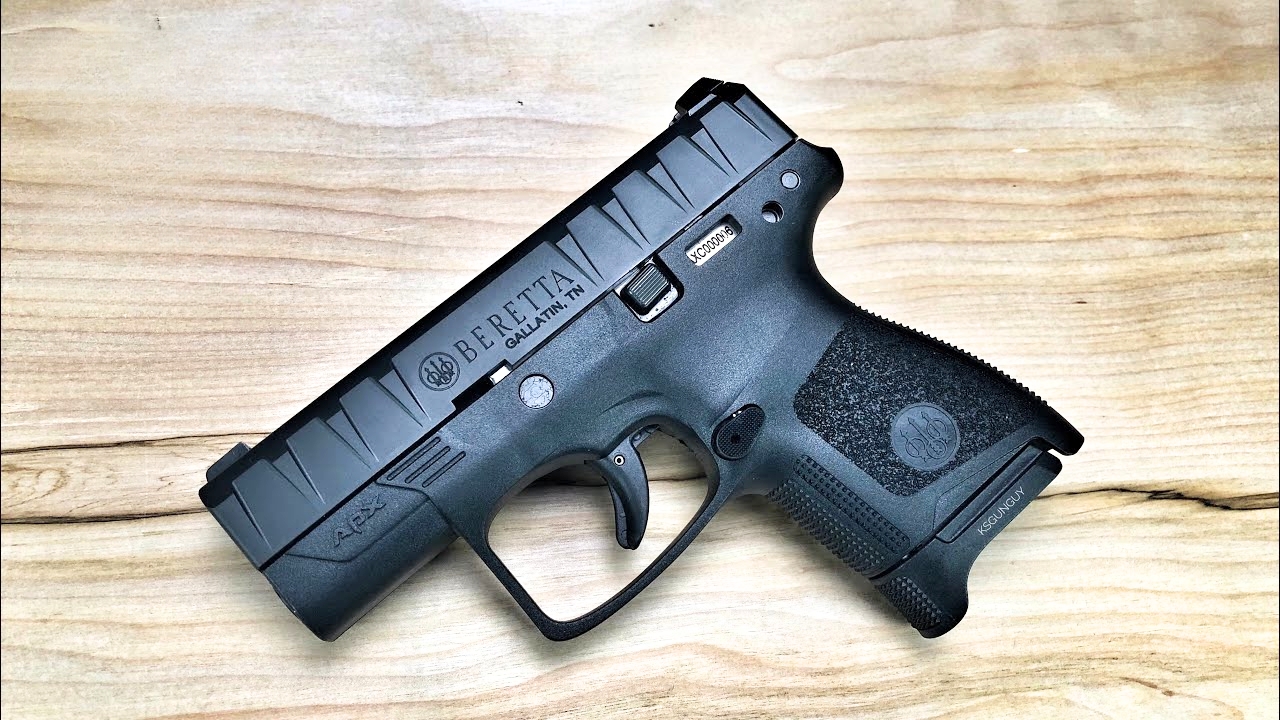
The Beretta APX Carry tried to use the APX name in the slim concealed-carry market, but it shared little of the shooting character that made the full-size APX respectable. It was compact, snag-free, and available at attractive prices, especially after rebates.
The trigger was exceptionally long and heavy, making the pistol feel closer to an old double-action pocket gun than a modern striker-fired carry pistol. Capacity was limited, the grip was small, and the gun provided little advantage beyond concealability. Buyers expecting a miniature version of the full-size APX often felt misled. The pistol could work as a basic defensive tool, but many owners would have preferred a used Shield, Glock 43, or one of the newer high-capacity micro-compacts.
Glock 42

The Glock 42 is one of the softest-shooting and easiest-handling pocket .380 pistols available. It has the familiar Glock operating system, good reliability, and a size that works well for deep concealment. Those strengths make it a popular recommendation.
Buyer’s remorse often appears when owners compare its capacity and size with newer options. The Glock 42 holds six rounds in the standard magazine and is not dramatically smaller than some slim 9mm pistols. It also costs more than several .380 competitors offering greater capacity. Shooters who specifically want mild recoil may love it, but others eventually wonder why they did not buy a Glock 43, LCP Max, or another gun that provides more capability in a similar footprint.
SIG Sauer P224
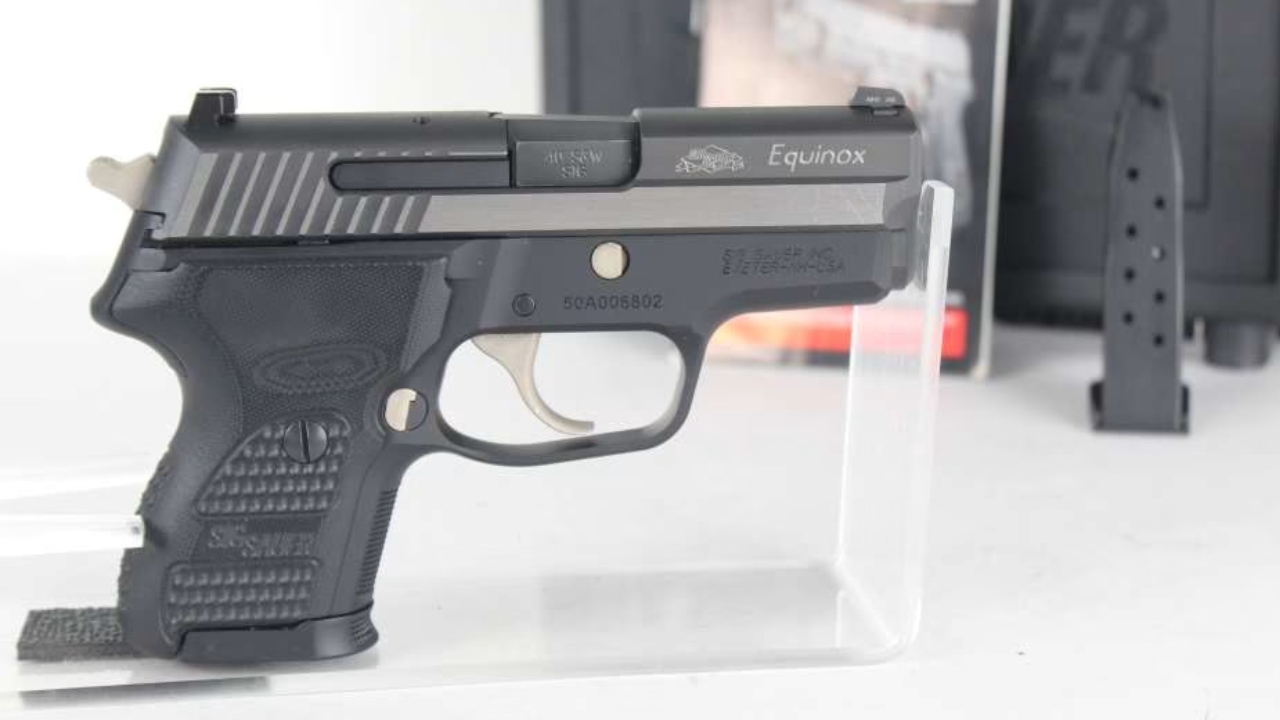
The SIG Sauer P224 promised the quality and trigger system of the classic P-series in a subcompact format. It gave buyers a metal-framed, hammer-fired alternative to the polymer carry guns dominating the market.
Shrinking the P-series created a pistol that was still thick and heavy but lost much of the shootability of the larger P229 and P226. The short grip could be awkward, the controls felt crowded, and the pistol was expensive compared with lighter competitors. It also used a format the market was rapidly abandoning. Owners who wanted a traditional SIG often discovered they would have been happier carrying the slightly larger P229 or buying a modern compact with better capacity-to-weight efficiency.
Smith & Wesson Bodyguard 380

The original Bodyguard 380 offered a compact profile, double-action trigger, and in some versions an integrated laser. It seemed like a complete pocket-carry package from a company with a strong defensive-handgun reputation.
The trigger was long and difficult to manage, the sights were small, and the slide could be hard for some shooters to operate. The integrated laser added complexity without fixing the underlying challenge of shooting a tiny pistol accurately. It could serve as a close-range backup gun, but practice sessions were rarely enjoyable. Once higher-capacity and better-triggered .380 pistols became available, many Bodyguard owners started wishing they had waited or chosen a more shootable option.
Kimber Micro 9

The Kimber Micro 9 looks like a miniature 1911 and appeals strongly to shooters who prefer metal frames, exposed hammers, and manual safeties. Its attractive finishes and slim profile make it feel like a premium alternative to plastic carry pistols.
The short grip, light weight, and 9mm chambering can produce a sharp shooting experience. Some owners also report ammunition sensitivity or reliability concerns, which are especially difficult to accept in an expensive defensive handgun. The manual safety and single-action trigger require consistent training, yet the gun is often purchased by people attracted mainly to its appearance. Buyers who wanted a refined pocket 1911 sometimes discovered that a slightly larger pistol was easier to trust and control.
Kahr CW9

The Kahr CW9 built its reputation around being thin, light, and easy to conceal. Its smooth double-action trigger and simple exterior made it attractive to people who wanted a carry pistol without external safeties or complicated controls.
The trigger travel is long, capacity is limited, and the pistol can require a careful break-in period before the owner feels comfortable relying on it. Kahr magazines and parts are also less common than those for major competing platforms. The CW9 made more sense when slim 9mm pistols were rare. Today, owners can find smaller guns with higher capacity, better triggers, and stronger accessory support. Many CW9 buyers eventually realize they purchased a design the market has largely passed.
KelTec PF-9

The KelTec PF-9 was once one of the thinnest and lightest 9mm pistols available. It gave concealed carriers a way to carry a serious cartridge in a package that disappeared easily under light clothing.
The recoil was harsh, the trigger was heavy, and the pistol felt inexpensive in nearly every way. Some examples were dependable, while others required owner troubleshooting or factory service. Its low price and light weight got buyers through the door, but those same qualities made it unpleasant to practice with. A carry pistol that rarely gets fired is difficult to trust. Many PF-9 owners eventually upgraded and wished they had spent more the first time.
Mossberg Patriot Predator
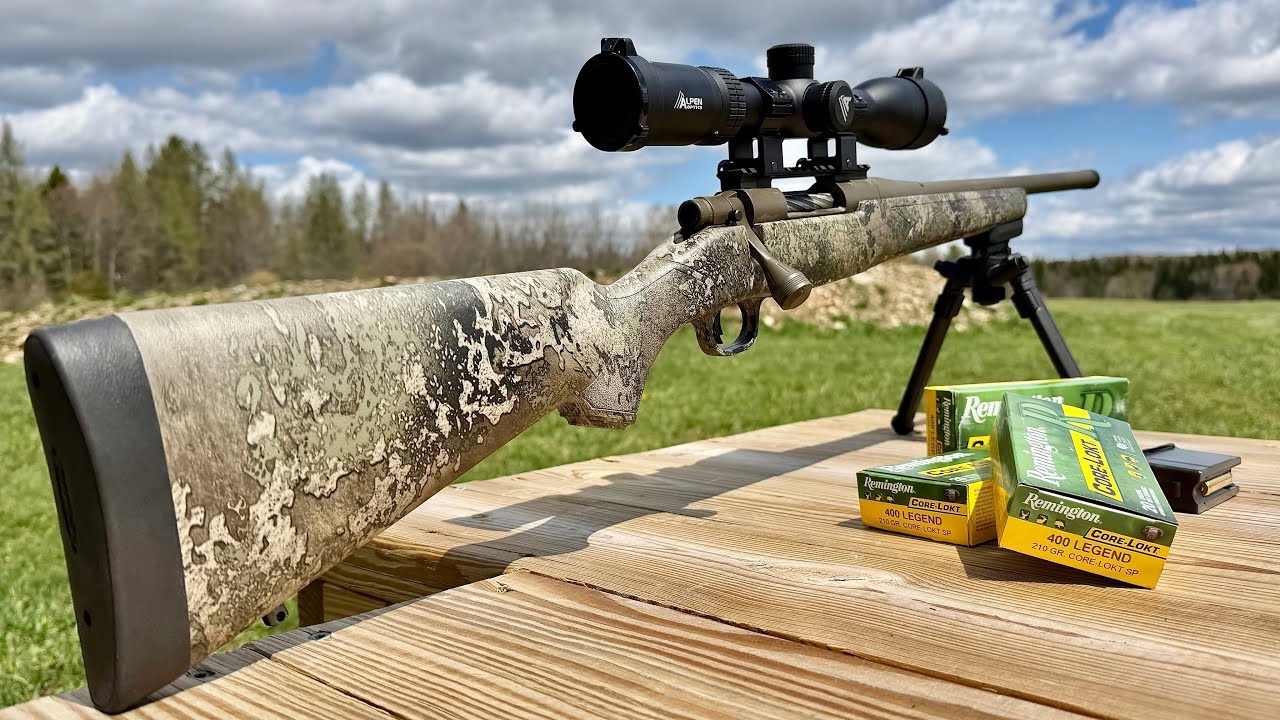
The Mossberg Patriot Predator appears to offer a practical hunting and varmint rifle at a budget price. It comes in useful chamberings, often includes a threaded barrel, and has enough modern features to look competitive with rifles from Ruger and Savage.
The rifle’s weak point is often the surrounding hardware rather than the barrel or action. Factory stocks can feel flexible, magazines may feel cheap, and overall refinement is inconsistent. Some rifles shoot extremely well, but others leave owners fighting bedding, feeding, or fit issues. Once a buyer starts replacing the stock, magazine system, and trigger components, the original value disappears. Many hunters wish they had simply started with a Tikka, Bergara, or better-equipped Ruger.
Savage Axis

The Savage Axis made accurate bolt-action rifles available at an extremely low price. It often appears in package deals with a basic scope, giving first-time hunters everything needed to enter the woods.
The rifle’s action, stock, magazine, and overall feel reveal where the money was saved. The bolt lift can feel awkward, the stock is flexible, and the package optic is often replaced almost immediately. Models with the AccuTrigger are better, but the rifle still feels built to meet a price rather than last as a cherished hunting gun. It can be accurate enough to kill deer, yet many owners soon wish they had spent a little more on a rifle that felt better every time they handled it.
Winchester SXP Defender
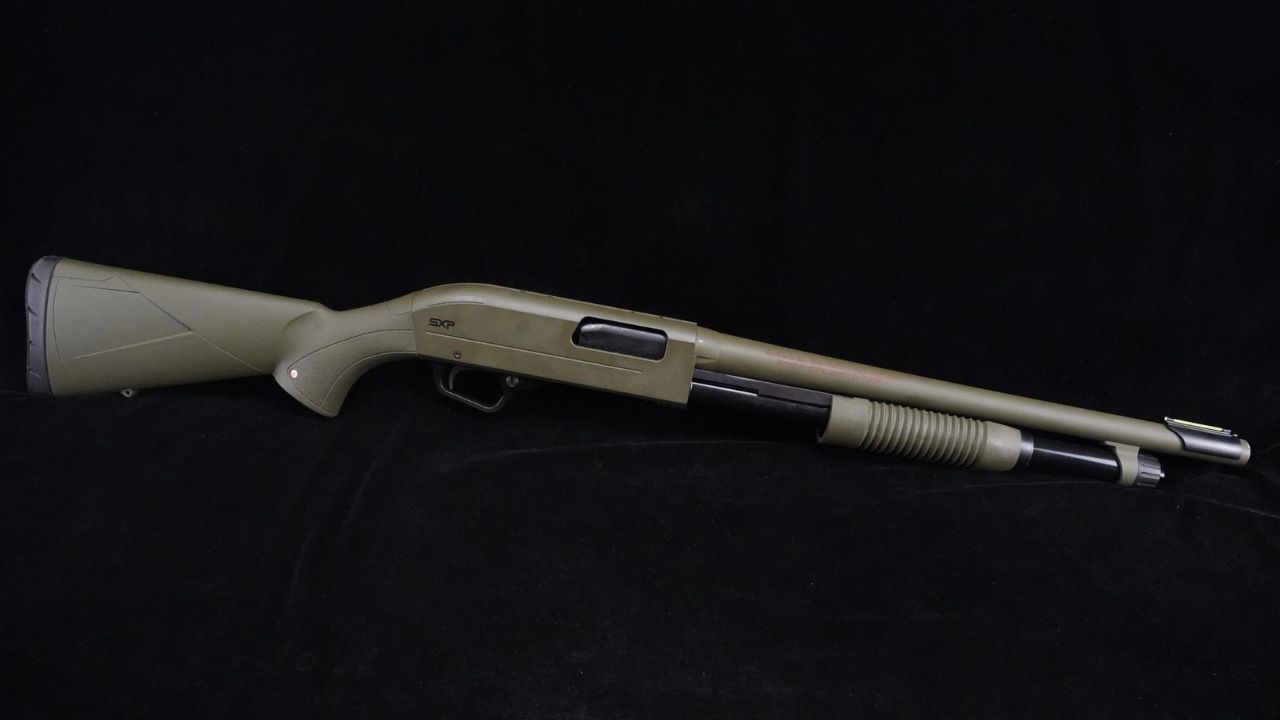
The Winchester SXP Defender promises fast pump operation, defensive styling, and a respected name at a reasonable price. Its rotating bolt and inertia-assisted action can make the pump feel exceptionally quick during live fire.
The rest of the shotgun does not always feel as polished as buyers expect from Winchester. The lightweight construction increases recoil, the furniture can feel basic, and some owners dislike how easily the action unlocks and moves after firing. It is functional, but it competes against the Mossberg 500 and Remington 870, both of which have far larger aftermarket ecosystems. Buyers who plan to add stocks, forends, lights, and other accessories often realize they chose the platform with fewer options.
ATI Omni Hybrid

The ATI Omni Hybrid AR-15 attracts buyers with a very low price and a polymer-based receiver design intended to reduce weight and manufacturing cost. For someone wanting an entry-level AR, it can look like an easy way into the platform.
The savings come with questions about durability, rigidity, and long-term value. Even when the rifle functions, many owners remain uncomfortable trusting a polymer receiver in places where standard ARs use aluminum. Resale value is weak, and upgrade money can quickly exceed the cost of starting with a better rifle. With affordable aluminum-receiver AR-15s widely available, the Omni Hybrid often leaves buyers wishing they had spent slightly more on a conventional platform.
Century Arms C39V2
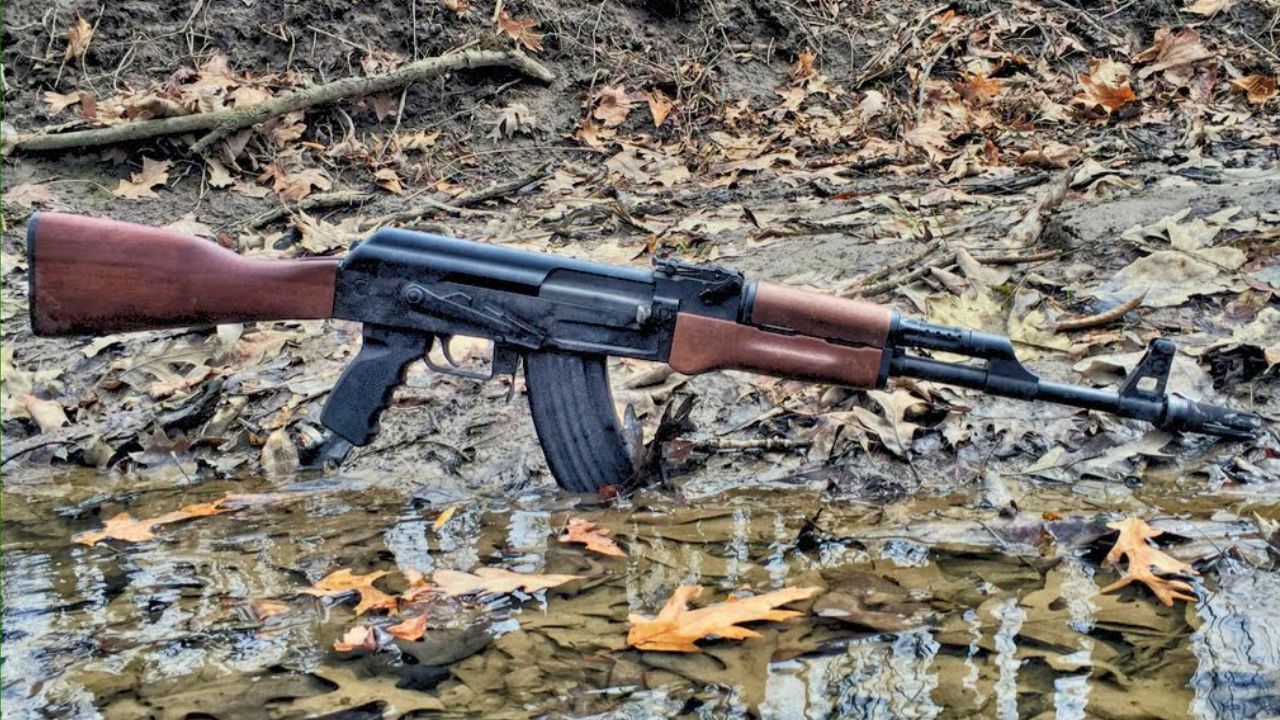
The C39V2 appealed to buyers who wanted an American-made AK-pattern rifle with a milled receiver. It looked solid, avoided some of the rough appearance associated with inexpensive imports, and carried features that sounded premium.
Reports of bolt and carrier wear, questionable internal hardness, and premature component damage badly hurt the rifle’s reputation. AK buyers tend to prioritize durability above almost everything else, so concerns about core operating parts are difficult to overlook. Even owners whose rifles functioned correctly had to live with the model’s reputation and lower resale value. Many wished they had purchased a proven imported WASR, Zastava, or other rifle with a longer track record.
Springfield Armory Saint Victor .308

The Saint Victor .308 gives buyers a lightweight AR-pattern rifle chambered in a full-power cartridge. It includes modern furniture, a free-float handguard, and a price below many premium .308 semi-automatics.
Its low weight can become a disadvantage when shooting. Recoil feels sharper, muzzle movement is more noticeable, and the rifle may be less comfortable during longer range sessions. Large-frame AR compatibility is also less standardized than the AR-15 market, making parts and magazines more complicated than new owners expect. The Saint Victor can be useful for hunting or field carry, but some buyers discover they would have preferred a heavier, softer-shooting AR-10 or a lighter bolt-action rifle with fewer compromises.
Like The Avid Outdoorsman’s content? Be sure to follow us.
Here’s more from us: