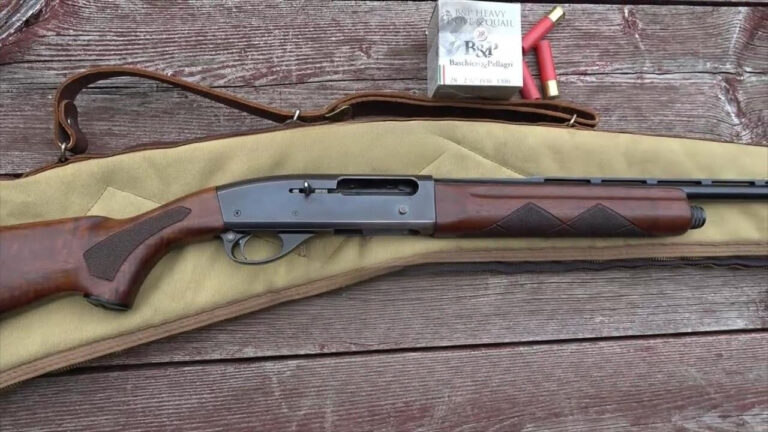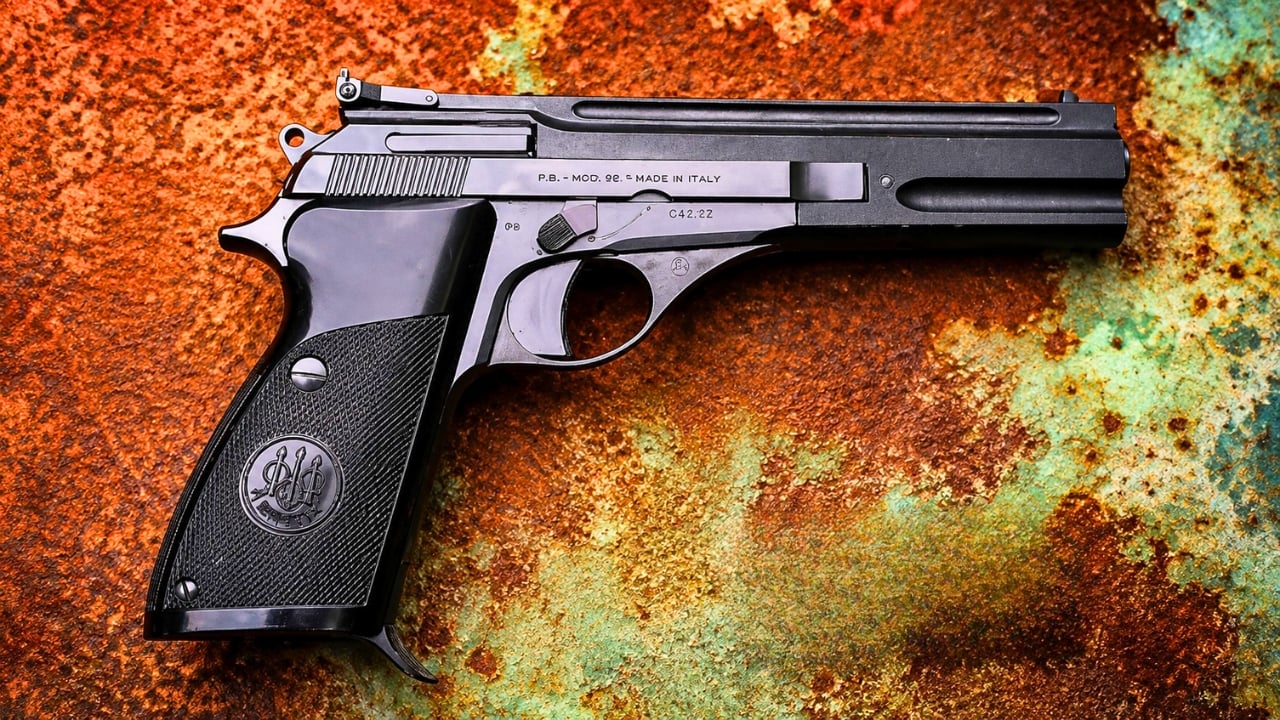
Photo credit: sootch00/YouTube
Some guns are easy to walk away from because they seem too expensive, too specialized, or simply not urgent. Then a few years pass, the model disappears, clean examples dry up, and suddenly the gun you almost bought becomes the one you cannot stop thinking about.
The frustrating part is that regret usually shows up after the opportunity is gone. Maybe the rifle had unusually good build quality for the price. Maybe the shotgun was a configuration nobody appreciated yet. Maybe the pistol came from a short production run that looked ordinary at the time. These 20 firearms are exactly the kind shooters tend to remember after somebody else buys the one sitting on the rack.
Remington Model 700 Mountain Rifle
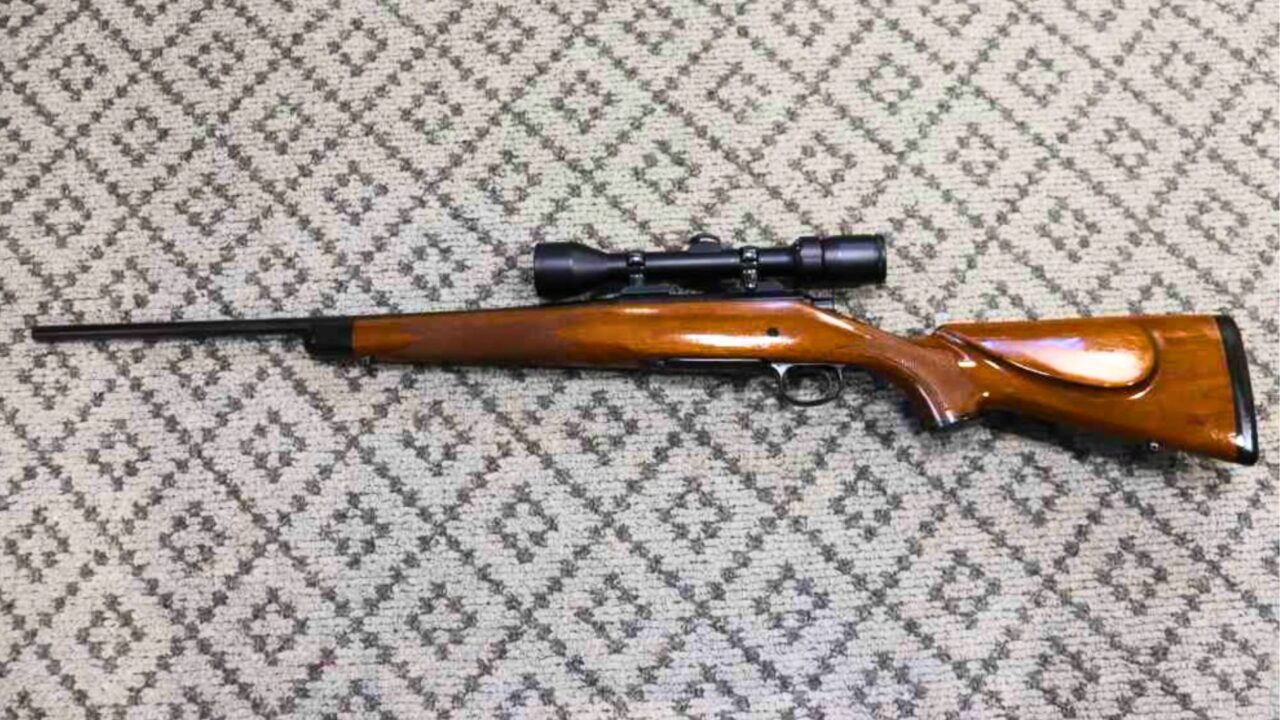
The Mountain Rifle never looked radically different from an ordinary Model 700. That was part of the reason people passed on them. It was simply a lighter, trimmer hunting rifle with traditional lines and none of the tactical features that attract attention today.
Then you carry one for a full day. The thinner barrel, reduced weight, and classic stock make far more sense in the woods than they do under gun-store lights. Clean examples are increasingly appreciated because they represent the kind of traditional lightweight hunting rifle that Remington once produced in large enough numbers to feel ordinary. Passing on a nice one because another Model 700 will always be available misses what made this particular configuration special.
Browning A-Bolt Micro Hunter
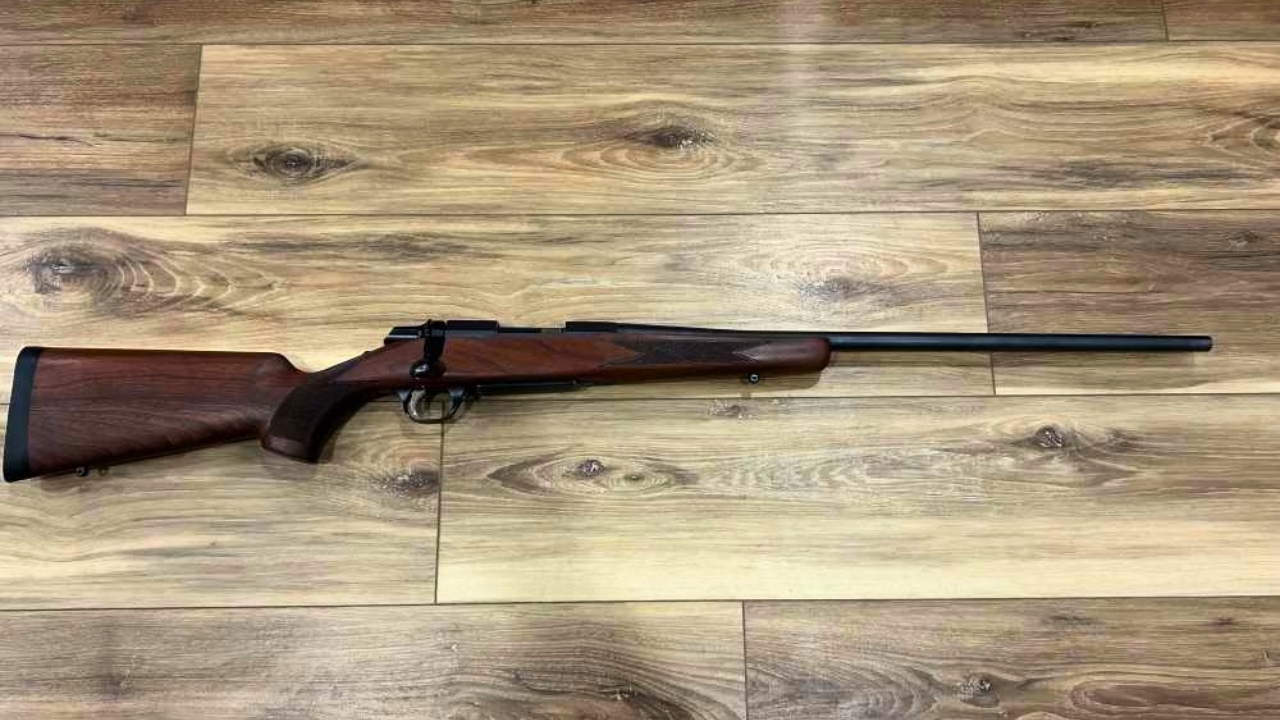
The A-Bolt Micro Hunter was easy to dismiss as a youth rifle because of its shorter stock and compact dimensions.
Experienced hunters know that compact rifles can be exceptionally useful for adults as well. The shorter package handles well inside blinds, trucks, and thick timber while retaining the smooth A-Bolt action and traditional Browning quality. These rifles also showed up in useful hunting chamberings rather than being limited to rimfires or ultra-light cartridges. Once someone handles one and realizes how handy it is, the regret of leaving a clean example behind can show up quickly.
Winchester Model 70 Compact
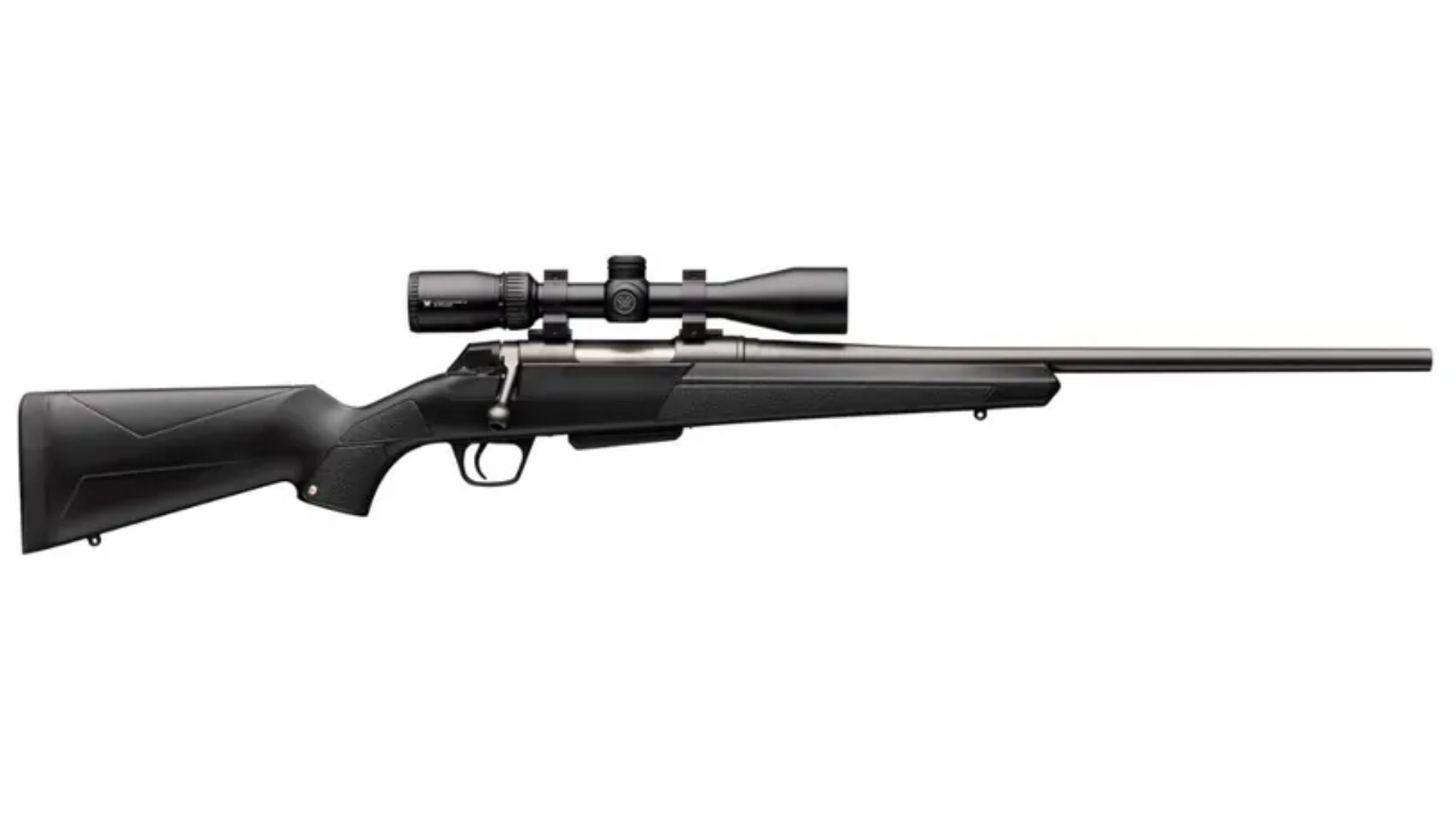
The Compact was another rifle that suffered from being categorized too narrowly.
Its shorter dimensions made it perfect for smaller shooters, but they also created a fast-handling hunting rifle that worked extremely well in dense woods. The controlled-round-feed action gave it the Model 70 character people wanted, while the compact stock kept the rifle from feeling cumbersome. These were never as common as standard-length Model 70s, so passing one up because it looked like a youth model can become an expensive mistake later.
Sako AV
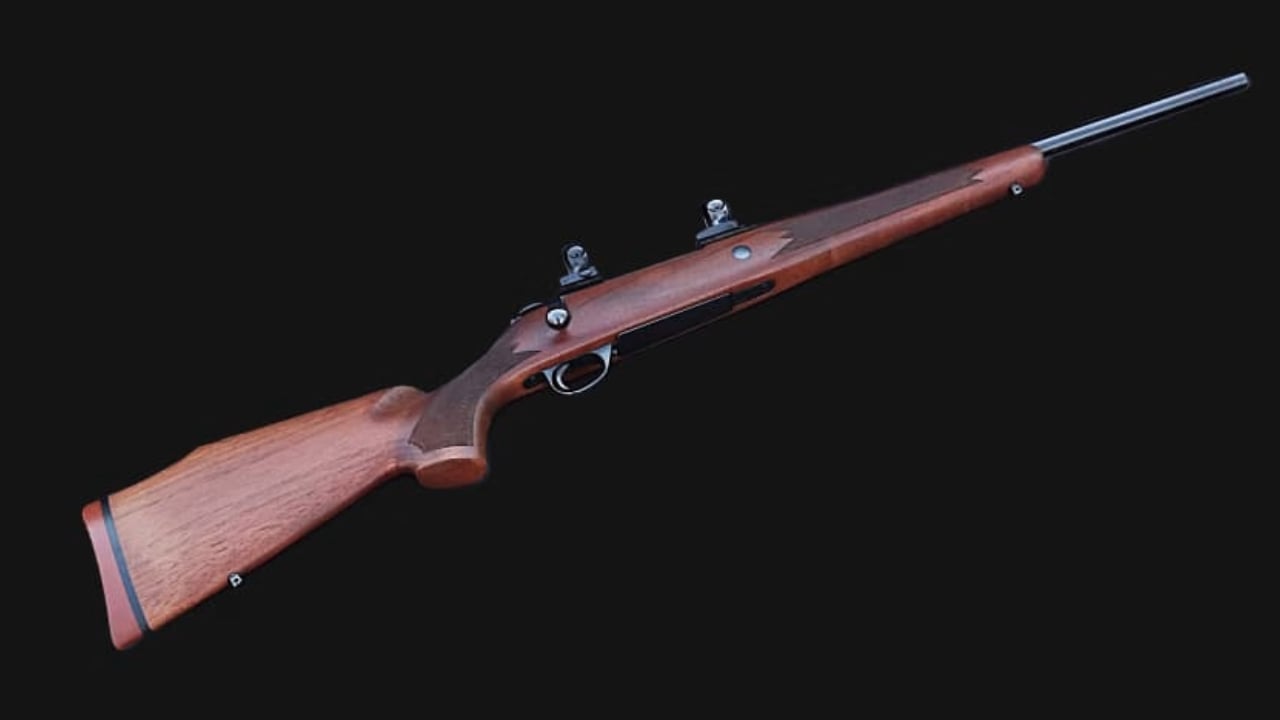
The Sako AV represents a period when the company was building traditional bolt rifles with a level of machining that immediately feels different from ordinary mass-market guns.
For years, these rifles were simply older Sakos sitting beside newer hunting rifles that offered lighter stocks and more modern features. Shooters who understand smooth actions, good triggers, and excellent barrels tend to view them differently. Once a clean AV in a desirable chambering gets absorbed into a collection, finding another one in comparable condition can take time. These are rifles buyers often regret treating like generic used bolt guns.
Steyr Mannlicher Model M Professional
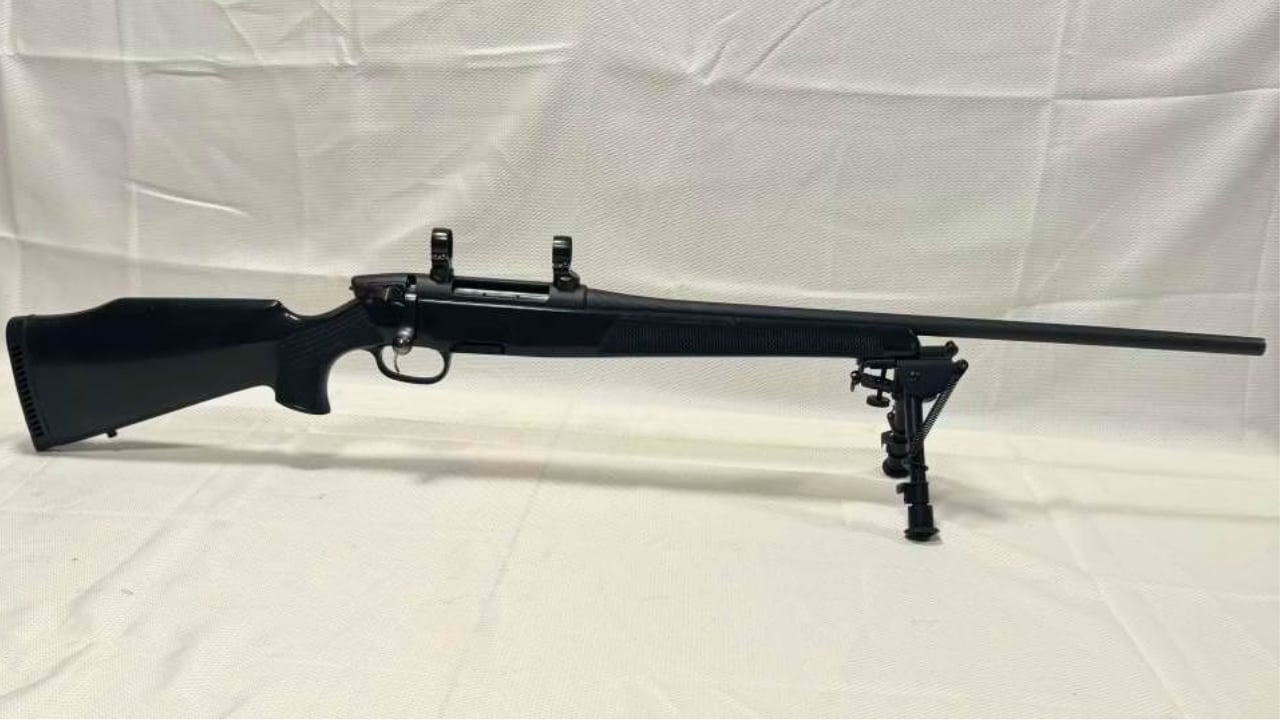
The Model M Professional does not have the instant recognition of more famous Steyr rifles, but it has the kind of quality that becomes obvious once you handle it.
The action is smooth, the rifle balances well, and the stock design reflects an era when European hunting rifles were built around field use rather than accessory compatibility. The styling can look dated, which is exactly why some buyers pass. Years later, that same rifle can suddenly feel refreshingly purposeful compared with another generic synthetic-stocked bolt gun.
Ruger M77 International
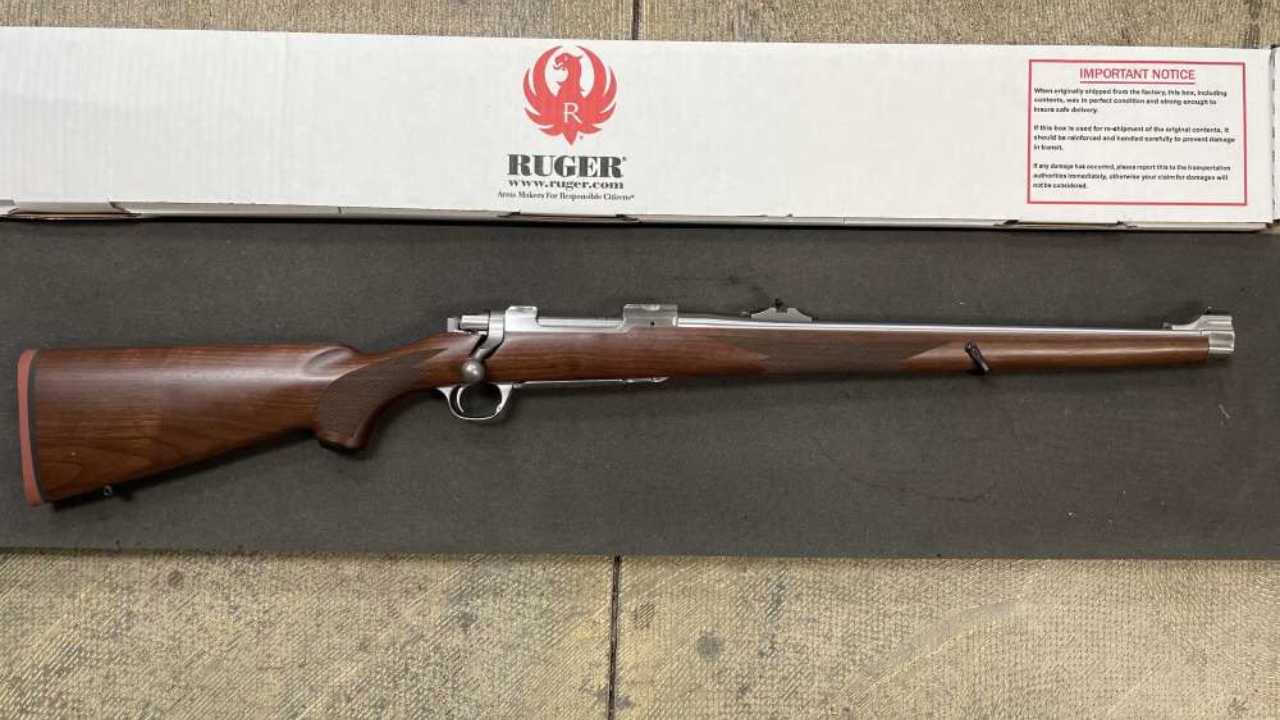
The International version of the M77 has one feature that makes it impossible to confuse with the standard rifle: the full-length Mannlicher-style stock.
That stock is also why many shooters initially treat it as a novelty. Once you shoulder one, though, the compact barrel and balanced feel make the rifle unusually handy. Ruger has produced plenty of M77 variants, but the International has enough visual identity that owners tend to keep them. Passing on a clean one because the stock looked old-fashioned is exactly the kind of decision that becomes irritating later.
Browning BPR

The Browning Pump Rifle never became as famous as the Remington pump guns that dominated that niche.
That does not mean it was inferior. The BPR offered a smooth pump action, traditional Browning fit and finish, and centerfire hunting performance in a format that allowed fast follow-up shots. Its relatively short production life is exactly what makes it more interesting now. Shooters who ignored them because the Remington name was more familiar may wish they had paid closer attention.
Remington Model 7600 Synthetic Carbine

The standard 7600 is already a specialized hunting rifle. The short-barreled Synthetic Carbine versions push that idea much farther.
These rifles are fast, compact, and built for the kind of close-cover hunting where handling matters more than bench-rest aesthetics. The synthetic furniture also makes them easier to carry in bad weather without worrying about nice walnut. They were working guns, so many examples show plenty of use. Passing on a clean carbine because it looked plain can become a real regret once you start searching specifically for one.
Winchester Model 94 Timber Carbine

The Timber Carbine was a modernized factory variation of the Model 94 aimed at hunters who wanted a compact lever gun with more practical field features.
That made it slightly unusual at the time and far more interesting now. Special-production lever-gun configurations tend to become difficult to replace once they disappear because most owners bought them to use. The short barrel and quick handling give the rifle a character that a standard Model 94 does not quite duplicate. If you ever see the exact configuration you want, assuming another will show up can be risky.
Marlin 1894 Cowboy Limited
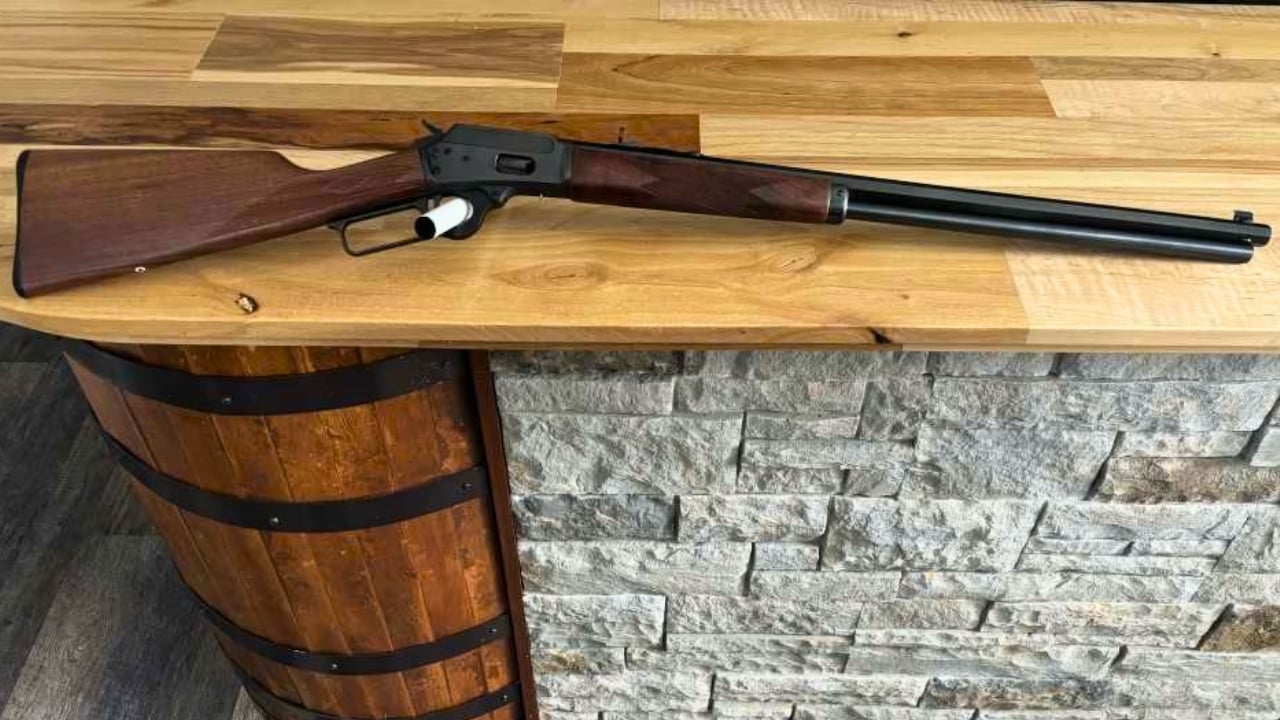
The Cowboy Limited versions of Marlin’s 1894 were not ordinary hunting carbines. Their longer barrels and traditional styling gave them a completely different personality.
For years, cowboy-action shooters appreciated them more than the general market did. That meant plenty of ordinary buyers ignored the longer guns in favor of shorter carbines. Once older Marlins became more desirable, that equation changed. Clean Cowboy Limited rifles now stand out because they are recognizable factory configurations rather than later custom builds.
Browning Gold 20 Gauge
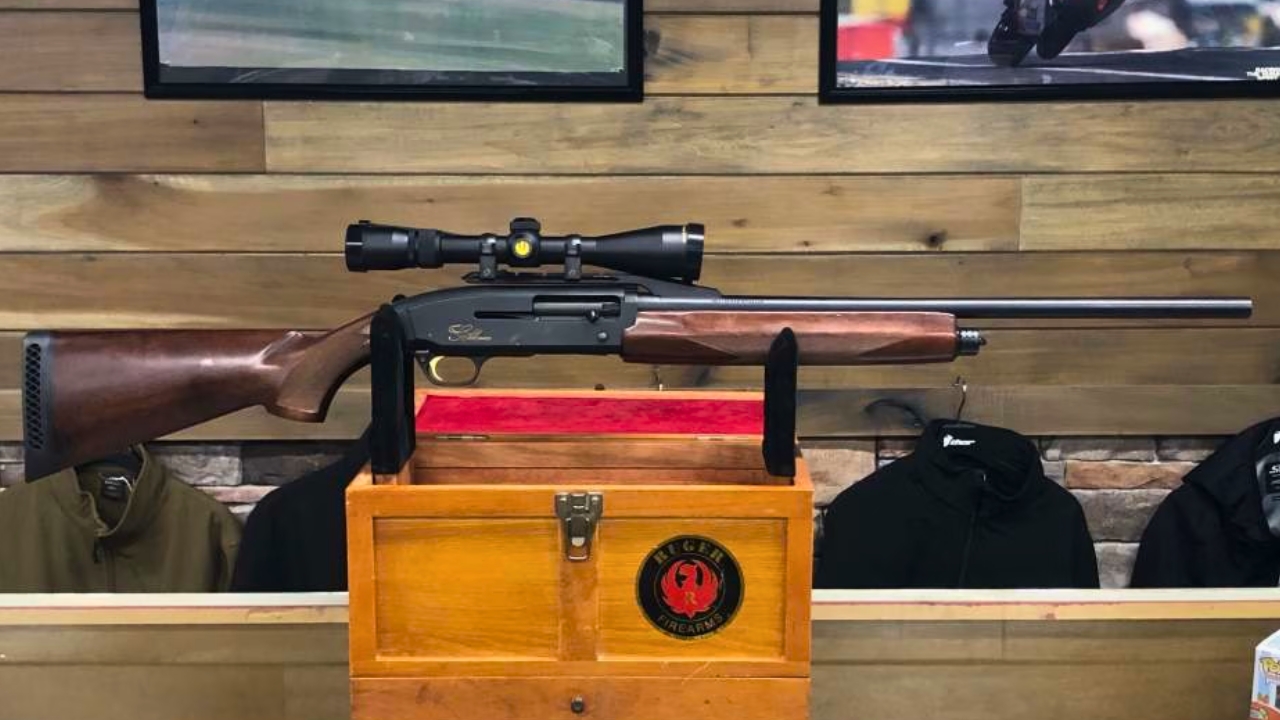
The Gold never developed the cult following of some other Browning shotguns, but the 20-gauge versions are exactly the kind of guns experienced bird hunters tend to appreciate.
They offer soft gas-operated recoil, manageable weight, and traditional field handling without requiring a heavy 12 gauge. Small-gauge semiautomatics tend to stay with owners once they find one that fits correctly, which keeps the used supply from feeling endless. Walking away from a clean Gold 20 because another semiauto looks newer can become a decision you reconsider after the next long upland hunt.
Beretta 3901 Citizen
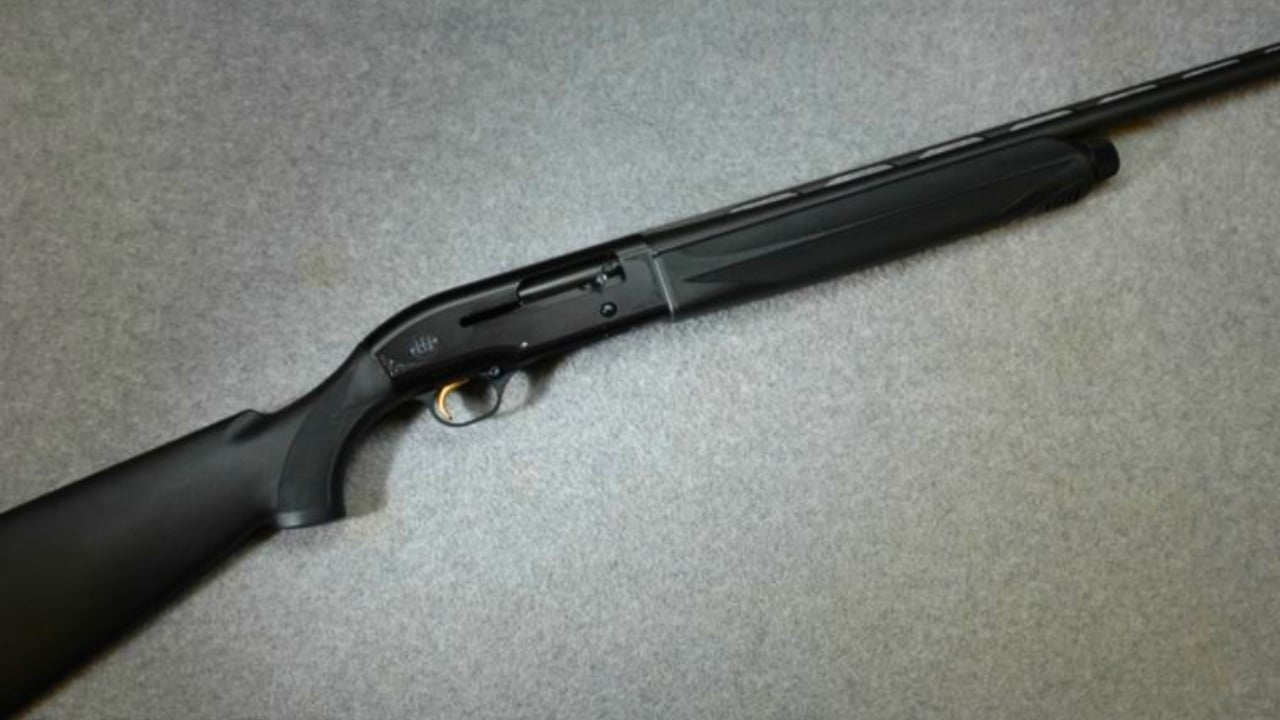
The 3901 Citizen was built as a practical, affordable semiautomatic shotgun rather than a prestige piece.
That made it easy to overlook beside Beretta’s more expensive models. Underneath the plain presentation, though, it carried proven gas-operated Beretta DNA and a reputation for being extremely useful. These were exactly the kinds of shotguns owners bought, shot hard, and kept. A clean one can offer far more real-world value than its simple exterior suggests.
Franchi 612
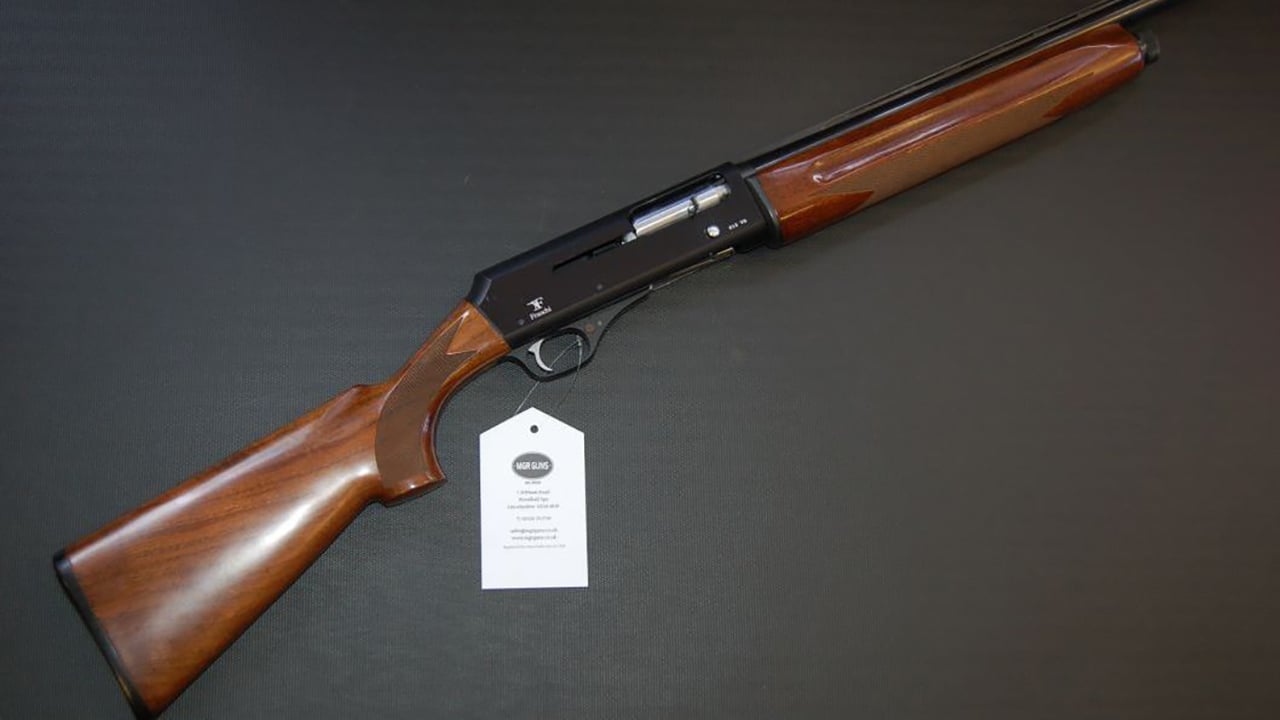
The Franchi 612 is hardly the first model people mention when discussing Italian semiautomatic shotguns.
That obscurity is part of the reason people pass them up. The gun offers a lightweight field-oriented design from a manufacturer with a long shotgun history, but it never developed the massive American following of Beretta or Benelli. Shooters who find a good one often discover there is little reason to get rid of it. That makes the clean examples worth paying attention to when they appear.
SKB XL900
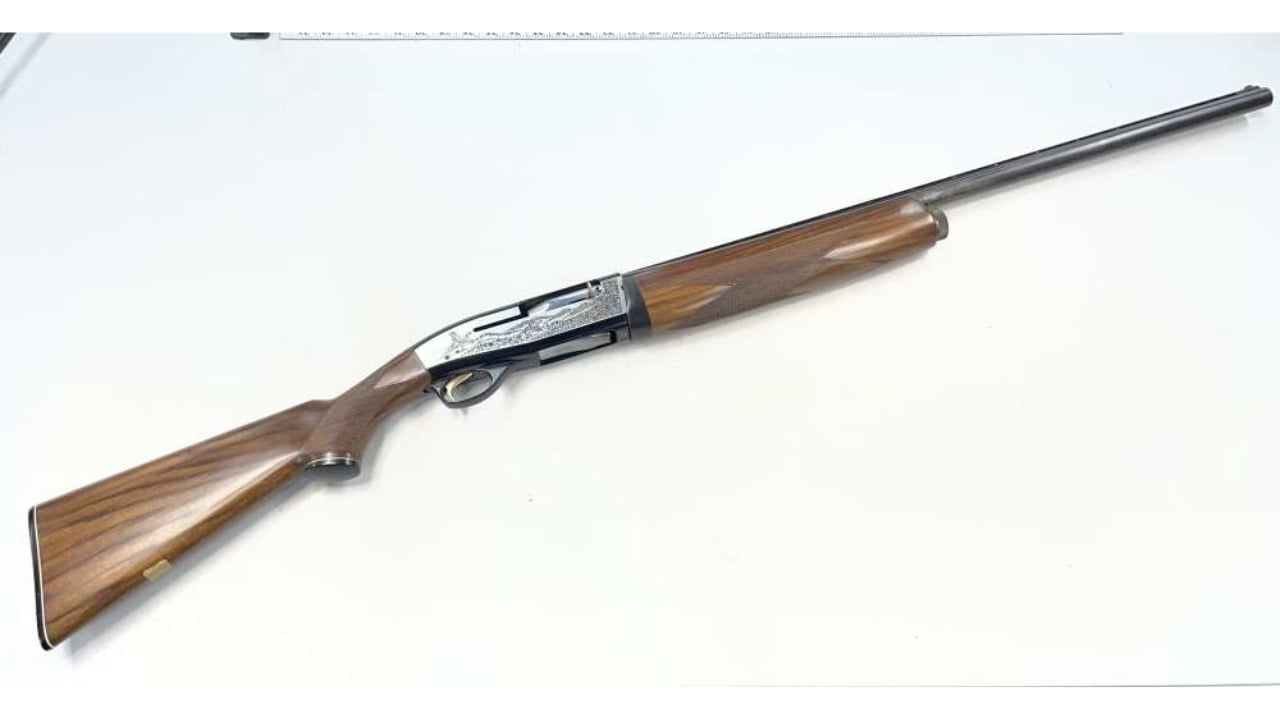
The XL900 is one of those older Japanese semiautomatics that can look completely ordinary until somebody familiar with SKB starts handling it.
These guns were built during an era when Japanese manufacturers were turning out excellent sporting shotguns without always receiving the recognition they deserved. The XL900 is smooth, well finished, and still useful as a field gun. Because it lacks a famous collector name, it can be overlooked right up until someone realizes how difficult it is to replace with something equally well made for similar money.
High Standard Supermatic Tournament
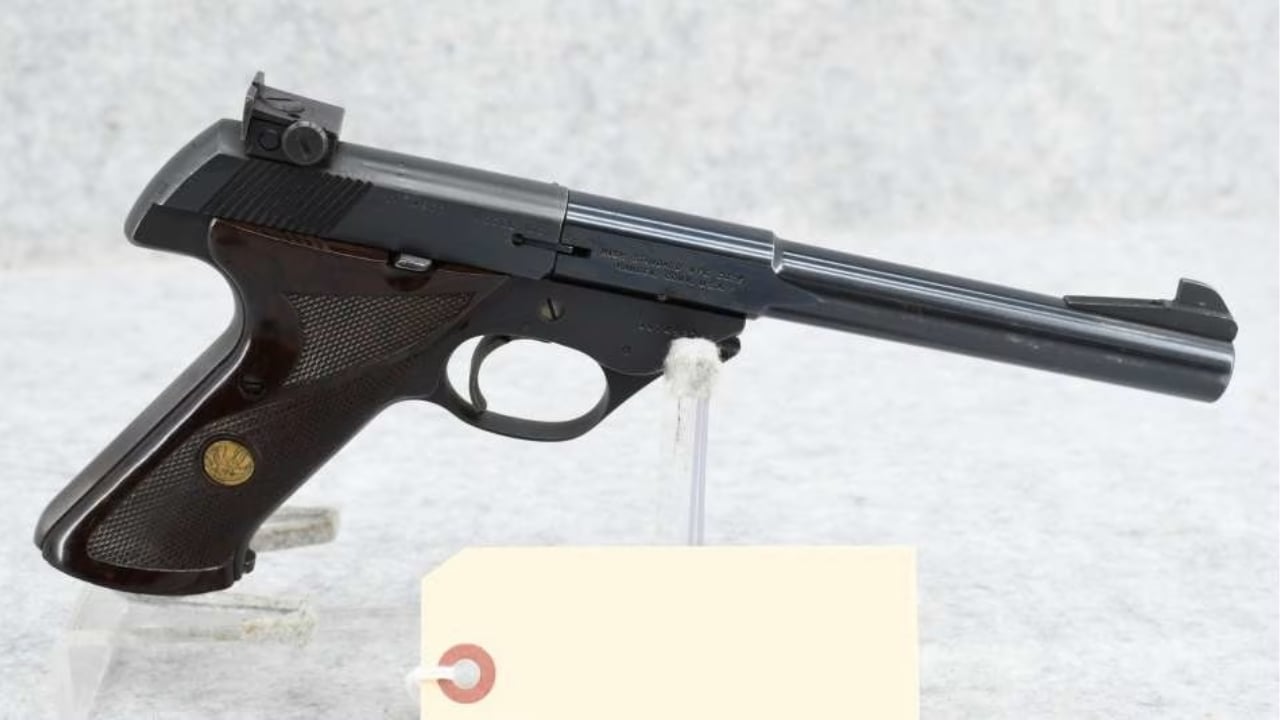
High Standard target pistols tend to get lumped together by buyers who are unfamiliar with the differences between models.
The Supermatic Tournament deserves more attention than that. It offers the fixed-barrel accuracy, excellent balance, and refined trigger feel that made High Standard one of the major names in American rimfire competition. Plenty of these pistols were used extensively, so cleaner examples stand out. Passing one up because it looks like another old .22 can be a mistake once you actually experience how well they shoot.
Colt Cadet .22
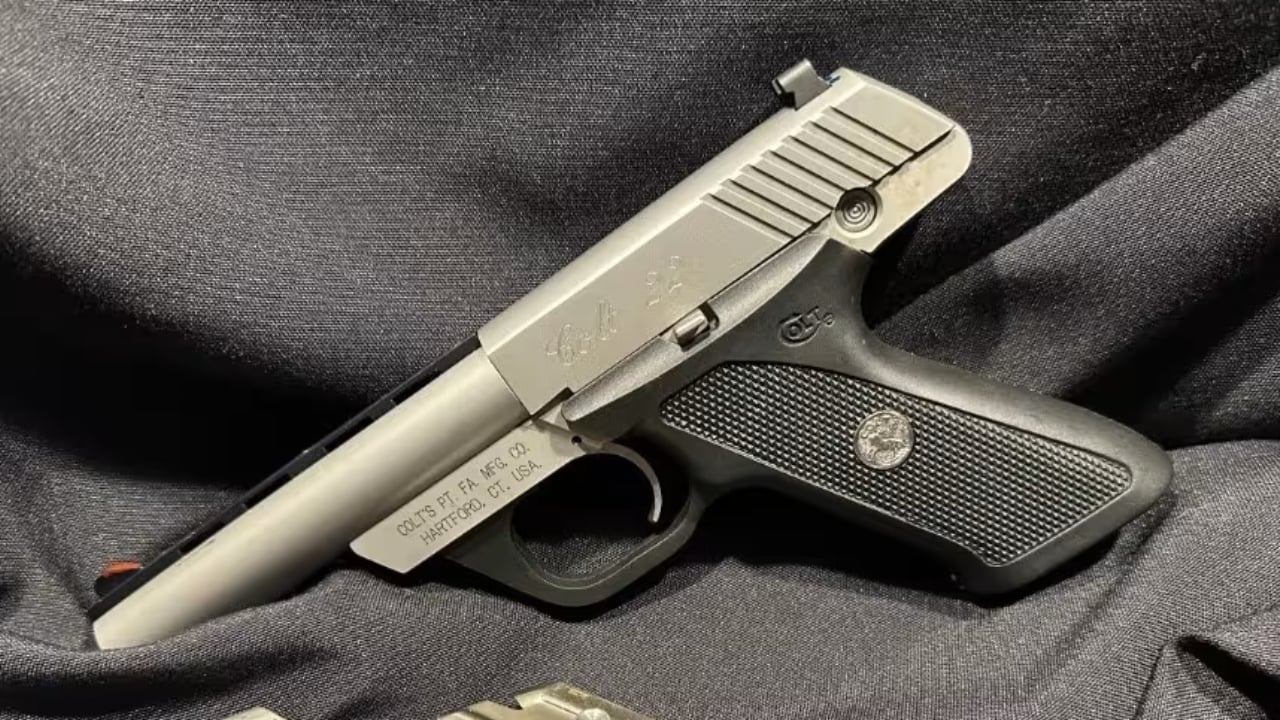
The Colt Cadet was never one of Colt’s glamorous handguns. It was a straightforward rimfire pistol aimed at recreational shooters.
That low-profile reputation helped it disappear from the conversation once production ended. Today, it has the Colt name, a distinctive place in the company’s rimfire history, and a design that is no longer sitting in every display case. It is exactly the kind of gun buyers once passed because they assumed there would always be another cheap Colt .22.
Smith & Wesson Model 622
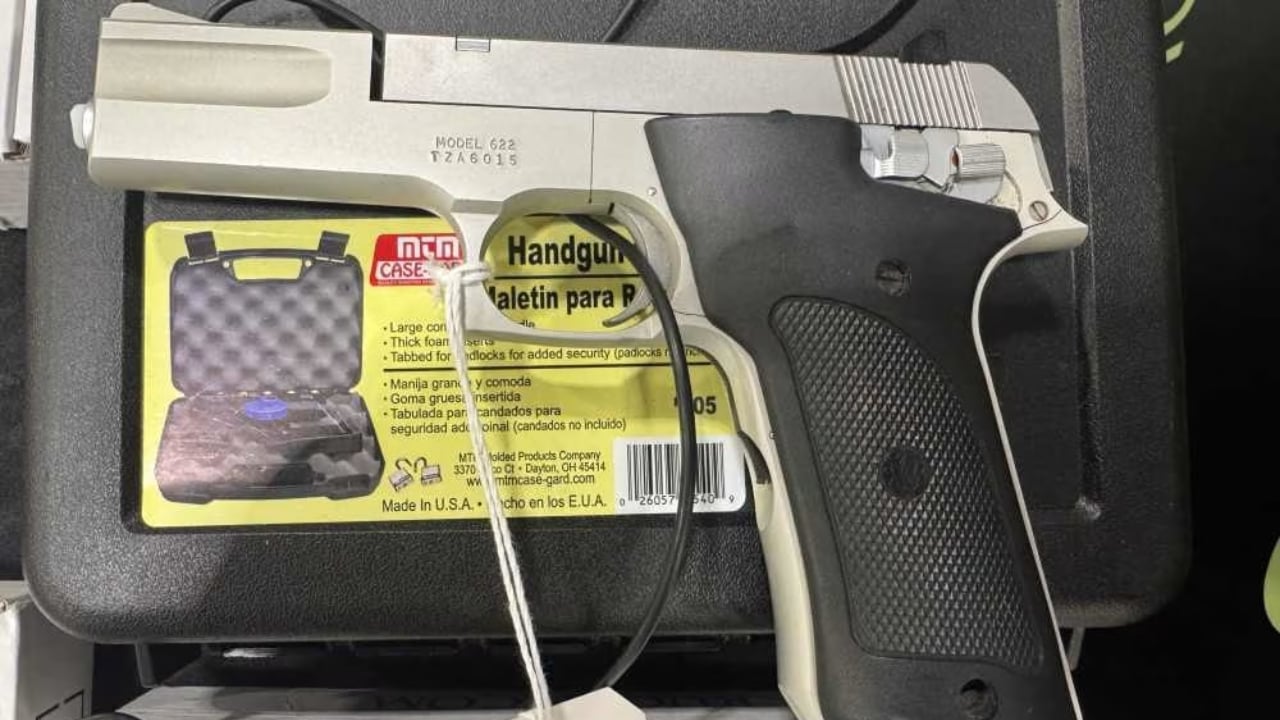
The Model 622 looked strange even when it was current. The low barrel, slim frame, and unusual slide arrangement did not resemble the conventional semiautomatic pistols surrounding it.
That is what makes it worth noticing now. The low bore axis gives the gun a distinctive feel, while the slim aluminum frame keeps it light. It is also part of a Smith & Wesson rimfire family that modern buyers are gradually appreciating more. Passing on a clean example because the styling seems odd can become regrettable once you realize nobody is building quite the same thing anymore.
Beretta Model 76
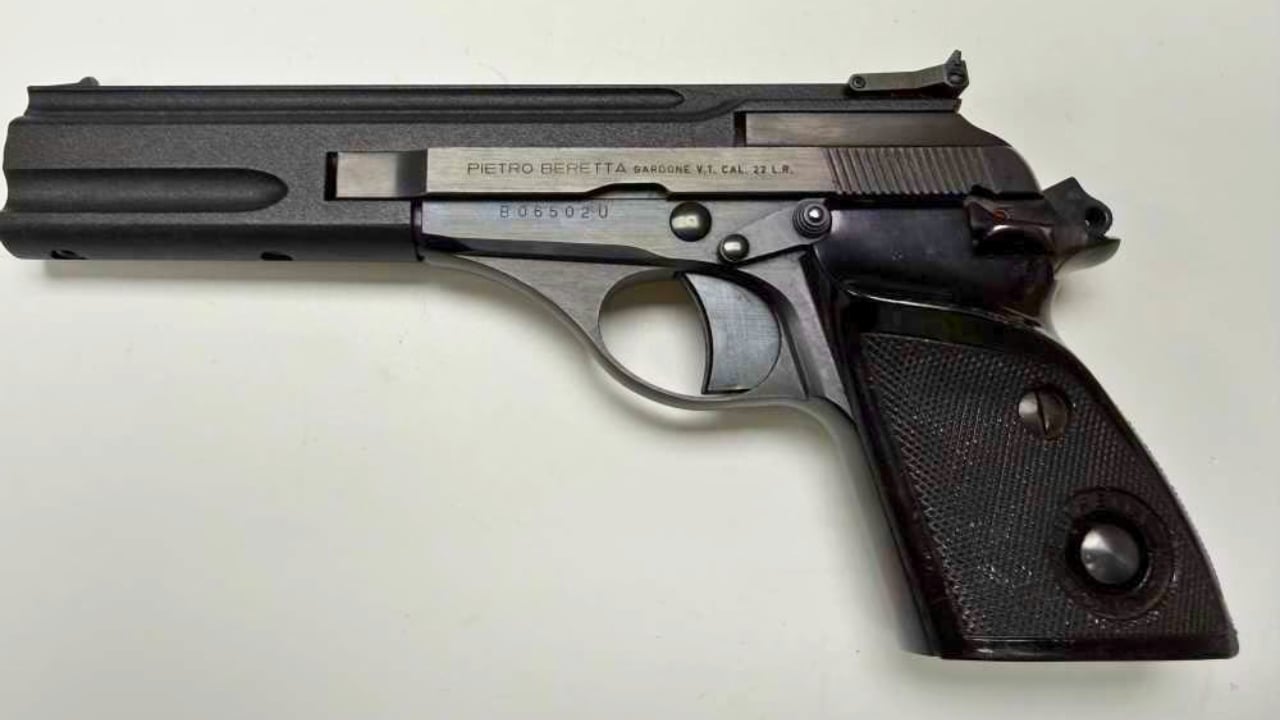
The Model 76 was a serious rimfire target pistol wearing the same basic family resemblance as Beretta’s smaller Model 70-series guns.
Its longer barrel, target sights, and substantial proportions make it far more capable than the ordinary pocket-style versions. Yet it never earned the broad American recognition of Ruger or High Standard target pistols. That makes it easy to overlook when one appears. Shooters who appreciate older European rimfires know that clean examples are worth grabbing because they combine quality, accuracy, and scarcity without needing a famous collector reputation.
Star Model 31P
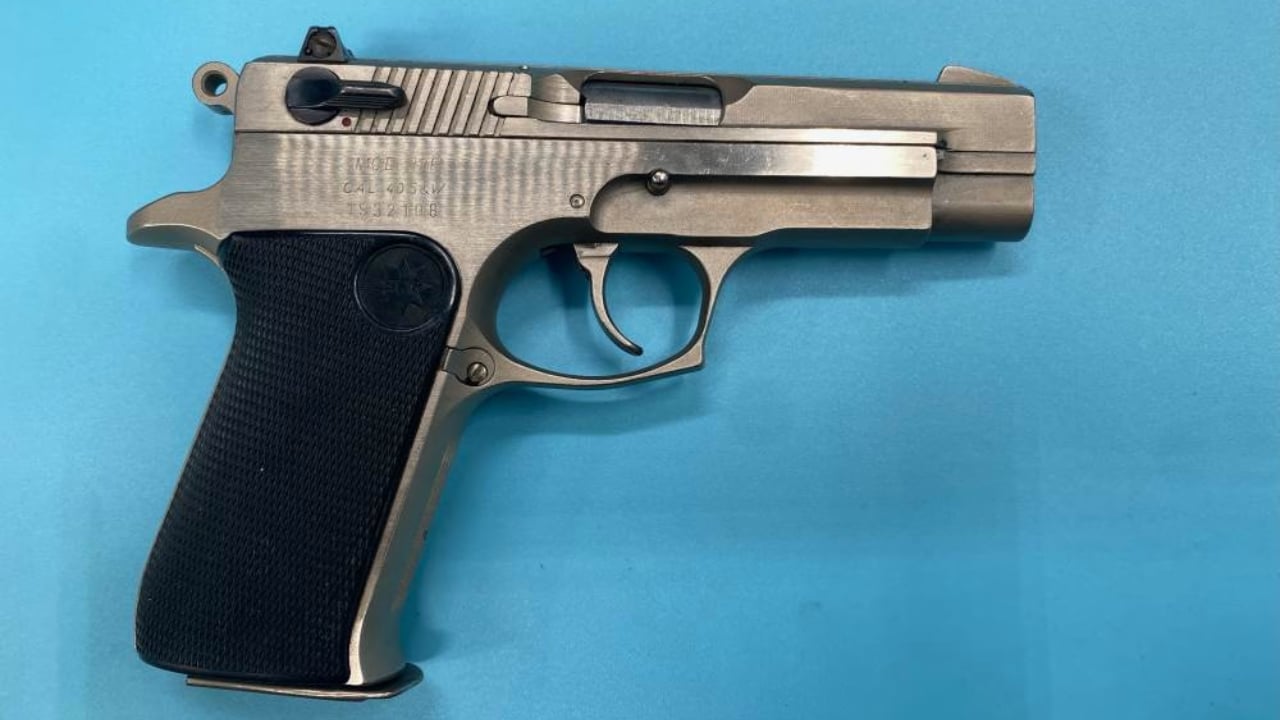
The Model 31P represents one of Star’s later attempts to build a modern service pistol, and it tends to get ignored because the company disappeared from the market.
That is unfortunate because the gun offers a solid metal-frame design, traditional DA/SA operation, and a very serious service-pistol feel. Parts availability is a consideration today, but that does not erase what the pistol is. A clean example is an interesting piece of Spanish handgun history and a surprisingly good shooter. People often regret passing once they realize how infrequently these show up.
Walther P88
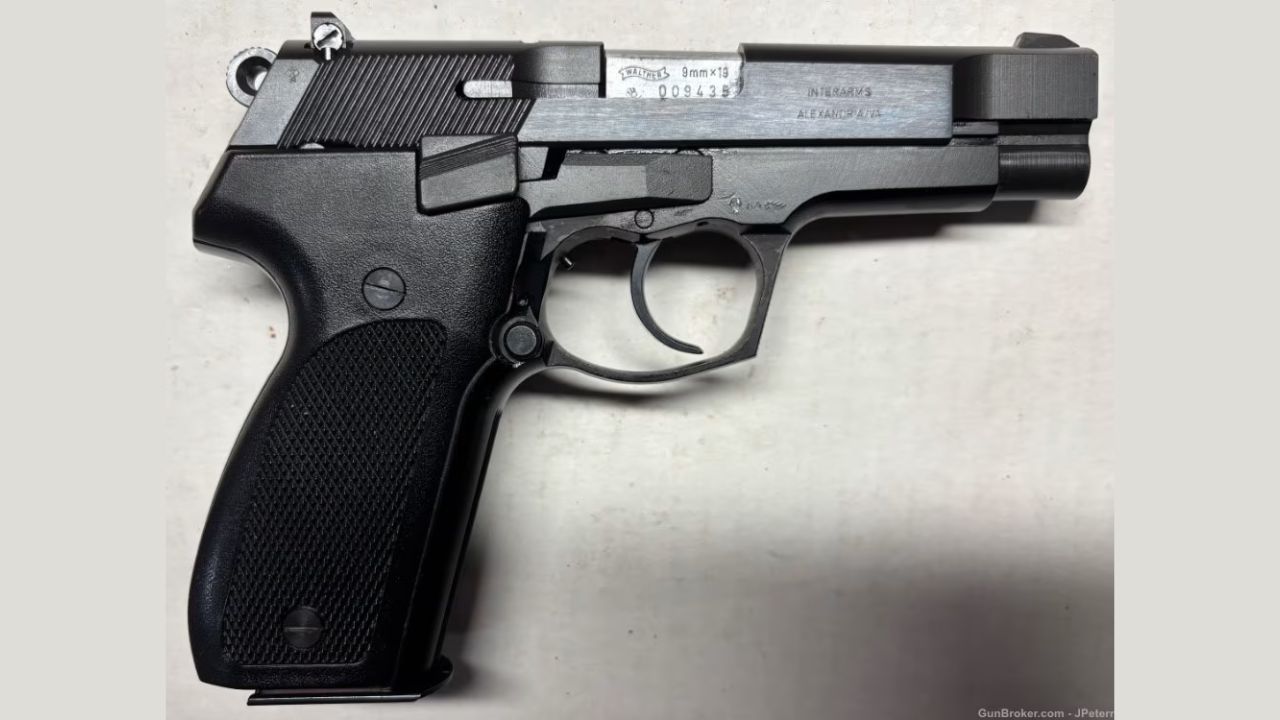
The P88 arrived as Walther’s expensive answer to the modern high-capacity service-pistol market.
Its price and relatively short production run kept it from becoming mainstream, but the build quality and shooting characteristics were excellent. It has a refined trigger, comfortable grip, and machining that immediately separates it from ordinary duty pistols. For years, buyers passed because they could get a more familiar service handgun for less money. Today, that decision looks far less obvious. A clean P88 is exactly the kind of pistol that becomes difficult to forget once somebody else walks out of the shop with it.
Like The Avid Outdoorsman’s content? Subscribe to our newsletter so you never miss an article.
Here’s more from us: