Photo credit: sootch00/YouTube
Some guns become expensive because they were rare from the beginning. Others take a much more frustrating route. They spend years sitting in pawn shops, gun shows, and used racks at prices nobody takes seriously, then suddenly buyers wake up and realize the supply is not endless.
That is when the cheap-gun era ends. Military surplus dries up, discontinued models get absorbed into collections, and older working guns start getting treated like pieces of history. The guns below are good examples of firearms many shooters remember buying for ordinary money that now draw far more attention than they used to.
Norinco SKS
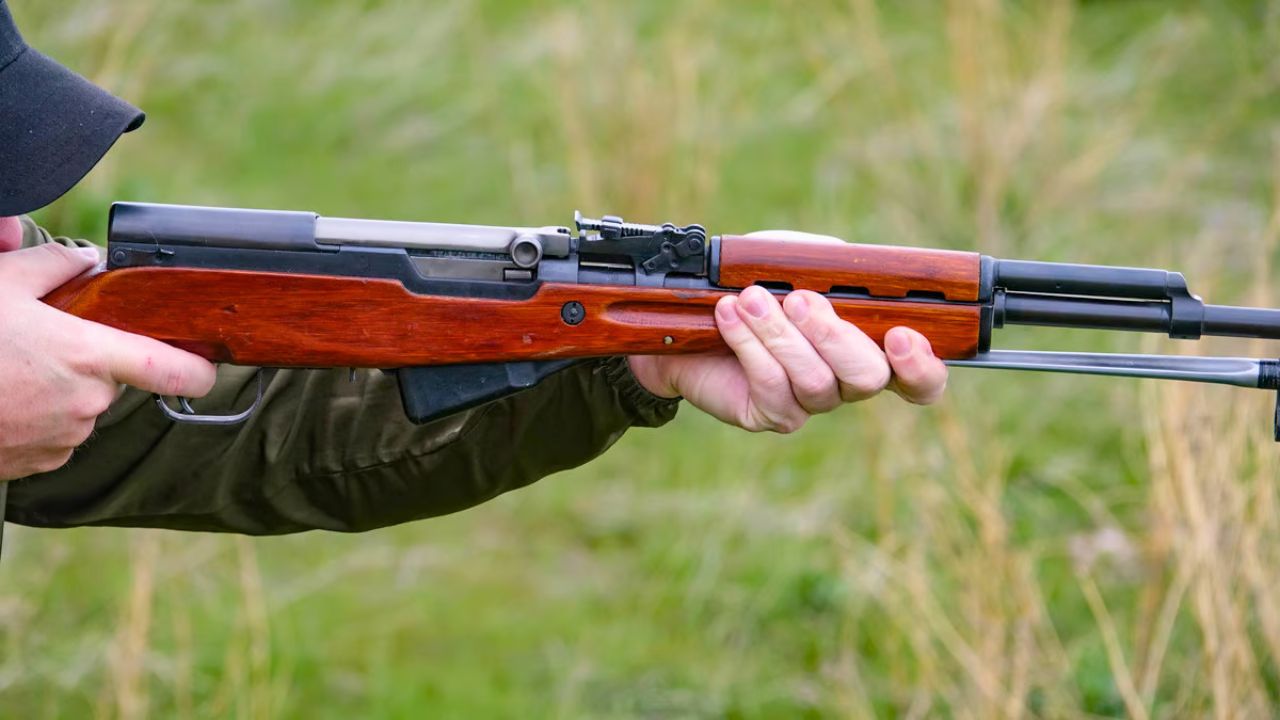
The SKS may be the ultimate example of a rifle shooters once treated as almost disposable. Chinese examples were imported in huge numbers, and plenty of owners bought them because they were inexpensive, rugged, and cheap to feed.
That entire equation changed once imports stopped and surplus dried up. Clean Norinco rifles that still retain their original stocks, magazines, and configuration are now much more interesting than the modified examples that filled gun shows for years. People who remember stacks of inexpensive SKSs have a hard time accepting what nice ones bring now. The rifle itself did not change. Scarcity finally caught up with it.
Romanian WASR-10

There was a time when the WASR was dismissed as the cheap AK you bought when you could not afford something nicer.
That reputation has aged better than expected. The basic Romanian rifle proved durable enough that shooters started valuing the simplicity more than the rough finish. At the same time, the entire AK market moved upward. A rifle that once lived firmly in budget territory can now cost enough that buyers think much harder before treating one like a truck gun.
Century Yugo M70AB2
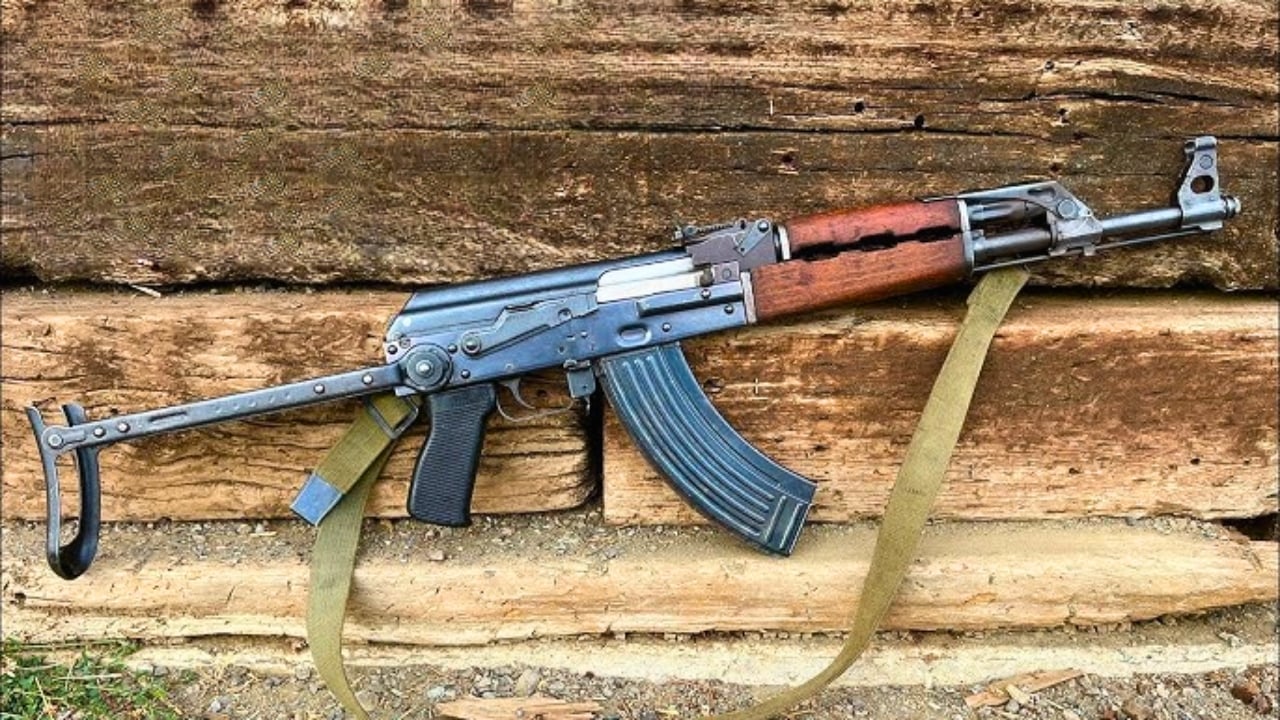
Underfolder Yugo rifles used to be easy to find and inexpensive enough that people bought them mostly because they looked different.
Today, the combination of military styling, heavier Yugo-pattern construction, and finite import supply has made clean examples more desirable. Underfolders are also strongly associated with the classic AK look that collectors chase. A rifle once bought as a cheap range toy can now feel too interesting to abuse.
Saiga 12
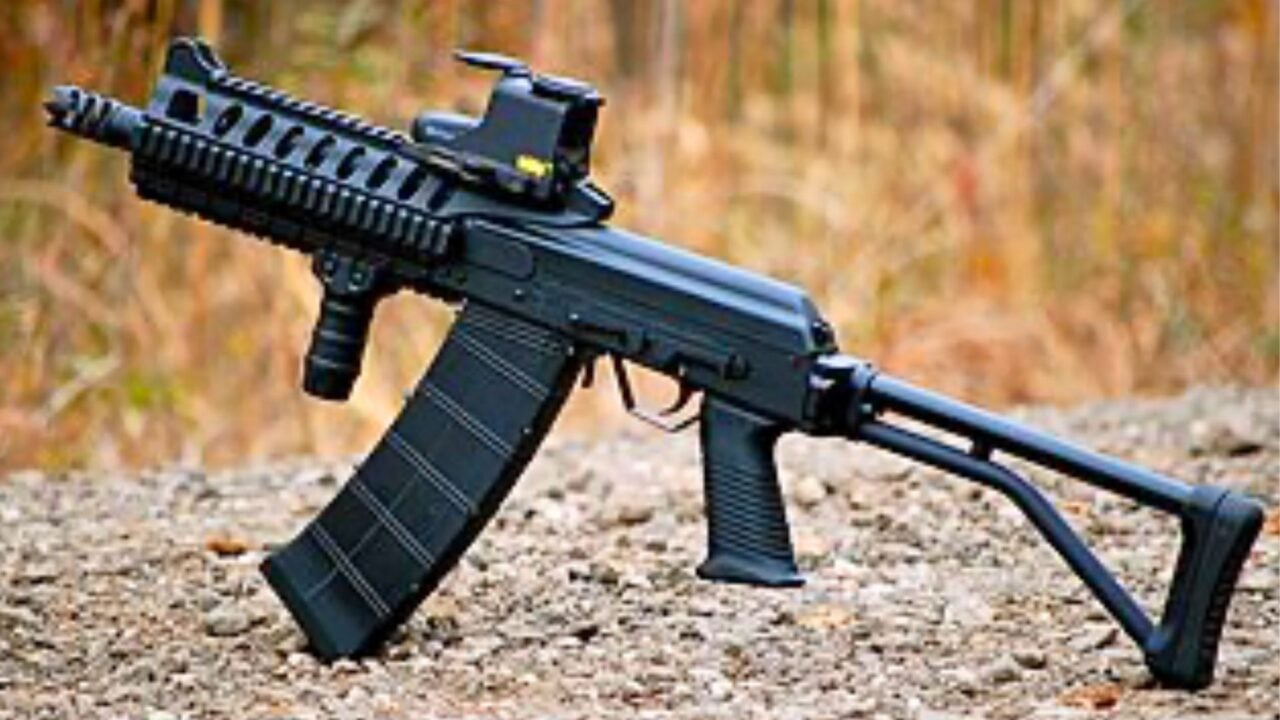
The Saiga 12 was once simply a weird Russian semiautomatic shotgun that took detachable box magazines.
Then import restrictions changed everything. Once the supply became fixed, shooters started paying much more attention to original Russian examples, especially guns that had not been heavily converted or modified. The shotgun remains unusual even today. There are plenty of magazine-fed shotguns now, but few carry the same Russian lineage or market history.
Vepr 12

The Vepr 12 followed a similar path but with even heavier construction and a reputation for being one of the more serious AK-pattern shotguns.
When imports were readily available, buyers could treat them as expensive toys. Once that pipeline closed, clean examples started getting viewed very differently. The combination of Russian production, distinctive RPK-style construction, and limited future supply is exactly what pushes ordinary shooters toward collector behavior.
Egyptian Maadi AKM
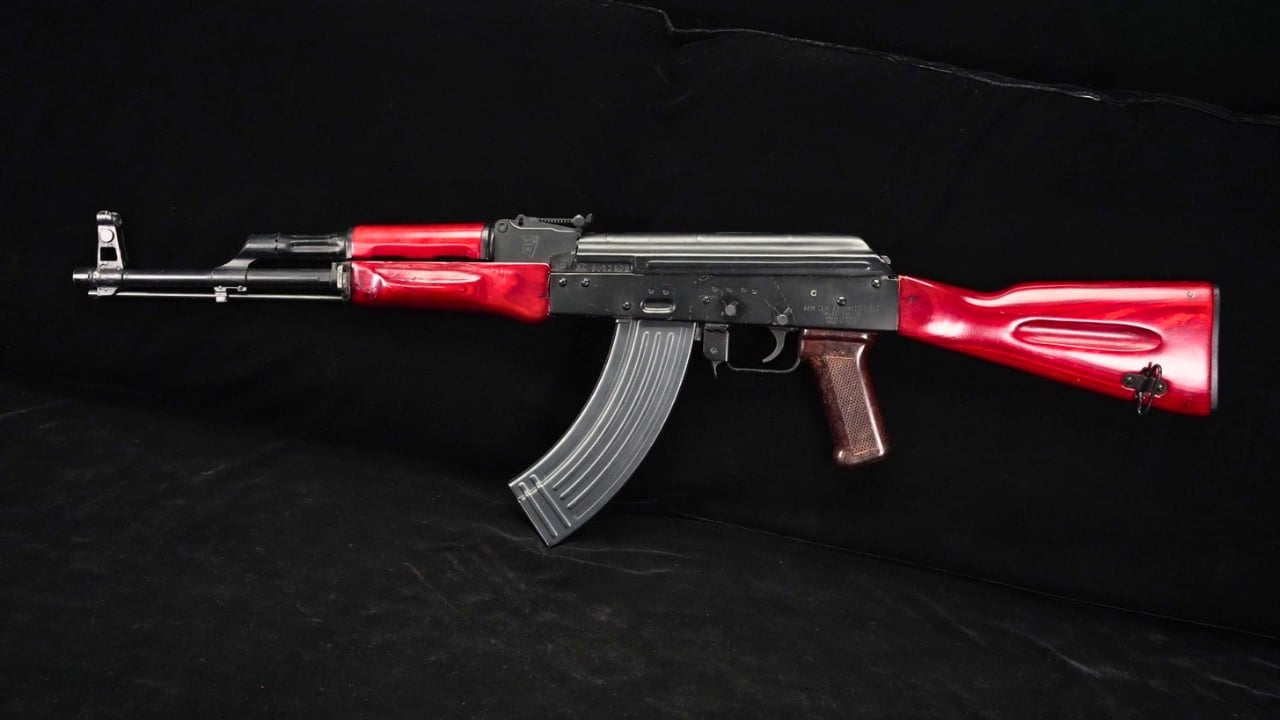
Maadi rifles spent years being overlooked because they were not Chinese, Russian, or particularly polished.
That misses what makes them interesting. Egyptian Maadis are closely tied to the Soviet AKM pattern and have a much stronger collector identity now than they did when they were just another imported AK. Original-looking rifles with the right furniture and markings are far more desirable than they were during the years when buyers mostly cared about getting the cheapest AK possible.
Chinese MAK-90

The MAK-90 was another rifle plenty of owners modified without thinking twice.
Thumbhole stocks were replaced, furniture got swapped, and rifles were treated like inexpensive base guns for projects. Now the original Chinese construction is part of the appeal. Good machining, chrome-lined barrels, and the absence of new Chinese imports have changed the market completely. Untouched examples can be especially desirable because so many were altered.
Finnish M28/30
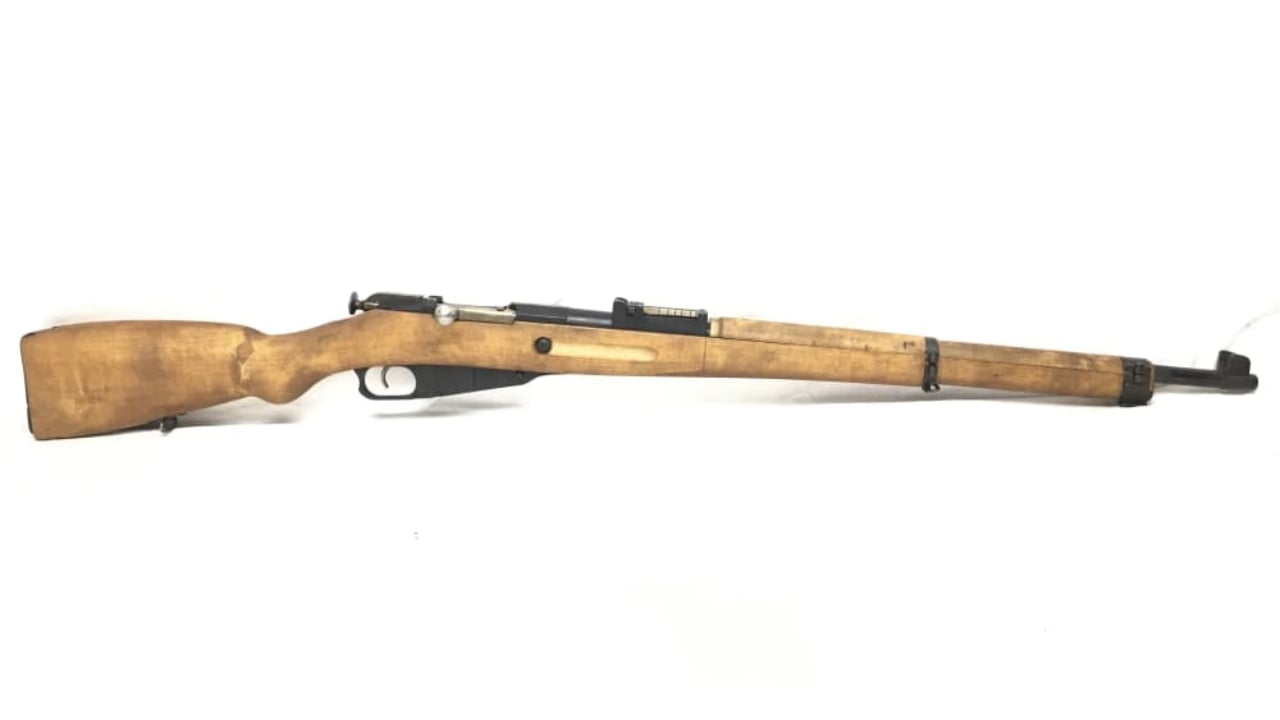
Finnish Mosins used to hide in the same broad surplus category as much cheaper Soviet rifles.
Collectors eventually figured out that the Finnish rifles were often much more carefully assembled and historically distinct. The M28/30 in particular has a strong reputation for accuracy and Finnish military history. Once people started separating “Mosin” into specific countries, arsenals, and models, the cheap-rifle label stopped making sense.
Swiss K11
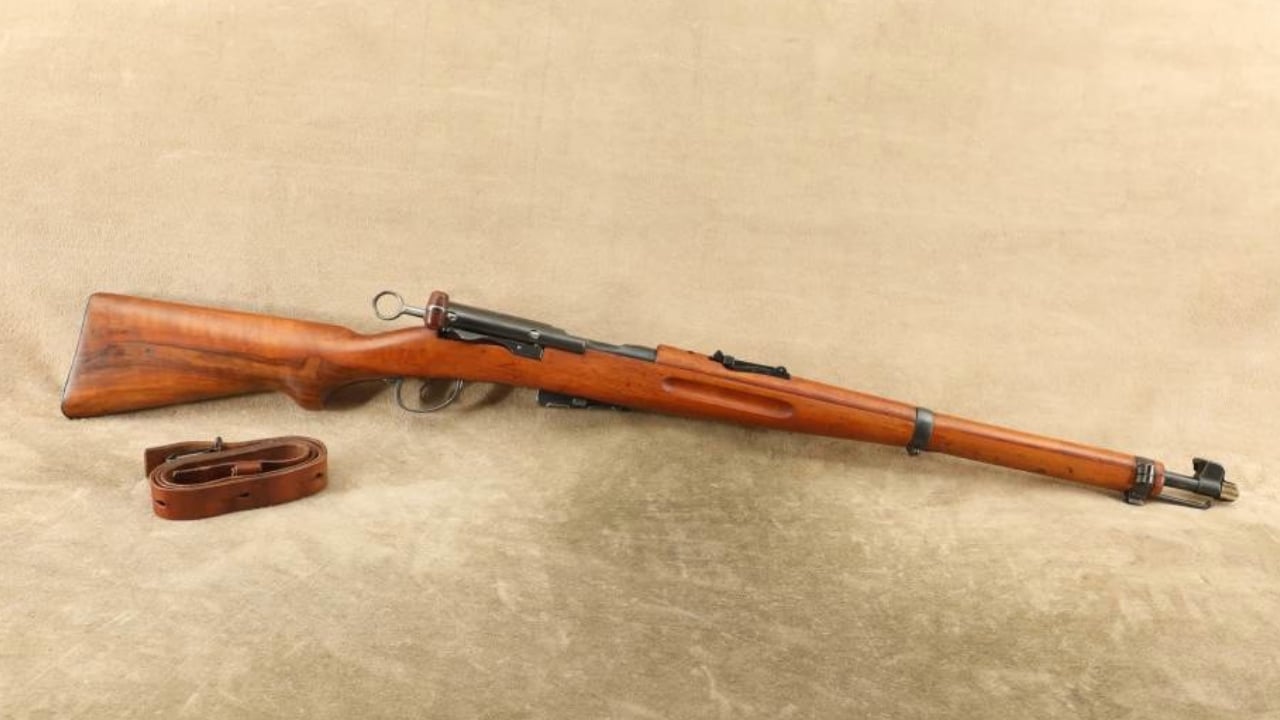
Swiss straight-pull rifles were once among the best bargains in surplus firearms.
The K11 was often overshadowed by the later K31, which helped keep it affordable for even longer. That is changing as collectors look deeper into Swiss service-rifle history. The straight-pull action, excellent machining, and matching-number examples make these rifles far more interesting than their old surplus prices suggested.
Swedish M38 Mauser
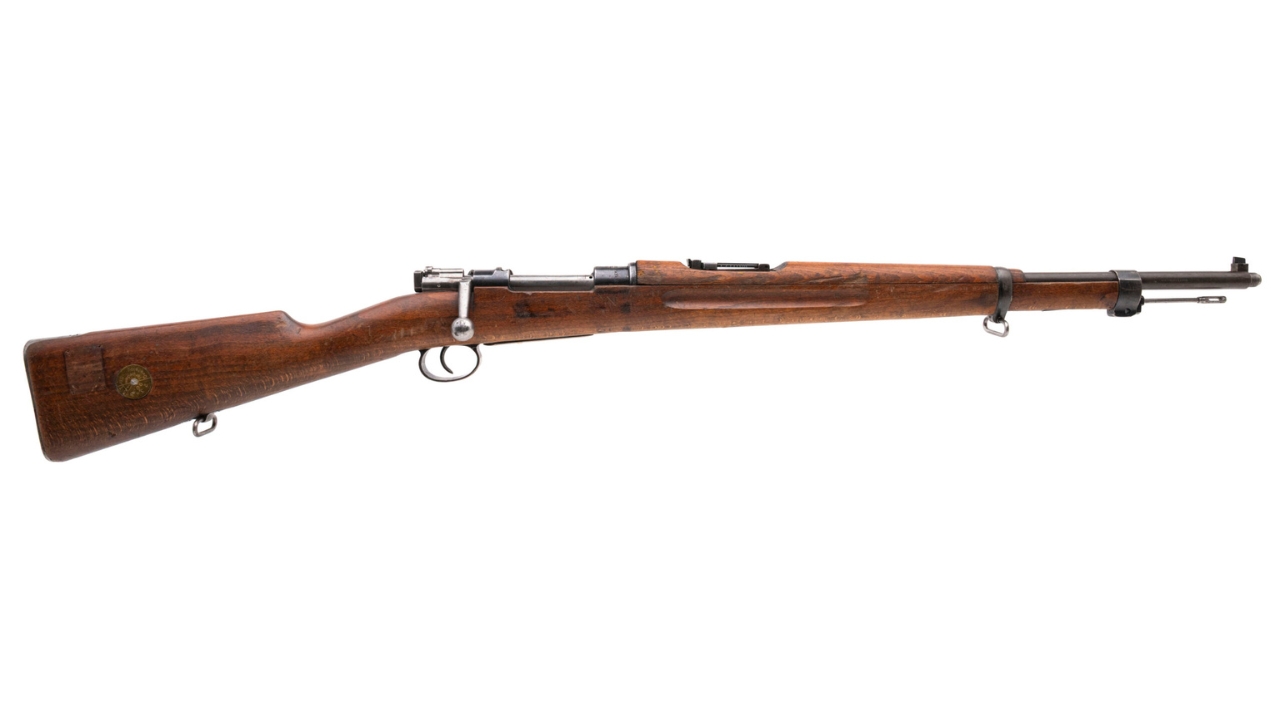
The Swedish M38 spent years being treated as just another old military bolt rifle.
That was a mistake. The 6.5×55 cartridge, smooth Mauser action, and generally high manufacturing quality gave these rifles a lot to offer even when prices were low. Once surplus dried up and shooters started appreciating Swedish Mausers on their own merits, clean examples became considerably harder to find cheaply.
Spanish FR-8
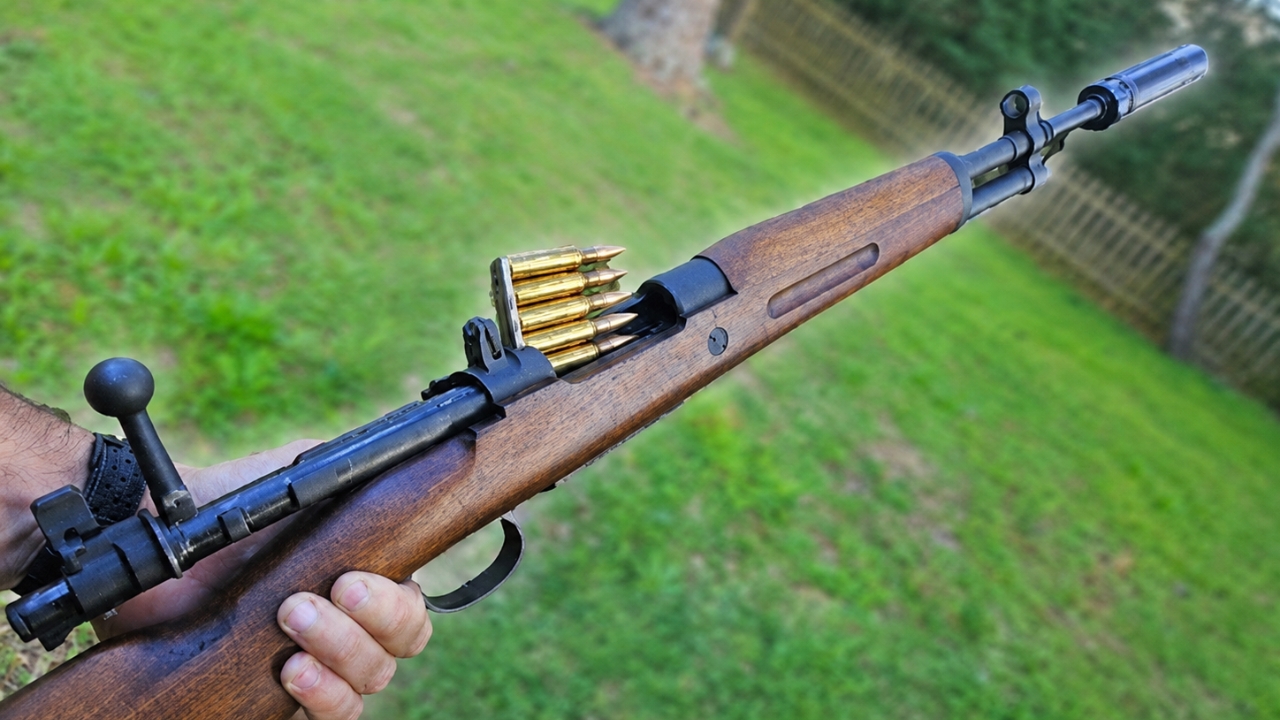
The FR-8 looked strange enough that many shooters did not know what to make of it. It was a bolt-action Mauser converted into a compact 7.62 NATO training rifle with features that visually echoed Spain’s CETME.
That oddness used to keep prices down. Now it does the opposite. The combination of compact dimensions, unusual sights, military history, and a recognizable Mauser action makes it exactly the kind of surplus rifle collectors chase after the common stuff disappears.
MAS-36
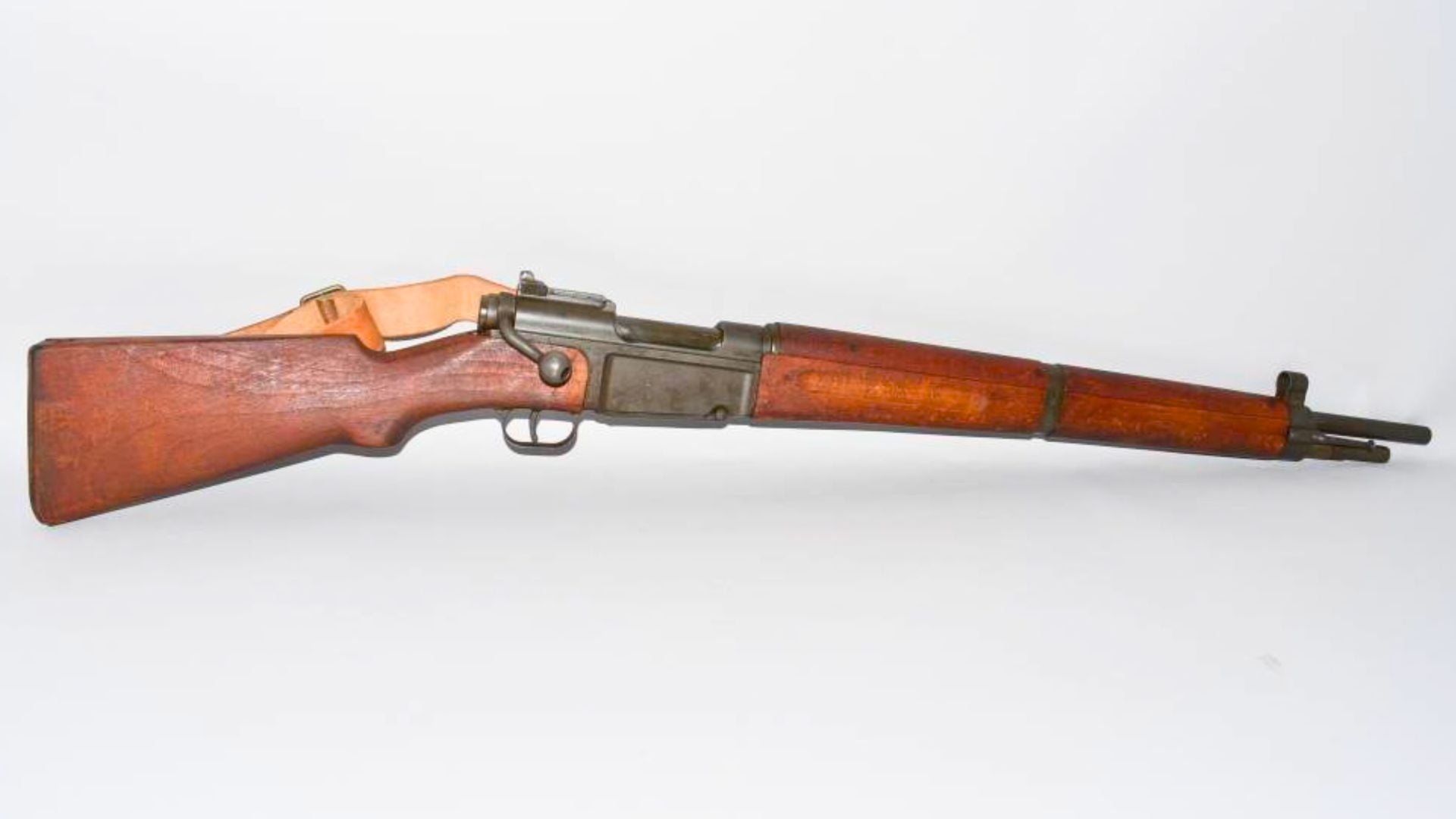
French military rifles were ignored for decades because American surplus buyers generally preferred German, British, or American designs.
The MAS-36 suffered especially because its appearance is so unconventional. That has become part of the appeal. Its unique bolt handle, compact action, and unmistakably French design make it stand out in any military-rifle collection. Once people stopped treating French guns like the leftovers of the surplus market, prices followed.
MAS-49/56

The 49/56 was once a relatively affordable way to own a semiautomatic military rifle with genuine service history.
Today, original examples have become far more interesting. The rifle combines detachable magazines, a direct-impingement gas system, and a very distinctive French military design. Converted rifles can create their own issues, so clean examples in original configuration are especially appealing. That is a big change from the era when they were simply odd surplus semiautos.
Egyptian Hakim

The Hakim is a large, heavy semiautomatic rifle chambered in 8mm Mauser, which once made it too weird for many buyers.
Now the exact same characteristics make it desirable. The Ljungman-derived action, unusual gas system, and imposing appearance give the rifle a personality that nothing modern really replaces. They were never imported in unlimited numbers, and the shooters who own good examples are increasingly reluctant to sell.
Venezuelan FN Model 49
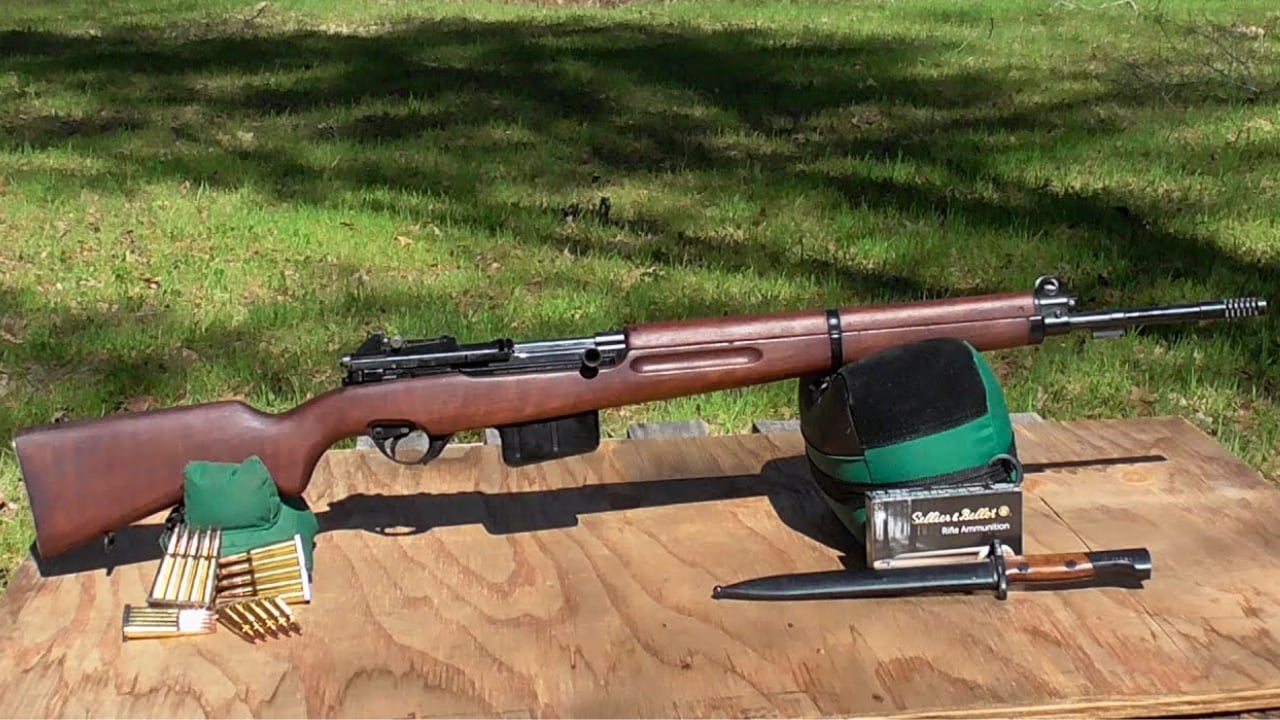
The FN-49 used to live in the shadow of the Garand, FAL, and other better-known military rifles.
That is changing as collectors appreciate the design as an important bridge between old full-power service rifles and later battle rifles. Venezuelan-contract examples chambered in 7×57 are particularly interesting because they combine a respected cartridge with relatively limited production. These were once obscure military semiautos. They no longer feel obscure when a good one appears for sale.
Remington Model 8
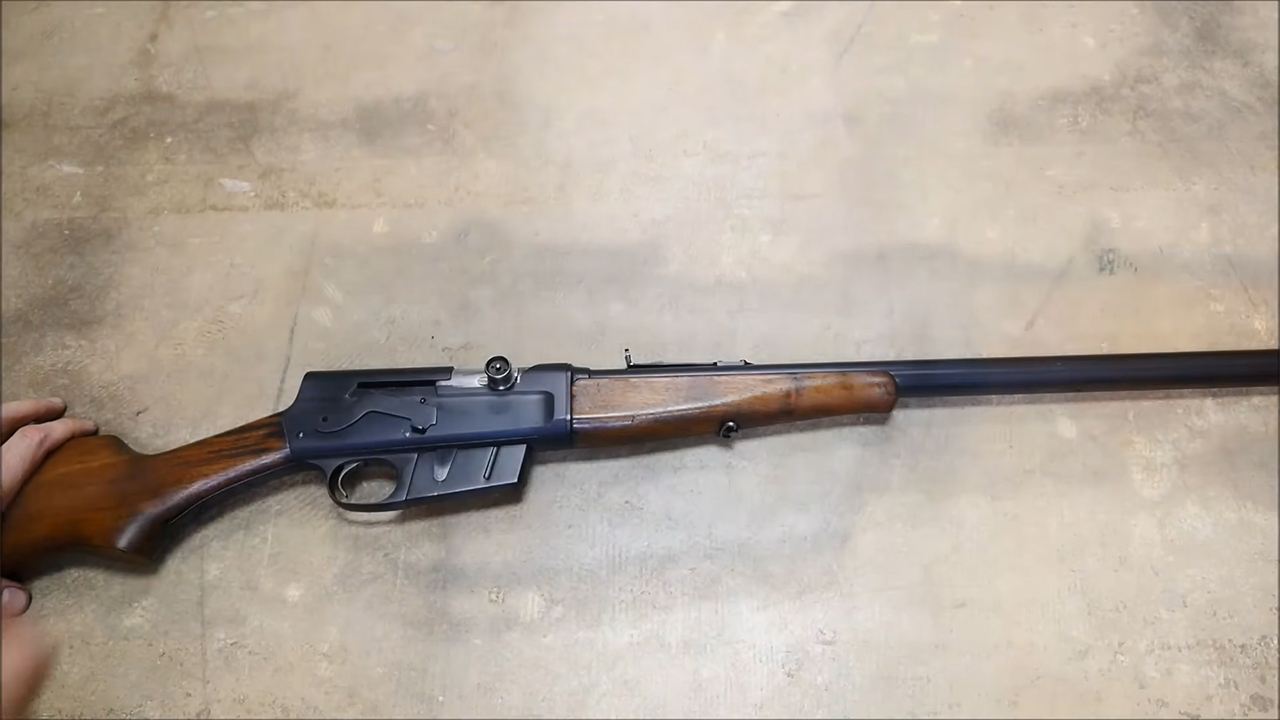
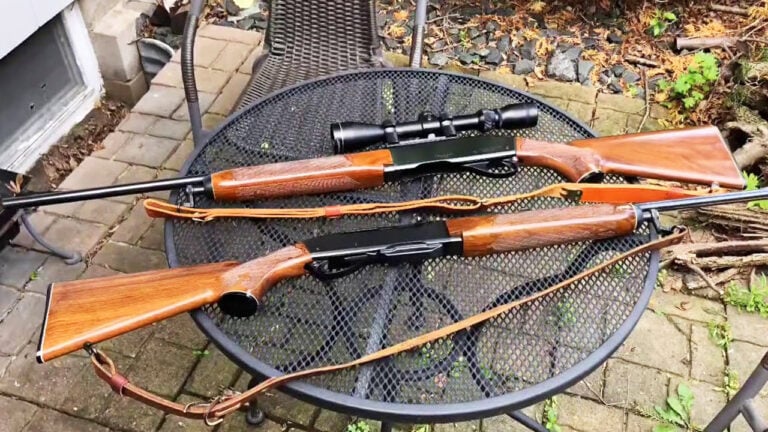
The Model 8 spent years as an old hunting rifle that many buyers considered outdated.
That perspective changed as shooters became more interested in early semiautomatic firearms. John Browning’s long-recoil design, takedown construction, and unusual chamberings make the Model 8 mechanically fascinating. Clean rifles that were not drilled, altered, or beaten through decades of hunting are far more desirable now than they were when people viewed them simply as obsolete deer rifles.
Winchester Model 1905
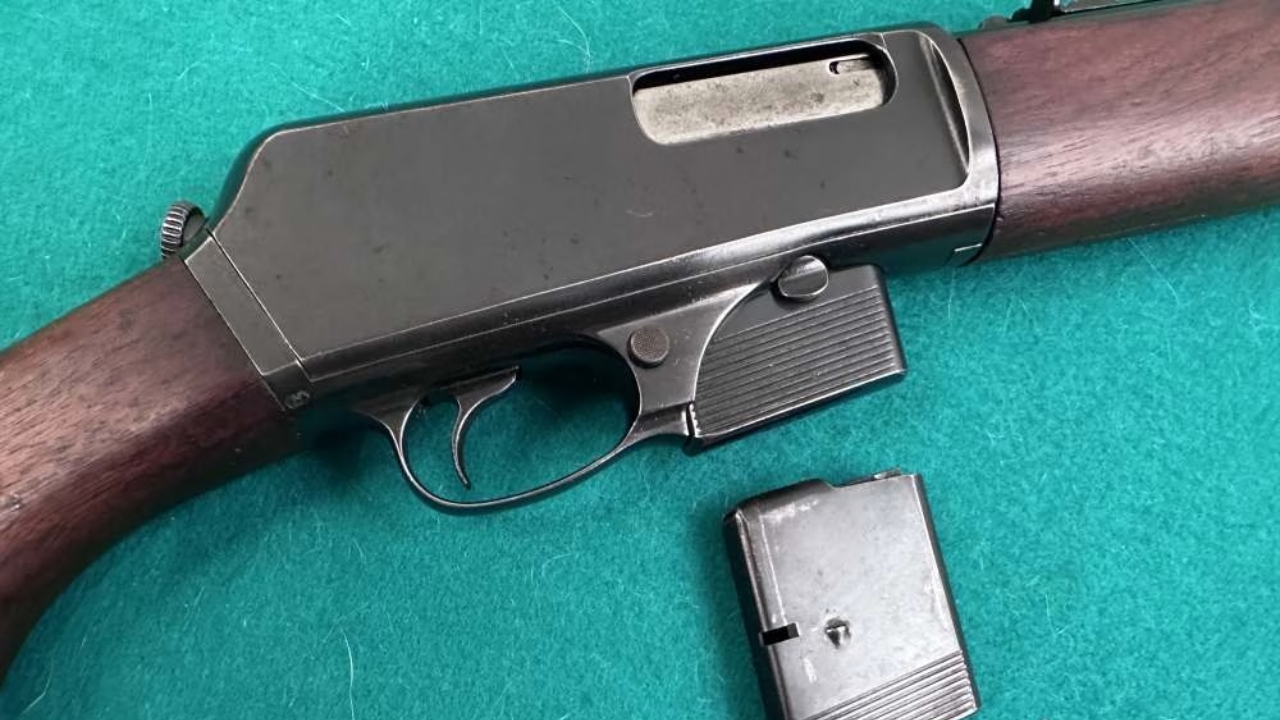
Early Winchester self-loading rifles were never as famous as the company’s lever guns.
The Model 1905 in particular could sit unnoticed because its proprietary cartridges made it impractical for casual shooting. Collectors care about something different. They see one of Winchester’s early attempts at a semiautomatic centerfire rifle, and that historical position matters more every year. A rifle that once looked like an ammunition headache now looks like an important design.
Savage Model 1903
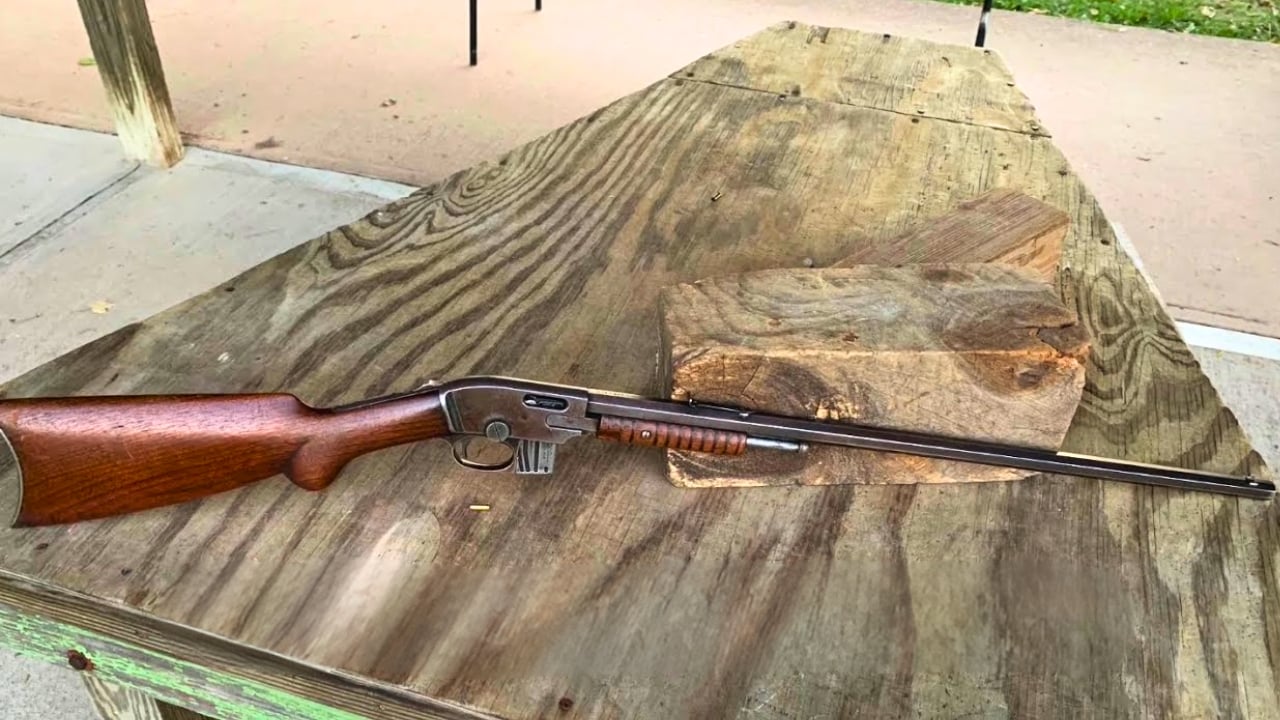
The Savage 1903 pump-action .22 is another gun that spent years being treated as an ordinary old rimfire.
That is changing because early pump .22s have become much harder to find in nice condition. The detachable magazine and exposed-hammer design give it a look completely different from modern rimfires. Shooters who remember when these were cheap utility guns are now competing with collectors who appreciate the design for what it is.
Colt Huntsman
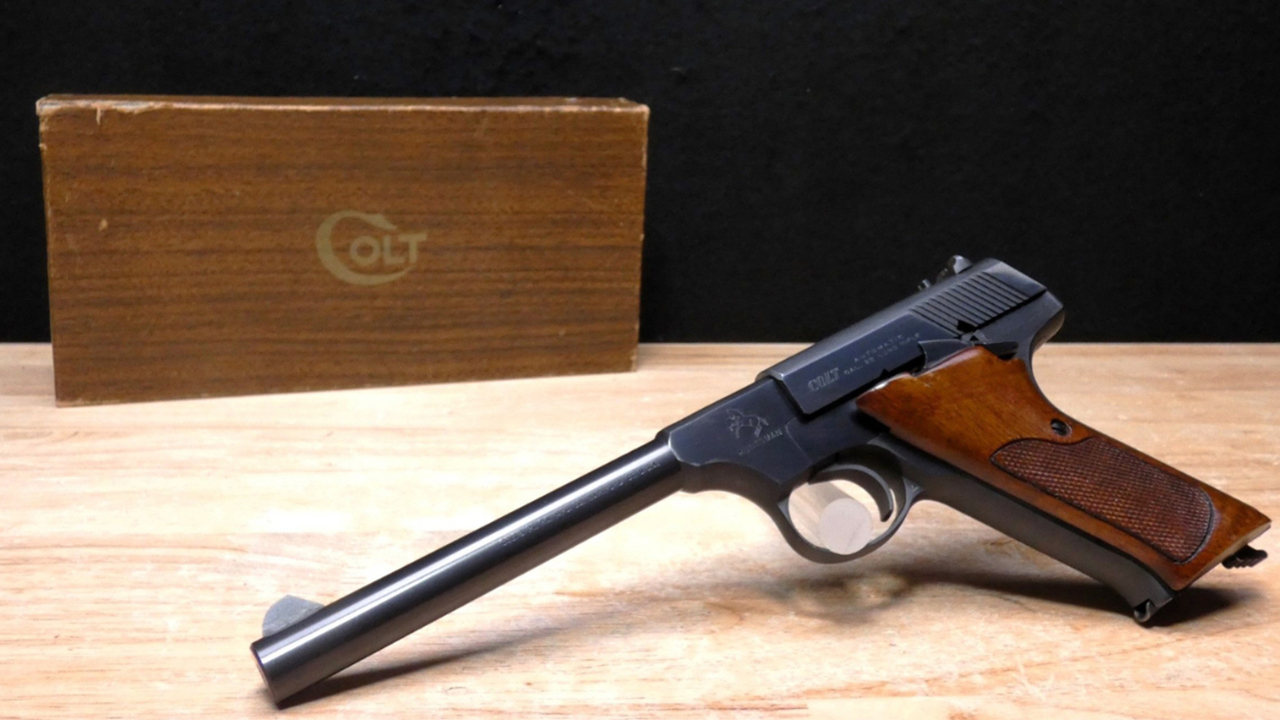
The Huntsman was intended as the less expensive alternative to Colt’s more refined Woodsman pistols.
For a long time, the market treated it exactly that way. Today, even the “budget” Colt rimfires have attracted much more attention. The all-steel construction, classic profile, and Colt name have aged extremely well. Owners who bought a Huntsman simply because they could not justify a Woodsman may have ended up with one of the better accidental purchases of the era.
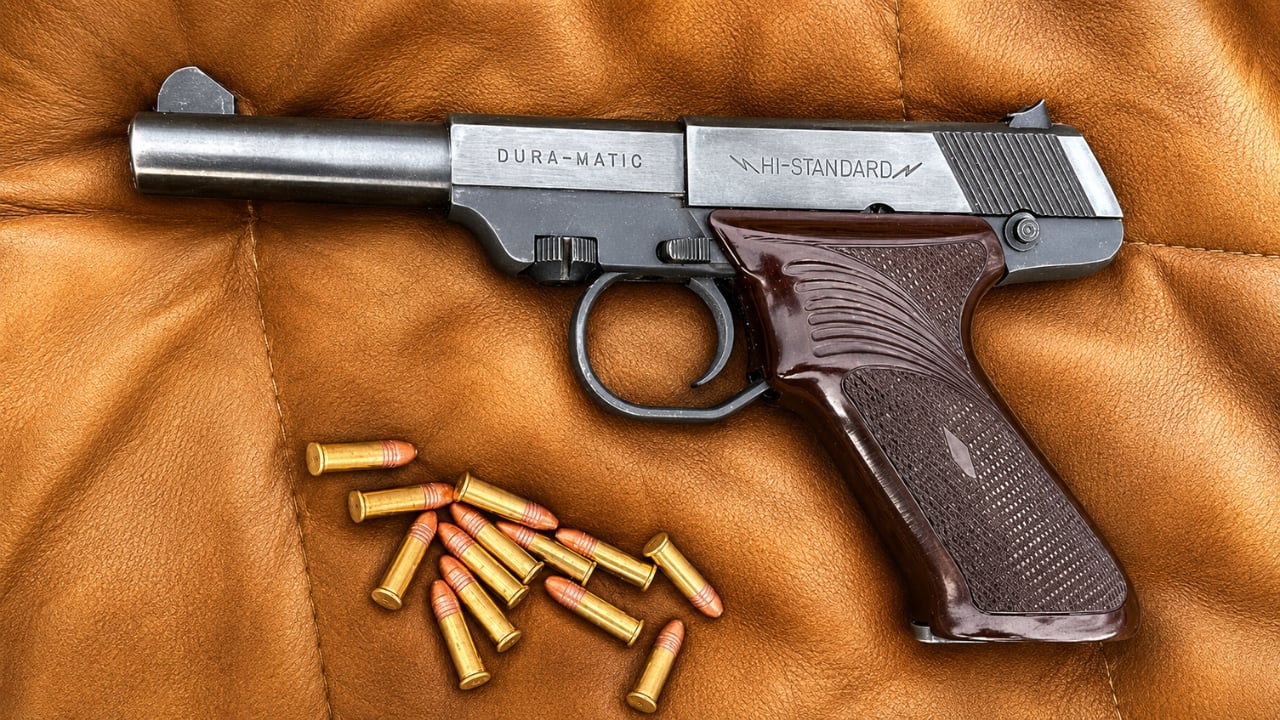
High Standard Duramatic
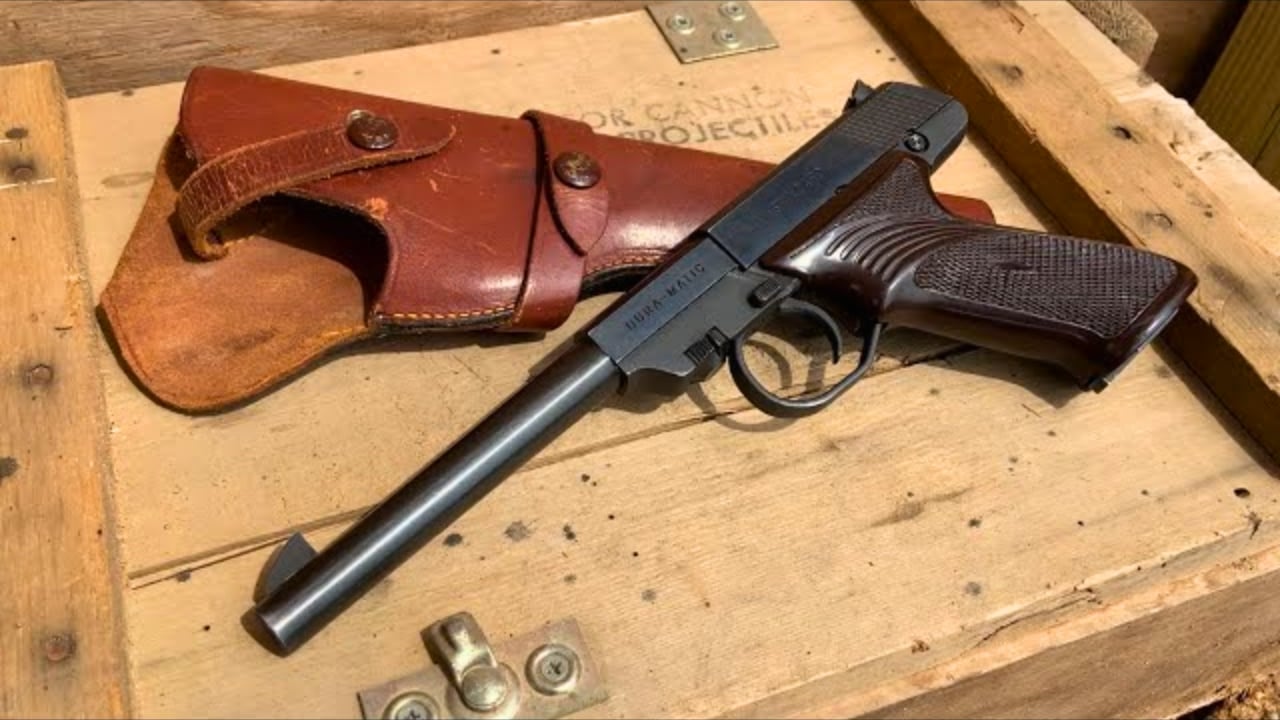
The Duramatic was High Standard’s affordable rimfire pistol, and that old budget status kept it from getting much collector respect for years.
Now buyers are looking more closely at almost everything High Standard produced during its better years. The Duramatic offers classic mid-century American construction and a fixed-barrel rimfire design without the premium once attached to the company’s top target pistols. That gap is getting smaller. Clean examples are no longer the throwaway bargain they once were.
Like The Avid Outdoorsman’s content? Subscribe to our newsletter so you never miss an article.
Here’s more from us: