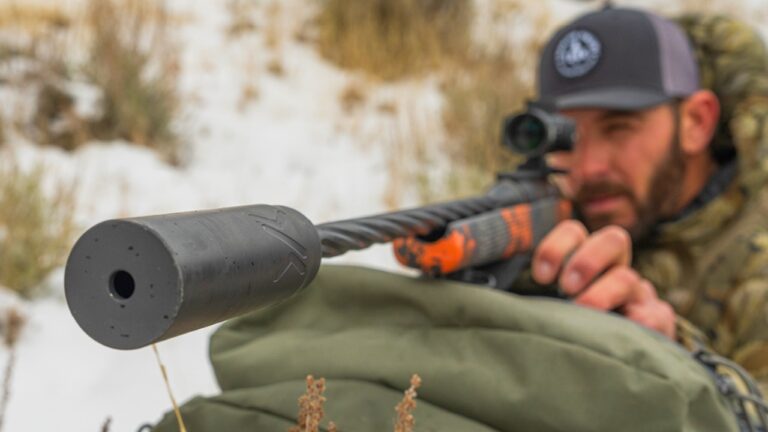
Photo credit: Just dance/Shutterstock.com
Most folks think a hunting license is just a permission slip. Pay the fee, toss it in your wallet, go sit a stand. But in a growing chunk of the country, that little piece of paper is turning into something else: a key that unlocks access, tags, drawings, and opportunities that are getting harder to come by every season.
The reason is simple. More people are hunting, more land is getting leased or posted, and more states are stacking “extras” into the same license system—upland stamps, habitat stamps, draw points, public-land endorsements, turkey add-ons, antlerless options, and youth programs. In a few places, the license also ties directly into access programs on private land that would otherwise be out of reach. Here are 20 states where that value is quietly climbing, and why you might want to think twice before skipping a year.
1. Colorado

Colorado’s big-game system is built around limited tags and preference points, and that’s where the license starts to matter beyond just being legal. Even if you’re not hunting elk every fall, staying “in the system” can keep your points moving and your options open.
Between OTC changes, pressure on popular units, and more hunters learning the game, the long-term advantage goes to the folks who keep applying. A basic license can be the gateway to years of better choices later.
2. Wyoming
Wyoming has always been a draw-state for nonresidents, but the squeeze is more noticeable now. Elk, deer, and antelope applications can be its own annual ritual, and the license requirements and fee structure push you to plan ahead.
What makes it feel “more valuable” is how quickly decent odds can disappear in the units everyone watches. If you’re building points, skipping years can sting more than you think.
3. Montana

Montana’s combination licenses and big-game combos aren’t just about tags. They’re about being in line for a state that still offers a lot of room to roam, especially for folks willing to work.
When access gets tighter and out-of-state demand keeps rising, having your paperwork and applications lined up matters. Montana rewards early planning, and the license is the first brick in that wall.
4. Idaho
Idaho has been a pressure valve for western hunters for a long time. That’s changing. OTC isn’t “easy mode” anymore, and zones that used to feel empty can look like a trailhead parking lot on opening weekend.
The value here is partly timing and partly flexibility. When rules shift and caps show up, the hunters who keep up and stay ready tend to be the ones still finding workable hunts.
5. Utah

Utah’s draw system is where hope goes to either die or get very patient. If you’re chasing limited-entry elk, quality deer, or once-in-a-lifetime tags, the license is basically a ticket to the waiting room.
It’s not glamorous, and it’s not cheap. But every year you’re in the game is a year you didn’t sit out while everyone else kept building points.
6. Arizona

Arizona is a “dream tag” state for a lot of hunters. Mule deer and elk there can be special, and the points game is the long haul. The license is the cover charge that gets you into that system.
Even residents feel the pressure because demand is real. The value isn’t in immediate opportunity; it’s in keeping your place in line and staying eligible for the best hunts down the road.
7. New Mexico

New Mexico doesn’t do preference points, which sounds great until you realize it means you can swing and miss for years. When it’s random, you want as many years of chances as you can get.
The “value” becomes the steady annual habit: apply, keep your info current, and don’t let a missed deadline be the reason you didn’t draw when your number finally came up.
8. Nevada

Nevada is another slow-burn state where point creep is a real thing. Tags are limited, and quality can be high, which means everybody is chasing the same odds.
Keeping your license and applications current matters because missing a year isn’t just a missed hunt. It’s lost momentum in a system where momentum is the whole game.
9. Oregon

Oregon’s hunting doesn’t always get the hype of other western states, but it’s quietly turning into a “do you have access?” situation. Timber ground rules, fire closures, and shifting public access change the map fast.
A license here is valuable because it ties into a lot of opportunity if you’re willing to hunt hard and adapt. It’s also a state where you can still build a season around more than one species if you plan it right.
10. Washington
Washington hunters know the feeling: crowded public land, gates that weren’t there last year, and changing rules that force you to read every line twice. A license is the baseline, but the real value is staying engaged and legal across multiple seasons.
When opportunity gets pinched, the hunter who knows the regulations, has the endorsements, and keeps their stuff squared away hunts more. The rest spend weekends second-guessing maps and boundaries.
11. Texas

Texas isn’t a public-land paradise, but the license value stacks up in other ways. Between year-round hog options, generous deer seasons in many counties, and add-ons that open up more opportunities, it can cover a lot of hunting if you use it.
And if you do have access—family land, a small lease, a buddy with a place—the license becomes the cheapest part of the whole setup. That’s the part folks forget when they gripe about fees.
12. Oklahoma
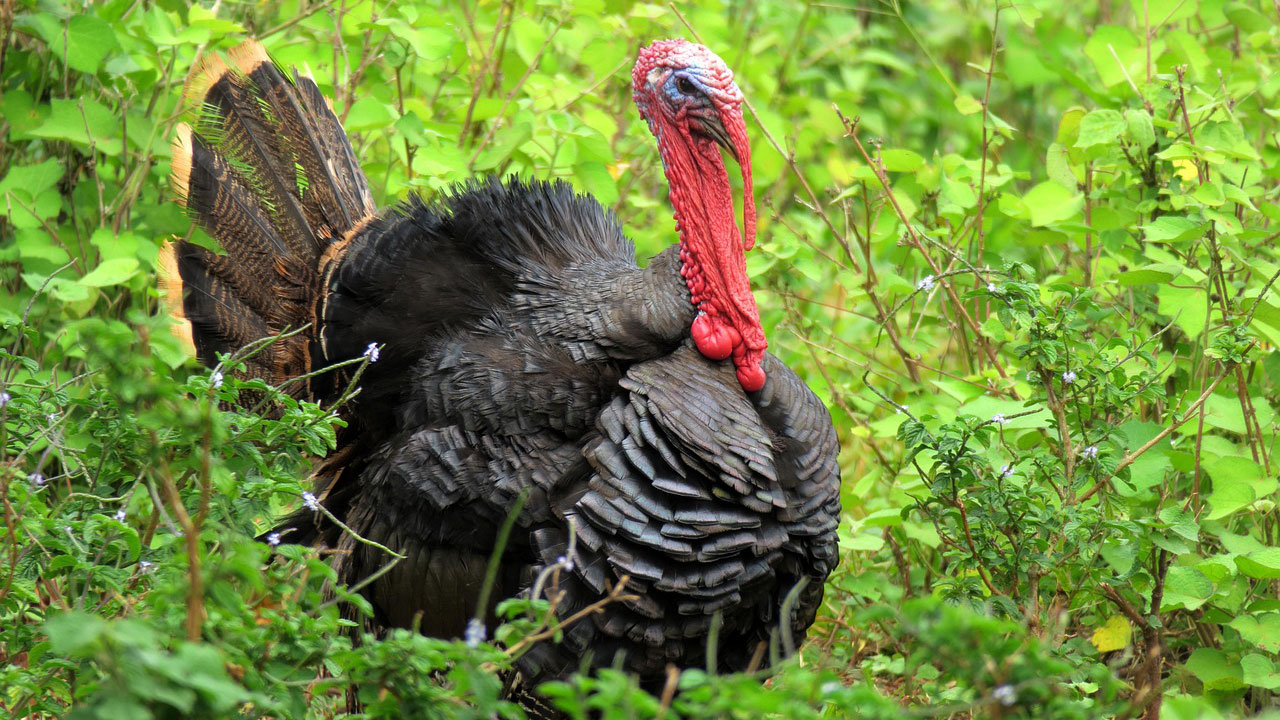
Oklahoma has been tightening and tweaking rules over the years, especially around tags and reporting. It’s not complicated once you’re used to it, but it rewards hunters who stay current.
The license is becoming more valuable because it’s tied to better management and clearer structure. That can mean more consistent seasons and less “wild west” guessing about what’s allowed where.
13. Kansas
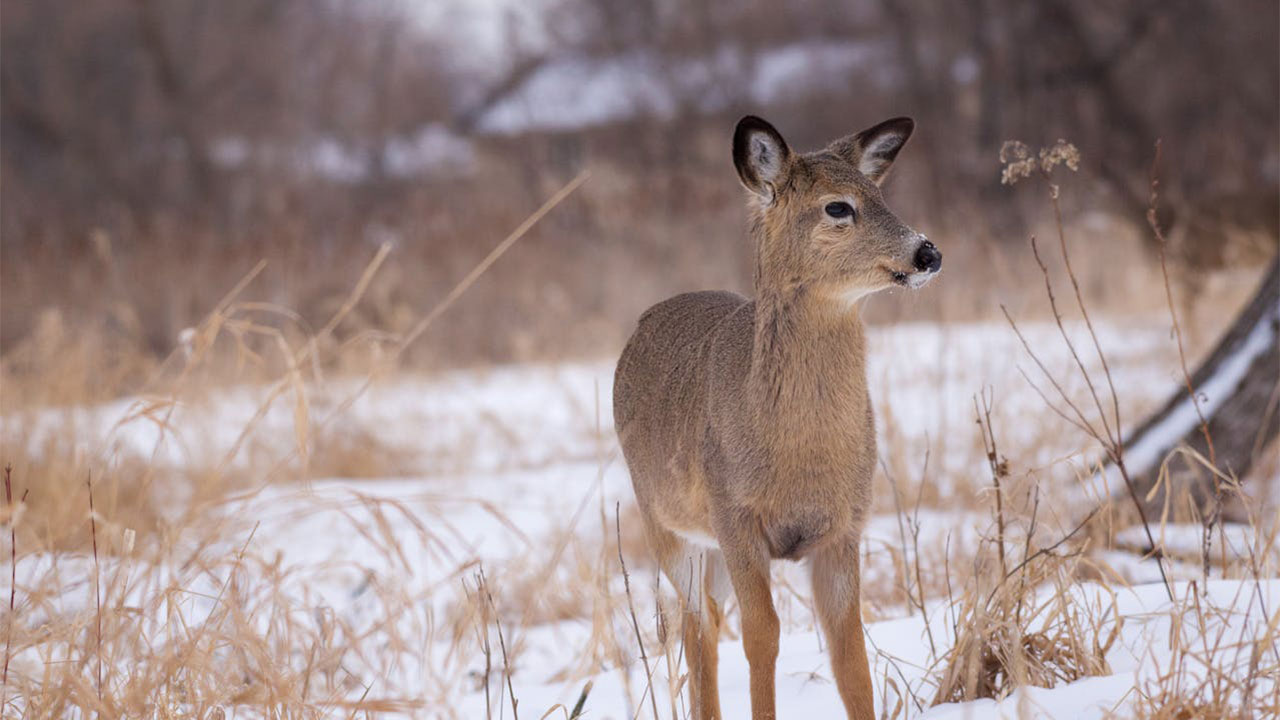
Kansas is private-land heavy, and that reality makes a license feel different. When you finally get permission, you don’t want paperwork to be the reason you miss a window—especially in a state known for mature whitetails.
For nonresidents, the draw adds another layer. The value isn’t just the ability to hunt; it’s being positioned to hunt when access and timing line up.
14. Nebraska
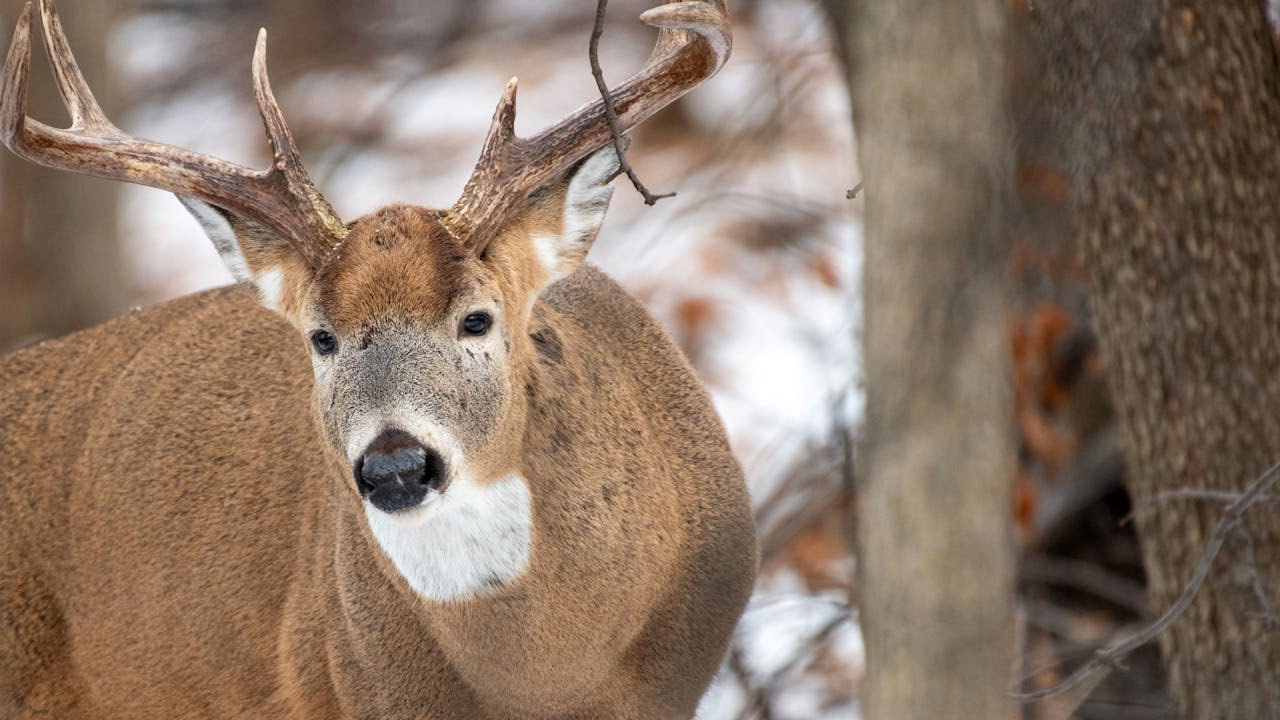
Nebraska keeps a lot of opportunity on the table if you’re willing to bounce around and hunt smart. It’s a state where you can mix archery, firearm seasons, and different species without feeling like everything is locked behind a once-a-decade tag.
What makes the license more valuable lately is pressure and permission. When more folks show up, the guy who already has his license and tags lined up doesn’t waste prime days sorting it out.
15. North Dakota
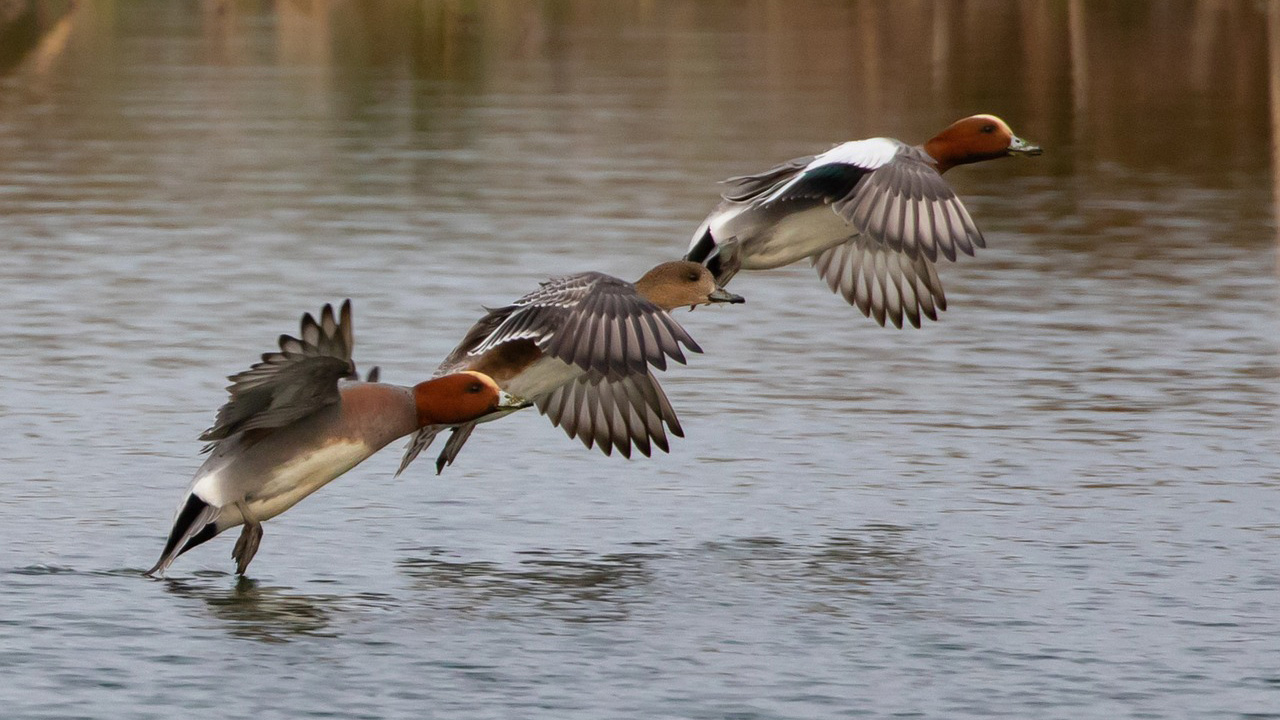
North Dakota’s deer and waterfowl culture is strong, but access is the constant chess match. Between walk-in areas, posted ground, and permission etiquette, having a license is just the start.
The value comes from programs that open doors and the kind of seasons where being ready matters. When the weather flips and the rut pops, you don’t want to be stuck waiting on administrative stuff.
16. South Dakota
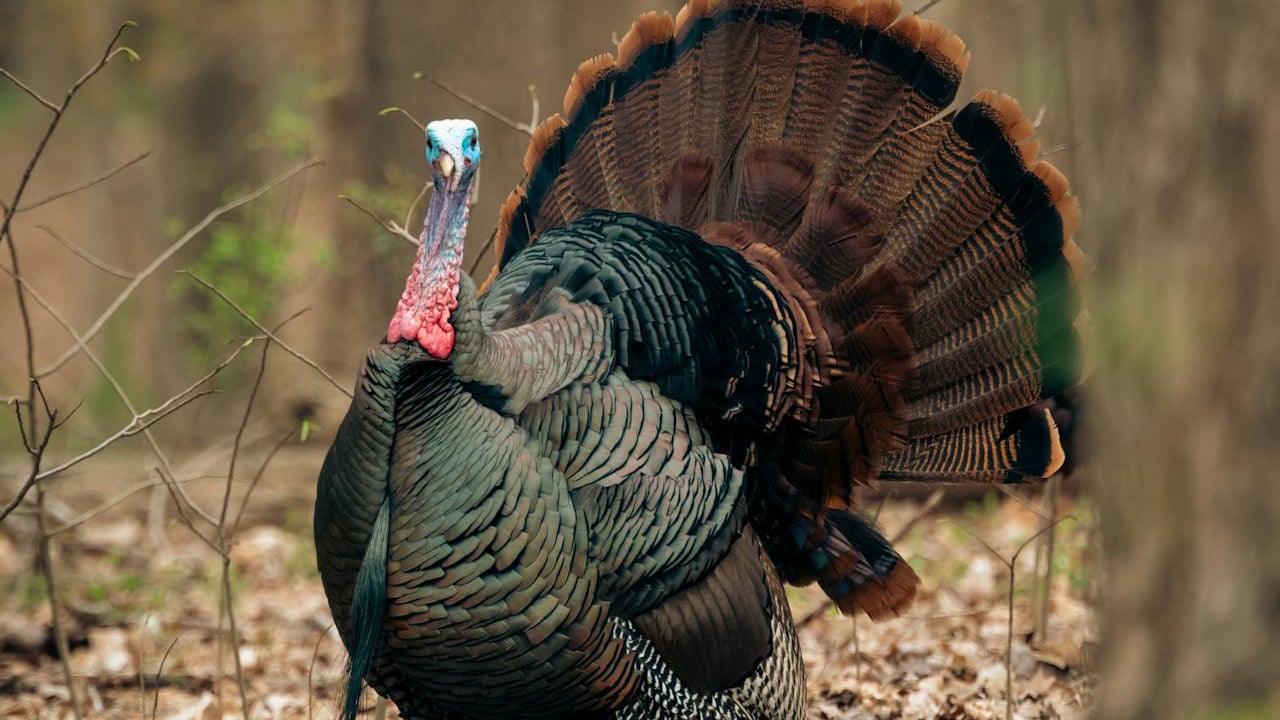
South Dakota might be the best example of “license value” stacking up in layers. Deer, pheasants, turkey—there’s a lot on the menu, and plenty of hunters build whole trips around that mix.
As pressure grows on the best public pieces and private ground gets pricier, the state’s access options and structured seasons make that license feel more like a bundle of opportunities than a single purchase.
17. Minnesota
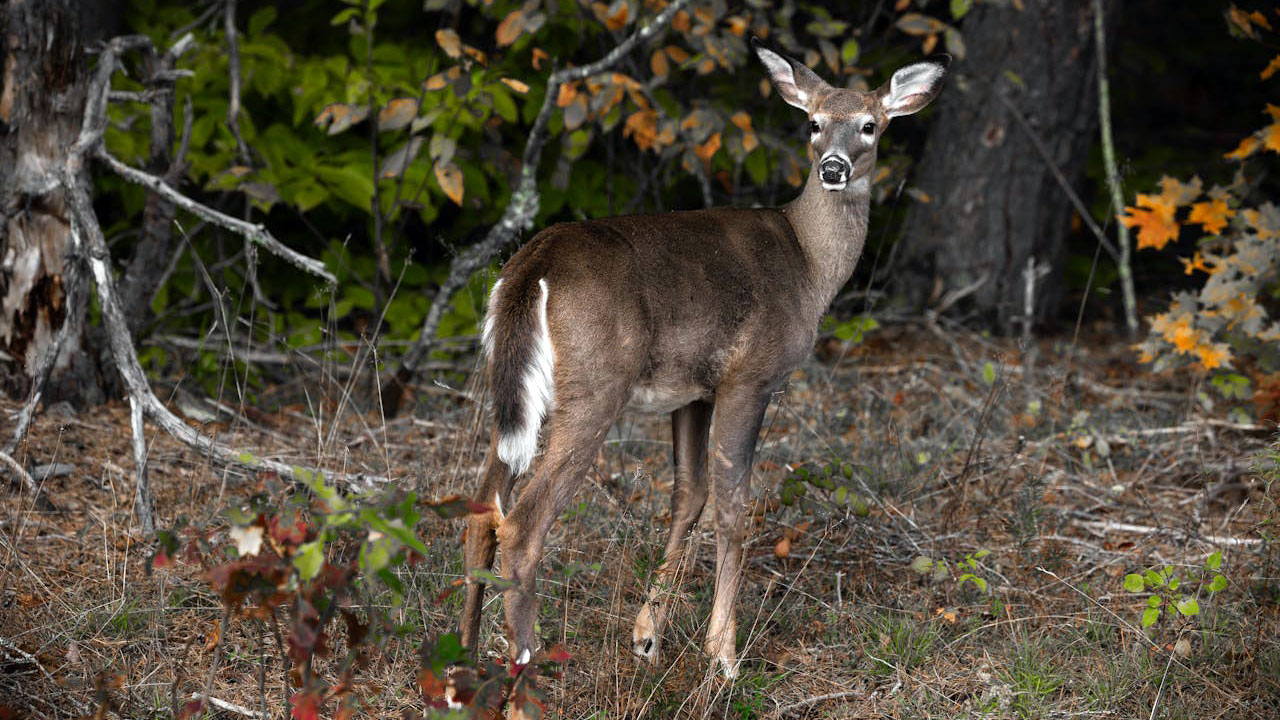
Minnesota has a huge hunting culture, and that alone keeps demand high. Deer season is practically a holiday in a lot of towns, and that means competition for good spots—public or private—is real.
The license value shows up in the ability to stay involved across archery, firearms, and muzzleloader seasons, plus the way Minnesota manages zones and harvest. If you’re willing to learn the system, you can hunt a lot.
18. Wisconsin
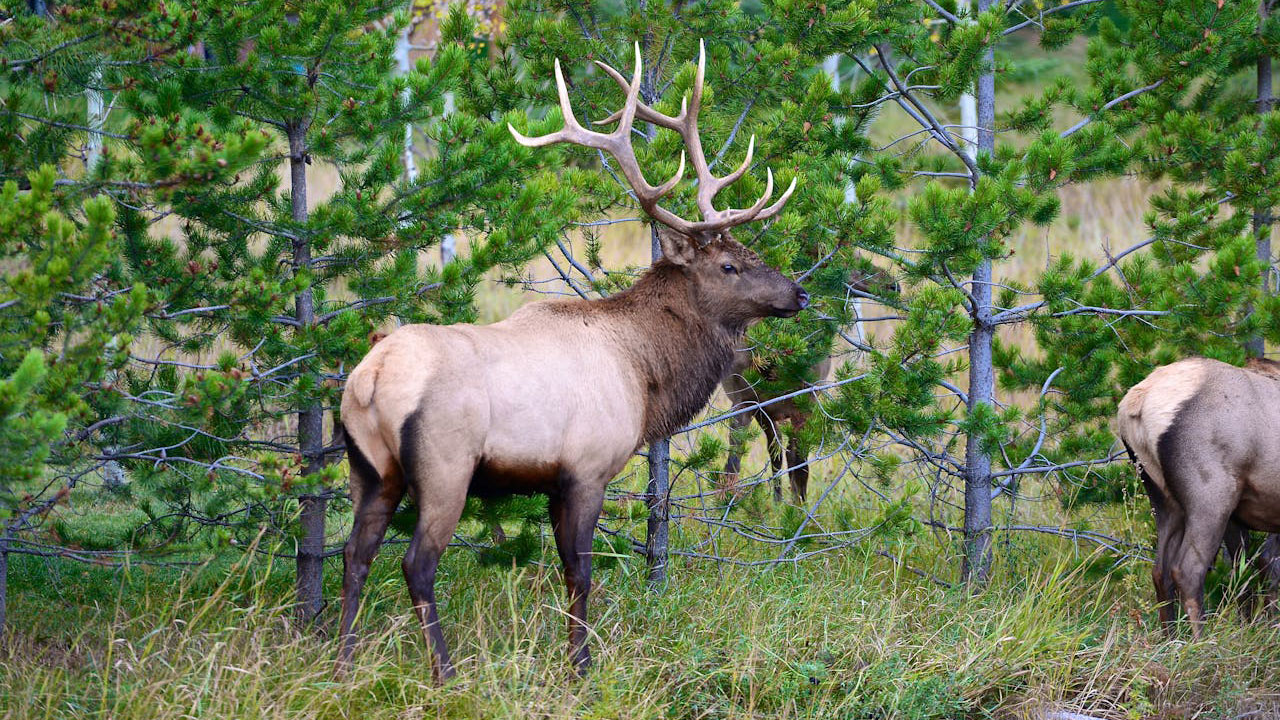
Wisconsin deer hunting is serious business, and the state has put a lot of structure into how harvest is managed. That structure is exactly why the license is becoming more valuable: it ties into a system that can offer real opportunity if you play by the rules.
Between antlerless options, unit differences, and the reality of hunting pressure, a Wisconsin license is less about “can I hunt?” and more about “how much hunting can I do if I plan it right?”
19. Pennsylvania
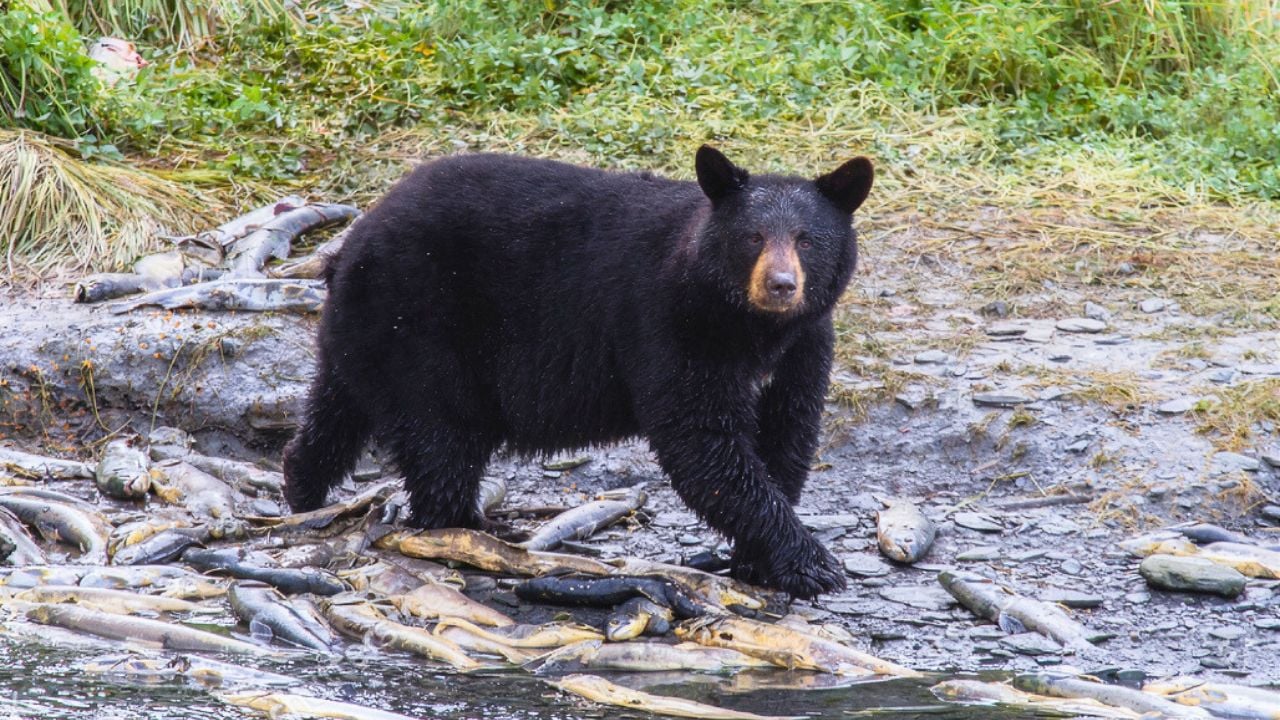
Pennsylvania has a ton of hunters and a ton of public land, which sounds perfect until you’re sharing a ridge with everybody else who had the same idea. The license value has been climbing because it connects you to multiple seasons and a big chunk of accessible ground.
When you combine that with a changing deer herd, shifting regulations, and ongoing pressure, the hunter who’s consistent—and stays engaged year to year—usually ends up with better spots and better habits.
20. Florida

Florida surprises people. Yes, it’s hot, yes the bugs are real, and yes the public-land system can be confusing the first time you mess with it. But Florida’s license plus the right permits can open up a long season calendar and a bunch of different opportunities.
The value shows up when you realize how much of Florida hunting runs on specific-area rules and permit structures. If you stay organized, you can hunt more months out of the year than most folks up north even get.
None of this is to say every license is “cheap” or that every state is making it easier. A lot are doing the opposite. But that’s exactly why the value is creeping up: a hunting license is increasingly a pass into a system—drawings, access, seasons, and options—that rewards consistency. If you’re on the fence about skipping a year, just remember this: the best time to start building hunting opportunity is before you need it.
Like The Avid Outdoorsman’s content? Be sure to subscribe to our newsletter.
Here’s more from us: