Photo credit: Honest Outlaw/YouTube
The auction hall always smells like old leather, dust, and coffee that’s been on the burner too long. I go for the same reason most of us do: there’s a chance to snag something solid without paying new-gun prices, and there’s always something interesting on the tables. But every so often you watch a string of firearms sell for less than what they ought to bring, and you keep your mouth shut because that’s not your job.
I’m not talking about junk. I’m talking about rifles and handguns that still do honest work, guns with good bones, the kind you’ll wish you had when deer season rolls around or when you’re trying to find magazines and parts for the “latest and greatest” that stopped being cool after six months. Here are 20 I’ve watched go cheap, and why each one deserved more respect than the crowd gave it.
1. Winchester Model 70 (pre-64)
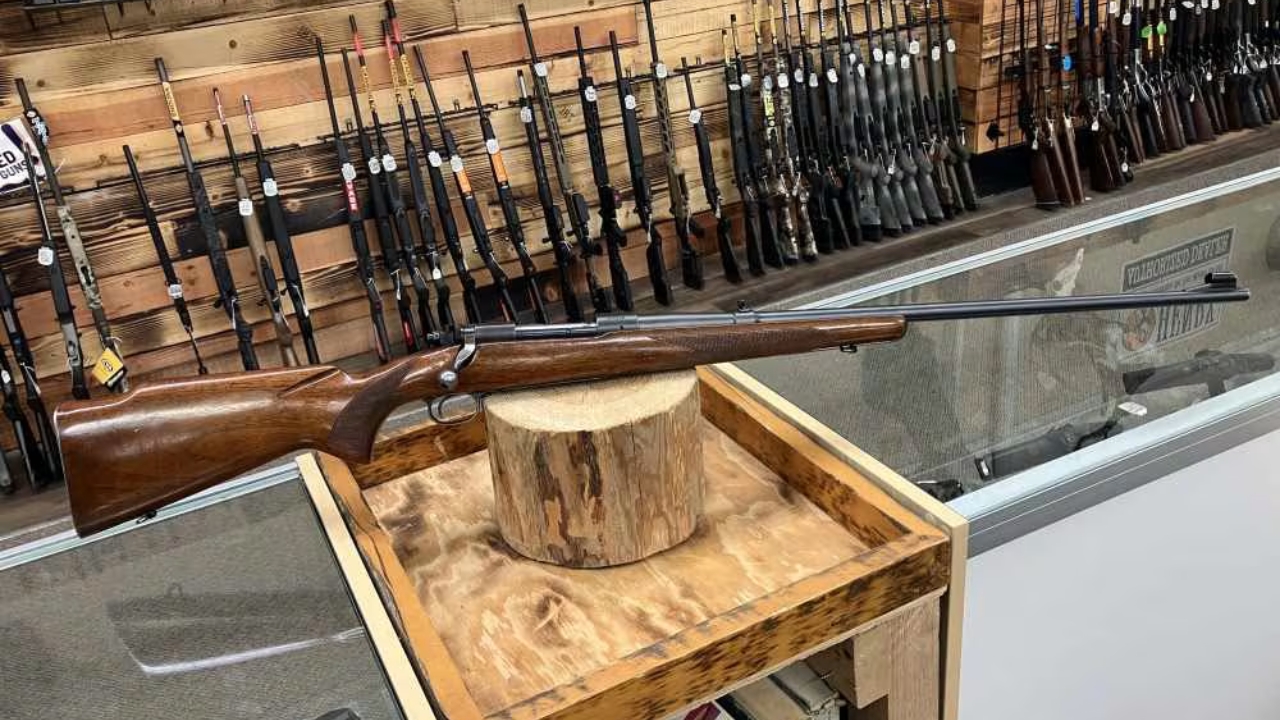
This one hurts because you don’t just “replace” a pre-64 Model 70 when you get around to it. The action feel is different, the fit is different, and even folks who don’t care about history can feel it when they run the bolt. I watched one sell like it was just another old deer rifle with some blue wear.
Sure, they aren’t all museum pieces. Many have been carried hard and hunted hard. But if the bore is decent and the bolt lugs aren’t beat to death, it’s still one of the slicker, more confidence-inspiring hunting rifles you can own.
2. Remington 700 BDL (older walnut/blue)

There’s a reason the BDL became the picture in everybody’s head when you say “bolt-action deer rifle.” The floorplate, the walnut, that classic balance—nothing fancy about it, and that is kind of the point. I’ve watched guys bid harder on a plastic-stock budget rifle with a bargain scope than they did on a clean BDL.
It’s also one of the easiest rifles in the world to keep running with common parts and common know-how. Even if you don’t want to tinker, any decent gunsmith has seen a hundred of them.
3. Ruger M77 Mark II

The M77 Mark II doesn’t get a lot of internet love because it’s not “new,” and it’s not “tactical.” But in the deer woods, it just works. The controlled-round-feed setup and that Ruger robustness makes for a rifle that’ll keep feeding when it’s cold, wet, and you’re wearing gloves.
I watched one go for what folks pay for a case of ammo and a range day now. That rifle would have been just as happy in a scabbard on an ATV as it would in a stand.
4. Savage 99

The Savage 99 is the kind of lever gun that makes you wonder why more companies didn’t keep pushing the idea. It carries flat, points fast, and a good one cycles like it wants to be used. I’ve seen bidders treat them like “grandpa guns” because they aren’t a Model 94 or a Marlin 336.
If you’ve ever still-hunted timber or hunted brushy creek bottoms, you already know why these matter. They’re quick, handy, and they have real hunting cartridge options that still put meat in the freezer.
5. Marlin 336 (JM-stamped)
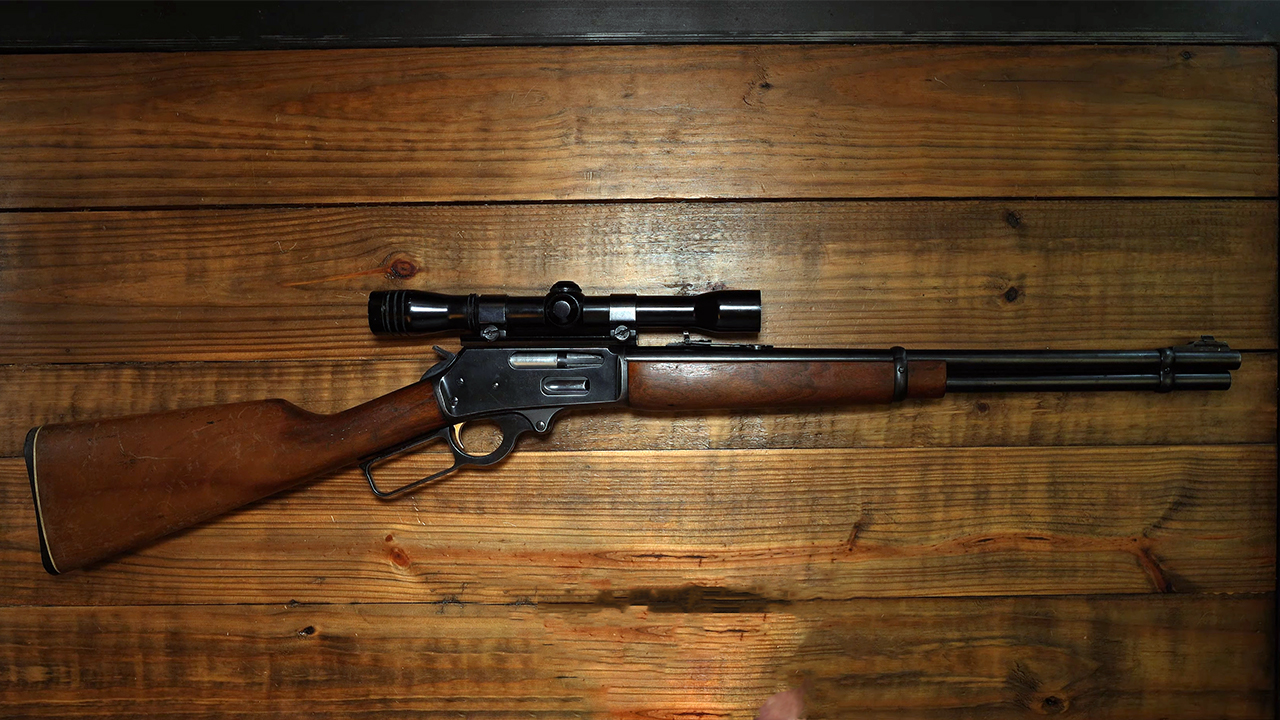
People get weird at auctions. They’ll ignore a solid JM-stamped 336 because the stock has a few dings, then turn around and pay more for a “tactical” lever gun with add-ons they don’t really need. A plain 336 with honest wear is a working rifle, not a safe queen.
These are easy to carry, easy to shoot well, and they do the job inside the distances most woods hunters actually shoot. The older ones especially have a smoothness you don’t appreciate until you’ve handled a few.
6. Winchester Model 94 (pre-64)

I watched a pre-64 94 sell for a number that made me blink twice. It wasn’t perfect, but it was tight, and the action didn’t feel like it had been used as a pry bar. A lot of younger buyers don’t understand why “pre-64” matters, and that’s fine—until they go looking for one later.
It’s light, it carries well, and it’s as close to a classic truck-and-deer-camp rifle as it gets. You can argue about calibers all day, but you can’t argue with how many deer have been taken with that platform.
7. Ruger No. 1
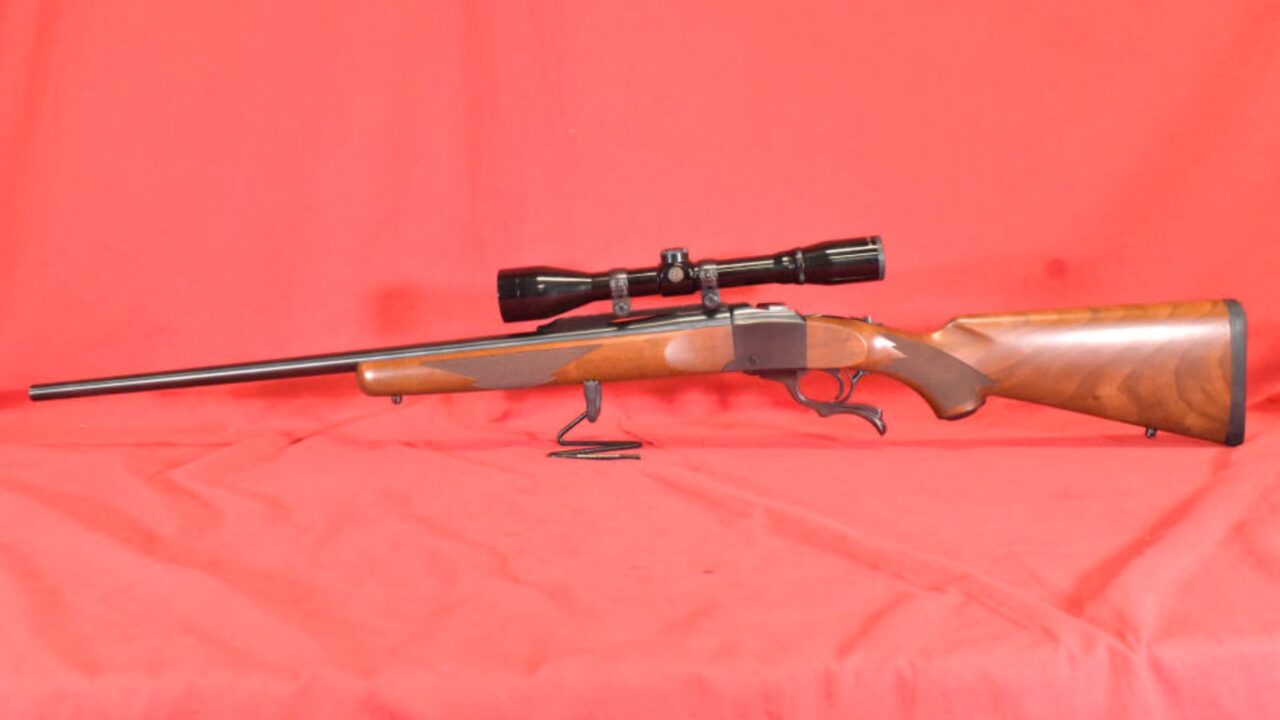
A single-shot rifle isn’t everybody’s idea of a good time, and I get that. But the Ruger No. 1 has a way of making you slow down and shoot like you mean it. I watched one in a sensible hunting chambering sell like it was some oddball wall-hanger.
It’s compact for its barrel length, balances nicely, and it’s just plain enjoyable to carry. There’s also something to be said for a rifle that forces you to make the first shot count.
8. Browning A-Bolt (older models)
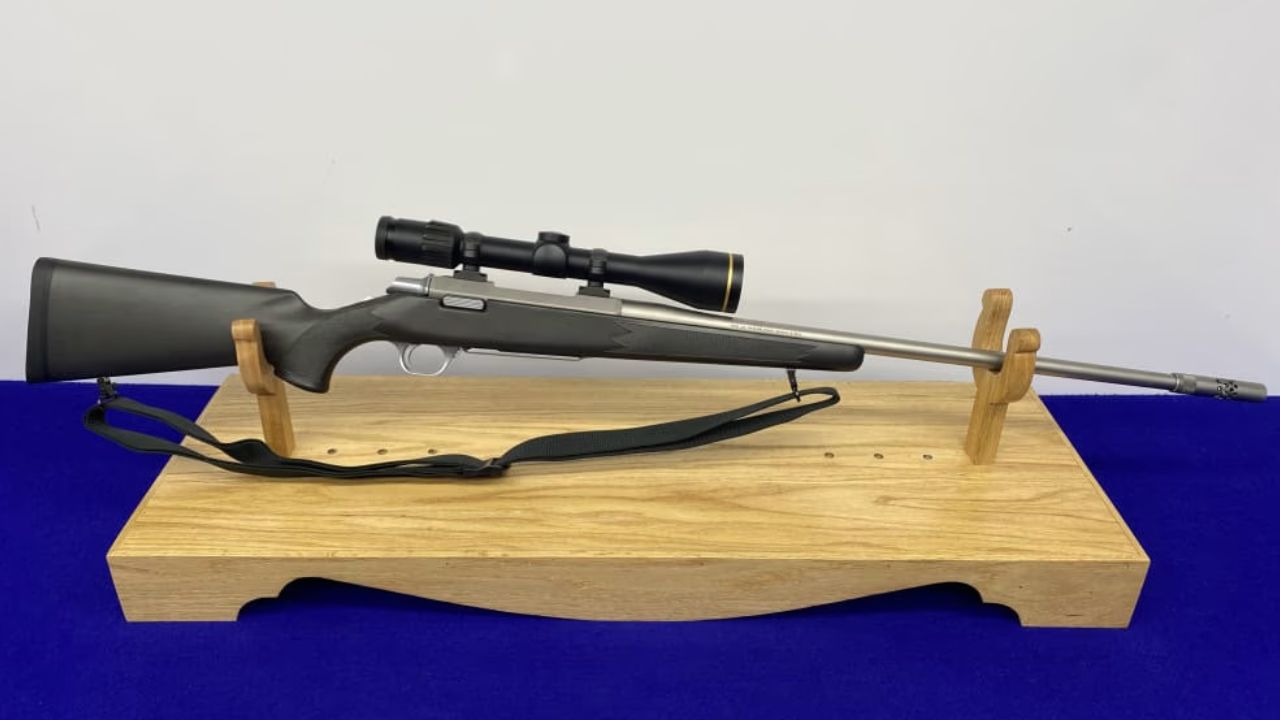
The A-Bolt is one of those rifles that never needed to be loud to be good. Smooth bolt, good trigger on many of them, and they tend to sit in the shoulder naturally. I’ve seen them get overlooked because they don’t have the latest chassis or muzzle device.
For a practical hunting rifle, they’re hard to fault. If you find one with a decent scope already mounted and it fits you, it’s the kind of buy you’ll quietly be happy about for years.
9. CZ 452
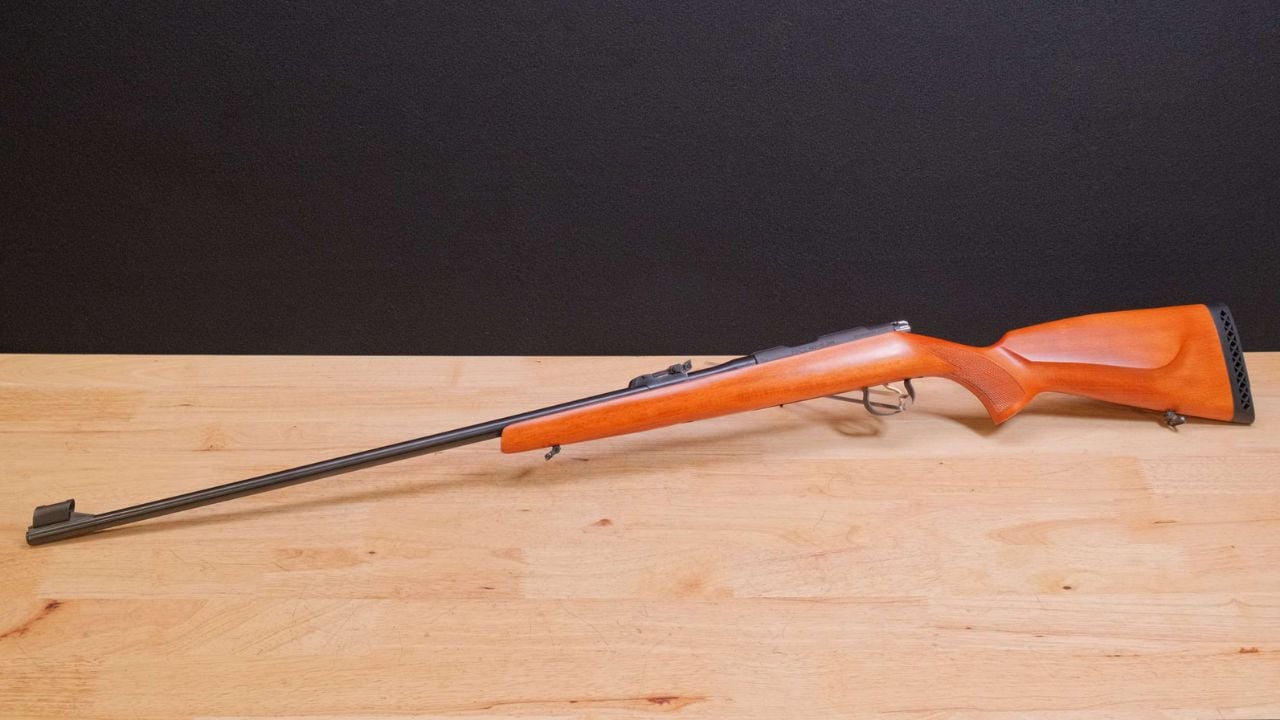
Good .22s are getting harder to find at a fair price, and the CZ 452 has been a sleeper for a long time. It’s accurate in a way that makes cheap rimfire fun again, and the little details—the machining, the feel—are better than they have any business being for what they used to cost.
I watched one sell like it was interchangeable with a bargain big-box .22. It isn’t. If you like squirrels, rabbits, or just shooting tiny groups, you’d be smart to hang onto one.
10. Ruger 10/22 (older, clean examples)
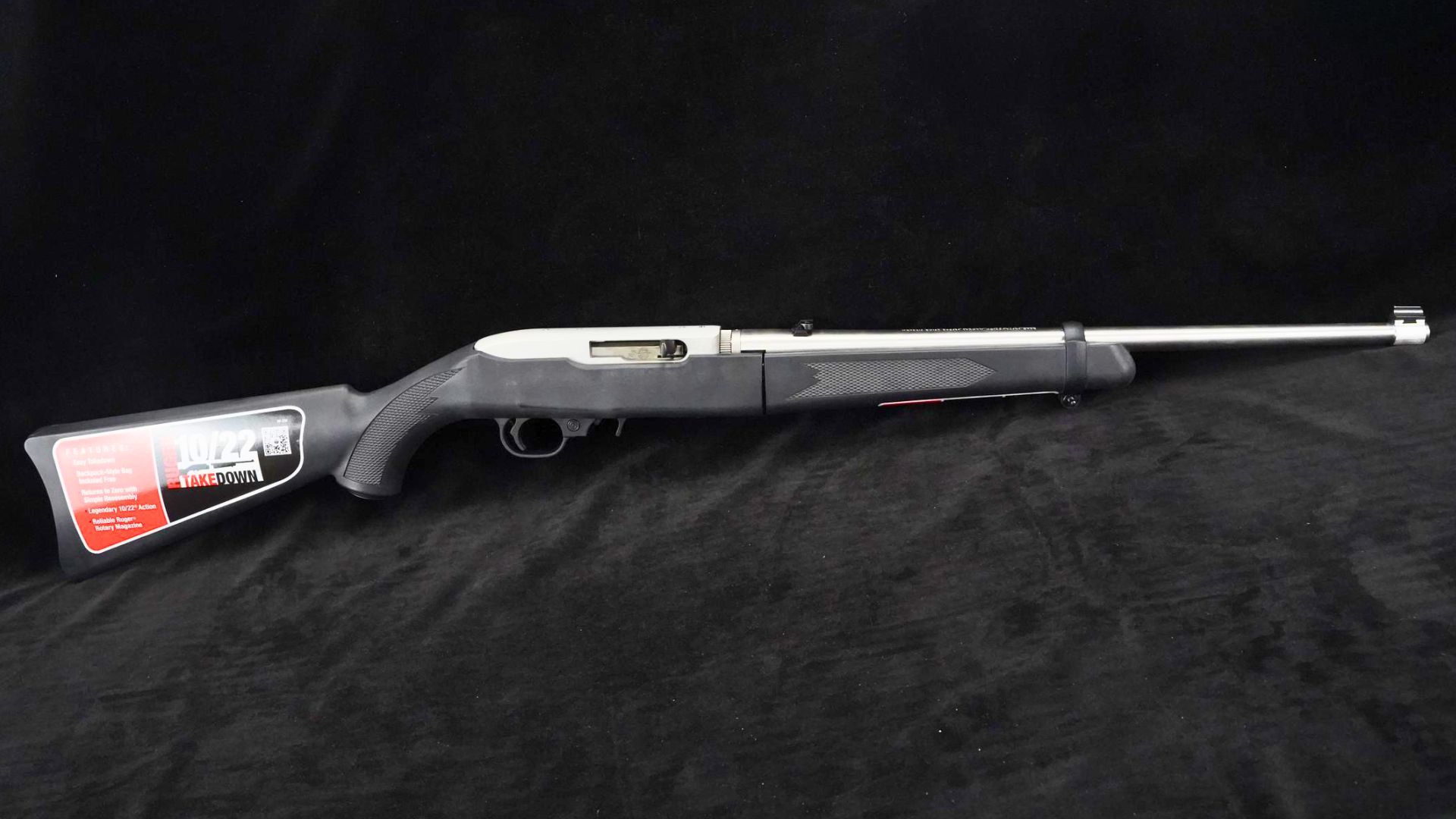
Everybody knows the 10/22, so you’d think they’d bid accordingly. But I’ve watched clean, older carbines sell cheap because the crowd was chasing “custom builds” instead. A basic 10/22 that runs is still one of the most useful firearms you can own.
Magazines are everywhere, parts are everywhere, and it will do everything from popping tin cans to putting squirrels in the pot. It’s also the kind of gun you can hand to a new shooter without a long lecture.
11. Smith & Wesson Model 10
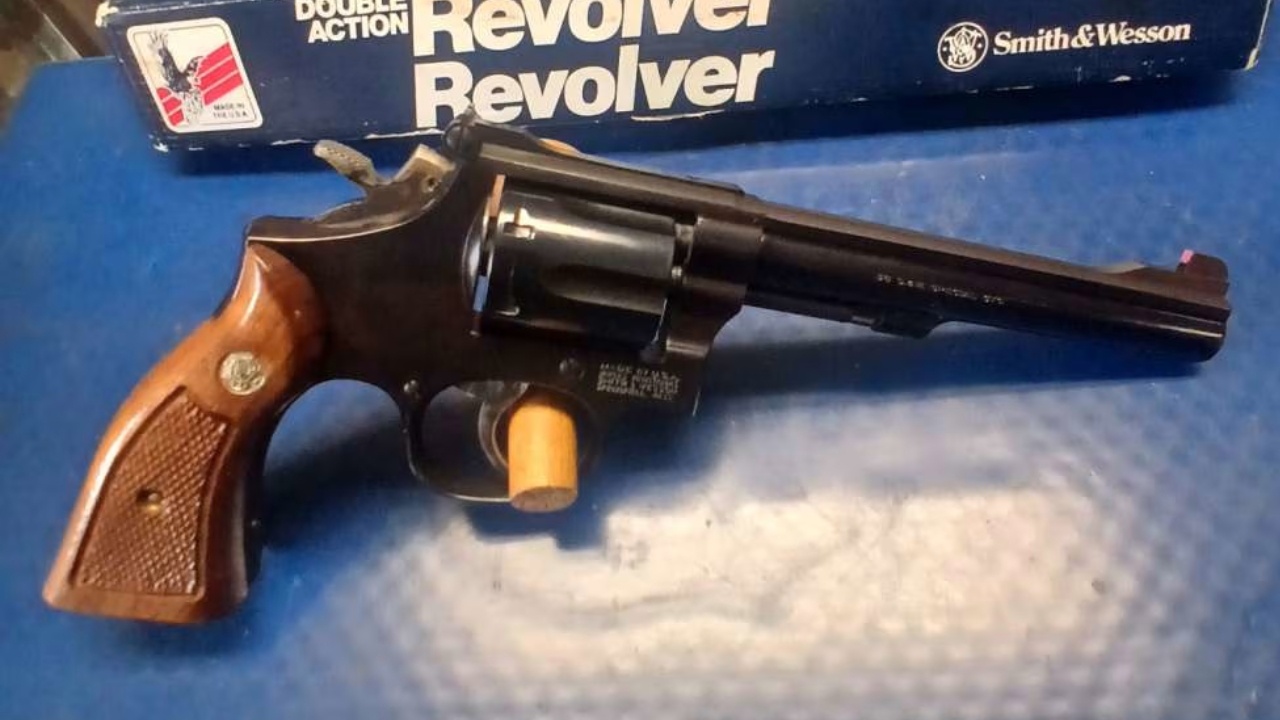
Police trade-in revolvers have dried up compared to what they used to be, and the Model 10 is about as honest as it gets. Fixed sights, sturdy frame, and a trigger that usually feels better than it has any right to. I watched one go cheap because it didn’t have “combat sights” and a fancy finish.
If you shoot double-action at all, you know why these matter. They’re also great for folks who want a straightforward home gun that doesn’t require chasing magazines or worrying about finicky ammo preferences.
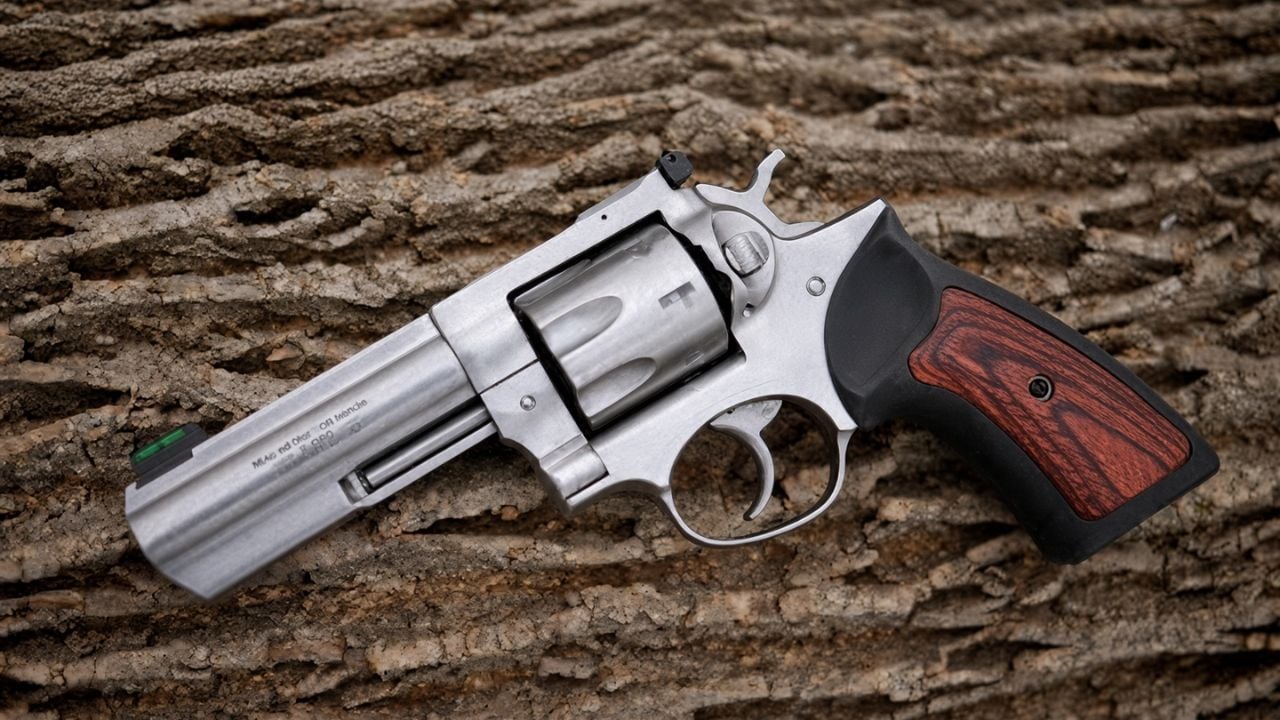
12. Ruger GP100
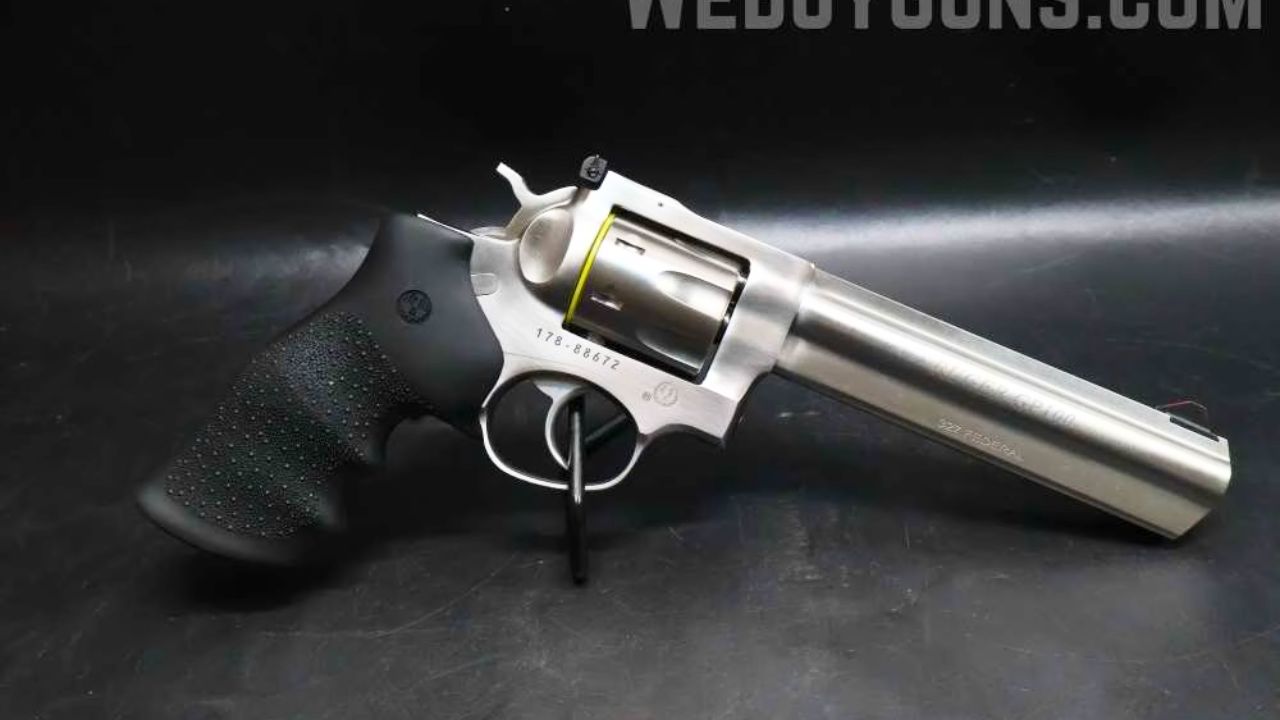
The GP100 isn’t delicate, and that’s why I like it. It’s a revolver you can shoot a lot without it feeling like you’re slowly loosening the gun apart. I’ve seen bidders shrug at them because they’re “heavy.”
Yeah, they’re heavy. That weight also makes .357 more manageable and makes the gun more pleasant to practice with. A revolver you actually practice with is better than a featherweight you dread shooting.
13. Colt Detective Special

Old Colt snubs have a following, but auctions can be strange. If the crowd doesn’t recognize the model at a glance, it can slip through. I watched a Detective Special sell like it was just another old revolver with a short barrel.
These carry well, point naturally, and the older Colt actions can be buttery when they haven’t been abused. The downside is parts and specialized work can be trickier than with some other brands, which makes a clean one worth appreciating.
14. Glock 19 (Gen 3)
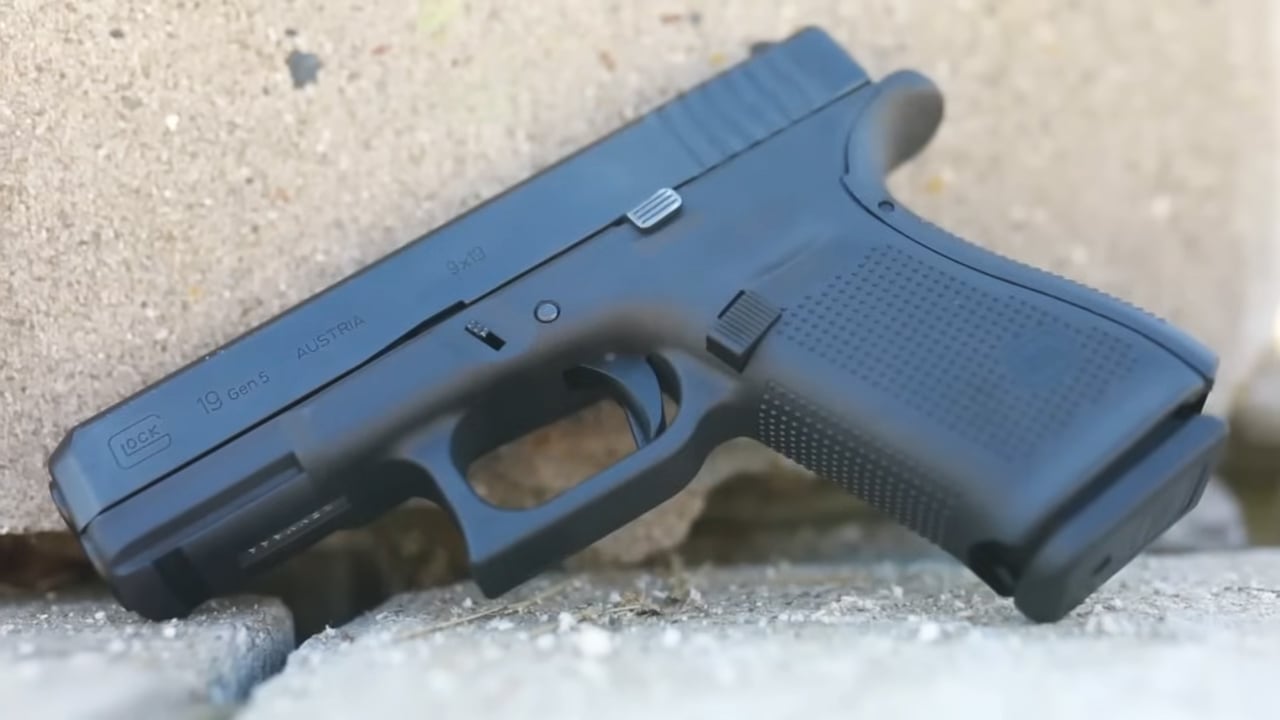
Somebody always turns their nose up at a Gen 3 because it isn’t the newest. Fine by me. The Gen 3 Glock 19 is still one of the most proven, easiest-to-support pistols out there, and it does the “do everything” role better than most.
I watched one sell for a number that wouldn’t buy a lot of budget pistols plus extra mags. If you want something that just runs, has endless holster options, and is easy to keep fed, it’s hard to argue against.
15. SIG Sauer P226 (West German marked)
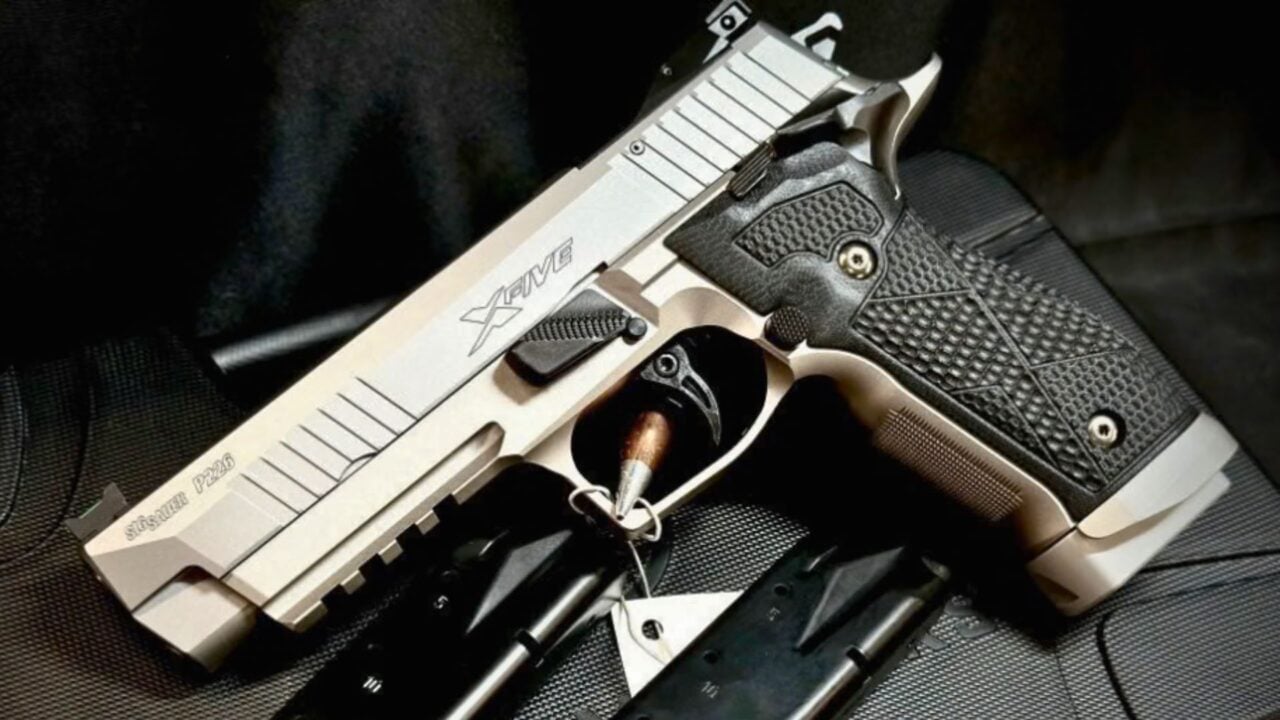
The older P226 pistols have a feel that’s tough to describe until you rack one and dry-fire it a few times. They’re not tiny, and they’re not light. But they shoot flat, they’re easy to shoot well, and they tend to be extremely dependable when they’ve been maintained.
I watched one go for a price that would’ve been fair ten years ago. Magazines aren’t impossible, parts support is still good, and the platform has earned its reputation the hard way.
16. Beretta 92FS

The 92FS gets called “big” by folks who don’t spend much time shooting. Then they shoot one and realize why it stuck around as long as it did. The open-top slide design, the recoil impulse, the way it tracks—there’s a reason they’re easy to run fast.
At auction, they sometimes get treated like an outdated service pistol. But for a range gun, a home gun, or just a reliable 9mm that won’t beat you up, they’re a lot of pistol for the money.
17. Browning Hi-Power (FN or Browning-marked)
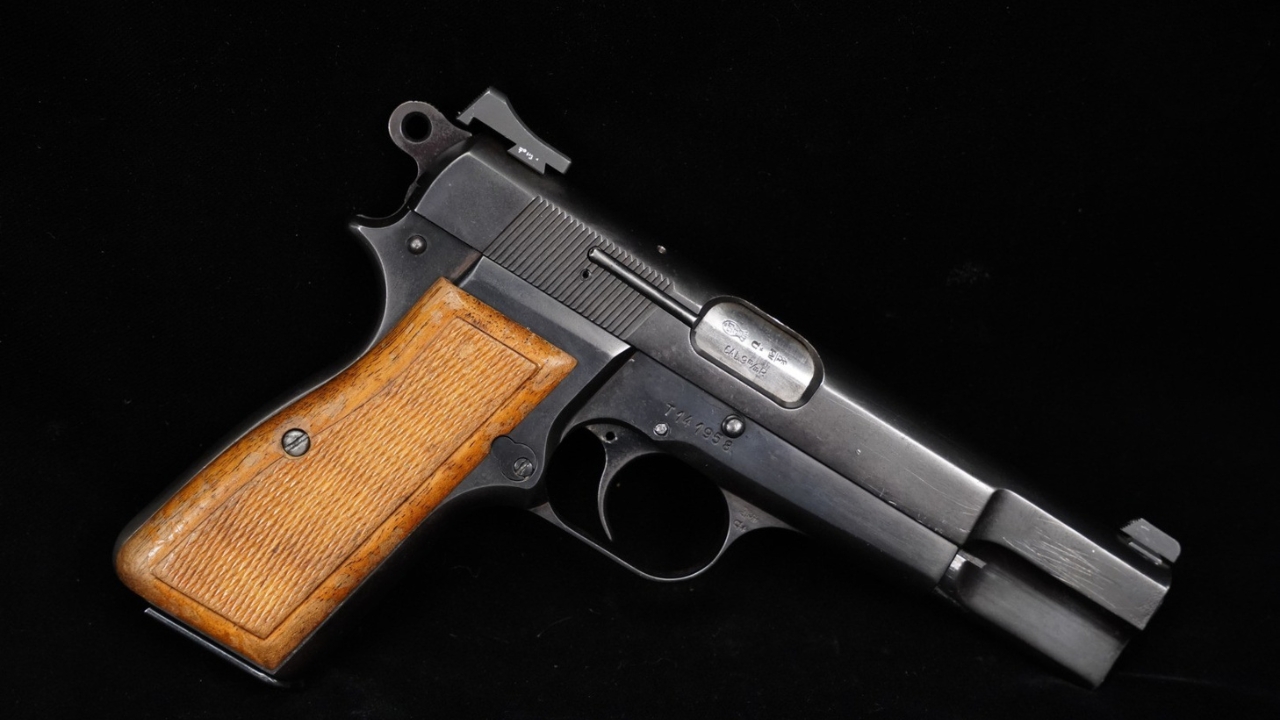
Hi-Powers can bring big money when the right bidders show up, but I’ve also seen them slip through when the room is focused on striker-fired everything. The Hi-Power isn’t perfect, and the trigger varies, but it’s a classic for a reason.
It points like your finger, carries flatter than you’d think, and it has a feel that modern pistols don’t really copy. If you find one that hasn’t been butchered with questionable “upgrades,” it’s worth a hard look.
18. Remington 870 Wingmaster
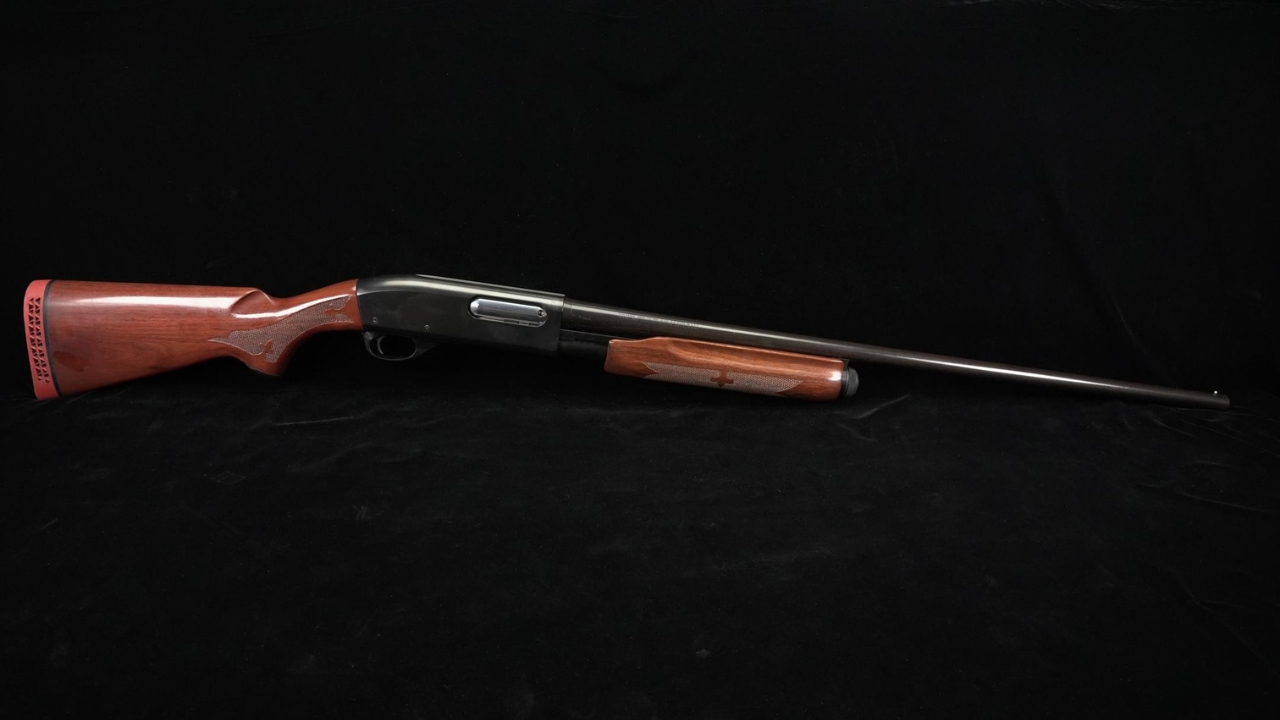
The Wingmaster is the pump shotgun that makes you understand what people mean by “smooth.” I watched one sell for cheap because the buyer next to me was fixated on a tactical pump with rails and a heat shield. The old Wingmaster didn’t look exciting sitting there.
In the field, it’s exciting in the only way that matters: it feeds, it ejects, and it keeps going. For upland, waterfowl, or a general-purpose farm shotgun, it’s still a top-tier tool.
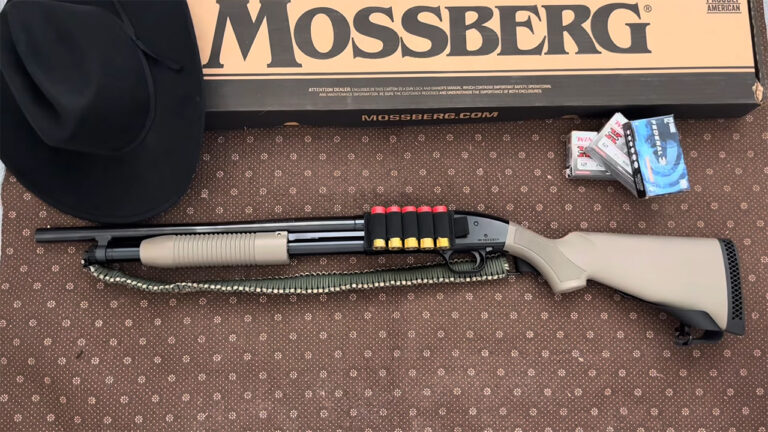
19. Mossberg 500 (older, basic hunting setup)
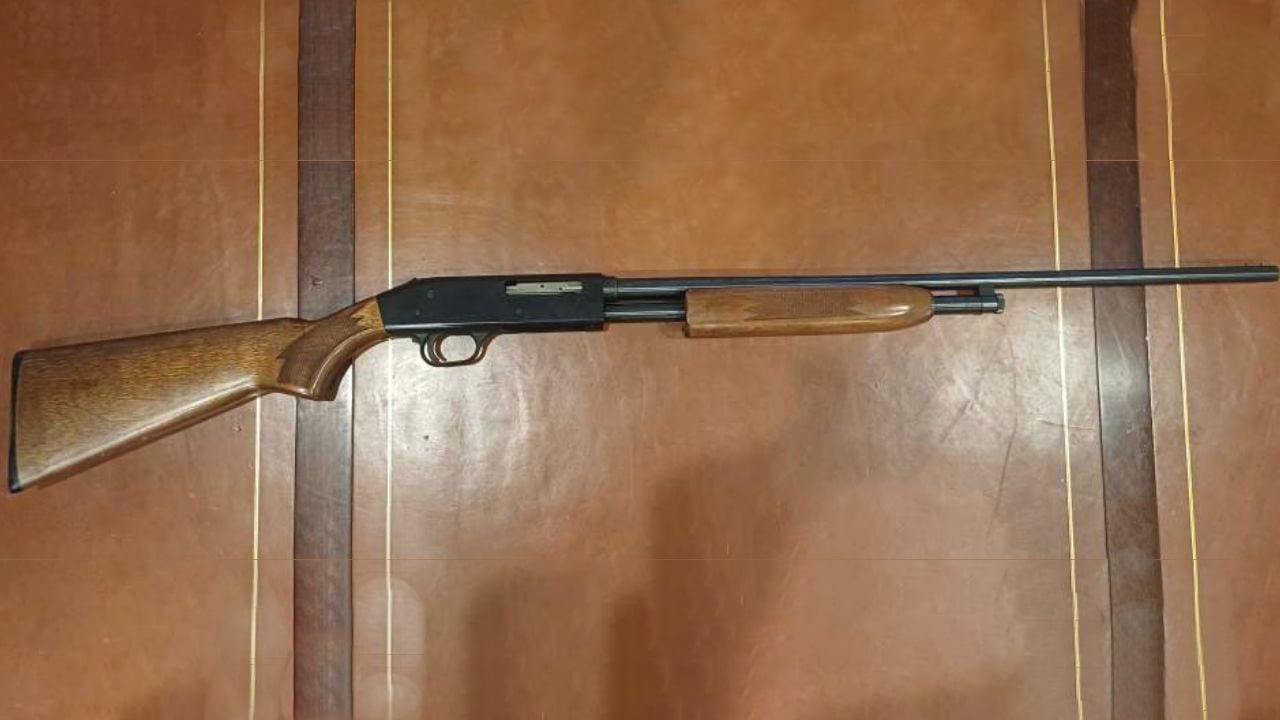
The Mossberg 500 gets dismissed because it’s common. That’s backwards. Common means barrels and parts are easy to find, and you can set one up for birds in the morning and deer in the evening if you have the right barrel and a little patience.
I watched a clean, plain 500 with a simple choke setup sell like it was an afterthought. It’s not glamorous, but it’s one of the more useful shotguns a working household can own.
20. SKS (Norinco or Yugoslav pattern)

The SKS used to be the rifle you bought when you were broke and wanted something that would still run. Those days are mostly gone, but at auctions you still see them sell under their real value when the crowd is chasing ARs. I watched a decent one go for less than it costs to build a halfway respectable rifle these days.
It’s not light, and it’s not as modular as modern stuff, but it’s a rugged semiauto with simple manual of arms and a track record that speaks for itself. If you find one that hasn’t been messed with too much, it’s a practical rifle to own, especially if you like simple and sturdy.
I’m not saying every old gun is a treasure, and I’m not saying you should buy everything you see. Auctions are a gamble, and sometimes the right move is to keep your hands in your pockets. But if you’re building a safe full of firearms you’ll actually use—hunt with, carry, keep by the back door on a stormy night—these are the kinds of guns that tend to earn their keep long after the shiny stuff stops being fun.
Like The Avid Outdoorsman’s content? Subscribe to our newsletter so you never miss an article.
Here’s more from us: