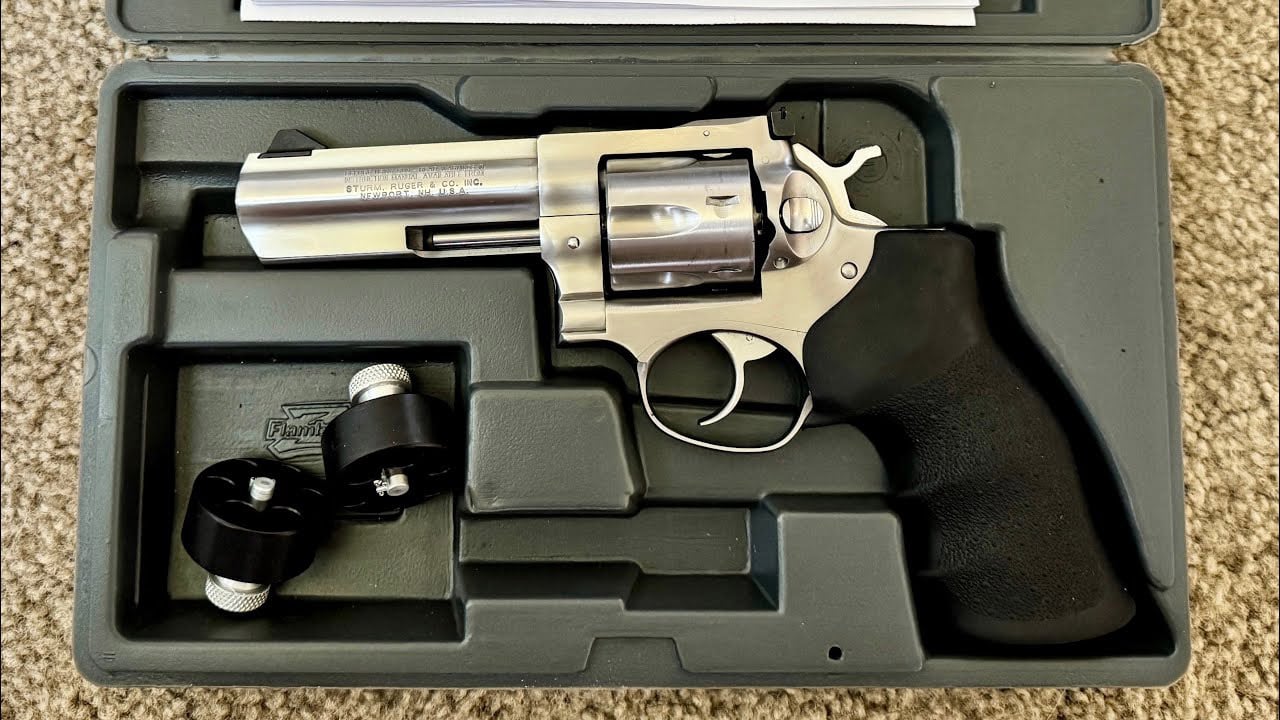
Photo credit: Diesel Legiance – Build With Purpose/Youtube
You learn a lot hanging around a gun shop or a small-town range. One of the biggest lessons is this: not every firearm needs “work.” Some come into a gunsmith’s shop because the owner thinks something has to be wrong, or they got spooked by an internet thread, or they just want a once-over before season. The gunsmith checks headspace, looks for cracks, inspects springs, checks timing and lockup, runs the action a few times, and hands it back.
And the gun leaves exactly the way it arrived. Not because the smith didn’t care, but because the gun was already doing its job.
Here are 20 guns that tend to show up in that category—boring in the best way. They’re the ones that get checked, wiped down, maybe get a little advice, and go right back to work.
1. Glock 19
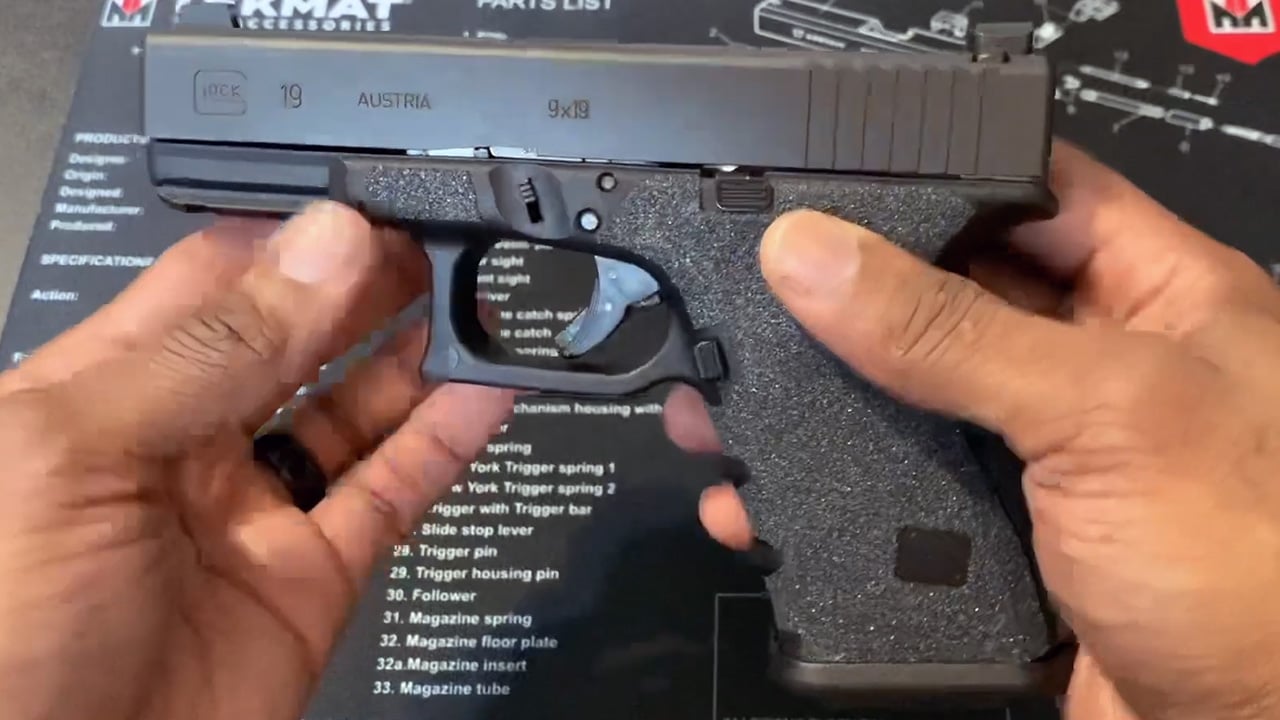
The Glock 19 is the pickup truck of handguns. It’s not fancy, but it runs in bad weather, cheap ammo, and neglect that would make you ashamed to admit it out loud. A lot of them show up because somebody’s buddy convinced them the trigger feels “off” or the extractor “might be going.” Most of the time it’s just a dirty gun or a new shooter learning what a striker-fired trigger feels like.
Parts are everywhere, magazines are everywhere, and that’s actually part of why they don’t get modified much by good smiths. When something truly is worn, it’s usually an easy swap. But the ones that come in “just to be safe” typically leave unchanged.
2. Ruger GP100
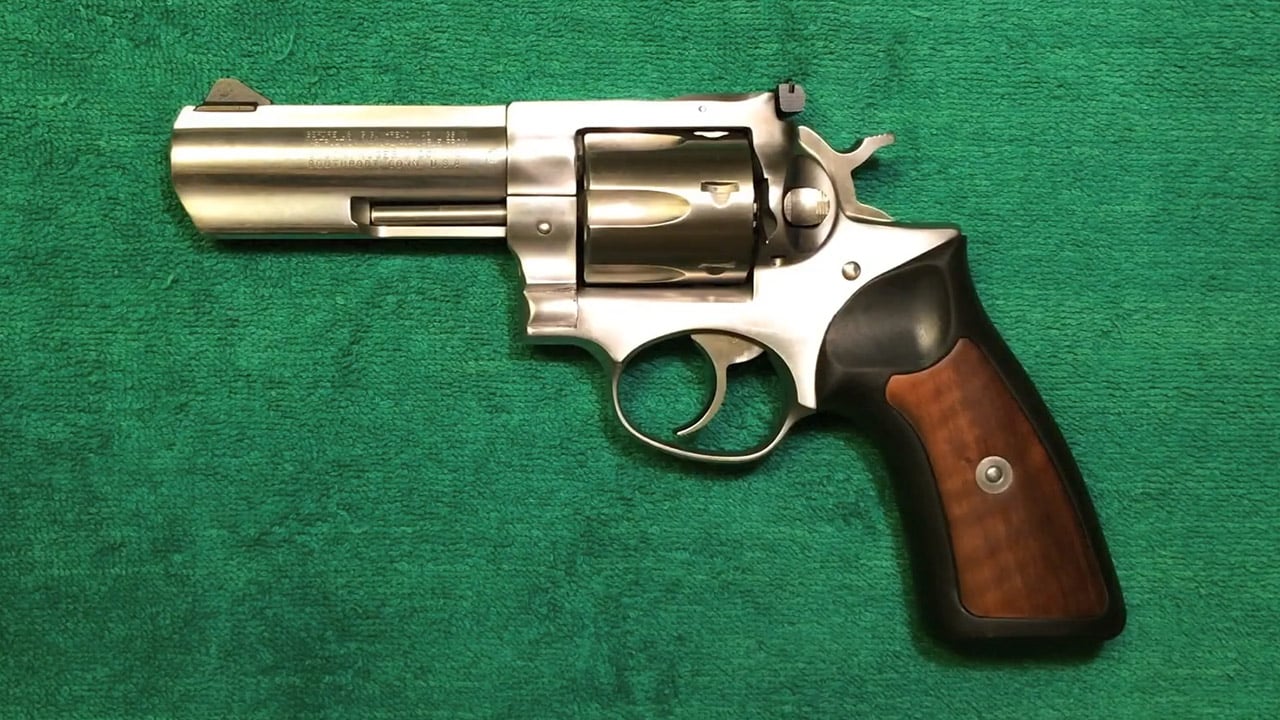
Revolvers can be finicky if they’re abused, but the GP100 has a reputation for taking a beating and staying in time. When one hits the bench, it’s often because a new revolver owner read about timing issues and got nervous. The gunsmith checks lockup, cylinder gap, endshake, and calls it good.
They’re chunky, sure, but they’re honest. If you keep one in the nightstand or pack one on the trapline, it’s the kind of gun that just keeps clicking along.
3. Smith & Wesson Model 686

The 686 is another one that gets inspected more than repaired. It’s common to see them brought in after a steady diet of .357 Magnum, just for peace of mind. A competent smith will look it over and usually tell you what you already suspected: it’s fine.
They point well, soak up recoil better than lighter revolvers, and the triggers tend to smooth out with use. The only real “work” many of them need is a good cleaning under the extractor star and a reminder not to baby it.
4. Ruger 10/22
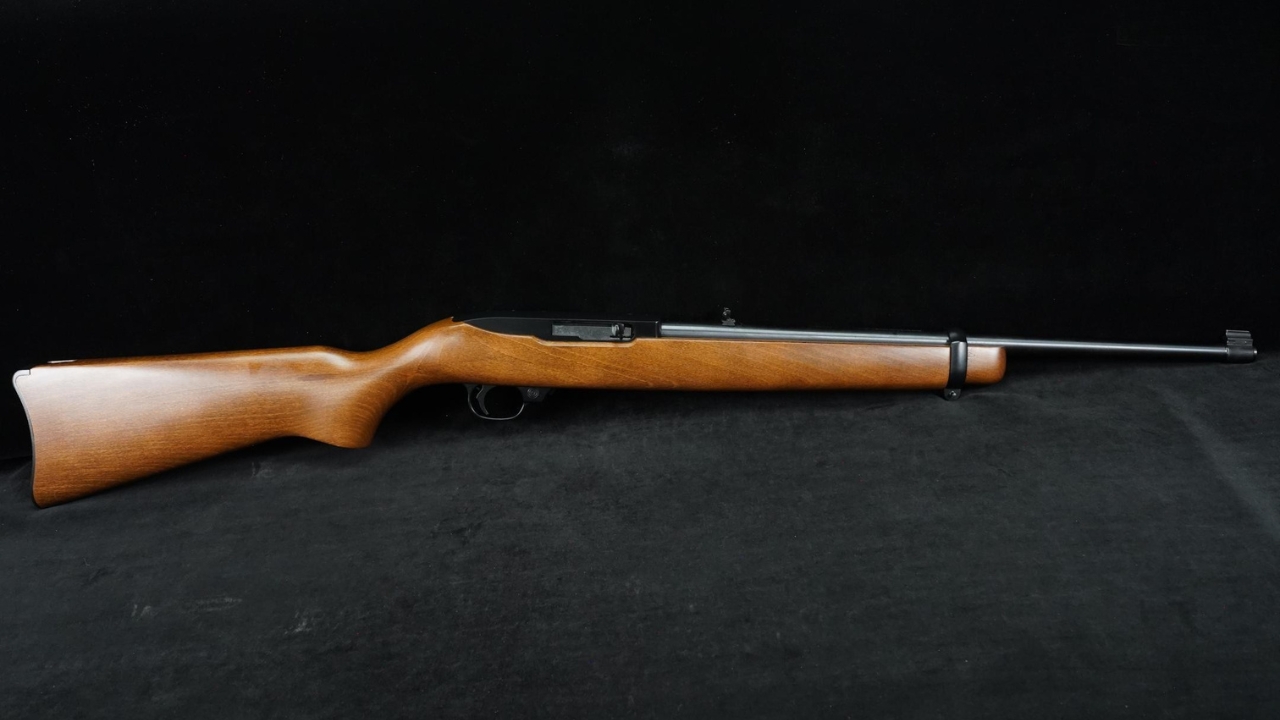
Here’s the funny part: the 10/22 is also one of the most modified guns in America. But the ones that come in “perfect and leave perfect” are the basic, bone-stock carbines owned by folks who just shoot them. They’ll bring it in because it started having feed issues, and it turns out the magazine is gummed up or the ammo is junk.
The rifle itself is usually fine. The platform is simple, reliable, and forgiving. A lot of “problems” disappear the minute it’s cleaned and fed what it likes.
5. Remington 870 Wingmaster
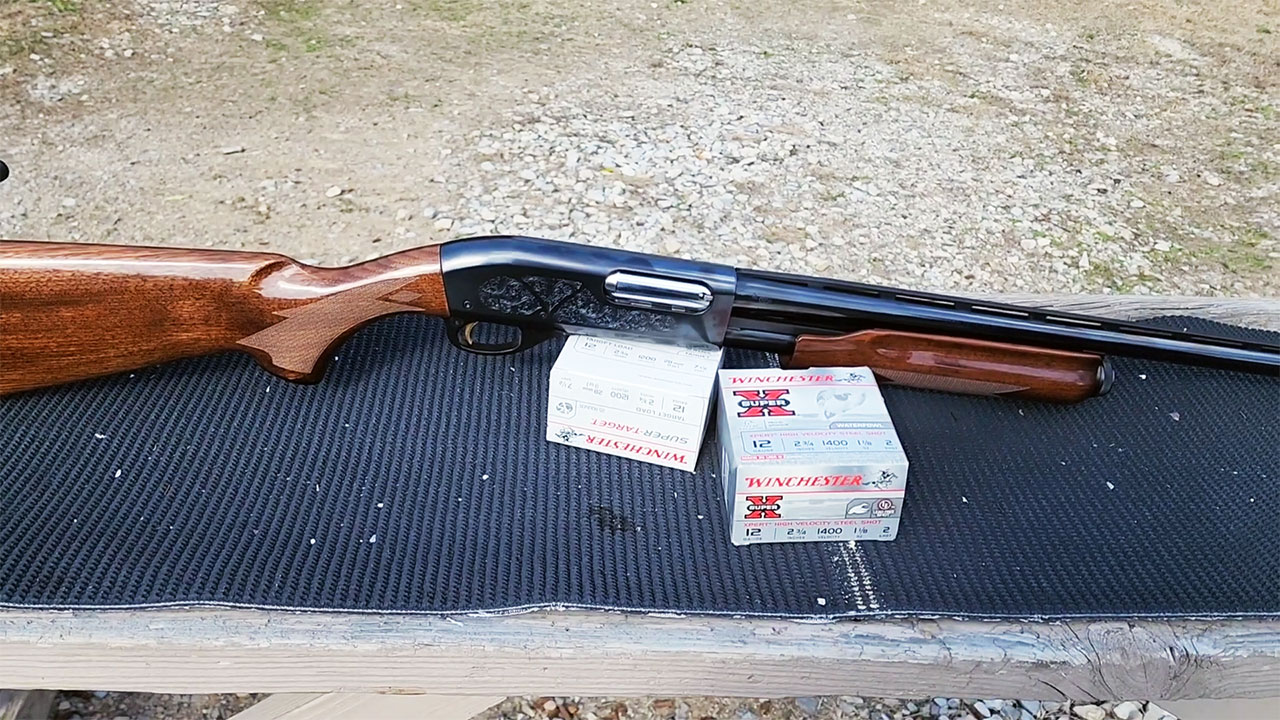
An older Wingmaster with a slick action is hard to beat, and gunsmiths know it. These come in because somebody inherited one and wants it checked before dove season, or because it’s been sitting behind the truck seat since the last century. The smith looks it over, checks the chamber, checks the extractor, and hands it back.
The Wingmaster isn’t immune to rust or neglect, but when they’re cared for even a little, they just work. And they keep working long after a lot of newer “budget” shotguns have gotten loose.
6. Mossberg 500

The Mossberg 500 isn’t as polished as a Wingmaster, but it’s tough and uncomplicated. Most of the time it lands on the counter because the owner thinks the safety feels stiff or the action is “rattly.” That rattle is normal. It’s part of how they run dirty and keep cycling.
Gunsmiths will check the shell stops and ejector and usually send it back with a nod. If you need a field shotgun that doesn’t make you nervous in the rain, the 500 is a safe bet.
7. Benelli Super Black Eagle II

These show up for one reason: confidence. A waterfowler will shoot it hard for a season or three and then want a pro to look it over before heading back into the marsh. The smith checks springs, looks for wear points, and most of the time finds a gun that’s still tight.
They’re not cheap, and that’s part of the story. When a guy pays that kind of money, he wants to know it’s right. Usually, it already is.
8. Browning A5 (modern production)

The new A5s run fast and flat, and they tend to behave as long as you don’t try to make them something they’re not. They come in for cycling worries, but it’s often the shooter mixing super-light loads with a gun set up for harder use, or not mounting it consistently and thinking the recoil impulse feels “wrong.”
A quick inspection later, the gun leaves the same way it arrived. The answer is usually ammo choice and practice, not a wrench.
9. Winchester Model 70 (controlled-round feed)

If there’s a rifle that makes gunsmiths relax a little when it’s unzipped on the bench, it’s a Model 70 CRF. These come in for pre-season checks, scope mounting, or because a guy wants the crown looked at after a tumble on a scree slope. A lot of the time, the rifle is just fine.
They feed smooth, extract with authority, and they’ve been killing elk and deer for generations. When one is set up right, there’s not much to “fix.”
10. Ruger M77 Hawkeye

The Hawkeye isn’t glamorous, and some folks complain about the factory trigger feel compared to the latest trend. Still, the rifles are generally solid. A gunsmith will look over bedding, check action screws, and often find nothing wrong—especially on the rifles that are carried more than they’re tinkered with.
They’re the kind of hunting rifle you can drag through brush and not lose sleep over. There’s nothing fancy about it, and that is kind of the point.
11. Tikka T3x Lite
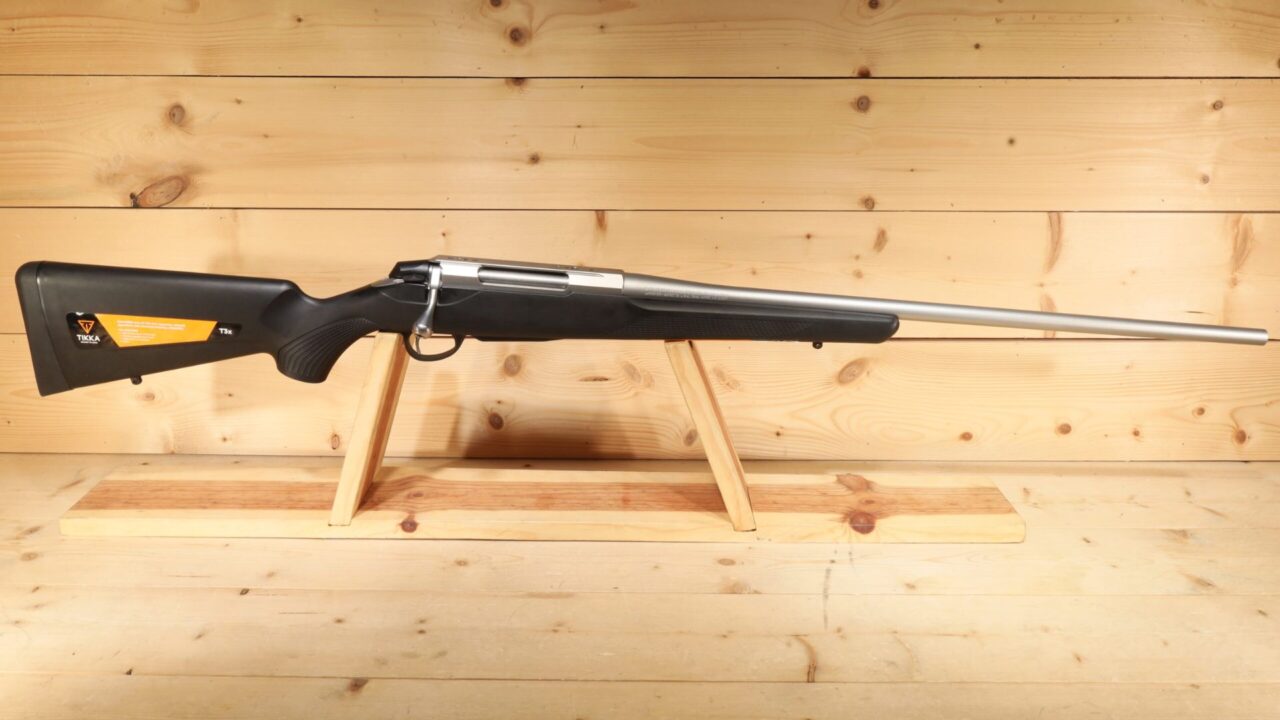
Tikkas show up because they shoot. When a rifle prints tight groups, owners get protective of it, so they’ll have it checked after a rough trip, a hard fall, or a season of bouncing around in a side-by-side. Most of the time the smith confirms what the target already said: the rifle is doing its part.
The actions feel like they’re on bearings, magazines are dependable, and the barrels tend to be consistent. If you want boring reliability in a hunting rifle, this is it.
12. Savage 110 (current production)
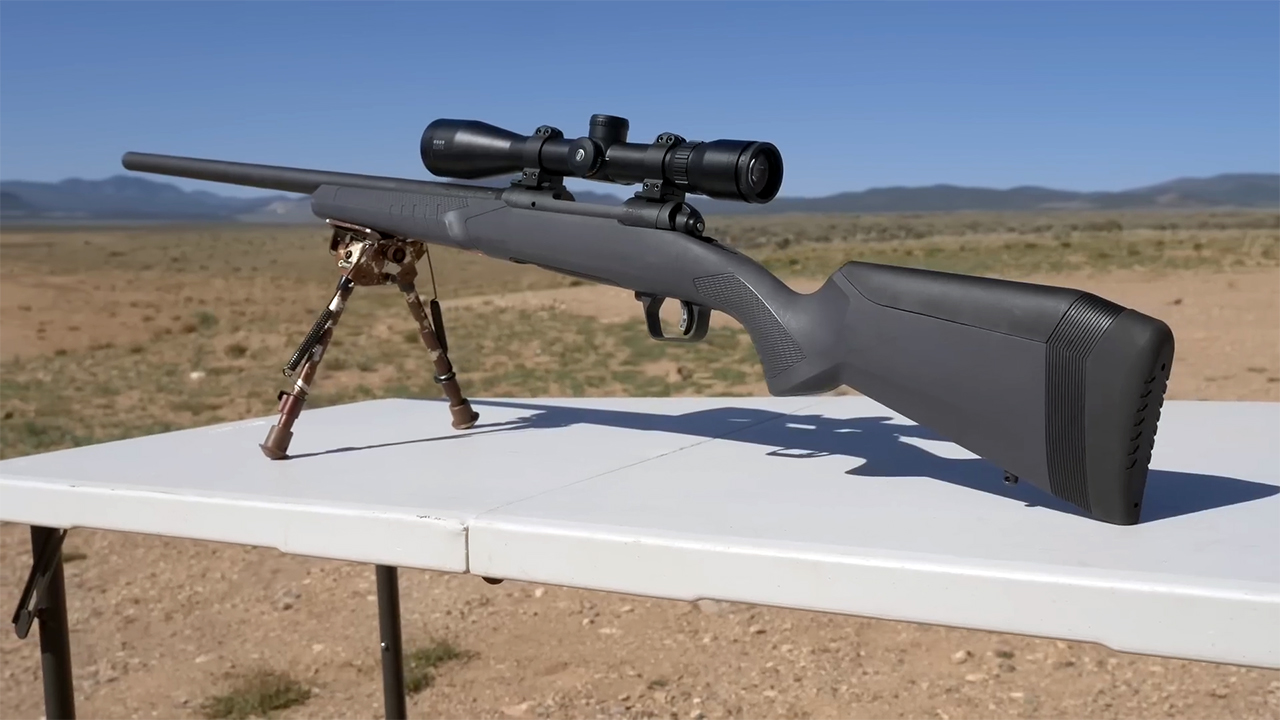
Savage rifles have their critics, mostly on looks and finish, but the 110 series has a long track record of shooting well. Gunsmiths see them for scope mounting issues more than anything. Nine times out of ten, the “bad rifle” is a loose ring screw or a base that wasn’t seated right.
Once the optics are squared away, the rifle usually goes right back to stacking bullets. That one hurts for the guy who was ready to trade it off for pennies.
13. Marlin 336 (JM-stamped or well-kept older guns)
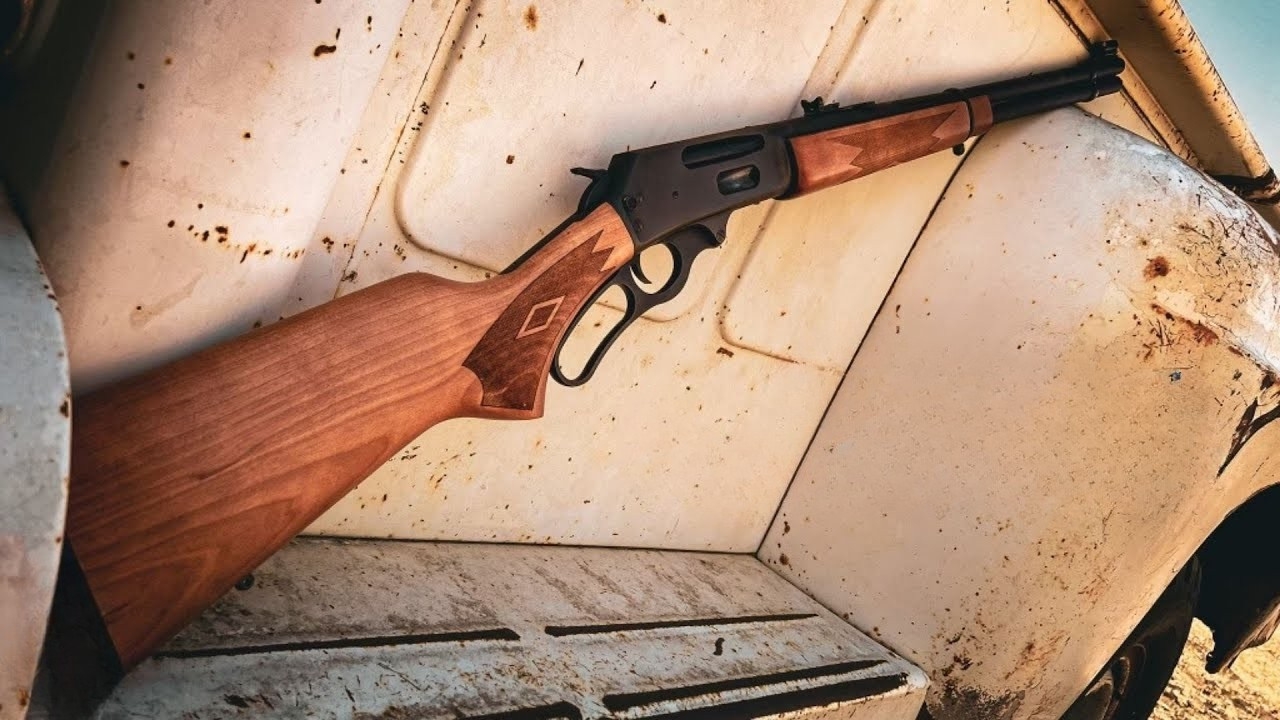
A good 336 comes in because the owner wants it cleaned right or checked for wear after years of use. Lever guns can get gritty if they’re run hard and put away wet, but a cared-for 336 tends to be a steady eddy.
Gunsmiths look at the locking surfaces and timing and usually just smile. In the deer woods, few rifles carry as naturally as a 336, and that’s why so many of them are still around.
14. Henry Big Boy (steel models)

Henry lever guns show up for sight changes and general inspection, not emergency surgery. The actions are smooth, the fit is usually good, and they run if you keep them reasonably clean. A lot of owners are just cautious because the gun feels “too nice” to beat on.
They’re not the lightest option, but they point well and they’re enjoyable to shoot. Enjoyable counts for something, especially when it means you practice more.
15. CZ 457

Rimfire shooters are picky, and the CZ 457 draws that crowd. These rifles come in when someone thinks they’ve “shot it out” or when groups open up and the owner starts panicking. The smith checks the crown, checks bedding, and often tells them to clean the barrel properly and quit chasing ghosts.
The 457 is one of those rifles that makes you look better than you are, and then you start blaming the gun when you have a bad day. Ask me how I know.
16. Browning X-Bolt

X-Bolts don’t show up much for mechanical problems. They show up for setup—trigger feel questions, scope mounting, maybe a stock swap. In terms of the action itself, they’re generally tight, smooth, and consistent.
A lot of hunters buy one, shoot a couple boxes to confirm zero, and then carry it all season. That kind of life doesn’t beat a rifle up, and it shows when it hits the bench.
17. SIG Sauer P365

The P365 gets carried a lot, and that means lint, sweat, and pocket grit. It comes in because the owner thinks the striker channel is getting sluggish or the gun feels “dry.” The smith opens it up, checks for unusual wear, and usually finds a perfectly normal, well-used carry pistol.
With the P365, the best “repair” is often a cleaning schedule and fresh magazines when they’re truly worn. The platform has matured, and it shows.
18. Smith & Wesson M&P 2.0 Compact

The M&P 2.0 Compact is another carry gun that tends to run as-is. Most of what brings it to a gunsmith is the owner wanting night sights installed or a quick inspection before making it their main pistol. The gun itself rarely needs attention.
It’s comfortable in the hand, controllable, and durable. Not everybody loves the trigger feel out of the box, but function-wise, they’re usually squared away.
19. Ruger American Rifle

This one surprises people because it’s not an “expensive” rifle. But the Ruger American series is a common “nothing wrong here” check-in. Guys bring them in because they’re worried a budget rifle can’t possibly be holding together, or because accuracy fell off after a scope took a bump.
More often than not, it’s the optic or the mounts. The rifle itself is doing what it has always done: shooting better than it has any business shooting for the money.
20. Springfield Armory M1A (standard models)
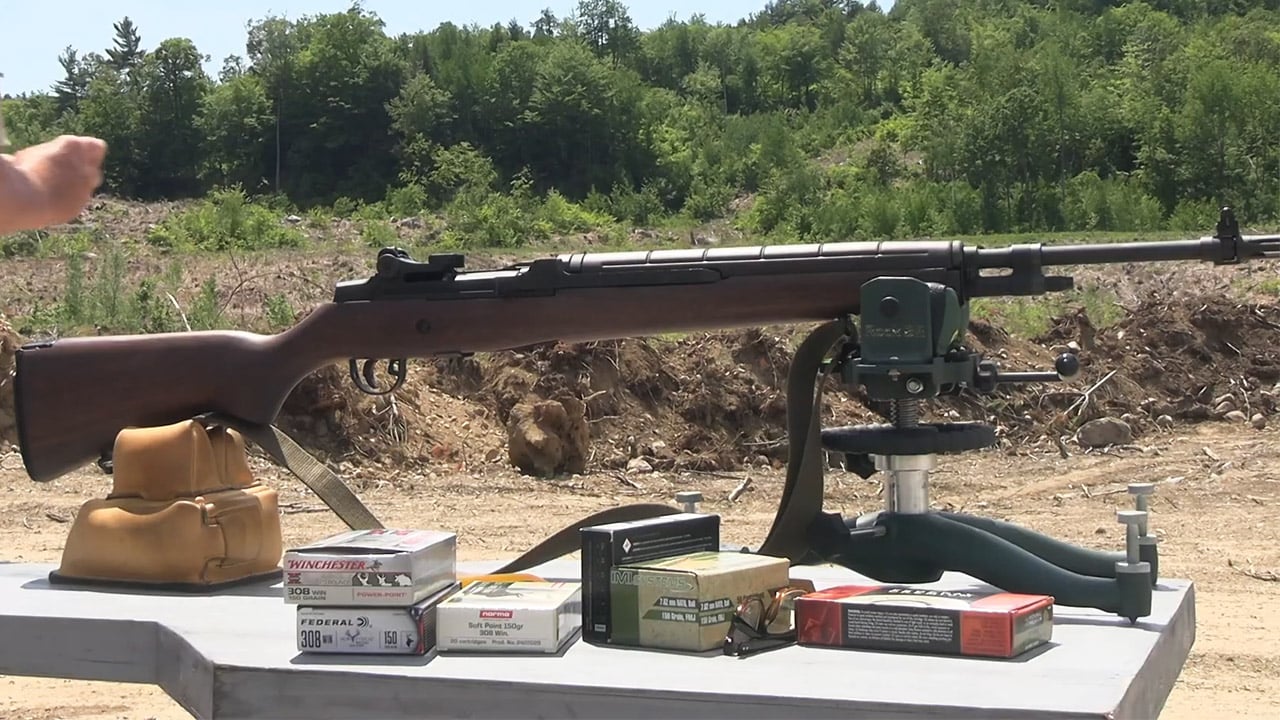
M1As get brought in by owners who are nervous about op-rod wear, gas system issues, or just the general complexity compared to a bolt gun. A good smith will check the usual wear points and typically find a rifle that’s fine—especially the standard, un-messed-with guns that aren’t living a hard “tactical” life.
They’re not light, and they’re not the easiest thing to scope. Still, when they’re kept close to stock and fed decent ammo, they tend to behave. The old-school design has its quirks, but “falling apart” usually isn’t one of them.
The funny truth is that the most dependable guns don’t create the most internet content. They just get carried, shot, wiped down, and carried again. If you own one of these and it’s running right, don’t invent problems. Clean it, inspect it, replace wear items when they’re actually worn, and spend the rest of your energy on the part that matters most—the person behind the trigger.
Like The Avid Outdoorsman’s content? Subscribe to our newsletter so you never miss an article.
Here’s more from us: