Photo credit: the_pointy_end/YouTube
A decade ago, gun-show knife tables looked very different. Benchmade still had models that had been in the catalog for years, Zero Tolerance was building enormous overbuilt folders, Kershaw had a whole lineup of strange Ken Onion and Grant & Gavin Hawk designs, and Spyderco was constantly rotating unusual collaborations through production. Many of those knives seemed common enough that nobody felt any urgency to buy them.
That was a mistake with some models. Companies discontinued entire families, production moved toward lighter designs, and thousands of the knives that were sold as everyday users were actually used. Finding the model today is often possible. Finding the exact older version in clean condition with its original box is where things get difficult. Several of the knives below were officially being discontinued right around 2015 and 2016, which makes the change especially obvious.
Benchmade 710 McHenry & Williams
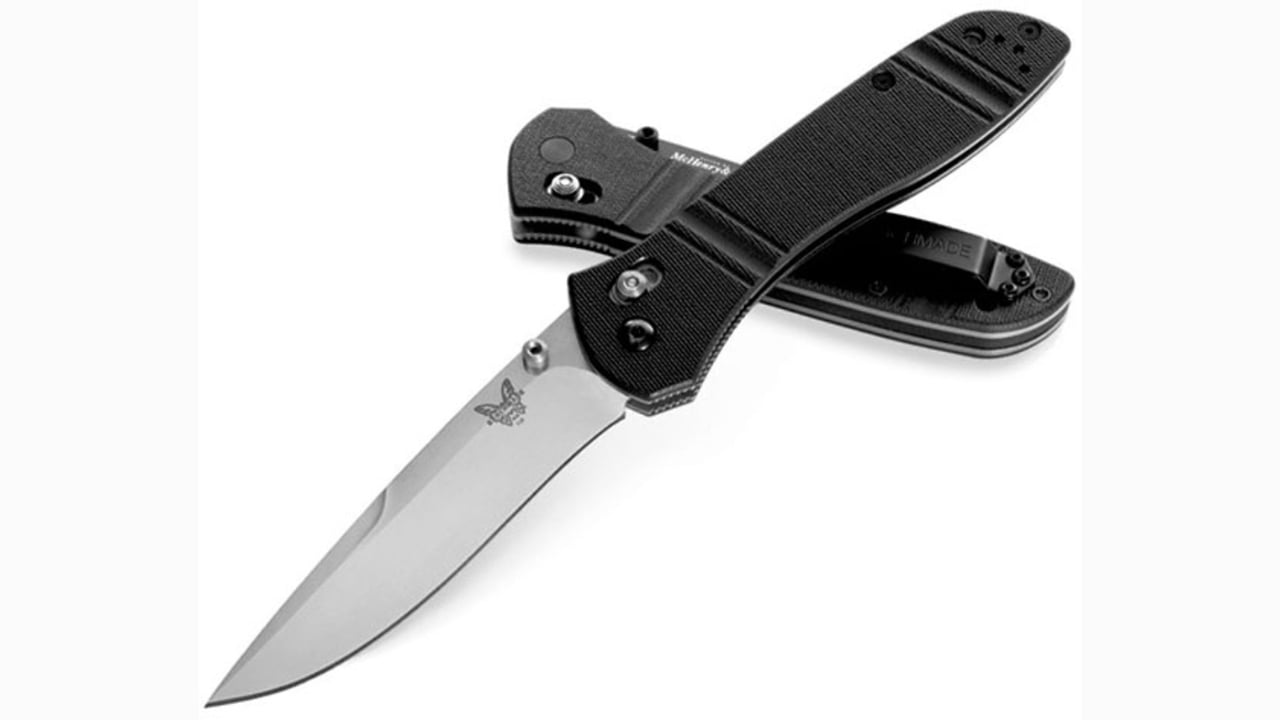
The Benchmade 710 was such a fixture that it was easy to believe Benchmade would make it forever. Designed by Bill McHenry and Jason Williams, the 710 became closely associated with Benchmade’s AXIS Lock and gave buyers a long, capable folder that still carried surprisingly well. For years, knife dealers seemed to have one somewhere in the case, and used examples regularly showed up among the piles of tactical folders at shows.
Then Benchmade discontinued it, and by 2017 owners were already discovering the 710 had disappeared from the company’s lineup. The older D2 versions are particularly nostalgic now because they represent the era when D2 was considered a serious premium working steel. Plenty of 710s were sharpened hard, carried daily, or modified. A clean original one no longer feels like the ordinary Benchmade it once was.
Benchmade 806D2 AFCK
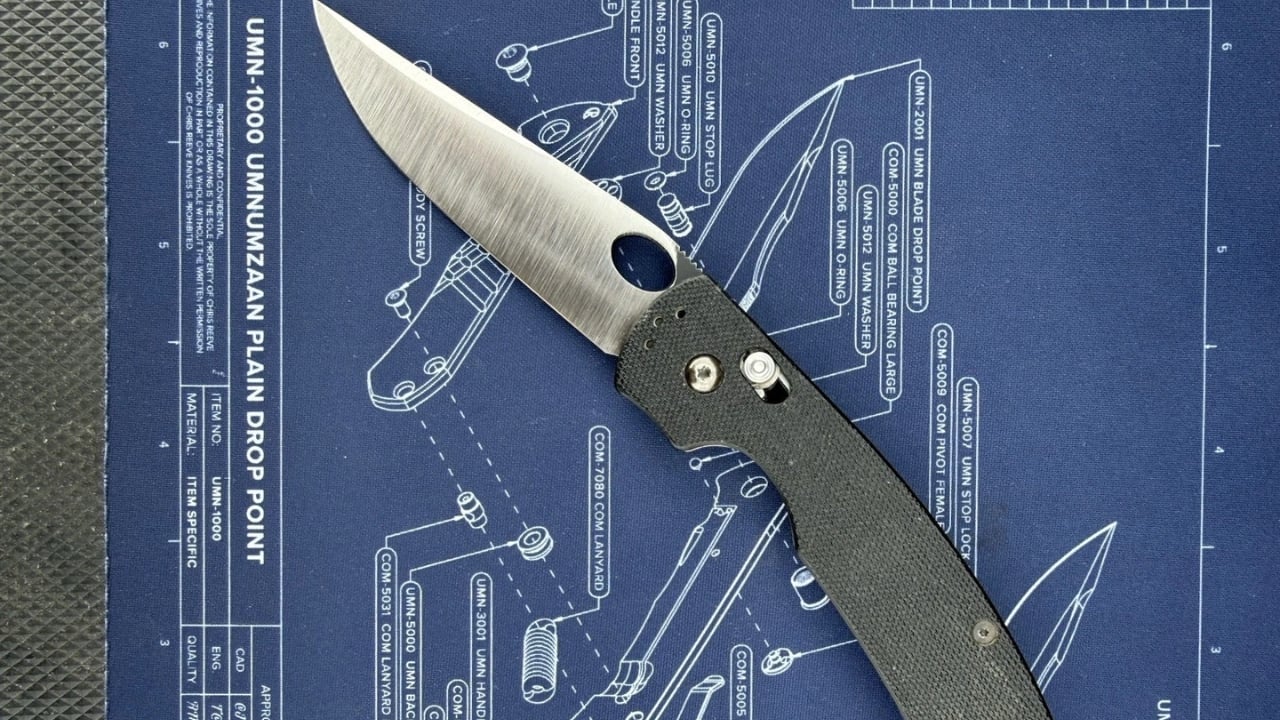
The AFCK was one of those knives that practically defined the tactical-folder era. The large blade, G10 handles, opening hole, and eventually the AXIS Lock made the 806D2 feel built for someone who wanted more knife than an ordinary pocket folder. D2 versions were extremely popular among enthusiasts, yet they remained common enough that buyers kept telling themselves they would pick one up eventually.
Even in 2005, buyers were already having trouble finding plain-edge 806D2 examples while trying to determine whether Benchmade had stopped production. By 2009, longtime enthusiasts were openly listing the AFCK among the discontinued knives they missed.
That is the problem with waiting. Clean AFCKs tend to live in established collections now. I would especially notice one that still has its original edge profile and has not been subjected to years of aggressive sharpening.
Benchmade 760 LFTi
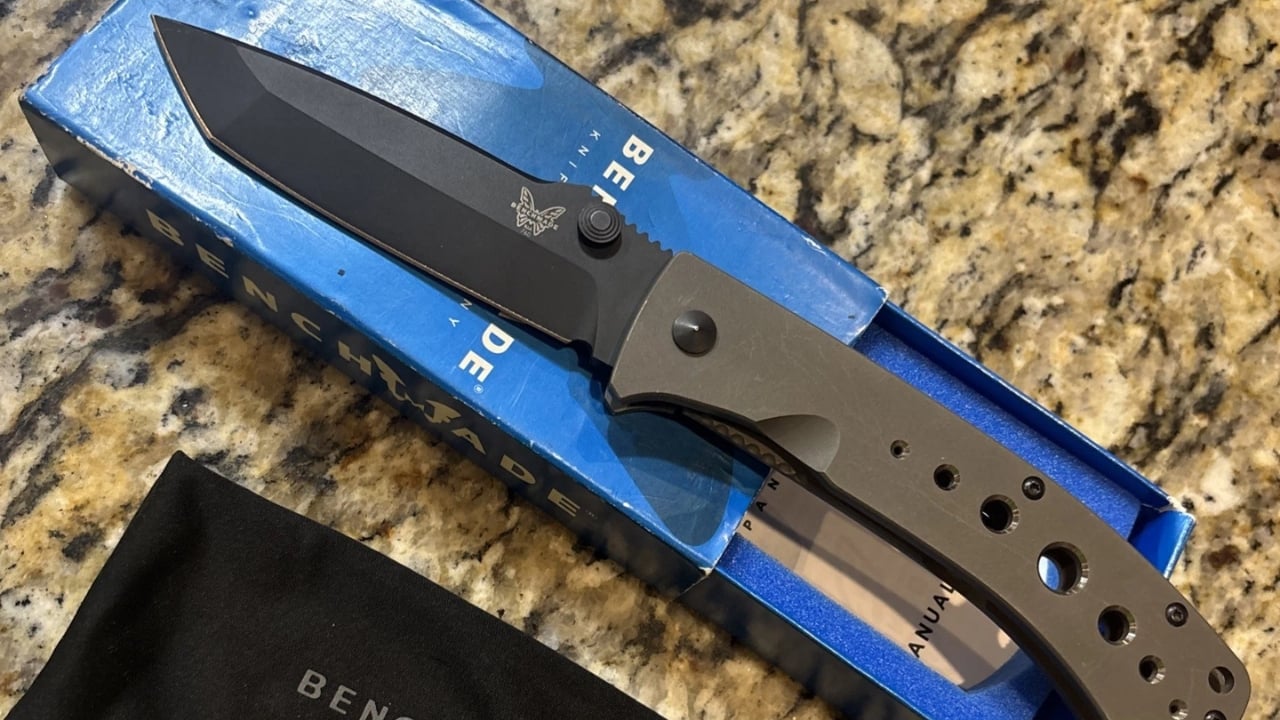
The 760 LFTi was a very different Benchmade from the company’s typical AXIS-lock folders. Designed by Bob Lum, it used a titanium frame lock and a large tanto-style blade, giving the knife the sort of premium construction that was becoming increasingly desirable during the late 2000s.
At the time, plenty of buyers thought the 760 was expensive for what amounted to a straightforward titanium folder. That attitude made it easier to pass one up when gun-show cases were full of competing Benchmades, ZTs, and imported tactical knives.
Today the simplicity is part of the attraction. Bob Lum designs have their own following, and the original 760 belongs to a period of Benchmade production that has changed significantly. Most examples were purchased by people who intended to carry them, so snail trails and sharpening wear are common. An unusually clean one feels far less replaceable now.
Benchmade 520 Presidio
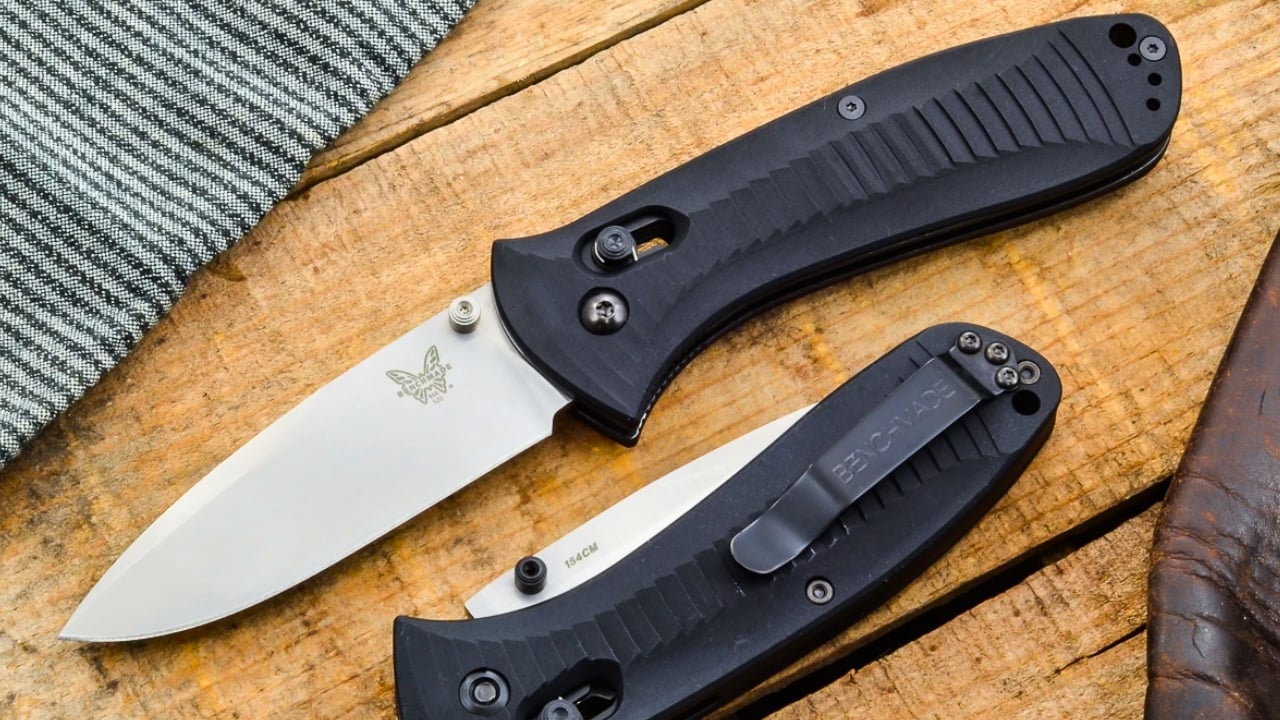
The original Model 520 Presidio was not built to be light. Benchmade’s 2005 catalog listed it with machined 6061-T6 aluminum handles, steel liners, a 154CM blade, and the AXIS Lock. It weighed more than five and a half ounces, making it feel almost indestructible beside the thin lightweight folders that dominate today’s market.
That weight was exactly why plenty of people eventually moved on. Newer carry knives became slimmer, lighter, and easier to forget in the pocket. The original aluminum Presidio consequently became the kind of knife owners traded away without much concern.
I think the old 520 has aged extremely well. The machined aluminum handle is unmistakable, and it captures Benchmade’s older approach to a heavy-duty working folder. A clean 520 with strong anodizing looks increasingly different from current production, and that distinction is what collectors eventually start chasing.
Zero Tolerance 0300
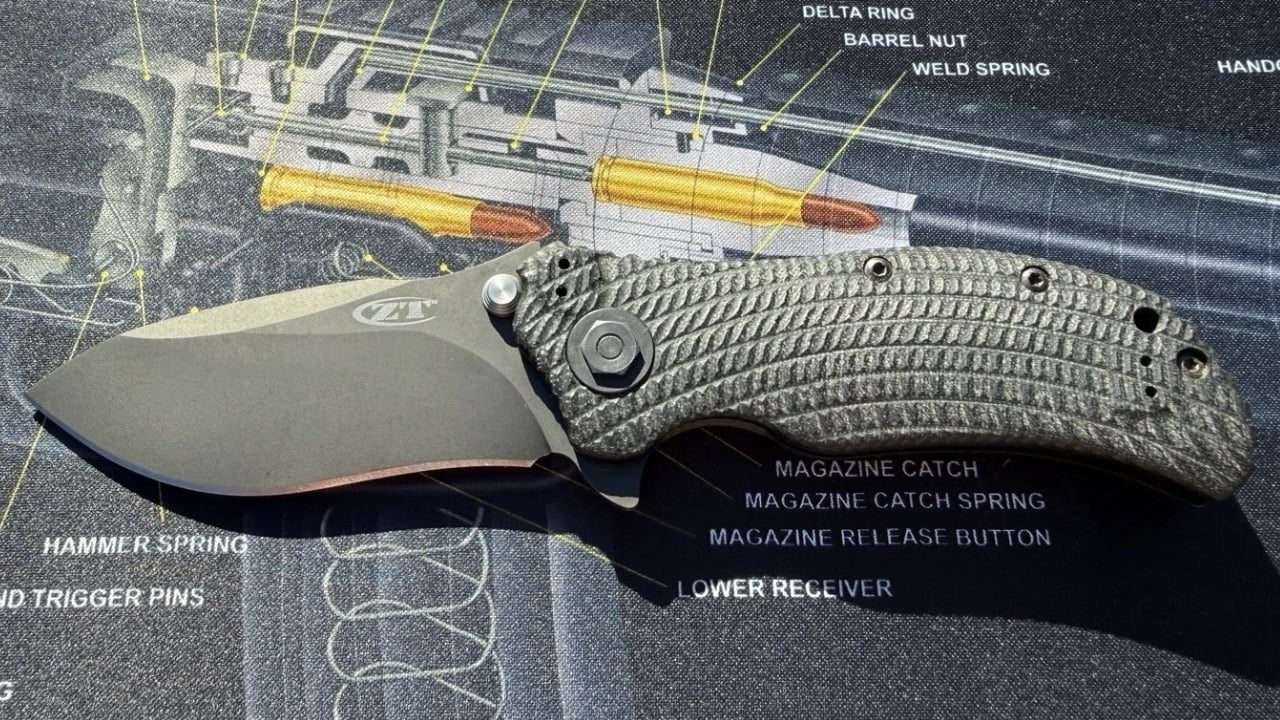
The ZT 0300 was what happened when the early Zero Tolerance philosophy was taken almost to its logical extreme. It was big, heavy, assisted-opening, and built with a titanium frame lock and thick blade. Nobody could accuse it of chasing the lightweight gentleman’s-folder market.
A decade ago, that was simply what people expected ZT to look like. The 0300 family sat in dealer cases next to models such as the 0200 and 0560, and buyers had enough choices that delaying a purchase felt harmless. Around 2014 and 2015, ZT started discontinuing much of that older lineup, including the 0300 series.
The brand subsequently moved toward slimmer and more refined folders. That makes an original 0300 feel almost outrageous today. Clean ones have become reminders of the period when “overbuilt” was practically Zero Tolerance’s entire identity.
Zero Tolerance 0560
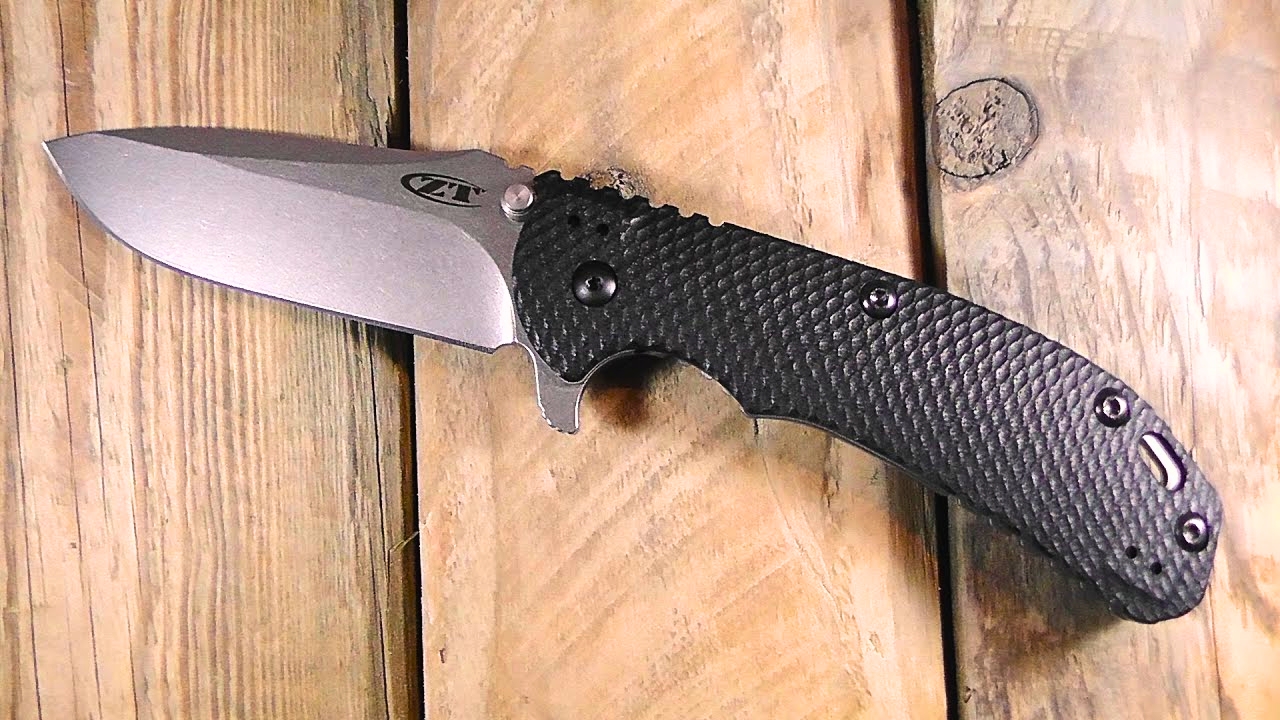
The 0560 arrived when Rick Hinderer designs were enormously influential and buyers wanted that look without moving into custom or semi-custom pricing. ZT gave the knife a titanium frame lock, bearing-assisted flipper action, and a substantial blade while maintaining the hard-use image the company had already established.
For several years, it seemed like the 0560 and its brown-handled 0561 sibling were everywhere enthusiasts gathered. Then ZT started clearing out the old guard. The 0560 and 0561 appeared among the major group of models confirmed as discontinued around 2014 and 2015.
That once felt like routine catalog turnover. Today, collectors increasingly separate the early Hinderer-designed ZTs from everything that followed. These were carried hard, flipped endlessly, anodized, customized, and sharpened. Finding a factory-original example that still looks nearly new is much less routine than finding one ten years ago.
Zero Tolerance 0200
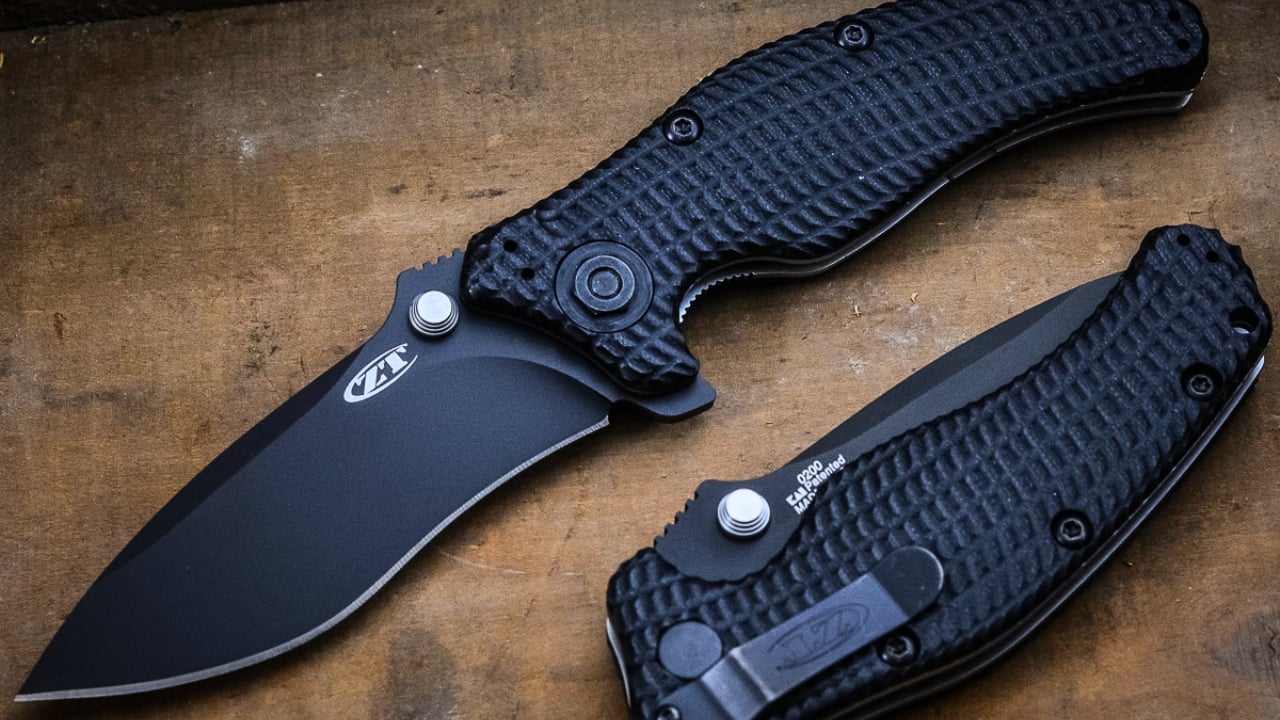
If the 0560 was big, the 0200 felt like something designed without anybody asking what it would weigh in a pocket. Ken Onion’s design used thick G10 handles, a substantial liner lock, and a broad recurved blade. It was not elegant, but it embodied early ZT better than almost anything.
Around 2015, the 0200 family was swept out along with the 0300, 0550, and 0560 lines as Zero Tolerance transformed its catalog. At the time, that seemed understandable. Knife buyers were gravitating toward thinner titanium flippers, bearings, and increasingly sophisticated designs.
Now the 0200’s excess is the reason I like it. Nothing about it feels optimized for current trends. A clean example is a physical reminder of when tactical folders were expected to feel like folding pry bars, and there are only so many unused ones left after years of actual hard use.
Kershaw RAM 1910
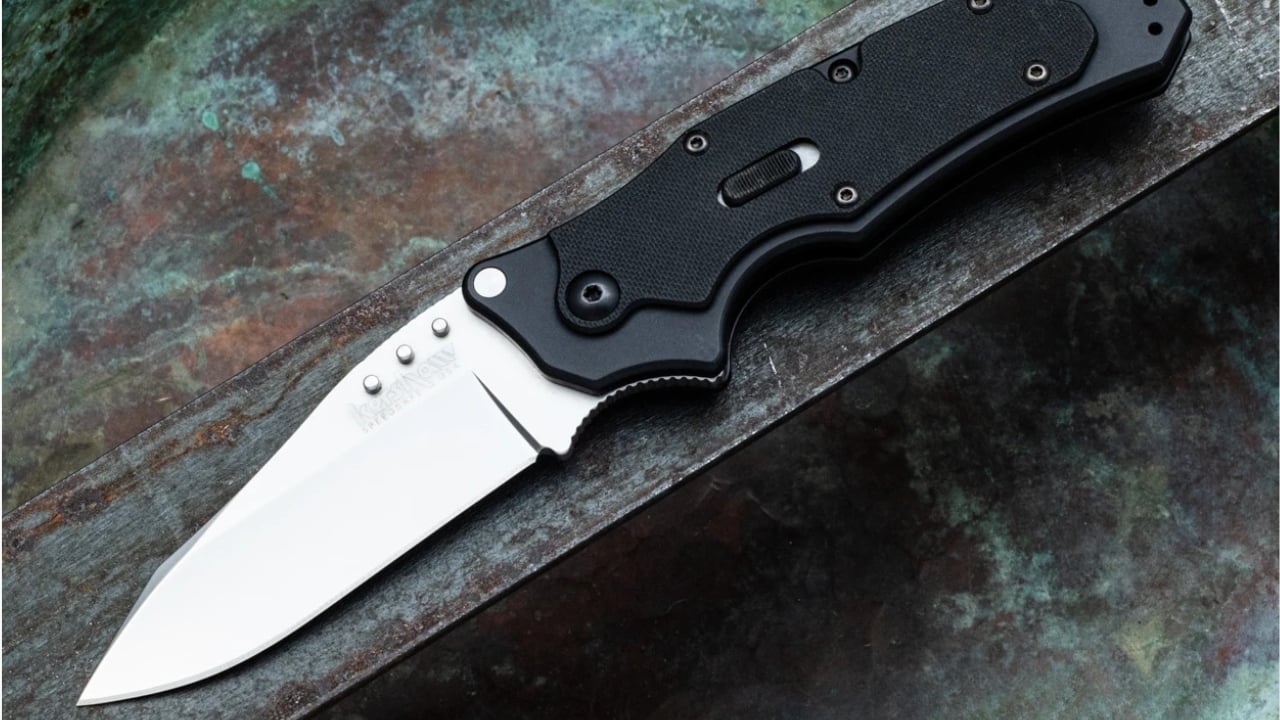
The Kershaw RAM was the type of knife that made gun-show tables interesting. Designed by Grant and Gavin Hawk, it used their unusual Hawk Lock and had a fast manual flipper action that stood apart from Kershaw’s better-known assisted openers. Around 2010, owners were still describing the RAM as widely available, which shows how ordinary it once seemed.
That availability did not last forever. The model eventually disappeared, while the Hawks’ unusual mechanism became one more example of a production design that was here long enough for everyone to get used to it and then gone.
The RAM is especially appealing now because it does not feel generic. There are thousands of modern flippers with conventional liner or frame locks. Very few feel anything like the 1910. When an interesting mechanism disappears, collectors often realize too late that they should have saved an example.
Kershaw Shallot 1840
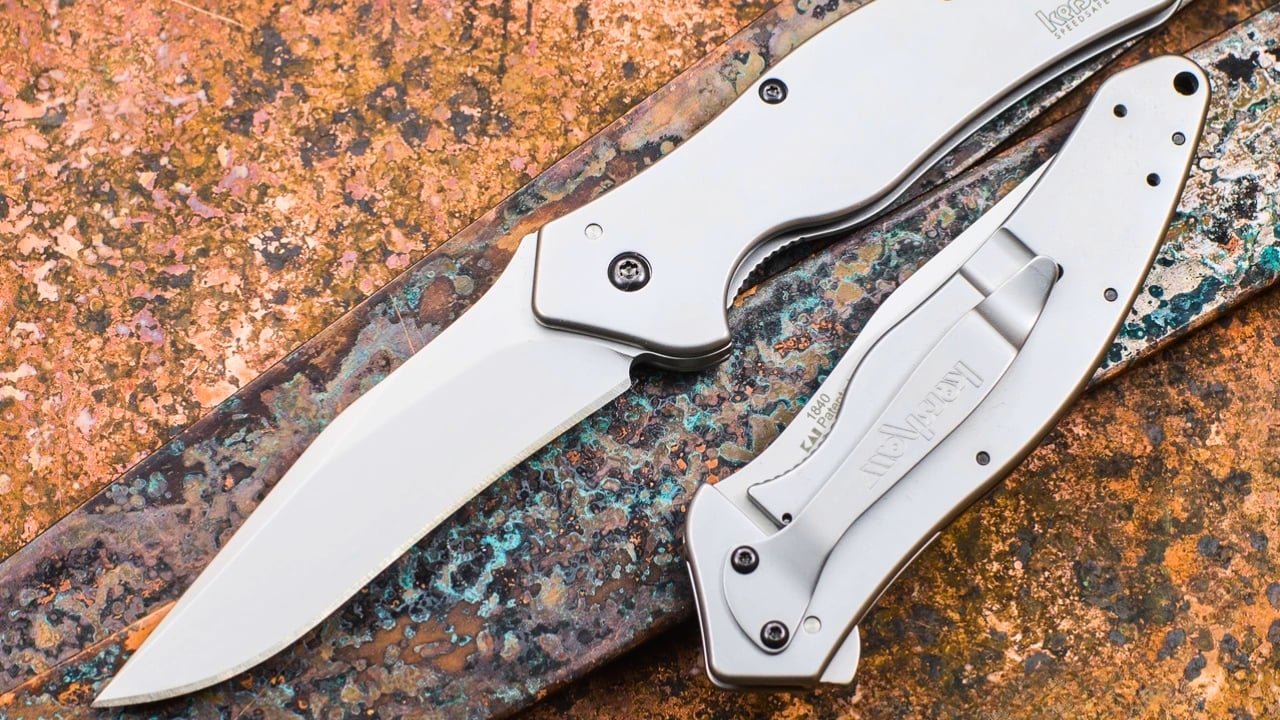
The Shallot once seemed like a permanent part of Kershaw’s lineup. Designed by Ken Onion, it had a slim all-metal profile, SpeedSafe assisted opening, and enough blade to be useful without turning into an oversized tactical folder. Different steels and finishes gave buyers numerous variants to chase.
Because Shallots were everyday carry knives, people actually carried them. Pocket clips loosened, handles scratched, edges got repeatedly sharpened, and few owners thought about keeping the box. One owner trying to replace a lost early 1840 later recalled discovering the model had been discontinued and finding little beyond blemished examples.
That story captures the Shallot perfectly. It was common until suddenly it was not. The really interesting examples today are the clean older variations that still look like the knives people remember seeing in every Kershaw display case.
Kershaw Junkyard Dog II
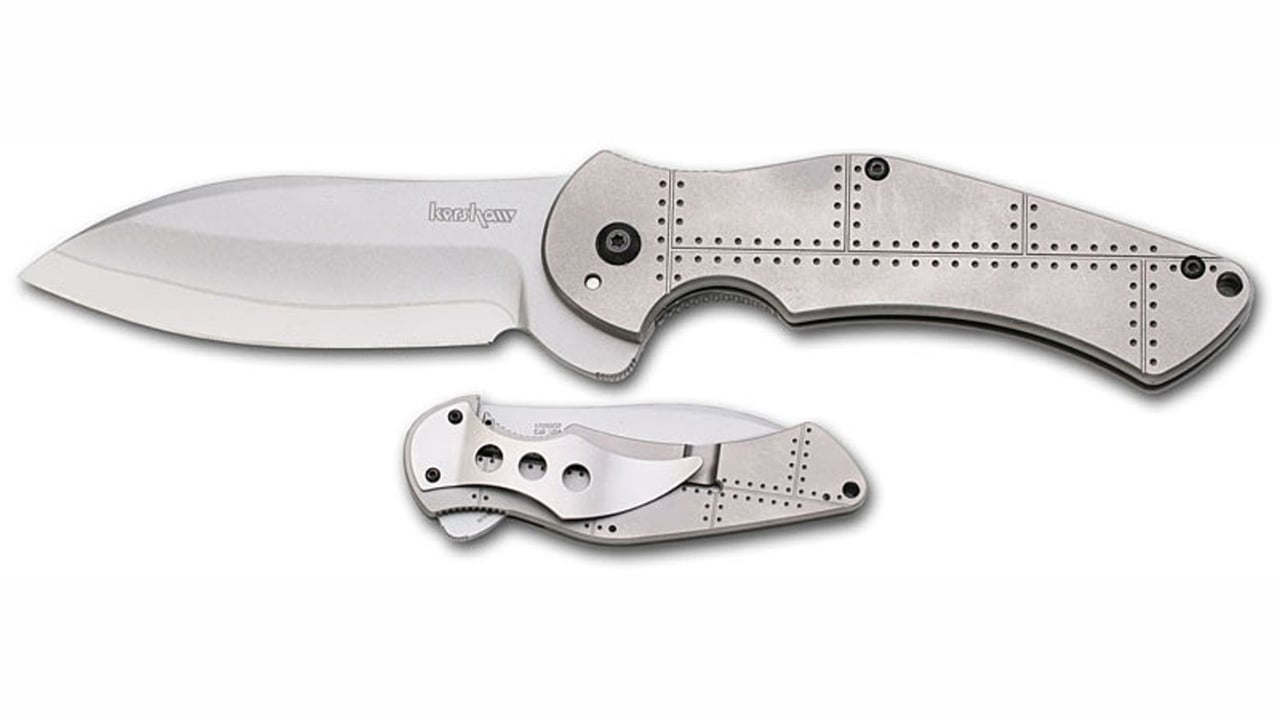
Nothing about the Junkyard Dog II was subtle. Tim Galyean’s industrial styling, large flipper, broad blade, and unusual handle design made it instantly recognizable on a table full of black tactical folders. That distinctive appearance also meant plenty of buyers dismissed it as ugly when another conventional Kershaw could be purchased instead.
Kershaw produced a surprising number of JYD variations, including G10-handled knives, black versions, composite blades, and an SG2 titanium version limited to 400 pieces. Historical discontinued-model lists show just how broad the family once was.
That is exactly why collectors have more to chase now than people remember. A generic JYD II is one thing. A clean composite-blade or unusual limited variant is another. These knives looked like cheap industrial users to many gun-show shoppers. Years later, the odd styling is what makes them immediately desirable.
Kershaw Speed Bump 1595
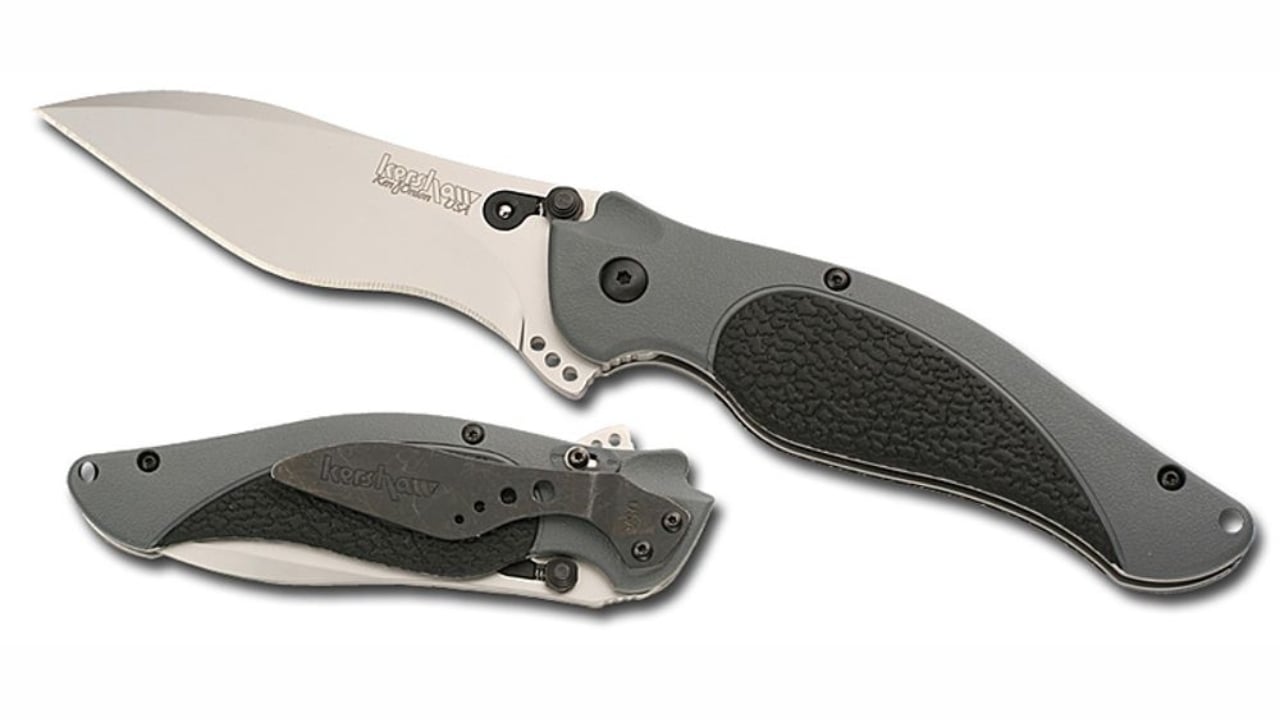
The Speed Bump is pure early Ken Onion-era Kershaw. It combined SpeedSafe assisted opening with an aggressively recurved blade and a handle shape that looked almost organic compared with today’s straighter, cleaner folders. It was the kind of knife a gun-show dealer could put on the table and instantly get somebody to pick up just to feel the action.
That design language did not stay fashionable forever. Kershaw moved on, and the original Speed Bump disappeared while newer models adopted very different shapes. By 2013, old examples were already circulating as discontinued pieces rather than normal catalog knives.
I think the Speed Bump has become more interesting specifically because nothing current really looks like it. Early-2000s folding knives were not afraid of strange recurves, dramatic handle shapes, and assisted actions. A clean 1595 captures that era perfectly, and fewer survive untouched after years of ordinary carry.
Spyderco Southard
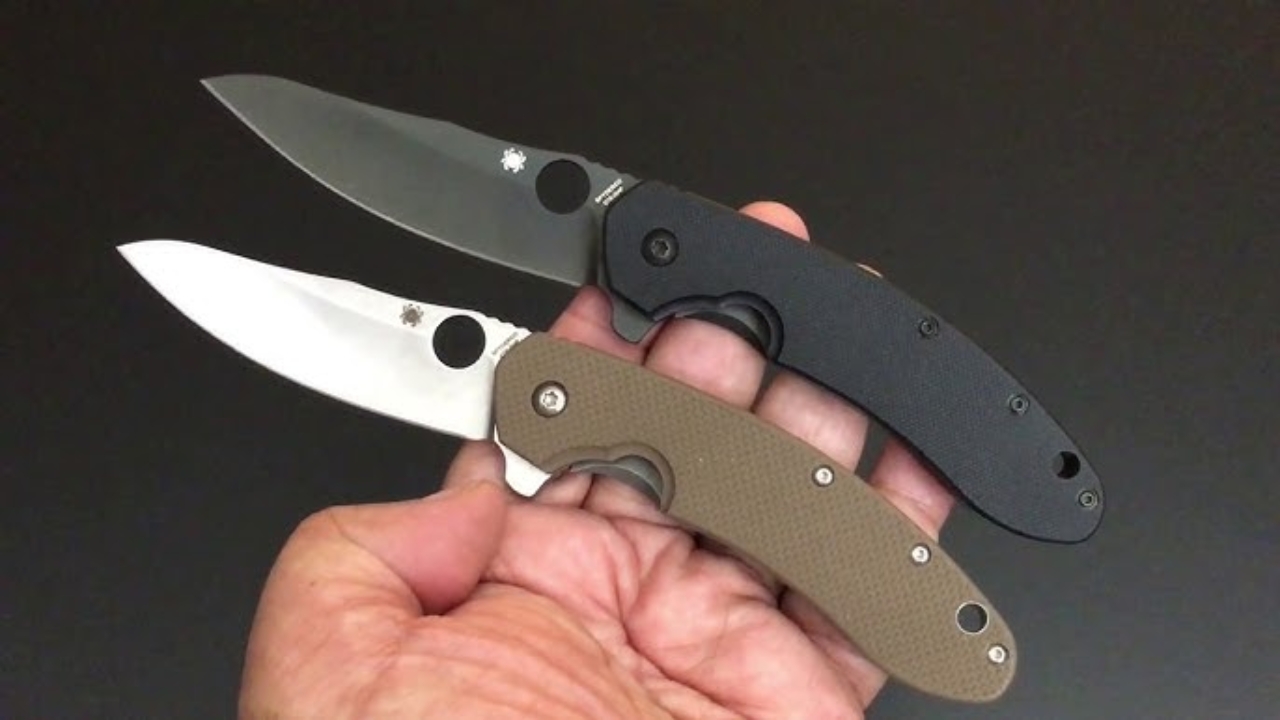
The Southard mattered because it was Spyderco embracing the flipper craze without simply copying what everyone else was doing. Brad Southard’s design used a titanium frame lock, bearing pivot, and compact blade while still retaining the large Spyderco opening hole. It was unusual enough that it stood out immediately even during the height of premium flippers.
Ten years ago, it was still just another expensive production Spyderco that buyers assumed would remain available. Spyderco officially listed both Southard configurations for discontinuation going into 2018.
Today, the knife feels much more tied to a specific moment in the industry. Spyderco has released countless collaborations since, but the Southard remains instantly recognizable. Many examples were anodized or customized because titanium frame locks encouraged experimentation. An untouched factory knife therefore becomes more interesting every time another modified example surfaces.
Spyderco Domino
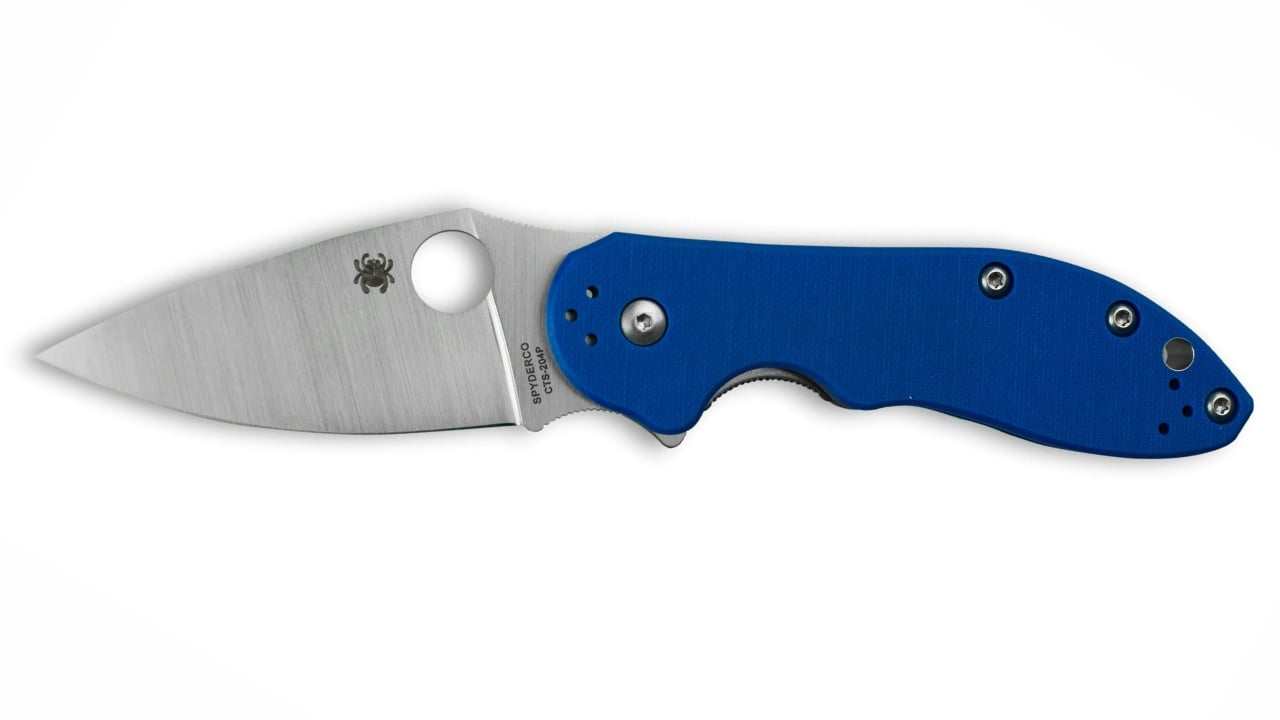
The Domino was another premium Spyderco that seemed almost ordinary during the peak of the titanium flipper era. It paired a titanium frame lock with a composite scale and bearing-driven flipper action, creating a knife that was very different from traditional Spyderco lockbacks yet still clearly belonged to the brand.
Like the Southard, the Domino went onto Spyderco’s official discontinued list for 2018. That announcement removed two of the company’s most recognizable flipper experiments from regular production at the same time.
The Domino is now exactly the kind of knife collectors rediscover after spending years focused on Para Military and Native variants. It was made during a period when Spyderco was experimenting aggressively with materials, lock types, and collaborations. Those experiments do not always stay around, which is why clean Domino examples feel much less common than they did on dealer tables.
Spyderco Gayle Bradley Folder
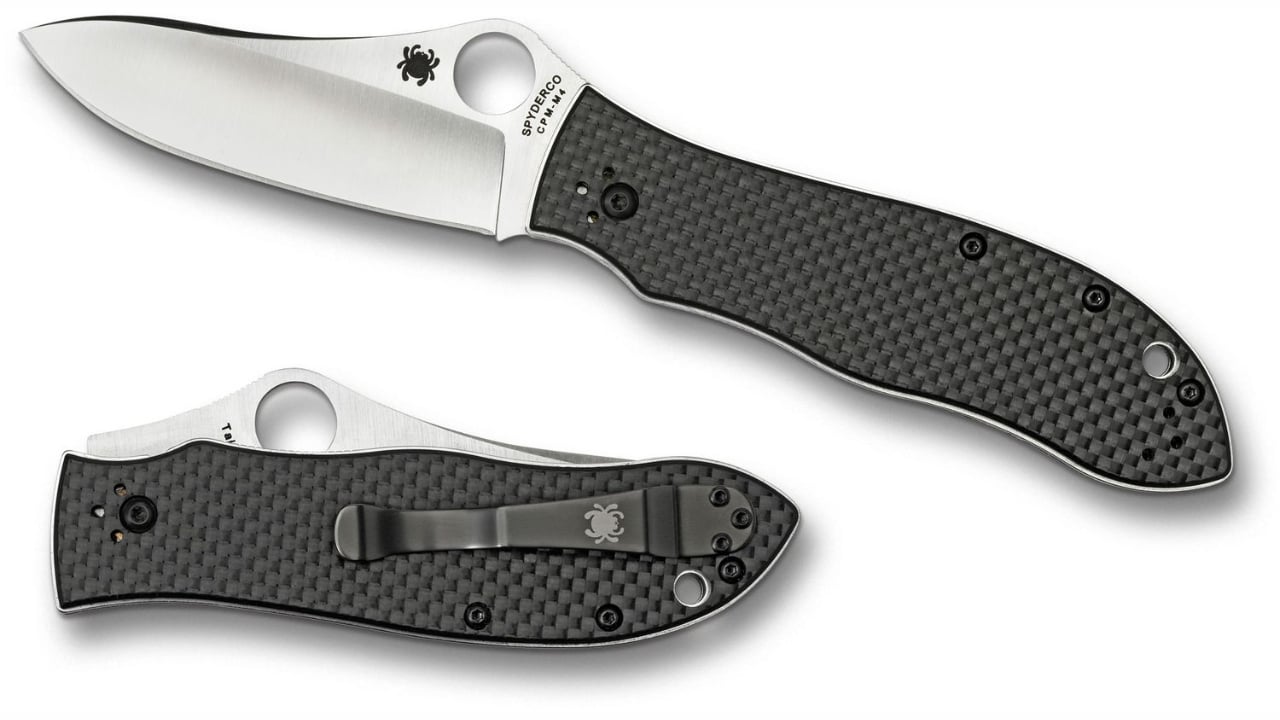
The original Gayle Bradley Folder was easy to underestimate visually. Carbon-fiber laminate scales, a liner lock, and a broad M4 blade did not scream for attention in the same way as a brightly colored sprint run. What it offered instead was a serious cutting tool designed with competition cutter Gayle Bradley.
That original version was placed on Spyderco’s official 2016 discontinued list. The Gayle Bradley 2 continued the concept, but collectors do not necessarily treat the two knives as interchangeable. The first model is chunkier and has its own proportions and feel.
Owners also used them. M4 is capable steel but not highly stainless, so patina, staining, and sharpening wear are common. A first-generation knife with a clean blade and original edge profile is therefore much more interesting than it appeared when retailers still had them sitting in stock.
Spyderco Caly 3 Carbon Fiber ZDP-189
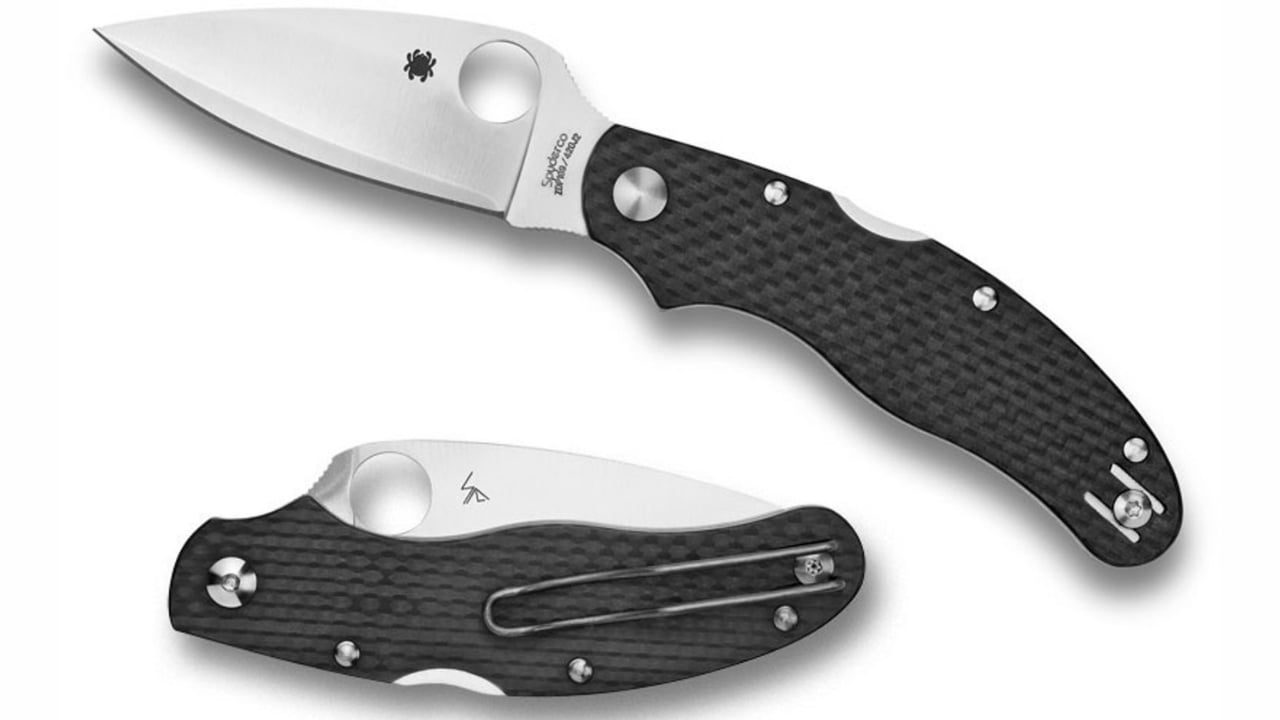
The Caly 3 was not a giant tactical knife. That may be why so many people overlooked how good it was. The compact size, carbon-fiber scales, back lock, and laminated ZDP-189 blade made it a remarkably refined everyday folder during a period when bigger knives received much of the attention.
Spyderco officially discontinued the carbon-fiber Caly 3 for 2016, and forum reaction at the time included owners immediately talking about buying backups. That reaction looks pretty smart in hindsight.
The Caly line has appeared in different forms over the years, but the Japanese-made carbon-fiber ZDP-189 version has a very specific personality. These knives were thin enough that people carried them constantly, and ZDP-189 can show the evidence of years of sharpening. A clean example now feels much less ordinary than it did in 2015.
Spyderco Starmate
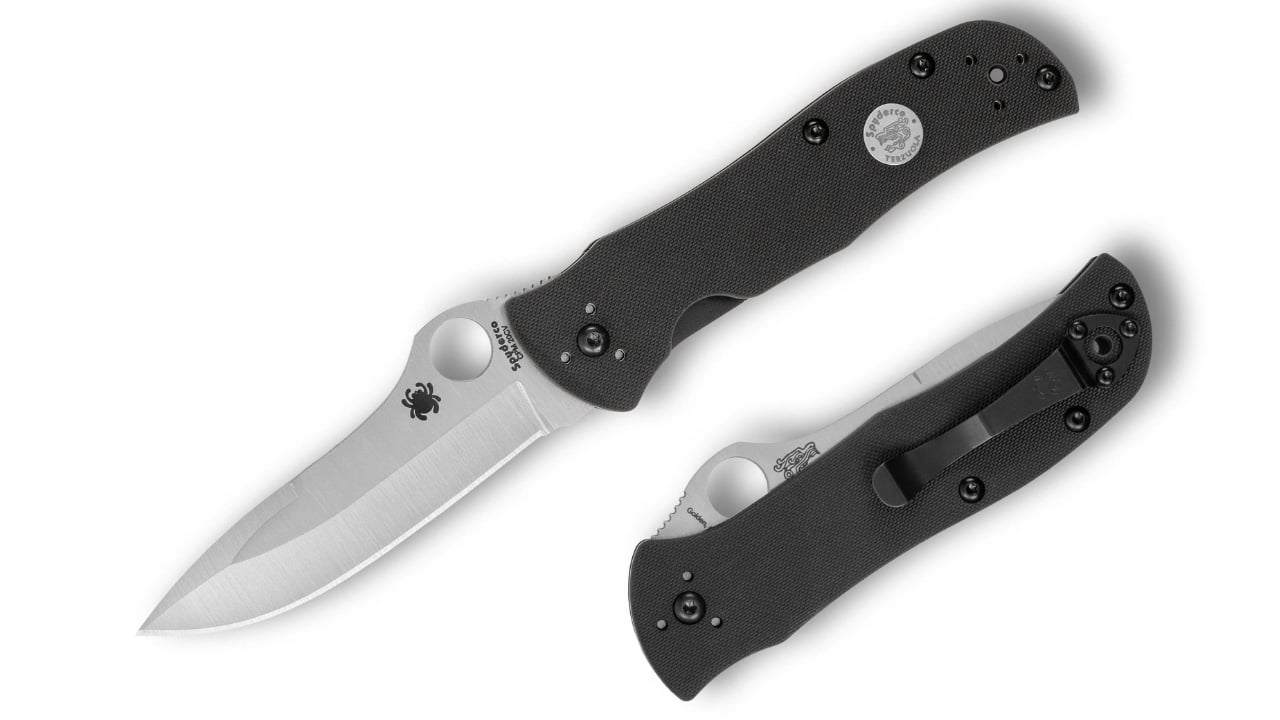
The Starmate has had multiple lives, which can make casual buyers miss how much the exact production version matters. Designed by Bob Terzuola, it represents Spyderco’s long relationship with one of the pioneers of the modern tactical folding knife.
The later production Starmate was among the knives officially cut from Spyderco’s catalog for 2016. Even as that announcement was happening, forum members were talking about buying examples before they disappeared.
I think the Starmate is particularly interesting because Terzuola’s influence on tactical folders is far larger than the average modern buyer realizes. An older Spyderco collaboration connected to that history deserves more attention than another anonymous liner lock. Clean examples tend to settle into Spyderco collections rather than keep circulating through gun-show cases indefinitely.
Buck Strider 880
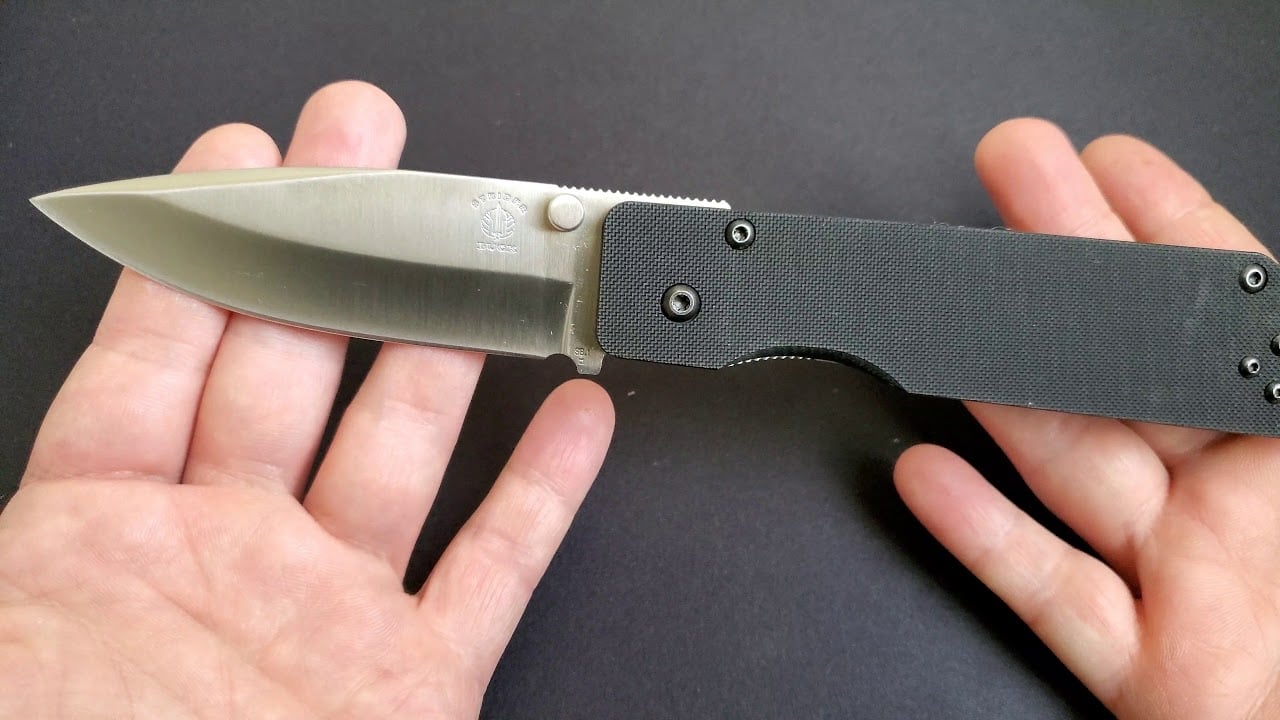
Buck and Strider working together seems almost strange in hindsight, which is precisely why the old collaboration knives have aged so well. The 880 was a heavy-duty folding knife that combined Buck manufacturing with Strider’s tactical styling at a time when Strider designs were becoming enormously influential.
The entire Buck Strider family once included numerous models. A 2007 discussion listed the 880, 881, 882, 884, 887, 888, 889, and 890 as active production knives, showing just how broad the collaboration once was. That era obviously did not last forever.
These knives were rarely treated gently. Many buyers specifically chose them because they wanted something tough enough to abuse. Coating wear, sharpened-down blades, and handle damage are therefore common. A clean 880 with the original box is much harder to confuse with an ordinary old Buck once you realize the entire Buck Strider period is over.
Lone Wolf Harsey T2
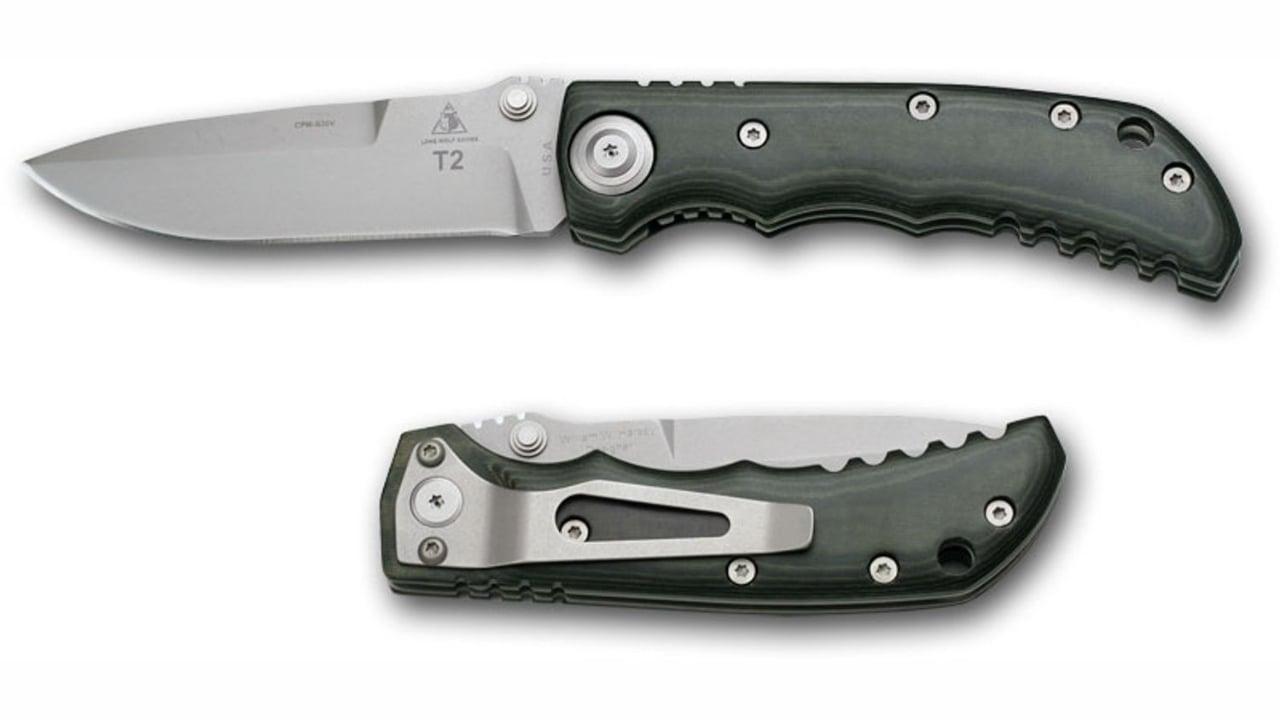
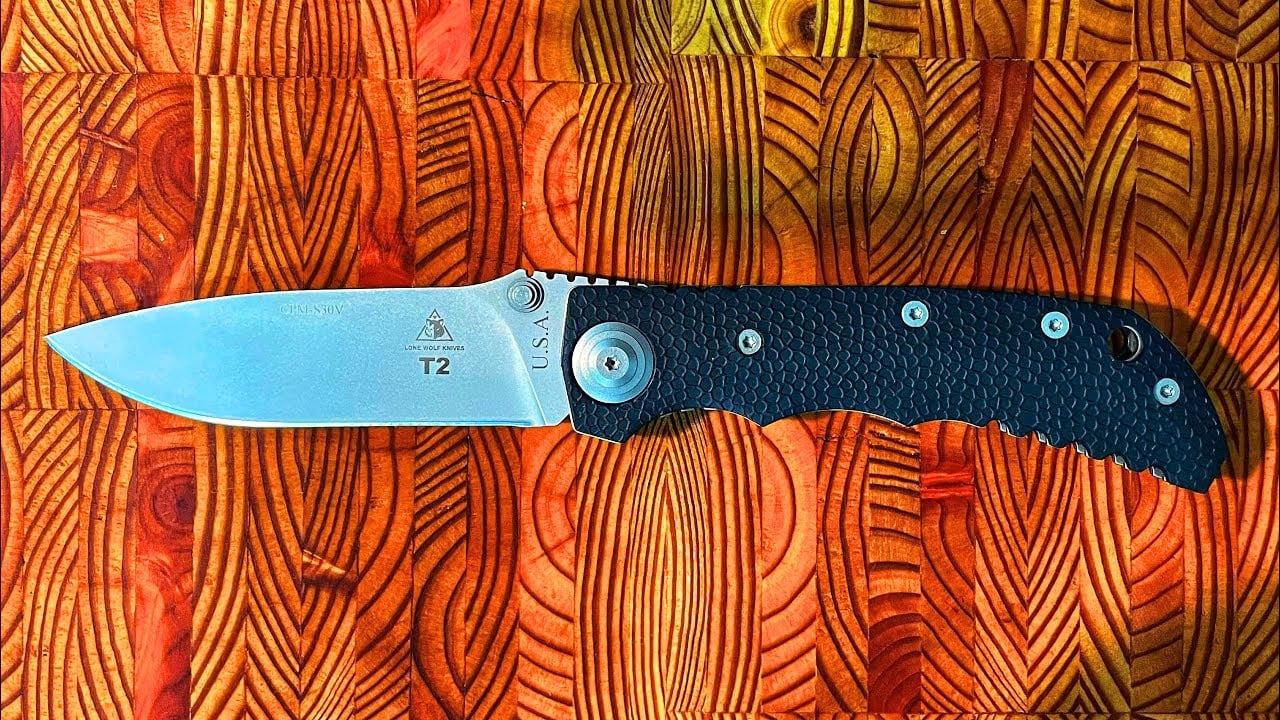
Lone Wolf knives used to occupy a very particular place on gun-show tables. They were nicer than basic production folders but lacked the immediate recognition of Benchmade or Spyderco. The Harsey T2 was one of the standouts, combining William Harsey’s design work with premium materials and several handle options.
By 2010, enthusiasts were already reporting that the entire Harsey line had been discontinued for more than a year and that dealer inventory had essentially dried up. That is how quickly a knife can go from normal catalog item to secondary-market hunt.
Lone Wolf itself later became part of Benchmade, making the original knives even more tied to a closed production era. I would especially watch for the attractive Micarta and wood-handled T2 variants. A decade ago they could blend into a crowded knife case. Today, the Lone Wolf logo alone makes me stop.
CRKT Ripple Stainless
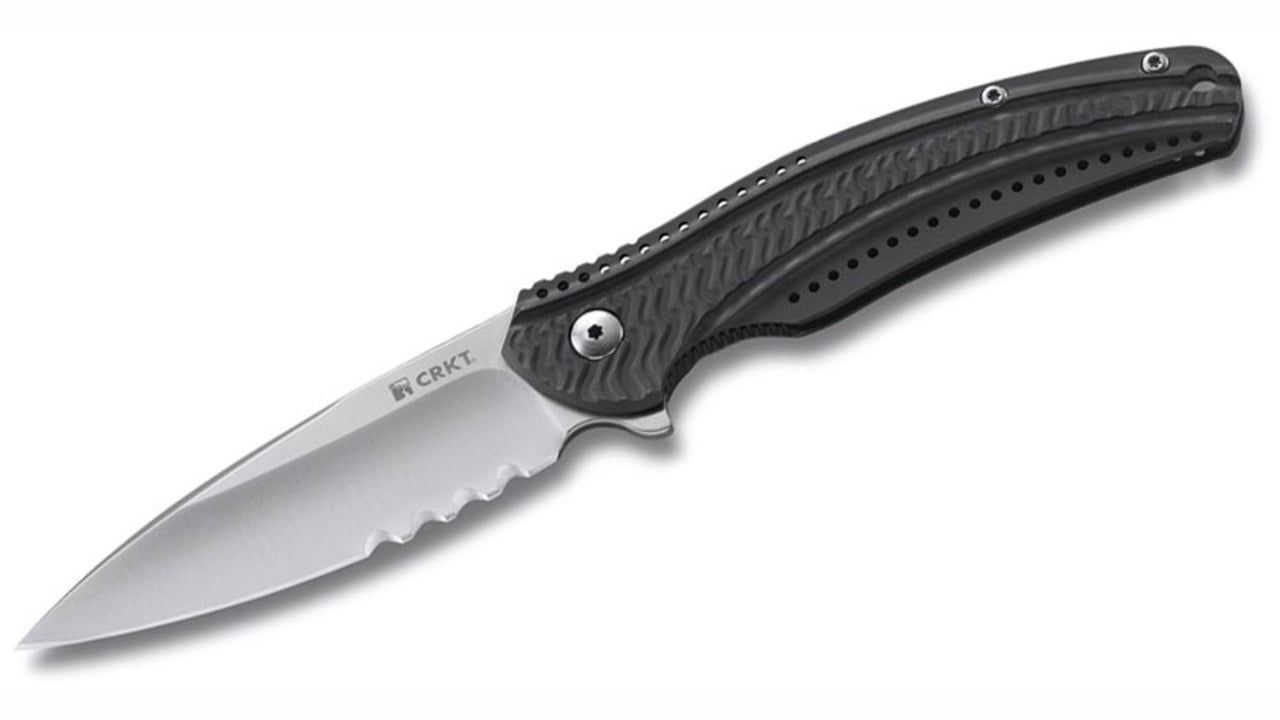
The Ripple is a great example of why the exact older version matters. Ken Onion’s design helped demonstrate what a smooth manual flipper on IKBS bearings could feel like at a relatively accessible production price. CRKT offered different versions, including steel-handled knives and later less-expensive aluminum models.
By 2012, enthusiasts were already reporting that the more expensive stainless-steel version was becoming difficult to find while the aluminum Ripple was being sold widely. Blue stainless versions were particularly memorable and were being described as discontinued soon afterward.
The Ripple eventually became familiar enough that people forgot how novel it felt when it arrived. I would pay more attention now to those early stainless examples because they represent the original higher-end execution. A scratched aluminum user is still easy to understand. A pristine blue steel Ripple is another story.
Cold Steel Black Rhino
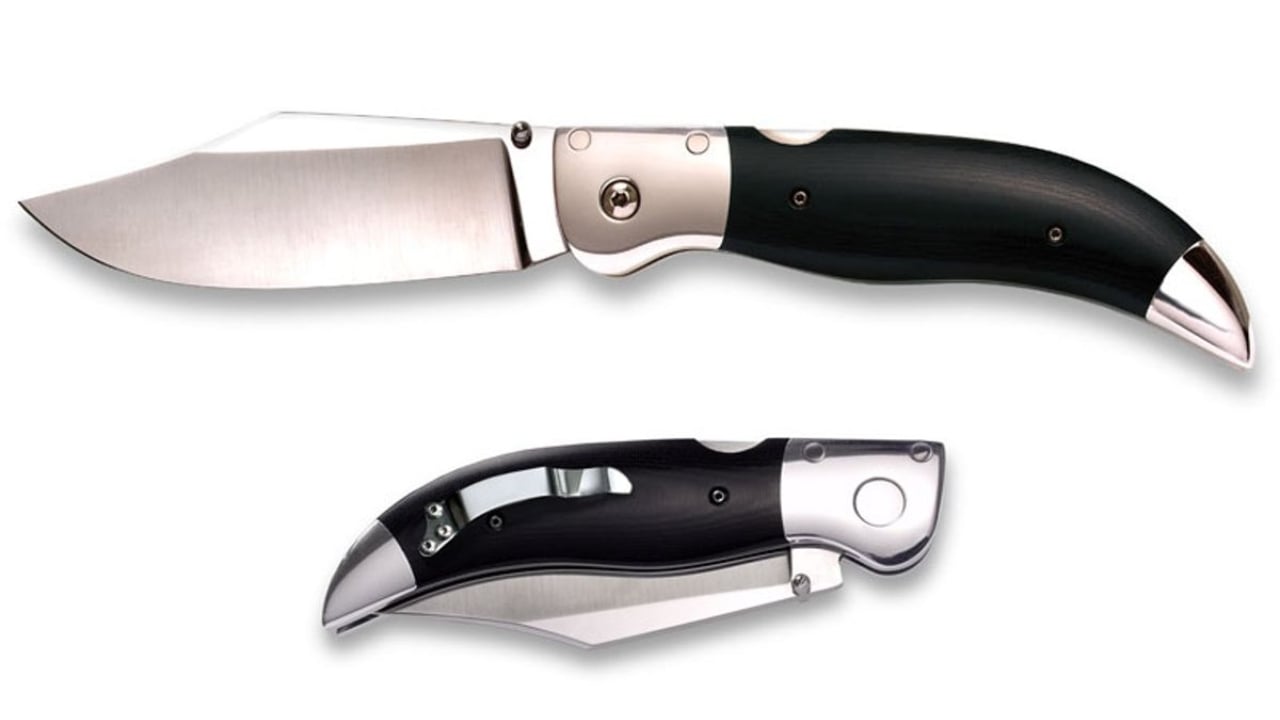
The Black Rhino did not stay around long enough to become one of Cold Steel’s evergreen models. It was a large Tri-Ad Lock folder with a broad blade and distinctive handle that looked unconventional even by Cold Steel standards.
The knife had already been discontinued by 2010, with enthusiasts buying the remaining closeout stock. By 2016, owners trying to find one were reporting that their searches were coming up empty. That is a dramatic shift for a knife that was once simply another large Cold Steel sitting on dealer tables.
What makes the Black Rhino interesting now is that Cold Steel has made so many folders that truly short-lived models can become buried in the company’s history. The unusual shape immediately identifies it once you know the design. A clean example is the kind of knife a Cold Steel collector recognizes long before the average gun-show shopper does.
Cold Steel Hold Out I in CTS-XHP
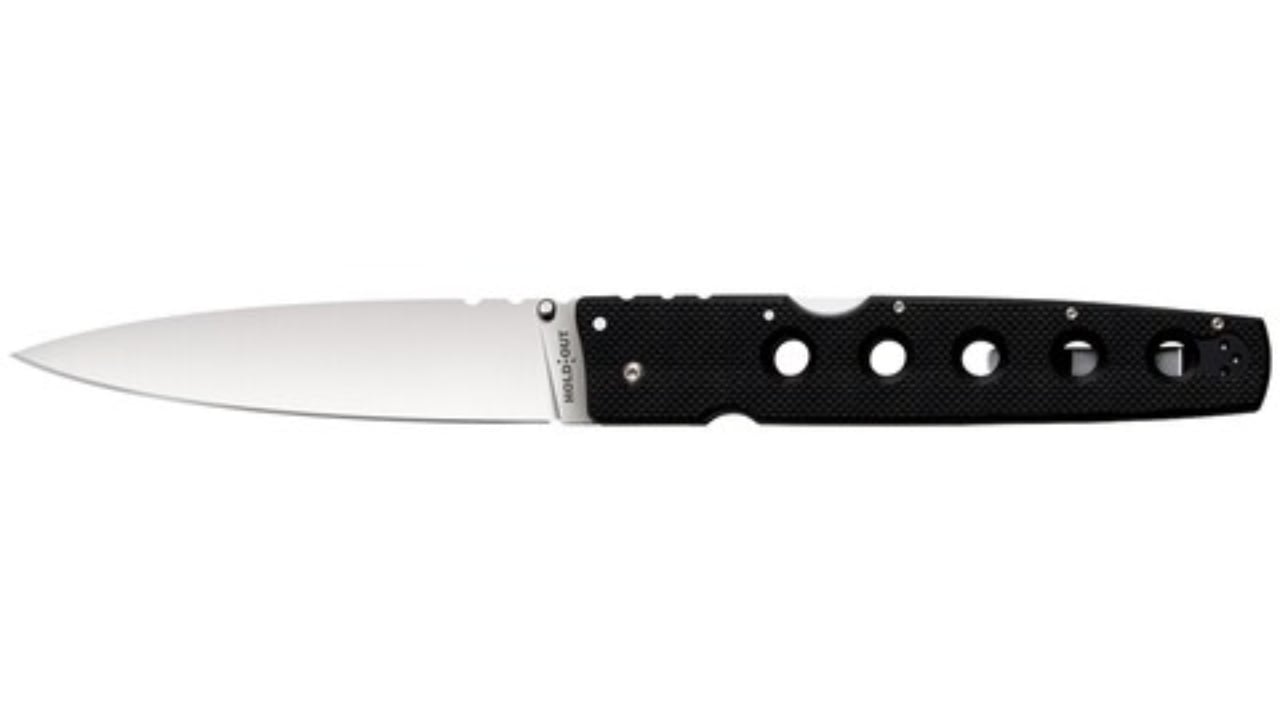
The Hold Out family took Cold Steel’s love of oversized folders and pushed it into a thin spear-point design. The Hold Out I was the largest version, carrying a massive six-inch blade while remaining relatively slim for its size. During the CTS-XHP period, Cold Steel also offered variants that collectors now distinguish carefully from later steel changes and production runs.
A 2017 example of the large Hold Out I shows the six-inch CTS-XHP blade and G10 construction that made the model so unusual. These giant folders were always niche products. Plenty of buyers laughed at the idea of pocket-carrying a six-inch folder, which is probably why fewer were preserved than more conventional models.
That absurdity is exactly what makes one appealing now. Modern folding knives increasingly cluster around practical carry dimensions. The Hold Out I came from a period when Cold Steel was perfectly happy asking whether a pocket knife could be almost machete-sized.
Like The Avid Outdoorsman’s content? Be sure to follow us.
Here’s more from us: