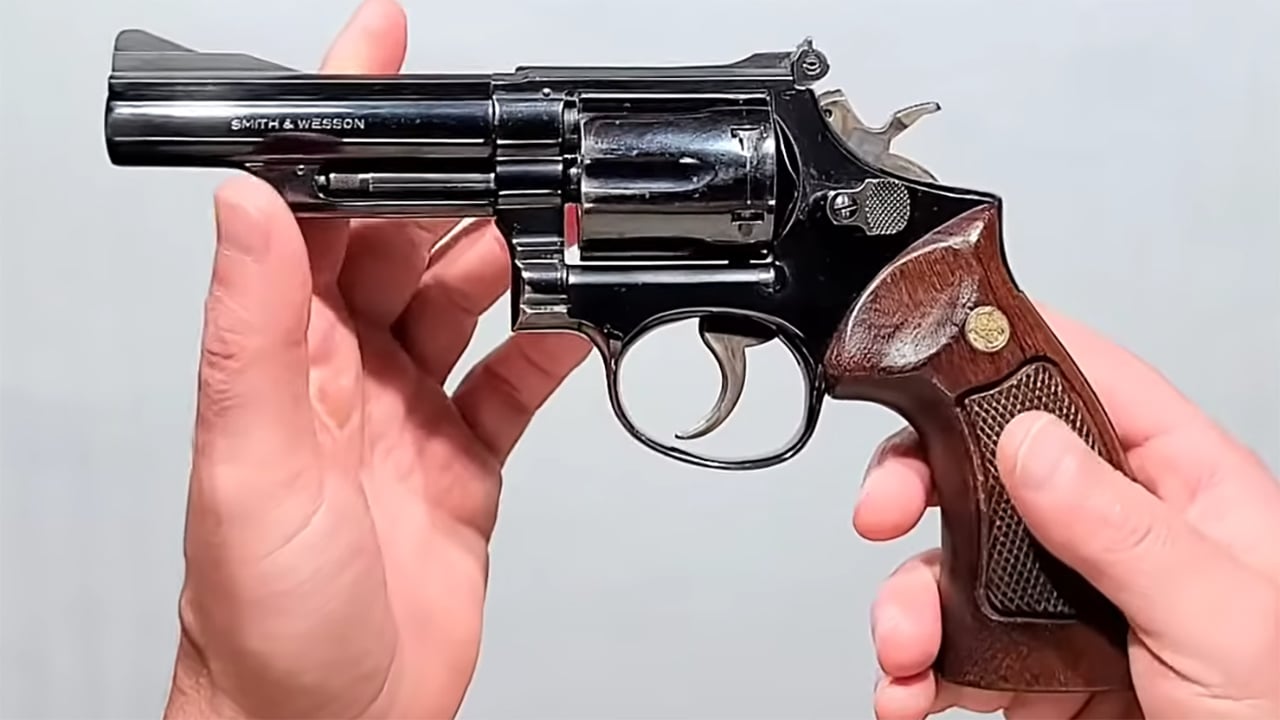
Photo credit: Old Pistols/Youtube
Every gun counter has the same conversation eventually. Somebody has burned through the polymer wonder-nines, tried the micro-compacts, ran a striker gun until the trigger felt like a staple gun, and now they want something that just works. Something they can leave in a truck console, toss in a nightstand, carry in the woods, or keep as a “last-ditch” tool when life turns loud and close.
That’s where revolvers keep crawling back into the picture. They aren’t magic, and they aren’t immune to problems. But when you’re tired of chasing magazine gremlins, ammo sensitivity, limp-wrist myths, and tiny parts you can’t find on a Saturday night, a solid wheelgun starts looking real honest. Here are 20 models that keep getting picked up when the other plans didn’t pan out.
1. Smith & Wesson Model 10
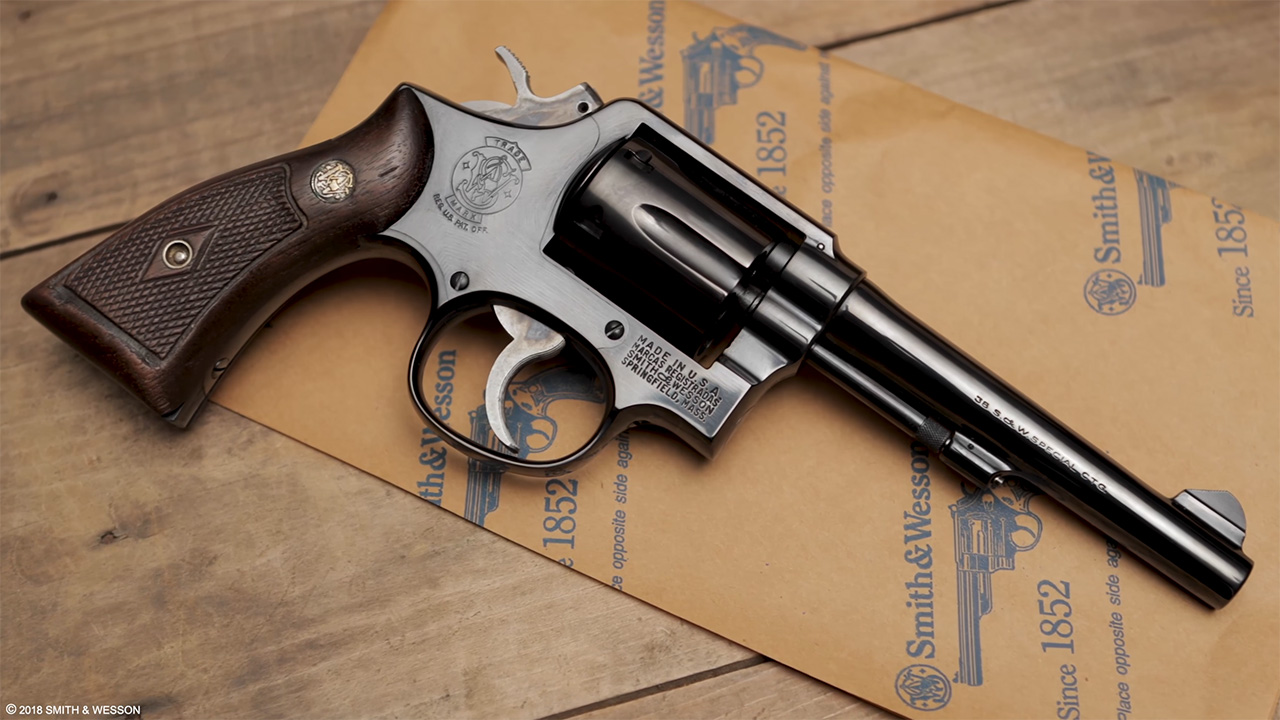
The Model 10 is the plain ham-and-eggs service revolver, and it still feels right in the hand. Fixed sights, K-frame size, and a trigger that can be downright smooth if it’s seen a little use. You don’t buy it to impress anyone; you buy it because it points naturally and doesn’t ask for much.
For folks who tried three different semi-autos and never stopped fighting feed issues, the Model 10 is a reset button. Load it, close it, and you’re back to worrying about fundamentals instead of hardware drama.
2. Ruger GP100
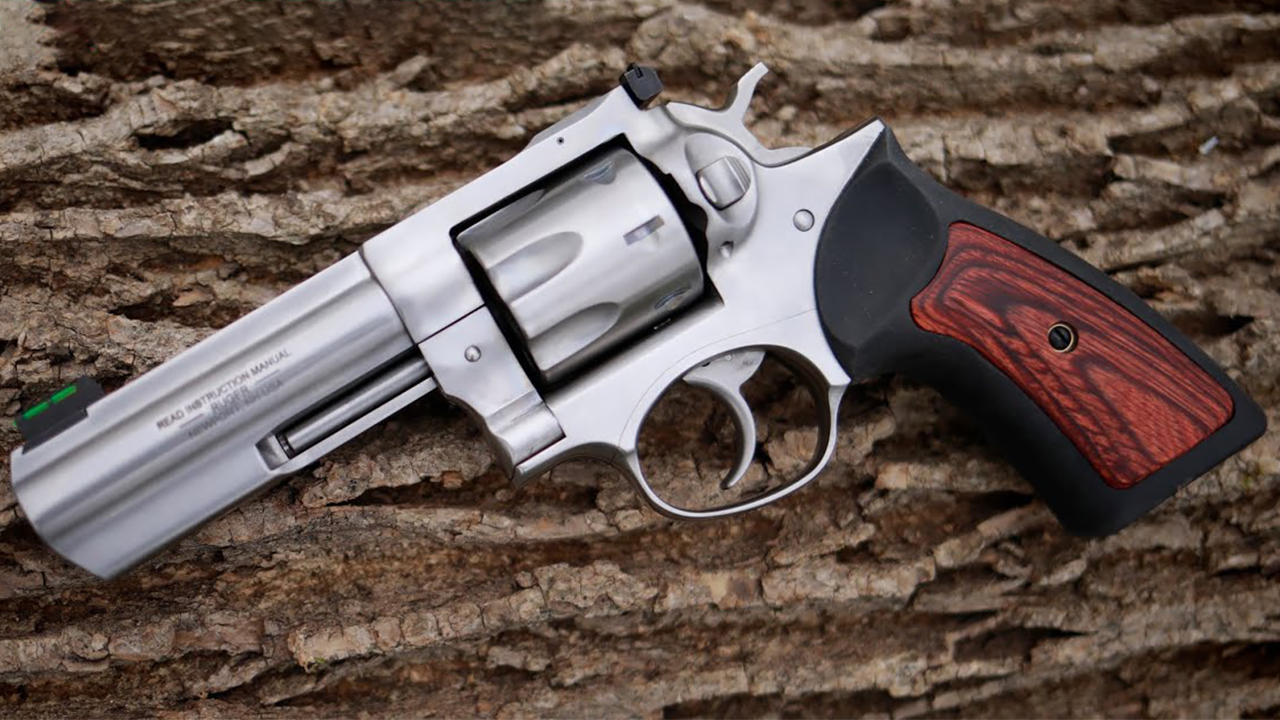
If there’s a revolver that feels like it was built by a company that hates warranty claims, it’s the GP100. It’s not dainty, and it’s not light, but it takes a steady diet of .357 without acting like it’s doing you a favor. The lockup feels stout, and the whole gun has that “farm tool” vibe.
Ask anyone who has carried one in a chest rig for bear country or used one as a woods sidearm: it’s heavy until it’s needed. Then it’s just there, doing the job.
3. Smith & Wesson Model 686
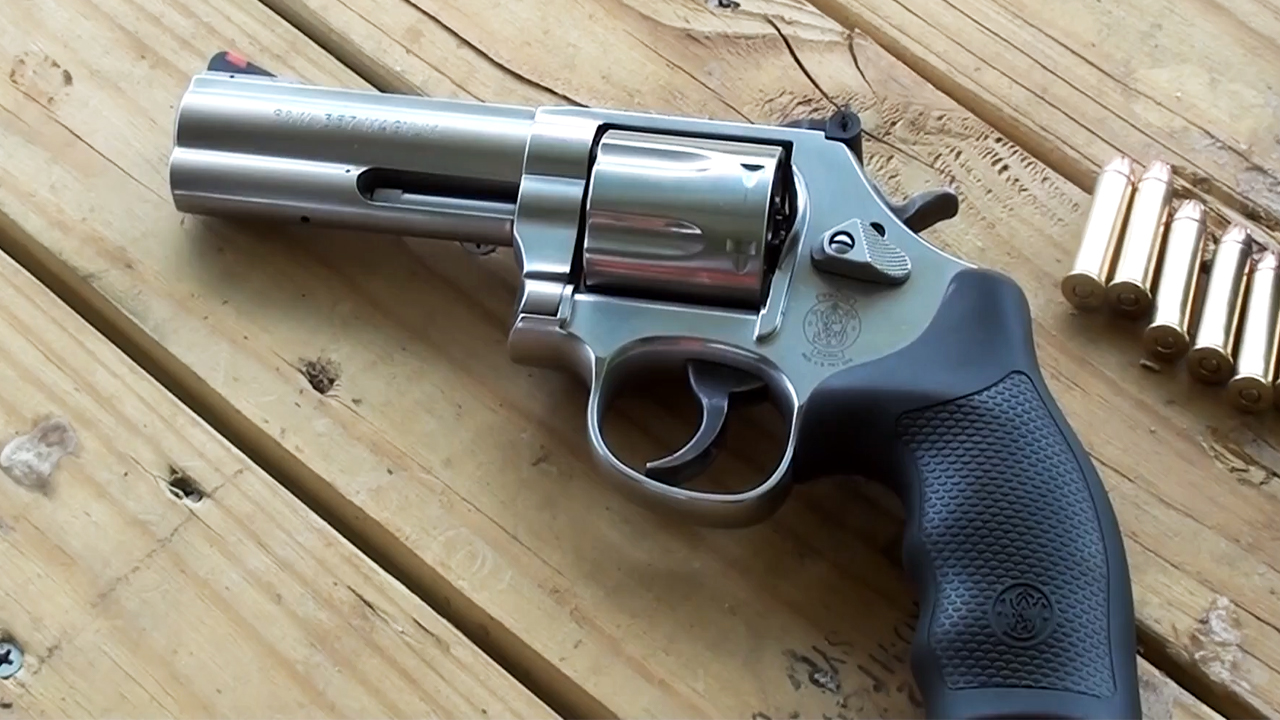
The 686 is the GP100’s polished cousin, and it’s hard not to appreciate how well they shoot. The L-frame size hits a sweet spot for recoil control with .357, and the sights are usually better than what you get on the fixed-sight classics. It’s a range gun that can still be a serious field gun.
Plenty of folks end up here after trying lightweight snub-noses and realizing they hate practicing with them. A 686 makes .38s feel like nothing and keeps .357 manageable enough that you’ll actually train.
4. Ruger SP101

The SP101 is what a lot of people wanted their featherweight snub to be. It’s small enough to carry, but it has enough steel to keep it from being a total punishment with real ammo. The trigger can be a little stiff out of the gate, but it’s consistent.
When someone says, “I want a small revolver I’ll actually shoot,” this one keeps coming up. It’s not fancy, but it’s tough in a way that matters.
5. Smith & Wesson J-Frame Model 642
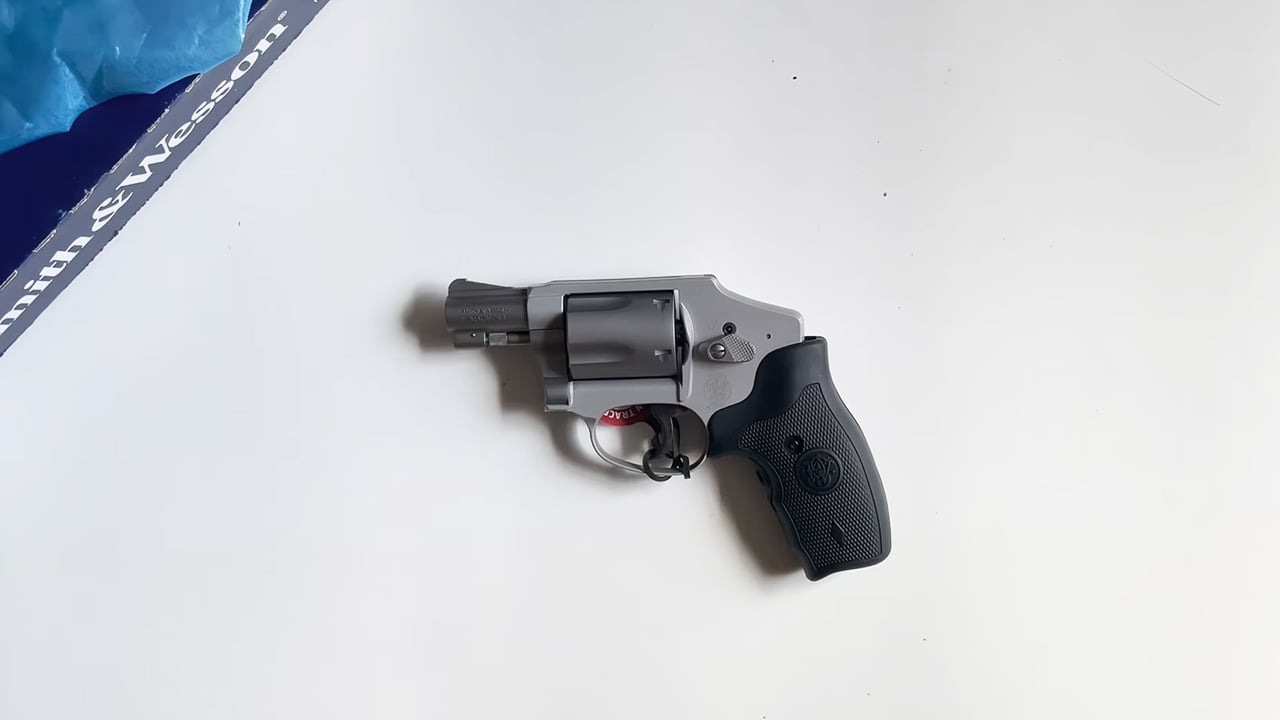
A 642 rides in a pocket like it was made for it, because it basically was. The enclosed hammer keeps it from snagging, and the gun disappears when you’re just running to town or checking fence lines. It’s a “better than nothing” gun that’s often a “better than you think” gun.
Here’s the catch: they’re not fun. They’re useful. If you buy one, plan on practicing enough to handle that small grip and brisk recoil, or it’ll become a drawer ornament.
6. Smith & Wesson Model 60
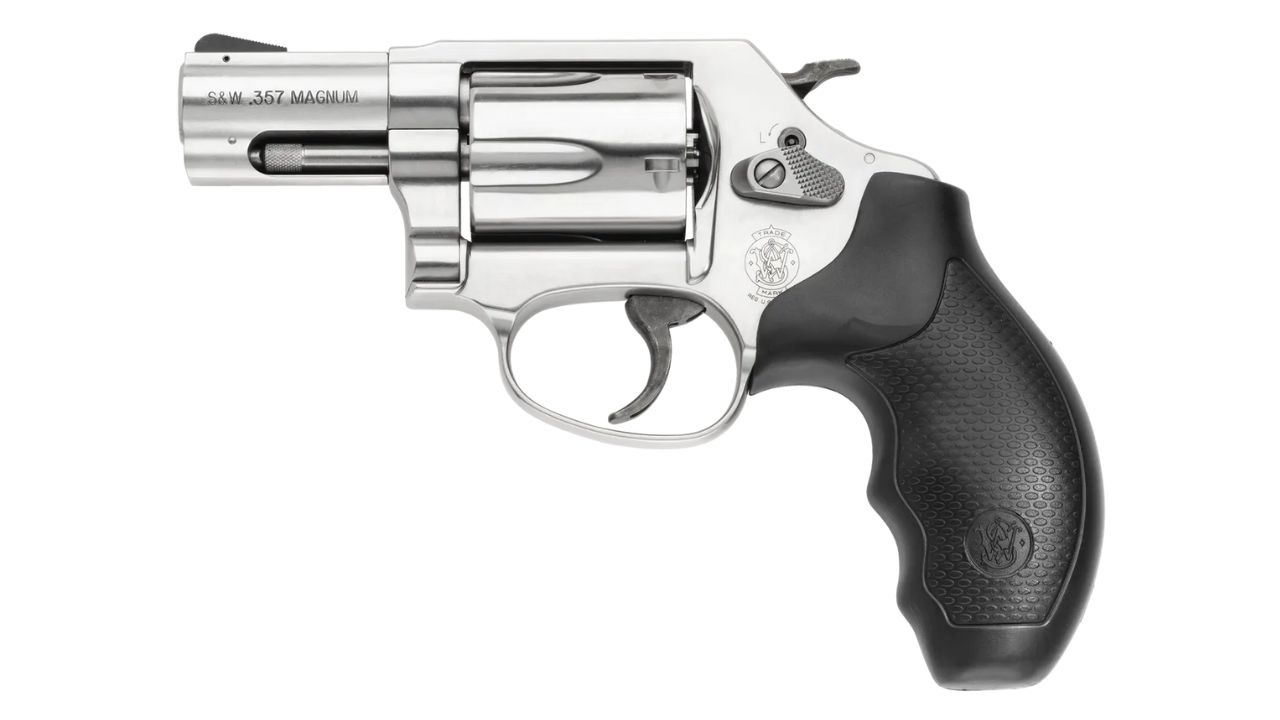
The all-steel Model 60 is what a lot of folks graduate to after the first ultralight snub wears them out. Same general size as other J-frames, but a little more forgiving when you touch off defensive loads. It feels steady, and it tends to shoot better than you expect.
It’s also a revolver you can live with long term. Stainless steel handles sweat, rain, and neglect better than blued finishes when you’re outdoors a lot.
7. Ruger LCR (.38 Special)
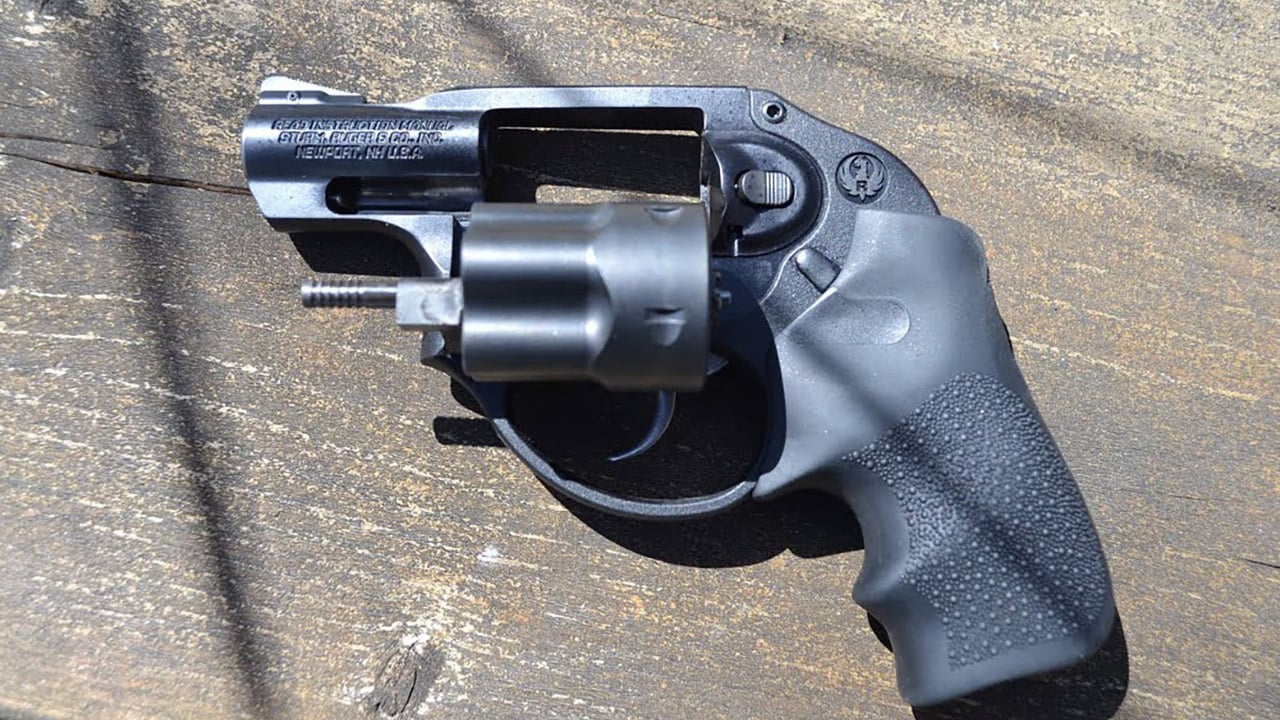
The LCR looks odd until you shoot one. The trigger is usually the story here—smooth, consistent, and easier to run well than many small revolvers. It’s light, it carries well, and it’s a practical tool for folks who want “grab and go.”
Lightweight still means recoil, so you can’t pretend physics doesn’t apply. But if you’ve tried tiny semi-autos that jammed when they got pocket lint in them, the LCR starts making sense in a hurry.
8. Ruger LCRx (3-inch)

The 3-inch LCRx is the version that makes a lot of outdoorsmen nod. A little more barrel, real sights, and a grip that gives you something to hang onto. It’s still light enough to carry on a belt all day without feeling like an anchor.
If you’ve ever owned a snub and wished it shot “just a little easier,” this is that. It’s also a handy trail gun in .22, .38, or .357 depending on the version.
9. Colt Python (modern production)
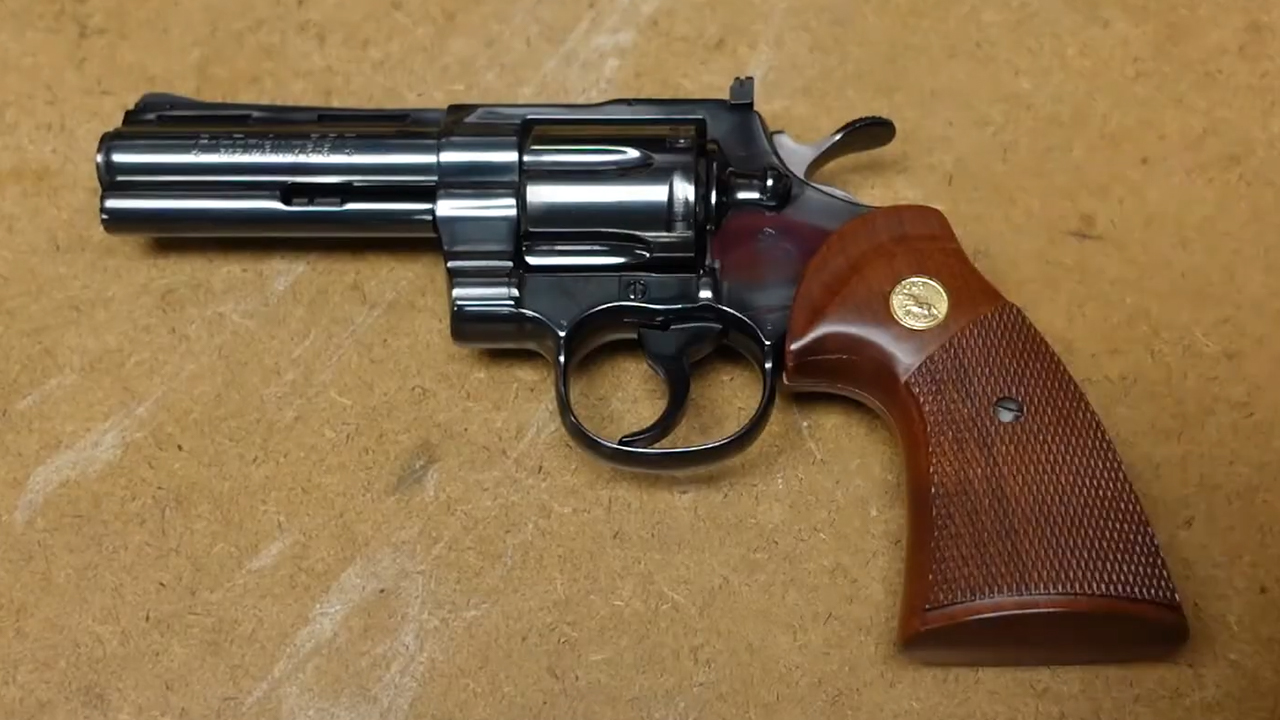
Yes, it’s expensive. Yes, some folks buy them for the name. But the current Python isn’t just a safe queen if you actually run it. The balance is good, the sights are solid, and the trigger—when you get a good one—makes you want to slow down and shoot properly.
Where it lands on this list is simple: when someone has tried bargain guns and mid-tier guns and still wants “one revolver to keep,” they start eyeing the Python. Just don’t buy it and then baby it into uselessness.
10. Colt King Cobra (3-inch)
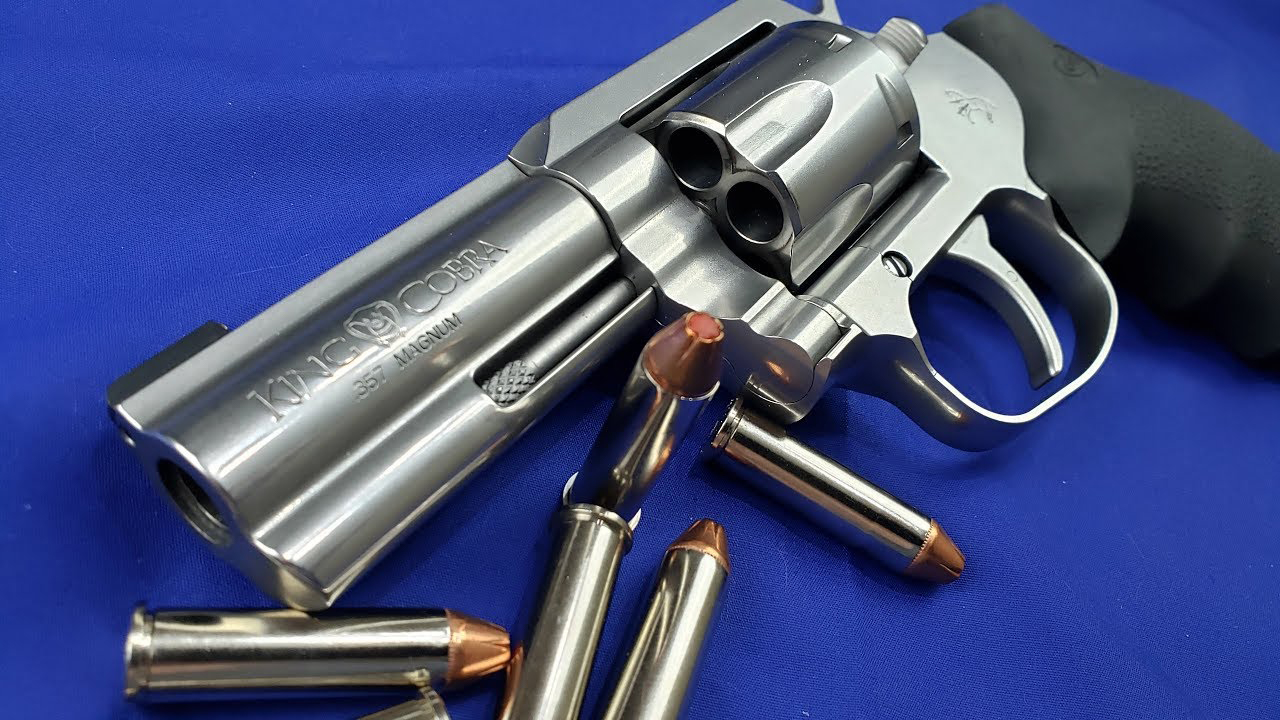
The 3-inch King Cobra is a practical sweet spot: shorter and handier than a full-size .357, but not so small it turns every range trip into a flinch-fest. It carries well in a decent holster, and the sight picture is usually quick to pick up.
This one tends to appeal to folks who want something a bit nicer than “truck gun” rough, without going full collector. It’s a working revolver with a little class.
11. Smith & Wesson Model 19 (Classic)
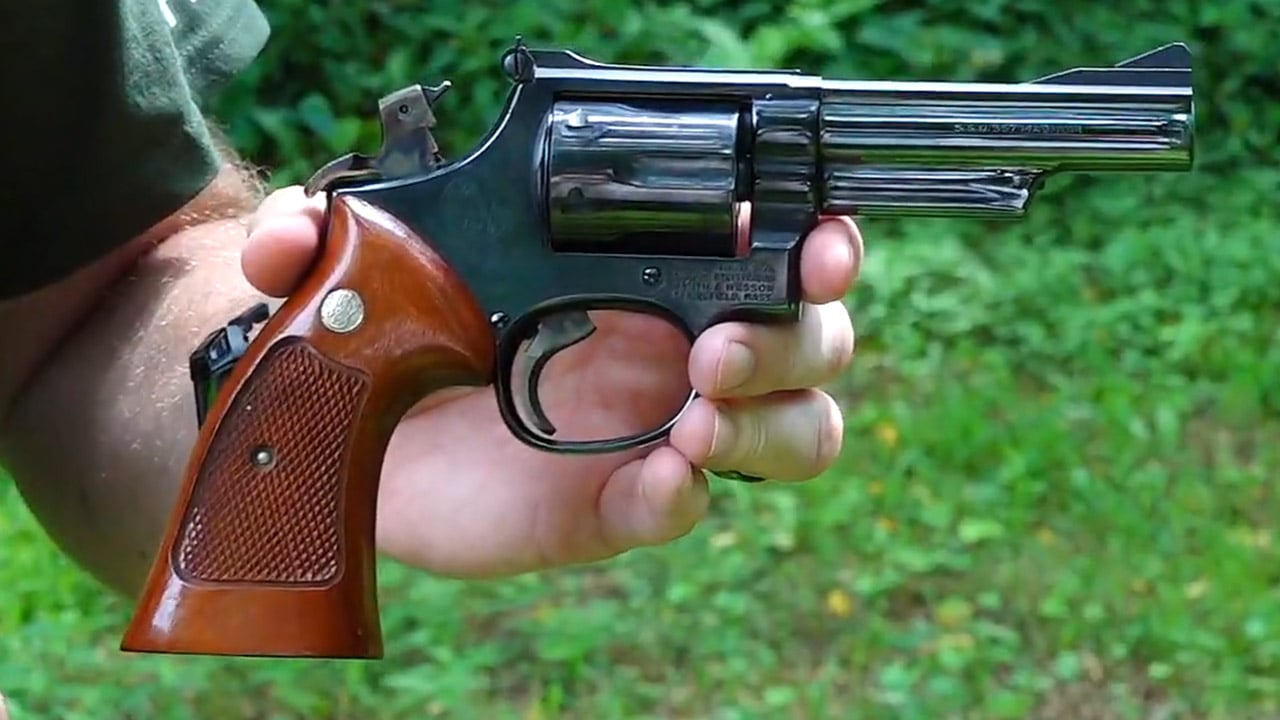
The Model 19 has a feel that newer guns don’t always match. K-frame, good lines, and it just points where your eyes are looking. It’s also a revolver that reminds you there’s a difference between “can shoot .357” and “loves endless hot .357.”
Run .38s for practice, use smart .357 loads when you need them, and it’ll treat you right. Folks reach for it because it’s comfortable, familiar, and it shoots better than their nerves do.
12. Smith & Wesson Model 66
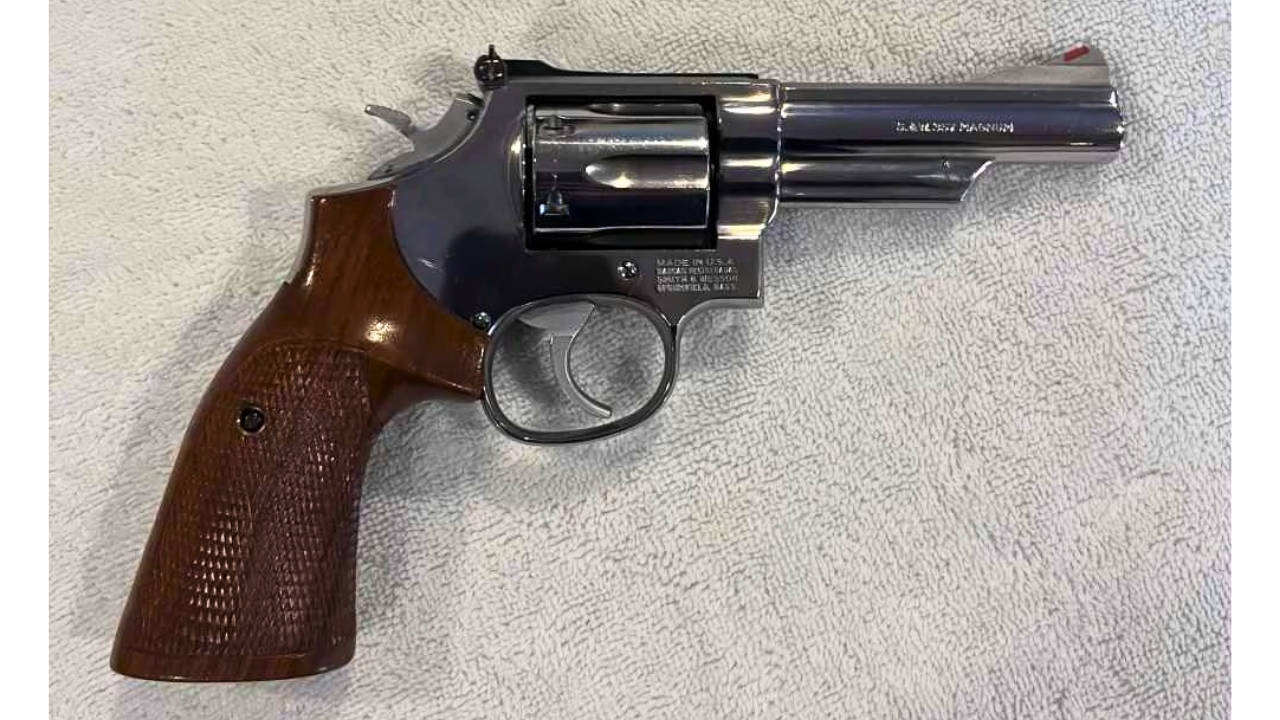
The Model 66 is basically the stainless answer to the Model 19, and for an outdoorsman, stainless makes life easier. Rain happens. Sweat happens. A gun that shrugs that off is a gun that keeps getting carried.
This is also a revolver that balances well for field use. It’s not a pocket gun, but it’s not a boat anchor either, especially in the shorter barrel lengths.
13. Ruger Blackhawk (.357 or .45 Colt)
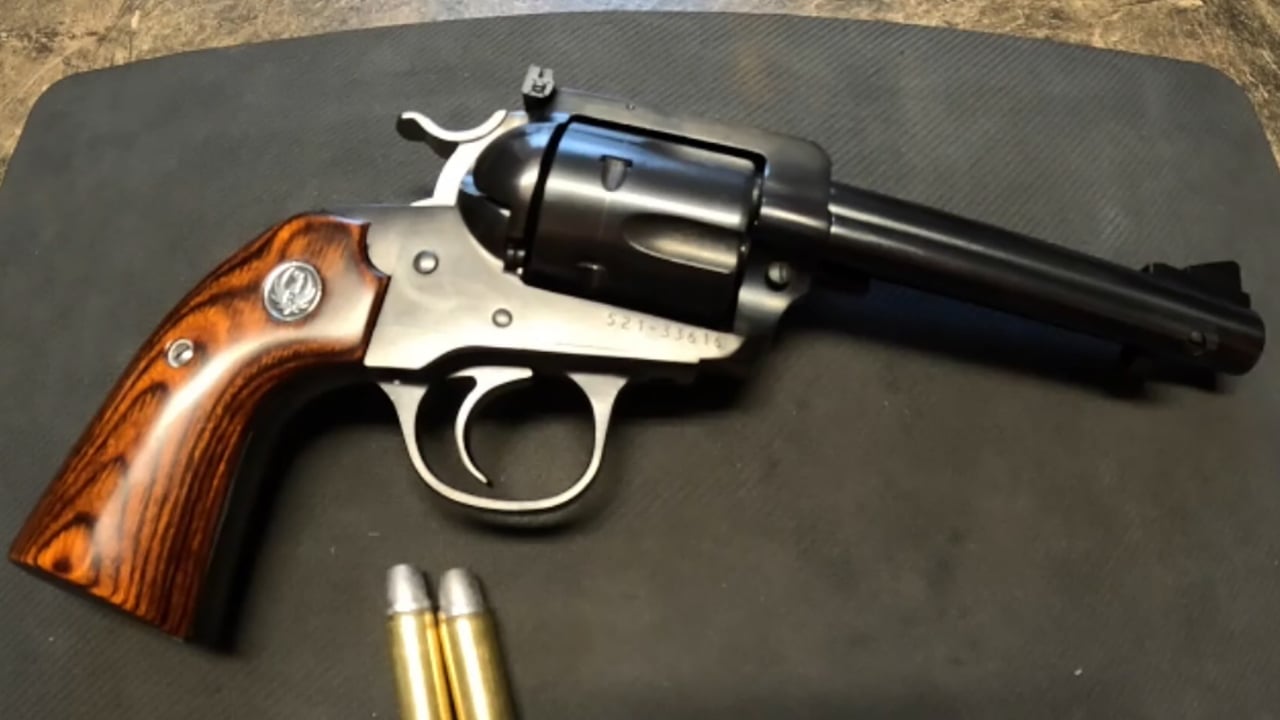
Single-actions don’t belong in every conversation, but they belong in this one. When someone has tried everything else and wants something dead simple and strong, the Blackhawk shows up. It’s accurate, it’s durable, and it handles heavy loads in the right chamberings.
It’s not a quick reload setup, and it’s not everyone’s idea of defensive pistol handling. But as a woods gun—especially for hunters and trappers—it’s hard not to respect.
14. Ruger Super Blackhawk (.44 Magnum)
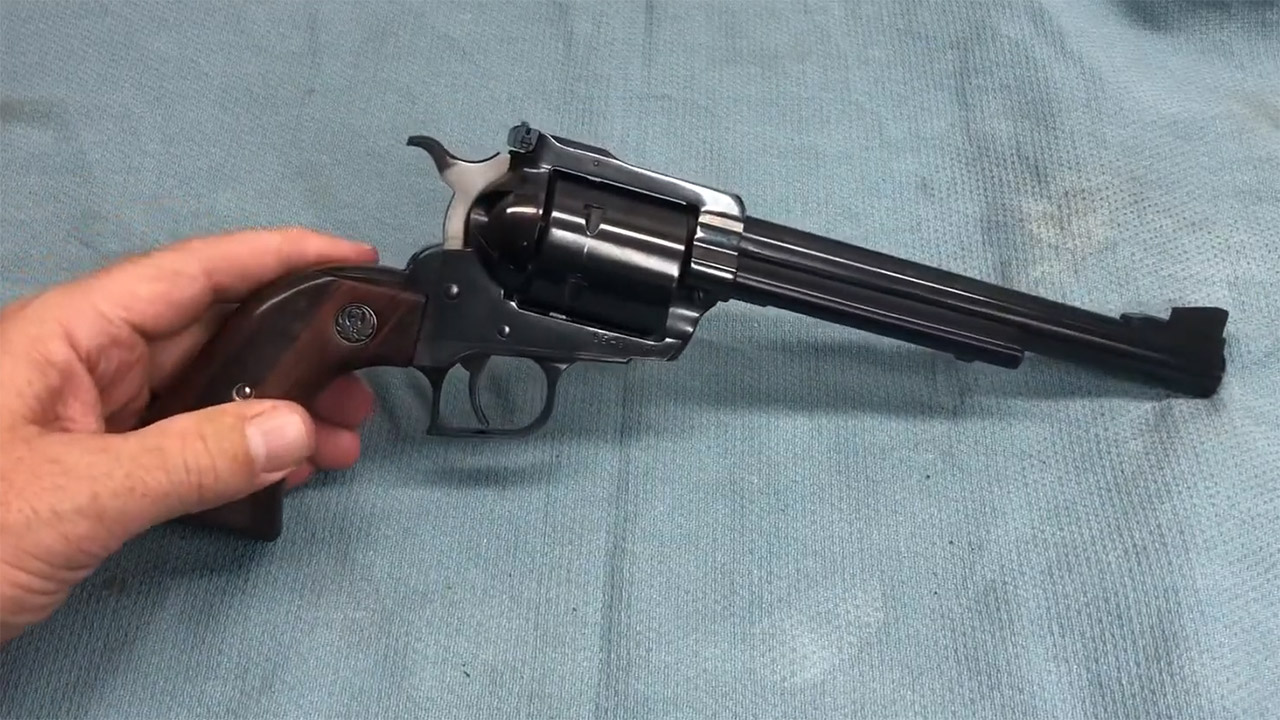
If you want to know who actually practices with a .44, watch their face on the first cylinder. The Super Blackhawk is for people who have decided they’d rather deal with recoil than doubt. It’s a serious sidearm for big-animal country and a classic hunting handgun.
It’s also one of those guns that makes mediocre ammo and sloppy grip technique obvious. When it’s dialed, though, it’s a confidence builder in the woods.
15. Smith & Wesson Model 629 (.44 Magnum)
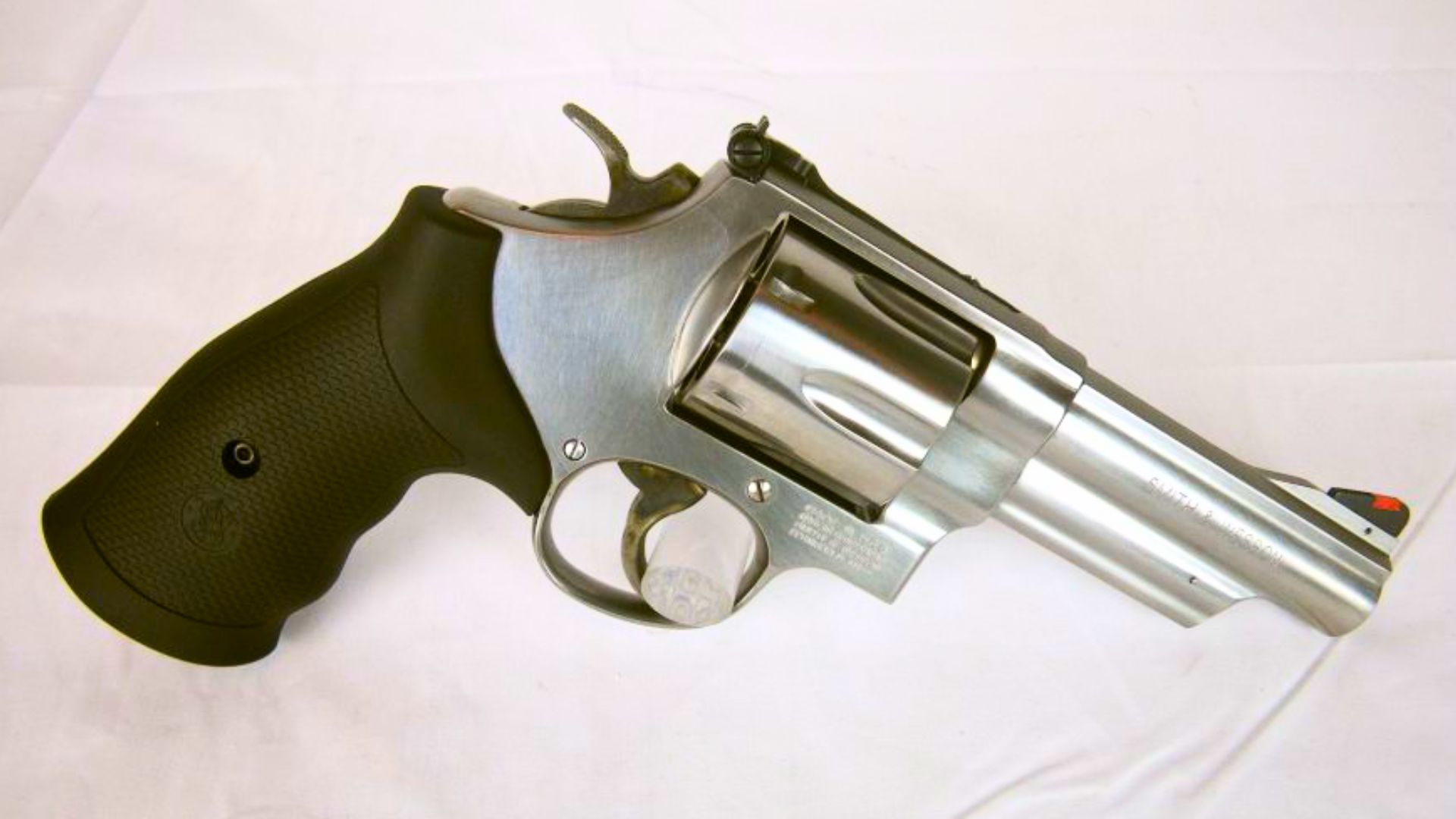
The 629 is the double-action .44 a lot of folks picture when they think “bear gun,” and there’s a reason. It’s easier to run fast than a single-action, and it points naturally for a big revolver. With the right loads, it’s a real tool, not a conversation piece.
It’s still big and heavy. But when you’ve tried smaller calibers and keep circling back to “I want more,” the 629 is where the circle ends.
16. Smith & Wesson Model 27
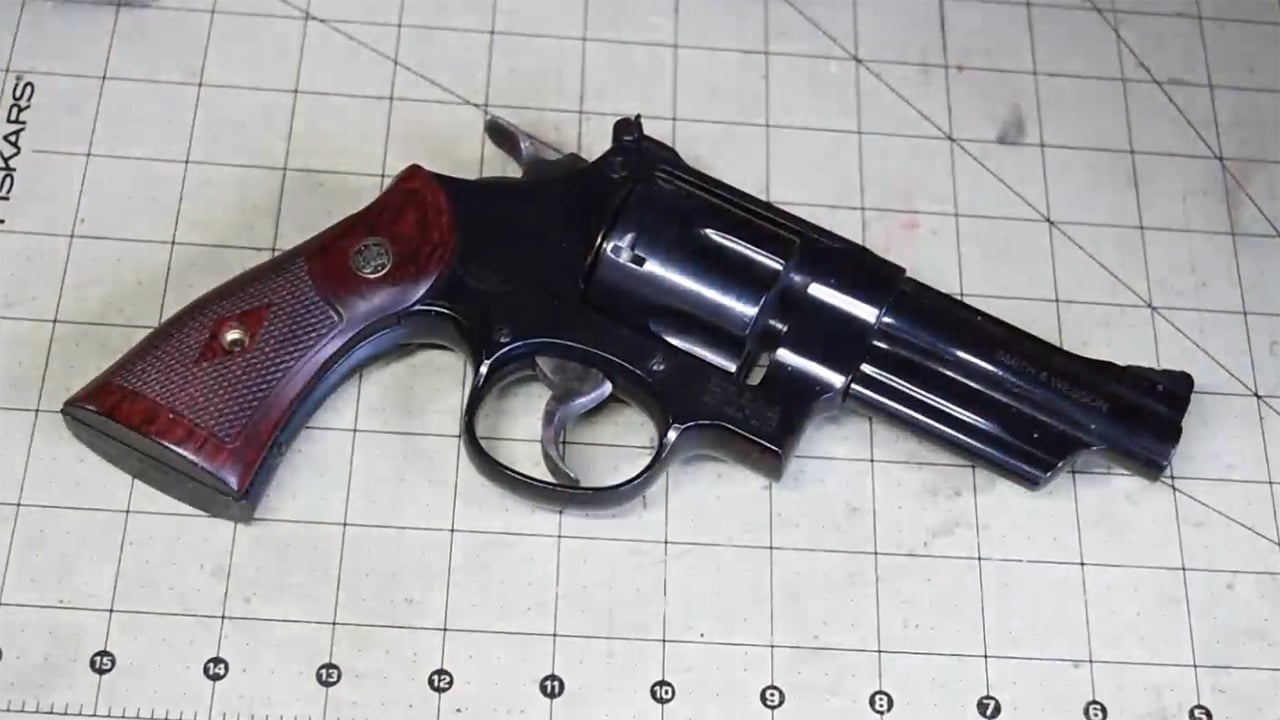
The Model 27 is old-school .357 done right. Big N-frame, smooth action when it’s in good shape, and it soaks up recoil better than most people expect. It’s not a casual carry gun unless you like wearing a real belt and holster.
This is one that gets reached for when folks stop caring about “lightweight” and start caring about “shootable.” There’s nothing fancy about that, and it’s kind of the point.
17. Smith & Wesson Model 28 “Highway Patrolman”
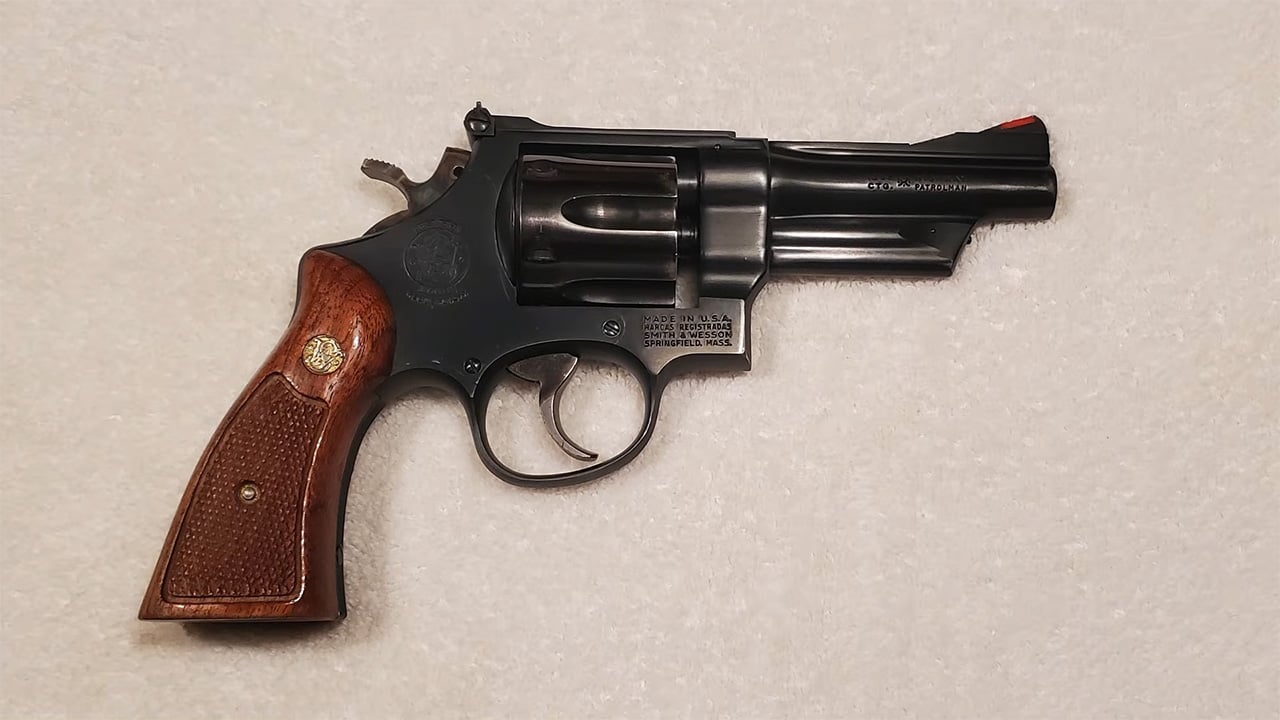
The Model 28 is the working man’s version of the 27, and that’s why it has a following. Less polished, more utilitarian, still built on the same big frame that handles .357 like it was made for it. It’s a revolver that doesn’t mind getting bumped around.
For someone building a practical battery on a budget, an older 28 can be a smart buy if you find one that hasn’t been abused. It’s not trendy, but it’s capable.
18. Taurus 856 (6-shot .38)

Taurus makes some folks nervous, and I get it. Quality can vary, and you should test any defensive gun thoroughly. But the 856 keeps popping up because it gives you six shots in a small frame, and it’s priced where regular folks can actually buy one.
When money is tight and the choice is “no gun” or a revolver you can verify at the range, the 856 is what some people land on. If you go this route, put rounds through it and make sure it locks up and runs like it should.
19. Charter Arms Undercover

The Undercover is not a glamour gun. Fit and finish are usually basic, and the trigger won’t win any awards. But it’s light, it’s simple, and it’s been riding in pockets and tackle boxes for decades.
This is one of those revolvers that gets chosen because it’s there, it’s affordable, and it’s not complicated. In real life, that matters more than internet opinions.
20. Kimber K6s (2-inch or 3-inch)
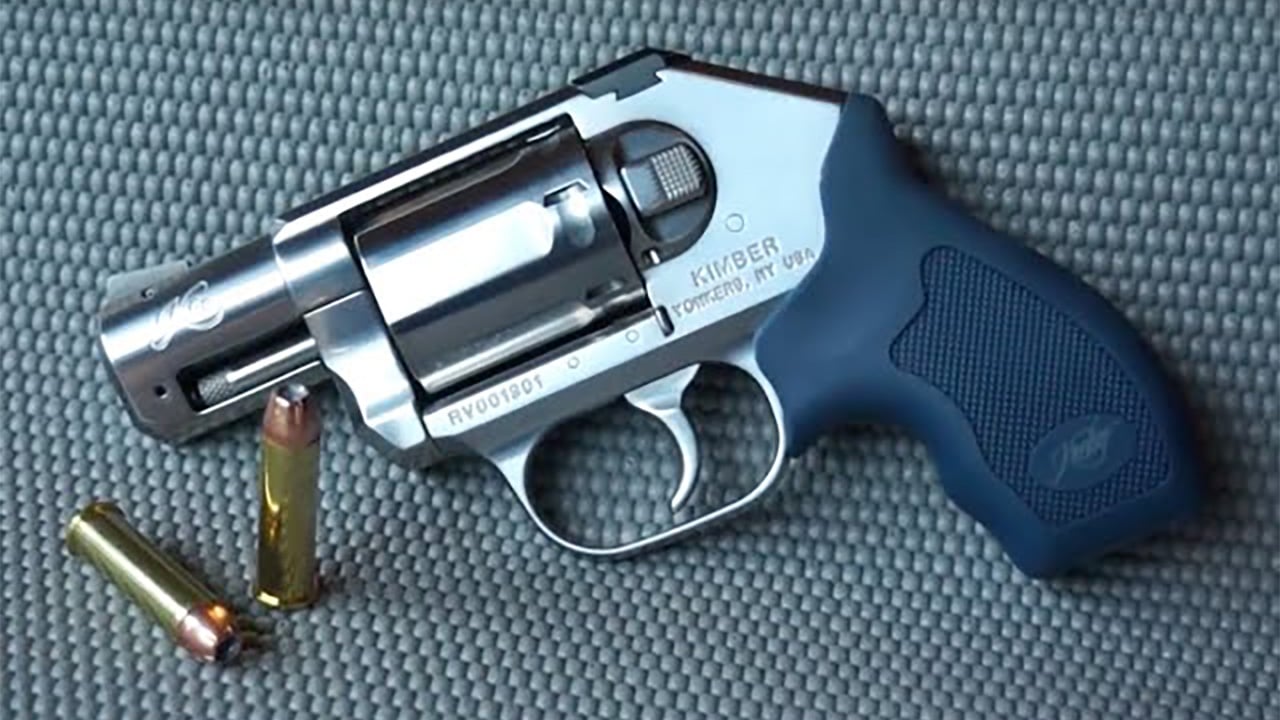
The K6s is what happens when a modern company decides a small revolver can be tight, smooth, and still carry six rounds. The sights are generally better than what you see on many snubs, and the overall package feels thoughtfully put together.
It’s not cheap, and it’s not as common as the big legacy brands, but it fills a real niche. For folks who tried micro 9mms and never trusted them, a six-shot K6s can be the “fine, I’m done experimenting” option.
Revolvers don’t fix bad decisions, and they don’t replace training. They also aren’t immune to neglect—cracked grips, loosened screws, timing issues, and bent ejector rods are real things. But when you want a handgun that’s straightforward, dependable with a wide range of ammo, and not dependent on magazines and springs you can’t find locally, a good revolver starts looking like the grown-up answer. Pick one that you’ll actually carry, actually shoot, and can actually control. Everything else is just noise.
Like The Avid Outdoorsman’s content? Be sure to follow us.
Here’s more from us: