Photo credit: Rich B/YouTube
The handgun market moves fast enough that perfectly good pistols can disappear almost overnight. One generation of shooters spends years trusting a particular metal-frame service gun, and the next generation barely recognizes the model because polymer frames, optics cuts, modular chassis systems, and higher capacities have completely changed what gun companies advertise.
Newer does not automatically mean better. Some discontinued pistols had excellent triggers, beautifully machined frames, durable magazines, and levels of fit that would cost considerably more to reproduce today. They may lose badly in weight, optics compatibility, or aftermarket support, but put them on the range and many still feel remarkably refined beside current production guns. These 20 have largely slipped out of mainstream conversation, yet every one gives you at least one reason to wonder whether handgun design actually moved forward in every respect.
SIG Sauer P228
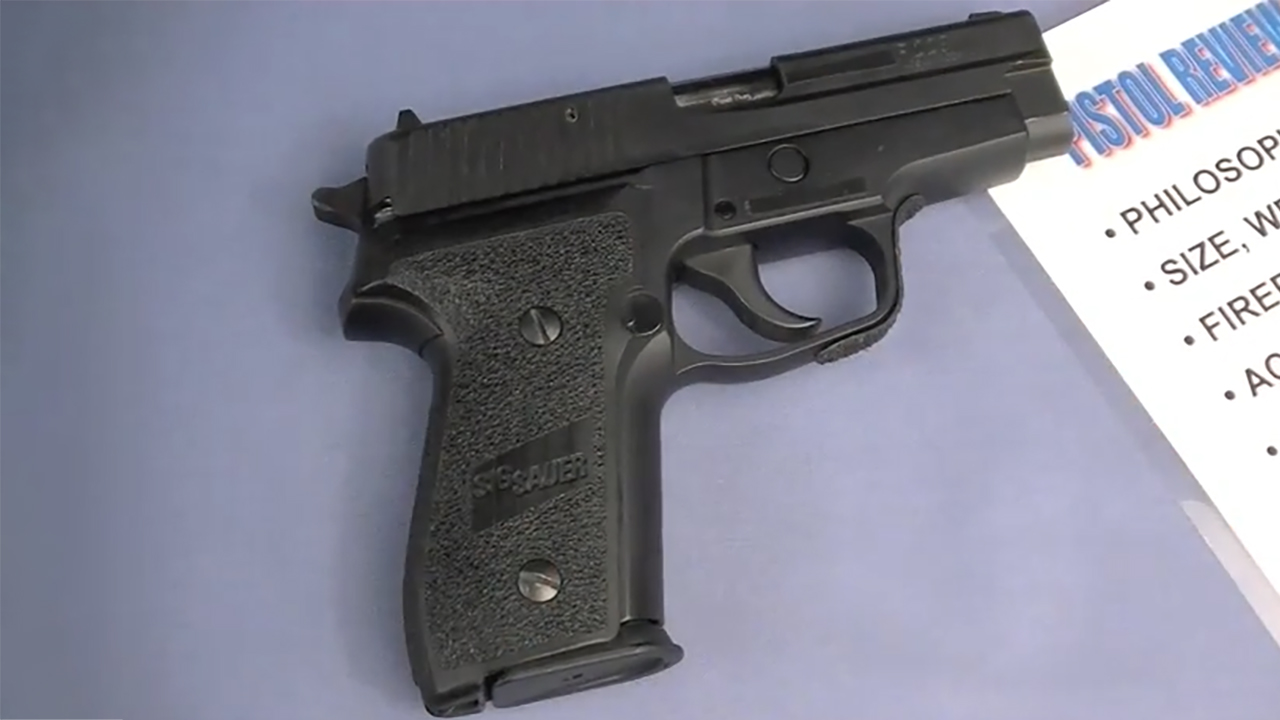
The P228 may be one of the best compact service pistols SIG ever produced, yet it has been largely overshadowed by the P229 and the company’s newer striker-fired and modular platforms. The original P228 combined an aluminum frame with SIG’s stamped carbon-steel slide, creating a pistol that was lighter and beautifully balanced compared with some of the heavier models that followed. Chambered in 9mm, it never needed the thicker slide construction required for more powerful service cartridges.
What stands out today is how good the pistol feels in actual shooting. The grip is compact without becoming cramped, recoil is extremely manageable, and a well-used SIG DA/SA trigger can become wonderfully smooth. You do not get an optics cut or accessory ecosystem comparable with a modern compact. What you do get is a remarkably refined service pistol that feels as though every dimension was chosen around shooting rather than a marketing checklist.
Smith & Wesson 3914
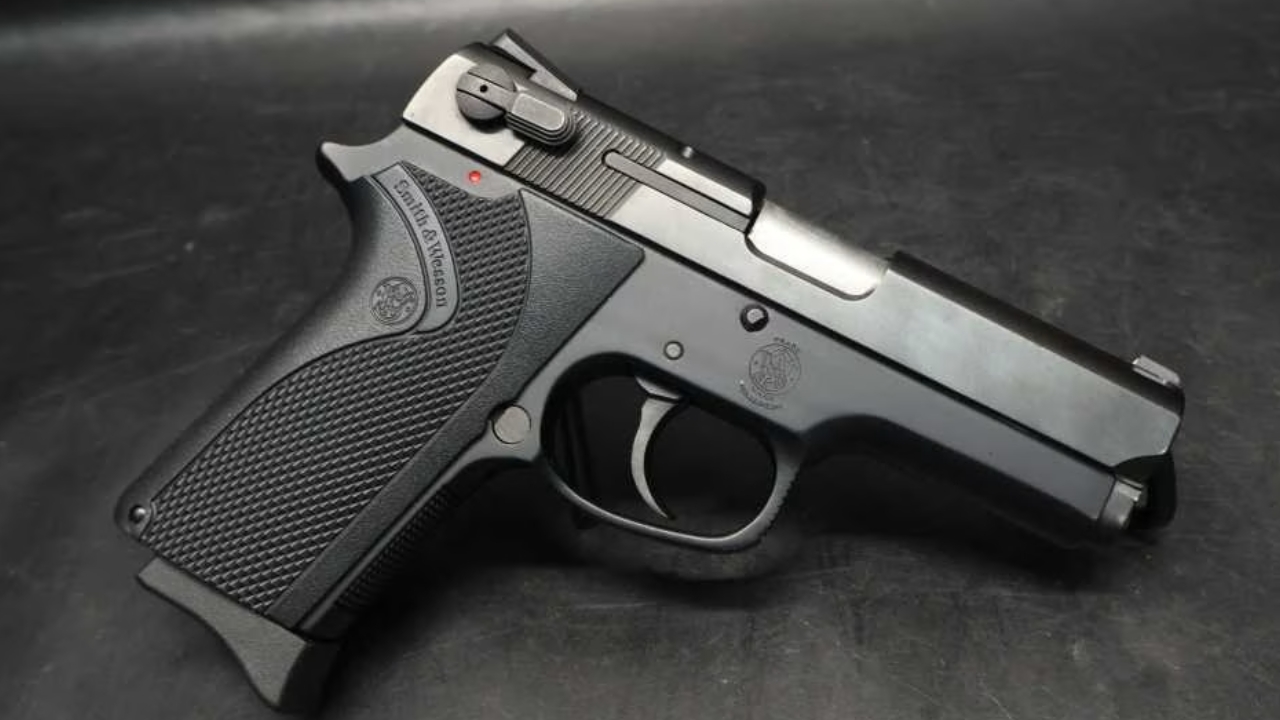
The 3914 came from an era when Smith & Wesson could build a slim metal-frame carry pistol without anyone asking why it did not hold fifteen rounds. It uses a single-stack 9mm magazine, an alloy frame, traditional DA/SA operation, and dimensions that make it surprisingly easy to conceal even by modern standards.
Capacity is the obvious reason the concept disappeared. Current micro-compacts can hold considerably more ammunition while weighing less. Put those specifications aside, though, and the 3914 remains incredibly pleasant. The narrow grip fits smaller hands beautifully, the metal frame gives the gun a stable feel, and the trigger becomes very smooth on examples that have been properly used.
I would not claim it beats a modern micro pistol at everything. It does not. But in build quality, recoil behavior, and the feeling of operating a genuinely well-made compact handgun, the old Smith still has plenty to teach newer designs.
Smith & Wesson 5904
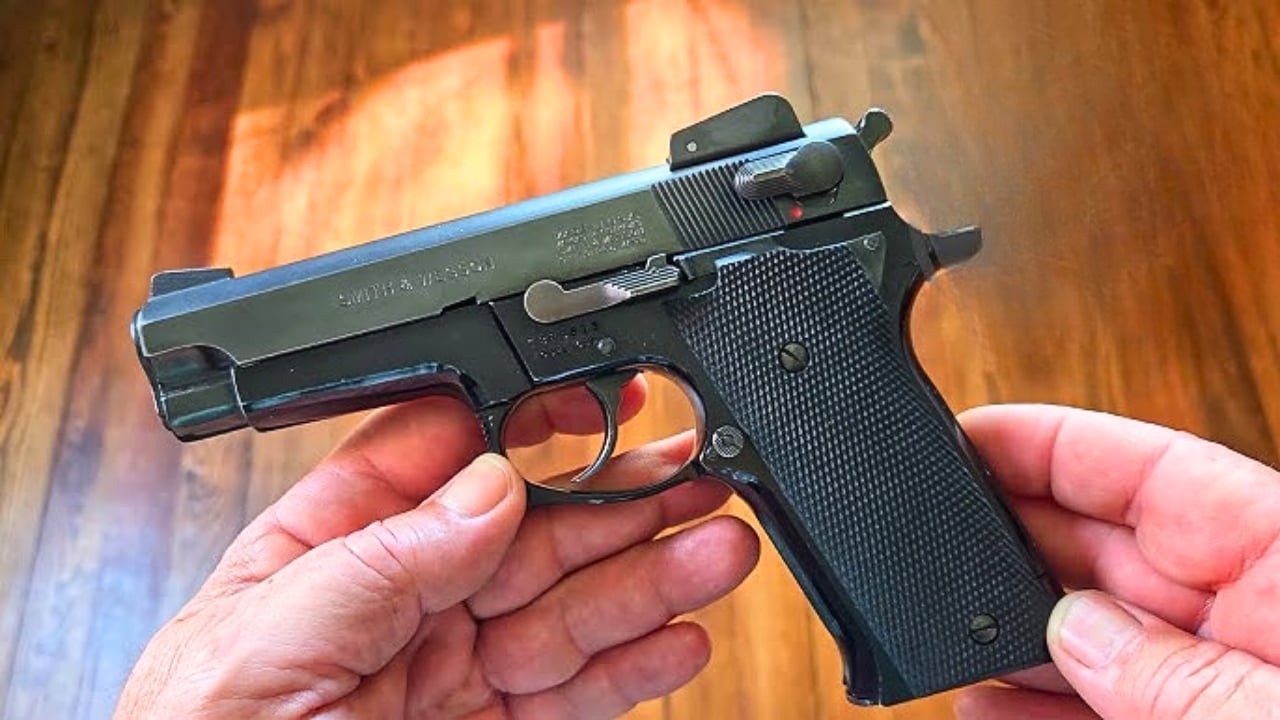
The 5904 is exactly the sort of pistol the modern market stopped making. It combines a full-size aluminum frame, double-stack 9mm magazine, traditional hammer-fired trigger, and enough weight to make recoil almost boring. It was a service pistol designed to be carried by people who expected metal guns to be normal.
The interesting part is how well the design has aged from the shooter’s perspective. The grip is large but manageable, the pistol balances nicely, and well-worn examples often have remarkably smooth double-action pulls. The alloy frame also keeps it considerably lighter than the stainless 5906 while preserving most of the same shooting characteristics.
Modern pistols win on optics, modularity, and weight. The 5904 wins by feeling like a finished machine. If someone handed me a clean example with good magazines, I would have a difficult time believing its age made it obsolete.
Smith & Wesson 4506

The 4506 comes from the days when Smith & Wesson apparently decided the correct amount of stainless steel in a service pistol was all of it. This is a large, heavy .45 ACP with traditional DA/SA operation and the kind of construction that immediately makes modern lightweight pistols feel almost disposable by comparison.
That mass is inconvenient on a belt but wonderful when shooting. The .45 ACP cartridge feels mild through the large frame, and the pistol settles quickly after each shot. The grip is substantial without reaching the extreme dimensions of some double-stack .45s.
What I appreciate most is the sense that the gun was designed around surviving institutional use rather than achieving a particular unloaded weight. Nobody is likely to resurrect the 4506 exactly as it was because production would be expensive and buyers now expect lighter guns. That does not stop the old Smith from being an outstanding shooter.
Smith & Wesson 1066
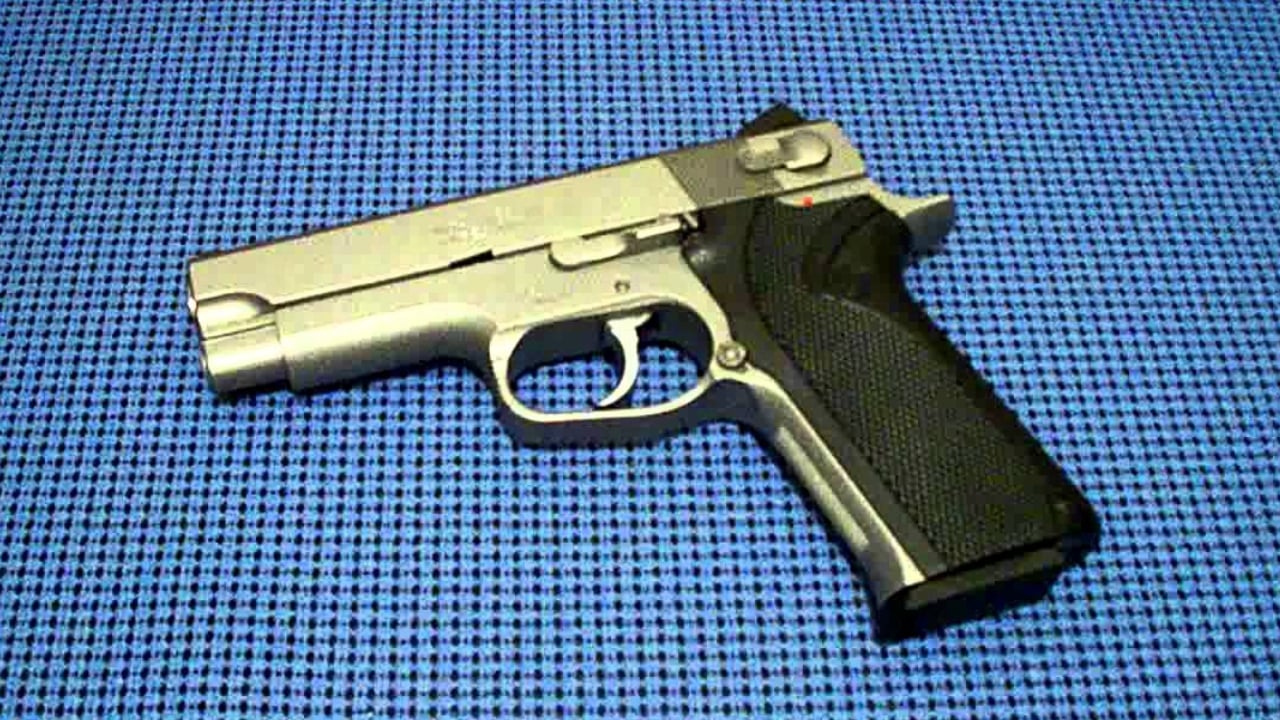
The 1066 takes the same overbuilt third-generation Smith philosophy and applies it to 10mm Auto. Unlike many modern 10mm pistols that use polymer frames to keep weight reasonable, the 1066 embraces stainless steel and gives the cartridge enough gun to work against.
That makes an enormous difference during shooting. Full-power 10mm still produces serious recoil, but the dense frame takes some of the violence out of the experience. The pistol also uses a traditional DA/SA trigger and a frame-mounted decocking arrangement that gives it a distinctive personality within the Smith lineup.
There are current 10mm pistols with more capacity, optic cuts, and easier parts availability. Few feel as mechanically substantial. The 1066 belongs to a period when companies occasionally solved powerful-cartridge problems by simply building more gun around the cartridge, and there is something wonderfully satisfying about that approach.
Smith & Wesson Model 945
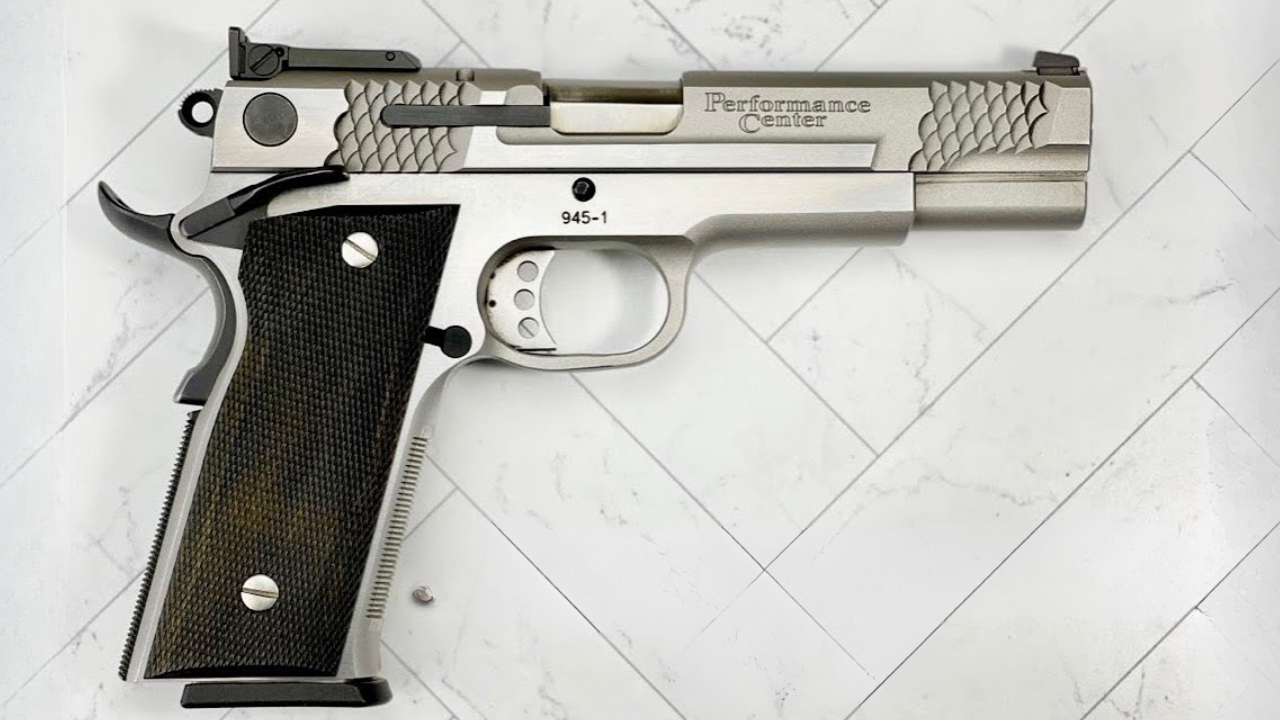
The Model 945 is what happens when Smith & Wesson decides to build a premium single-action .45 without simply stamping 1911 on the slide. It borrowed plenty of 1911 concepts, including the straight-pull trigger feel and single-action operation, but surrounded them with Smith’s own engineering and Performance Center-level execution.
The pistol is beautifully fitted, extremely accurate, and built with a level of machining that would place it deep into premium territory if produced today. It also has enough weight to make .45 ACP exceptionally pleasant.
Its biggest problem was always identity. Shooters wanting a premium .45 often wanted a 1911, while people buying Smith & Wesson semiautos were accustomed to the company’s DA/SA service pistols. The 945 fell between worlds. Today that makes it more interesting, not less. It is one of the forgotten examples of how good a major manufacturer could make a metal pistol when cost was not the only consideration.
Beretta 8045 Cougar
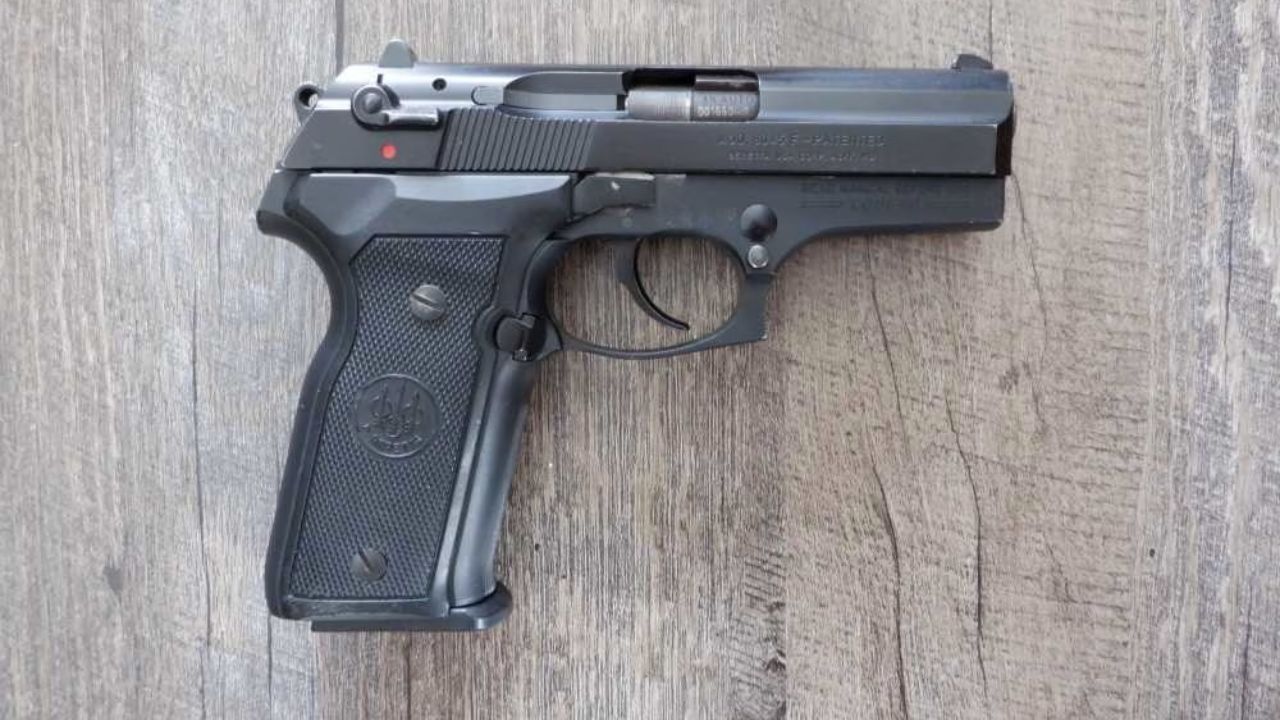
The 8045 Cougar took Beretta’s rotating-barrel concept and paired it with .45 ACP in a relatively compact metal-frame pistol. That combination sounds strange until you shoot one. The rotating system changes the recoil impulse, while the substantial frame gives the cartridge enough mass to work against.
The result is a .45 that feels smoother than its dimensions suggest. The grip is broad but manageable, and the familiar Beretta DA/SA controls make the gun immediately understandable to anyone who has spent time with a 92.
The Cougar eventually lost the market battle to lighter polymer handguns, and Beretta moved on. That does not make the engineering any less interesting. Modern buyers can find more capacity and easier optics mounting elsewhere, but finding another compact metal .45 with a rotating barrel and this kind of mechanical character is considerably harder.
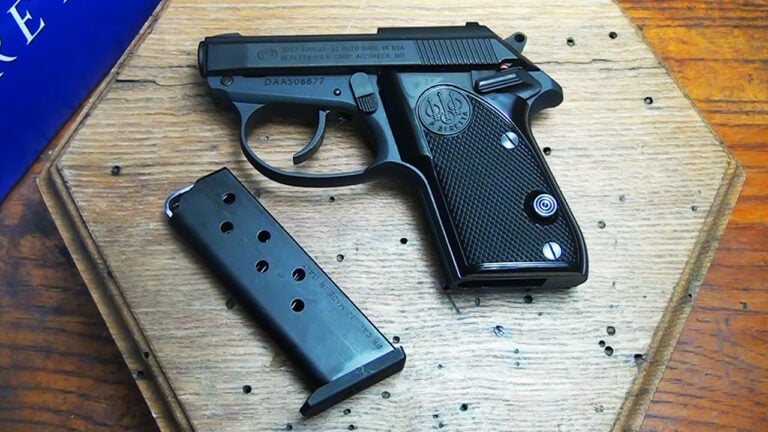
Beretta 87 Cheetah
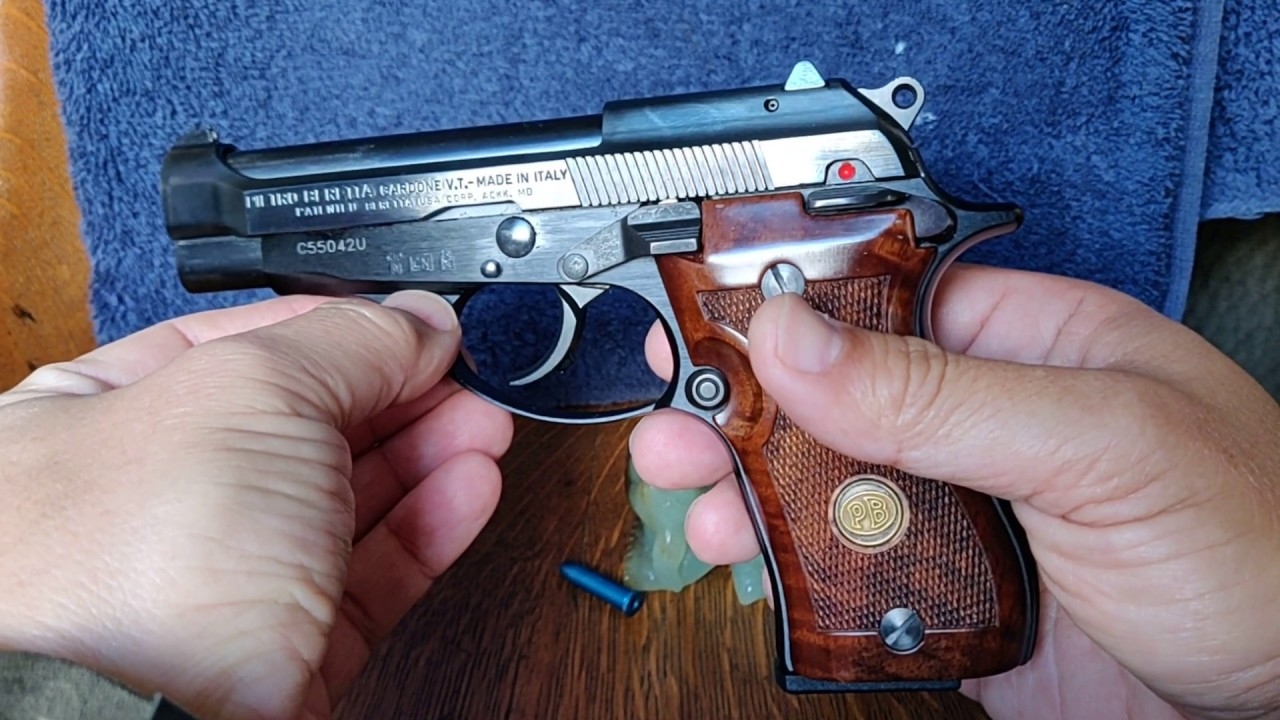
The Model 87 is one of those .22 pistols that feels much more serious than the cartridge requires. Built within the Cheetah family, it uses a slim metal frame, exposed hammer, traditional controls, and workmanship that makes many inexpensive modern rimfires feel distinctly utilitarian.
That quality is the appeal. The pistol is excellent for teaching fundamentals because recoil is almost nonexistent, yet the controls and overall handling resemble a centerfire defensive pistol more closely than many dedicated target .22s. It is also simply enjoyable to hold and shoot.
Modern rimfire pistols can give you threaded barrels, optics cuts, huge accessory ecosystems, and extremely low prices. Very few give you the same elegant metal-frame experience. The 87 is the sort of gun people overlook until they actually handle one, at which point the disappearance of small premium metal pistols starts feeling unfortunate.
CZ 40B
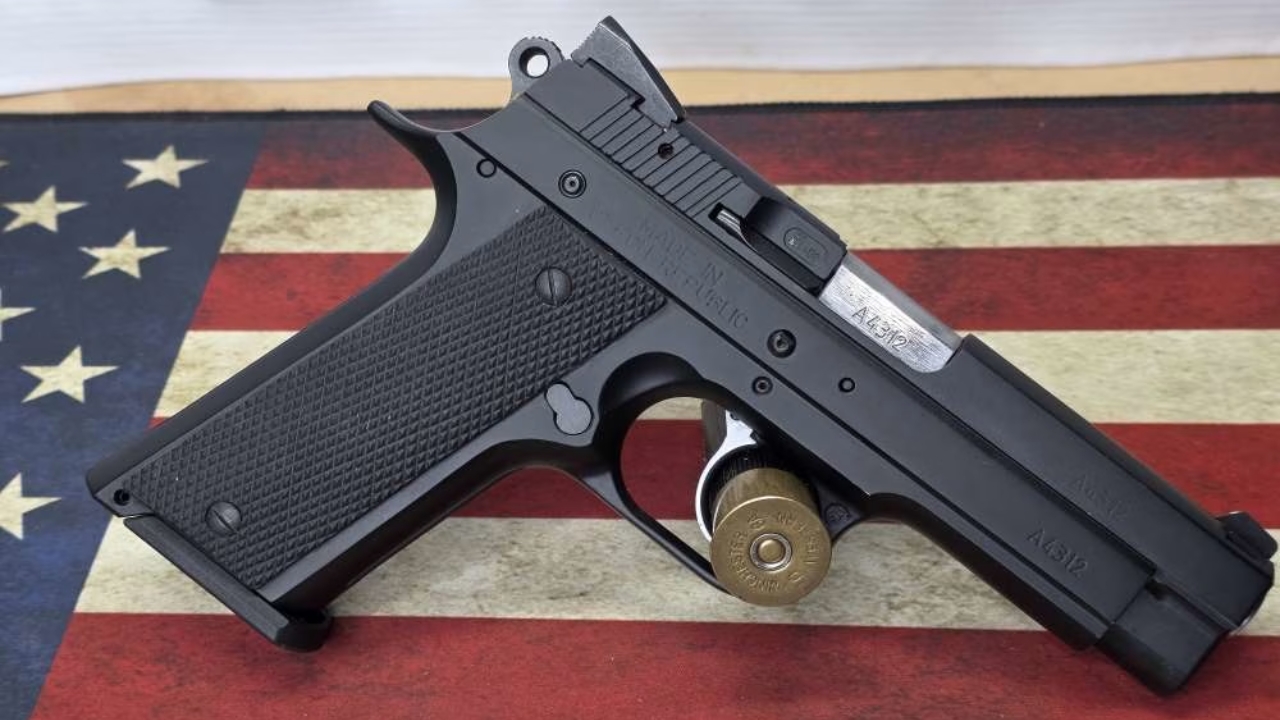
The CZ 40B looks like somebody combined two completely different pistol families, because that is essentially what happened. It emerged from cooperation between CZ and Colt and mixed CZ-inspired internal concepts with a frame shape that feels much more American than a traditional CZ 75.
The result was a .40 S&W pistol with an aluminum frame, DA/SA trigger, and extremely distinctive grip. It never became mainstream, and once the collaboration behind it faded, the pistol drifted into obscurity.
What makes it worth remembering is how well the gun can shoot. The frame gives it enough weight to calm the sharper characteristics of .40 S&W, and the ergonomics work surprisingly well once you stop expecting it to feel like a standard CZ. It is weird, but it is not poorly designed. Plenty of current pistols are more convenient. Few have this much personality.
Browning BDM

The BDM was Browning’s attempt to build a genuinely modern high-capacity service pistol, and it remains one of the strangest handguns the company ever produced. The grip is exceptionally thin for a double-stack 9mm, making the gun feel almost impossible when you first pick it up.
Browning also experimented with a selectable trigger arrangement on some versions, adding another unusual feature to a pistol that was already difficult to categorize. That complexity did not help it survive in a market rapidly turning toward polymer frames.
The irony is that the basic pistol still feels excellent. The low-profile slide, thin grip, and metal frame create a combination that very few contemporary service pistols duplicate. If Browning released the same idea today with simplified controls and an optics-ready slide, people might suddenly realize just how far ahead of its time the dimensions really were.
Free for gun owners: If something happened to you tomorrow, would your family know where the guns are, who has the safe combination, or what to do first? Our free Gun Owner’s Family Checklist walks them through it. It takes about 15 minutes to fill out. Get your free copy here.
Steyr M9-A1

The M9-A1 never received the mainstream attention its ergonomics deserved. Steyr gave the pistol an extremely low bore axis, unusual grip angle, distinctive trapezoidal sights, and a frame that places the shooter’s hand high behind the slide.
That combination makes recoil control excellent. The pistol points differently from a Glock or M&P, and some shooters need time to adapt to the sights, but once everything clicks the gun can be remarkably quick.
The M9-A1’s problem was never that it lacked engineering. It was competing in a market where Glock had already become the default answer and where aftermarket support mattered enormously. Today it feels like one of those alternate-history pistols that could have become much bigger with different timing. Shooters who discover one now often find a genuinely excellent striker-fired pistol hiding behind an unfamiliar name.
Daewoo DH40
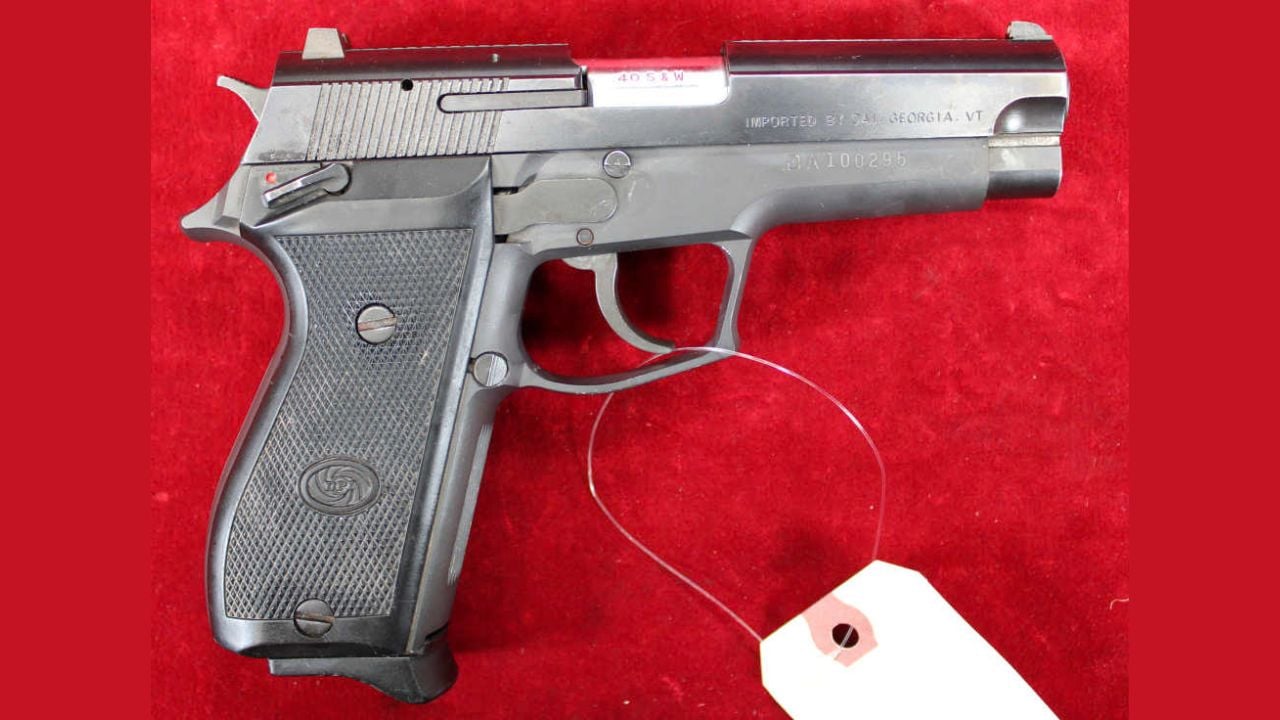
Daewoo’s service pistols are mostly remembered because of the unusual “Fast Action” trigger system used on models such as the DP51. The DH40 applied the same basic South Korean engineering to .40 S&W, creating a metal-frame pistol with a trigger system unlike almost anything currently produced.
The mechanism allows the hammer to be pushed forward while retaining spring tension, giving the shooter a lighter initial trigger stroke than a conventional uncocked DA pull. It sounds complicated until you handle one and realize the design is mechanically clever rather than gimmicky.
The .40 chambering, lack of mainstream support, and disappearance of these guns from normal store shelves pushed the DH40 into obscurity. That is unfortunate because the pistol combines excellent construction with a truly distinctive operating system. Most current guns are easier to support. Very few are more interesting.
Astra A-75

The A-75 is a compact Spanish pistol that feels far more substantial than its reputation suggests. Astra built it with a metal frame, conventional locked-breech operation, and a grip shape that makes the little gun surprisingly controllable.
It was available in both double-action and single-action variants, and that alone gives the platform more personality than another anonymous modern striker pistol. The relatively heavy frame also makes 9mm extremely mild for a compact gun.
Astra eventually disappeared along with much of Spain’s commercial handgun industry, and the A-75 faded with it. That makes parts and magazines less convenient than with a current pistol, but it does not change the shooting experience. If you find a clean example that runs properly, it can feel astonishingly refined for a handgun most people at the range will not recognize.
Star Ultrastar
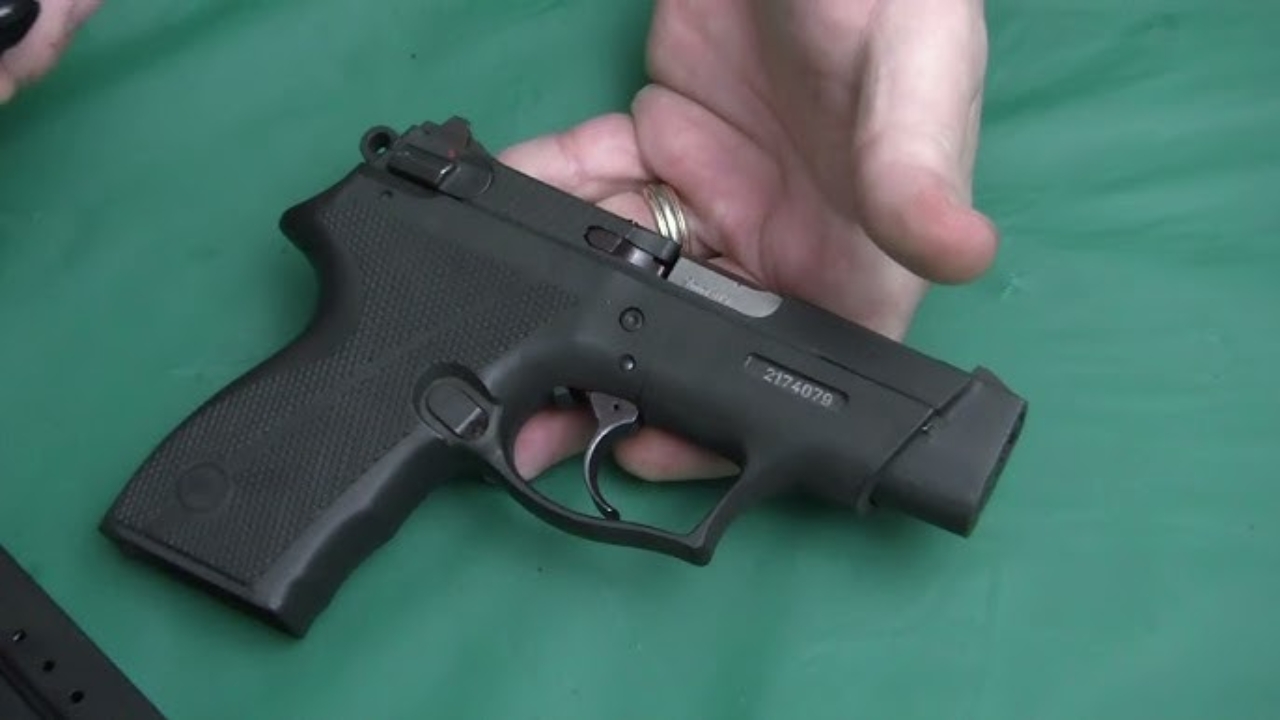
The Ultrastar arrived near the end of Star’s existence and represented the company’s move toward a more modern compact defensive pistol. Unlike the older all-steel Stars, the Ultrastar used a polymer frame while retaining a hammer-fired operating system.
That combination makes it feel surprisingly contemporary. The gun is compact, comfortable, and much less blocky than several early polymer pistols from the same general era. It also retains the mechanical personality that disappears when every handgun becomes another striker-fired variation.
Star’s collapse prevented the Ultrastar from having the long production life it might otherwise have enjoyed. That leaves today’s owners with the usual concerns about magazines and replacement parts. As a design, though, it holds up remarkably well. It feels less like an obsolete pistol and more like a path the industry simply chose not to follow.
Star Megastar
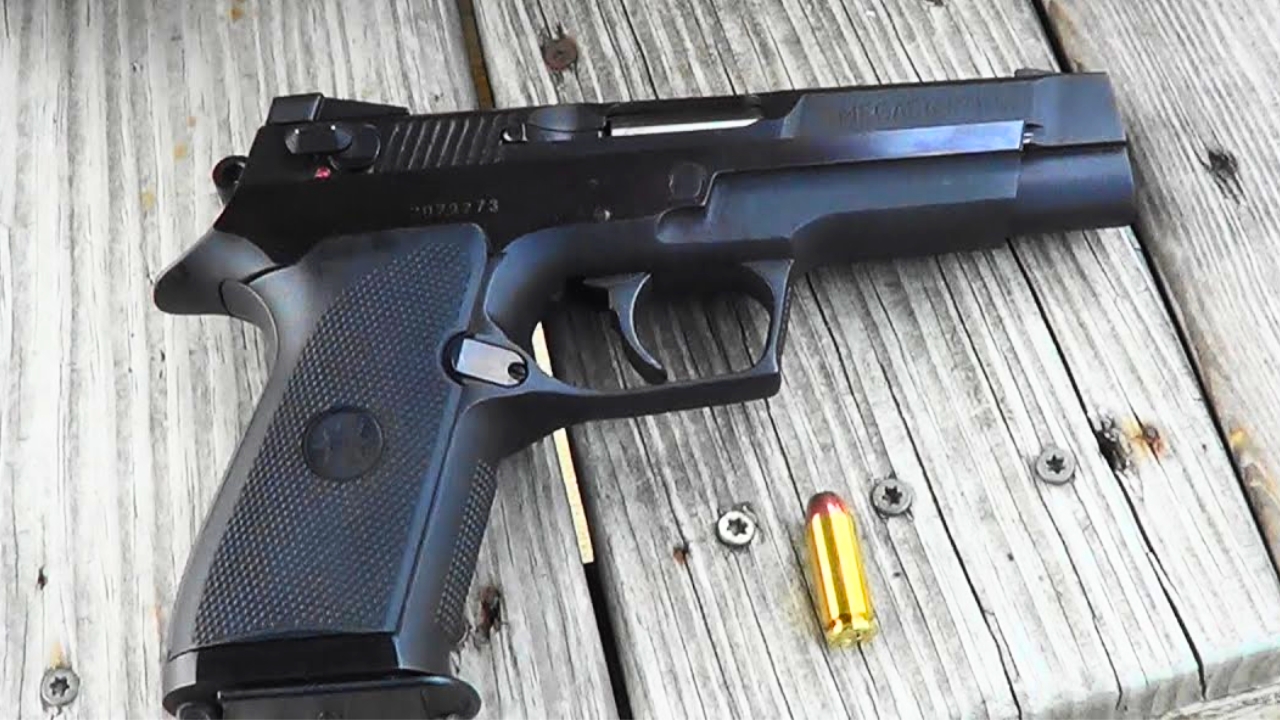
The Megastar is almost comically overbuilt, and that is exactly why it is memorable. Star designed the pistol around powerful service cartridges including .45 ACP and 10mm, then surrounded those cartridges with enough steel to make the gun feel closer to industrial machinery than a modern sidearm.
It is heavy. There is no creative way around that. Put the weight on the range rather than your belt, however, and it becomes an advantage. Recoil is exceptionally manageable, especially in .45 ACP, and the pistol feels as though it could tolerate abuse that would make lighter guns nervous.
Nobody is likely to reproduce the Megastar today because almost no customer is asking for this much steel. That does not make the concept bad. For someone who values shooting comfort and mechanical solidity over carry weight, the old Star can still be more satisfying than many modern alternatives.
Kahr K9
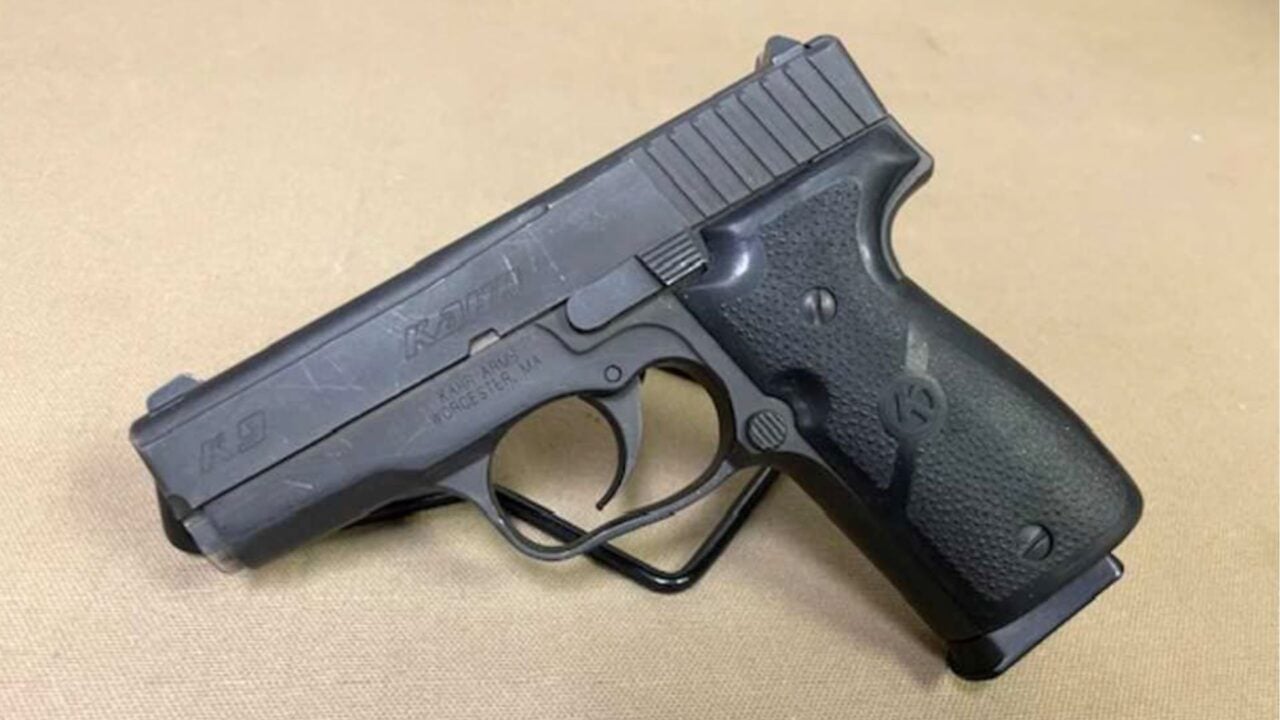
The K9 comes from Kahr’s early period, when the company’s answer to concealed carry was a beautifully machined all-steel single-stack pistol rather than the lightest polymer frame possible. That makes it heavy for its capacity by current standards, but it also makes it exceptionally pleasant to shoot.
Kahr’s long, smooth double-action-style trigger is another reason the pistol stands out. It does not feel like a modern striker trigger, nor does it behave like a traditional DA/SA gun. Once you learn the stroke, it becomes incredibly predictable.
The K9 loses every online specification comparison involving capacity and weight. On the range, those numbers matter less. The steel frame barely moves, the grip is wonderfully thin, and the pistol feels much more refined than the tiny polymer carry guns that eventually pushed this type of design aside.
Para-Ordnance LDA 7.45
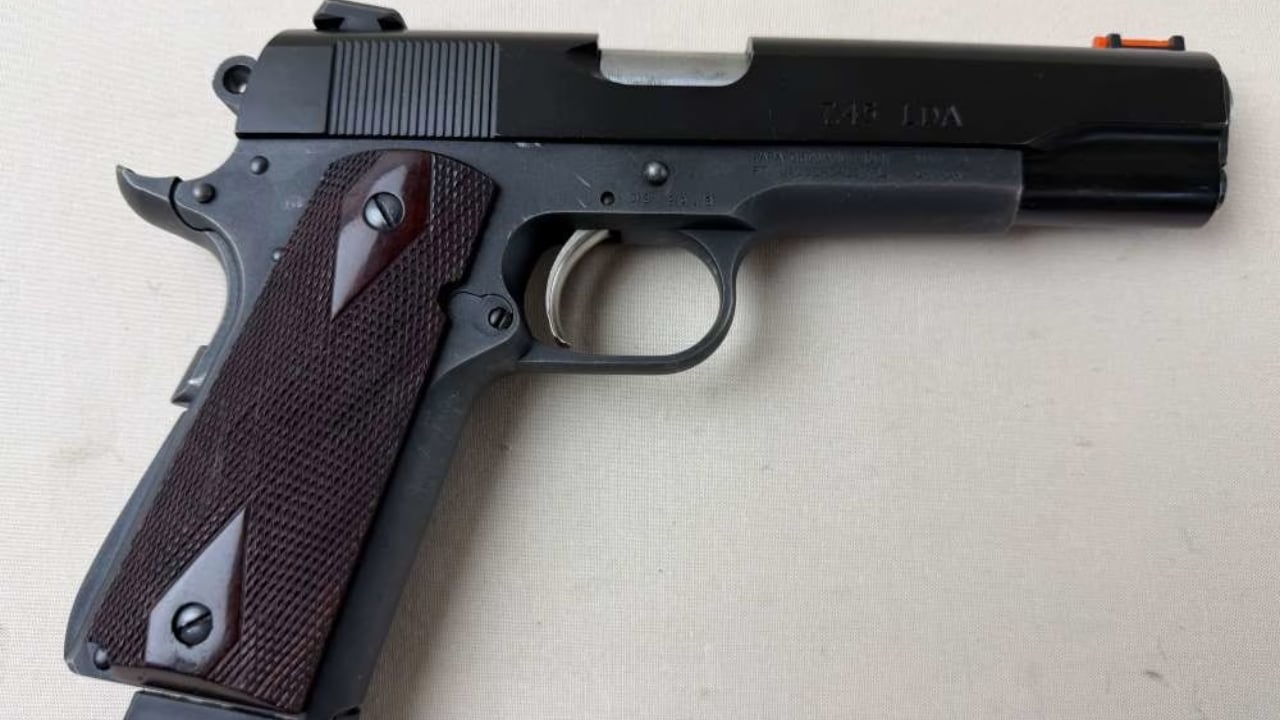
Para-Ordnance’s Light Double Action system was one of the more ambitious attempts to rethink the 1911 without abandoning its basic shape. The LDA models gave shooters a long but unusually light trigger stroke while retaining the grip angle and overall handling associated with the classic pistol.
The 7.45 configuration kept the traditional single-stack .45 proportions, creating a handgun that looked familiar but operated differently enough to surprise almost everyone who first tried the trigger. It never replaced the classic single-action 1911, and Para-Ordnance eventually disappeared.
That leaves the LDA as an interesting dead end in handgun development. Modern manufacturers mostly solved liability and carry concerns by moving toward striker systems. The LDA took another route entirely. It is unusual, mechanically fascinating, and much better to shoot than its obscurity would suggest.
Bersa Thunder 9 Pro
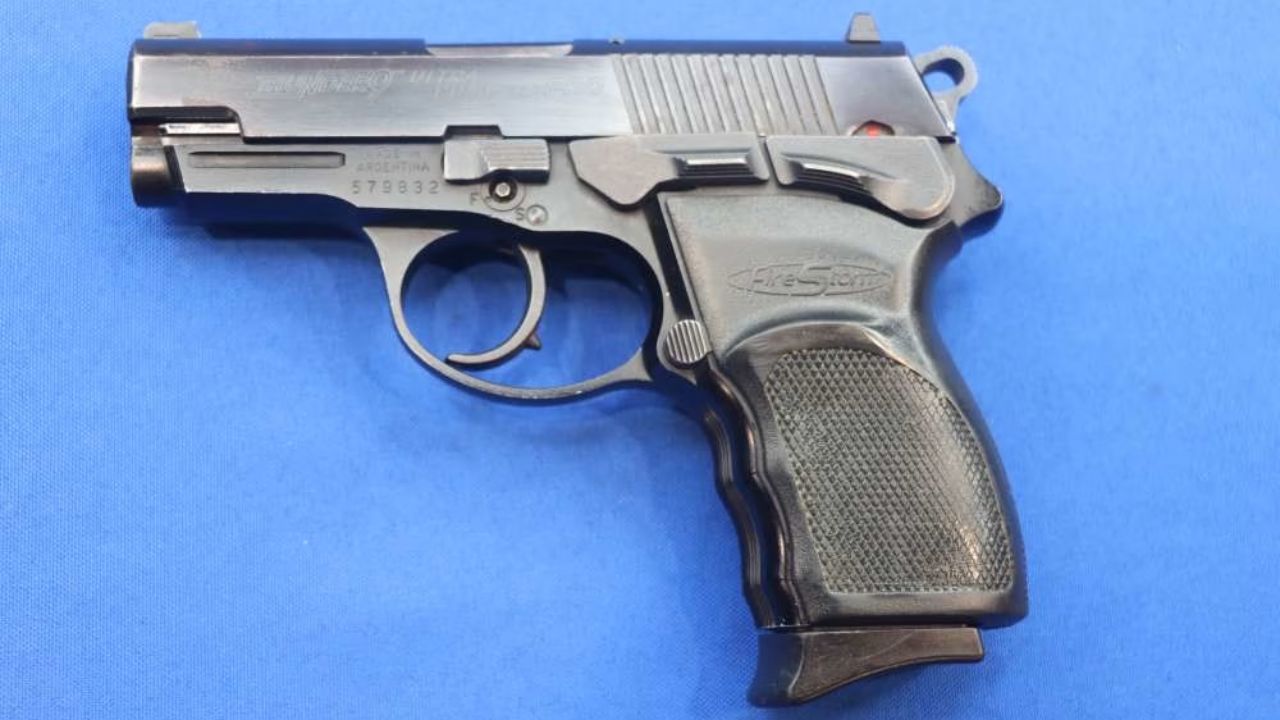
The Thunder 9 Pro is a pistol many American shooters barely noticed because Bersa remained associated so strongly with inexpensive .380s. The larger 9mm is a completely different animal: an alloy-frame, double-stack DA/SA service pistol with ambidextrous controls and a surprisingly good trigger.
The gun feels closer to a European duty pistol than a budget carry gun. There is enough weight to make recoil extremely mild, and the grip gives you plenty of leverage without becoming enormous.
Its biggest weakness has always been perception and support rather than basic design. Bersa simply never built the American service-pistol following enjoyed by SIG, Beretta, or CZ. If you judge only by the range experience, though, the Thunder 9 Pro can make plenty of newer polymer pistols feel cheaper than their price suggests.
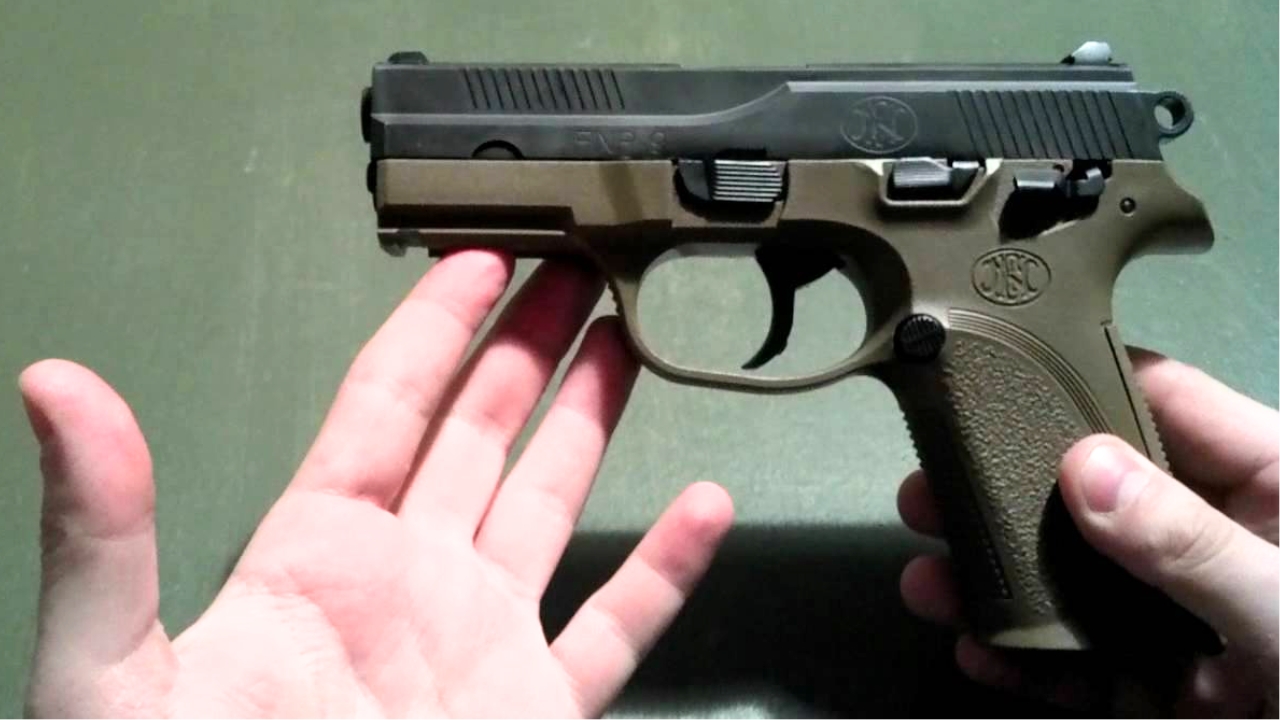
FN FNP-9
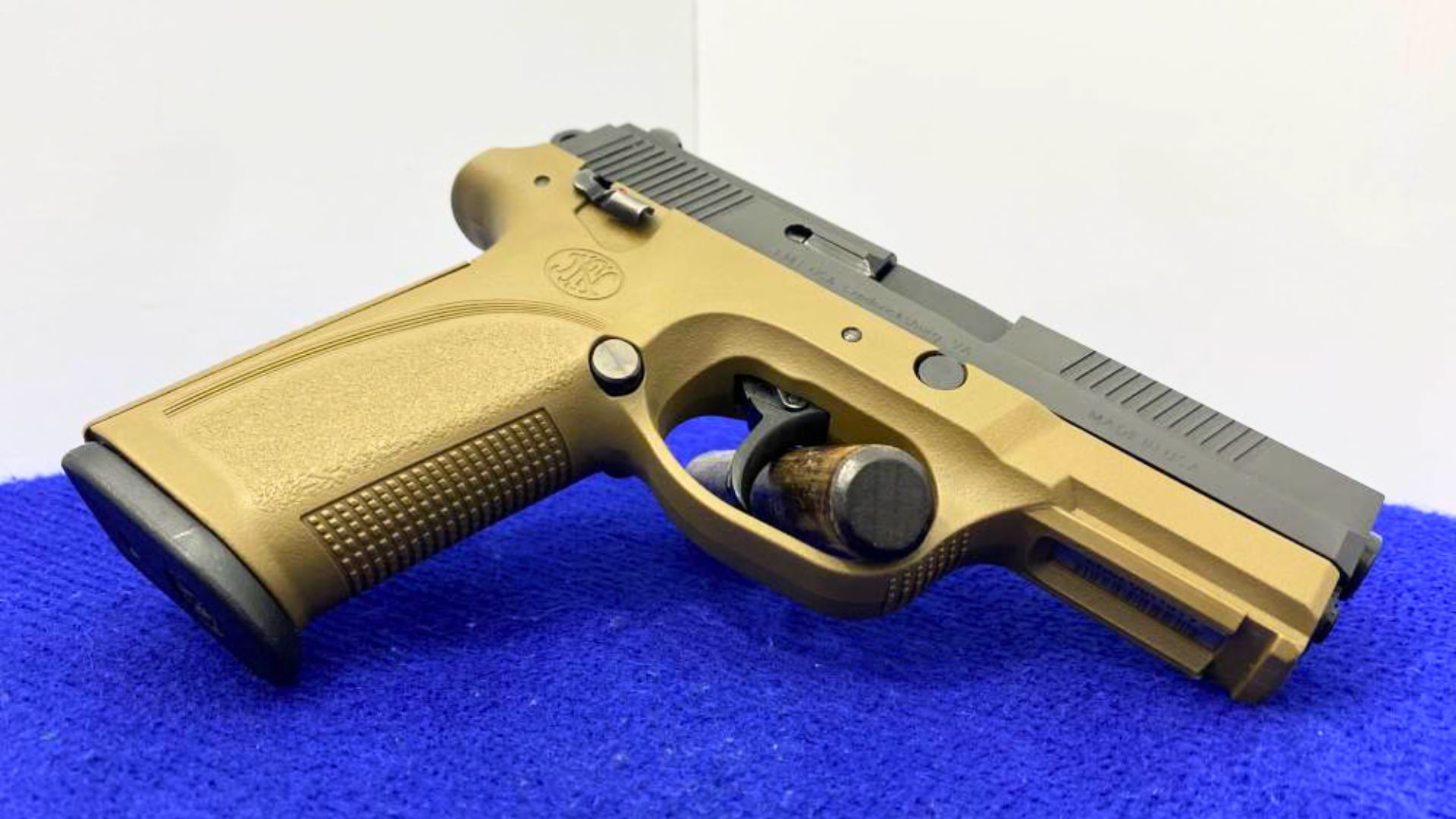
Before the FNX and before the 509 became FN’s more recognizable American handguns, there was the FNP. The FNP-9 combined a polymer frame with a traditional exposed hammer, giving shooters modern weight without forcing them into striker-fired operation.
The pistol had interchangeable backstraps, good capacity, and a serviceable DA/SA trigger. In other words, it offered many of the features buyers now consider desirable before the market had fully decided what a modern polymer service pistol should look like.
The FNP never achieved the ubiquity of the Glock or M&P, and FN eventually moved the design forward into the FNX family. That leaves the original FNP easy to overlook. It should not be. A clean example remains a durable, comfortable duty-size pistol that feels far less dated than its discontinued status suggests.
Heckler & Koch P9S
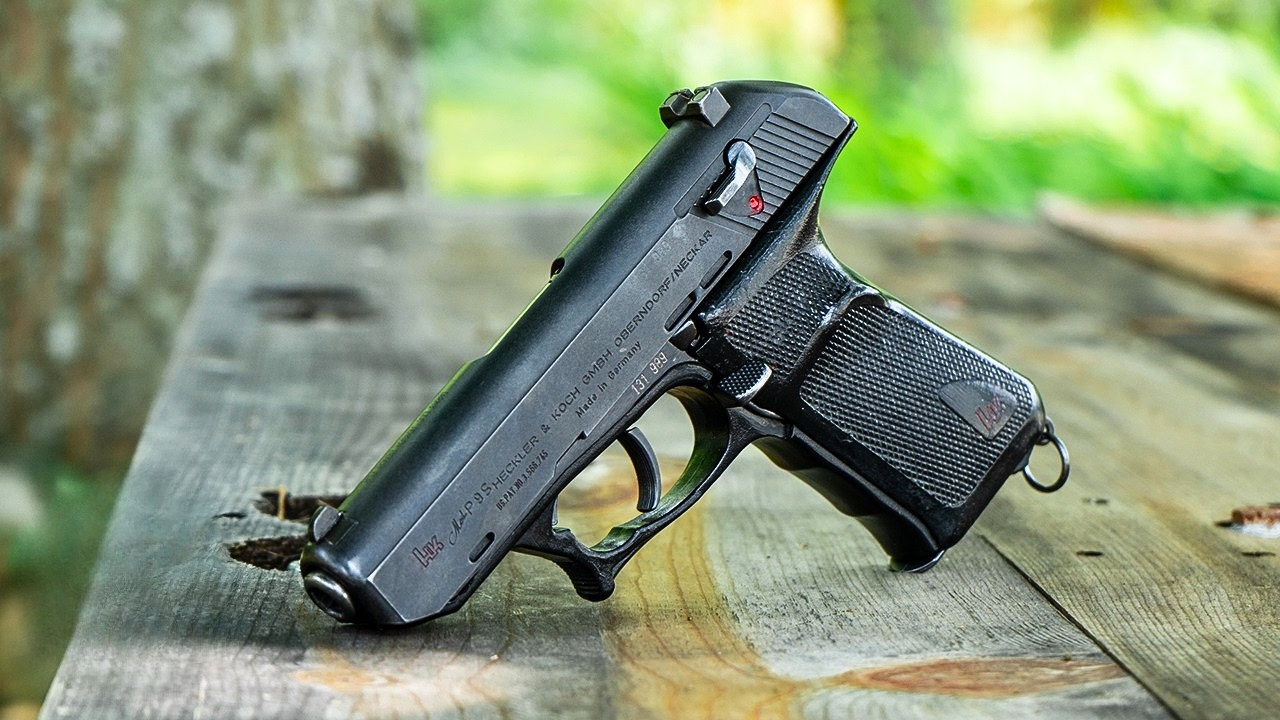
The P9S may be one of the most mechanically interesting pistols HK ever produced. Instead of using the familiar locked-breech tilting-barrel system found in most modern service pistols, HK employed roller-delayed operation related conceptually to the company’s famous rifles.
That gives the pistol a remarkably smooth recoil impulse and an identity completely unlike the later USP or P30. The low bore line, fixed barrel relationship, and excellent manufacturing make the P9S an extraordinarily pleasant shooter, particularly in 9mm.
The downside is obvious: age, scarcity, and specialized parts. This is not the pistol I would choose if I wanted cheap magazines and factory support forever. But judging purely by engineering and shooting quality, the P9S can embarrass plenty of brand-new handguns. It comes from an era when manufacturers were willing to solve pistol problems with complicated mechanical elegance rather than the cheapest possible production method.
Like The Avid Outdoorsman’s content? Subscribe to our newsletter so you never miss an article.
Here’s more from us: