Photo credit: Jeb Clark/YouTube
Military surplus rifles used to be the cheap corner of the gun world. Crates came in by the thousands, ammunition was inexpensive, and plenty of shooters bought historic rifles simply because they cost less than a new hunting gun. That era is mostly gone. The rifles that survived are older, untouched examples are scarcer, and some surplus cartridges have become expensive enough that you think twice before spending an afternoon emptying bandoliers.
That does not make military surplus rifles any less worth owning. In some ways, they are more interesting now because each represents a mechanical solution from an era when nations developed radically different answers to the same basic infantry-rifle problem. Some are wonderfully accurate. Others are nearly indestructible. A few are strange enough that nothing modern really replaces the experience. I would not buy any of them expecting guaranteed appreciation, but these 20 still offer enough history, shooting enjoyment, and mechanical character to deserve space in a serious rifle collection.
M1 Garand
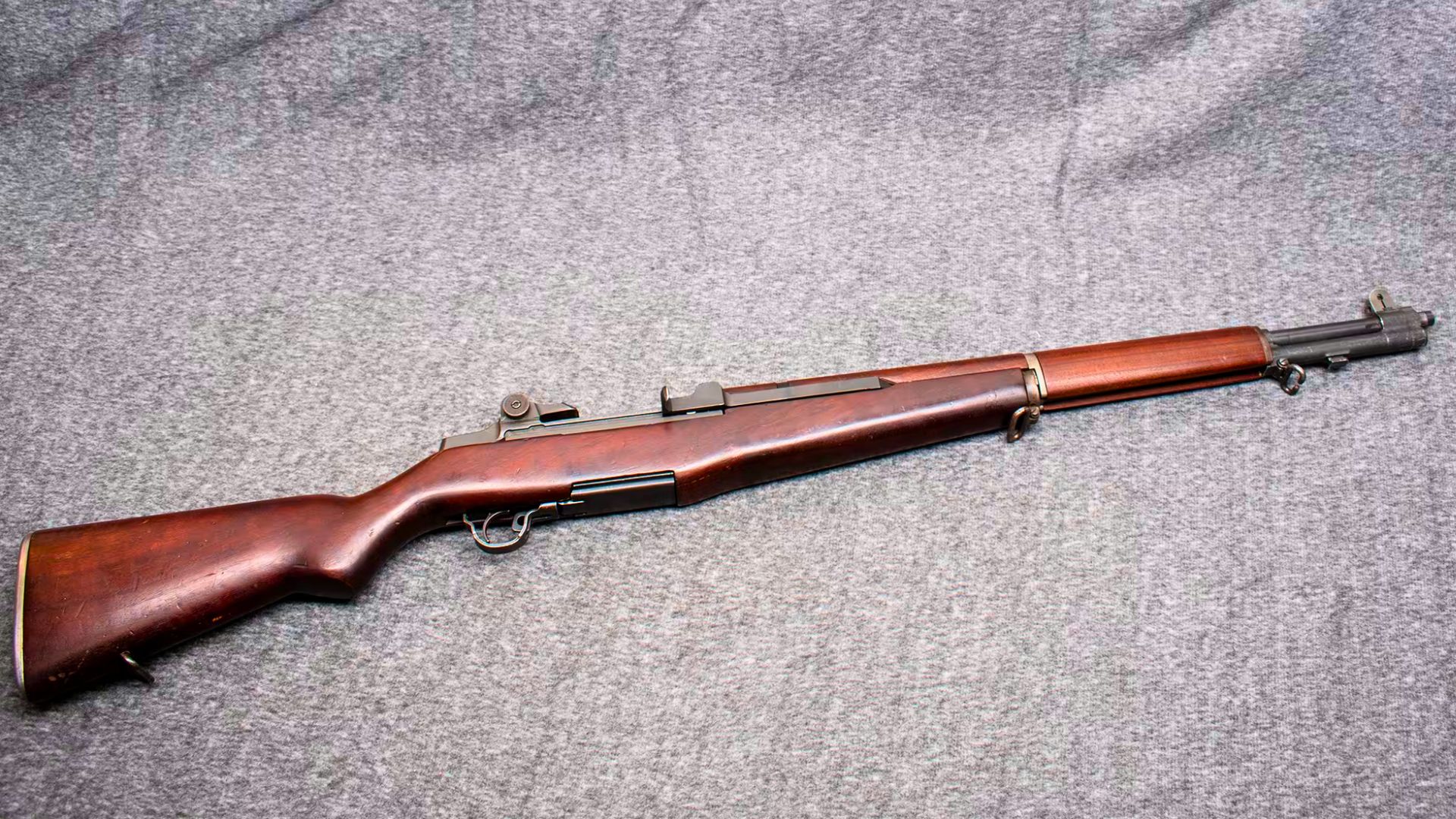
The M1 Garand is one of the few military rifles where the shooting experience lives up to the historical reputation. The semiautomatic action, eight-round en-bloc clip, excellent aperture sights, and full-size .30-06 cartridge make it feel dramatically different from the bolt-action rifles that dominated the beginning of the twentieth century. It is heavy, but that weight helps make the rifle remarkably stable from field positions.
What makes the Garand worth owning is that you can appreciate the history without treating the gun like a museum exhibit. A mechanically sound rifle remains an incredibly satisfying shooter. The sights are excellent, recoil is manageable for a full-power cartridge, and loading the clip is part of the experience. You do need to understand ammunition pressure and the operating system rather than feeding it blindly, but that small amount of homework is worth it. Few surplus rifles make history feel this mechanical.
Springfield M1903A3
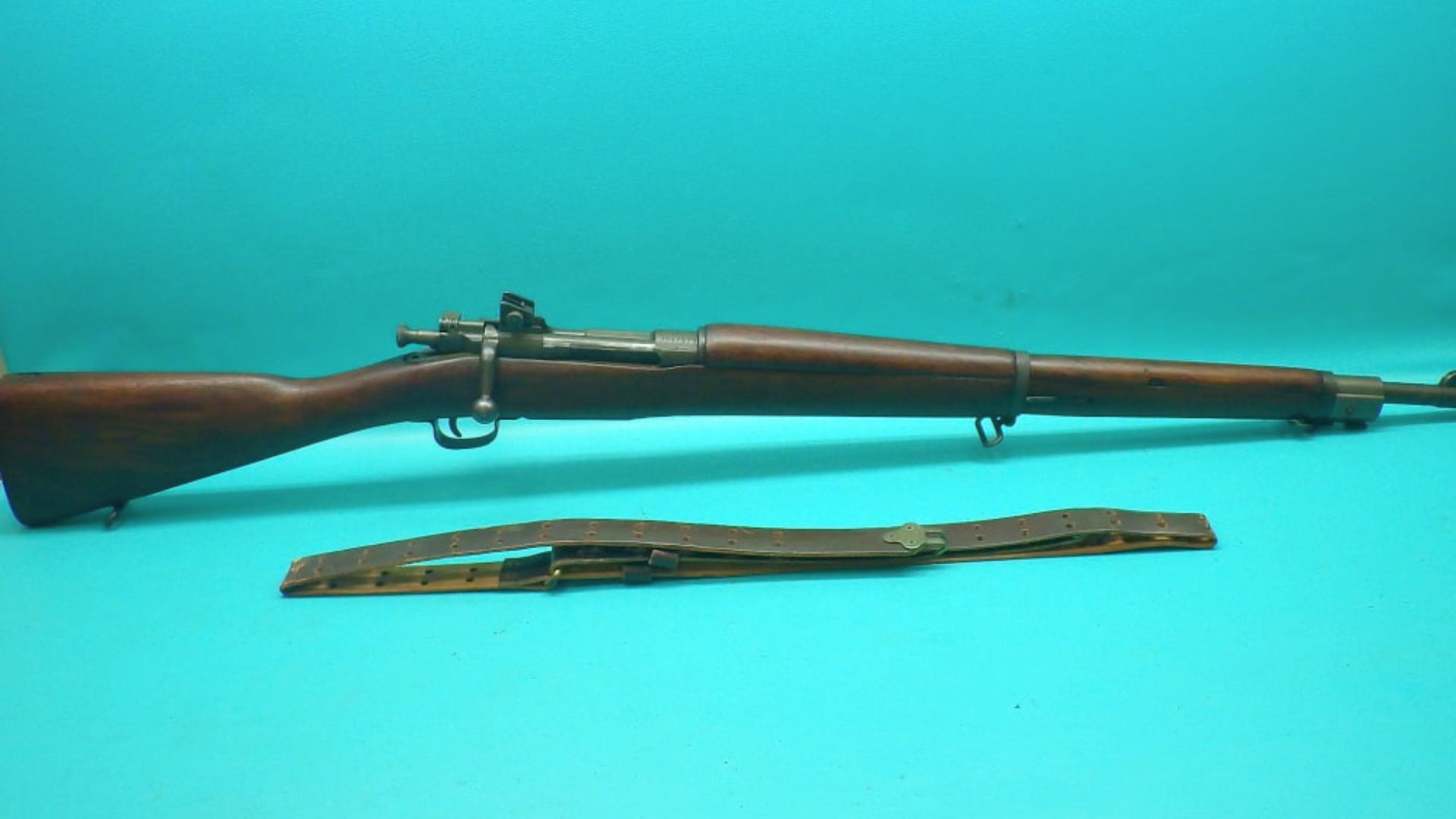
The 1903A3 may be the version of the Springfield bolt rifle I would most want to actually shoot. The later aperture sight gives it a practical advantage over earlier 1903 configurations, and the rifle retains the beautifully controlled-feed Mauser-inspired action and .30-06 chambering that made the Springfield such an important American service rifle.
There is something wonderfully straightforward about the 1903A3. The action feels substantial, the safety and magazine cutoff reflect a different era of military thinking, and the full-length stock gives the rifle excellent balance. Recoil is certainly noticeable, but the weight keeps it from becoming unpleasant.
I also like that it represents the intersection of old and new. It was essentially an early-century bolt-action design simplified for mass wartime production. That makes it historically significant without making it too fragile or obscure to shoot.
M1917 Enfield
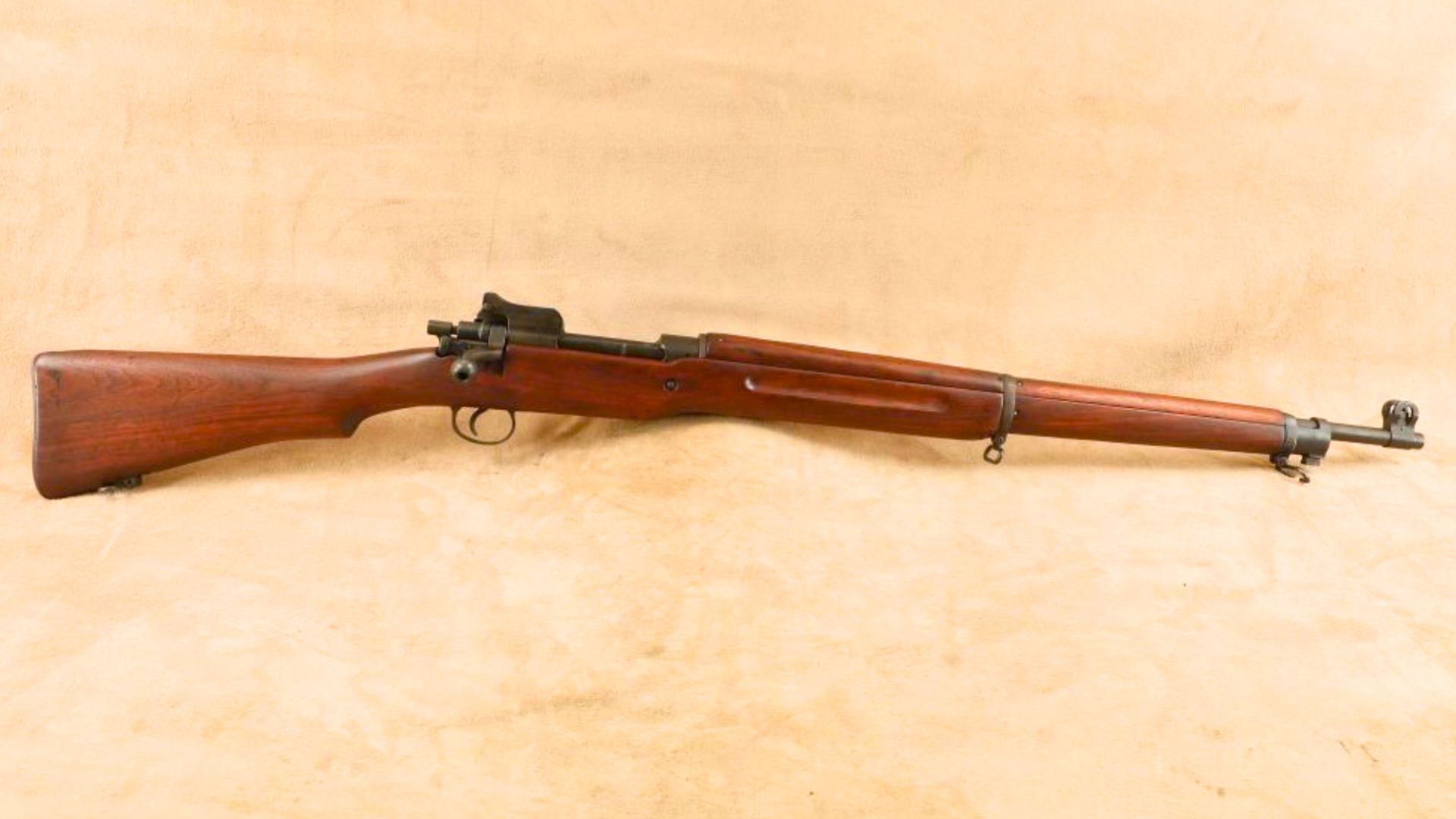
The M1917 is often overshadowed by the 1903 Springfield even though enormous numbers served during World War I. It is a big, heavy rifle with a cock-on-closing action, protective sight ears, and one of the better aperture-sight arrangements found on a rifle from that period.
Its weight becomes an advantage once you start shooting .30-06. The rifle settles beautifully, recoil feels more manageable than the cartridge might suggest, and the long sight radius makes deliberate shooting surprisingly rewarding. The action is not as sleek as a sporting Mauser, but it feels enormously strong.
What I enjoy about the M1917 is how unmistakably military it feels. Nothing about it was designed to save hunting-rifle ounces or look elegant in a catalog. It was built to survive infantry service. More than a century later, that ruggedness remains a major part of the appeal.
Swiss K31
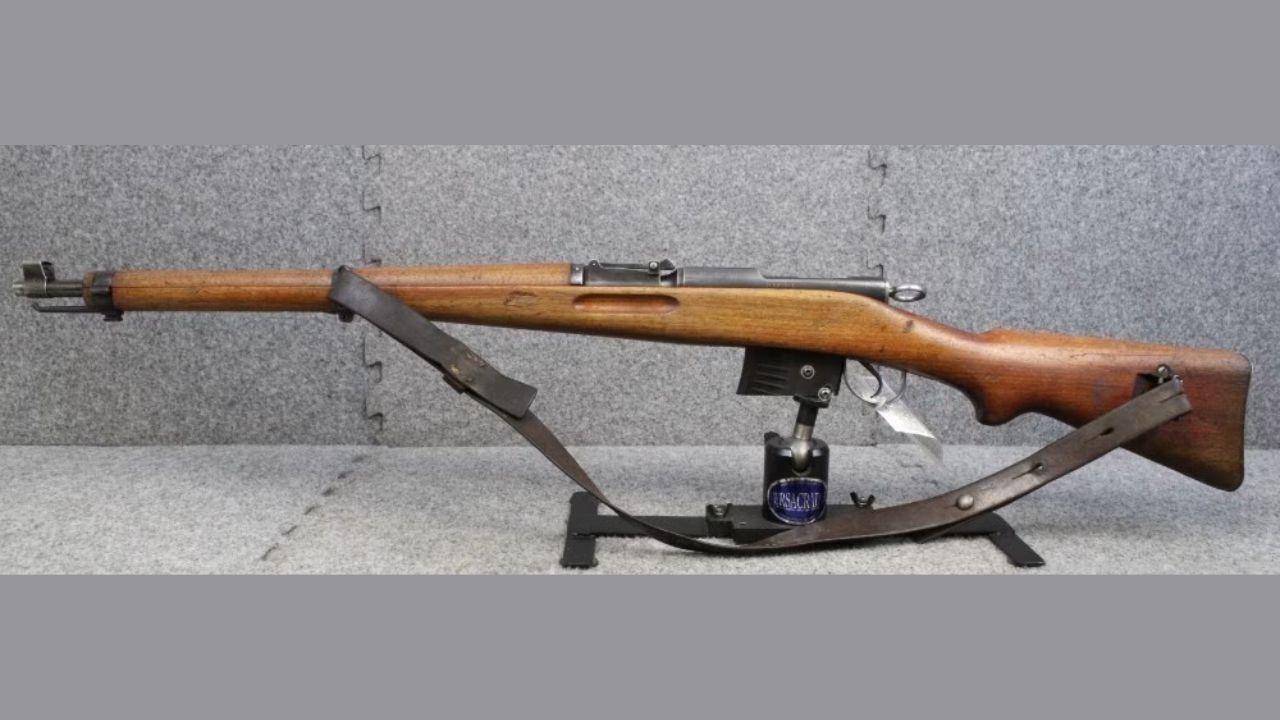
The K31 is one of the surplus rifles that can completely change somebody’s opinion of military bolt guns. Its straight-pull action is extremely fast, the machining is excellent, and many examples have triggers that feel much better than you expect from an infantry rifle.
Accuracy is where the K31 really earns its reputation. Swiss manufacturing standards and excellent barrels mean good examples can shoot extraordinarily well with quality ammunition. The 7.5×55 Swiss cartridge is also a serious full-power round with ballistic performance appropriate for the rifle’s precision.
The drawback is that neither rifles nor surplus ammunition are as cheap as they once were. That simply changes how I use one. I would rather shoot a K31 deliberately and appreciate what Swiss engineers accomplished than burn ammunition thoughtlessly. Few surplus rifles combine mechanical weirdness, quality, and accuracy this effectively.
Swiss K11
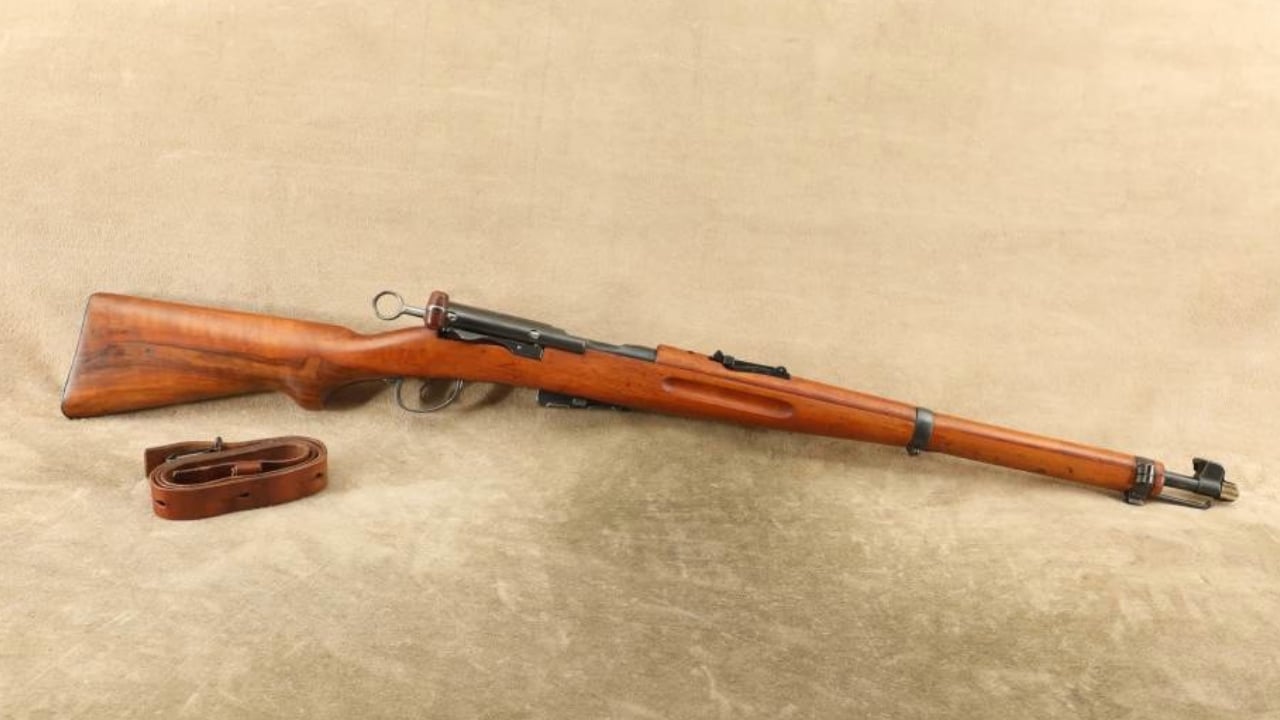
The K11 is often ignored because the later K31 gets nearly all the attention, but the older straight-pull rifle has plenty of personality of its own. The action is longer than the K31’s and uses a different locking arrangement, giving the rifle a noticeably different feel even though both share the basic Swiss straight-pull concept.
That makes the K11 worth owning for someone interested in how military rifle designs evolve. You can physically feel the progression when comparing one with the later K31. The rifle remains exceptionally well made, and good examples often have the careful machining and excellent barrels associated with Swiss military firearms.
I would not buy a K11 expecting it to outperform a K31. I would own one because it shows where the K31 came from. Surplus collecting becomes much more interesting once you start following mechanical development instead of simply chasing the most famous model.
Swedish Mauser M38
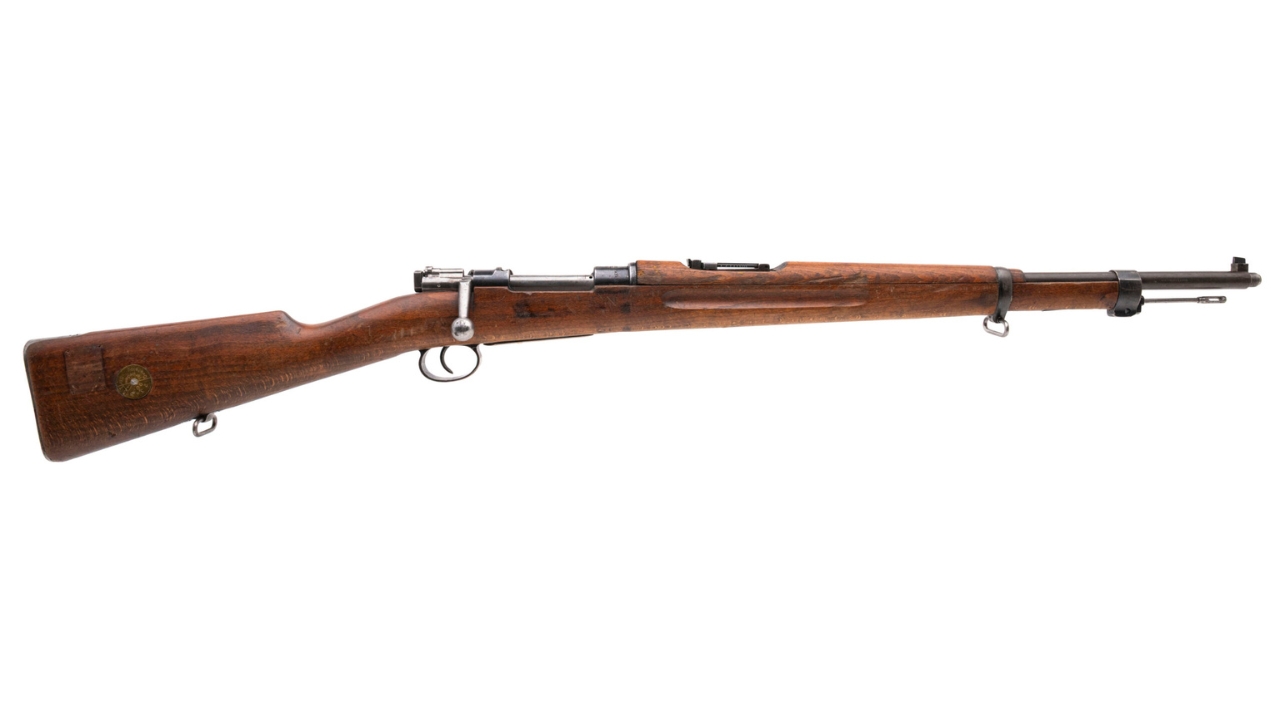
The Swedish M38 gives you almost everything people love about the longer Swedish Mausers in a handier package. Chambered for 6.5×55 Swedish, it combines a relatively mild full-power cartridge with excellent Mauser construction and barrels that often remain surprisingly good considering the rifles’ age.
The cartridge is a large part of the attraction. Compared with .30-06 or 8mm Mauser rifles, the M38 can feel wonderfully pleasant during a longer range session. The recoil impulse is manageable, yet the cartridge has enough ballistic capability that it was never merely a reduced-power training round.
Swedish rifles also tend to reward careful shooters. The triggers, sights, and stock dimensions are still military, but good examples can be extremely accurate. It is exactly the sort of surplus rifle that demonstrates how pleasant a century-old military bolt gun can be when the cartridge and rifle complement each other.
Persian Model 98/29 Mauser
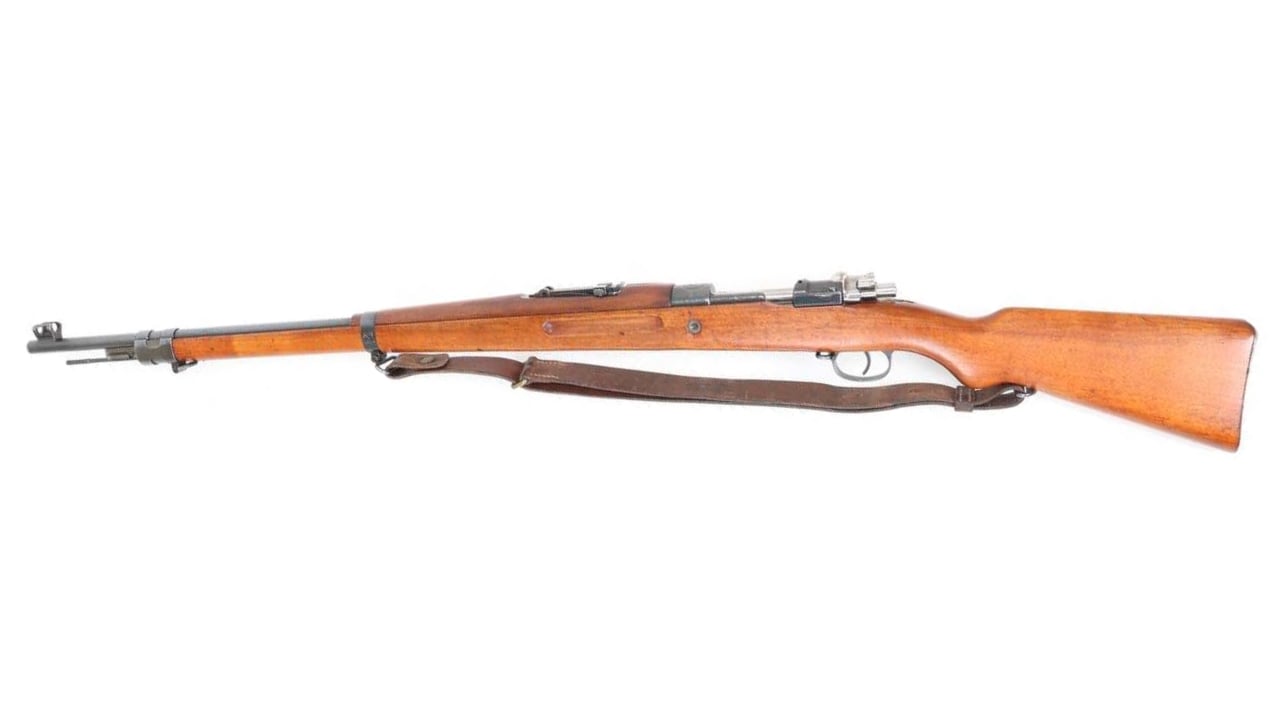
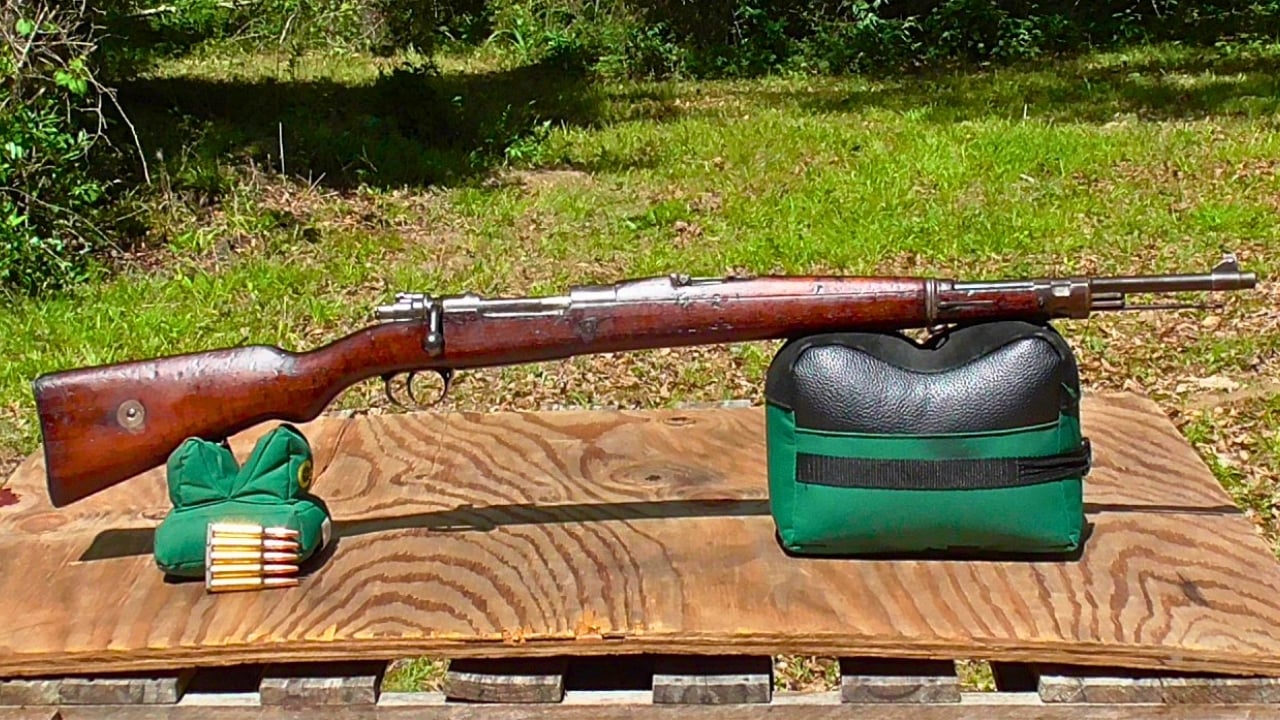
The Persian 98/29 is one of the most beautiful military Mausers ever produced. These rifles were manufactured under contract in Czechoslovakia and are known for excellent machining, long barrels, distinctive Persian markings, and the overall quality associated with interwar Czech arms production.
It is not a light rifle, but that long, substantial configuration helps tame 8mm Mauser recoil and gives the gun an impressive presence. This is a military rifle that feels almost unusually refined for something designed around infantry service.
What makes the 98/29 worth owning today is that it offers much more than another variation of the standard Model 98. The markings, manufacturing history, and craftsmanship give it a personality all its own. I would be reluctant to alter an original example because the historical configuration is such a large part of what makes the rifle special.
Polish Wz.29 Mauser
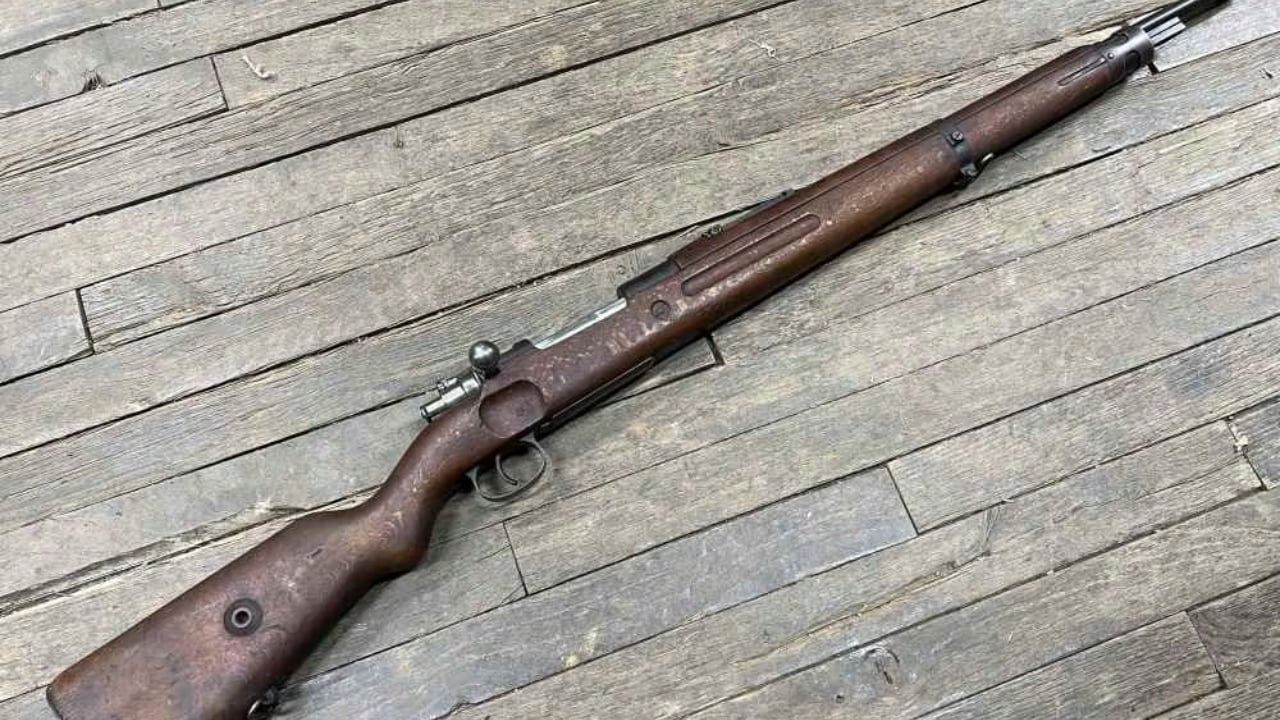
The Polish Wz.29 is a fascinating interwar Mauser that combines familiar Model 98 features with Poland’s own requirements and manufacturing history. Many shooters recognize German and Czech Mausers immediately but know relatively little about the excellent rifles Poland produced before World War II.
That relative unfamiliarity is part of what makes the Wz.29 interesting. Mechanically, it provides the rugged controlled-feed action and full-power 8mm chambering you would expect from the Mauser family. Historically, however, the rifle is connected to a country whose prewar military equipment was heavily disrupted, captured, and dispersed during the conflict.
A correct Wz.29 therefore tells a much more complicated story than a generic surplus Mauser. I like military rifles that encourage you to start reading after you bring them home, and the Polish Mauser is exactly that kind of rifle.
Yugoslav M24/47
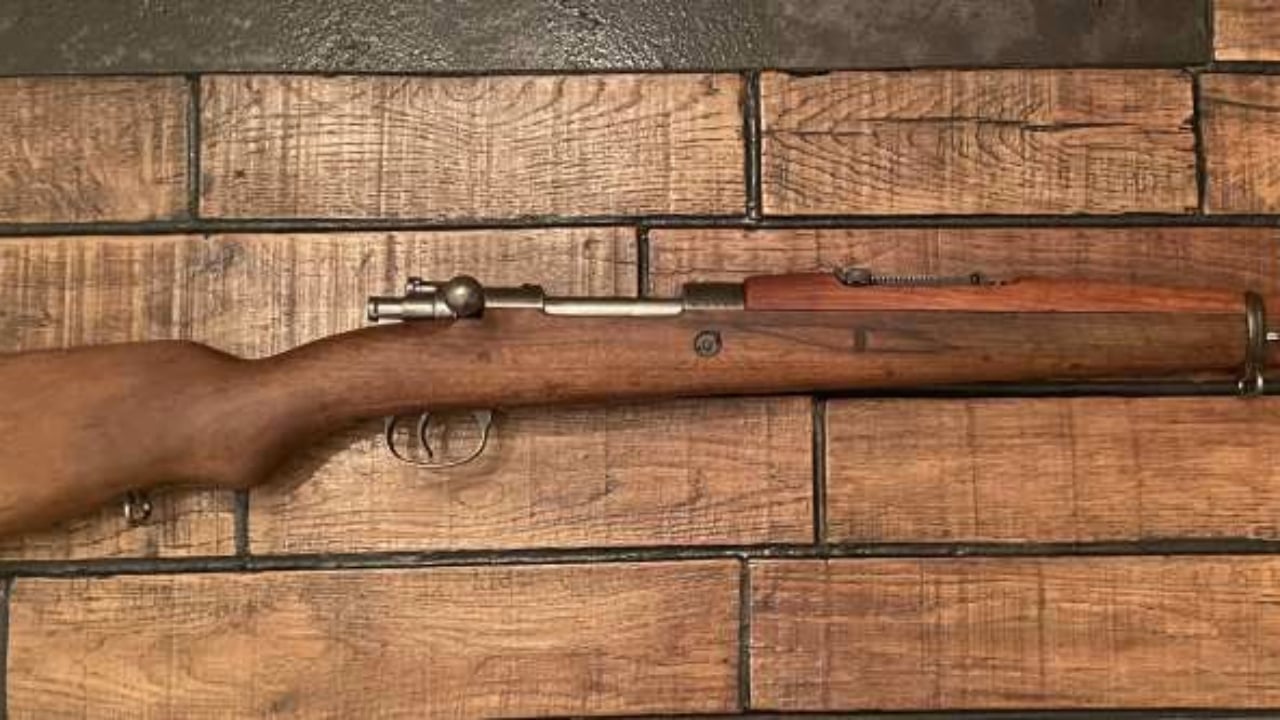
The M24/47 may never become the glamorous Mauser variant collectors brag about first, but it is an excellent example of why Yugoslav military rifles have always deserved attention. These rifles were refurbished after World War II, generally using older Model 24 actions that were rebuilt for continued service.
The result is a sturdy intermediate-length Mauser chambered in 8mm. Many entered the surplus market in very usable condition, and the rifles have the reassuring mechanical feel associated with the controlled-feed Mauser system.
I especially like the M24/47 because it has enough historical interest to be meaningful without needing to be treated like an untouchable artifact. A sound example remains a satisfying range rifle. The action is smooth once broken in, the cartridge has real authority, and the whole gun feels like the durable military equipment it was intended to be.
Turkish Model 1938 Mauser
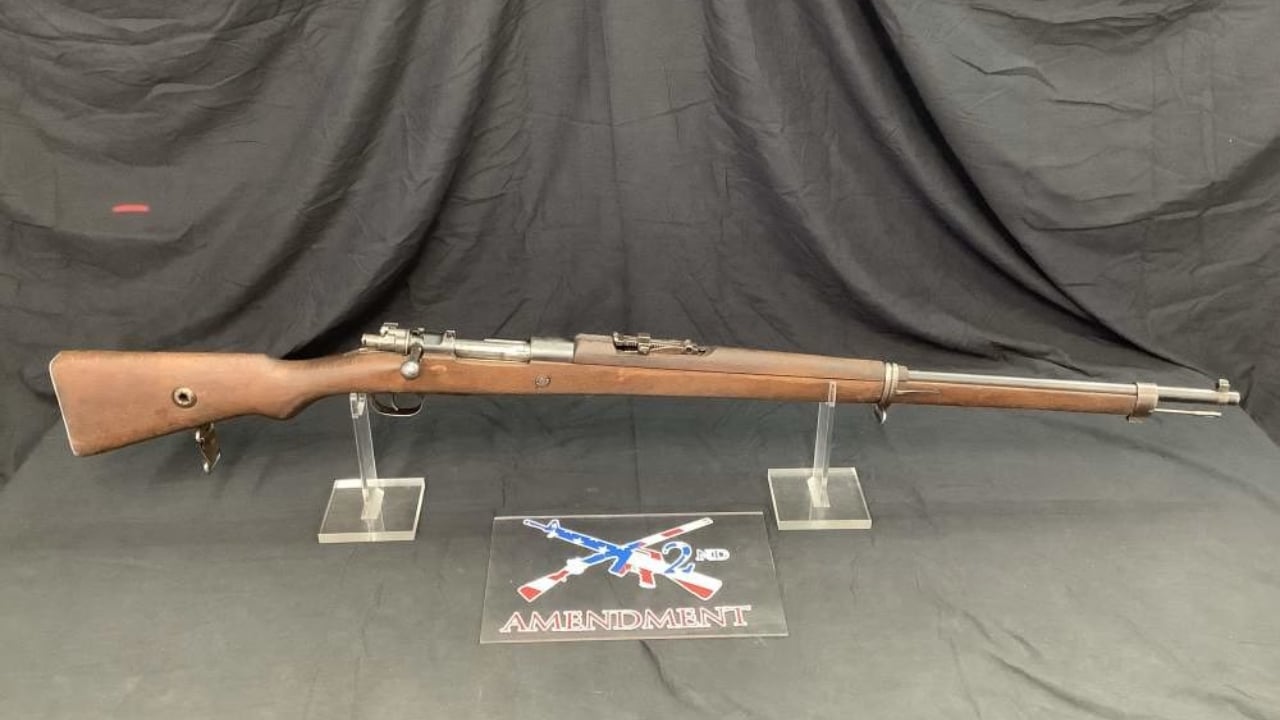
Turkish Mausers are one of the great examples of surplus rifles that were once so inexpensive people barely respected them. The Model 1938 designation covers rifles assembled or standardized under Turkey’s efforts to bring older Mauser-pattern guns into a more consistent 8mm service configuration.
That means individual rifles can have surprisingly complicated histories. Some components and actions originated from earlier patterns, while later rebuilding created rifles that outwardly conform to a familiar long Mauser format. For a military-rifle enthusiast, deciphering those details can be half the fun.
The rifles are usually long, heavy, and unapologetically military. That length gives them wonderful stability from a rest, while the Mauser action remains rugged and familiar. I would carefully evaluate bore and mechanical condition on any old surplus rifle, but a good Turkish Mauser can still provide enormous historical interest.
Free for gun owners: If something happened to you tomorrow, would your family know where the guns are, who has the safe combination, or what to do first? Our free Gun Owner’s Family Checklist walks them through it. It takes about 15 minutes to fill out. Get your free copy here.
Argentine Model 1891 Mauser
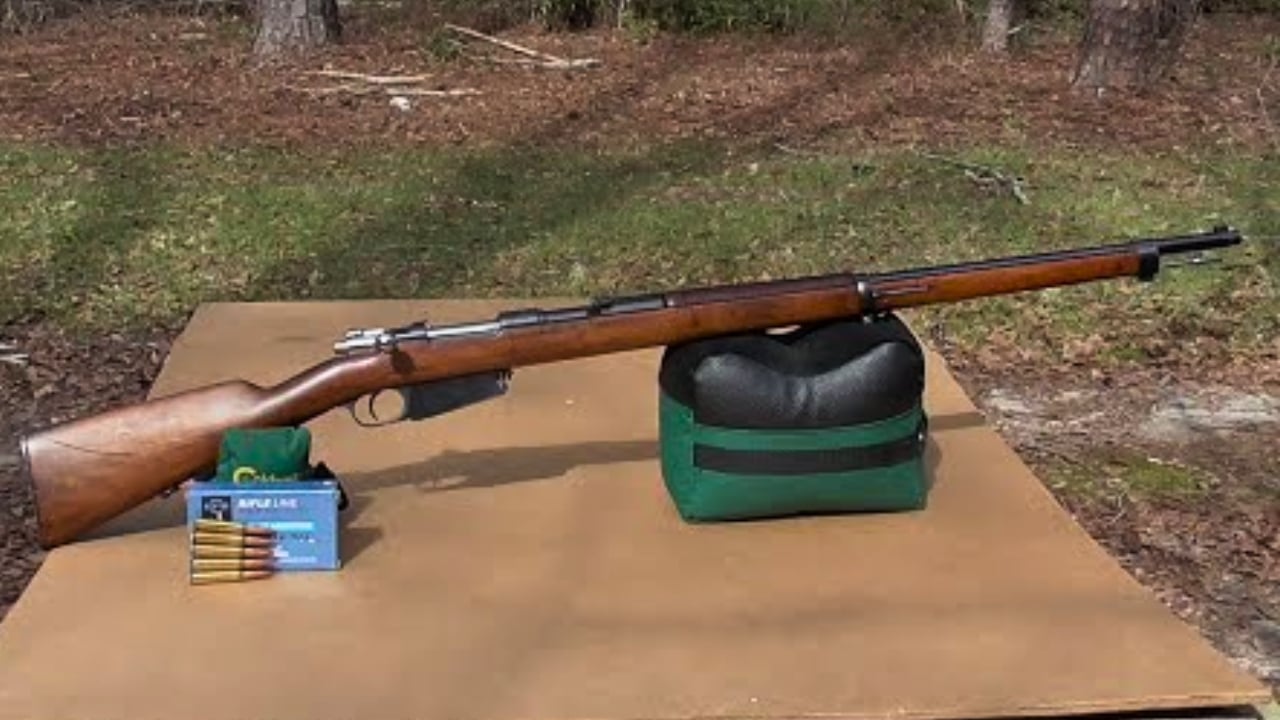
The Argentine 1891 is one of the rifles that helps explain how the Mauser system became dominant before the famous Model 98 even existed. It uses an earlier action design and the 7.65x53mm Argentine cartridge, giving shooters a look at Mauser development during a particularly important transitional period.
These rifles can be beautifully made. Ludwig Loewe and DWM production from Germany often displays the kind of machining and polish that would be extremely expensive to reproduce on a mass-market rifle today. Even the military stocks and metalwork can feel surprisingly refined.
Ammunition is less convenient than mainstream surplus calibers, which prevents the 1891 from being the rifle I would choose for constant high-volume shooting. As a historical shooter, however, it offers something many later Mausers cannot: a direct connection to the evolutionary steps that eventually led to the Model 98.
Spanish Model 1943 Mauser
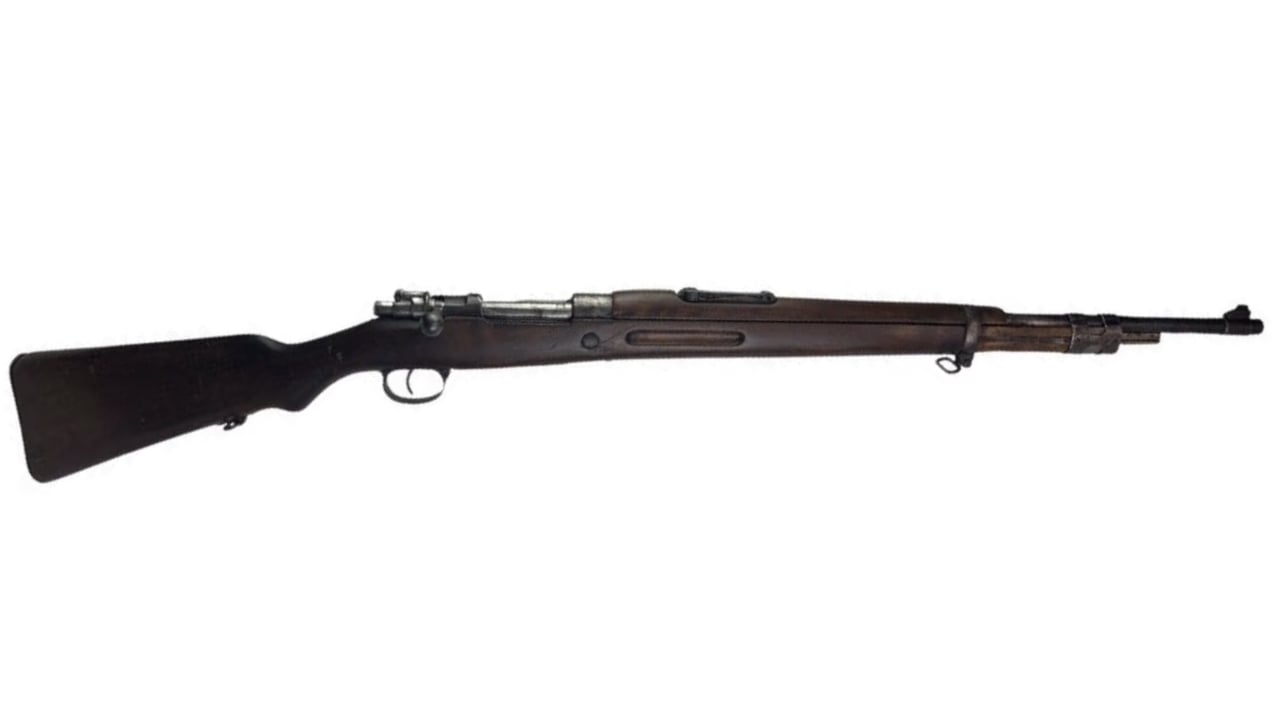
The Spanish Model 1943 uses the familiar large-ring Mauser 98 pattern and originally chambered the full-power 8mm Mauser cartridge. It looks conventional beside some of the stranger rifles on this list, but that familiarity is part of its usefulness.
You get the classic Mauser action, a cartridge with broad historical significance, and a rifle connected to Spain’s post-Civil War military period. These guns never developed the same reputation among American collectors as prewar German or premium Czech Mausers, which means many shooters have overlooked them.
I like the M43 because it can fill the role of a straightforward military Mauser without requiring the owner to chase the most expensive markings or wartime variants. The rifle still has its own history, yet the primary experience remains what makes Mauser rifles enjoyable: a strong action, substantial stock, and deliberate mechanical operation.
Japanese Type 44 Carbine
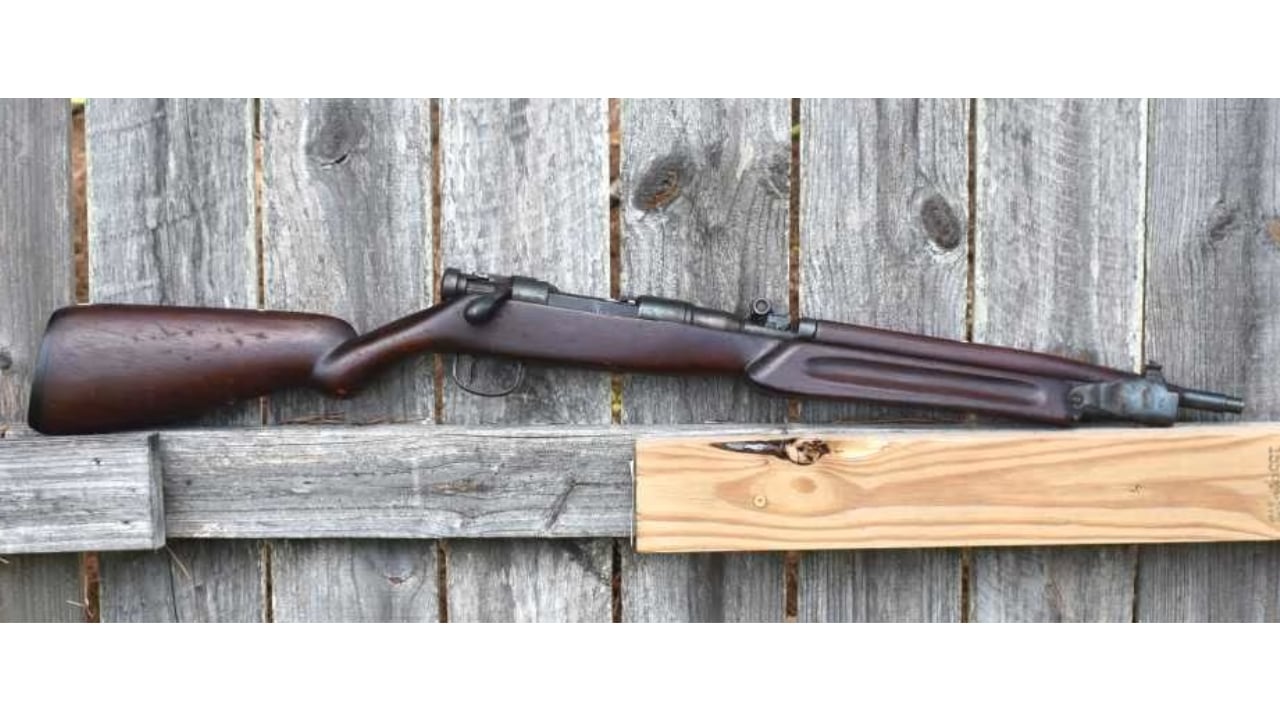
The Type 44 is one of the most visually interesting Arisaka variants because of its permanently attached folding bayonet. That single feature completely changes the profile of the rifle and immediately tells you this was designed as a cavalry carbine rather than a standard infantry long rifle.
Underneath, you still have the extremely strong Arisaka action and the relatively mild 6.5x50mm Japanese cartridge. The carbine’s shorter dimensions make it handier than the long Type 38 rifle, although the bayonet assembly adds weight in an unusual place.
For me, the Type 44 is worth owning because it captures a very specific military requirement in physical form. You do not need to read a manual to understand that designers were trying to keep a mounted soldier’s rifle compact while ensuring a bayonet was always available. That sort of mechanical history is hard to duplicate.
Japanese Type 38 Carbine

The Type 38 Carbine offers the strength of the Arisaka action in a much handier package than the full-length infantry rifle. Chambered in 6.5x50mm Japanese, it is also considerably more pleasant to shoot than many full-power military rifles of the era.
Arisaka rifles suffered for decades from poor American perceptions partly because captured rifles were common and often altered after the war. Mechanically, however, the action is exceptionally strong, and intact examples reveal much more careful engineering than the old stereotypes suggested.
The carbine configuration is what makes this one especially appealing. It carries easily, balances well, and still gives you all the interesting mechanical details of the Type 38 system. Ammunition requires more planning than common commercial cartridges, but the rifle rewards anyone willing to learn its history.
Carcano Model 1941
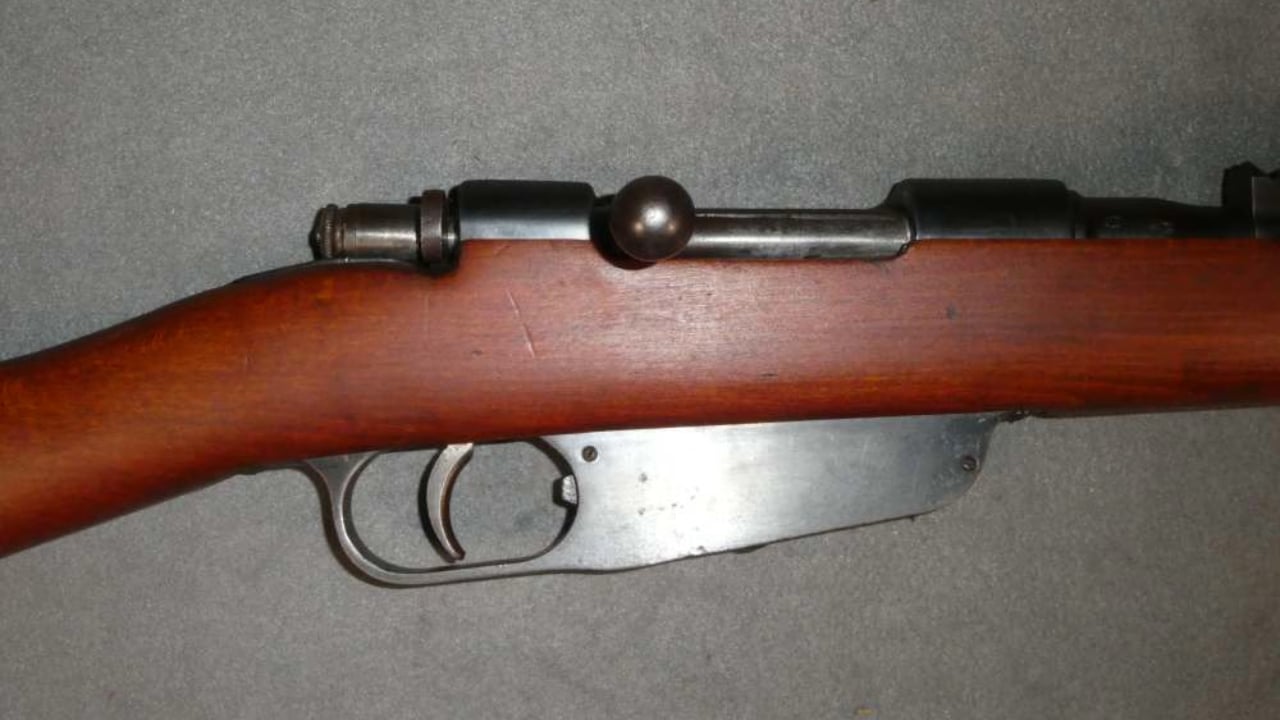
The Model 1941 Carcano is often overlooked because the shorter M91/38 variants attract more attention, but the M41 returned Italy to a longer infantry-rifle configuration while retaining the 6.5x52mm Carcano cartridge and en-bloc clip system.
The Carcano action feels unusual if your reference point is a Mauser. The bolt, magazine, and clip arrangement all operate differently, which is exactly why I think one belongs in a surplus collection. Military rifle collecting becomes boring if every rifle is merely another variation on the same Model 98 system.
A correctly functioning M41 can be an enjoyable shooter when paired with properly dimensioned ammunition. Carcano accuracy has often suffered from mismatched bullets and poor surplus ammunition rather than inherently useless rifles. Understanding that ammunition relationship makes the platform much more rewarding.
Finnish M28/30
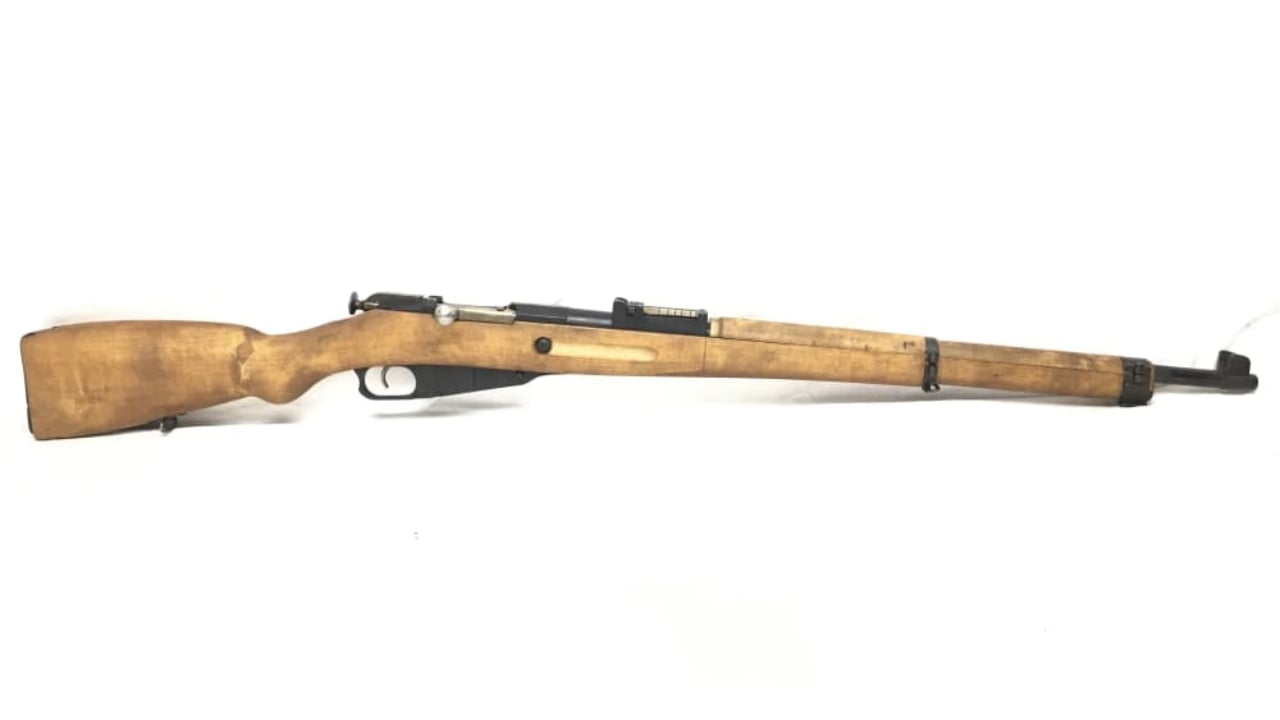
The Finnish M28/30 may share ancestry with the Mosin-Nagant, but calling it merely another Mosin misses almost everything interesting about the rifle. Finnish engineers and armorers put enormous effort into improving sights, barrels, stocks, and overall accuracy while retaining the basic Russian action.
The result is a rifle with a much stronger precision reputation than the average wartime M91/30. The sights alone make it feel more purposeful, and high-quality Finnish barrels can turn the old Mosin system into something far more impressive than its crude reputation suggests.
I think the M28/30 is worth owning because it demonstrates what happens when a country continually refines an inherited design instead of simply mass-producing it as cheaply as possible. It still has the Mosin’s long bolt throw and quirky interrupter system, but the execution is on another level.
Romanian M44 Mosin-Nagant
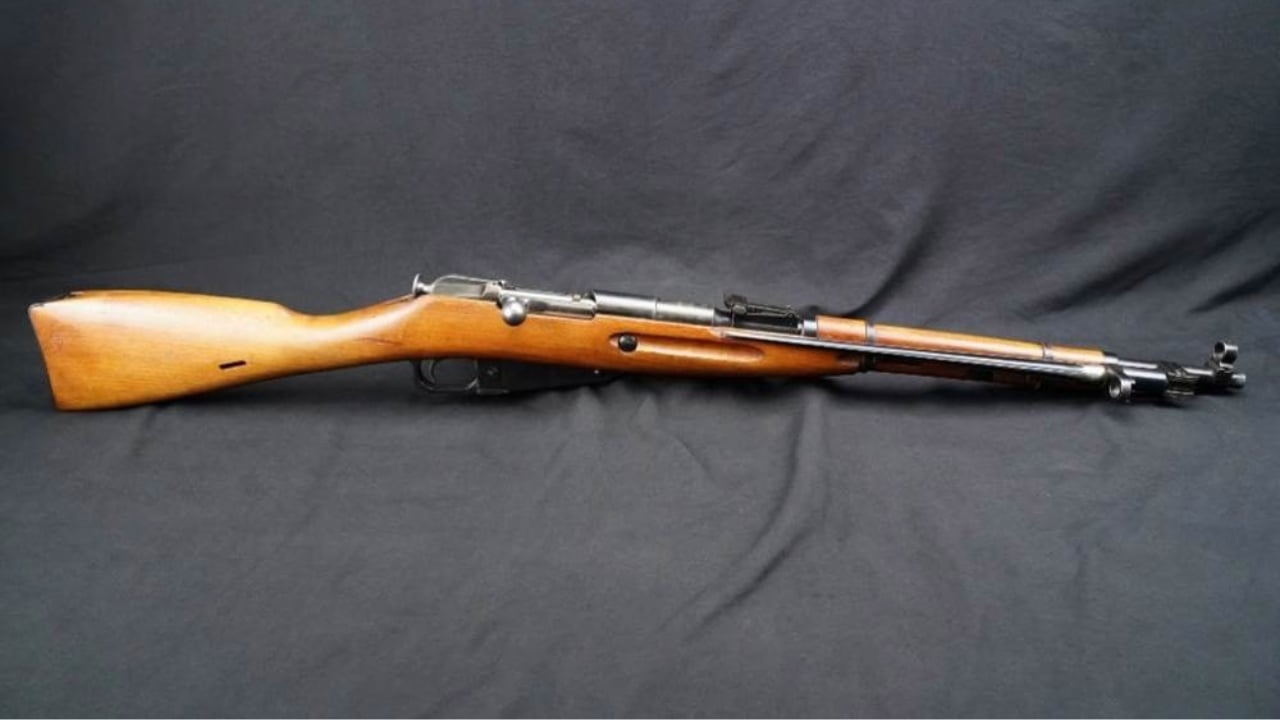
The M44 carbine is one of the most entertaining versions of the Mosin system, and Romanian examples give collectors another Warsaw Pact variation beyond the ubiquitous Soviet rifles. The short barrel, permanently attached folding bayonet, and full-power 7.62x54R cartridge create a combination that is anything but subtle.
The muzzle blast is substantial, especially under a covered firing line, and recoil is sharper than with a full-length rifle. None of that makes it unpleasant if you know what you are getting. In fact, the excessive personality is a large part of why M44s remain fun.
I would not choose one because it is the most refined bolt rifle ever made. I would own one because it provides a compact piece of Cold War military history that feels completely different from a modern sporting rifle every time the trigger is pulled.
Czech Vz.52
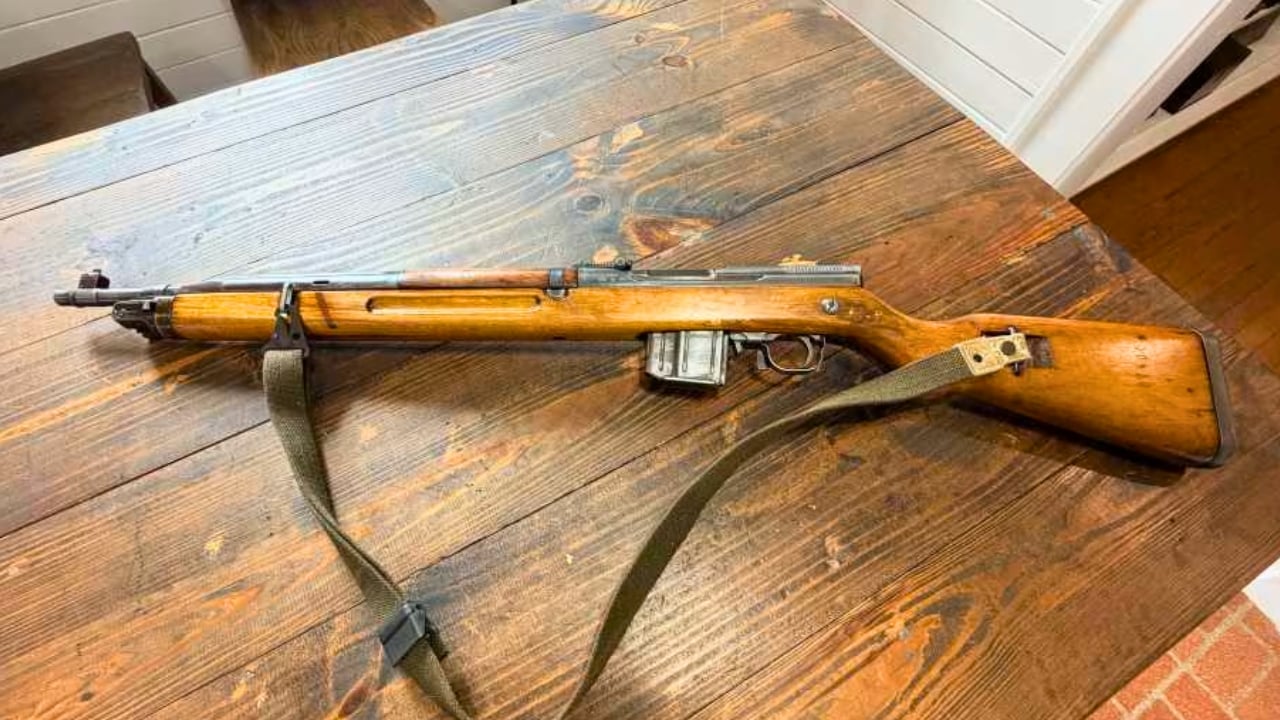
The Vz.52 is one of the stranger semiautomatic surplus rifles to emerge from postwar Europe. Czechoslovakia developed it around the 7.62x45mm cartridge before later converting to the Soviet-standard 7.62x39mm in the Vz.52/57. That short-lived original chambering makes the rifle historically fascinating and logistically inconvenient at the same time.
Mechanically, it is nothing like an SKS despite occupying a similar historical period. The action, detachable magazine arrangement, and overall construction show Czech designers following their own path before Warsaw Pact standardization narrowed the available choices.
Ammunition availability means I would view an original 7.62×45 rifle partly as a mechanical and historical collectible rather than a high-volume range gun. That is fine. Some military rifles are worth owning because they preserve an engineering branch that disappeared almost immediately.
Chinese Type 56 SKS
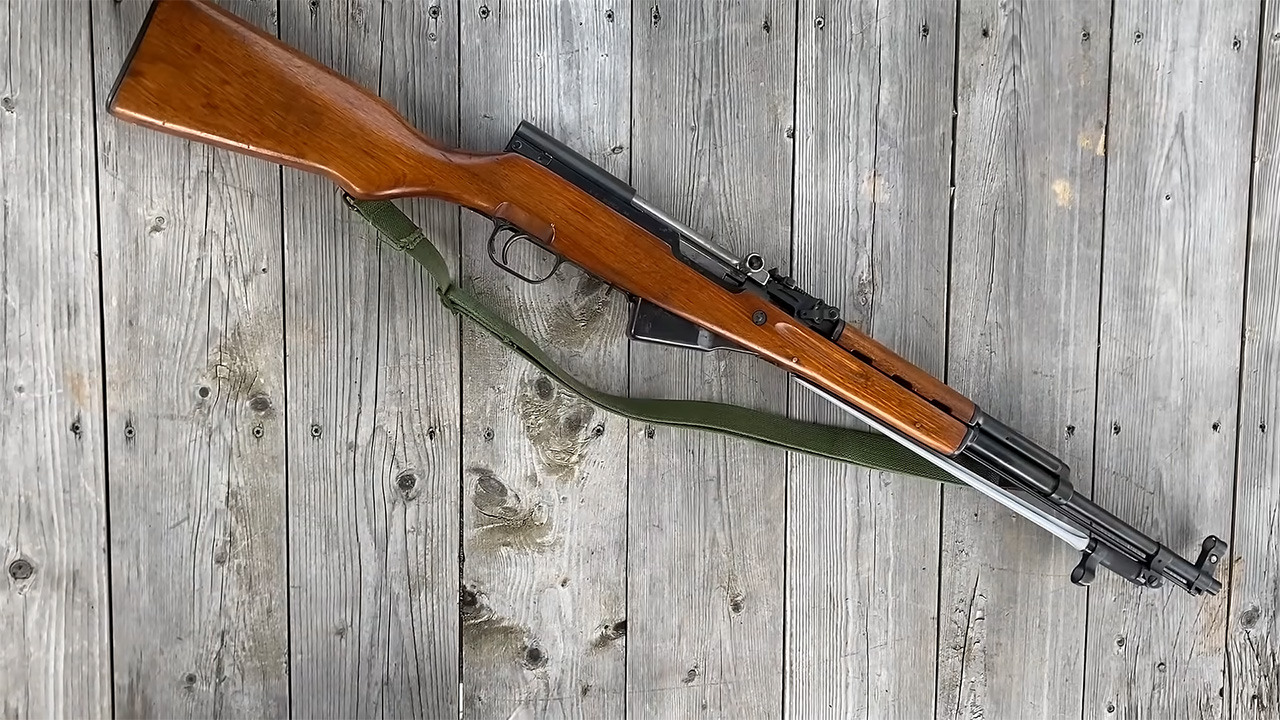
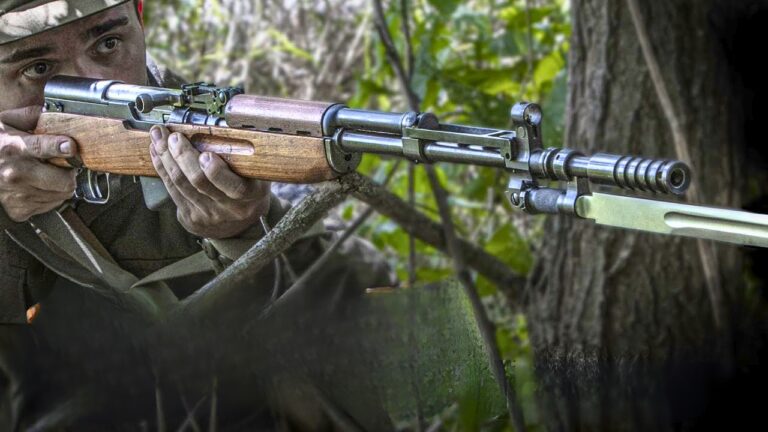
The Chinese Type 56 SKS was once so common in the United States that many shooters treated it as almost disposable. That makes its current historical appeal easy to underestimate. It is a rugged, self-contained semiautomatic carbine with a fixed ten-round magazine, folding bayonet on many examples, and the mild 7.62x39mm cartridge.
What I particularly appreciate is how complete the design feels without accessories. You do not need detachable magazines, an optic, or a collection of upgrades to understand what the rifle was intended to do. Load the fixed magazine, work the charging handle, and the carbine simply operates.
Many Type 56 rifles were modified heavily when they were inexpensive. That makes an intact military-style example more interesting now. The SKS will never be an AR, and trying to turn it into one usually misses the entire appeal.
Chilean Model 1912 Mauser
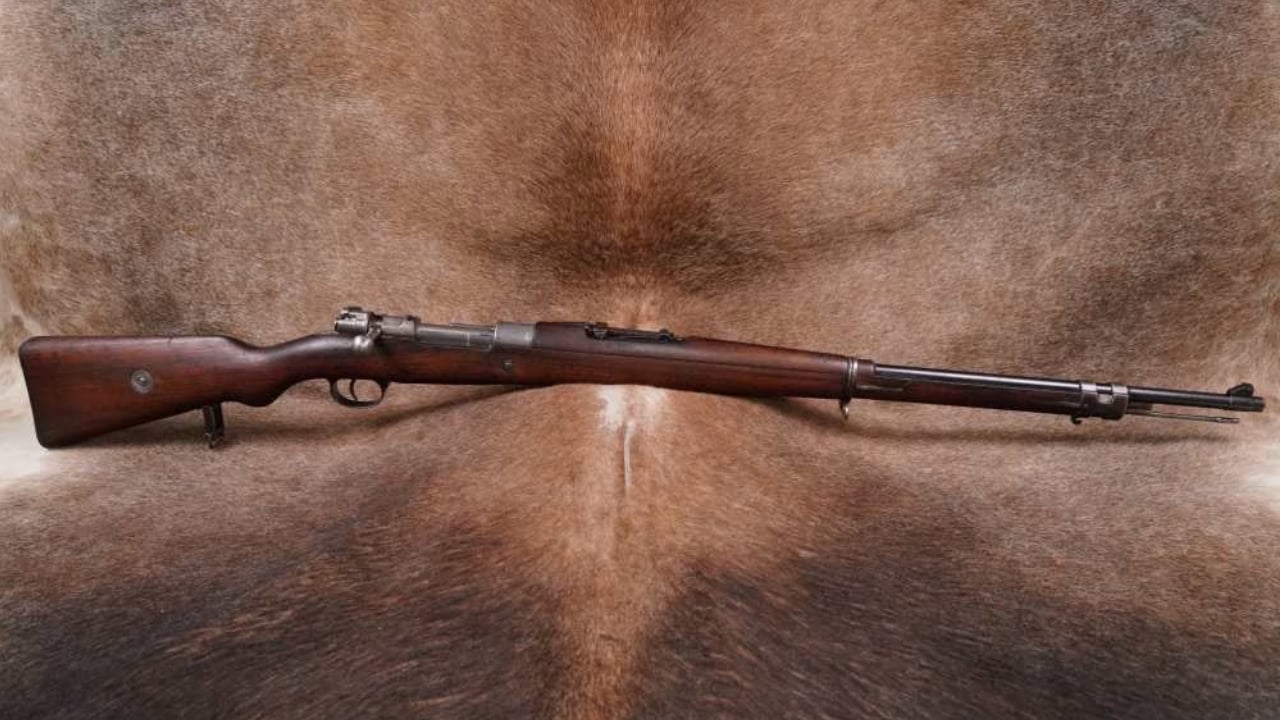
The Chilean Model 1912 is one of the beautifully made South American contract Mausers that deserves much more attention than it receives. Produced by Steyr in Austria, these rifles used the Model 98 action and were chambered originally for 7x57mm Mauser, one of the most pleasant military cartridges of the era.
That cartridge is a major reason I enjoy the concept. The 7×57 delivers serious performance without the sharper recoil associated with some larger military rounds, especially when fired from a full-length infantry rifle. Combine that with excellent prewar European machining and you get a military rifle that feels unusually refined.
The Model 1912 also tells a broader story about how European arms manufacturers supplied entire armies around the world before World War I. It is historically rich, mechanically excellent, and genuinely enjoyable to shoot—the exact combination that keeps military surplus rifles worth owning.
Like The Avid Outdoorsman’s content? Subscribe to our newsletter so you never miss an article.
Here’s more from us: