Photo credit: Justin Opinion/Youtube
Walk into enough gun shops and you start to notice the empty hooks that stay empty. Not “out of stock for a week” empty. I mean gone-gone. Sometimes it’s a company decision, sometimes a merger, sometimes demand got weird and the factory moved on to the next hot thing. Either way, if you’ve been hunting a specific model you remember seeing everywhere five years ago, you’ve probably learned the same lesson I did: certain guns vanish from normal store shelves and they don’t circle back.
This isn’t a panic list. It’s a reality check for outdoorsmen who like to buy once, cry once, and not chase unicorns when deer season is two months out. Here are 20 specific models that are already scarce in most places, and in practical terms, you shouldn’t expect to stroll in and order a fresh one like it’s still 2016.
1. Remington 870 Wingmaster (older blued, smooth actions)
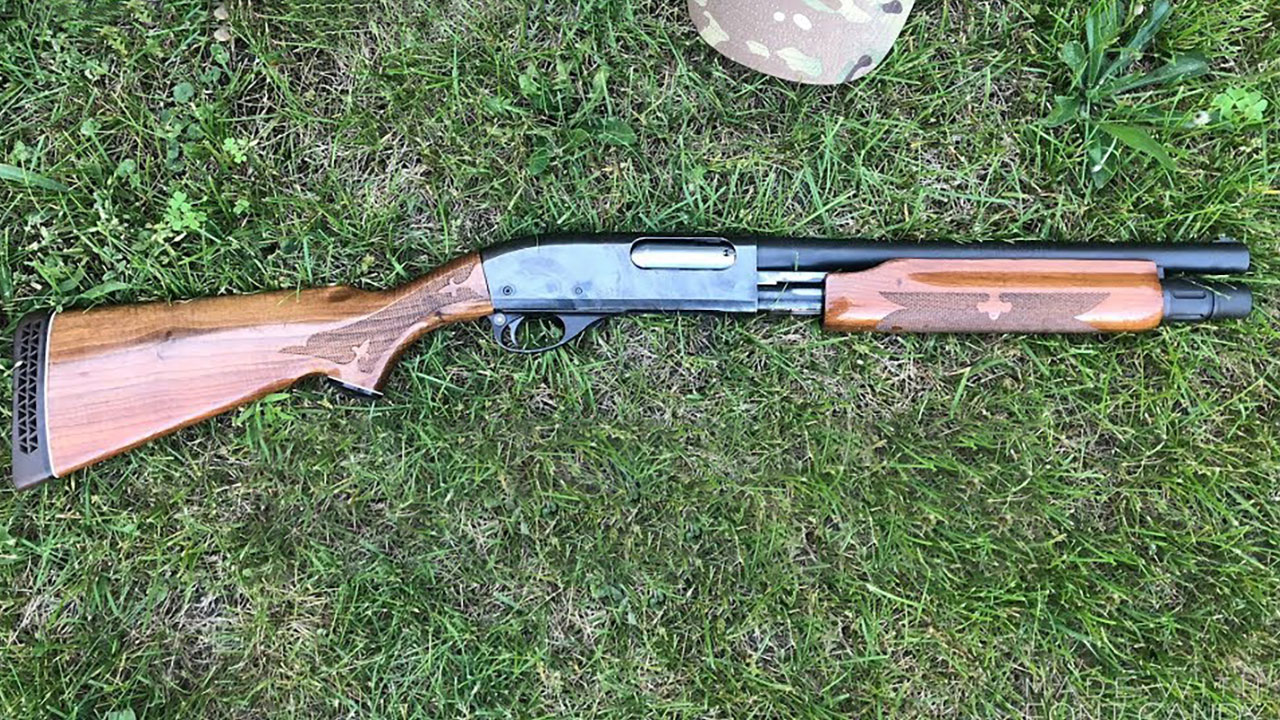
The old Wingmasters are the ones that made people fall in love with pump guns in the first place. Slick action, deep bluing, walnut that didn’t look like it came off a pallet. You could drag one through a wet November and it still felt like a “real” shotgun.
New production doesn’t scratch the same itch, and the older ones aren’t sitting on big-box racks anymore. When a clean Wingmaster shows up, it’s usually in the used rack with a tag that makes you swallow hard. If you’ve got one that runs, keep it running.
2. Remington Model 700 CDL SF (stainless/fluted, classic “do-everything” deer rifle)

There was a stretch where you could find a 700 CDL Stainless Fluted in the common hunting calibers without begging the internet. It carried like a proper deer rifle, balanced well, and didn’t need “tactical” anything to be useful.
Between production changes and the market shifting toward chassis rifles and budget packages, these aren’t common shop inventory. Guys who have them tend to hang on, because it’s hard to replace that mix of looks, weight, and real-world field manners.
3. Ruger 77/44 (compact .44 Mag bolt gun)
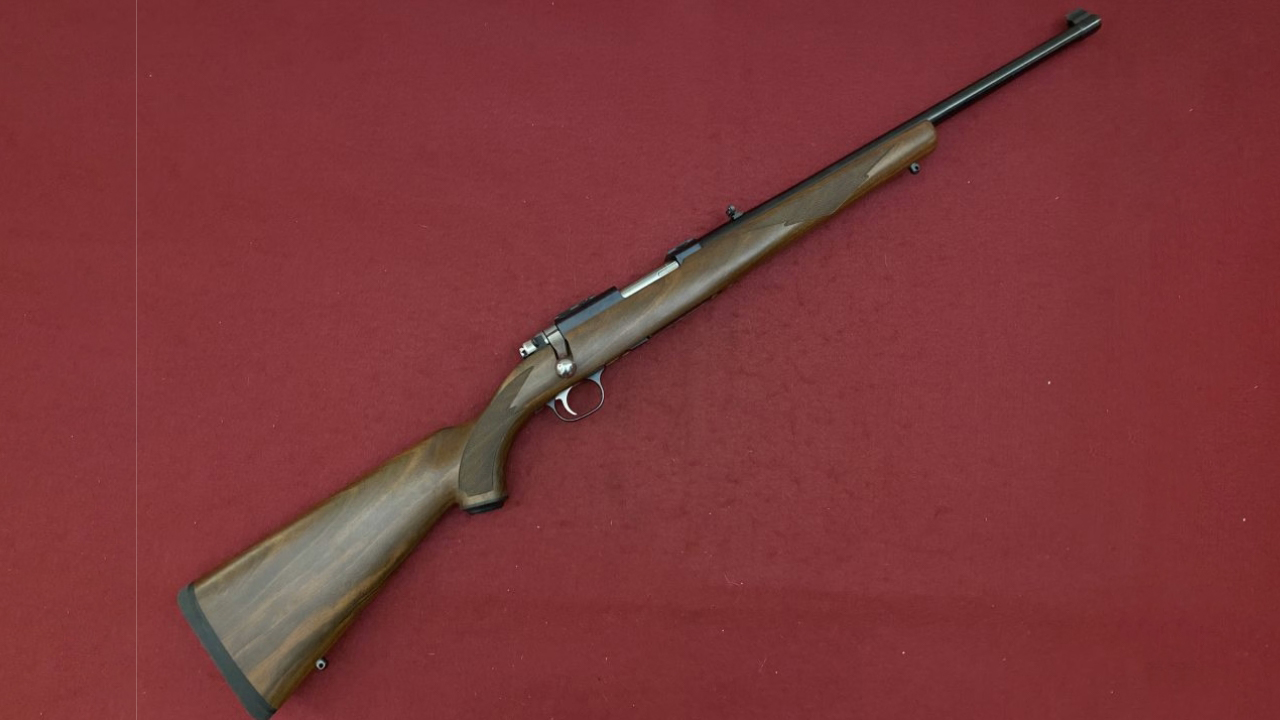
If you’ve hunted thick timber or worked around a property where shots are close and fast, you already get why the 77/44 was special. Short, handy, quiet to carry, and it hit like a hammer with the right load.
Ruger moved on, and the 77/44 now pops up mostly as a used-gun sighting. That one hurts, because it’s a “walk-the-woods” rifle that actually made sense, especially for folks who already keep a .44 revolver around.
4. Ruger 77/357 (the matching .357 version)
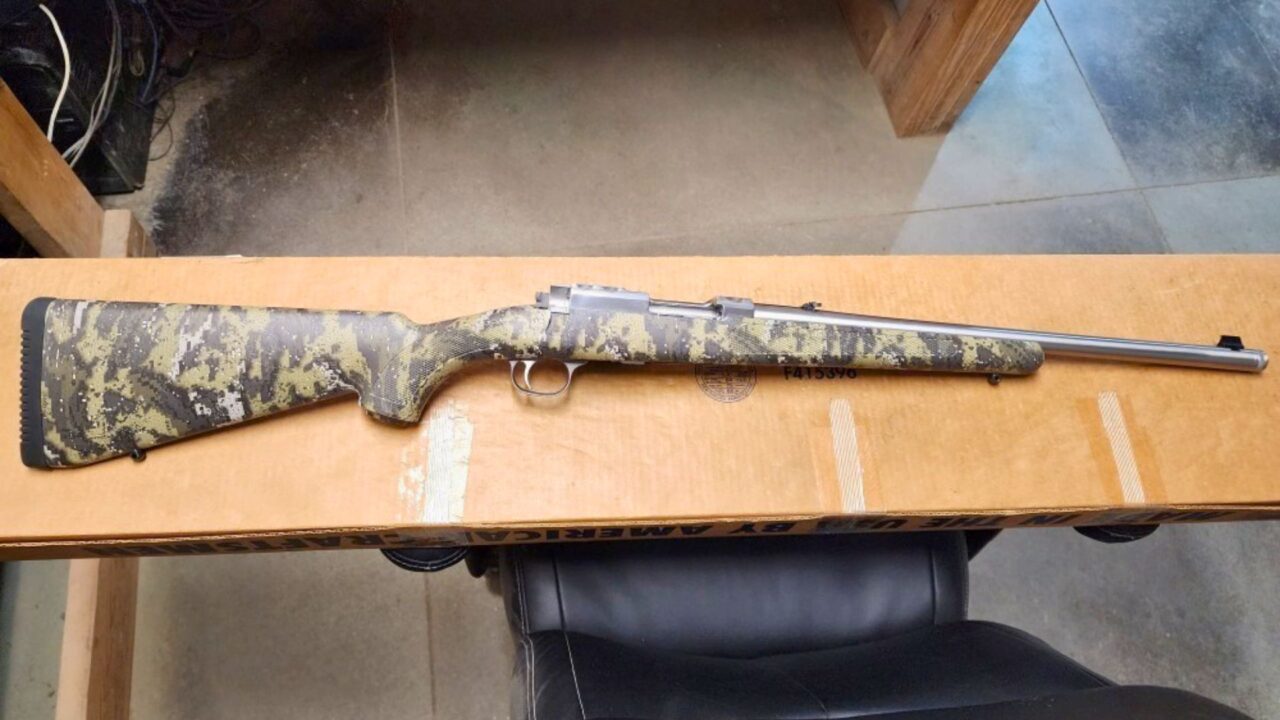
Same story as the 77/44, just even more practical for a lot of people. .357 Mag is easier on the shoulder, cheaper to feed, and still does plenty inside sensible distances.
They’re not impossible to find, but they’re not sitting in stacks either. When you do see one, it’s usually priced like everybody finally realized how useful a little .357 bolt gun is on a farm or in thick brush.
5. Marlin 1894 (JM-stamped, pre-Remington guns)

Ask anybody who has carried a good JM Marlin and they’ll talk about it like it’s a favorite old knife. The action feel is different, the fit is different, and they tend to just plain run.
New Marlins exist and some are excellent, but those older 1894s in .357 and .44 have largely left store shelves. When one shows up, it’s gone quick, and usually to someone who already knows exactly what they’re looking at.
6. Marlin 336 (older North Haven production)
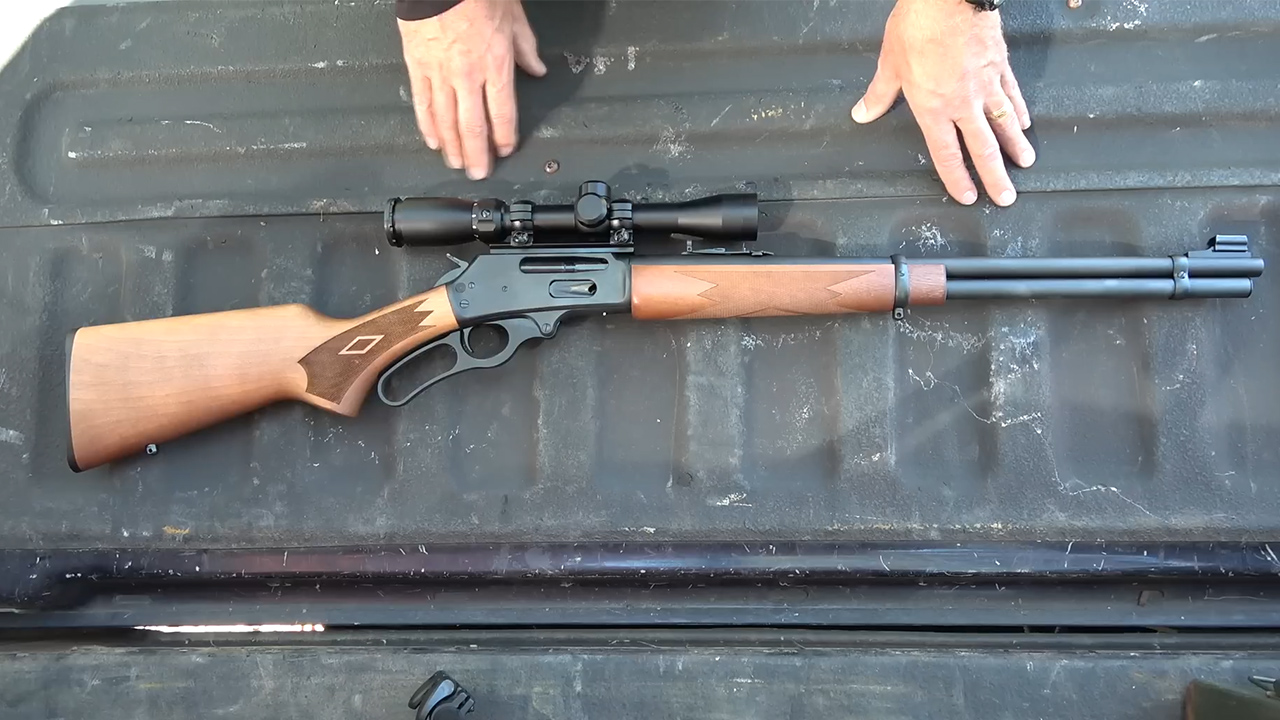
A plain 336 in .30-30 is about as honest as a deer rifle gets. Light enough, points easy, cycles fast, and doesn’t beat you up. There is nothing fancy about it, and that is kind of the point.
The older ones are drying up in everyday retail. You still see them at gun shows and in used racks, but “pick one up later” is how you end up paying more for a rifle with more dings than you wanted.
7. Winchester Model 70 Classic (controlled-round-feed era)
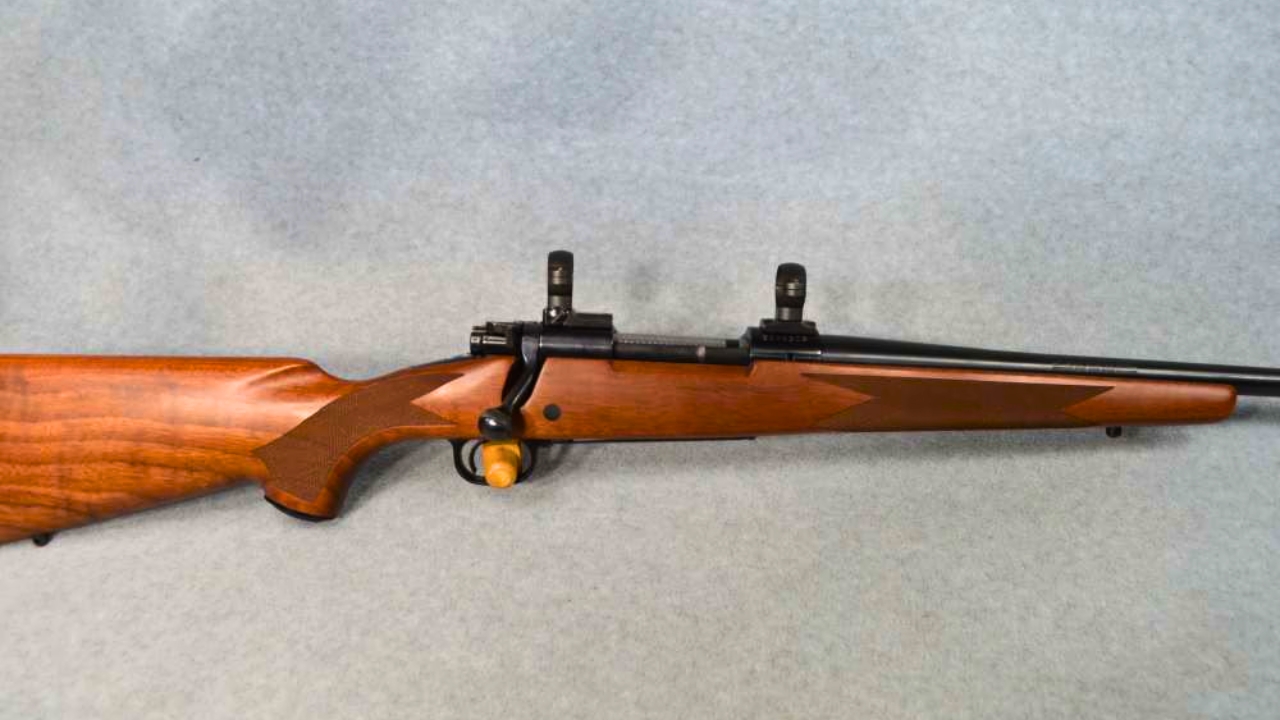
The Classic CRF Model 70s have a loyal crowd, and it’s not just nostalgia. They feed slick, they’re confidence-inspiring when you’re cold and wearing gloves, and they have that old-school “rifle rifle” feel.
These aren’t standard store stock anymore. When one hits the rack, it tends to be either a premium price or it’s already got a “hold” tag on it from a guy who checks the used wall every Friday.
8. Browning BLR Lightweight ’81 (especially in .358 Win and .308)

The BLR is one of those rifles you don’t fully appreciate until you’ve hunted with it. It carries like a lever gun but shoots spitzer bullets, and it can be surprisingly accurate for a woods rifle.
They’re still “out there,” but not as common in stores as they used to be, and certain chamberings have basically become special sightings. If you want one for a working deer rifle, you may end up shopping used whether you like it or not.
9. CZ 527 (mini-Mauser actions in .223 and 7.62×39)
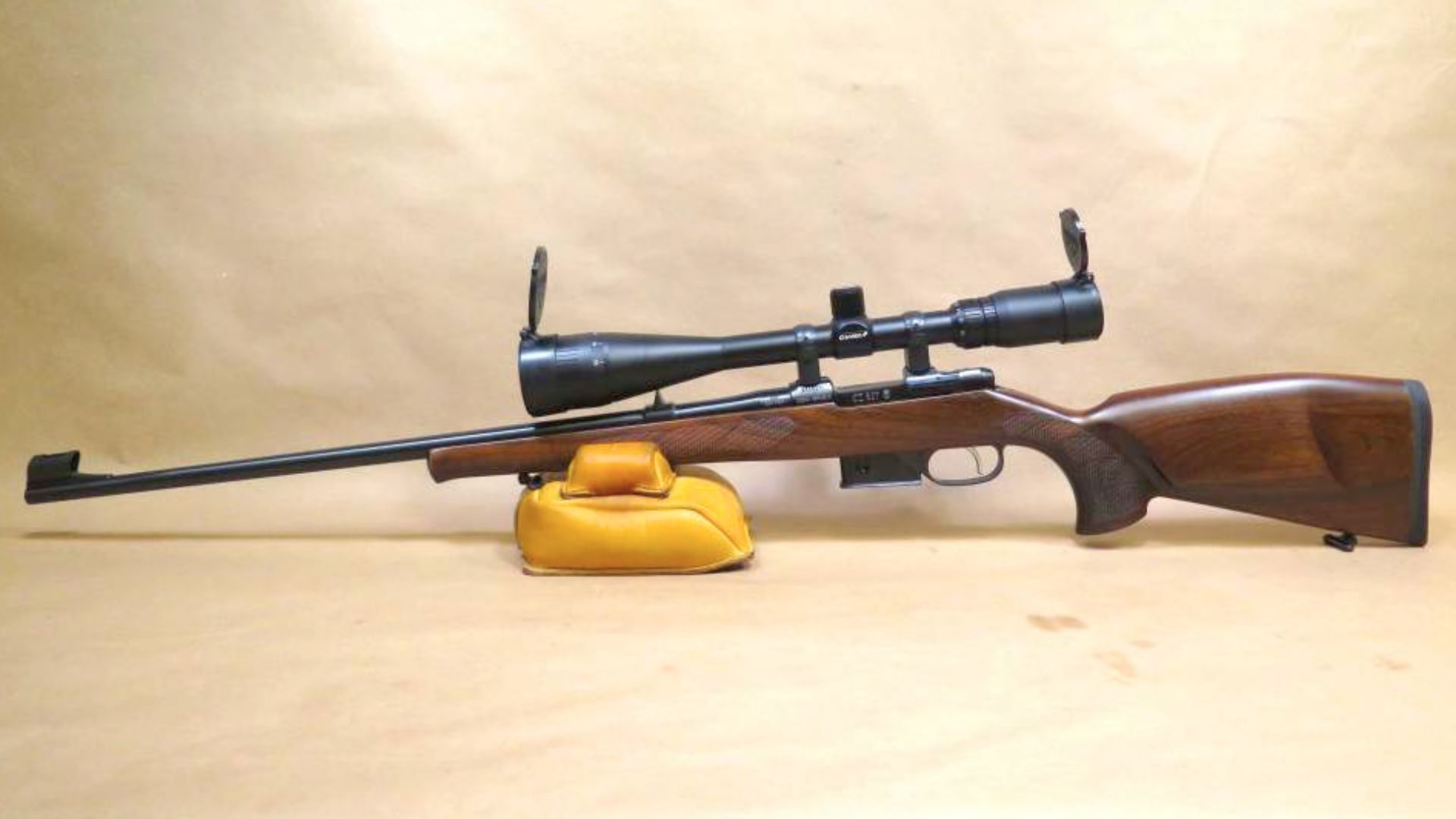
The CZ 527 had personality. Set trigger, nice little action, real wood, and it just felt right for calling coyotes or walking fence lines. The 7.62×39 version especially was a sleeper for short-range hunting and farm use.
CZ discontinued it, and the used market snapped them up. In most stores now, you’ll see newer CZ lines, but the 527 is the one everybody asks about and nobody has behind the counter.
10. CZ 550 (full-size Mauser-style hunting rifle)

The 550 was for guys who like controlled-feed and a rifle that feels like it could survive a fall off an ATV. Not everybody needs that, but if you do, you do.
They’re not common store inventory anymore, and the folks who already own them don’t seem eager to trade them off. If you’re looking for a classic, sturdy hunting rifle without plastic everything, you’ve probably noticed how thin the supply is getting.
11. Browning A-Bolt (original and II models)
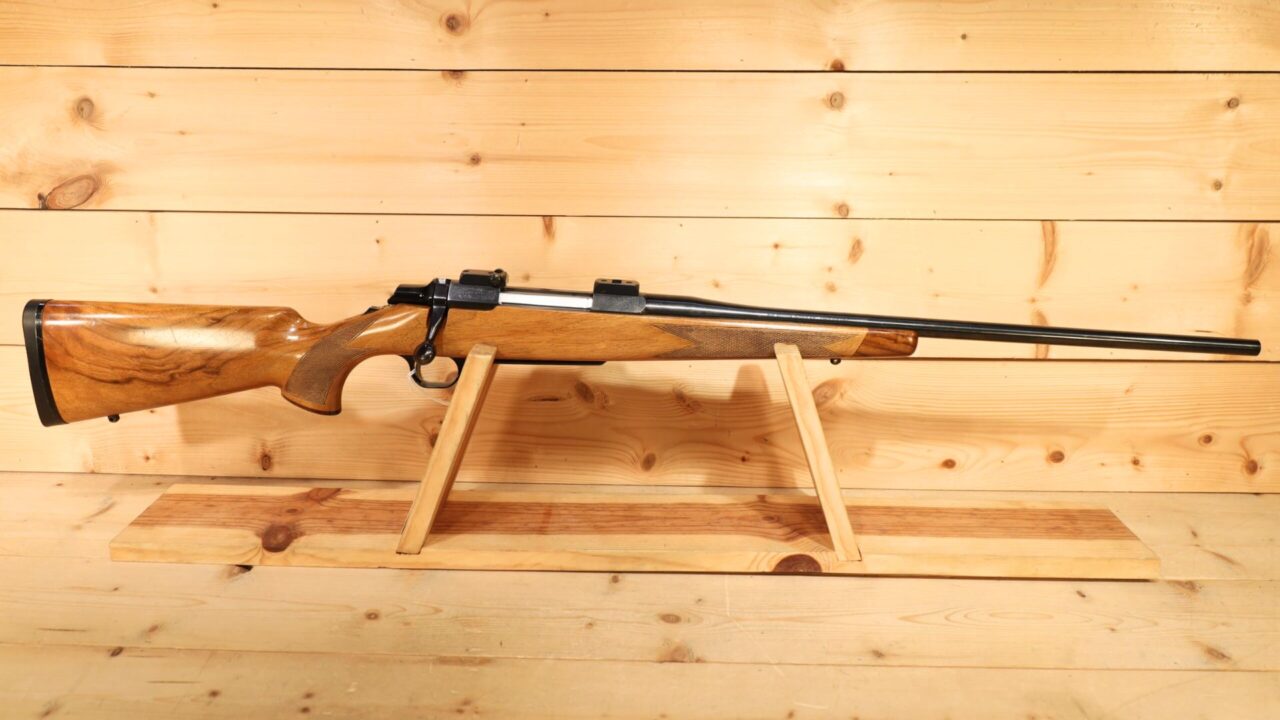
I’ve watched more than one hunter quietly admit they miss their A-Bolt after swapping it for the newest thing. The A-Bolt carried well, shot well, and the bolt lift felt smooth without being mushy.
Browning moved on to newer lines, and A-Bolts have become a used-rack hunt. If you find one that fits you and the bore looks good, don’t assume you’ll see three more next month.
12. Tikka T3 (original, before the T3x took over)
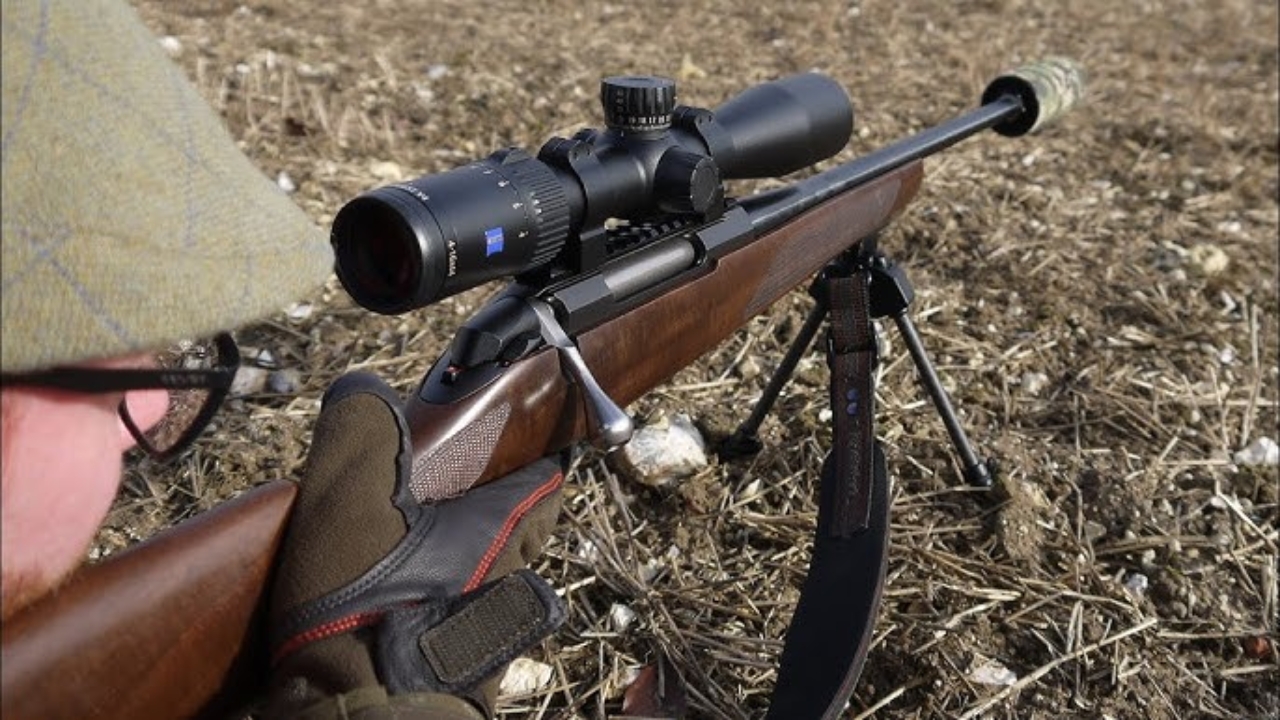
The original T3 earned its reputation honestly. Light, accurate, and the bolt was so smooth it almost felt unfair. A lot of those rifles became “loaner guns” for family because they just plain worked.
The T3x is what stores stock now, and the older T3s are mostly private-sale territory. Not a tragedy, but if you had a favorite stock shape or a specific setup, you may be chasing a used rifle to recreate it.
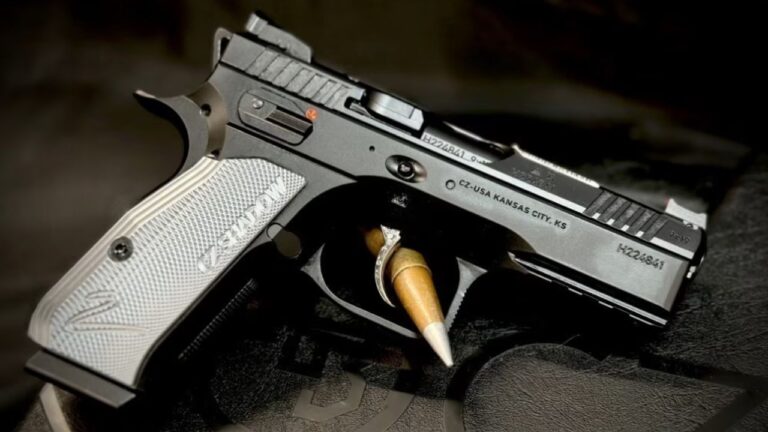
13. SIG Sauer P229 in .40 S&W (police trade-in wave is drying up)
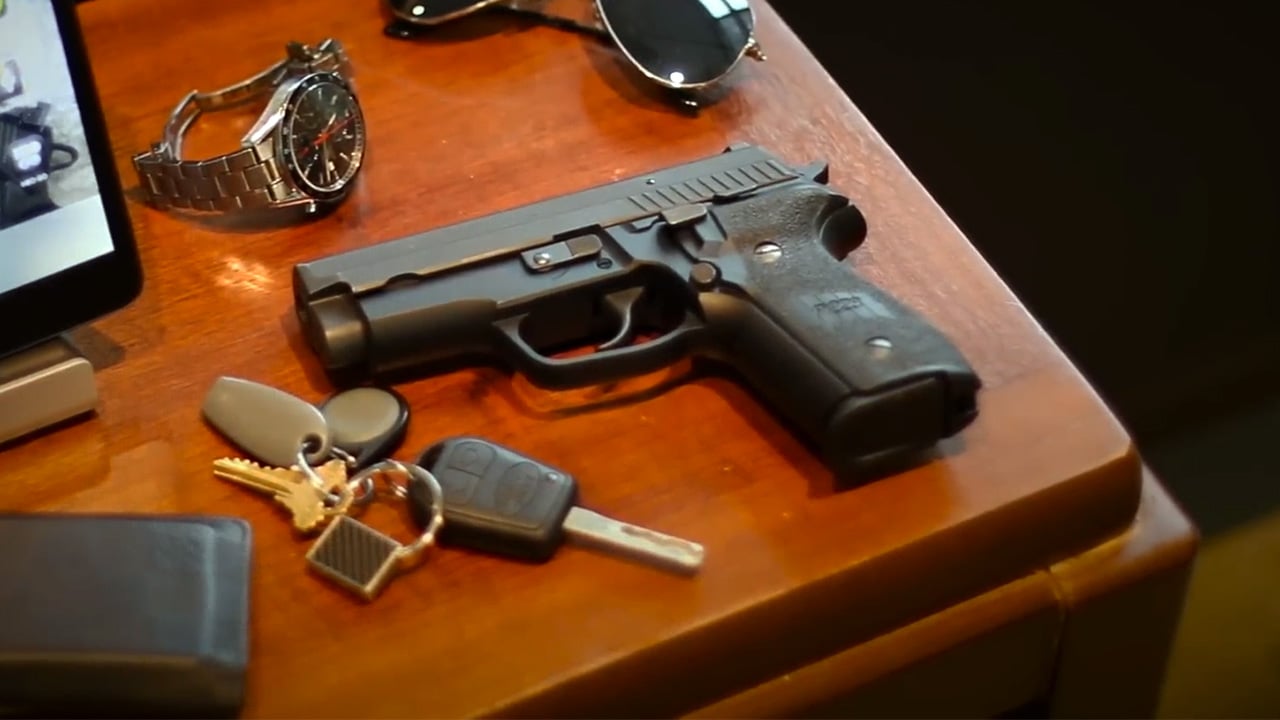
For years, the .40 P229 was the smart buy if you wanted a tank of a pistol for reasonable money. Heavy, yes. But the recoil was manageable, magazines were everywhere, and they lasted forever.
Most shops blew through the easy supply of trade-ins. Now you’ll still see one now and then, but not stacks of them. If you like a DA/SA gun that feels like it was built for hard use, you may want to grab the next clean one you find.
14. SIG Sauer P239 (single-stack carry gun done the old way)
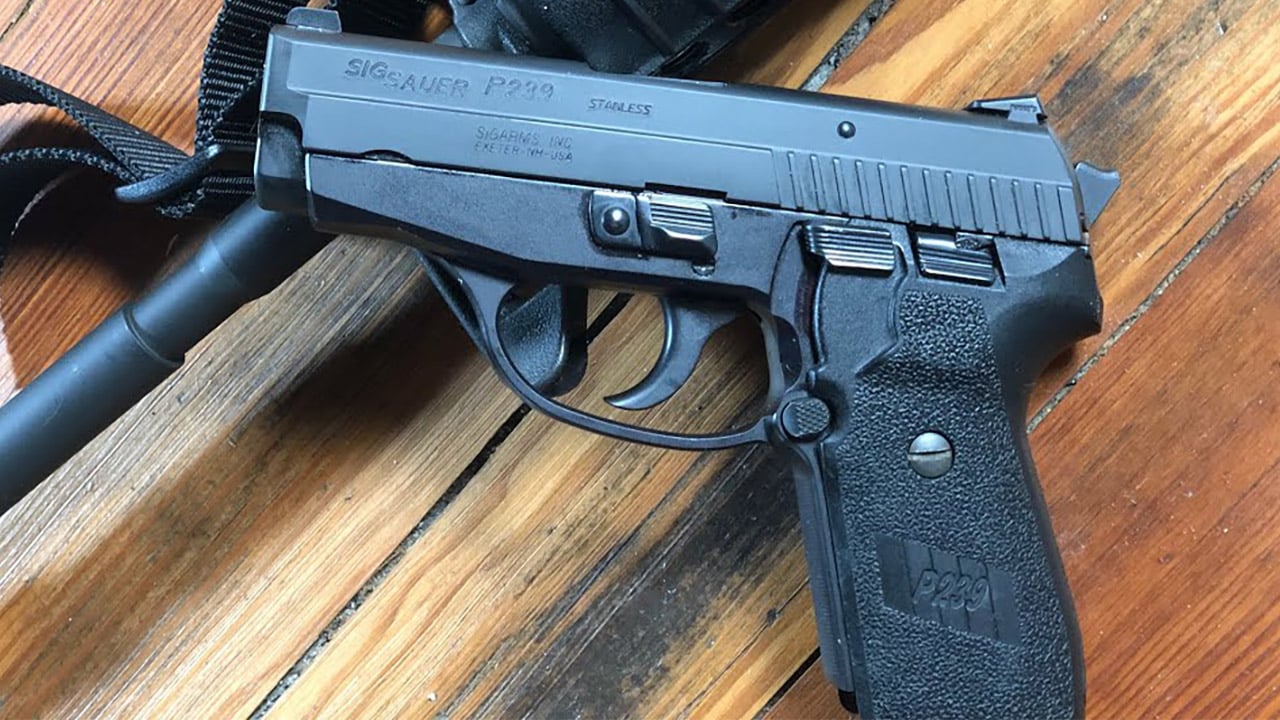
The P239 isn’t trendy, and it’s not light. But it’s thin, controllable, and it carries flatter than a lot of double-stacks while still feeling like a “real” pistol in the hand.
SIG discontinued it, and it’s become one of those models that shows up randomly and disappears fast. If you see one in good shape with spare mags, it’s worth a serious look for folks who like DA/SA carry guns.
15. Beretta 84/85 Cheetah (classic .380s, especially nicer examples)

The Cheetah series has that old Beretta feel: smooth, well-finished, and easy to shoot for what it is. They’re not pocket pistols, but they’re pleasant guns that make range time feel like range time again.
There have been waves of surplus, then long quiet gaps. Most stores don’t keep them in the case anymore, and the good-condition ones with decent sights and clean internals don’t sit long.
16. Colt Detective Special (older snubnose that still makes sense)

A good Detective Special has a trigger that makes you understand why people still like revolvers. It’s not the lightest carry gun, and it’s not the cheapest gun to practice with, but it points naturally and it shoots where you look.
These are rarely “in stock” anywhere in the normal sense. When one shows up at a shop, it’s either beat to death or priced like a collector already called ahead. If you’re a wheelgun person, you already know.
17. Ruger Speed-Six / Service-Six (working revolvers, not safe queens)
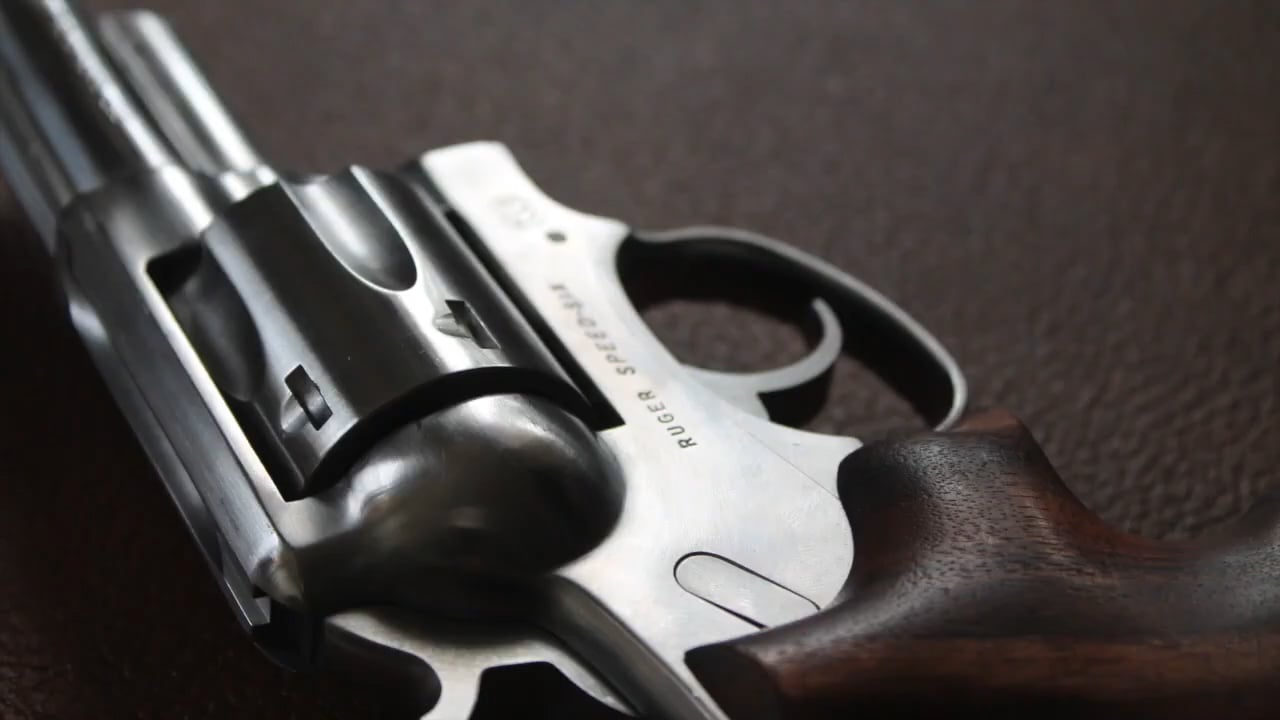
The Six series is what a lot of folks actually need: a tough revolver that isn’t precious. They ride in a truck, they live in a nightstand, they get carried around the farm, and they keep going.
Ruger hasn’t made them in a long time, and clean examples don’t hang around in stores. If you stumble into one with a tight lockup and a good bore, it’s usually a better buy than whatever new “retro” revolver is getting hyped.
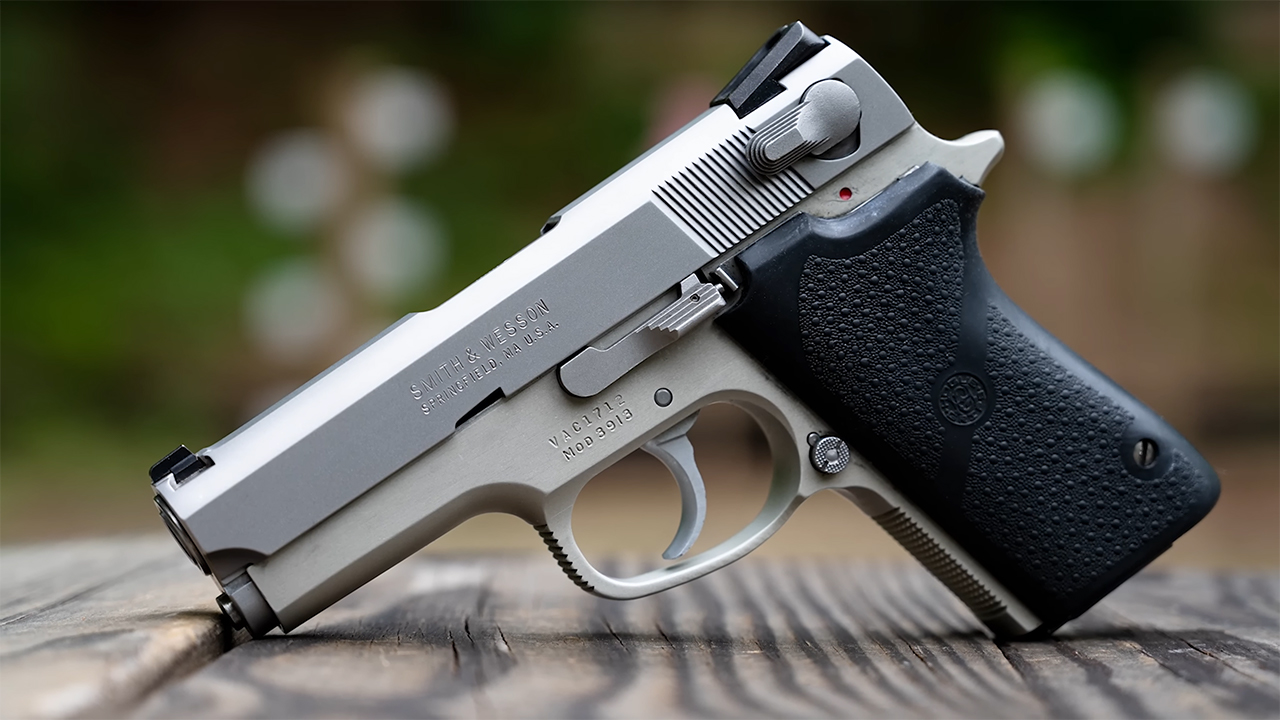
18. Smith & Wesson 3913 (slim 9mm that carried for decades)
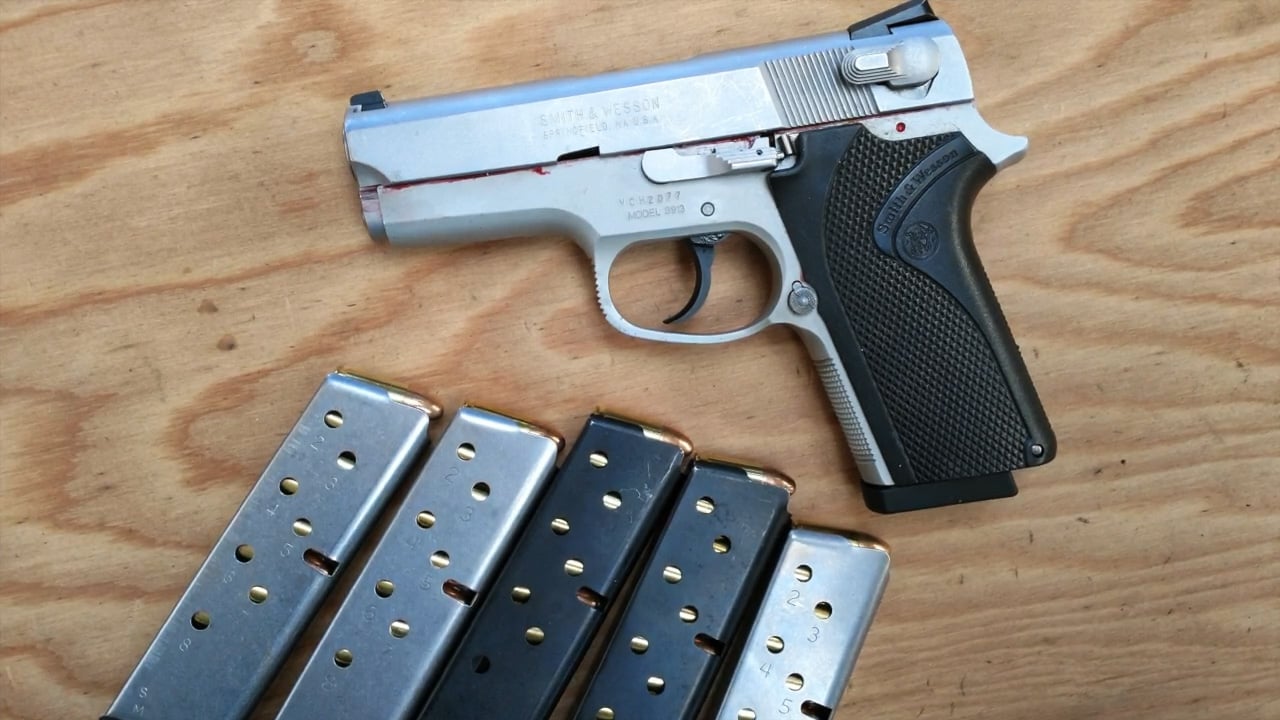
The 3913 is one of those pistols that’s easy to overlook until you carry it for a week. Thin, reliable, and it sits close to the body without weird edges. It’s not a double-stack wonder gun, but it’s very livable.
They’re mostly out of regular retail rotation now. When one appears, it’s typically used and priced higher than you remember, because a lot of shooters quietly decided the “old single-stack metal gun” was already good enough.
19. Benelli M1 Super 90 (older inertia guns that just run)
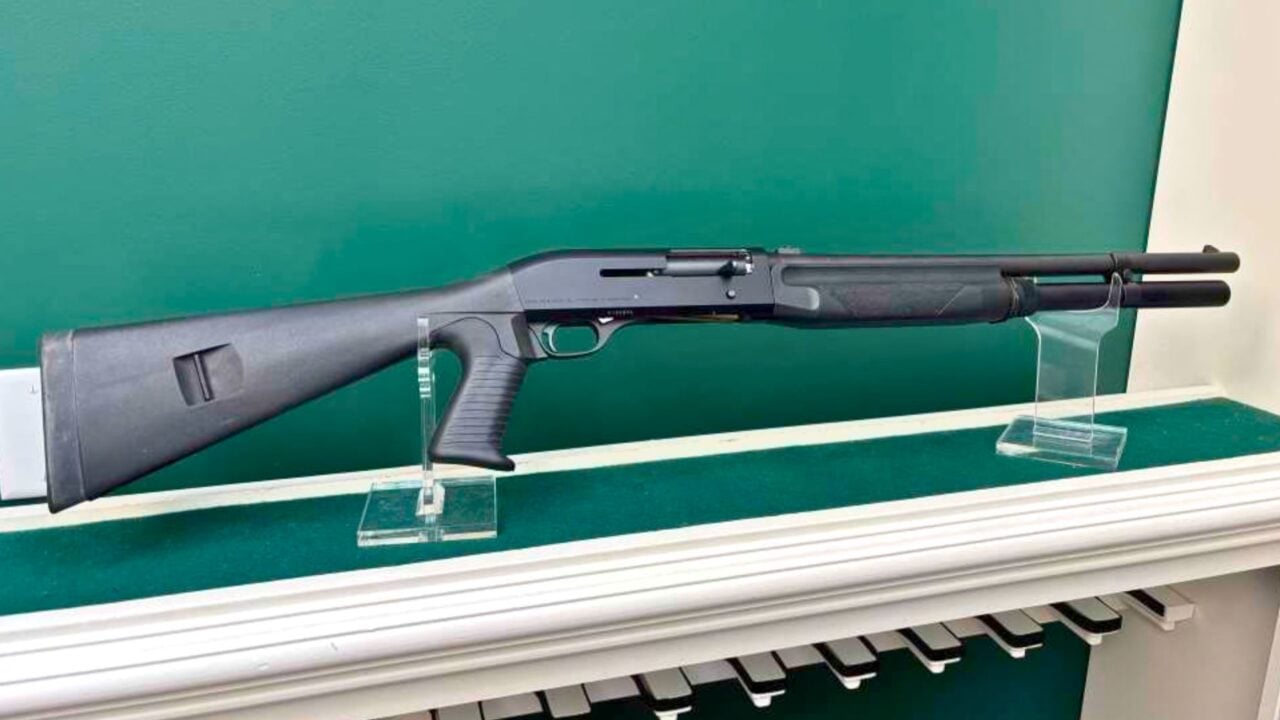
The M1 has been dragged through duck blinds and leaned in corners for years, and plenty of them still cycle like a metronome. The inertia system is simple, and the gun doesn’t feel overcomplicated.
Most stores are focused on newer Benellis. The M1 shows up used, and when it does, it’s either a hard-used waterfowl veteran or a clean one someone’s regretfully cashing out. If you find the clean one, don’t dawdle.
20. Browning BPS (bottom-eject pump gun, especially left-hand friendly setups)
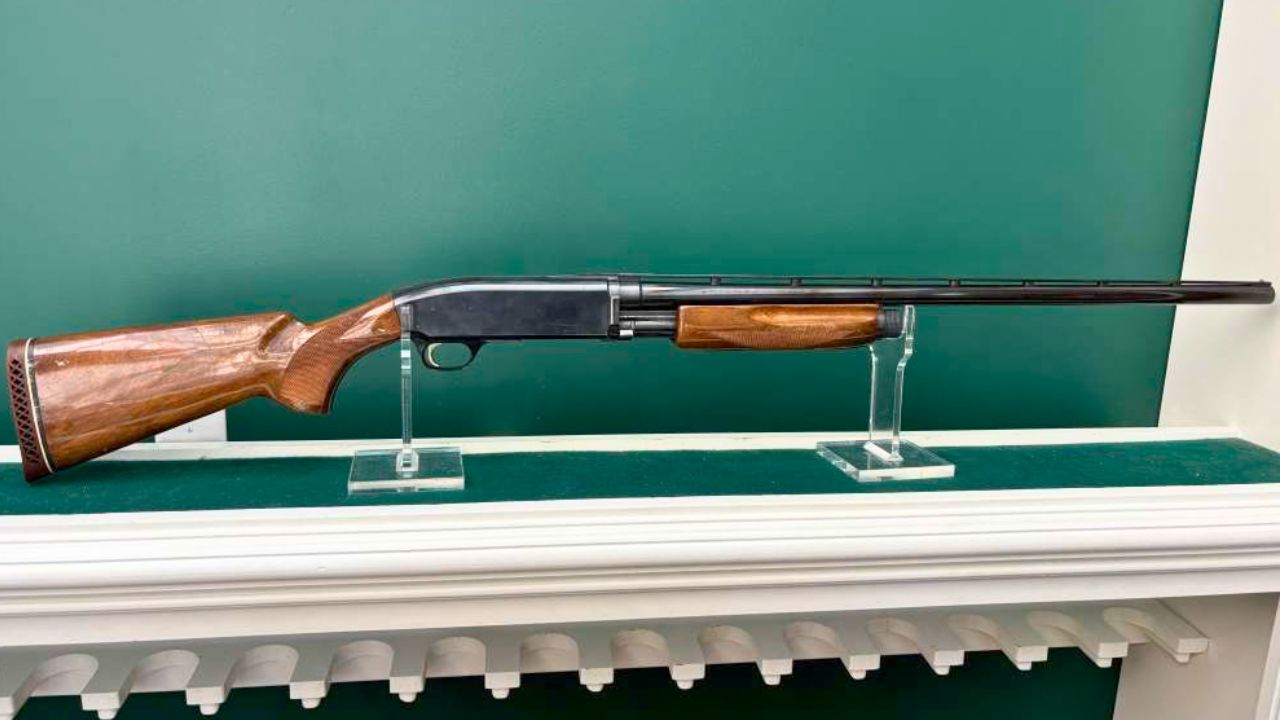
The BPS is one of the most practical pump designs ever made for mixed company. Bottom eject means lefties aren’t catching hulls, and it carries well in the field. The downside is they can be a little heavier, and the action isn’t always as loose-fast as some other pumps.
Lately, they’ve been harder to spot in the racks, and when you want a specific barrel length or a slug setup, it can turn into a long search. If you’re a left-handed shotgunner, this is one of those models you don’t casually trade away.
The common thread here isn’t hype. It’s that the market moved, factories changed priorities, and a lot of “everyday good” guns quietly became used-gun-only guns. If one of these fits a real need for you—deer woods, duck blind, carry, ranch work—don’t assume you’ll just grab it next season. The next season is usually when you find out it’s gone.
Like The Avid Outdoorsman’s content? Be sure to follow us.
Here’s more from us: