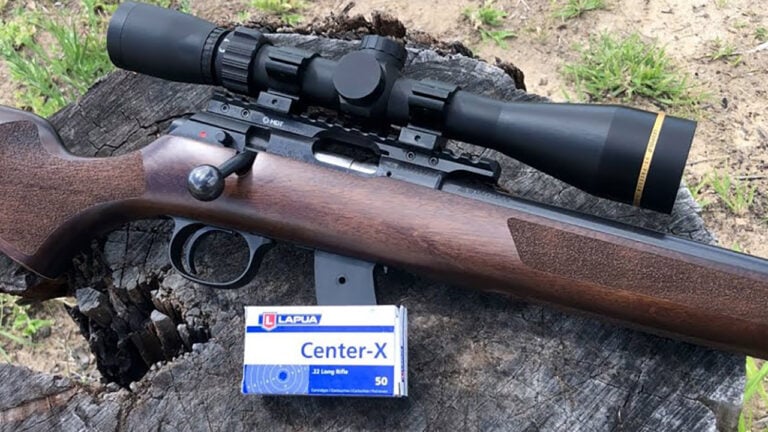
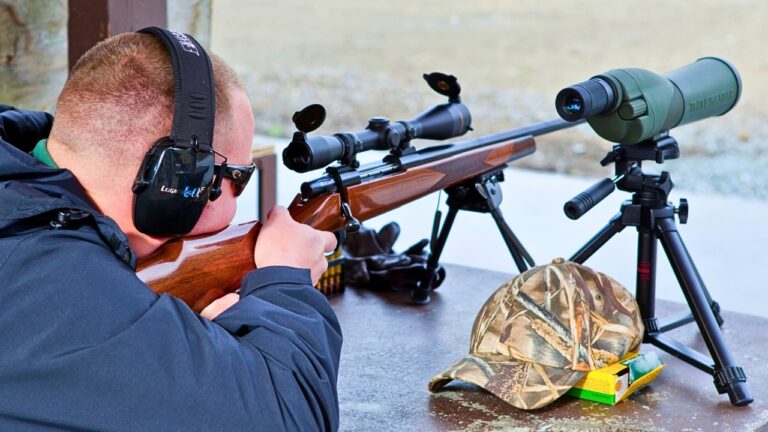
Photo credit: Dennis W Donohue/ShutterStock.com
Every year about this time, I hear the same talk at the gun counter and in the diner: “I need to go to the big-name state if I want a real hunt.” And I get it. The famous destinations are famous for a reason. But the quiet truth is there are a bunch of states consistently turning out better hunts for regular working folks—because pressure is lower, access is more realistic, tags aren’t a blood sport, and you’re not competing with an army of out-of-state trucks at every gate.
This isn’t a knock on the headline states everybody posts about. It’s just a reminder that “results” usually come from time on the ground, decent habitat, and a plan that fits your budget and schedule. If you want more filled tags and fewer headaches, these are 20 places that don’t always get the spotlight but keep putting hunters in position.
1. Kentucky
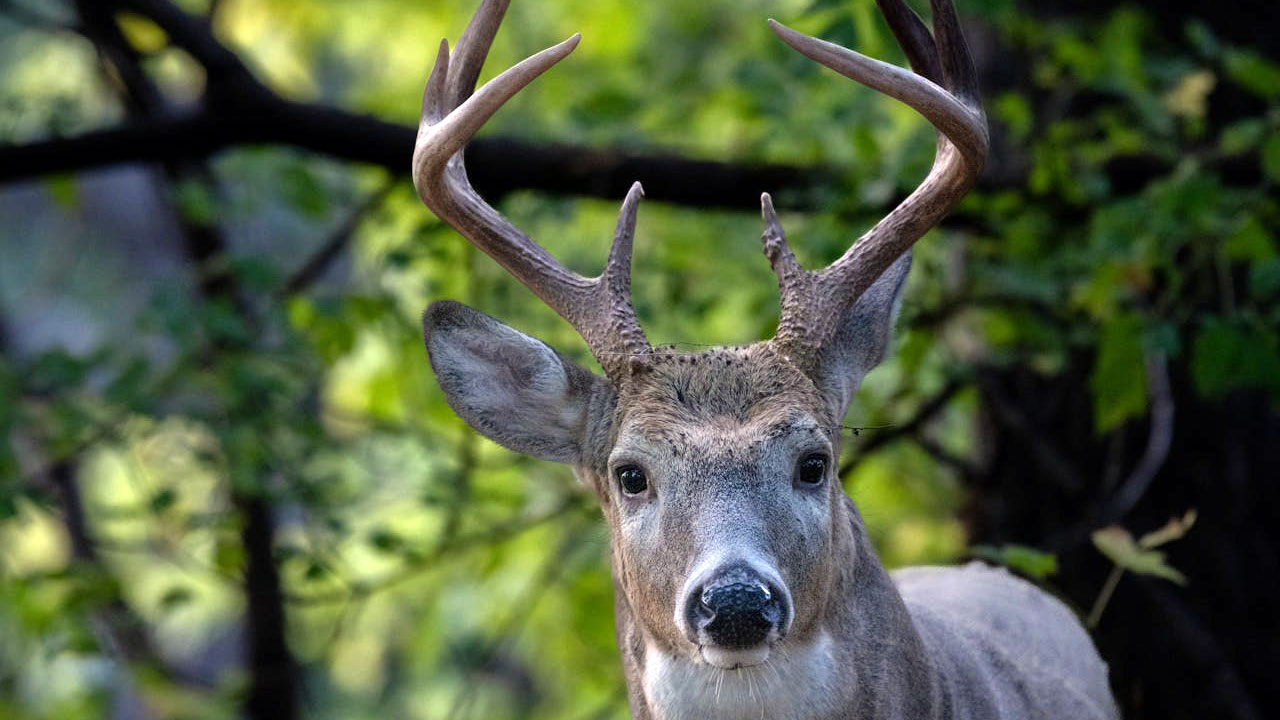
Kentucky has quietly become a real-deal whitetail state, and it’s not just a couple lucky counties. There’s good habitat, strong ag, and enough timber fingers and creek bottoms to hold deer where they can actually grow a little age. The best part is you can still find places where a guy can hunt without feeling like he’s in a parking lot.
Pay attention to private-land permission culture here. A handshake and a respectful ask can still go a long way if you show up with boots, not entitlement. And if you’re used to heavily managed trophy zones elsewhere, you’ll like how “normal hunting” still produces serious deer.
2. Indiana
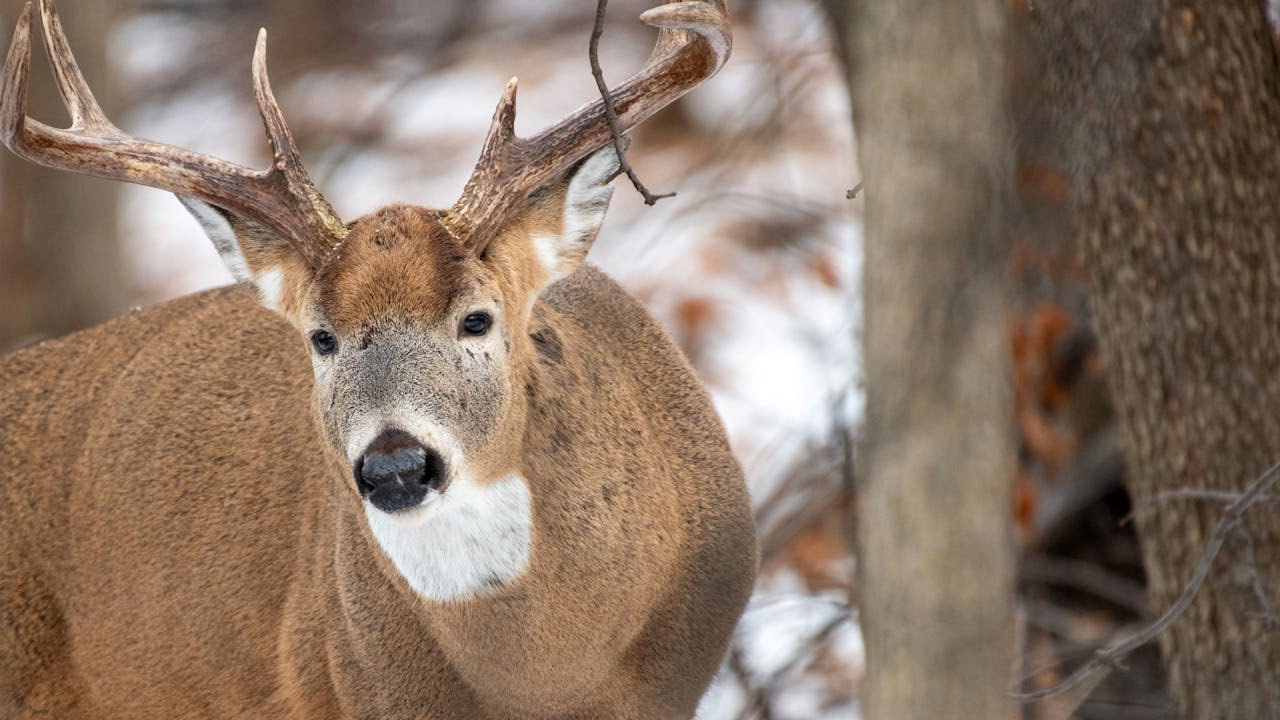
Indiana gets overlooked because it’s surrounded by louder neighbors, but it’s been putting out big-bodied bucks and plenty of does for years. The mix of row crops, woodlots, and small bedding cover makes it a classic Midwestern setup. It’s the kind of state where knowing two ridges and one overlooked ditch can matter more than having the newest cam.
The trick is hunting smart around access. Lots of parcels are small, boundaries are tight, and mistakes get made quick. If you go, bring a mapping app, double-check lines, and don’t be the guy who “thought he was still on public.”
3. Ohio
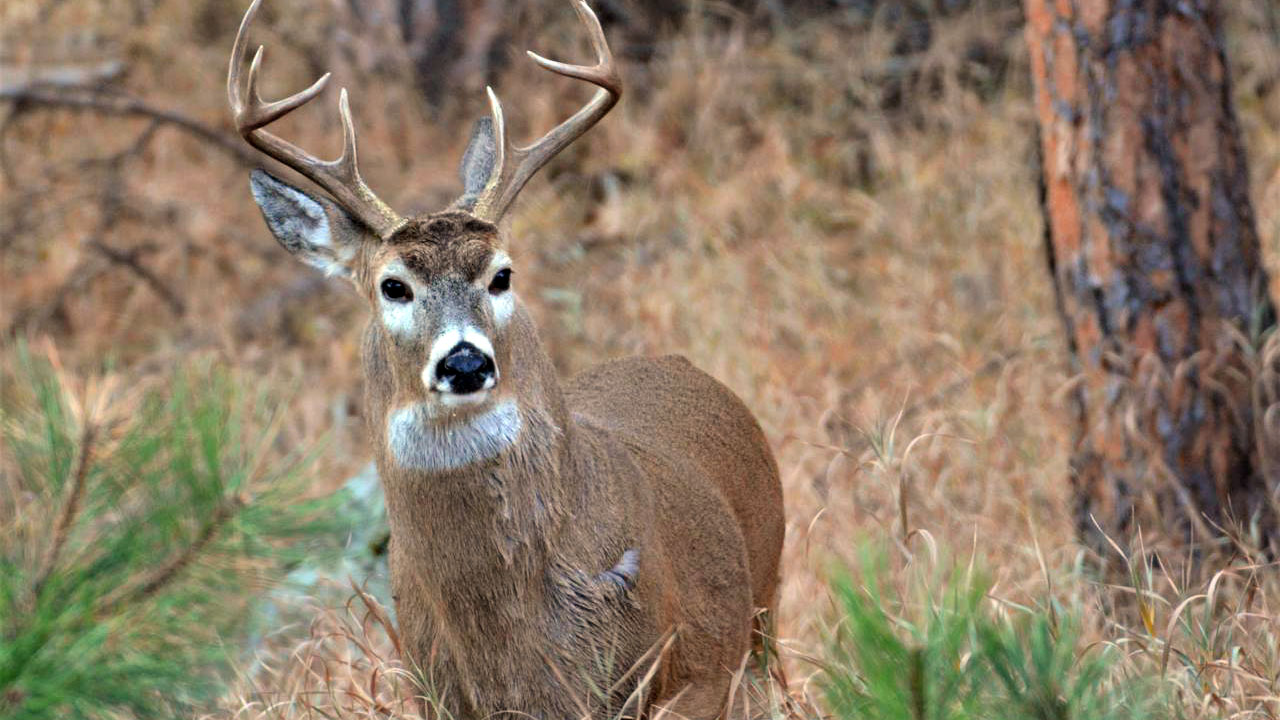
Ohio is one of those states where the results don’t match the amount of talk. Hunters who go there and actually put in time tend to come back with pictures and meat. Good soils, good groceries, and plenty of hidden pockets that don’t take much to miss if you’re just road scouting.
Pressure exists, but it’s not the same kind of hype pressure you see in the marquee states. Hunt midweek when you can, slip in quiet, and don’t fall in love with the first obvious parking lot. Ohio rewards the guy who is willing to walk another half mile.
4. West Virginia
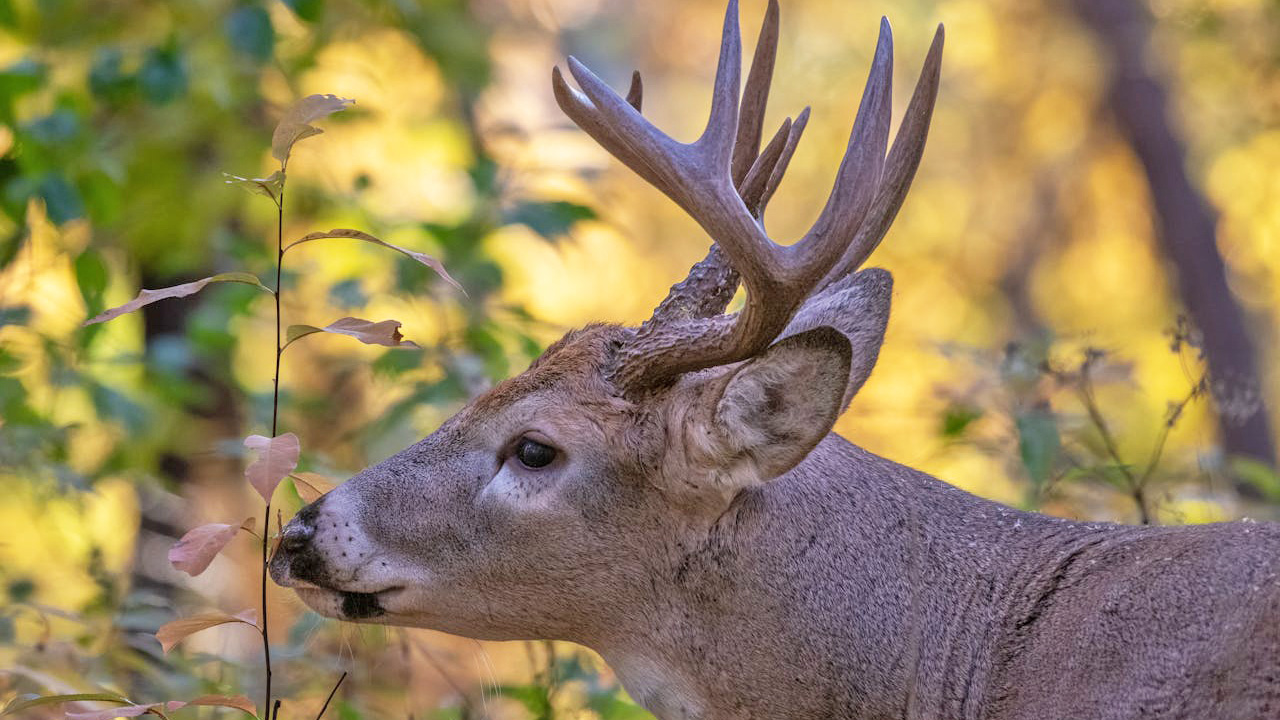
West Virginia isn’t going to win a contest for easiest hunting, but it produces solid results for hunters who like steep country and honest work. The big woods teach you fast: tracks, wind, thermals, and patience matter. When you connect, it feels earned.
This is also a place where a lightweight, practical kit shines. If you pack like you’re on a flatland field edge, you’ll feel it by lunchtime. Keep it simple, stay mobile, and hunt the sign, not your ego.
5. Virginia
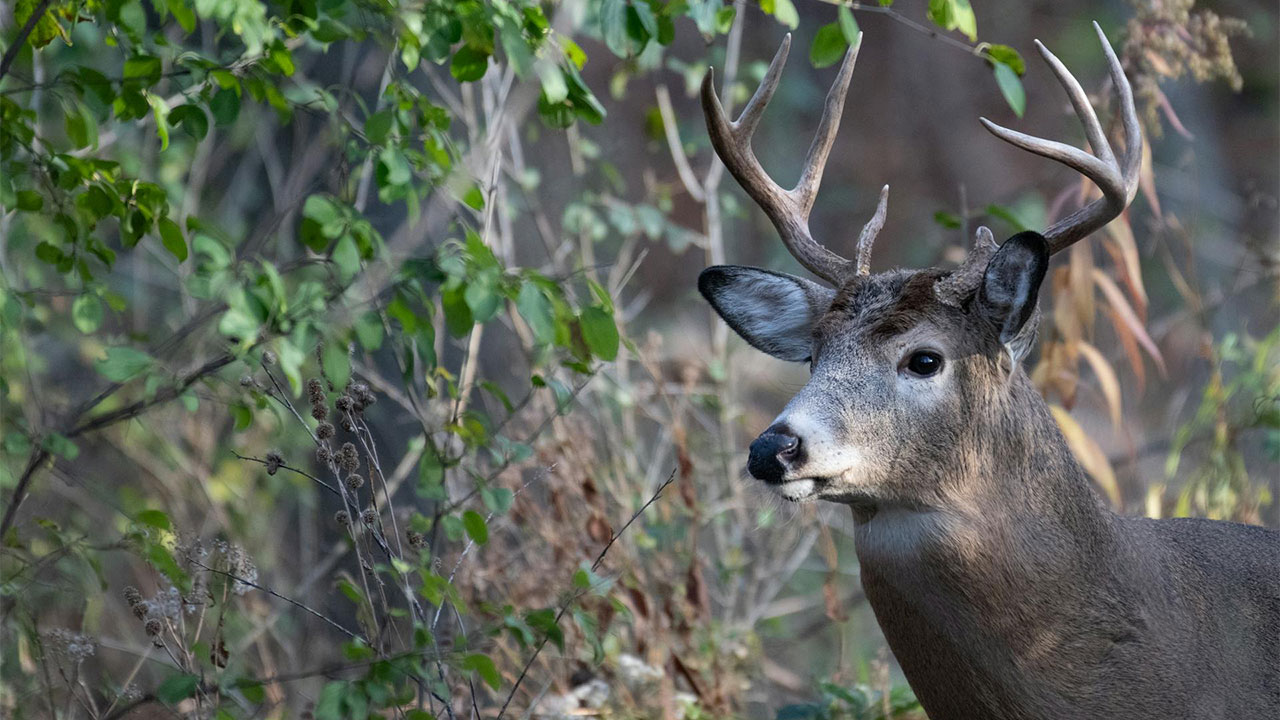
Virginia gets written off by folks who assume it’s all suburbs and traffic. Then they hunt the right habitat and realize there are plenty of deer and some surprising age classes. It’s a long state with a lot of different terrain, and that variety gives you options when conditions change.
Where Virginia shines is opportunity. You can make multiple short trips and learn areas without needing a once-a-year mega vacation. That steady learning curve beats a single “dream hunt” you’re unprepared for.
6. North Carolina
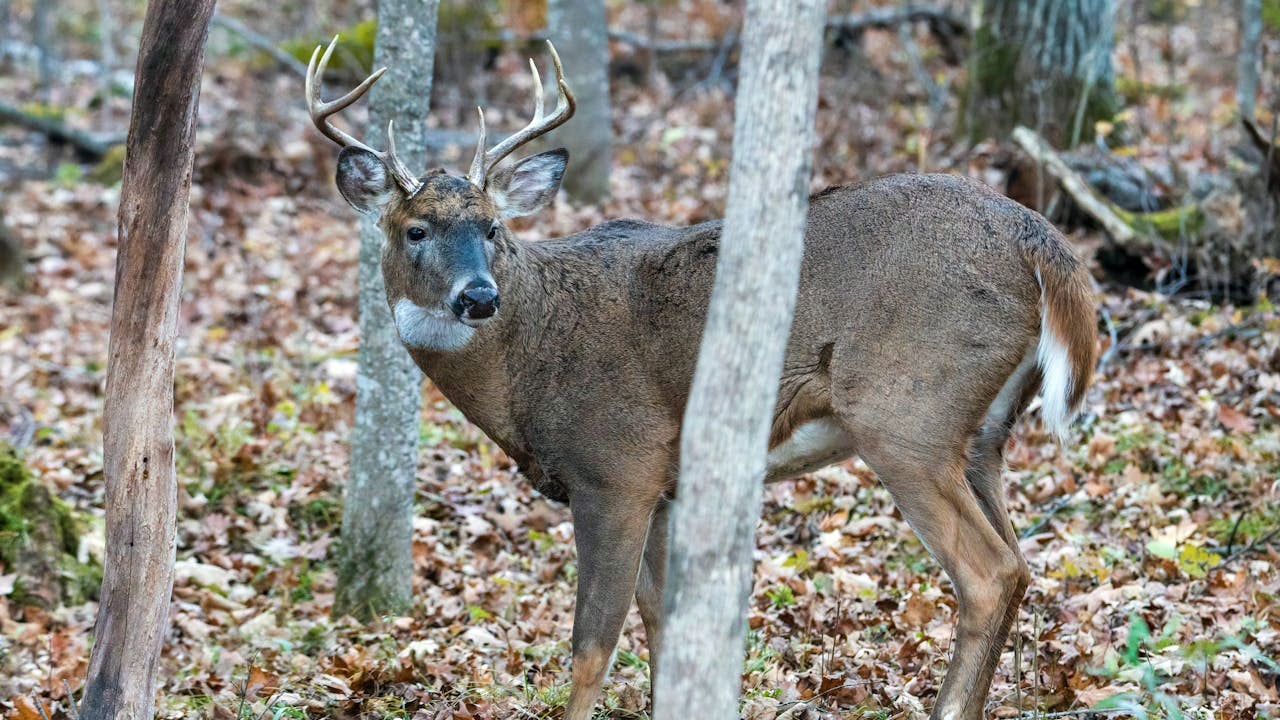
North Carolina has a lot going on—coastal swamps, piedmont farms, mountain hardwoods—and that means there’s not one “correct” way to hunt it. That variety also spreads hunters out. When you find a pocket that fits your style, you can repeat success year to year.
One caution: wet ground and warm spells can humble you. If you’re used to crisp northern ruts, you’ll need to adjust expectations and tactics. Still, if you can read sign and time your sits, it can be a steady producer.
7. South Carolina
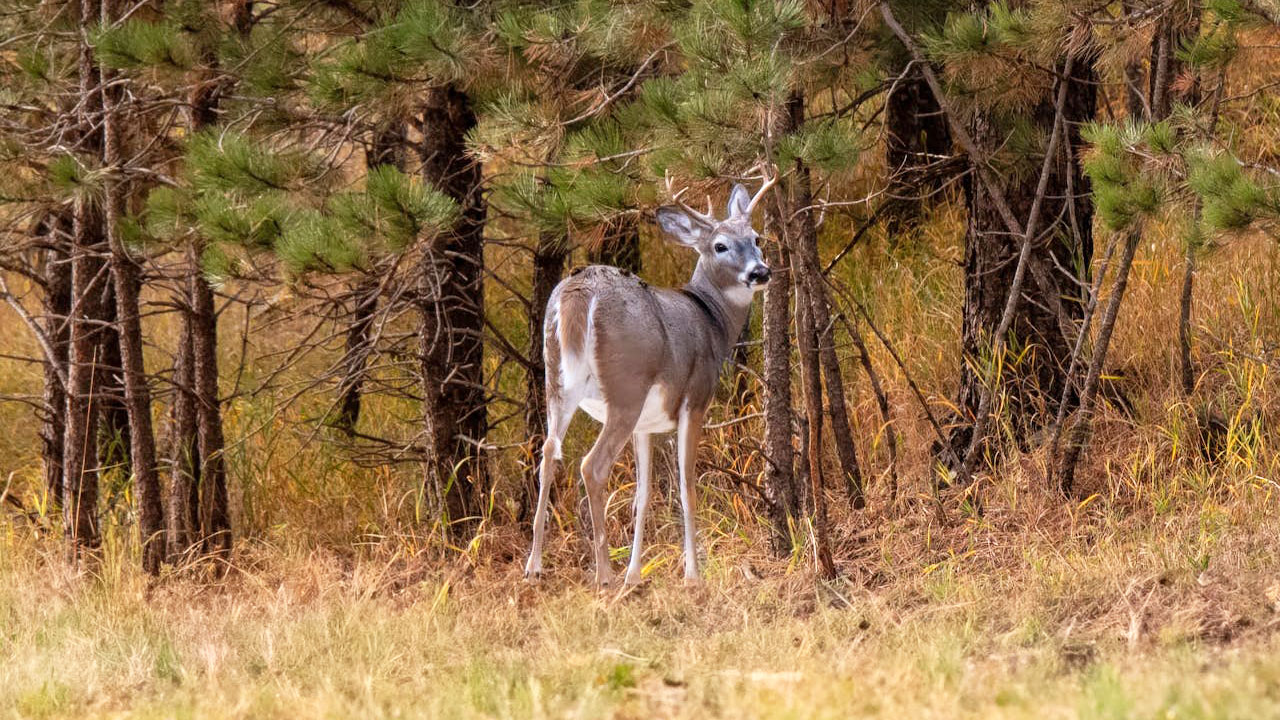
South Carolina’s season structure and habitat variety give hunters more time and more chances to connect. It’s not always a “big rack” conversation, but it’s a “full freezer” reality if you hunt it right. And there are places where you can still feel like you’ve got elbow room.
Heat and bugs are part of the deal early, so plan for it instead of complaining. Light clothing, scent control that’s realistic, and being smart about meat care will save a hunt fast. If you can handle the logistics, the opportunity is there.
8. Georgia
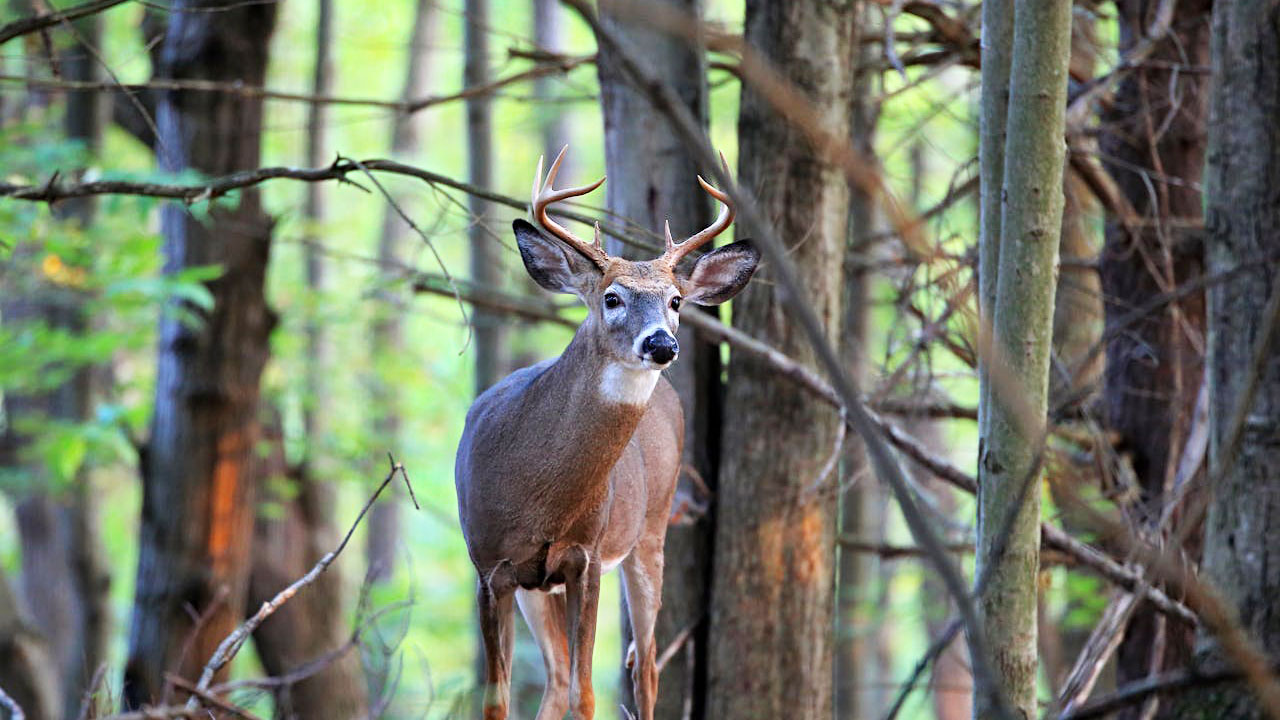
Georgia’s deer numbers and access options make it a sneaky-good results state. It’s also one of those places where the best hunters don’t necessarily have the best land—they have the best consistency. They learn the same areas, keep pressure reasonable, and don’t overcomplicate it.
The other thing Georgia teaches is how quickly deer adapt to hunting pressure. If you stomp around like you own the woods, the game is over. Move like you’re being watched, because you are.
9. Alabama
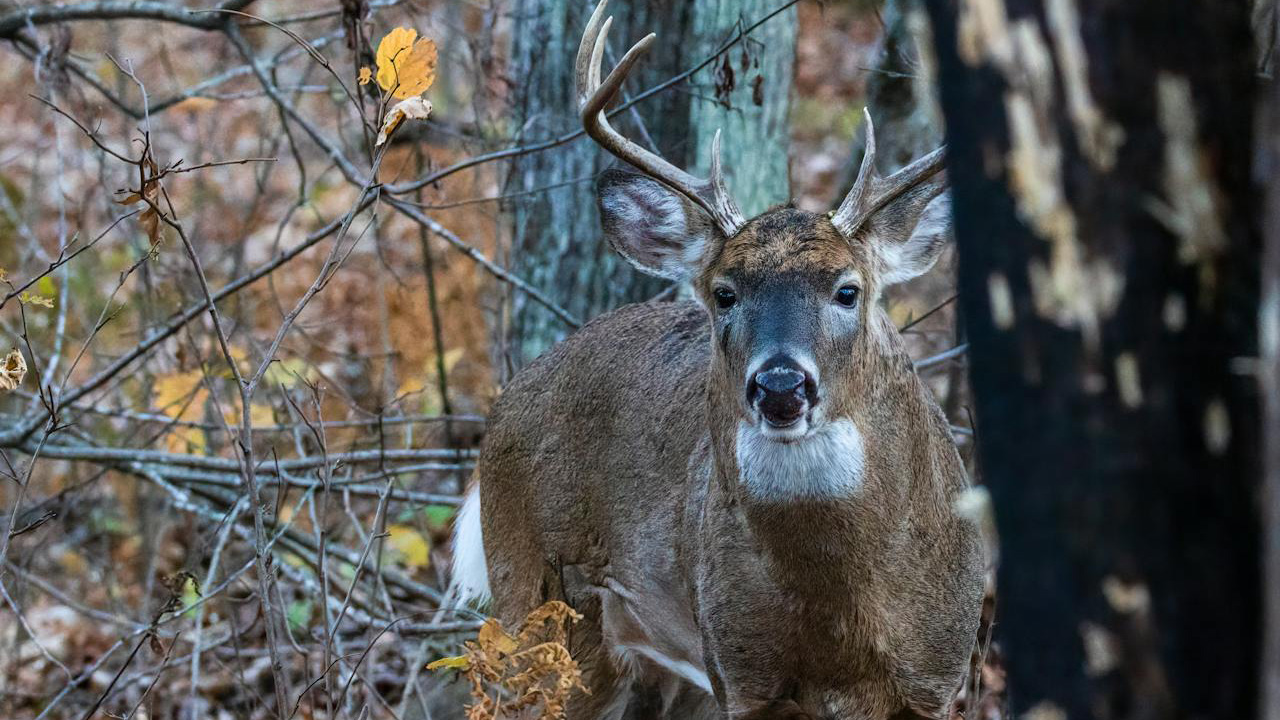
Alabama is a state where time in the stand can stack up, and that alone leads to more filled tags. If you’re willing to hunt when others aren’t—dreary days, light rain, weekdays—you can do well. The culture of hunting is strong, and the habitat can be better than outsiders assume.
Just don’t bring a one-size-fits-all rut calendar and expect it to work everywhere. Different regions can peak at different times. If you’re traveling, do your homework and stay flexible.
10. Mississippi
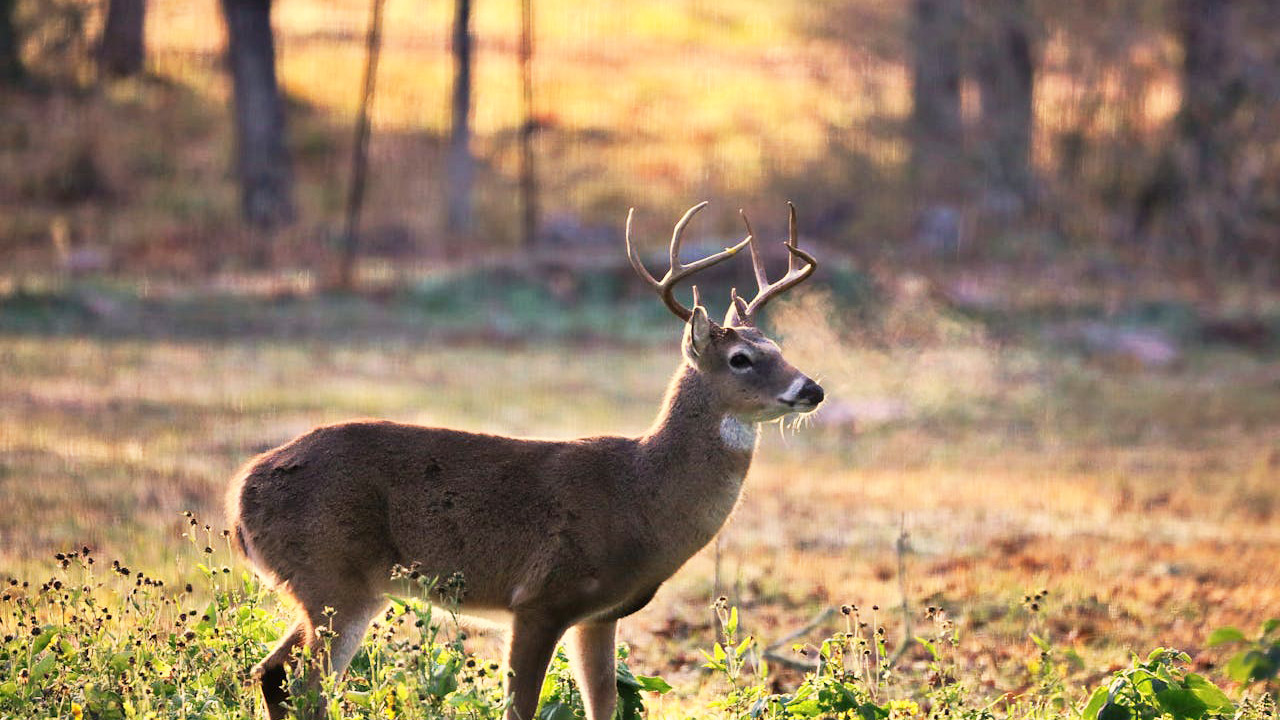
Mississippi has been quietly producing quality bucks, especially where habitat and nutrition line up. It’s not a secret to locals, but it’s still not the first state most traveling hunters mention. That’s fine—less noise can mean more room to hunt.
One practical note: property boundaries can be tight, and posted land is posted for a reason. If you’re new to the area, treat every line like it matters, because it does. A good hunt isn’t worth a bad confrontation.
11. Arkansas

Arkansas offers a mix of river bottoms, timber, and ag edges that can produce great deer hunting and solid turkey hunting too. The variety is the story here. You can hunt hardwood ridges one day and bottomland the next without leaving the state.
Water levels and weather can change everything fast, especially in low ground. Have a backup plan, and don’t get stubborn. The hunters who consistently do well in Arkansas are the ones who adapt without whining.
12. Missouri

Missouri isn’t exactly unknown, but it still gets overshadowed by the “big two or three” everyone talks about. It has the habitat mix to grow good deer and enough public opportunity to keep a nonresident in the game. And for residents, it can be excellent without needing a lease payment the size of a mortgage.
The key is avoiding the obvious spots during the obvious times. If you only hunt opening weekend and only hunt from the easiest access, you’ll think it’s crowded. Hunt later, hunt nastier weather, and you’ll see a different Missouri.
13. Iowa’s neighbor you can actually hunt: Nebraska
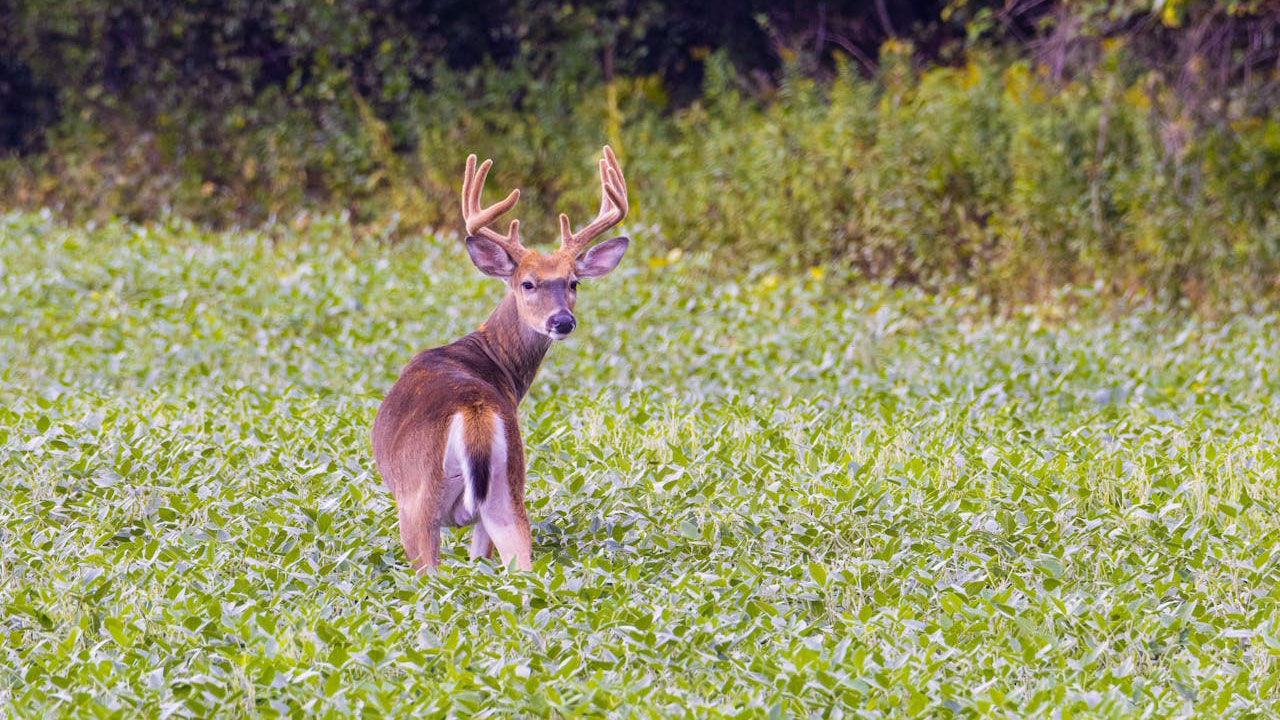
Nebraska has a “sleeper” feel because it’s not always the first state people think of for whitetails. But between river systems, ag country, and some surprisingly good cover, it can produce excellent hunts. It’s also a place where a simple glass-and-stalk plan can work when the woods are thin.
Wind is a constant player here. If you ignore it, you’ll educate deer all week. If you respect it, you can set up on travel routes that are predictable in a way thick timber never is.
14. Kansas (away from the obvious counties)
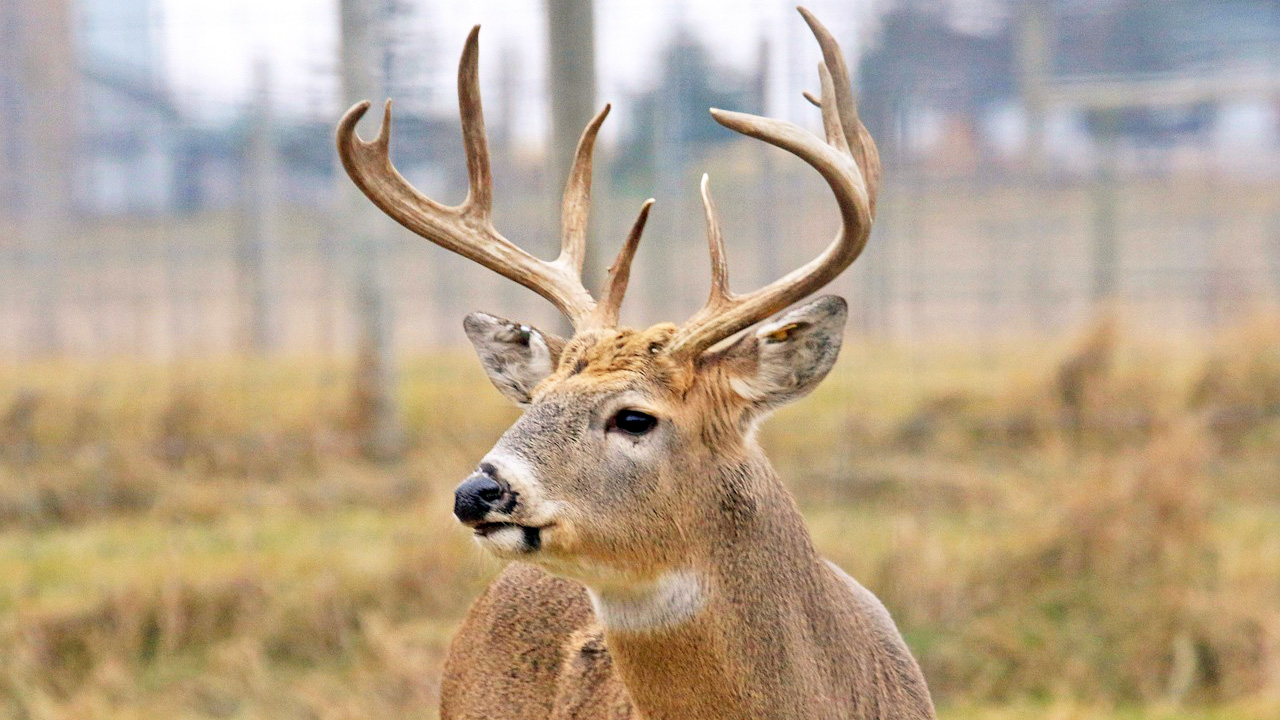
Kansas has a reputation, sure, but the real advantage is how many hunters only focus on a handful of “internet famous” areas. Move away from that gravity and Kansas can still feel open. There are plenty of solid deer and a lot of places where the average hunter simply doesn’t put the time in.
Also, Kansas can punish sloppy planning. Trespass problems and access confusion are real if you’re not careful. Get your maps right, talk to landowners like a grown-up, and don’t assume every two-track is public.
15. Oklahoma

Oklahoma doesn’t get the respect it deserves for whitetails, and it’s a state where you can mix in other hunts without crossing three time zones. The habitat can be phenomenal, and the deer can be bigger than folks expect. When the wind and weather cooperate, it can feel like you’re hunting a classic funnel every day.
The big lesson here is to match your tactics to the cover. Some areas are thick and brushy, some are open and windy. If you bring one plan and refuse to adjust, Oklahoma will make you look silly.
16. Minnesota
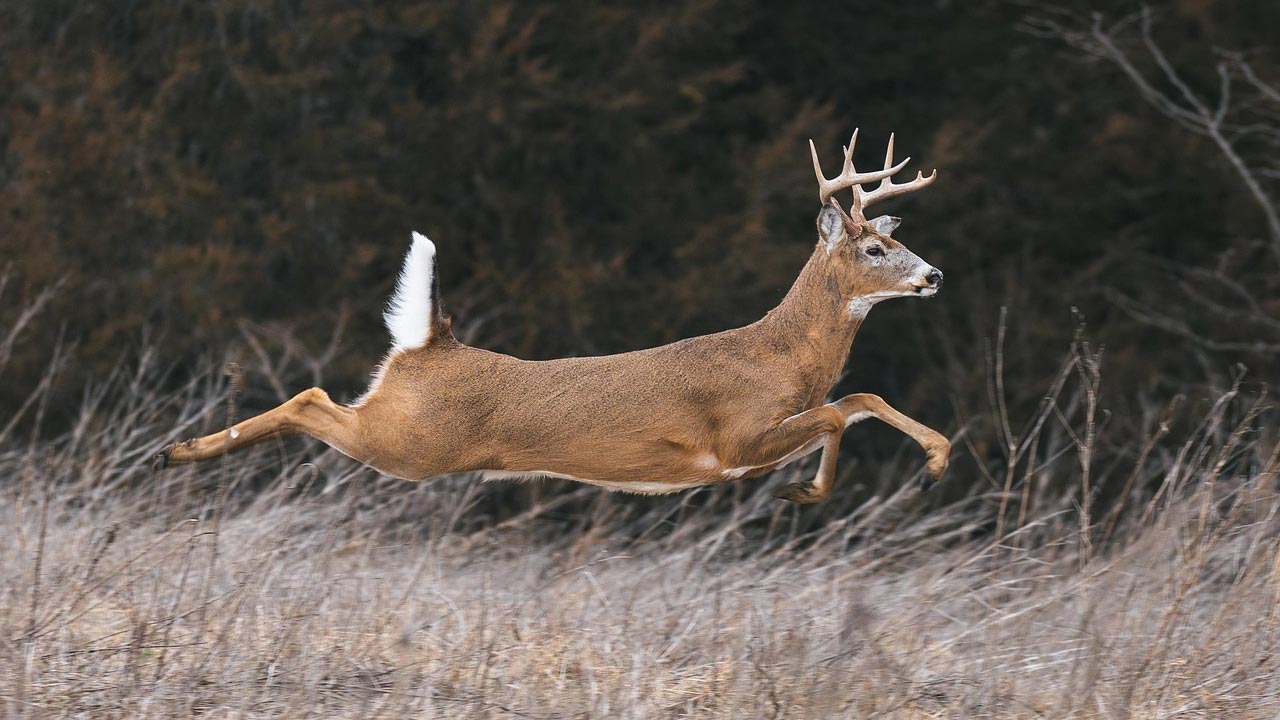
Minnesota is known for “deer camp” culture and big woods, but it also produces excellent results in the right zones. Where ag meets cover, deer numbers and body size can be impressive. And late season can be a real opportunity if you can handle cold and snow.
This is a state where gear actually matters, not as fashion, but as function. A rifle that carries well, boots that don’t quit, and a system for keeping your hands working can make the difference. When it’s below freezing and you still have to quarter and drag, you find out what was gimmick gear real fast.
17. Wisconsin (when you hunt pressure, not just deer)

Wisconsin has a long history and plenty of hunters, which scares some folks off. But it still produces strong results for people who think about pressure like it’s its own animal. When everybody piles into the same public spots, the deer don’t disappear—they relocate.
Find the overlooked stuff: nasty edges, small marsh fingers, tight access that requires waders, and spots that aren’t convenient. If you’re willing to be uncomfortable, Wisconsin can still be very good. If you need comfort, pick somewhere else.
18. Michigan

Michigan isn’t trendy, but it’s steady. There are deer, there’s access, and there are places where a hunter can build a plan without needing a guide. The state’s variety is a plus: farms, timber, swamp, and big woods depending on where you go.
One thing Michigan will do is expose rushed decisions. If you don’t know your unit rules and season structure, you can waste time and money fast. Read the regs like you mean it, then simplify your hunt plan so you can execute it.
19. Pennsylvania
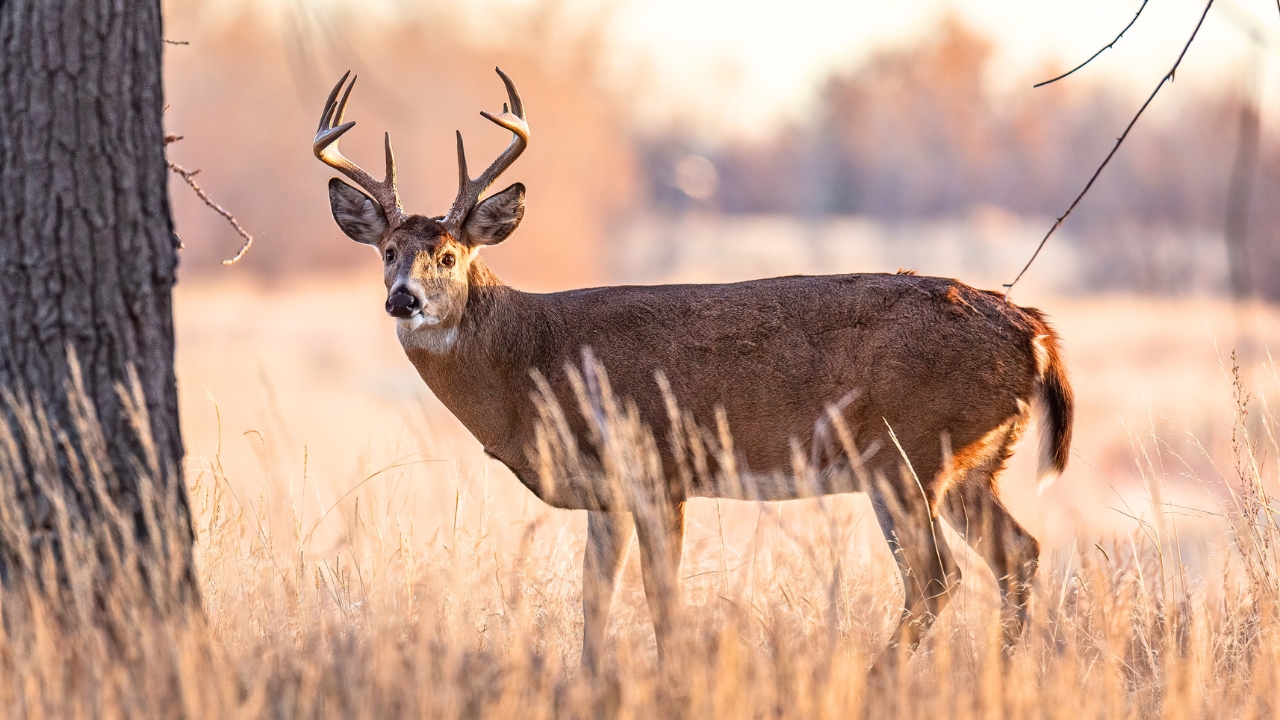
Pennsylvania is another place outsiders love to dismiss because of pressure or tradition. The truth is, it produces plenty of deer and some very respectable bucks—especially for hunters who can handle mountain terrain and long sits. It’s not always easy, but it’s real hunting.
Big woods hunting can mess with your head if you’re used to seeing deer every evening in farm country. You might hunt hard and see nothing, then get a five-minute window that makes your whole season. Keep your confidence up, hunt fresh sign, and don’t overcall your shots on where deer “should be.”
20. New York (especially for the hunter who wants options)
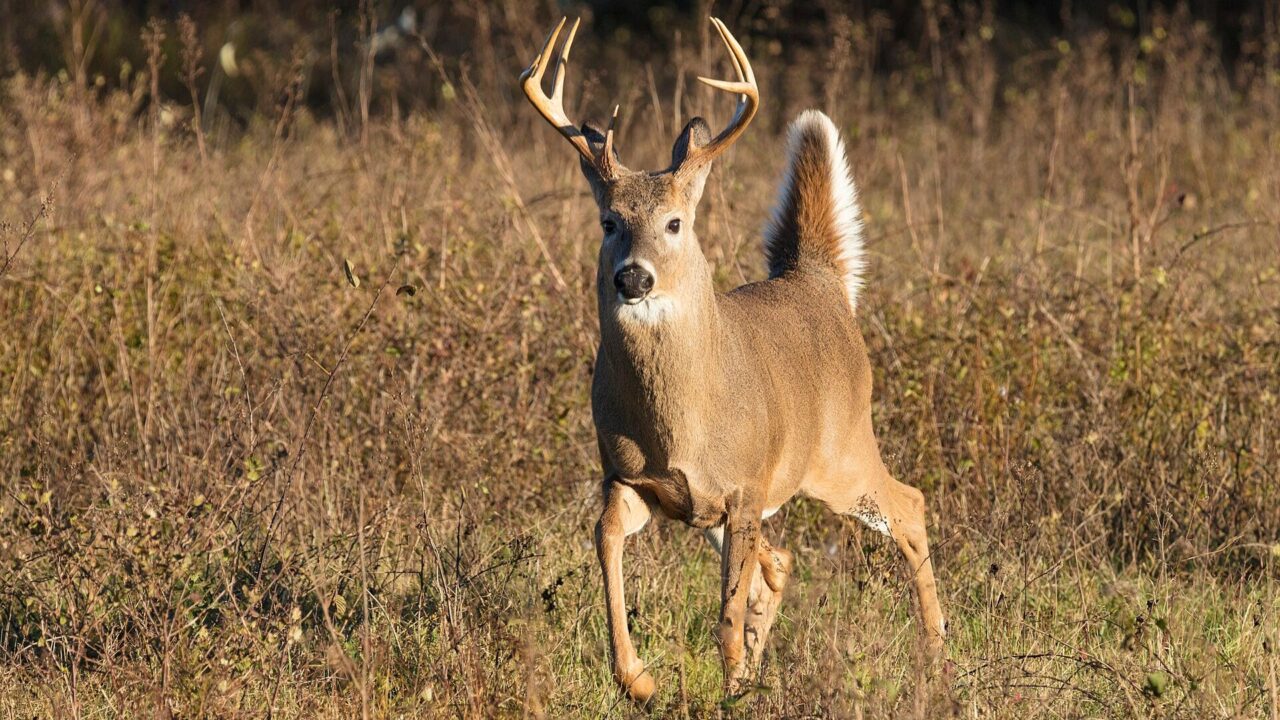
New York doesn’t get talked about like a destination, but it quietly gives hunters a lot to work with: different regions, different habitat types, and a lot of hardworking hunters who consistently tag deer. There are places with real potential if you’re willing to get away from the easiest access and the most crowded weekends.
Also, New York will reward the guy who can handle quick changes—weather swings, pressure swings, and shifting food sources. You don’t need a perfect plan. You need a plan you can change without panicking.
The famous states will always be there, and some of them are absolutely worth the trip if you can swing it. But if your goal is better odds, less circus, and hunts you can actually repeat year after year, look harder at the “quiet producers.” Pick one, learn it, respect the land and the people, and hunt like you mean it. That’s where the results usually start.
Like The Avid Outdoorsman’s content? Be sure to follow us.
Here’s more from us: