Photo credit: TFB TV/YouTube
A lot of collectible guns did not start life as collectibles. They were deer rifles, truck guns, police revolvers, farm shotguns, and surplus pistols that owners expected to scratch, refinish, drill, or modify whenever the mood struck.
That gets harder to justify once clean originals start disappearing. A gun does not need to be exceptionally rare before condition begins carrying serious value. Sometimes the biggest mistake is treating a nice original example like an ordinary shooter simply because that is how everyone treated them 30 years ago. These 20 guns are reaching the point where I would think twice before cutting stocks, drilling receivers, refinishing metal, or beating them through another decade of hard use.
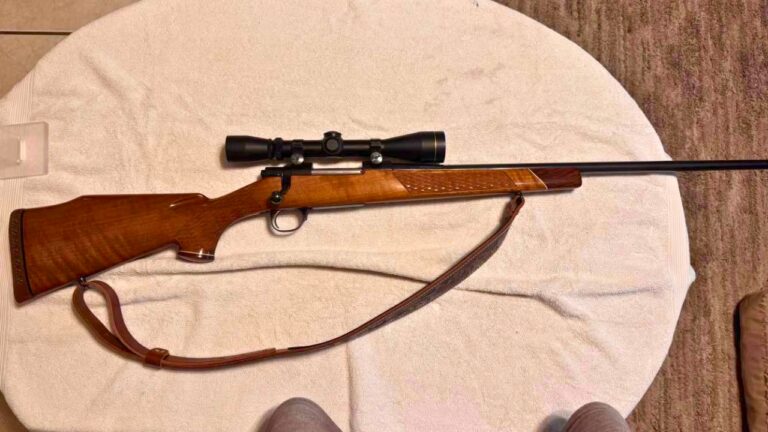
Remington Model 720
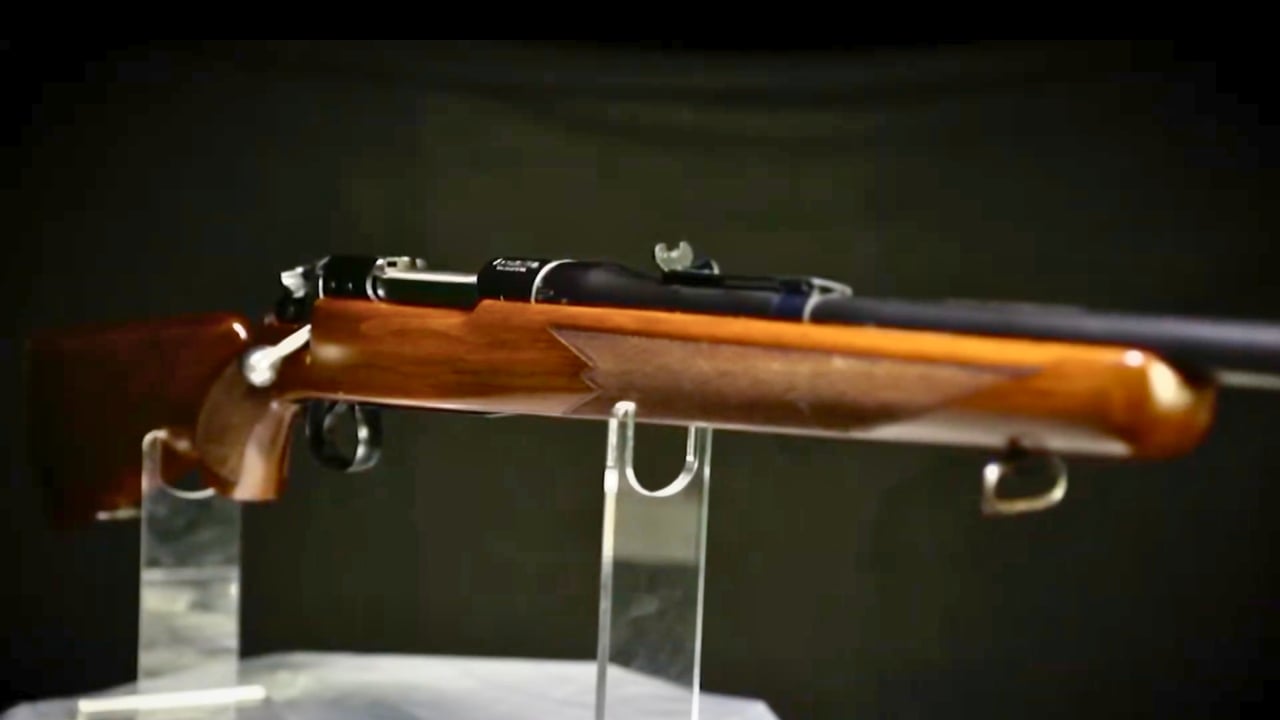
The Model 720 can look like just another old Remington bolt gun until you realize how much less common it is than the rifles that followed it. It came from the period between the Model 30 and the later 721/722 family and never enjoyed anything close to Model 700 production numbers.
That makes surviving original rifles worth protecting. Hunting rifles are particularly vulnerable because previous owners commonly drilled them for different mounts, shortened stocks, replaced sights, and refinished worn metal. A clean 720 that avoided all of that has become something I would treat far differently than an ordinary old deer rifle.
Winchester Model 54
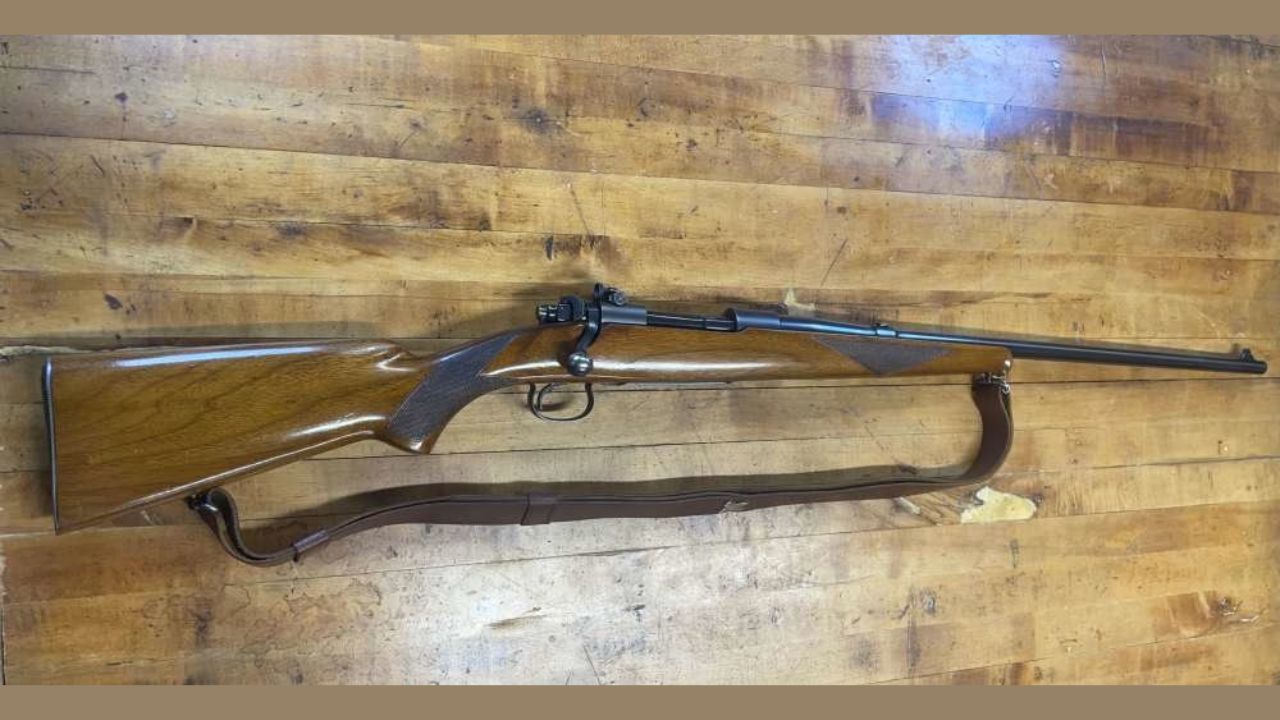
The Model 54 is easy to view merely as the rifle Winchester built before the Model 70. That understates its importance.
It helped establish the American bolt-action sporting rifle format that Winchester would later refine, and plenty were used hard because nobody thought of them as historical objects. Original stocks were modified, scopes were installed, and rifles spent decades bouncing around camps and hunting cabins. A clean Model 54 is now far too interesting to casually turn into a project rifle.
Savage Model 340
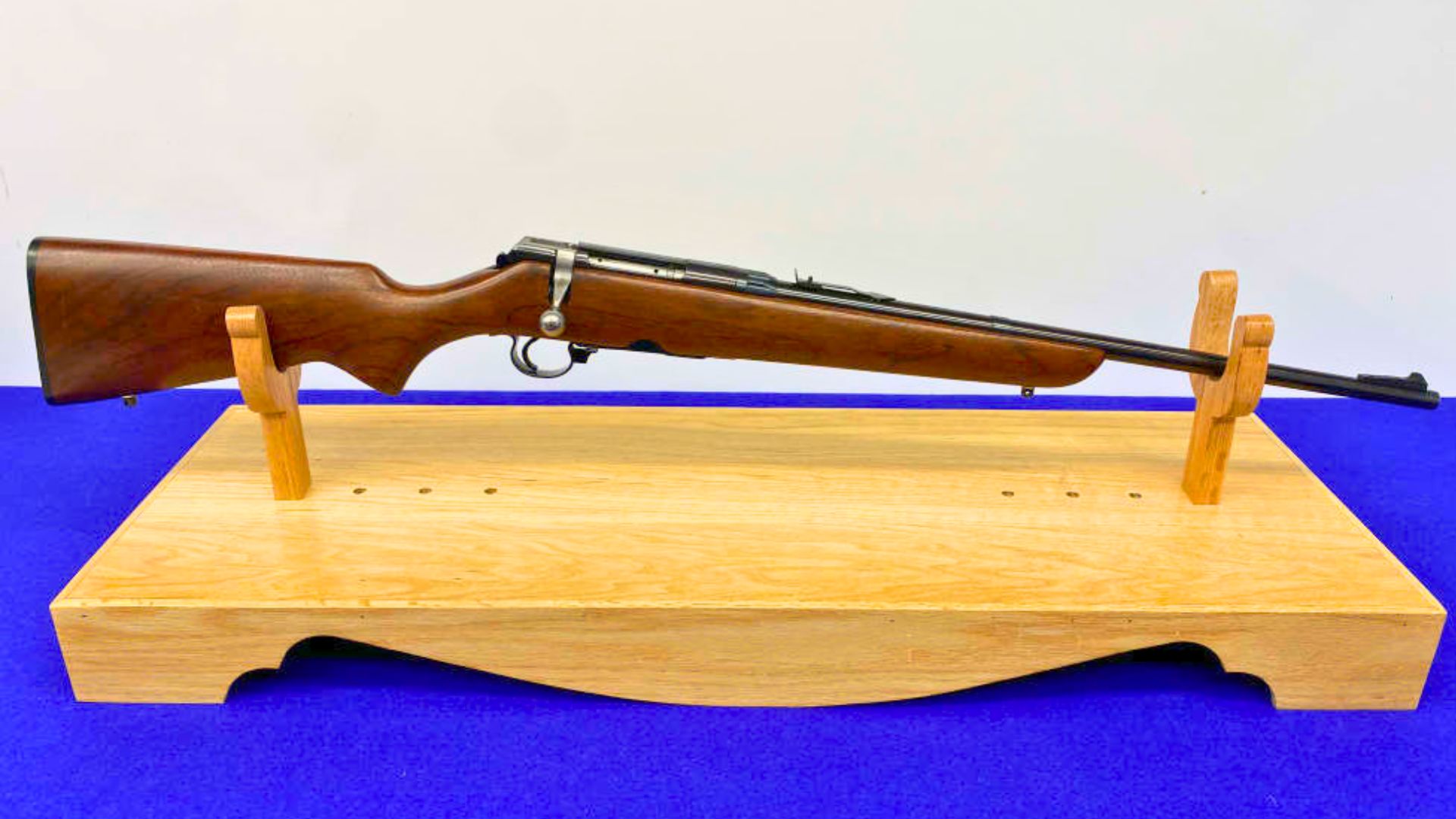
For years, the Model 340 was the definition of an inexpensive utility rifle. It was basic, affordable, and often chambered in practical cartridges such as .30-30 Winchester.
That budget reputation encouraged owners to treat them accordingly. Stocks were refinished, homemade scope mounts appeared, and rifles accumulated decades of truck-gun wear. Nice original examples now have considerably more character than their old price point suggests. I would still shoot one, but I would not start hacking on a clean example the way shooters once did without a second thought.
Remington Model 722

The 722 spent years in the shadow of the Model 700, which made it easy to regard as simply an outdated predecessor.
That is changing as shooters recognize how good these rifles could be. The action was strong, accuracy could be excellent, and certain chamberings have become particularly desirable. Many 722s were converted into custom rifles because the actions were useful, reducing the number that remain in factory configuration. A clean original rifle is becoming something worth preserving rather than cannibalizing.
Winchester Model 69A
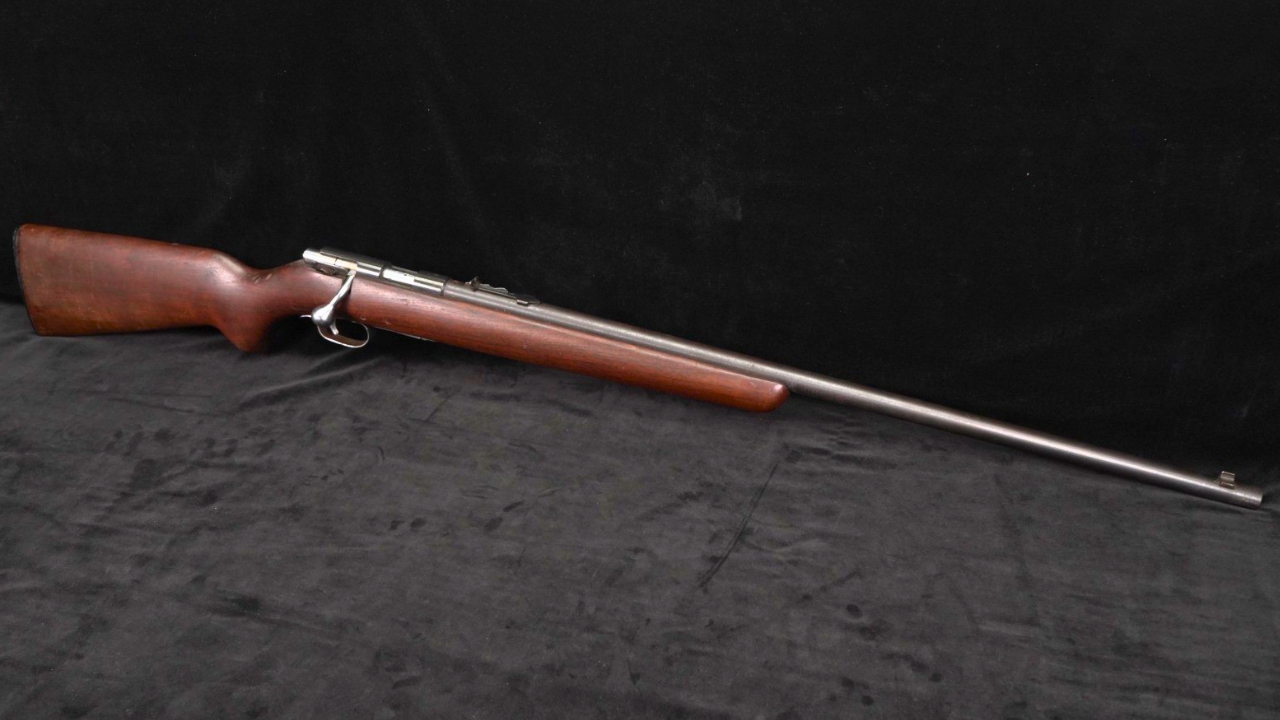
The 69A was once exactly what you expected a bolt-action .22 to be: affordable, useful, and common enough that nobody worried about scratching it.
Generations of small-game hunting and backyard shooting changed that. Plenty survive, but really clean examples with original sights and good wood stand apart. These rifles came from an era when even ordinary rimfires received substantial steel and walnut construction. If I had an unusually nice 69A today, it would no longer be the rifle I tossed behind a truck seat.
Remington Model 550-1
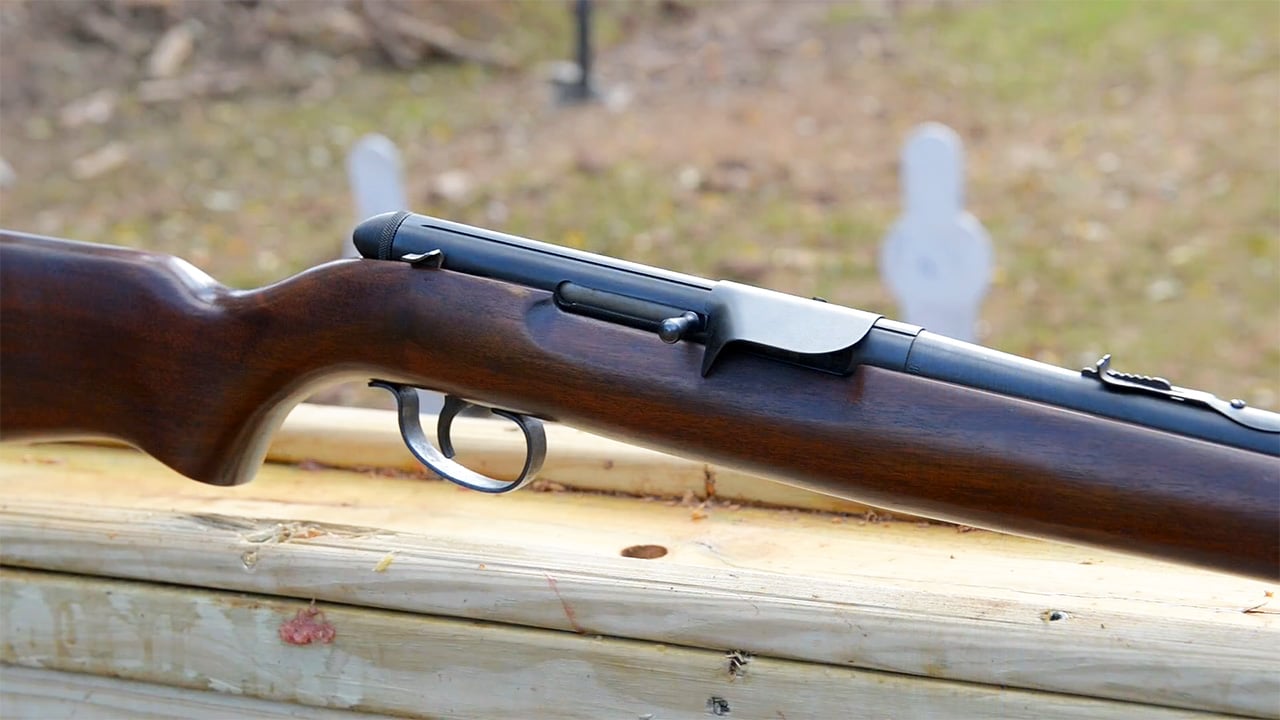
The 550-1 was a practical semiautomatic rimfire that owners used hard because it was never marketed as anything prestigious.
Its ability to handle multiple .22 rimfire cartridges made it particularly useful, and useful guns tend to accumulate wear. Many examples have battered stocks or faded finishes after decades of small-game hunting and informal shooting. A really sharp 550-1 is becoming more interesting because there simply are not endless untouched examples hiding in closets anymore.
Stevens Model 416
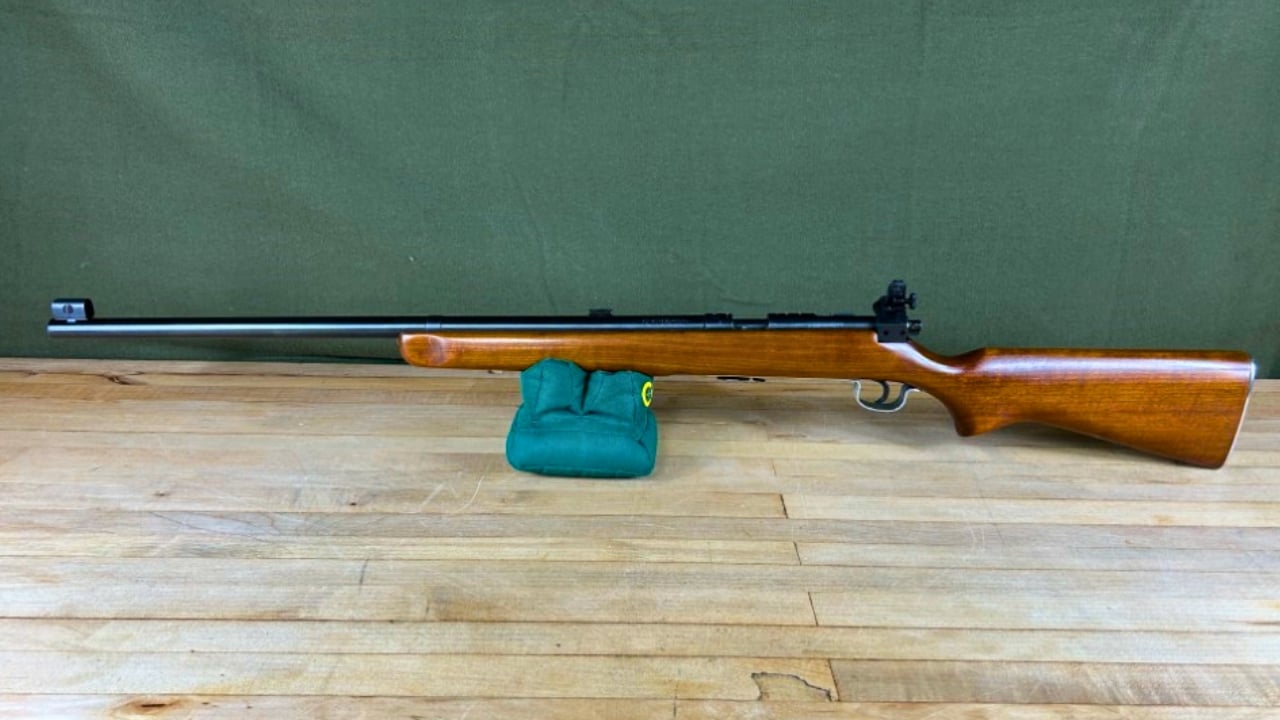
The Stevens 416 was built as a serious target .22, yet for a long time rifles like this could be purchased simply as heavy old rimfires.
That was a bargain while it lasted. Original aperture sights, military-style stocks, and substantial target-rifle construction make complete rifles increasingly appealing. Unfortunately, those same guns were often stripped of sights or altered for recreational use. A complete 416 deserves considerably more respect today than it received when surplus target rifles were cheap.
Mossberg Model 44US
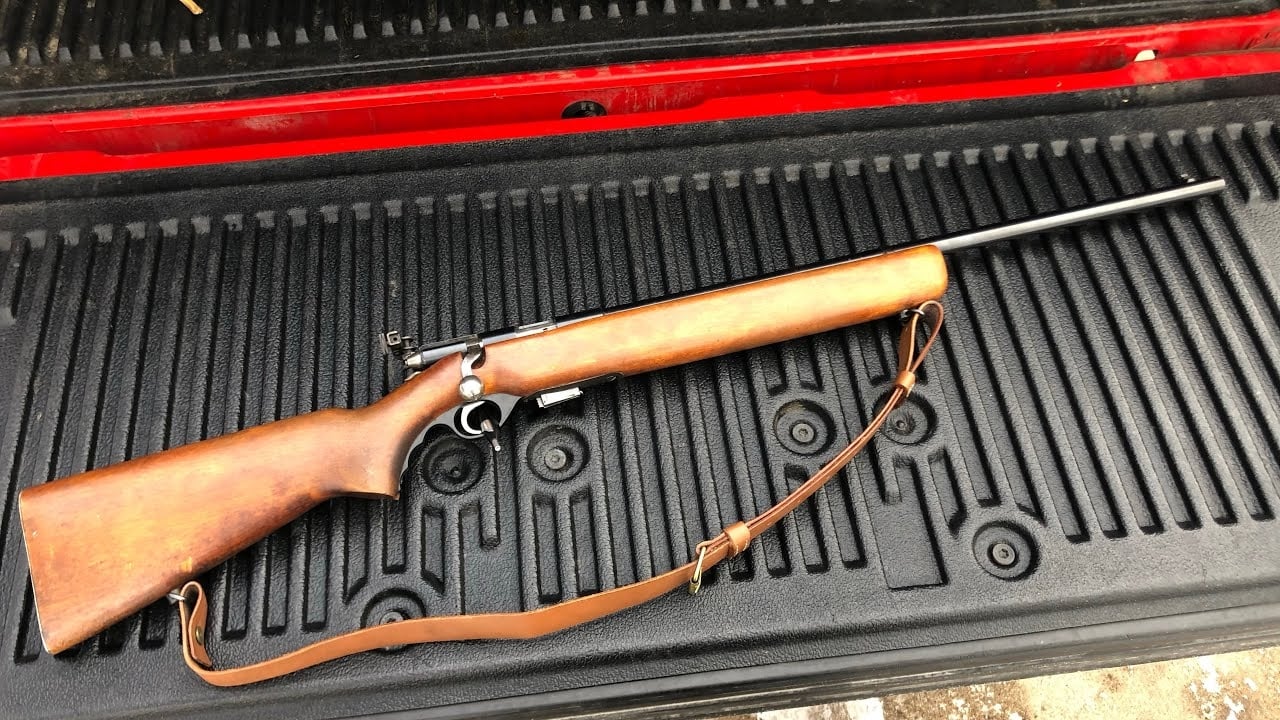
The 44US spent years training shooters rather than impressing collectors. Military contracts and marksmanship programs put these rifles into the hands of people who were expected to use them.
That service history gives them real appeal now. Original sights and accessories matter because so many rifles were separated from their equipment over the decades. A complete 44US that still retains its proper configuration is exactly the sort of rimfire I would stop treating as an expendable range gun. You can always buy another modern .22 to abuse.
Winchester Model 1912 16 Gauge
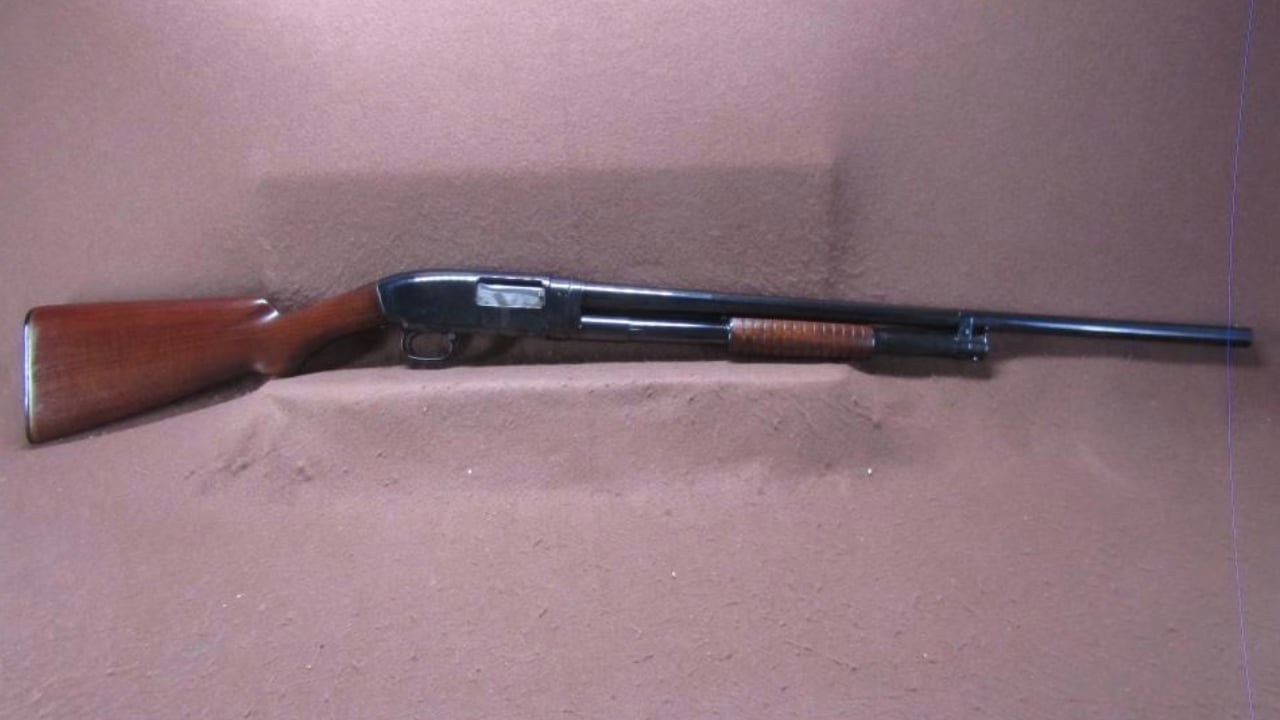
The Model 12 is well known, but the 16-gauge guns deserve special attention because the gauge itself has become much less mainstream.
A clean 16 can be exceptionally lively in the hands, and that is why so many were carried extensively. The problem is that stocks were shortened, recoil pads added, chambers altered, and barrels modified throughout generations of hunting. Original examples are becoming too appealing to subject to the same treatment now. A rough shooter is one thing. A sharp original 16 is something else.
Remington Model 17
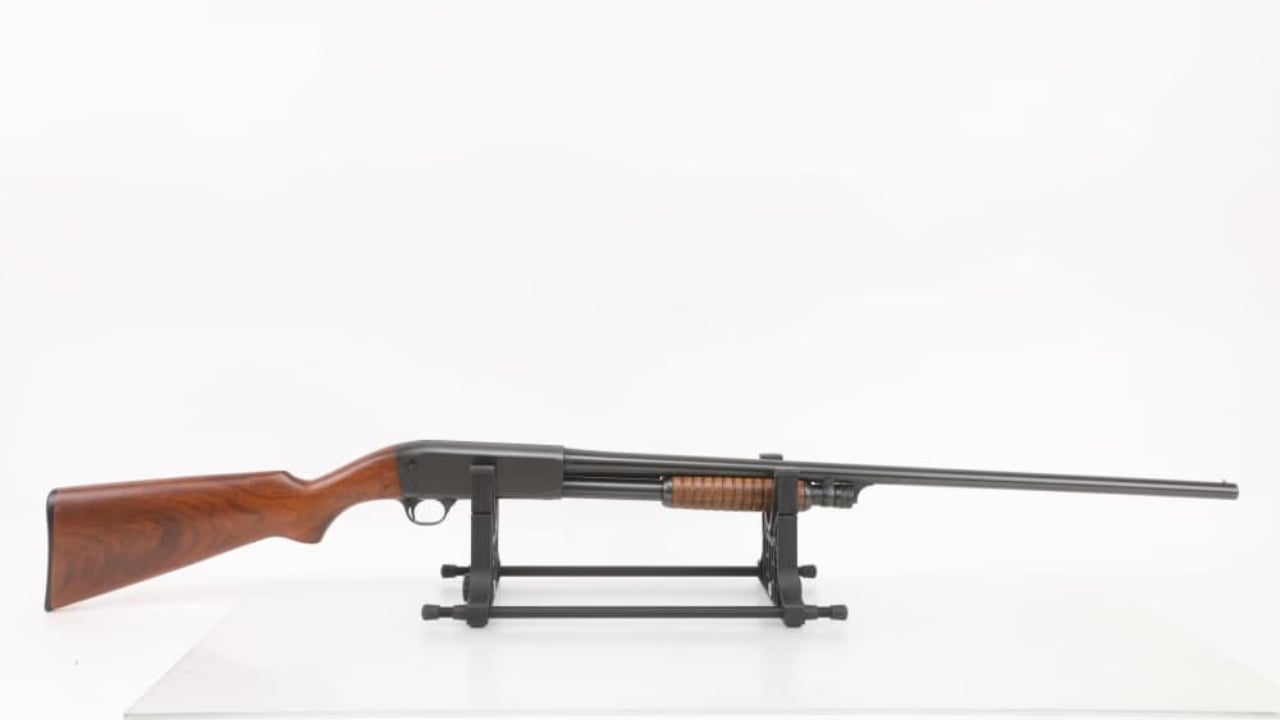
The Model 17 is a compact pump shotgun whose design helped influence later guns, including Ithaca’s Model 37.
For years, it was simply another old 20-gauge pump. That meant owners hunted with them, refinished them, and repaired them without worrying about originality. Today the combination of early Remington production, John Browning and John Pedersen design influence, and relatively limited survival makes clean examples increasingly interesting. I would be very hesitant to alter a nice one now.
Stevens Model 520-30
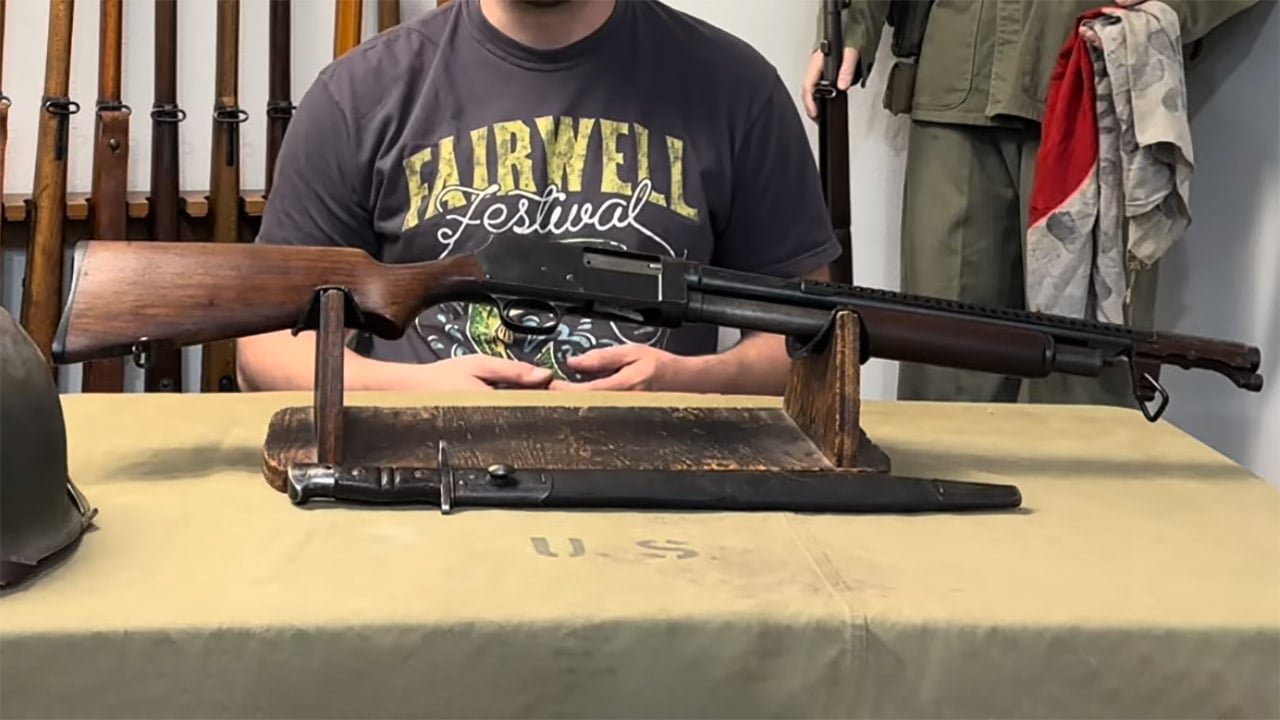
The 520-30 has one of the most recognizable old pump-shotgun receiver shapes, yet it spent decades being treated as inexpensive surplus.
Military-associated examples have gained obvious collector attention, but even ordinary clean guns are worth preserving. These shotguns frequently lived hard lives, and many have been refinished, cut down, or mechanically neglected. Once a distinctive early pump design disappears in original condition, there is no modern equivalent you can buy to replace it.
High Standard Model 10B
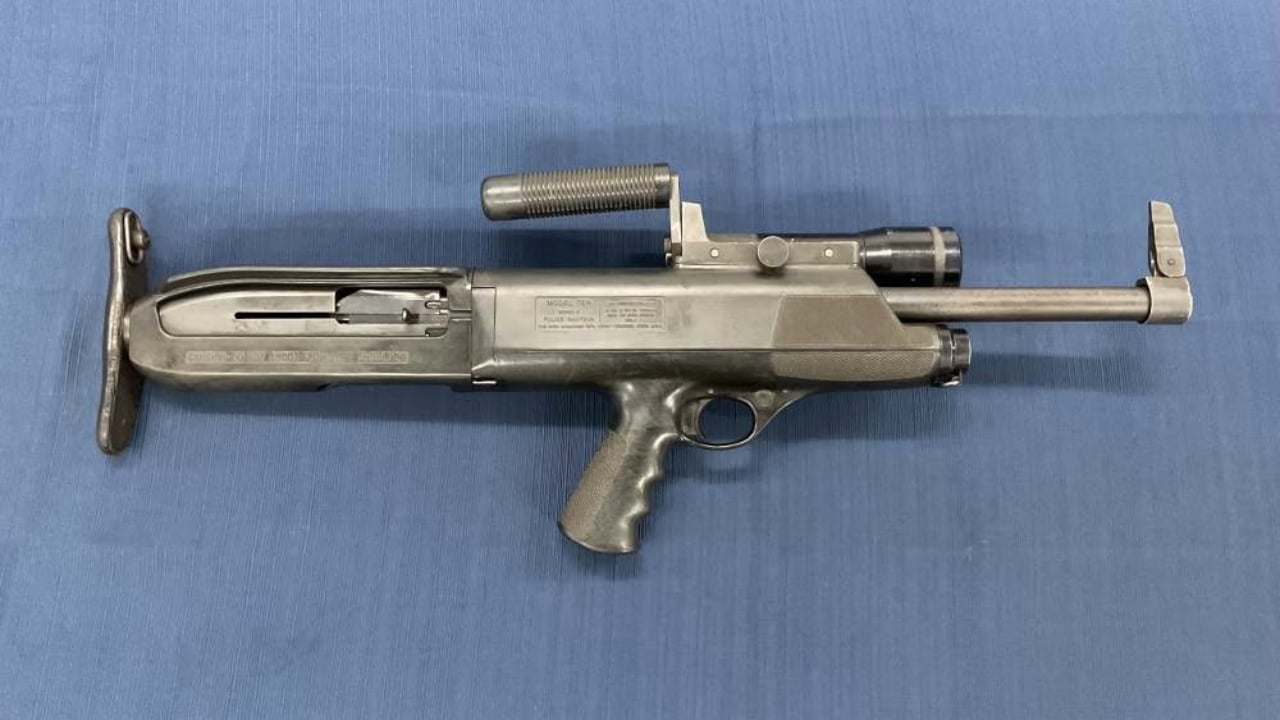
The Model 10B looks like somebody designed a shotgun for a science-fiction movie and then actually put it into production.
That unusual bullpup layout kept it in the novelty category for a long time. Owners sometimes modified them simply because they did not view them as serious collectibles. The design has become much more interesting with age because almost nothing else looks or operates quite the same way. A clean complete example deserves preservation now rather than another round of questionable garage modifications.
Colt New Pocket
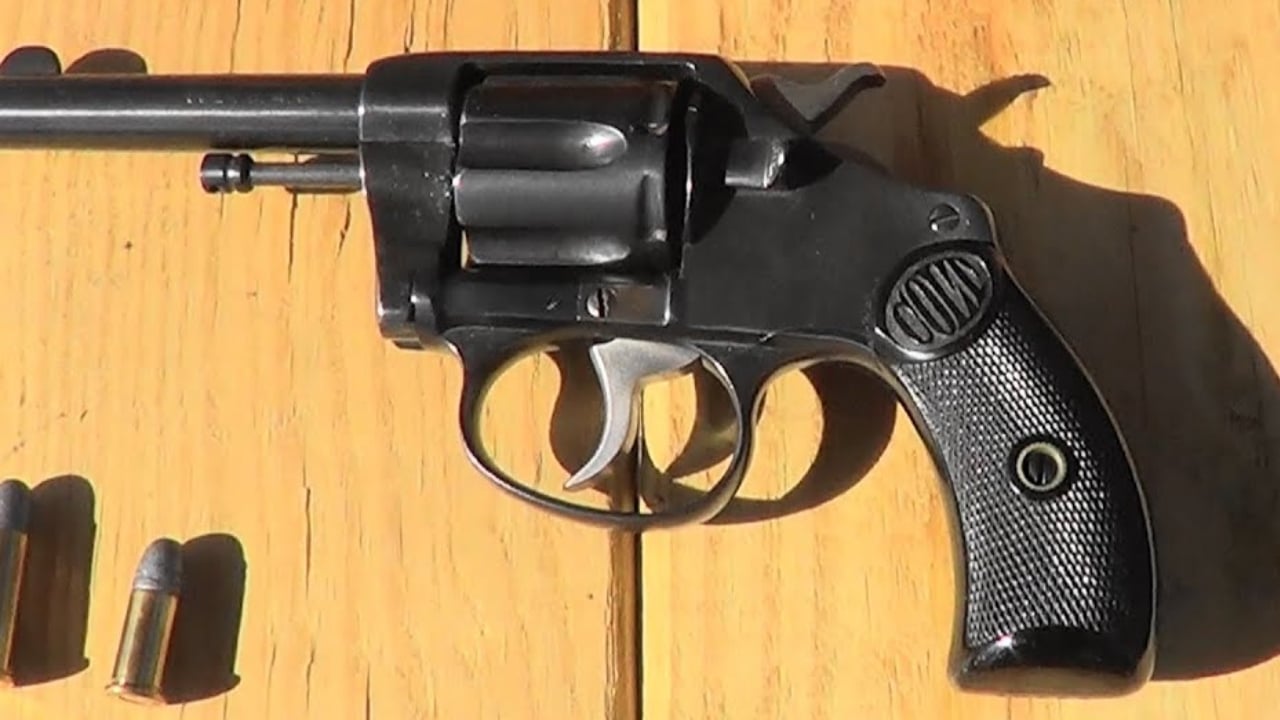
The New Pocket is not one of the Colt revolvers that dominates collector conversations, which allowed many examples to remain relatively affordable for years.
That also meant owners were less hesitant to carry, refinish, or otherwise alter them. Today, early Colt double-action revolvers are being appreciated as an entire family rather than just a few famous models. Strong original finish and correct grips are increasingly important. I would not treat a crisp New Pocket as an anonymous antique revolver anymore.
Smith & Wesson Regulation Police
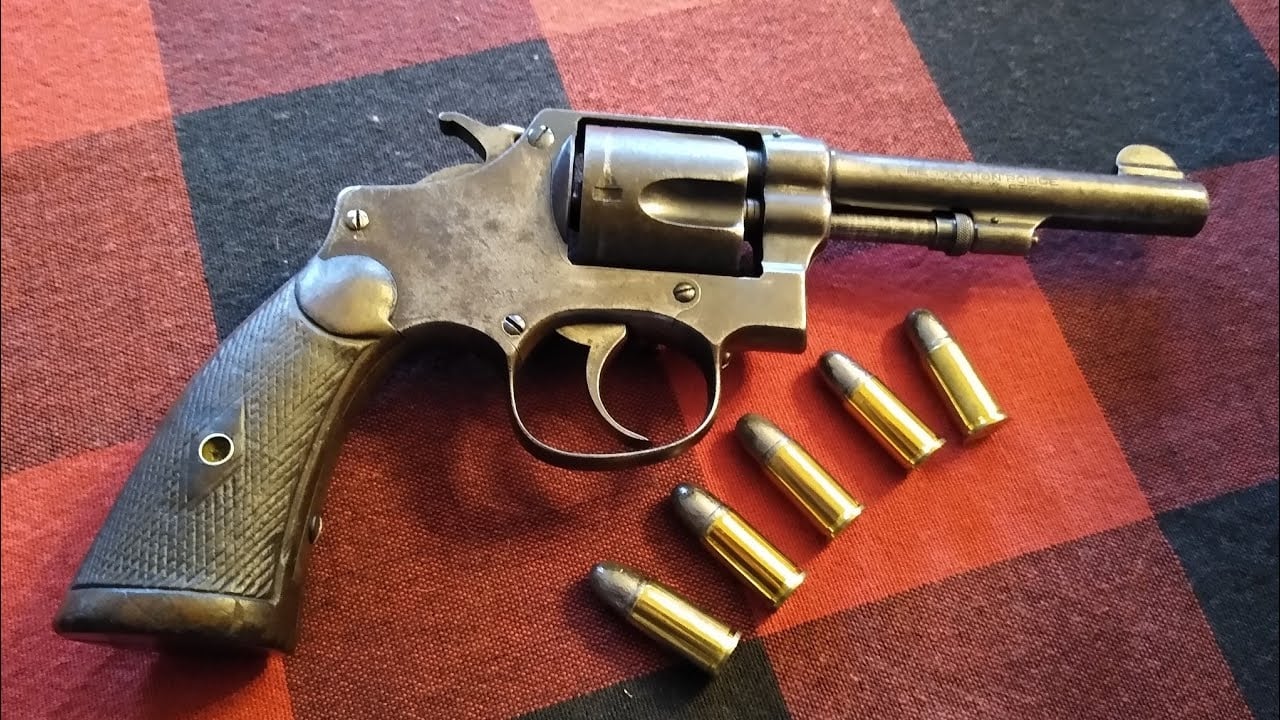
The Regulation Police was a practical small-frame revolver, not an expensive showpiece. It was exactly the kind of handgun that could spend decades in drawers, holsters, and tackle boxes.
Those years created a huge gap between ordinary surviving examples and really nice ones. Original grips and strong finish matter more as collectors start paying closer attention to prewar Smith & Wesson revolvers outside the obvious magnum models. A clean Regulation Police is becoming far too interesting to use as a throwaround woods gun.
Colt Army Special
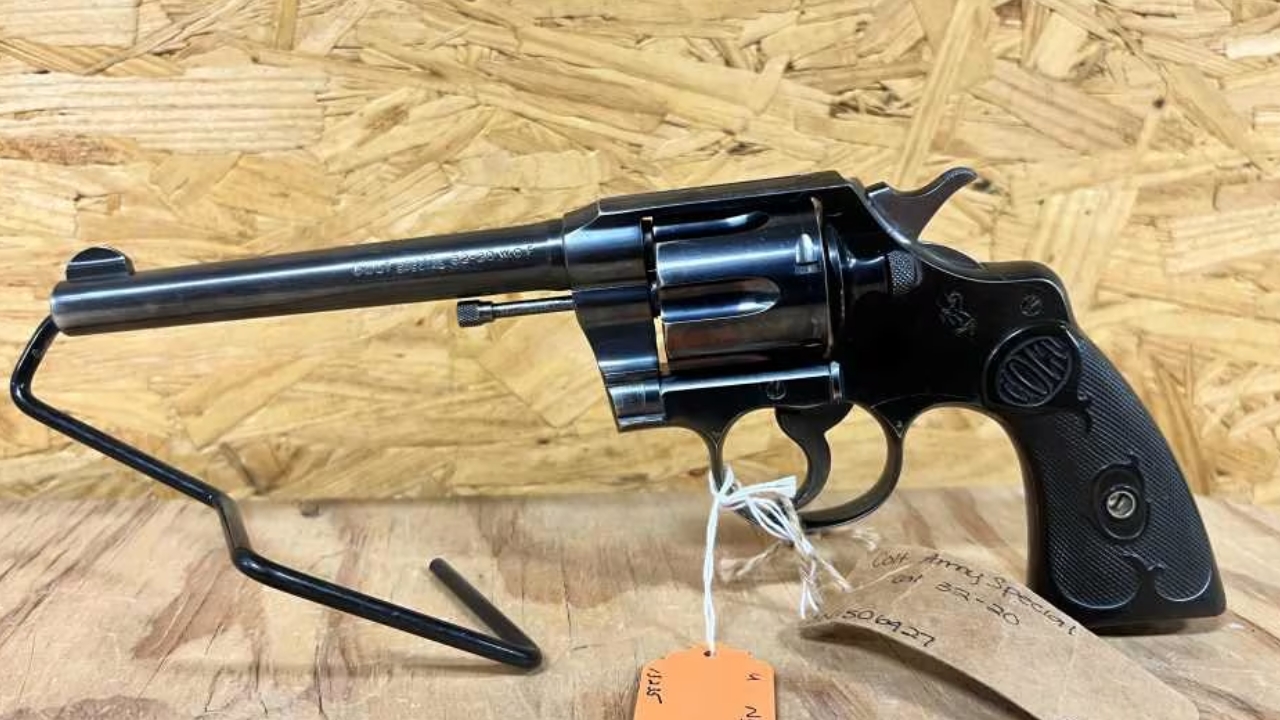
The Army Special eventually led into Colt’s Official Police line, but for years it was mostly viewed as another old medium-frame Colt.
Many were carried and shot hard, which means untouched examples deserve more attention now. Early Colt actions, original finishes, and period-correct grips are increasingly appreciated by collectors who have already been priced out of the famous snake guns. I would shoot a nice Army Special carefully, but I certainly would not refinish one simply because the blue had a few honest marks.
Smith & Wesson Hand Ejector .32-20
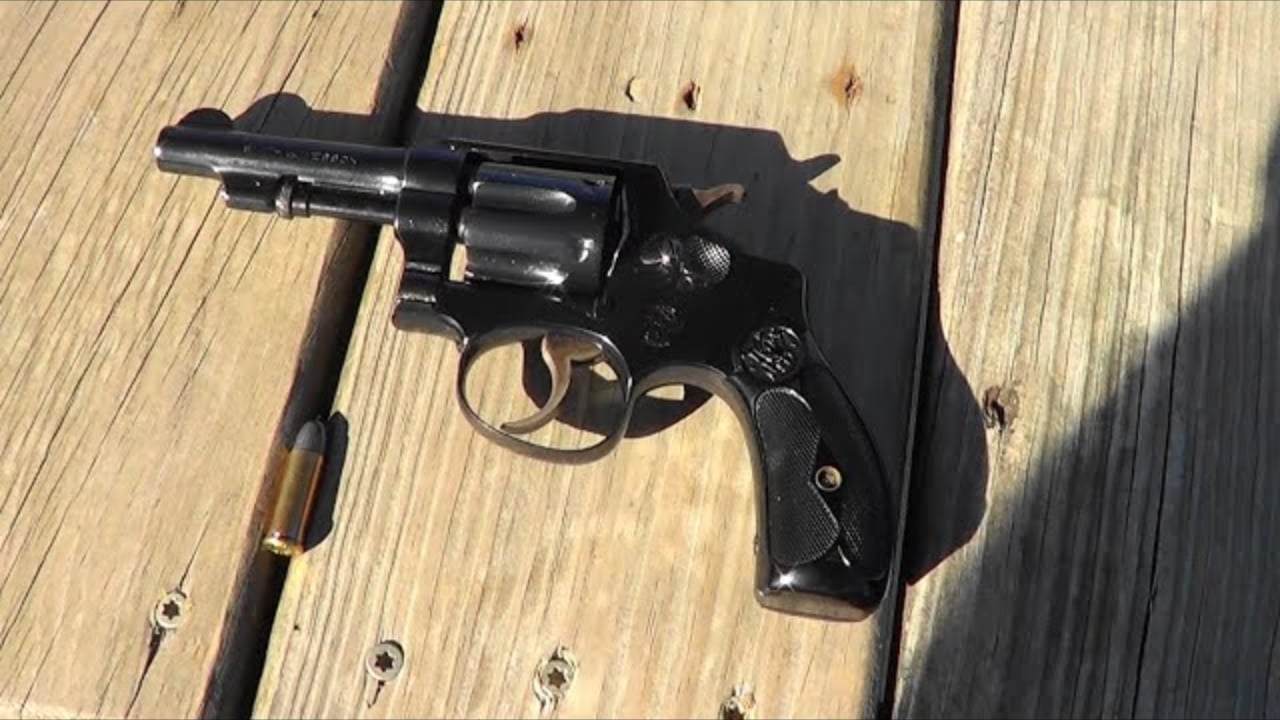
Older Hand Ejectors in .32-20 occupy a fascinating middle ground between antique revolvers and practical early 20th-century shooters.
The chambering is a big part of the appeal because it ties the revolver to an era when rifle-and-handgun cartridge overlap was common. Many were used heavily and subsequently altered or refinished. Original examples have become much more interesting as collectors dig into less obvious Smith chamberings. A clean one is not something I would casually throw into a farm toolbox anymore.
Harrington & Richardson Model 999 Sportsman First Model
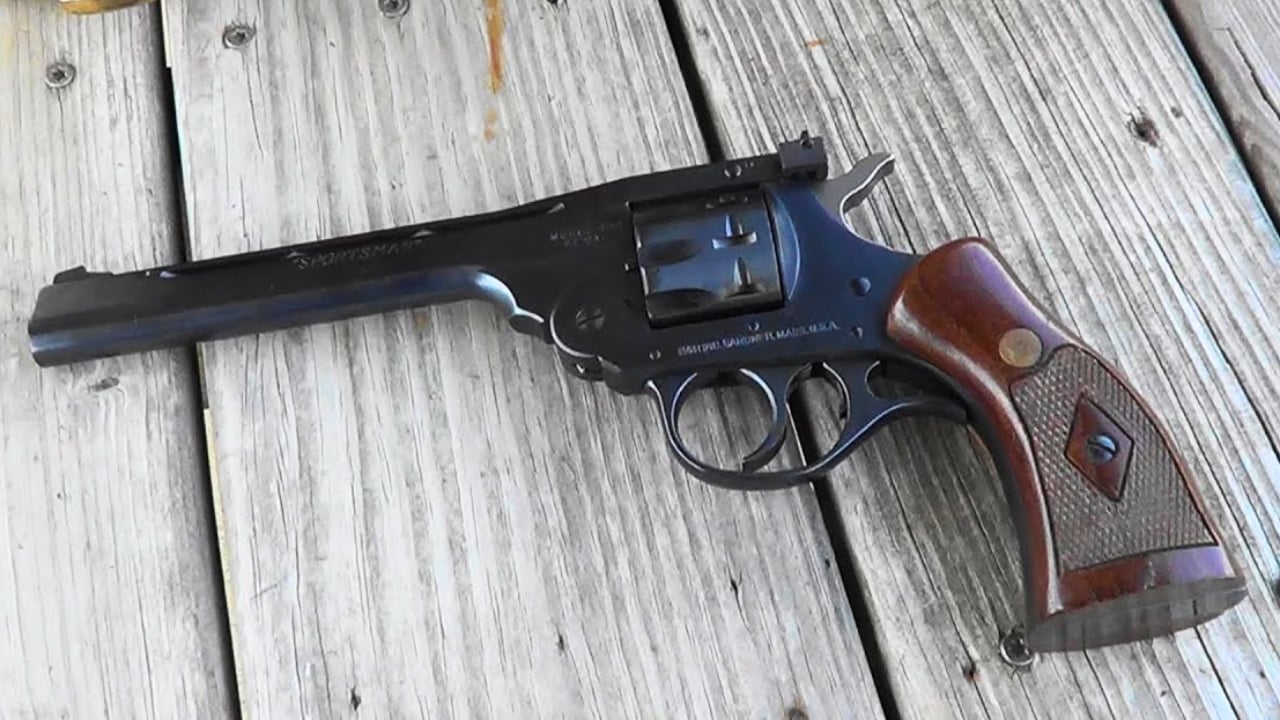
The Sportsman name lasted a long time, but early examples have more collector appeal than the inexpensive H&R reputation might lead you to expect.
Top-break .22 revolvers were built to be used, and owners frequently fired enormous quantities of ammunition through them. That means clean early guns with proper grips and finish have become increasingly distinctive. The temptation is to treat every H&R like a cheap plinker. I would not make that assumption with an exceptionally nice early Sportsman.
Colt Model 1909 New Service
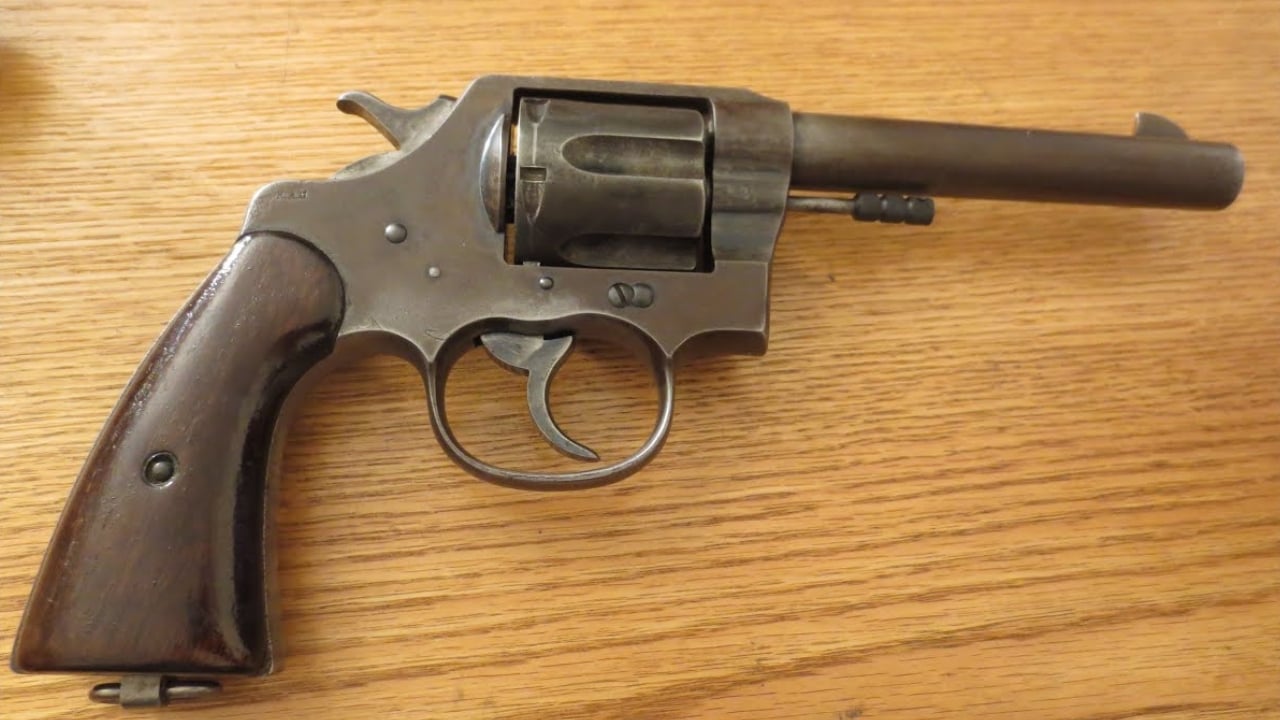
The Model 1909 is closely tied to an important transitional period in American military handgun history before the 1911 took over.
For decades, however, many New Service revolvers were simply big old Colts. That led to refinishing, barrel changes, and all kinds of modifications. Correct military-associated examples now deserve much more careful treatment. Even if a gun is not an exceptionally rare variation, removing original character from an intact 1909 is becoming increasingly difficult to justify.
Webley Mk IV .38
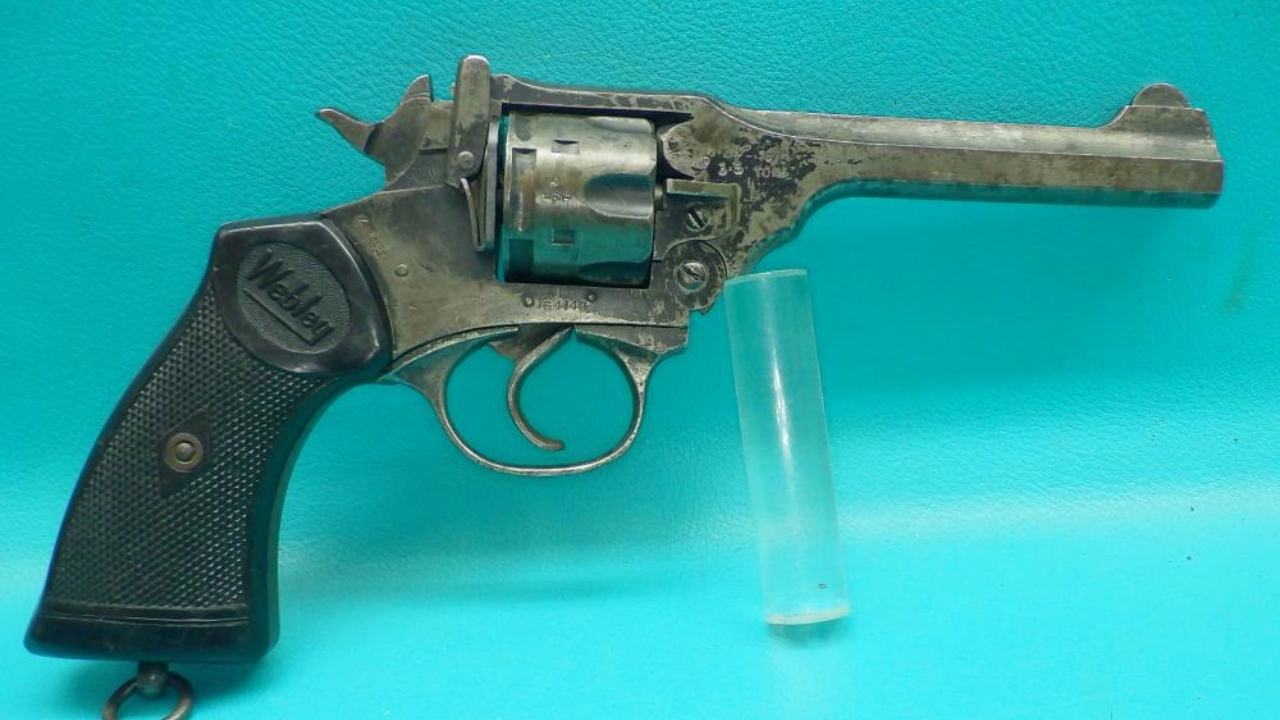
The .38-caliber Webley was once a relatively inexpensive way to own a British military-style top-break revolver.
Surplus availability made them feel common, and many shooters treated them accordingly. Import markings, finish wear, and decades of handling are normal, but unusually clean original guns are beginning to stand out. The supply of surplus Webleys is not replenishing itself. If I had a particularly sharp example today, I would find another revolver for rough field use.
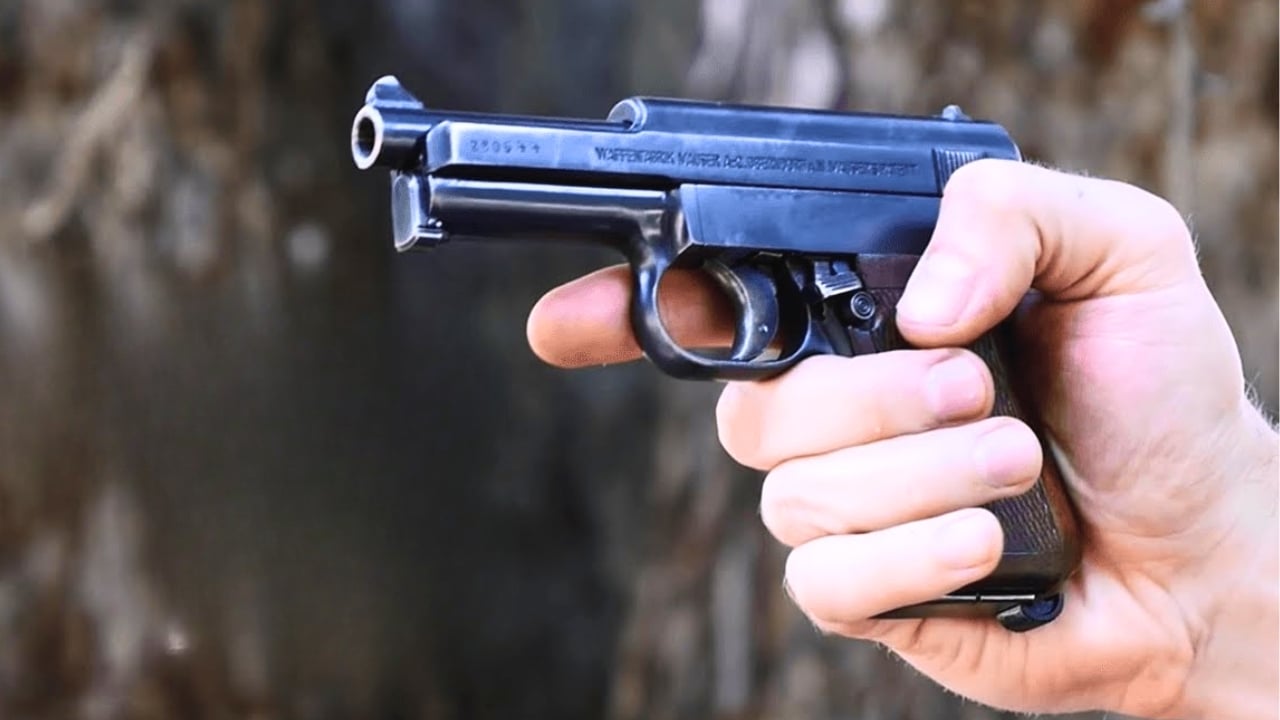
Mauser Model 1914

The Model 1914 spent much of its life overshadowed by more famous German military pistols. For a long time that made it an affordable historical semiautomatic rather than a major collector piece.
That affordability encouraged shooting and casual handling, which gradually reduced the pool of high-condition guns. The pistol’s distinctive machining, military and police associations, and early semiautomatic design make original examples more interesting every year. A worn shooter can still be enjoyed freely. A crisp original Model 1914 is becoming a gun I would preserve rather than treat like an inexpensive surplus pistol.
Like The Avid Outdoorsman’s content? Subscribe to our newsletter so you never miss an article.
Here’s more from us: