Photo credit: Honest Outlaw/Youtube
Every deer season there’s a guy who drags a rifle out of the back of the closet like he’s digging up a time capsule. The sling is stiff, the scope is dusty, and there’s an old box of ammo with a half-torn flap that somehow followed the gun through three moves. You wipe it down, run a couple patches, and head to the range half-expecting problems.
Then the first group lands right where it always did. Not because the rifle is magical, but because some designs are just honest. They don’t need constant tinkering, they don’t depend on proprietary everything, and they were built back when “good enough” still meant “it’ll work when you need it.” Here are 20 rifles that can sit a decade and still come up shooting true if they were stored halfway decent and you do your part before you hunt with them.
1. Remington 700 (BDL/ADL-era)
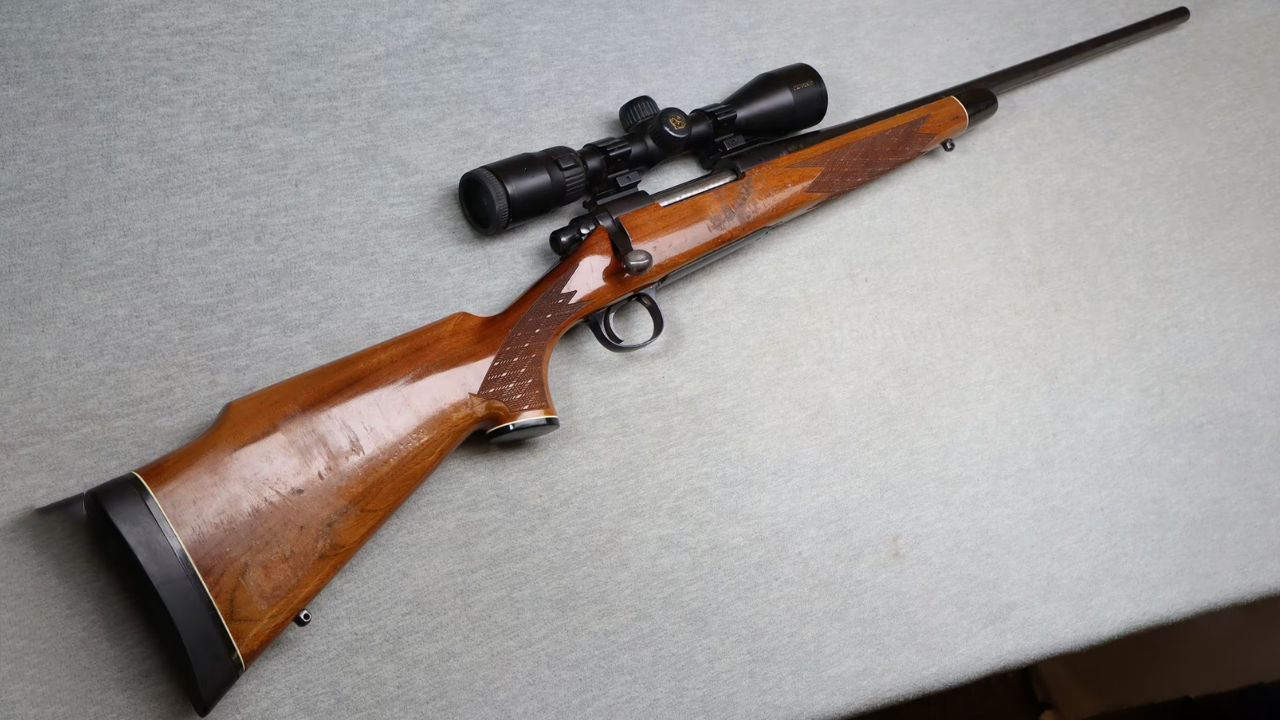
The old 700 isn’t a mystery. It’s a simple push-feed bolt gun with an action that’s been the starting point for more hunting rigs and custom builds than most folks realize. Pull it out after years, and the bolt still feels like a bolt, not a drawer full of gravel.
The big reason it keeps shooting is parts and support. Triggers, stocks, bases, and magazines are everywhere, and any decent gunsmith can make one behave. Just don’t get lazy about checking scope base screws and ring tension, because that’s usually where “my rifle lost its zero” really comes from.
2. Winchester Model 70 (pre-’64 and Classic controlled-round feed)
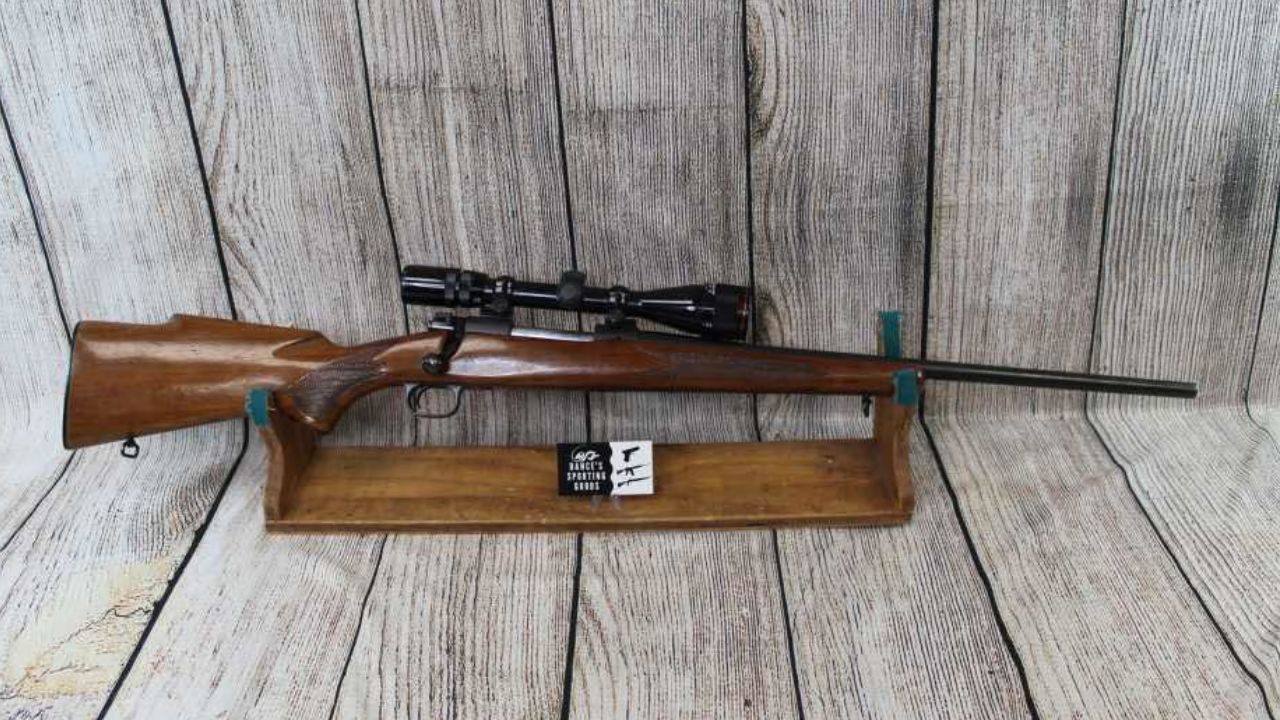
If you’ve ever carried a Model 70 up a ridge, you remember how it balances. It points like a hunting rifle is supposed to point, and the safety is still one of my favorites for a cold, gloved hand. Ten years in a closet doesn’t change that.
The controlled-round feed versions are boring in the best way. They feed when dusty, they extract when things get sticky, and they don’t need pampering. A Model 70 that was sighted in right and stored dry usually comes back like it never left.
3. Ruger M77 Mark II
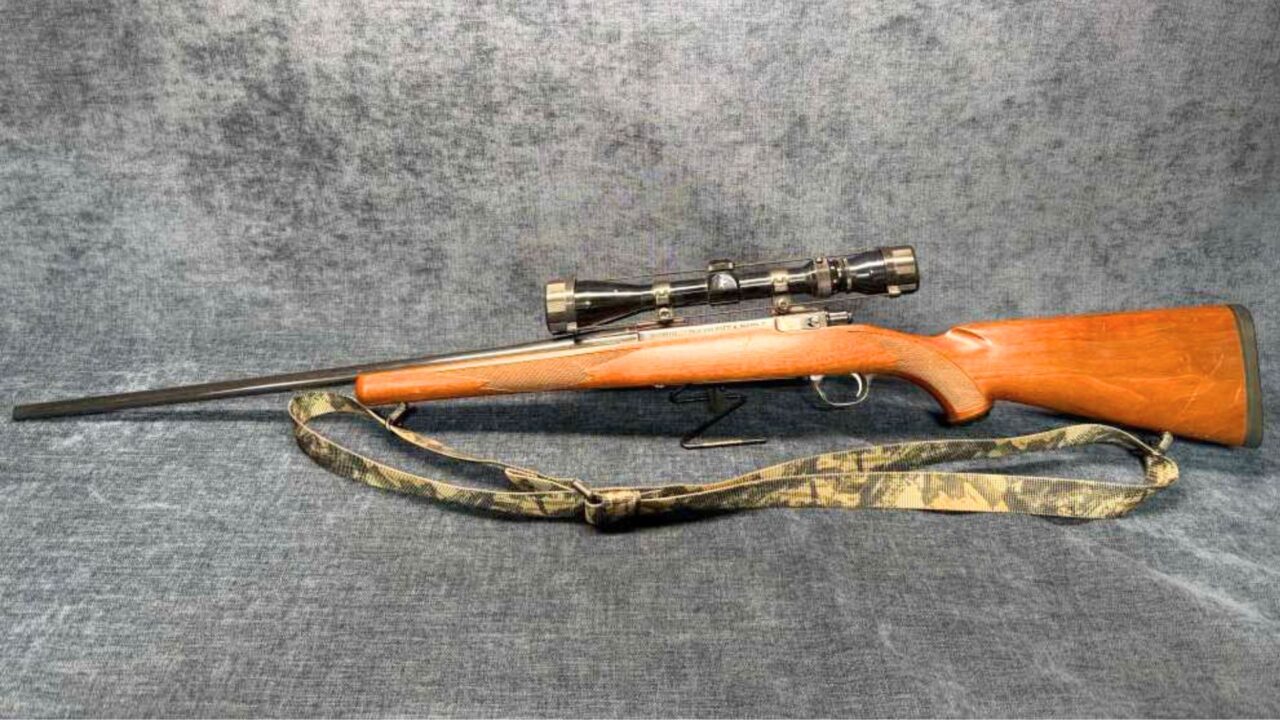
Ruger built these like they expected you to use them, not baby them. The M77 Mark II has that rugged, slightly overbuilt feel, and the integral scope ring setup eliminates a bunch of little problems other rifles can have.
Are they always the slickest bolt throw? No. But they tend to be consistent rifles, and consistency is what keeps point of impact from wandering. If you’ve got one in .270, .30-06, or .308, there’s a reason it still earns a spot.
4. Savage 110 (older long-action classics)

Call it ugly if you want. The older Savage 110s weren’t winning beauty contests, but they flat-out shoot. Pull one out after a long sit and it’s not unusual to see it stack bullets better than rifles that cost twice as much today.
The barrel nut system and the way Savage did headspace has always been part of the “they just work” story. What I watch for on these is stock fit and action screw torque, especially on the cheaper synthetic stocks. Get that right and they’ll keep doing their thing.
5. Tikka T3 (and T3x)
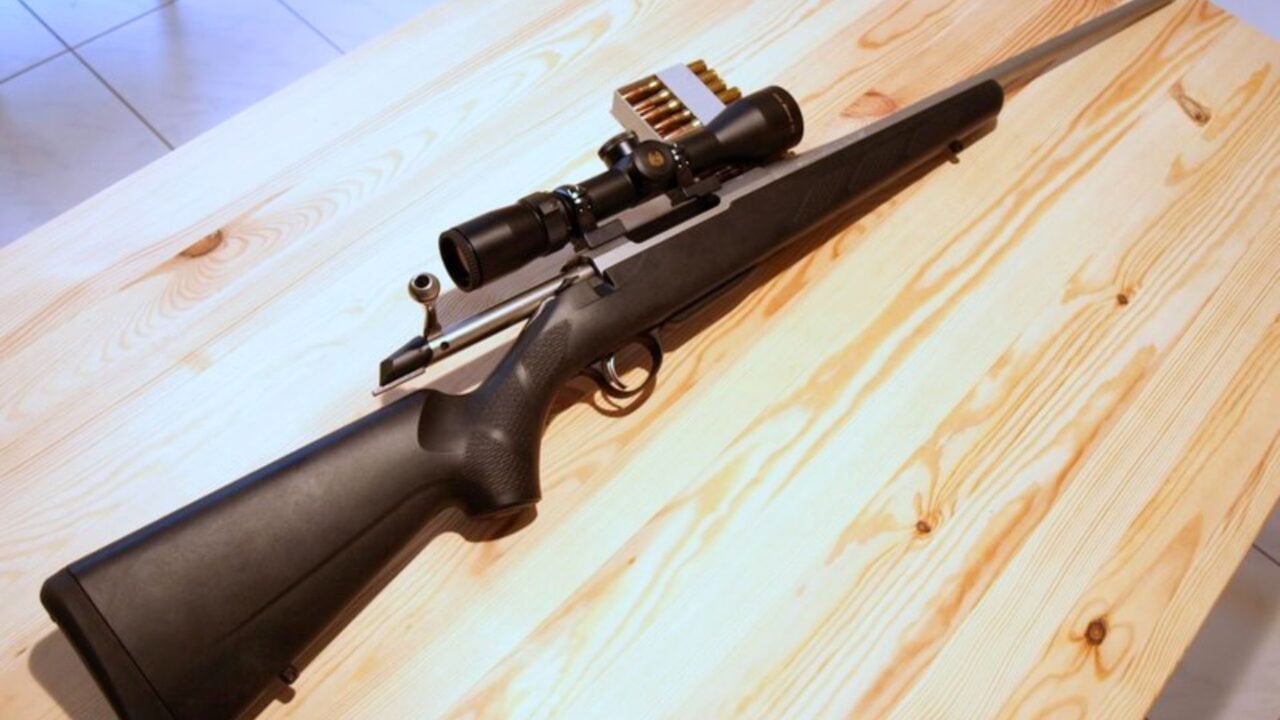
If you want a rifle that still feels “new” after years, the Tikka is the one. The bolt is smooth, magazines usually behave, and the factory barrels have a reputation for being easy to live with.
The only downside is they’re almost too easy to like, which leads to guys buying one, then another, then selling the older workhorse. That one hurts. A T3 that’s been sitting tends to come right back with a quick wipe-down and a confirmation group.
6. Browning A-Bolt
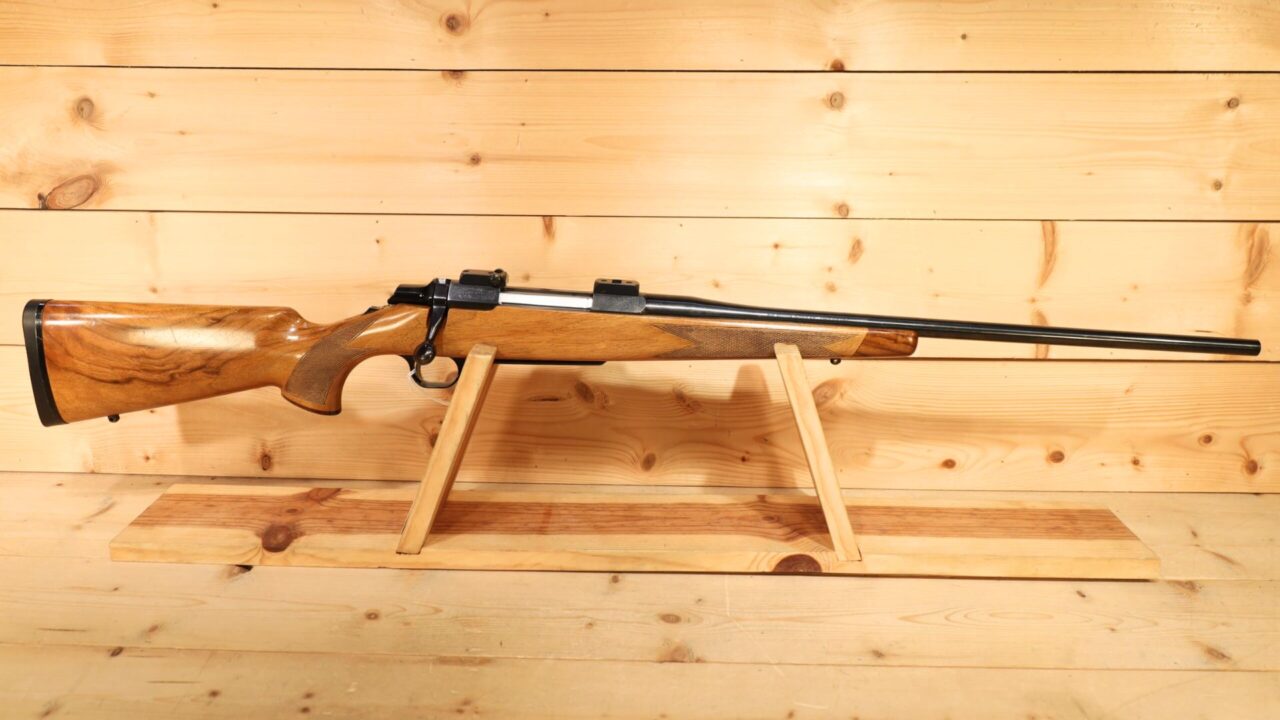
A-Bolts are one of those rifles you forget about until you shoulder one again. They carry light, the bolt throw is short, and the whole package feels more refined than the average “truck gun.”
They also tend to keep their accuracy if the bedding and scope setup were done right. The detachable magazine system is the only hang-up—lose it and your day gets complicated. Keep the mag with the rifle and you’re usually in business.
7. Weatherby Vanguard (Howa-built)
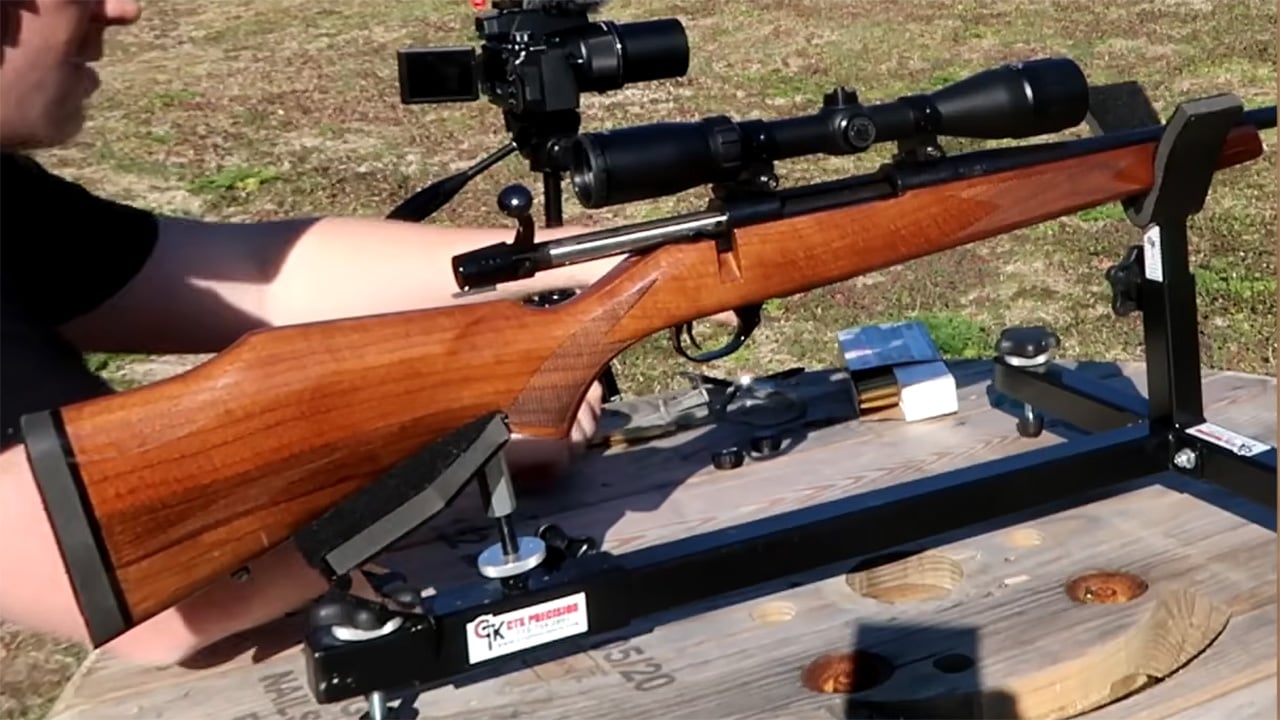
The Vanguard is a working man’s rifle that doesn’t ask for attention. The action is strong, the barrels are typically solid, and they don’t seem to care much about being ignored.
What you get after a long break is a rifle that still groups like it used to, especially in common cartridges. They aren’t the lightest rifles on the mountain, but they’re steady on sticks and steady from a rest. There is nothing fancy about it, and that is kind of the point.
8. Howa 1500

The Howa 1500 doesn’t get the bragging rights it deserves. It’s a straightforward action, usually paired with decent barrels, and it has a reputation for feeding and extracting without drama.
Pull one out of storage and it’s not fragile. The most common issue I see is just old oil turning tacky in the bolt body or trigger area. Clean it like you mean it, and it’ll shoot like a rifle that was built to last.
9. CZ 527 (in .223 Rem or 7.62×39)

The little CZ 527 is one of those rifles you don’t appreciate until you can’t find one. Light, handy, and more accurate than it needs to be, especially for a rifle that spends a lot of time riding in ranch trucks.
After a decade, the set trigger (if yours has it) usually still breaks clean, and the controlled-round feed keeps things smooth. The only real complaint is the magazine sticking out and snagging, but that’s not a “won’t shoot” problem. It’s just life.
10. Marlin Model 336

A 336 in .30-30 is the rifle equivalent of an old pair of work boots. It might look worn, but it still fits. If it was stored with a light coat of oil and not left in a damp case, it’ll cycle and shoot like it always did.
Lever guns don’t always hold zero if the scope setup is sloppy, so check mounts and the condition of the screws. With iron sights, it’s even simpler. A quick function check, a few rounds to confirm, and it’s back in the woods.
11. Winchester Model 94

Model 94s have been riding behind truck seats and hanging in cabins forever. They’re not target rifles, but that’s not why they exist. They exist to put venison on the pole inside 150 yards without making you think too hard.
Bring one back after a long nap and it’ll usually do exactly that. The key is making sure the bore isn’t pitted and the crown hasn’t been abused. A decent 94 with good ammo still prints plenty tight for whitetails.
12. Ruger 10/22
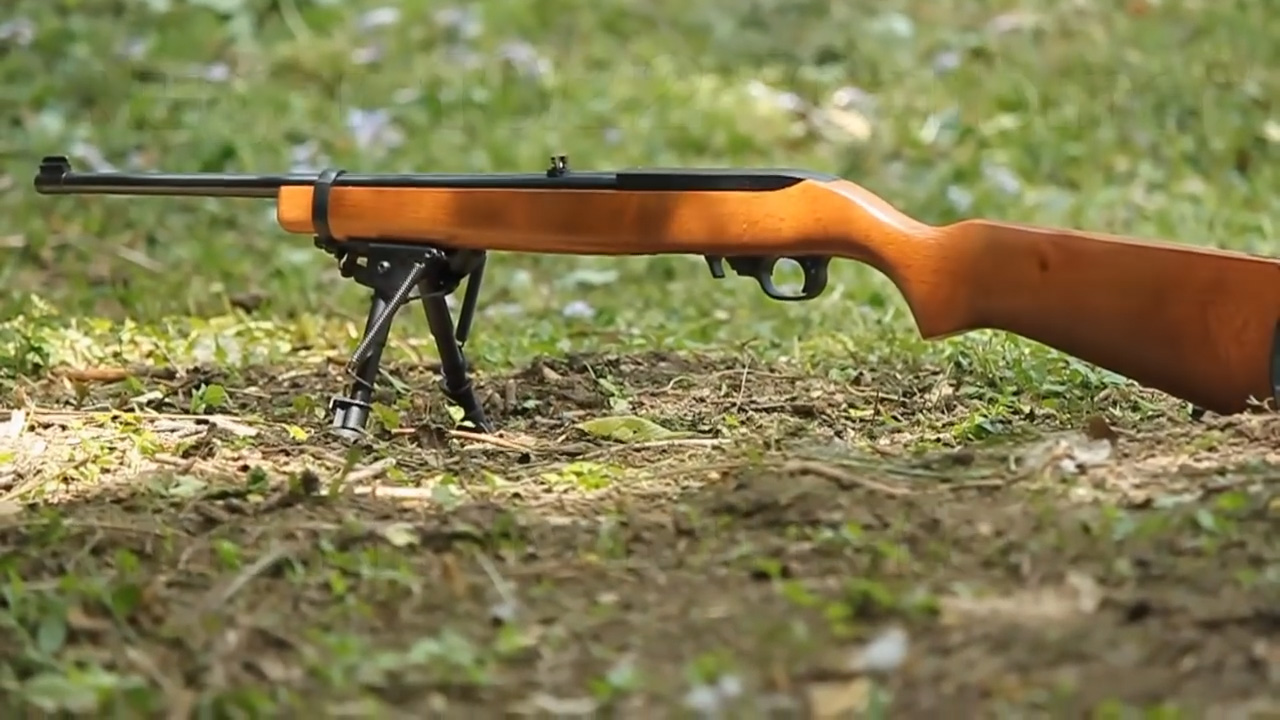
If there’s a rifle that refuses to die, it’s the 10/22. They run dirty, they run dry-ish, and they run for kids, grown-ups, and everyone in between. Leave it alone for years, and it still tends to cycle like it’s annoyed you ever doubted it.
The one weak link is magazines. Stick with Ruger rotary mags and keep the bargain bin stuff for range experiments. A fresh battery in the optic, a quick bore snake, and you’re back to popping squirrels and ringing steel.
13. Marlin Model 60
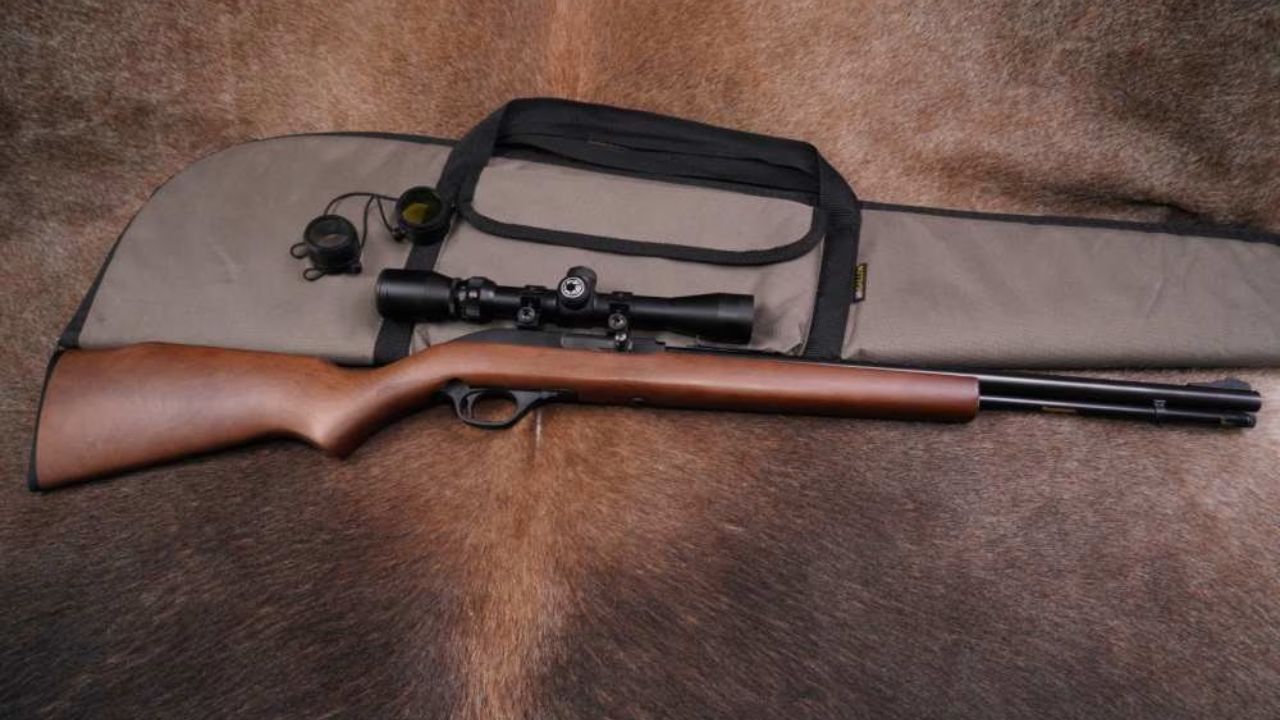
The Model 60 is the quiet hero of .22 rifles. Tube-fed, simple, and surprisingly accurate when you feed it ammo it likes. It’s also the rifle that sits in a closet because nobody thinks to “upgrade” it.
After a long sit, the usual fix is cleaning out old waxy rimfire gunk from the action and magazine tube area. Once that’s handled, they’re steady shooters. You can spend more money, but you won’t necessarily get more squirrels.
14. Ruger Mini-14 (Ranch Rifle)
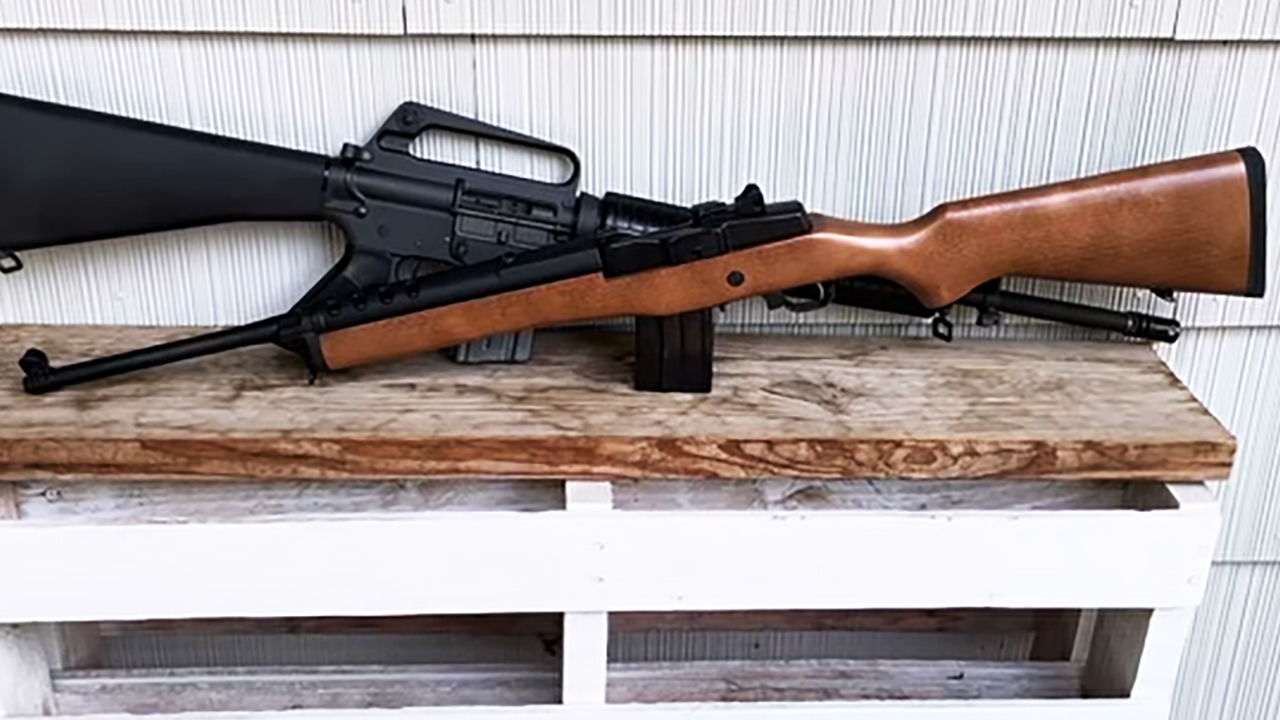
Mini-14s have their quirks, and older thin-barrel rifles can string shots when they heat up. Still, for a ranch rifle that gets grabbed when coyotes show up, they’ve earned their keep.
Pull one out after years and it’ll generally run. The big change over time has been magazine availability and quality—use good mags. If you’re expecting benchrest groups you’ll be disappointed, but if you want a handy .223 that keeps going, it’s hard to hate.
15. Colt AR-15 SP1
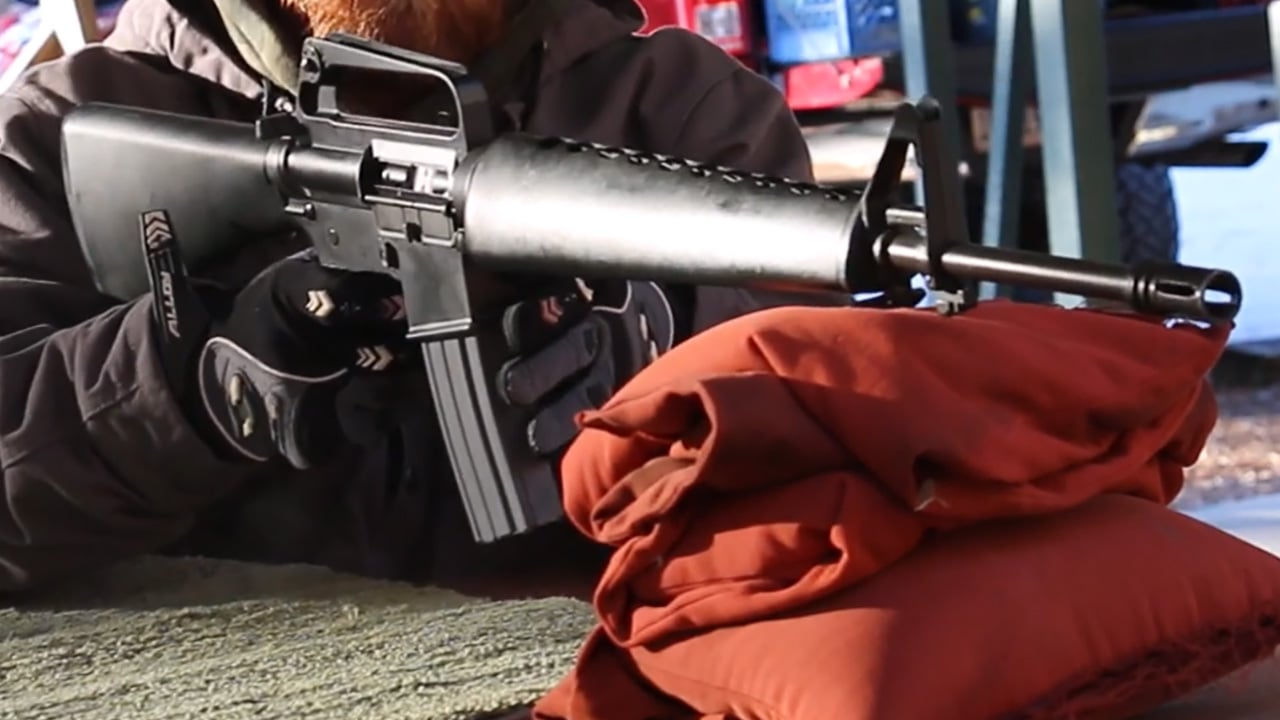
Old-school ARs like the SP1 can feel almost delicate compared to modern “duty” builds, but they shoot. The lightweight barrel and simple setup make them nice to carry, and the basic direct-impingement system doesn’t suddenly forget how to work because it sat.
After a long break, the biggest issue is dried lube and old magazines. Clean it, lube it properly, and test your mags at the range. Do that and it’ll still print where you left it, especially with a good optic and decent ammo.
16. Springfield Armory M1A (Standard)
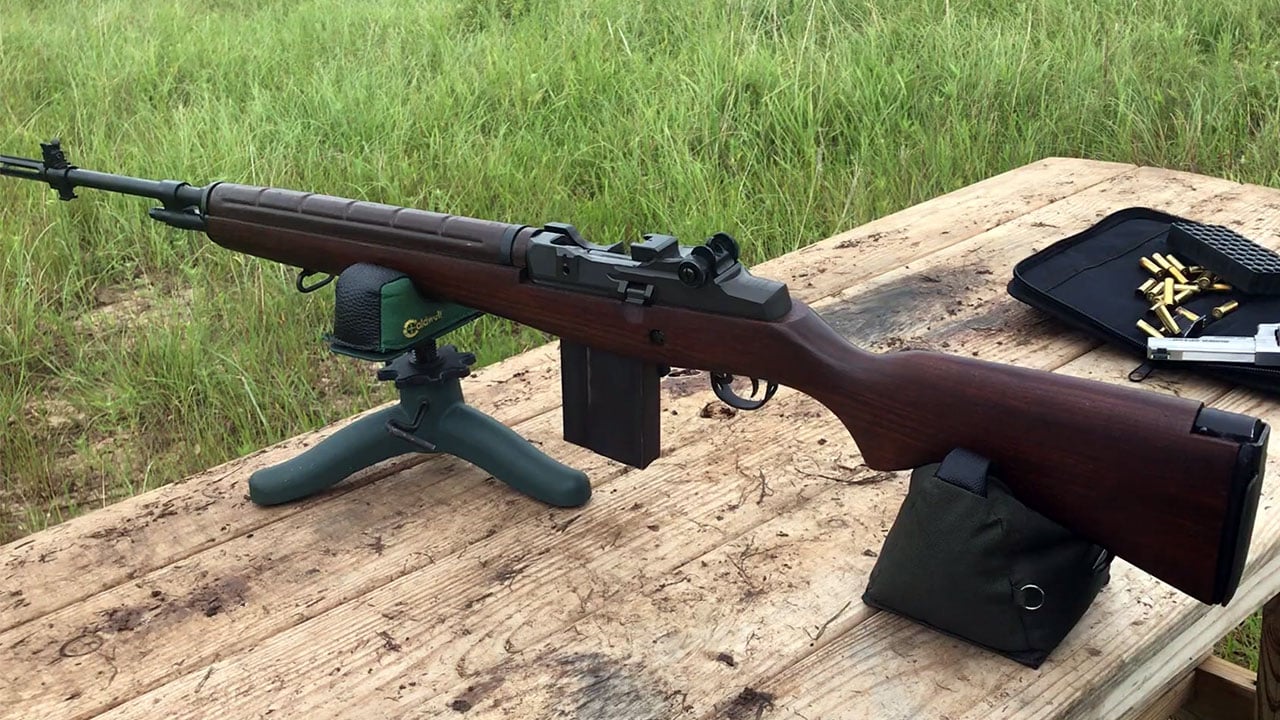
An M1A is not a light rifle and it’s not cheap to feed, but it has a way of making you slow down and shoot better. There’s something about the balance and recoil impulse that encourages good habits.
Sitting for years doesn’t usually hurt them if they were stored clean and dry. Check the gas system for carbon and make sure the stock isn’t swollen from humidity swings. When they’re right, they’re very right.
17. Ruger Gunsite Scout Rifle
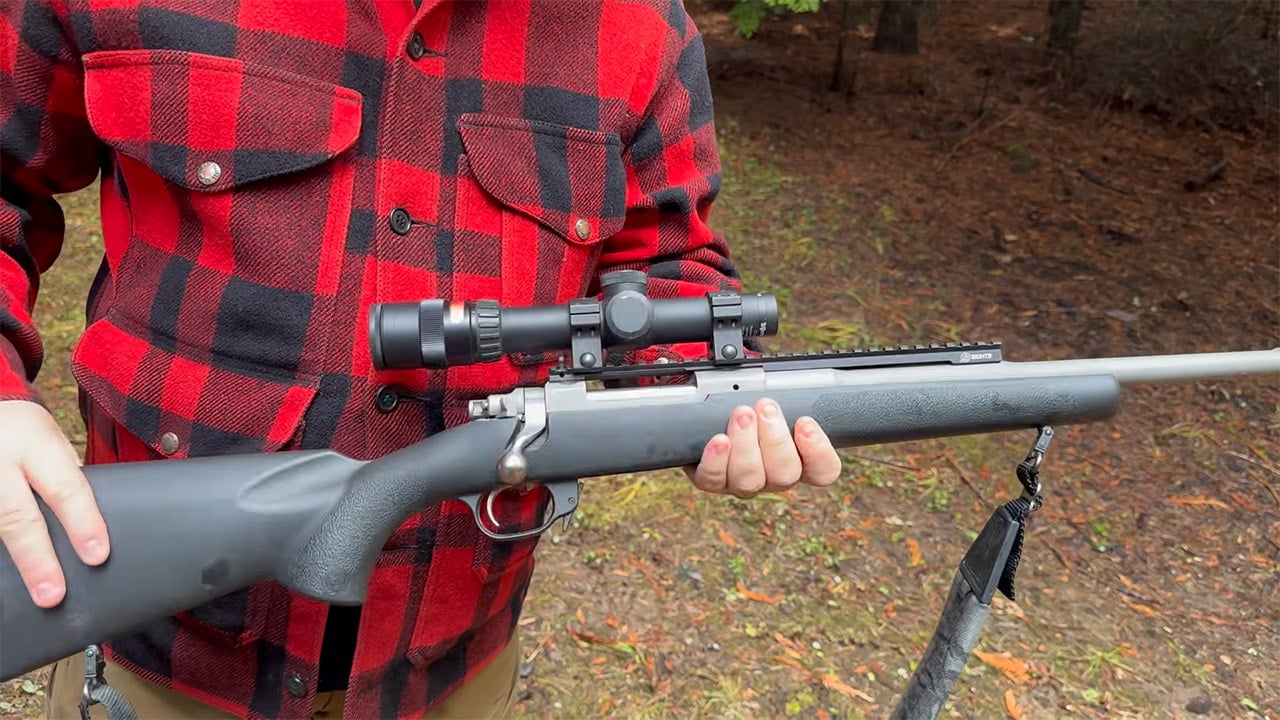
This is one of those rifles that looks like a concept until you actually carry it. Short, handy, and quick to point, it’s the kind of rifle you grab for a walk-and-stalk hog hunt or a day checking fences where you might bump a coyote.
After a long time off, the scout setup is forgiving because you’re not hanging a bunch of fragile accessories off it. The detachable mags are worth keeping track of, and I like to confirm the zero because scout scopes and mounts can loosen if they were never installed right. But the rifle itself is usually solid.
18. Sako 85
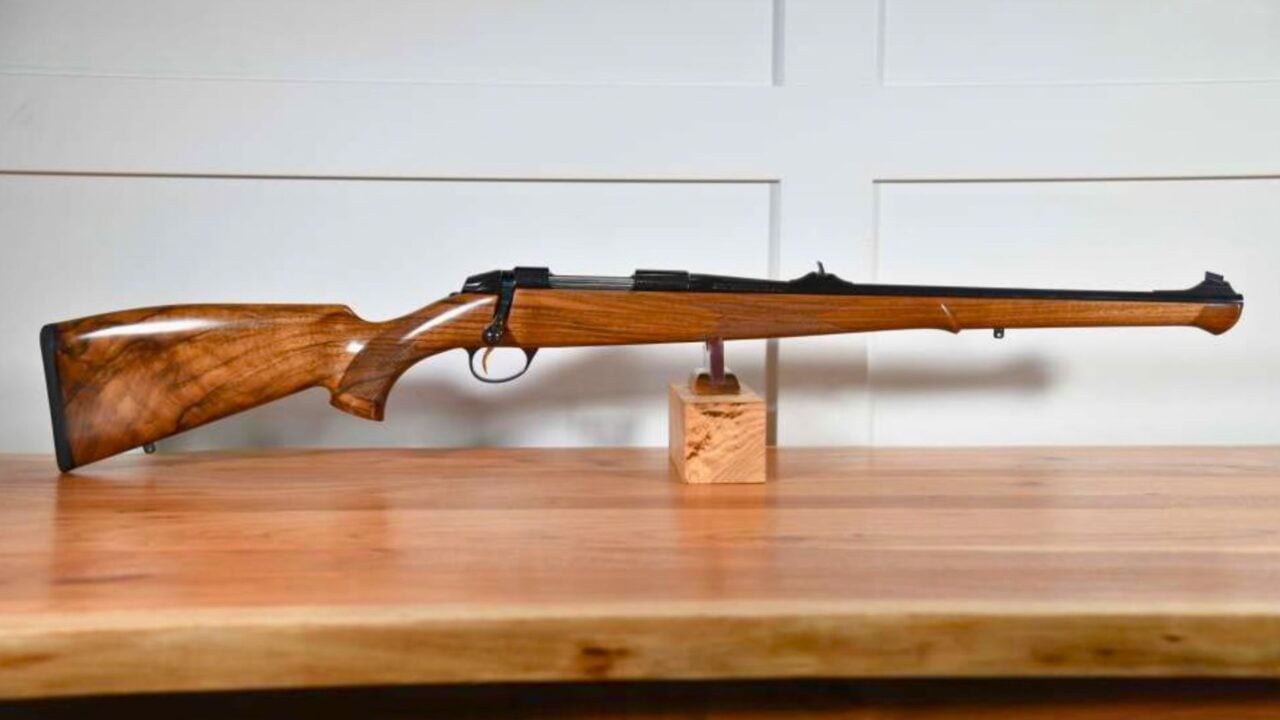
Sako rifles tend to be “buy once, cry once” guns, and that’s why they end up sitting. Guys don’t want to scratch them, so they baby them, then they forget about them. Ask me how I know.
Mechanically, they’re excellent. Good barrels, smooth actions, and dependable feeding. Pull one out after a long stretch, and if your optic is still healthy, there’s a good chance the rifle will make you look better than you are.
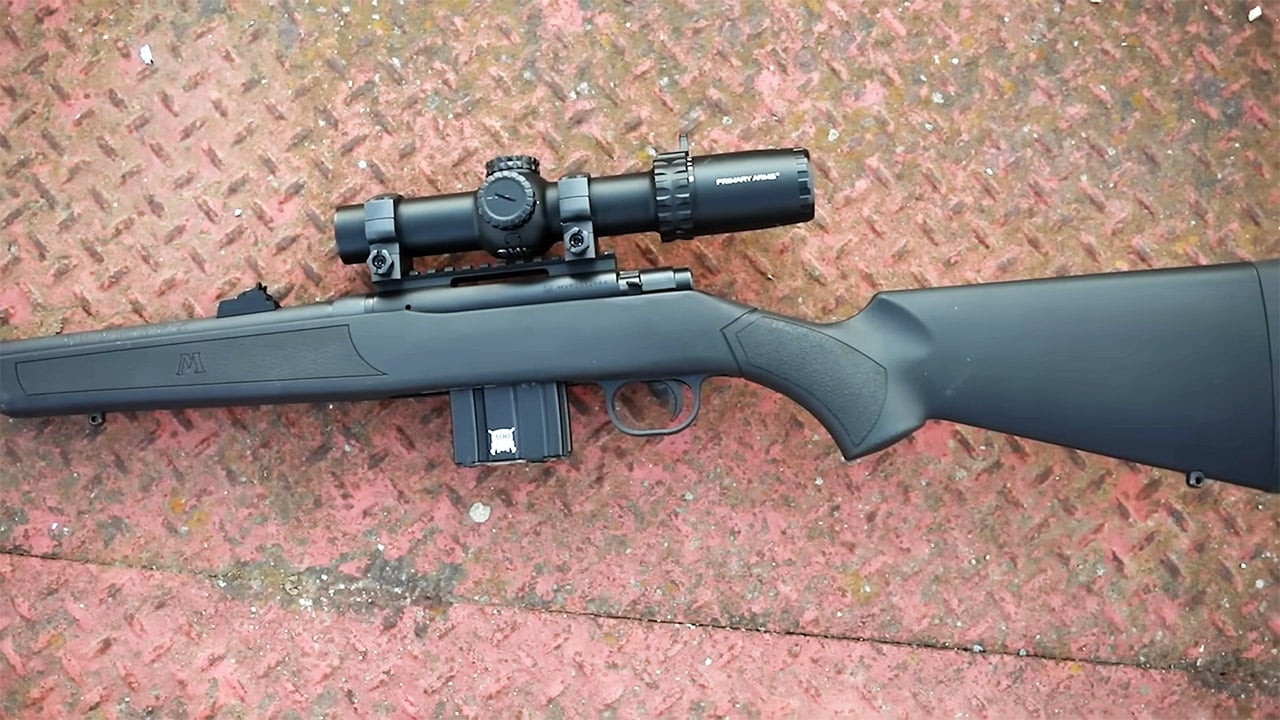
19. Mossberg MVP (bolt-action in 5.56/.223)

The MVP is one of those practical ideas that just works for the right person: a bolt-action .223 that can use AR magazines. If you’ve got mags everywhere already, it’s convenient in a way that matters on a farm.
After years in storage, it tends to come back without fuss. The action isn’t as polished as a Tikka, and you’ll feel that, but it still shoots. Just verify magazine fit and feeding with the specific mags you plan to use, because that’s where the MVP can get picky.
20. Henry H001 Lever Action (Classic .22)
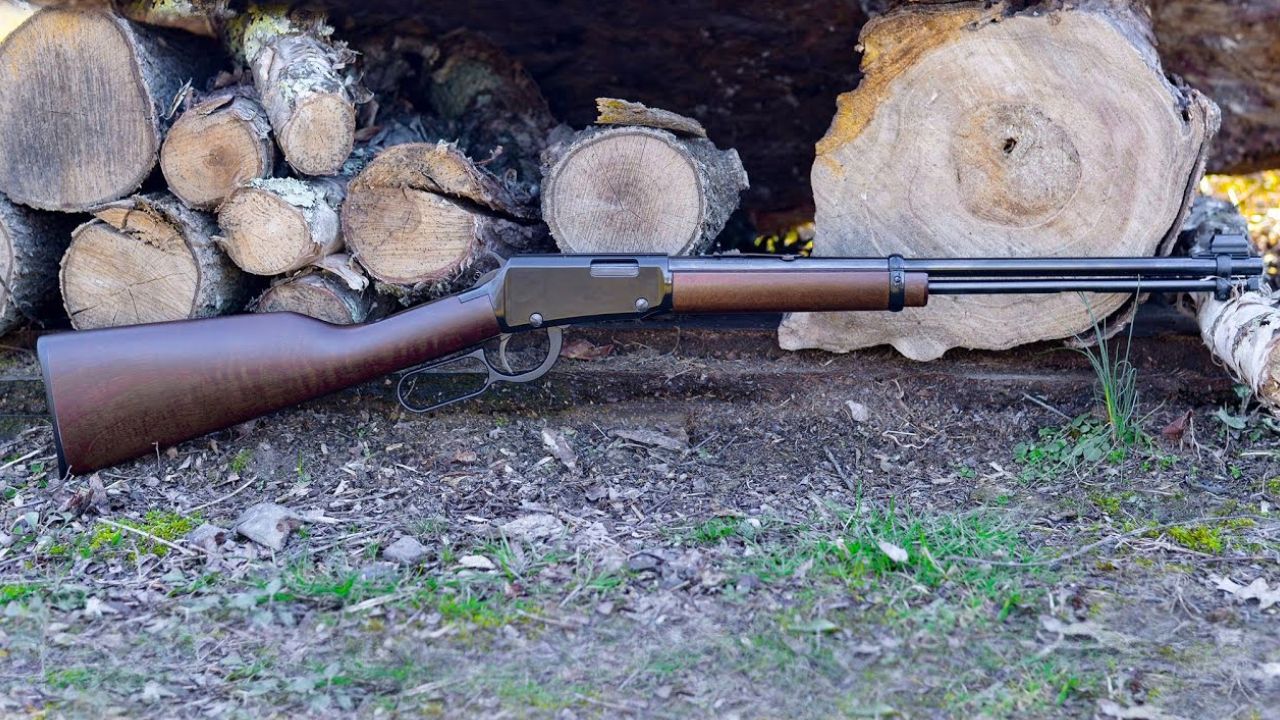
Henry’s little .22 lever gun is the rifle you hand to somebody who “doesn’t really shoot,” and ten minutes later they’re smiling and asking for more ammo. It’s simple, reliable, and it makes range time feel like fun instead of homework.
After a long sit, it usually needs nothing more than basic cleaning and a quick safety/function check. The tube magazine keeps things straightforward, and the accuracy is plenty for small game and cans. If your goal is a rifle that’s always ready to behave, this one earns its keep.
A rifle that’s been parked for ten years shouldn’t go straight to the deer stand. Give it a proper once-over, check for rust where you can’t see it at first glance, and shoot it off a steady rest before you trust it. But the truth is, good rifles don’t forget how to be rifles. The ones on this list were built for real use, and they tend to come back like an old friend—quiet, familiar, and still dead on.
Like The Avid Outdoorsman’s content? Subscribe to our newsletter so you never miss an article.
Here’s more from us: