Photo credit: Budget Guns and Gear Reviews/YouTube
Some guns are almost impossible to walk past. They have the right finish, the right silhouette, or enough unusual hardware that you immediately start imagining what they would be like to own. Then you get them home, shoot a few boxes of ammunition, carry them around for an afternoon, or start buying magazines and accessories. Suddenly, the part nobody mentioned at the gun counter becomes obvious.
That does not make the guns below bad. Several are excellent firearms when purchased for the right reason. The problem comes when appearance makes the decision before practicality gets a vote. Weight, recoil, ammunition cost, unusual controls, expensive proprietary parts, and highly specialized designs can turn an exciting purchase into something that spends most of its life in the safe. These are 20 guns I would handle and shoot before allowing looks alone to close the deal.
Kimber Micro 9

The Micro 9 is exactly the kind of little pistol that can sell itself through the glass counter. It looks like a miniature premium 1911, with an exposed hammer, single-action trigger, handsome grips, and far more visual character than the average polymer micro-compact. For someone who already loves traditional pistols, the temptation is obvious.
Then you shoot one and remember how little pistol is actually surrounding that 9mm cartridge. The short grip and lightweight frame can make recoil feel considerably sharper than the caliber suggests, especially during longer practice sessions. You also have a manual safety and single-action operating system to train around. None of that is inherently wrong, but the Micro 9 demands more commitment than its elegant appearance suggests. Buy it because you specifically want the platform, not because it looks like the coolest tiny pistol in the case.
Walther PPK/S

Few pistols have more visual appeal than a PPK/S. The polished metal, exposed hammer, slim profile, and decades of movie history make it look like the kind of handgun everyone should own at least once. It feels substantial in the hand despite being compact, and very few modern pistols have the same old-European personality.
The surprise comes when you shoot it. Straight-blowback .380 pistols can recoil much more sharply than their size and cartridge lead new owners to expect, and the slide can bite shooters with larger hands if grip placement is careless. The traditional double-action trigger is also heavier than people accustomed to modern striker pistols may anticipate. I still like the PPK/S enormously, but it is a perfect example of a gun whose appearance promises elegance while the shooting experience can be surprisingly demanding.
Auto-Ordnance 1927A1 Thompson
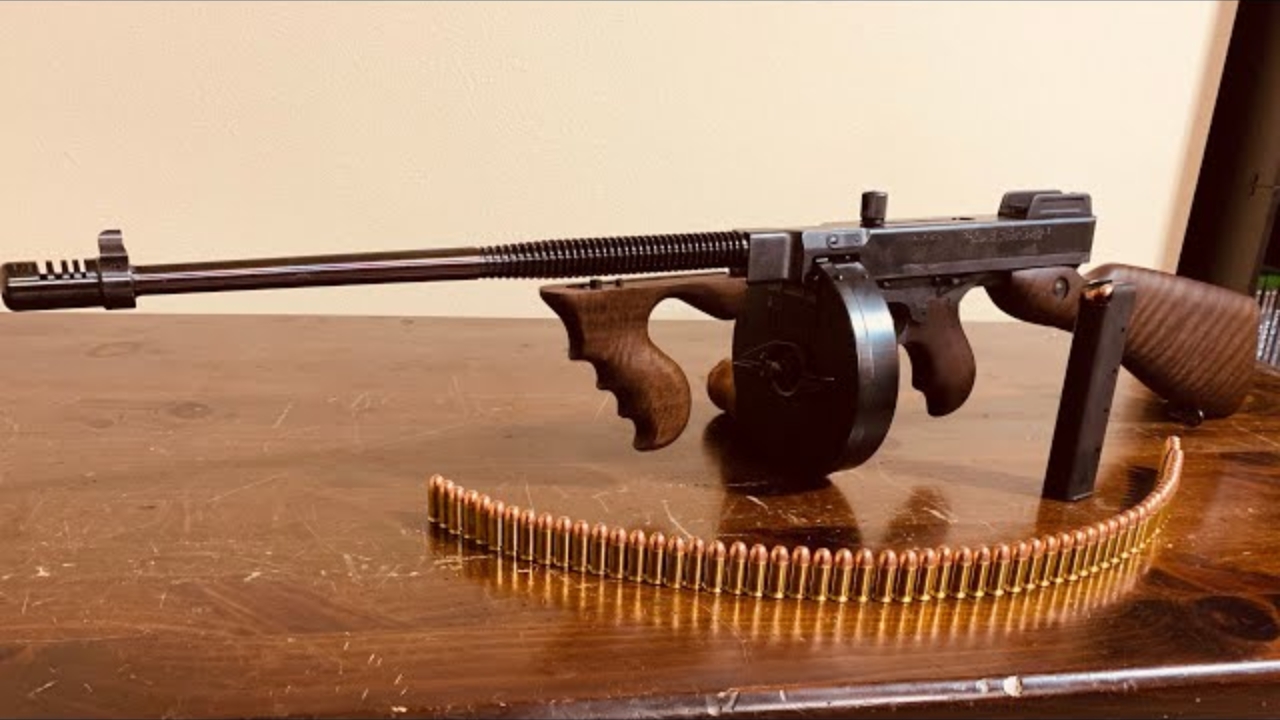
The semiautomatic Thompson looks incredible. The finned barrel, vertical foregrip, drum-magazine possibilities, and unmistakable receiver profile make it one of the coolest rifles you can put on a range table. Anyone interested in American firearms history is going to look twice.
Then you pick it up. The civilian Thompson is extraordinarily heavy, the length feels awkward compared with modern carbines, and the controls come from a completely different era. Even loading and handling the magazines takes more effort than people accustomed to modern rifles expect.
The gun is still tremendous fun if historical appeal is the reason you bought it. The mistake is thinking the Thompson’s appearance means it will be a practical modern carbine. It is closer to owning a functional piece of nostalgia. You carry the weight because the experience is the point.
Chiappa Rhino 40DS
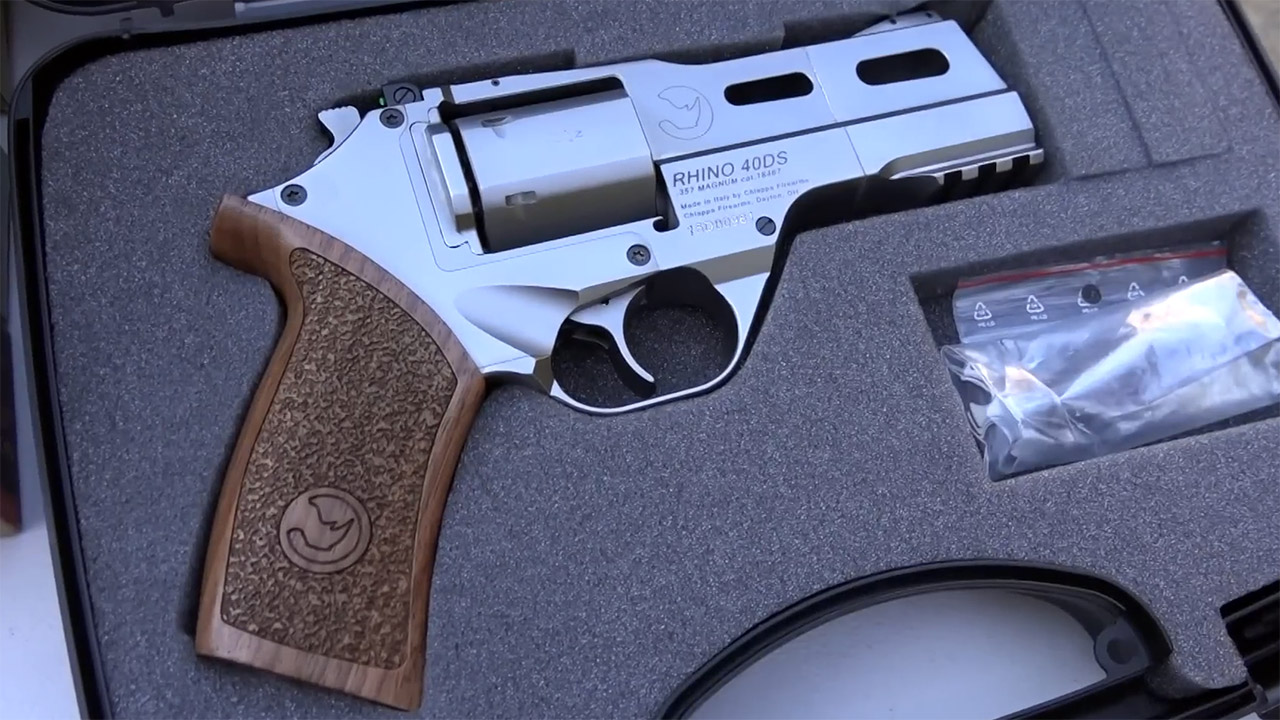
The Rhino looks like somebody designed a revolver specifically for a science-fiction movie. The flattened cylinder, low barrel position, angular frame, and unusual hammer arrangement make it dramatically different from a Smith & Wesson or Ruger sitting beside it.
The low bore axis actually has a legitimate purpose. Firing from the bottom chamber directs recoil more into the hand and reduces muzzle rise. The tradeoff is an operating system that feels nothing like a conventional revolver. The external piece that looks like a hammer is really a cocking lever, the trigger system is mechanically complex, and holster or accessory choices are not as broad as they are for mainstream revolvers.
I like the Rhino precisely because it is different. I would simply make sure I enjoyed those differences before paying for the futuristic appearance.
Kel-Tec KSG
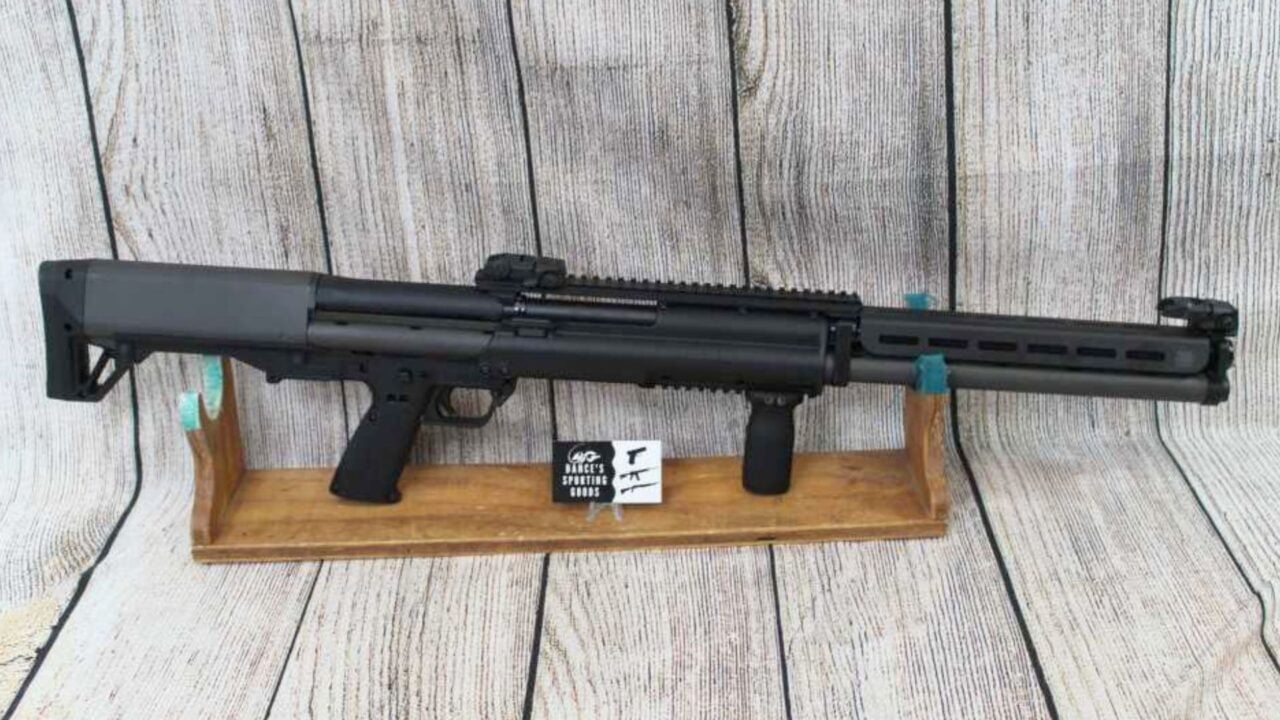
The KSG may be the ultimate gun-counter attention magnet. A bullpup 12-gauge pump with dual magazine tubes looks compact, aggressive, and almost impossibly capable when sitting next to a conventional shotgun.
Actual use exposes the compromises quickly. The gun puts a lot of shotgun into a short package, which means recoil can feel intense and everything happens close to your face. The pump stroke is short but needs to be operated positively, and switching between the magazine tubes adds another manual step to learn. Loading the tubes is also less convenient than the futuristic exterior makes it appear.
The KSG makes sense for someone who specifically wants extreme compactness and is willing to train around the layout. If you buy one mainly because it looks like the shotgun from a video game, a plain pump can start feeling awfully appealing after a long range session.
FN PS90

The PS90 is one of the most distinctive rifles available to ordinary shooters. The translucent top-mounted magazine, bullpup configuration, and unmistakable P90 profile give it immediate appeal. It is compact, easy to shoulder, and unlike practically anything else at the range.
The reality is that you are buying into an unusual ecosystem. The 5.7x28mm cartridge is more expensive than common intermediate rifle ammunition, magazines and accessories are specialized, and the long civilian barrel changes the proportions that made the military P90 famous in the first place.
The trigger is also very much a bullpup trigger rather than something that feels like a tuned AR. None of those things ruin the PS90. They simply mean you need to want the PS90 itself. If you are shopping strictly for the most practical rifle per dollar, the futuristic appearance can become expensive very quickly.
KRISS Vector CRB
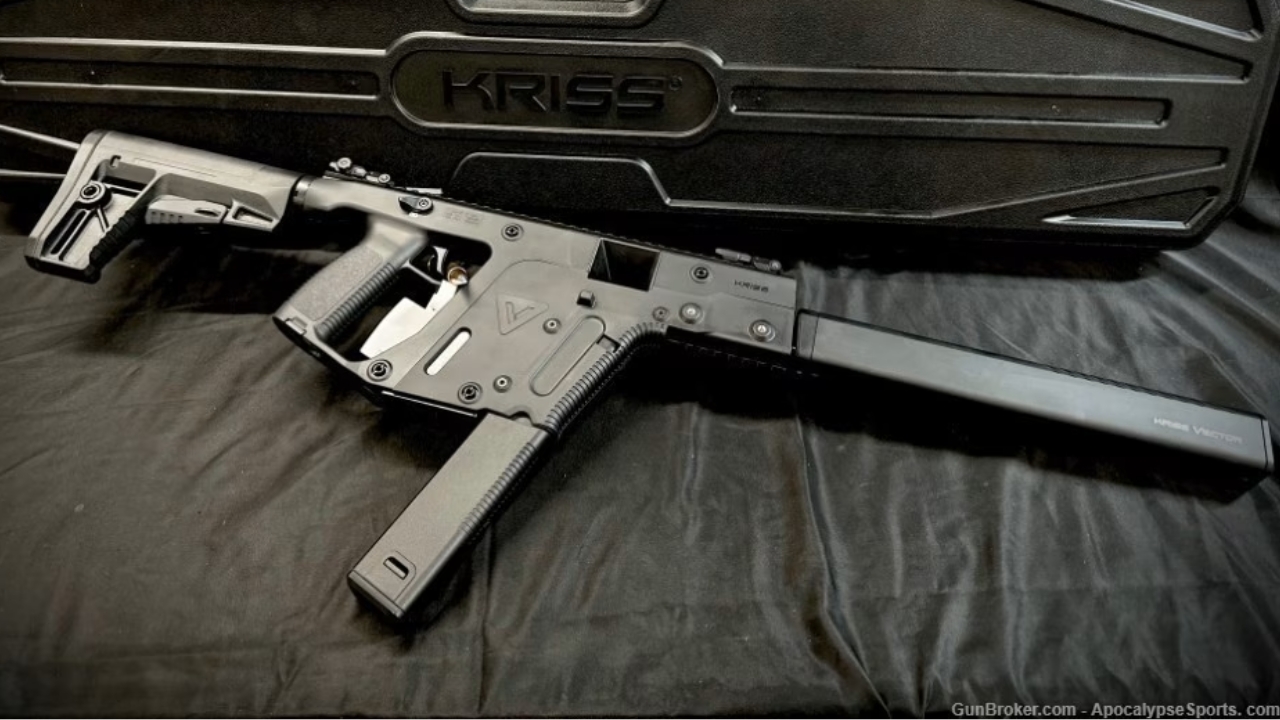
The Vector is another rifle that practically sells itself visually. The unusual receiver shape, low bore relationship, forward magazine position, and folding-stock styling make it look unlike any conventional pistol-caliber carbine.
The problem is that the civilian carbine version gains a long barrel to meet legal requirements, and that can leave the proportions feeling awkward compared with the compact Vector people picture in their heads. The gun is also bulky around the receiver, and the sophisticated recoil system adds complexity to a cartridge that is not especially difficult to control in the first place.
I understand the appeal completely. A Vector in .45 ACP is an incredibly fun object to own. I would just make sure I wanted the design itself rather than assuming the exotic appearance automatically makes it more practical than a much simpler PCC.
IWI Tavor X95

The X95 has one of the strongest visual cases for the bullpup concept. It is short without sacrificing barrel length, balances differently from a conventional rifle, and has genuine military lineage behind the design. On a wall of AR-style rifles, it immediately stands out.
Then you start comparing ergonomics. The trigger is better than many older bullpups but still does not feel like a quality conventional rifle trigger. Reloading requires learning a different manual of arms, and the rearward weight distribution can feel strange to someone accustomed to an AR. Accessing certain components and mounting accessories can also require a little more thought.
None of that makes the X95 ineffective. It simply means compact overall length is the feature you are really paying for. If you do not specifically need or value that, the cool factor can overshadow how easy a conventional rifle is to live with.
Steyr AUG A3 M1

The AUG has looked futuristic for so long that it somehow became a classic. The integrated shape, bullpup layout, translucent magazines, and distinctive foregrip make it instantly recognizable even to people who know very little about rifles.
Owning one means accepting a design philosophy that predates most current rifle ergonomics. The trigger is never going to feel like a great AR trigger, magazine changes require a different motion, and the charging handle and control layout take practice. Some versions also rely on proprietary magazines rather than the magazines shooters already own by the dozens.
I still think the AUG is one of the most interesting rifles ever made. I would buy it because I wanted an AUG, though, not because I expected the most convenient modern rifle experience. History and personality are carrying a lot of the value.
SIG Sauer MPX Copperhead
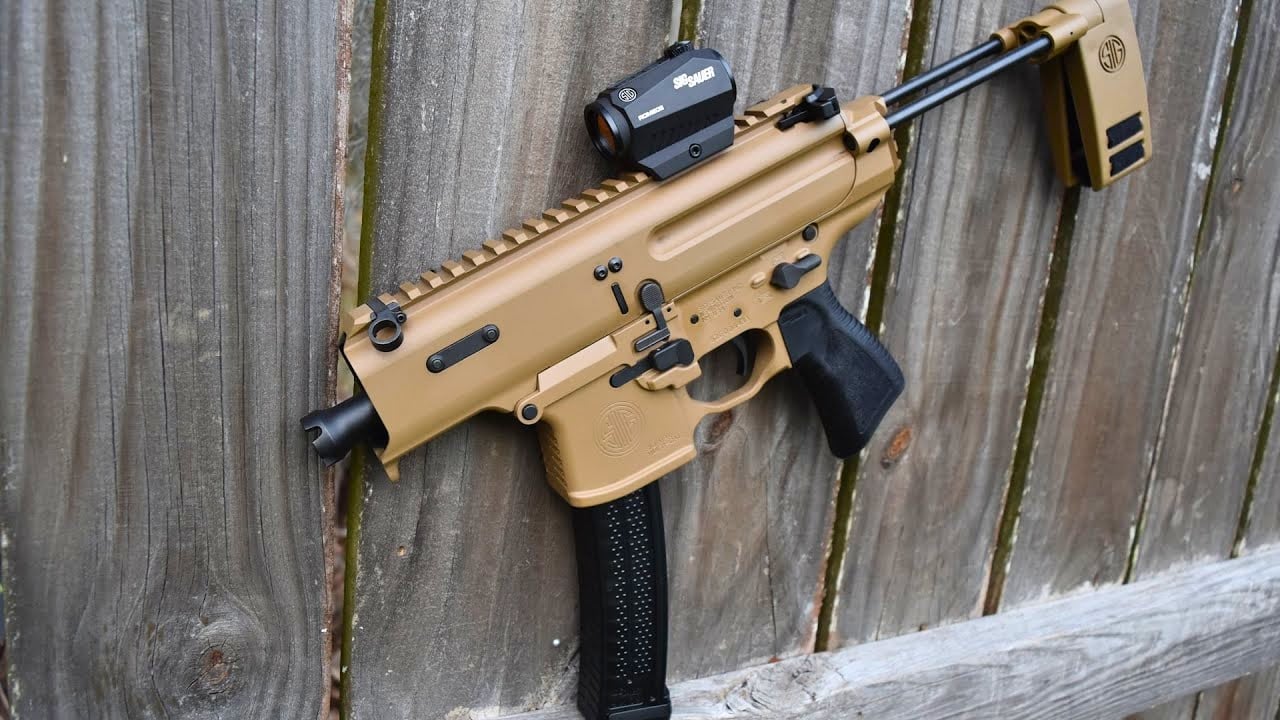
The Copperhead looks spectacular. The short barrel, compact receiver, folding or collapsing brace or stock configurations depending on the setup, and SIG styling make it seem like the perfect ultra-compact 9mm platform.
Then the price starts spreading beyond the gun itself. MPX magazines and specialized components are not bargain items, the operating system is more complicated than a basic direct-blowback PCC, and the tiny dimensions provide relatively little space for the support hand. The short configuration also gives you plenty of muzzle blast for a pistol-caliber platform.
The MPX system can be extremely smooth and impressive. I simply think buyers should understand that the Copperhead is a specialized version of an already premium platform. The small size looks irresistible, but a slightly larger configuration can be far easier to shoot well.
Mossberg 464 SPX
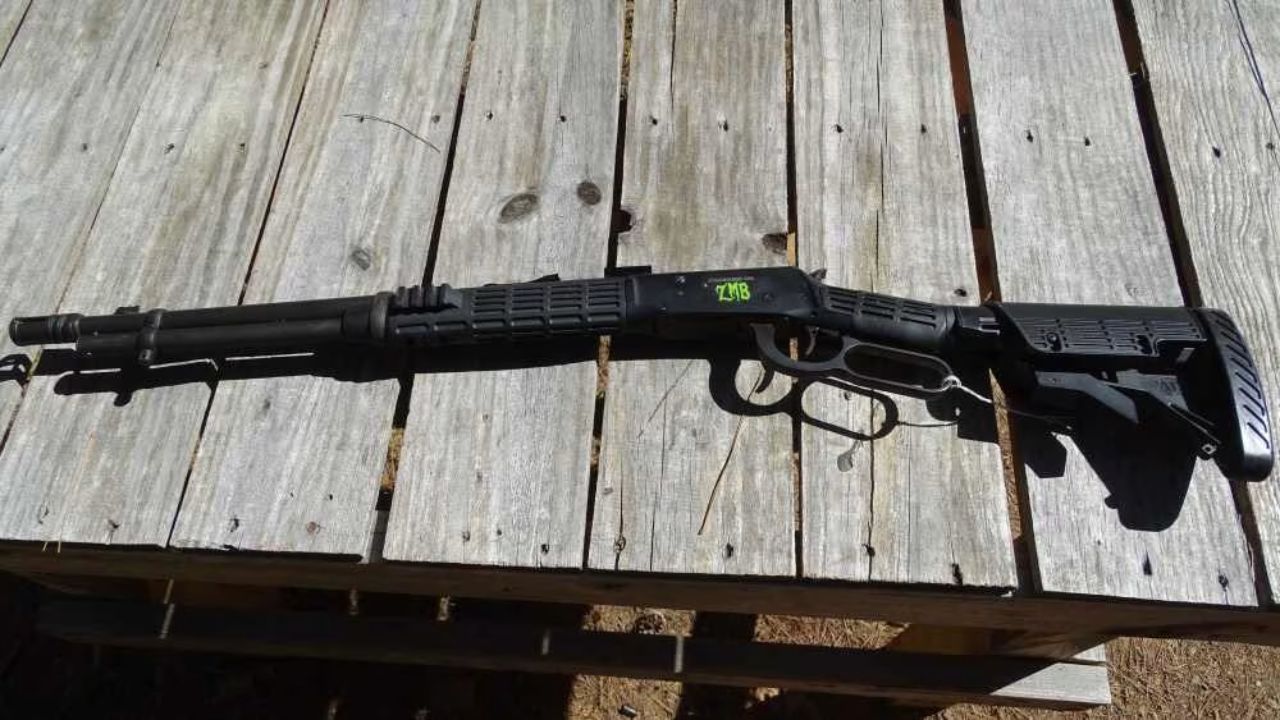
The 464 SPX looked outrageous when Mossberg combined a traditional .30-30 lever action with black synthetic furniture, rails, an adjustable-style stock, and tactical styling. Some shooters hated it immediately. Others thought it was exactly what an old lever gun needed.
The issue is that the styling can promise more transformation than actually occurred. Underneath the furniture, you still have a traditional lever-action .30-30 with the same cartridge limitations, loading system, and basic role as a conventional woods rifle. Rails and black plastic do not suddenly turn it into a modern semiautomatic.
That does not mean the SPX lacks purpose. Synthetic furniture is weather resistant and adjustable stocks can help fit different shooters. I would simply buy it because those features solve a real problem, not because tactical appearance makes the rifle seem more capable than a conventional lever gun.
Marlin 1895 SBL
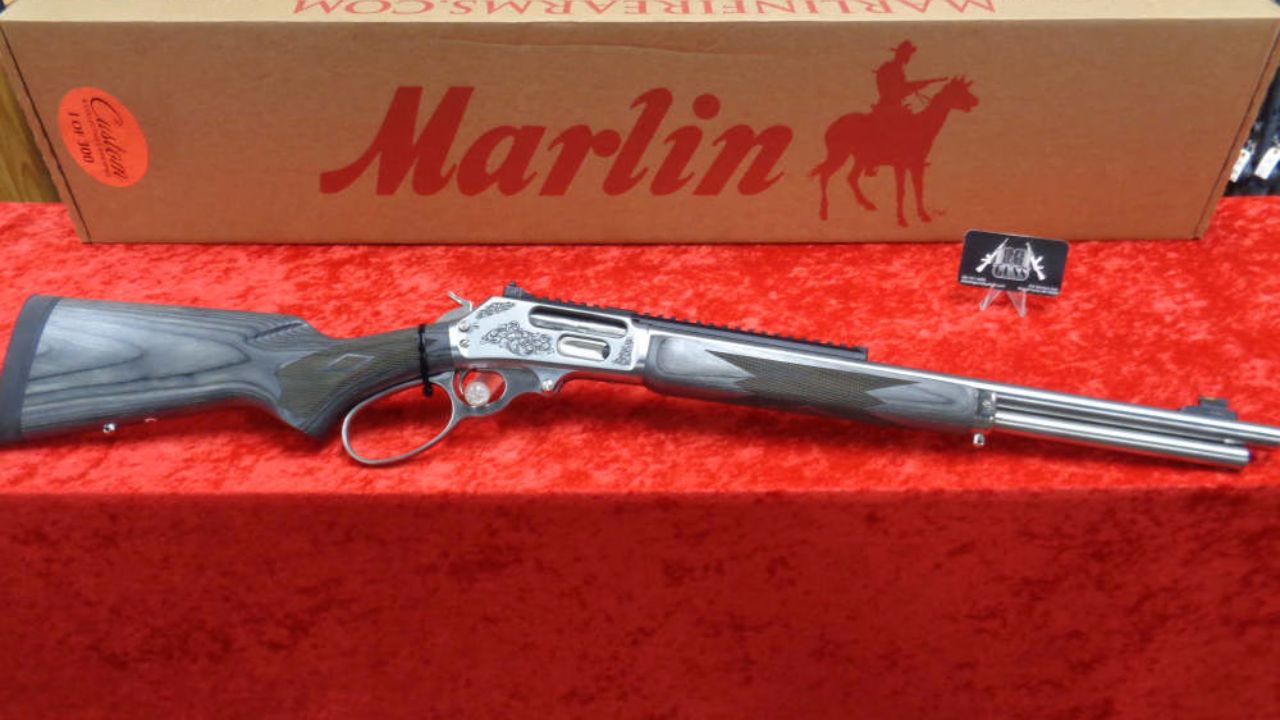
The 1895 SBL may be one of the best-looking modern lever rifles ever produced. Stainless steel, gray laminate, a large loop, rail, ghost-ring sights, and a short barrel make the rifle look ready for almost anything. It is easy to fall in love before firing the first round.
Then the .45-70 reminds you what you bought. Full-power loads generate serious recoil, ammunition is expensive, and the rifle is heavier than many traditional lever guns. The short barrel can also produce substantial muzzle blast with energetic loads.
I still think the SBL is an excellent rifle. The mistake is buying one because it looks like the ultimate woods gun without asking whether your actual hunting requires .45-70 power. For deer inside ordinary timber ranges, plenty of lighter rifles are easier and cheaper to shoot.
Smith & Wesson Model 329PD
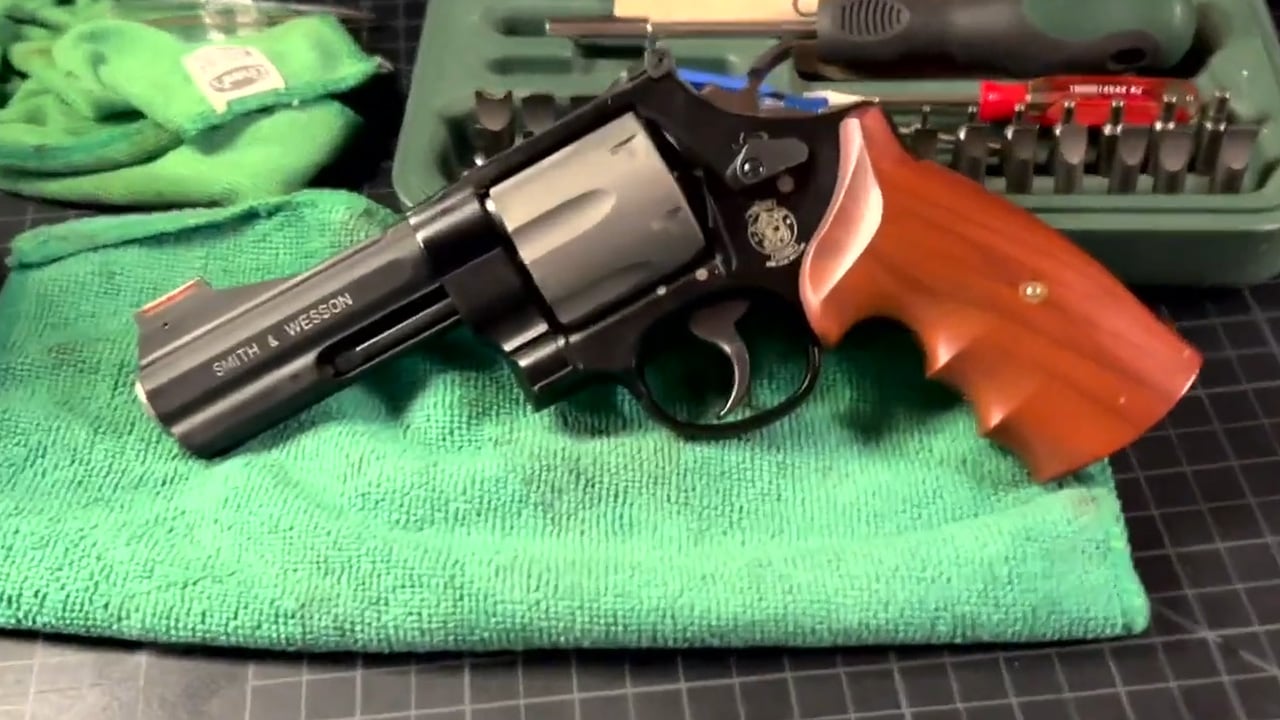
The 329PD looks like the perfect answer to carrying a powerful revolver without carrying a brick. Smith & Wesson puts .44 Magnum capability into an extraordinarily light N-frame package, which sounds almost impossible when you first pick it up.
Then you fire serious magnum ammunition. Removing all that weight from the revolver does not remove recoil energy. It simply leaves less mass to absorb it before the force reaches your hand. Heavy loads can be punishing enough that many owners practice primarily with .44 Special or reduced ammunition.
That does not make the 329PD a bad gun. Its entire reason for existing is carrying much and shooting little. If you hike all day and want substantial power on your belt, the concept works. If you buy it because the lightweight frame feels amazing at the counter and then expect relaxed magnum range sessions, it can teach a painful lesson.
Bond Arms Rowdy
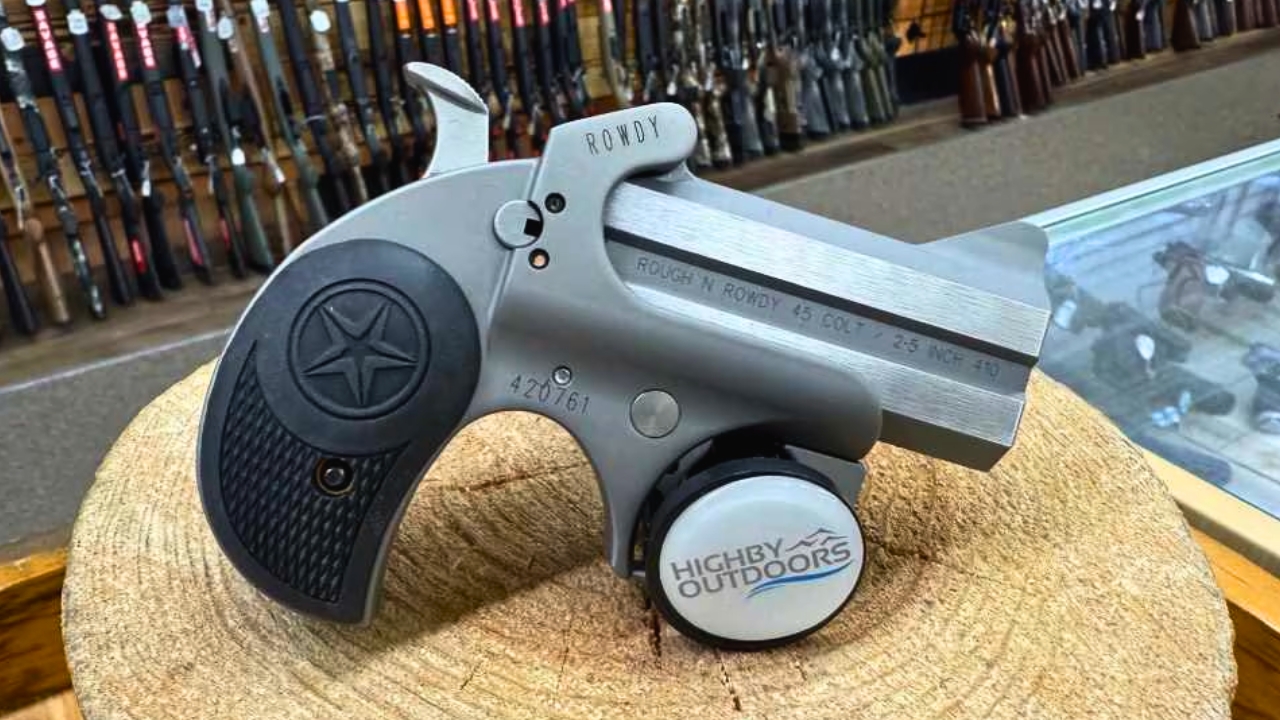
A stainless two-shot derringer looks fantastic. The Rowdy has the same heavy-duty mechanical appeal that makes Bond Arms pistols so interesting, and the ability to chamber substantial cartridges in a tiny package creates an irresistible novelty factor.
The dimensions can be misleading, though. The gun is short but surprisingly heavy for a two-shot pistol, while the grip gives you relatively little leverage over recoil. The trigger also requires a different technique than most modern handgun shooters expect.
A Bond Arms pistol makes sense if you specifically enjoy the derringer concept or want something unusual for the collection. It is harder to justify if you buy purely because it appears tiny and powerful. Modern micro-compacts offer more capacity and easier shooting in packages that may not be dramatically harder to carry. Cool and practical are not always the same thing.
Beretta 21A Bobcat
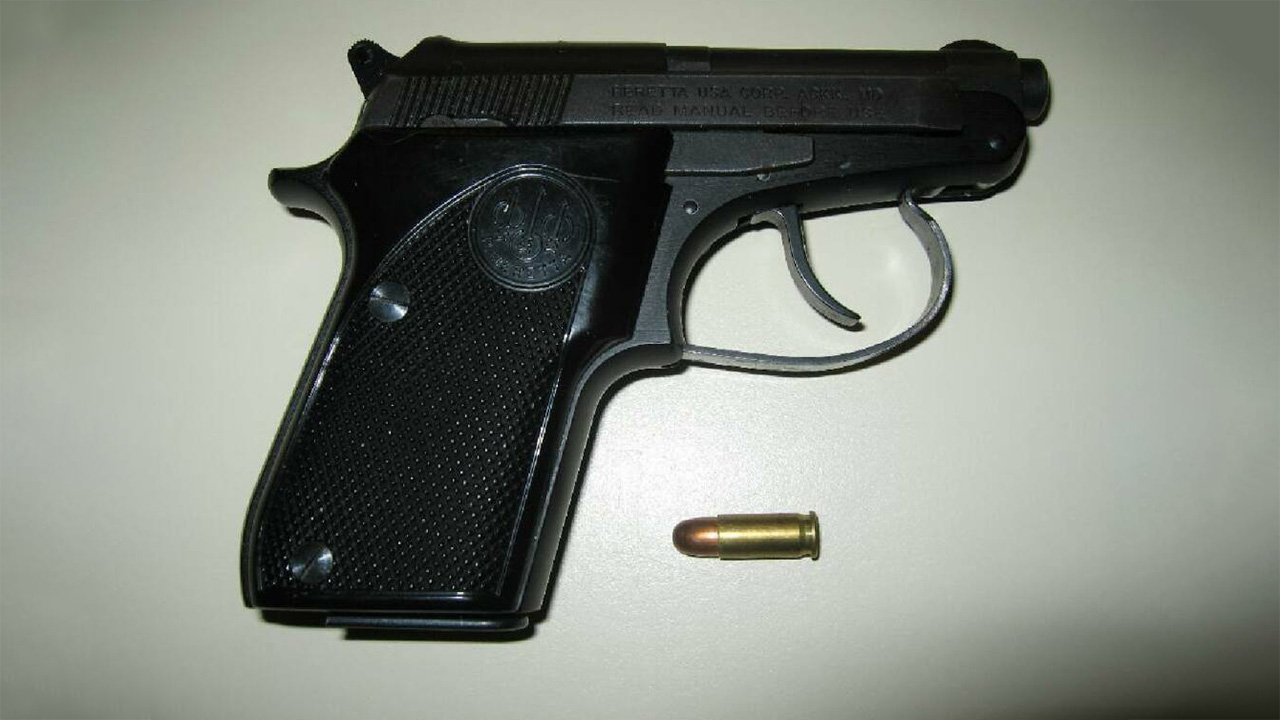
The Bobcat is one of the most charming little pistols ever made. The tip-up barrel, exposed hammer, classic Beretta styling, and truly compact dimensions make it almost impossible not to handle when one appears in a display case.
The catch is that the tiny .22 platform requires the shooter to understand its limitations. Rimfire ammunition is inherently less consistent than centerfire ammunition, and a very small semiautomatic has limited operating energy available. The diminutive sights and short grip also make precision harder than the pistol’s gentle caliber suggests.
I love the Bobcat as an interesting pocket-sized plinker and mechanical curiosity. I would not buy one assuming that tiny size automatically makes it the ideal pistol for every purpose. The appearance is wonderfully old-school. The compromises are equally old-school.
Walther CCP M2

The CCP M2 looks like Walther managed to shrink the company’s excellent ergonomics into a thin carry pistol. It has smooth lines, a comfortable grip, and none of the blocky appearance that makes some compact pistols feel utilitarian.
Its unusual gas-delayed operating system is both the interesting part and the complication. The fixed barrel can help accuracy and the gas system reduces the force needed to operate the slide, but it also makes the pistol mechanically different from the simpler tilting-barrel designs most shooters already understand.
That does not make the CCP unreliable or undesirable. It means the owner needs to accept a different maintenance process and more specialized operating system. If easy slide manipulation is valuable, the trade can make sense. If appearance is the only reason you chose it, simpler alternatives may become more appealing later.
Savage Impulse Predator
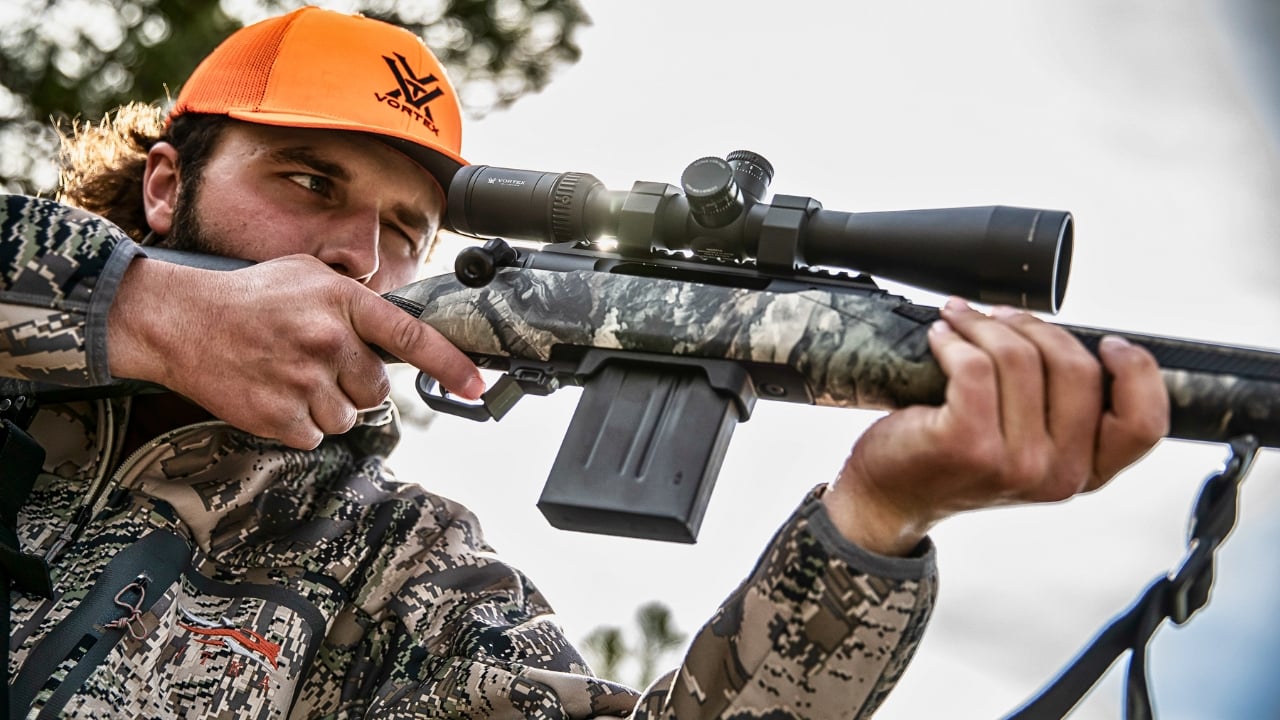
The Impulse attracts attention because straight-pull bolt actions are still unusual in American hunting rifles. Pull the bolt directly backward and push it forward again without rotating the handle, and the rifle immediately feels faster and more exotic than a conventional bolt action.
The question is whether that advantage matters enough to justify the additional weight, bulk, and complexity for your hunting. Most deer hunters fire one carefully aimed shot, and a conventional bolt action is already plenty fast for a follow-up. The Impulse’s unusual action also makes the rifle feel mechanically busier than the lightweight hunting rifles many people prefer to carry.
I think the straight-pull system is fascinating. I just would not buy it because working the action at the counter feels cool. The advantage needs to matter in the field.
Springfield M1A SOCOM 16
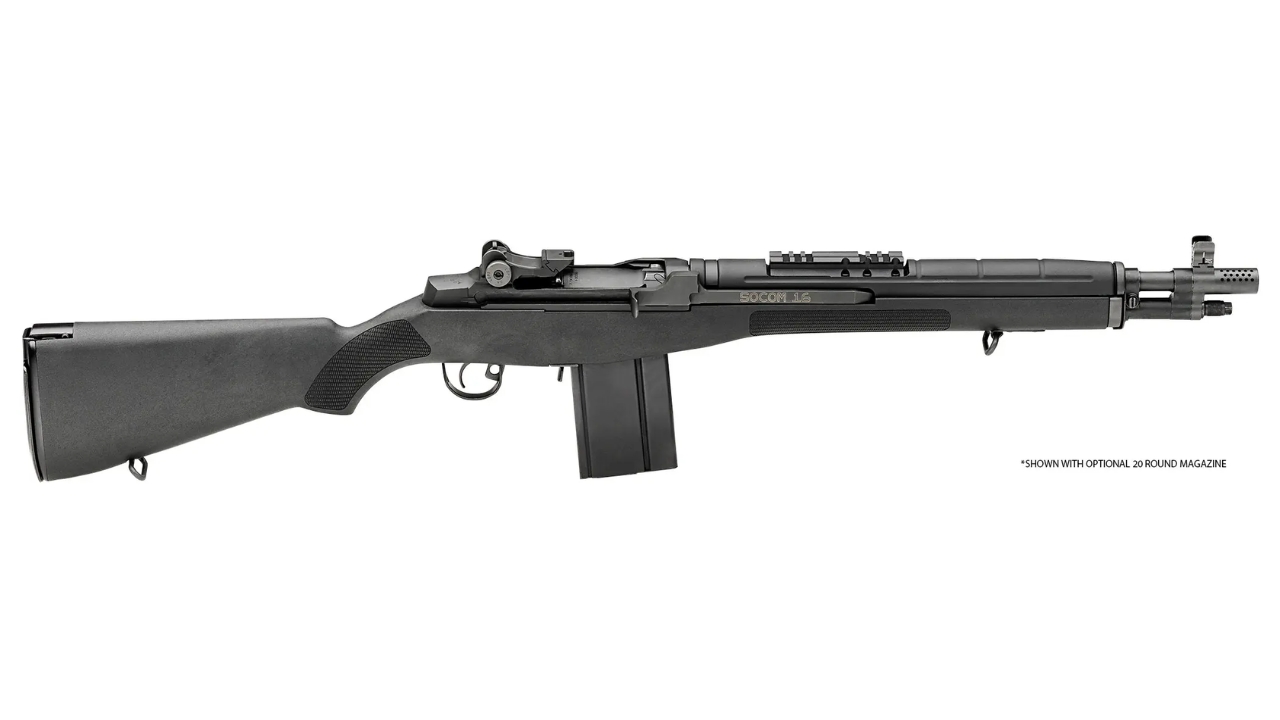
The SOCOM 16 looks incredible. A short .308 rifle with M14 lineage, a substantial muzzle device, and classic military-style operating system has enormous visual appeal. It looks like something built to hit hard in a compact package.
The shooting experience reveals the tradeoffs. The rifle is still heavy, the traditional stock and controls do not offer modern AR-style adjustability, optics mounting can become more complicated, and the short .308 configuration creates significant blast. Magazines and accessories are also not as inexpensive or universal as AR-pattern equivalents.
I still enjoy the M1A family because the action has personality modern rifles lack. I would own the SOCOM because I specifically wanted a compact M1A, not because I believed it was the easiest way to get a practical .308 semiautomatic.
Henry Axe .410
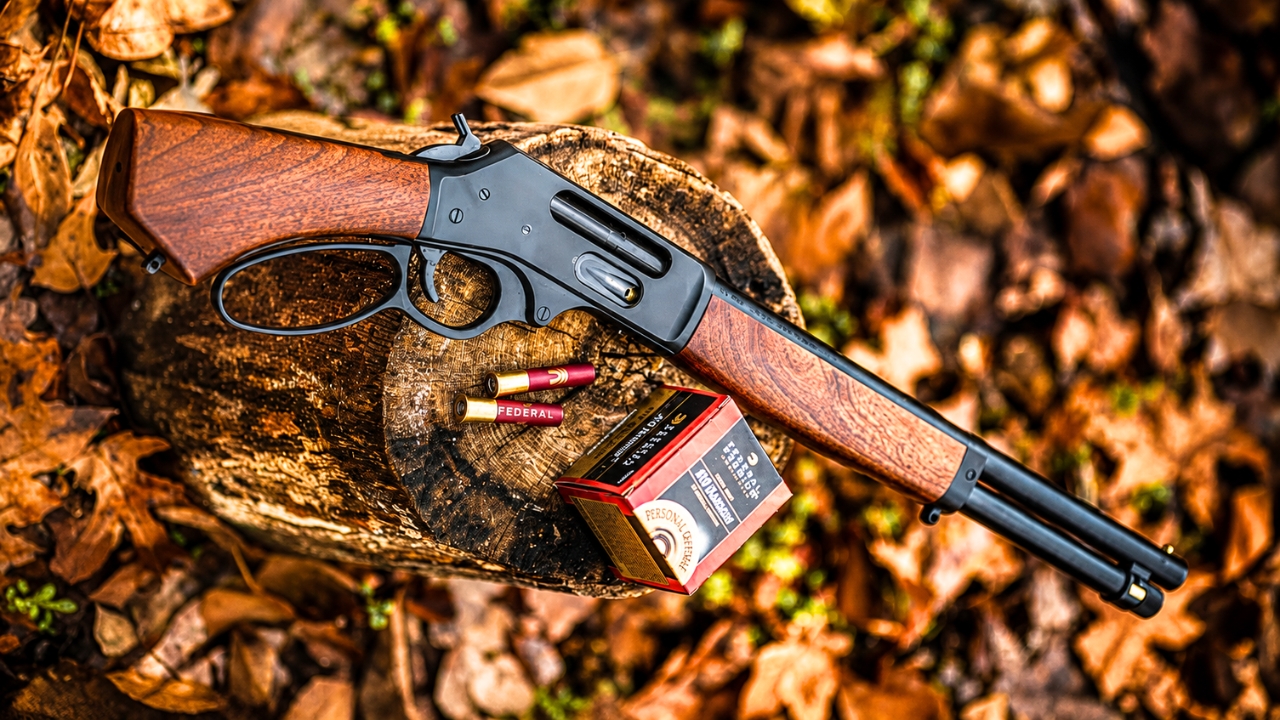
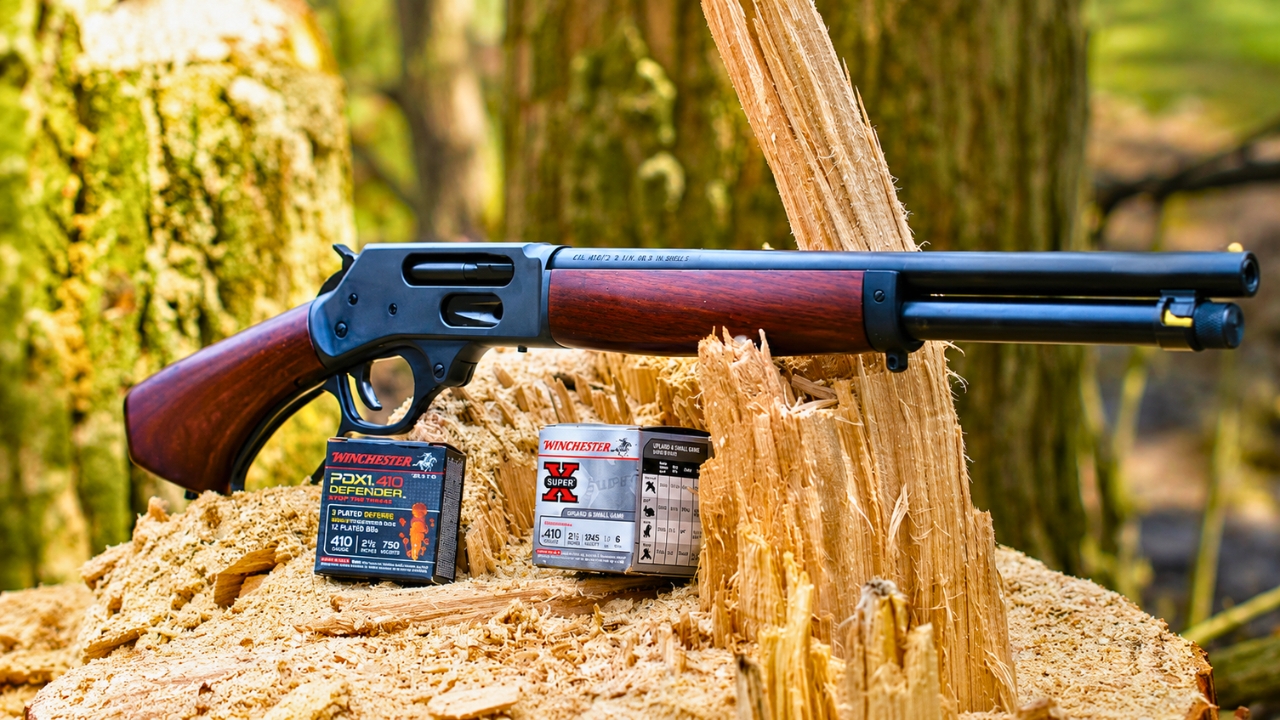
The Axe has enormous visual appeal because it combines lever-action styling with an extremely compact .410 package and a large-loop lever. It looks like something halfway between an Old West firearm and a modern novelty gun.
That uniqueness is also the problem. A .410 fired from a short barrel is a specialized tool, capacity is limited, and the configuration is not going to replace a normal sporting shotgun for birds or clays. Ammunition choices can also become surprisingly expensive compared with common 12- or 20-gauge shells.
The Axe can be tremendously entertaining, which may be reason enough to own one. I would simply be honest about the role. If you buy it because the appearance is irresistible, there is a real chance it becomes the gun everyone wants to handle but nobody actually chooses when heading out to do serious shotgun work.
Ruger Precision Rimfire
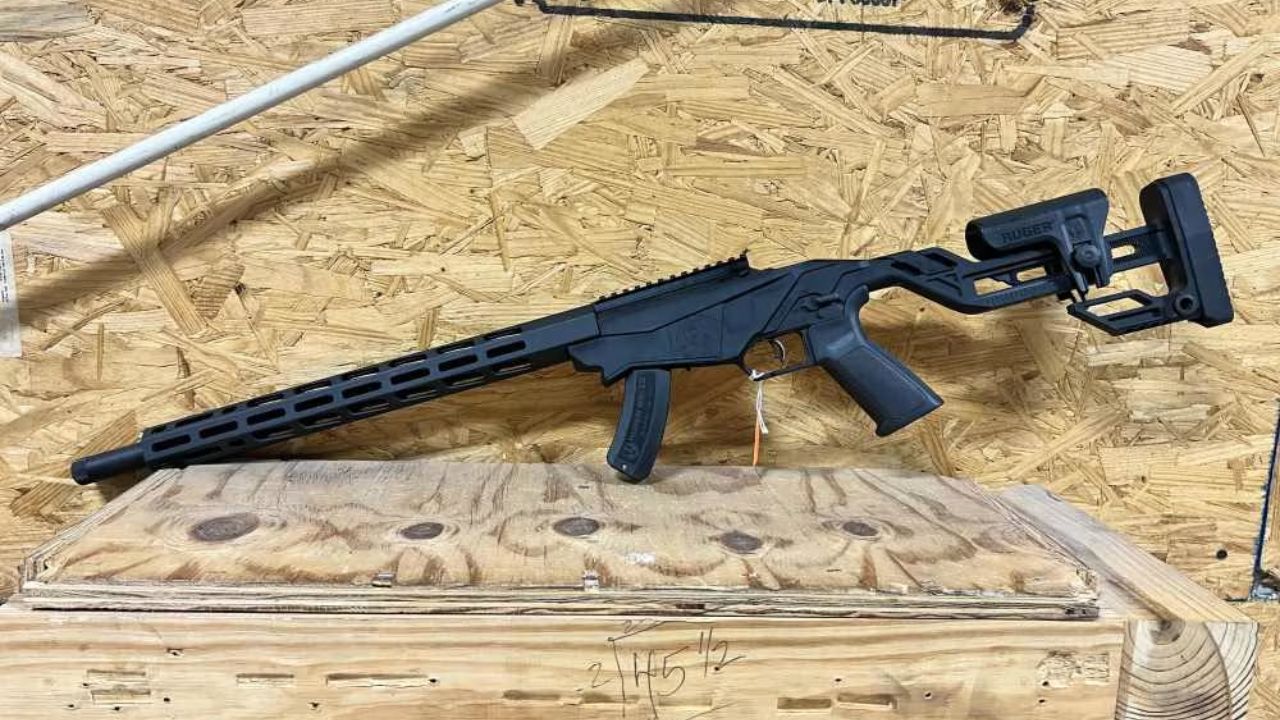
The Precision Rimfire looks like a miniature long-range competition rifle, complete with adjustable stock, pistol grip, free-float-style fore-end, and substantial barrel. It is one of the easiest .22s to see on a rack and immediately start imagining tiny groups at ridiculous distances.
The tradeoff is that the same features making it look like a precision centerfire rifle also add weight and bulk to what is still a rimfire. For bench shooting or positional practice, that can be exactly what you want. For walking around hunting squirrels or carrying a .22 across the property, a much lighter rifle quickly becomes more appealing.
I like the Precision Rimfire enormously for training and target use. I would not buy it simply because it looks serious. The rifle works best when the owner’s actual shooting is serious enough to benefit from the extra size.
Like The Avid Outdoorsman’s content? Be sure to follow us.
Here’s more from us: