Photo credit: Randy Wakeman/YouTube
There is a particular kind of hunting rifle that feels disappointing right up until the first group forms on the target. The stock sounds hollow when you tap it, the fore-end flexes more than expensive rifle owners think it should, the checkering came straight out of a mold, and nothing about the rifle gives you the impression that somebody spent much money making it pretty. Then it starts stacking hunting ammunition into groups that make far more expensive rifles uncomfortable.
That has become increasingly common because manufacturers figured out where accuracy actually comes from. A good barrel, consistent chamber, decent trigger, rigid action interface, and properly assembled rifle matter a lot more than expensive walnut or a stock that feels luxurious in the gun store. I may eventually upgrade the furniture on some of these rifles, but I would shoot them first. These 20 have a habit of proving that an ugly stock can hide an awfully good rifle.
Savage Axis II

The Axis II has never fooled anyone into thinking the stock is expensive. Pick one up and you immediately feel the lightweight molded construction, particularly through the fore-end. Older examples could feel hollow enough that shooters started discussing replacement stocks almost immediately. Savage clearly put the money elsewhere, and that turned out to be a pretty smart decision because the basic rifle has developed a reputation for accuracy that frequently exceeds what the price and furniture suggest.
The Axis II is particularly interesting because the AccuTrigger removes one of the biggest weaknesses associated with many inexpensive hunting rifles. Give me a clean trigger and a barrel that likes its ammunition, and I can live with a cheap stock much more easily. I would shoot an Axis II thoroughly before changing anything. Plenty of them are capable of making the factory furniture look like the least important part of the rifle.
Ruger American Predator

The American Predator may be one of the best examples of inexpensive furniture surrounding a surprisingly effective accuracy platform. The molded stock is functional rather than luxurious, and earlier examples in particular could have enough fore-end flexibility to bother shooters who spent too much time squeezing the stock instead of shooting the rifle. Nothing about it feels like a premium precision gun.
Then you get behind one. The Predator’s heavier barrel, decent trigger, bedding arrangement, and practical chamberings give it serious potential for a rifle in its price category. I have always thought the model made more sense once you stopped expecting the stock to impress you. Its job is to hold the barreled action in place while the rifle puts bullets where they belong. If it does that consistently, I can forgive a lot of molded plastic.
Thompson/Center Compass
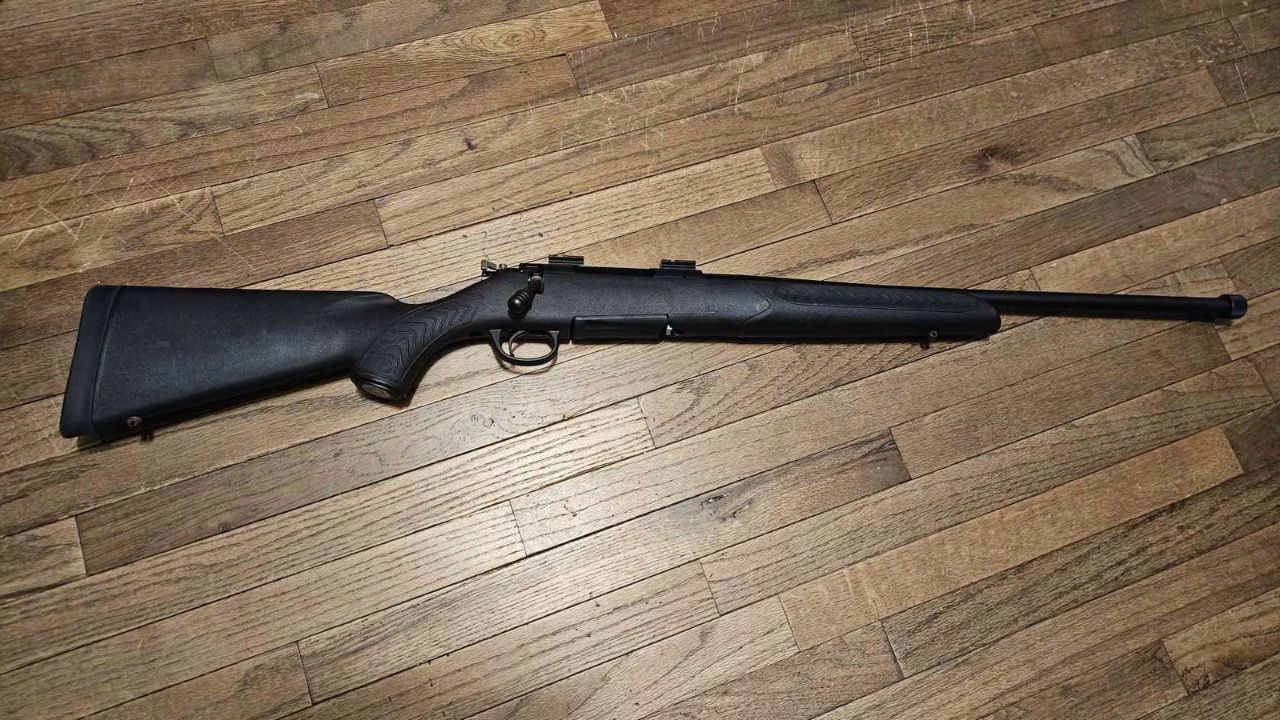
The Compass was built around a budget that becomes obvious as soon as you handle the stock. It is light, molded, and clearly designed to keep the complete rifle affordable rather than make somebody admire it at the counter. That inexpensive feel caused plenty of shooters to assume the rest of the rifle belonged in the same category.
Accuracy frequently changed that opinion. The Compass developed a following among hunters who discovered they could buy a basic rifle, mount respectable glass, find a load it preferred, and end up with a combination that shot surprisingly well. The stock may never feel like the one on a premium hunting rifle, but deer certainly do not know what the furniture cost. This is exactly the type of rifle I would test carefully before pouring money into upgrades. You may discover the important part already works.
Thompson/Center Venture

The Venture sat a step above the cheapest rifles without ever feeling especially luxurious. Its synthetic stock was practical but hardly memorable, and the exterior gave little indication that the rifle could compete with significantly more expensive bolt guns on the target.
That was the surprise. Ventures earned a strong reputation among owners for being accurate hunting rifles with good barrels and sensible triggers. The rifle also benefited from Thompson/Center putting more emphasis on the barreled action than on making the stock feel expensive. I think that is the right trade for a working hunting gun.
Because the Venture is discontinued, I would pay more attention to a clean used example now than I might have when they were everywhere. A scratched synthetic stock would not bother me much. I would care far more about the bore, crown, trigger, and what the rifle actually does with ammunition it likes.
Marlin X7
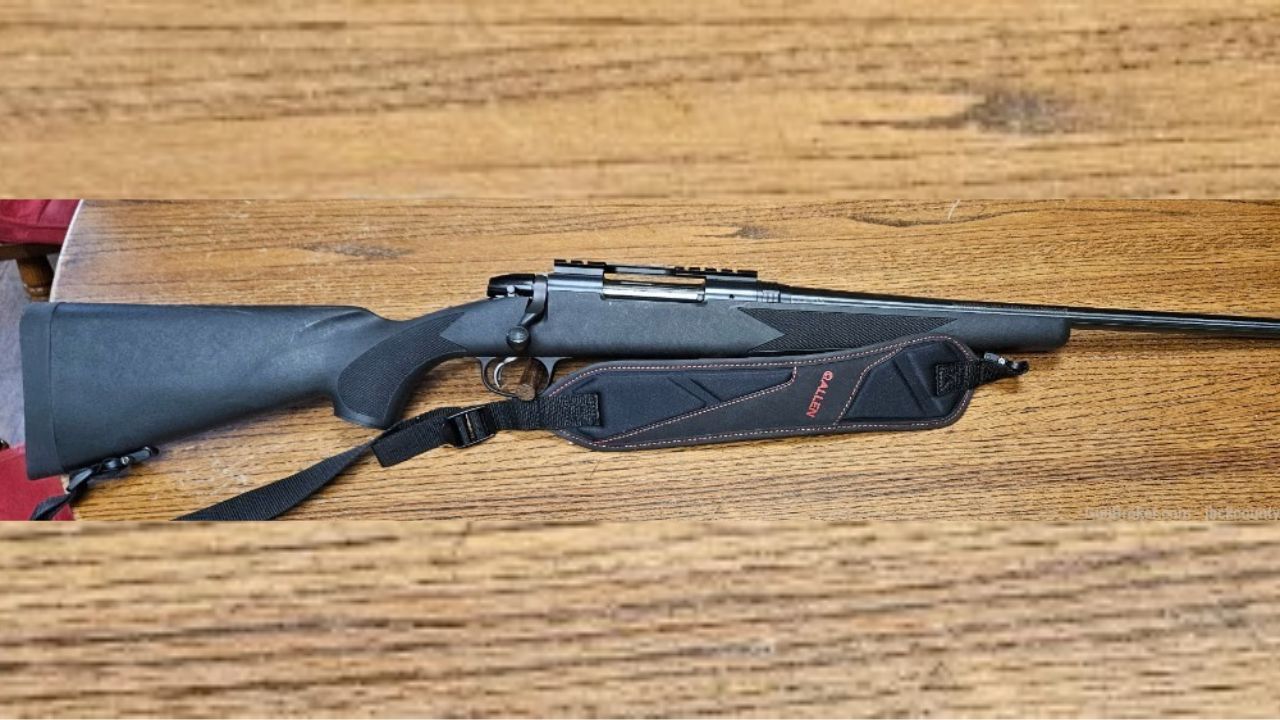
The X7 looked exactly like what it was supposed to be: an affordable bolt-action hunting rifle. The stock was plain, the finish was basic, and nothing about the gun suggested that Marlin was trying to challenge premium European rifles for pride of ownership.
What Marlin did manage to produce was a rifle that frequently shot extremely well. The trigger was better than many budget-rifle buyers expected, the action was straightforward, and the barrels developed a solid reputation among hunters who actually put the rifles on paper instead of judging them at the sales counter.
That is why the X7 has aged better than its appearance suggested it would. Production ended, but owners who have accurate examples often have little reason to replace them. I would rather hunt with an ugly rifle I know prints tight cold-barrel groups than a beautiful rifle whose only proven skill is looking good in the safe.
Remington Model 783

The Model 783 had the nearly impossible task of wearing the Remington name while being compared constantly with the Model 700. The molded stock, basic finish, and overall budget construction made the comparison even less flattering. People picked one up, felt the stock, and decided immediately which rifle was supposed to be the premium product.
That did not prevent many 783s from shooting very well. The barrel-nut system, free-floated barrel arrangement, and usable trigger gave the rifle the ingredients necessary for good practical accuracy even if nobody was going to mistake the stock for custom fiberglass.
I think the 783 makes far more sense when viewed as a tool rather than as an inexpensive Model 700. If the rifle puts the first few hunting shots close together and maintains zero, the plastic furniture has done enough. The target gets the final vote.
Winchester XPR

The XPR may wear one of the most prestigious names in American rifle history, but nobody is going to confuse its synthetic stock with a hand-checkered Model 70. Winchester designed the XPR around affordability, which means a molded stock, straightforward finish, and little decorative excess.
The important thing is that Winchester did not forget the barrel, trigger, or basic action. XPR rifles have earned plenty of respect as accurate hunting guns, and I have always thought their performance makes the inexpensive furniture easier to forgive. The stock also works perfectly well for bad weather, which is exactly where many hunters are reluctant to take beautiful walnut anyway.
I would mount a dependable scope, find the ammunition the rifle prefers, and leave the stock alone until it actually caused a problem. A rifle that repeatedly puts the first cold shot in the right place does not need expensive furniture to validate it.
Browning AB3
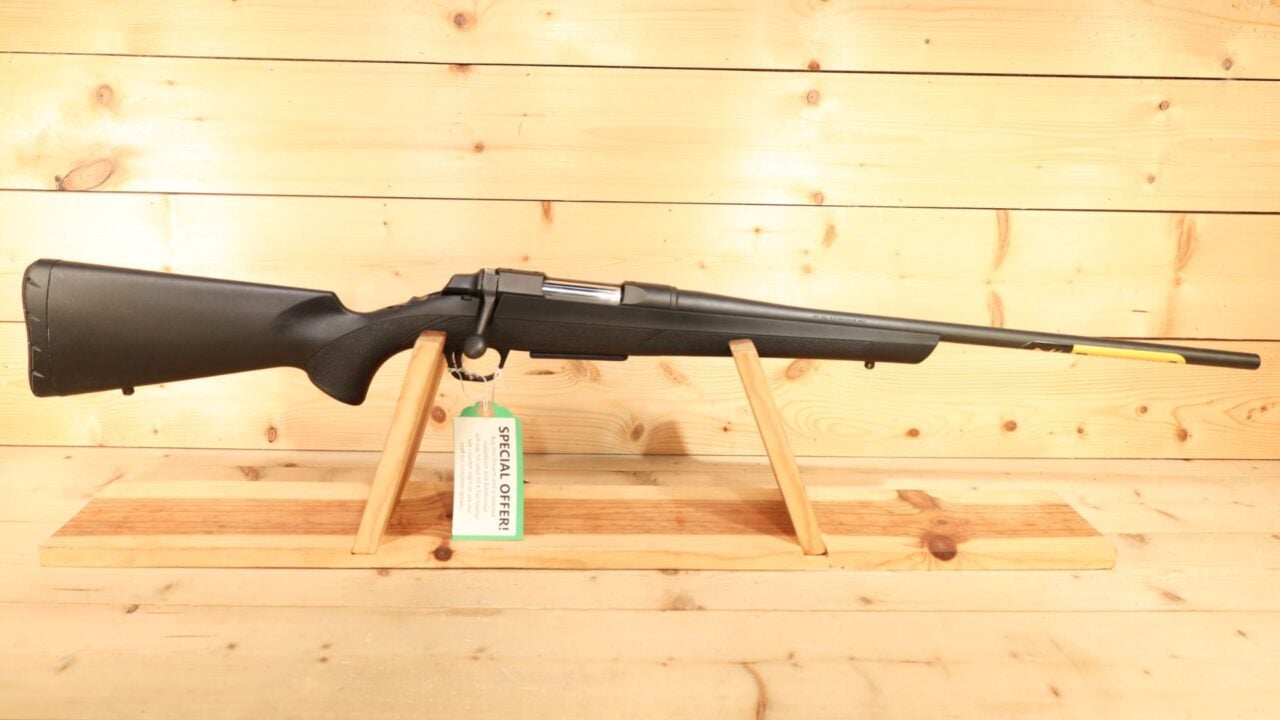
The AB3 looks inexpensive beside an X-Bolt, and that is not an accident. Browning built it to reach hunters who wanted the company’s name and basic engineering without paying for the finish and features of a more expensive rifle. The synthetic stock is one of the first places where that difference becomes obvious.
That does not mean Browning ignored the parts that determine whether the rifle will actually shoot. The AB3 has a good basic action, practical trigger system, detachable magazine, and barrels capable of making the rifle much more accurate than its exterior suggests.
I would especially like one as a rough-weather deer rifle. There is very little emotional pain involved when inexpensive synthetic furniture gets scratched climbing into a stand. If the rifle already shoots well, that lack of preciousness becomes an advantage. Sometimes the cheap stock is exactly what allows you to use the rifle without worrying about it.
Weatherby Vanguard Synthetic
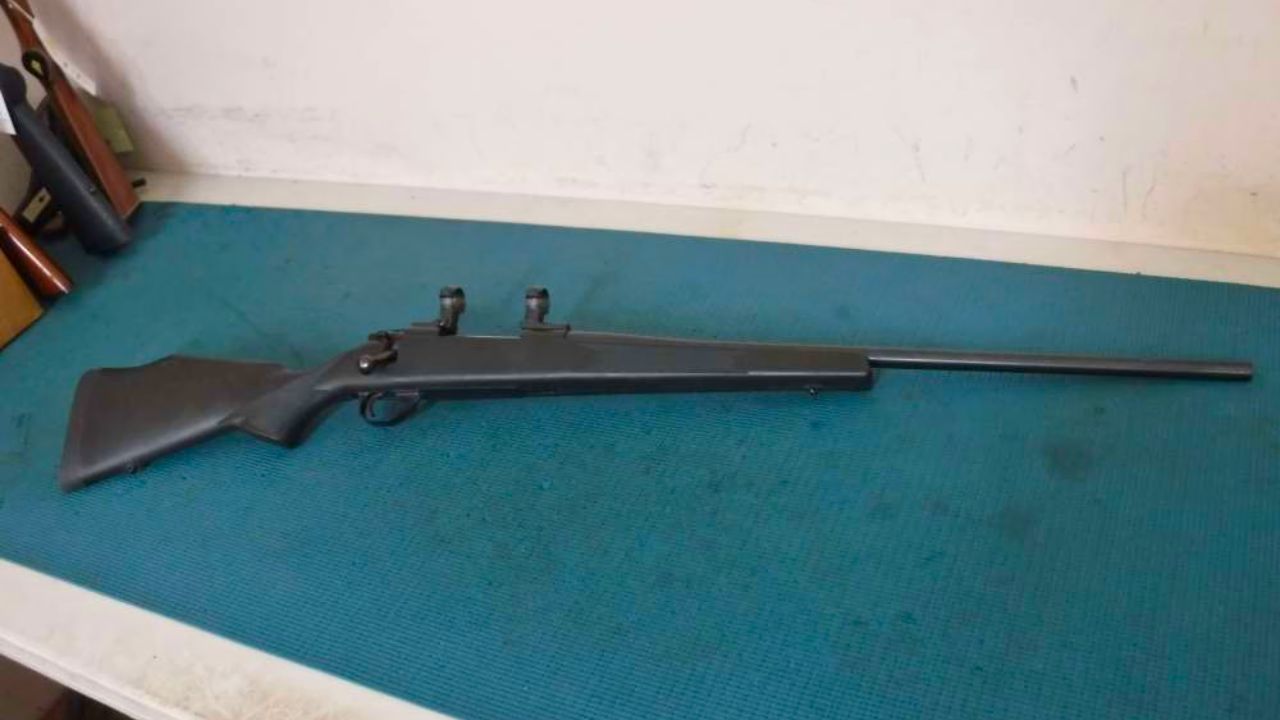
The Vanguard Synthetic has always lived in the shadow of prettier Weatherbys. Put one beside a Mark V Deluxe and nobody needs help figuring out which rifle costs more. The basic synthetic stock can feel completely ordinary, and older versions rarely gave buyers the visual excitement associated with the Weatherby name.
The Howa-built action underneath is another story. Vanguards have developed an excellent reputation for durability and accuracy, and plenty of hunters discovered that the plain synthetic rifle was capable of producing groups they had no business complaining about. The somewhat substantial weight also helps the rifle settle nicely from a rest.
This is one of the guns where I genuinely do not care that the stock looks inexpensive. A Vanguard is supposed to hunt. If the furniture survives bad weather and the barreled action consistently produces tight groups, I would rather leave it alone and spend the stock-upgrade money on ammunition.
Mossberg Patriot Synthetic

The Patriot has always been priced aggressively, and the synthetic-stock versions make that obvious. The stock is light and functional, but there is not much about it that makes you want to spend five minutes admiring the fit and finish. Mossberg was clearly trying to put a complete hunting rifle into an attainable price bracket.
Some Patriots shoot surprisingly well once you find the right ammunition. The adjustable trigger helps considerably because even a mechanically accurate rifle is difficult to exploit when the trigger feels terrible. Mossberg also offers practical chamberings and barrel configurations that make the rifle useful for ordinary deer hunting rather than merely inexpensive.
I would approach one the same way I approach every budget bolt rifle: ignore the feel of the stock long enough to see what the target says. If the rifle repeatedly shoots hunting ammunition well, the inexpensive furniture becomes cosmetic rather than consequential.
CVA Cascade
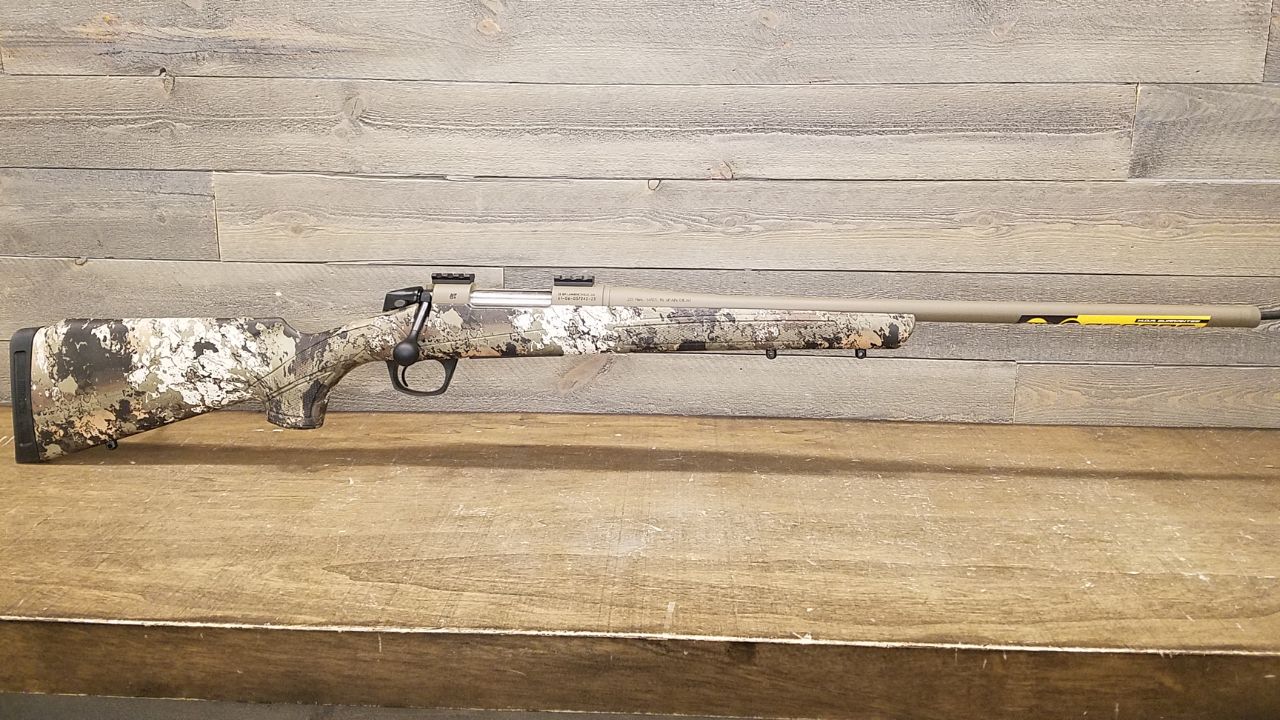
The Cascade arrived from a company many hunters still associated primarily with muzzleloaders, and the plain synthetic stock did not exactly announce that CVA was suddenly competing seriously in the centerfire bolt-action market. It looked like another inexpensive hunting rifle.
Shooters quickly discovered there was more going on. Cascades have developed a reputation for accuracy that can make the price seem almost suspiciously low, and the basic trigger and barrel quality contribute far more to that than the stock’s appearance ever could. The rifle also tends to have practical dimensions that make it useful in real hunting positions.
This is one I would absolutely shoot before considering an aftermarket stock. If a Cascade is already putting three cold shots into a tight group, changing furniture may improve feel without changing what happens to the deer. That distinction can save a lot of money.
Franchi Momentum
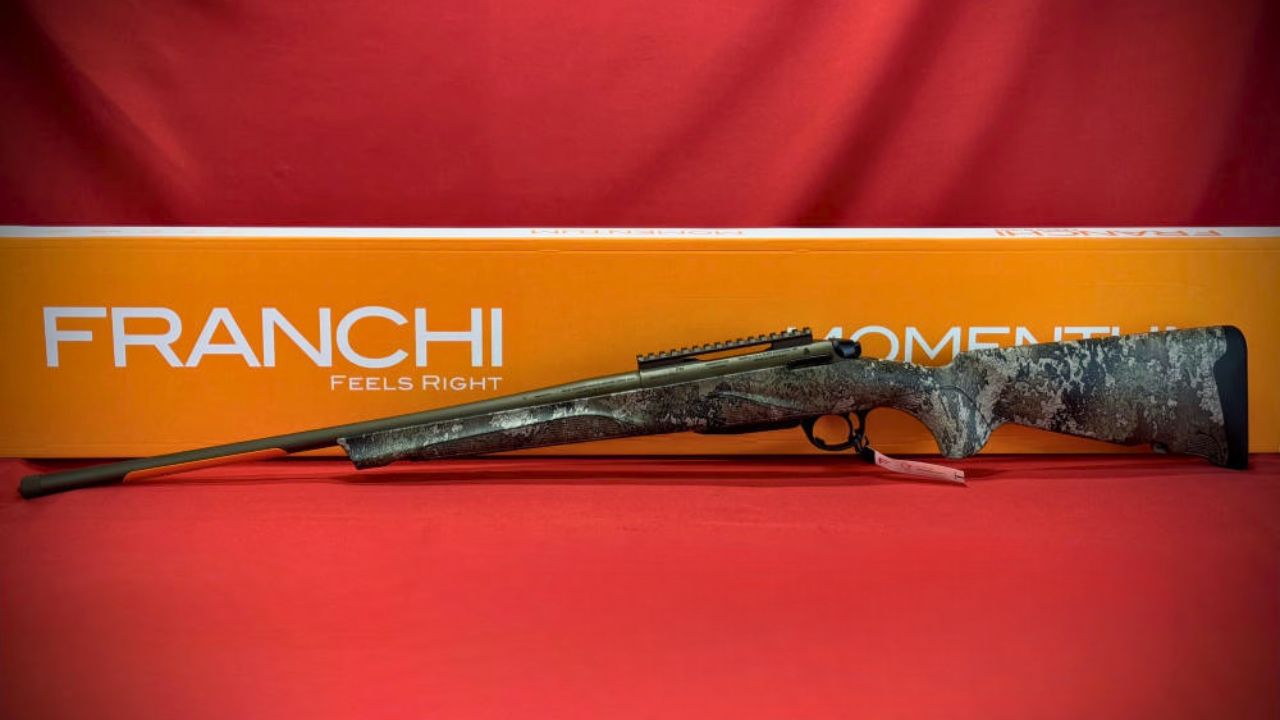
The Momentum’s stock looks modern, but nobody is going to mistake the standard synthetic version for expensive hand-laid carbon fiber. The molded furniture and unusual grip treatment can even make the rifle appear cheaper than some similarly priced competitors.
The barreled action tends to tell a better story. Franchi put real effort into making the Momentum an accurate hunting rifle, and the action, trigger, barrel, and bedding approach give it capabilities that its price does not immediately reveal. I also like that the rifle remains practical rather than becoming excessively heavy in pursuit of small groups.
This is another example of why judging hunting rifles by stock feel can be misleading. A stock needs to fit well enough, remain stable, and stay out of the barrel’s way. Once those requirements are met, I care far more about where the cold bore shot lands.
Mauser M18
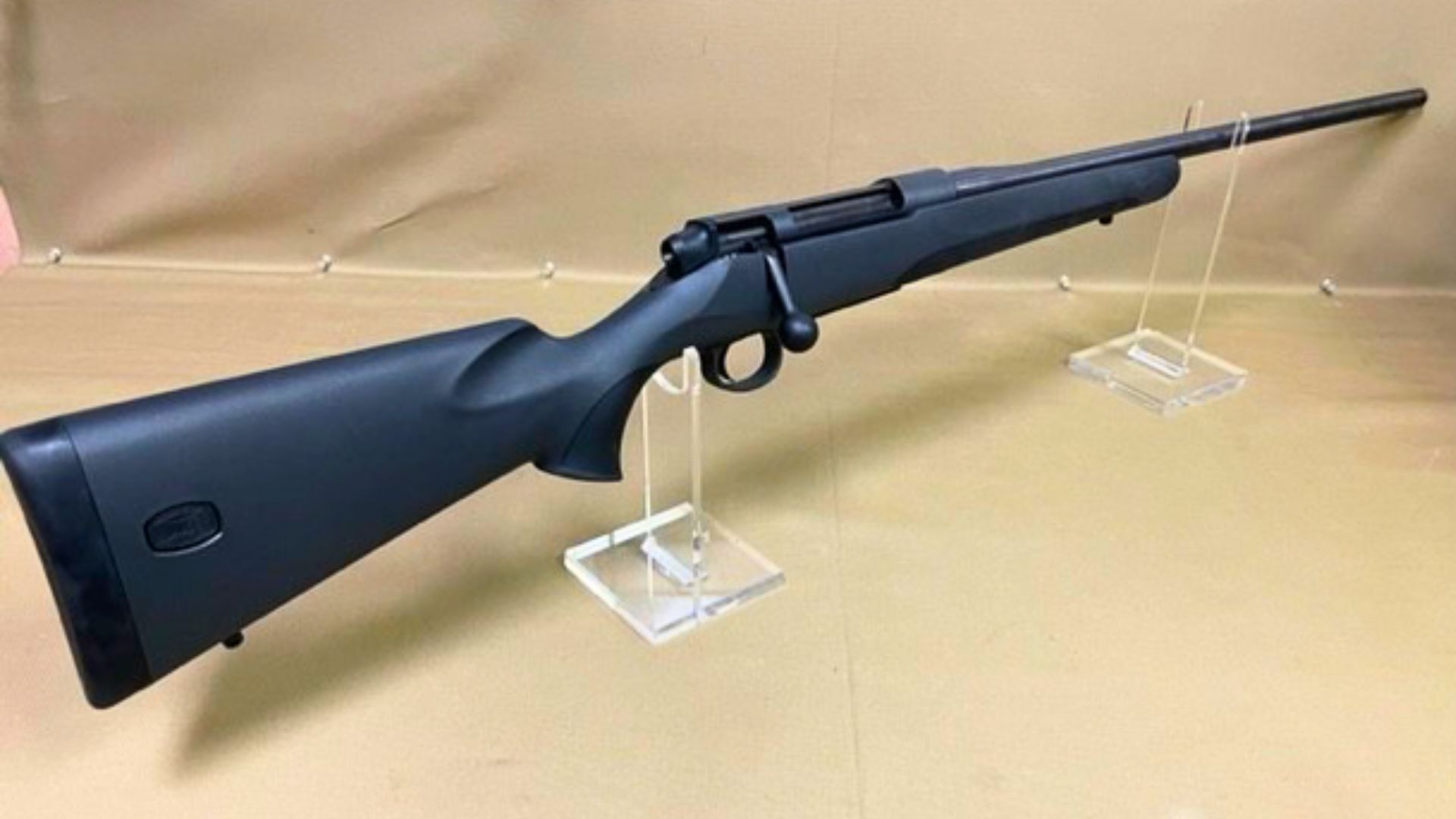
The M18 may carry the Mauser name, but the stock immediately tells you this is not some ornate premium German sporting rifle. It is utilitarian synthetic furniture designed around grip and durability rather than appearance. Some shooters expected more luxury simply because of the name stamped on the rifle.
That expectation misses what makes the M18 appealing. The action is smooth, the trigger is useful, and the rifle can deliver very good accuracy without dragging the owner into premium-rifle pricing. The stock may not win anyone over through beauty, but its grippy inserts and straightforward design make sense in actual hunting weather.
I would much rather Mauser put money into the action and barrel than polish up a rifle that does not shoot. The M18 proves that an inexpensive-feeling exterior does not necessarily mean the engineers economized everywhere else.
Sauer 100 Classic XT

The Classic XT has a name that sounds more expensive than its synthetic stock feels. The furniture is straightforward and clearly designed for hard use rather than visual appeal, especially compared with the beautiful walnut found on more expensive Sauer rifles.
What you get underneath is why the rifle deserves attention. Sauer brought its reputation for smooth actions and good barrels into a much more attainable price category, and the 100 frequently surprises shooters who assume the plain stock means ordinary performance.
I like this rifle especially for someone who wants European engineering without feeling guilty about hunting in rain, snow, or thick cover. A premium walnut stock can make you baby a rifle. The XT encourages the opposite. If it is accurate, properly zeroed, and comfortable enough to shoot, its lack of glamour becomes a feature rather than a weakness.
Ruger American Ranch
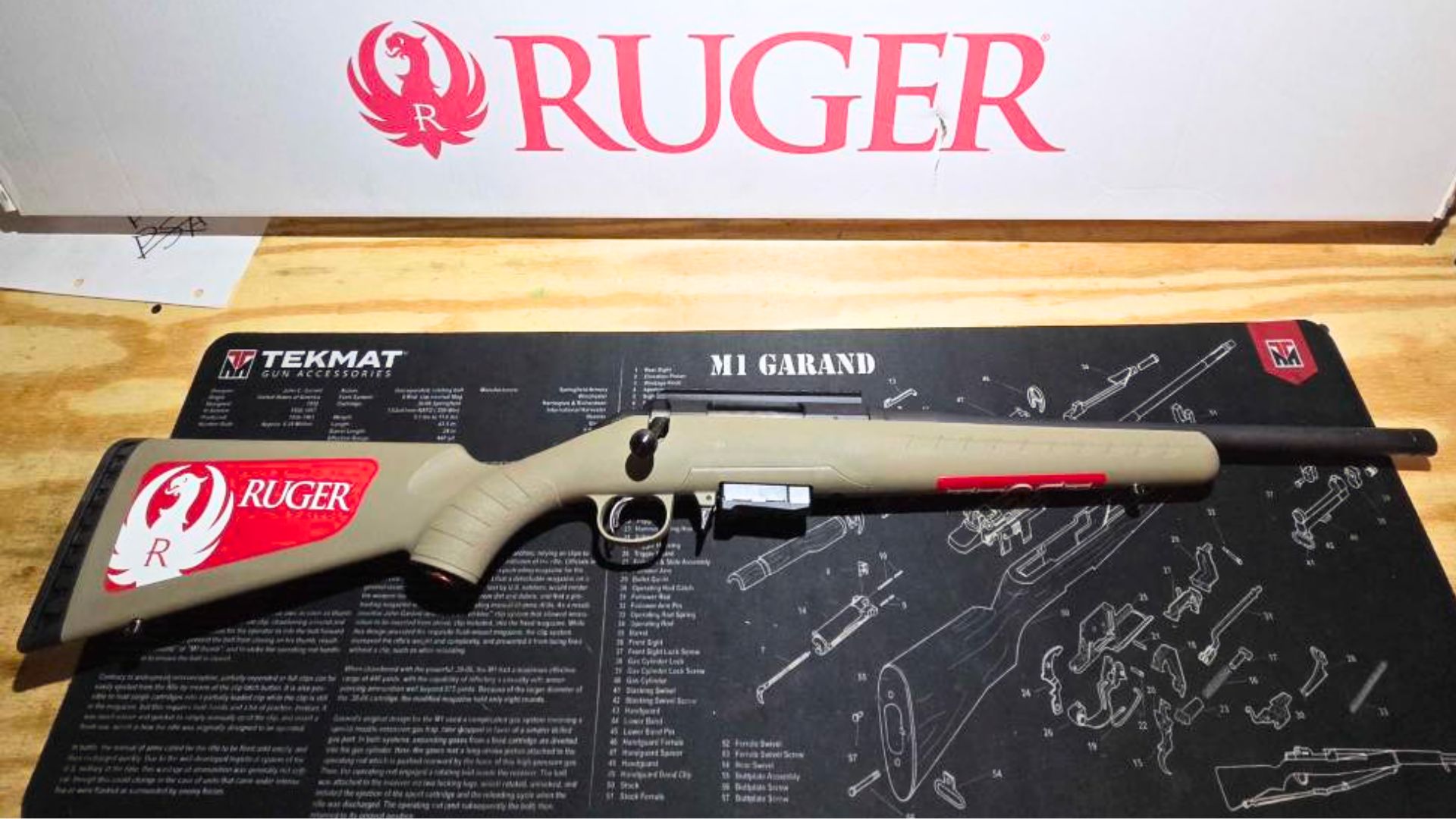
The Ranch version of the Ruger American may look even cheaper than some longer hunting rifles simply because the short barrel and compact stock make the whole package seem stripped down. Earlier stocks in particular never gave anyone the impression that Ruger was wasting money on unnecessary refinement.
The little rifles can shoot remarkably well. Short, relatively stiff barrels are not a disadvantage for practical accuracy, and several Ranch chamberings have developed devoted followings among hunters and property owners who appreciate a compact rifle that still groups tightly.
I would not change the stock merely because it flexes when I deliberately squeeze it at the gun counter. I care about whether the barrel remains properly free and the rifle maintains zero under realistic shooting conditions. If it does, the Ranch gives you an awful lot of accuracy in a package that looks almost too inexpensive to take seriously.
Savage 11 Trophy Hunter XP
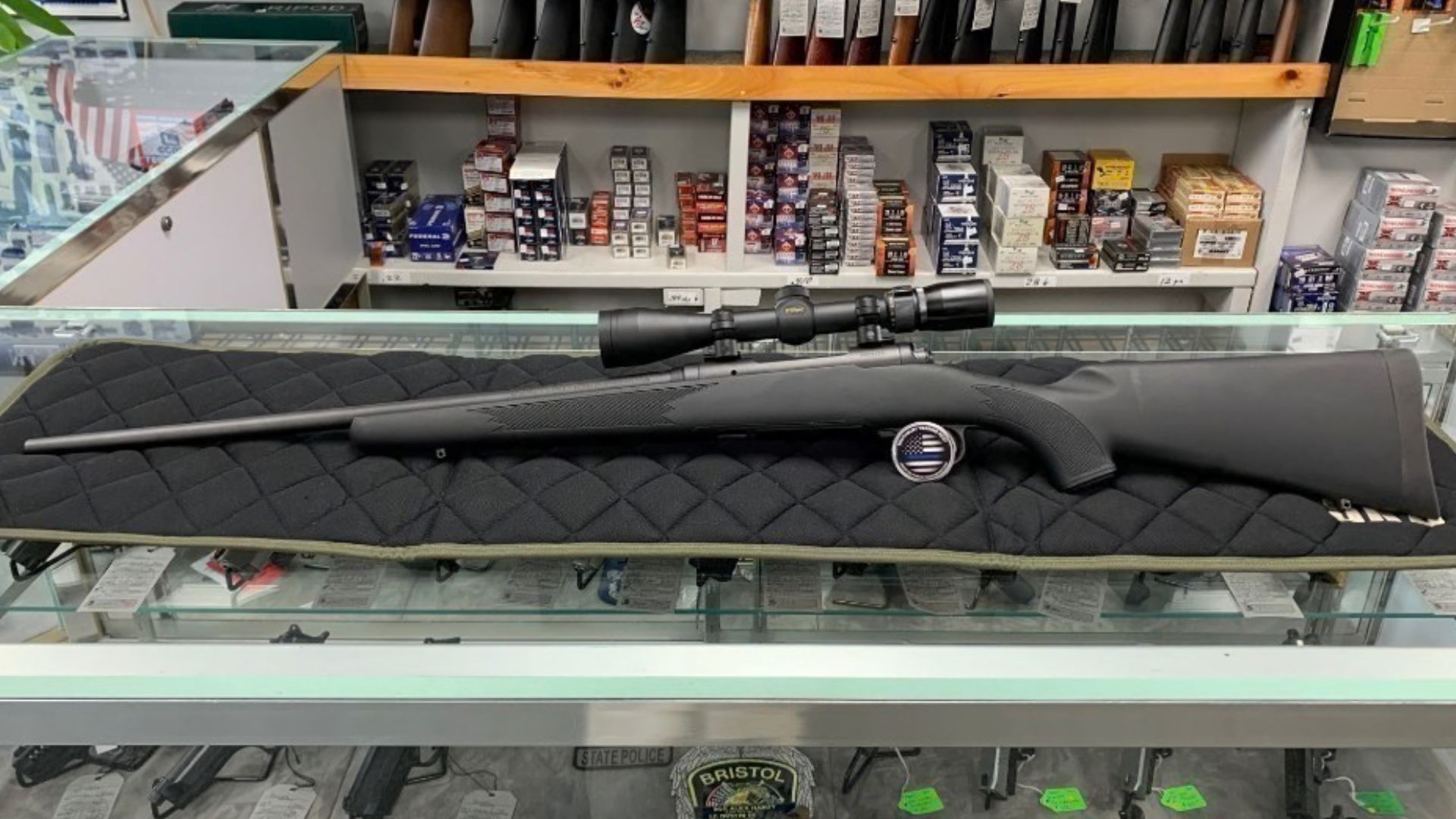
The Trophy Hunter XP packages were built for people who wanted to buy one box containing nearly everything necessary to go deer hunting. The stock was basic synthetic, the included optic was rarely the thing enthusiasts got excited about, and the entire package could look like something intended strictly for first-time hunters.
The Savage action and barrel frequently had other plans. Many of these rifles were capable of excellent accuracy, especially once the owner replaced or upgraded the package optic and found ammunition the barrel preferred. The AccuTrigger also gave shooters more usable trigger quality than many competing package rifles.
That is why I never automatically dismiss an older Trophy Hunter when I see one used. The stock may feel cheap and the exterior may show hunting wear, but an accurate Savage action with a good bore can still be the most important part of the deal.
Tikka T3 Lite
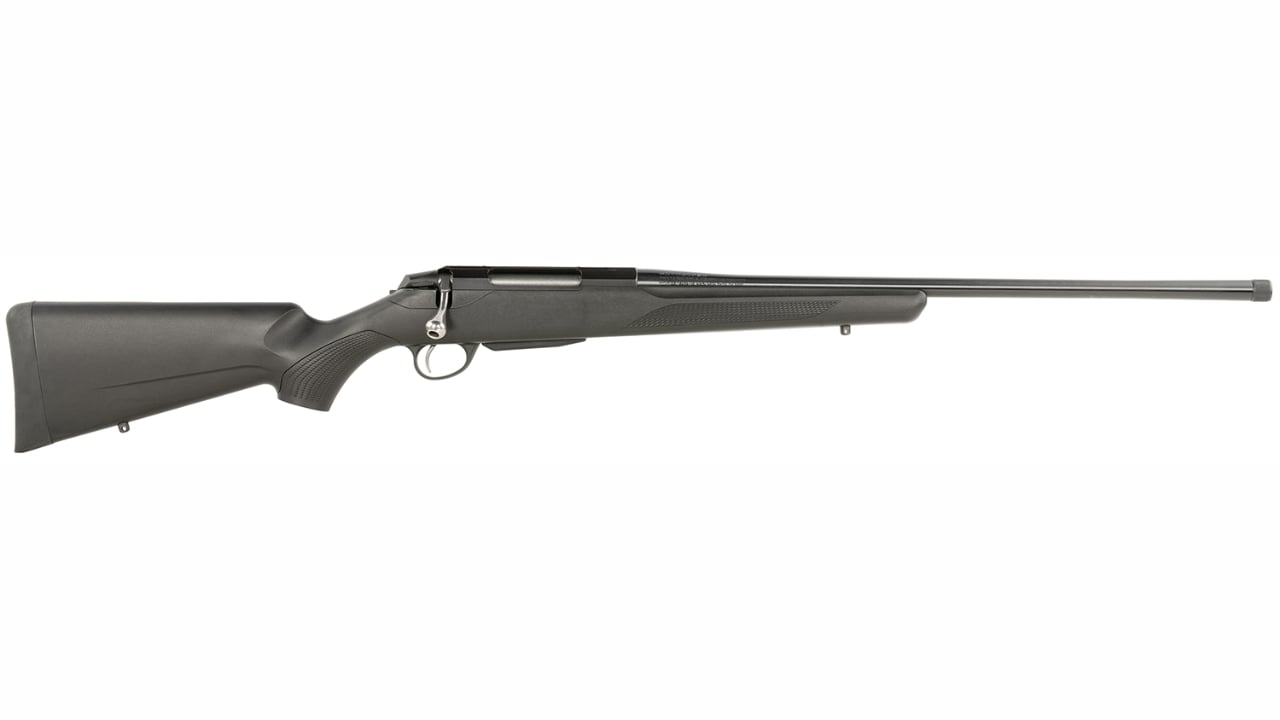
The original T3 Lite caused plenty of shooters to complain about plastic. The stock was light and hollow-feeling, the magazine was polymer, and even the bolt shroud on older examples gave traditionalists something to gripe about. For a rifle that was not exactly bargain-basement cheap, it could feel surprisingly inexpensive in the hands.
Then people shot them.
That is where Tikka built its reputation. The actions are famously smooth, the triggers are excellent for production hunting rifles, and the barrels have repeatedly delivered the kind of accuracy that causes owners to stop caring about hollow stock noises. Plenty of hunters eventually replaced the furniture anyway, but many discovered the rifle needed no mechanical improvement.
The T3 may be the ultimate example of this headline. The stock tells one story. The target frequently tells a much better one.
Howa 1500 Hogue

The Hogue-stocked Howa 1500 does not necessarily look cheap, but the flexible rubber-overmolded fore-end can make precision-minded shooters suspicious. Squeeze it hard enough and you may see enough movement to start immediately imagining a stiffer stock.
I would shoot the rifle first. Howa 1500 barreled actions have an excellent reputation, and plenty of Hogue-stocked rifles produce groups far smaller than their soft-feeling furniture suggests. The stock is also extremely comfortable in wet conditions because that rubberized texture provides grip when smooth synthetic or walnut can become slippery.
Could a rigid aftermarket stock improve consistency in certain setups? Absolutely. That does not mean every Howa needs one. If the barrel remains clear during the way you actually shoot and the rifle groups well, the Hogue may be doing its job better than it feels like it should.
Mossberg MVP Predator
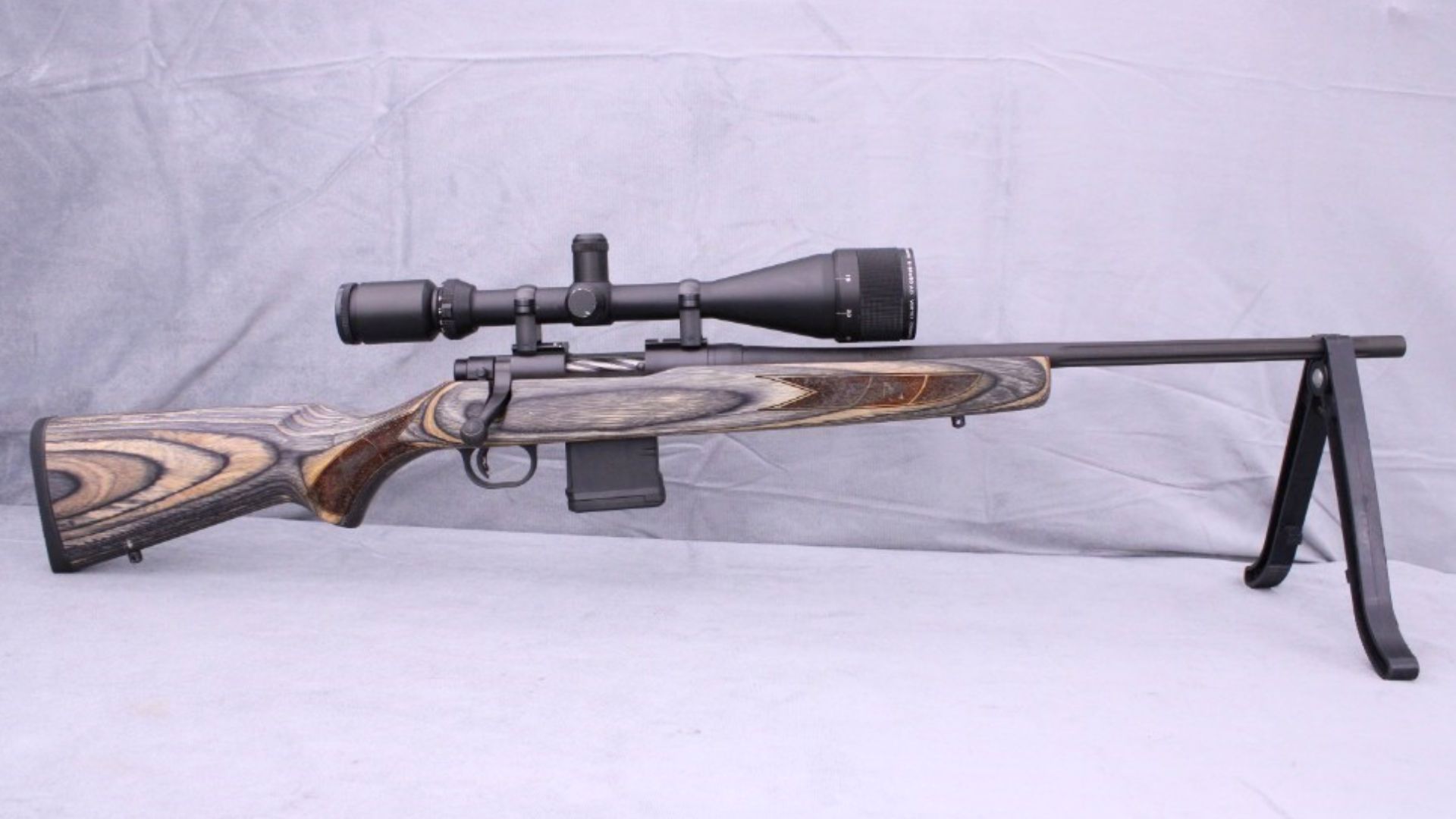
The MVP Predator has always looked more utilitarian than refined, especially in the less expensive synthetic-stock versions. Much of the appeal centers on practical features and magazine compatibility rather than luxurious furniture, so the stock can feel like the least impressive component of the package.
Accuracy can be much more interesting. The heavier barrel profiles and varmint-oriented chamberings give the MVP a chance to shine from a rest, and some examples can produce excellent groups with ammunition they prefer. That can be surprising when the exterior makes the rifle look closer to an inexpensive utility gun than a precision-oriented bolt action.
I would especially avoid making assumptions based on how the fore-end feels. Put the rifle on bags, verify nothing is interfering with the barrel, and let several ammunition types tell you what you actually own. Cheap-feeling stocks have embarrassed plenty of skeptics.
Remington 700 SPS
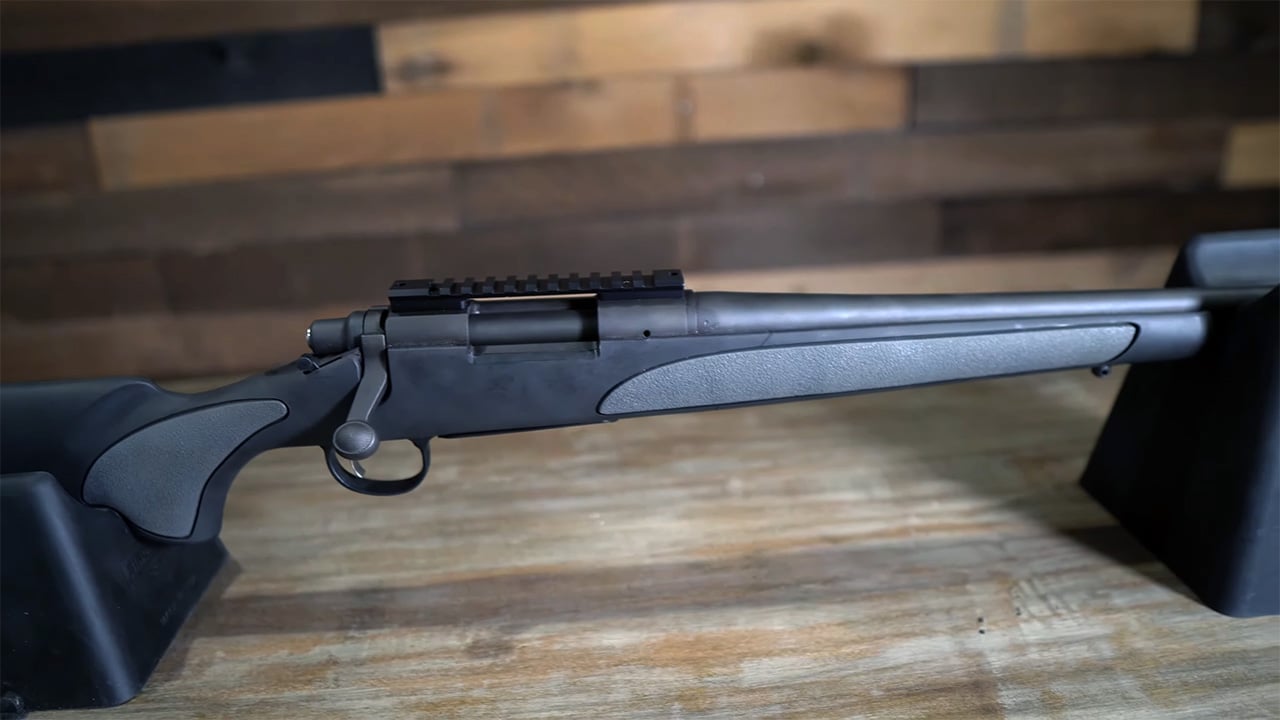
The 700 SPS is probably the most obvious example of a major manufacturer taking an established action and surrounding it with inexpensive furniture to hit a lower price. The synthetic stock has never been the reason anyone buys one. It can feel flexible, hollow, and dramatically less impressive than the stocks found on higher-grade Model 700s.
The barreled action can still shoot extremely well. That is why the SPS became such a common starting point for custom rifles. Owners could shoot the factory setup, discover that the barrel and action had real potential, and then decide whether a better stock was actually necessary.
I would never assume the factory furniture automatically prevents good accuracy. Plenty of SPS rifles have shot beautifully in original form. If yours already groups the ammunition you hunt with, replacing the stock may make the rifle feel more expensive without making the deer any more dead.
Like The Avid Outdoorsman’s content? Be sure to follow us.
Here’s more from us: