Photo credit: Dayattherange/YouTube
There was a time when some of these guns were ordinary used-rack material. Hunters traded them in, police departments dumped them as surplus, and shooters passed on them because another example would probably show up next week.
That assumption did not age well. Production ended, surplus supplies dried up, and collectors started chasing the clean examples that remained. The modern collector market now puts serious attention on guns that previous generations often treated as everyday shooters. Major auction houses routinely devote significant space to once-common production firearms alongside genuinely rare pieces.
M1 Carbine
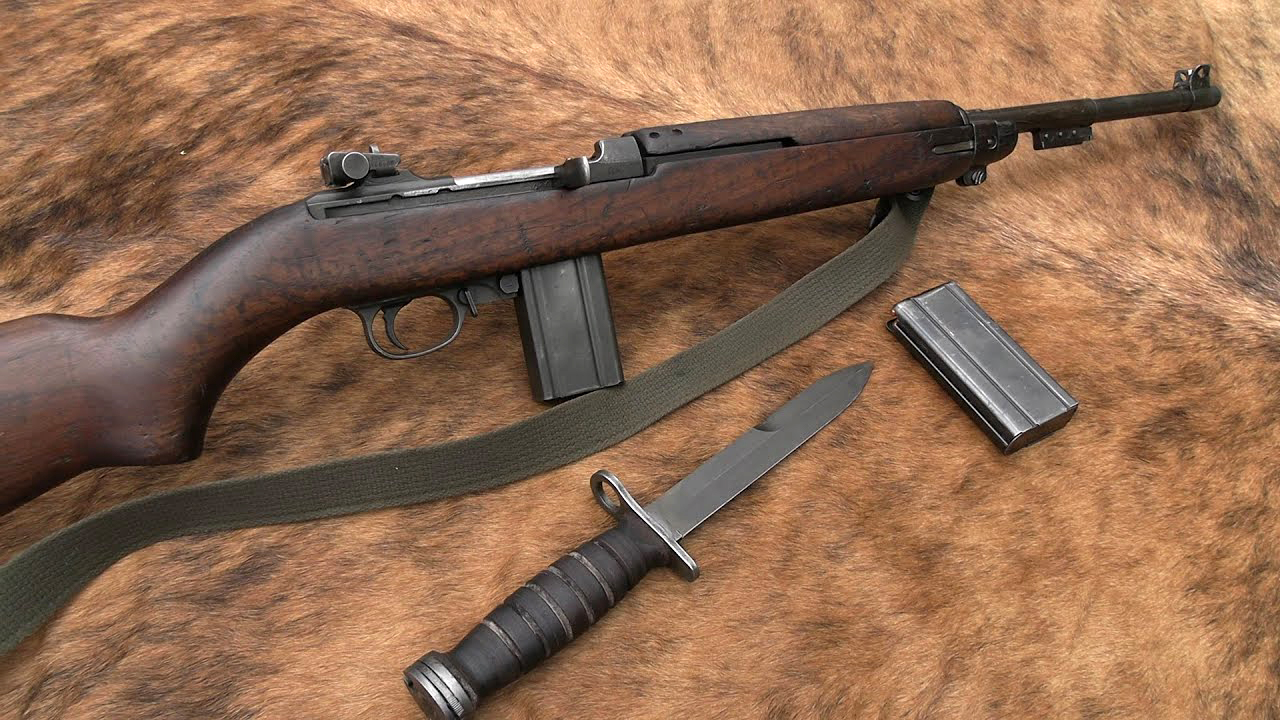
For decades, the M1 Carbine was exactly the sort of surplus rifle people bought to shoot rather than preserve. Huge numbers entered civilian hands, and owners modified stocks, replaced sights, added commercial parts, and generally treated them like inexpensive semiautomatics.
Originality changed everything. A correct military carbine with desirable manufacturer markings and period components occupies a completely different market from a mismatched shooter today. Inland, Winchester, Rock-Ola, IBM, Underwood, and the other wartime makers give collectors plenty to chase. Owners who remember when carbines were inexpensive surplus rifles can have a hard time believing what clean examples now command.
Springfield M1 Garand

The Garand was once available to generations of American shooters as an affordable surplus service rifle. Plenty were purchased primarily because someone wanted an inexpensive .30-06 semiautomatic.
Now buyers pay close attention to receiver manufacturers, production periods, barrels, stocks, drawing numbers, and whether components make sense together. CMP rifles still provide an avenue into Garand ownership, but highly original or desirable examples occupy a different category. The gun that once seemed like an obvious surplus purchase has become a centerpiece in many American military-rifle collections.
Springfield Model 1903
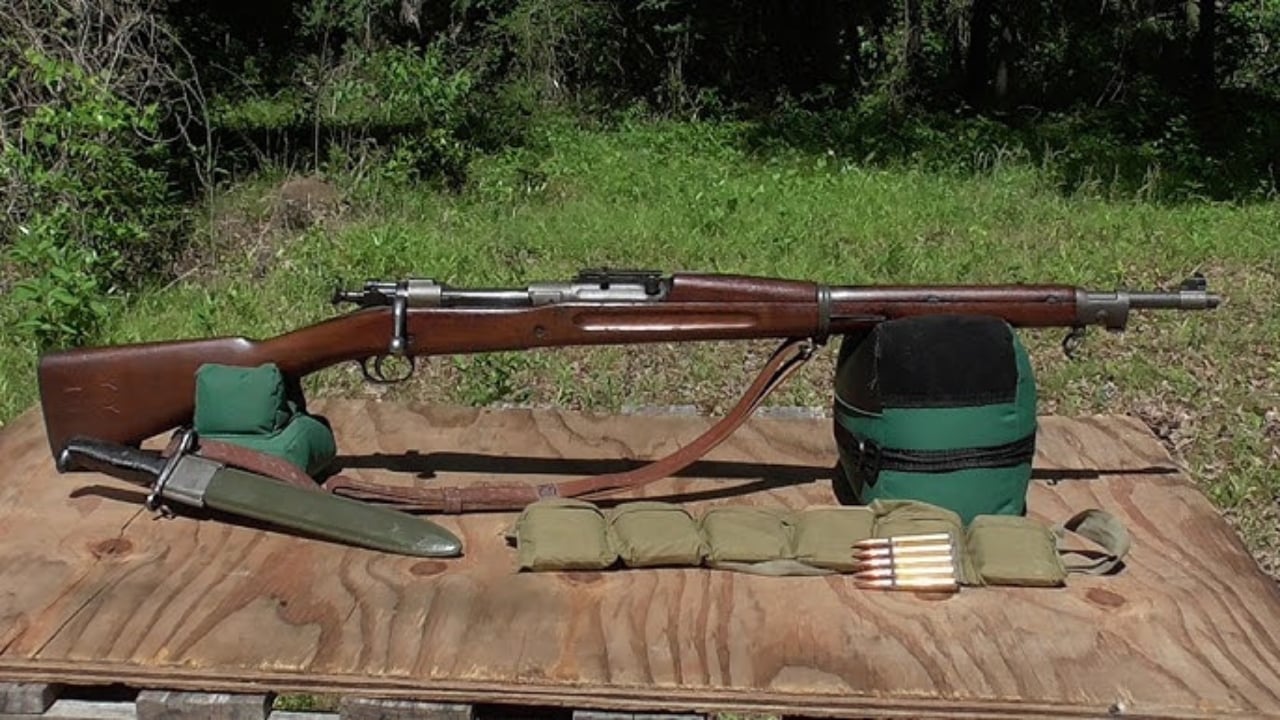
The Model 1903 went through the same transition even earlier. Surplus examples were plentiful enough that countless rifles were drilled, scoped, restocked, or converted into hunting rifles.
Those modifications are exactly why unaltered examples matter so much now. A correct rifle with original military configuration immediately attracts attention that an old sporter does not. Variants, manufacturers, and production dates create entire collecting specialties. What used to be regarded as an old bolt-action military rifle can now be worth considerably more than many excellent new hunting rifles.
Lee-Enfield No. 4 Mk I

British Enfields once filled surplus racks at prices low enough that shooters bought them simply to have an inexpensive centerfire rifle. Nobody worried much about preserving every piece of wood or matching every numbered component.
Years of cheap surplus ownership took a toll. Stocks were shortened, rifles were sporterized, and many examples were simply worn hard. Clean, original No. 4 rifles are consequently much more interesting today, particularly desirable manufacturers and configurations. The days of assuming another untouched Enfield will be sitting in the next gun shop are disappearing.
Finnish M39

Finnish M39 rifles were once treated as the nicer Mosin-Nagants rather than expensive collectibles. They cost more than the cheapest Soviet rifles but were still affordable enough to be bought primarily as shooters.
Collectors eventually figured out how much variation existed between manufacturers, dates, markings, stocks, and other details. The M39’s excellent reputation for accuracy did not hurt either. As imports dried up, the price difference between ordinary Mosins and desirable Finnish rifles widened considerably. People who bought M39s when they were merely inexpensive surplus rifles made an unusually good decision.
Winchester Model 52
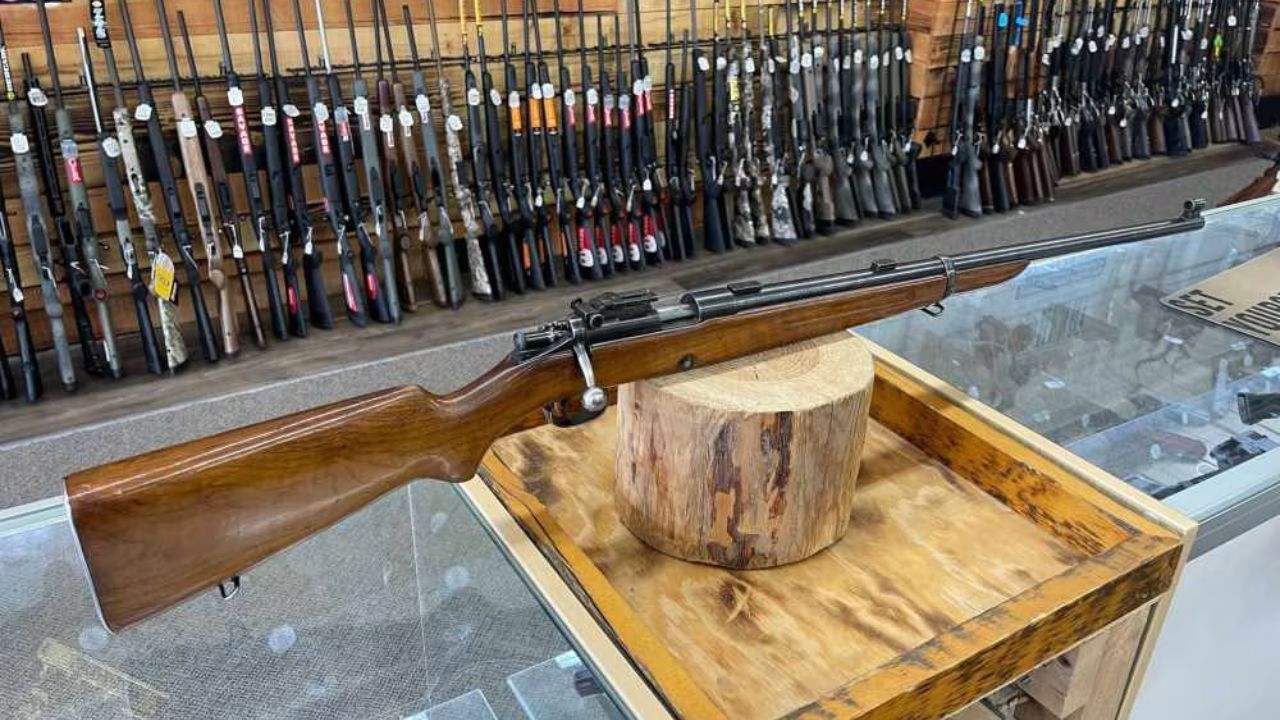
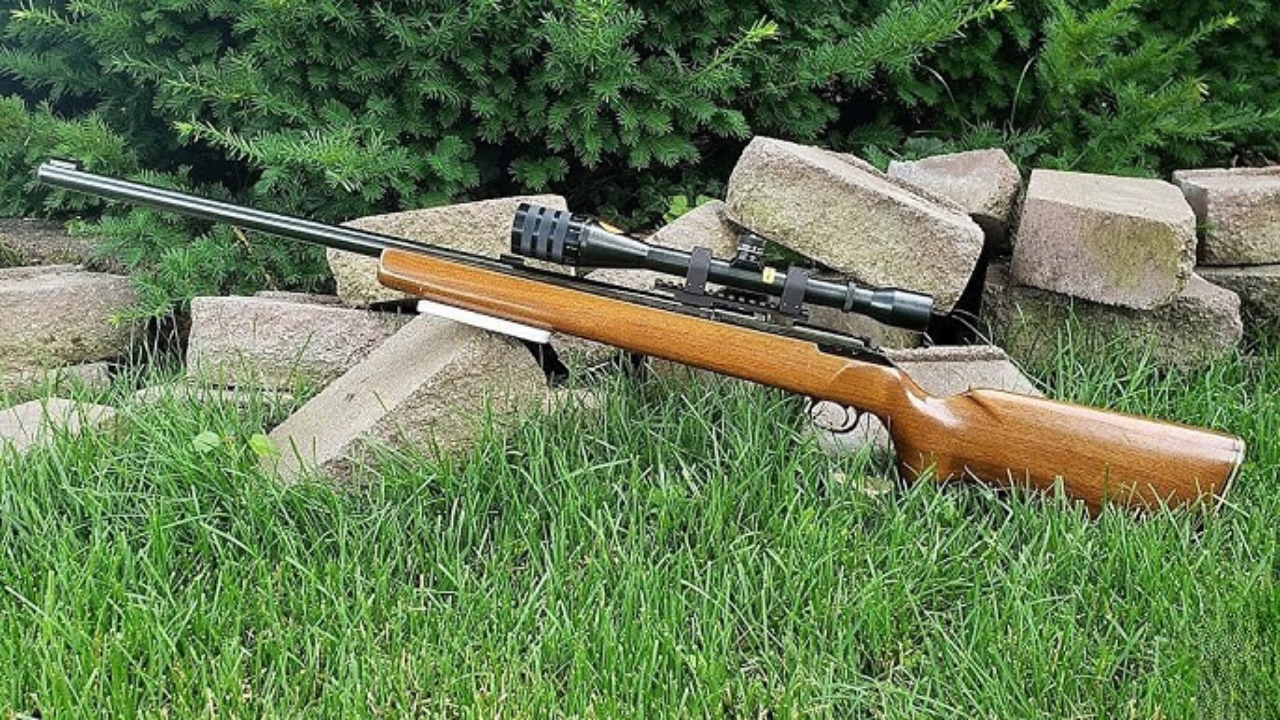
The Model 52 spent much of its life as a serious target and sporting .22 rather than a gun people expected to become a major collectible.
Its manufacturing quality looks increasingly impressive today. Different generations, target configurations, sporters, and production variations give collectors plenty to pursue, while truly clean rifles continue disappearing into permanent collections. A Model 52 once belonged at shooting clubs and rifle matches. The nicest examples now get treated with considerably more caution.
Winchester Model 75 Target
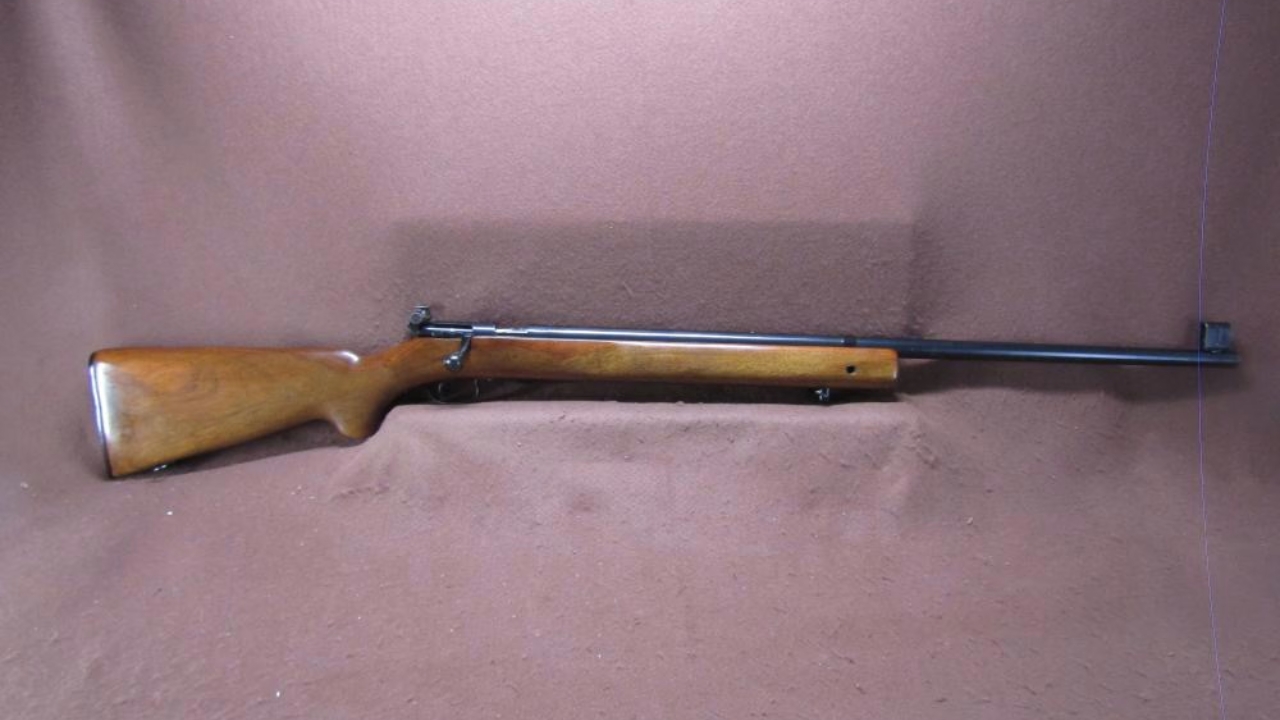
The Model 75 sat below the Model 52 in Winchester’s rimfire hierarchy, which helped keep it relatively ordinary for years. Schools, clubs, and recreational shooters used them heavily.
That usage is why condition matters now. A clean Model 75 Target with its original sights and stock can stand out dramatically from rifles that spent decades on firing lines. Shooters have also rediscovered the appeal of American-made target .22s from an era when manufacturers put a remarkable amount of steel and walnut into rimfire rifles.
Remington Model 513T Matchmaster
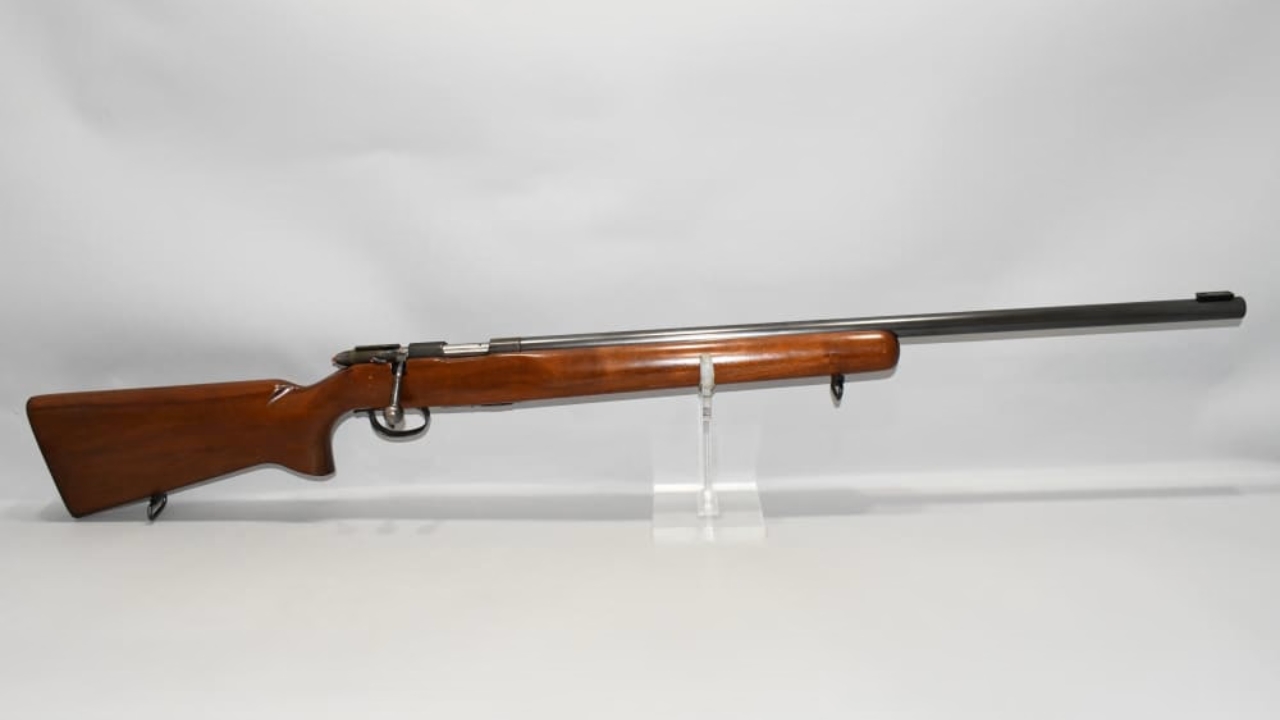
The 513T was another rifle that seemed almost institutional rather than collectible. These rifles were used by clubs, training programs, schools, and generations of recreational shooters.
Many surviving examples consequently show years of handling. Original sights disappear, stocks acquire dents, and rifles get modified to suit later owners. A complete, clean Matchmaster now represents a style of American target rifle that manufacturers largely abandoned. Buyers increasingly appreciate them as more than just heavy old .22s.
Remington 541-S Custom Sporter
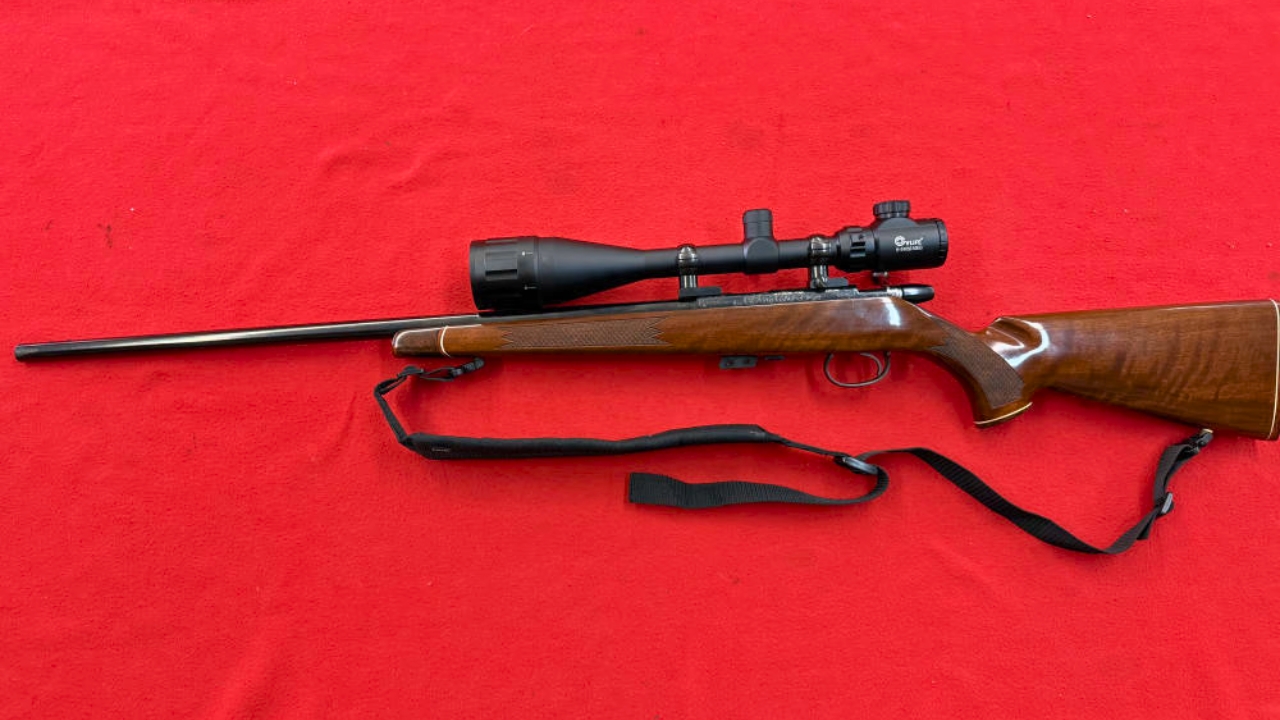
The 541-S was simply one of Remington’s nicer rimfire sporting rifles when new. It did not have the mystique of an exotic European target rifle or the mass-market fame of the 10/22.
Time has been very kind to it. Shooters came to appreciate the excellent accuracy, attractive walnut, and quality feel, while production had already ended. Because owners actually used these rifles for hunting and target shooting, exceptionally clean examples are not endless. A nice 541-S can now cause considerably more excitement than anyone shopping for an ordinary .22 decades ago would have expected.
Ruger 77/22

The 77/22 once felt like a straightforward purchase for someone who wanted a bolt-action rimfire built more like a centerfire hunting rifle.
Ruger eventually moved away from the original configuration, while the rifle developed a loyal following among hunters and rimfire shooters. Earlier examples with attractive stocks and clean metal have become particularly appealing. The detachable rotary magazine and familiar M77-style appearance give it a character that newer inexpensive rimfires do not duplicate. Owners who bought them as everyday squirrel rifles are increasingly reluctant to part with them.
Colt Service Model Ace
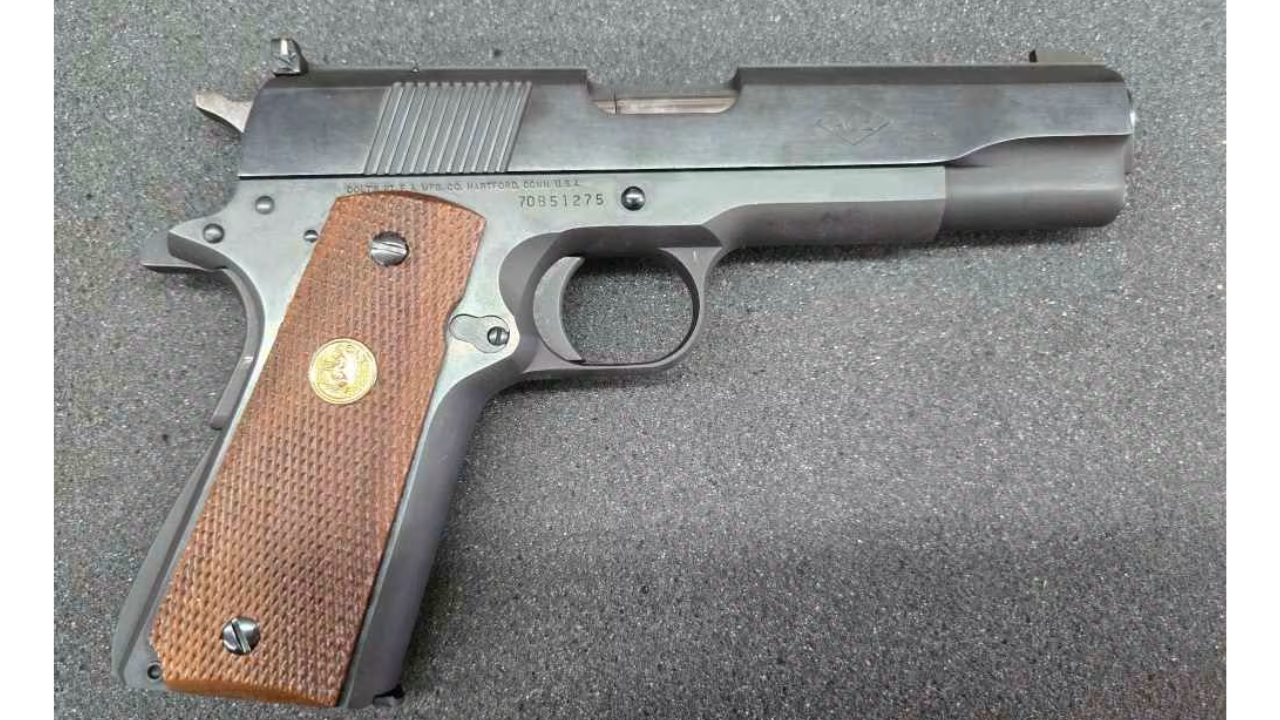
The Service Model Ace looked like the obvious answer for someone who wanted 1911 handling with inexpensive .22 LR ammunition. It was a useful trainer long before dedicated rimfire versions of centerfire pistols became commonplace.
Collectors now view original examples very differently. Colt markings, production variations, condition, and original accessories matter greatly, and auction catalogs have long placed quality Service Model Ace pistols firmly into collector territory. What was once an economical training version of the Government Model has become valuable enough that many owners are hesitant to give it the kind of range use it originally received.
Smith & Wesson Model 52-2
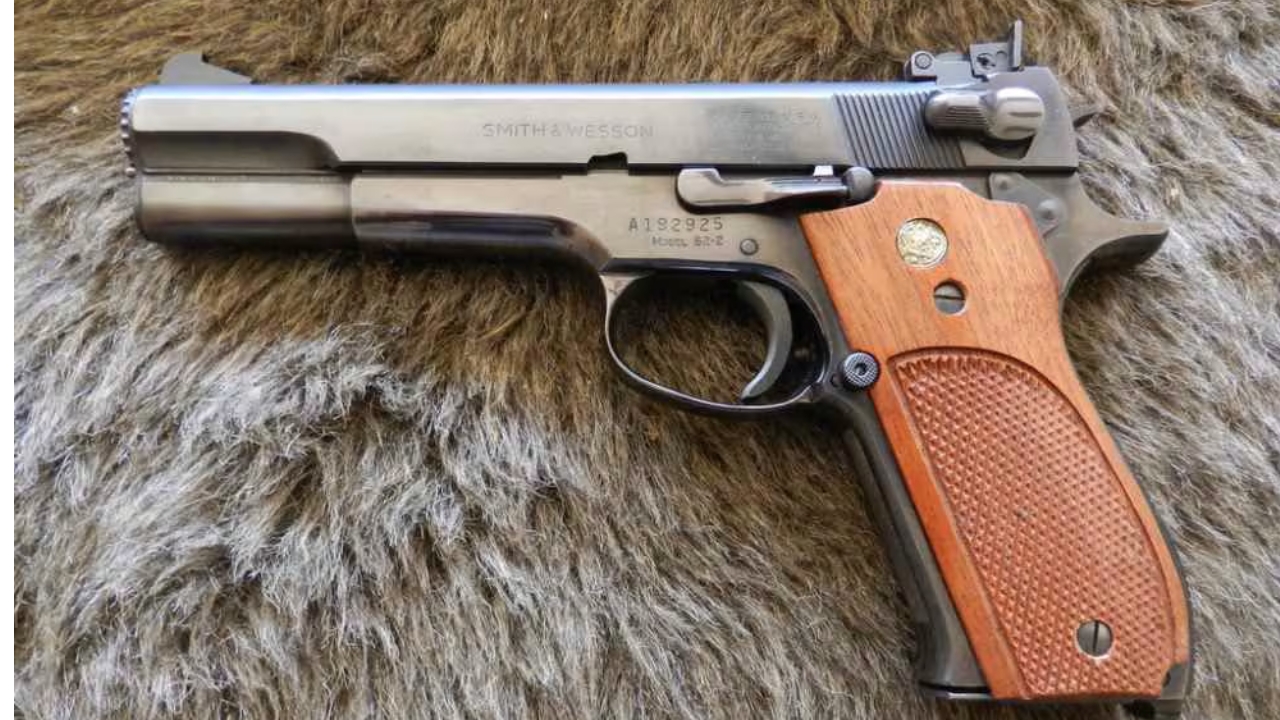
The Model 52 was built for precision bullseye shooting with .38 Special mid-range wadcutter ammunition. During the height of that style of competition, it was a serious target pistol rather than an oddball collectible.
As bullseye shooting declined in mainstream visibility and production ended, the gun became more interesting rather than less. The incredibly specialized chambering, excellent trigger, and classic Smith & Wesson construction make it unlike nearly anything sold today. Collector auction catalogs were already assigning four-figure estimates to quality Model 52-2 pistols years ago.
Browning Medalist
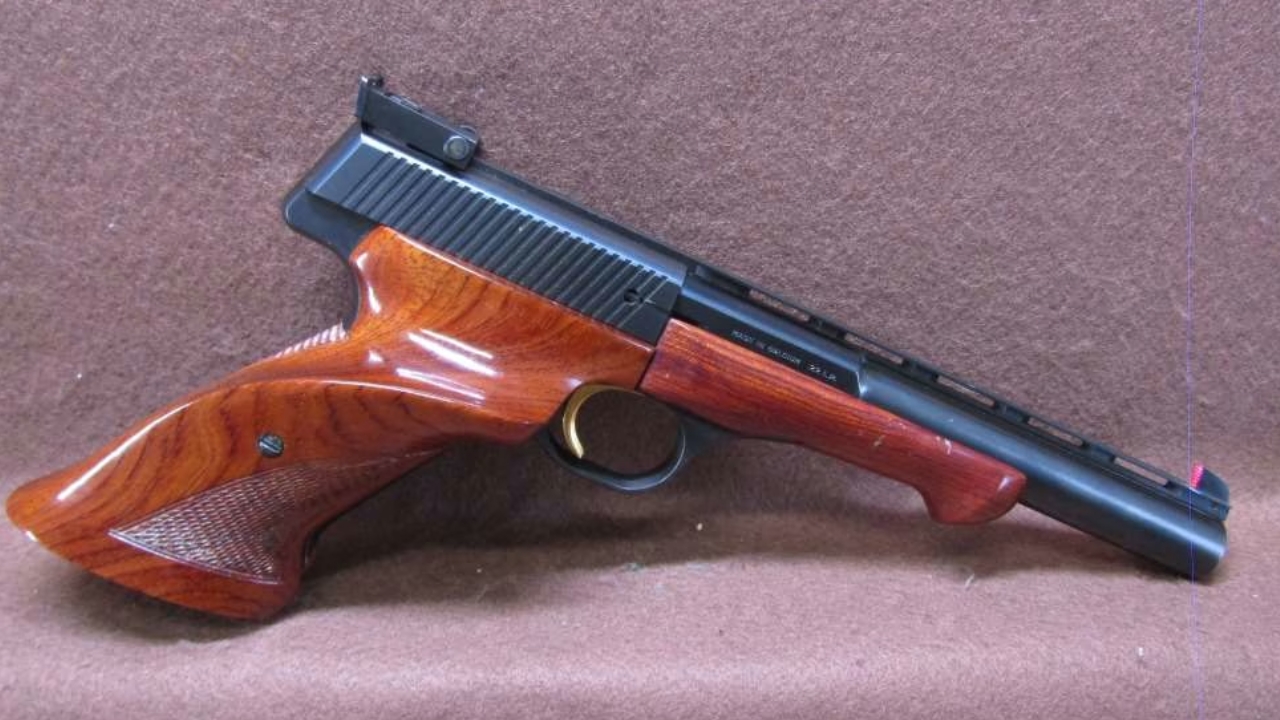
The Belgian Browning Medalist was originally a premium target .22, but there was a period when older rimfire target pistols simply did not attract the same attention as centerfire collectibles.
Shooters eventually rediscovered them. The deep finish, elaborate grips, excellent balance, and dedicated target setup make the Medalist feel far more expensive than most current recreational rimfires. Complete examples with cases and accessories are especially desirable. Rock Island’s auction catalogs have treated high-condition Medalists as legitimate collector pistols rather than merely old .22s.
High Standard Victor
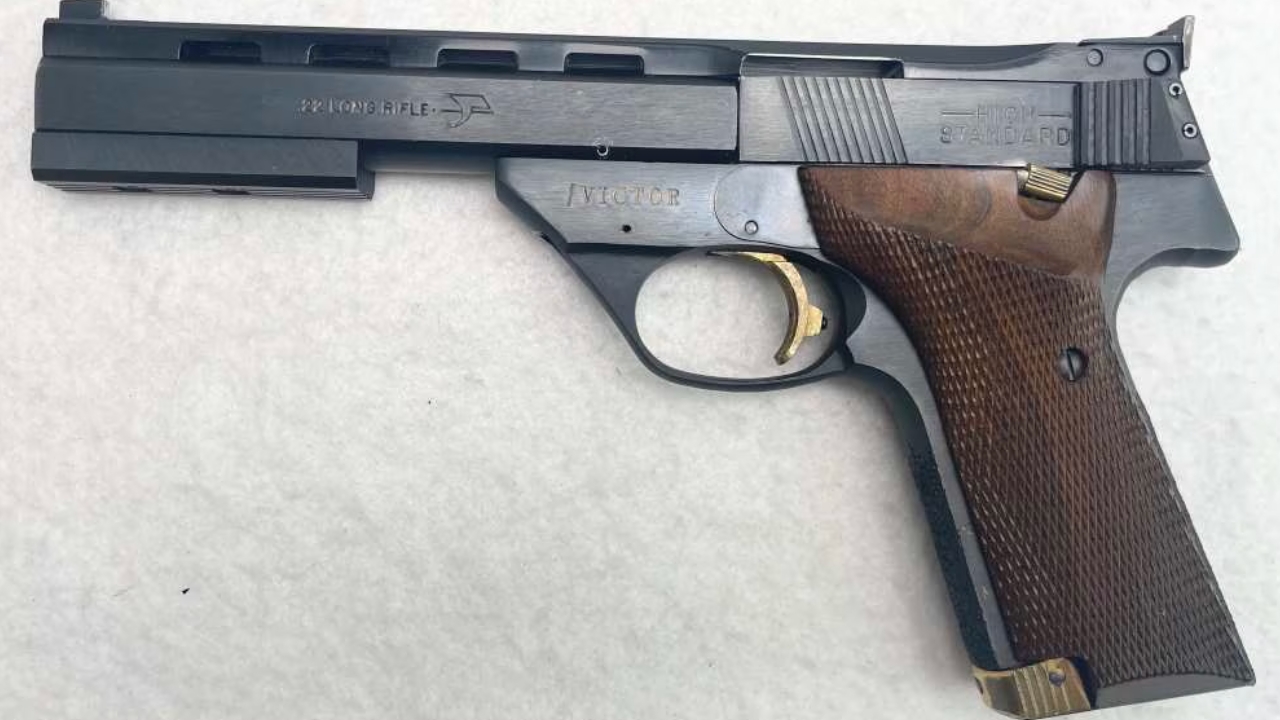
High Standard target pistols were once normal sights on American bullseye ranges. The Victor was one of the company’s more serious models, but owners still bought these guns primarily to compete and shoot.
The disappearance of the original High Standard era changed how people view them. Collectors now pay attention to production period, barrel configuration, finish, magazines, and condition. The best examples increasingly sit in collections instead of getting thousands more rounds put through them. A pistol built to be shot extensively has ironically become one many owners now want to preserve.
Colt Gold Cup National Match

The Gold Cup was once the obvious step up for a shooter who wanted a more target-oriented Colt 1911. They were expensive compared with basic Government Models, but they were still regular production guns that owners commonly shot.
Older examples have separated from ordinary used 1911s. Series 70 guns, desirable finishes, original boxes, and less-common chamberings can attract serious interest. Collector auctions have long placed clean Gold Cups into four-figure territory depending on configuration. The pistol that used to be simply Colt’s nicer range gun has become a collecting category of its own.
Colt 1903 Pocket Hammerless

The 1903 Pocket Hammerless was produced in large numbers and carried by everyone from ordinary civilians to military officers and prominent public figures.
That abundance kept prices relatively approachable for a long time. What changed was condition. A century of pocket carry, refinishing, replacement grips, and general use took countless guns out of high-condition territory. A clean original pistol with strong finish now attracts buyers precisely because so many others show their age. They were everywhere once. The really nice ones are not anymore.
Colt 1908 Vest Pocket

The little 1908 was once an extremely common pocket pistol chambered in .25 ACP. Its practical relevance faded as defensive handguns became much more capable.
Collector interest moved in the opposite direction. The tiny Colt has excellent old-world machining, distinctive styling, and enough production variations to keep collectors occupied. High-condition guns are particularly attractive because pocket pistols tend to suffer pocket wear. A firearm once purchased mainly because it was small and convenient can now cost far more than its practical capabilities would ever suggest.
Colt New Frontier
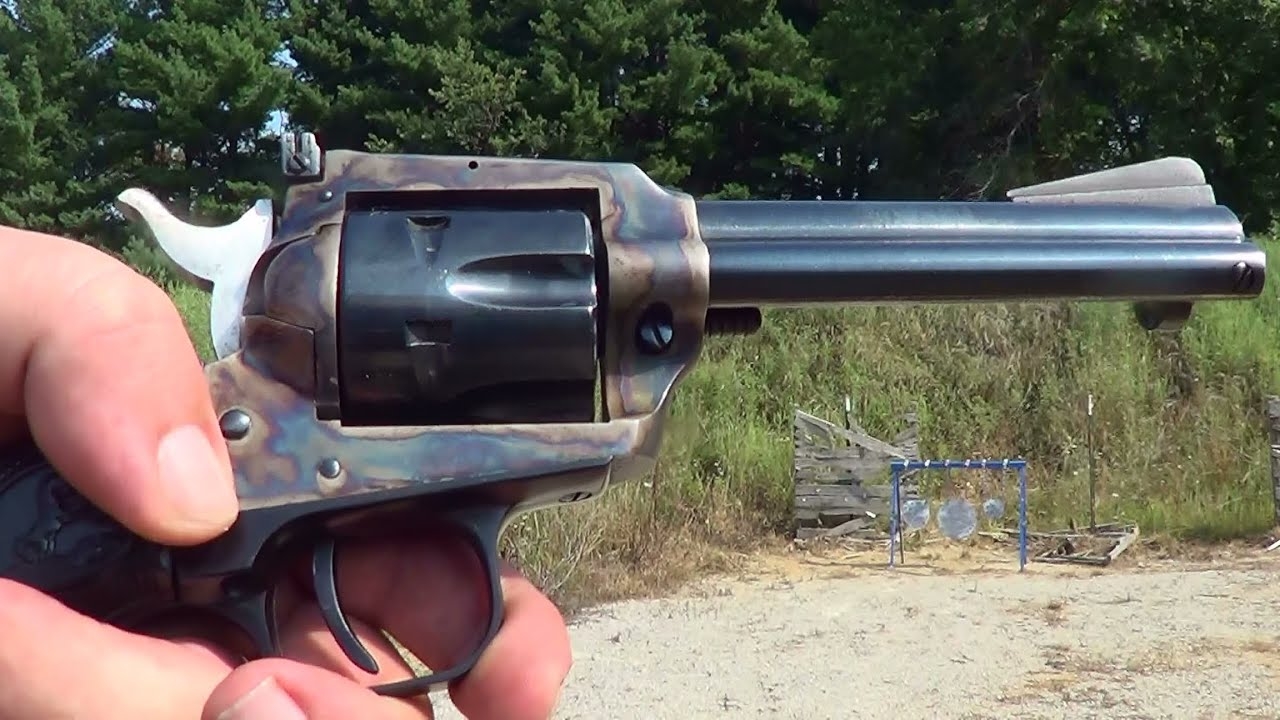
The New Frontier occupied an awkward middle ground for years. It was essentially a more modernized Colt single action with adjustable sights, which traditionalists sometimes viewed as less desirable than the classic Single Action Army.
That distinction matters far less today. Older Colt single actions of almost every significant variation have gained collector attention, and clean New Frontiers offer unmistakable Colt construction with excellent shootability. The guns people once passed over because they wanted the more traditional model have become sought-after pieces in their own right.
Walther P38 Commercial and Early Postwar Guns

There was a long period when postwar P38-family pistols could be found for relatively ordinary used-gun money. They were interesting military-style 9mms, but they did not always receive the attention wartime Lugers commanded.
Collectors have become much more discriminating. Manufacturer, markings, frame material, production period, condition, and original accessories all matter. Even commercial examples in excellent condition have appeared in serious collector-auction catalogs with substantial estimates. The generic idea of a “cheap old P38” does not adequately describe that market anymore.
LAR Grizzly Mark I
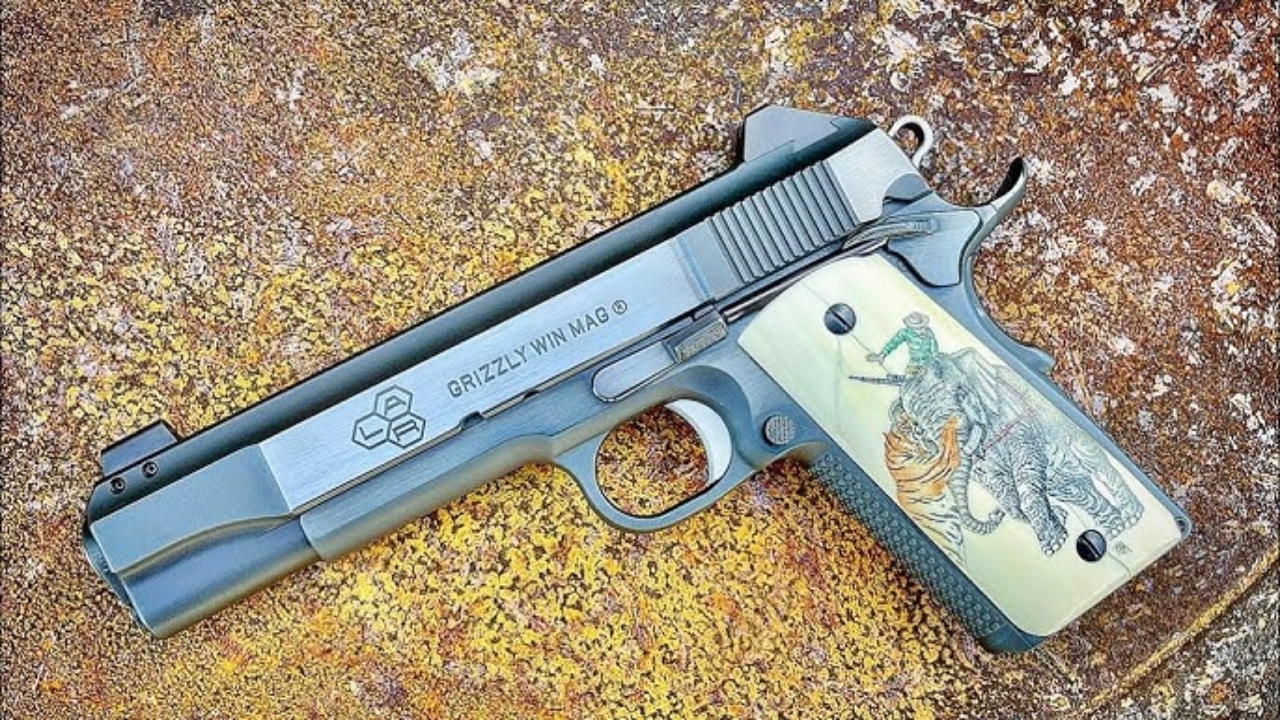
The Grizzly was never as common as an M1 Carbine or P38, but it spent years being treated mainly as an oversized novelty pistol for shooters who wanted cartridges such as .45 Winchester Magnum.
That attitude changed after production ended and big-bore semiautomatic pistols became an increasingly specialized collecting category. The Grizzly’s stretched 1911 appearance, unusual chamberings, and relatively limited supply give it far more appeal now. Collector auctions have placed complete examples with accessories solidly above ordinary used-pistol territory. A gun once bought because it was outrageous has become valuable because nobody builds anything quite like it anymore.
Like The Avid Outdoorsman’s content? Subscribe to our newsletter so you never miss an article.
Here’s more from us: