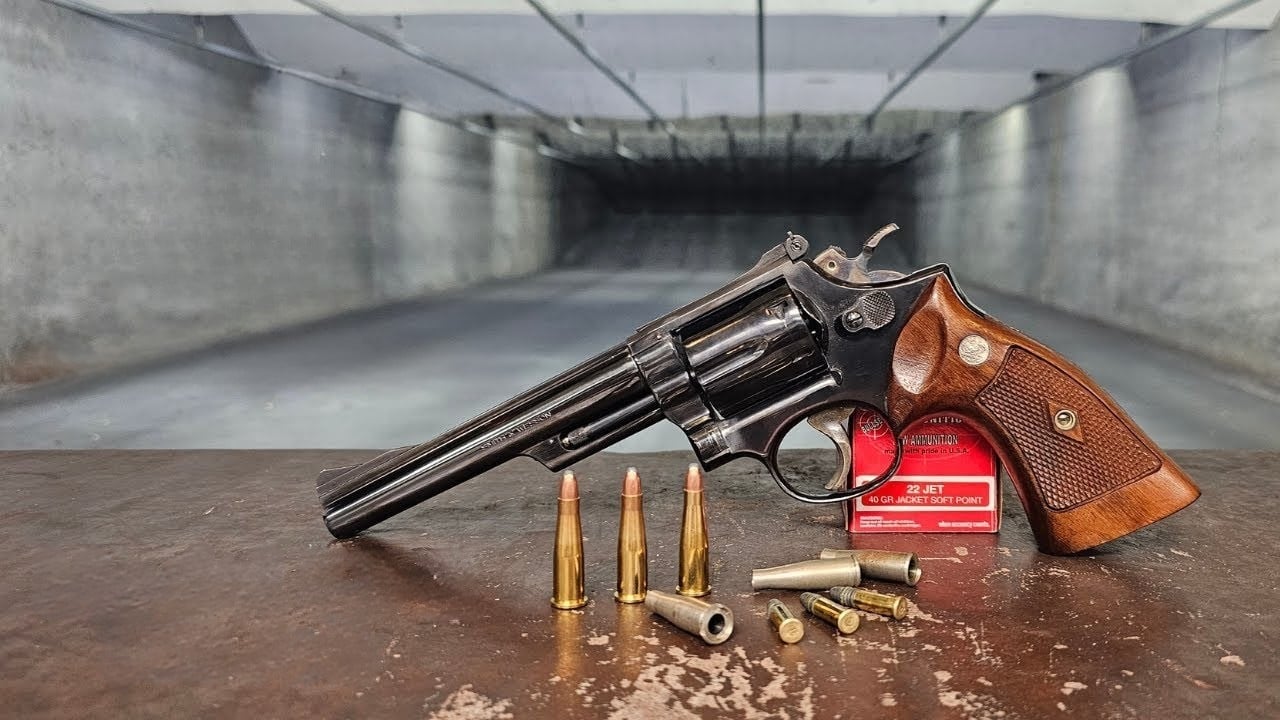
Photo credit: Texas Gun Vault/YouTube
Revolver collecting has a way of sneaking up on certain models. For years, a gun can sit in the shadow of a Python, Registered Magnum, or other obvious collectible while shooters treat it mainly as something to fire.
Then the clean examples start disappearing. Collectors discover unusual chamberings, short production runs, forgotten configurations, and revolvers that manufacturers are unlikely to build again. By the time everyone agrees a model is desirable, the bargain period is usually over. These 20 revolvers still have enough of a sleeper quality that I would pay attention before more of them disappear into collections.
Smith & Wesson Model 53
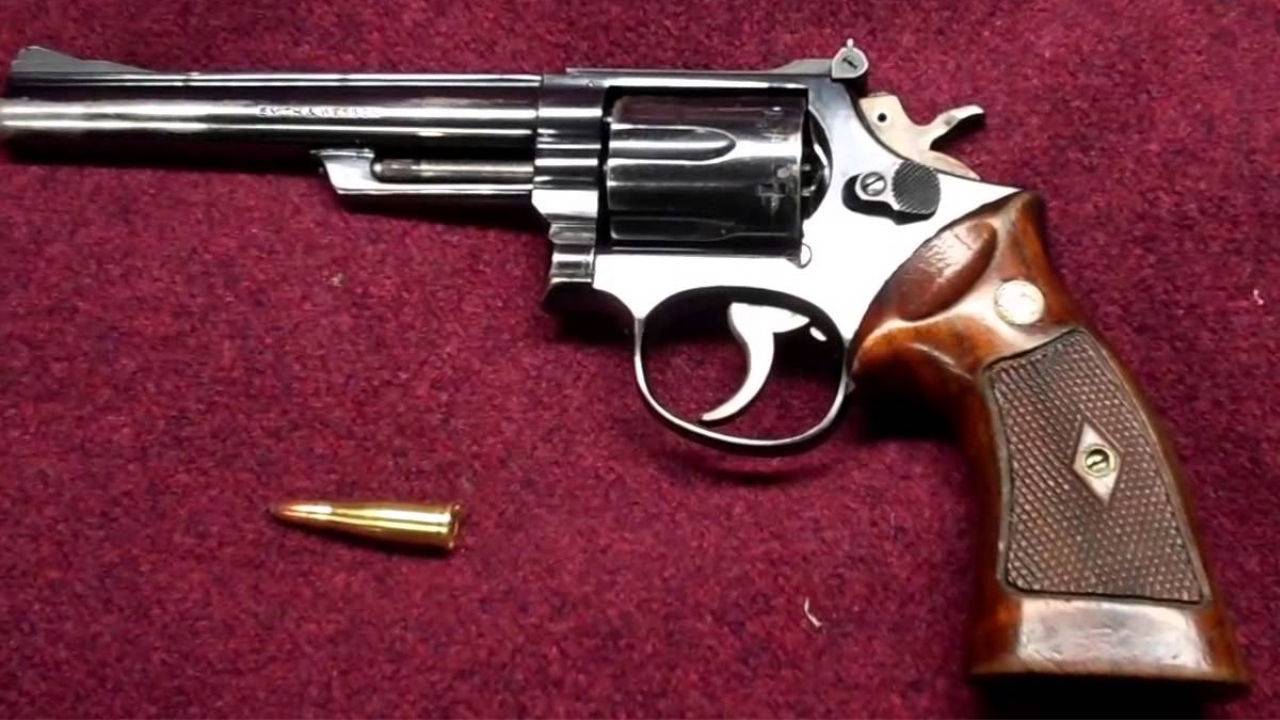
The Model 53 is strange in exactly the way collectors eventually learn to love. Smith & Wesson chambered the K-frame revolver for .22 Remington Jet, a bottleneck cartridge that never became mainstream.
That once limited the gun’s appeal. Today it gives the Model 53 a mechanical and historical identity that another ordinary .38 Special simply cannot match. Original guns with the proper inserts and accessories are especially interesting because complete examples inevitably become harder to assemble as pieces get separated. This is the kind of discontinued oddball that tends to look more desirable with every passing decade.
Smith & Wesson Model 48
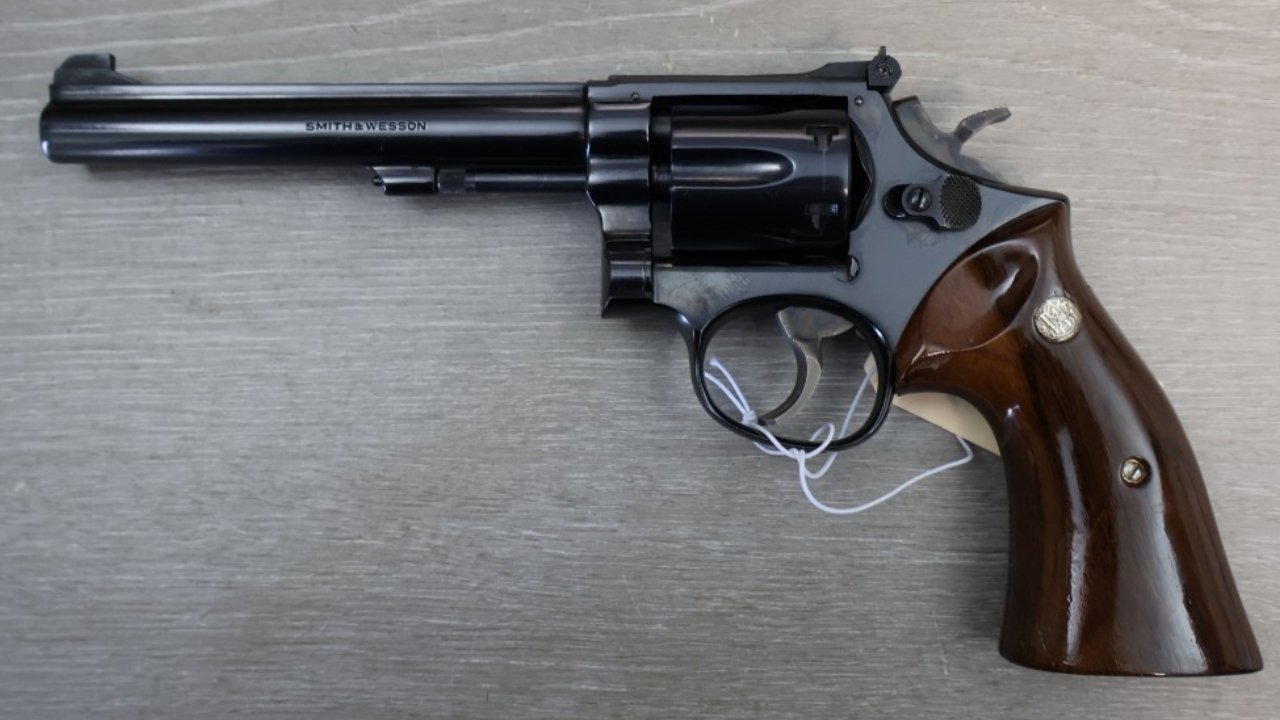
The Model 48 never received the attention lavished on Smith & Wesson’s centerfire magnums. It is essentially a classic K-frame revolver built around .22 Magnum, which made it more specialized than the ubiquitous .22 LR and .38 Special guns.
That specialization is becoming a strength. Older examples provide the traditional Smith workmanship collectors increasingly seek while remaining genuinely useful as field and rimfire revolvers. The combination of classic construction and a less-common chambering gives the Model 48 more upside than another ordinary production wheelgun.
Smith & Wesson Model 34 Kit Gun
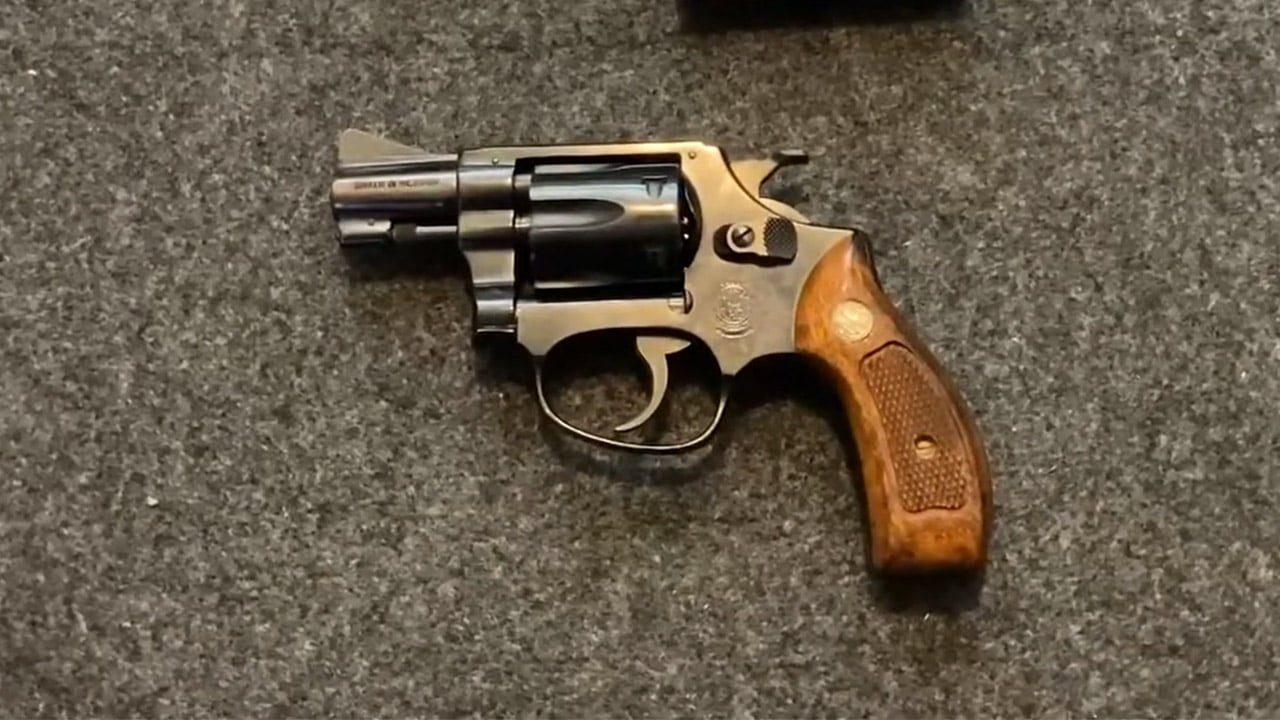
The Model 34 was designed around portability rather than collector prestige. A compact .22 revolver made perfect sense as something to throw into a tackle box, hiking pack, or camp kit.
Unfortunately for future collectors, people treated them accordingly. Many surviving guns show finish wear, grip damage, and years of outdoor use. Small-frame Smiths in clean original condition have become considerably more interesting as buyers appreciate how trim these older revolvers were. I would pay particular attention to examples that avoided decades of abuse.
Smith & Wesson Model 63 No-Lock
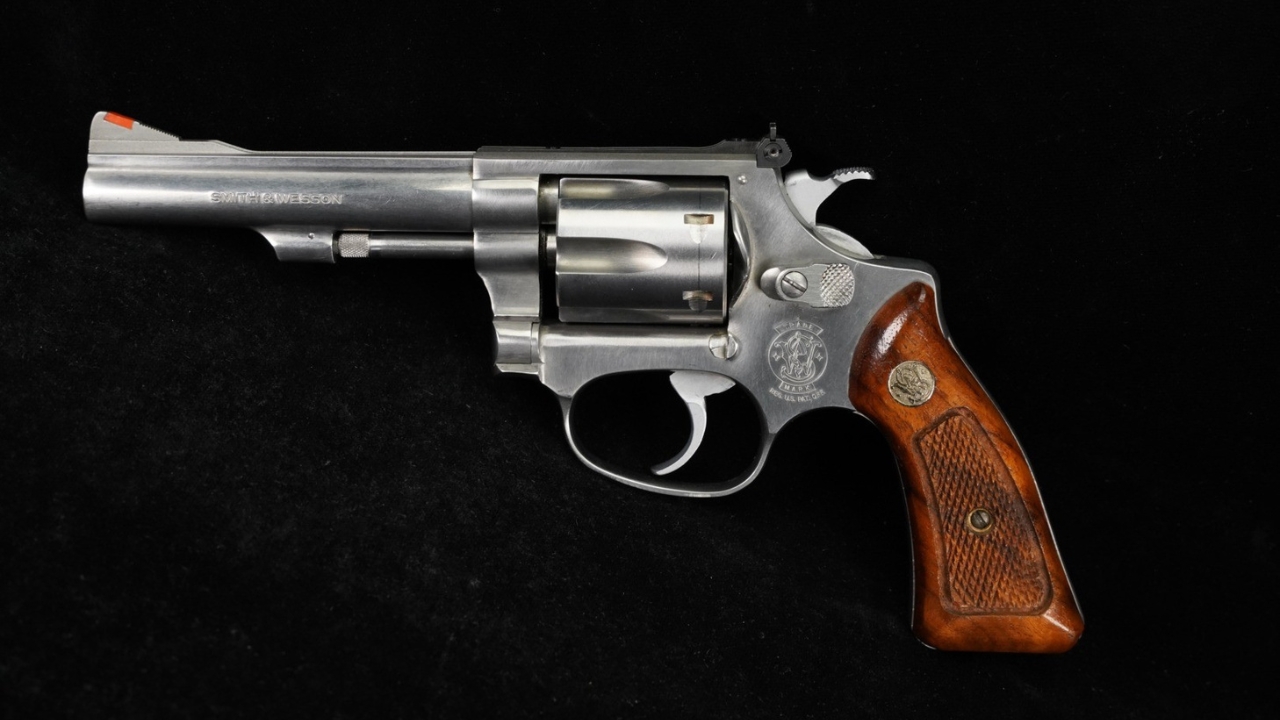
The stainless Model 63 took the Kit Gun idea and made it even more practical. Stainless construction and .22 LR chambering encouraged owners to shoot and carry them rather than protect them.
Earlier examples without the later internal-lock configuration have developed their own following. Shooters who like classic Smith revolvers increasingly separate these older versions from newer production. A clean early Model 63 gives you both a highly useful rimfire and an increasingly desirable configuration, which is exactly the combination that can make prices creep upward.
Smith & Wesson Model 625 Mountain Gun
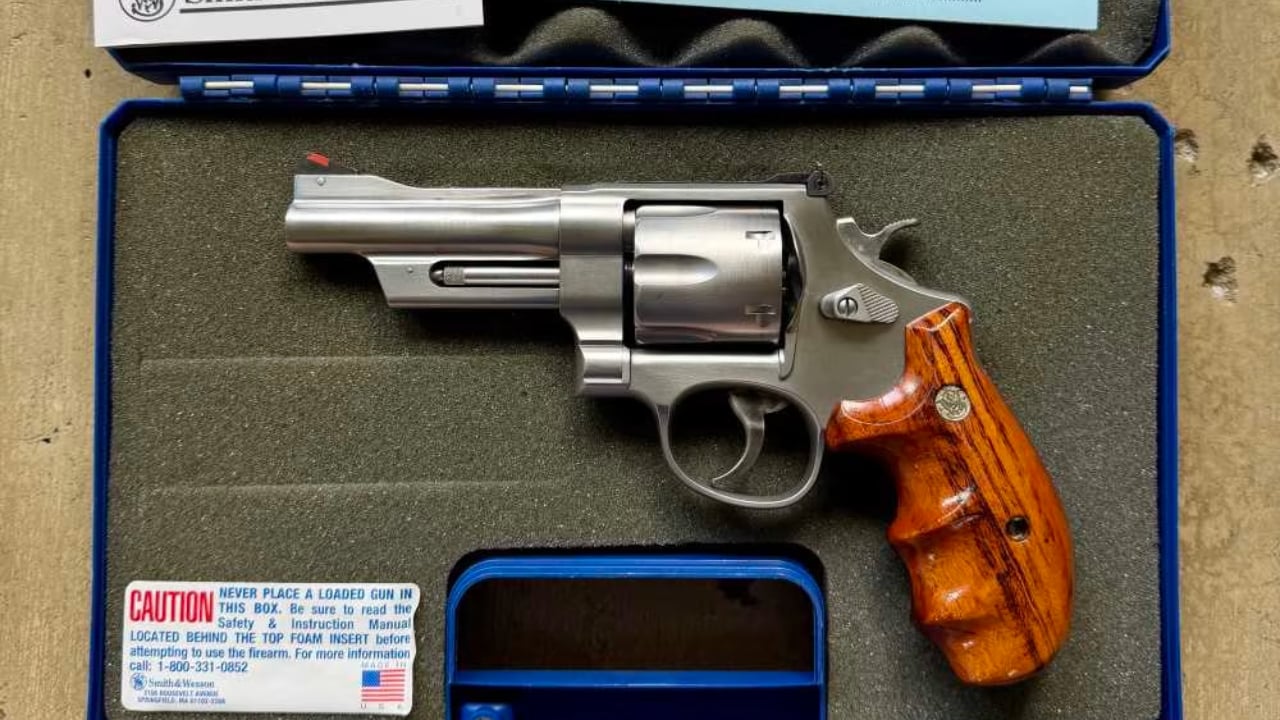
The Model 625 is already respected, but the Mountain Gun configuration is the version I would watch. It trims the big N-frame concept into something more practical to carry while retaining .45-caliber capability.
Specialized factory configurations tend to become far more interesting once they are no longer ordinary catalog items. The Mountain Gun name itself now attracts shooters who appreciate lighter-barreled Smith revolvers. A clean .45 ACP or .45 Colt example is the sort of gun an owner may have a difficult time replacing after selling.
Smith & Wesson Model 627 8-Shot Early Production
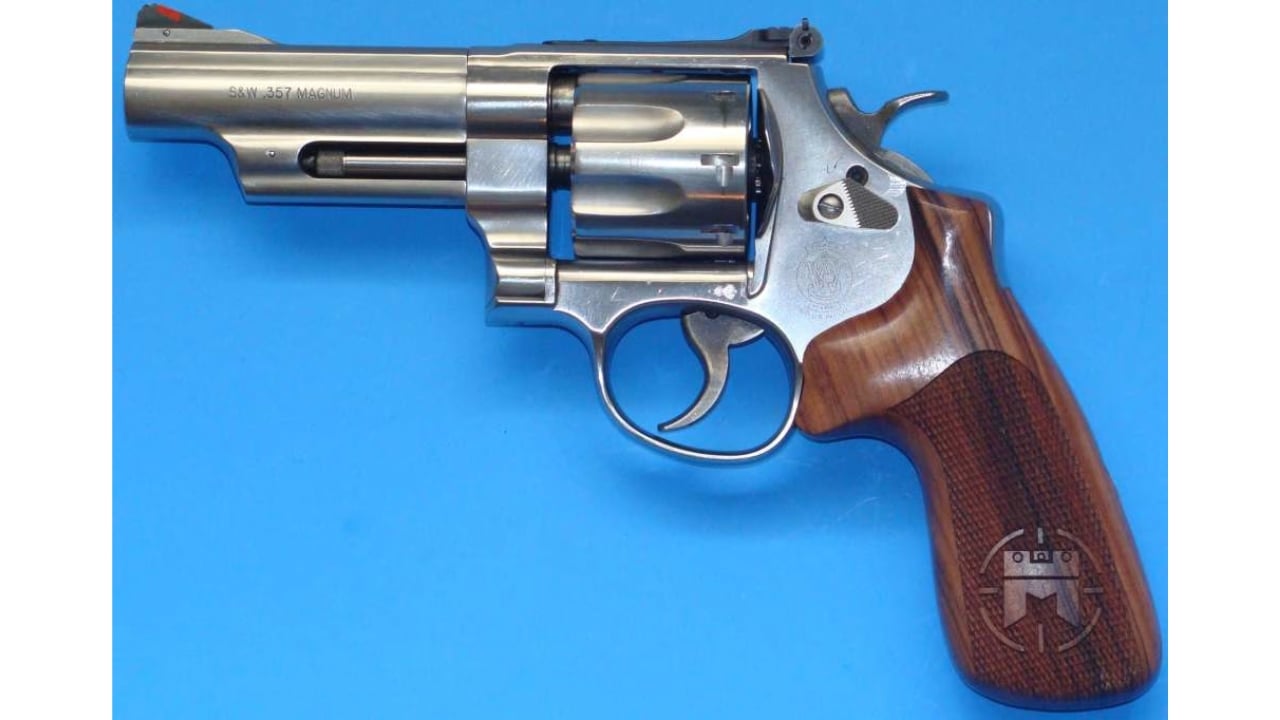
Eight-shot .357 revolvers no longer seem unusual, but earlier Model 627 variants helped establish the concept in a serious N-frame platform.
Collectors eventually start separating early configurations, Performance Center guns, special runs, and unusual barrel lengths instead of viewing every 627 as interchangeable. That is where the opportunity lies. The common current gun may remain available, while the specific older configuration somebody remembers becomes increasingly difficult to locate.
Colt Trooper Mk V
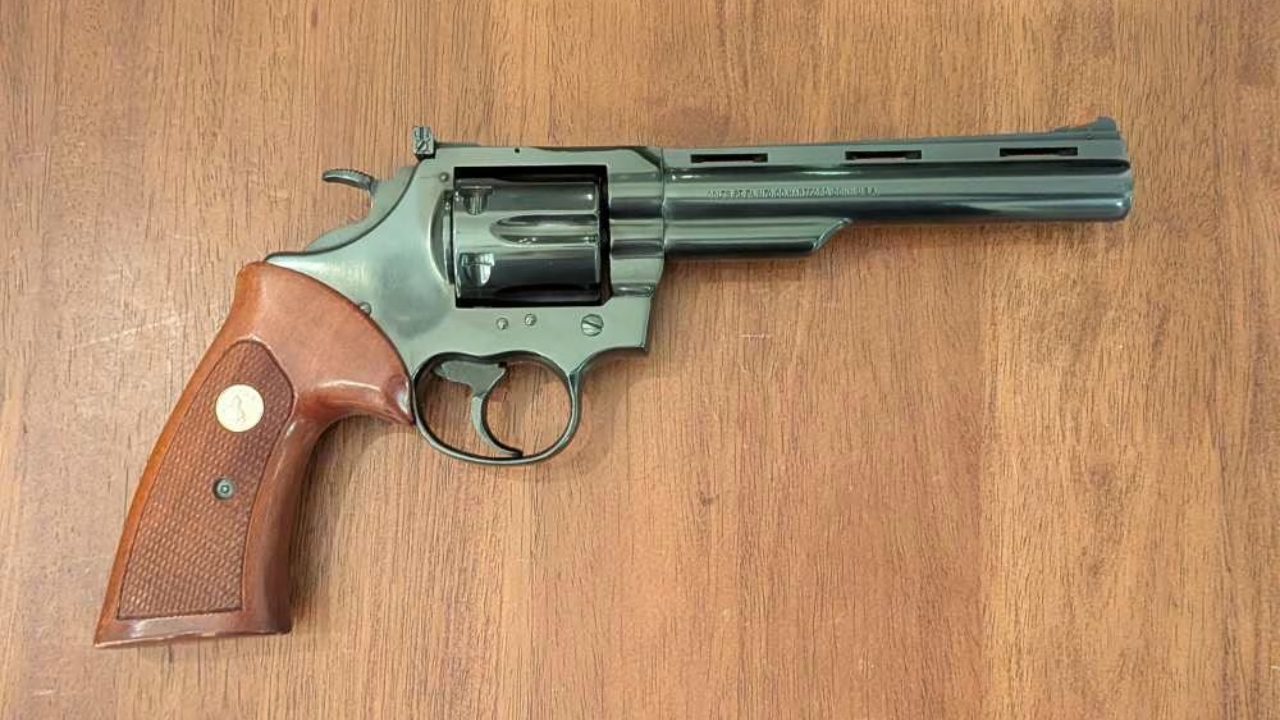
The Trooper Mk V lived in an unfortunate position because almost every older Colt .357 gets compared with the Python. That kept the Trooper in the working-revolver category for years.
Collectors have broadened their interests considerably. A clean Trooper Mk V offers genuine Colt lineage without requiring Python money, and the supply is finite. Once buyers start viewing the less-famous Colts as collectible families instead of substitutes for a Python, prices can change quickly. This is exactly the kind of revolver I would rather buy before that shift is complete.
Colt Peacekeeper
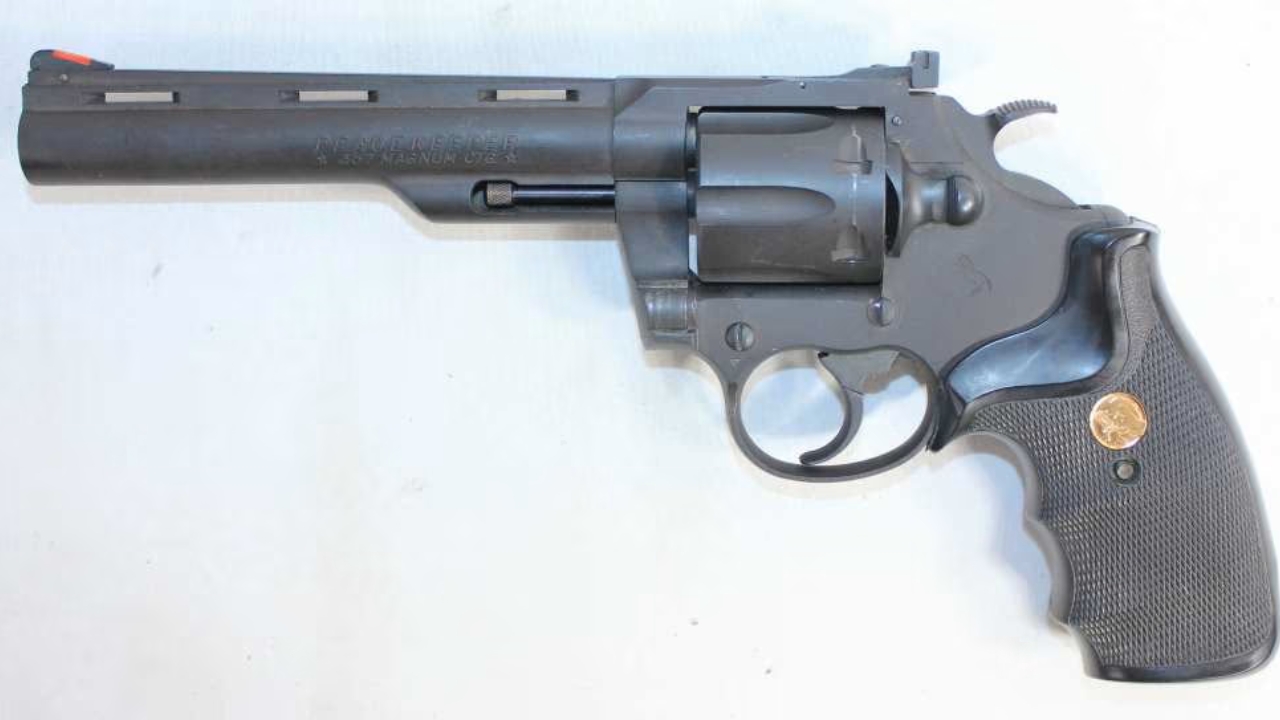
The Peacekeeper was never supposed to be glamorous. Its matte finish and practical presentation made it look more like a working revolver than something intended for display.
That utilitarian appearance is now what separates it from better-known Colts. Short production histories and distinctive configurations have a habit of becoming more interesting once collectors run out of obvious models to chase. A Peacekeeper in excellent original condition is already far more interesting than its old budget-oriented reputation would suggest.
Colt Original Viper
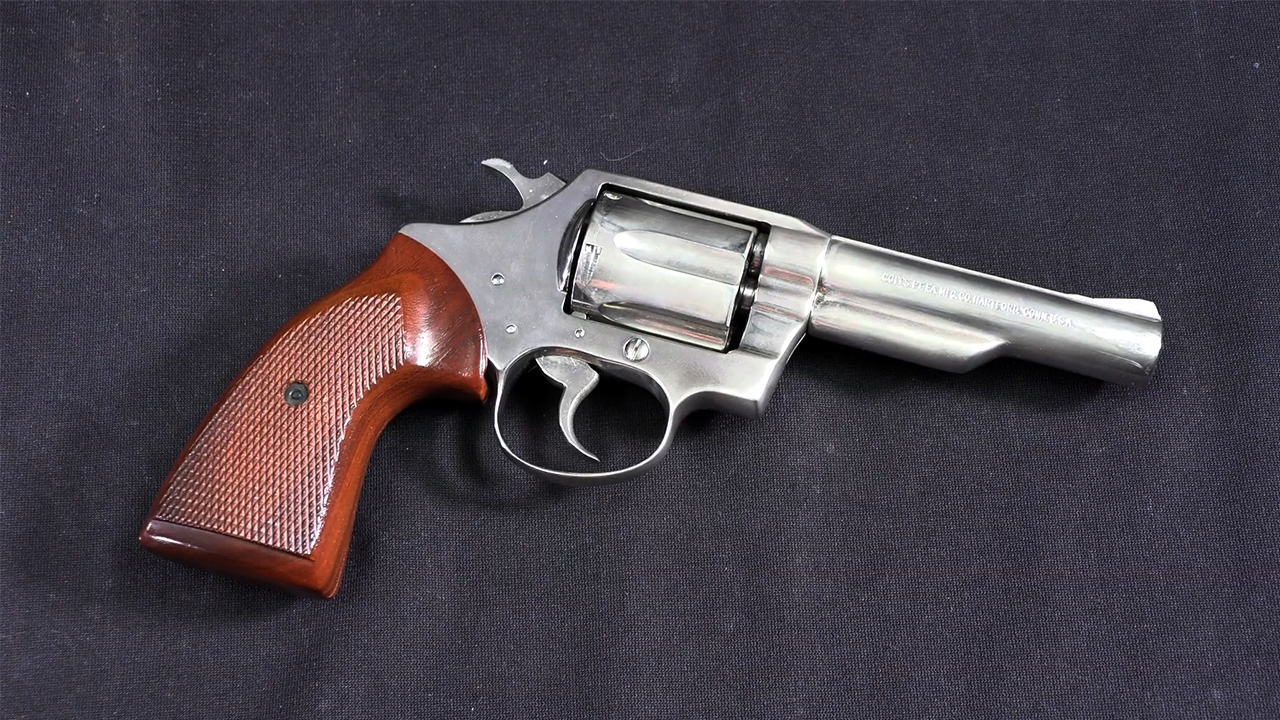
The original Viper is a perfect example of a model name becoming much more important after production ends. It was a lightweight .38 Special revolver related to Colt’s compact double-action family and did not enjoy a particularly long original production life.
Colt has since revived the Viper name, but that does not create more original examples. If anything, a revival can remind shooters that an earlier version existed. Collectors distinguish generations quickly, and a clean original Viper has the combination of Colt branding, limited availability, and snake-gun association that tends to attract attention.
Colt Border Patrol
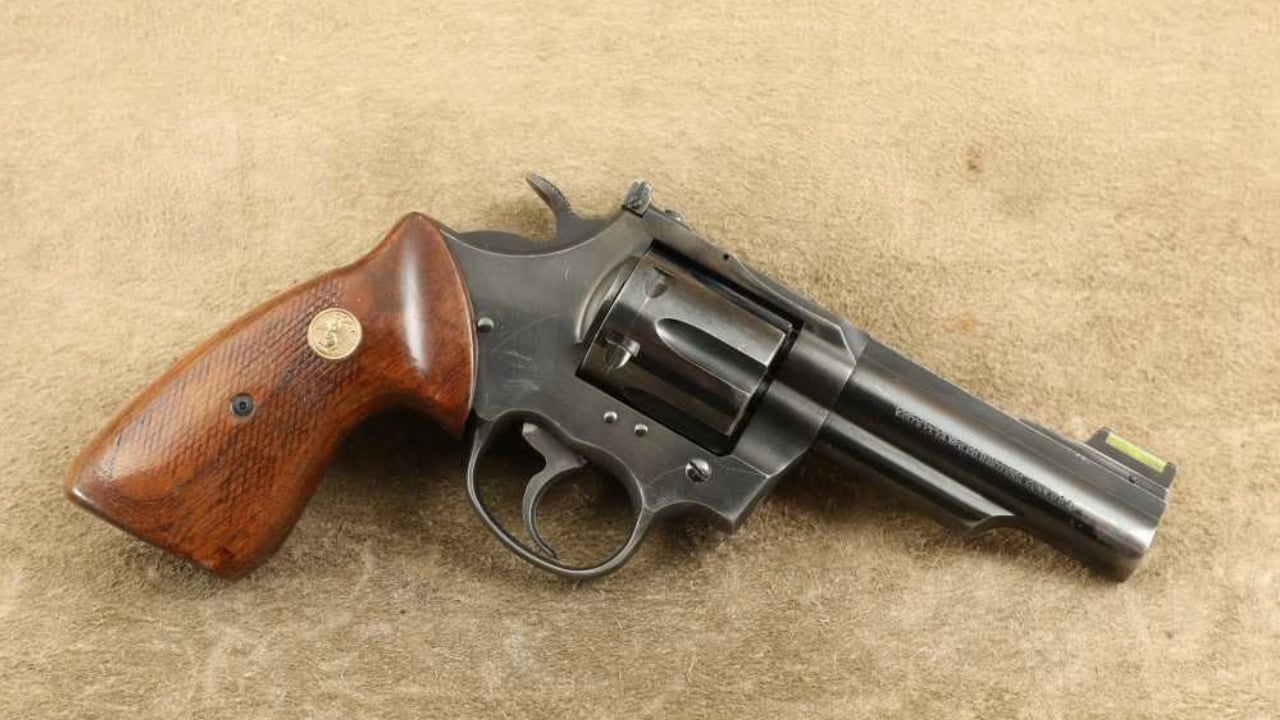
The Colt Border Patrol is not one of the names casual revolver buyers usually recognize, which is precisely why it is interesting.
Agency-oriented and less-common Colt variants often remain underappreciated until collectors begin chasing the story behind them. Once that happens, the relatively small pool of correct examples becomes obvious. I would much rather buy a clean, original Border Patrol while it still requires some explanation than after everybody at the gun show knows exactly why it matters.
Ruger Single-Seven .327 Federal Magnum
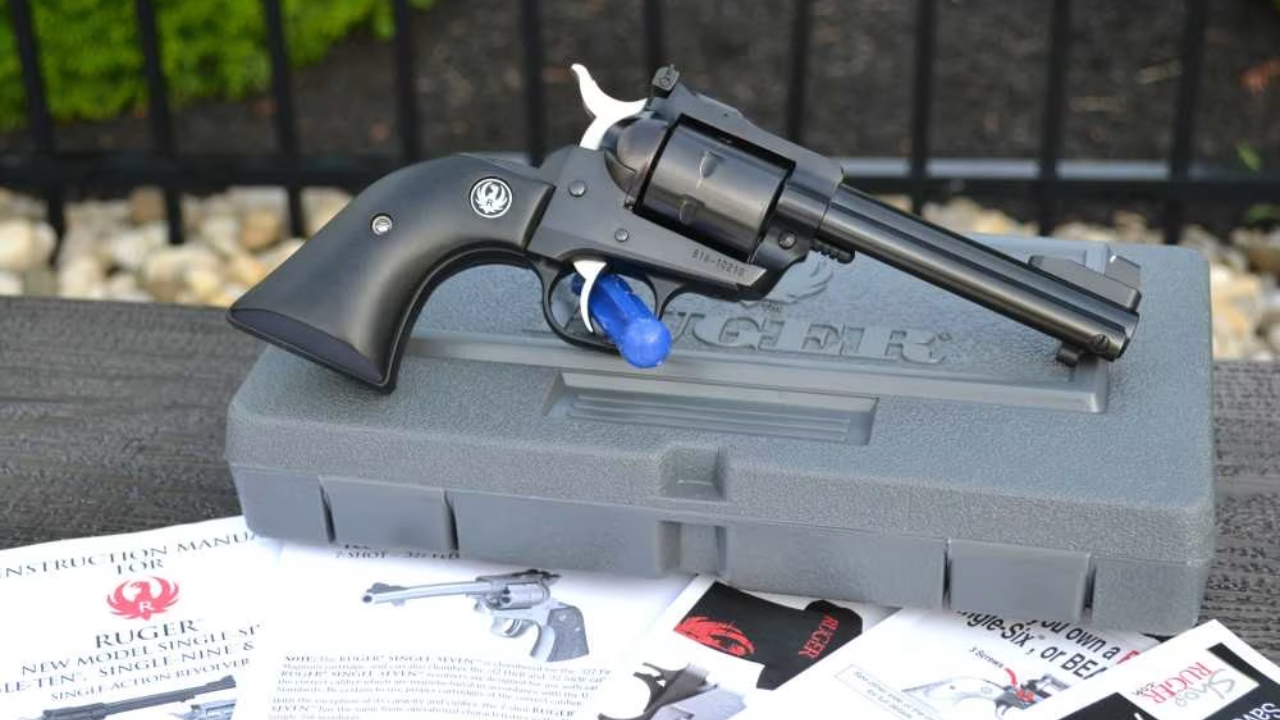
The Single-Seven combined Ruger’s single-action format with seven rounds of .327 Federal Magnum, giving shooters an unusually flexible field revolver.
The chambering is the important part. .327 Federal has developed a dedicated following without becoming common enough to guarantee every interesting revolver chambered for it will remain available forever. Specialized Ruger single actions can disappear from regular production and become annoyingly difficult to locate later. That makes clean Single-Sevens worth watching now.
Ruger Bisley Blackhawk .44 Special
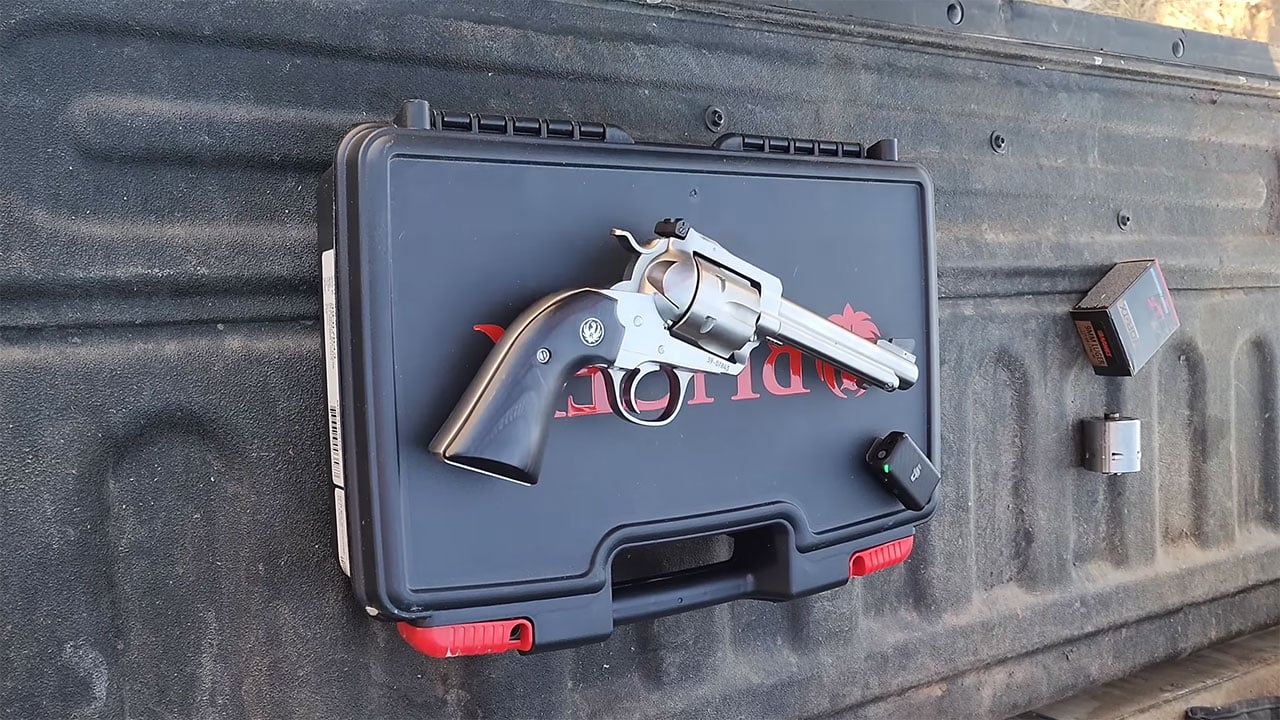
A .44 Special Blackhawk does not need magnum power to be interesting. The cartridge has a loyal following among revolver shooters, and pairing it with Ruger’s strong single-action platform created a gun ideally suited to people who appreciate big-bore revolvers without needing .44 Magnum every time.
The Bisley configuration adds another layer because its grip shape attracts shooters who specifically prefer it. Factory combinations that serve a relatively small audience can become difficult to find quickly once production attention moves elsewhere. This is exactly the sort of Ruger that dedicated revolver shooters tend to keep.
Ruger Blackhawk .30 Carbine
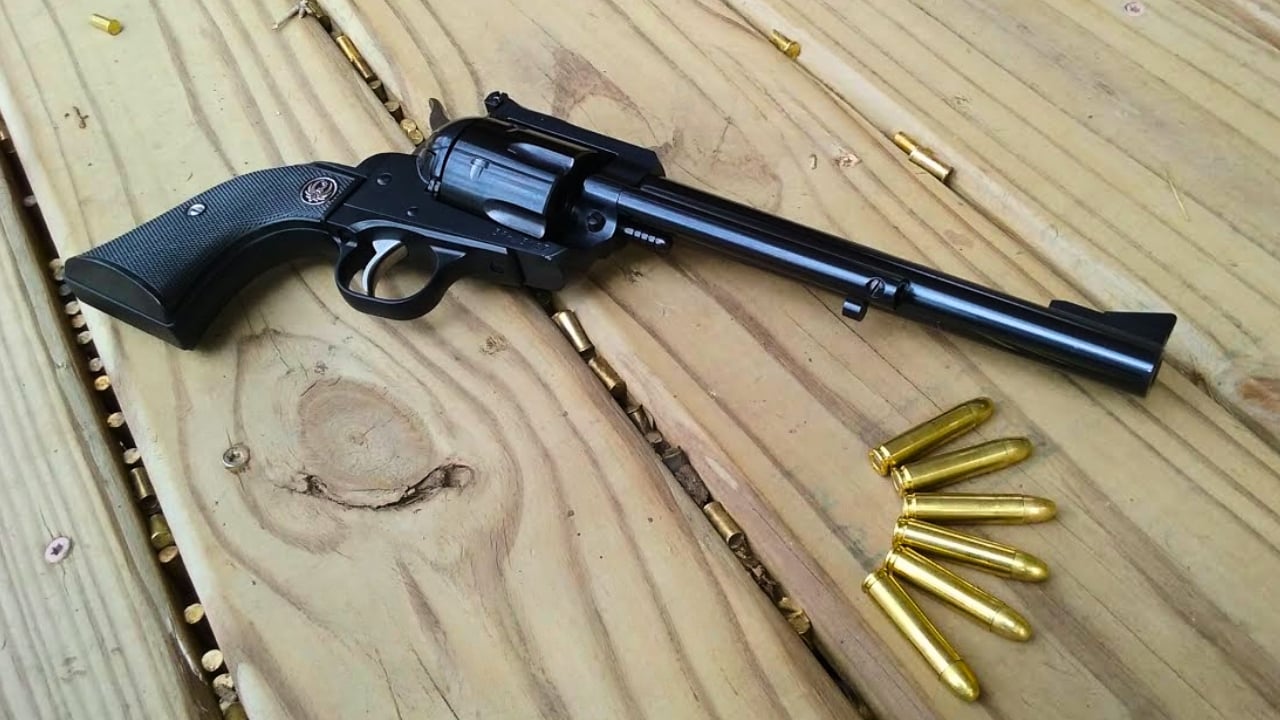
A .30 Carbine revolver is weird enough that it could never be called a mainstream handgun. Ruger’s Blackhawk made the concept work by putting the rifle-derived cartridge into the company’s strong single-action platform.
The result is loud, distinctive, and completely unnecessary—which is often a good recipe for future collector interest. There are endless .357 and .44 Magnum revolvers. There are very few factory single actions chambered in .30 Carbine. Guns that cannot easily be substituted tend to become the ones buyers hunt hardest after they disappear.
Ruger Bearcat Shopkeeper
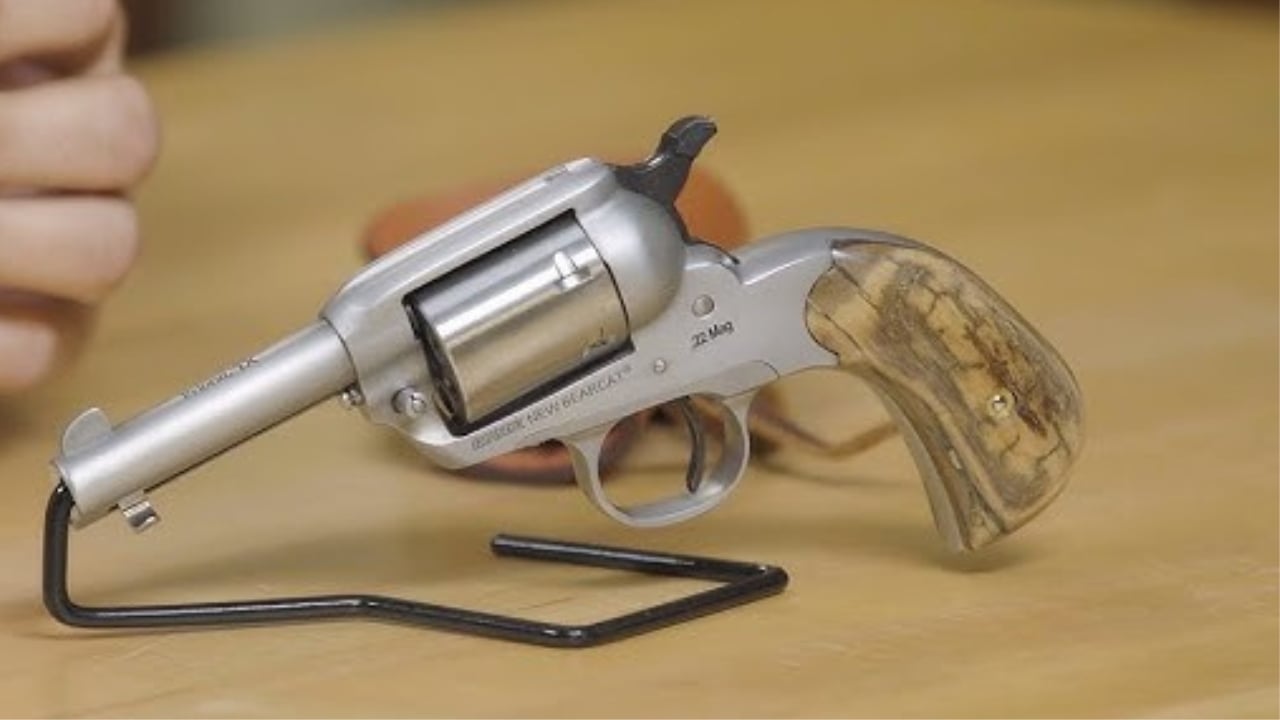
The Bearcat is already one of Ruger’s most charming rimfire revolvers, and the Shopkeeper takes it into an even more distinctive configuration with its short barrel and compact proportions.
Small-production variations are what collectors eventually start separating from the base model. Ruger still maintains the Bearcat family, but availability can vary substantially by configuration. A Shopkeeper that seems like merely a cute .22 today could look considerably more interesting after years of owners tucking them away.
Ruger Single-Six 9.5-Inch Convertible
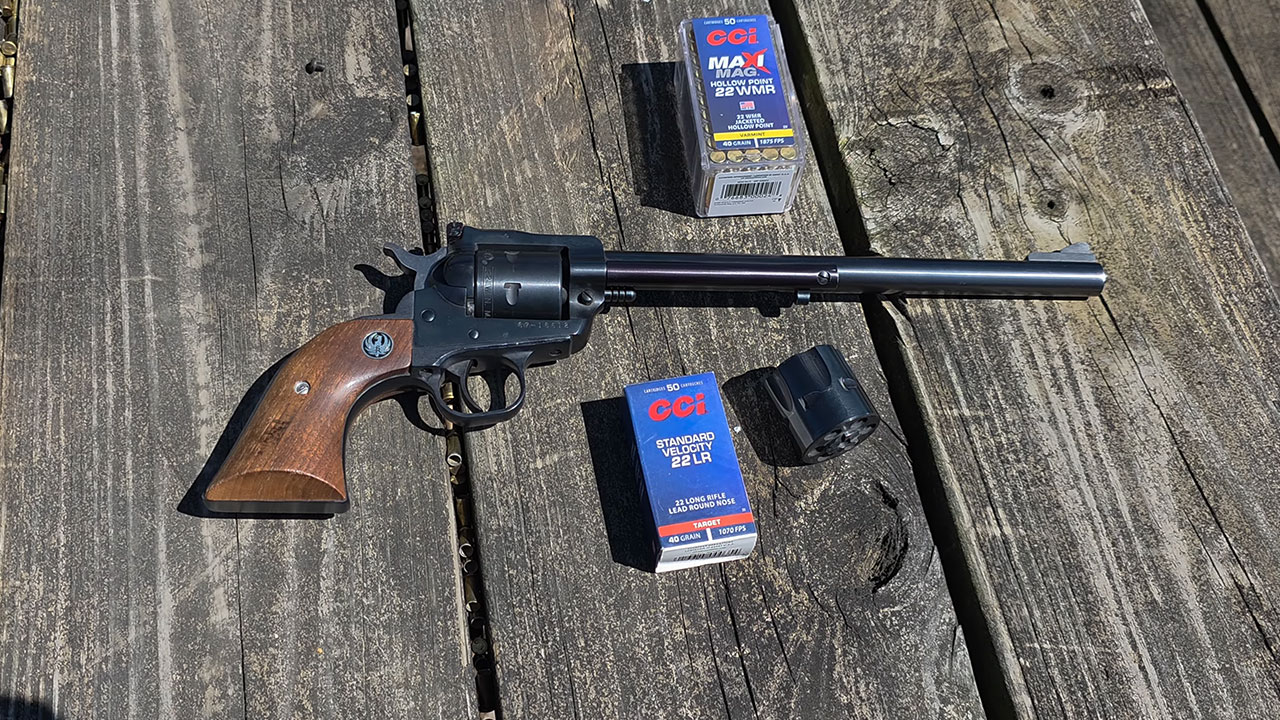
The long-barreled Single-Six is hardly the version most casual buyers choose. That is precisely why I would pay attention to it.
Ruger currently lists the 9.5-inch .22 LR/.22 WMR convertible, while several other Single-Six configurations show limited or unavailable status. The extreme barrel length gives the revolver an identity ordinary Single-Sixes do not have. Unusual factory configurations frequently become the ones collectors wish they had bought when they were simply sitting in the catalog.
Ruger LCR 9mm

The LCR is normally associated with .38 Special and .357 Magnum, which makes the 9mm version easy to overlook. Using moon clips in a compact revolver gives it a very different personality from the usual snubnose.
Ruger’s current catalog shows the 9mm LCR as unavailable, while the exposed-hammer LCRx 9mm is listed only with limited availability. That is exactly the sort of availability pattern I pay attention to. If 9mm LCRs become an intermittent or discontinued configuration, people who specifically want one will be fighting over a relatively small used supply.
Ruger LCR .327 Federal Magnum

The .327 Federal LCR may eventually look like one of the cleverest versions Ruger produced. Six rounds fit into a very compact revolver while the chambering gives owners access to multiple compatible .32-caliber cartridges.
Ruger currently labels the .327 Federal LCR as unavailable. That does not guarantee permanent discontinuation, but it makes existing examples more interesting. The combination of unusual chambering, extra capacity, and compact size is difficult to duplicate. If the model does not return in volume, owners are unlikely to let good examples go cheaply.
Freedom Arms Model 83 .41 Magnum

The Model 83 gets most of its attention in huge cartridges such as .454 Casull, but .41 Magnum gives the platform a very different appeal.
Freedom Arms production is already far removed from mass-market revolver volume. Add a cartridge with a dedicated but comparatively small following and you have the sort of combination collectors notice after examples have already become scarce. A high-quality .41 Magnum single action from a premium maker has far more long-term personality than another ordinary production .357.
Freedom Arms Model 83 .475 Linebaugh
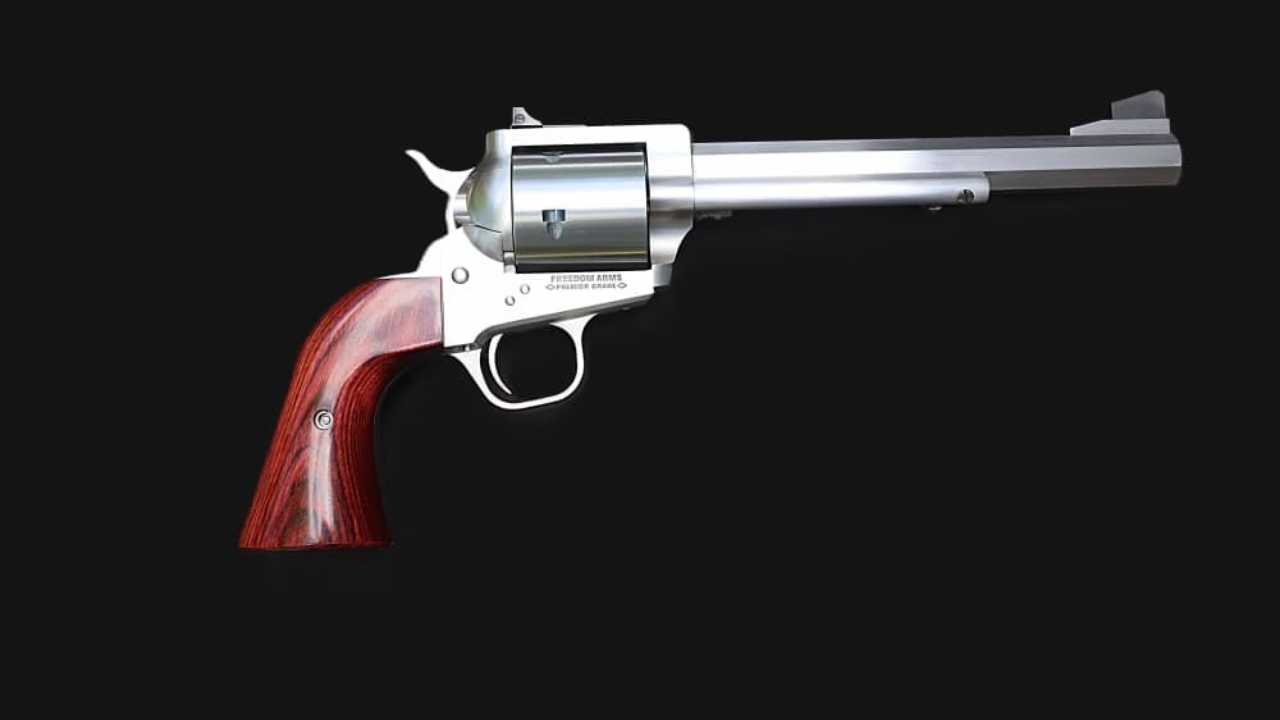
The .475 Linebaugh version sits at the opposite end of the spectrum. This is a serious big-bore hunting revolver built around a cartridge only a relatively small percentage of handgun shooters will ever use.
That narrow audience can actually help collectibility. People willing to buy a premium .475 Linebaugh generally know exactly what they want and are less likely to casually sell it later. Low-volume guns chambered for specialized cartridges can become exceptionally difficult to replace once most examples settle into permanent collections.
Uberti 1875 Remington Outlaw Early U.S. Import Variants

Italian reproduction revolvers are usually bought as shooters, so collectors have historically focused much more heavily on original 19th-century guns.
That could make certain older reproduction variants interesting over time. Early imports, discontinued finishes, unusual barrel lengths, and configurations that are no longer common can develop their own following as generations of shooters become nostalgic for the reproductions they actually owned. I would not buy every Uberti expecting an investment, but unusually clean discontinued configurations are worth separating from ordinary current production.
Like The Avid Outdoorsman’s content? Subscribe to our newsletter so you never miss an article.
Here’s more from us: