Photo credit: Texas Gun Vault/YouTube
Some collectible guns were obviously special from the beginning. Others spent most of their lives sitting on ordinary gun-store racks, getting carried by police officers, or riding through deer season without anyone thinking about future value.
Those are often the more interesting guns to watch. Production ends, clean examples disappear, and a generation of shooters suddenly wants back the firearms it remembers seeing everywhere. None of these were originally treated like priceless collector pieces, but they have developed followings that would have surprised plenty of buyers when they were new.
Smith & Wesson Model 1006
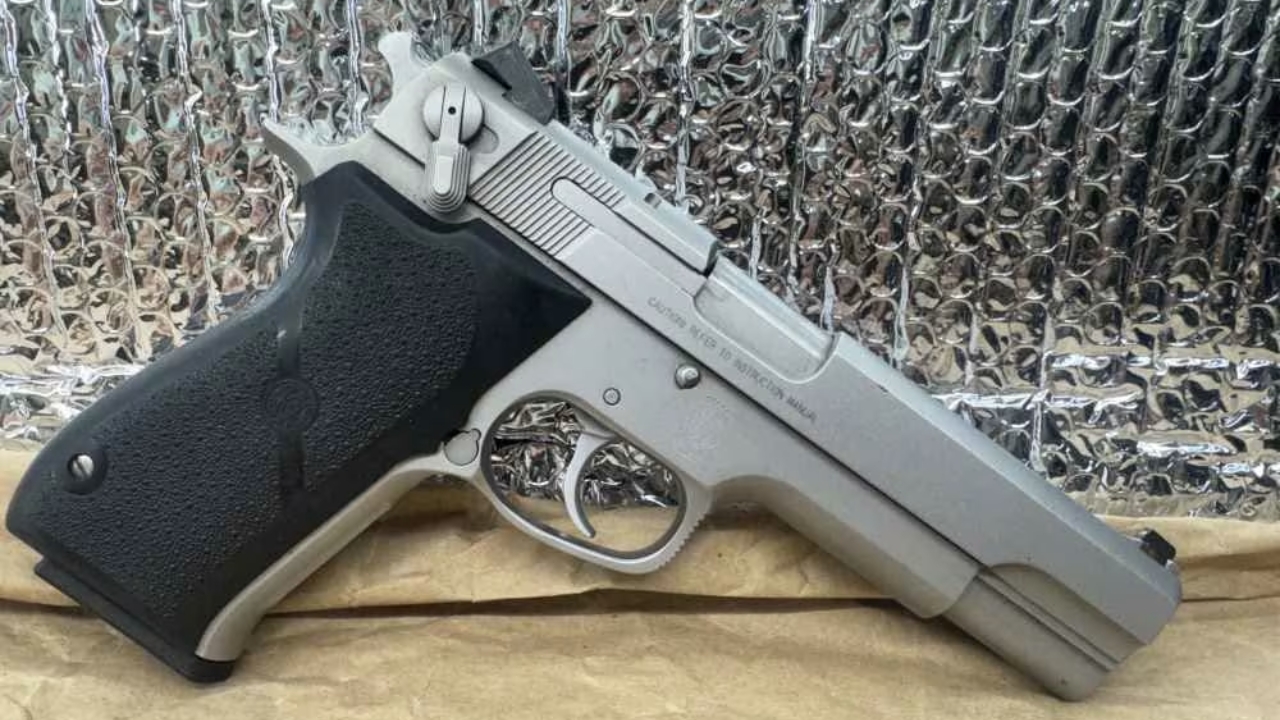
The Model 1006 was once simply Smith & Wesson’s big stainless 10mm service pistol. It was heavy, overbuilt, and arrived during a period when manufacturers were still figuring out exactly where the 10mm cartridge belonged.
Today, that excess is a major part of its appeal. The 1006 represents the peak of Smith & Wesson’s third-generation stainless service pistols while also chambering one of the cartridges that has enjoyed a major resurgence. Clean examples are no longer treated like outdated duty guns. Buyers specifically search for them because Smith & Wesson is unlikely to build another all-stainless 10mm quite like it.
Smith & Wesson Model 1076
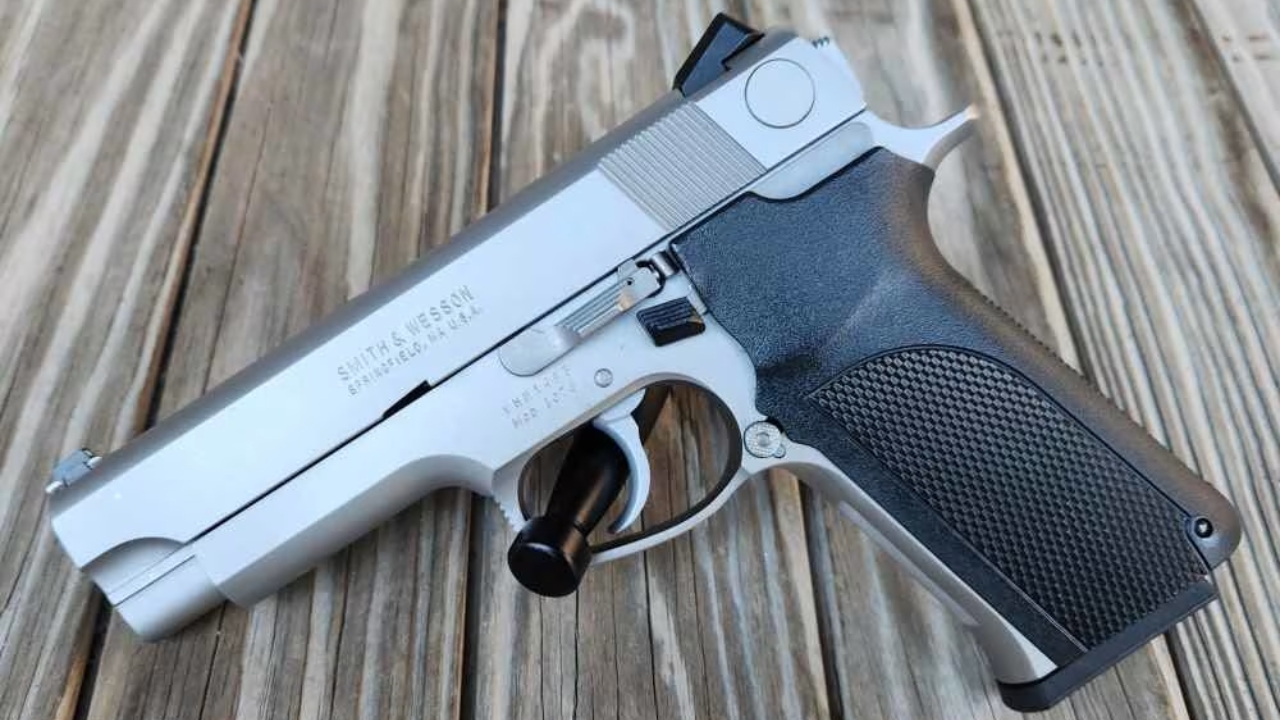
The 1076 spent much of its life overshadowed by other third-generation Smith pistols. Its connection to the FBI gave it some historical interest, but for years it was still mainly viewed as another discontinued 10mm service gun.
That has changed considerably as interest in both 10mm and older Smith autos has increased. The 1076’s unusual configuration and law-enforcement history give collectors more to chase than they get with an ordinary production pistol. What once looked like a bulky relic from the early 1990s now represents a very specific moment in American service-pistol development.
Smith & Wesson Model 6906

The 6906 used to be exactly the kind of compact pistol people traded away when lighter polymer guns became available. Its aluminum frame, stainless slide, and traditional double-action trigger looked increasingly old-fashioned.
Now those characteristics are the reason people want one. The 6906 is compact without feeling tiny, holds respectable capacity, and belongs to Smith & Wesson’s increasingly appreciated third-generation family. Clean examples are especially attractive because so many spent years being carried. The little metal-framed Smith has gone from outdated carry gun to something collectors are starting to deliberately hunt down.
Smith & Wesson Model 696
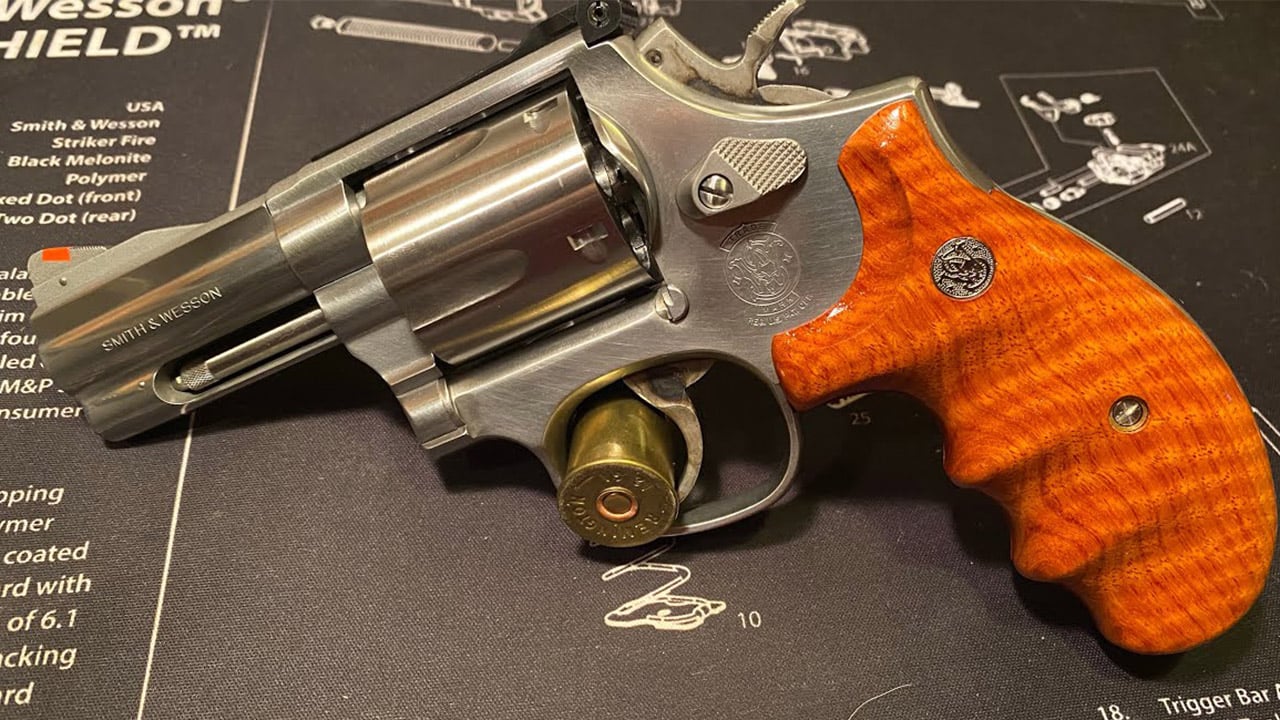
A five-shot L-frame revolver chambered in .44 Special did not seem destined to become a collector favorite. The Model 696 was useful, but it occupied an odd niche between compact defensive revolvers and larger .44s.
That niche turned out to be exactly what made it desirable. The combination of manageable size, stainless construction, and .44 Special chambering has very few direct equivalents. Once production ended, shooters who liked big-bore revolvers started paying much more attention. The 696 is a good example of a gun becoming desirable precisely because nobody made enough similar guns after it disappeared.
Ruger Speed-Six
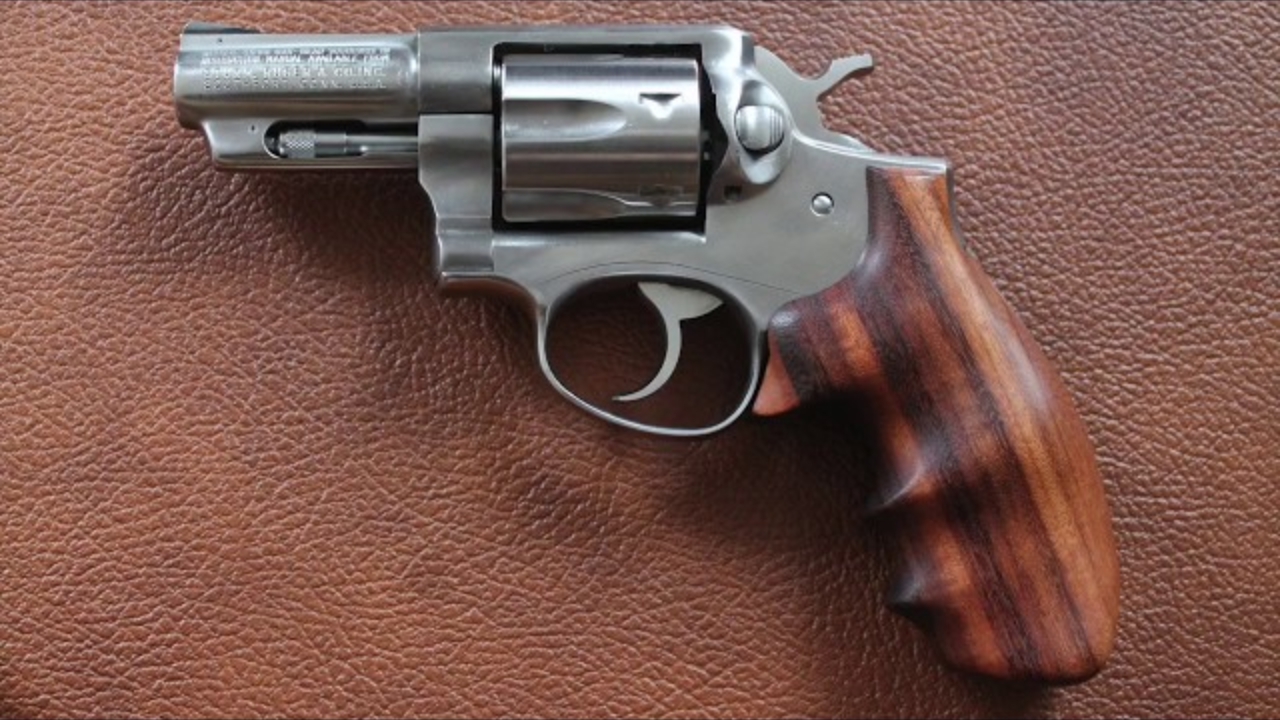
The Speed-Six was a working revolver. Fixed sights, straightforward construction, and Ruger’s usual emphasis on strength made it useful for police and defensive work without giving collectors much reason to obsess over it.
Then Ruger replaced the entire Six-series family. Modern shooters rediscovered how nicely the Speed-Six balances compared with some larger current-production revolvers. Short-barreled examples are especially appealing. A revolver that was once valued mainly for being durable and affordable now attracts buyers because Ruger simply does not build this exact type of trim double-action revolver anymore.
Ruger Model 96/44
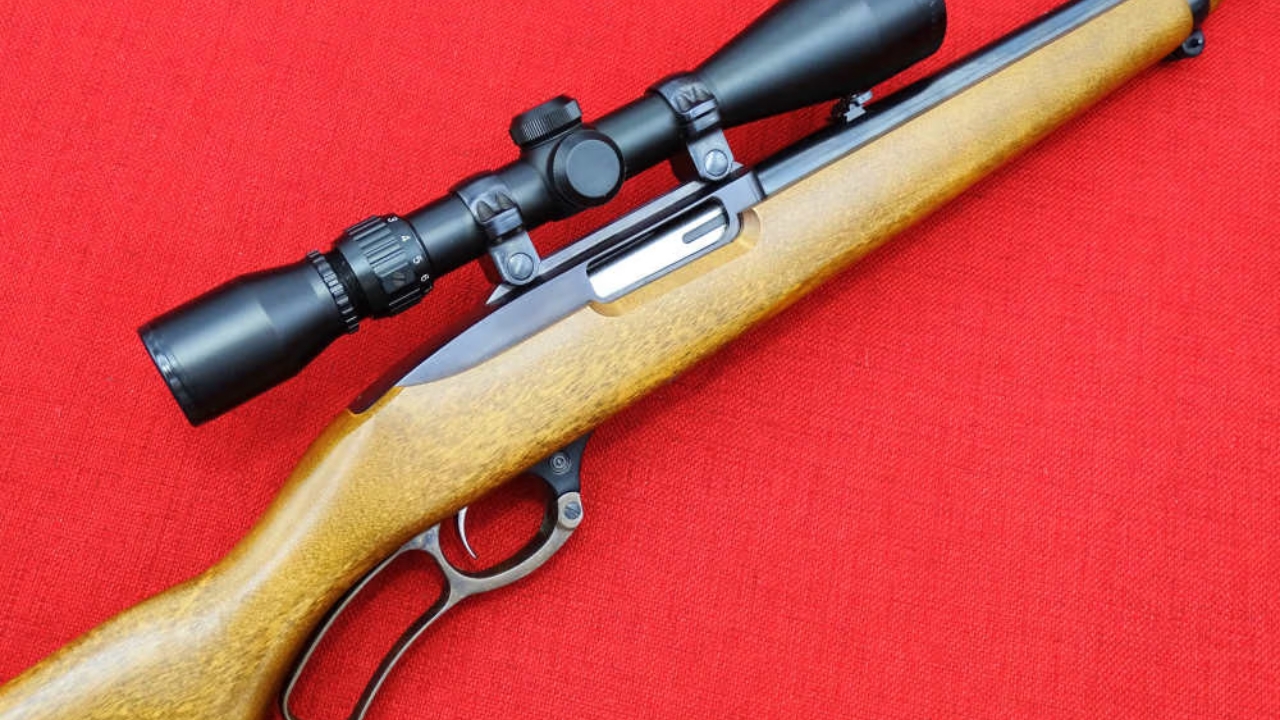
The Model 96 never became one of Ruger’s defining rifles. Its lever action looked more modern than a Winchester or Marlin, and the detachable rotary-magazine concept was unusual enough that traditional lever-gun buyers often overlooked it.
That unusual design now works in its favor. The .44 Magnum 96/44 combines a lever action with a cartridge that remains popular for short-range hunting, and there is almost nothing currently produced that feels quite like it. Owners who bought them as ordinary hunting rifles now have one of the more distinctive discontinued Rugers in the safe.
Ruger Model 96/22
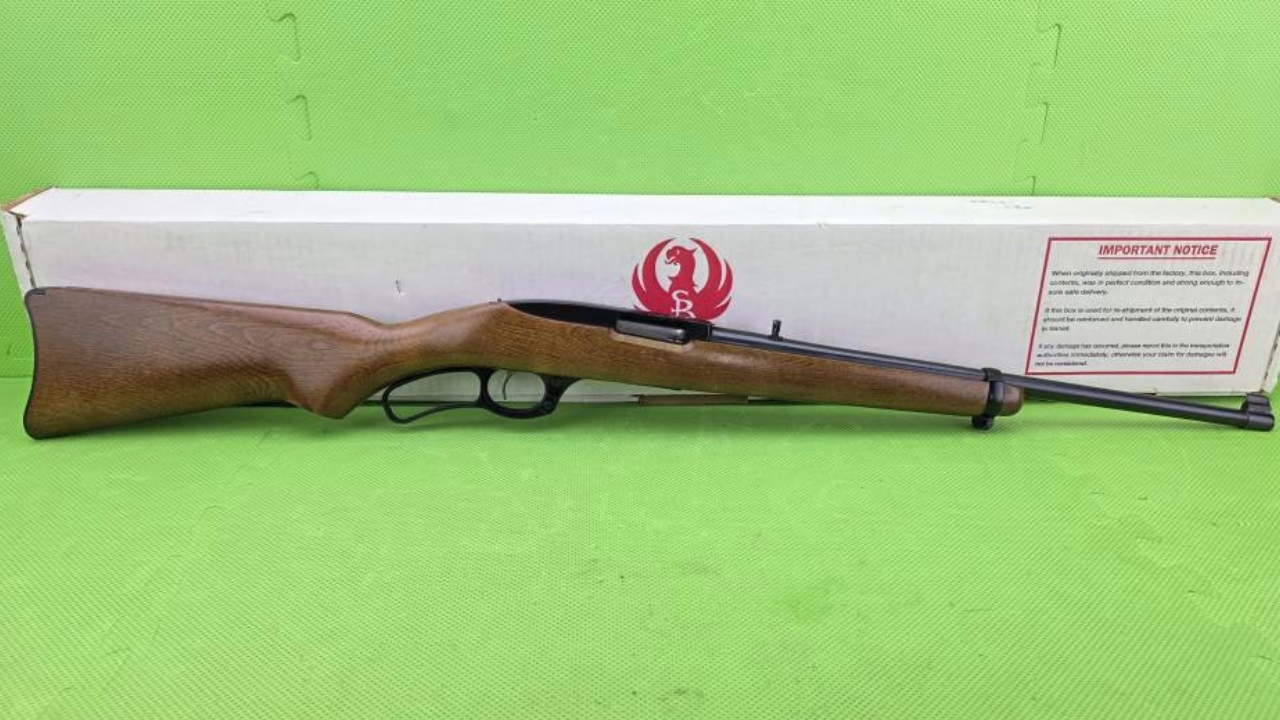
The .22 version of the Model 96 suffered from the same problem when new. A lever-action rimfire buyer could simply purchase a more traditional Henry, Marlin, or Winchester-style rifle, while Ruger already had the enormously successful 10/22.
Years later, being different matters more. The rotary-magazine-fed lever action is a quirky chapter in Ruger’s history, and surviving examples appeal to collectors who already have the obvious Ruger rimfires. The 96/22 did not need to be a sales phenomenon to become desirable. Limited popularity when new helped make it interesting later.
Remington Model 600
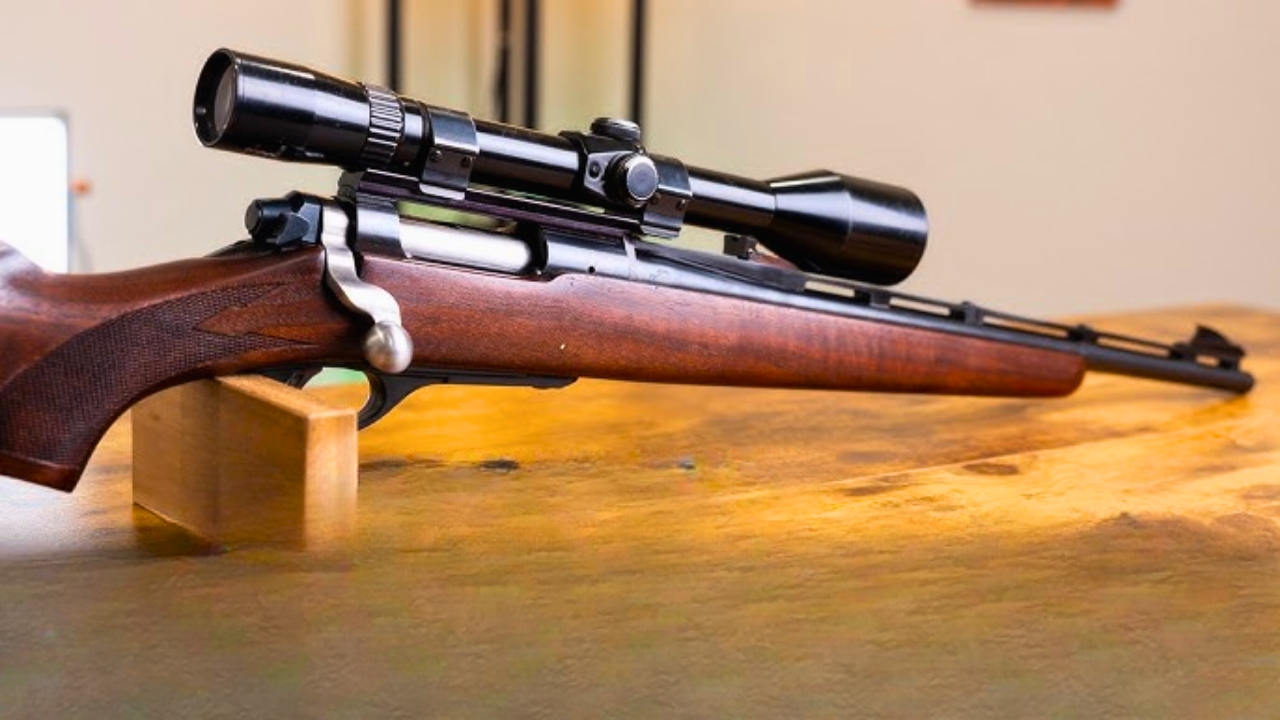
The Model 600 looked strange enough that plenty of traditional hunters never completely warmed to it. The short barrel, ventilated rib, compact dimensions, and distinctive stock made it unlike the conventional sporting rifles surrounding it.
That once worked against the rifle. Today it makes the Model 600 immediately recognizable. Shooters appreciate lightweight hunting rifles far more than they once did, while Remington collectors have embraced models that stand apart from the ubiquitous 700. A rifle once criticized for looking unusual has become desirable largely because nobody is building another Remington quite like it.
Remington Model 660

The Model 660 toned down some of the Model 600’s stranger styling while retaining the short, handy hunting-rifle concept.
For years, it was simply another older Remington bolt gun. Now the compact dimensions, relatively short production period, and connection to the Model 600 family make it far more interesting. Good examples tend to attract buyers who specifically know what they are looking at. The rifle’s desirability did not come from being famous. It came from disappearing before the rest of the hunting market rediscovered lightweight, handy bolt guns.
Remington 7600 Carbine

The 7600 was once an ordinary working rifle in parts of the country where fast follow-up shots and compact handling mattered. Hunters treated pump-action Remingtons like tools.
The carbine versions have become a different proposition. Short barrels and popular hunting chamberings make them particularly desirable among hunters who still appreciate the pump-rifle concept. With Remington’s old pump-action centerfire era now behind us, clean carbines increasingly get kept rather than traded. A configuration that once seemed completely normal now feels unusual on a modern gun rack.
Winchester Model 100
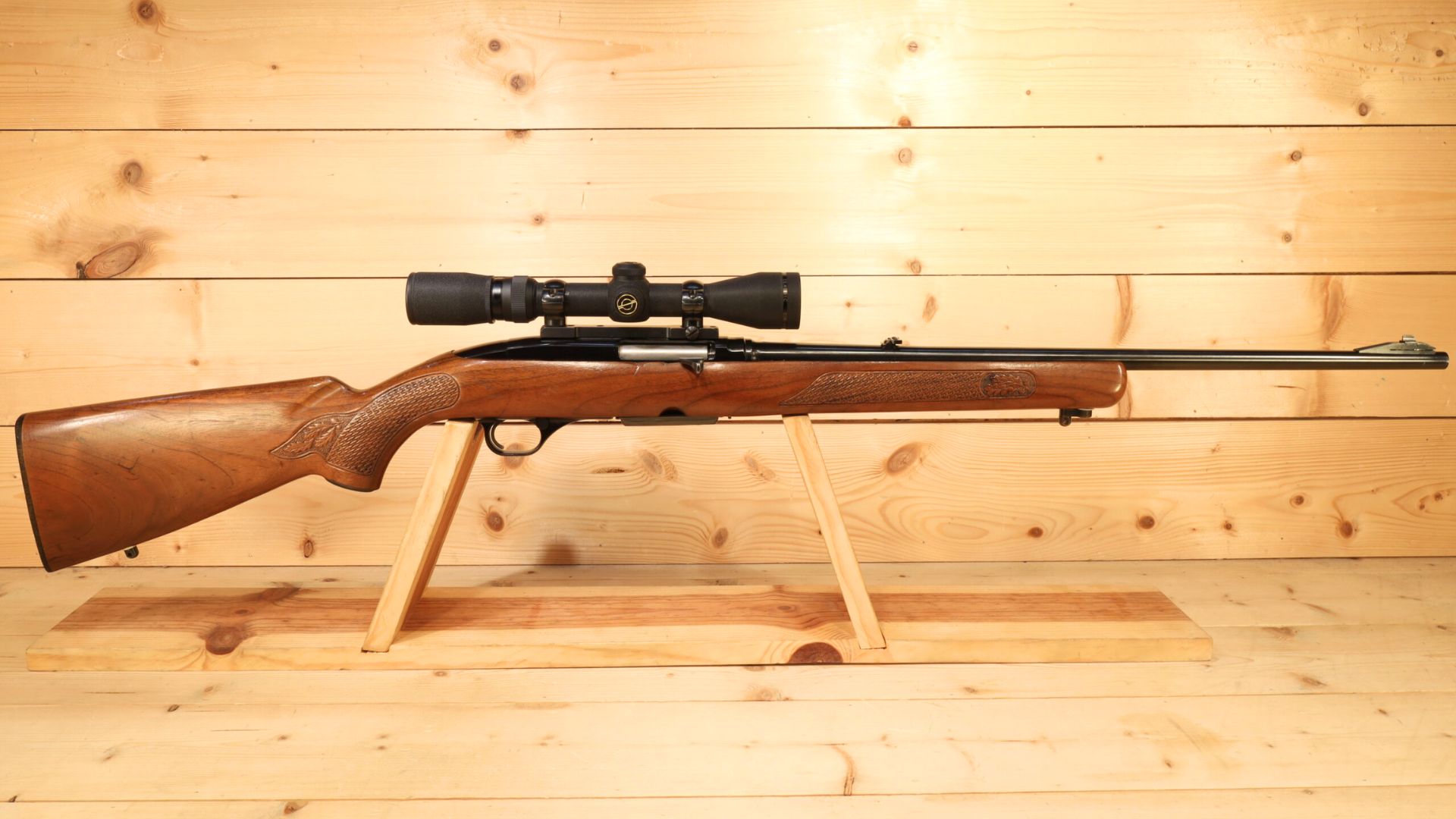
The Model 100 spent decades being treated as an old semiautomatic deer rifle. It lacked the lever-action nostalgia of the Model 94 and never had the military appeal that drives interest in many semiautomatics.
That is starting to work in its favor. The Model 100 represents a period when Winchester was trying to modernize the sporting rifle while still building it with traditional wood and steel styling. Clean rifles, especially those that remain original, have become much more interesting to Winchester collectors who already own the obvious lever guns.
Browning B-92
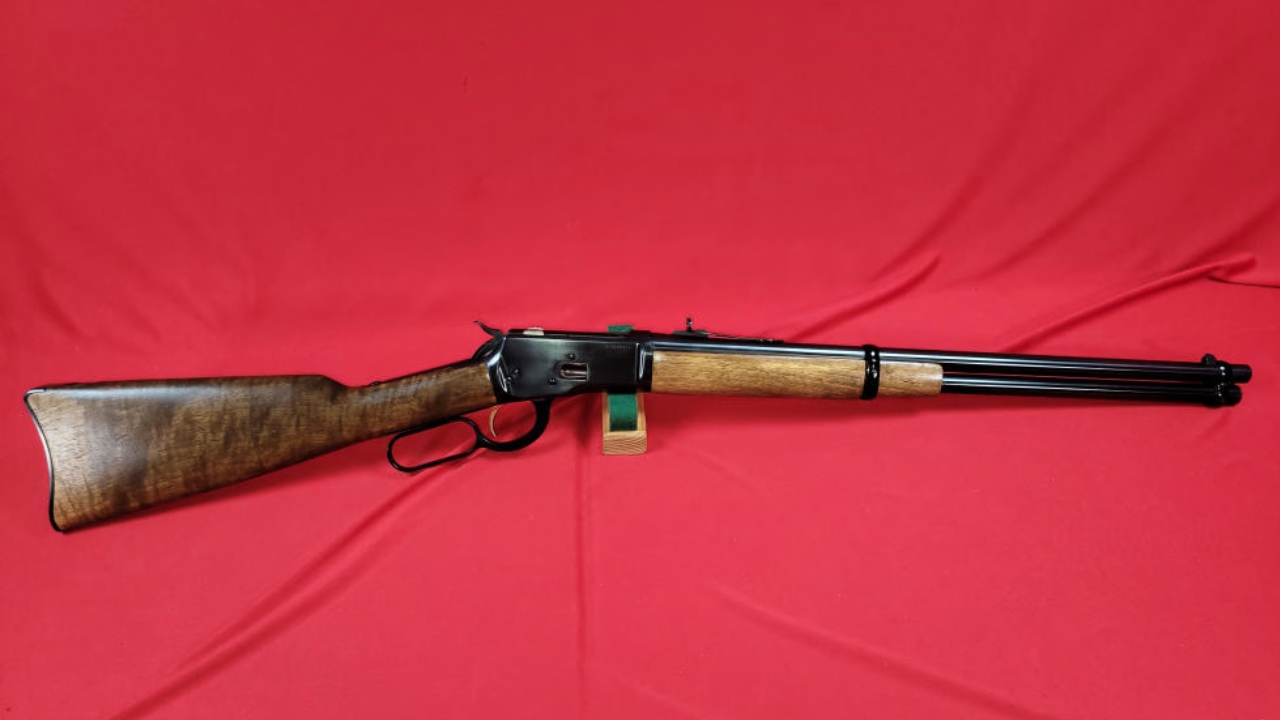
The B-92 was a Japanese-made Browning interpretation of the classic Winchester 1892, offered in pistol calibers such as .357 Magnum and .44 Magnum.
When these rifles were available, they were simply quality lever guns. Today they benefit from the huge renewed interest in pistol-caliber lever actions while offering the fit and finish associated with Japanese Browning production. They also were not produced in the enormous numbers associated with many modern lever guns. Owners who have nice examples increasingly understand that replacing one is not particularly easy.
Beretta 92 Compact Type M
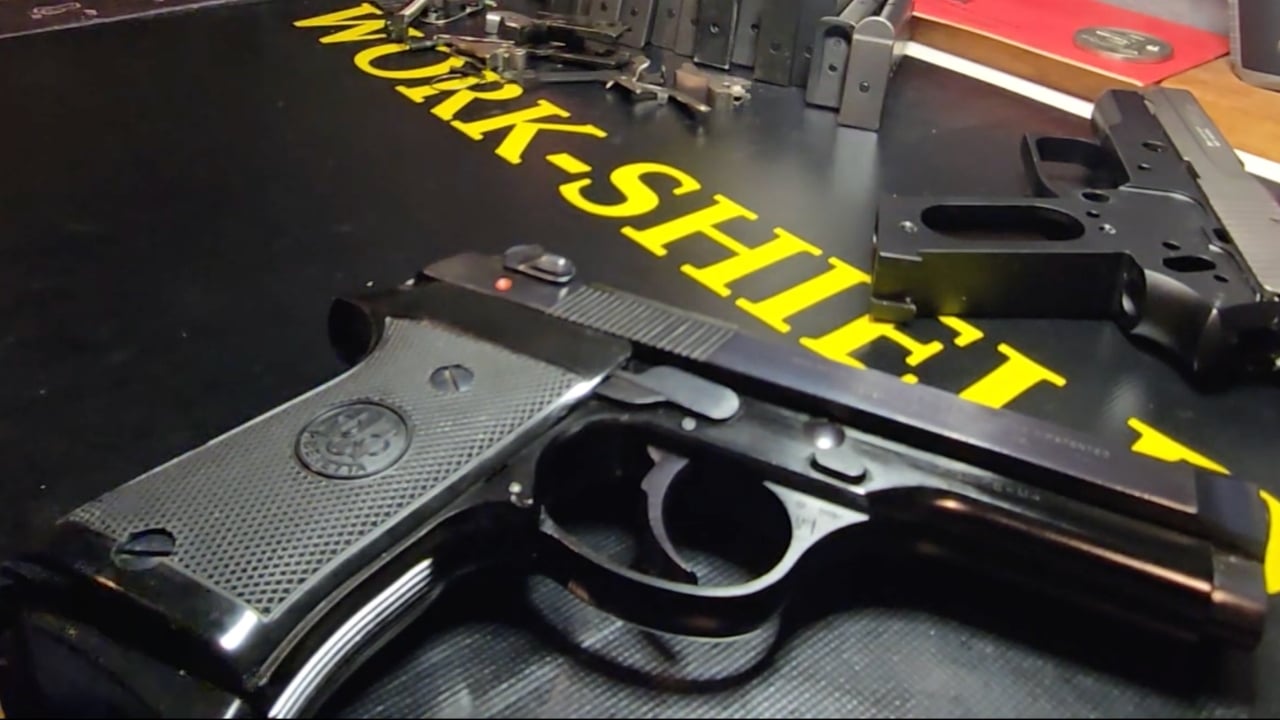
The Type M looked like a slightly odd member of the enormous Beretta 92 family because it used a single-stack magazine rather than the double-stack arrangement everyone associated with the platform.
For years, that lower capacity made it easier to dismiss. Now it makes the pistol interesting. The Type M is noticeably slimmer through the grip and was produced in far smaller numbers than the standard service-size Berettas most shooters know. What once looked like the less capable 92 has become one of the versions Beretta collectors are much more likely to notice.
SIG Sauer P245
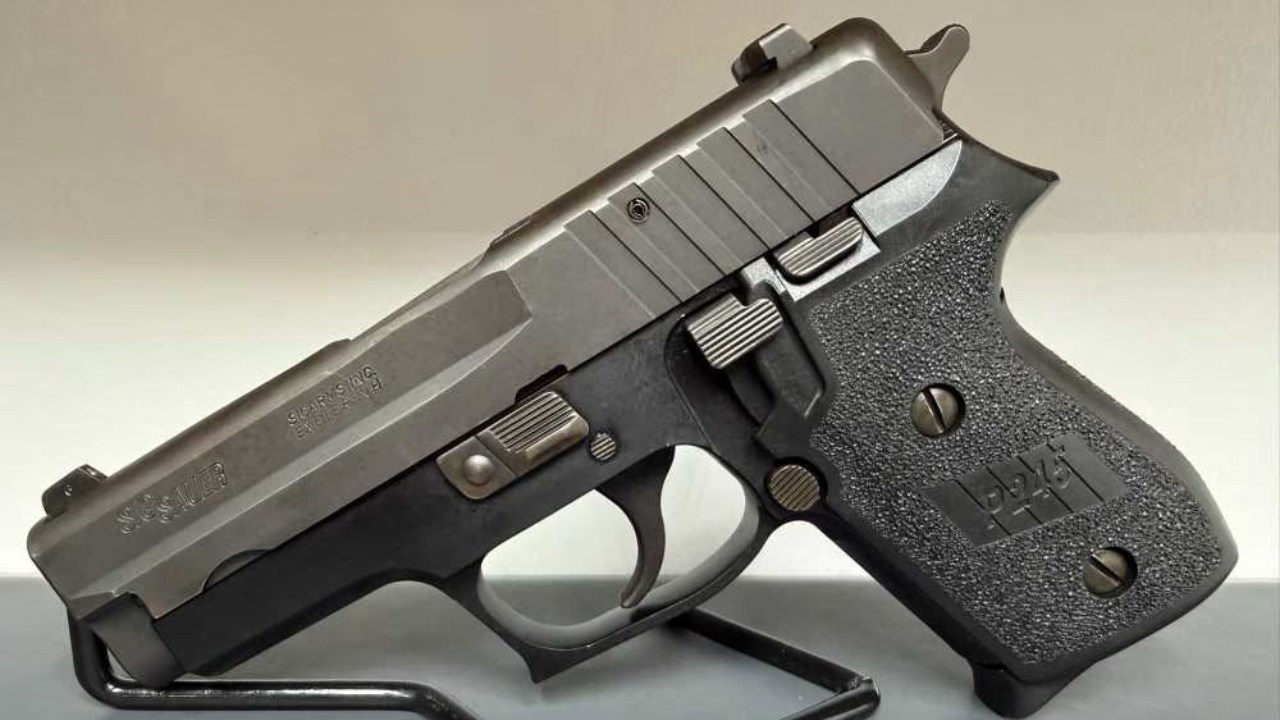
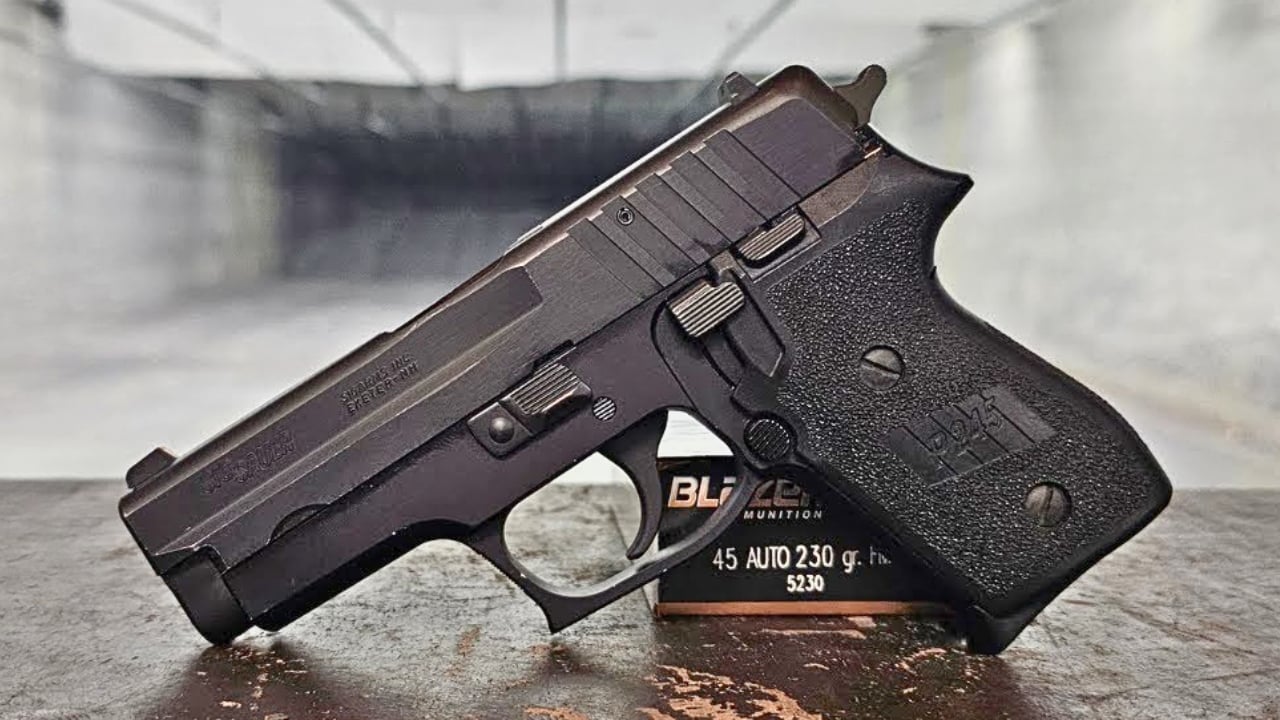
The P245 was essentially SIG’s compact .45 ACP option before the company moved toward later designs. It did not have tremendous capacity and arrived during a period when plenty of shooters simply bought a full-size P220 instead.
That lack of widespread adoption helped make it desirable after discontinuation. The pistol delivers the traditional metal-framed SIG feel in a configuration the current catalog does not really duplicate. People who collect classic SIGs eventually run out of ordinary P226s and P220s to chase. The P245 becomes much more interesting at that point.
HK P9S
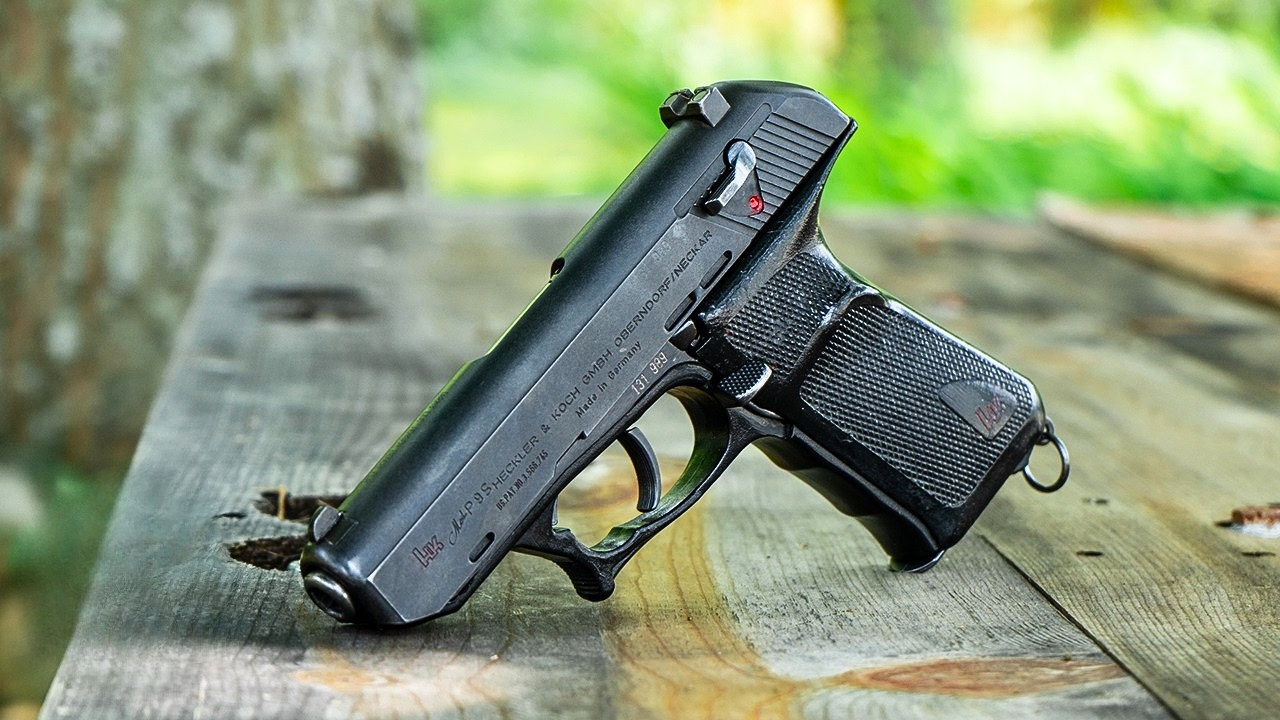
The P9S was technologically unusual even when it was new. Its roller-delayed operating system and polygonal barrel separated it from the more conventional service pistols that eventually dominated the market.
For a long time, it was simply an old HK that appealed to dedicated fans of the brand. Today its mechanical uniqueness gives it much broader collector appeal. HK moved in a completely different direction with later pistols such as the USP, making the P9S feel like a design from an alternate path the company abandoned. That makes surviving examples increasingly fascinating.
Walther P5

The P5 was built around serious service-pistol requirements, but it never achieved anything close to the American popularity of the PPK or later Walther polymer pistols.
Collectors eventually began appreciating what made it different. The unusual ejection arrangement, compact proportions, excellent build quality, and connection to West German police-pistol development give the P5 historical depth without making it ancient. It is exactly the sort of gun that once looked like an expensive obsolete service pistol and now looks like an interesting piece of European handgun history.
Walther P88
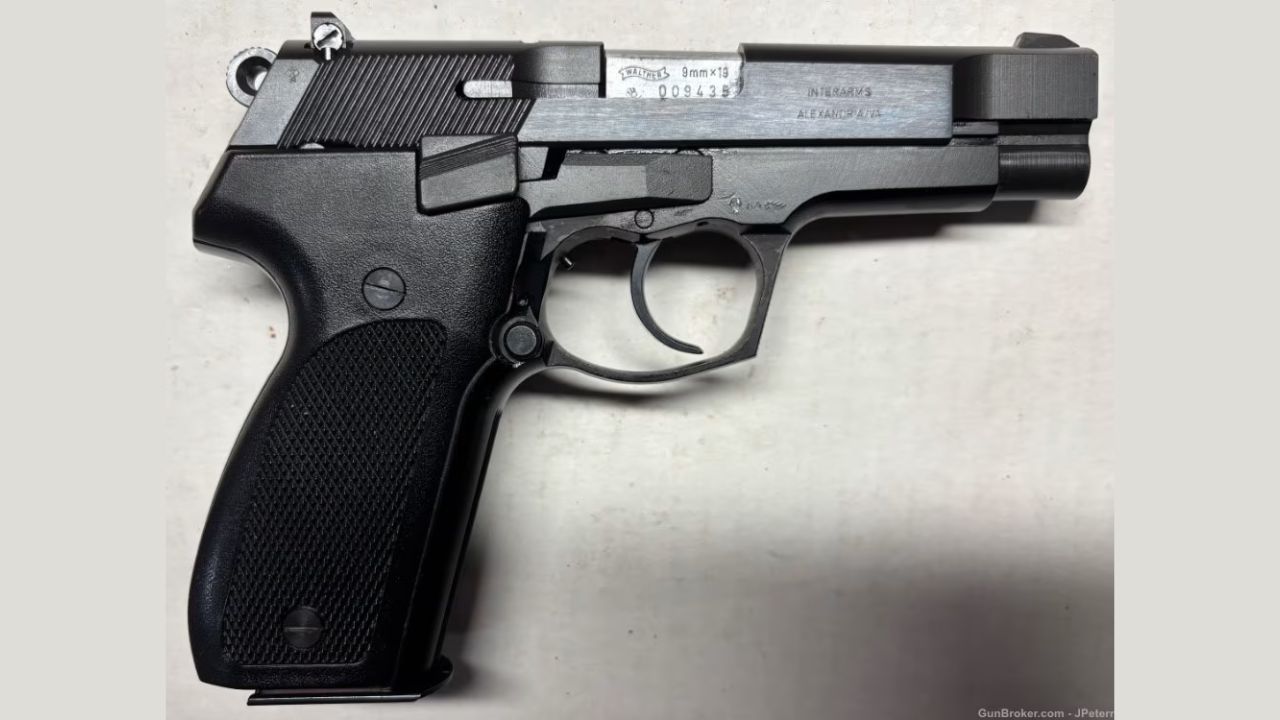
The P88 arrived during one of the most competitive periods in service-pistol history and faced guns that ultimately developed much larger followings.
That hurt it as a commercial product but helped it later as a collectible. The P88 was beautifully made, relatively expensive, and never became nearly as common as the Beretta 92, SIG P226, or Glock 17. Collectors now appreciate precisely what ordinary buyers once overlooked. A high-quality service pistol that failed to dominate its market can become very interesting once production stops.
Daewoo DP51

The DP51 spent years being one of those inexpensive imported pistols shooters encountered without knowing much about it. The Korean origin and unusual trigger system made it different, but not necessarily desirable.
Time has been kind to it. Shooters have developed much more interest in South Korean military firearms, while the DP51’s unusual “fast action” trigger gives it a mechanical identity almost nothing else shares. The pistol is still not a mainstream collector piece, but clean examples have developed the sort of cult following nobody buying a cheap Daewoo decades ago would have predicted.
Star Model BM
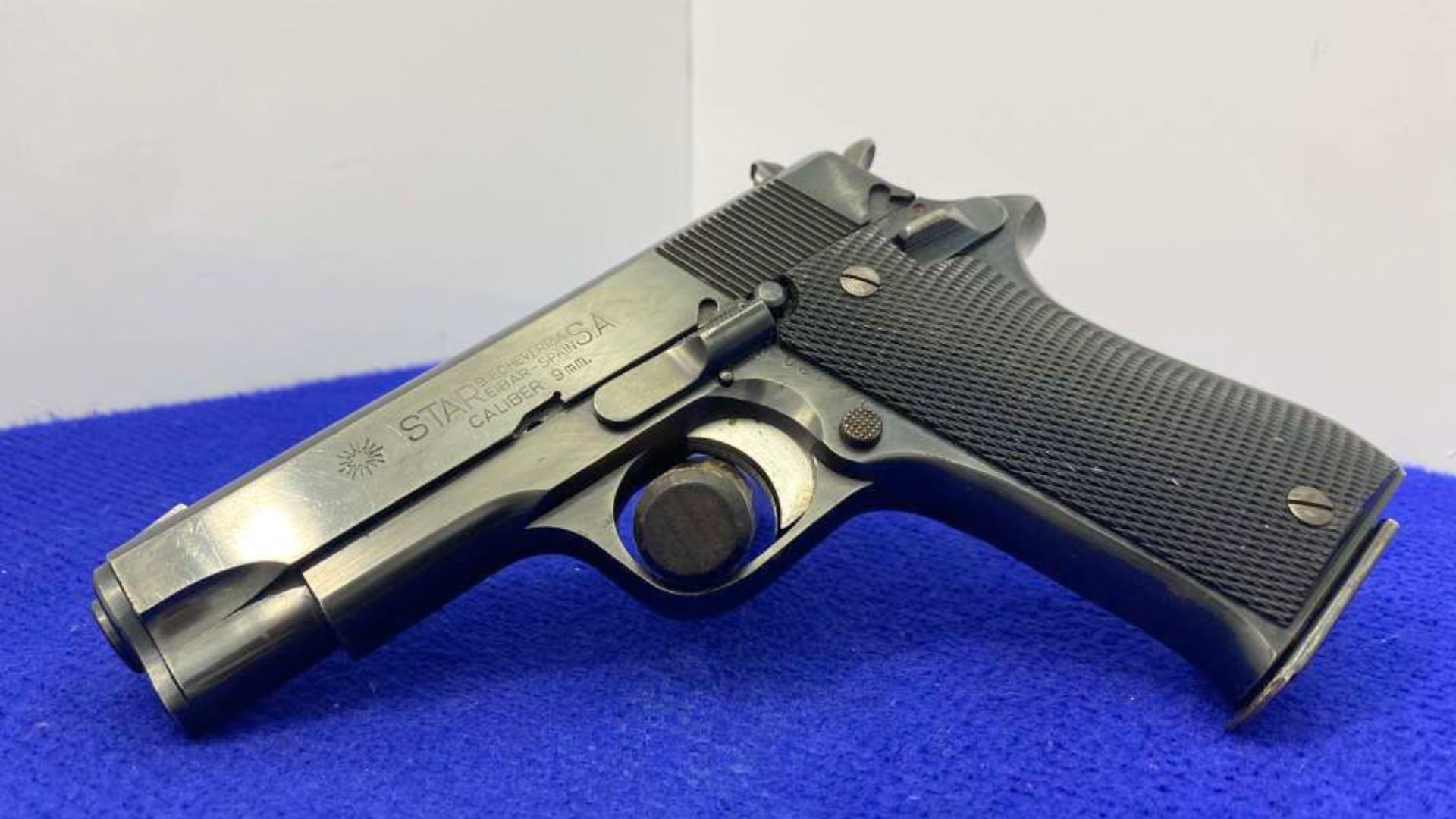
The Star BM had its moment as an extremely affordable surplus pistol. Importers brought in large numbers, and shooters bought them because getting a steel-framed 9mm for very little money was hard to resist.
That bargain status could not last forever. Surplus supplies are finite, and the BM’s compact all-steel construction has aged surprisingly well. Many examples were carried and used before importation, so nicer guns have started separating themselves from rough ones. The pistol that buyers once grabbed simply because it was cheap has become a recognizable collectible from Spain’s vanished handgun industry.
Colt All American 2000

The All American 2000 is collectible for almost the opposite reason most Colts are. It was not a great commercial success, and it never developed the legendary reputation of the Python, 1911, or Single Action Army.
That failure now makes it fascinating. The pistol represents Colt’s attempt to compete in the modern high-capacity handgun market with a genuinely different design, and the experiment did not last. Collectors interested in Colt eventually start looking beyond the obvious successes. A short-lived pistol that most shooters once ignored becomes much more appealing when viewed as an unusual dead end in Colt’s history.
Like The Avid Outdoorsman’s content? Be sure to follow us.
Here’s more from us: