Photo credit: Forest Firearms/YouTube
Some of the best guns in a collection were never supposed to become special. They were surplus rifles bought by the crate, police trade-ins sitting in bargain cases, or inexpensive hunting guns picked up because somebody needed something that worked.
Years later, replacing many of them is a completely different proposition. Prices climbed, imports dried up, production ended, or shooters simply realized how much gun they had gotten for the money. The owners who bought these 20 firearms when they were cheap often have very little interest in selling them now.
SKS
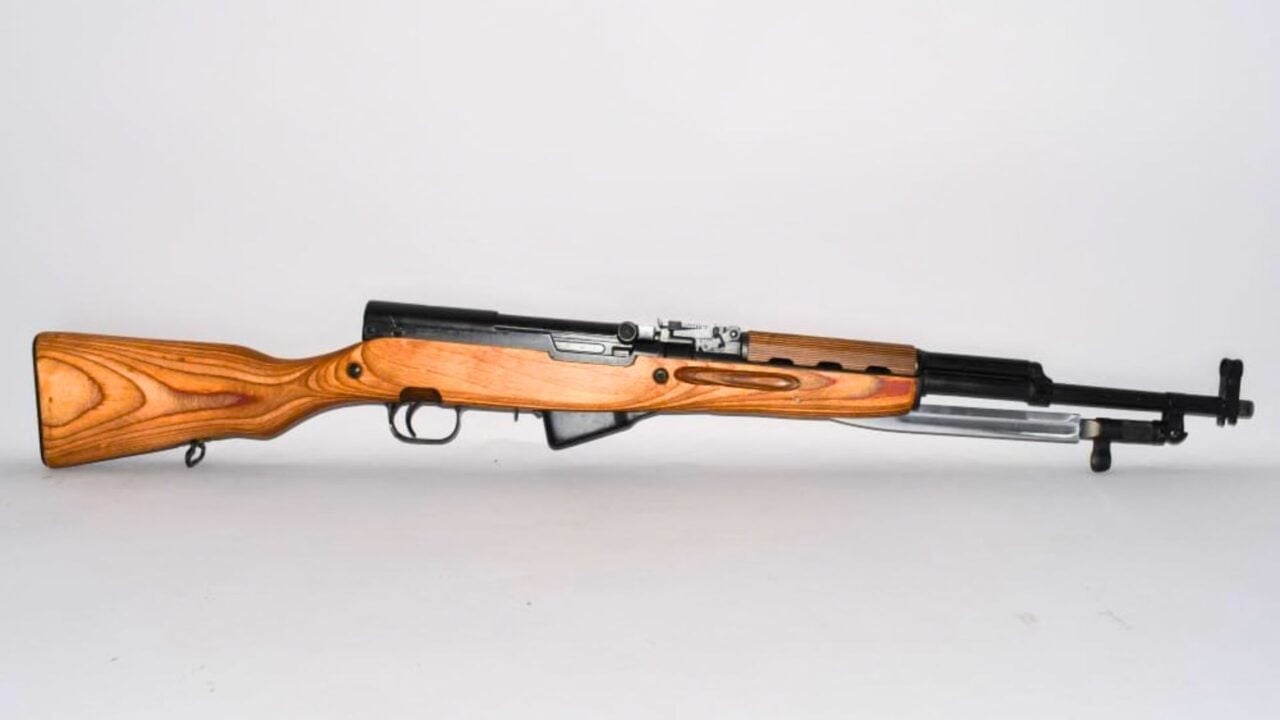
There was a time when the SKS was the definition of an inexpensive surplus rifle. Shooters bought them because the rifles were cheap, ammunition was cheap, and nobody worried much about preserving them.
That attitude looks very different today. Clean Russian, Chinese, and Yugoslav examples are no longer throwaway rifles, and original condition matters far more than it once did. Plenty were modified when replacement stocks and detachable magazines were fashionable, making untouched examples even more appealing. Someone who bought a good SKS when they cost a fraction of today’s prices has very little reason to let it go.
Mosin-Nagant M91/30

M91/30 rifles were once so inexpensive that people bought several simply because they could. Crates of rifles and spam cans of ammunition made the Mosin one of the easiest ways to get into centerfire rifle shooting.
Those days are over. There are still plenty of Mosins around, but the endless stream of cheap surplus rifles largely disappeared. Better-condition examples, desirable arsenals, and rifles with matching numbers get considerably more attention now. Owners who paid bargain-basement money can still remember when the rifle cost less than some current optics, which makes selling one surprisingly difficult.
CZ 82

The CZ 82 arrived in the United States as an inexpensive surplus handgun that many shooters initially viewed as little more than an unusual Eastern European carry pistol.
People who actually shot them discovered a much better gun than the price suggested. The fixed barrel provides excellent practical accuracy, the double-stack magazine gives respectable capacity, and the ambidextrous controls were surprisingly modern for the design’s age. Once the cheap surplus supply dried up, owners started appreciating them much more. A good CZ 82 is now exactly the kind of pistol someone remembers buying cheaply and decides there is no reason to sell.
Makarov PM

Original Makarov pistols used to be an easy inexpensive purchase. Bulgarian examples in particular entered the country in large numbers, while ammunition and spare magazines were readily available.
The design helped create loyal owners. The pistol is compact, mechanically straightforward, and has relatively few parts to cause trouble. Original Russian and East German guns became especially desirable, but even ordinary surplus Maks are no longer treated like disposable pistols. Anyone who bought one back when they were inexpensive often sees little upside in trading away such a durable piece of Cold War history.
Yugoslavian M48 Mauser

The M48 was once overshadowed by German K98k rifles because collectors viewed the Yugoslav rifle as the less prestigious Mauser. That made the M48 a tremendous bargain for shooters who simply wanted a strong 8mm bolt gun.
Many arrived in excellent condition, sometimes with beautiful bores and surprisingly little actual use. As the surplus market dried up, that combination of Mauser construction and affordability became harder to duplicate. Owners who bought clean M48s cheaply now have rifles that would cost substantially more to replace with anything offering comparable old-school military construction.
Swiss K31
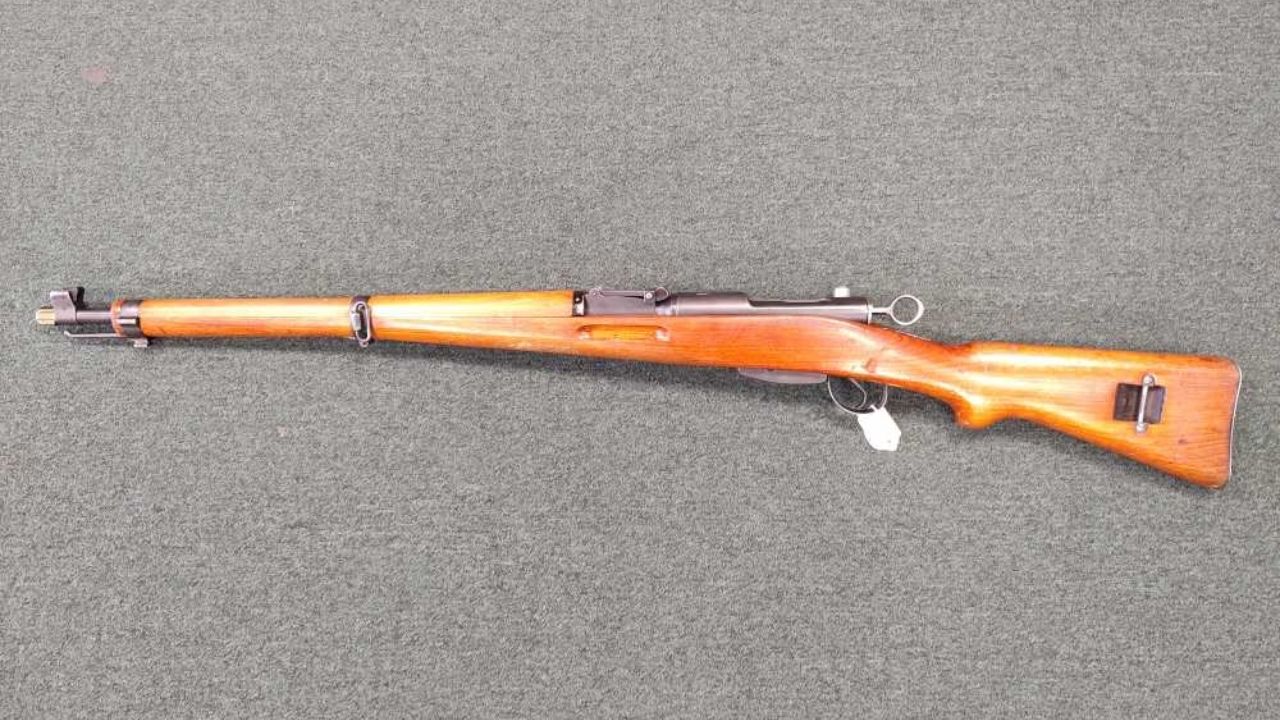
The K31 may be one of the biggest examples of shooters realizing too late how good a surplus deal actually was. These rifles once sold for surprisingly modest prices despite exceptional machining and excellent accuracy.
The straight-pull action, excellent trigger, and quality of Swiss production make the K31 feel unlike typical inexpensive military surplus. Many examples also arrived with excellent bores because of how carefully they had been maintained. Once shooters understood what they were getting, demand changed quickly. Owners who bought them before that happened generally know another cheap K31 is not coming through the door.
Swedish Mauser Model 1896
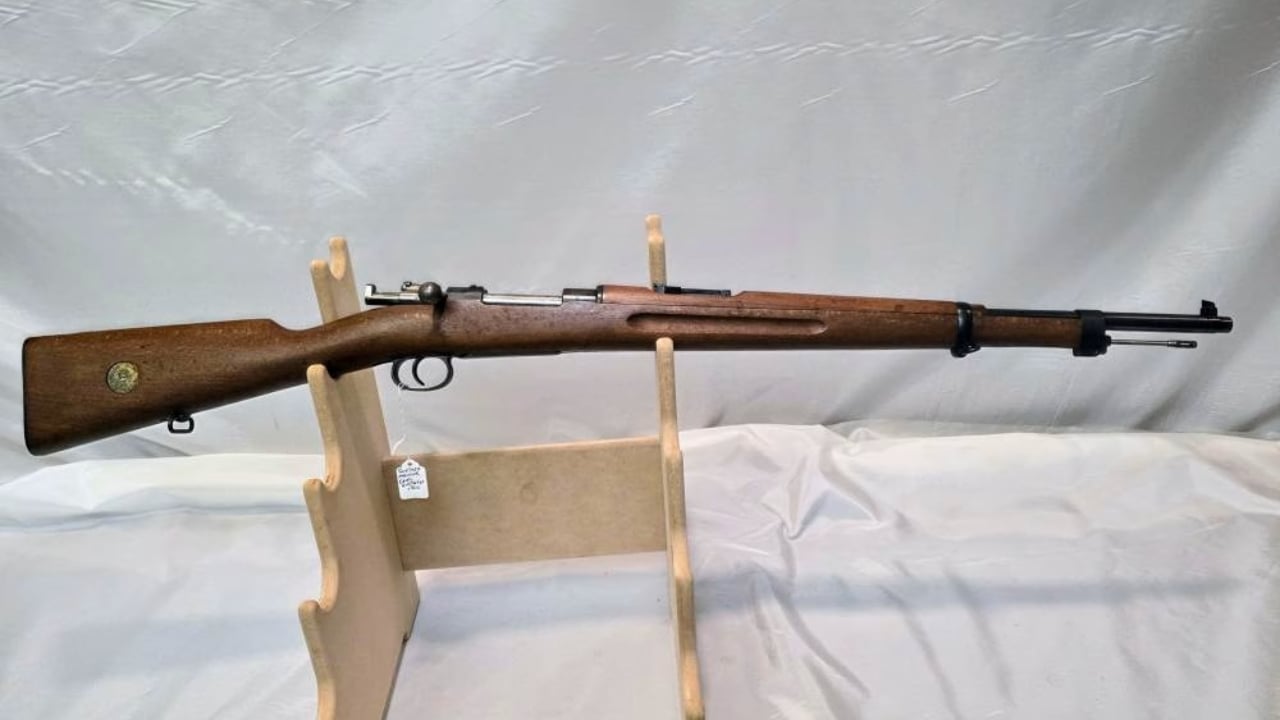
Swedish Mausers were once affordable surplus rifles that appealed mostly to shooters who appreciated the mild-recoiling 6.5×55 cartridge and exceptionally good workmanship.
The rifles have aged extremely well. Their smooth actions, long barrels, quality steel, and excellent accuracy make them more pleasant to shoot than many military rifles of the period. Clean examples have steadily become harder to replace, particularly rifles that escaped sporterization. Someone who bought a Swedish Mauser when surplus guns were inexpensive often views it as one of the smartest purchases in the safe.
Marlin Camp 9

The Camp 9 never looked like a future collectible. It was a straightforward pistol-caliber carbine built around a traditional stock at a time when the market was not nearly as obsessed with 9mm carbines.
Then Marlin discontinued it and pistol-caliber carbines became popular again. Suddenly the Camp 9 looked much more interesting, particularly because of its simple handling and compatibility with common pistol magazines depending on configuration. Owners who picked them up inexpensively years ago now have a discontinued carbine with a character that newer tactical PCCs do not really duplicate.
Ruger Police Service-Six
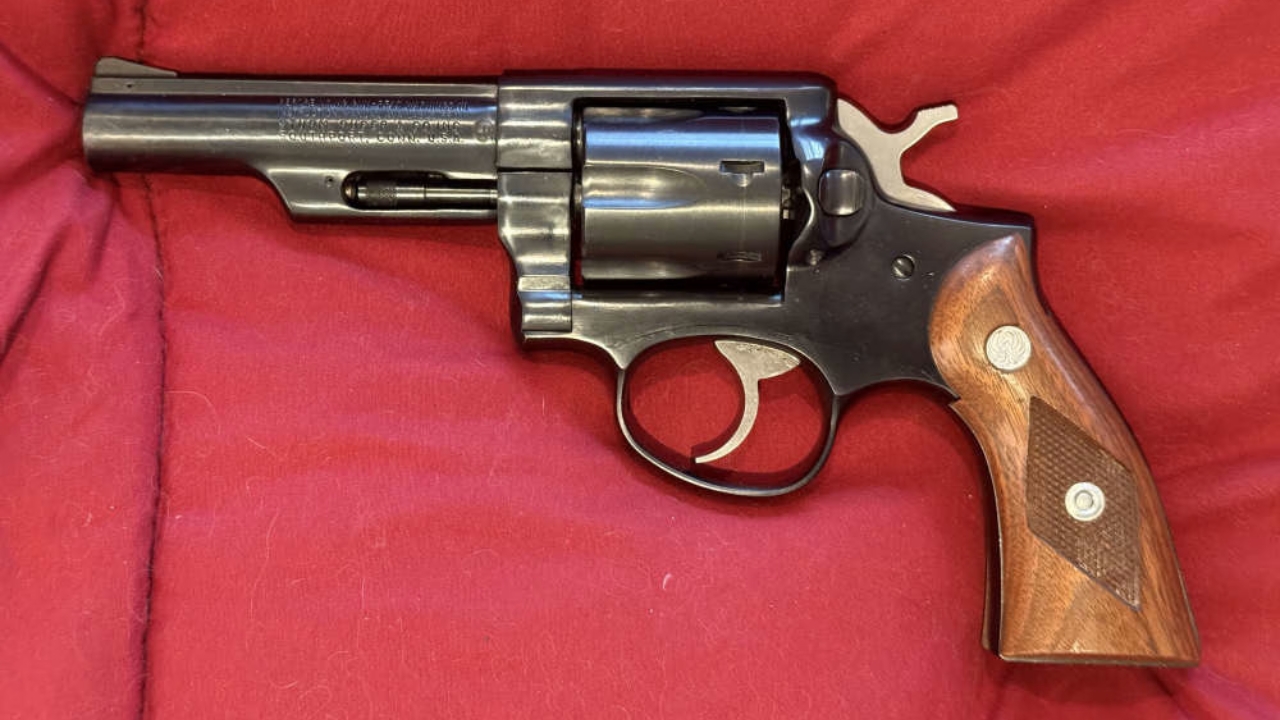
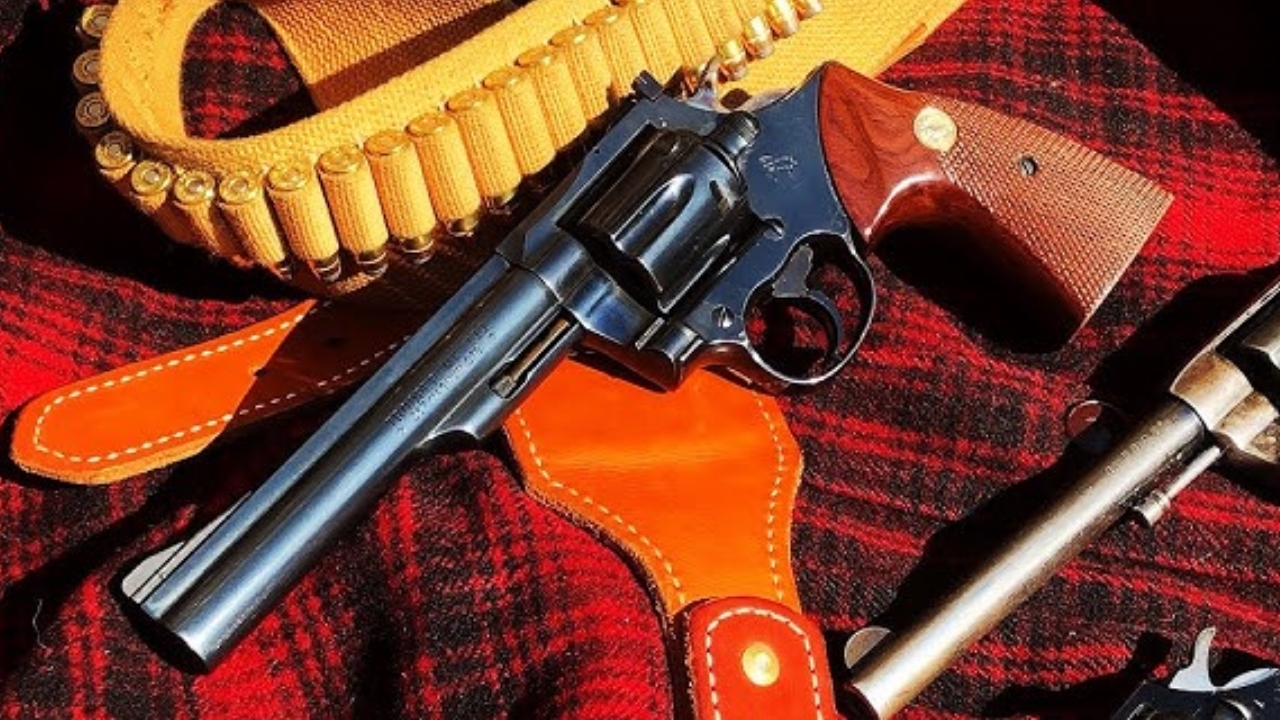
The Police Service-Six spent years living in the shadow of Smith & Wesson revolvers and Ruger’s later GP100. Used law-enforcement guns were often inexpensive because they looked like old duty revolvers rather than anything collectible.
That was exactly why they were such good buys. The Service-Six is rugged, relatively trim, and mechanically straightforward. Ruger no longer builds this exact style of revolver, and shooters have become much more appreciative of the entire Security-Six family. Owners who bought inexpensive police trade-ins often discover they like them far too much to sell.
Smith & Wesson Model 65
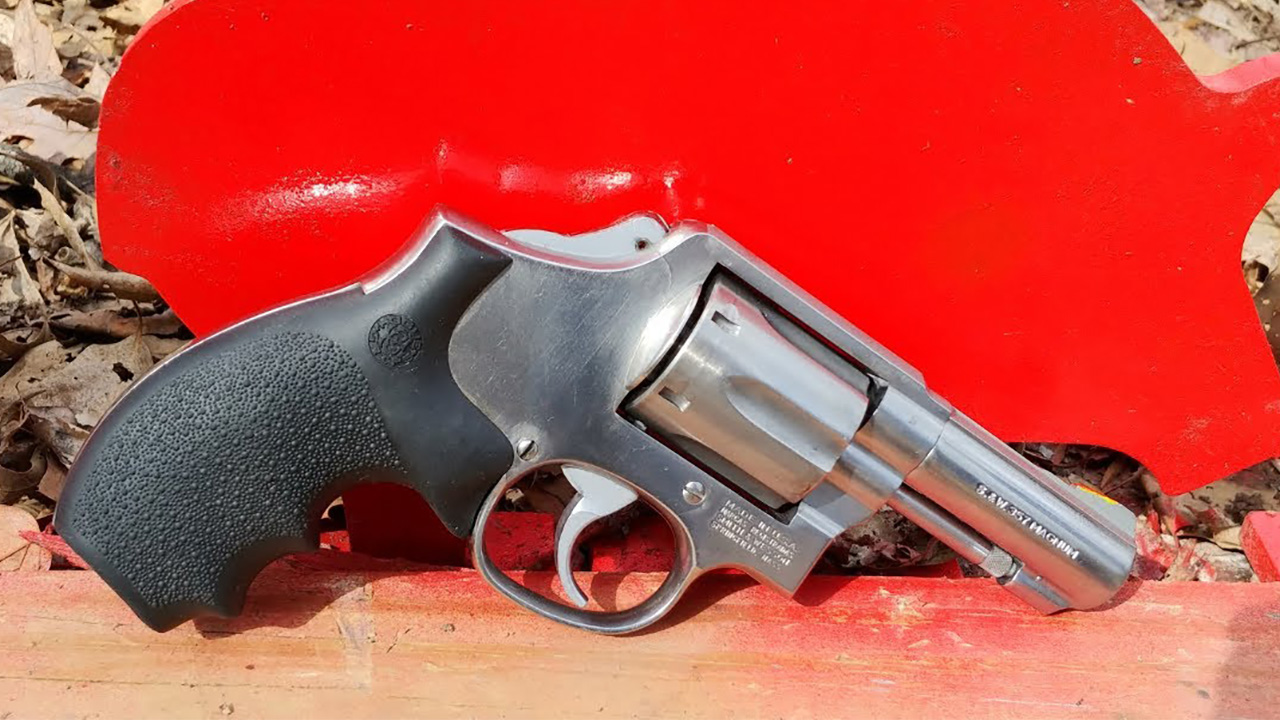
The Model 65 was built to work. Stainless construction, fixed sights, and .357 Magnum chambering made it an ideal law-enforcement revolver, and used examples once appeared at very attractive prices.
Now shooters recognize how useful that combination really is. The K-frame carries and handles better than many heavier magnum revolvers, while the stainless finish is practical rather than delicate. Older examples in good mechanical condition are increasingly desirable. Someone who grabbed a Model 65 when police revolvers were cheap has a versatile .357 that would be surprisingly difficult to replace for the original purchase price.
Smith & Wesson Model 15
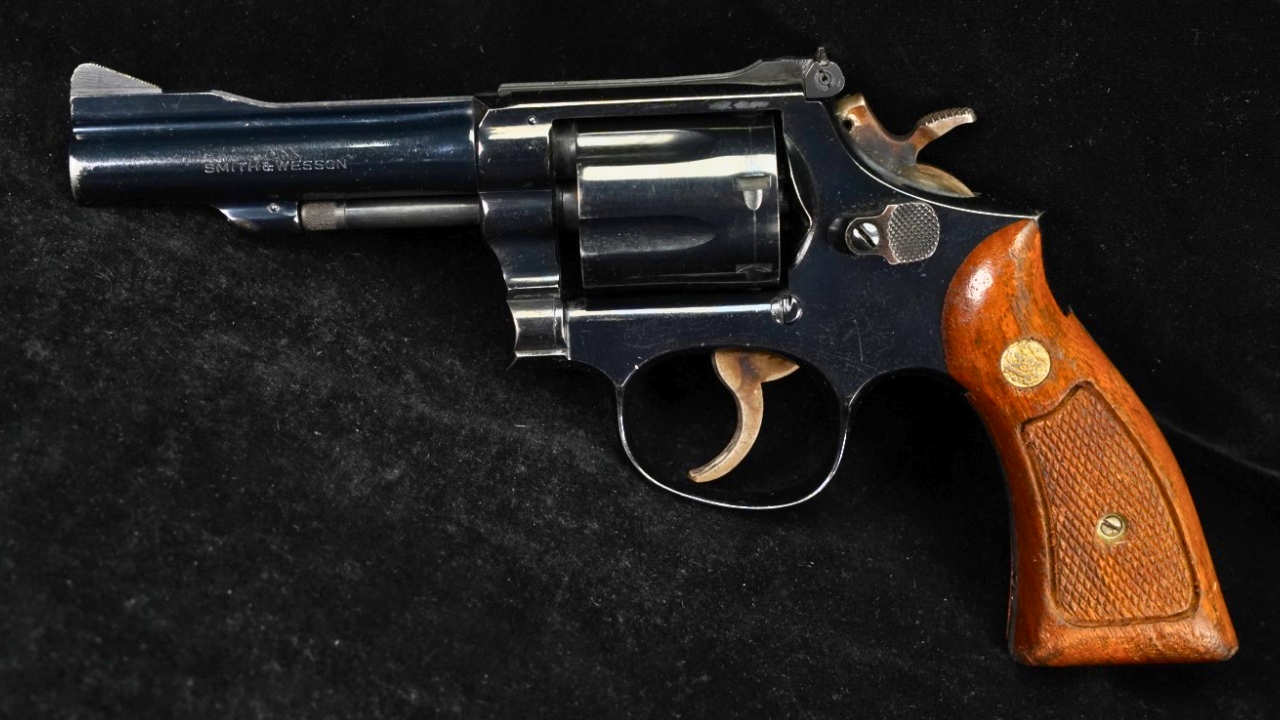
The Model 15 was once simply an old .38 Special revolver. Police departments and security agencies moved away from revolvers, and used examples could be found without paying collector money.
The market eventually remembered how nice they are to shoot. The adjustable sights, excellent balance, and smooth K-frame action make the Model 15 a terrific range revolver. Older Smith & Wesson craftsmanship has also developed a much stronger following. Owners who bought one because it was an inexpensive used .38 now often see it as one of the last guns they would bother selling.
Colt Trooper Mk III
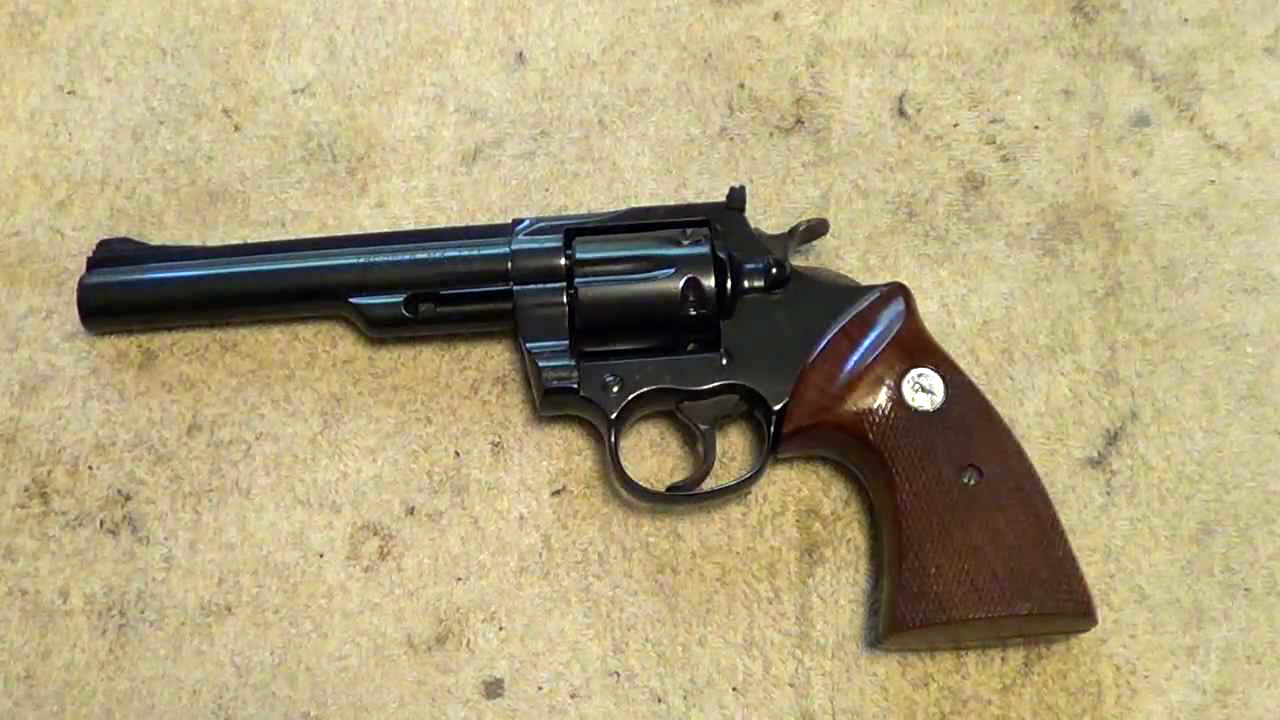
The Trooper was always cheaper than Colt’s Python, and for years that meant it received far less attention. Buyers who wanted a working .357 could get a Trooper without paying for Colt’s flagship revolver.
That decision looks smart now. Interest in older Colt revolvers has spread far beyond the Python, and clean Trooper Mk III examples have become noticeably more desirable. The action is different from the classic Python system, but the gun is sturdy, attractive, and unmistakably Colt. Owners who bought them when everyone was chasing other models have little reason to cash out now.
Ruger M77 Mark II

The M77 Mark II was once just another dependable hunting rifle. Plenty were bought used at ordinary prices because synthetic-stocked and budget bolt guns had started taking over the hunting market.
Time has made the M77’s controlled-round-feed action and traditional construction more appealing. Current rifles offering similar features often cost considerably more than those old used Rugers did. A hunter who picked up a clean M77 Mark II cheaply has a rifle capable of lasting several lifetimes, which makes replacing it with something newer feel unnecessary.
Remington Model Seven

The Model Seven spent years being treated like the smaller cousin of the Model 700. It was compact, handy, and particularly useful for hunters working in thick woods.
That compact format has become much more desirable now that clean older Remingtons are no longer sitting everywhere. Short, lightweight bolt rifles are popular again, but an older Model Seven has a combination of familiar Remington handling and portability that owners tend to appreciate more with time. Someone who bought one inexpensively for a woods rifle often discovers there is no obvious reason to sell it.
Browning A-Bolt
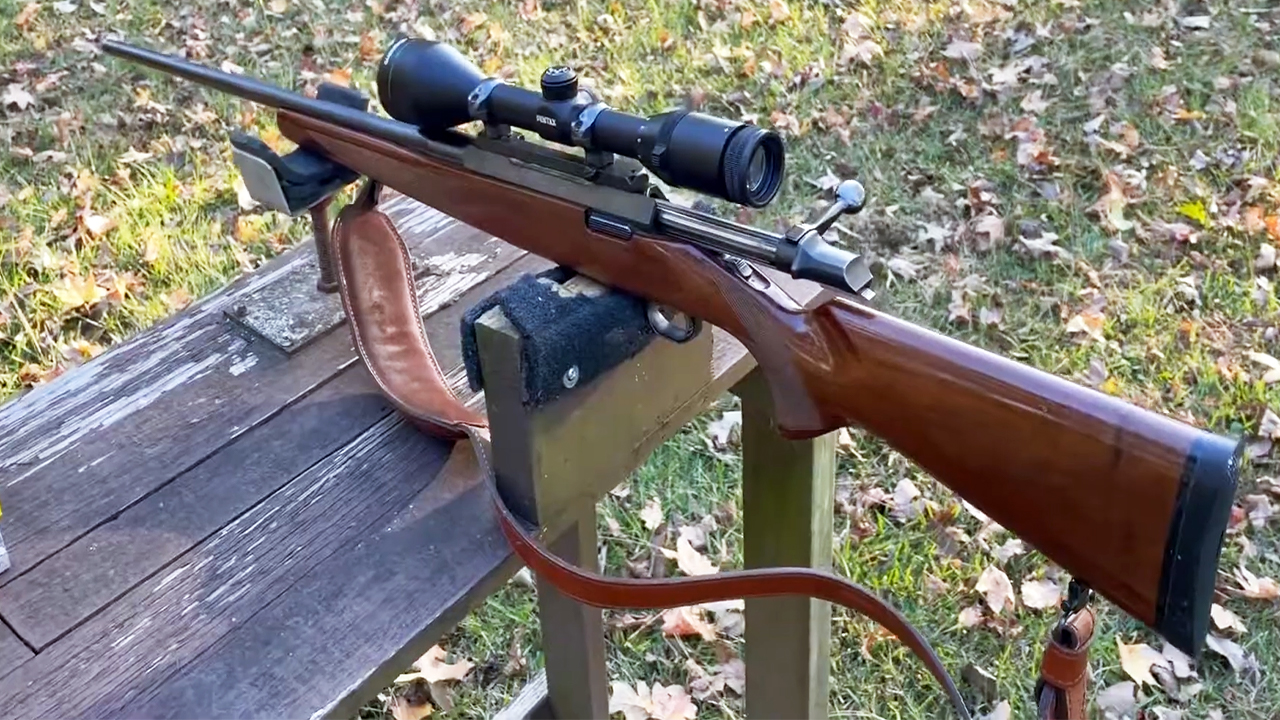
The A-Bolt used to sit on gun racks as Browning’s ordinary bolt-action hunting rifle. It was nicer than many entry-level guns but common enough that few people treated one as something that needed to be preserved.
The arrival of the X-Bolt changed Browning’s lineup and gradually pushed the A-Bolt into the past. Shooters who like the older design now have to shop used. Good examples offer slick actions, quality barrels, and traditional hunting-rifle construction. Owners who bought them before discontinuation rarely gain much by replacing them with something newer.
Winchester Model 70 Classic
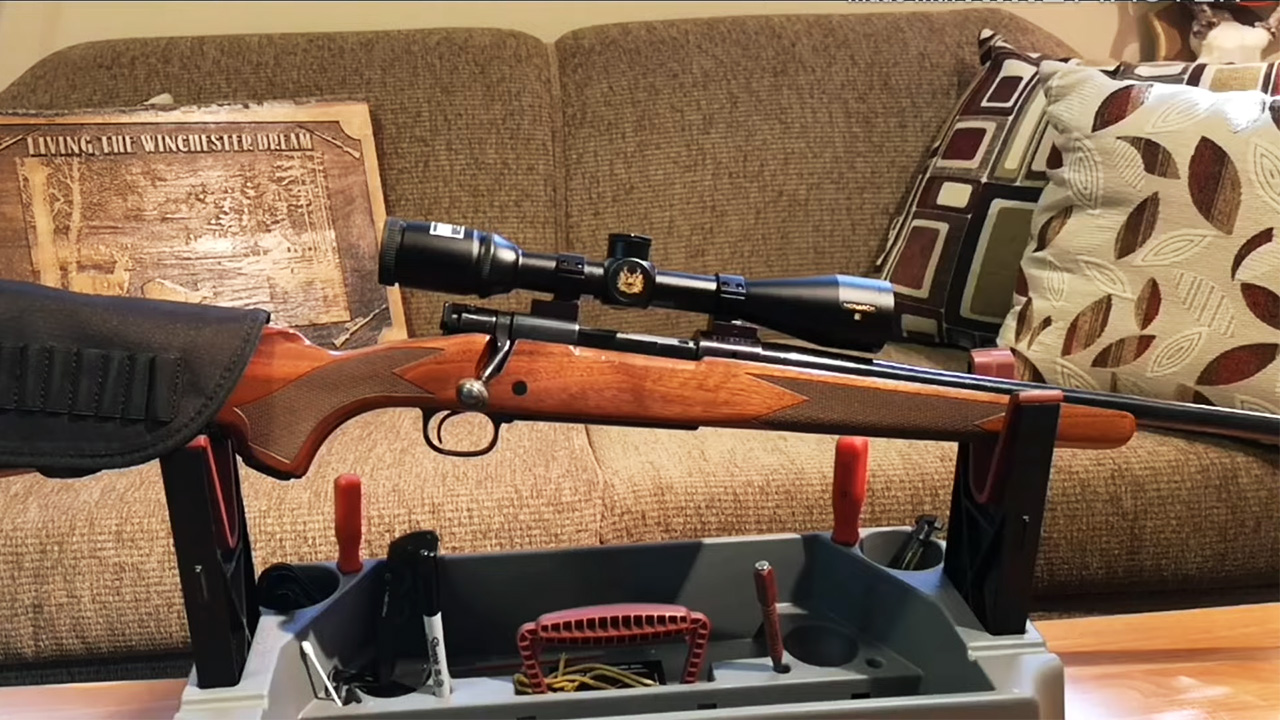
The Classic versions of the Model 70 brought controlled-round feed back to Winchester’s famous bolt action, and there was a time when they were simply current-production hunting rifles.
They are viewed differently now. Certain New Haven-built Model 70 Classics have developed strong followings, especially in desirable chamberings and configurations. The combination of traditional Winchester styling and the claw extractor gives these rifles a character modern budget guns cannot imitate. Hunters who bought them at ordinary rifle prices often recognize they would rather keep the one they already know.
Ithaca Model 37

Used Model 37 shotguns were once common enough that many shooters simply saw them as another old pump. The design’s bottom loading and ejection made it different, but not necessarily expensive.
Interest in classic American pumps has changed that. Older Ithacas are light, smooth, and beautifully handy compared with many modern shotguns. Plenty were hunted hard, so clean guns have become especially appealing. Someone who picked up a good Model 37 inexpensively years ago often finds that selling it would mean losing a shotgun that is far harder to replace than expected.
Winchester Model 1300
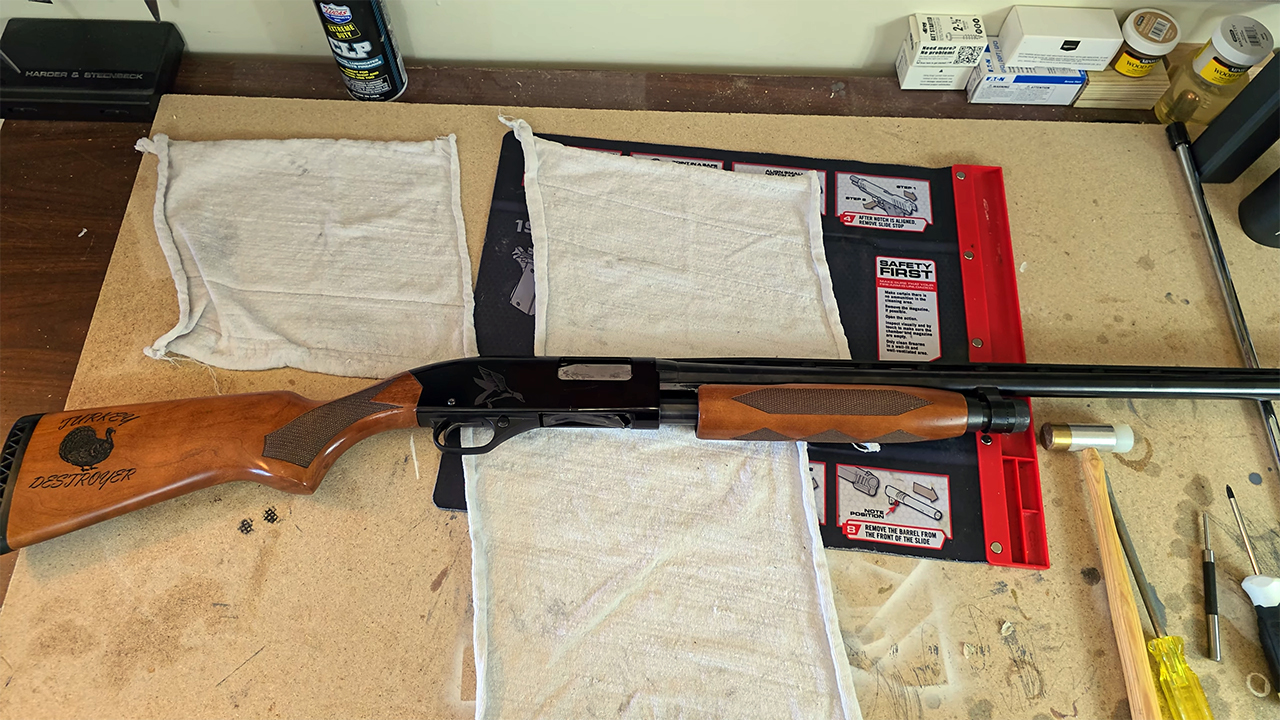
The Model 1300 was once Winchester’s mainstream pump shotgun, competing directly against the Remington 870 and Mossberg 500. Used examples could be found cheaply because the market was flooded with pump guns.
The 1300’s fast, slick action has become much more appreciated since production ended. Defender models have developed a particularly loyal following, but even hunting configurations have fans. Owners who picked up a 1300 when nobody considered them special often discover that today’s market does not offer many direct replacements with the same feel.
Smith & Wesson Model 4006
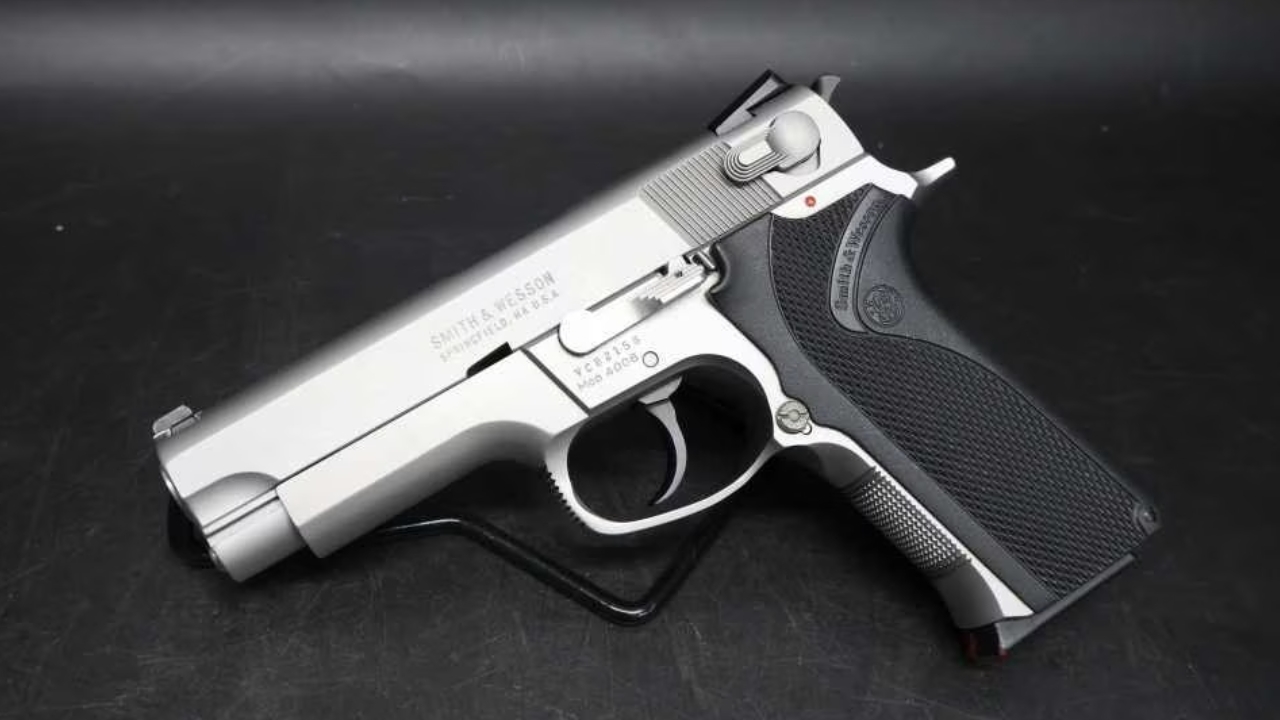
The Model 4006 was everywhere during the height of .40 S&W law-enforcement use. When agencies switched to polymer pistols and later returned to 9mm, heavy stainless 4006s hit the used market at attractive prices.
For a while, nobody seemed to want them. Now third-generation Smith & Wesson pistols have developed a much stronger following. The 4006 is overbuilt, heavy, and unmistakably from a different era of service-pistol design. Owners who bought cheap police trade-ins increasingly appreciate them as interesting pieces of American law-enforcement history rather than outdated carry guns.
Beretta 84 Cheetah

Older Beretta 84 pistols once appeared as affordable surplus and used .380s. They were larger than the tiny pocket pistols becoming popular, so plenty of buyers passed them by.
That looks different now that metal-framed compact pistols are fashionable again. The double-stack Cheetah has excellent ergonomics, classic Beretta styling, and a smooth-shooting feel that tiny blowback .380s rarely match. The introduction of the modern 80X also reminded shooters how appealing the older Cheetah family was. Owners who bought an 84 cheaply when nobody cared often have no interest in giving it back.
Like The Avid Outdoorsman’s content? Be sure to follow us.
Here’s more from us: