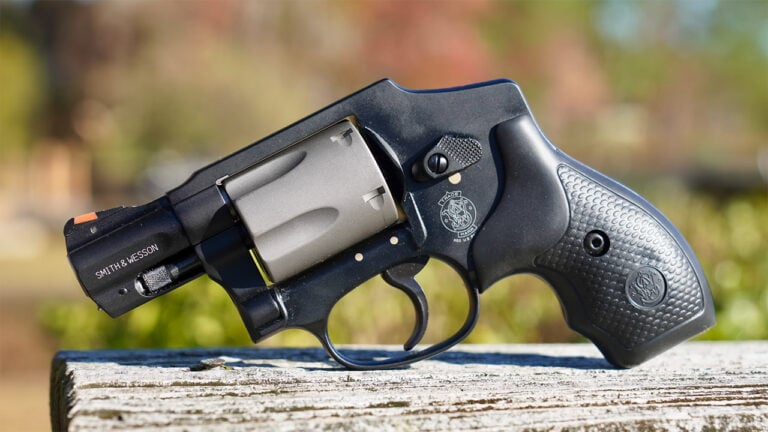
Photo credit: TheOl1911/Youtube
Every gun counter has at least one story like this: a guy traded off a weird little pistol or a limited-run rifle because he “needed something more practical,” and six months later he’s trying to buy it back. Only now it’s gone. Not “kinda hard to find.” Gone-gone. The kind of gun you can search for years and still not see one in the wild.
Most of these aren’t museum pieces. They’re just regular, useful guns that got made in small batches, got discontinued fast, or got overshadowed by something newer. A few were ahead of their time. A few were expensive experiments that didn’t sell. And a few were so good that owners just quit letting them go.
1. Colt Python (3-inch, stainless)
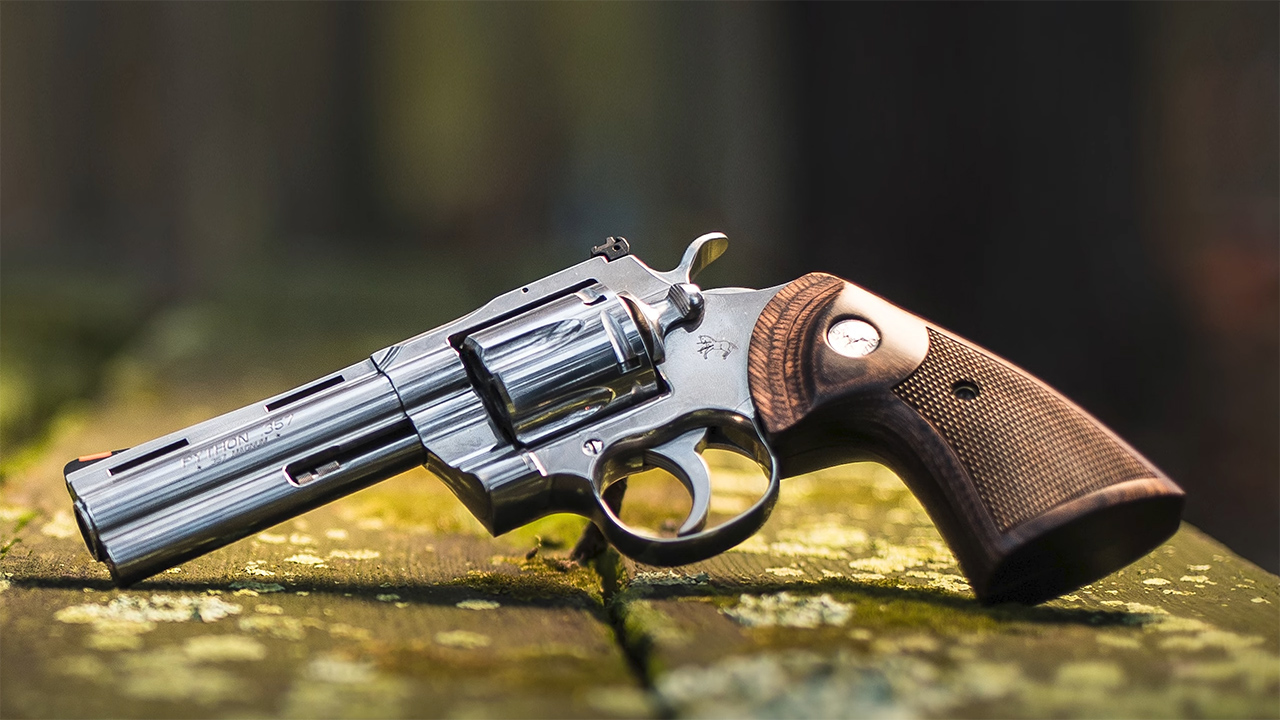
The 3-inch Python is one of those revolvers you don’t appreciate until you carry one. The balance is almost unfair. It points like it wants to be shot well, and the sight picture comes up quick.
They didn’t make piles of them, and the folks who own them tend to know exactly what they have. If one shows up, it’s either already spoken for or it sells so fast you start wondering if the listing was even real.
2. Smith & Wesson Model 547 (9mm revolver)
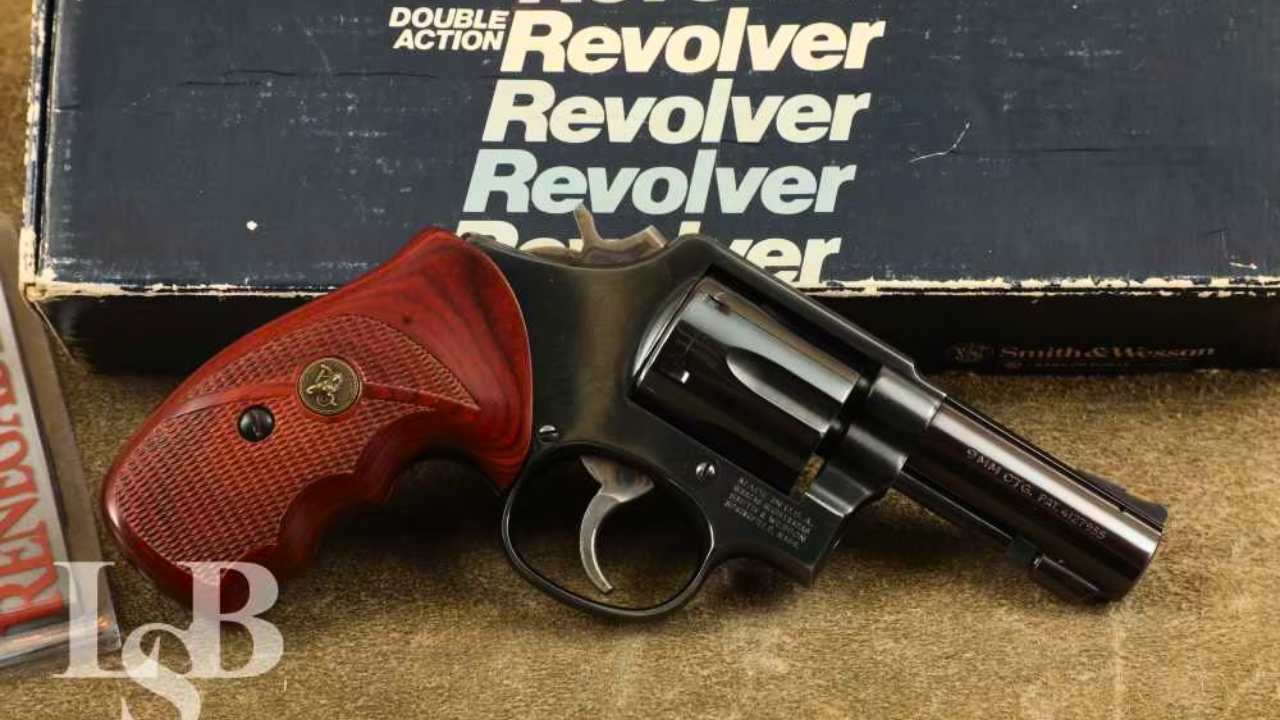
On paper it sounds simple: a K-frame 9mm that doesn’t need moon clips. In the hand, it feels like a duty revolver that just happens to run cheap, common ammo. It was a smart idea.
Problem is, it didn’t live long. The oddball extractor system and limited demand made it a short-timer, and now it’s one of those “if you know, you know” guns that quietly disappears into collections.
3. Ruger Redhawk (5.5-inch, .44 Magnum)
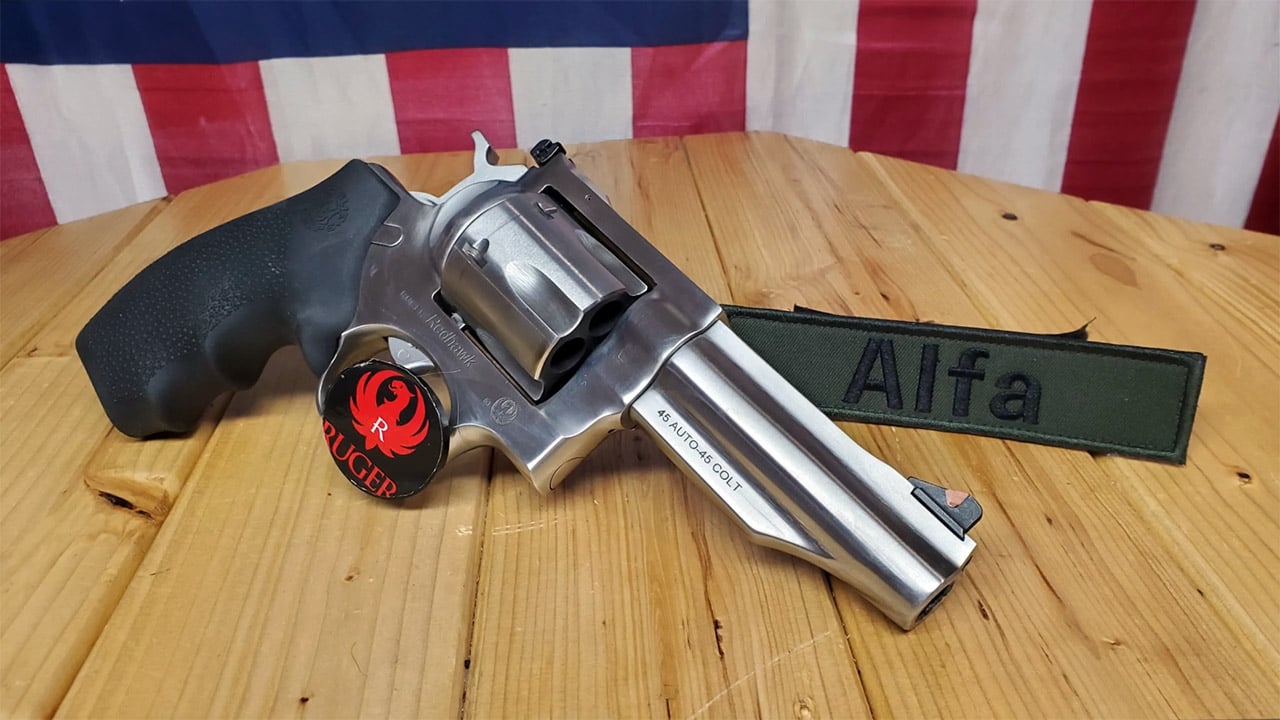
The 5.5-inch Redhawk is the backcountry revolver a lot of guys actually want. Short enough to carry without banging into everything, long enough to shoot like a real gun. Tough as a boot.
Ruger made them, but not in the volume you’d expect. When a clean one pops up, it’s usually priced like it’s the last one on earth—and it still sells.
4. Winchester Model 70 Classic Stainless (controlled-round feed, pre-2008)

There are plenty of Model 70s out there, but the right stainless Classic with controlled-round feed is a different deal. It’s the kind of rifle you can drag through wet timber for ten seasons and it never asks for special treatment.
The problem is that everyone else figured that out too. The good ones get kept, the beat ones still bring money, and finding one in your preferred chambering can turn into a long game.
5. Remington Model 700 Classic (limited yearly chamberings)
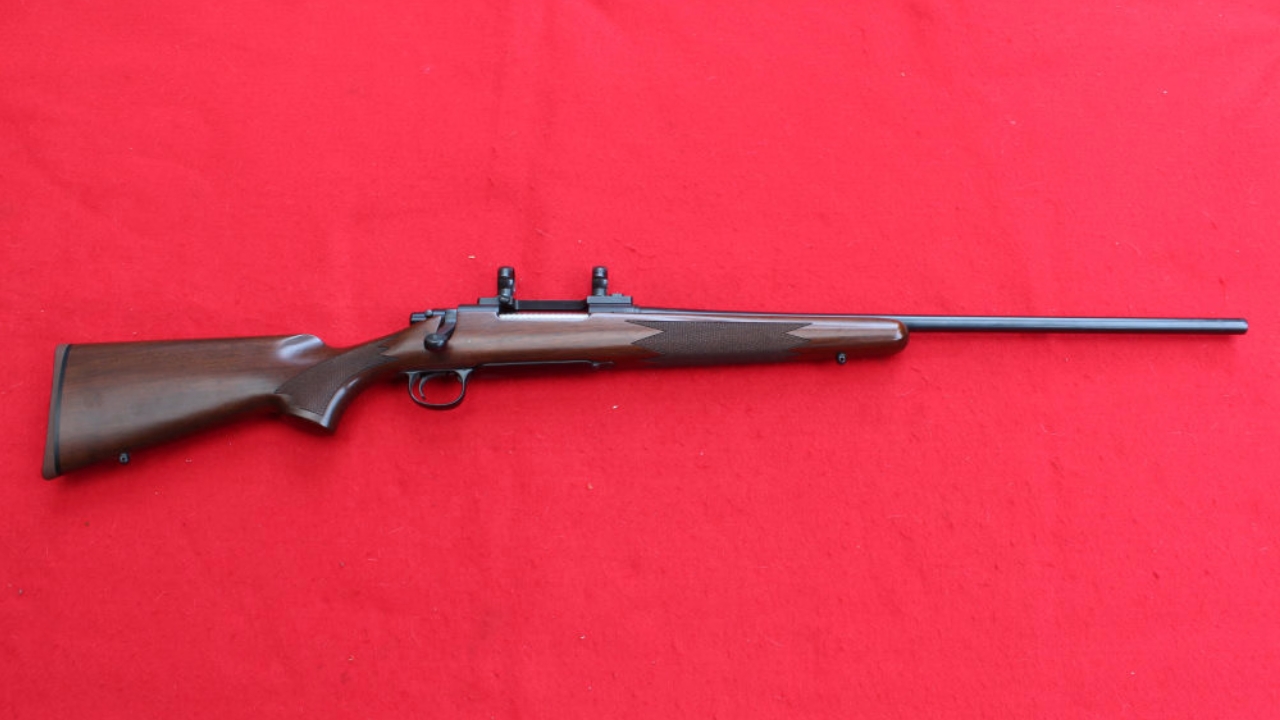
Remington’s 700 Classic runs were a yearly rotating chambering deal, and some of those cartridges are catnip to hunters who like something different without getting weird. The rifles themselves tend to be honest, straightforward shooters.
They didn’t make endless quantities of any one year, and the desirable chamberings vanish first. The moment you decide you “need” a .257 Roberts or .35 Whelen Classic, the market magically empties.
6. Browning A-Bolt Micro Hunter (compact walnut rifles)
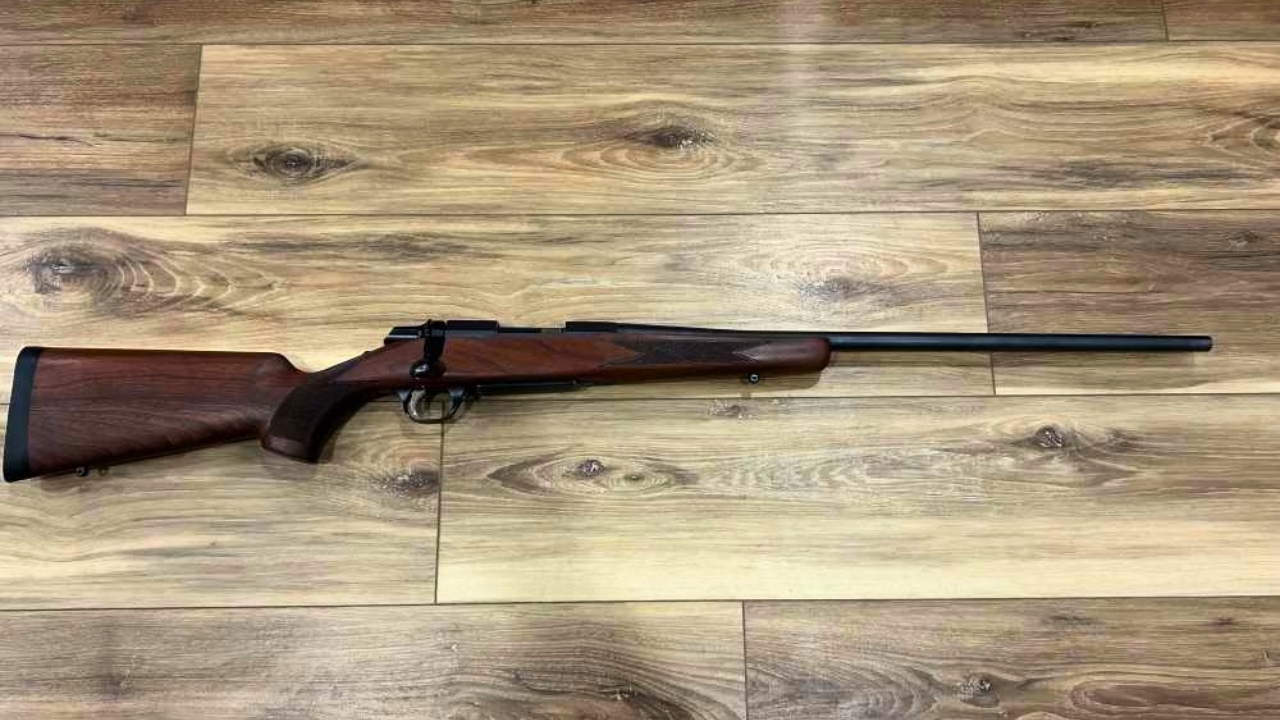
This is one I’ve watched dads chase for their kids and not find in time. The Micro Hunter actually fits smaller shooters without making them feel like they’re borrowing a fence post. It carries light and comes to the shoulder quick.
Browning moved on, and folks who have one tend to keep it in the family. The few that hit the used racks don’t sit there long, especially the clean walnut guns.
7. Kimber Montana (early production, controlled-feed style)

The Montana got popular for a reason: light enough to matter on a mountain and still built like a real hunting rifle. It’s not a bench gun. It’s a “two miles in, one shot” gun.
Early rifles with the features people want are hard to find in nice shape. Plenty have lived rough lives, which is kind of the point, but it makes truly clean examples scarce.
8. SIG Sauer P210 (Swiss/German originals)
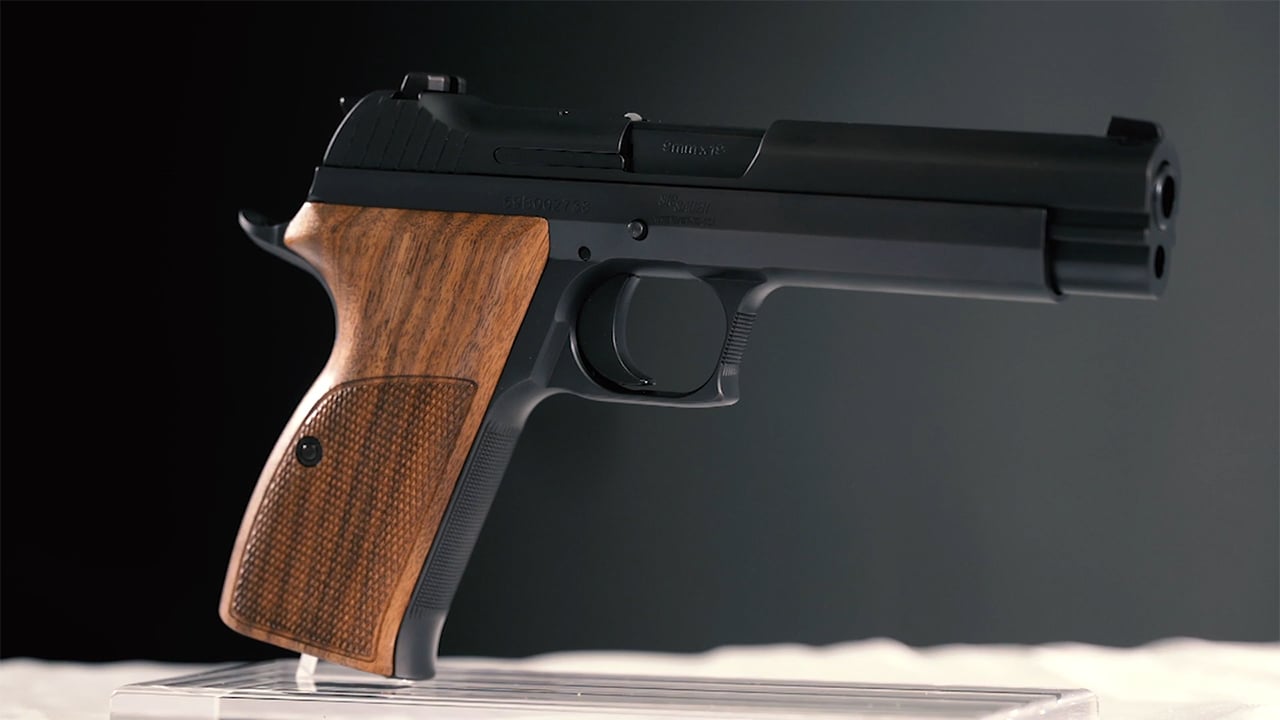
The P210 is what happens when a target pistol and a service pistol meet in the middle and decide to be precise. The trigger is the kind you remember. The slide-to-frame fit feels like it’s on rails.
Original imports don’t show up often, and when they do, they vanish into “safe queen” territory. Even shooters who normally don’t care about collectability get weirdly protective of a good P210.
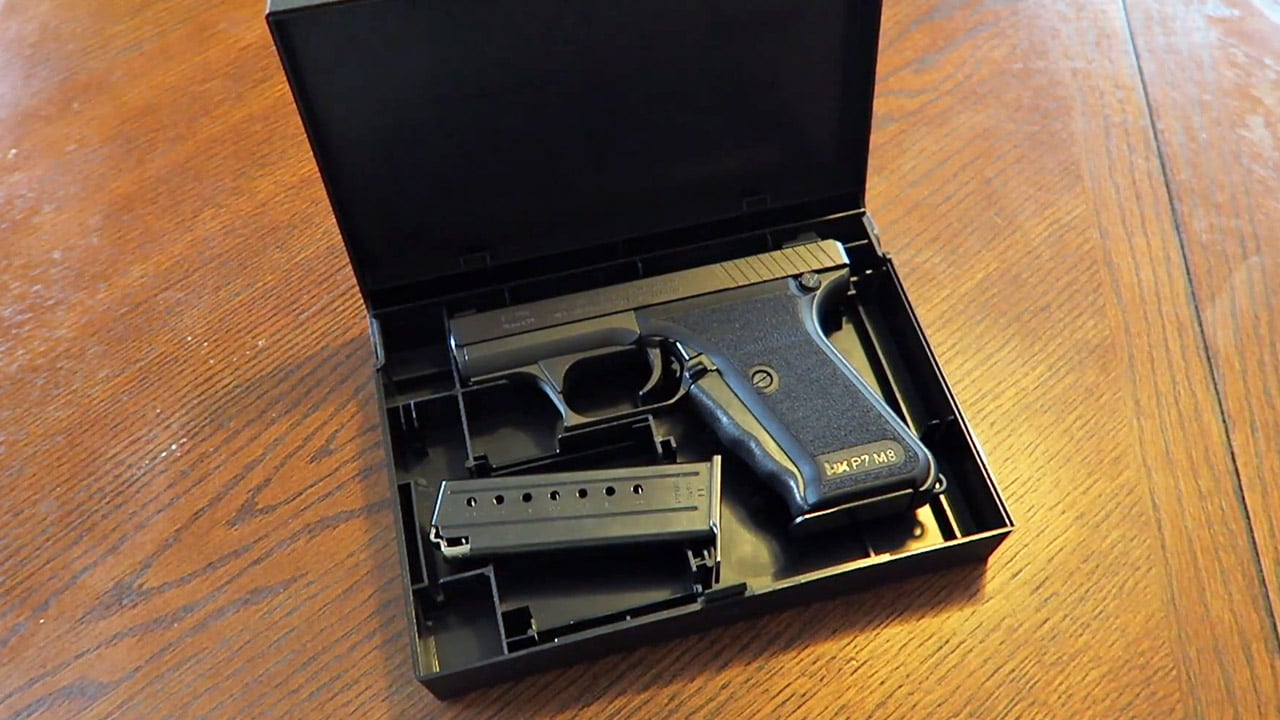
9. Heckler & Koch P7M8
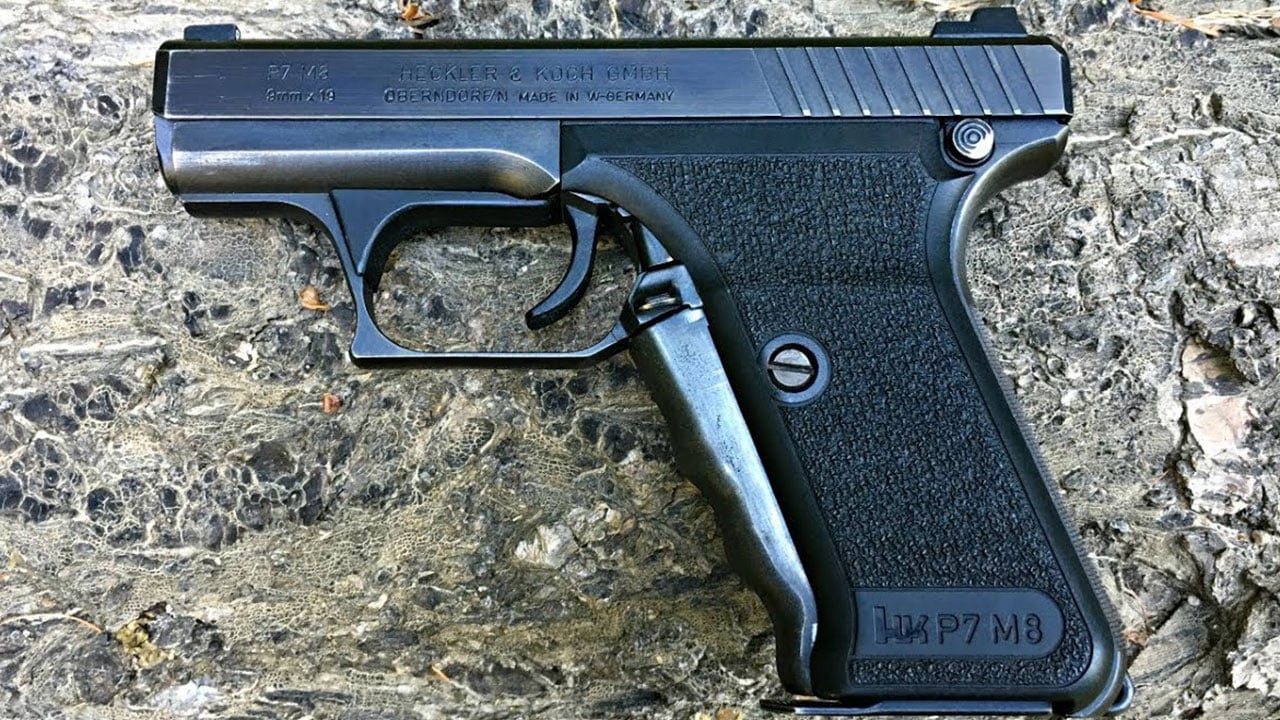
The P7 is a carry gun that makes sense the second you shoot it. Low bore axis, soft recoil for its size, and accuracy that embarrasses a lot of modern compacts. It’s also different enough that you either love it or you don’t want to bother.
H&K quit making them, police trade-ins dried up, and now the few out there are either beat hard or priced like a family heirloom. Magazines and parts aren’t the kind of thing you casually grab at any shop, either.
10. Smith & Wesson Model 52 (flush-seated .38 Special wadcutter)
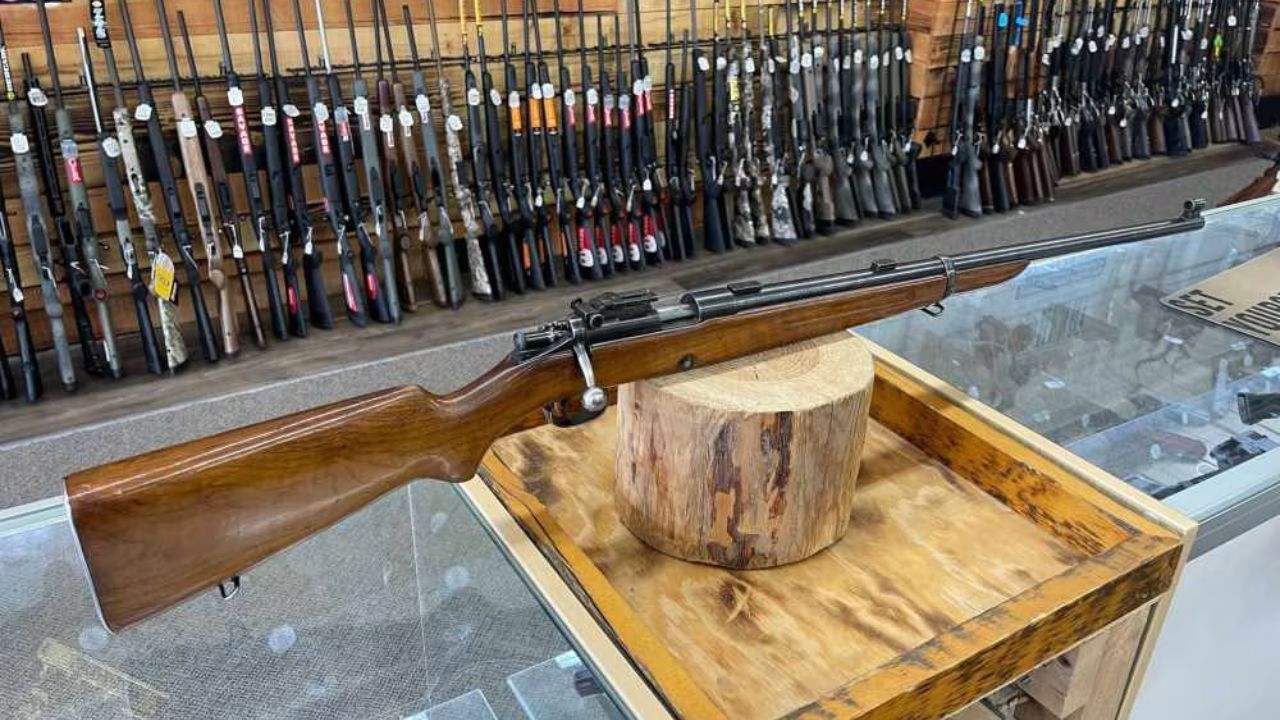
This one is a pure bullseye oddity, and it’s glorious at what it does. It runs flush-seated wadcutters and delivers that soft, steady “cheat code” feel on paper targets. If you know the rhythm, it’ll print groups that make you look better than you are.
They weren’t made forever, and the niche ammo requirement keeps casual buyers away. That also means the serious folks who own them tend to hang on tight.
11. Walther P88 (full-size 9mm)
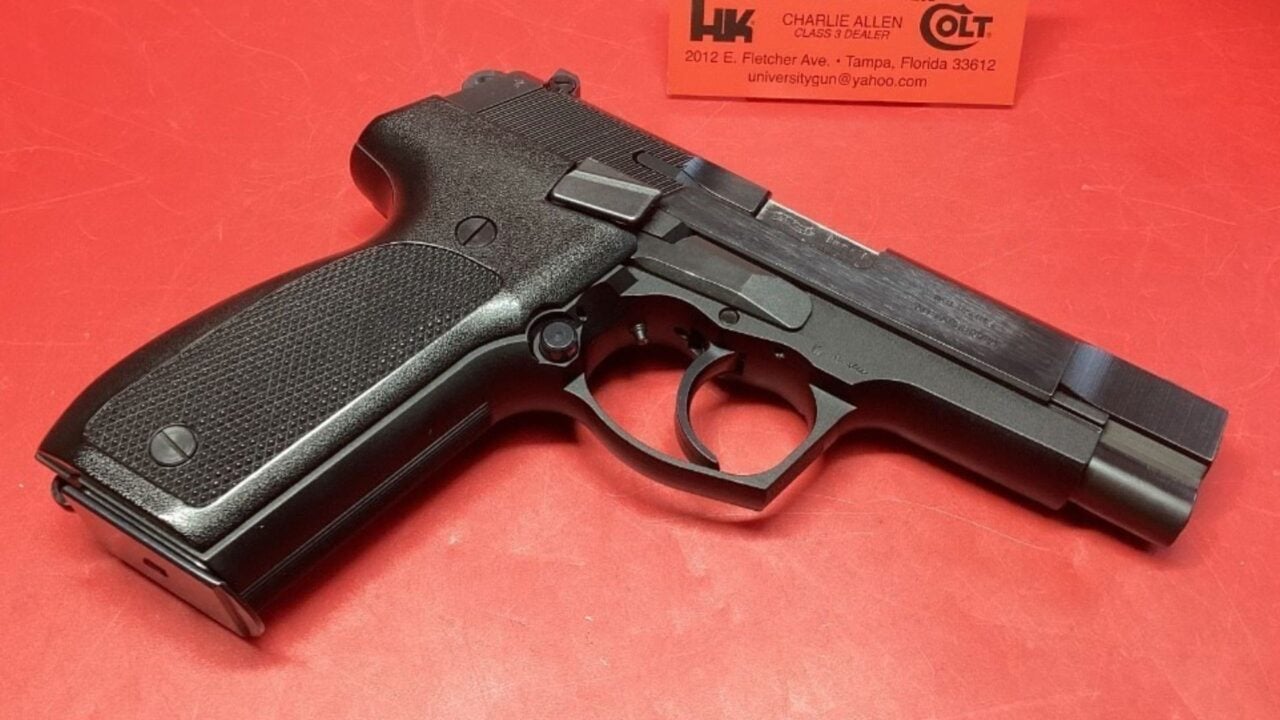
The P88 is one of those pistols that feels expensive the moment you rack it. Smooth, solid, and very “German” in how it’s put together. It’s not trendy; it’s just well made.
They didn’t flood the market with them, and the people who bought them usually did it on purpose. When one surfaces, it’s often in the hands of someone who knows exactly what they’re holding.
12. Ruger Hawkeye “African” (muzzle brake and big-bore setup)
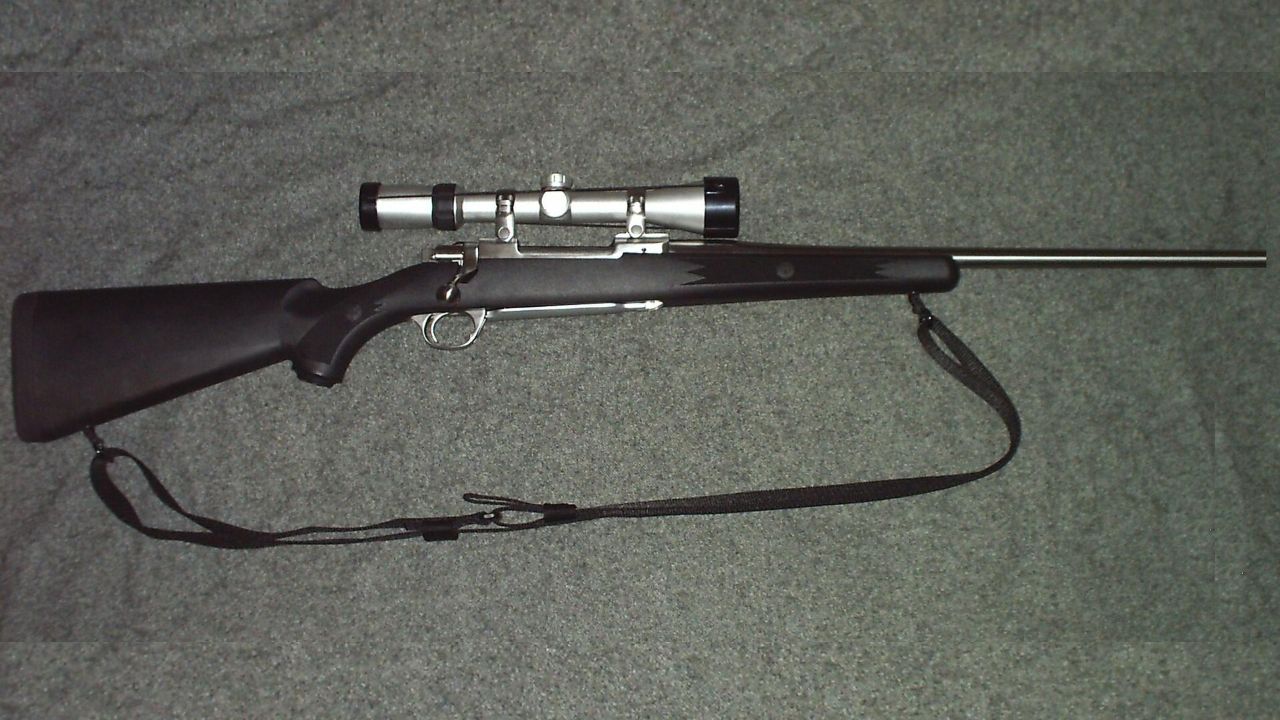
Ruger’s African models were purpose-built big-game rifles with features you don’t see on the standard rack guns. They’re not for everybody, but they’re useful if you actually hunt big stuff or want a big-bore that’s set up right from the factory.
Because they’re specialized, they never sold like .308s and .30-06s. Now, when someone decides they want one, there are about three available nationwide and two of them are priced like they’ve already been to Africa twice.
13. Marlin Model 1894S (.44 Magnum, stainless)
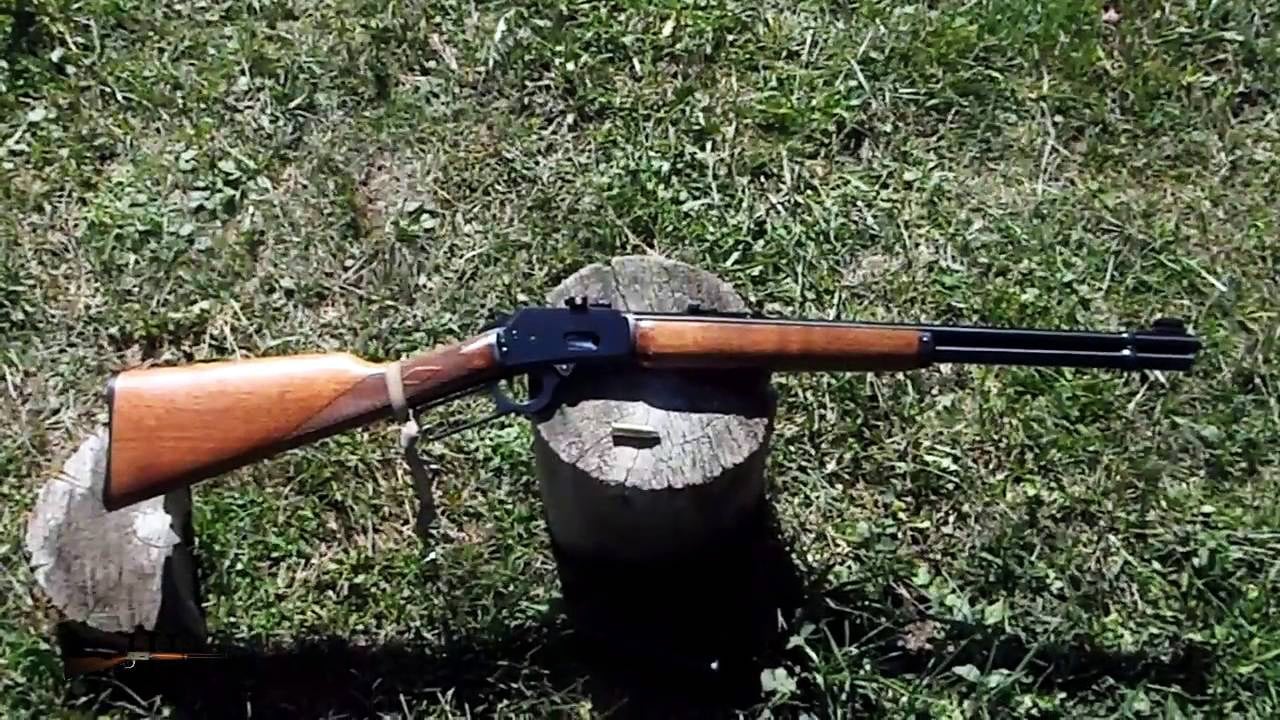
A stainless .44 lever gun is a working man’s deer rifle in the rain, a truck gun that doesn’t mind getting knocked around, and a woods-walk companion that carries like a walking stick. The 1894S checked a lot of boxes.
Marlin variations come and go, and the stainless pistol-caliber carbines get snapped up quick. Add in the lever-gun craze of the last few years and these are basically ghost rifles unless you’re standing in the right shop on the right day.
14. Winchester Model 94 “Trapper” (true short carbines)
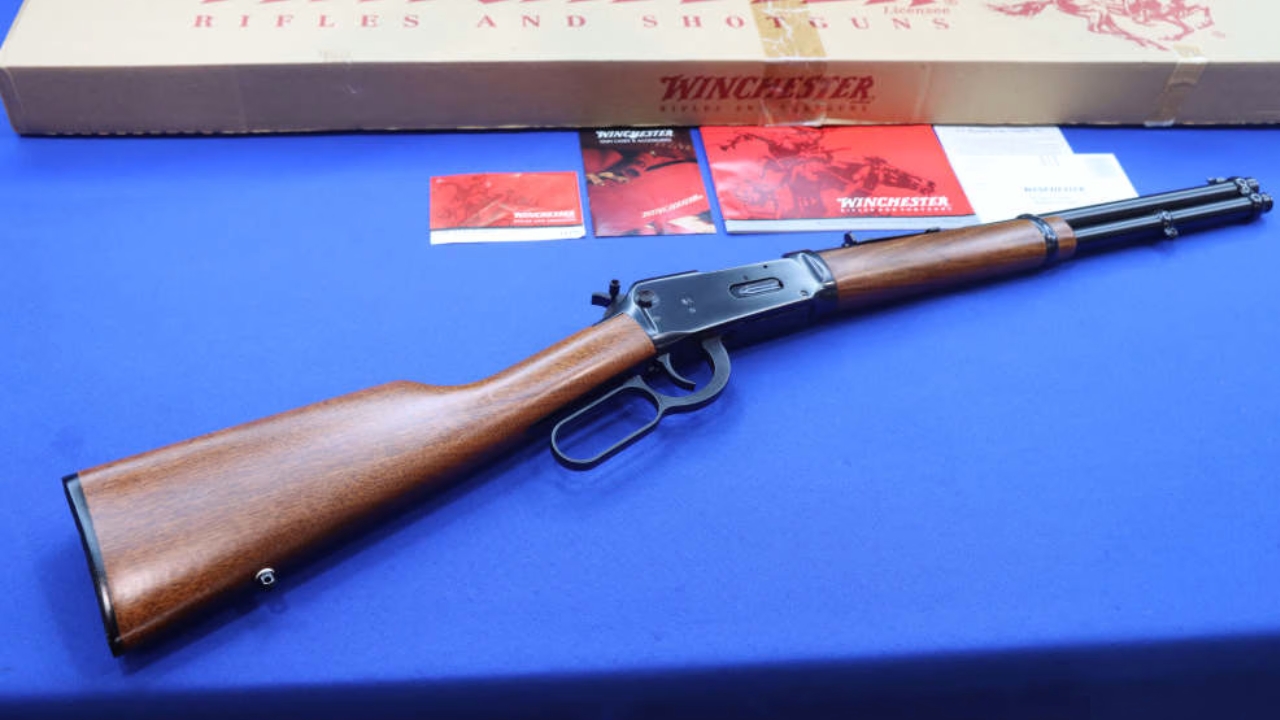
A real short Model 94 is handy in a way you don’t understand until you’re slipping through brush or climbing in and out of a stand. It’s not about velocity; it’s about not fighting your own rifle all day.
There are modern “short” lever guns, sure, but the classic Trapper setups have a following. Finding one that hasn’t been abused, drilled, or “customized” with somebody’s garage gunsmithing can be a job.
15. Ithaca Model 37 Deerslayer II (rifled barrel slug gun)
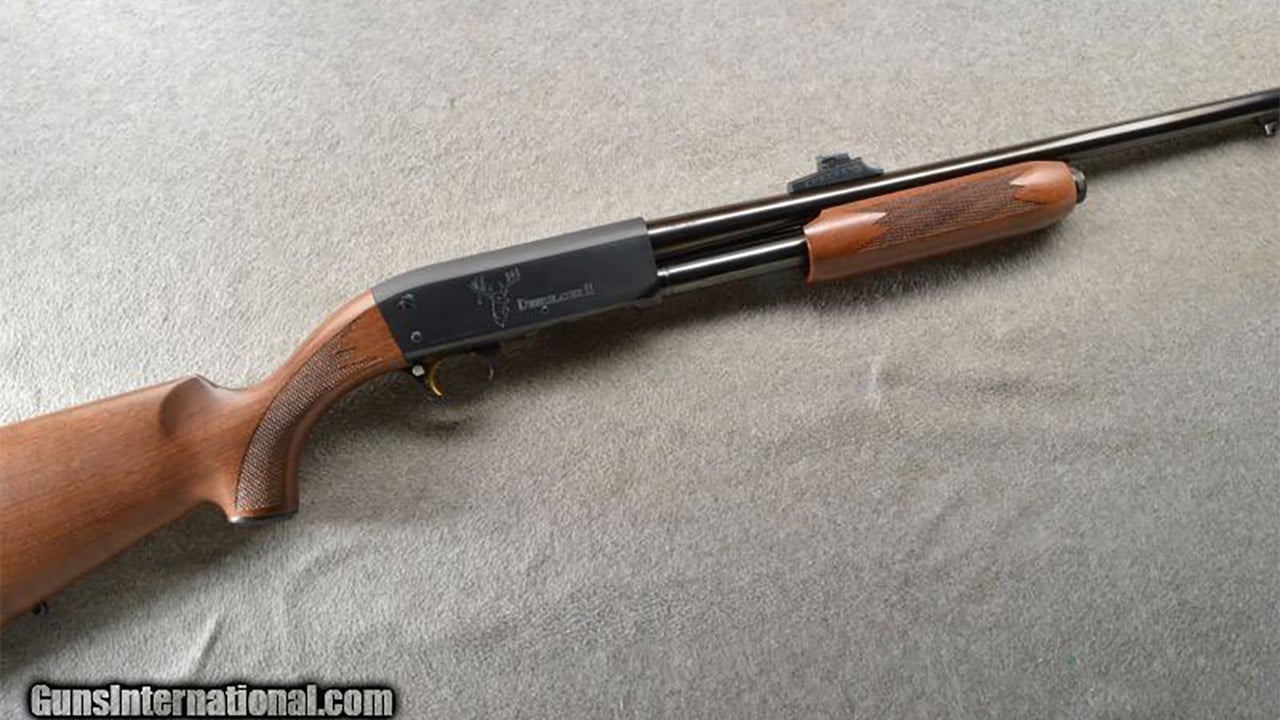
When slug guns were king in shotgun-only country, the Deerslayer meant business. Heavy barrel, serious sights, and the kind of repeatable accuracy that makes you confident out to the edge of what slugs should be doing.
They weren’t mass-market cheap, and a lot of them got used hard every November. A clean Deerslayer II with the right barrel setup is harder to locate than you’d expect, especially if you’re picky about condition.
16. Benelli M3 (dual-mode pump/semi-auto)
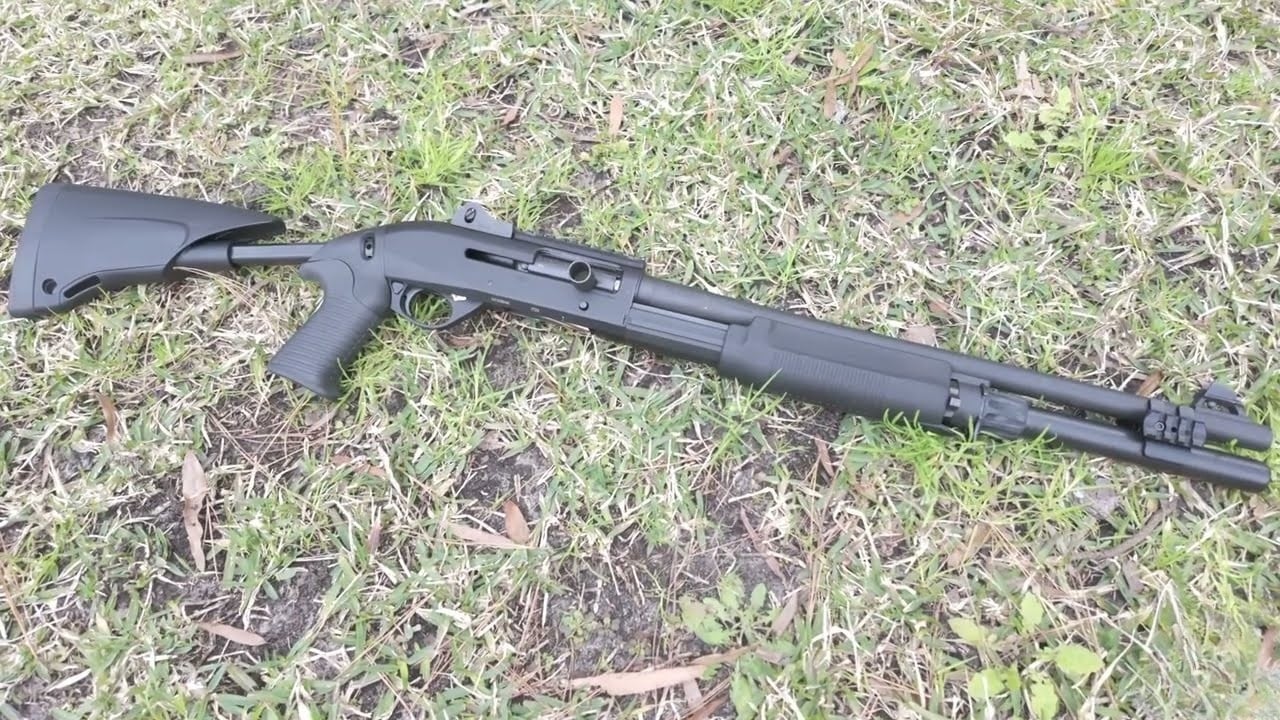
The M3 is one of those guns you handle and immediately think, “Who asked for this?” Then you run it and realize why it exists. Semi-auto when things are clean and you’re running standard loads, pump when you need absolute control or are feeding odd shells.
They never seemed to be on every shelf. When they show up used, they’re either priced high or they disappear fast because the people who get it, get it.
17. Beretta 1201FP (tactical semi-auto shotgun)

The 1201FP has a quiet reputation as a smooth, fast-shooting semi-auto that just runs. It’s not the newest name in the conversation, but the guys who have shot them usually don’t badmouth them.
They’re discontinued, and a lot of them got bought to be used, not pampered. Finding one that hasn’t been ridden hard, or finding spare parts without digging, is where the “good luck” part starts.
18. CZ 550 FS (full-stock Mannlicher-style)

Full-stock rifles aren’t everybody’s cup of coffee, but the CZ 550 FS has a look and feel that makes you want to walk the woods. It carries nicely, the iron sights are usually usable, and the whole rifle just has that old-world hunting vibe.
CZ moved away from the 550 line, and full-stock guns always seem to get bought by people who already know they like them. That keeps the supply tight, especially in the common European chamberings.
19. Steyr AUG (pre-ban and limited import variants)

Love it or hate it, the AUG is one of the few bullpups that feels like a serious service rifle instead of a science project. Compact, handy, and weirdly well balanced once you get used to it.
Import waves come and go, and certain variants basically vanish. If you want a specific configuration, you can spend a lot of time watching listings that never quite match what you’re after.
20. FN Browning Hi-Power (factory Belgian guns, especially .40 S&W)
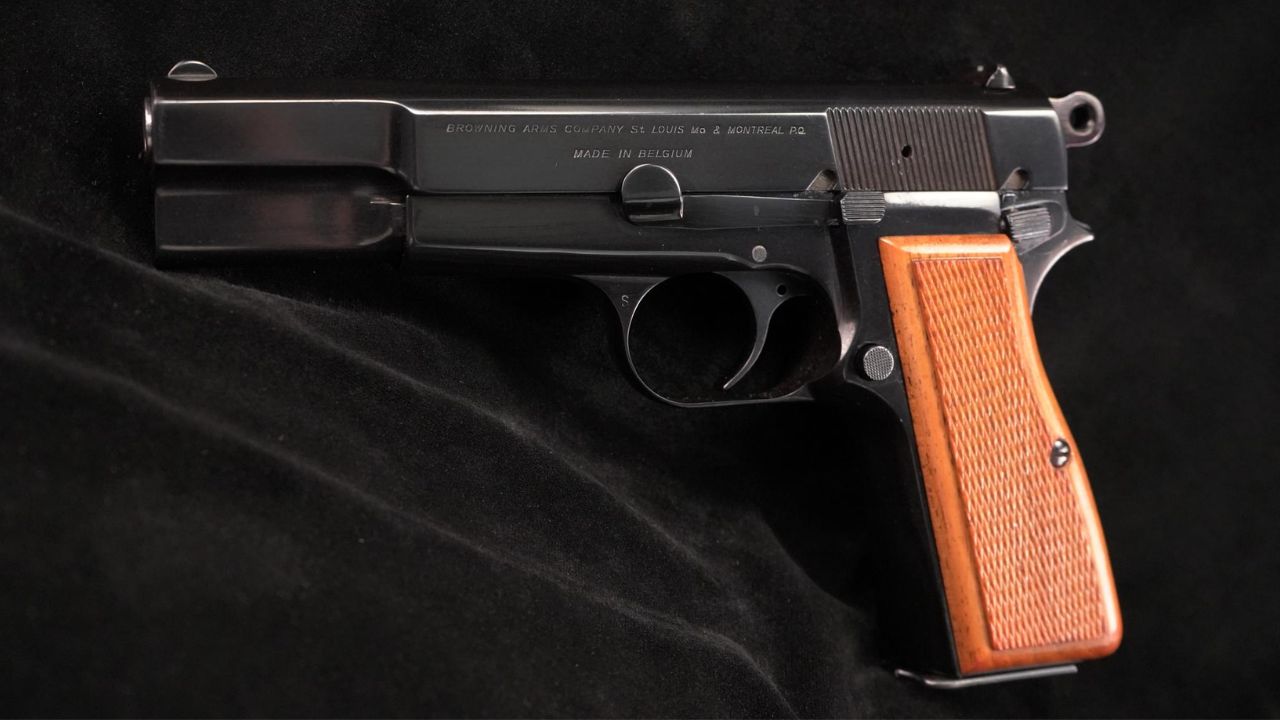
The Hi-Power is a classic, but the later, less-common variations are what get hard to track down. The .40 versions in particular have their own fan base, and they shoot flatter than you’d expect with the right spring setup from the factory.
Once production stopped, the market turned into a game of timing. A clean Belgian-marked gun doesn’t sit around, and you’ll see the same handful trade hands privately while the rest of us keep checking the used case.
Here’s the part I’ve learned the hard way: if a gun fits your hand, fills a real role, and has that “they don’t make them like this anymore” feel, don’t be quick to flip it for something trendy. New stuff is fun, and I like new guns as much as the next guy. But some of these short-run oddballs and discontinued workhorses aren’t coming back around when you finally miss them. Ask me how I know.
Like The Avid Outdoorsman’s content? Subscribe to our newsletter so you never miss an article.
Here’s more from us: