Photo credit: TFB TV/Youtube
Every once in a while you run into a handgun that makes you stop at the gun counter and say, “Well I’ll be.” Not because it’s pretty or famous, but because it was trying to solve a problem the rest of the market hadn’t even admitted it had yet.
The rough part is, being early doesn’t always mean being right. Sometimes the timing is bad. Sometimes the gun asks too much of the buyer—odd magazines, weird holsters, strange controls, pricey ammo, or maintenance that makes you wish you’d just bought something boring. Here are 20 pistols that showed up with big ideas, then got punished for it.
1. Heckler & Koch VP70
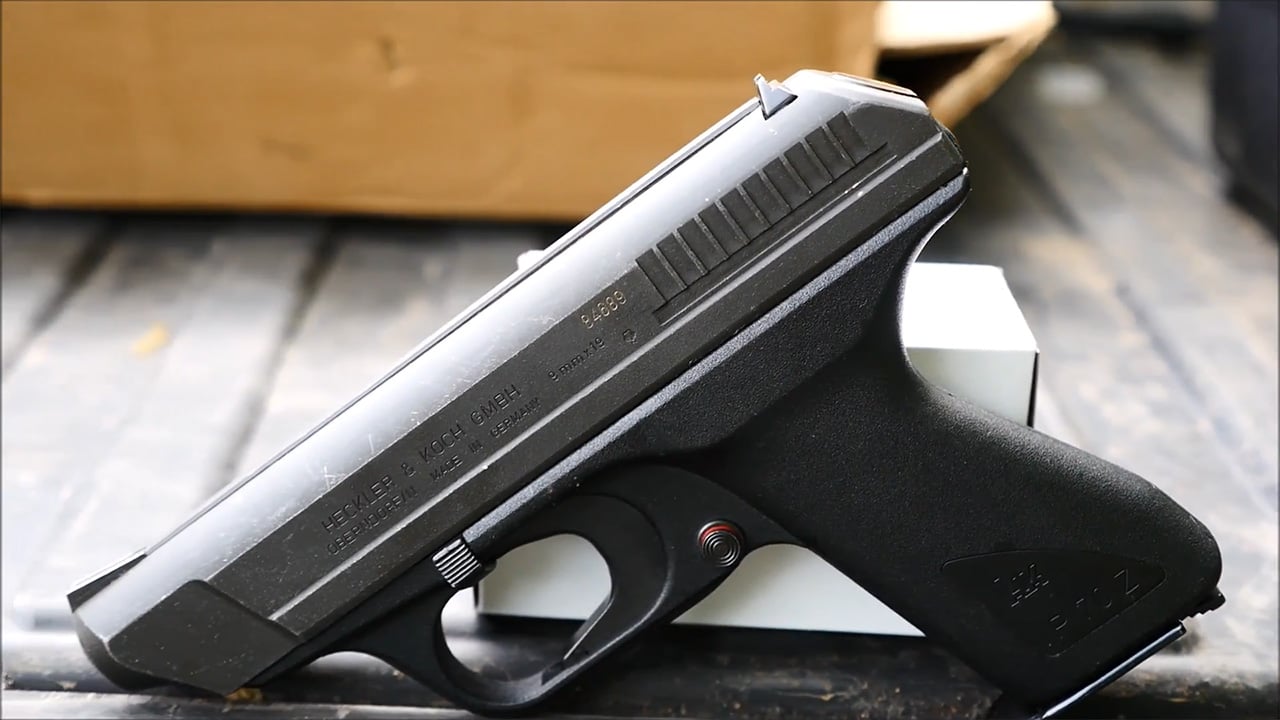
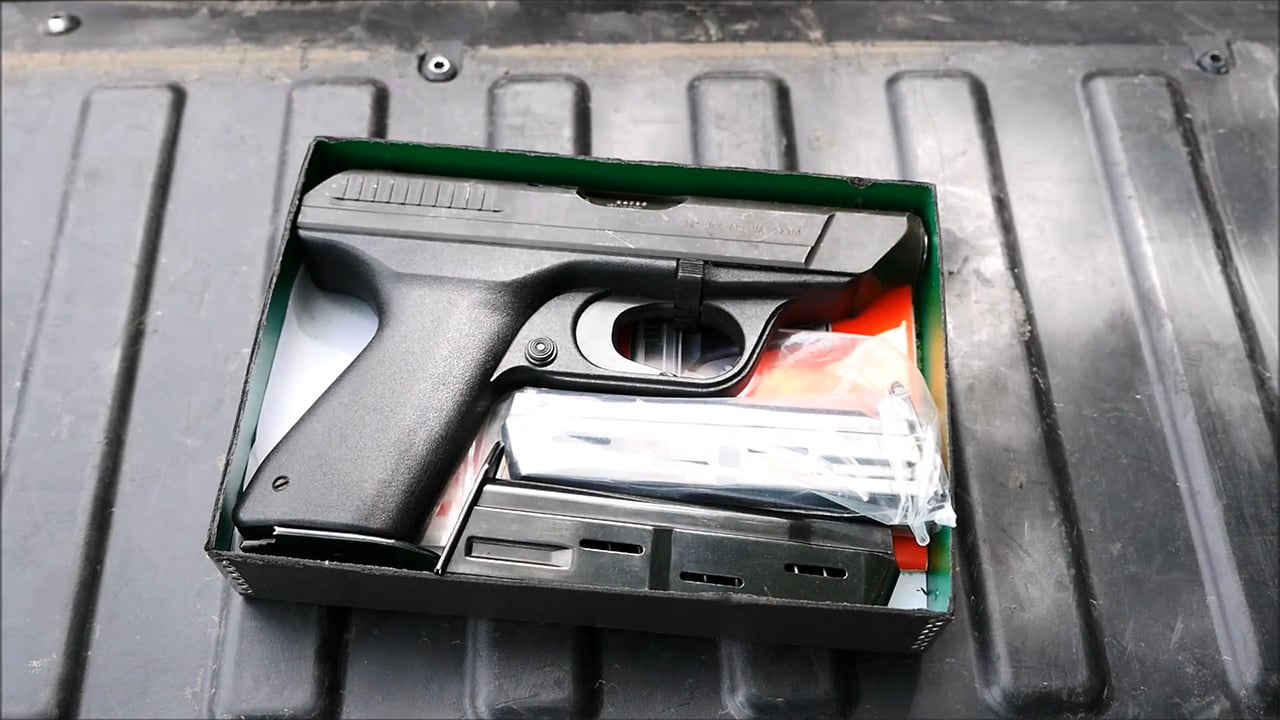
The VP70 was doing polymer and striker-fired before it was cool. On paper, that’s the future. In the hand, it’s big, blocky, and the trigger can feel like dragging a cinder block across gravel.
It paid for being early because shooters didn’t know what to make of it, and a lot of them didn’t want to. Today it’s a curiosity that makes sense in a “history of modern pistols” way more than it does as something you’d actually carry or train hard with.
2. Heckler & Koch P7
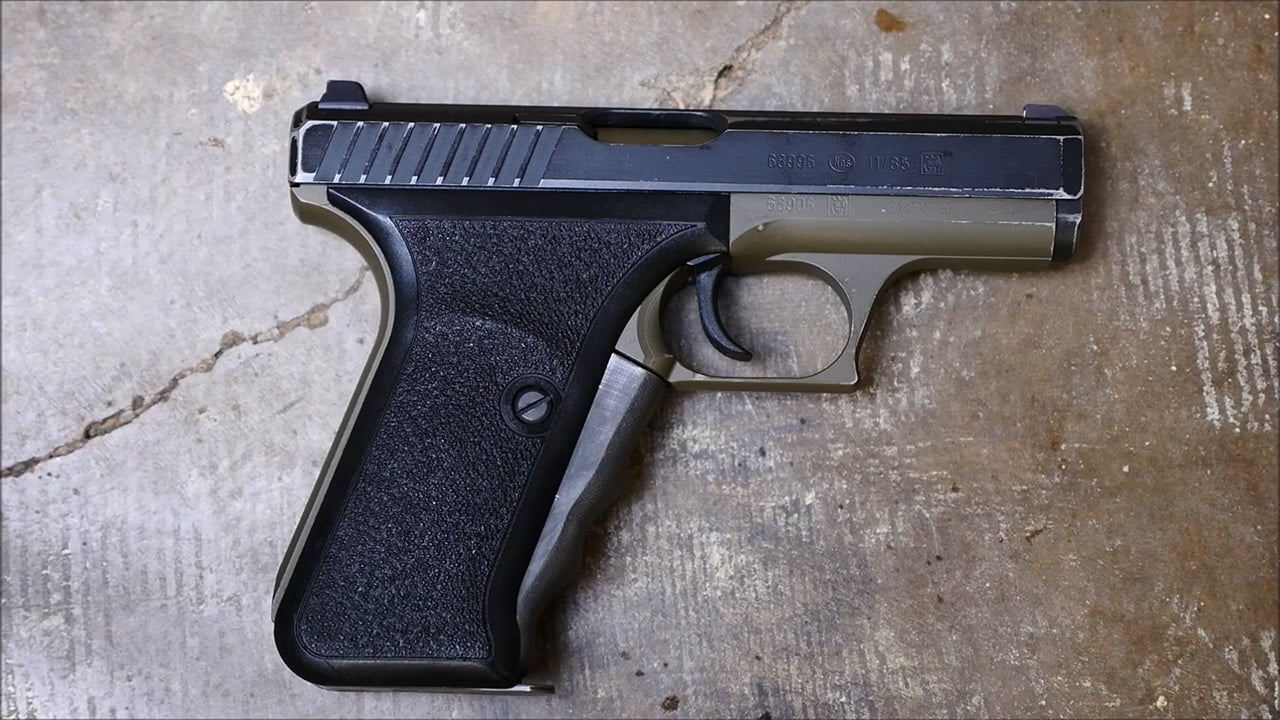
This one hurts, because the P7 is genuinely smart. Low bore axis, fixed barrel accuracy, and that squeeze-cocker safety that’s fast in real hands once you learn it. It was a serious solution to safe carry without a mushy manual safety.
But it’s also heavy for its size, gets hot when you run it fast, and it’s expensive to build. The world moved to cheaper polymer guns and left the P7 behind, even though the concept still makes a lot of sense.
3. Steyr GB
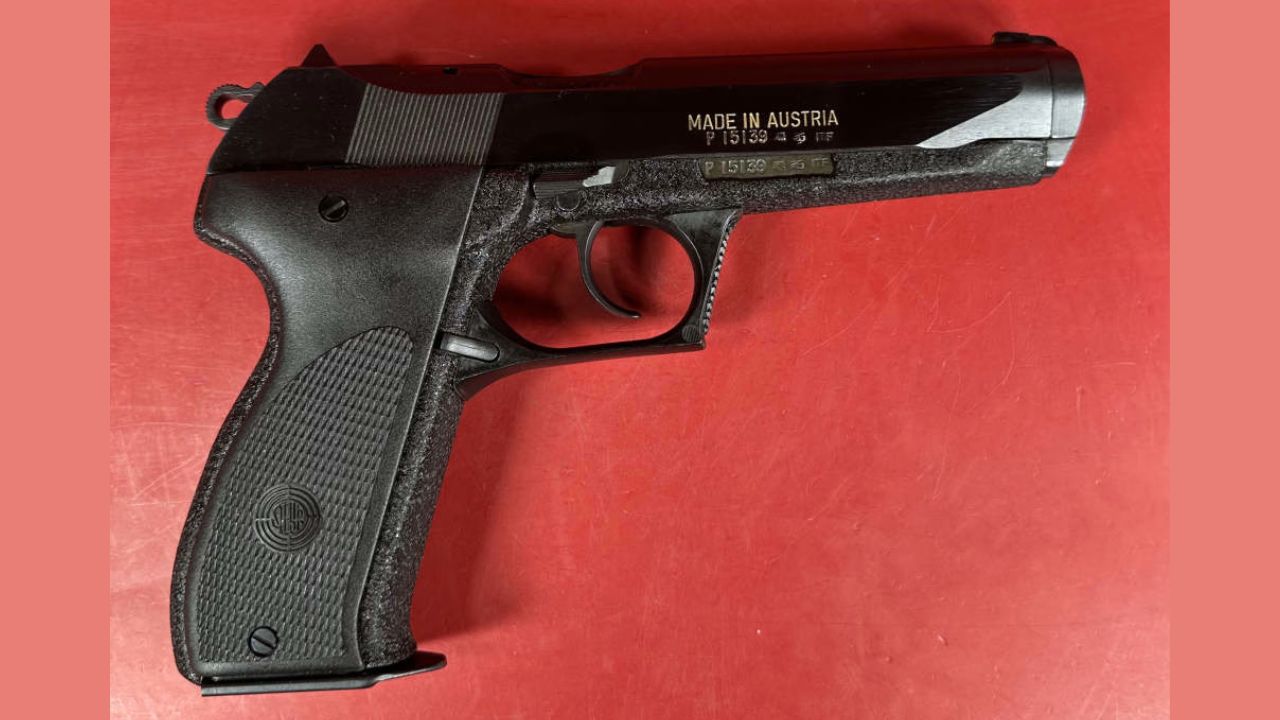
The Steyr GB had big-mag capacity and a soft-shooting gas-delayed system when everybody was still arguing about single-stacks. It points well, and the recoil impulse is noticeably different than typical tilting-barrel pistols.
Then reality shows up: it’s large, parts and magazines aren’t something you trip over at every shop, and the gun never got the institutional momentum it needed. Great idea, bad timing, and a little too niche for regular folks.
4. Colt All American 2000

Colt tried to jump into the modern polymer-ish, high-capacity, double-action world and it didn’t go well. The All American 2000 is one of those “what were they thinking?” guns that still makes collectors squint.
The trigger system and overall execution didn’t win hearts, and the market was already getting better options. Being ahead of your time doesn’t help if the final product feels half-finished.
5. FN Five-seveN
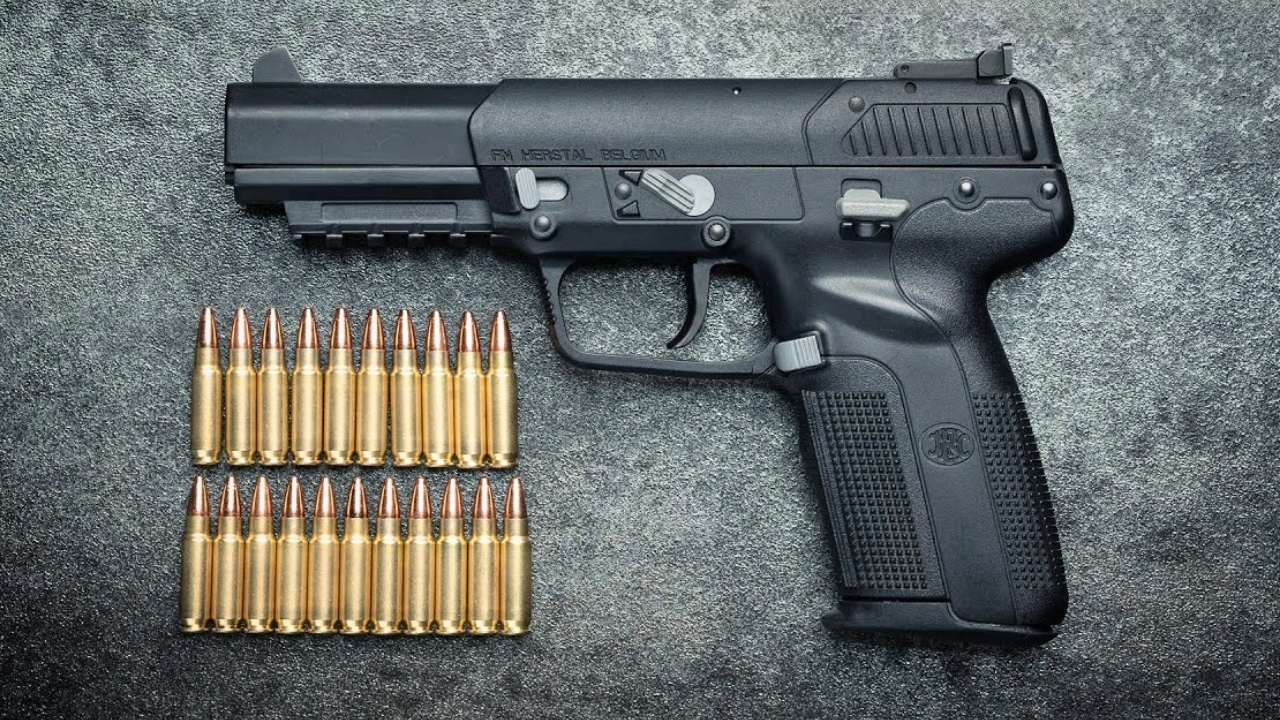
The Five-seveN showed up with a lightweight frame, big capacity, flat shooting, and a cartridge that sits in its own lane. It’s easy to shoot fast and it carries light for what it is.
Then the bill comes due: ammo cost and availability. For most outdoorsmen, a pistol is a tool, and a tool that’s expensive to feed gets left home. A lot of folks admire it more than they actually run it.
6. HK USP Match
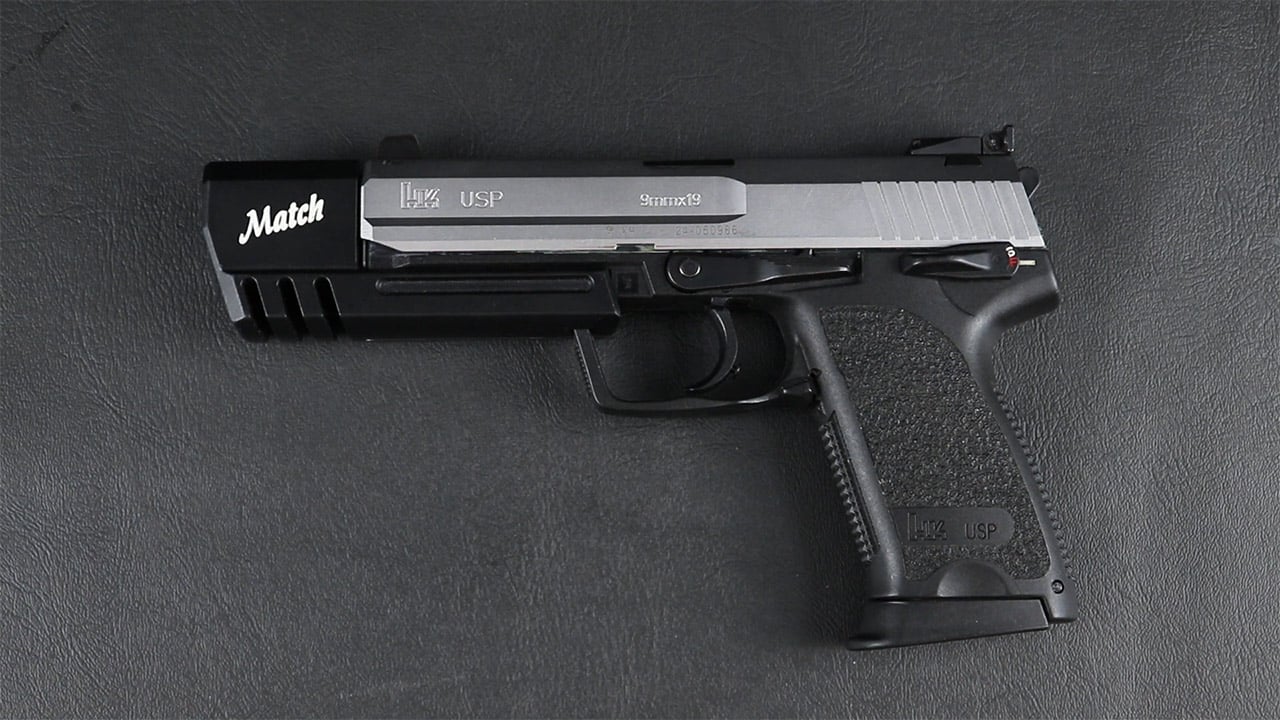
The USP line was built like a crowbar, and the Match models leaned into the “tactical meets competition” thing before that blend was normal. The trigger, sights, and overall feel were aimed at serious shooters who wanted durability and accuracy.
But it’s a big gun, and the Match setup can feel like a solution in search of a problem for the average buyer. Once lighter pistols with better out-of-the-box triggers got common, the USP Match became a cult pick instead of a mainstream one.
7. Glock 18 (select-fire variant)
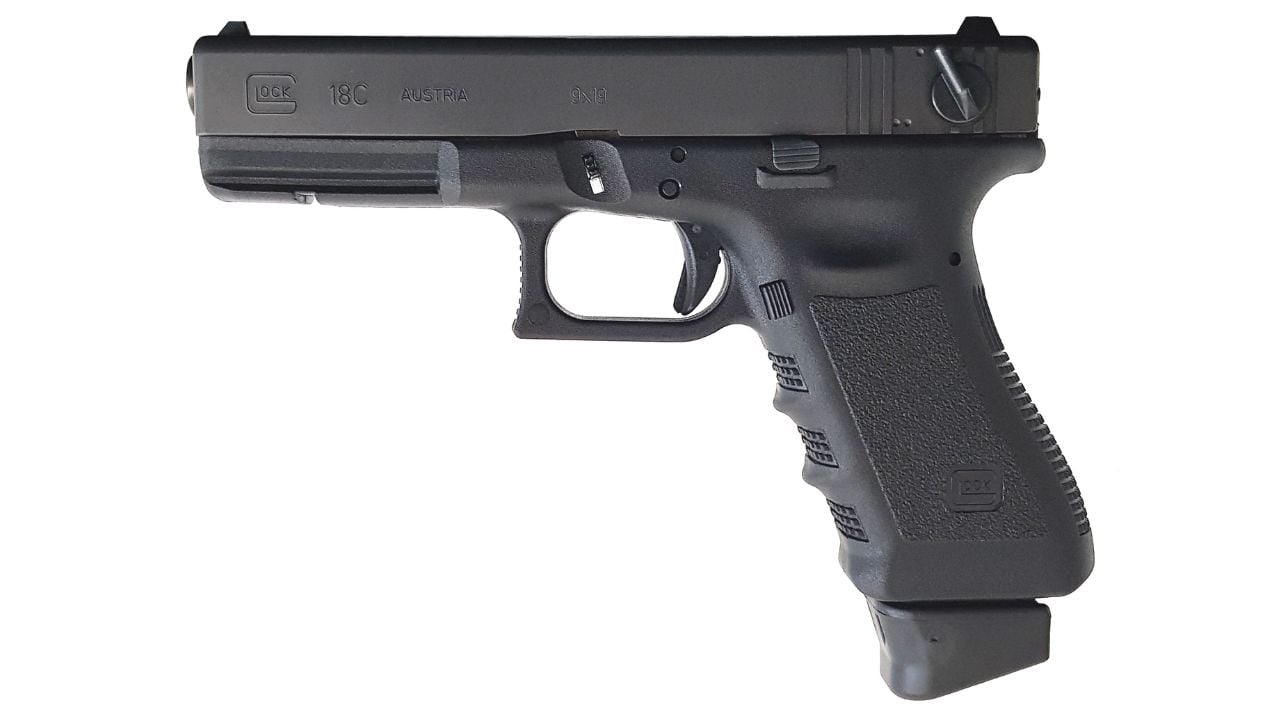
As a concept, a machine pistol sounds like the ultimate close-range answer. As something you actually control, it’s a reminder that physics doesn’t care about marketing.
The Glock 18 showed what a polymer striker platform could do, but it also showed the limits of dumping rounds from a handgun-sized package. It’s an attention-getter and a specialist’s tool, not a practical everyday “better Glock.”
8. Beretta 93R
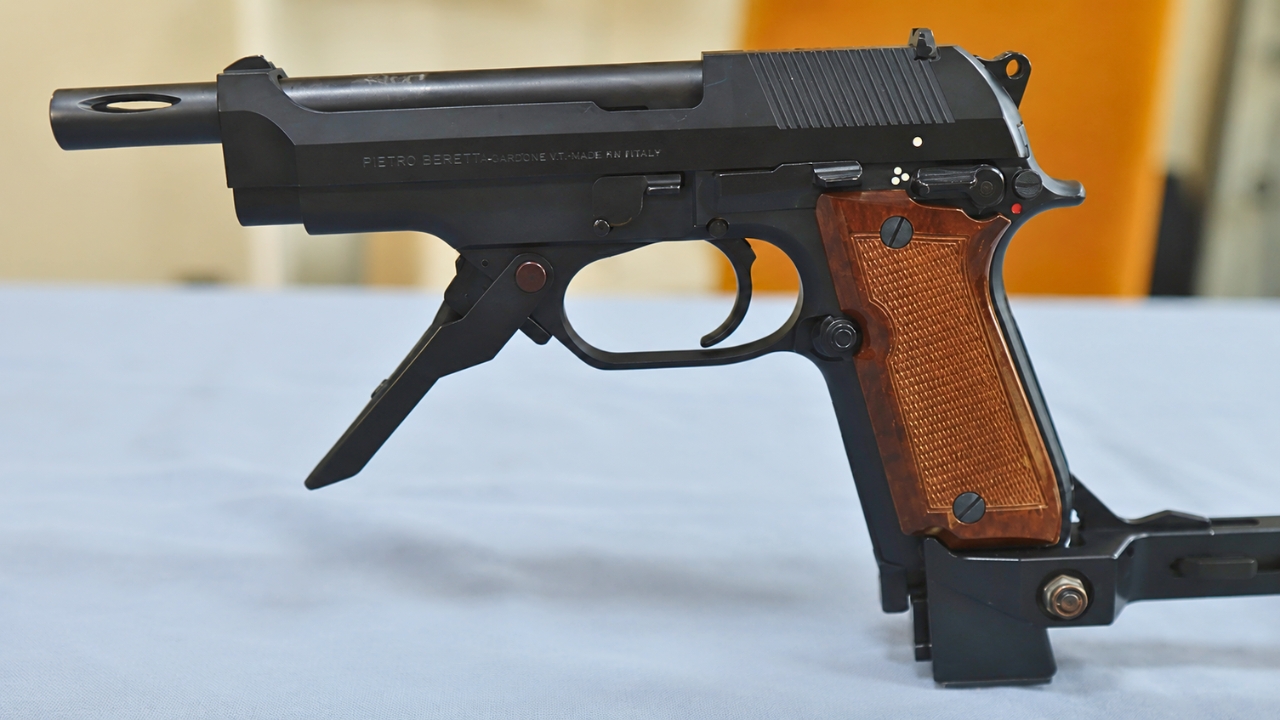
The 93R is iconic, and it was trying to tame burst fire with a foregrip and compensator back when that was a radical idea. It’s engineered like somebody took the problem seriously instead of just slapping a switch on a slide.
Still, it’s complicated, specialized, and the whole machine-pistol concept lives on the edge of “cool” and “not actually useful.” It paid for being early because the practical world didn’t need it the way action movies did.
9. Walther P99 (Anti-Stress trigger system)

Walther was playing with striker-fired triggers long before the market settled on today’s standard feel. The P99 had a clever setup, good ergonomics, and it points naturally for a lot of hands.
But complexity can be a tax. When simpler striker guns became the norm and police contracts leaned other directions, the P99 ended up respected but overlooked. Ask me how I know: finding certain parts and mags at the wrong time is not fun.
10. Ruger P95
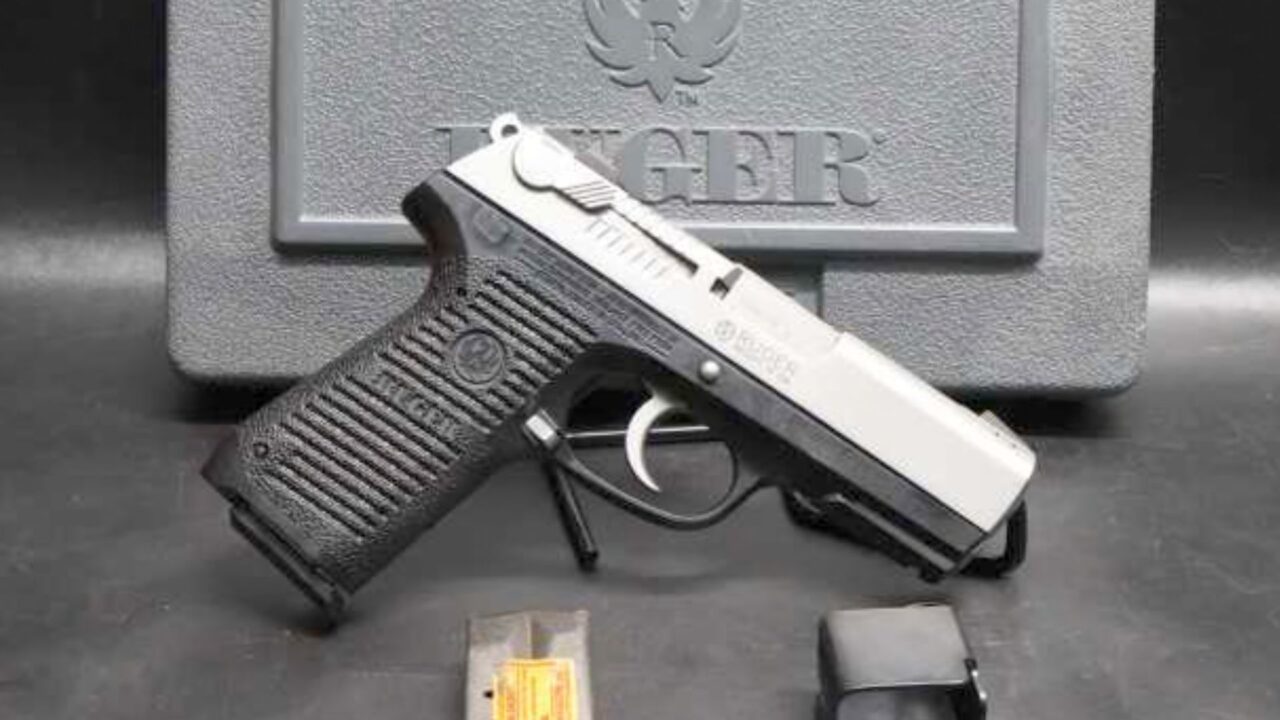
The P95 was a workhorse that didn’t care about trends. Polymer frame, durable design, affordable price—basically the “pickup truck” pistol before that was a common category.
It paid for being early because it wasn’t sleek, it wasn’t sexy, and it didn’t have the marketing story. Tons of them ran forever, but not many people bragged about owning one. Then they sold them, and later realized they’d let a perfectly good tool go.
11. Heckler & Koch Mark 23

The Mark 23 was built around a serious offensive handgun concept, and as a piece of engineering it’s impressive. Accurate, reliable, suppressor-ready in a time when that wasn’t normal, and tough as nails.
But it’s huge. Carrying it feels like strapping on a brick with sights. For normal shooters, it’s too much gun for too little return, and the price doesn’t help. It was ahead of the curve, but the curve wasn’t meant for everybody.
12. Smith & Wesson Model 39
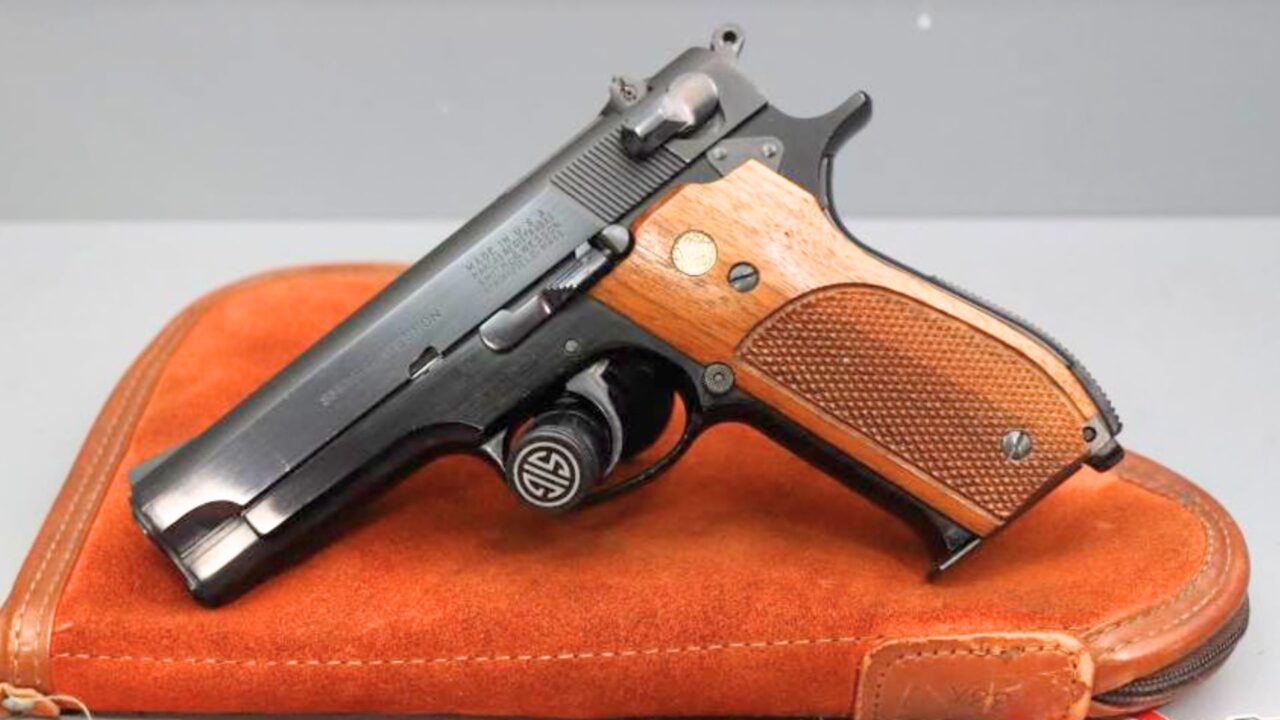
The Model 39 brought a slim 9mm semi-auto into a world that still trusted revolvers. It’s a classy pistol, and it did a lot to prove the concept in American hands.
Early adopters had to deal with an evolving design and the learning curve of semi-auto reliability expectations back then. It’s historically important, but it took time for the market to catch up to what it was offering.
13. Smith & Wesson Model 59
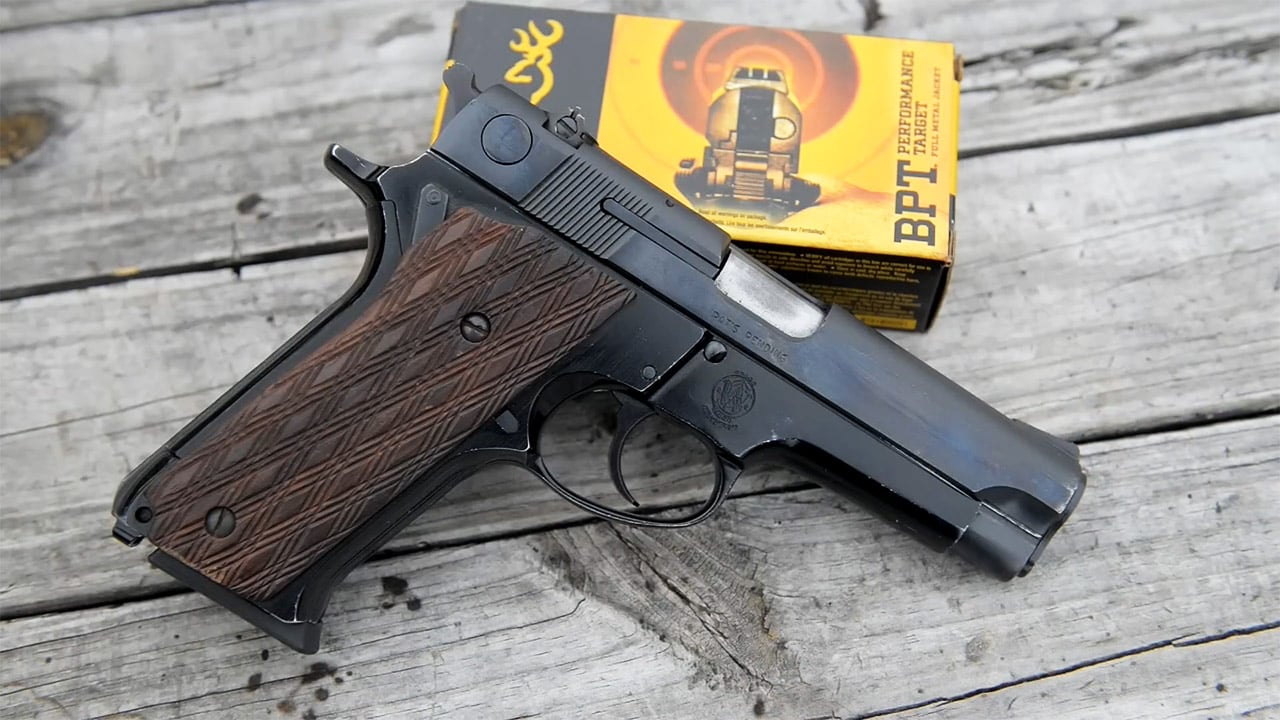
Double-stack 9mm capacity in an American-made service pistol was a big step. The Model 59 was an early answer to “more rounds, same belt.”
It also arrived before everybody agreed what a high-capacity service pistol should feel like. Grip size, trigger feel, and early-generation refinements made it a love-it-or-leave-it gun. The idea was right; the timing and execution made it a tougher sell.
14. Browning Hi-Power

The Hi-Power is so respected now that folks forget it was a forward-leaning design for its day. High capacity, great balance, and it carries flatter than you’d think for a steel gun.
What made it pay a price was that it’s a single-action with old-school ergonomics that can bite the wrong hand, and it lives in a world now dominated by striker guns and rails. Still, it’s hard to argue with how it shoots when it’s set up right.
15. Remington R51 (reintroduced model)

Remington tried to bring back a clever delayed-blowback concept as a modern carry gun. The promise was real: softer recoil in a slim package, with a different feel than the usual micro-9 crowd.
But early production problems and mixed reputation are hard to outrun. When a carry gun starts with question marks, it’s hard to earn trust back, even if later examples run better. In the real world, confidence matters as much as specs.
16. Springfield Armory XD-S (early single-stack micro 9/.45 era)
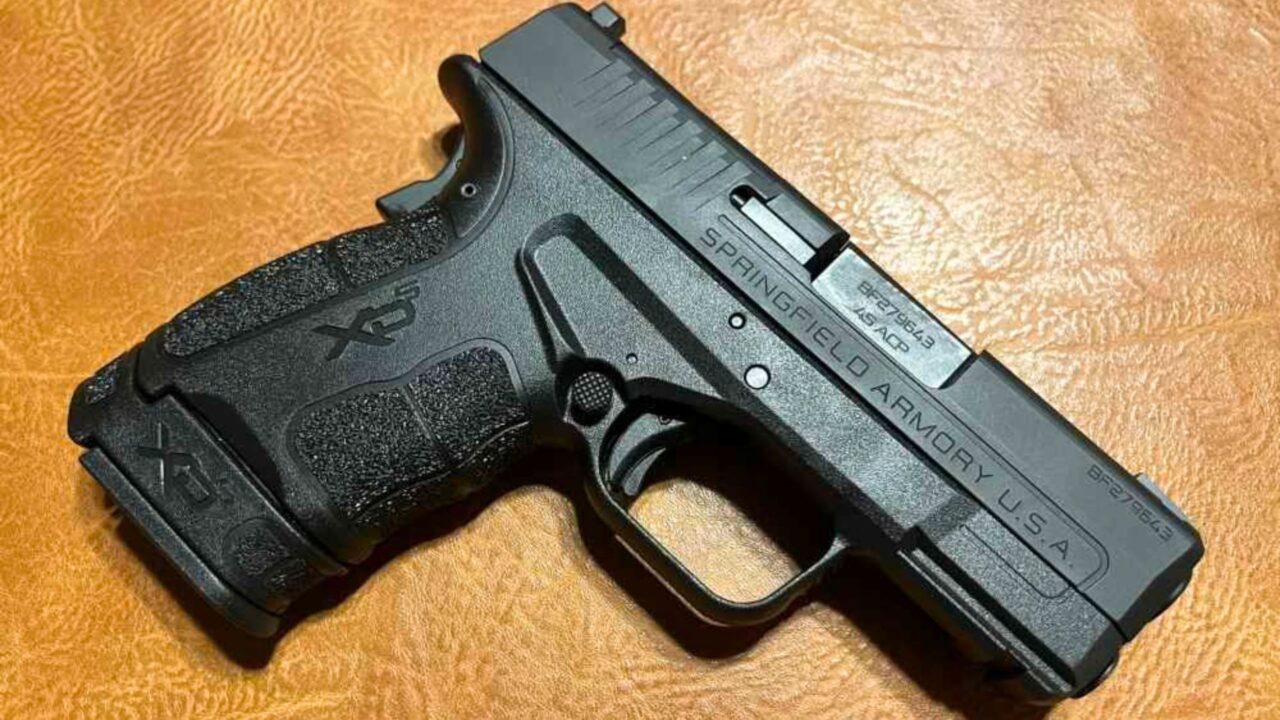
The XD-S line showed up when the concealed-carry wave was pushing everything smaller. A thin pistol that still shoots like a “real gun” was the goal, and for a lot of folks it worked.
It also landed right before the high-cap micro-9 explosion made single-stacks feel dated overnight. Nothing changed about the gun, but the market decided it wanted more rounds in the same footprint. That is a cruel way for a pistol to get old.
17. Glock 36
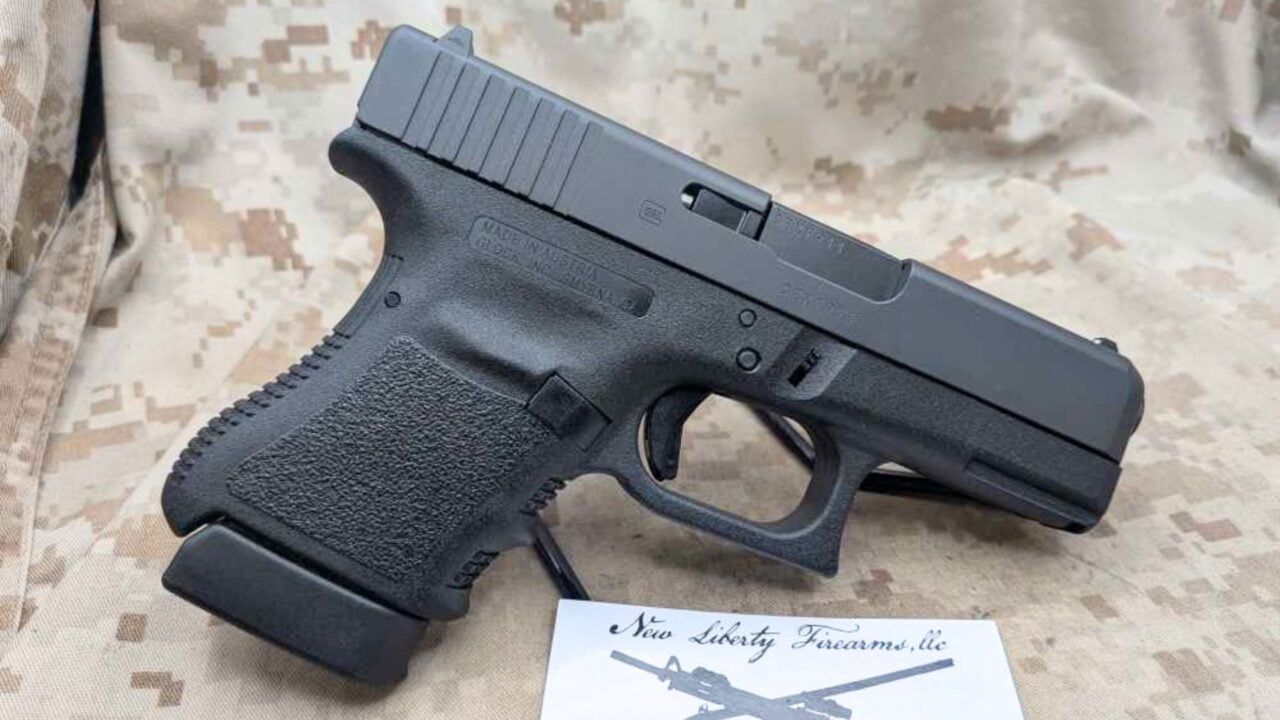
The Glock 36 is a slim .45 that a lot of people forget exists. It was trying to give .45 fans a carry-friendly option before the industry had really figured out thin frames.
It paid for it with awkward in-between status: not as small as some want, not as high-cap as others demand, and .45 recoil in a light package isn’t everybody’s idea of a good time. Still, for the right person, it carries easier than most .45s.
18. Kel-Tec P-11
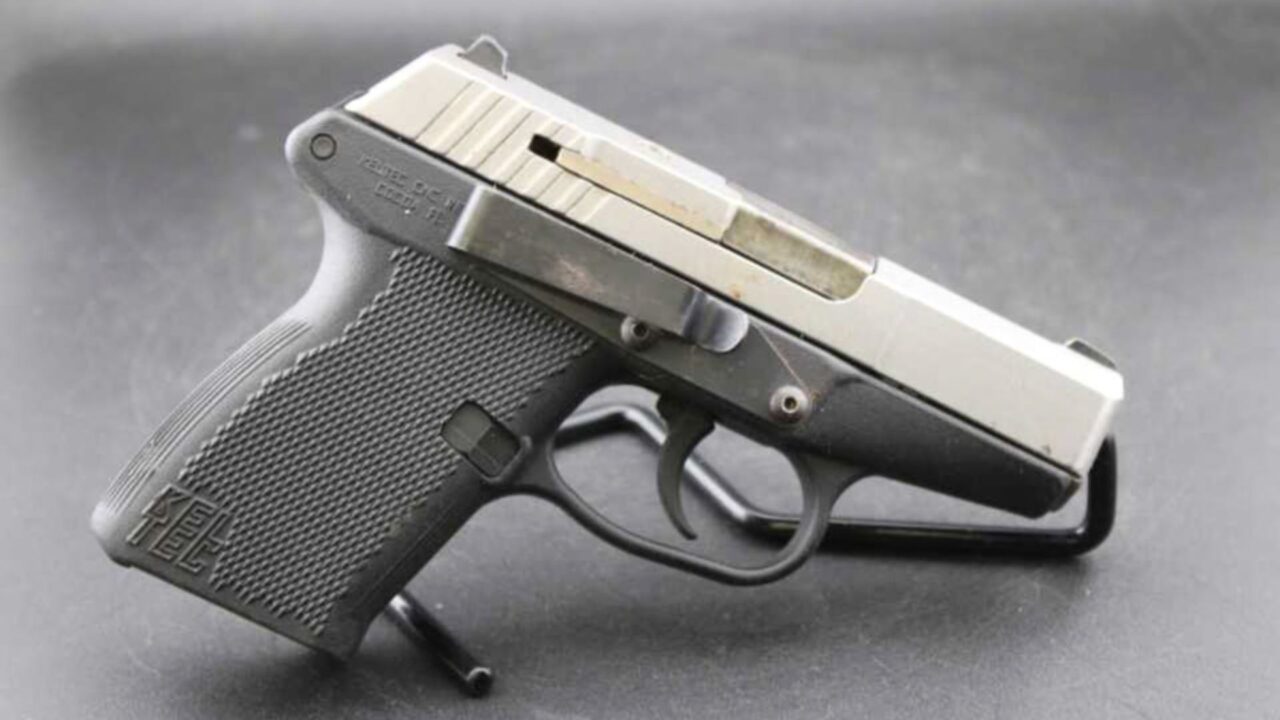
Kel-Tec was out here building the “tiny 9mm” concept before it became the hottest segment in handguns. The P-11 is light, compact, and it gave you serious capacity for the size in its day.
The tradeoff is a long, heavy trigger and a general “utilitarian” vibe. It’s not a range sweetheart. But if you look at what came later from everybody else, you can see how far ahead Kel-Tec was aiming.
19. Taurus PT111 Millennium (early generations)
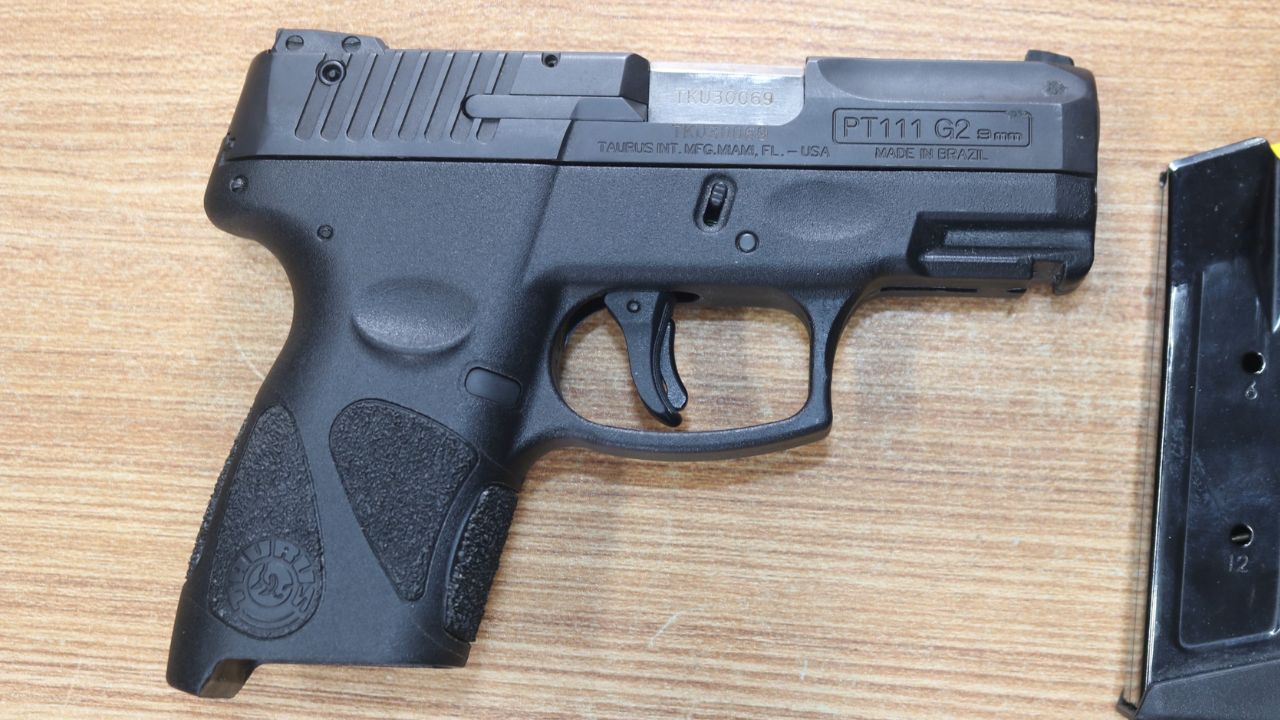
Small, affordable, high-cap for the size—Taurus was chasing the same future everybody sells now. And when you get a good one, it can be a perfectly serviceable carry gun for a working budget.
The price it paid was inconsistency and spotty reputation depending on era and sample. Being early in a category is risky because shooters remember the bad experiences longer than they remember the concept.
20. CZ 75

The CZ 75 had ergonomics and shootability that still hold up. It’s one of those pistols that points like your finger, and the steel frame soaks up recoil in a way polymer just doesn’t.
For a long time it didn’t get the same mainstream recognition in the U.S. as some competitors, and early access to magazines, parts, and support wasn’t what it is now. Today it’s a staple, but it spent years being the “if you know, you know” gun that didn’t get its due.
What I take from all this is simple: the market doesn’t always reward good ideas right away. Sometimes it punishes them, and sometimes it forgets them. If you’ve got one of these that runs, you might already own a piece of the future that showed up a little too early—and that’s not a bad thing to have in the safe.
Like The Avid Outdoorsman’s content? Subscribe to our newsletter so you never miss an article.
Here’s more from us: