Photo credit: Honest Outlaw/Youtube
Walk into any gun shop on a Saturday and you’ll hear it: somebody behind the counter trying to talk a new shooter out of a weird, expensive, hard-to-find cartridge that “hits like a rifle” or “shoots flatter than anything.” Then hunting season rolls around, or somebody actually starts carrying every day, and suddenly the sexy stuff isn’t so sexy. The calibers that stick are the ones you can buy anywhere, shoot well under stress, and actually live with.
This isn’t a list of what’s “best” on paper. It’s the stuff that makes sense when you’re paying for ammo, scrounging magazines, teaching a kid to shoot, or tossing a sidearm in the truck for fence-checking. Some are boring. Good. Boring is reliable.
1. .22 Long Rifle
If you own land, you already know why this one is here. It’s the round that handles barn pests, snakes in the woodpile, and practice without turning your wallet inside out. You can teach fundamentals with it and see bad habits immediately.
Also, .22 LR is the glue that keeps new shooters interested. A box of centerfire ammo disappears fast when you’re learning. A brick of .22 lets you shoot enough to actually get better, not just louder.
2. .22 WMR (22 Magnum)
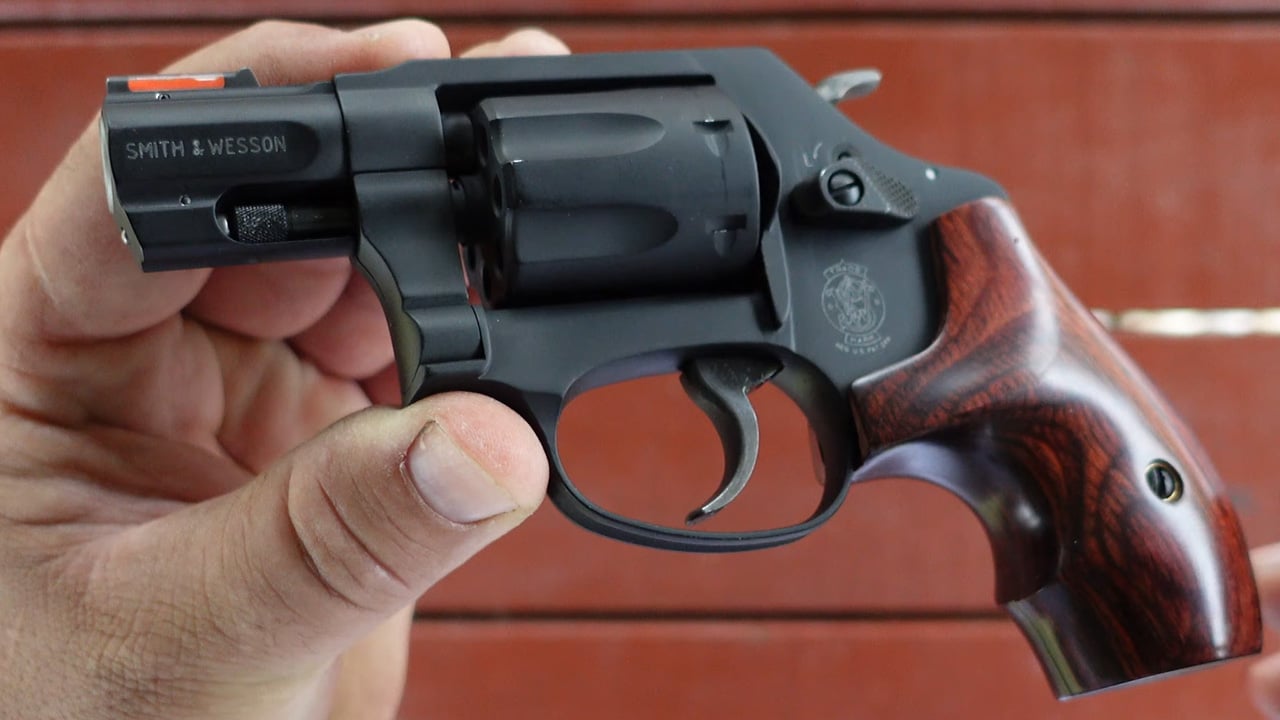
There’s a real gap between .22 LR and “now we’re making noise,” and .22 Magnum fills it. Out of a revolver it’s a handy little trail round, and out of a longer barrel it can be surprisingly useful on critters that shrug off .22 LR.
It’s not magic, and it’s not cheap like it used to be, but it still makes sense if you want a rimfire with a little more reach and punch without stepping into centerfire recoil.
3. .17 HMR
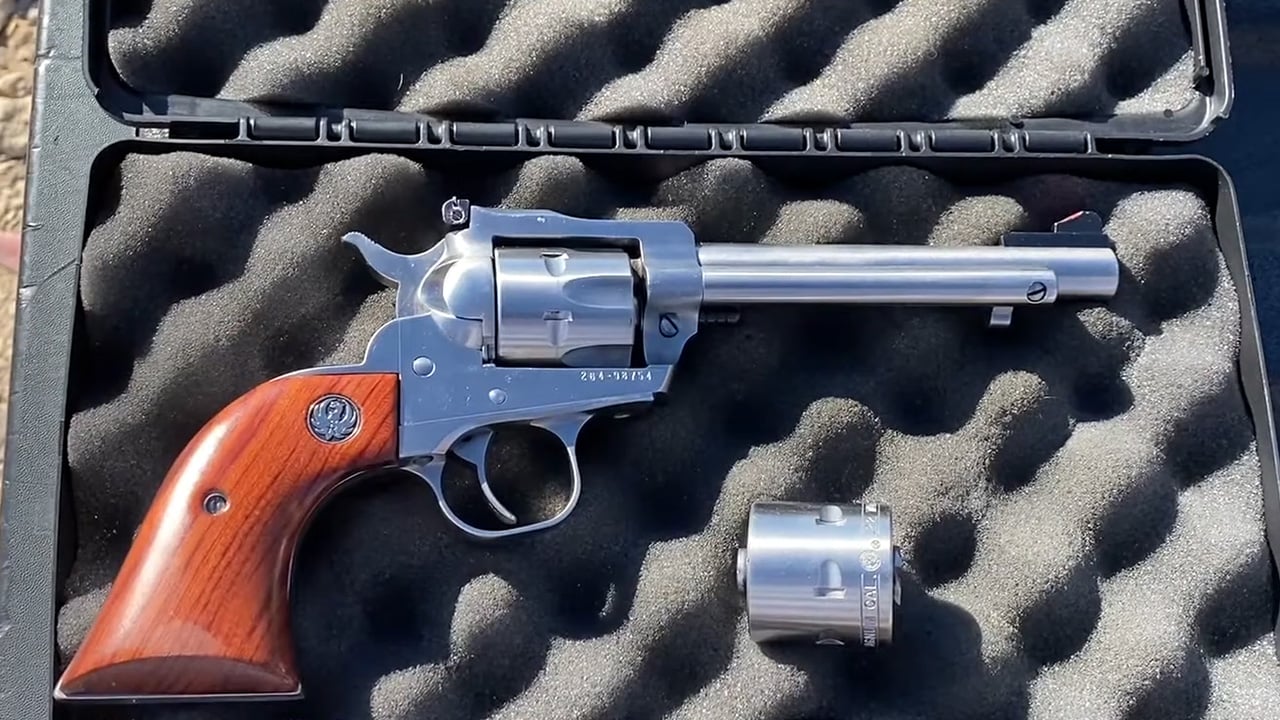
This is the rimfire for folks who like precision and hate guessing. On calm days it’s a laser on small varmints, and it shoots flatter than most people expect from a rimfire.
Is it fragile on wind? Yep. Is it a “do everything” round? No. But for ground squirrels, prairie dogs, and small targets where you want clean hits, it’s hard not to appreciate.
4. .380 ACP
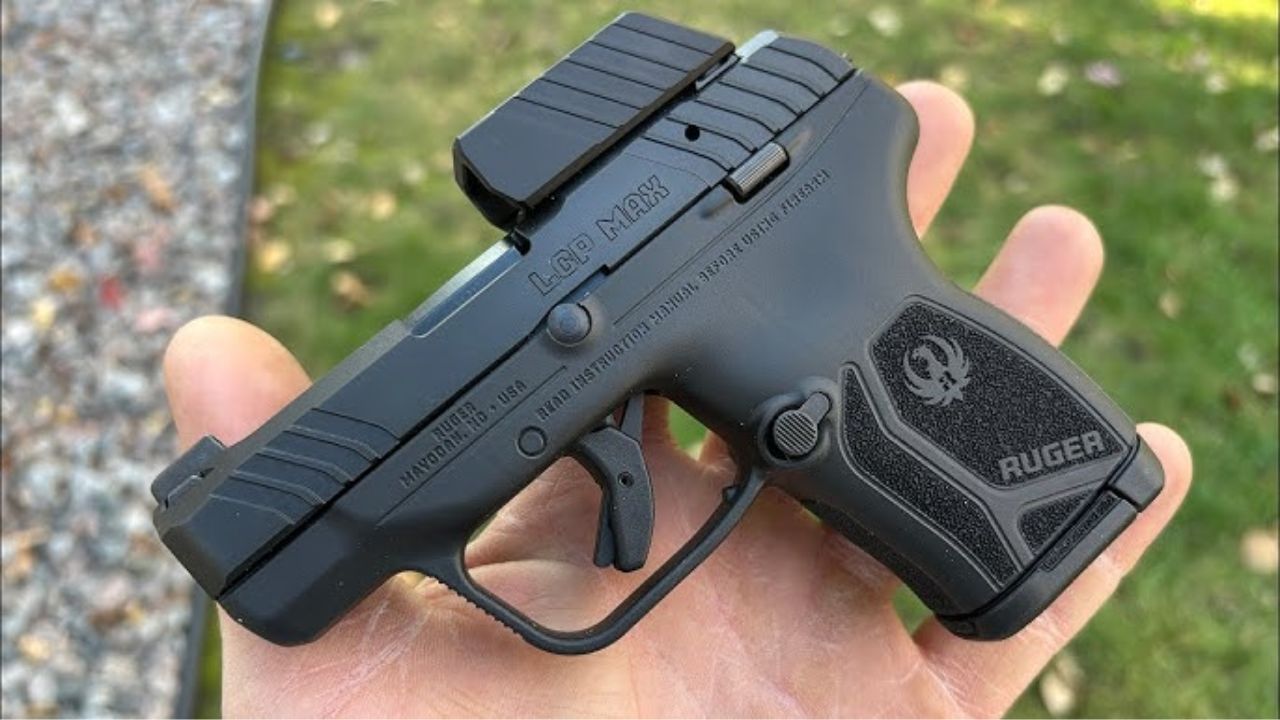
I get why people trash .380, and I also get why it sells. In a truly small pistol, it’s often the difference between “carried all day” and “left at home.” A gun you actually have on you beats the perfect gun in the safe.
The key is picking a .380 you can control and run fast. Tiny, ultra-light .380s can be snappy and miserable. Still, with modern ammo and realistic expectations, it’s a practical everyday option.
5. 9mm Luger
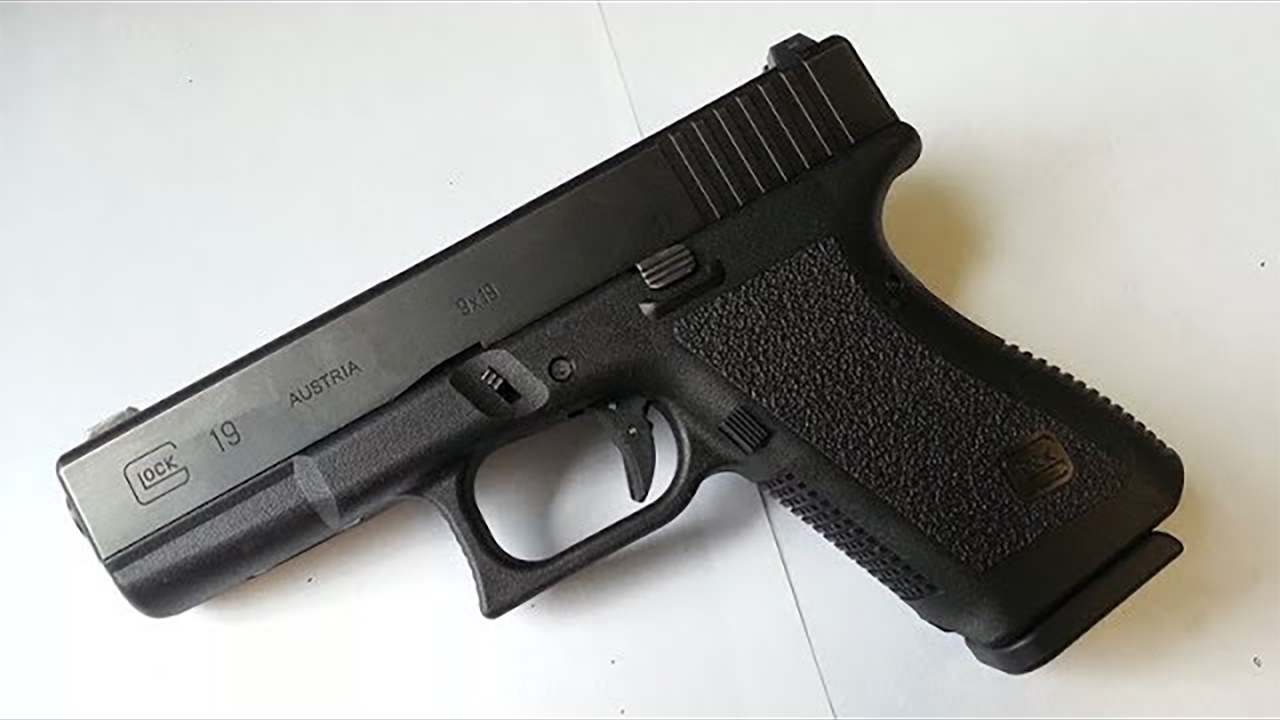
This is the default for a reason. Affordable practice ammo, good defensive loads, easy-to-find magazines and parts, and it works in guns that fit almost every hand size. When you’re trying to keep a family’s worth of pistols fed, 9mm is how you do it.
It’s also the caliber that forgives you a little. Manageable recoil means faster follow-ups and less flinch, especially under pressure when you’re not shooting slow groups on a sunny range.
6. .38 Special

.38 Special is the “grandpa’s revolver” round that keeps earning its keep. It’s controllable, accurate, and easy to shoot well in a medium-frame revolver. For new shooters, it can be a soft entry into handguns without the intimidation factor.
And if you reload, .38 is a playground. Light loads for practice, standard-pressure for carry, and plenty of bullet options. It’s not trendy, but it’s useful.
7. .357 Magnum
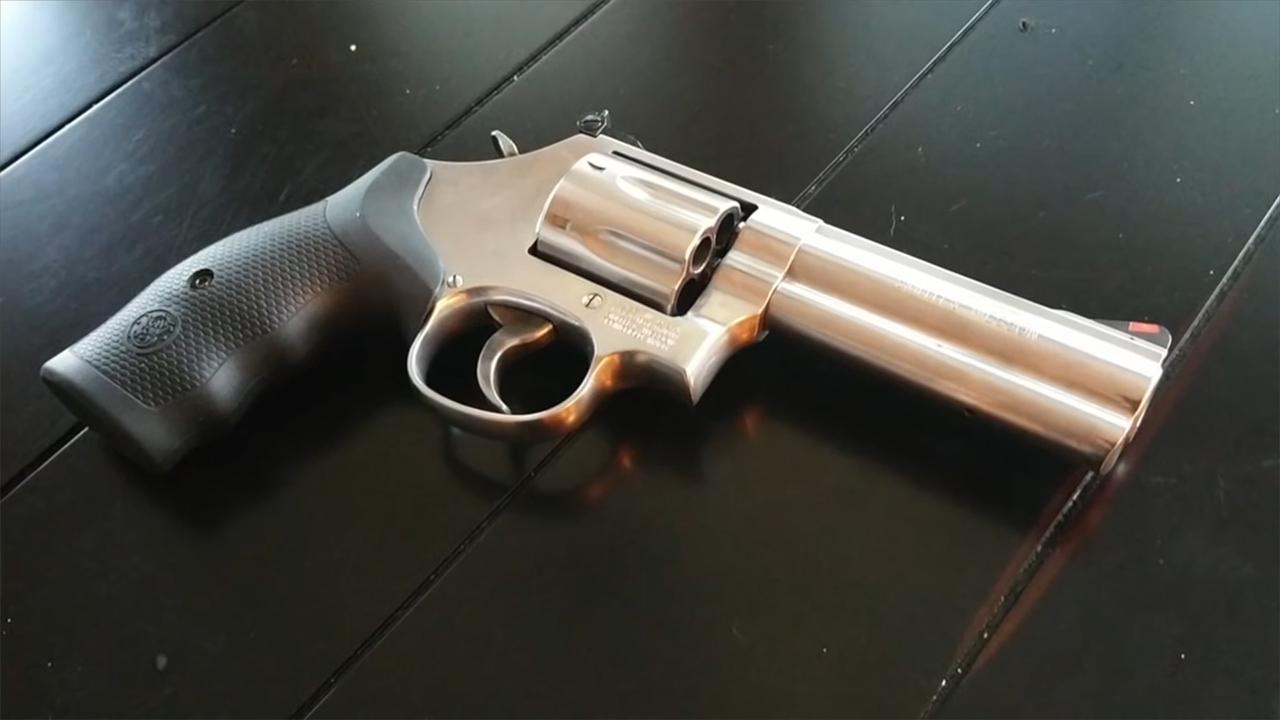
This is one of the smartest “one gun” choices out there because .357 can do .38 Special too. With full-house loads it’s serious business, and with .38s it’s a pleasant practice gun. That flexibility matters when ammo shelves get weird.
In the woods, a .357 revolver is a legit companion, especially if you’re in black bear country and want something simple and sturdy. Just don’t pretend recoil is optional in a small, light gun. Ask me how I know.
8. .40 S&W
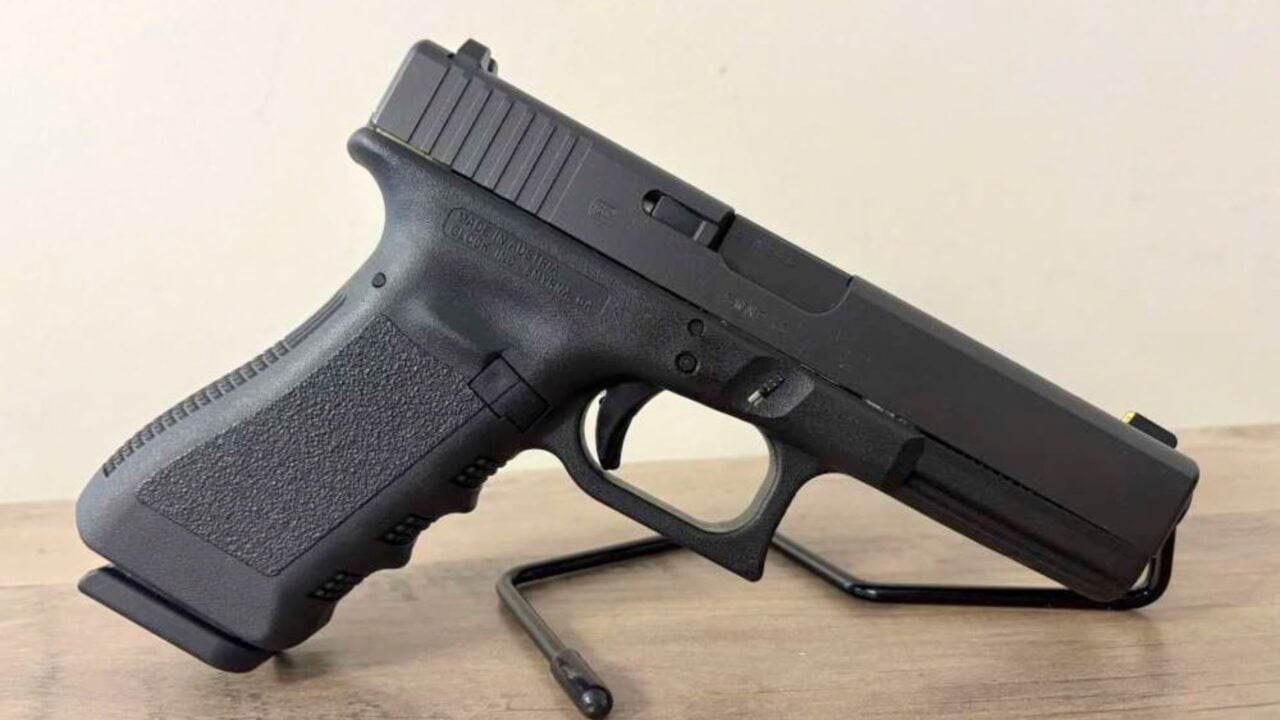
.40 had its moment, and then the 9mm comeback happened. But here’s the honest truth: .40 still works, and there are a lot of good .40 pistols floating around because folks traded them in. That can mean bargains.
It’s a little snappier than 9mm, and many shooters don’t run it as well. If you shoot it accurately and can find ammo at a fair price, it’s not a mistake. It’s just not everybody’s favorite anymore.
9. .45 ACP
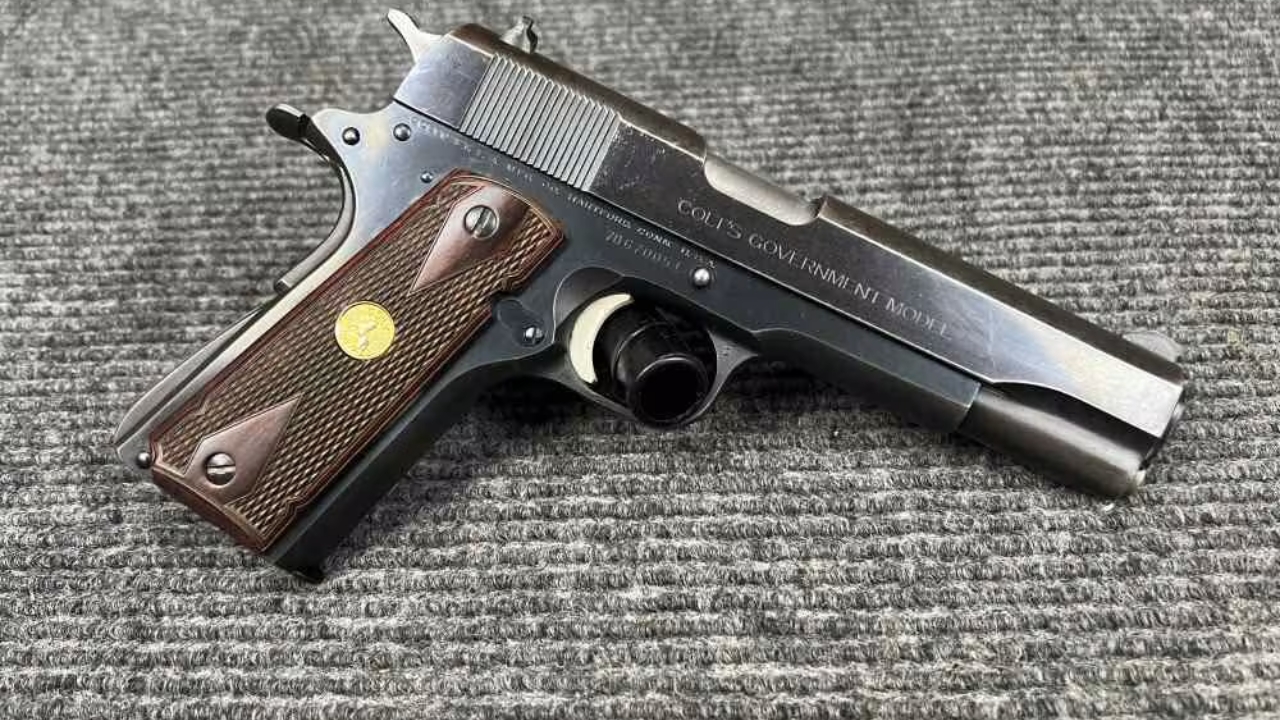
Big, slow, and proven. .45 ACP is the round that makes sense for the shooter who likes a heavier push instead of a sharp snap, and who doesn’t mind a little more weight on the belt. In full-size pistols it’s easy to shoot well.
The downside is capacity and cost. If you’re going to practice like you should, .45 adds up. Still, it’s hard to argue with a cartridge that has been doing the job for over a century.
10. 10mm Auto
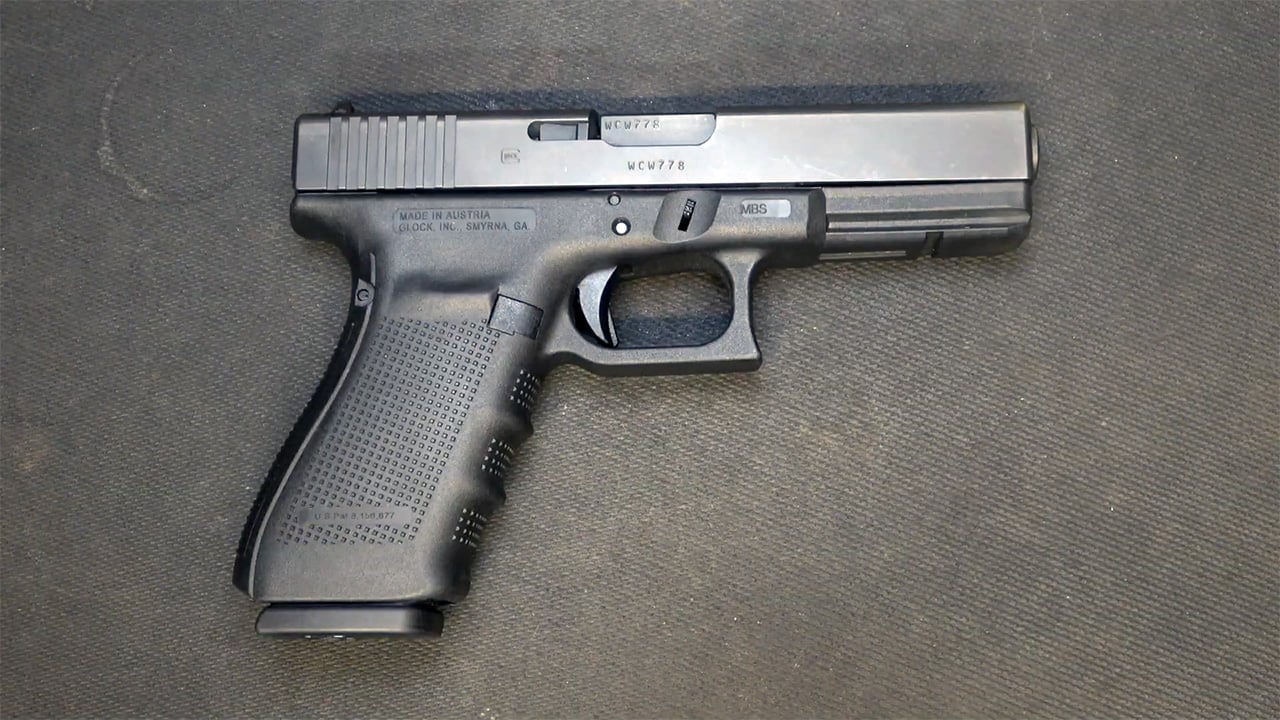
10mm is the caliber folks fall in love with right up until they buy full-power ammo and touch it off in a compact pistol. Then they either learn to run it or they sell it. In a solid, properly-sized gun, though, it’s a hammer.
If you spend time in the backcountry and want a semi-auto with more authority than service calibers, 10mm makes sense. Just be honest about what you’ll actually practice with, not what you like reading about.
11. .44 Special
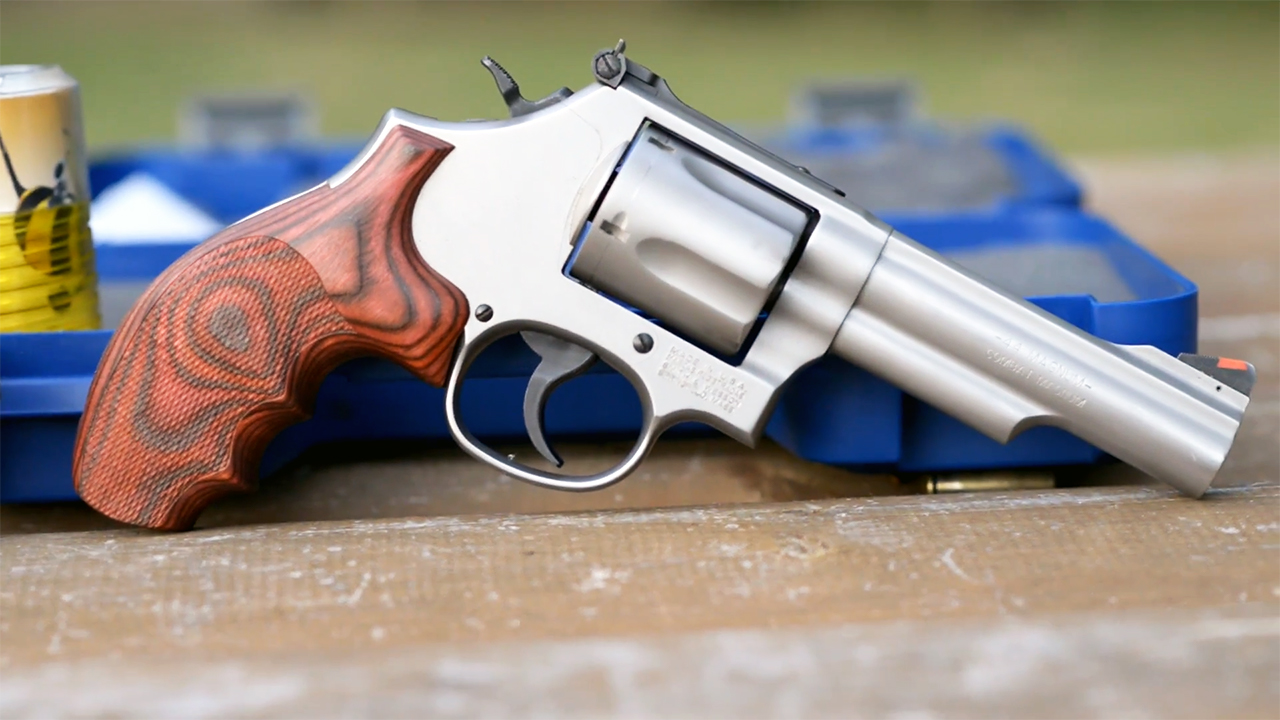
.44 Special is the sweetheart round that too many people skip because .44 Magnum is louder on the internet. In the real world, .44 Special can be accurate, controllable, and effective without beating you up.
In a good revolver, it’s a carryable big-bore that doesn’t demand ear-splitting blast and wrist punishment. It’s not as common on shelves, but if you’re a revolver person, it’s worth knowing.
12. .44 Magnum
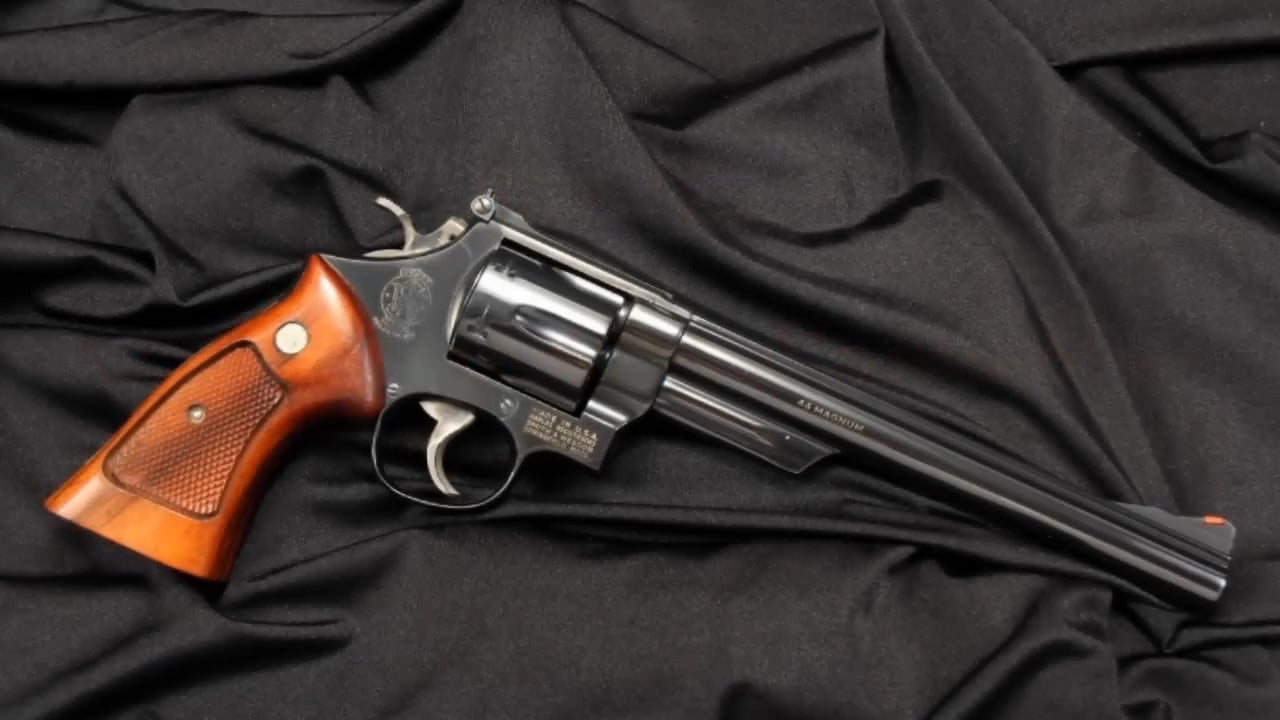
This is the “I don’t want to wonder” revolver round. For hunting with a handgun, for a serious woods sidearm, or for folks who just shoot revolvers better than autos, .44 Magnum has a real place.
But it’s not free. Recoil, noise, and practice cost are real. Plenty of .44 Mag owners become .44 Special owners in practice, and that’s fine. The point is hitting what you aim at, not winning a recoil contest.
13. .45 Colt

.45 Colt has been doing work since before most of us had indoor plumbing. In a strong modern revolver it can be loaded up, and in more traditional guns it’s a pleasant, thumpy round that shoots well.
It also fits the outdoors lifestyle. If you like lever guns and revolvers that share ammo, .45 Colt is a fun, practical pairing. The catch is ammo price and variety depending on where you live.
14. .327 Federal Magnum

This one doesn’t get enough love. It can give you an extra round in some small-frame revolvers, and it shoots flatter than folks expect. For someone who wants a revolver that isn’t a five-shot .38, it’s a clever option.
Ammo availability is the catch. If your local stores don’t stock it, you’ll be ordering online. If you’re okay with that, .327 is a very practical “small gun that still performs” caliber.
15. .32 H&R Magnum
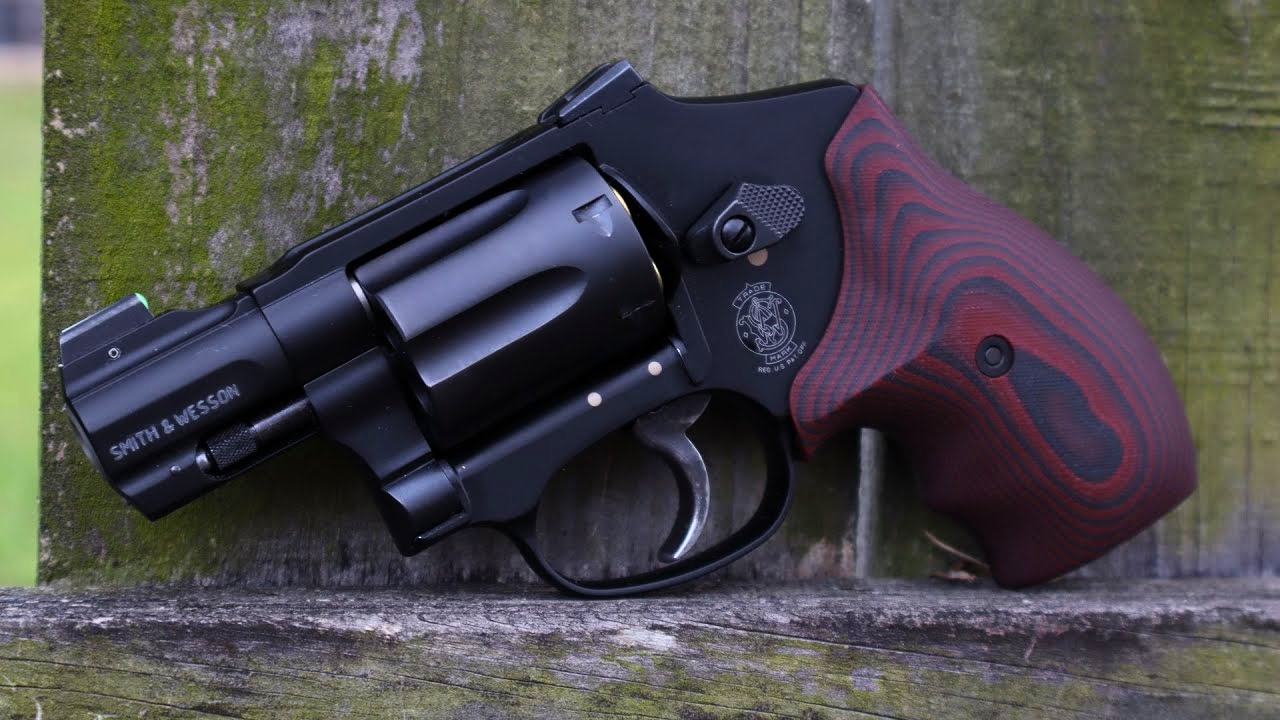
This is the soft-shooting revolver cartridge that makes new shooters look good. Less recoil than .38 in similar guns, often excellent accuracy, and enough performance for defensive use with the right setup and expectations.
It’s also just enjoyable, and that matters. Guns you enjoy get practiced with. And practice is what makes a handgun useful instead of just heavy.
16. .32 ACP

.32 ACP is easy to dismiss until you actually shoot a good .32 pistol and realize how controllable it is. In small guns, it can be gentler than .380, which means better hits for some shooters.
It’s not the top pick for everybody, but for deep concealment and low recoil, it still makes sense. Especially for folks with hand strength issues who struggle with tiny, stiff guns.
17. .25 ACP

This one is a stretch for some folks, but it exists for a reason: tiny pistols that are genuinely easy to carry. It’s also centerfire, which can mean more reliable ignition than rimfire in very small guns.
No, it’s not what I’d choose if I had other options. But if the choice is a small .25 you’ll actually have on you versus nothing at all, I understand why it still hangs around.
18. .30 Super Carry

Here’s a modern entry that actually has a logical pitch: more capacity in a similar grip size, with manageable recoil. In the right platform, it does what it was designed to do.
The question is staying power. Ammo and adoption matter. If you already have one and you can stock enough ammo and mags to be comfortable, it can make sense. If you’re starting from scratch, 9mm is still the easy button.
19. 5.7x28mm
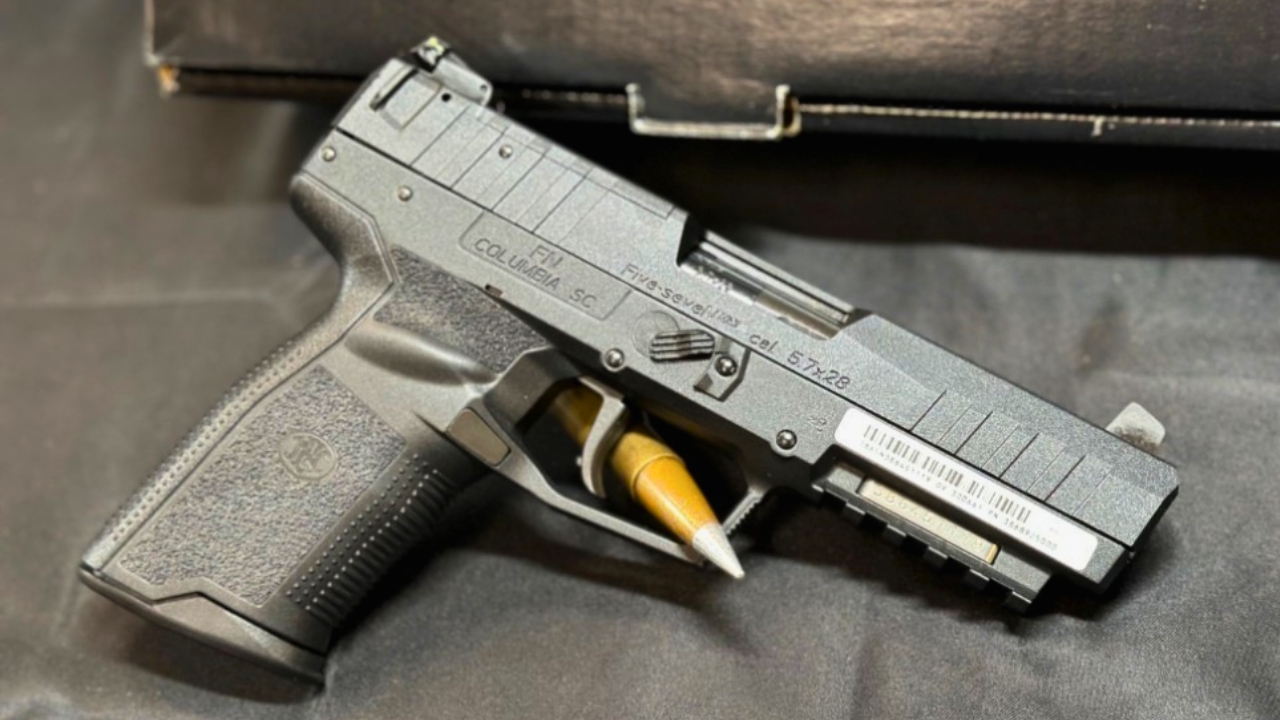
Folks argue about this one like it’s politics, but in the field it’s simple: light recoil, flat shooting, and high capacity in the pistols built for it. It’s easy to shoot fast and accurately, which counts.
The downside is cost and the fact that not every store carries it. If it fits your needs and budget, it’s a valid choice. If you’re trying to keep things simple and affordable, it’s usually not the first stop.
20. .22 WMR shotshells (snake load)

I’m putting this here because it’s a real-world “makes sense” niche that comes up around farms, creeks, and brush piles. A shotshell in a rimfire handgun is not a replacement for a real snake plan, but it can be handy when you’re surprised at close range.
Pattern them, though. Some guns throw weird donuts and thin patterns. Know what it does before you bet your boot leather on it, and always remember: the best snake defense is paying attention where you step and where you put your hands.
Caliber talk gets tribal fast, but most outdoorsmen don’t need a personality test in a holster. You need something you can afford to practice with, that you can control when you’re tired and cold, and that you can actually keep fed when shelves are bare. Pick the cartridge that matches your life, not your scrolling habits.
Like The Avid Outdoorsman’s content? Be sure to follow us.
Here’s more from us: