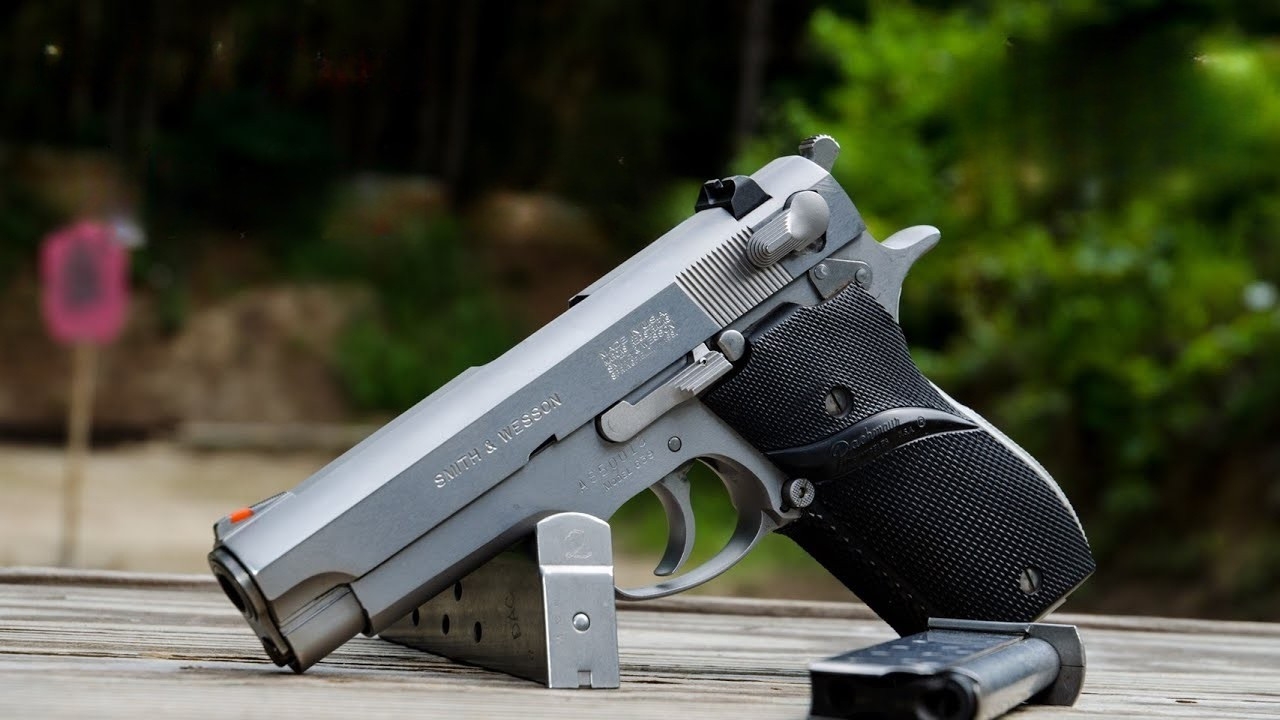
Photo credit: Justin Opinion/YouTube
The handgun market moves fast. Every year brings new optics cuts, modular frames, compensators, higher-capacity magazines, and another pistol promising to make everything before it obsolete.
That does not mean the older gun is suddenly worse. Some handguns were so well designed that newer models mainly add features rather than improve the actual shooting experience. These 20 pistols may not be the newest thing in the case, but they still offer triggers, ergonomics, durability, or shooting characteristics that plenty of modern replacements struggle to beat.
SIG Sauer P226
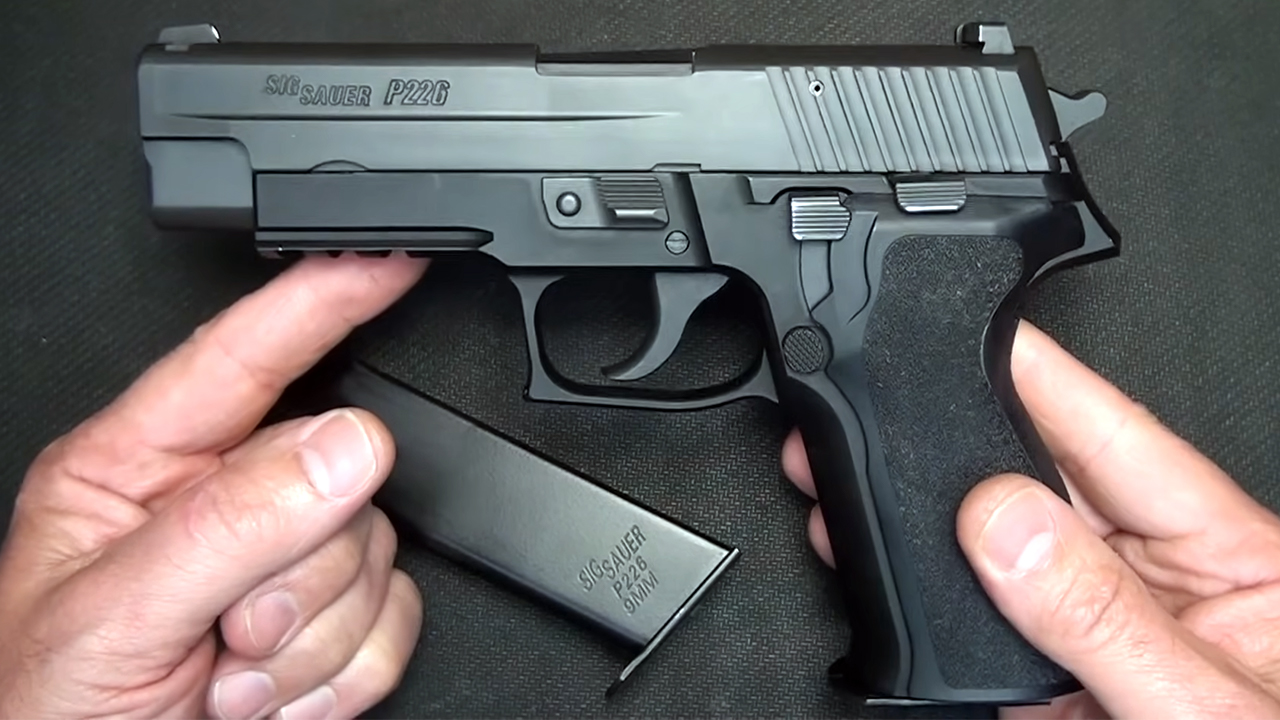
The P226 has been around long enough that some shooters treat it like yesterday’s duty pistol. That is easy to do when polymer-framed striker guns are lighter, cheaper, and easier to mount optics on.
Then you shoot a good P226. The full-size frame, excellent balance, and mature DA/SA system still make it one of the easiest service pistols to shoot well. Newer pistols may be more efficient on paper, but the P226 still feels like a gun designed around control and durability rather than minimum manufacturing cost.
Beretta 92FS

The 92FS has been declared outdated more times than almost any other service pistol. It is large, the slide-mounted controls are not everyone’s favorite, and it was designed long before red dots became normal.
None of that changes how smooth it is on the range. The open-slide design, full-size frame, and soft recoil impulse make 9mm extremely manageable. Plenty of newer guns are easier to carry, but very few make a long range session feel this effortless. There is a reason experienced shooters keep coming back to the 92 platform.
Heckler & Koch P7M8
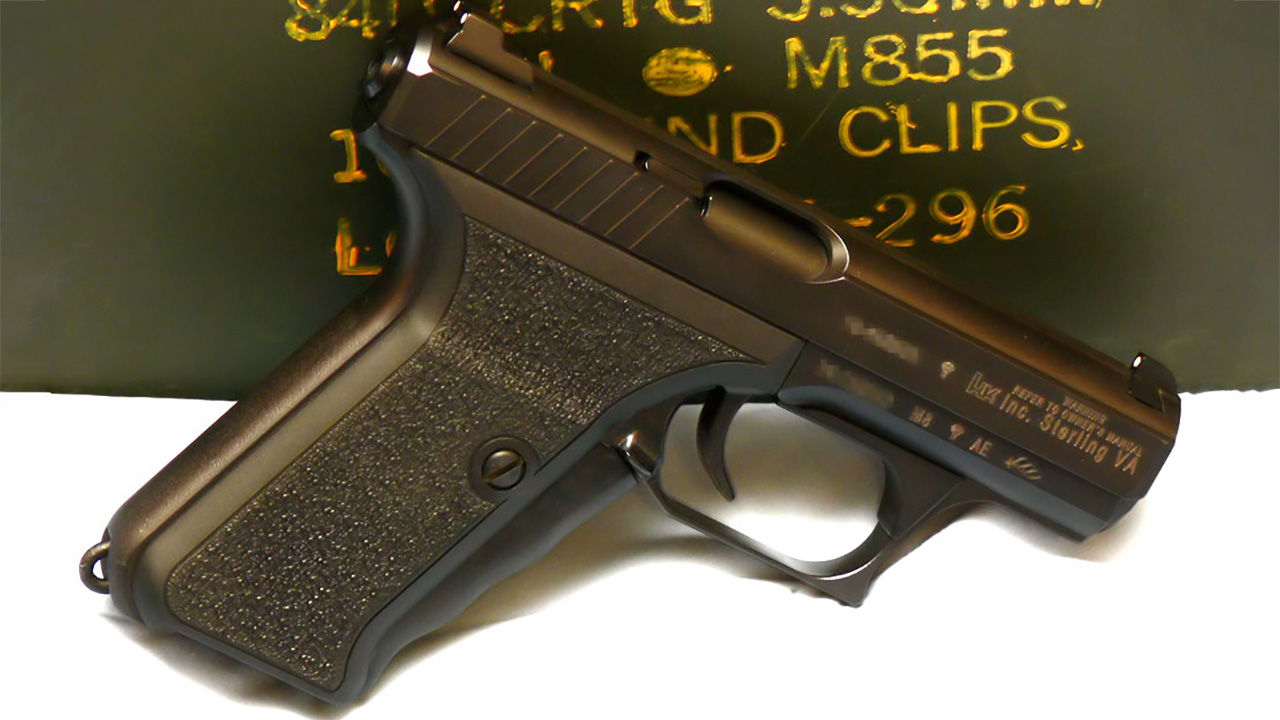
The P7M8 is a perfect example of an older pistol doing something newer guns still have not truly replaced. Its squeeze-cocking system is unusual, but once understood it gives the shooter an exceptionally direct operating system.
The fixed barrel contributes to accuracy, the pistol sits low in the hand, and the entire package is remarkably compact for its era. It has drawbacks, including heat during extended firing and expensive collector pricing, but the engineering is still impressive. Most modern compact pistols are more practical to own. Very few are more interesting or more mechanically elegant.
Smith & Wesson Model 39
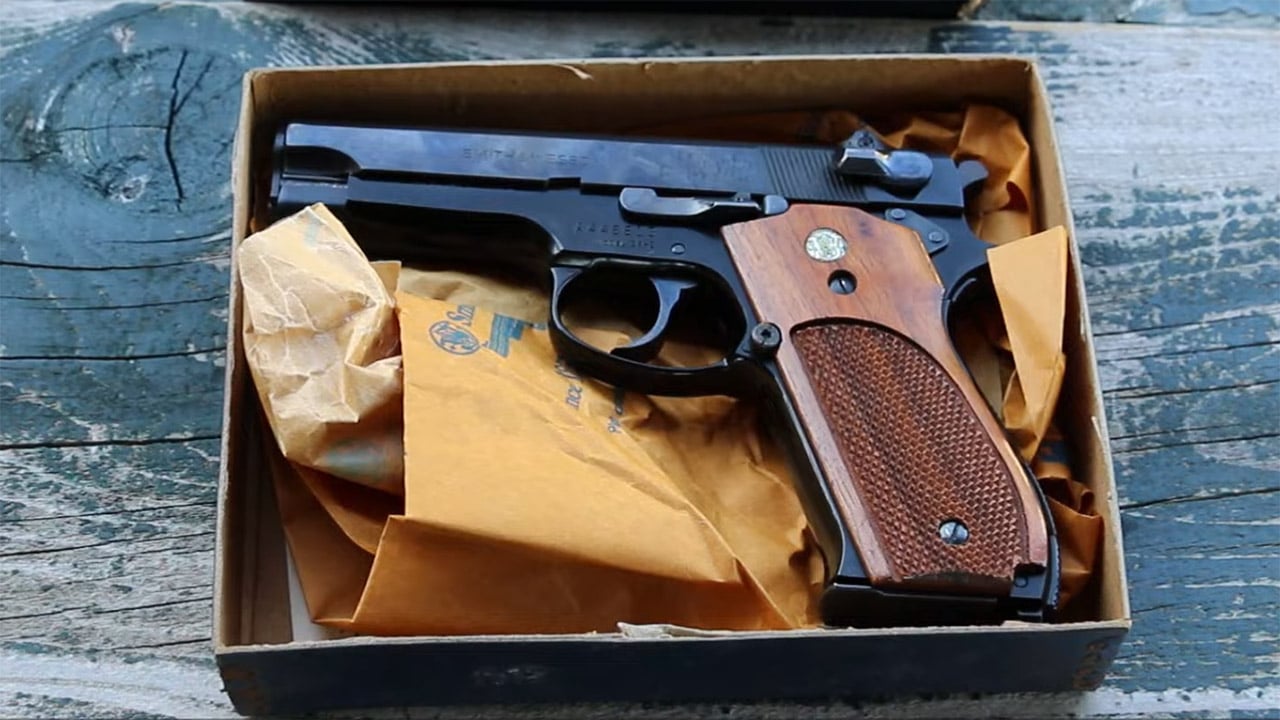
The Model 39 looks almost delicate compared with today’s thick, high-capacity service pistols. Its single-stack magazine and slim metal frame came from a very different period of handgun design.
That slimness is exactly what modern shooters often appreciate once they handle one. The gun points naturally, carries easily for a full-size metal pistol, and has an understated balance that many newer designs have lost. Capacity is limited by current standards, but the Model 39 proves that ergonomics cannot always be improved simply by making a magazine wider.
Browning Hi-Power Mk III

Modern double-stack pistols offer more capacity, easier optics mounting, and better factory sights, yet the Hi-Power still feels exceptionally natural in the hand.
The Mk III versions added practical improvements without ruining the classic profile. The grip is thin, the pistol balances beautifully, and the single-action trigger system remains familiar to anyone comfortable with traditional autos. Newer designs beat it in features. Very few beat the Hi-Power in the basic feeling of bringing the pistol up and immediately finding the sights.
Walther P5

The P5 never achieved the name recognition of many other European service pistols, but its design remains remarkably refined.
The pistol is compact, has excellent balance, and uses a fixed barrel that contributes to strong practical accuracy. The controls feel unusual at first, yet the gun was built with a level of mechanical thought that becomes more obvious with use. Modern pistols are simpler to manufacture and support, but the P5 is a reminder that older service guns could be sophisticated without being covered in accessories.
SIG Sauer P210
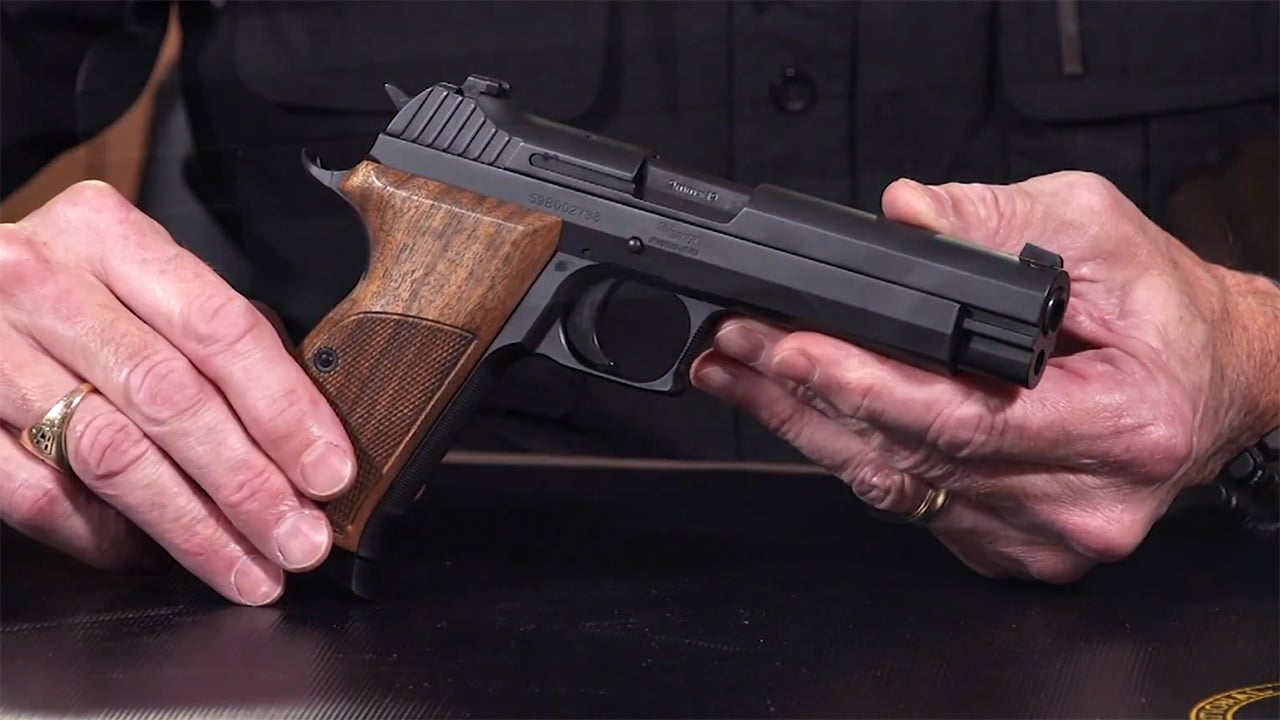
The P210 belongs to an era when a service-style pistol could be built with almost target-gun levels of refinement.
Its slide rides inside the frame rails, the trigger is excellent, and the pistol has a reputation for mechanical accuracy that remains impressive today. Modern pistols offer much greater capacity and easier maintenance, but they do not automatically shoot better. The P210 is one of those guns that makes you question how much “progress” matters when the old design already puts bullets exactly where you want them.
Star Model B
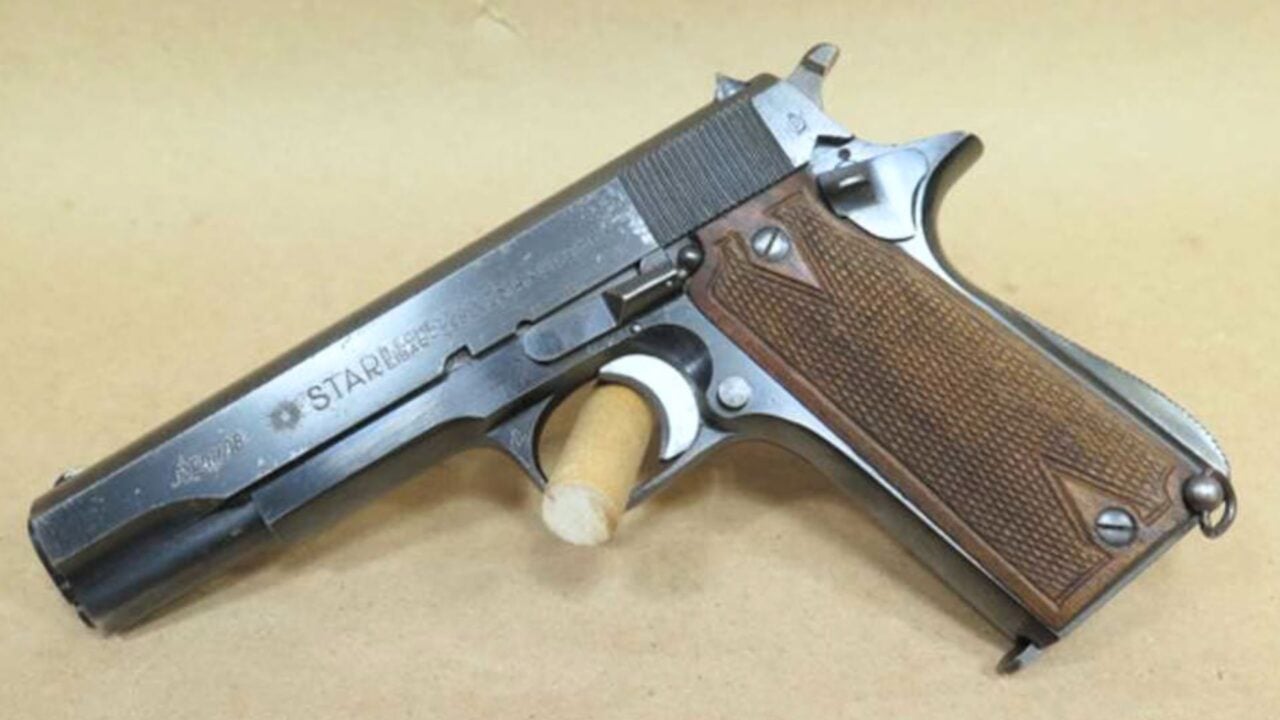
The Star Model B never enjoyed the prestige of a Colt 1911, but it gave shooters a straightforward single-action 9mm in a familiar steel-frame format.
There is very little complexity to the design. The gun is slim, points well, and has the kind of weight that makes 9mm recoil almost irrelevant. Newer pistols are lighter and carry more ammunition, but the Star demonstrates how enjoyable a simple steel single-action can be. It feels less like a modular platform and more like a finished handgun.
CZ 82
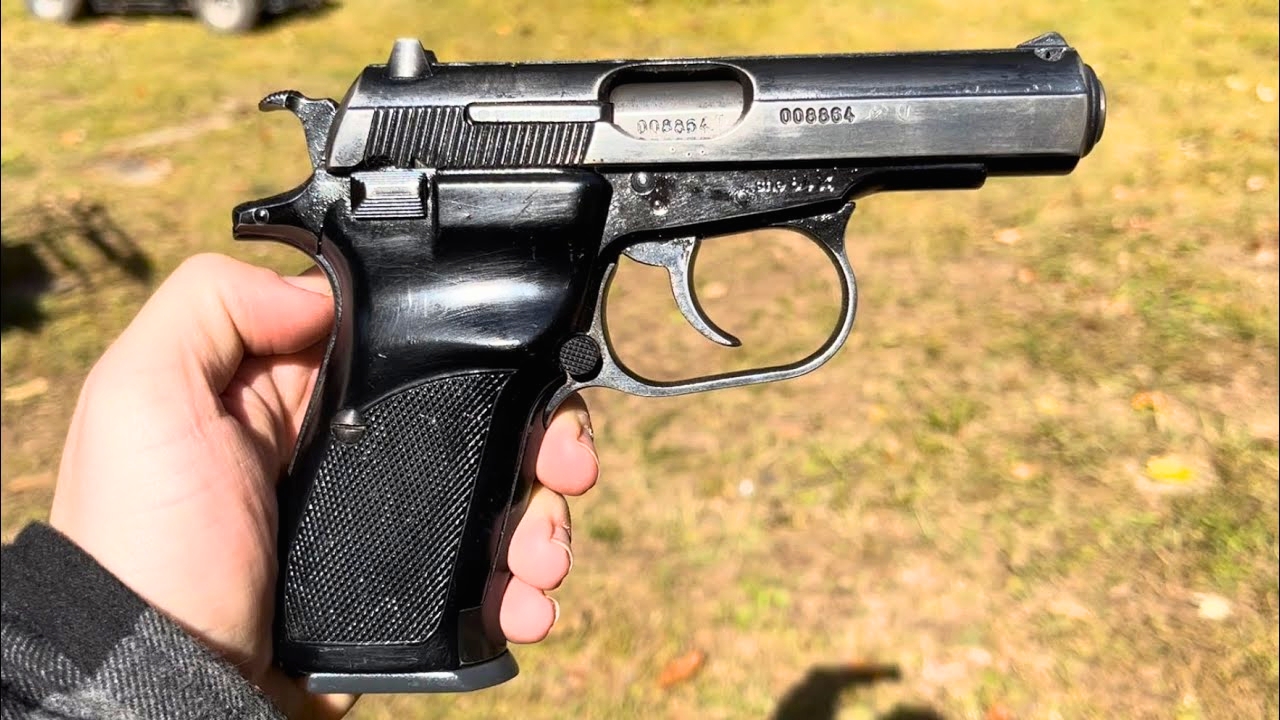
The CZ 82 was once treated mainly as inexpensive surplus. That caused a lot of shooters to overlook just how clever the pistol actually was.
It offered ambidextrous controls, good capacity for its era, polygonal rifling, and a comfortable grip in a compact metal package. The 9x18mm chambering limits its appeal today, but the gun itself remains extremely shootable. Modern compact pistols may be lighter, but the CZ 82 proves an older service design can still feel surprisingly advanced in the hand.
Beretta 81
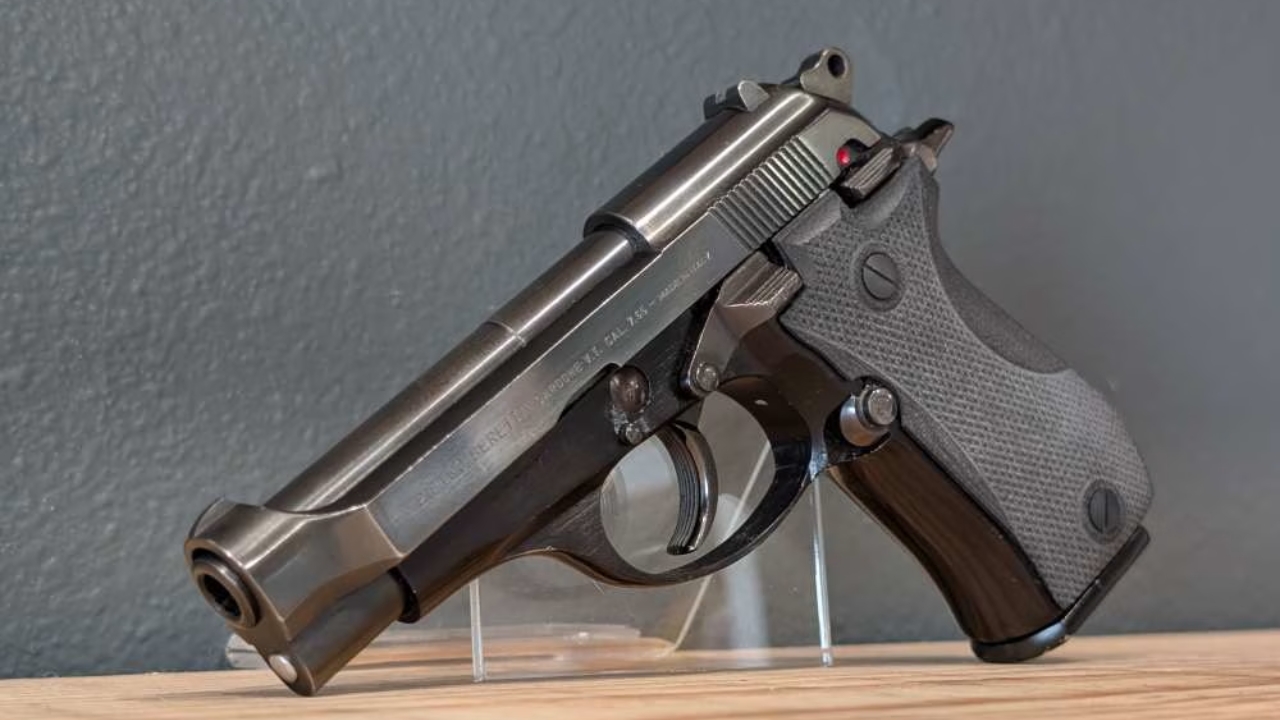
The Beretta 81 came from a time when compact .32 ACP pistols were taken far more seriously than they are today.
Its double-stack magazine, metal frame, and smooth DA/SA action make it exceptionally pleasant to shoot compared with many tiny modern pocket guns. It is larger than today’s micro-compacts and fires a less powerful cartridge, but it also handles dramatically better. The 81 reminds you that shrinking a pistol as far as possible is not always the same thing as improving it.
Smith & Wesson Model 945
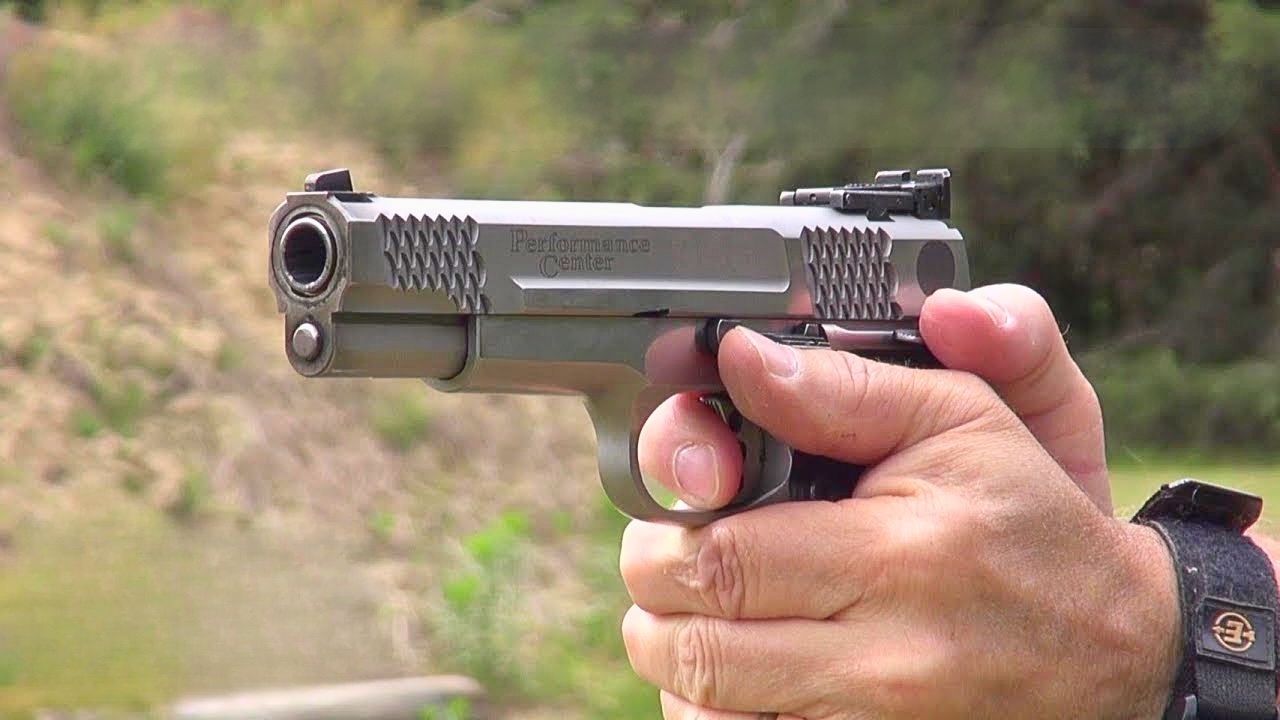
The Model 945 came from Smith & Wesson’s Performance Center and combined 1911-style influences with its own distinct design.
It never became a mass-market pistol, but the build quality, trigger, and fit were on a completely different level from ordinary service guns. Modern premium pistols may offer more capacity and modularity, but the 945 shows what manufacturers could accomplish when refinement mattered more than platform compatibility. It is the kind of gun that feels expensive before anyone tells you what it cost.
Colt Double Eagle
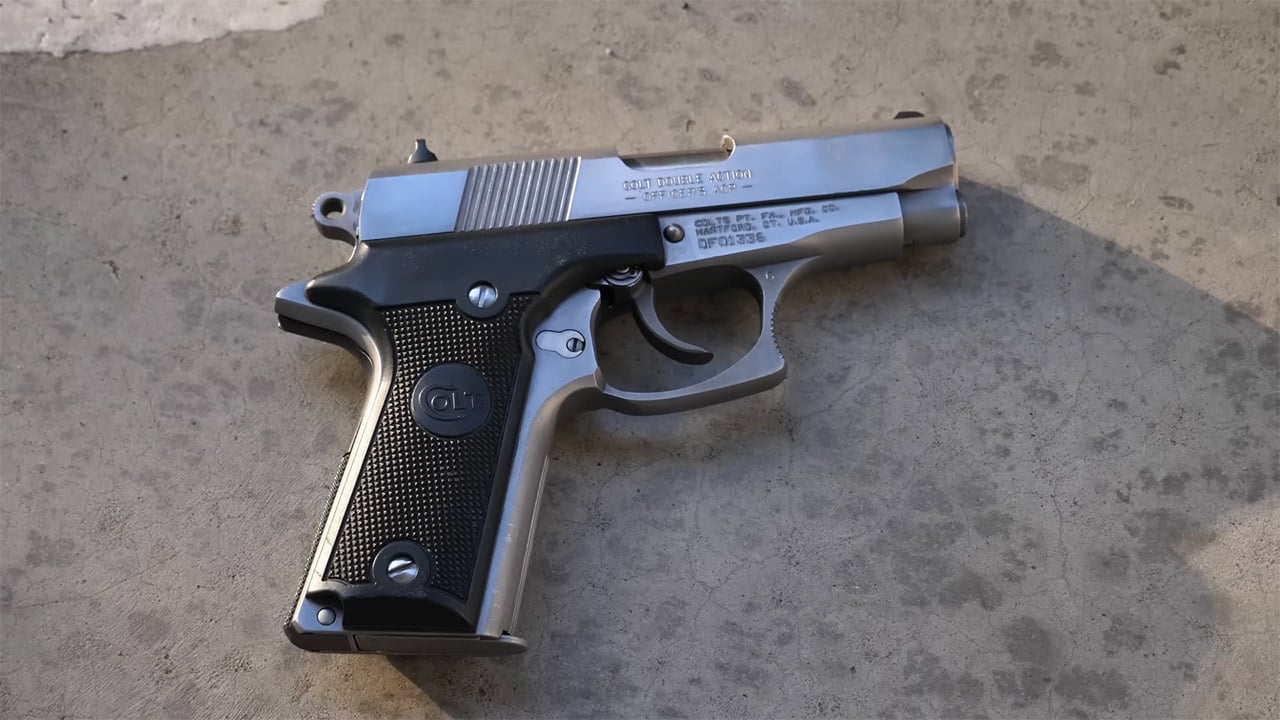
The Double Eagle has always lived in the shadow of the 1911, and its DA/SA system made it seem almost strange to traditional Colt buyers.
That does not mean the concept was bad. The pistol gave shooters a familiar all-metal platform with a completely different operating system and substantial chambering options. It is not as elegant as the 1911, but it offers a unique shooting experience that newer polymer pistols cannot duplicate. Sometimes an older oddball is more interesting than another technically superior modern striker gun.
Daewoo K5
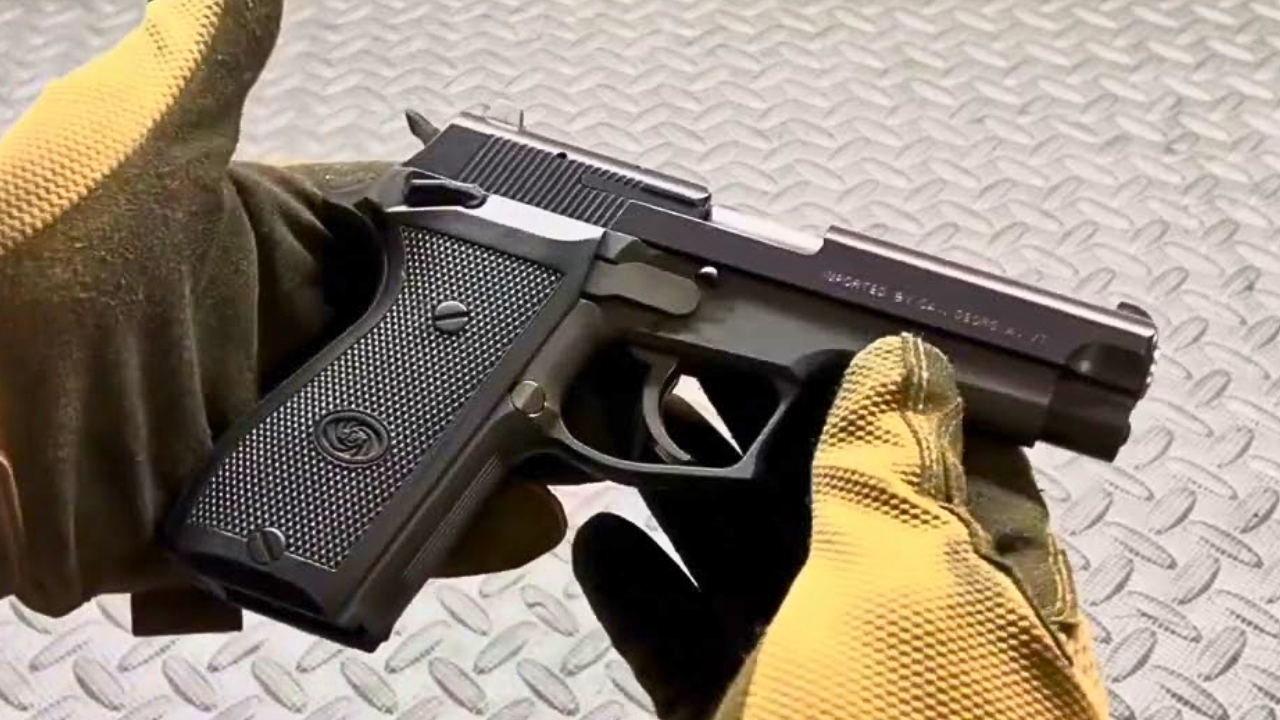
The K5 is one of the more mechanically interesting service pistols to come out of the late 20th century.
Its “fast action” trigger system allowed the hammer to be pushed forward after cocking while retaining a lighter first-shot trigger. That gave shooters something between traditional double-action and single-action operation. The system never became mainstream, but it remains clever. Today’s pistols often simplify trigger systems. The K5 proves older designers were sometimes willing to solve the same problems in more creative ways.
Browning BDA .380
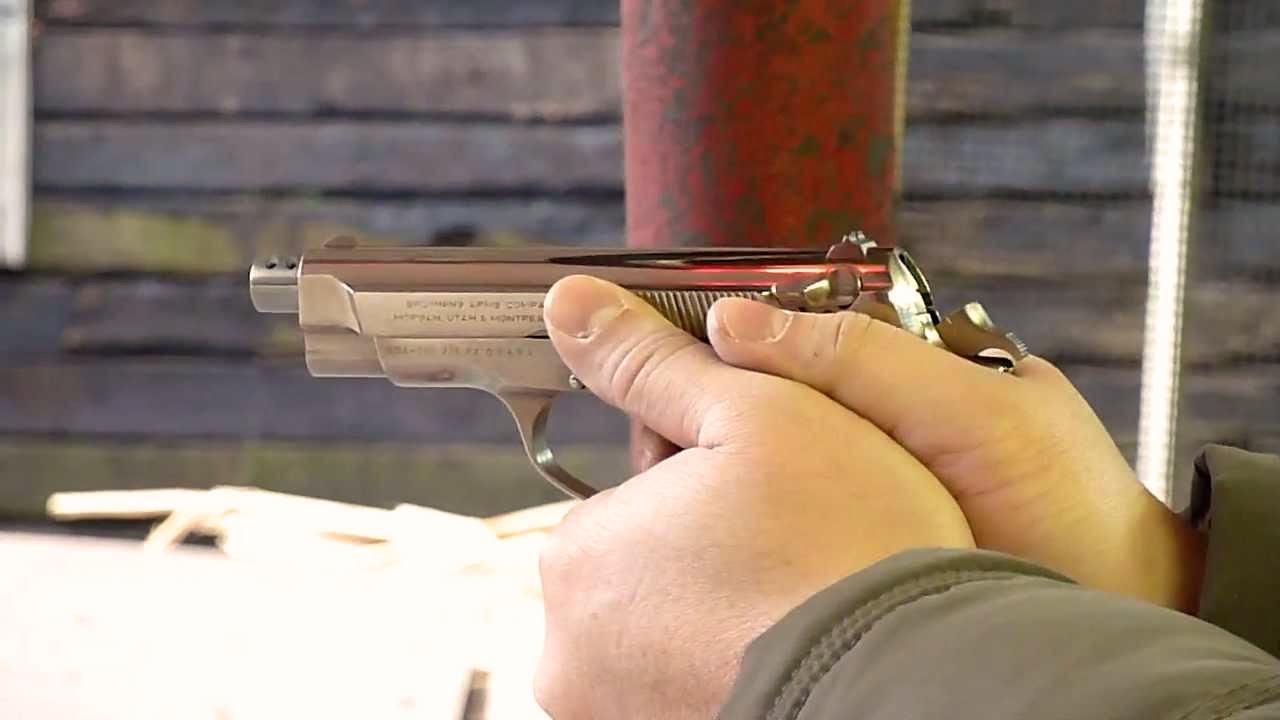
The BDA .380 looks almost like a scaled-down service pistol rather than a modern pocket gun, and that works in its favor.
The metal frame, decent grip size, and double-stack magazine make it much easier to shoot than many tiny .380s. It is heavier and larger than current micro pistols, but those extra ounces buy control. Newer guns disappear into a pocket more easily. The BDA is the gun you would rather shoot for an entire afternoon.
Colt Combat Commander
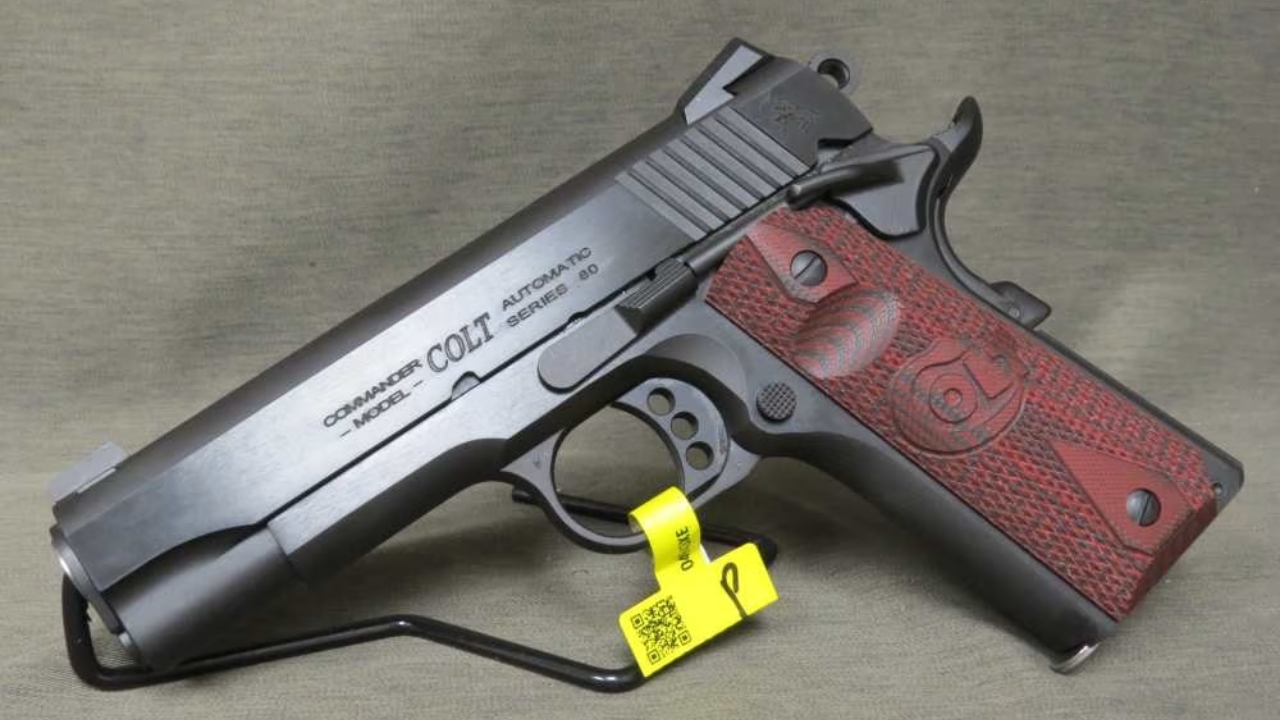
The Combat Commander showed that shortening the 1911 did not require turning it into a tiny, hard-to-control carry pistol.
The steel frame keeps the gun stable, while the shorter slide makes it handier than a full-size Government Model. Modern compact pistols give you far more capacity in similar dimensions, but the Commander still offers a trigger and balance that many newer guns cannot match. It remains one of the classic examples of getting the proportions right.
Smith & Wesson Model 639
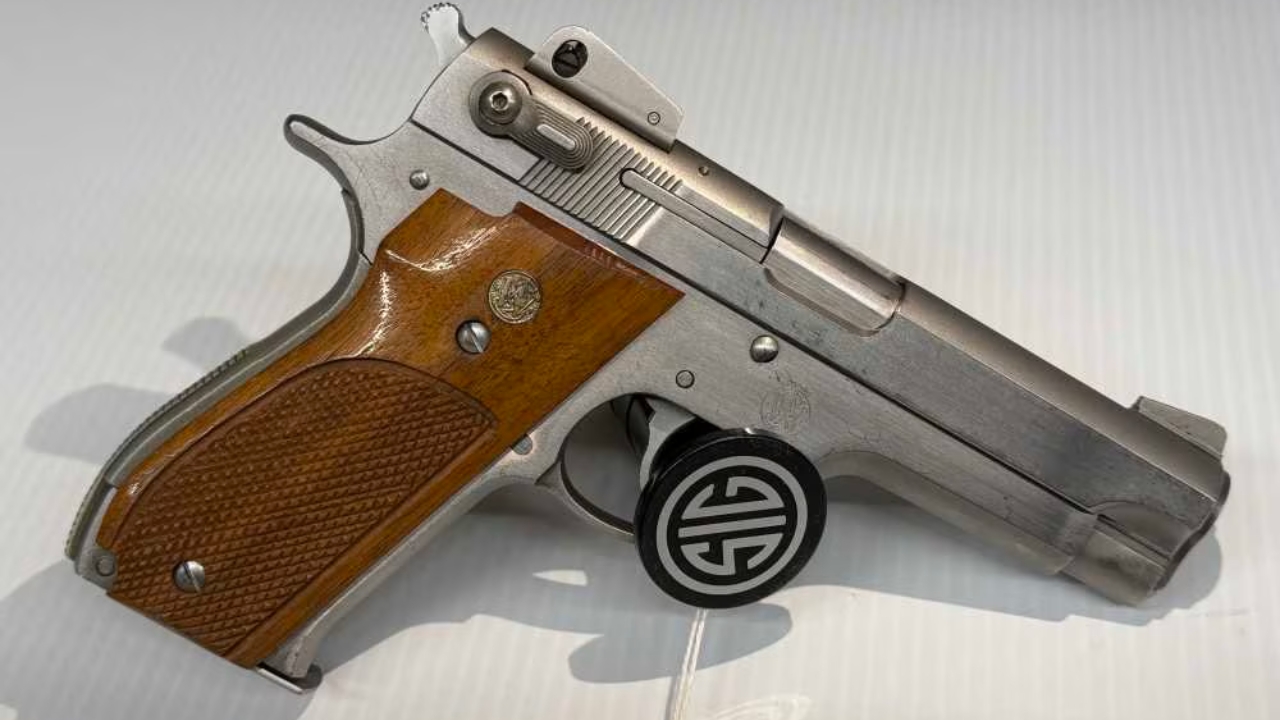
The Model 639 was built before polymer frames took over, and it carries the weight and solidity of that era.
Its stainless construction, slim single-stack grip, and traditional DA/SA system make it feel very different from current duty guns. It does not win on capacity, but it has excellent balance and a durability that made these pistols serious working guns. Newer may be lighter. The 639 feels like it was built to survive decades.
Beretta 84
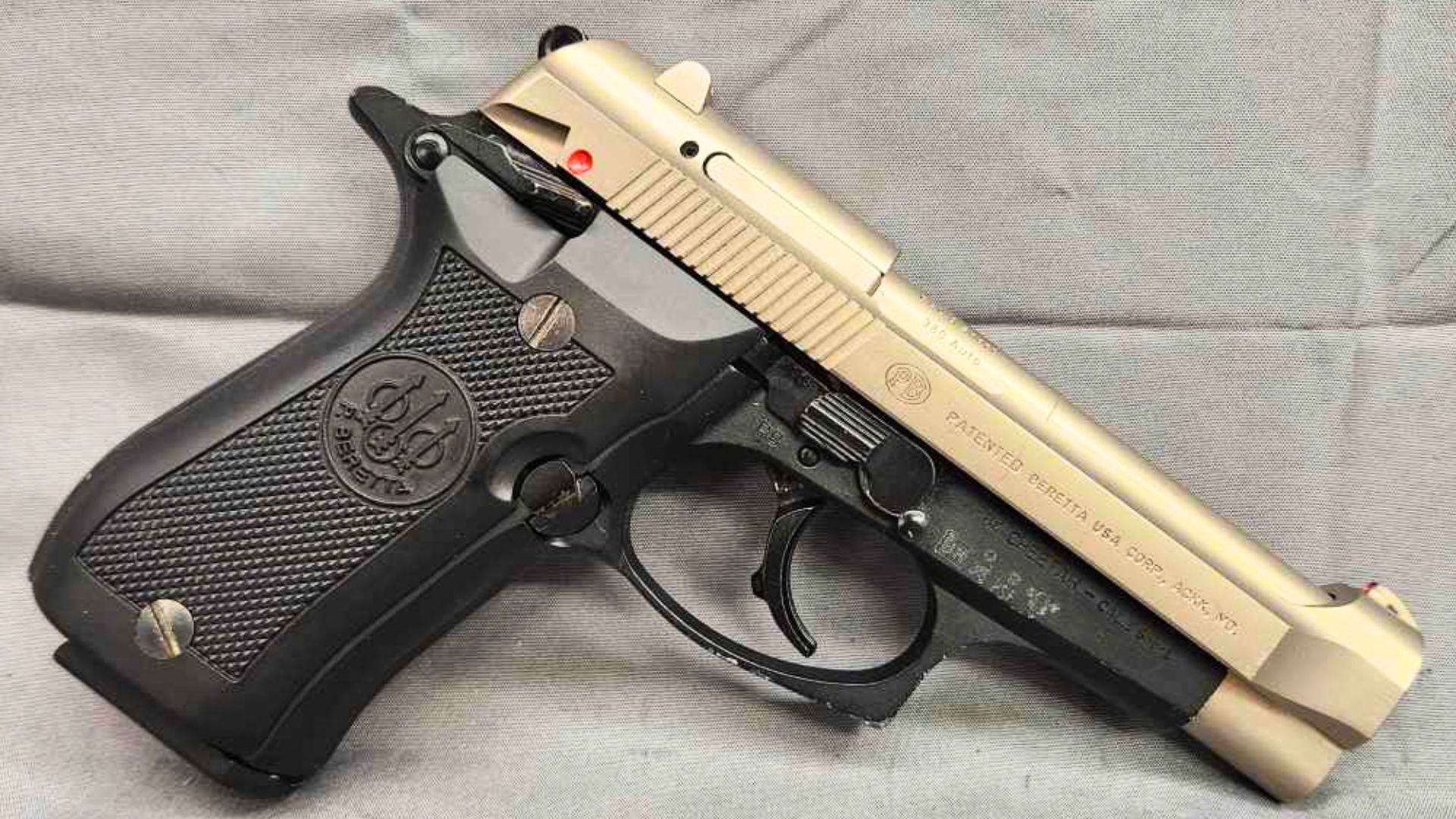
The Beretta 84 takes the Cheetah concept and adds double-stack capacity while retaining the same compact metal-frame feel.
Compared with modern .380s, it is undeniably large. That is also why it shoots so much better than most of them. The grip gives you something to hold onto, the weight reduces recoil, and the DA/SA action is much more refined than the triggers on many pocket pistols. It proves that making a handgun smaller is not always an upgrade.
Astra Constable

The Astra Constable was never considered a glamorous pistol, but it was a solid little European defensive gun with conventional controls and useful compact dimensions.
Its metal frame gives it a stable feel that is increasingly uncommon among small handguns. The design is straightforward, and the pistol is much more pleasant to shoot than many ultra-light modern guns in similar calibers. It may not have modern capacity, but the Constable demonstrates how much comfort and control can come from a few extra ounces of steel.
Llama IX-A
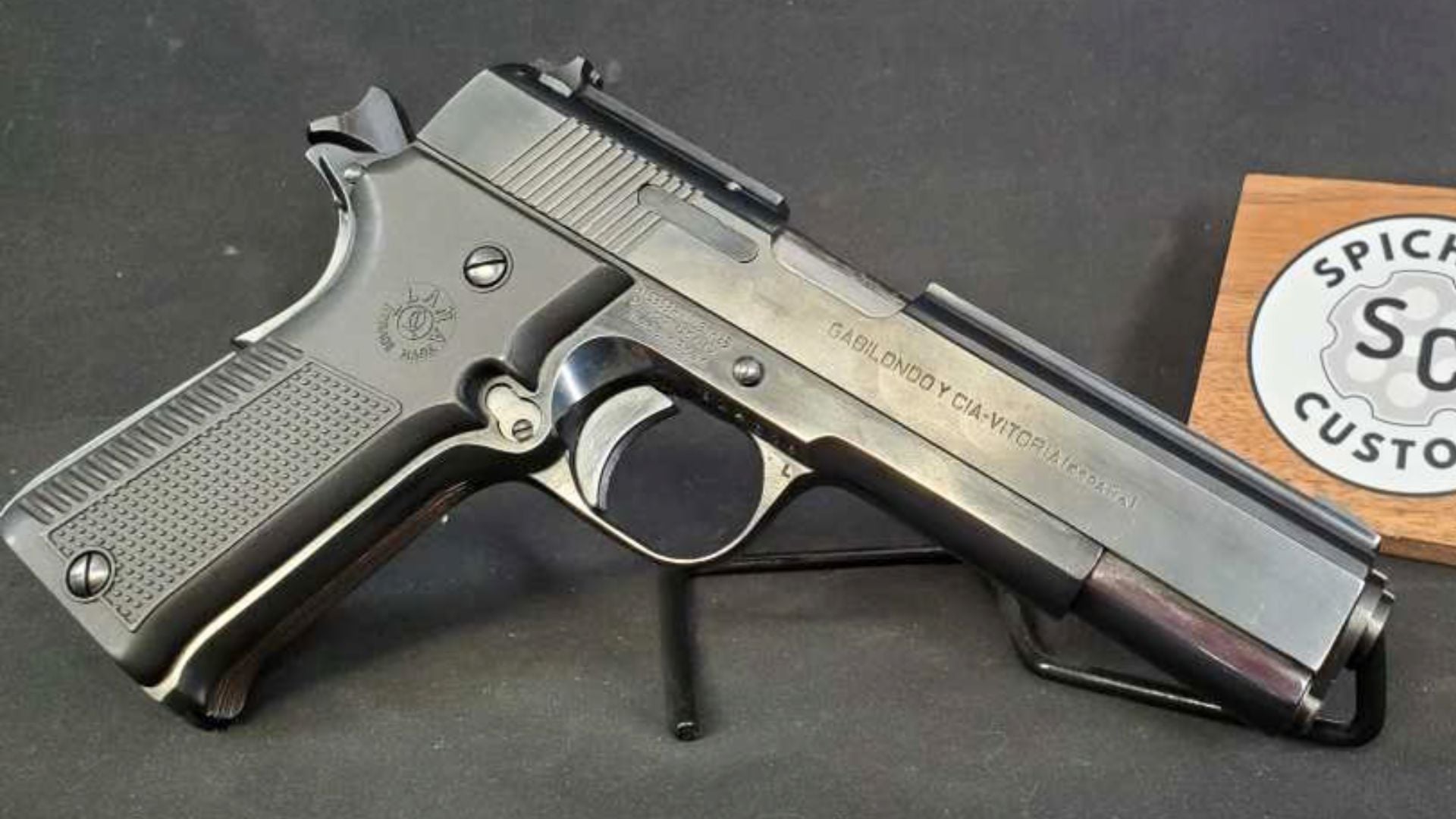
Llama pistols developed a mixed reputation in the United States, but the better full-size examples offered shooters an affordable way into the traditional single-action .45 experience.
The IX-A is not a premium 1911, yet its steel frame, familiar controls, and full-size dimensions make it much more enjoyable to shoot than its old budget reputation suggests. Modern entry-level pistols may have better quality consistency, but a good Llama reminds you that an inexpensive old steel pistol can still have more character than a feature-packed polymer replacement.
Smith & Wesson Model 952
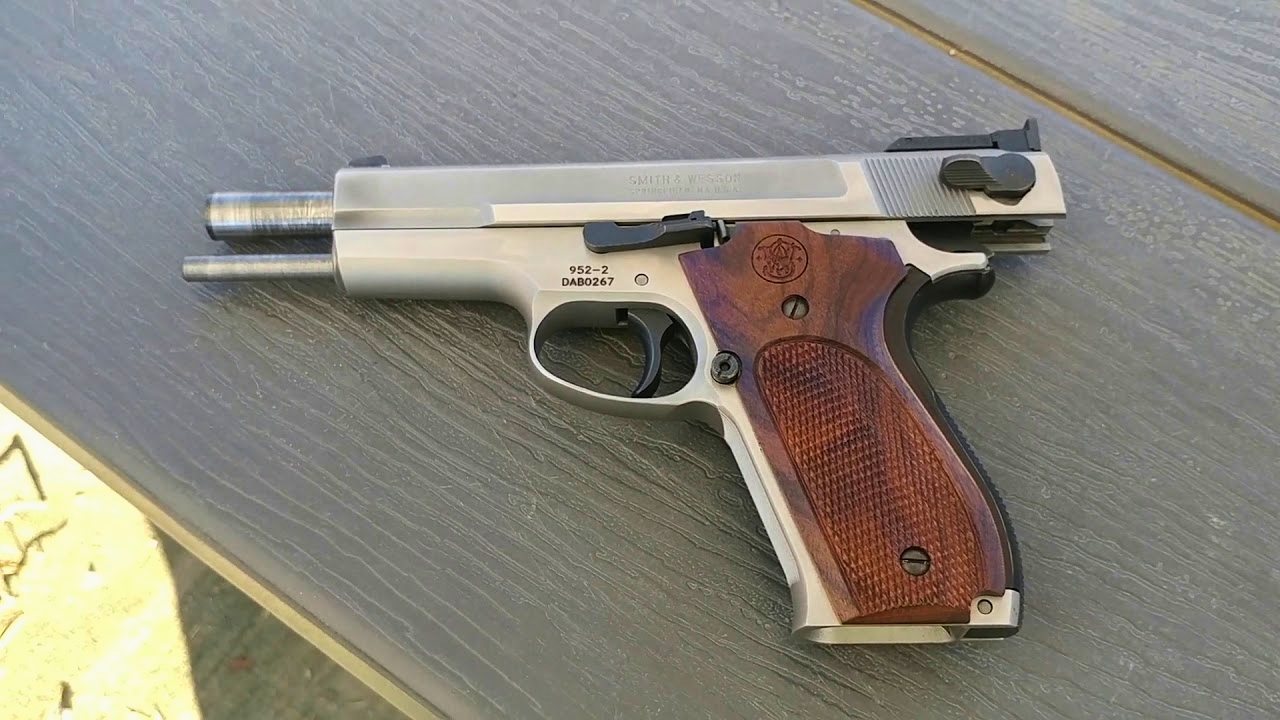
The Model 952 is one of those pistols that makes specification-sheet comparisons feel almost meaningless. It does not have huge capacity, interchangeable grips, or a modular fire-control system.
What it does have is exceptional accuracy, an excellent trigger, and Performance Center workmanship built around a 9mm target pistol. Modern competition guns can be faster and more configurable, but the 952 proves refinement does not expire. A handgun that shoots beautifully does not suddenly become inferior because something newer arrived with more features.
Like The Avid Outdoorsman’s content? Subscribe to our newsletter so you never miss an article.
Here’s more from us: