Photo credit: Skull Crush Inc./YouTube
Some handguns are built around minimum weight, tiny dimensions, or the lowest possible manufacturing cost. Others seem like the engineers expected somebody to shoot them until their hands gave out.
Those are the guns on this list. Nothing mechanical is literally impossible to wear out, and springs, extractors, magazines, and other components remain consumable parts. But these 20 handguns have the kind of substantial construction and proven designs that can tolerate enormous round counts when properly maintained. If I wanted a pistol that could spend years getting shot instead of sitting in the safe, these are the kinds of guns I would be looking for.
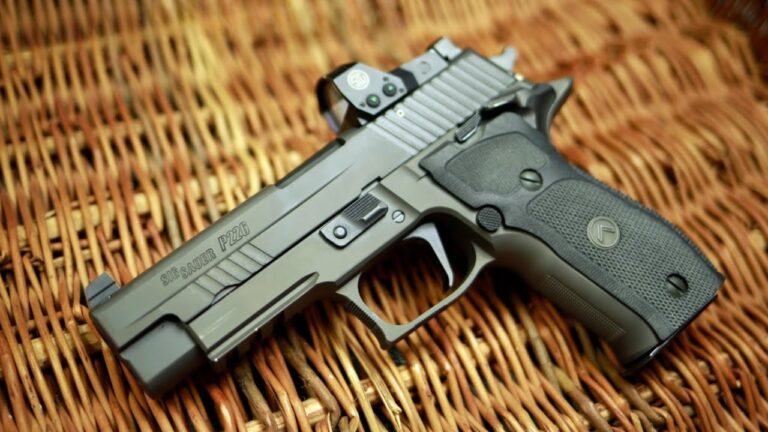
SIG Sauer P226 Stainless Elite

The ordinary P226 already has a strong reputation for durability, but the all-stainless versions take the concept to another level. There is a lot of metal here, and very little about the pistol feels optimized around shaving ounces.
That extra mass makes the gun pleasant during high-round-count sessions while providing a substantial foundation for the locking system. Springs and small parts will eventually need replacement like they will in any heavily used pistol, but the basic gun can have an extraordinarily long service life. If your idea of ownership involves tens of thousands of rounds instead of a couple boxes per year, a stainless P226 starts making a lot of sense.
Heckler & Koch USP9
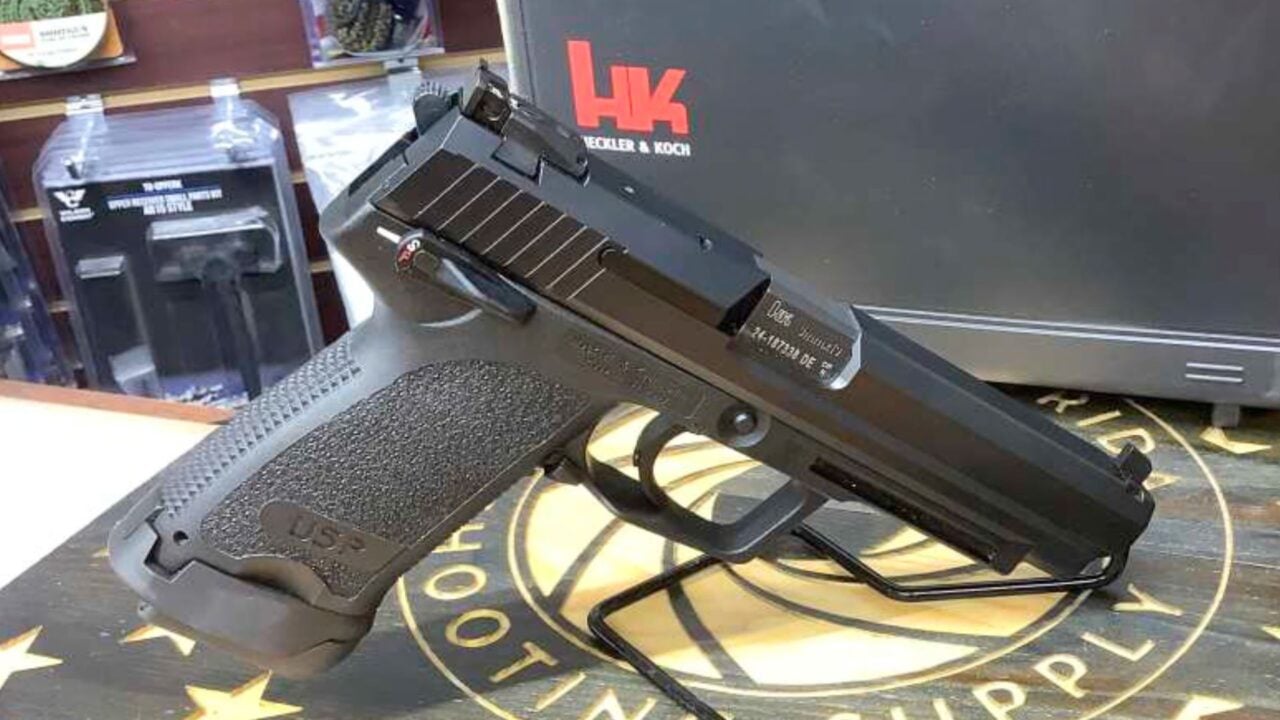
HK developed the USP during an era when service pistols were expected to tolerate genuine abuse, and the full-size 9mm version benefits from being relatively easy on the platform.
The slide is substantial, the recoil system is well proven, and 9mm does not punish the gun the way hotter cartridges can punish smaller pistols. The USP is bulky compared with current defensive handguns, but durability is one reason experienced shooters continue giving it a pass for the size. It feels like a pistol where the service-life requirements were decided before anyone worried about making the gun look sleek.
Beretta 92A1

The 92A1 is a particularly appealing high-round-count Beretta because it combines the familiar 92 operating system with a more substantial frame and recoil-buffering setup.
The locking block is a component owners should understand and maintain, but that does not make the design fragile. Properly serviced 92-series pistols can absorb enormous amounts of shooting. The large frame also makes 9mm recoil mild enough that the shooter may get tired before the gun does. It is exactly the type of pistol that makes more sense the more ammunition you intend to put through it.
Glock 17L

The 17L takes one of the most established striker-fired platforms and stretches it into a long-slide range pistol.
The interesting part is that the extended dimensions do not add much mechanical complexity. You still have the basic Glock operating system, plentiful replacement components, and a 9mm cartridge that is relatively easy on the gun. A 17L may be unusual compared with an ordinary duty Glock, but it remains fundamentally straightforward. For someone who wants to shoot huge quantities of ammunition, that simplicity is valuable.
CZ 97 BD
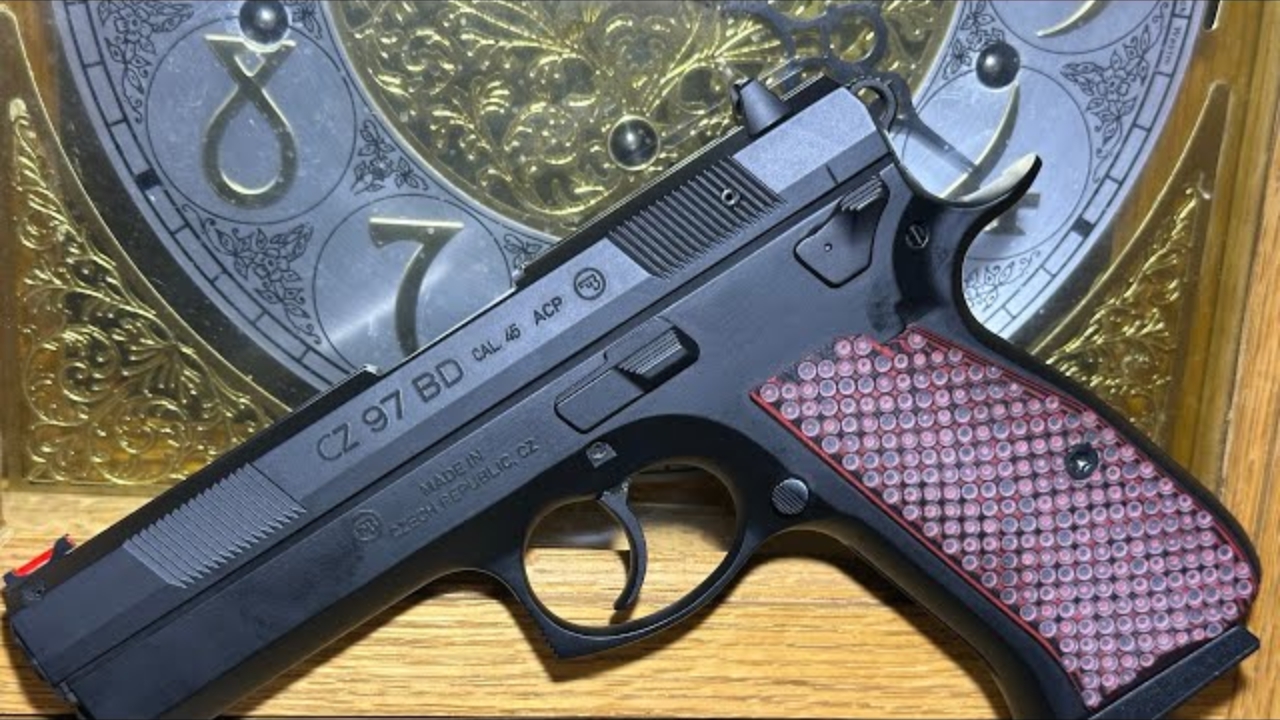
The CZ 97 BD is a massive .45 ACP pistol, and in this context that is a compliment. The steel frame gives the cartridge plenty of gun to work against, while the traditional CZ slide arrangement keeps everything feeling tightly controlled.
It was never a lightweight carry pistol, so there was little reason to make major components as thin as possible. That makes it an excellent candidate for long-term range use. A good 97 BD can digest a tremendous amount of .45 while remaining comfortable to shoot, and the heavy frame means the pistol rarely feels stressed doing it.
FNX-45
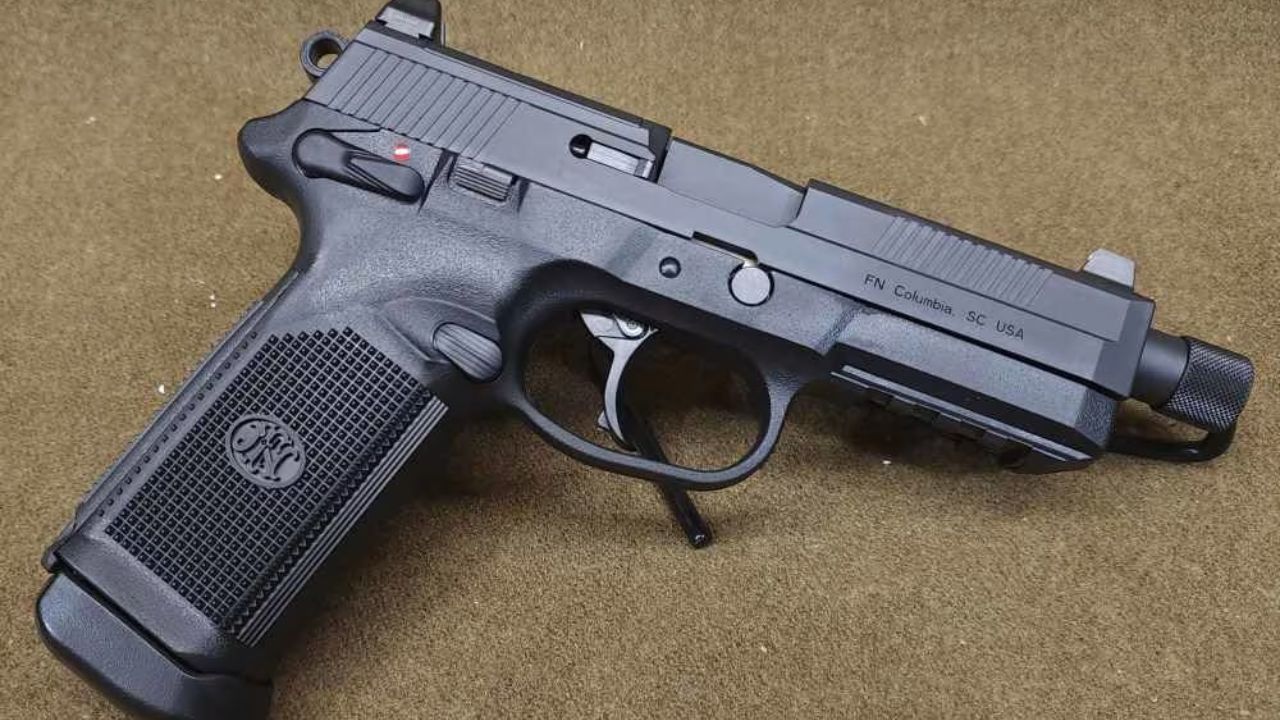
The FNX-45 looks oversized because it is oversized. It was developed as a serious high-capacity .45 rather than an attempt to squeeze the cartridge into the smallest possible package.
That works wonderfully for durability. The slide and frame have plenty of material, the grip gives the shooter excellent control, and the operating system does not feel like it is barely containing the cartridge. The pistol may take up a lot of space on the belt, but for long-term shooting that size is an advantage. It is a handgun built more like equipment than a fashion accessory.
Ruger P95
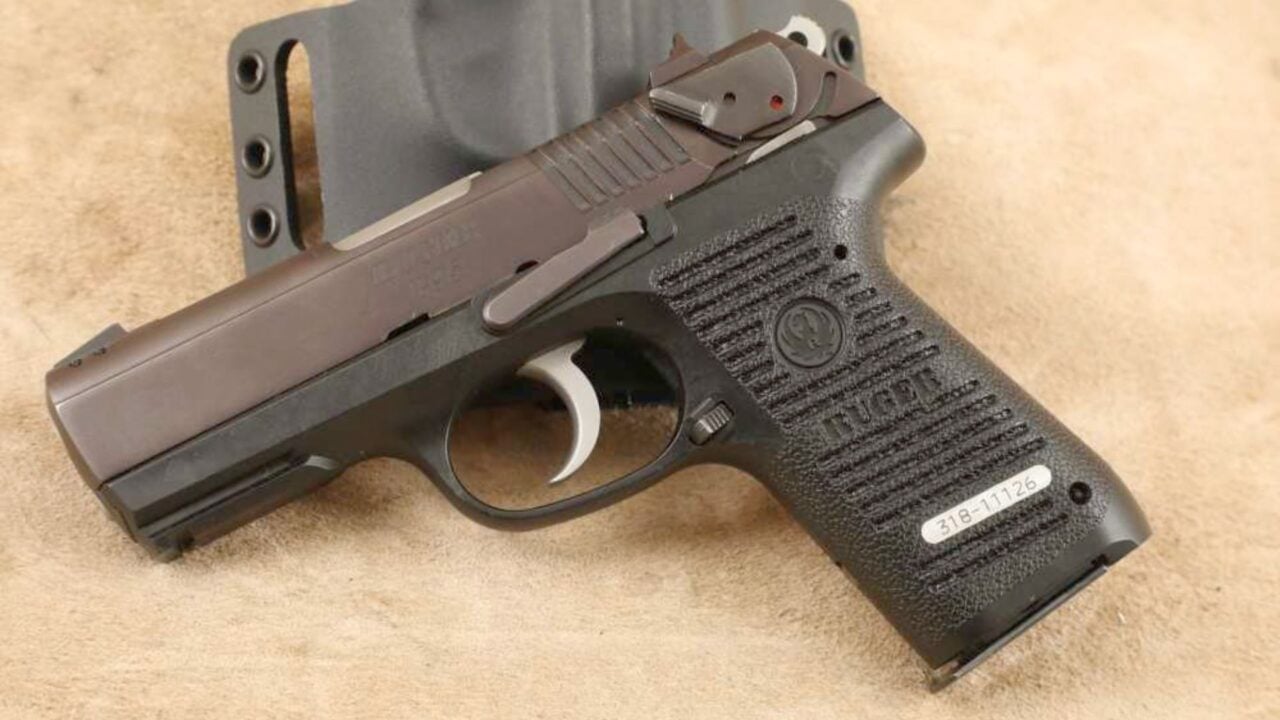
The P95 is not elegant enough for anyone to mistake it for a custom pistol. It is chunky, basic, and very obviously descended from Ruger’s old philosophy of overbuilding affordable semiautomatics.
That is exactly why so many examples just keep going. The polymer frame reduced weight compared with older P-series guns without turning the platform delicate. These pistols were inexpensive enough that owners often shot them hard and maintained them casually. Many survived that treatment just fine. If appearance is irrelevant and durability is the priority, the P95 makes a strong case for itself.
Smith & Wesson Model 5904
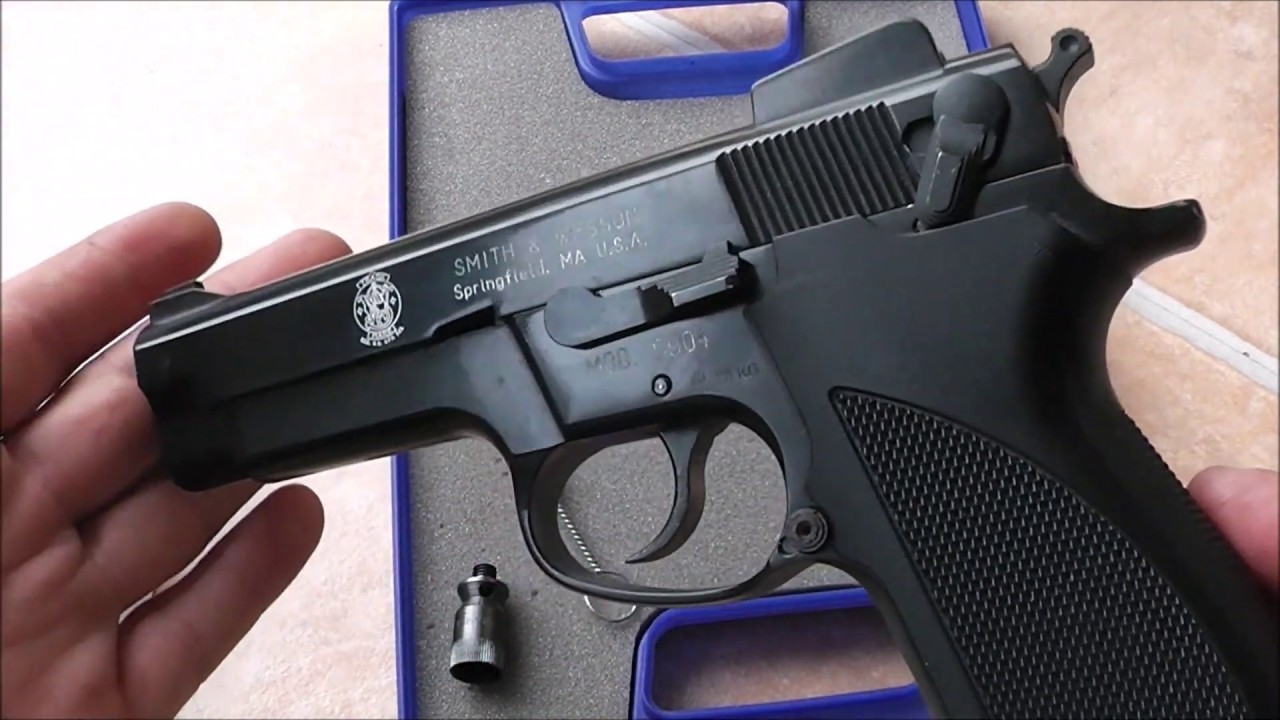
The 5904 comes from the period when Smith & Wesson was building metal-framed duty pistols for a law-enforcement market that expected years of service.
Its aluminum frame keeps the weight below the all-stainless variants, but the overall pistol is still substantial by modern standards. The slide, locking system, and controls were designed around institutional use rather than occasional recreational shooting. Plenty of these guns accumulated enormous round counts before retirement. A mechanically healthy example can still have a lot of life left.
Beretta 96D
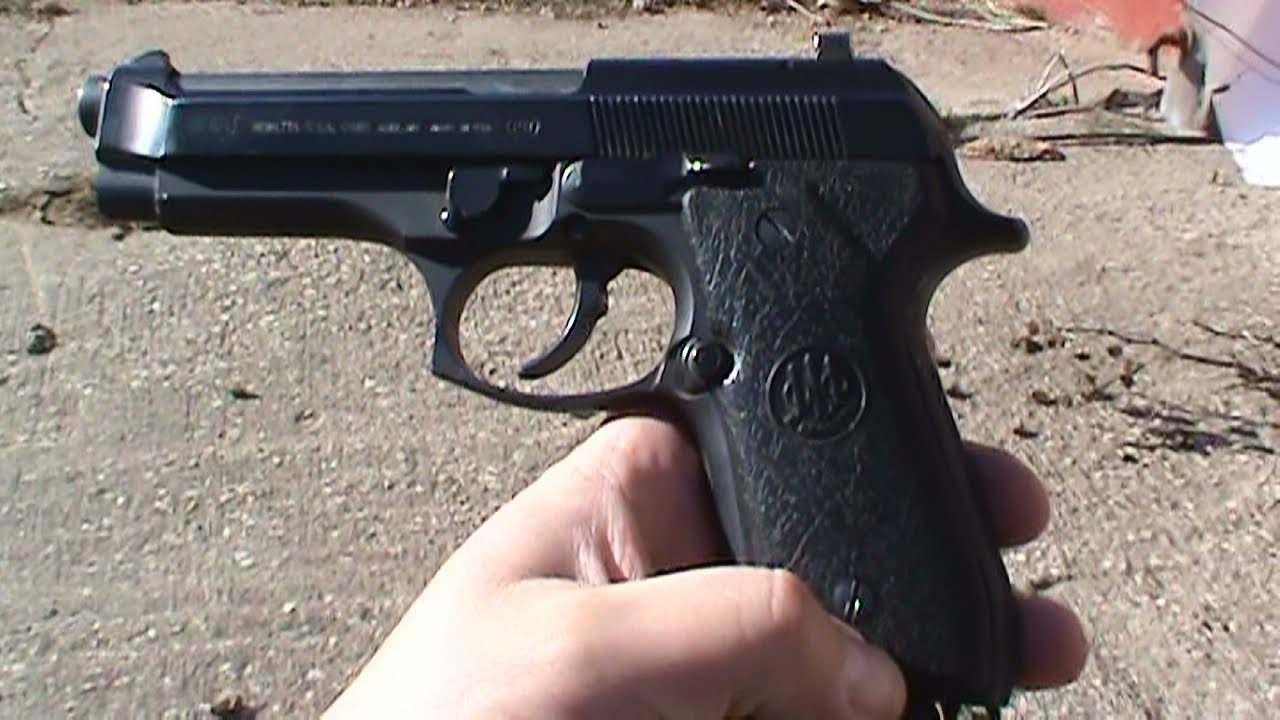
The 96D is a particularly interesting durability test because .40 S&W is harder on pistols than ordinary 9mm, yet Beretta built the gun around serious service use.
The double-action-only trigger is dated now, but the large frame and proven locking system give the cartridge plenty of support. Guns like the 96D were never meant to be pampered. They were supposed to be carried, qualified with, and maintained on schedules. That kind of design brief tends to create pistols that remain usable long after the market stops caring about them.
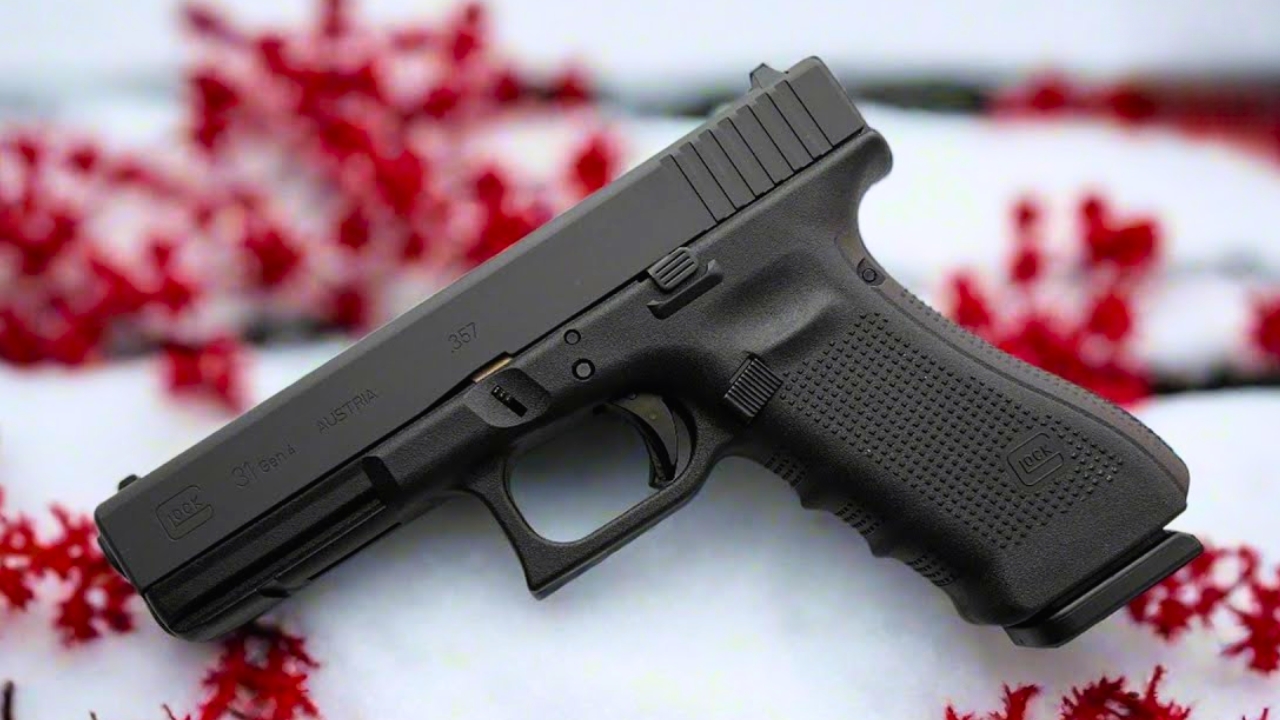
Glock 31

The Glock 31 chambers .357 SIG, a cartridge that is hardly gentle on pistols. That makes the model’s durability more impressive than another long-lived 9mm.
The full-size frame provides more operating margin than a compact gun, while the basic Glock action remains uncomplicated. A high-round-count .357 SIG pistol will require normal maintenance, but the platform itself was built to tolerate serious service use. The Glock 31 is one of those handguns that reminds you why full-size duty pistols have an advantage when cartridges get hotter.
Smith & Wesson Model 625

A large stainless N-frame firing .45 ACP is not exactly being pushed to its mechanical limits.
That is the beauty of the Model 625. The revolver has a frame originally associated with much more demanding cartridges, yet .45 ACP operates at comparatively moderate pressures. Moon clips make loading fast, and the heavy gun makes repeated range sessions comfortable. With ordinary maintenance, the fundamental revolver can remain useful for a very long time. It is almost comically overqualified for the cartridge.
Ruger GP100 .44 Special

The GP100 is best known as a .357 Magnum platform, so chambering the same basic heavy-duty revolver for .44 Special creates an unusually relaxed mechanical relationship.
The cartridge delivers plenty of big-bore fun without forcing the gun to endure the punishment associated with full-power magnums. The GP100’s thick frame and solid lockup provide substantial durability, while the moderate chambering reduces stress. If someone wanted a revolver specifically for high-volume big-bore shooting, this is the kind of combination I would trust for the long haul.
Ruger Super GP100 9mm

The Super GP100 takes Ruger’s already substantial double-action revolver architecture and turns it into a competition-oriented platform.
Then it chambers the gun in 9mm. That means you have a large revolver firing a cartridge well below what a frame of this general size can tolerate. Competition use can produce enormous round counts quickly, so that mechanical headroom matters. Components can still wear, but the basic structure is not working anywhere near the edge of its capabilities every time the trigger is pulled.
Smith & Wesson Model 627
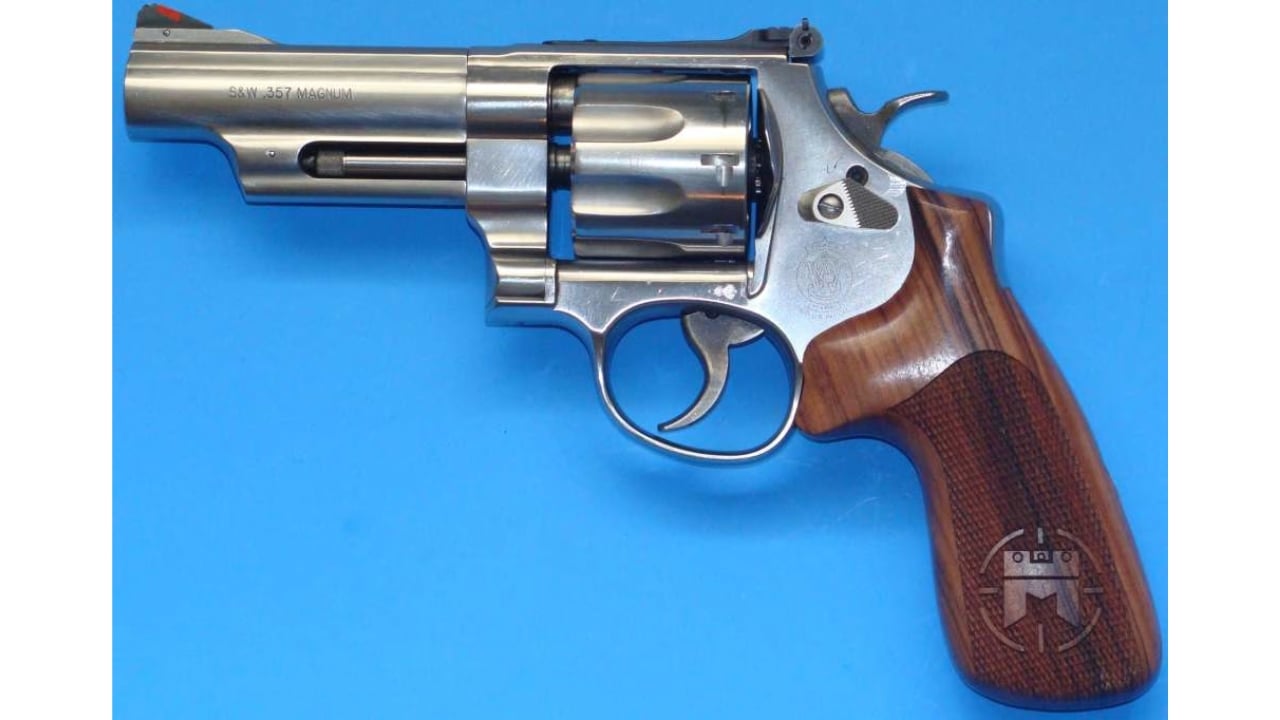
The Model 627 gives .357 Magnum a large N-frame home, and that extra size pays dividends when the gun is shot extensively.
There is more cylinder, more frame, and more overall mass than you get with smaller magnum revolvers. That makes full-power ammunition easier on both the shooter and the gun. Feed it .38 Special for training and the platform is barely being challenged at all. It is easy to understand why serious revolver shooters like large frames when durability matters more than concealability.
Colt Gold Cup Trophy

A full-size steel 1911 firing standard-pressure .45 ACP is already working with a combination that has proven capable of extremely long service lives.
The Gold Cup Trophy adds a more range-oriented configuration that encourages exactly the sort of shooting necessary to accumulate those round counts. A 1911 does require maintenance, and owners who shoot heavily should expect to replace springs and inspect wear surfaces. But a quality frame and slide can remain in service through an enormous amount of ammunition. The design is old partly because it has proven so rebuildable.
Springfield Armory TRP
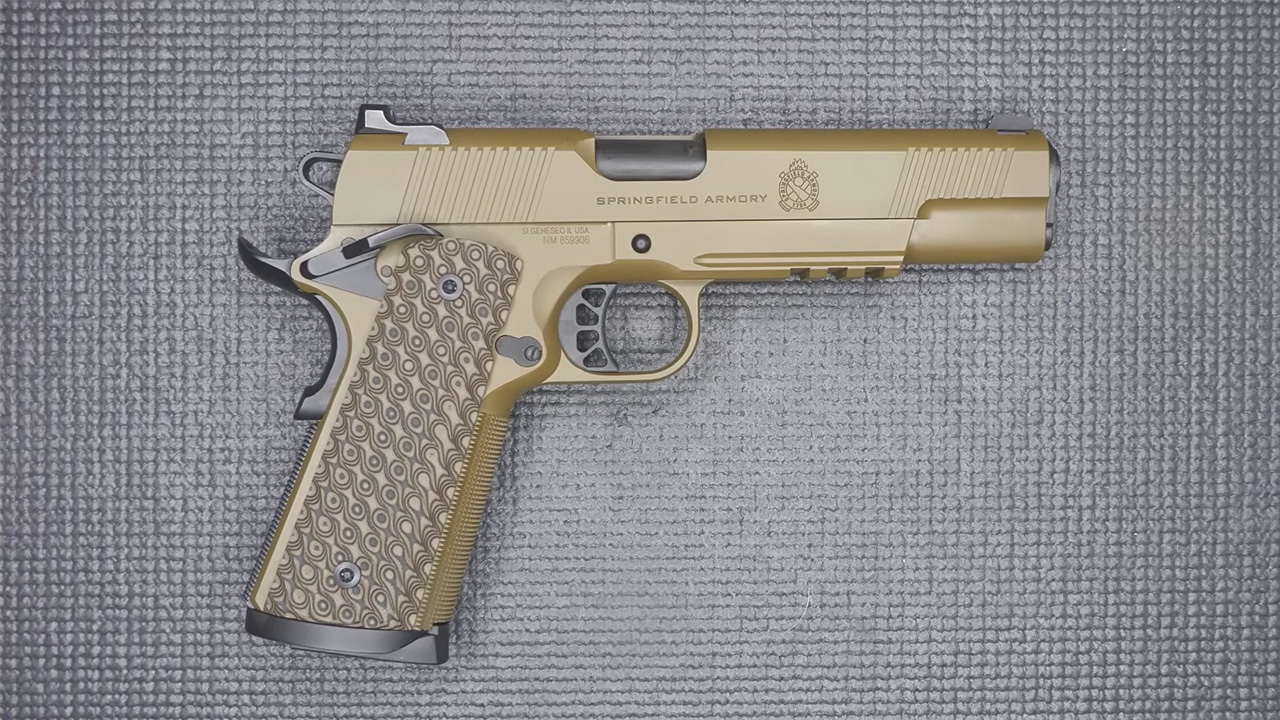
The TRP takes the traditional full-size 1911 formula and builds it as a heavier-duty fighting pistol rather than a delicate target gun.
The steel frame, substantial slide, and conventional .45 ACP chambering give the pistol plenty of mechanical margin. It is also the type of gun owners tend to actually train with because the weight makes extended firing comfortable. Small parts and springs are service items, but the heart of the gun can last through years of hard range use. A properly maintained TRP is not something I would worry about wearing out casually.
Magnum Research Baby Eagle III Steel
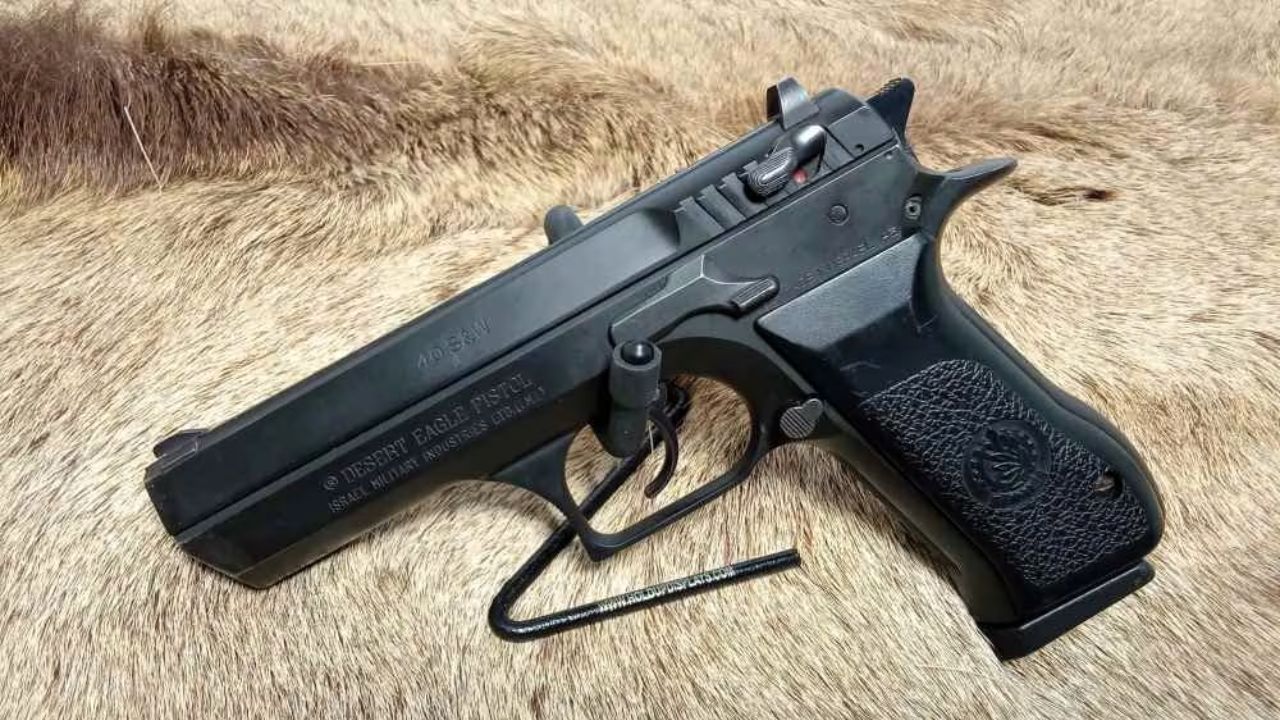
The steel-frame Baby Eagle III has one major advantage if longevity and range use are priorities: there is a lot of gun surrounding the 9mm cartridge.
Its CZ-pattern heritage gives it a mature locked-breech layout, while the heavy frame keeps the pistol exceptionally stable. It is not the handgun I would choose if every ounce mattered, but that is irrelevant when the goal is putting thousands upon thousands of rounds downrange. The gun feels substantial because it is substantial.
Tanfoglio Stock II
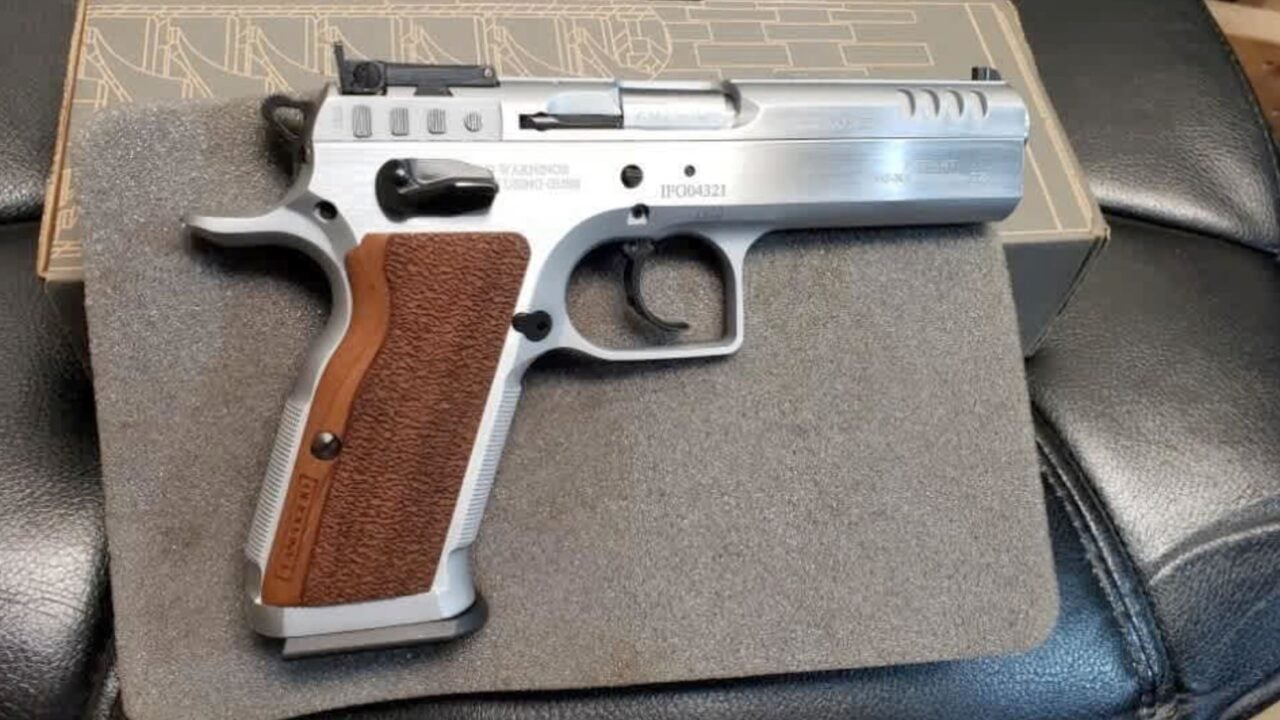
The Stock II lives in the competition world, where pistols can rack up round counts at a pace ordinary carry guns rarely see.
Its heavy steel frame, full-size proportions, and mature CZ-derived operating system make it well suited to that environment. Competitive shooters will still replace springs and other components as preventive maintenance, but that is very different from wearing out the entire pistol. A Stock II is built around being shot repeatedly, not spending its life protecting the finish inside a safe.
Browning Hi-Power Practical

A good Hi-Power can accumulate an enormous amount of shooting if the owner understands the gun and keeps up with normal spring replacement.
The Practical versions are especially fitting because they were already positioned more as shooters than pristine presentation pistols. The steel frame, locked-breech action, and full-size 9mm format give the gun a relatively easy life compared with ultralight modern compacts. You can certainly wear components out, but a properly maintained Hi-Power can remain a trusted range pistol for generations.
Star Model 28
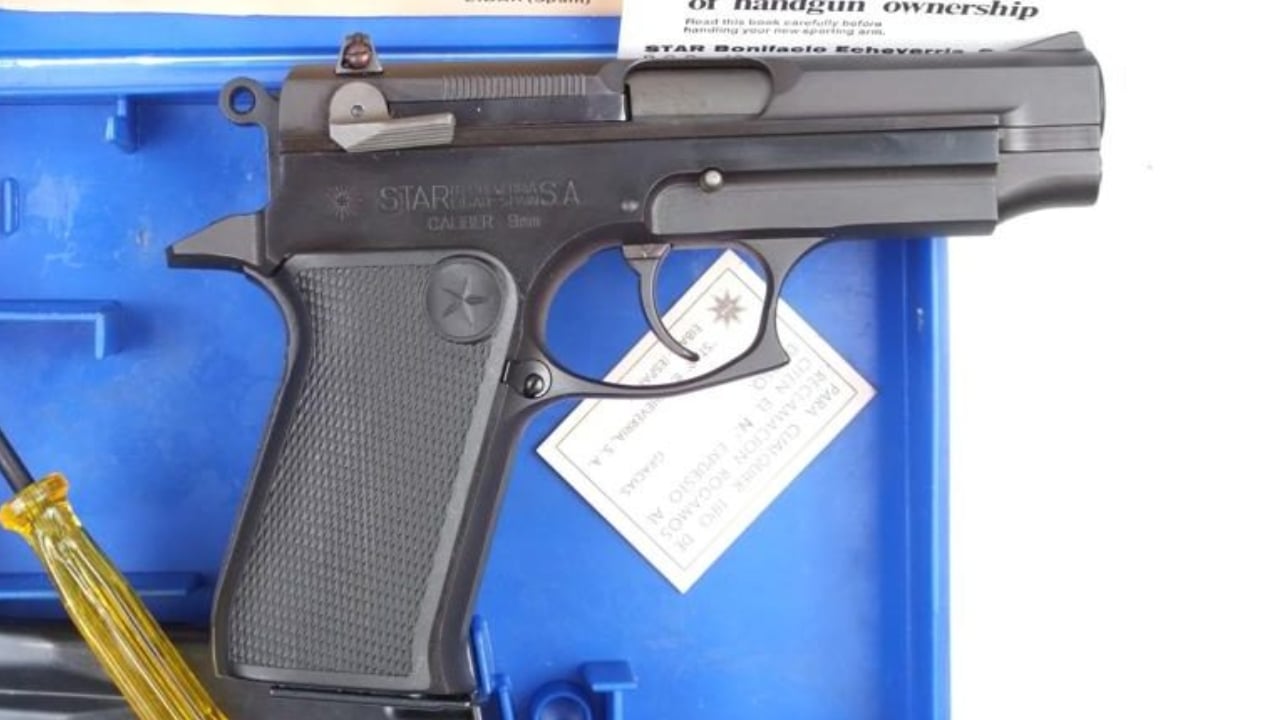
The Star Model 28 is exactly the kind of old service pistol people underestimate because the manufacturer no longer dominates the market.
It is a substantial all-steel 9mm built in an era when shaving every possible ounce was not the main objective. The weight makes recoil easy to manage, while the straightforward service-pistol layout gives the gun very little reason to be fragile. Parts availability is a bigger concern today than the fundamental strength of the pistol. Mechanically, a good Model 28 can take an impressive amount of use.
Like The Avid Outdoorsman’s content? Subscribe to our newsletter so you never miss an article.
Here’s more from us: