Photo credit: SixRounds Studio/Youtube
Spend enough time around gun shows, estate sales, and those little online auctions that run late into the night, and you start noticing a pattern. The same “regular” lever-actions get plenty of talk, but the real fistfights (the wallet kind) break out over rifles most shooters barely mention at the range. They’re not always flashy. Some are downright plain. But the right rollmark, the right year, or the right oddball chambering turns a $900 lever gun into a “don’t blink” bidding war.
Here are 20 lever-actions that tend to bring out the collectors, even though most working hunters and casual shooters hardly talk about them anymore. Some are legitimately great rifles. A few are just rare in the specific way that makes grown adults act silly at auctions.
1. Winchester Model 1895 (original production)

This is the lever gun that doesn’t look like a lever gun once you get close. Box magazine, slab-sided receiver, and a whole different vibe than the 1894s everybody posts. The collector heat comes from history and the fact that good examples weren’t treated gently.
If you find one that hasn’t been drilled, tapped, refinished, or beat to death, it gets attention fast. It’s also one of those rifles that feels “mechanical” in your hands—like you’re running a piece of equipment, not a modern sporting rifle.
2. Winchester Model 1886 (original production)
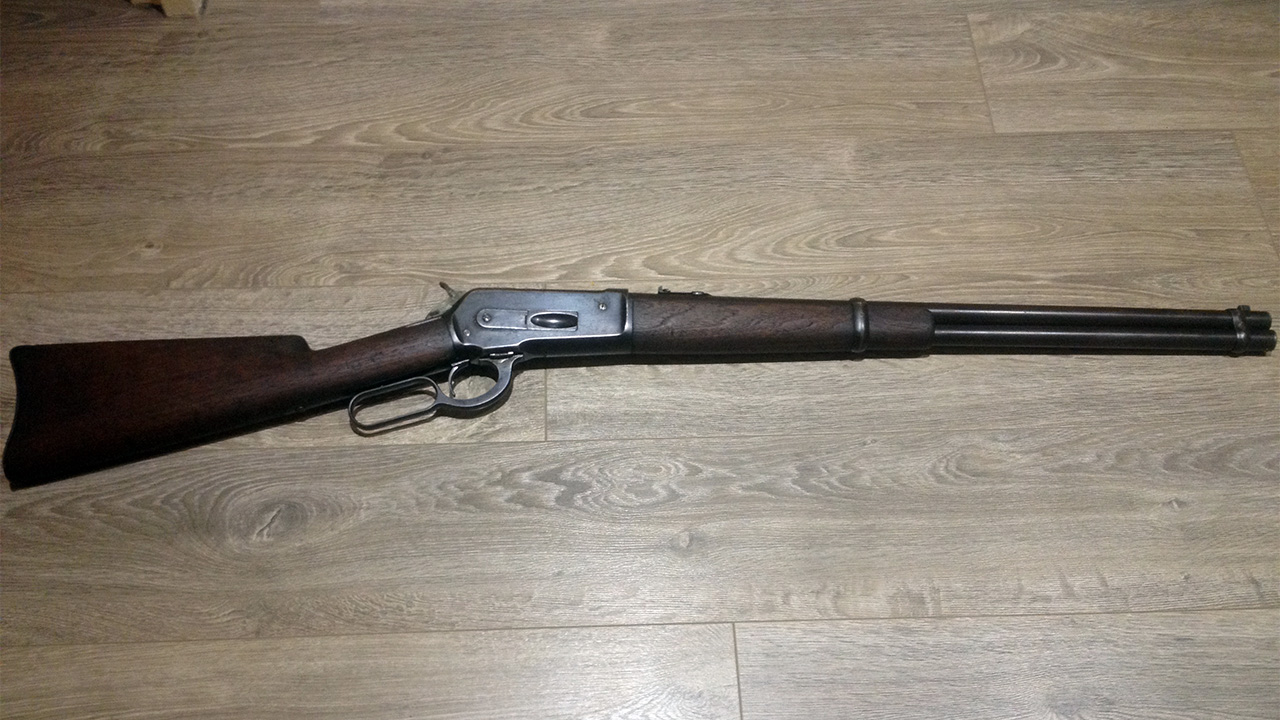
Big-frame Winchesters bring big-frame money, and the 1886 is right in that sweet spot. It’s not just nostalgia; it’s the smoothness and heft that make modern copies feel close but not quite the same.
Collectors chase condition, special-order features, and honest, un-messed-with rifles. The working guy sees a heavy old lever gun. The auction crowd sees a rifle that represents the peak of an era.
3. Winchester Model 1876 “Centennial”
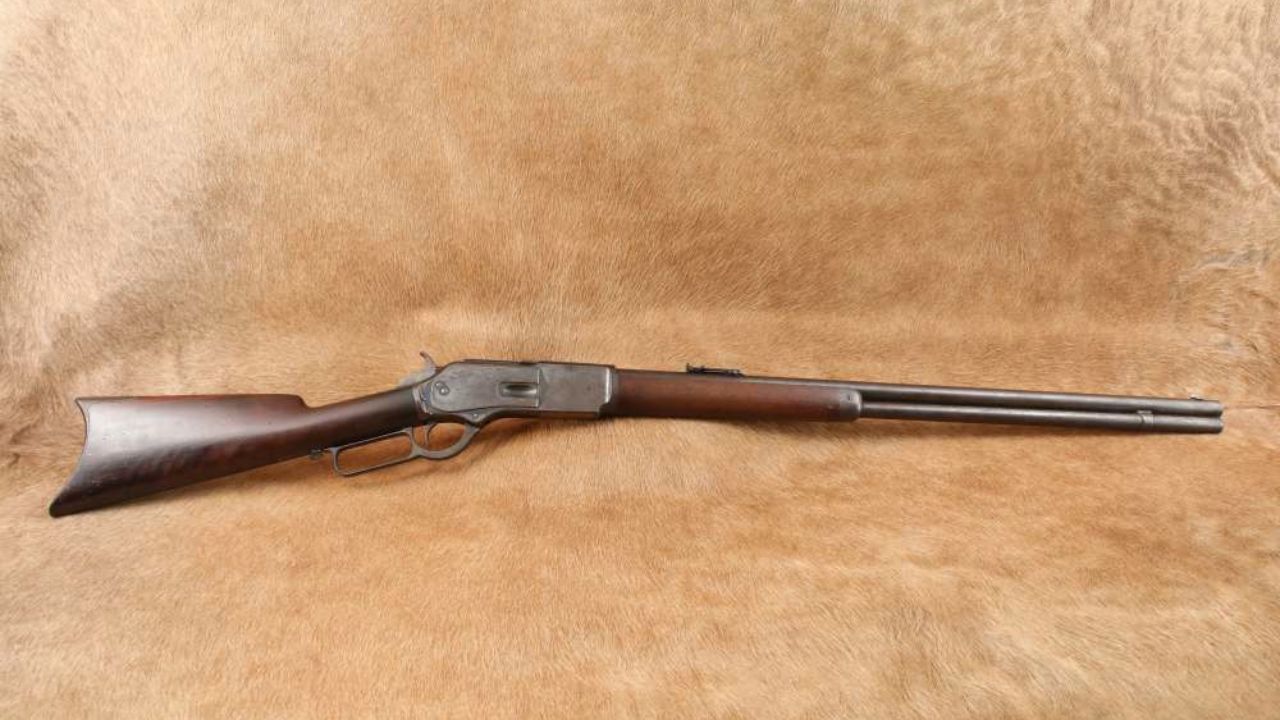
This one is a magnet for Western-history collectors, and it doesn’t matter that it’s not the handiest hunting rifle in the world. The 1876 has that long, classic profile and a reputation that keeps it on the “someday” list for a lot of folks.
When one shows up with decent wood and correct parts, it doesn’t sit. You might not hear it discussed in deer camp, but auctioneers love seeing it walk in the door.
4. Winchester Model 71
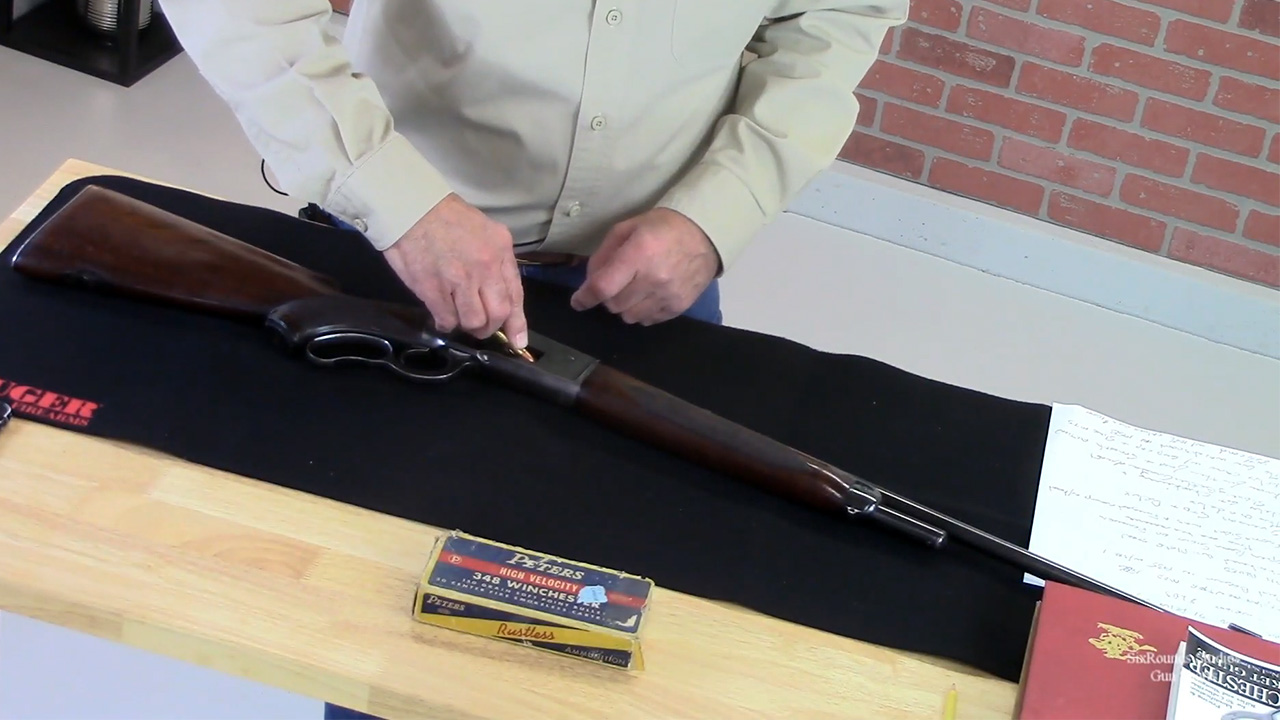
The Model 71 is one of those rifles that serious lever guys nod at. It’s not a common first lever-action purchase, and that’s why it slips past casual talk.
Collectors chase them because they’re a bridge between the old big-bore Winchesters and the later, more “modern” sporting rifles. They also tend to be owned by careful people, so a clean one looks almost too good for its age.
5. Winchester Model 64
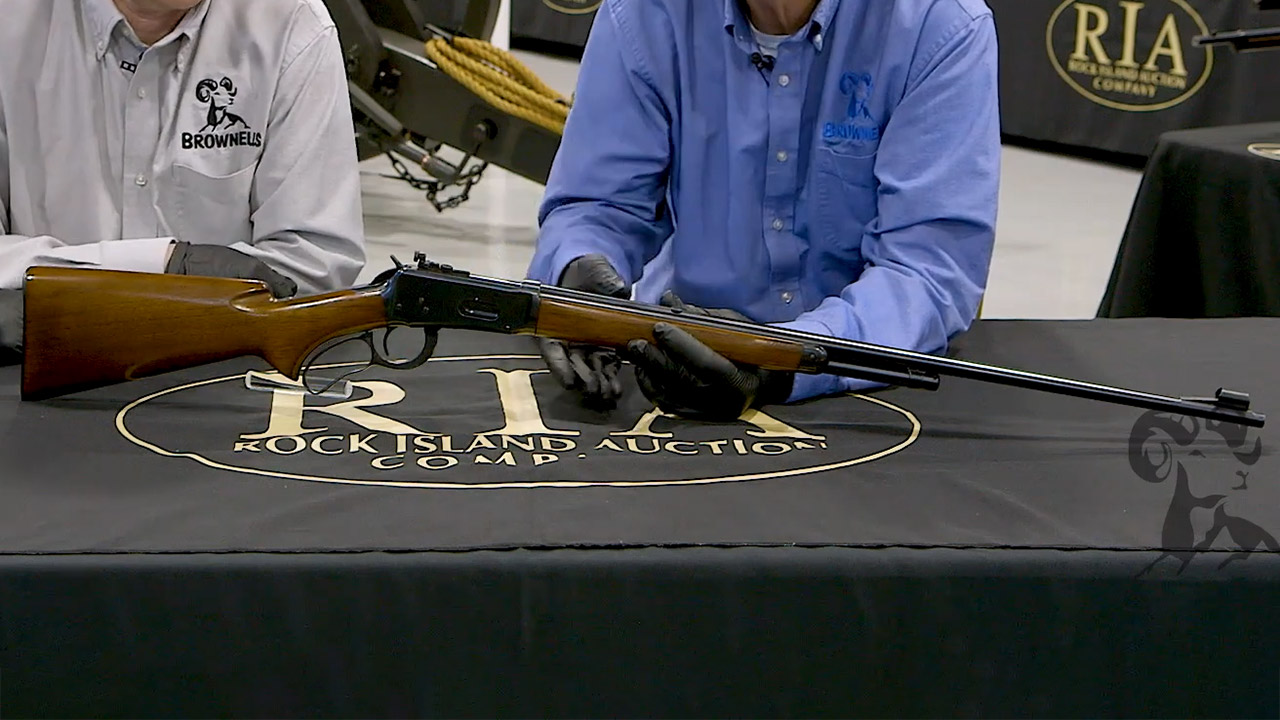
The Model 64 is what happens when a classic lever-action grows up and puts on a sport coat. Slimmer, sleeker, and often overlooked because it doesn’t have the same pop-culture buzz as other Winchesters.
At auction, nice 64s bring surprising money because they’re harder to find in original trim than folks think. They also carry like a dream—light, balanced, and fast to the shoulder.
6. Winchester Model 55 (especially takedown rifles)
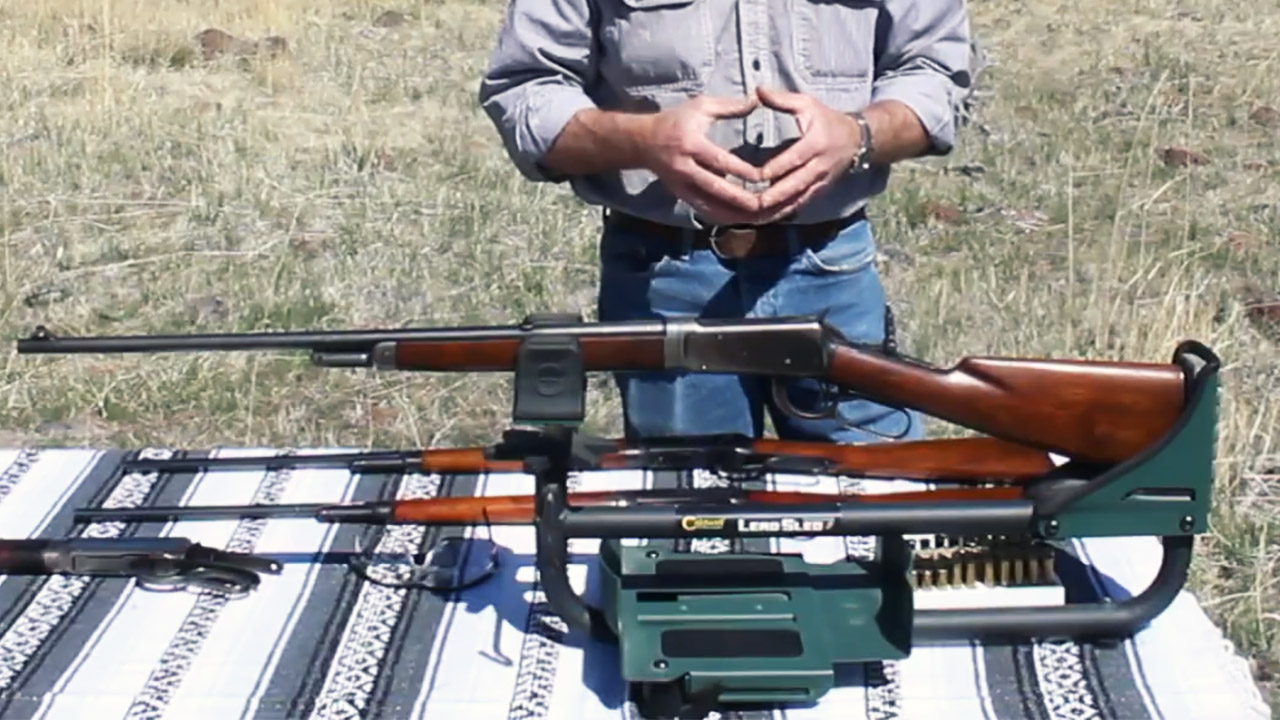
Short rifle, handy package, and not something you see every weekend. The Model 55 checks the boxes for collectors who like the “uncommon but still practical” category.
Takedown versions crank the interest up another notch. And if you’ve ever tried to buy correct parts for an oddball Winchester, you already know why intact rifles get fought over.
7. Marlin Model 1893 (pre-1899 antique production)
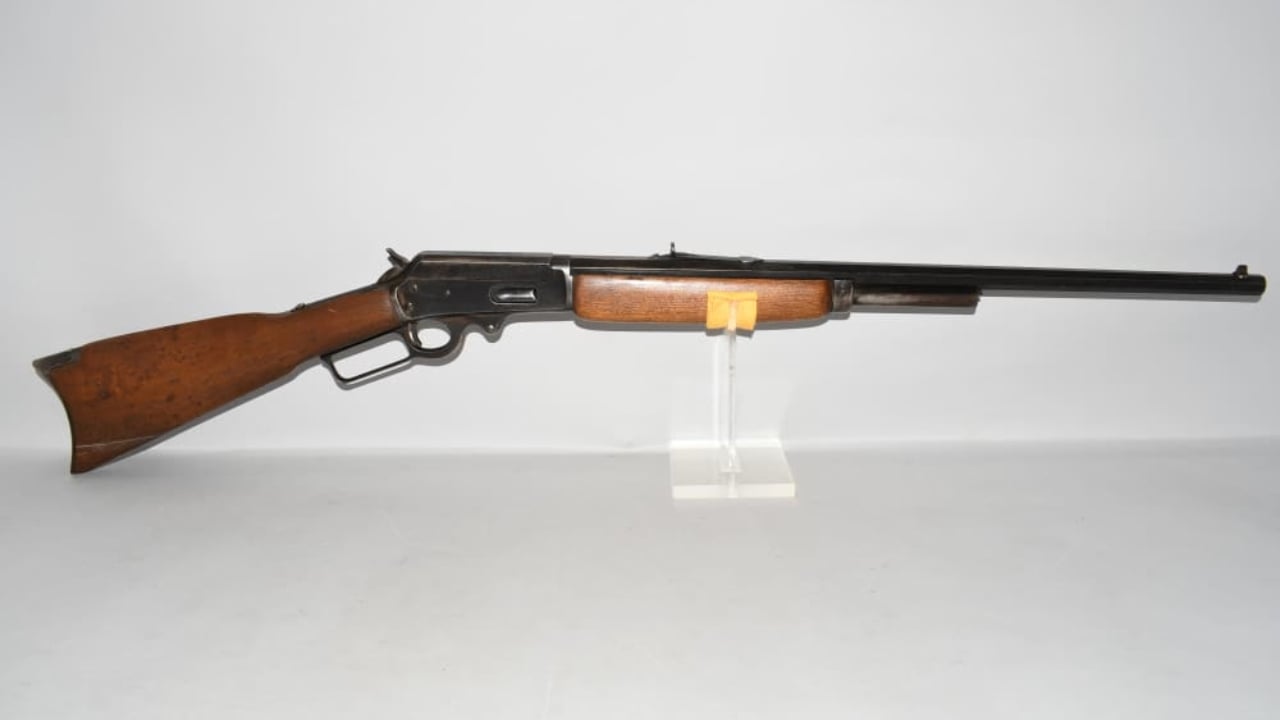
Everybody talks about Marlin 336s, but the older 1893s are where the collector crowd starts circling. They’ve got that earlier machining style, and many have been used hard for well over a century.
A crisp example with sharp markings and honest finish brings out the bidders. They’re not necessarily better hunting rifles than later guns, but they are a snapshot of a time when lever-actions were still evolving fast.
8. Marlin Model 1894 in .25-20
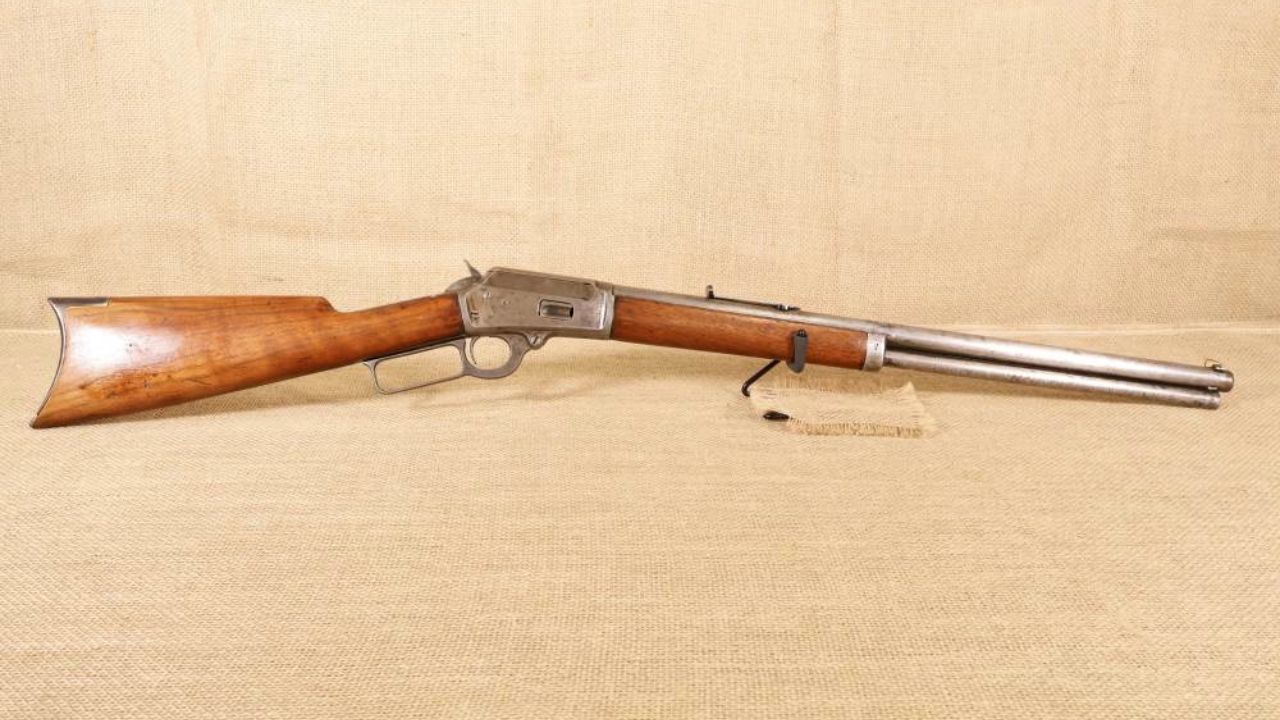
Small cartridges don’t get much love until you try to find a clean lever gun chambered for one. The .25-20 1894s are a perfect example—quietly desirable, easy to shoot, and tied to the old small-game-and-farm-rifle tradition.
Collectors like them because they’re classic and just uncommon enough. Shooters like them because recoil is basically a suggestion, and the rifles usually handle like a wand.
9. Marlin Model 1894 in .32-20

The .32-20 has a loyal following, but it’s not loud on social media. That doesn’t stop a good 1894 from bringing real money, especially if it hasn’t been “improved” by someone with a drill press.
These are the rifles that make you want to walk fence lines and pop pests without ringing your ears. When ammo is around, they’re a joy. When it’s not, collectors still want the rifle because the rifle is the point.
10. Marlin Model 336 “Texan” (straight grip)

Straight-grip Marlins have their own fan club, and the 336 Texan is a big part of that. They feel different in the hand—more lively, a little more “classic” in the way they roll during recoil.
They’re not unobtainable, but finding one unaltered is harder than it should be. Once you see two bidders lock horns over a clean Texan, you’ll stop calling them “just another 336.”
11. Marlin Model 39A (early “Golden” and Mountie variants)

The 39A is the kind of .22 that gets handed down, not traded. That’s why the good ones show up in waves—usually when an estate gets settled and somebody doesn’t know what Grandpa had.
Collectors chase early markings and specific variants, but even the “regular” ones bring strong money. They’re accurate, they last, and the actions have a satisfying, bank-vault feel when they’re not worn out.
12. Savage Model 99 in .303 Savage

The Savage 99 is already a collector favorite, but the .303 Savage chambering takes it into “original flavor” territory. It’s the kind of rifle you’ll see in an old deer-camp photo, usually leaning against a stump next to a buck.
Ammo availability makes it less of a casual shooter’s pick, which keeps it out of everyday conversation. But collectors love rifles that are both iconic and slightly inconvenient.
13. Savage Model 99 in .250-3000 Savage

This one gets attention because it was a big deal in its day, and it still makes sense now. Light recoil, flat enough, and housed in a rifle that carries well and points naturally.
When a clean .250-3000 99 hits an auction, it doesn’t coast. The bidding is part nostalgia, part respect for a cartridge and rifle combo that was ahead of its time.
14. Savage Model 99 “Featherweight”
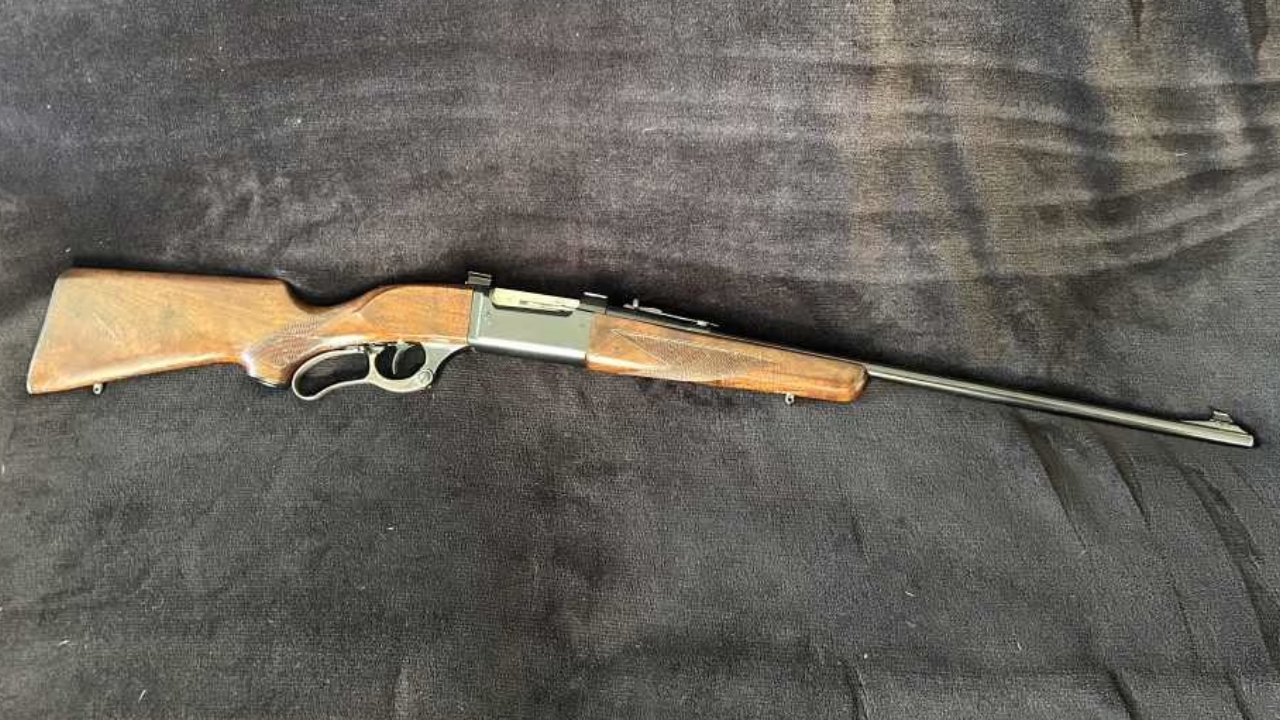
You want to talk about a lever gun that actually feels good after a long day in the timber? The Featherweight versions can be that rifle. Not everyone loves the 99’s look, but plenty of folks love how it hunts.
Collectors chase the correct configurations, because once you get into 99 variations, it’s a rabbit hole. When you see one that hasn’t been messed with, you understand why it gets hot.
15. Browning BLR (early steel-receiver, pre-81 models)
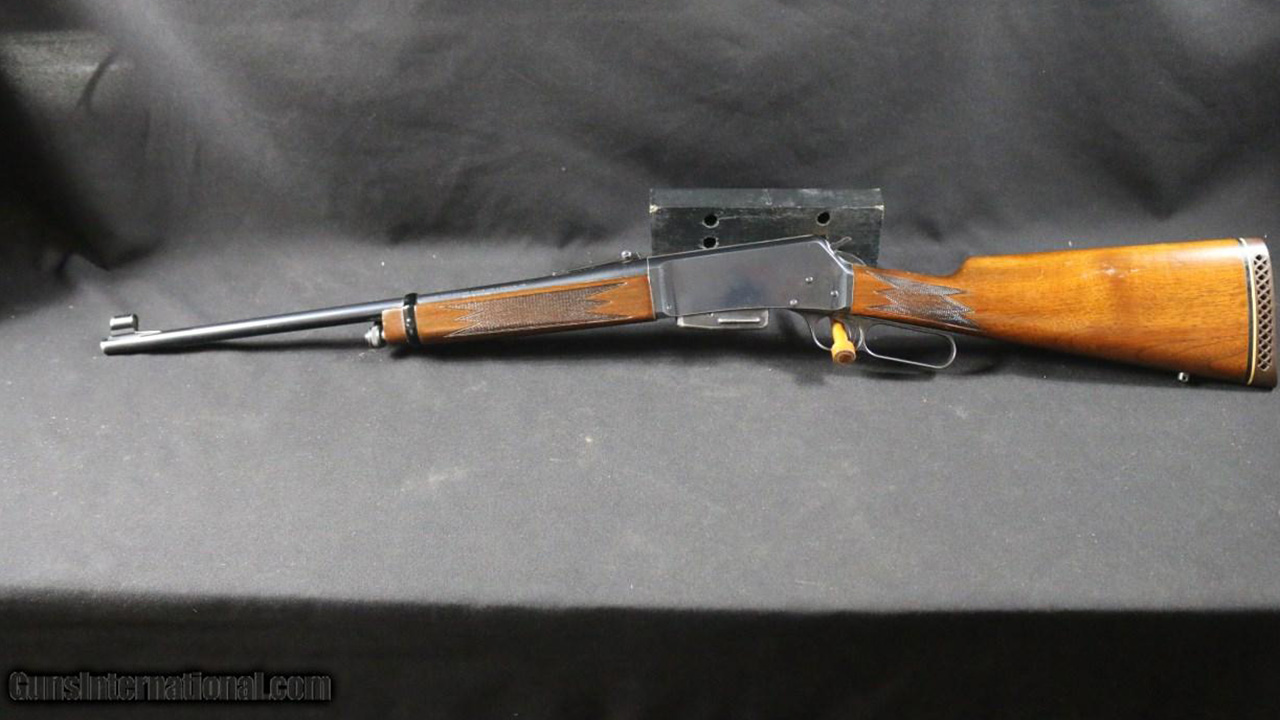
The BLR is a modern-ish lever gun that doesn’t get the campfire stories like old Winchesters, but it brings serious auction interest in certain versions. Early steel-receiver rifles have a following because they feel solid and “right.”
They’re also practical. Detachable magazine, spitzer bullets, and a lever action that will actually stretch its legs. If you hunt in thick cover but still want rifle-cartridge reach, the BLR makes sense, and collectors know it.
16. Browning Model 71 (Miroku production, high-grade variants)
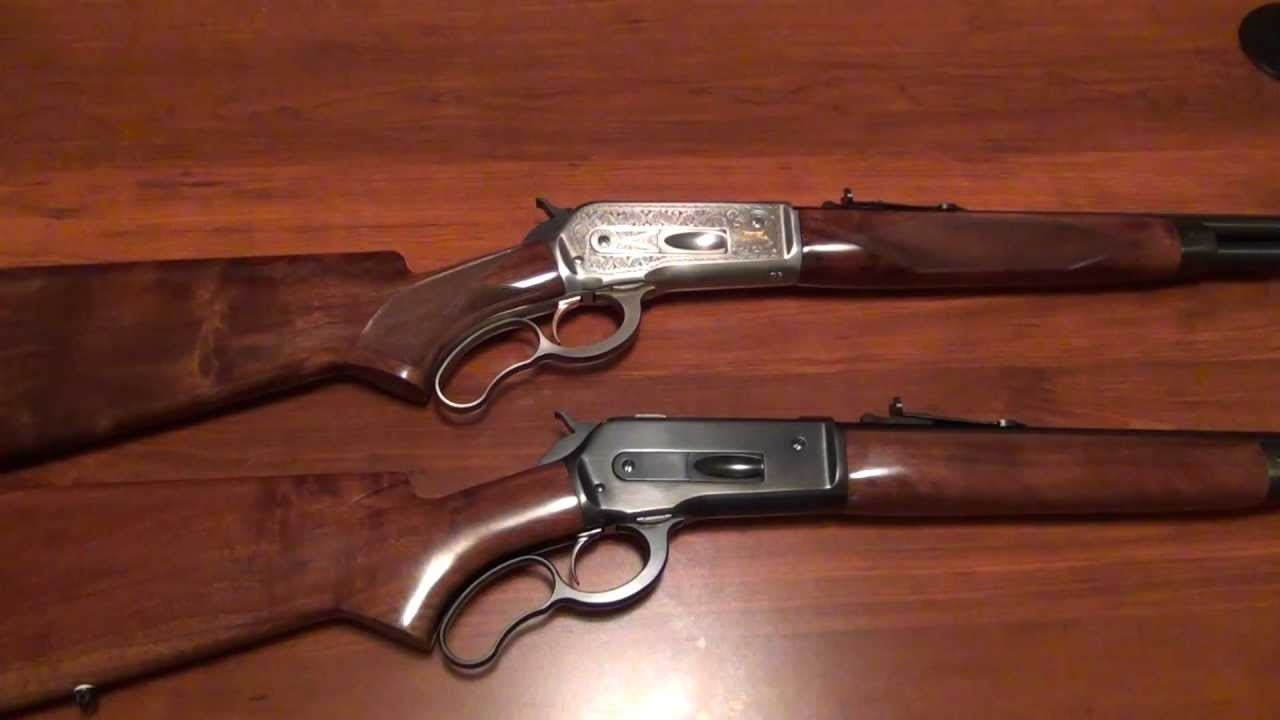
This is one of those that surprises folks: a “newer” rifle that still gets chased. The Browning/Miroku 71s, especially the fancier grades, are beautifully done and not exactly stacked deep in every gun shop rack.
They also scratch the itch for a Model 71 without playing the “original condition” minefield. Some collectors only want original Winchesters. Others want craftsmanship they can actually take hunting without sweating every scuff.
17. Colt-Burgess Lever Action (1883)
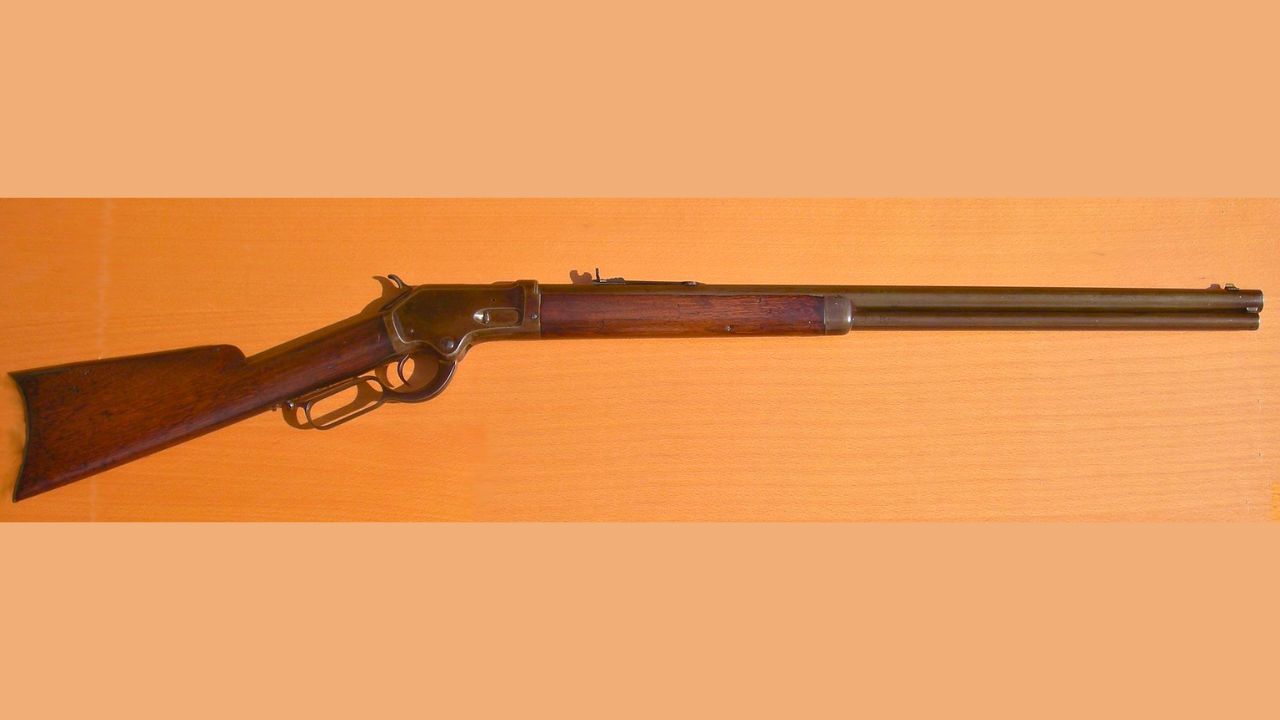
If you ever see a Colt-Burgess in person, you’ll understand why it doesn’t come up in normal lever-action conversations. Most folks never run across one. They’re scarce, period.
Colt didn’t stay in the lever rifle game long, and that short production window makes collectors act fast. It’s a piece of “what could’ve been” firearms history, and those are always expensive.
18. Smith & Wesson Model 1854

It’s new, it’s different, and it’s already got that “first-run” interest because it’s a major revolver company stepping into lever guns. Some folks shrug at it. Others want the early examples because that’s how collecting works.
Will every one of these be a future auction darling? No idea. But special editions and early production runs from big-name makers tend to become their own niche, especially if the model line changes down the road.
19. Henry “Original Henry” Rifle (H011, brass receiver, .44-40)
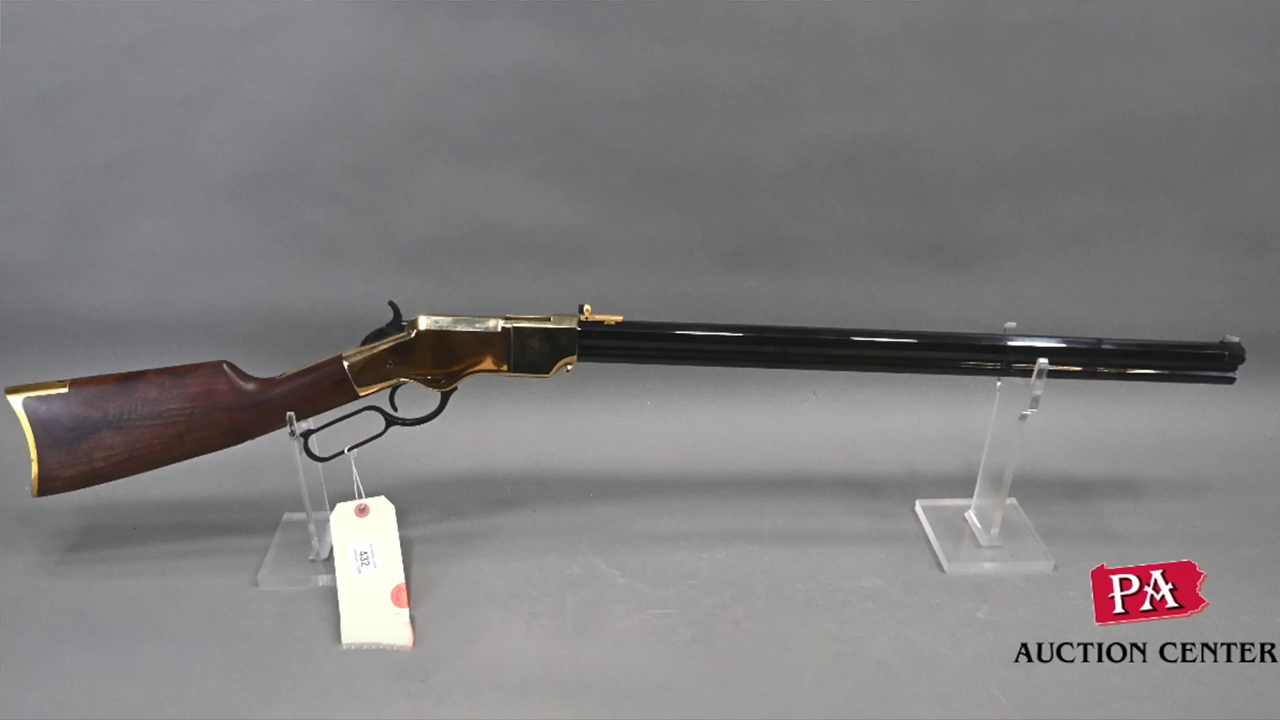
The modern Henry reproduction of the 1860-style rifle isn’t as common in everyday hunting circles because it’s long, a little heavy, and not built around a scope-and-sling lifestyle. Still, collectors love the look and the history it represents.
When one shows up in clean shape, it attracts the kind of buyer who collects with their eyes as much as their head. It’s not a do-it-all deer rifle. It’s a statement piece that still runs.
20. Winchester Model 9422 (especially Trapper and XTR variants)
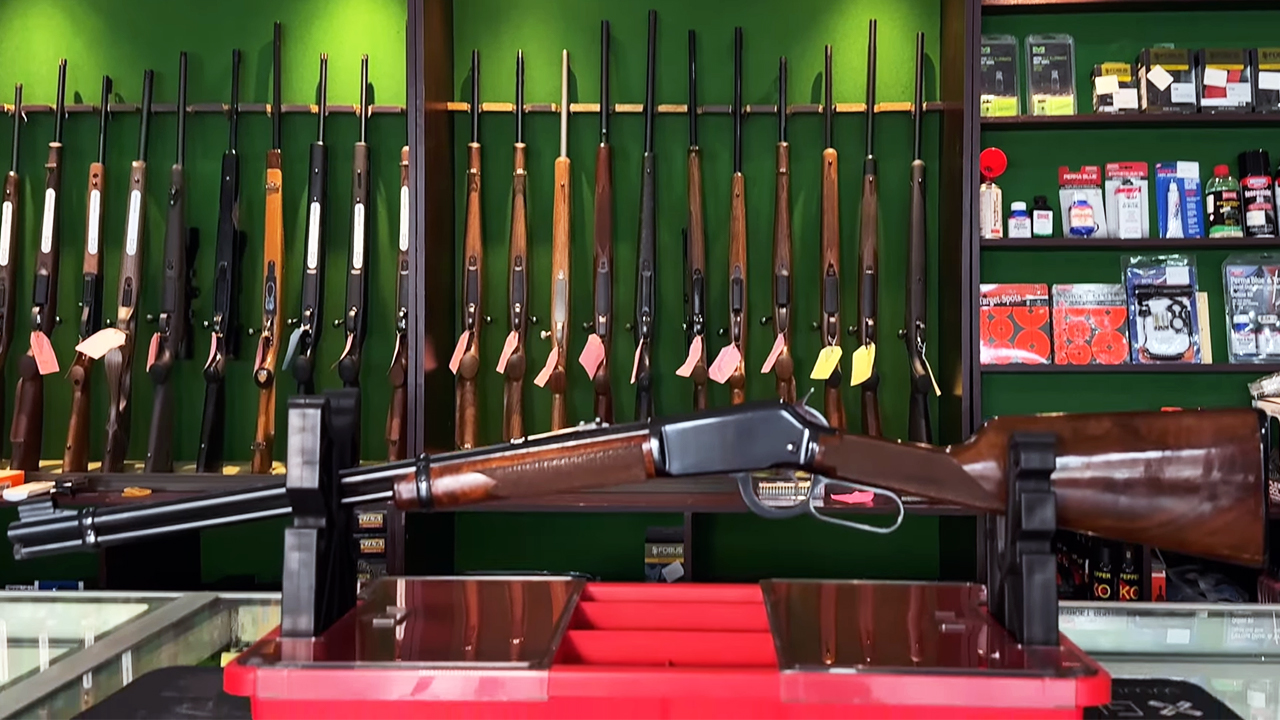
If you’ve ever watched a grown adult hover over a lever .22 like it’s the last cold beer in the cooler, it was probably a 9422. They’re slick, they’re well-made, and they’re gone from regular production.
The Trapper versions get chased hard, and the nicer grades don’t sit around either. It’s “just” a rimfire, but it’s the kind of rimfire that makes you regret trading one away. Ask me how I know.
Here’s the honest part: not every rifle on this list is the best tool for a modern hunt. Some are heavy, some are finicky about ammo, and some are valuable enough that you’ll baby them more than you’ll shoot them. But if you want to understand why certain auction tables get crowded, it’s not always about what’s popular. It’s about what’s scarce, correct, and still has that lever-gun soul when you cycle it and feel the action close.
Like The Avid Outdoorsman’s content? Subscribe to our newsletter so you never miss an article.
Here’s more from us: