Photo credit: Lucky Gunner Ammo/YouTube
Some pistols become famous because they dominate one particular category. Others sell because the manufacturer has an enormous following or because practically every holster and accessory company supports them.
Then there are pistols that quietly handle nearly everything you could reasonably ask of a handgun without becoming anybody’s favorite internet recommendation. They are comfortable enough to shoot all afternoon, compact enough for practical defensive use, accurate enough to keep things interesting at the range, and dependable enough that owners do not spend much time worrying about them. These 20 pistols may not be the stars of the market, but their lack of obvious weaknesses makes them far more useful than their popularity suggests.
Springfield Armory XD-E 3.3

The XD-E arrived at exactly the wrong time. Shooters were rapidly moving toward high-capacity micro-compacts, while Springfield released a relatively slim hammer-fired pistol with traditional DA/SA operation.
That overshadowed what was actually a very versatile little handgun. It was thin enough for concealed carry, large enough to shoot comfortably, and gave shooters an exposed hammer and multiple operating options that most compact striker pistols eliminated. It was not the smallest, highest-capacity, or trendiest choice. It was simply a competent pistol that could carry, defend the house, and spend an afternoon at the range without feeling badly suited to any of those jobs.
Ruger LC9s Pro

The LC9s Pro disappeared once newer Ruger carry guns started offering more capacity, but the pistol remains one of the better examples of a straightforward slim 9mm.
The Pro version ditched some of the additional controls found on other LC9 variants and gave the shooter a clean striker-fired operating system. It carries easily, weighs very little, and still has enough grip to remain controllable with ordinary defensive ammunition. There are unquestionably smaller pistols holding more rounds today, but that does not change how well the LC9s Pro balances concealability, simplicity, and shootability.
Walther CCP M2

The CCP M2 rarely comes up before Walther’s more famous duty-size pistols, which is unfortunate because it addresses concealed carry differently from most of the market.
Its gas-delayed system helps make the slide easier to manipulate and softens the shooting experience in a relatively compact pistol. That combination works particularly well for somebody who wants something easier to operate without stepping all the way down to a mild rimfire or tiny .380. It is comfortable, concealable, and pleasant enough to practice with regularly. That is a pretty useful combination for a defensive handgun.
SIG Sauer P290RS
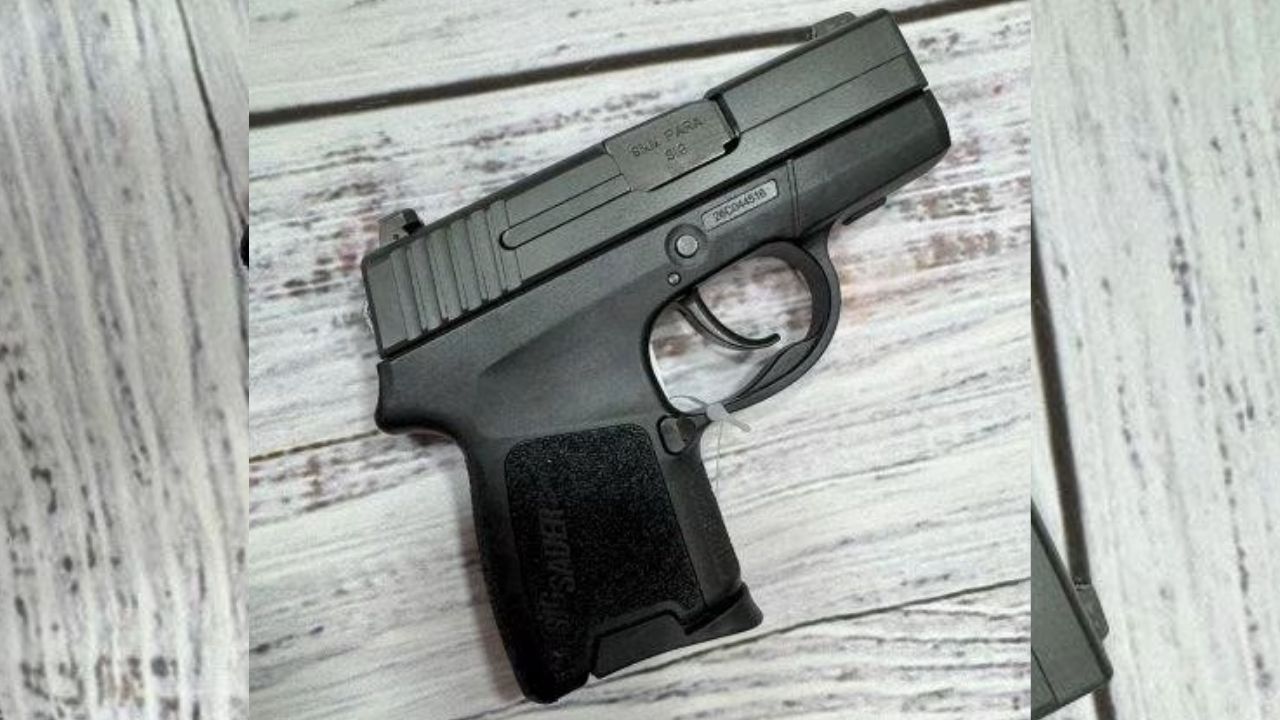
The P290RS arrived before SIG’s later carry pistols completely changed expectations for small 9mms. Once that happened, the older pistol practically vanished from the conversation.
It still has qualities worth appreciating. The double-action-only trigger provides restrike capability, the pistol is genuinely compact, and the chunky construction makes it feel more substantial than many tiny carry guns. Capacity is modest and the trigger takes practice, but once learned, the P290RS can serve as a very competent deep-carry pistol without being difficult to shoot accurately at realistic distances.
FN 503

The 503 suffered from entering the market when shooters had already decided that a small carry pistol needed double-digit capacity to be interesting.
That makes the FN look unimpressive on paper, but the actual shooting experience is better than the specification battle suggests. The slim frame carries easily, the controls are uncomplicated, and the pistol feels more like a scaled-down service handgun than an ultra-light pocket gun. It does not win the capacity contest, but it is comfortable, predictable, and useful. Not every good carry gun needs to be built around the maximum number of cartridges possible.
Kahr CT9
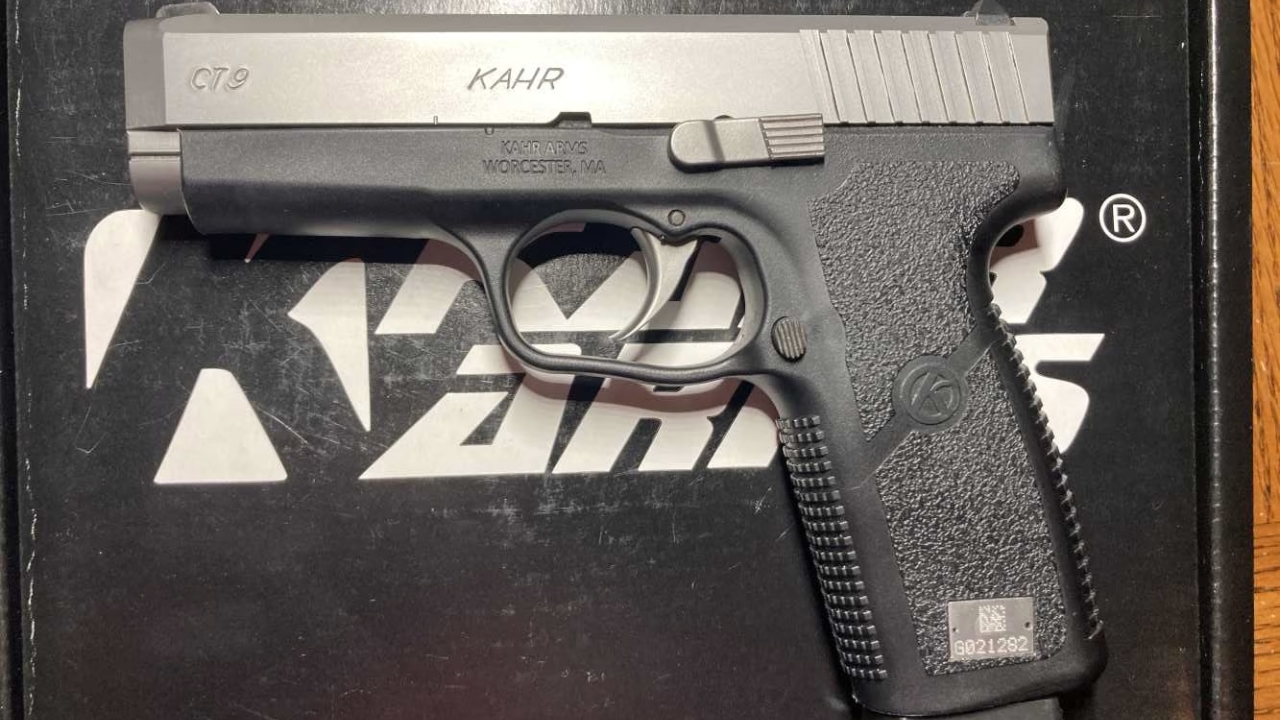
The CT9 never received much attention because Kahr’s lineup contained several extremely similar pistols, while the broader market became obsessed with much higher-capacity guns.
Its longer grip and barrel are exactly why I like it as an all-around pistol. The gun remains exceptionally thin but gives the shooter enough surface area to establish a full grip. Kahr’s long, smooth trigger takes some adjustment, yet it can be shot very well once learned. The CT9 can carry discreetly while still feeling enough like a full-size handgun to make regular practice enjoyable.
Bersa Ultra Compact Pro 9
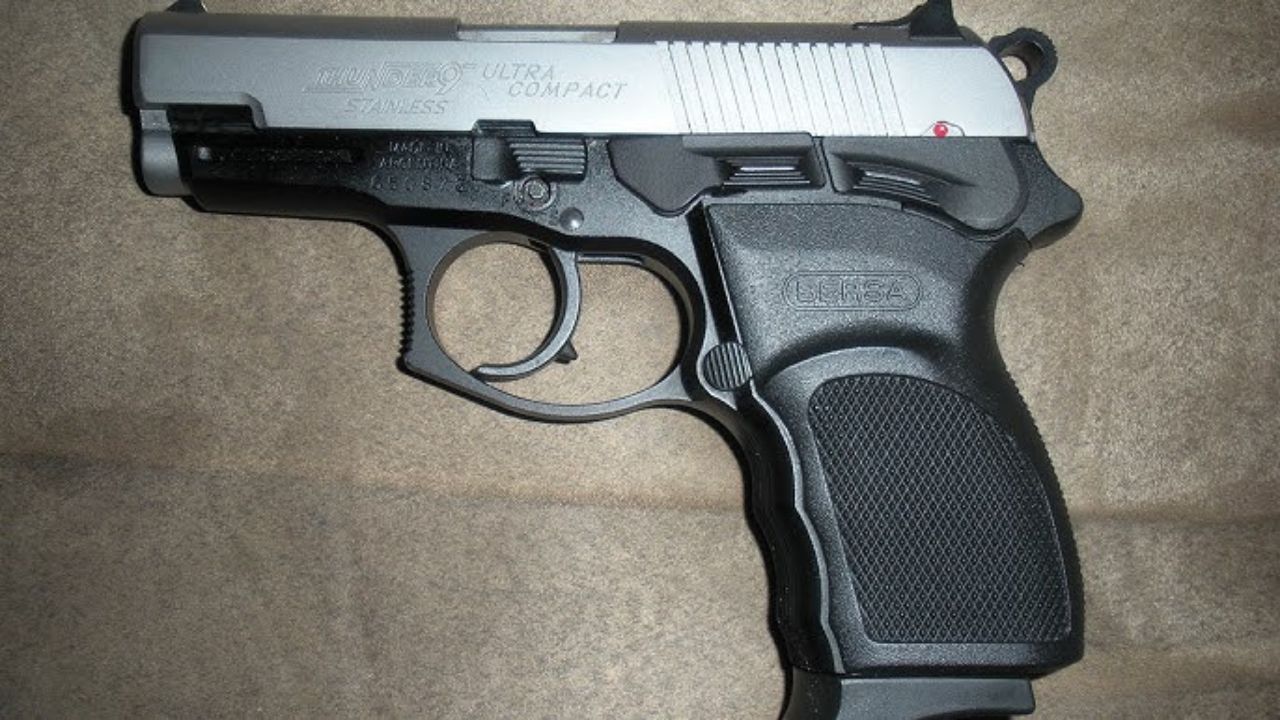
The Ultra Compact Pro has always had to fight the assumption that anything carrying the Bersa name belongs in the bargain category.
The pistol itself is a substantial hammer-fired compact with the sort of controls and construction once associated with traditional service handguns. It is not ultralight, but that weight helps it shoot considerably better than many smaller carry pistols. It offers enough capacity, manageable dimensions, and a conventional DA/SA system without commanding premium-European prices. For someone who actually likes metal-framed defensive pistols, there is a lot to work with.
Zastava CZ999
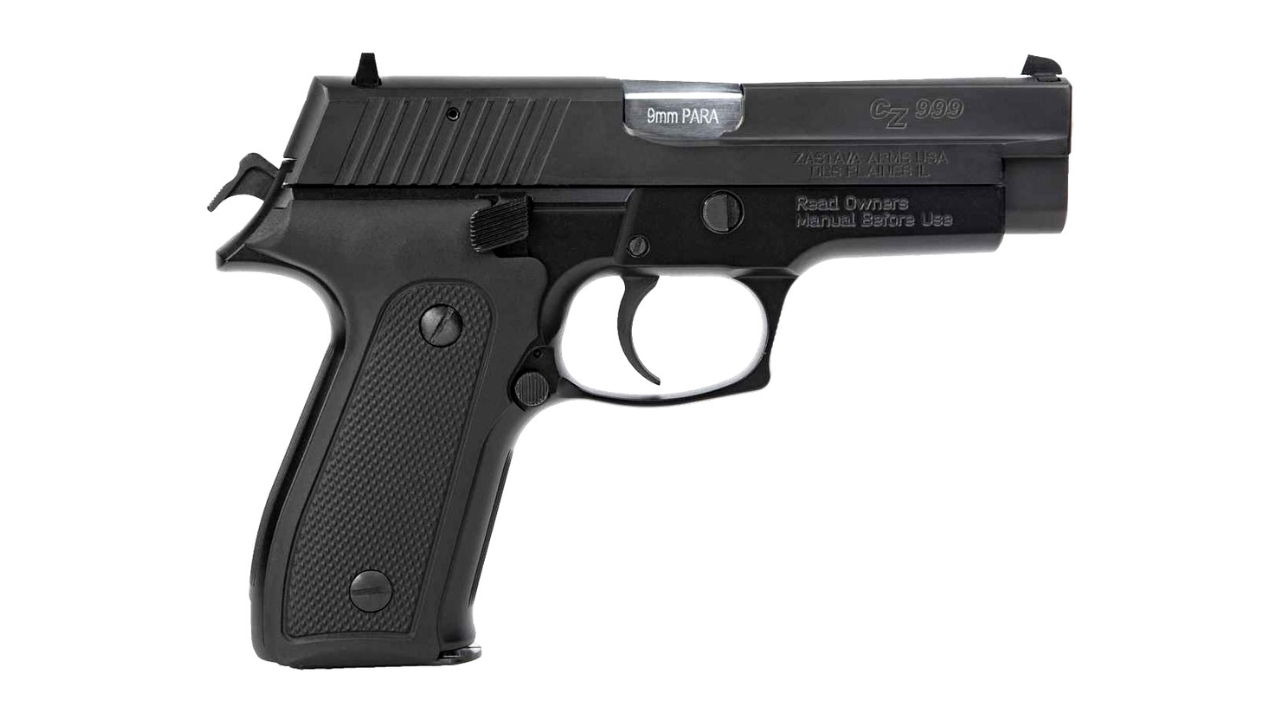
The CZ999 does not have a name that immediately draws American shooters toward the gun counter. Its Serbian origin and somewhat chunky styling keep it firmly outside the mainstream.
Underneath that anonymity is a serious service-size pistol. It has an aluminum frame, traditional hammer-fired action, and enough size to make 9mm exceptionally manageable. It is not a dedicated carry pistol or competition gun, but it can handle defensive duty, range shooting, and general ownership without feeling out of place. Sometimes a gun becomes overlooked simply because the manufacturer does not have the marketing machine its competitors do.
Star Ultrastar
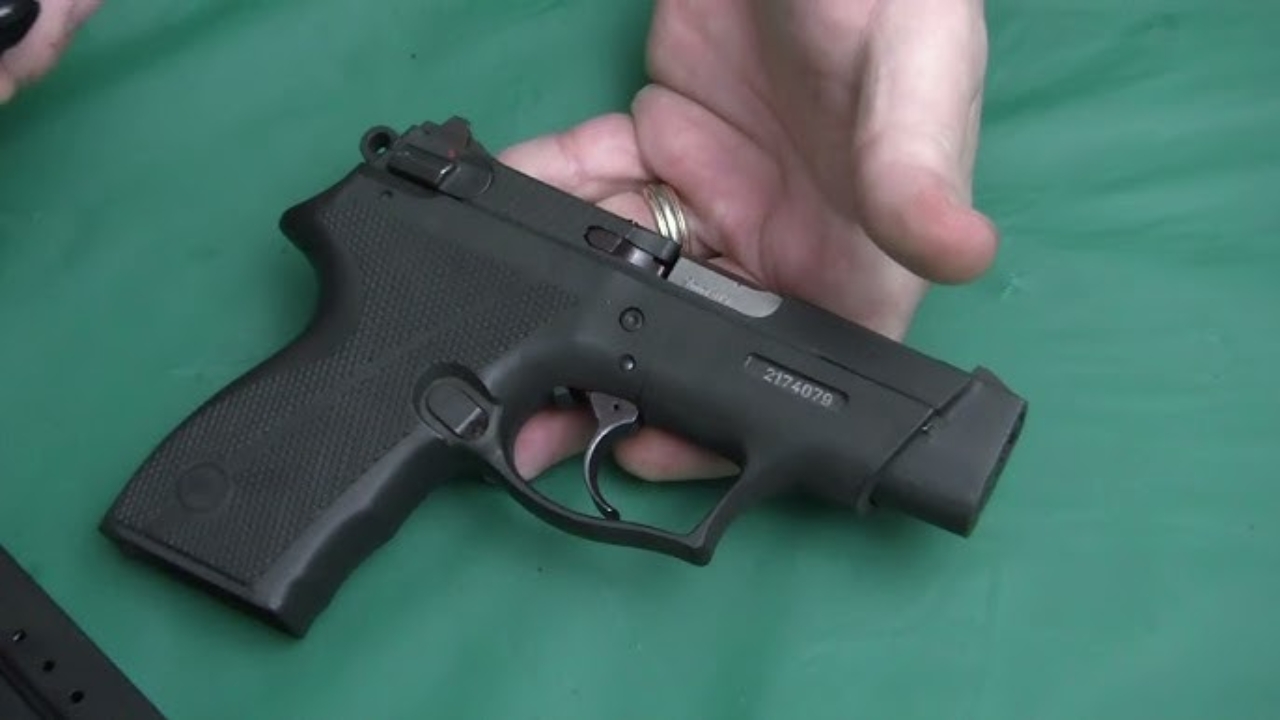
Star managed to produce several genuinely useful pistols before disappearing, and the Ultrastar is one of the more interesting late examples.
Unlike the company’s better-known all-steel designs, the Ultrastar used a polymer frame to reduce weight while retaining a traditional hammer-fired system. It is compact enough to carry and large enough to control comfortably. The biggest issue today is parts and magazine availability rather than the basic shooting experience. As an actual pistol, it was a surprisingly well-rounded design that never got enough time to develop a following.
Smith & Wesson CS45
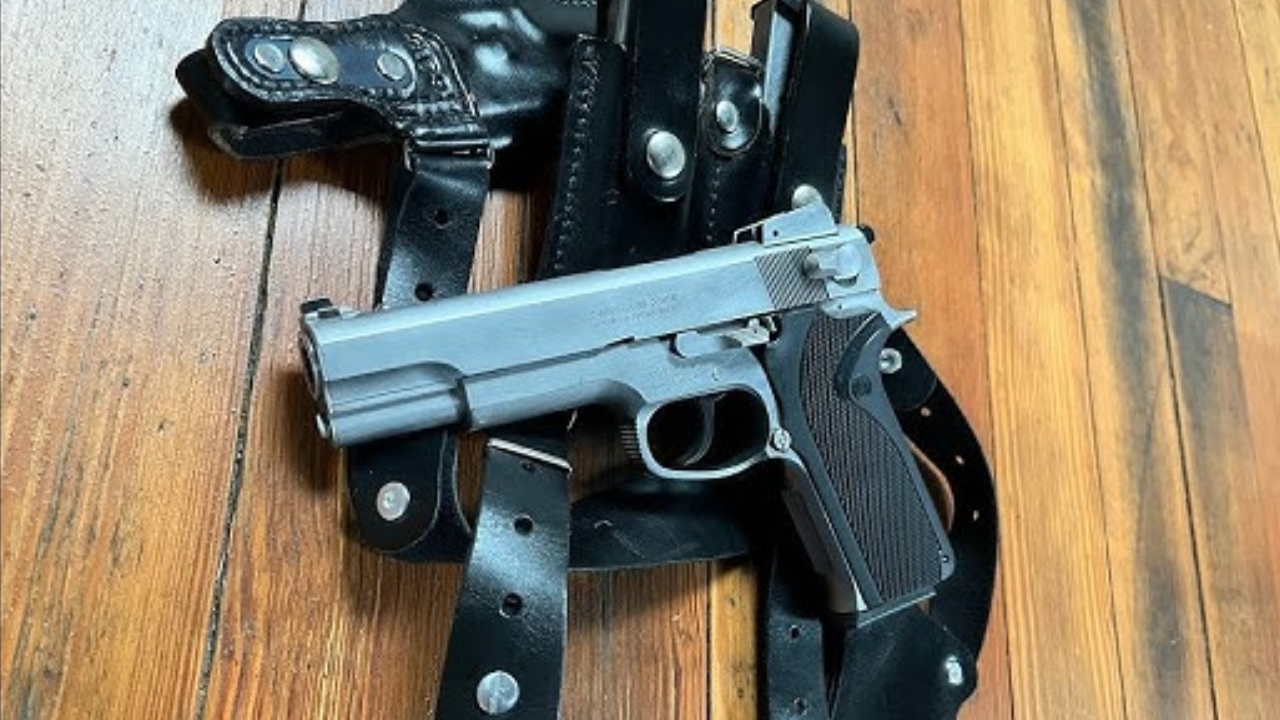
The CS45 was built when Smith & Wesson was trying to shrink its traditional metal-framed pistols into increasingly compact defensive packages.
You end up with a small .45 ACP that feels much more substantial than the tiny polymer pistols that dominate carry today. Capacity is limited, but the metal frame gives the shooter something solid to hold onto, and the conventional DA/SA action is familiar to anyone who appreciates older service guns. It works as a carry pistol while remaining pleasant enough that shooting it does not feel like punishment.
Colt New Agent 9mm
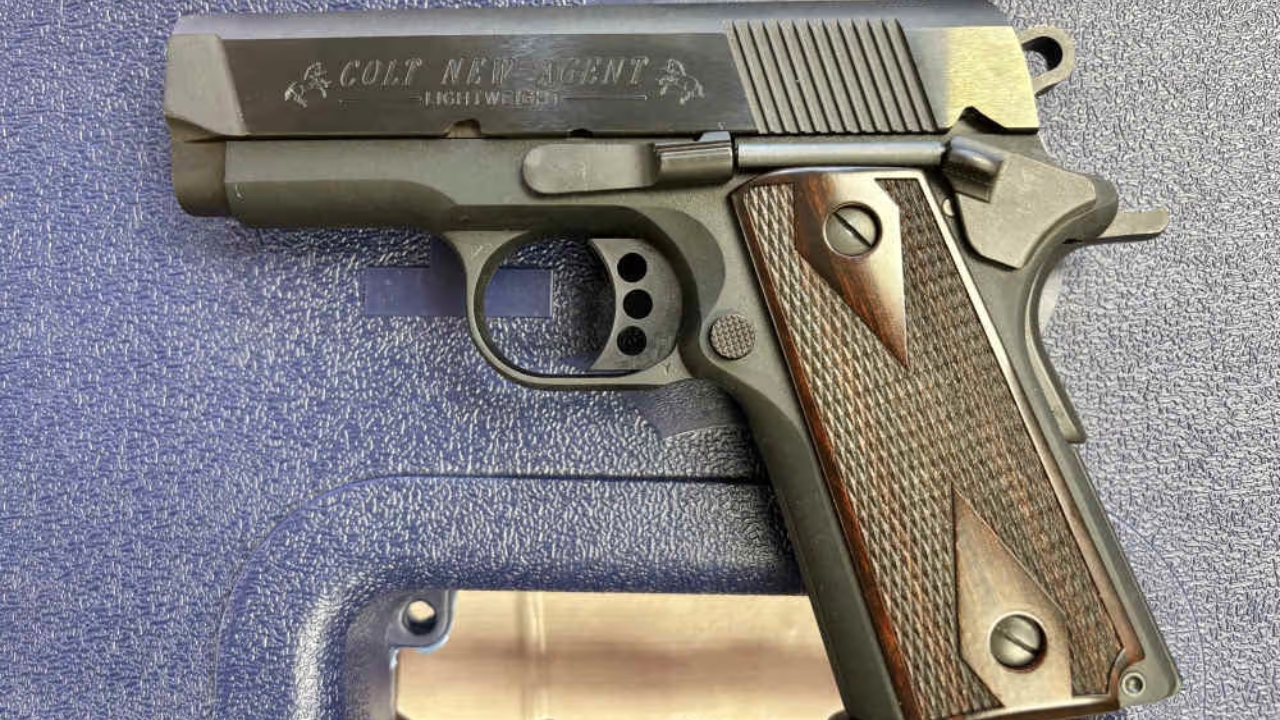
The New Agent was Colt’s attempt to make the 1911 genuinely easier to conceal, and it took the concept farther than simply shortening the barrel.
The compact dimensions and smooth exterior work well for carry, while the 9mm chambering makes the small platform considerably easier to control than a comparable lightweight .45. You still get the slim 1911 grip and single-action trigger that make the platform attractive. It is specialized toward carry, but it remains shootable enough that it does not feel like a pistol intended for emergencies only.
Astra A-70
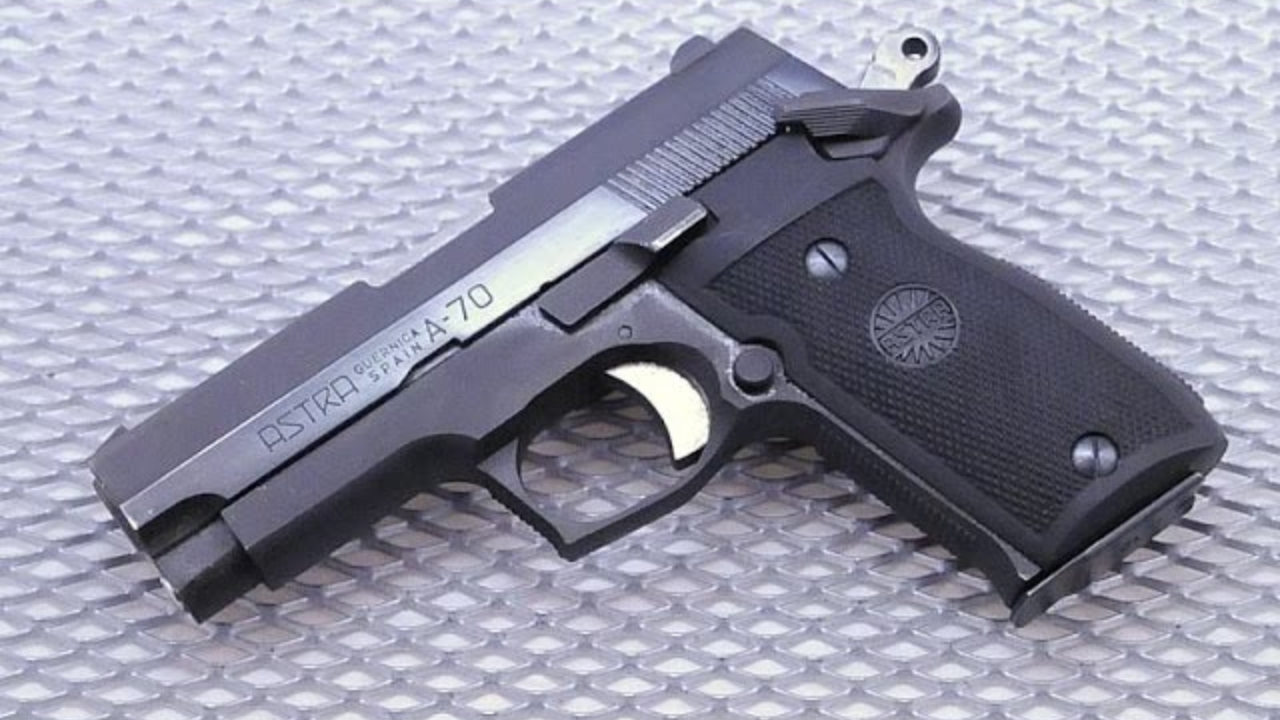
The A-70 is one of those metal-framed European pistols that practically disappears when placed beside more famous SIGs, Berettas, and CZs.
That does not mean there is anything fundamentally wrong with the gun. Its compact steel construction gives it useful weight, the single-action system is easy to understand, and the pistol points naturally. It is slim enough to carry while substantial enough for comfortable range sessions. The combination is old-fashioned now, but it remains an exceptionally practical formula.
S&W 908
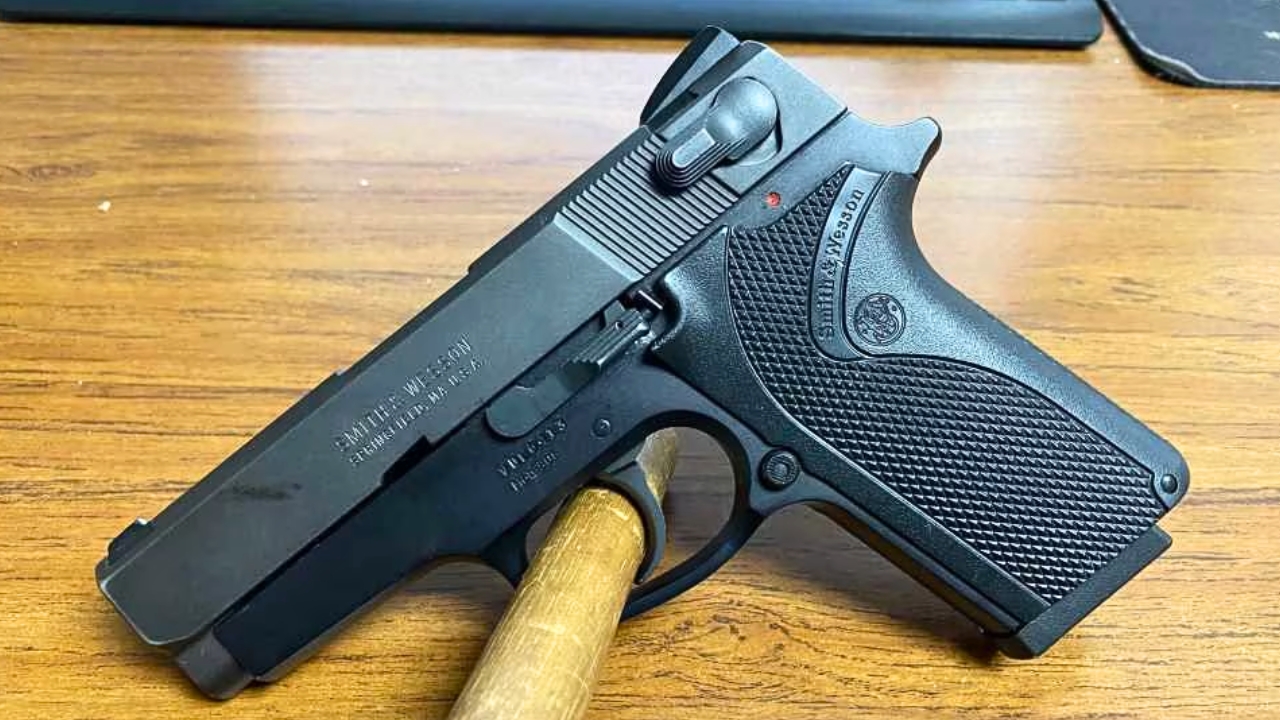
The 908 was essentially built for people who wanted the useful characteristics of Smith & Wesson’s traditional metal autos without paying for the company’s most elaborate versions.
Its slide and aluminum frame provide a good balance between durability and weight, while the single-stack magazine keeps the grip thin. That capacity looks unimpressive today, but the pistol carries extremely well and remains comfortable to shoot. When a gun does both jobs competently, it becomes easier to forgive what the specification sheet says.
Taurus PT940
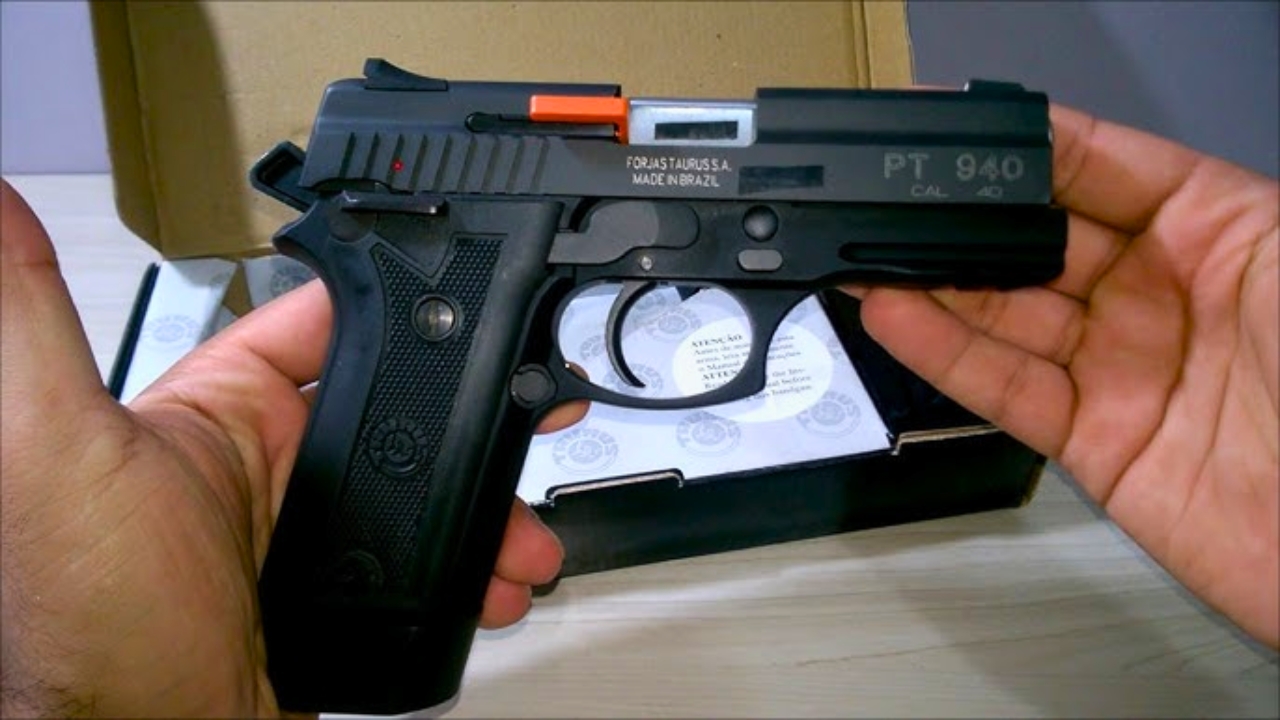
The PT940 came from the era when compact .40-caliber pistols were taken seriously as do-everything defensive guns.
The cartridge has fallen dramatically in popularity, but the pistol itself still demonstrates why metal-framed compacts were so useful. There is enough weight to keep recoil from becoming obnoxious, enough grip to control the gun properly, and a traditional hammer-fired action that gives it a serious service-pistol feel. It can serve at home, on the range, or carried without being dramatically wrong for any of them.
Star Firestar Plus
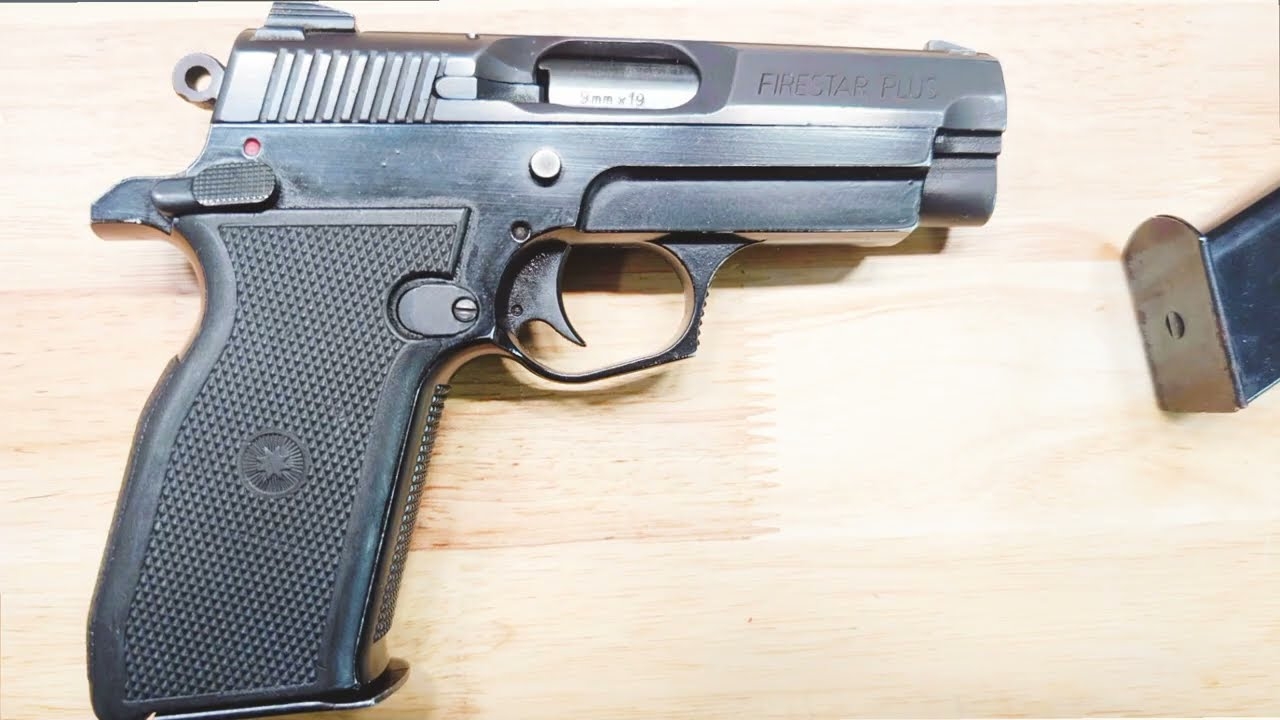
The original Firestar developed a following because it was compact, steel-framed, and very easy to shoot for its size. The Plus version added more capacity without completely abandoning that formula.
It remains heavier than a modern carry gun, but that extra weight becomes an advantage the moment shooting starts. The pistol stays planted, recoil is mild, and the single-action trigger encourages accurate shooting. It never became a household name, but it offers exactly the kind of balance that keeps an older pistol useful after its specifications stop looking impressive.
Browning Hi-Power Standard .40 S&W

Most conversations about the Hi-Power revolve around 9mm, leaving the later .40-caliber versions in a strange corner of the market.
The larger slide and additional mass required for .40 S&W give the pistol an especially substantial shooting feel. The famous Hi-Power grip remains comfortable, while the heavier construction helps tame a cartridge that can become unpleasant in lightweight compacts. It is not the Hi-Power purists usually want, but as a versatile range and defensive pistol, it offers more capability than its low profile suggests.
Para-Ordnance LDA Carry

Para’s Light Double Action system took the familiar 1911 format in a direction many traditionalists did not particularly want.
That does not mean it lacked merit. The LDA Carry gave shooters a slim pistol with a smooth trigger stroke and familiar 1911-style ergonomics without relying on conventional cocked-and-locked operation. It could conceal well, shoot accurately, and provide a distinctly different experience from ordinary defensive pistols. Para disappeared before the idea had much opportunity to evolve, leaving the LDA as an interesting solution that never became mainstream.
Magnum Research MR9
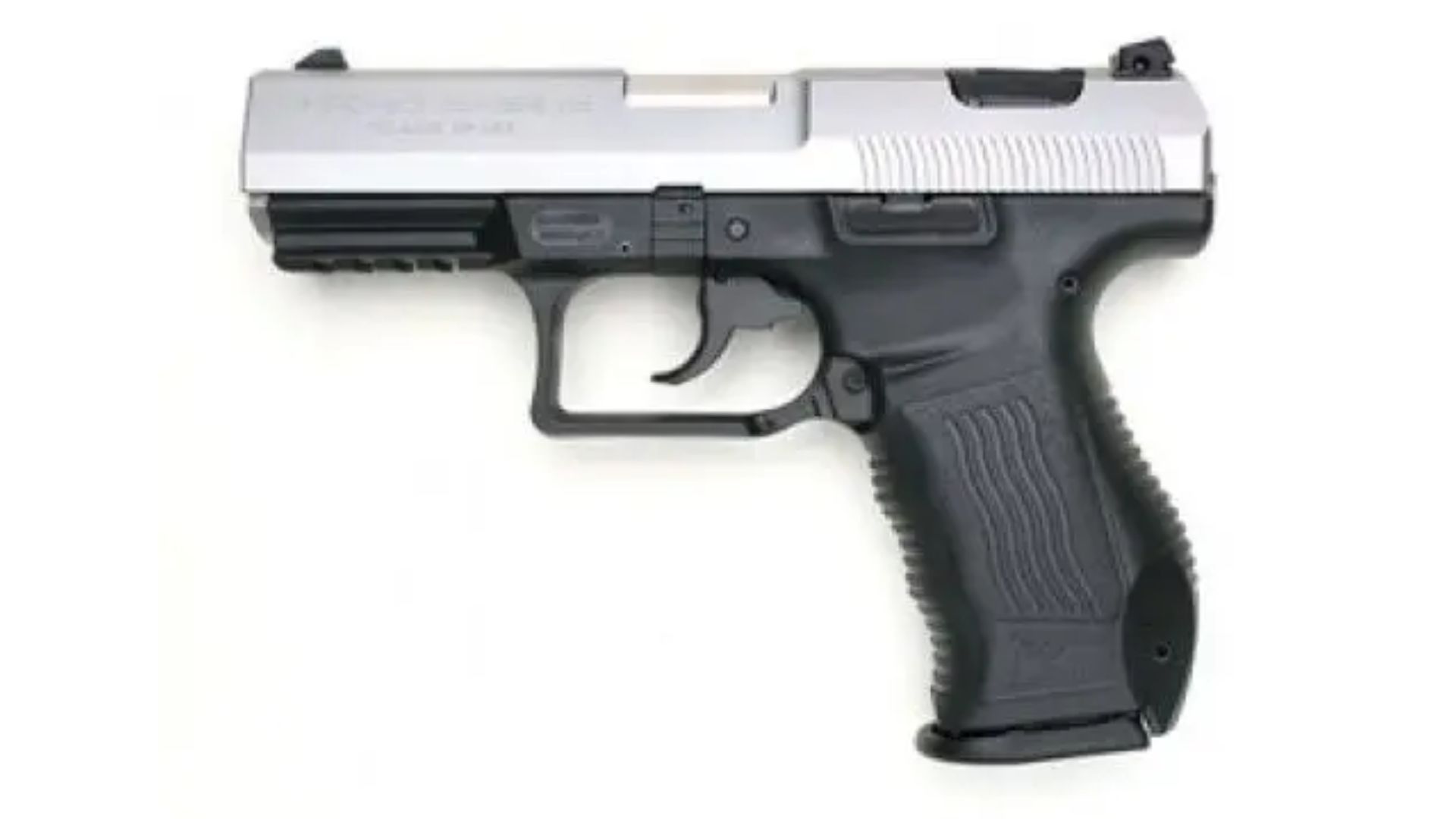
The MR9 never received much attention despite combining design influences from companies that knew a thing or two about building excellent service pistols.
Its ergonomics and operating system offered a refined feel compared with many generic striker pistols of the period. The gun was large enough to shoot comfortably, yet not so oversized that defensive use became unreasonable. It lacked a giant aftermarket and never built a strong identity of its own, but mechanically it was a remarkably competent all-purpose 9mm.
STI GP6
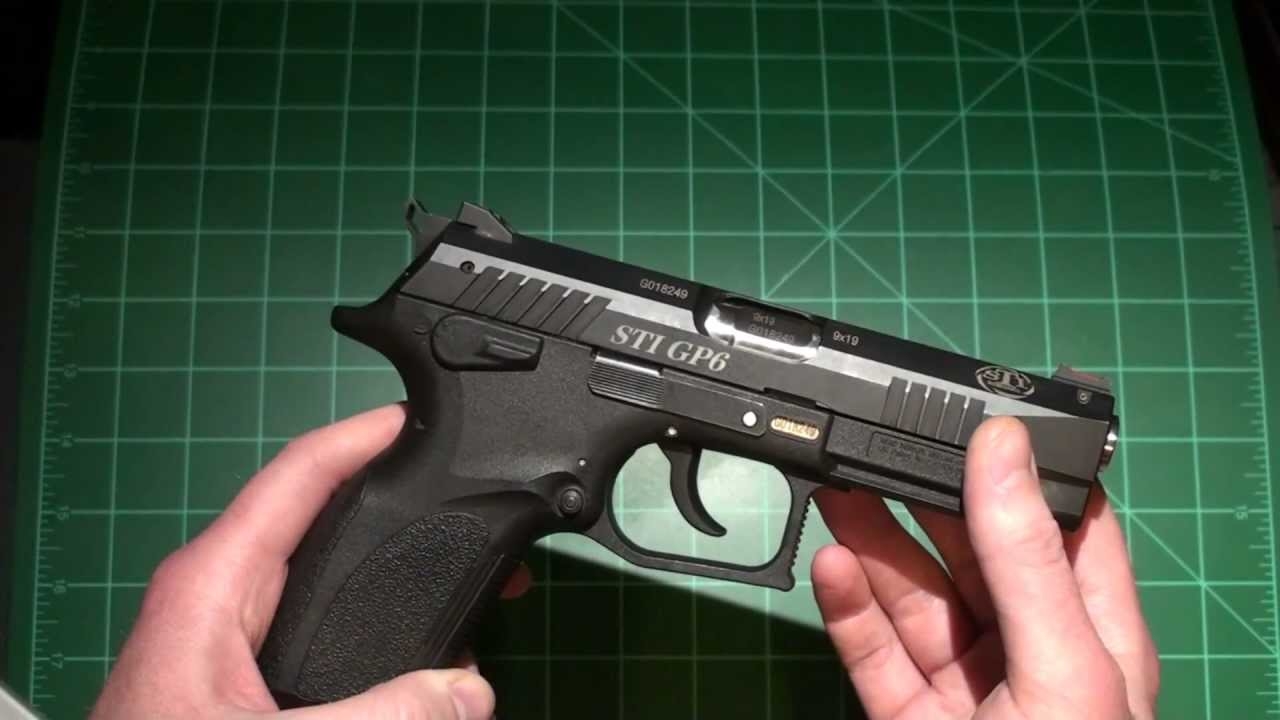
Before STI became almost completely associated with high-end double-stack 1911-style pistols, it imported the GP6, a polymer-framed hammer-fired handgun based on Grand Power’s rotating-barrel design.
That made it a genuinely unusual proposition. The rotating barrel produces a smooth recoil impulse, the grip works well for rapid shooting, and the pistol remains light enough for practical defensive use. It could handle the range, home defense, and carry without requiring the compromises associated with a specialized competition gun. Its biggest failure was simply getting enough people to know it existed.
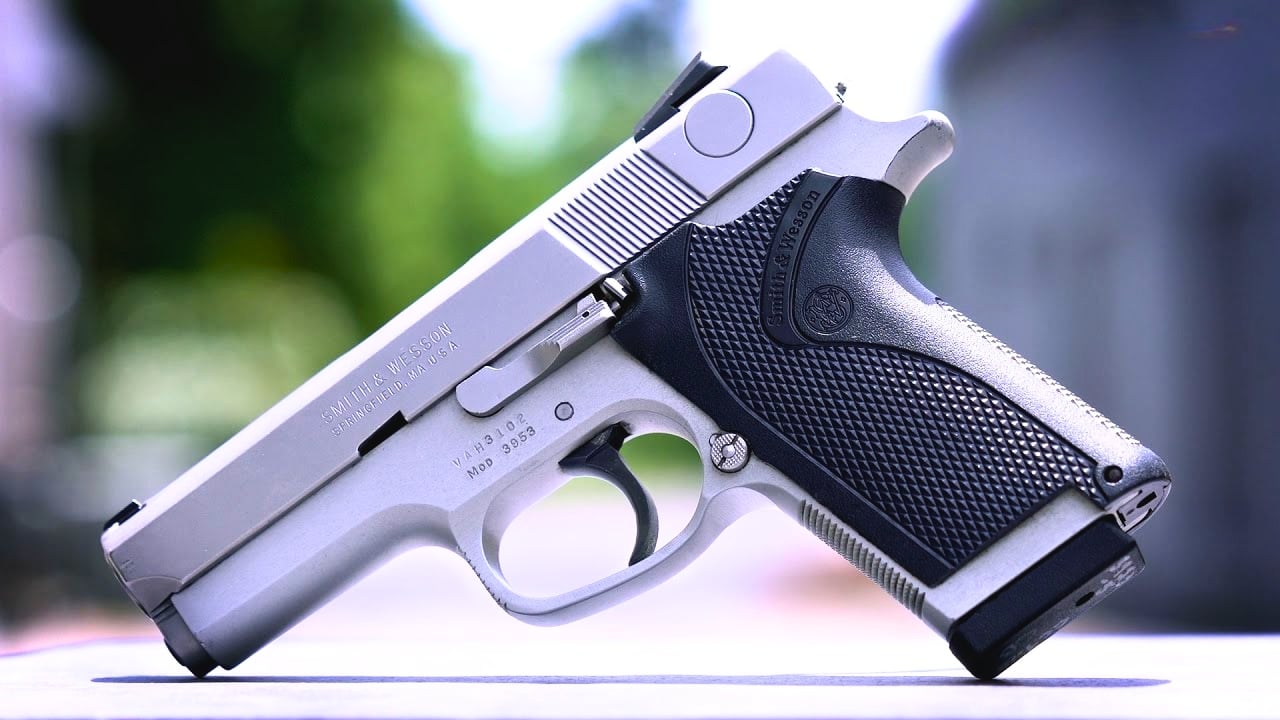
S&W Model 3953
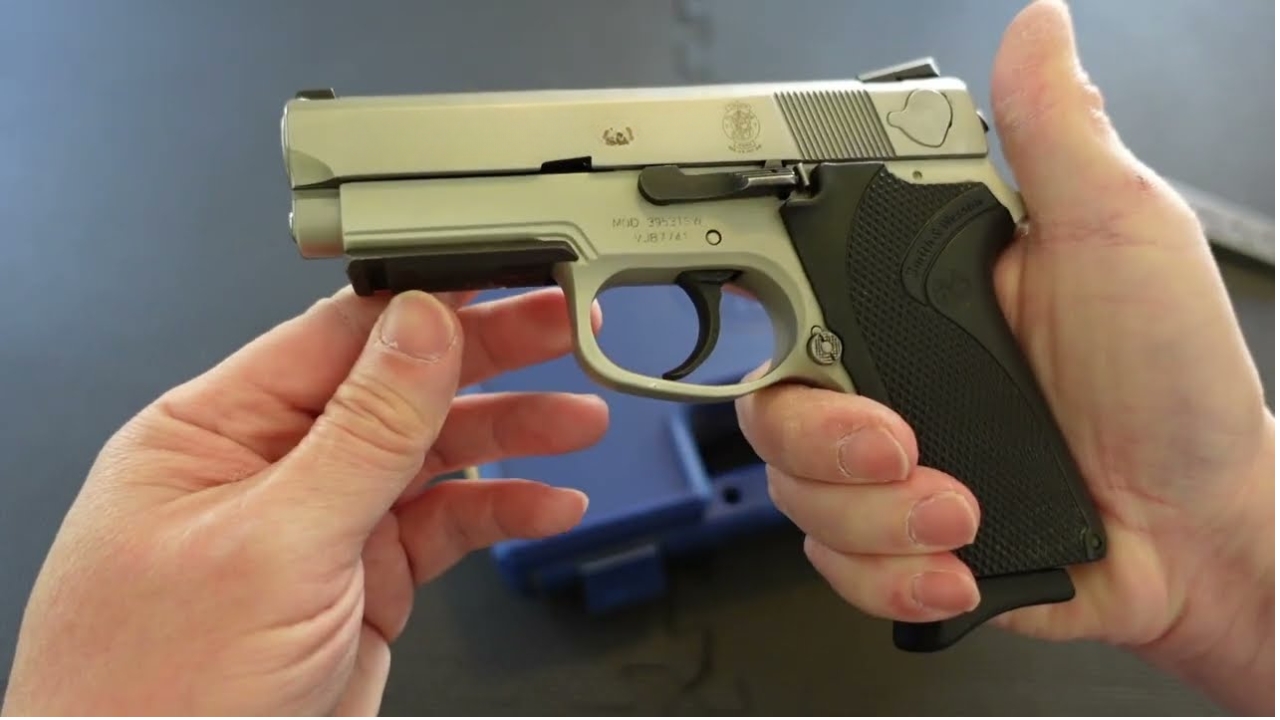
The 3953 represents a handgun category that has nearly vanished: a slim metal-framed 9mm intended for serious concealed carry.
Its double-action-only trigger requires more deliberate technique than a modern striker pistol, but the gun rewards familiarity. The aluminum frame keeps weight reasonable, the single-stack magazine produces a thin grip, and the overall dimensions make it exceptionally easy to carry. Yet unlike many ultralight modern pistols, it still feels substantial enough for extended practice. That balance is exactly why some forgotten older designs remain so useful.
Like The Avid Outdoorsman’s content? Subscribe to our newsletter so you never miss an article.
Here’s more from us: