Photo credit: DentonBoy/Youtube
Before double-stack 9mm pistols became the default, patrol work rode on a belt that clanked. Leather duty rigs, a few spare rounds in loops, and a revolver that had to work in the rain, in the dust, and after riding in a cruiser all night. Those old wheelguns weren’t romantic back then. They were just what you carried when you might have to step between two bad decisions on a dark road.
This isn’t a museum tour. It’s a look at the kinds of revolvers that actually got strapped on by lawmen back when “high capacity” meant you had six, maybe eight, and you made them count.
1. Colt Single Action Army
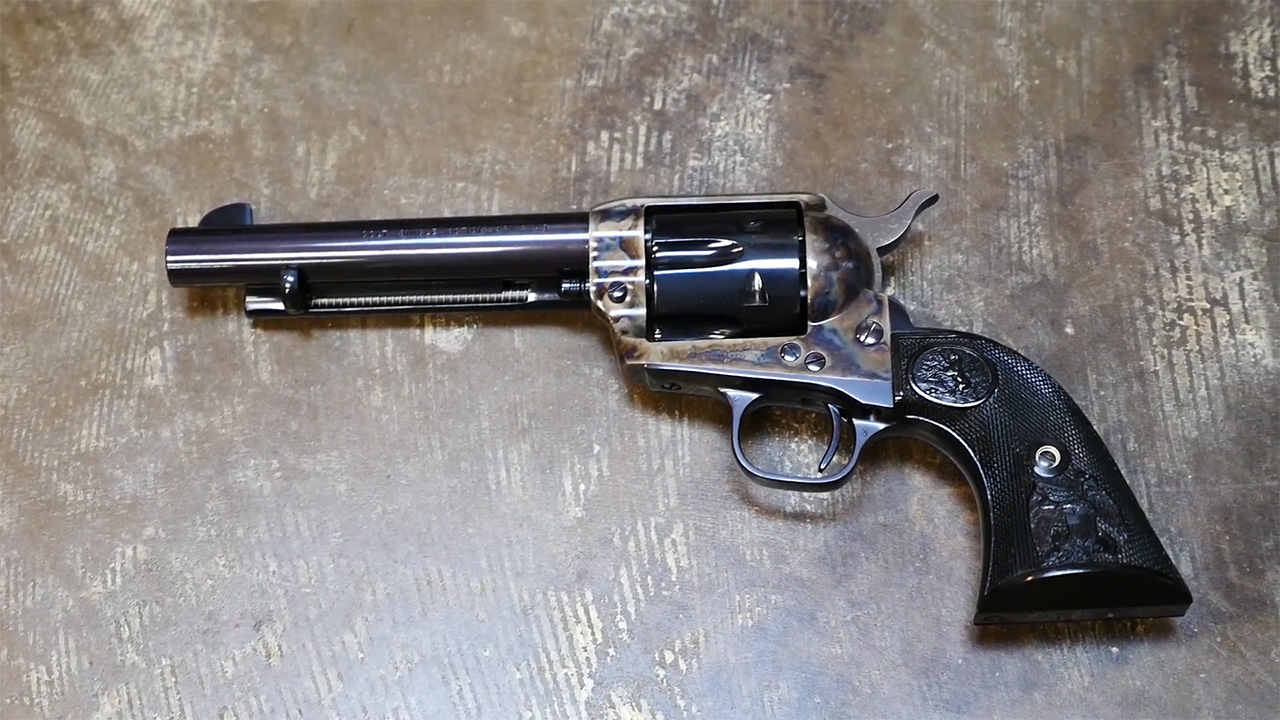
Early law enforcement in the West leaned hard on the Colt SAA, and for good reason: it was tough, simple, and there were parts and holsters everywhere once the cavalry and civilians adopted it. It’s easy to forget how much “standardization” mattered when you were days from a gunsmith.
It’s slow to reload by modern standards, and nobody is pretending otherwise. But it pointed naturally, rode well in a simple rig, and it did the job on horseback and on foot. There is nothing fancy about it, and that is kind of the point.
2. Smith & Wesson Model 3 (Schofield)
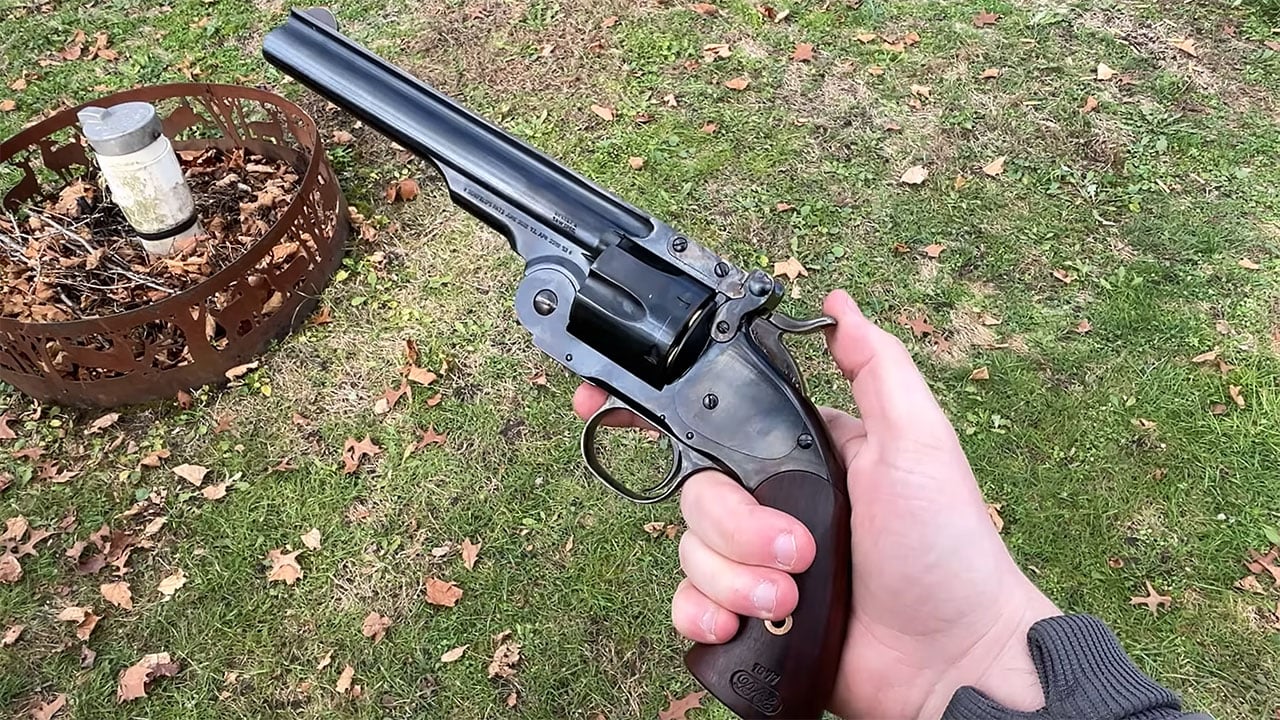
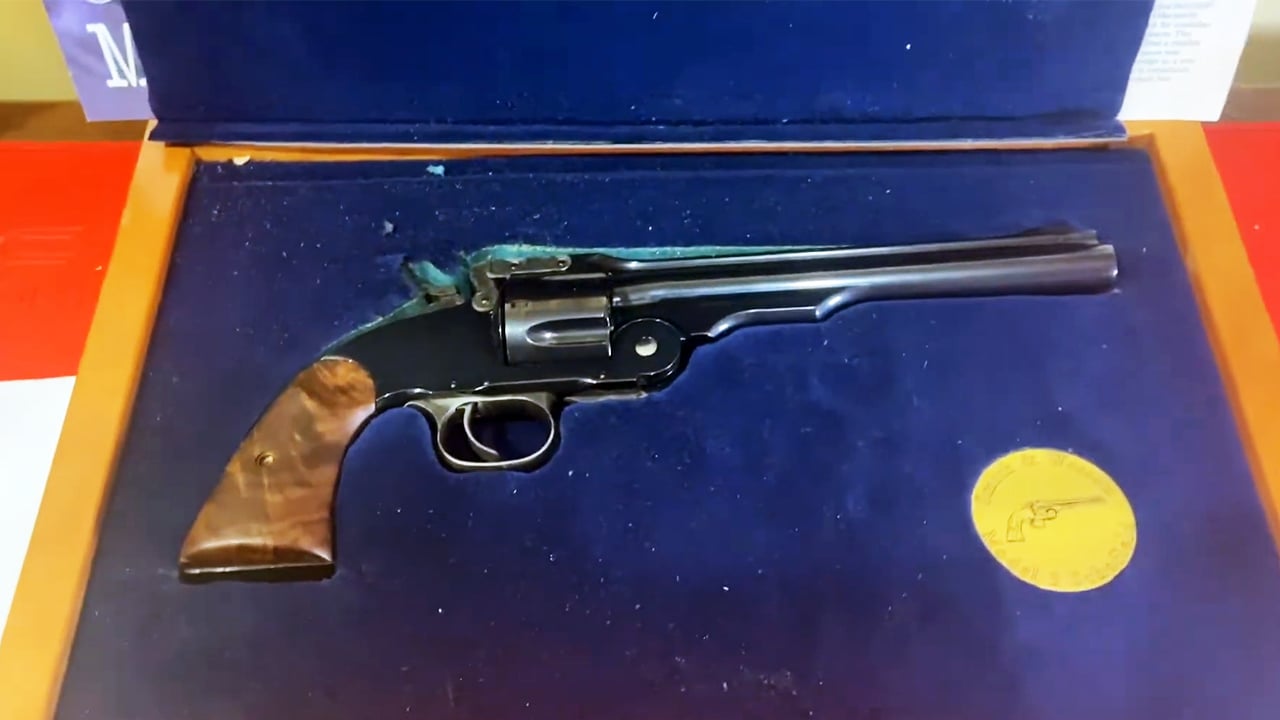
The top-break Schofield is one of those designs that feels like a magic trick the first time you handle it. Pop it open and the empties come out with authority. In an era of single-action loading gates, that was a real advantage for anyone who might need to reload under pressure.
It wasn’t perfect. Latches wear, timing matters, and hard use could shake them loose. Still, the idea—fast ejection, fast reload—shows up again and again in later duty revolvers.
3. Colt 1877 “Lightning”
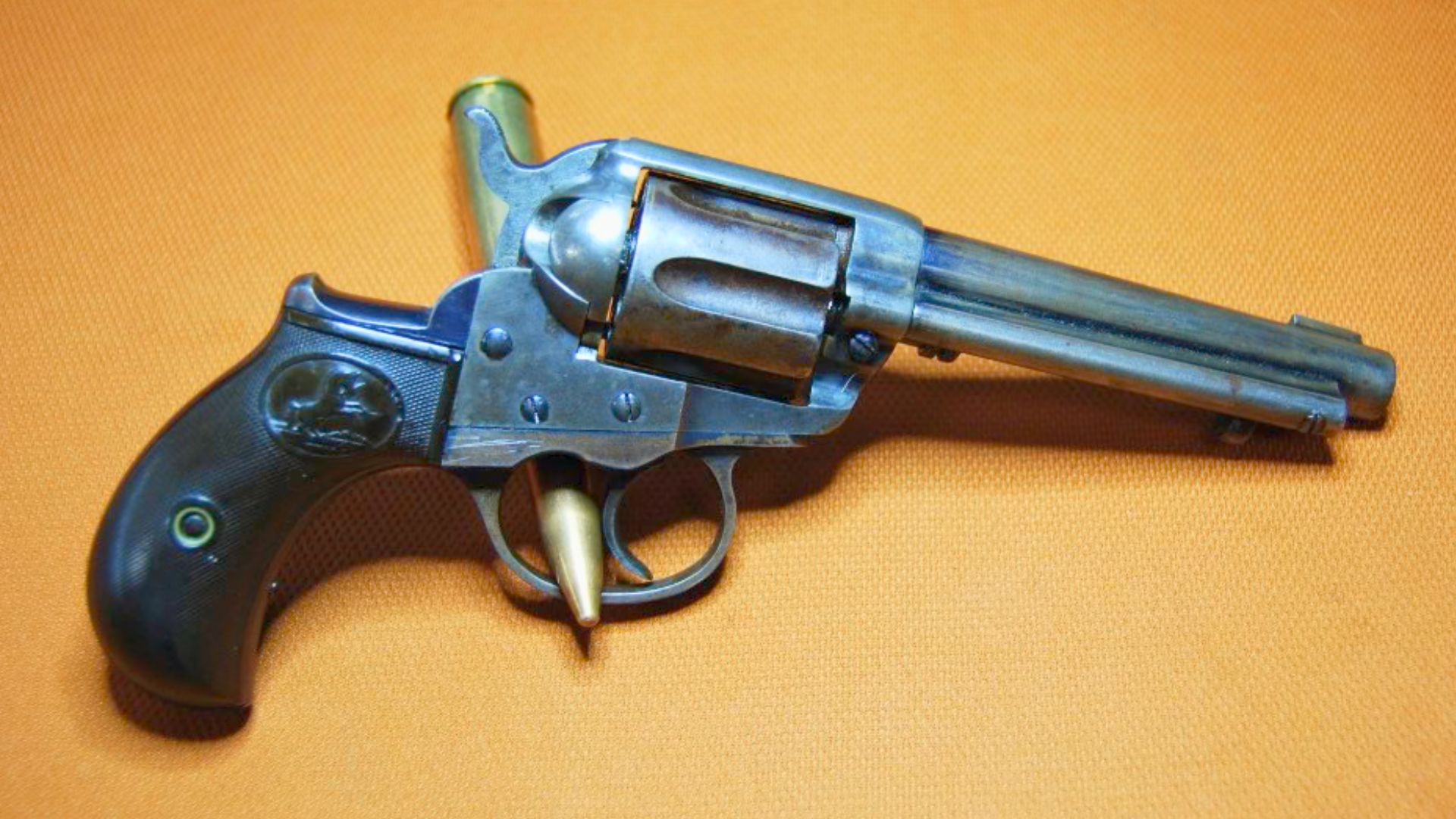
Colt’s early double-action got carried because it was compact and gave you repeat shots without cocking the hammer every time. On paper, that’s a big deal for a marshal or constable who’s not trying to run a gunfight like a target match.
The downside is the action. They earned a reputation for being delicate inside, and the “gunsmith special” jokes didn’t come from nowhere. If you find one that’s still tight, it’s a neat piece of history, but I wouldn’t call it a hard-use choice today.
4. Colt New Service
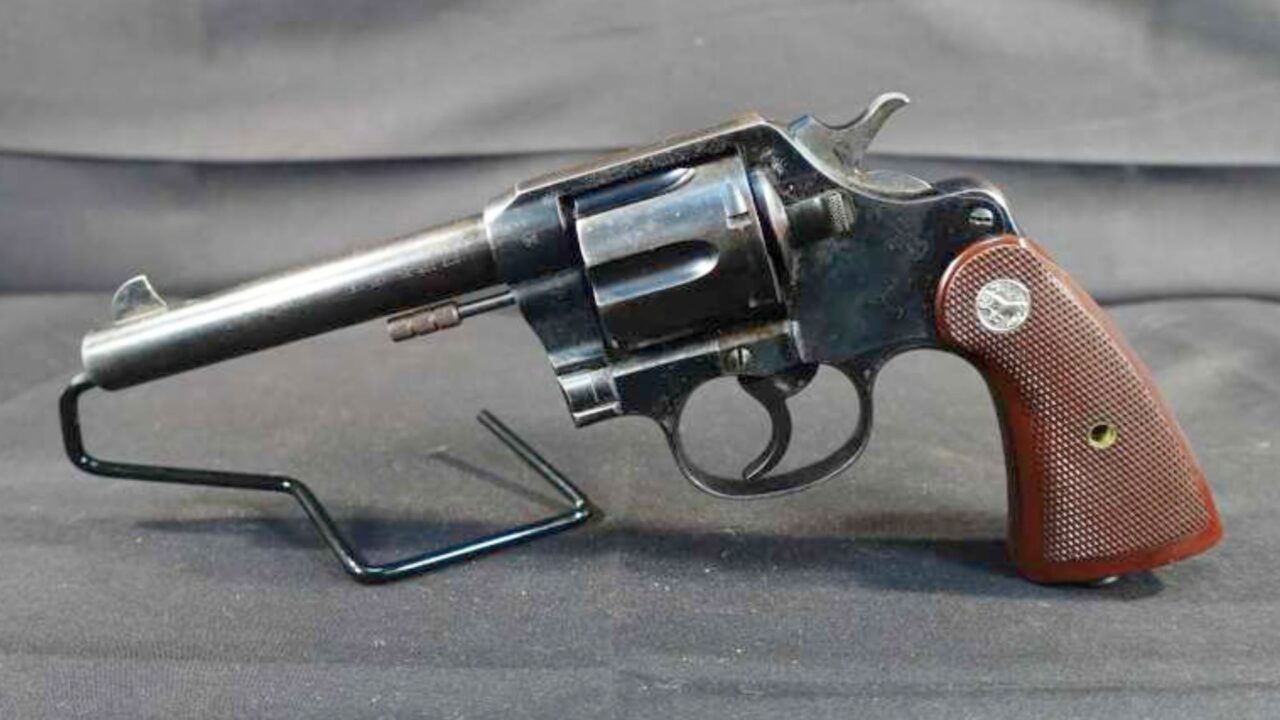
This was Colt going heavy-duty. Big frame, big cartridges, and a serious service revolver feel that makes sense once you understand the time period. When cars were new and roads were rough, a duty gun got banged around.
The New Service has that solid, blocky authority in the hand. It’s not sleek, and it’s not light, but it’s the kind of revolver you can imagine living on a belt for decades and still locking up.
5. Smith & Wesson Military & Police (pre-Model 10)
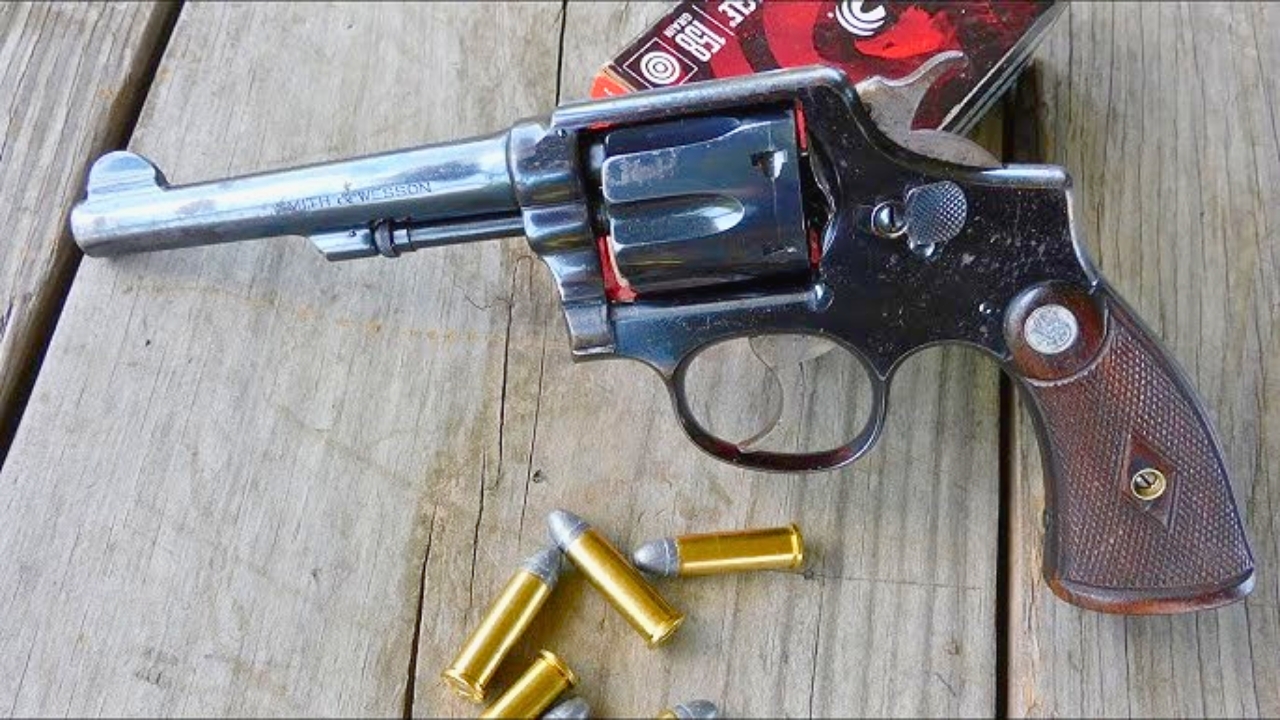
If you want the “working man’s” law enforcement revolver for a big chunk of the 1900s, this is it. The K-frame M&P in .38 Special was the steady drumbeat of American policing for generations.
It carries easier than the big N-frames, points quick, and the double-action on a good one is smooth in a way modern guns still chase. With standard-pressure .38s, they tend to just keep going.
6. Colt Police Positive
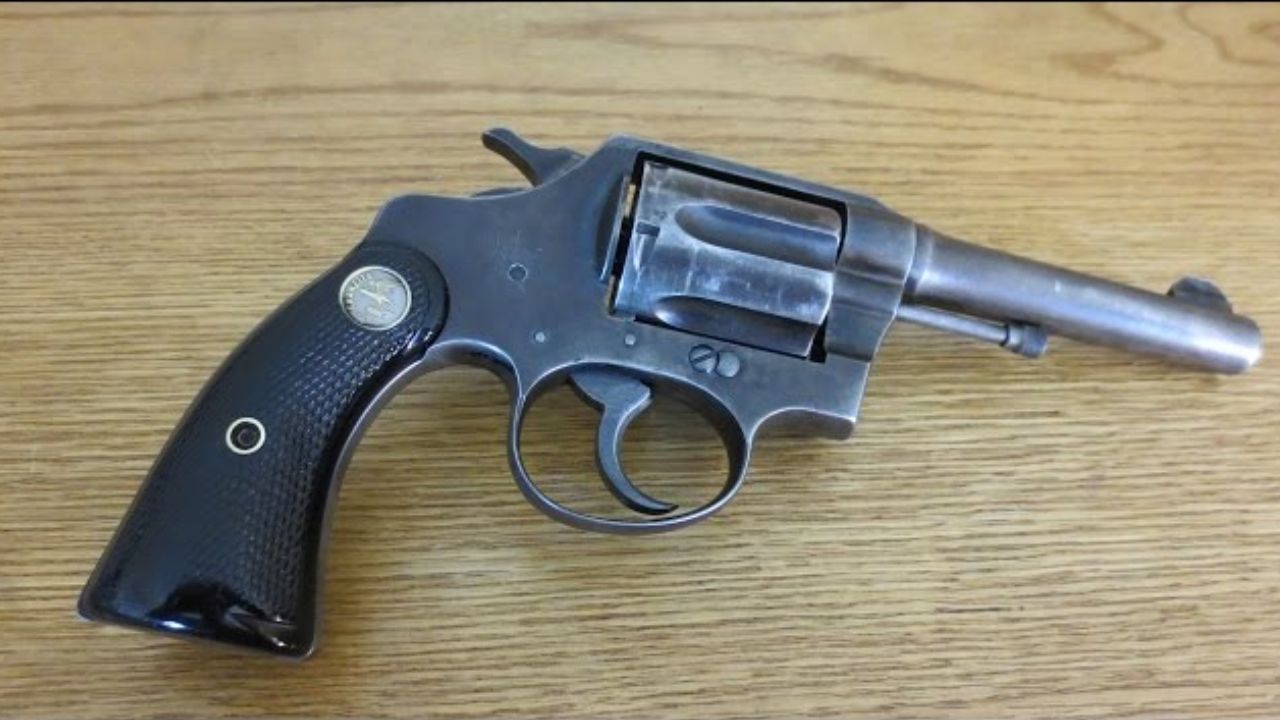
The Police Positive shows what departments wanted: a lighter, handier revolver with enough barrel to shoot straight and enough safety features to ride loaded. Colt’s positive lockwork was a selling point when agencies were nervous about drops and rough handling.
These are trim revolvers that disappear better on a belt than you’d expect from old steel. They’re not built for a steady diet of hot loads, but for what they were meant to do, they were a clean solution.
7. Colt Police Positive Special
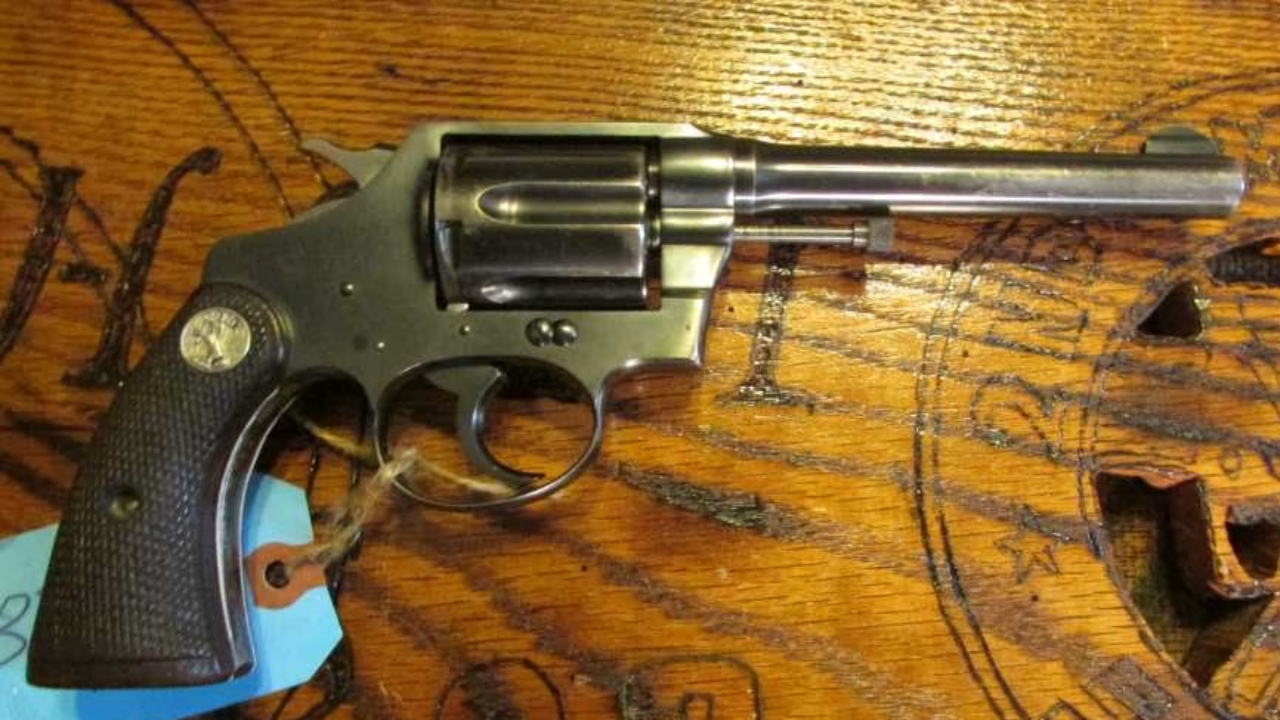
The “Special” mattered because it opened the door to .38 Special in a frame that still felt like a carry gun, not a brick. That combination made it popular with detectives and plainclothes guys who needed concealment without going tiny.
Colt actions can feel like butter when they’re right, and a little finicky when they aren’t. If you’ve ever had one that goes out of time, you learn to respect maintenance and not just nostalgia.
8. Smith & Wesson Model 1905 (4th Change)
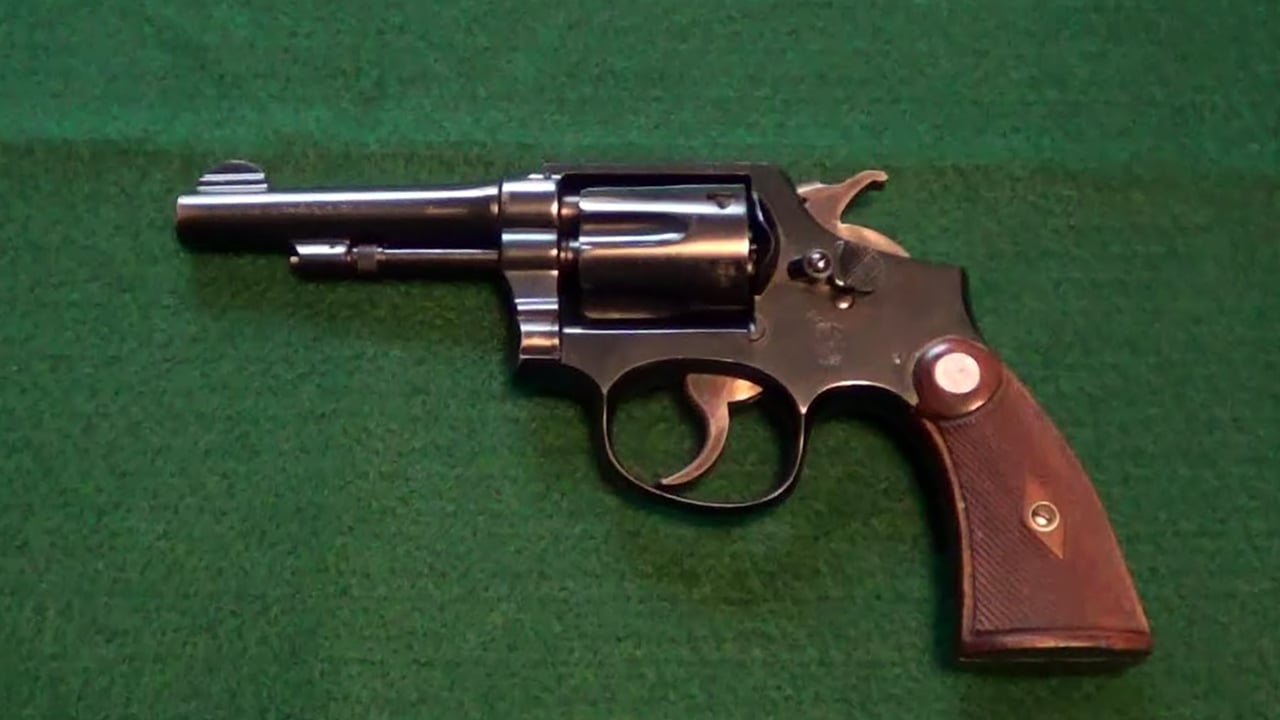
This is the direct bloodline of the later Model 10, and it was everywhere. Departments liked consistency, and the 1905 pattern gave them a reliable service revolver that didn’t demand special handling.
Most of these have honest wear: holster shine, thin bluing, and grips that tell stories. They also tend to shoot where you look, which is why so many old-timers kept them even after upgrades were available.
9. Colt Official Police
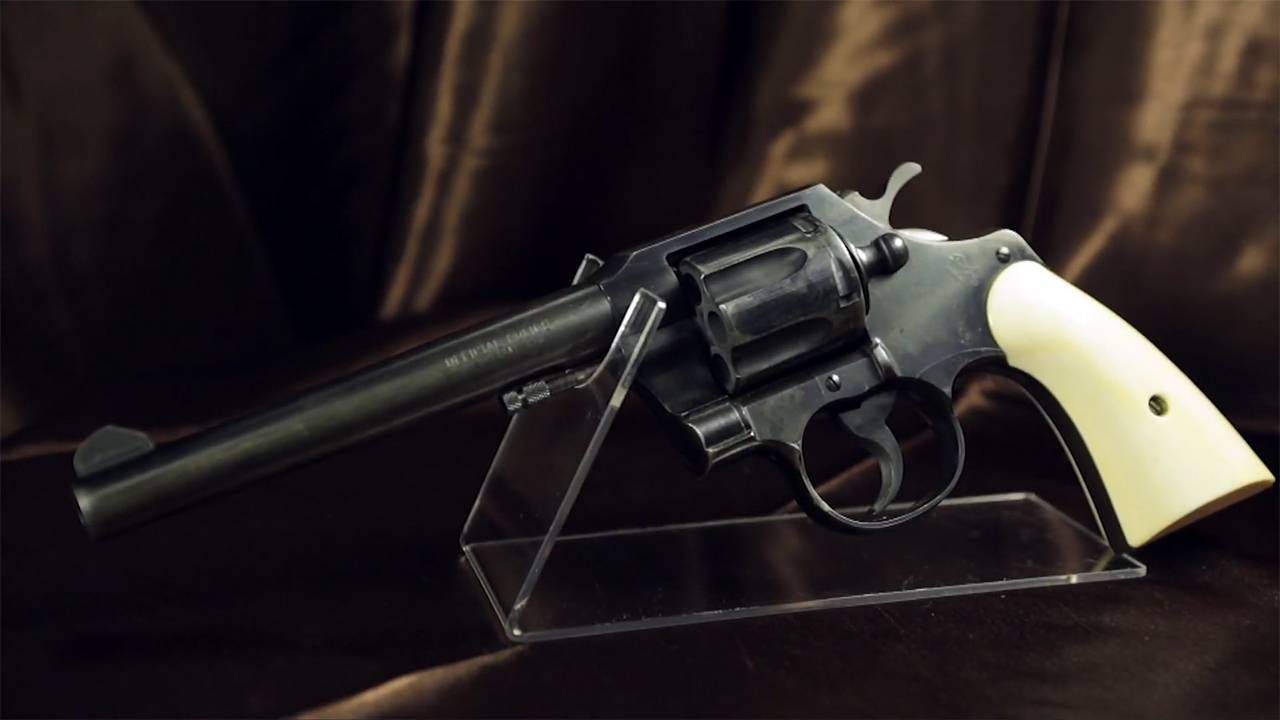
For a long time, “service revolver” might as well have meant Official Police. Medium frame, duty sights, and a reputation for holding up to real work, not just qualification day.
They balance well, and the longer barrels give you a steadier sight picture. If you ever carry one around the farm in a proper leather holster, you’ll understand why they were comforting on night shift.
10. Smith & Wesson Registered Magnum
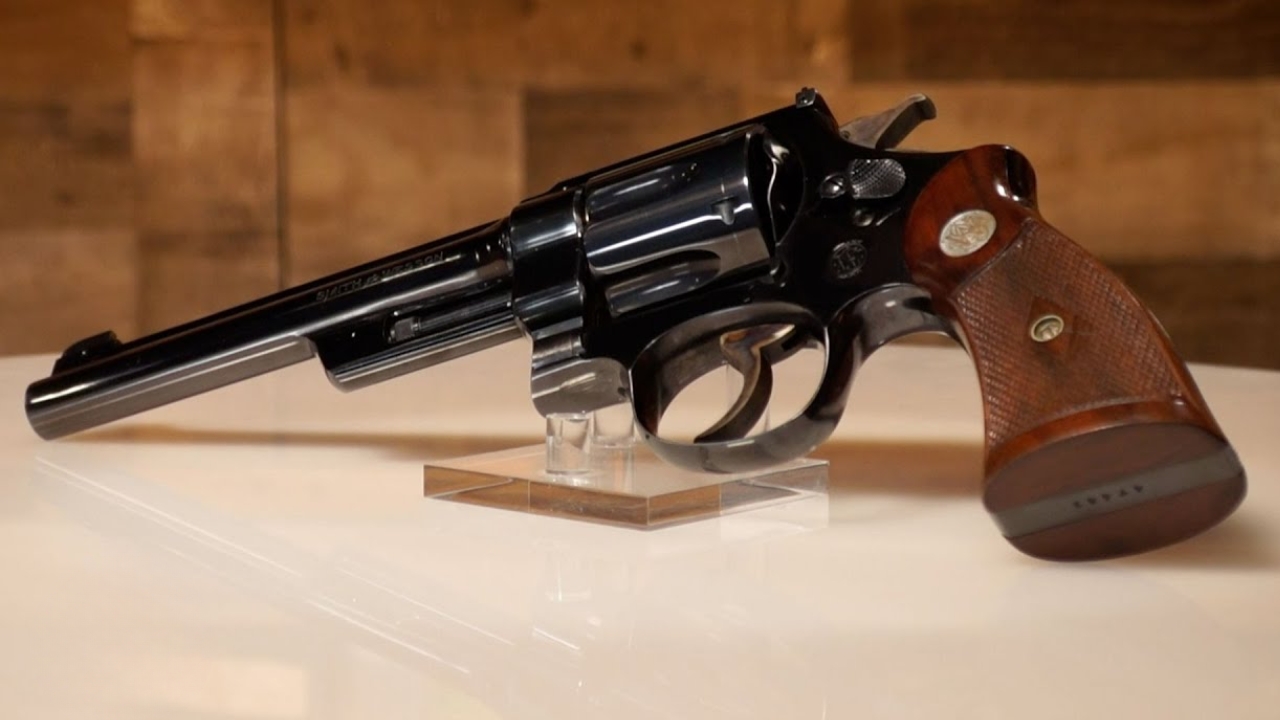
The original .357 Magnum, built when “magnum” was a new idea and S&W was trying to prove a point. Some agencies and individual officers wanted more reach and more punch, especially against cars and early body armor concepts.
These weren’t common across every department because they were expensive, but they were influential. The idea that a duty revolver could stretch out and hit hard helped shape what came next.
11. Smith & Wesson Model 27
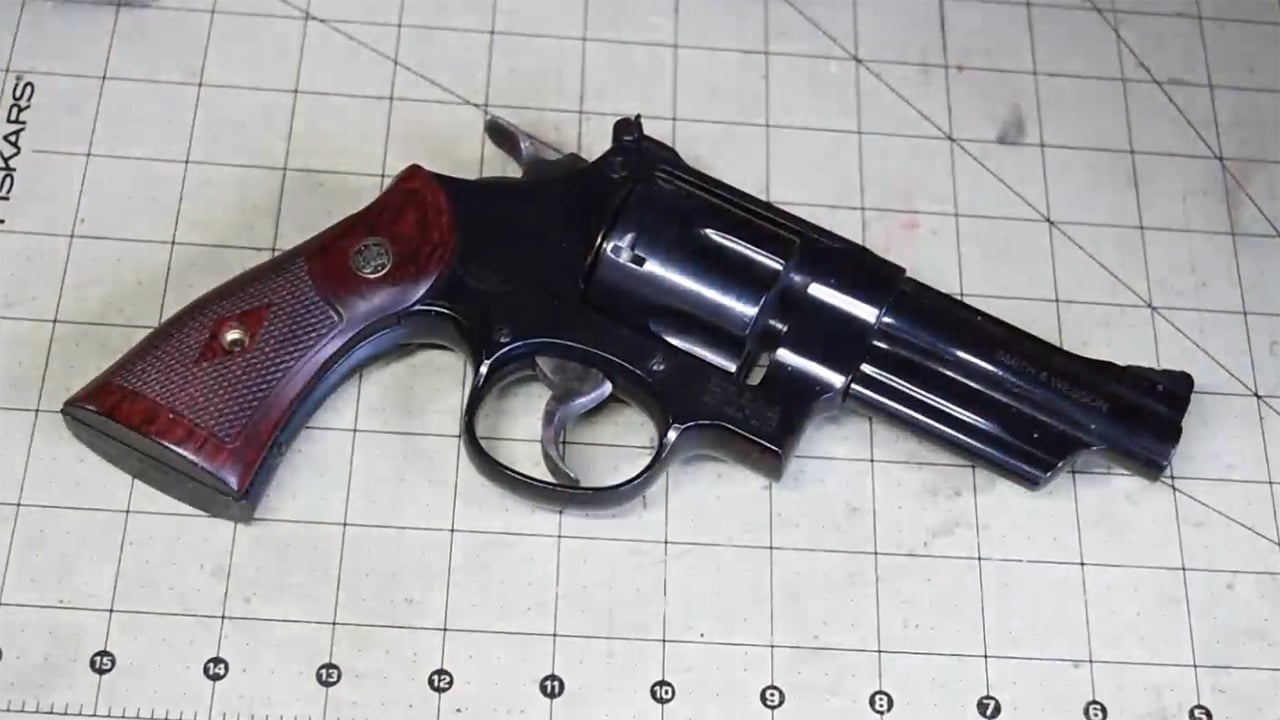
The Model 27 is what happens when a company decides the flagship should be built like a bank vault. Big N-frame, .357 Magnum, and finish work that looks almost out of place on a duty belt.
It’s heavy, no way around it. But that weight soaks recoil and makes double-action work steadier, especially with full-house loads. If you ever shoot one side-by-side with a lighter gun, you’ll feel why some officers put up with the extra ounces.
12. Smith & Wesson Model 28 Highway Patrolman
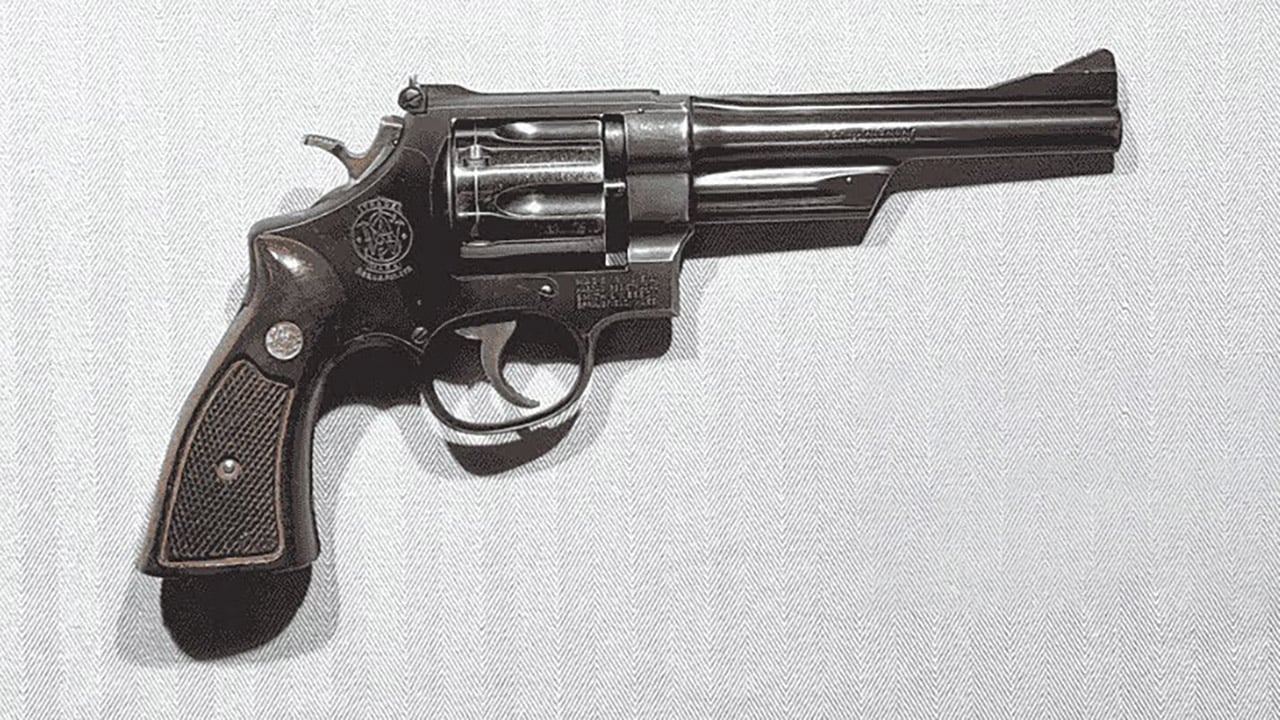
Same basic strength as the Model 27, with a more utilitarian finish that made it affordable for agencies. This is one of those “boring is good” duty guns. It wasn’t trying to impress anyone.
They wear like iron, and the size makes sense for uniform carry. The Model 28 is also one of the best examples of a gun that looks plain in a photo but feels exactly right when you actually run it.
13. Smith & Wesson Model 19 Combat Magnum
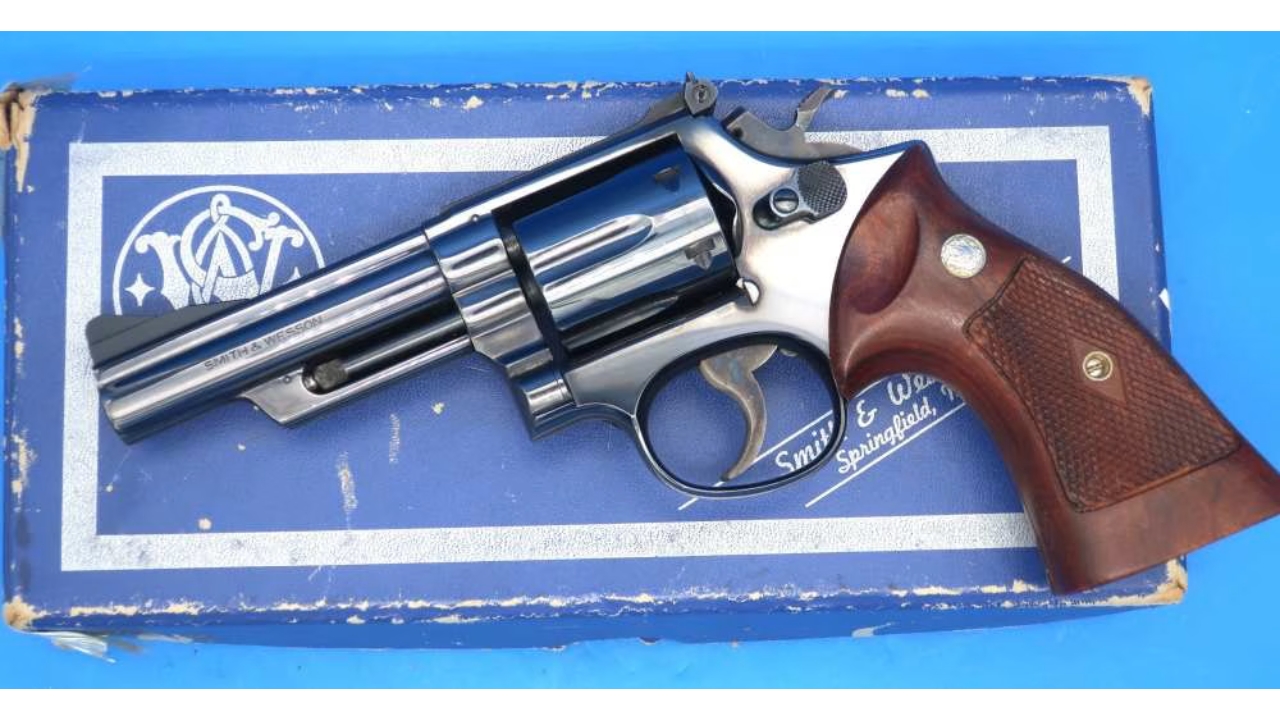
Now you’re talking about the revolver that hit the sweet spot for a lot of officers: K-frame handling with .357 capability. It carries easier than the N-frame guns and still gives you serious performance.
The catch is durability with hot loads. Feed it a constant diet of light, fast magnums and you can accelerate wear. With sensible ammo choices, though, it’s hard to beat for shootability and belt comfort.
14. Colt Python
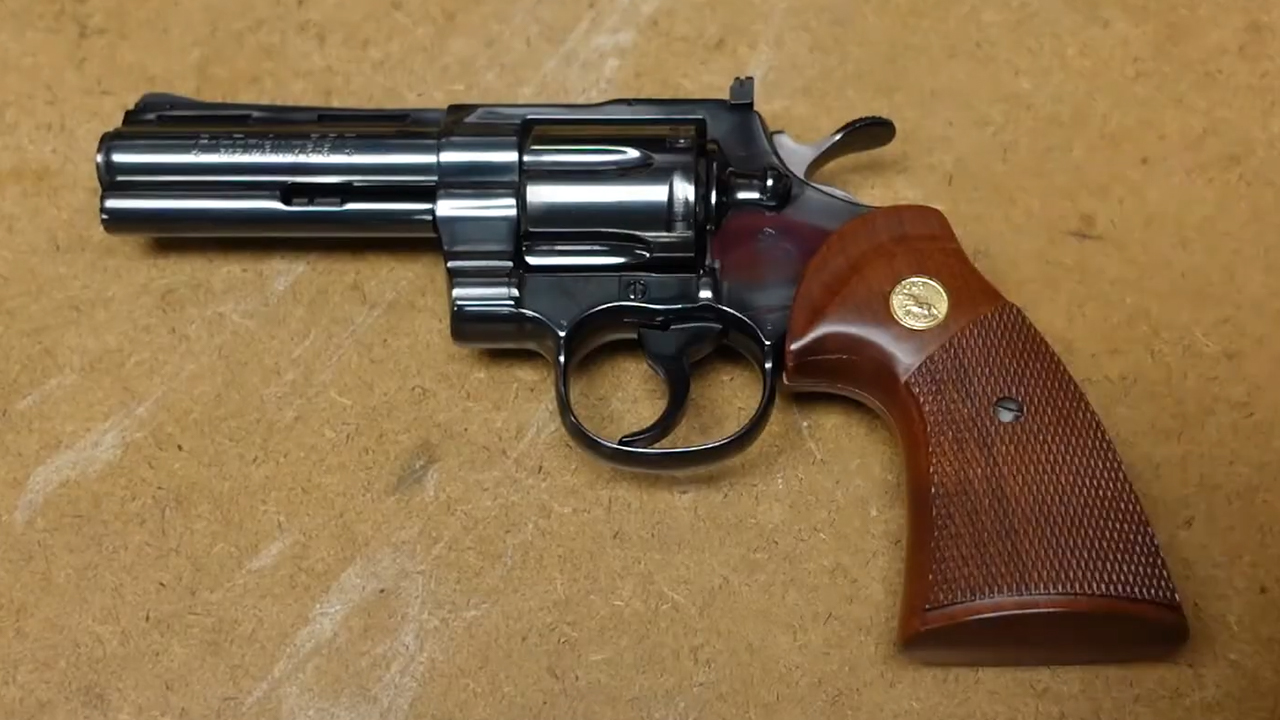
Yes, it got carried. Not everywhere, and not always issued, but it showed up on duty belts and in detective holsters because some officers bought their own and wanted the best action and accuracy they could get.
It’s also the revolver that makes people forget practicality. A Python is smooth and accurate, but it’s not the easiest gun to keep running if something gets out of tune. Still, when you find one that’s right, you’ll understand the hype in about one cylinder.
15. Colt Trooper
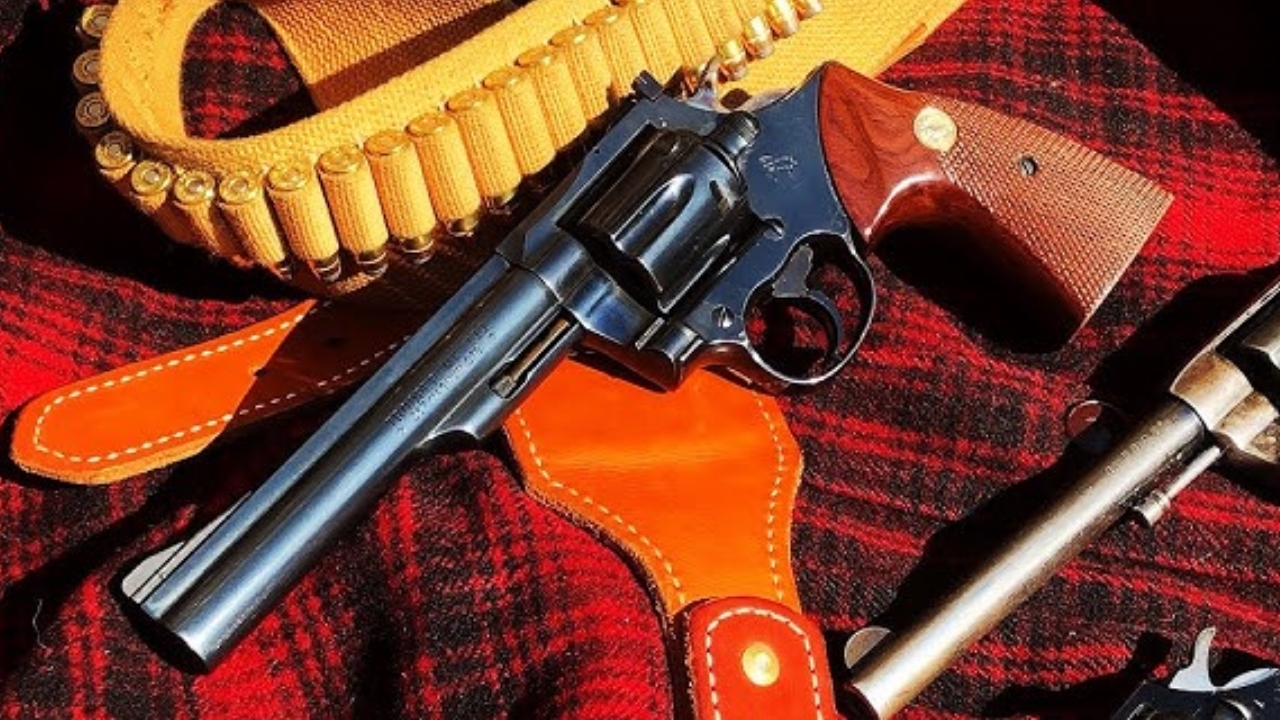
The Trooper is the more realistic cousin in the Colt lineup—less fancy than a Python, still capable, and more attainable. It earned a place with agencies and individuals who wanted a strong .357 without paying for polish.
They point well and carry like a serious service gun. If you want “Colt feel” without the collector premiums, the Trooper is where a lot of smart buyers end up.
16. Smith & Wesson Model 15 (Combat Masterpiece)
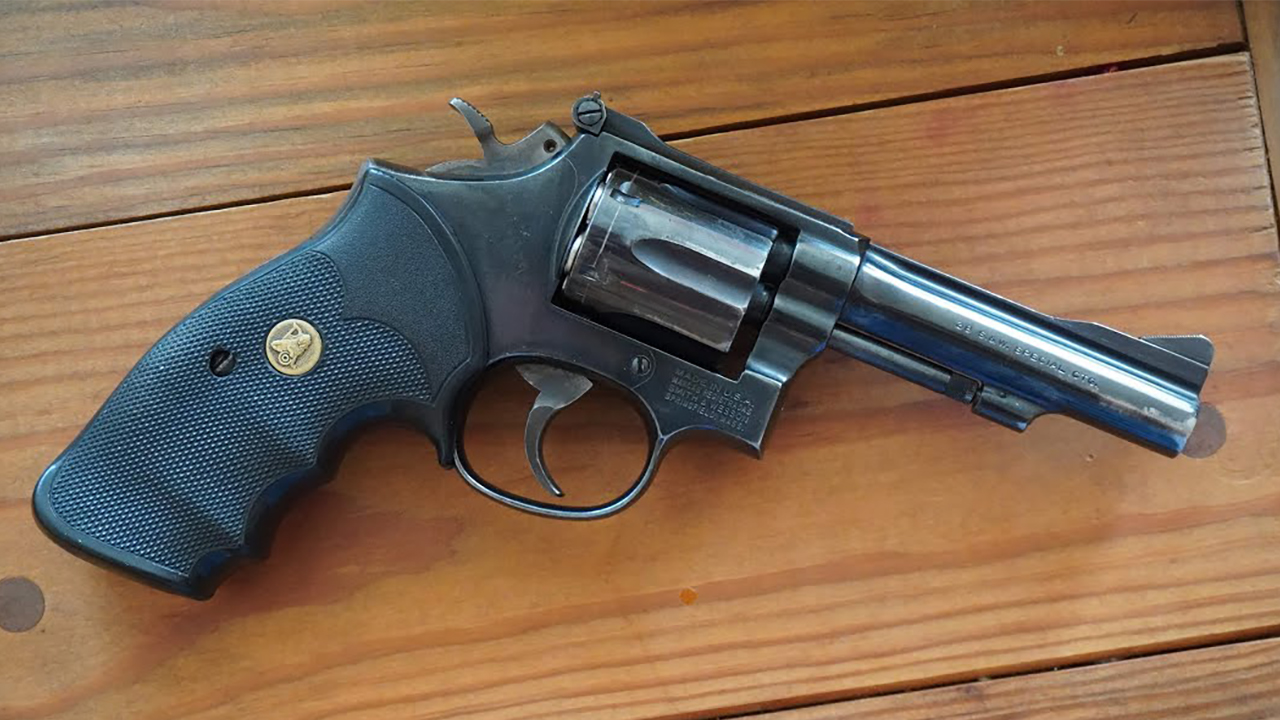
Plenty of officers lived their whole careers with a .38 Special and did just fine. The Model 15 is one reason why: adjustable sights, good balance, and a trigger that encourages real marksmanship instead of “minute of torso.”
It’s not a barn-burner, and that’s okay. With quality .38 loads and good shot placement, it’s a controllable, accurate duty gun that taught a lot of cops how to shoot well.
17. Smith & Wesson Model 36 Chief’s Special
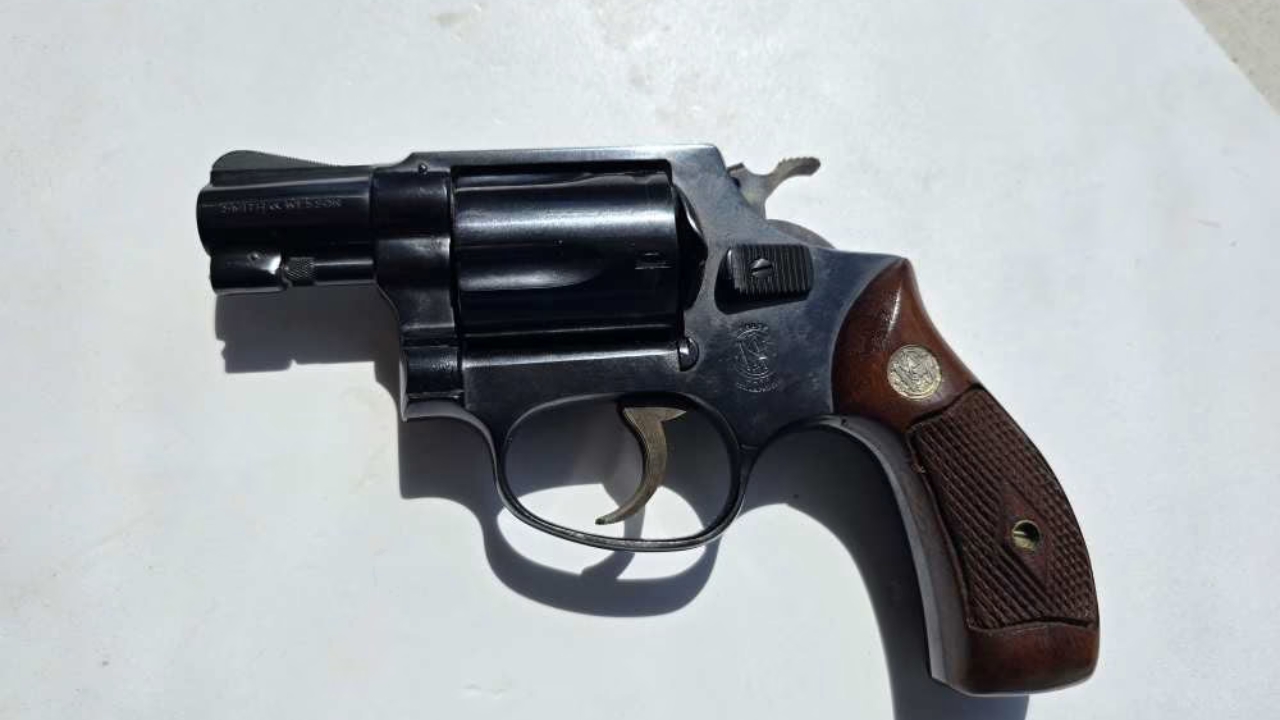
When you talk backup guns, the Model 36 comes up fast. Snub-nosed, simple, and small enough for ankle carry, pocket carry, or a jacket. Detectives liked them, and uniformed officers trusted them as a last-ditch option.
Short barrels are harder to shoot well, and anyone who says otherwise hasn’t run one fast at distance. But as a close-range lifesaver, it made sense, and it still does.
18. Colt Detective Special

Here’s the snub that gave you one more round than most of its competition. That sixth shot mattered to a lot of folks, and the Detective Special also had a reputation for being a serious little revolver, not a toy.
They carry surprisingly well for an all-steel gun, and the grip shape works for real hands. The downside is weight in a pocket and the same Colt timing sensitivities if they’re worn out. A tight one is a joy.
19. Smith & Wesson Model 12 Airweight
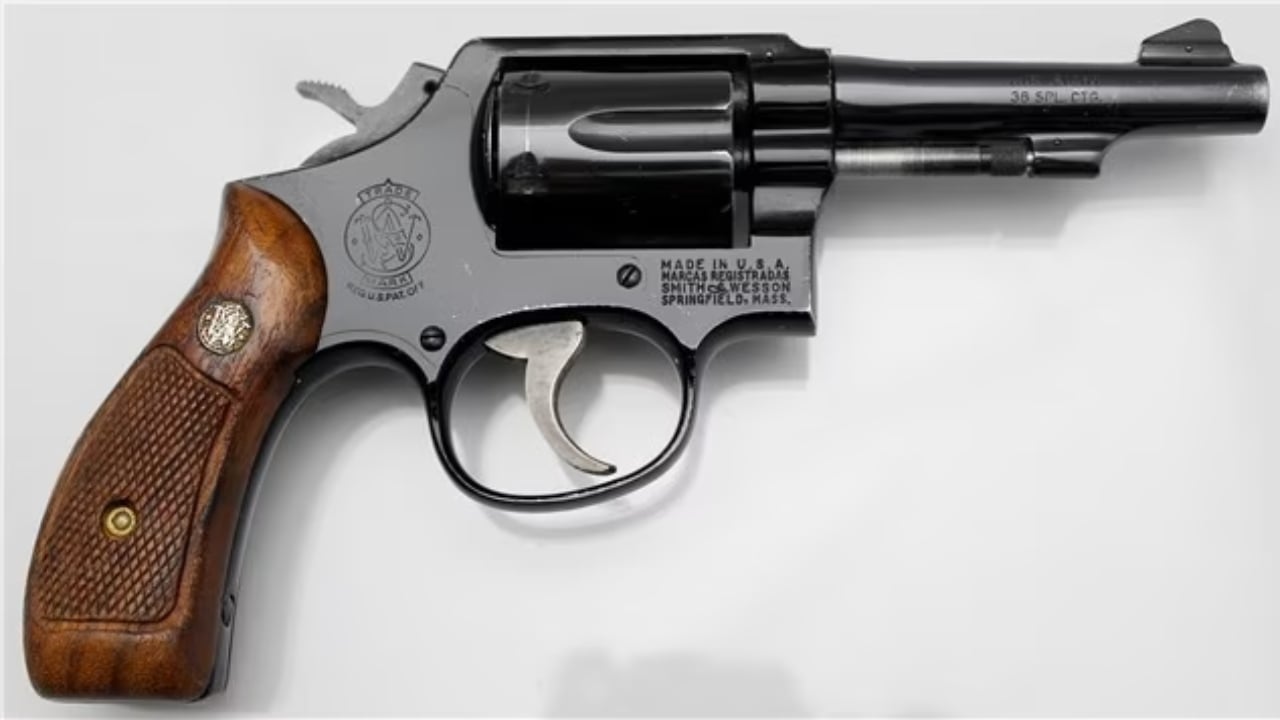
Lightweight duty revolvers existed long before polymer was a thing. The Model 12 gave officers a K-frame sized .38 that didn’t drag your belt down by lunchtime.
The tradeoff is recoil and long-term abuse. Aluminum frames are not the place to get cute with hot loads. For standard .38 carry and lots of practice with sensible ammo, it’s a very practical old-school solution.
20. Ruger Security-Six
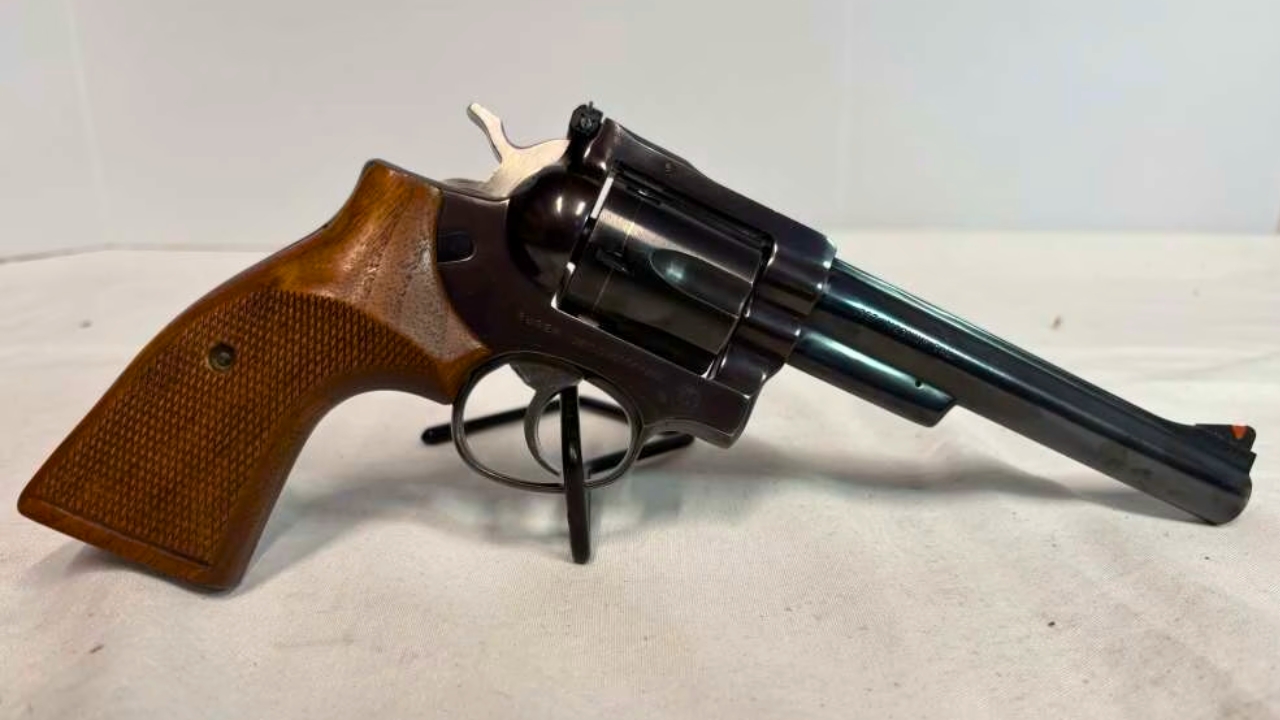
Ruger arrived with a reputation for building guns that didn’t mind being treated like tools. The Security-Six and its variants found their way into duty holsters because they were strong, reliable, and priced in a way that made sense for departments watching budgets.
The trigger isn’t always as sweet as a tuned Smith or a good Colt, but it’s workable. And these guns tend to keep running even when they’ve lived a hard life—sweat, dust, rain, and neglect included. Ask me how I know.
It’s easy to look back and assume everyone was undergunned. In reality, a lot of those officers were simply better practiced with what they had, and their gear was built to survive daily carry. The funny part is that plenty of these revolvers still solve real problems today—on the nightstand, in a truck console, or on the hip while you’re checking fence lines—long after the rest of the world decided six shots was outdated.
Like The Avid Outdoorsman’s content? Subscribe to our newsletter so you never miss an article.
Here’s more from us: