Photo credit: Browning
A good shotgun can cover more ground than almost any other firearm. Change the choke and load, and the same gun can go from breaking clays on Saturday to hunting ducks, doves, pheasants, rabbits, or turkeys the following week. That versatility is one reason so many hunters end up becoming attached to one particular shotgun even after they own several others.
The best do-everything shotguns are not necessarily the fanciest or the lightest. They need dependable actions, widely useful barrel lengths, interchangeable chokes, and enough durability that you do not mind taking them into bad weather. Some are pumps that will digest almost anything. Others are semiautos that make long days of shooting easier on your shoulder. A few over-unders earn a place because they handle both hunting and clay shooting exceptionally well. If I wanted one shotgun to cover as many jobs as possible, these 20 would be near the top of my list.
Beretta A300 Ultima
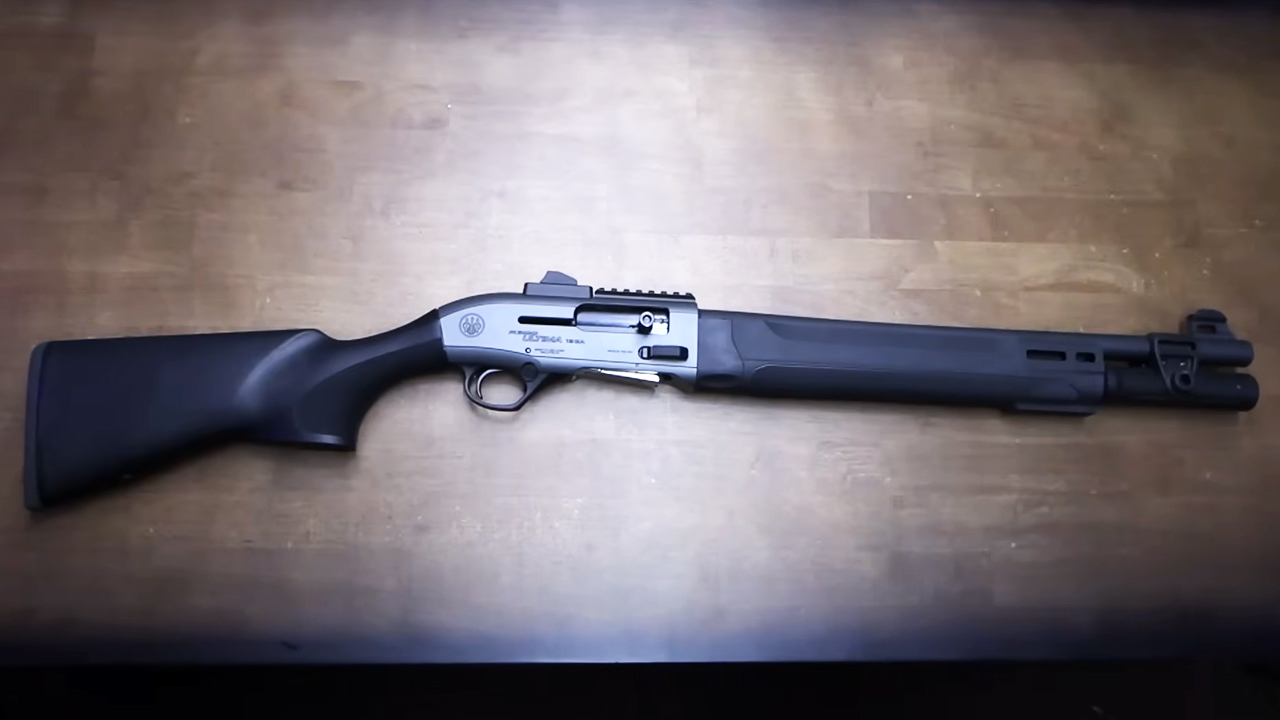
The A300 Ultima may be one of the easiest semiautomatic shotguns to recommend to somebody who has no interest in owning a separate gun for every season. Beretta’s gas system helps soften recoil, the controls are large enough to manipulate with gloves, and the synthetic-stock versions can handle wet hunting conditions without making you nervous about damaging fancy wood. It is equally at home shooting doves in September or working through a sporting-clays course during the offseason.
What I like most is how little specialization you are forced into. With different choke tubes and ammunition, an A300 can hunt waterfowl, upland birds, turkey, and small game while still being pleasant for recreational clay shooting. There are lighter inertia guns and more expensive Berettas, but the A300 hits a sweet spot where versatility matters more than prestige.
Winchester SX4
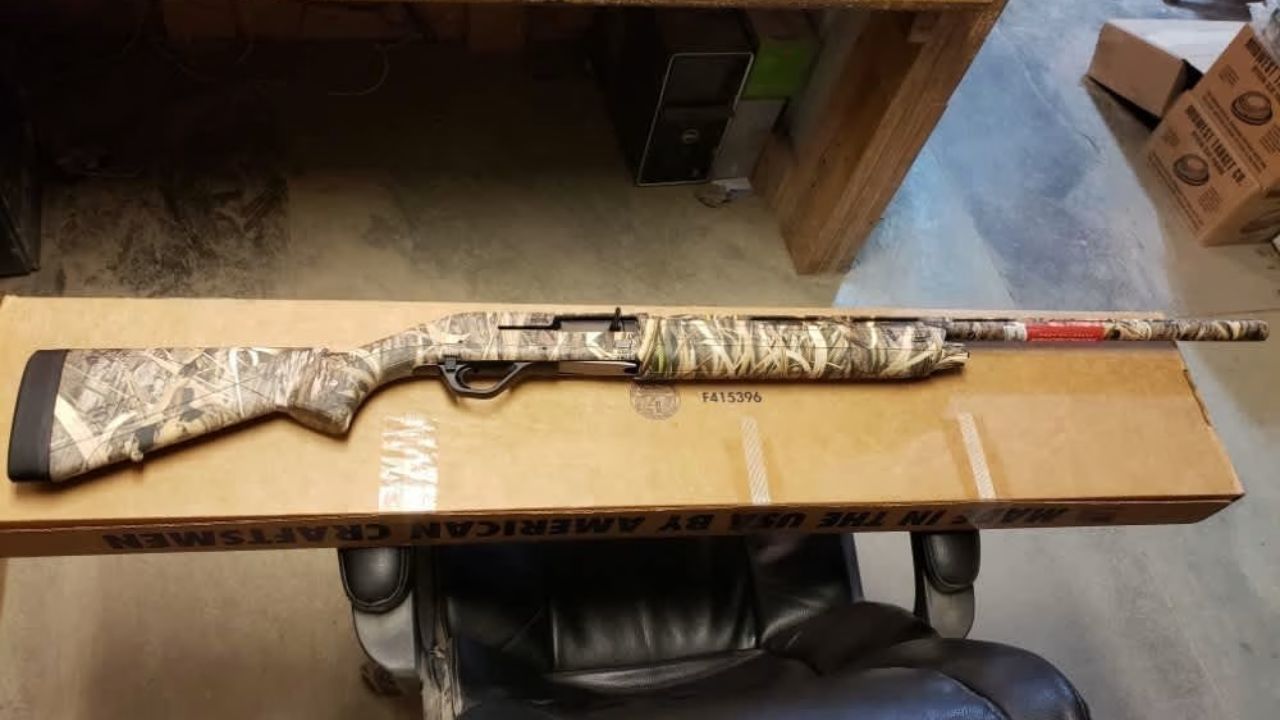
The SX4 is one of those gas-operated semiautos that rarely gets as much attention as the most expensive Italian guns, yet it covers an enormous amount of territory. The controls are straightforward, recoil is mild, and Winchester has offered it in configurations ranging from basic field guns to waterfowl-oriented models. A 12-gauge field version with a sensible barrel length can handle an awful lot of hunting without feeling excessively specialized.
It is especially good for shooters who expect to fire a lot of shells. Dove fields, duck blinds, and sporting-clays courses can all expose the difference between a hard-kicking gun and a soft gas system by the end of the day. The SX4 is not trying to be an heirloom. It is trying to shoot reliably and comfortably, and that makes it an excellent all-purpose shotgun.
Franchi Affinity 3

The Affinity 3 gives you the low-maintenance appeal of an inertia-operated shotgun without requiring the price of some premium alternatives. The action stays relatively clean because combustion gases are not being routed back through the operating system, and the gun remains light enough to carry comfortably through upland cover.
That lighter weight does mean recoil is more noticeable than with a heavy gas gun, but I can accept that trade if the shotgun is going to spend a lot of time in my hands rather than sitting in a blind. The Affinity can move from pheasants and doves to ducks and clays without feeling out of place. For someone who wants one semiauto that is easy to maintain and light enough to carry all day, it makes a lot of sense.
Benelli Montefeltro
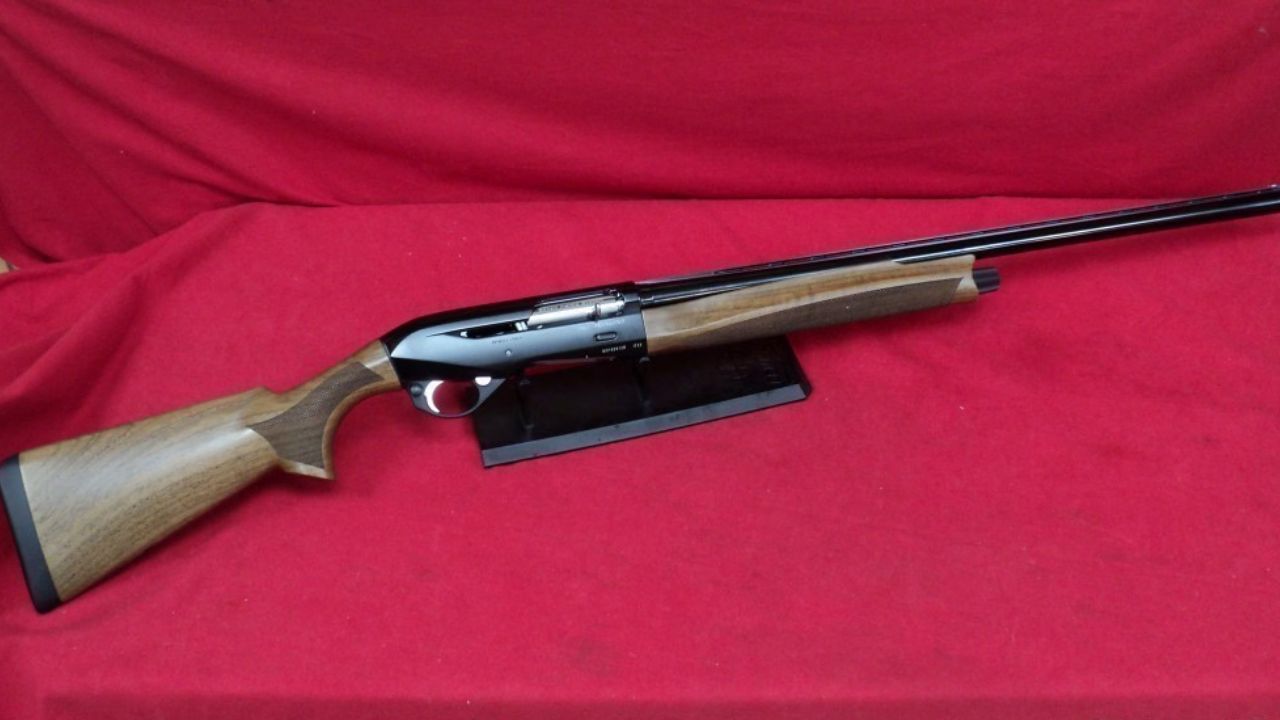
The Montefeltro has always struck me as one of Benelli’s best examples of a shotgun that does not need tactical styling or waterfowl camouflage to remain extremely useful. It is light, trim, quick to shoulder, and built around Benelli’s proven inertia operating system. That makes it particularly pleasant for upland hunting, where every extra ounce starts becoming noticeable after miles of walking.
At the same time, the Montefeltro is not limited to upland birds. With proper choke and ammunition choices, it can handle doves, ducks in reasonable conditions, small game, and plenty of clay shooting. It may not be the gun I would deliberately drag through the muddiest marsh every weekend, but as a traditional field semiauto capable of covering several seasons, it is hard to fault.
Mossberg 940 Pro Field

The 940 Pro Field takes what Mossberg learned from competition and defensive versions of the 940 and applies it to a more traditional hunting shotgun. The gas system is designed around extended use, the controls are easy to operate, and the stock can be adjusted to fit different shooters better than many basic field guns.
Fit matters more than people realize when a shotgun is expected to do several jobs. A gun that mounts naturally will serve you far better on flushing birds and clays than one you constantly have to correct after it reaches your shoulder. The 940 Pro Field gives you enough modern adjustability to make that possible while staying practical for hunting. I would have no problem using one as the only semiauto in the safe.
Weatherby Element
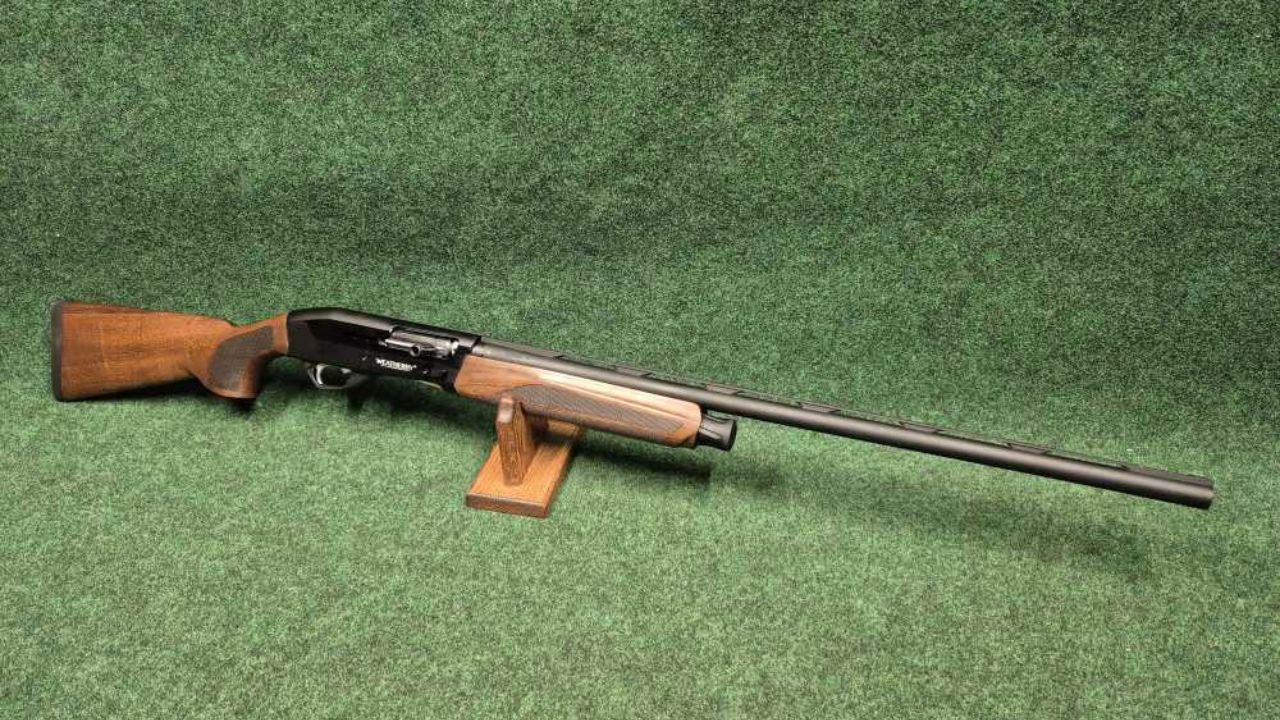
The Weatherby Element is a straightforward inertia-operated semiauto that appeals to me because it does not try to complicate the basic hunting shotgun. It is light enough for upland use, easy to maintain, and available in gauges that make sense for everything from deer-country small game to long days chasing birds.
A 12-gauge Element with interchangeable chokes can cover an incredible number of jobs. A 20-gauge version becomes even more attractive for someone who prioritizes carry weight and upland hunting. Either way, the gun gives you the clean-running benefits of an inertia action without turning into an expensive specialty purchase. It is one of those shotguns where the owner can spend money on ammunition and hunting trips rather than endless modifications.
Stoeger M3000
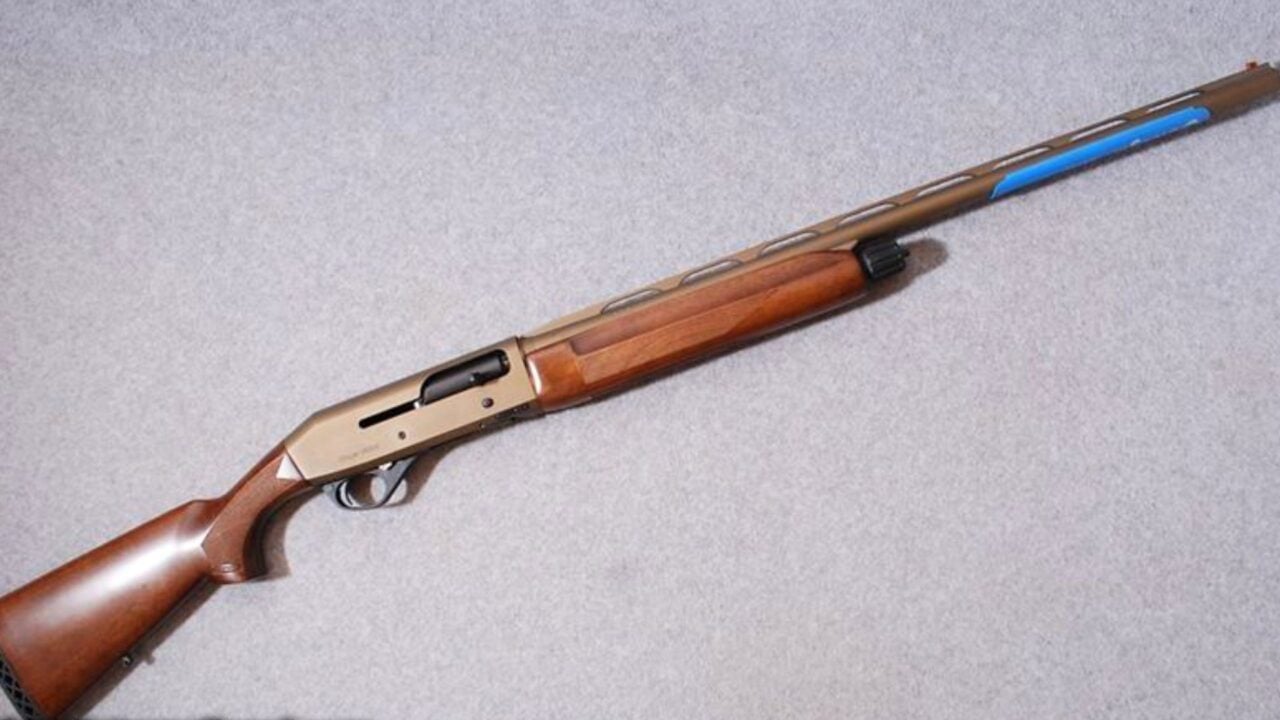
The M3000 has become popular because it gives shooters an inertia-driven semiauto at a much lower price than many guns using similar operating principles. It is not as refined as a high-end Benelli, but refinement matters far less when the shotgun is going to spend its life in duck blinds, trucks, and muddy fields.
The important thing is that the M3000 can be configured for a wide variety of roles. Field models handle birds and clays, while different choke choices and loads let the same basic gun work for turkey or waterfowl. It is also inexpensive enough that owners are less afraid of scratching it. Sometimes the best all-purpose shotgun is the one you are actually willing to take everywhere.
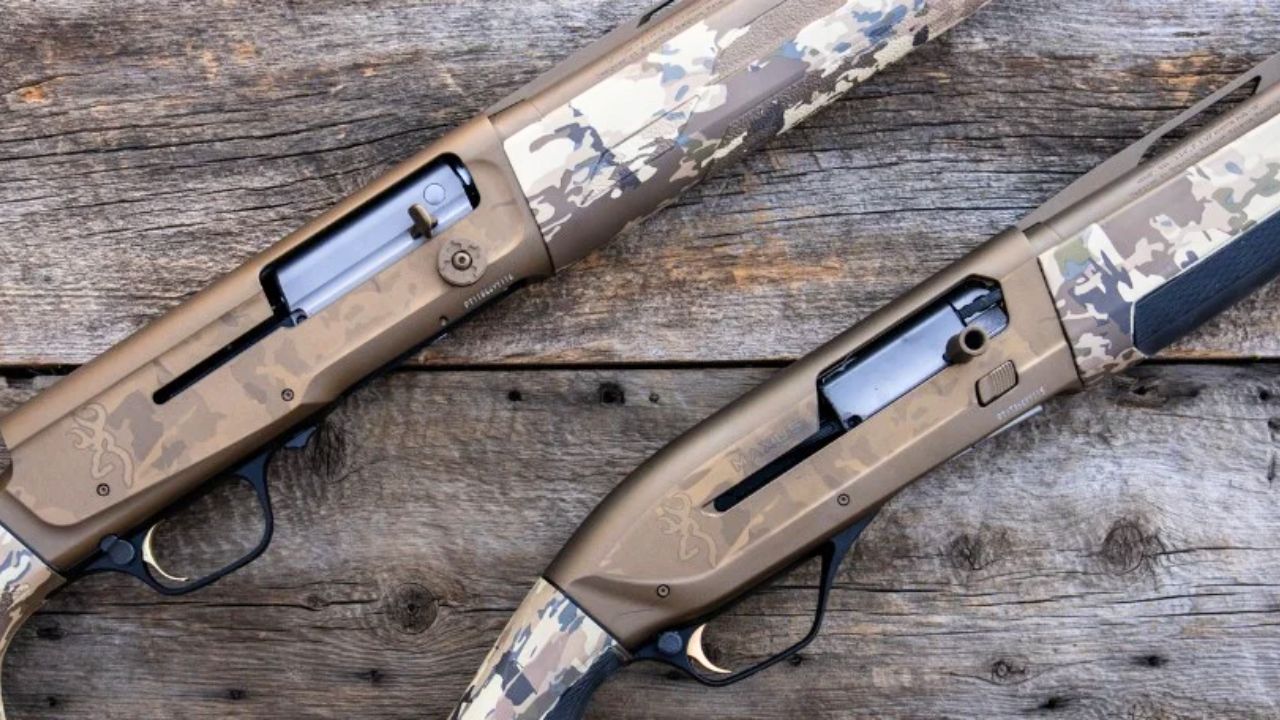
Browning Maxus II
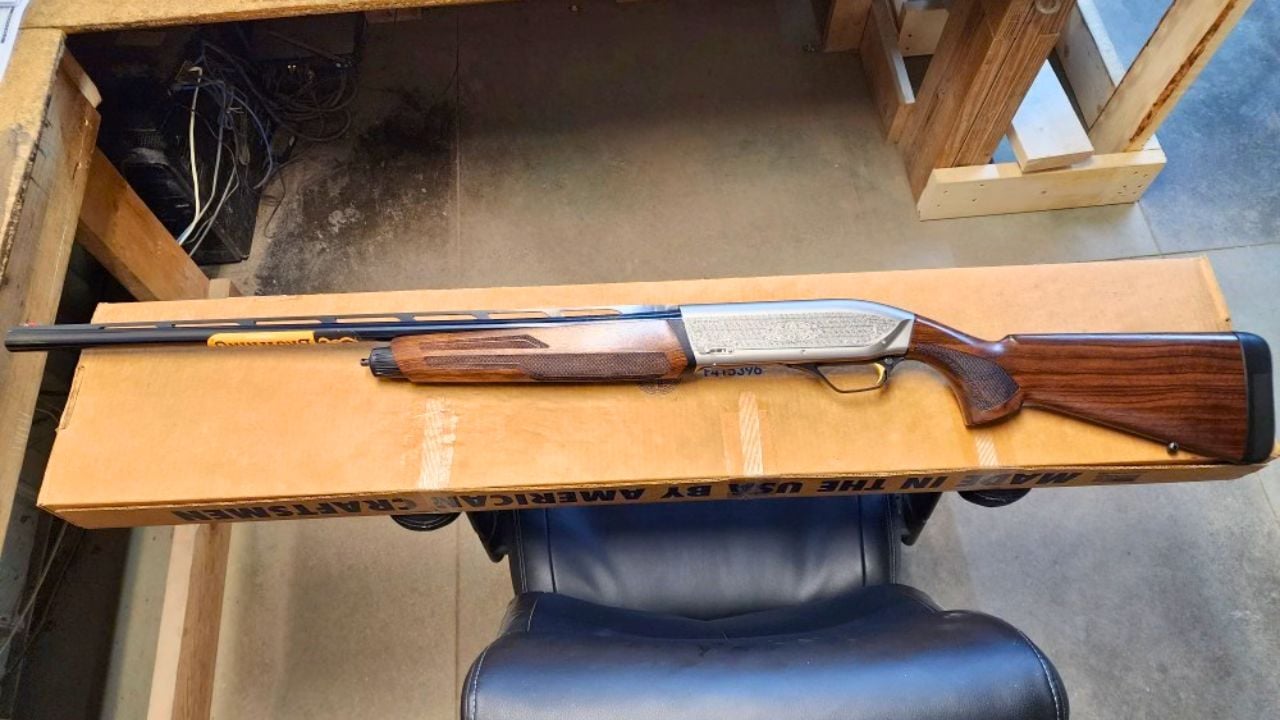
The Maxus II sits closer to the premium end of the semiauto market, but the extra money buys a shotgun that can genuinely cover a broad range of shooting. Browning’s gas system makes recoil extremely manageable, the controls are excellent, and the stock dimensions make the gun comfortable during long days of firing.
Waterfowl hunters may gravitate toward camouflaged versions, but the basic platform is capable of far more than ducks and geese. With the right barrel and choke configuration, it is equally comfortable breaking clays or handling upland birds. I especially like the Maxus II for somebody who wants one high-quality semiautomatic rather than several cheaper specialized guns. It can take a lot of use without feeling like you chose the wrong tool for half the year.
Beretta A400 Xplor Action
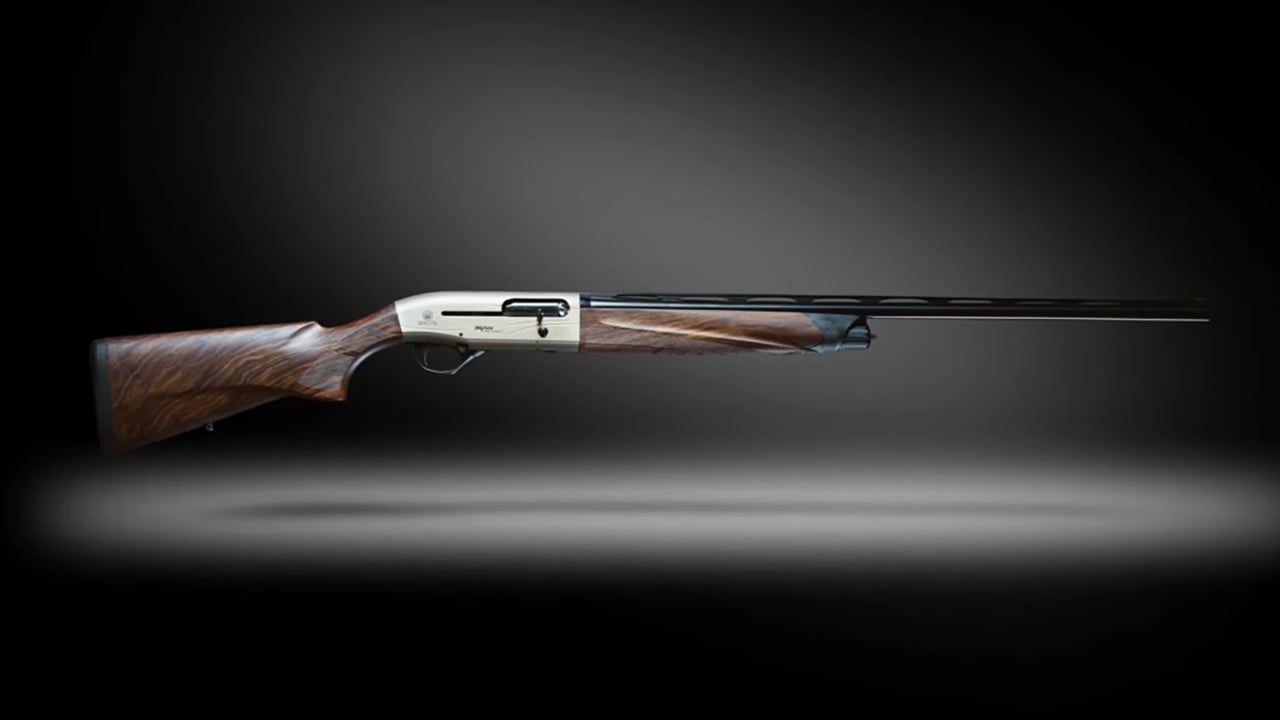
The A400 Xplor Action is one of those shotguns that feels refined enough for a nice sporting range but durable enough that you should not be afraid to hunt with it. Beretta’s gas system keeps recoil mild, while the balance and relatively lively handling make the gun much more versatile than a heavy target-only semiauto.
That combination is exactly what I want from an all-around field gun. It can shoot clays comfortably, then head into a dove field or upland cover without feeling cumbersome. A quality wooden stock may make some owners more protective of it than a synthetic shotgun, but guns are made to be used. If I wanted one semiauto that could cover hunting and recreational shooting while still feeling special every time I picked it up, this would be high on the list.
Savage Renegauge
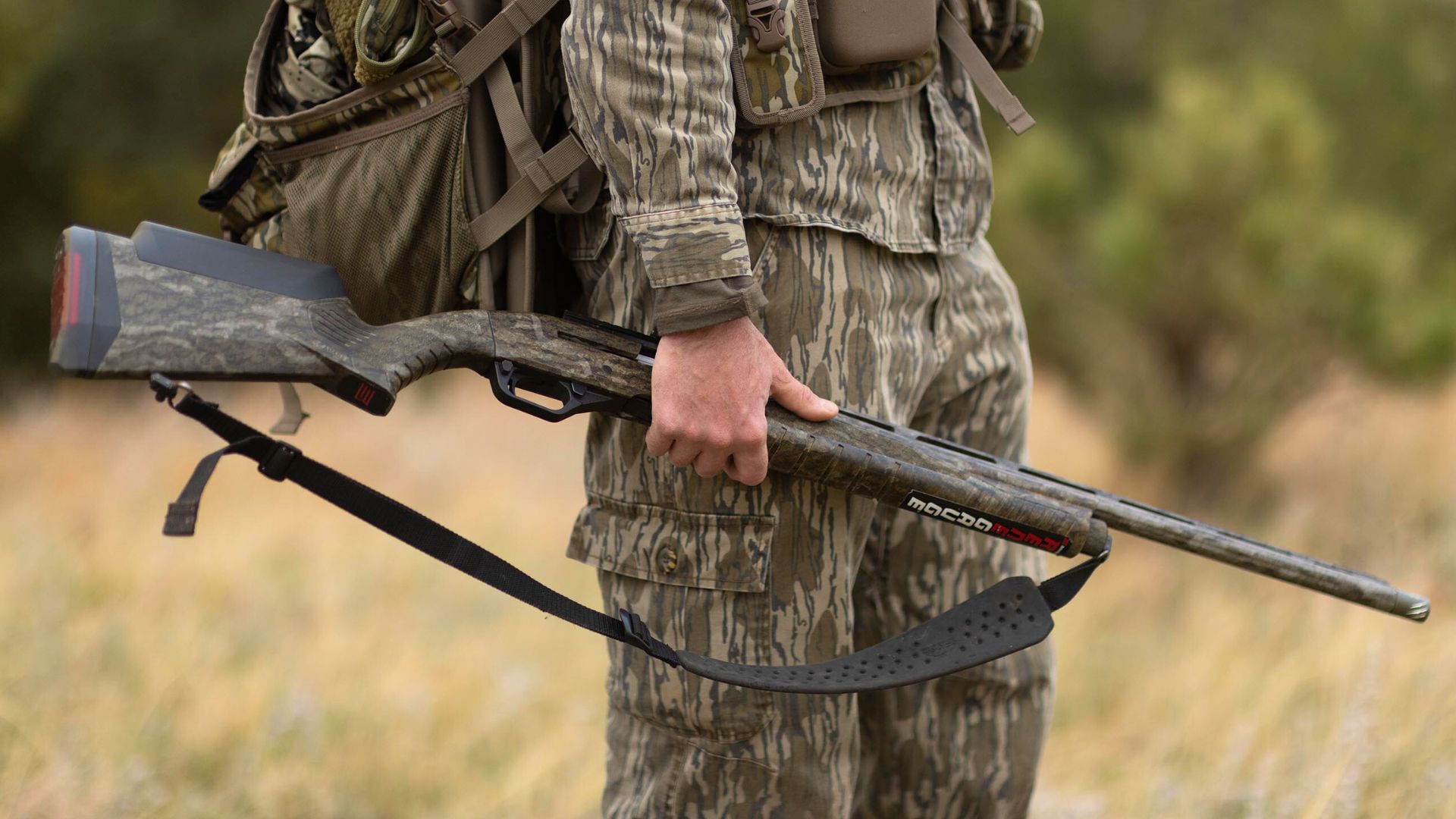
The Renegauge is heavier and more mechanically involved than many inertia guns, but that mass and gas system make it extremely comfortable when shooting heavy loads or long strings. Savage built the action around regulating the gas needed to cycle the gun, which helps keep the shotgun from beating the shooter unnecessarily.
That makes it particularly attractive to somebody who wants one gun for waterfowl, turkey, clays, and ordinary field shooting. The weight may be less appealing if you spend all day walking steep upland country, but it becomes a positive when you are firing magnum hunting loads. I like the Renegauge because it feels built around high-volume use rather than merely being light enough to look good on a specifications chart.
CZ 1012 G2
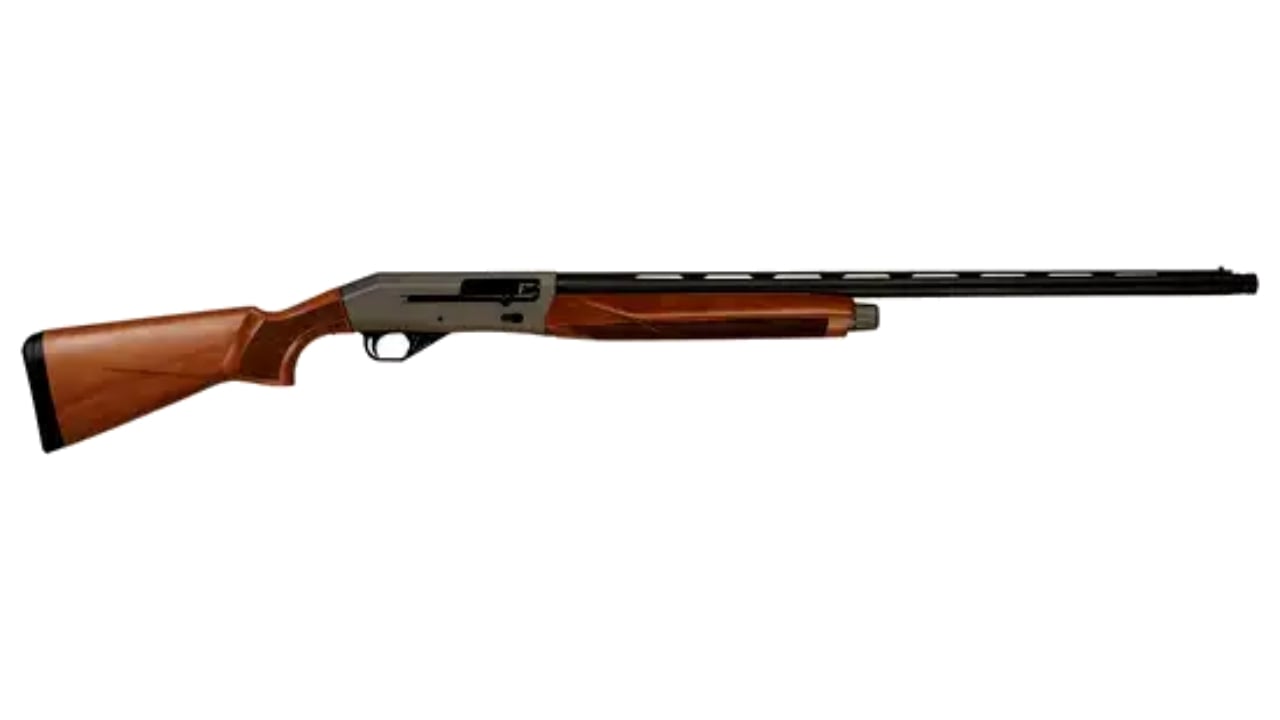
The 1012 G2 is another inertia-driven semiauto that gives shooters plenty of practical capability without climbing into the most expensive end of the market. The action stays relatively clean, the gun remains light enough for walking hunts, and CZ offers field-oriented configurations that make sense for several different types of bird hunting.
The shotgun is especially attractive for someone who wants a traditional-looking semiauto instead of a gun covered in rails or oversized controls. Install the appropriate choke and change ammunition, and the basic 1012 can handle doves, pheasants, ducks, clays, and plenty of small-game work. It may not dominate any one category, but that lack of extreme specialization is exactly why it works so well for this list.
Retay Masai Mara
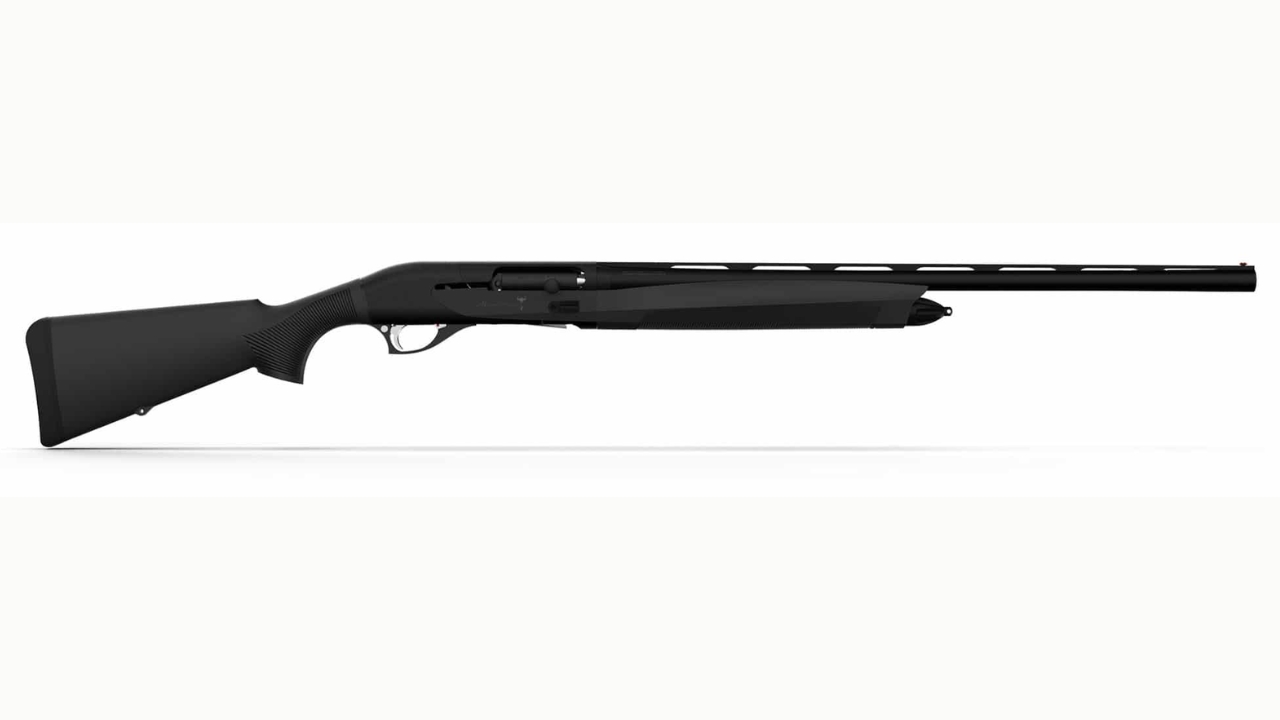
The Masai Mara is built around an inertia-style operating system, but Retay added its own approach to bolt lockup and internal design. The result is a lightweight hunting shotgun that has gained attention among shooters who want something different from the usual Benelli, Beretta, or Browning choices.
I like it most as an all-day field gun. The shotgun carries easily, points quickly, and does not accumulate the same amount of gas-system fouling as a conventional gas semiauto. That makes it suitable for upland hunting while still giving you enough versatility for waterfowl or clays. Availability of parts and service is worth considering with any less-common brand, but as a pure hunting tool the Masai Mara covers a lot of territory.
Winchester SXP Field
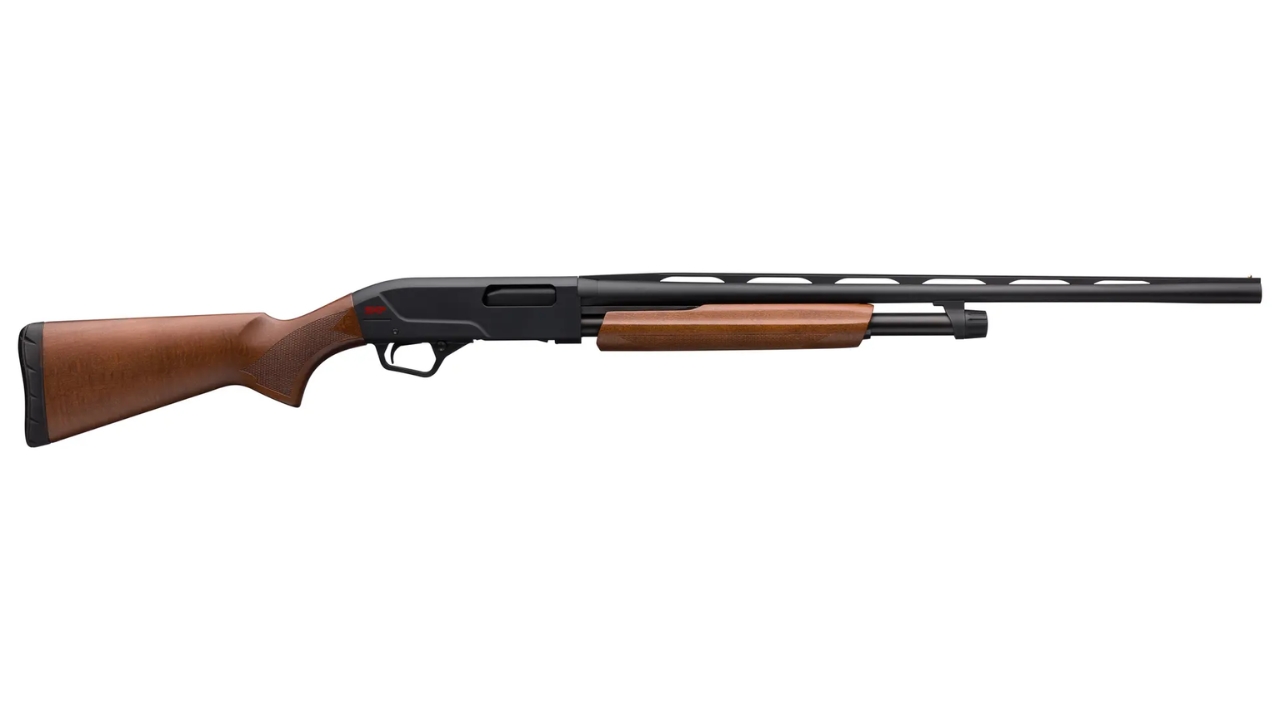
A pump shotgun still makes an enormous amount of sense for someone who wants maximum versatility without spending semiautomatic money. The SXP Field is light, quick to cycle, and available with conventional hunting barrels and interchangeable chokes. It is the sort of gun that can spend fall hunting birds and the rest of the year breaking clays or riding around the property.
The pump action also gives you tremendous ammunition flexibility. Light target loads, hunting shells, and heavier specialty ammunition do not have to produce enough recoil or gas pressure to cycle the action because your support hand handles that job. You give up the soft recoil and quick follow-up shots of a gas semiauto, but you gain an extremely straightforward shotgun that can digest a huge range of loads without much concern.
Mossberg 835 Ulti-Mag
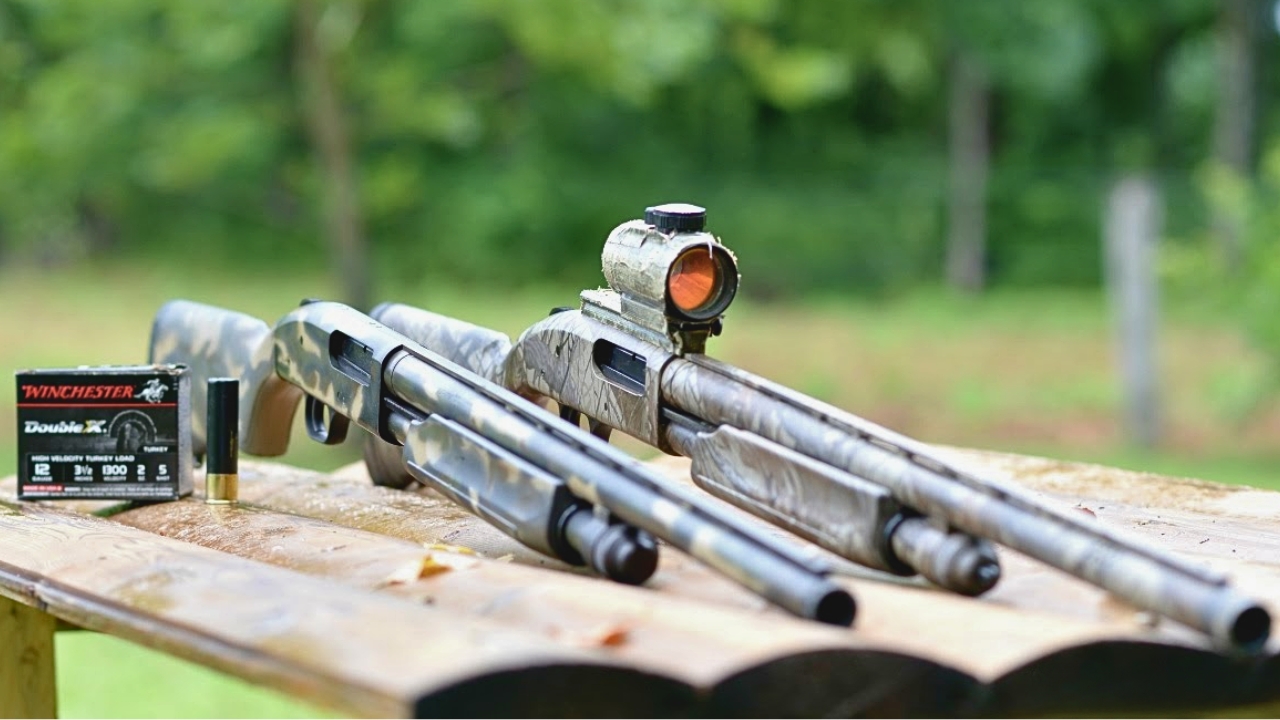
The 835 was built around heavy hunting loads, particularly the big 3½-inch 12-gauge shells that became popular with turkey and waterfowl hunters. That makes the shotgun look specialized, but the pump action and interchangeable chokes actually give it more versatility than many people assume.
You do not have to feed it heavy magnums every time. Lighter loads make it useful for ordinary field work, while the overbored barrel and ability to handle serious hunting ammunition let the gun step into turkey and waterfowl roles easily. It is larger and heavier than some upland guns, so I would not choose it for a ten-mile pheasant walk. As one rugged shotgun for a hunter who does a little bit of everything, though, the 835 can cover a remarkable amount of ground.
Ithaca Model 37 Featherlight
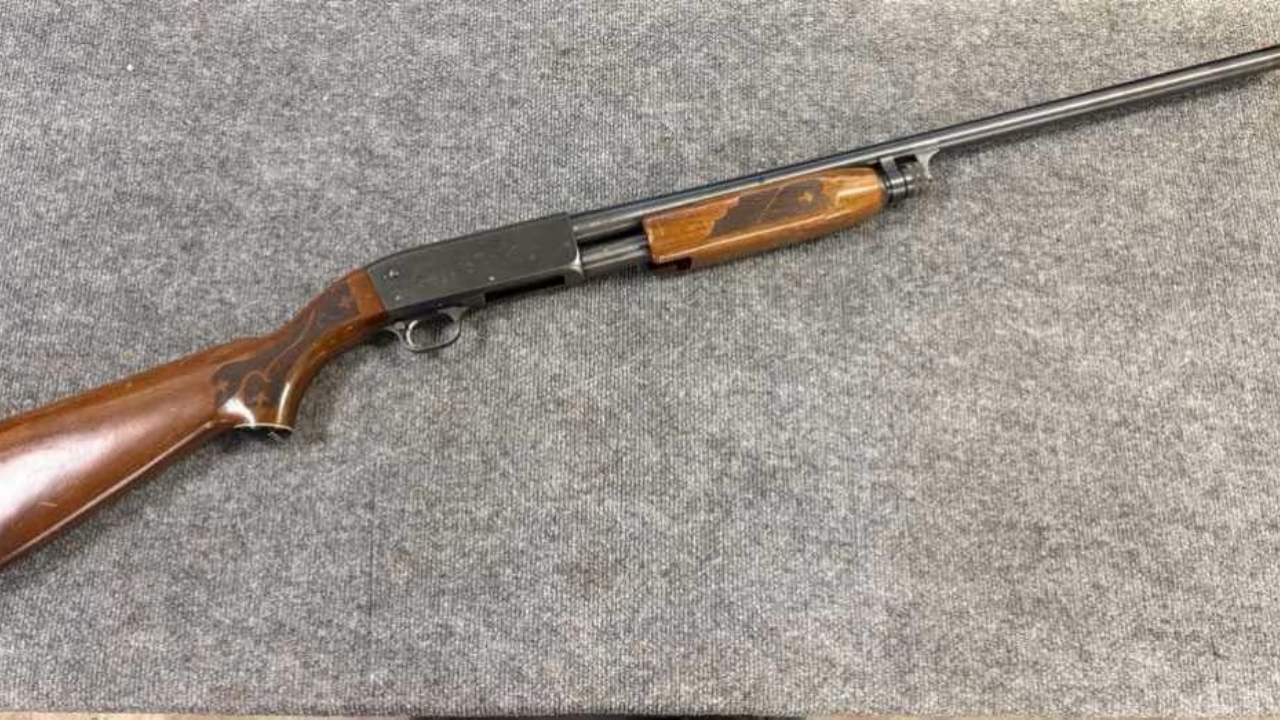
The Model 37 Featherlight remains one of the smoothest and most pleasant pump shotguns to carry. Its bottom-ejecting design keeps the receiver sides clean, works well for left-handed shooters, and gives the gun a sleek profile that feels very different from more common side-eject pumps.
What makes it useful beyond nostalgia is how naturally it handles. A good Model 37 points quickly enough for upland birds and doves, yet the pump action means you can run a broad range of ammunition without worrying about cycling. Older fixed-choke guns are less adaptable than current choke-tube shotguns, so I would choose configuration carefully. In the right setup, though, the Featherlight can hunt almost anything a conventional sporting shotgun is expected to handle.
Browning Citori CX
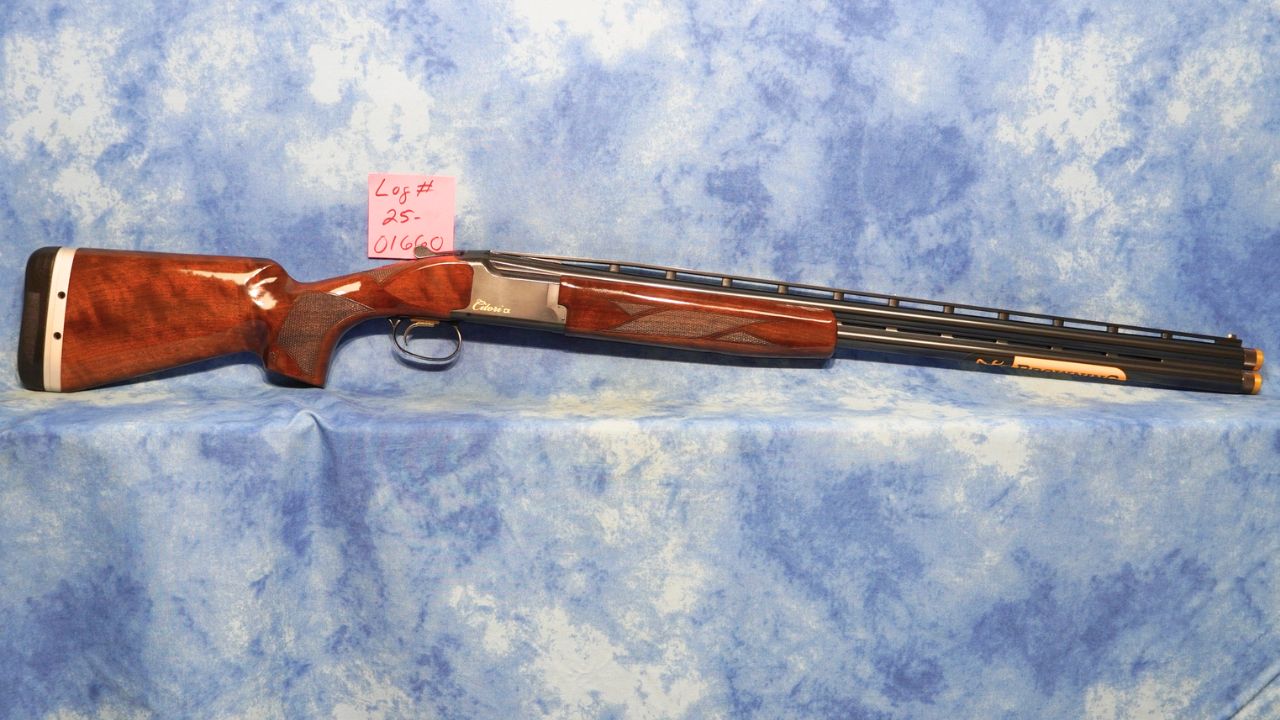
The Citori CX was designed around crossover use, and the name fits. It gives you an over-under that can spend the morning on a sporting-clays course and still head into a bird field without feeling completely out of place. The barrels and overall weight provide stability for target shooting without reaching the extreme dimensions of dedicated trap guns.
The biggest advantage is consistency. Two barrels mean two choke choices immediately available, and there is no semiautomatic action to cycle or clean. The tradeoff is capacity and cost. You get only two shots before reloading, and a quality over-under is not cheap. If your version of “everything” centers on upland birds, doves, and clay sports rather than home-defense use, the Citori CX may be one of the most versatile guns here.
Beretta 686 Silver Pigeon I

The Silver Pigeon I is one of those shotguns people often buy for one discipline and then discover they want to use everywhere. The action is slim, the gun balances beautifully, and Beretta has been building the 680-series architecture long enough that its strengths are thoroughly understood.
A field configuration gives you enough weight for comfortable shooting without turning the gun into a dedicated clay target. Change chokes and the same shotgun can handle doves, pheasants, quail, sporting clays, and other traditional shotgun work extremely well. It is not cheap, and I would not drag a polished Silver Pigeon through conditions where I would happily abuse a synthetic pump. But if you want one elegant shotgun capable of actually being used rather than merely admired, it is difficult to beat.
CZ Drake
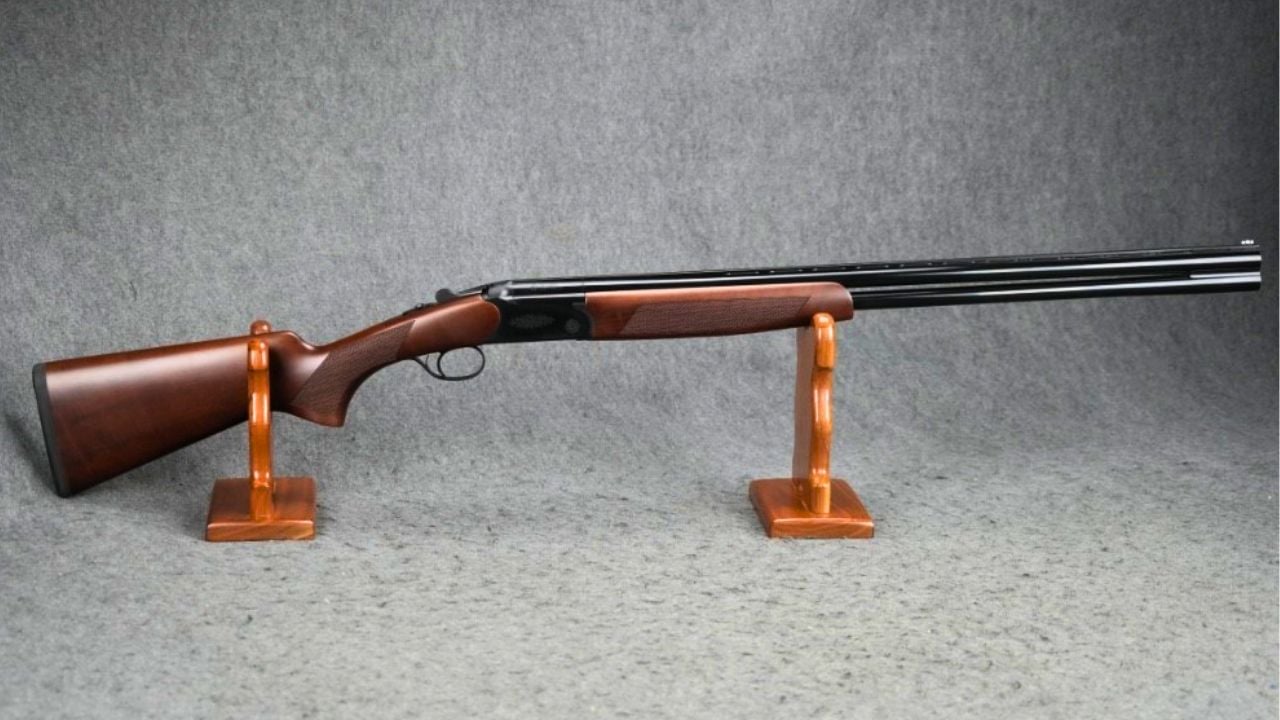
The Drake gives shooters a straightforward over-under without asking for premium European shotgun money. It lacks the elaborate engraving and higher-grade walnut that drive the prices of luxury doubles, but that is part of why I think it works so well as an all-purpose hunting and clay gun.
You can actually use it without worrying about every scratch. Interchangeable chokes let you tailor the barrels for different birds or clay presentations, while the break-action design stays mechanically uncomplicated. The shotgun may not have the lifetime pedigree of a high-end Browning or Beretta, but it gives somebody who prefers two barrels a practical entry point. For occasional clays, doves, upland birds, and general field use, the Drake can cover a surprising number of jobs.
TriStar Viper G2
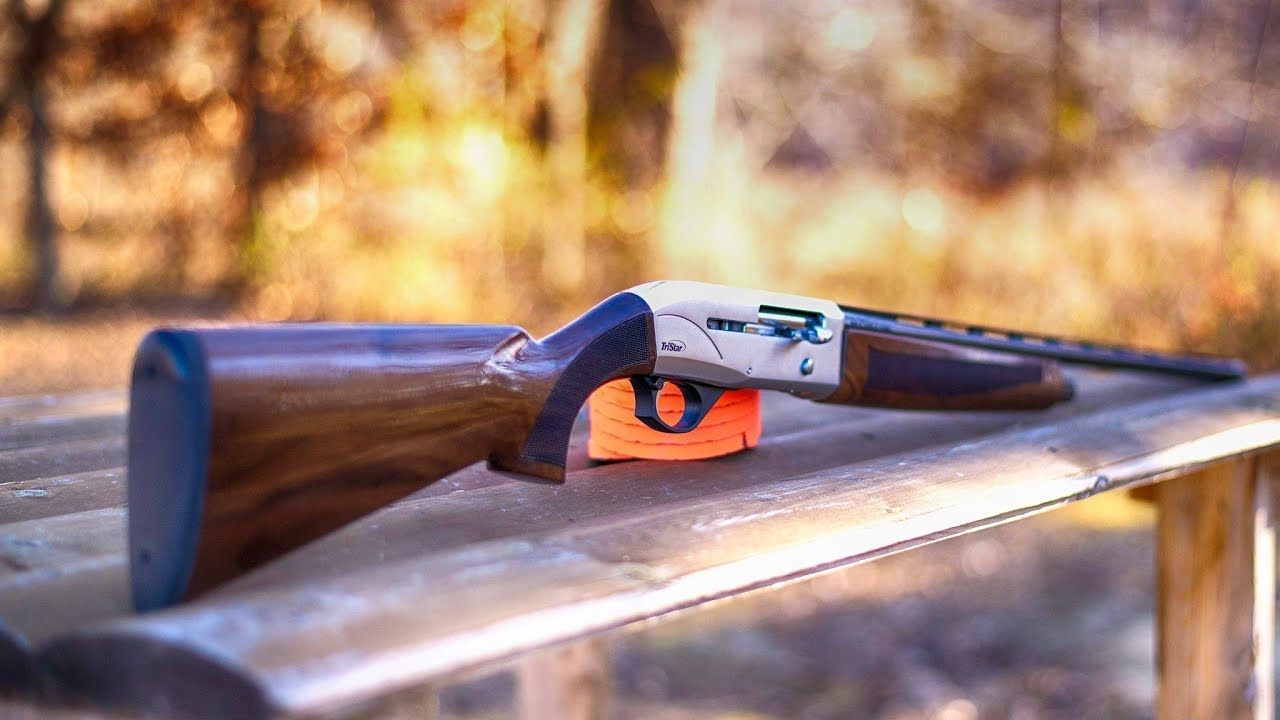
The Viper G2 has built a following partly because TriStar offers it in so many configurations and gauges. That matters for versatility. A 12-gauge version can cover the broadest range of hunting and clay shooting, while 20- and 28-gauge variants make excellent choices for shooters who prioritize upland birds and lighter recoil.
The gas-operated action helps keep recoil under control, which makes the shotgun pleasant during extended shooting sessions. That is especially important for newer shooters or anyone who wants one gun to handle both hunting and recreational clays. It may not have the prestige of a Beretta or Browning, but prestige does not break targets or put birds in the bag. A Viper G2 that fits you well can handle an awful lot of ordinary shotgun work.
Fabarm L4S
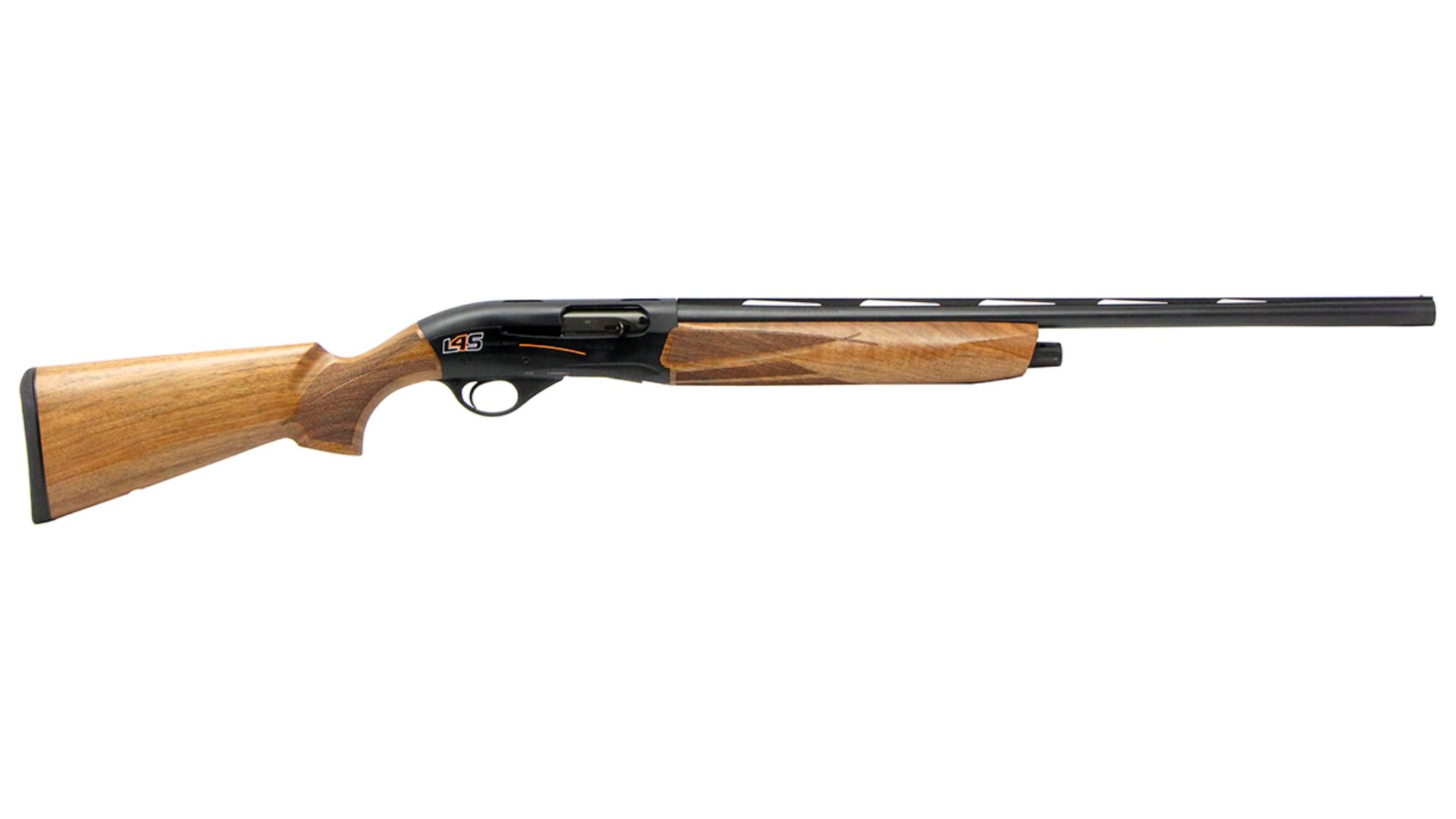
The L4S combines Italian styling with a gas-operated action that makes it unusually comfortable during long shooting sessions. Fabarm may not have the same name recognition in every American gun store as Beretta or Benelli, but the company has built some extremely capable sporting and field shotguns.
What makes the L4S appealing as an all-purpose gun is that it avoids going too far toward either extreme. It is refined enough for sporting clays, light enough for many hunting situations, and soft enough under recoil that firing several boxes of ammunition does not become unpleasant. That balance matters more to me than a gun being the absolute lightest or fastest in one category. A truly versatile shotgun should make you want to use it for almost everything, and the L4S comes remarkably close.
Like The Avid Outdoorsman’s content? Subscribe to our newsletter so you never miss an article.
Here’s more from us: