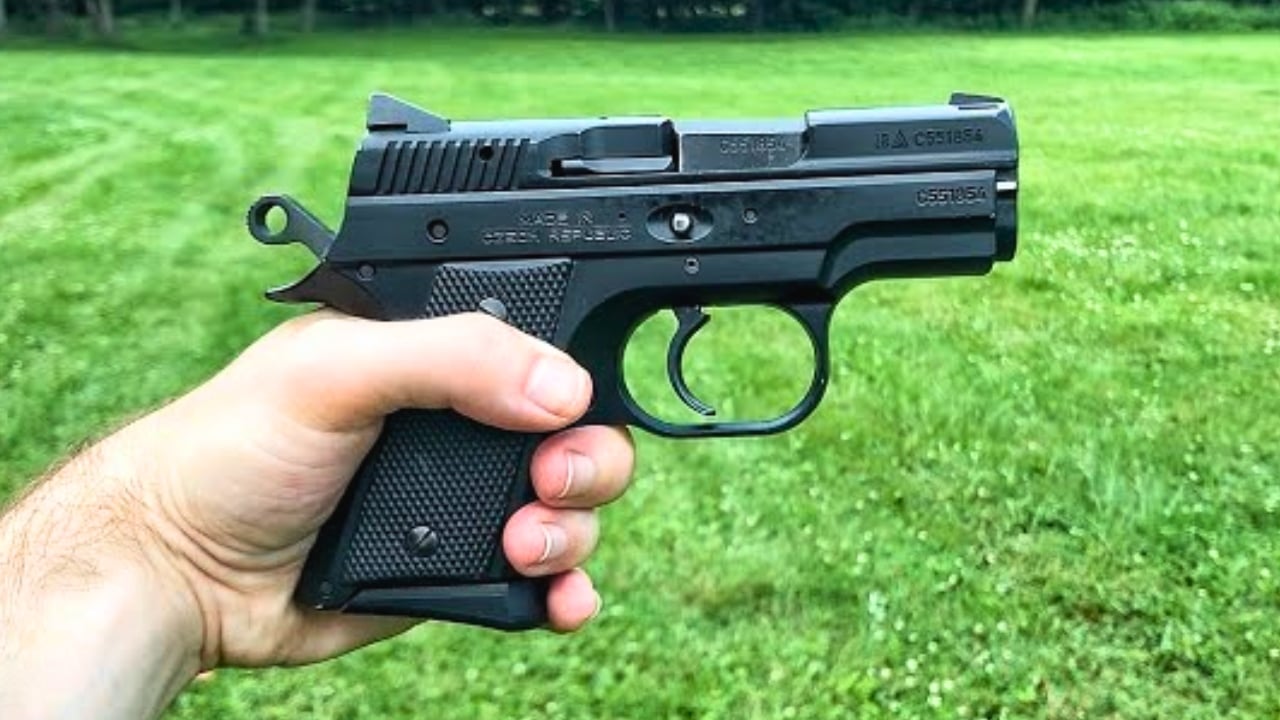
Photo credit: GunsOfTheWorld/YouTube
There is always a temptation to buy the newest handgun on the shelf. New pistols bring better optics systems, fresh grip designs, higher capacities, and marketing that makes last year’s gun sound obsolete overnight.
The problem is that buyers of a brand-new platform are also helping discover its weaknesses. Magazine problems, premature parts wear, ammunition sensitivity, and small design changes sometimes do not show themselves until thousands of guns reach real owners. There is something reassuring about buying a pistol that has already spent years getting its problems exposed and corrected. These 20 may not generate launch-day excitement, but their maturity makes them much easier bets.
CZ P-01
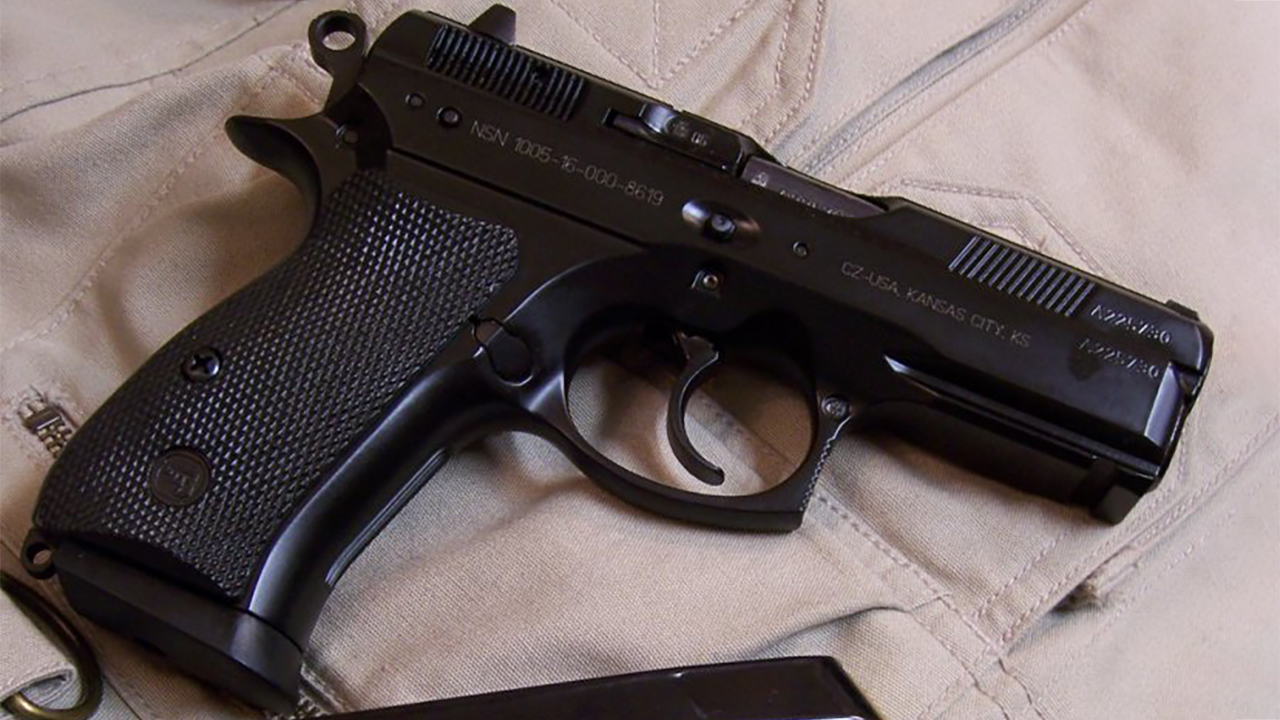
The P-01 comes from an era when a compact defensive pistol was expected to behave like a downsized service gun rather than an oversized pocket pistol. Its aluminum frame, DA/SA action, decocker, and compact proportions have had plenty of time to prove themselves.
That maturity matters. You are not waiting for a manufacturer to revise magazines or wondering whether the next production batch will receive an updated internal part. The P-01 may seem almost old-fashioned next to a modular optics-ready micro-compact, but a well-established design with years of owner experience behind it carries a different kind of value.
Kahr CM9
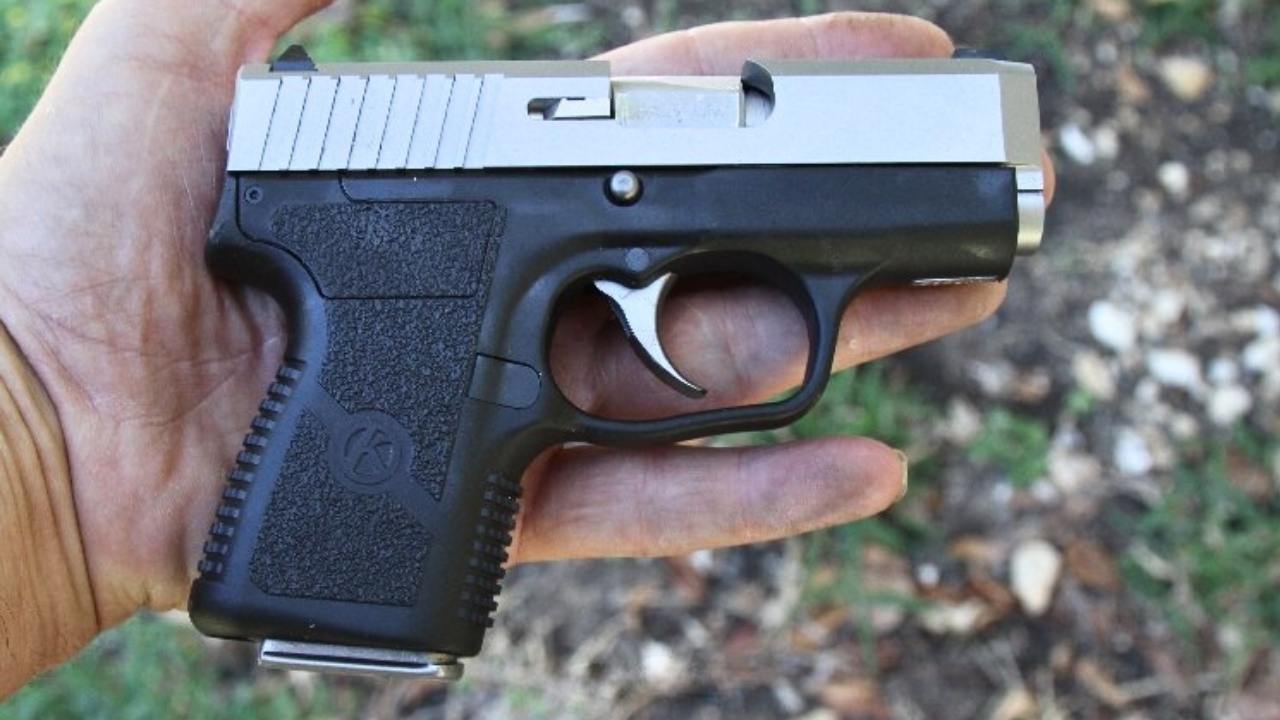
The CM9 is no longer exciting in a world filled with tiny high-capacity 9mms. Its single-stack magazine and long trigger make it look positively dated on a specification sheet.
What you gain is a platform that has been around long enough for its strengths and limitations to be thoroughly understood. It is genuinely thin, easy to conceal, and mechanically straightforward. You know going in that the trigger requires some adaptation and that capacity is limited. I would rather understand a pistol’s compromises beforehand than discover entirely new ones after buying the latest unproven design.
Smith & Wesson M&P45 Compact
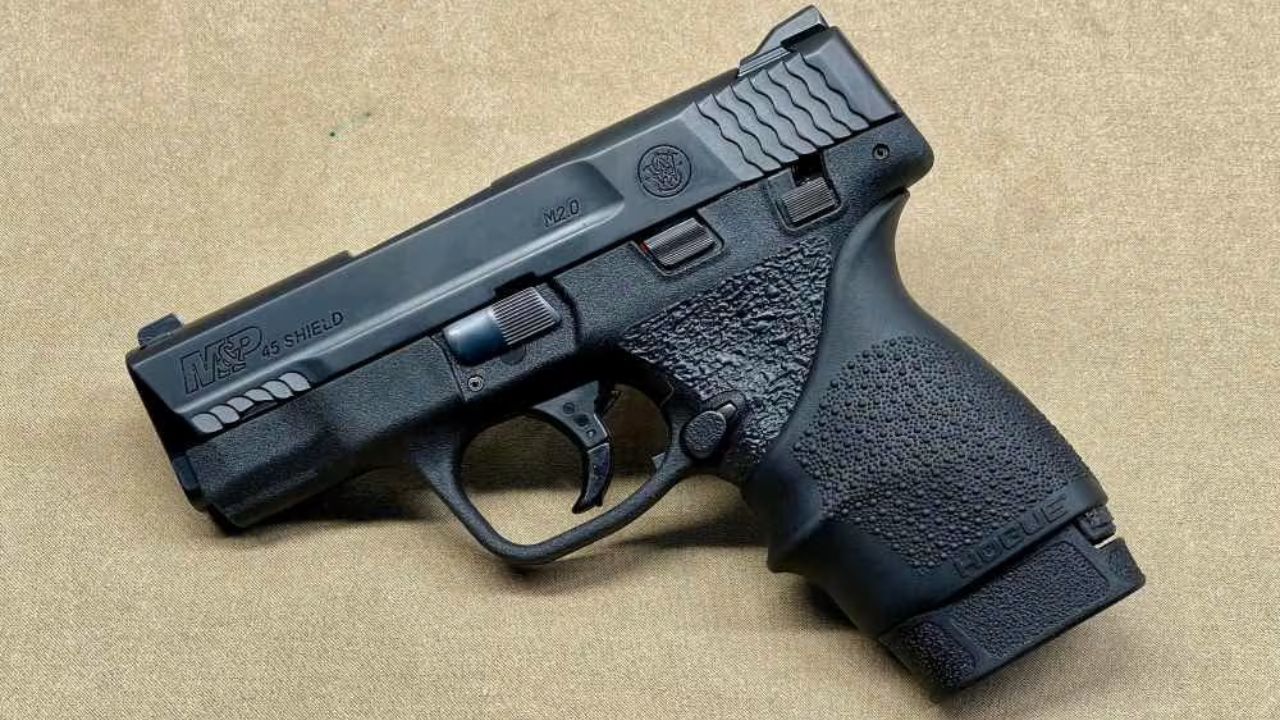
The compact .45 version of the M&P never became one of Smith & Wesson’s headline products, particularly after 9mm returned to dominance.
That does not erase the benefit of belonging to a mature pistol family. The basic operating system has been subjected to years of duty use, civilian training, and high-round-count shooting. The Compact gives you a manageable defensive .45 without relying on some newly invented operating system or proprietary magazine nobody has tested long term. It is boring in exactly the way a defensive handgun sometimes should be.
Kimber Custom II
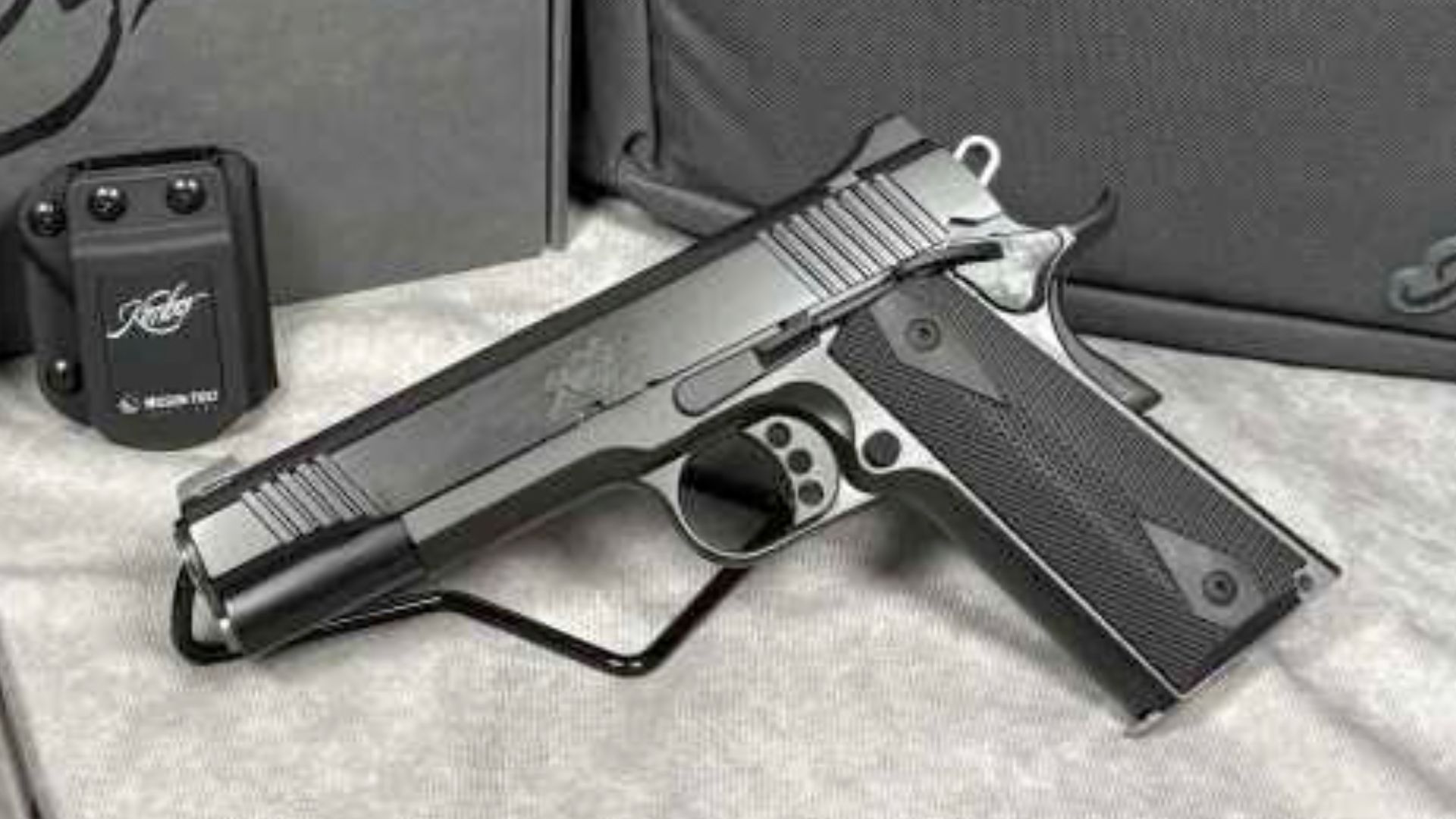
The Custom II is hardly a revolutionary 1911. That is actually part of the argument for buying one over an entirely new pistol platform.
The basic Government-size 1911 gives you a century-old operating concept, an enormous knowledge base, widely understood maintenance requirements, and replacement parts that are not dependent on whether a new model survives its first three years. Kimber’s individual guns still deserve inspection like any production 1911, but you are dealing with a mature mechanical system rather than paying to become an early adopter.
Ruger SR9c
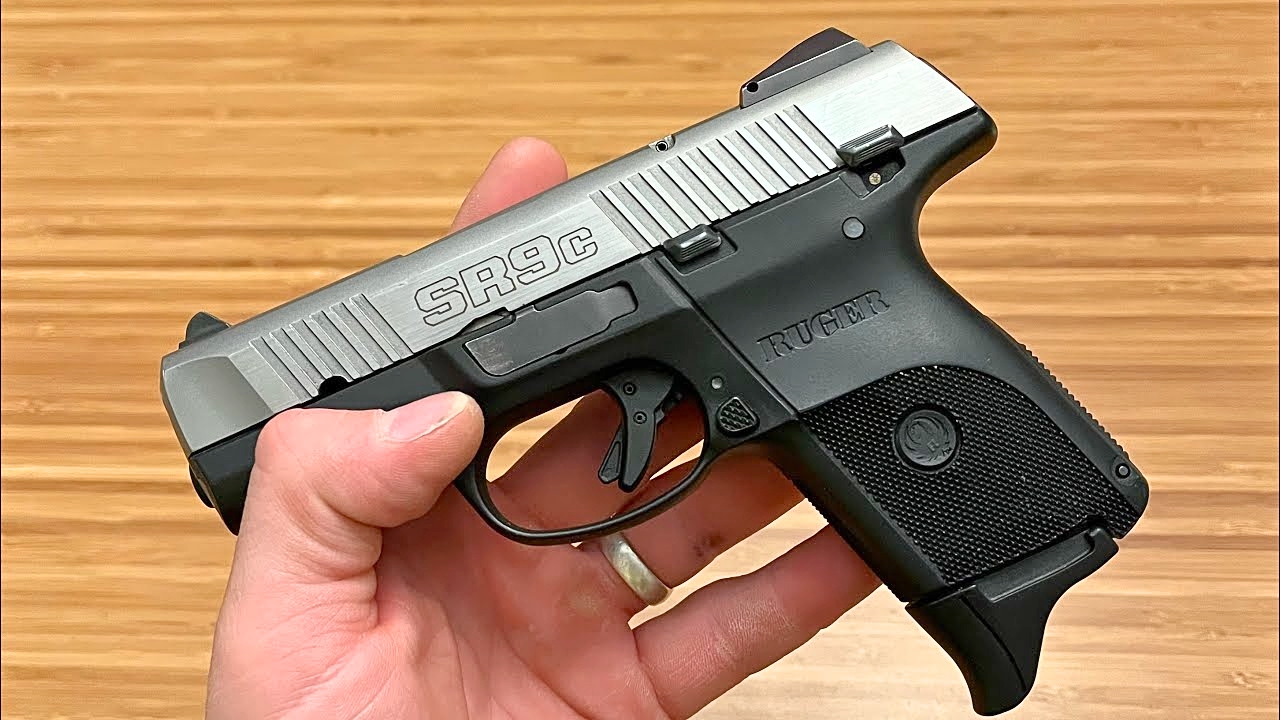
The SR9c disappeared while the compact-pistol market was rapidly changing, but the gun’s basic formula remains extremely sensible.
It gives you a relatively thin grip, useful capacity, a compact slide, and enough grip extension options to make the pistol work as either a carry gun or a more comfortable range pistol. More importantly, owners have had years to learn what these guns do and do not like. A clean proven SR9c may lack today’s feature list, but there are very few mysteries remaining about the platform.
Heckler & Koch P30L

The P30L does not need to win a launch-year reliability contest because it has already had years to build its reputation.
The full-size frame, hammer-fired action, and excellent grip system make it a particularly comfortable high-round-count pistol. It is larger than necessary for concealed carry and lacks some of the effortless optics integration of newer designs, but neither issue makes the gun unreliable. If my priority were buying a pistol I could immediately trust as a mature platform, a P30L would make far more sense than gambling on an untested first-generation design.
SIG Sauer P220 Carry
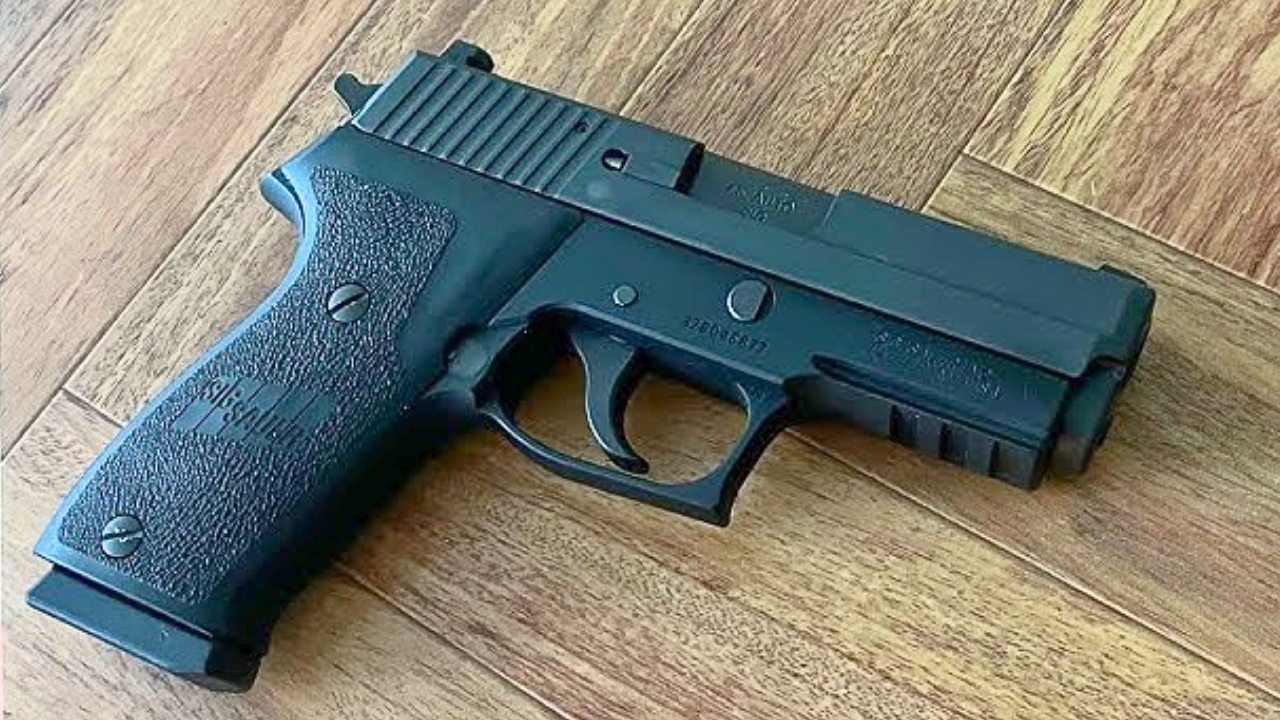
The Carry version of the P220 gives you the established P220 operating system in a slightly handier format.
Capacity is unimpressive by current standards, but that is an obvious compromise rather than an unknown problem. The gun has traditional SIG controls, a slim single-stack .45 grip, and a design lineage shooters have spent decades learning. With a completely new pistol, you often do not know what the real compromise is until thousands of owners discover it. With a P220, you already know exactly what you are buying.
Glock 35

The Glock 35 has fallen far outside the center of the handgun conversation because .40 S&W itself has lost so much popularity.
That can obscure how thoroughly developed the platform is. The longer slide gives the pistol excellent range characteristics, while the Glock operating system has accumulated more real-world experience than almost any new striker design could dream of matching. Ammunition cost and cartridge preference are legitimate considerations. Whether the fundamental pistol has been sufficiently tested is not.
Springfield Armory Range Officer Compact
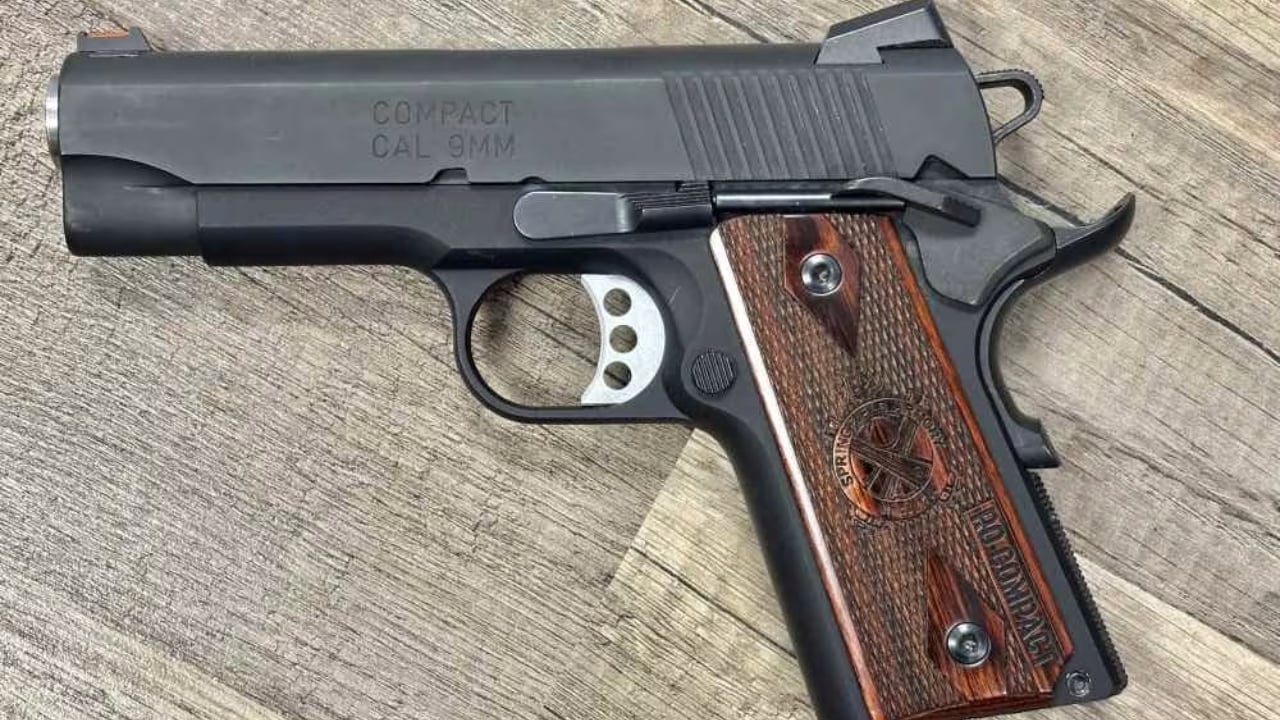
The Range Officer Compact came from Springfield’s effort to provide serious 1911 shooting characteristics without pushing everything into custom-gun territory.
As a mature 1911-based pistol, its advantages and maintenance requirements are already well understood. You are not buying a new proprietary magazine system or an experimental locking design. You are buying a compact interpretation of a platform generations of gunsmiths already understand. For buyers who prefer proven mechanics over being first in line for the newest carry gun, that matters.
Walther PPQ 45

The PPQ 45 never got the attention the 9mm PPQ received, and Walther’s later focus on the PDP pushed the entire PPQ family into the background.
The big .45 remains a very easy pistol to appreciate. Its grip is comfortable, the trigger is excellent, and the full-size format gives the cartridge enough gun to work with. More importantly, the design has already spent years in civilian hands. You are not wondering whether a brand-new trigger system will develop an issue six months after launch.
CZ 2075 RAMI BD
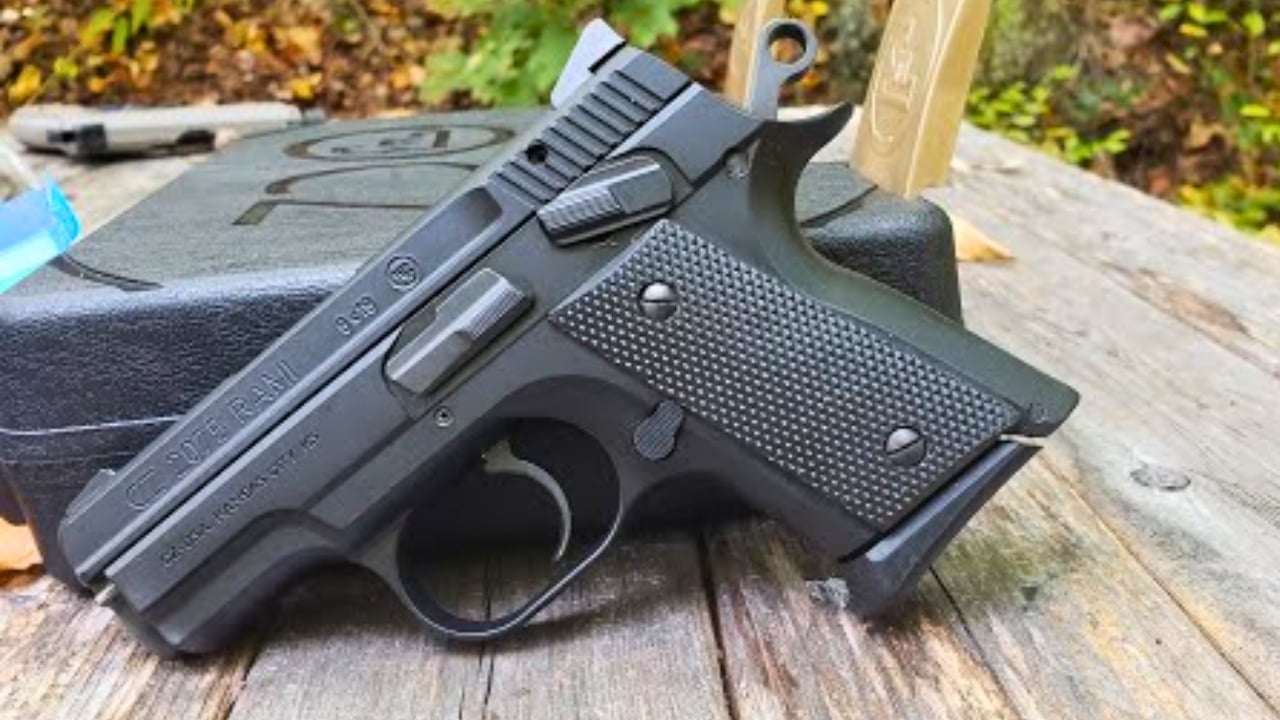
The RAMI was CZ’s compact DA/SA answer before micro-compacts took over concealed carry.
It is thicker and heavier than the latest tiny 9mms, but that also gives it a more substantial shooting feel. The BD version adds a decocker for shooters who want traditional double-action carry without manually lowering the hammer. The gun is discontinued and capacity is no longer impressive, but the platform’s behavior is thoroughly known. That can be more reassuring than buying a brand-new pistol based entirely on a handful of launch reviews.
Beretta Px4 Storm Subcompact

The Subcompact is the odd member of the Px4 family because it does not use the rotating-barrel system of the larger guns.
What it does give you is a compact hammer-fired Beretta from a mature product family with years of experience behind it. It is chunky compared with modern micro guns and will never win a capacity-to-width contest. But those are visible shortcomings. The design is not asking you to discover its surprise weaknesses after purchase.
Colt Lightweight Commander
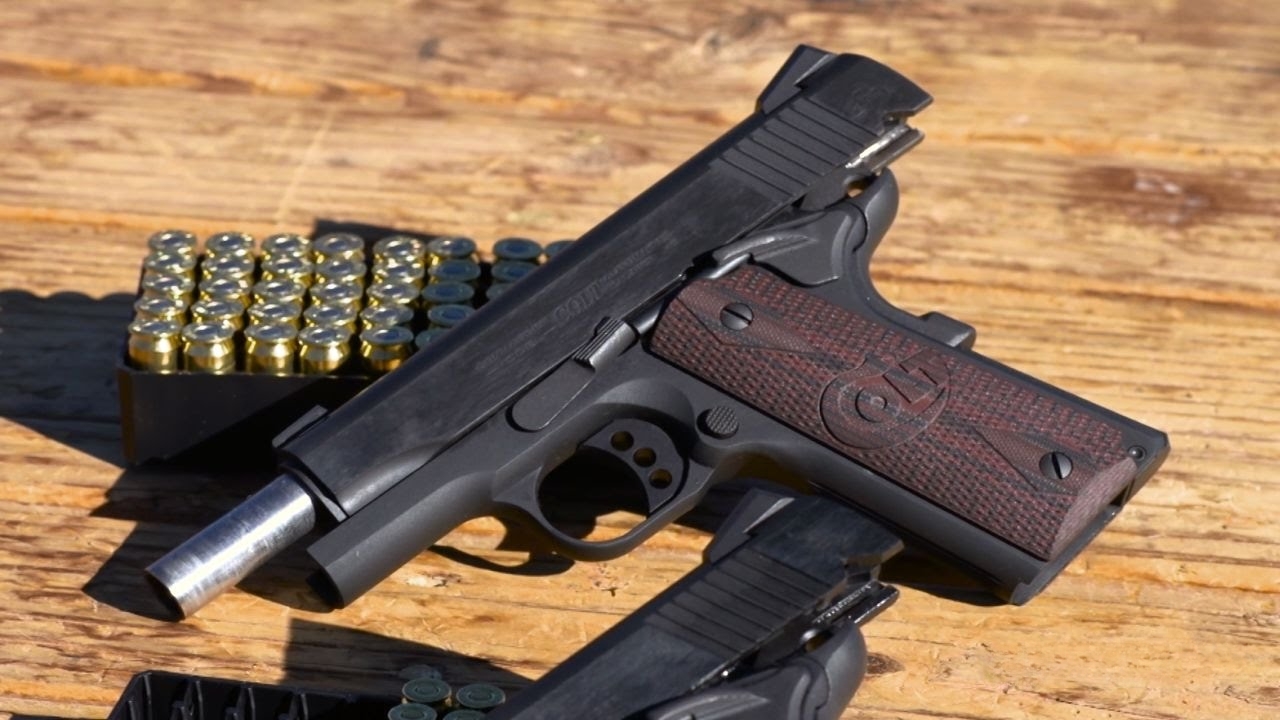
The Lightweight Commander has survived because the fundamental idea still works: take the 1911, shorten it enough to improve carry, and use an aluminum frame to remove unnecessary weight.
There are newer double-stack carry pistols with far more impressive capacity numbers. They are also much newer systems, frequently relying on proprietary magazines and components. The Commander is a known quantity. Any competent 1911 specialist understands the platform, parts are widely understood, and generations of shooters have already identified the areas that require attention.
Kahr MK9
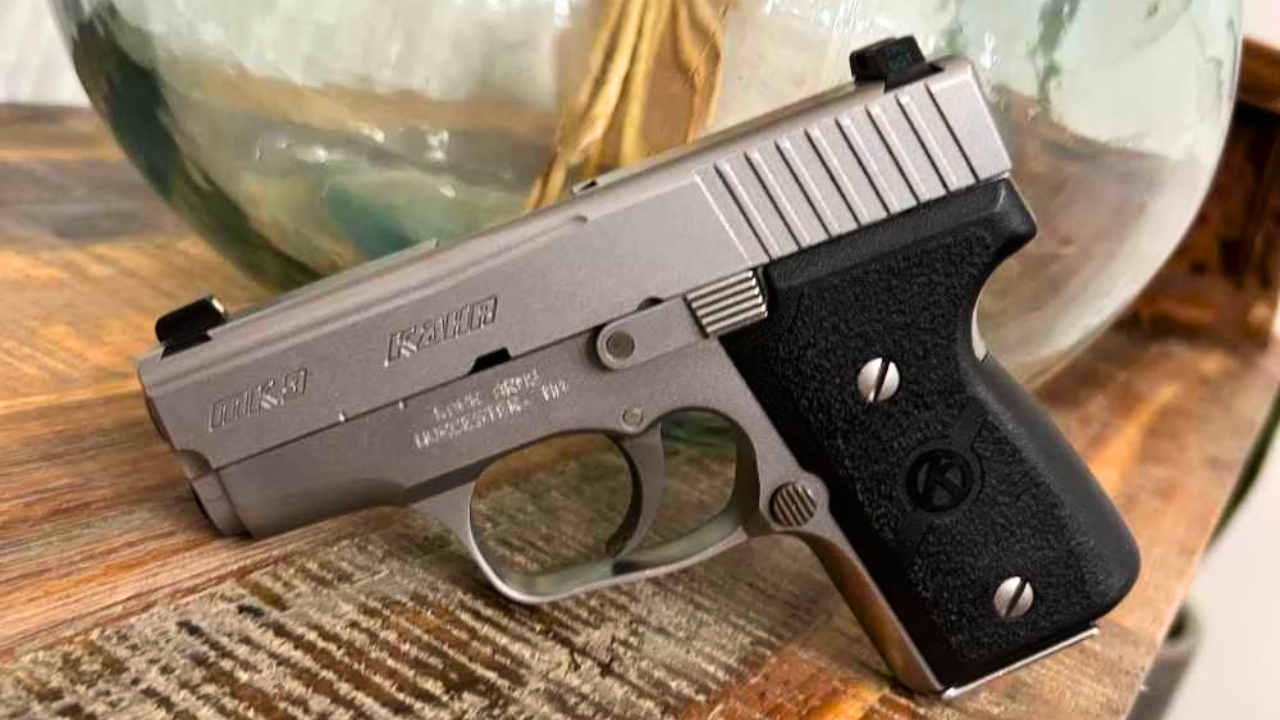
The MK9 feels almost absurdly heavy compared with current pocket-size 9mms. Its stainless frame makes sure nobody mistakes it for an ultralight carry pistol.
That extra weight also gives it a wonderfully stable shooting character for such a small gun. The Kahr trigger system is mature, the design has been around for years, and its compromises are obvious before purchase. Capacity and weight may steer plenty of people elsewhere, but I would rather choose a known compromise deliberately than become the unpaid durability tester for an entirely new micro pistol.
FNX-40

The FNX-40 has two characteristics working against its popularity: it is hammer-fired and chambered in .40 S&W.
Neither changes the fact that the platform was created as a serious service handgun. Its ambidextrous controls, substantial frame, and mature operating system have been available long enough for shooters to understand the gun well. A newly released defensive pistol may be lighter and more fashionable, but the FNX’s developmental surprises happened years ago.
Ruger LC380
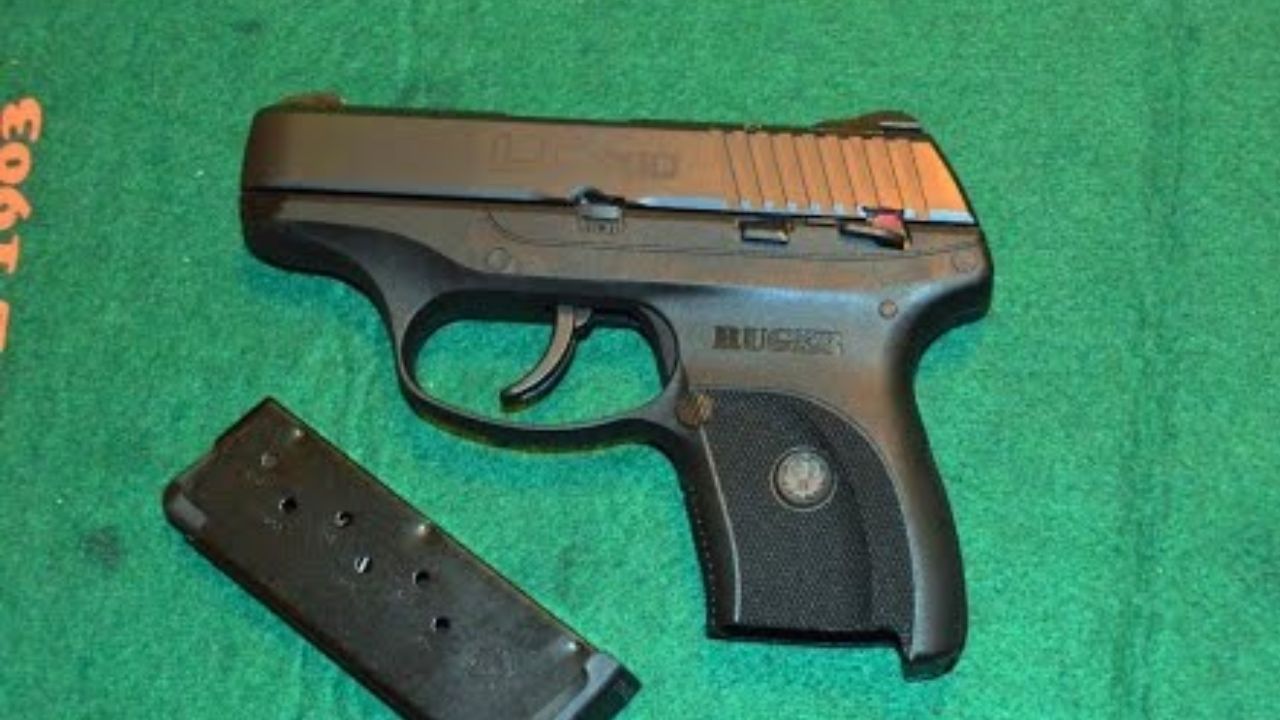
The LC380 has become almost invisible as modern .380 pistols have gotten smaller or dramatically increased capacity.
Its value is predictability. The pistol has enough size to be considerably easier to manipulate and control than the tiniest pocket guns, while its design has spent years in the hands of ordinary shooters. Nobody is going to mistake it for a revolutionary handgun. That may be exactly why someone who values known reliability characteristics over novelty should consider it.
Smith & Wesson M&P40 Shield

The .40-caliber Shield was once a completely normal concealed-carry choice. Today, the chambering alone is enough to send many buyers toward something newer.
The pistol still benefits from years of development within one of Smith & Wesson’s most successful carry platforms. Its limitations are obvious: modest capacity and sharper recoil than the 9mm. Neither is a hidden engineering problem waiting to be discovered. If you shoot .40 well, a mature Shield can be a much safer purchase than an unknown first-generation pistol with twice the online hype.
Browning 1911-380
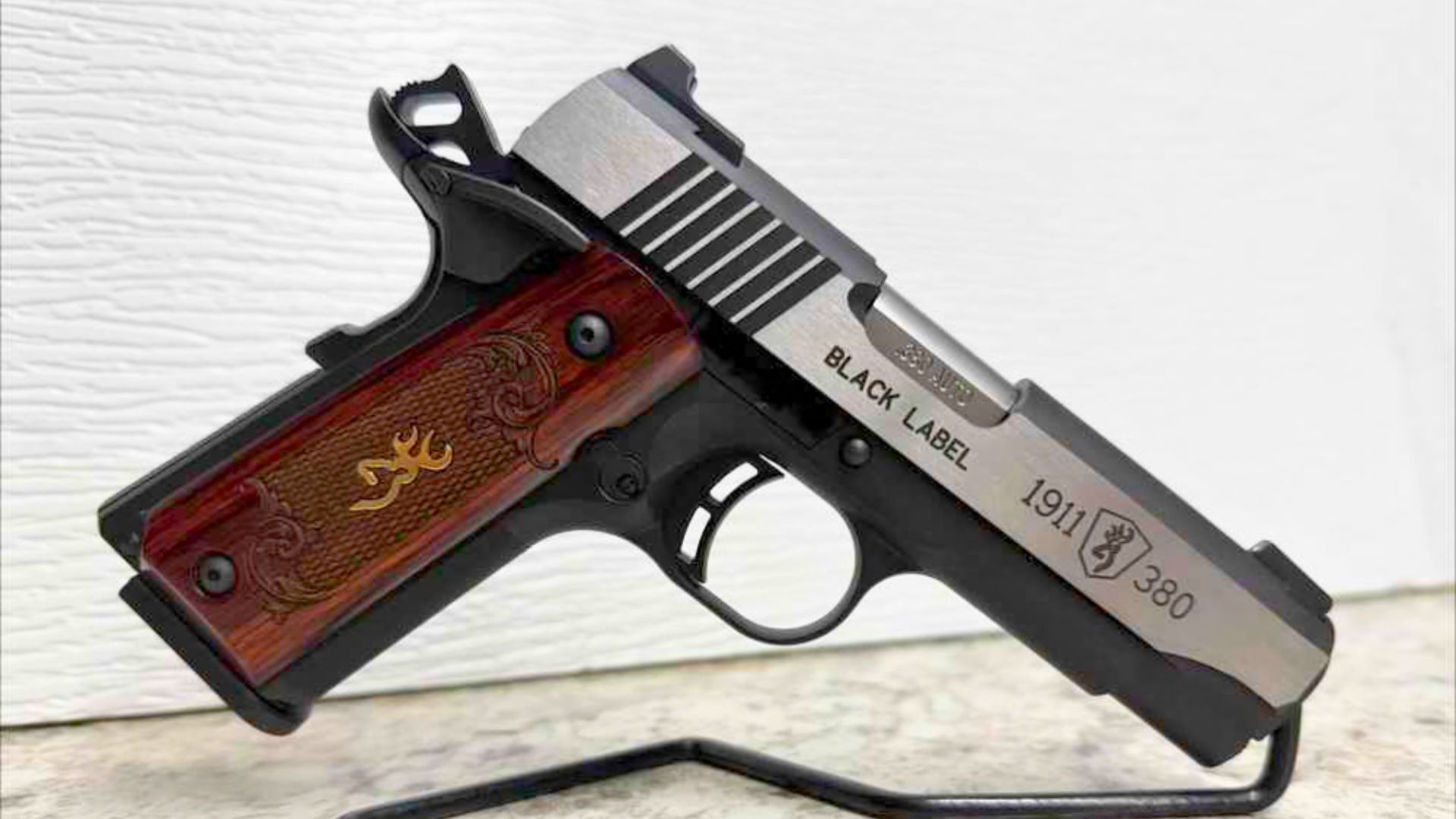
The 1911-380 is unusual because Browning built a reduced-scale pistol rather than simply squeezing .380 ACP into the smallest possible package.
That gives it enough grip and frame to be pleasant to shoot, along with an operating system based on ideas shooters already understand. It will never compete with micro-.380s for minimum dimensions, but the extra size is a known tradeoff. A mature pistol that is easy to control may be more useful than a cutting-edge pocket gun whose durability has yet to be established.
Para-Ordnance P13-45
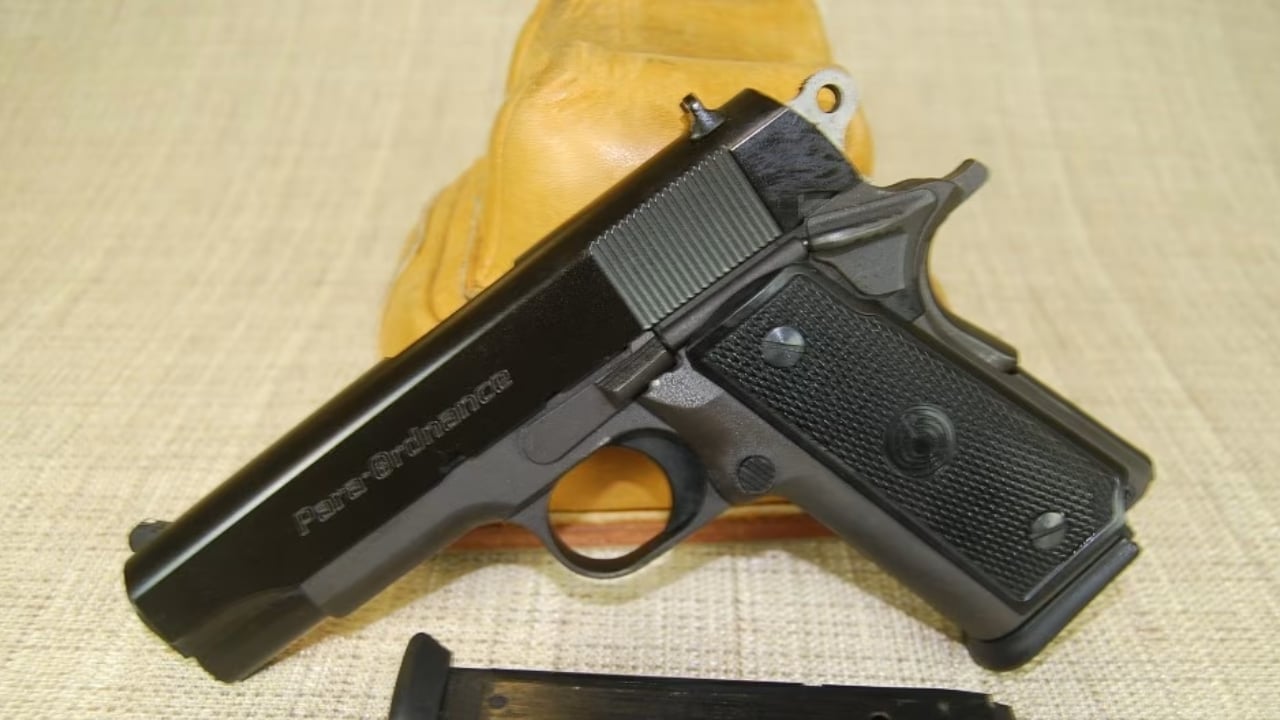
The P13-45 belongs to an earlier generation of double-stack .45 ACP 1911s, long before high-capacity 1911-style pistols became one of the industry’s hottest categories.
That age brings drawbacks, particularly parts and magazine considerations, but it also means the design has had decades to expose its strengths and weaknesses. There is no launch hype left. You can research exactly what makes a particular example run properly before buying it. That is a very different proposition from spending premium money on a brand-new double stack and hoping the manufacturer got version one right.
HK45 Tactical
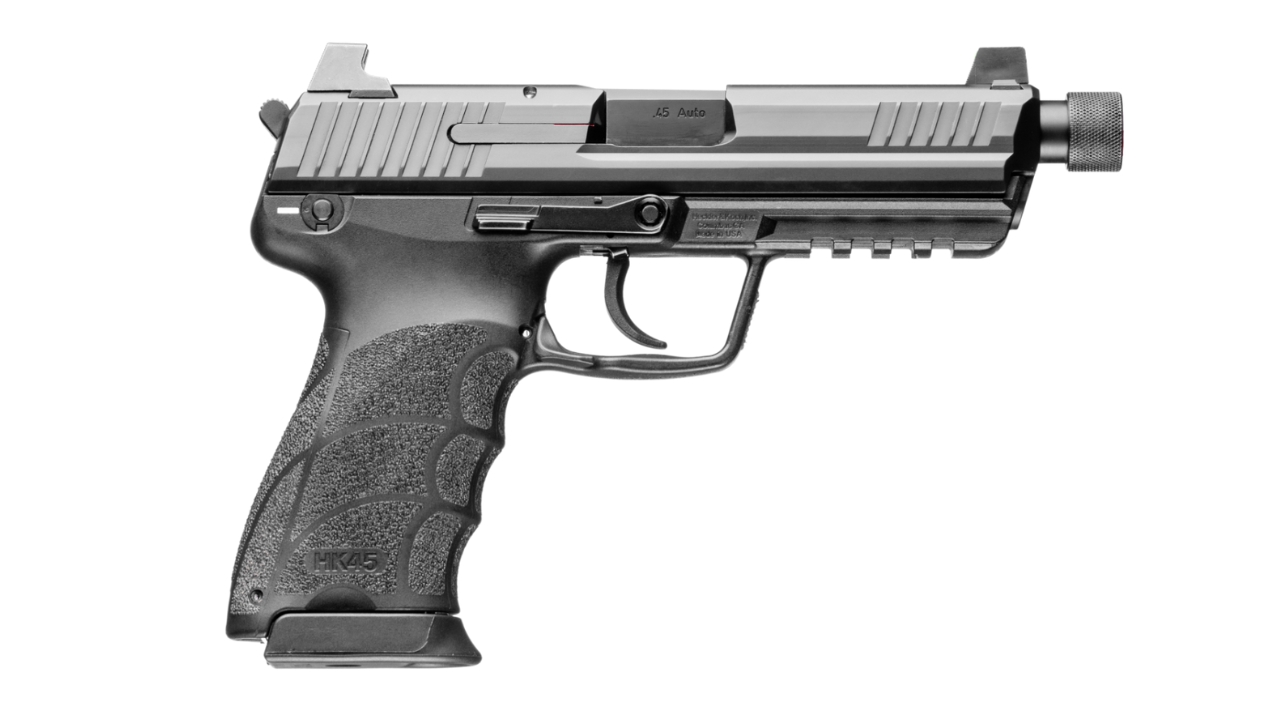
The HK45 Tactical is not new, lightweight, or especially cheap. It is also not trying to prove anything anymore.
The full-size frame, threaded barrel, hammer-fired action, and mature HK operating system give you a pistol whose strengths are already well documented through years of ownership. It holds fewer rounds than some newer .45s and occupies a lot of space, but those shortcomings are visible before you spend a dollar. When the alternative is becoming an early adopter of a completely new defensive pistol, knowing exactly what you are getting can be the better feature.
Like The Avid Outdoorsman’s content? Subscribe to our newsletter so you never miss an article.
Here’s more from us: