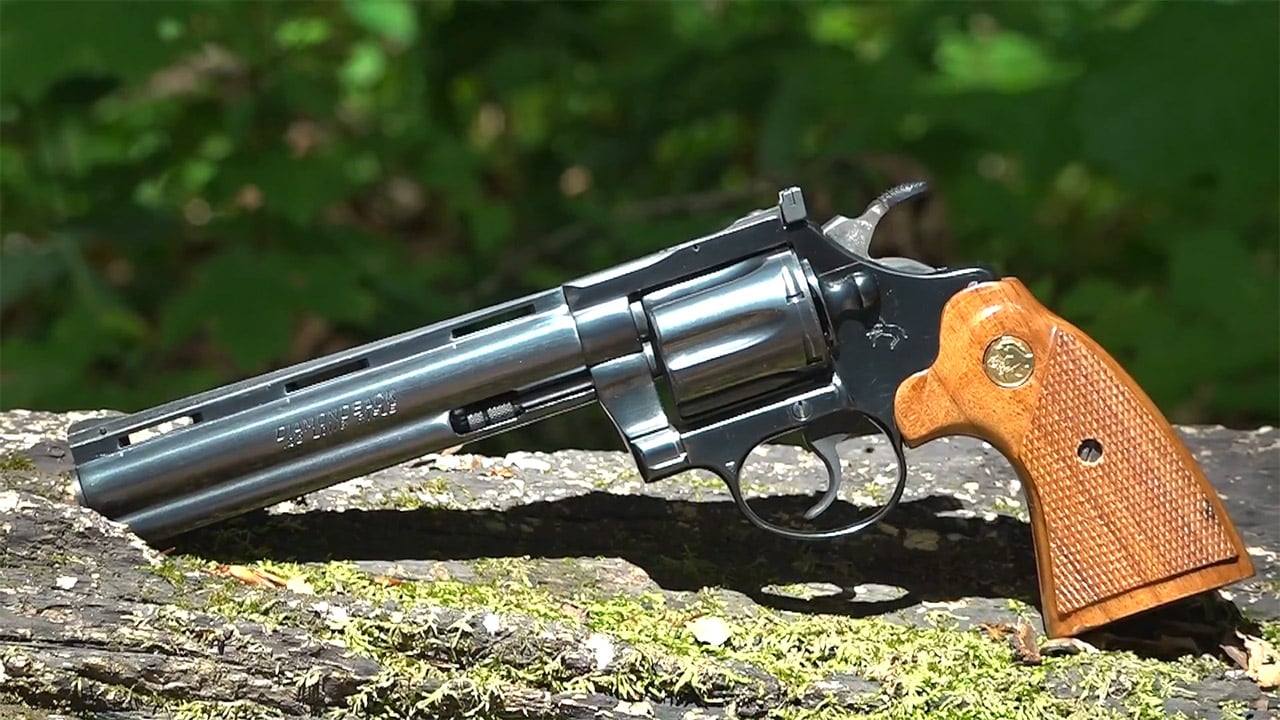
Photo credit: 22plinkster/Youtube
Walk into enough gun shops, scroll enough local classifieds, and you start noticing a weird pattern: the same few revolvers that used to sit around for months are now “already gone” before you can finish your coffee. Not the brand-new carry revolvers that everybody’s posting on social media. I’m talking about the workhorses, the oddballs, and the “they don’t make them like that anymore” wheelguns that quietly get bought up and don’t come back.
Some of it is nostalgia, sure. Some of it is folks realizing a simple revolver is still about as honest as it gets for a truck, a tackle box, or a nightstand. And some of it is just reality: models get discontinued, parts get scarce, and the used market gets picked over hard. Here are 20 revolvers I’m seeing get tougher to track down month by month.
1. Smith & Wesson Model 19 (K-Frame .357)
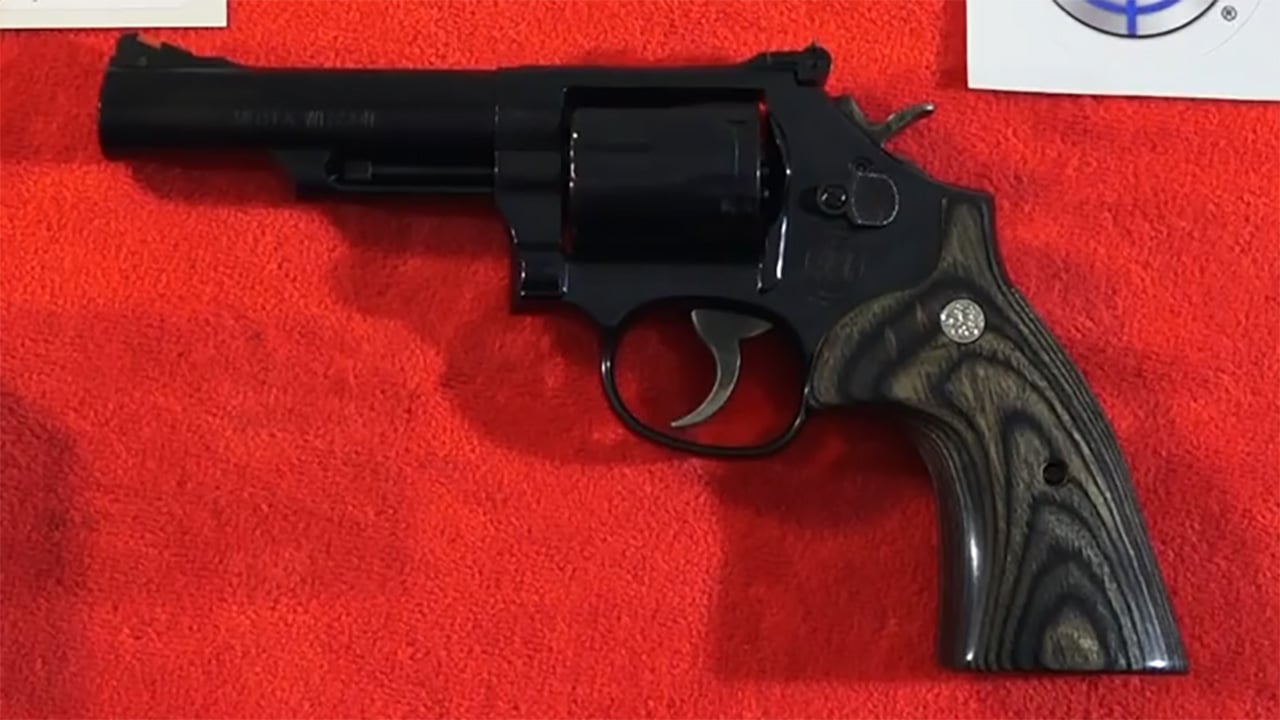
This is the revolver that made a lot of .357 shooters fall in love with the cartridge in the first place. It carries flatter than you’d expect, points naturally, and has that classic S&W trigger feel when it hasn’t been abused. The 4-inch guns especially are the “do most things well” option.
They’re getting snapped up because they’re not just collectible; they’re useful. Folks want a woods sidearm they can actually shoot well, and they’re tired of polymer everything. Clean examples with tight lockup and decent timing don’t sit long anymore.
2. Smith & Wesson Model 66 (stainless K-Frame .357)
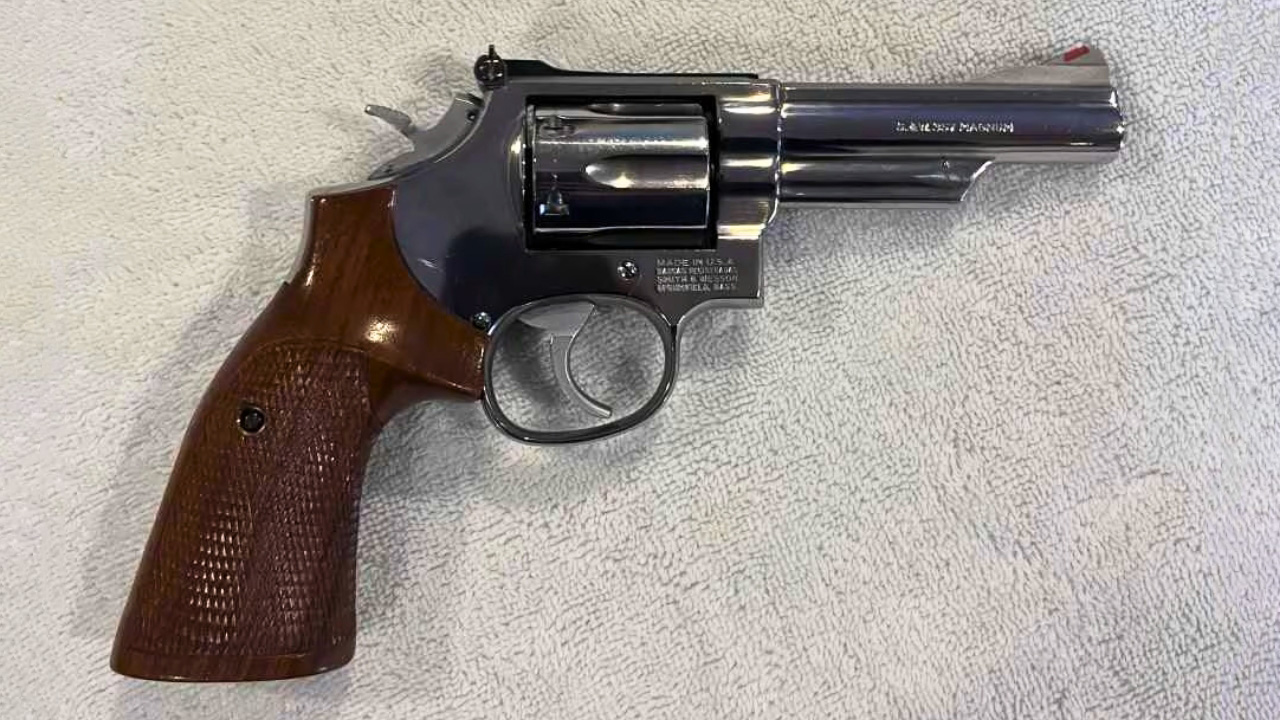
If you like the Model 19 idea but you hunt, fish, or live around humidity, the 66 is the one that makes sense. Stainless doesn’t make it maintenance-free, but it buys you forgiveness when the revolver rides in a sweaty holster or a damp truck.
What’s drying up is the solid, un-messed-with 2.5-inch and 4-inch guns. A lot of them got carried hard, “smoothed up” by somebody with a stone, or fed a steady diet of hot loads. The nice ones are getting put away.
3. Smith & Wesson Model 13 (fixed-sight K-Frame .357)
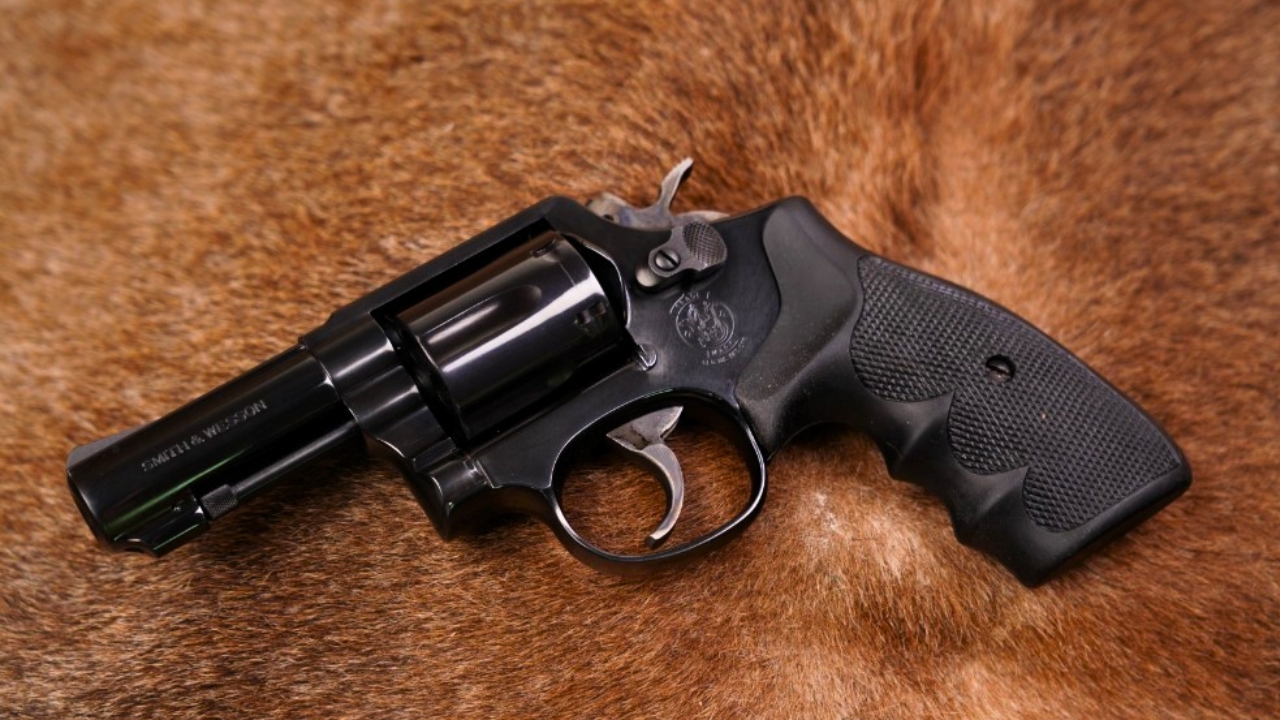
This one has a certain no-nonsense charm. Fixed sights, serious look, and it tends to ride on the hip without snagging on everything. The 3-inch versions are the sweet spot, and that’s exactly why they disappear.
For a woods revolver that doesn’t feel like a boat anchor, the Model 13 is hard to beat. When you find one that hasn’t been “upgraded” with questionable parts, it’s usually priced like the seller knows what it is.
4. Smith & Wesson Model 10 (K-Frame .38 Special)
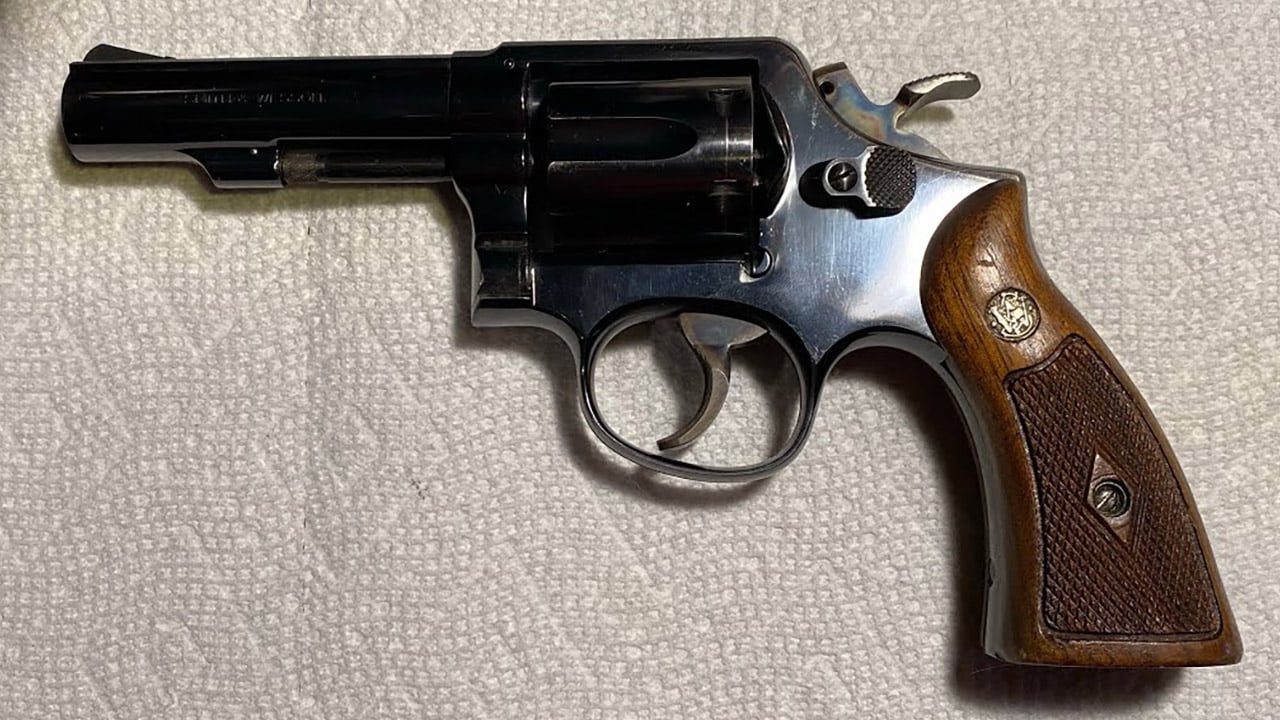
There is nothing fancy about a Model 10, and that is kind of the point. They balance well, shoot soft, and they’re the revolver equivalent of a good pocketknife. If you can’t hit with a Model 10, chasing gear won’t fix it.
Police trade-ins used to be everywhere. Now the clean ones get bought by new shooters who want a real trigger, and by old hands who want a revolver they can leave loaded with .38s forever without drama.
5. Smith & Wesson Model 15 (K-Frame .38 Special, adjustable sights)
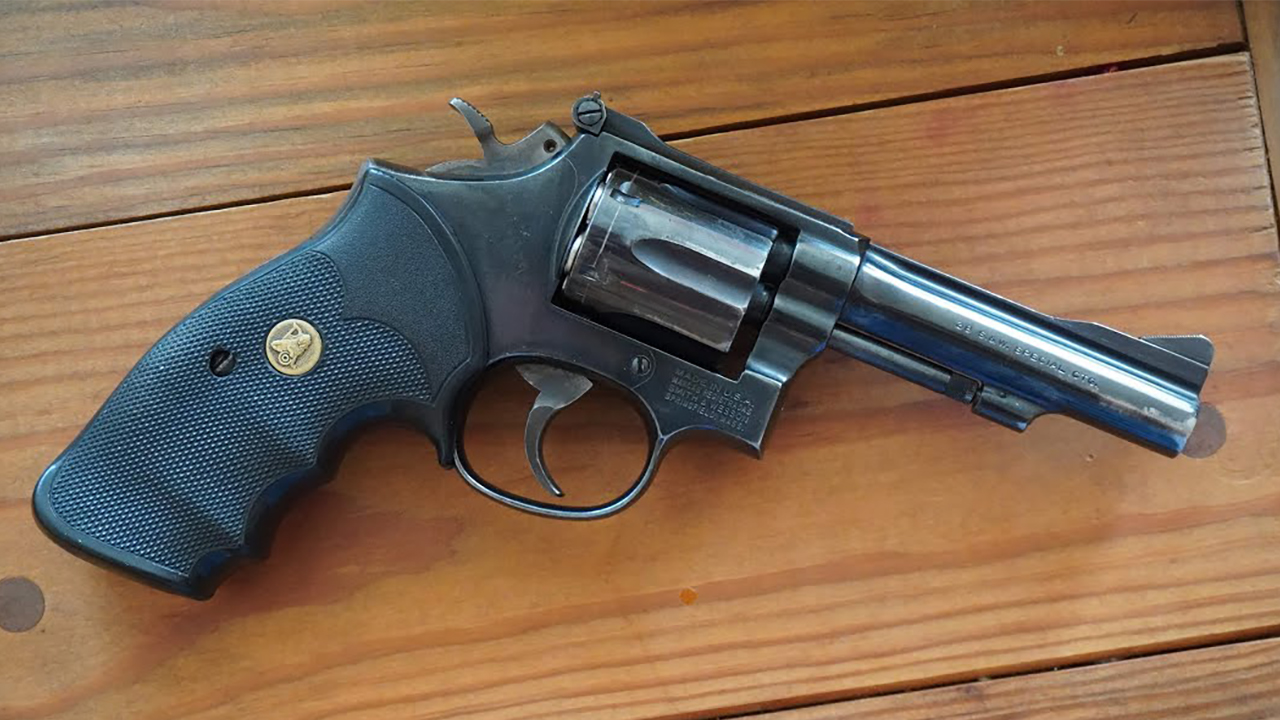
The Model 15 is one of those revolvers that makes you look better than you are. Adjustable sights, great balance, and usually a smooth action. It’s a range gun that still makes sense as a house gun if you’re not trying to impress anybody.
They’re harder to find because they’re easy to keep. When a guy has one that shoots to point of aim with his preferred load, he doesn’t feel a need to swap it out every year.
6. Smith & Wesson Model 27 (N-Frame .357)
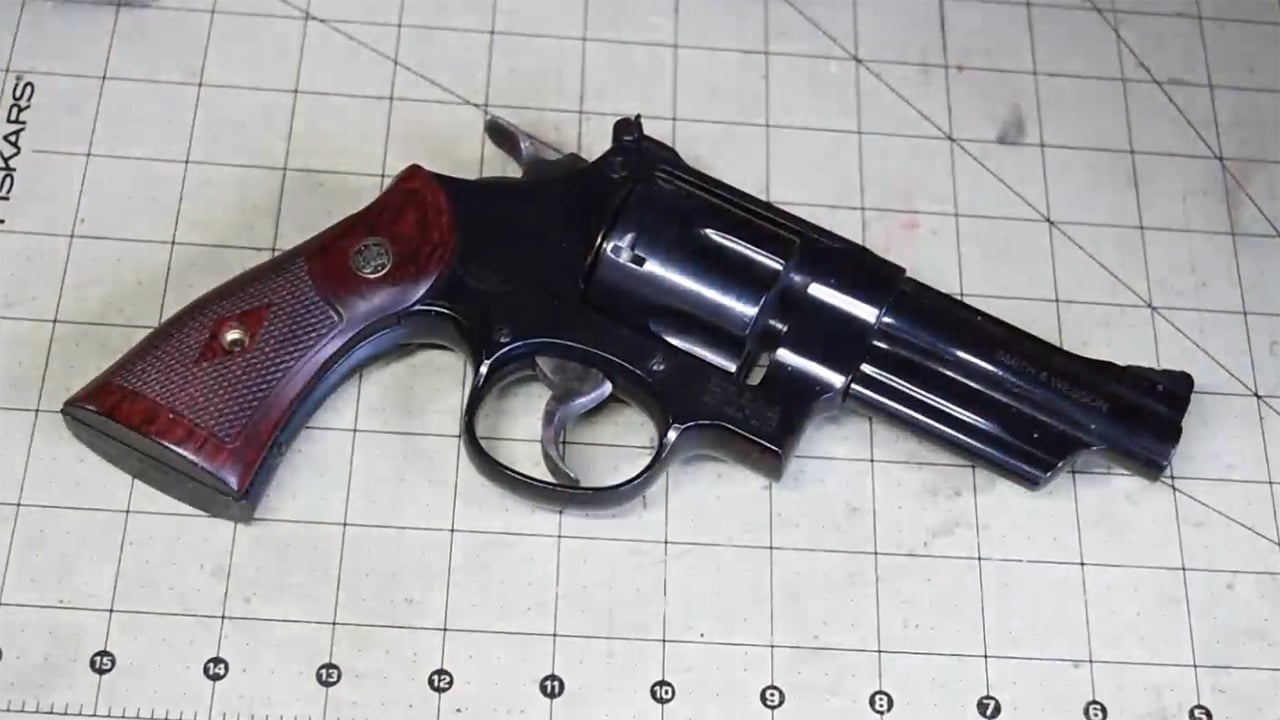
A Model 27 is what a full-size .357 looks like when it’s built like a bank vault. They’re big, yes. They’re also ridiculously shootable, and the fit and finish on older ones is the kind of thing you don’t see much anymore.
The downside is weight, and that’s why some folks moved on from them. But the folks who appreciate them are buying them up, especially the 3.5-inch and 4-inch guns in good shape.
7. Smith & Wesson Model 28 Highway Patrolman
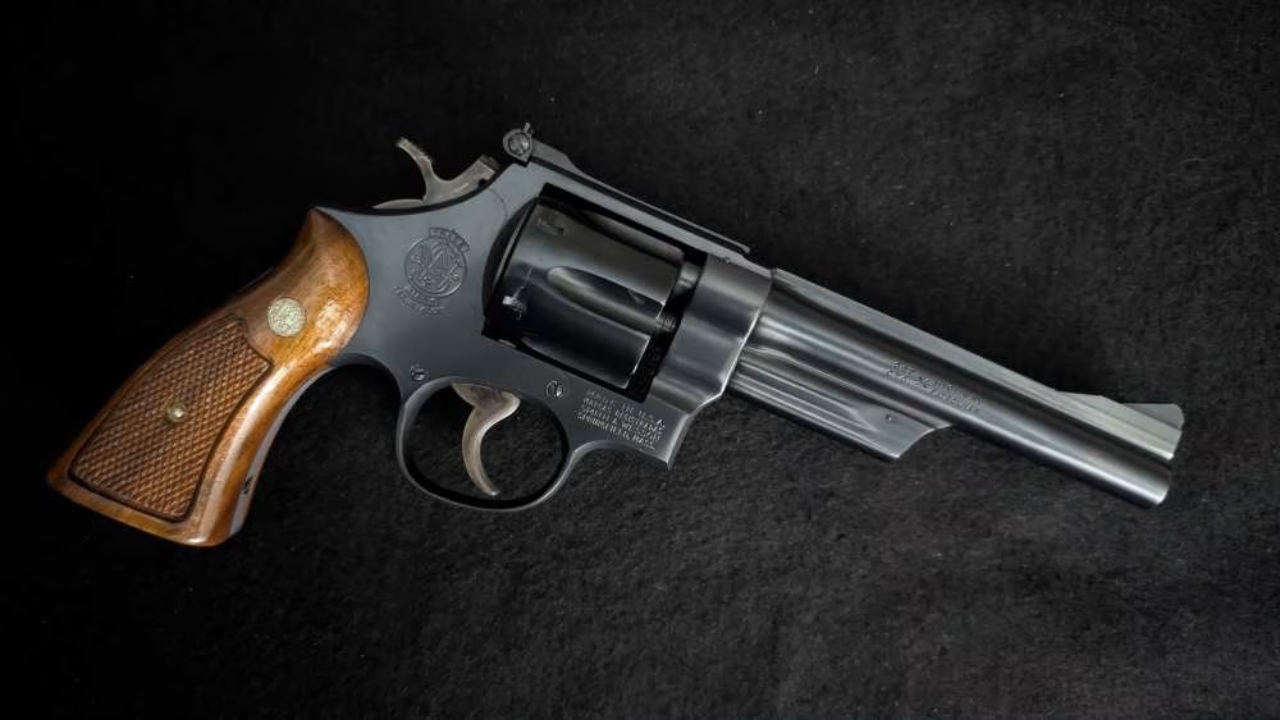
This is the Model 27’s working cousin. Less polish, same basic strength, and usually a better buy when you stumble into one. The 28 has a “use it and don’t baby it” vibe that I respect.
It’s getting tougher to locate because it’s the perfect big revolver for someone who actually shoots. The finish hides wear, and the gun just keeps going.
8. Colt Python (older production)

Yes, the Python is famous. No, it’s not just hype. The older ones have a feel that’s hard to describe unless you’ve run one side by side with other double-actions. The lockwork is also more delicate than people think, and that makes clean, unmolested examples even more desirable.
Between collector interest and folks wanting “the one revolver” for the safe, older Pythons don’t last on the shelf. And when they do show up, the price makes a lot of buyers flinch.
9. Colt Detective Special

Six shots in a small frame is the whole story here. The Detective Special has real carry appeal even today, especially if you like an old-school revolver that still has practical capacity. It’s not a featherweight, but it carries flatter than you’d expect.
What’s getting scarce are the good ones that haven’t been refinished poorly or shot loose. A tight Detective Special is one of those guns you don’t appreciate until you try to replace it.
10. Colt Diamondback (.38 Special and .22 LR)
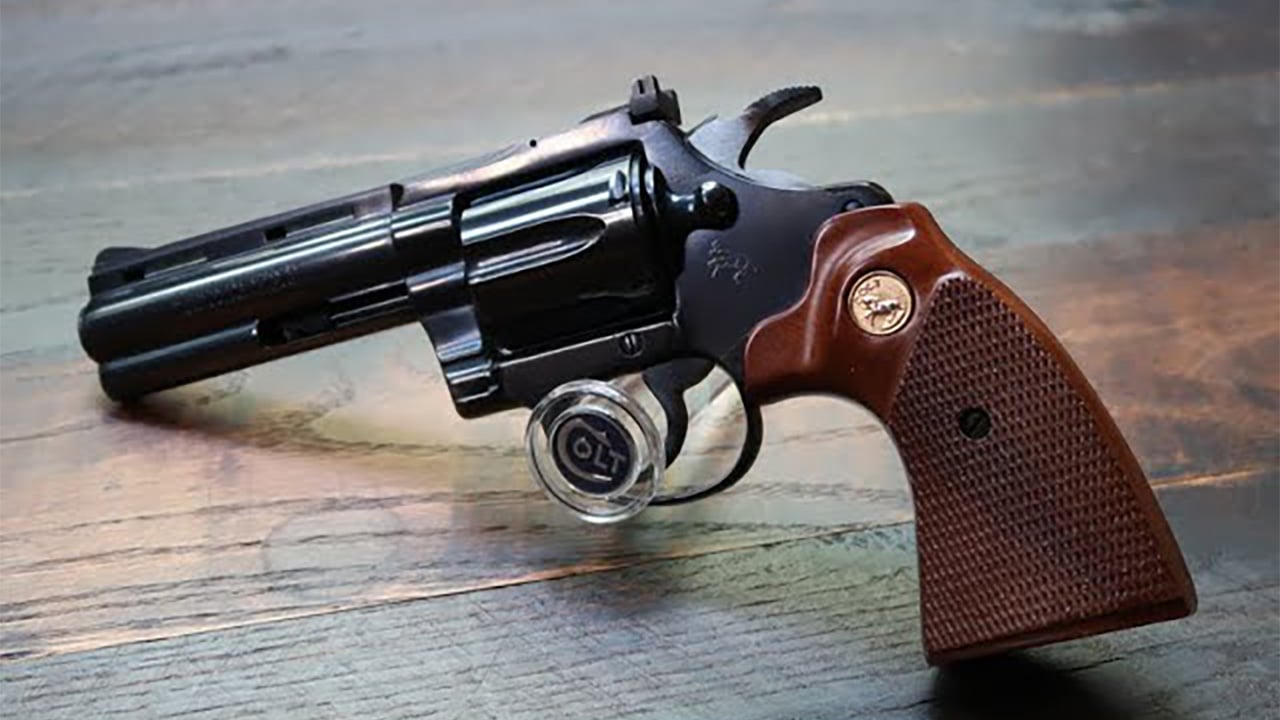
The Diamondback has that “mini-Python” look and feel. In .38 it’s a classy shooter; in .22 it’s one of the most fun revolvers you can take to a range day. They point quick and tend to have excellent triggers.
They’re not being made anymore, and they’re not hiding in dresser drawers like they used to. A clean Diamondback now is usually either priced high or sold fast, sometimes both.
11. Colt Trooper Mk III
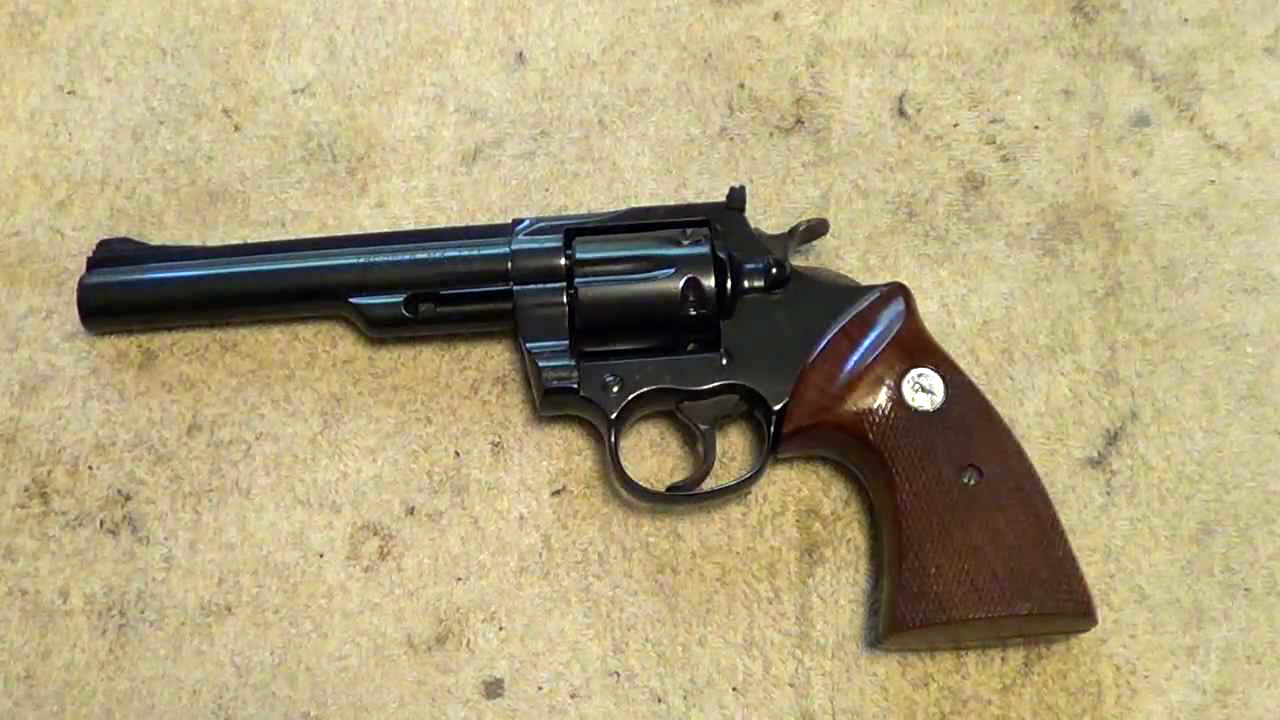
Not everybody loves the Mk III lockwork, but as a shooter it’s a lot of revolver for the money—when you can find one at a sane price. They’re sturdy, accurate, and they don’t feel “small” in the hand like some modern compact guns.
The reason they’re disappearing is simple: they’re a Colt that regular people can still justify. When someone wants a classic Colt without Python money, this is where they land.
12. Ruger Security-Six

The Security-Six series is the definition of rugged. These are the revolvers that got tossed in tackle boxes, banged around in trucks, and still worked when it counted. The action can be a little “Ruger-ish,” but they smooth out and they last.
They’re not made anymore, and outdoorsmen figured out they’re a great used buy. The cleaner examples—especially with shorter barrels—are getting picked off quickly.
13. Ruger Service-Six
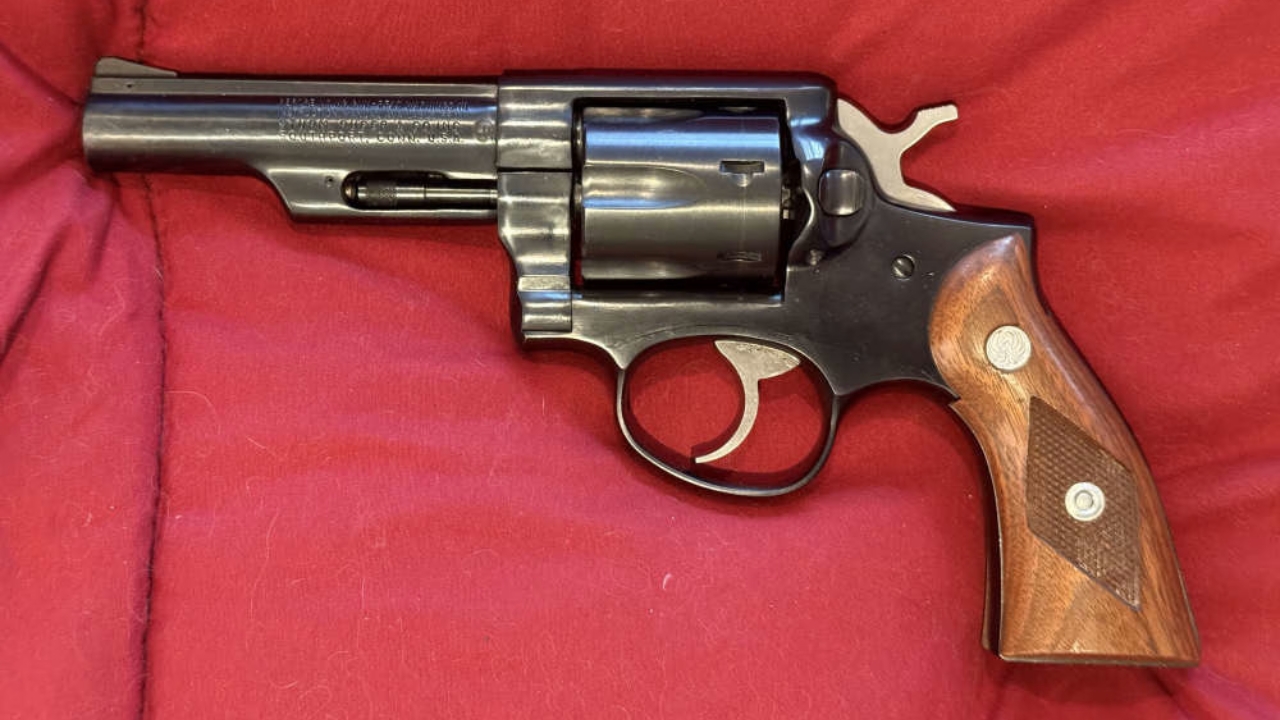
Same family as the Security-Six, but with fixed sights and a duty-gun feel. A Service-Six is the kind of revolver you can hand to someone who doesn’t baby equipment. It’s straightforward and dependable.
Fixed-sight Rugers used to be the guns that sat because they weren’t “cool.” Now, with more folks valuing simple and tough, they’re not sitting much at all.
14. Ruger Speed-Six
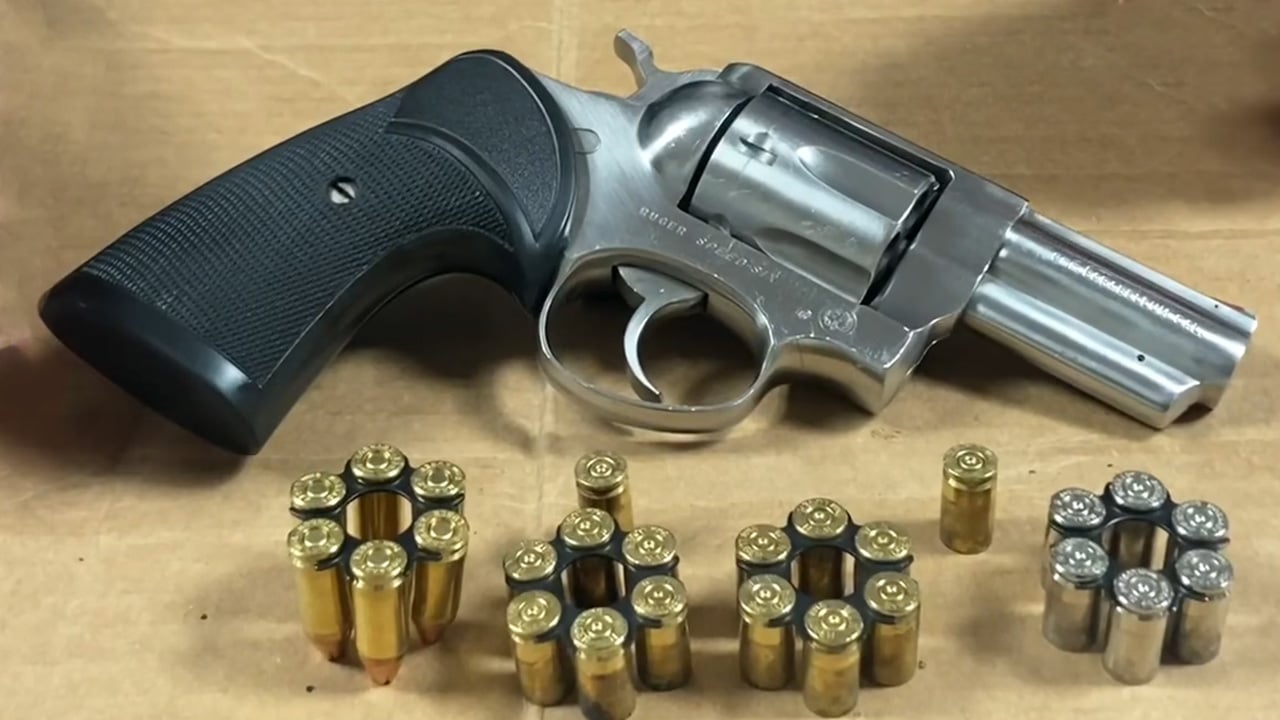
The Speed-Six is the sleeper in the bunch. Compact enough to carry, stout enough to run .357, and shaped in a way that just feels right in the hand. If you ever handled one and thought, “Yep, that’s it,” you’re not alone.
They’re getting hard to find because they fill a role that’s still relevant: a carryable revolver that isn’t fragile. When a good one shows up, it rarely makes it to the end of the day.
15. Ruger GP100 (older half-lug and 3-inch versions)
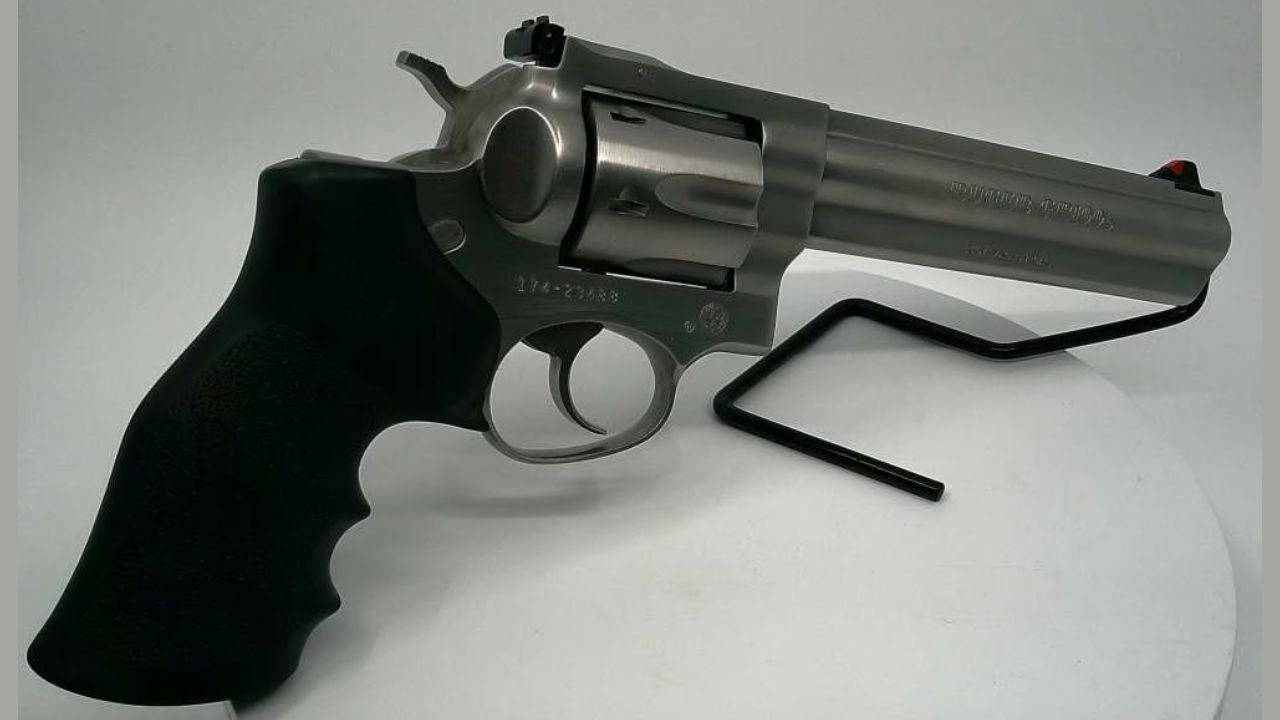
The GP100 isn’t rare, but certain configurations are getting thin in the wild. The older half-lug guns balance differently than the full-lug models, and the 3-inch GP100 is one of the best “do it all” .357s Ruger ever made.
These are the revolvers guys buy, shoot a bunch, and then decide they’re keeping. That’s why you see plenty of GP100s new, but fewer of the exact ones everybody wants used.
16. Ruger SP101 (3-inch .357)

An SP101 is not a big revolver, but it’s built like one. The 3-inch guns are the sweet spot for sight radius and velocity without getting awkward to carry. It’s a real woods-carry option for someone who doesn’t want a heavy N-frame on the belt.
The little Rugers don’t tend to get sold unless someone is cleaning house. And when they do hit the counter, they’re usually already spoken for because everybody knows they’re hard to wear out.
17. Ruger Redhawk (4-inch and older production)
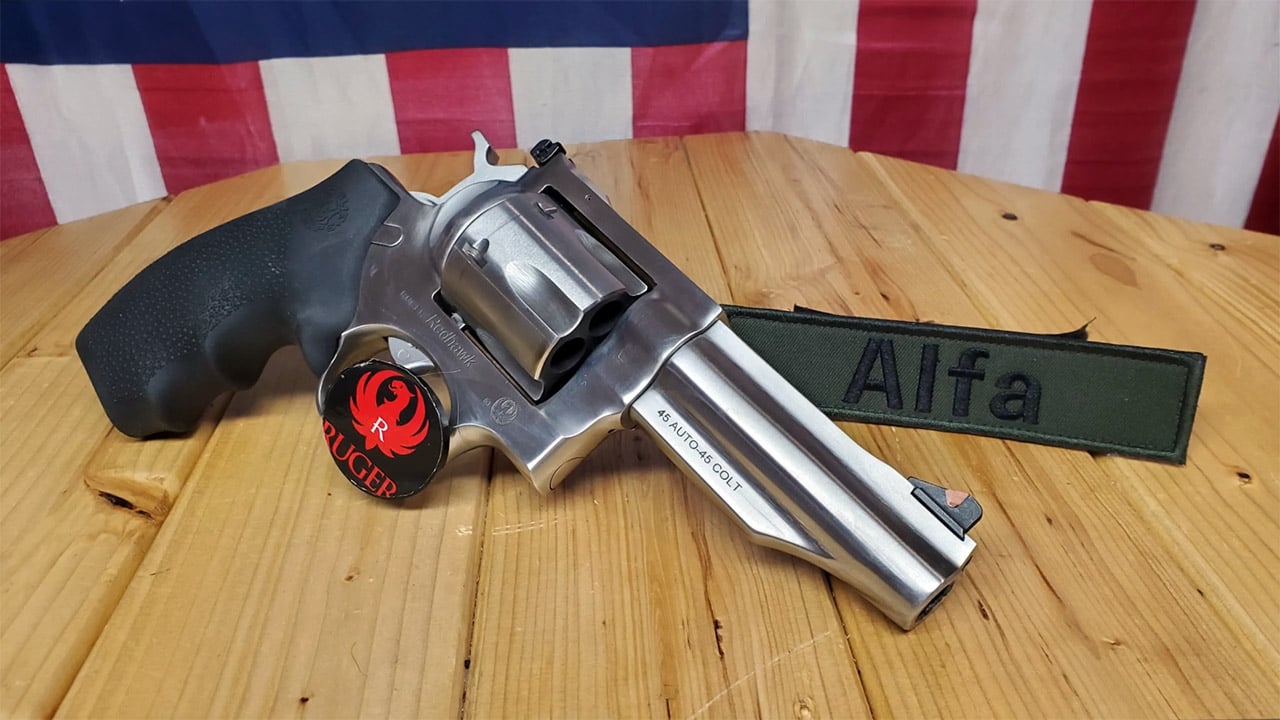
The Redhawk is a working man’s big-bore revolver. It’s not delicate, and it doesn’t pretend to be. In .44 Magnum it’s a serious hunting and woods-defense tool, and the shorter-barrel versions carry better than you’d think if you’ve never tried one.
What’s tightening up is the supply of older guns that haven’t been dragged through a steady diet of max loads without maintenance. A clean Redhawk with a good trigger is getting tougher to stumble onto.
18. Ruger Super Redhawk Alaskan
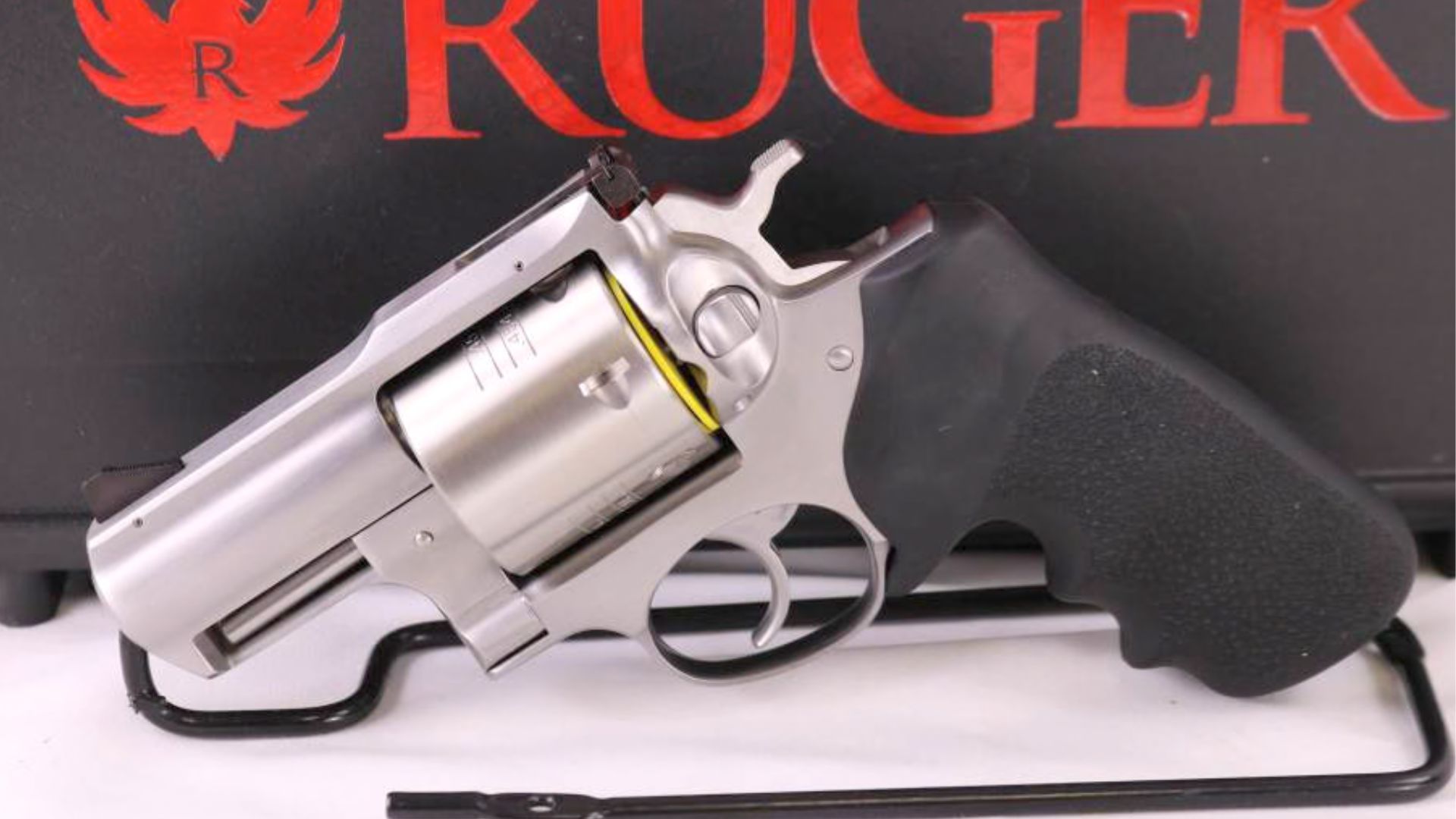
This one is a niche gun, but it’s a real niche. Short, heavy, and built for ugly work up close. The recoil is not for everyone, and anybody telling you it’s “fun” in the big chamberings is either built different or lying.
Even so, they vanish because the guys who want them usually have a purpose in mind and don’t shop casually. When one shows up used, it tends to move fast, especially before a hunting season or a trip where bears are a real concern.
19. Dan Wesson Model 15 (.357, interchangeable barrel system)
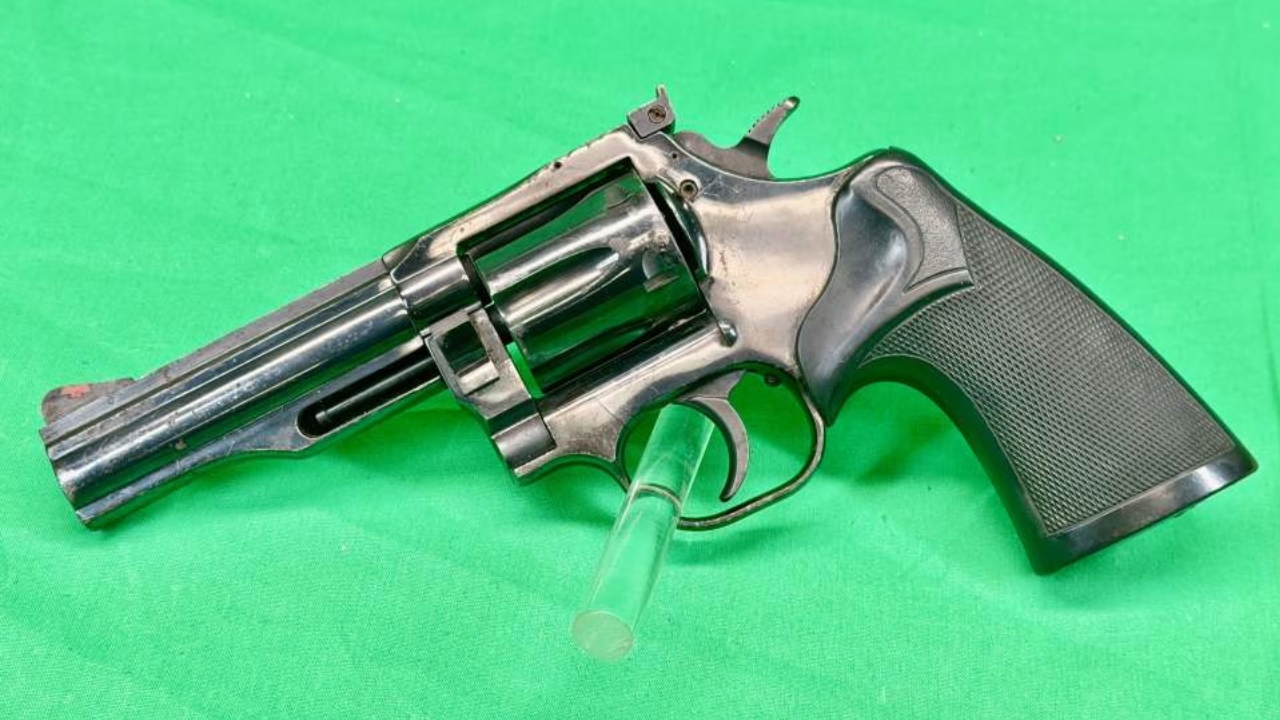
Dan Wessons have a cult following for a reason. The barrel system is genuinely useful, and a good Model 15 can be shockingly accurate. The grip/frame feel is different, but it works once you get used to it.
They’re getting harder to find because they’re a shooter’s revolver, not just a display piece. The catch is parts and barrel assemblies aren’t as common as they used to be, so complete packages get bought up quickly.
20. Smith & Wesson Model 625 (.45 ACP, moon clips)

A .45 ACP revolver sounds weird until you shoot one. Then it clicks. The 625 is fast to load with moon clips, soft shooting for the power level, and it tends to be extremely accurate. It’s also one of those revolvers that makes you grin at the range.
They’re not impossible to find, but they’re absolutely not sitting around like they used to. Between competition shooters, revolver fans, and folks who just want a practical big-bore without hunting-magnum recoil, the 625 gets scooped up.
None of this means you should panic-buy. It does mean if you’ve been “thinking about” one of these for a couple years, the market isn’t waiting on you. If you find a clean example, check timing and lockup, make sure it hasn’t been tinkered with by an amateur, and don’t be afraid to pay a fair price for a revolver that you’ll still be happy to own after the new-gun excitement wears off. Ask me how I know.
Like The Avid Outdoorsman’s content? Be sure to follow us.
Here’s more from us: