Photo credit: Pew Pew Tactical/YouTube
Walk into enough gun shops and you start noticing patterns. One week there’s a particular rifle sitting in three different racks. The next week it’s gone, and the tag price has jumped on the replacement—if there even is a replacement. Dealers aren’t dumb. When they see a model about to spike, they’ll tuck it back in the used-gun row, move it to the back room “for cleaning,” or just pull it off the floor and wait for the next shipment price to hit.
This isn’t about panic buying as much as it is about supply getting thin, parts getting weird, and certain rifles quietly becoming harder to replace than most hunters think. Some of these are classics that got “discontinued” and never really came back. Others are current-production guns that are suddenly affected by import drama, political pressure, or a manufacturer changing direction. Here are 20 rifles I’ve watched dealers get cagey about—right before customers notice what the next one costs.
1. Marlin 1895 SBL

The stainless, big-loop .45-70 that everybody suddenly “needs” the minute they handle one. It carries like a real woods rifle, and it points fast in thick timber. The problem is the new-gun price keeps climbing, and the used ones don’t sit long.
If you find one that cycles smooth and doesn’t look like it lived behind a truck seat for a decade, it’s not a bad buy even when it stings. The ammo isn’t cheap, but if you hunt in bear country or like a thumper for close ranges, it’s a rifle you’ll actually take out, not just talk about online.
2. Ruger No. 1
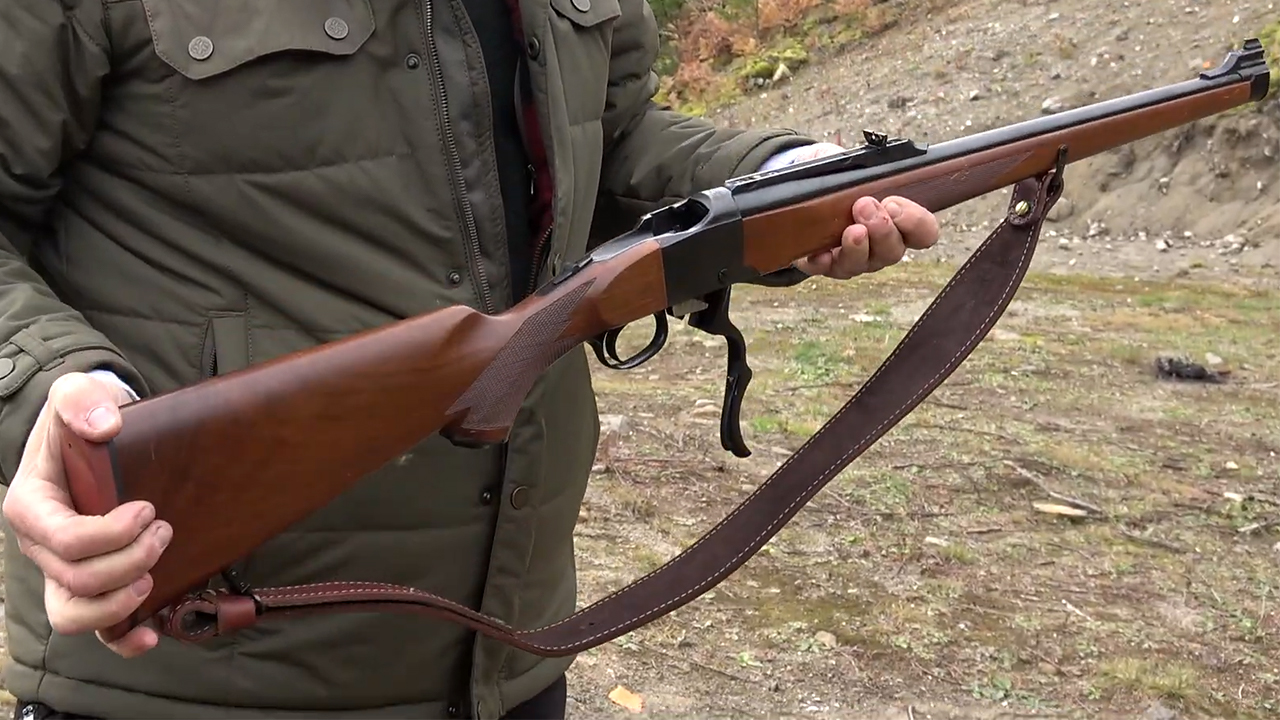
Single-shot rifles aren’t supposed to cause price drama, but the No. 1 does. It’s classy, strong, and in the right chambering it’s one of those rifles you pass down. Dealers know the collector crowd will pay, and hunters who grew up seeing them in camp have a soft spot.
It’s not the easiest thing to scope cleanly, and it’s not for a guy who needs fast follow-ups. Still, when they get scarce on the rack, that next price tag can be a rude surprise.
3. CZ 457 (especially the Varmint/Trainer variants)
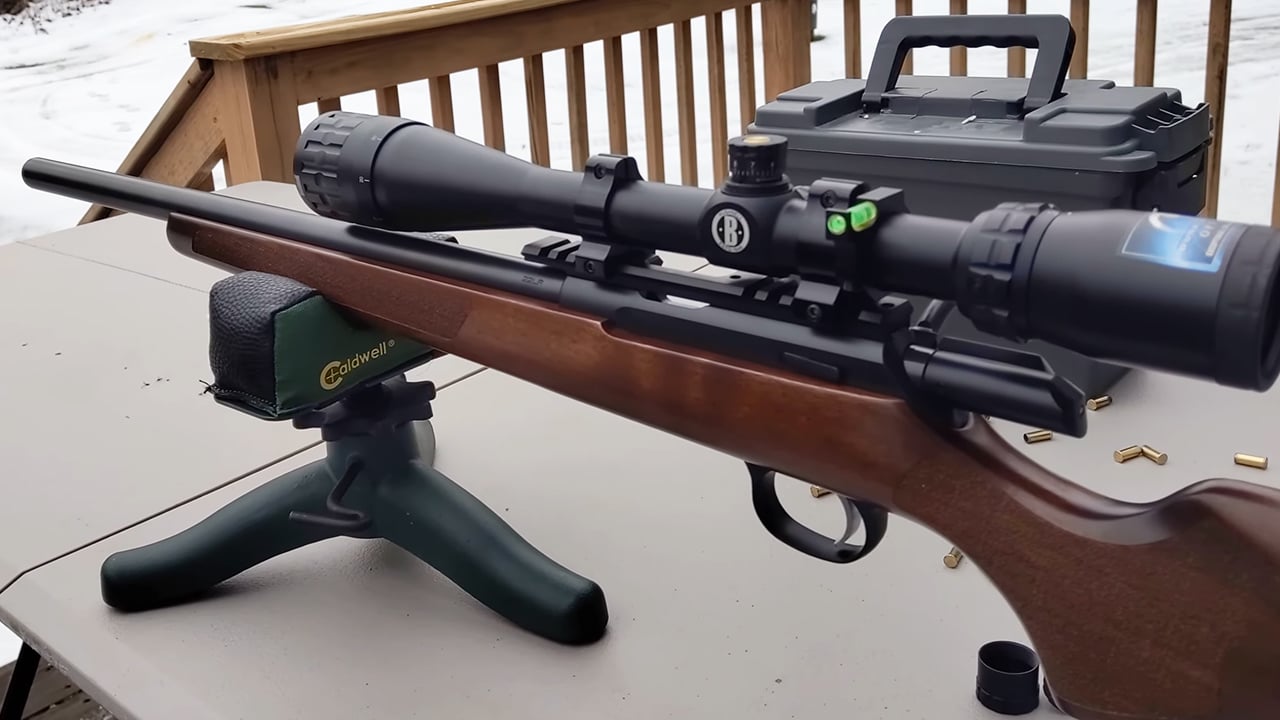
Rimfires are supposed to be the “cheap fun” corner of the safe. Not these. The 457 has the kind of bolt feel that makes grown men smile, and it shoots like it’s got something to prove.
When dealers see a good one come in, they don’t always rush to sticker it at yesterday’s price. The demand from small-game hunters, NRL22 folks, and anybody who appreciates good steel is steady.
4. Tikka T3x Lite

This is the boring answer that keeps being right. It’s light, it shoots, and it doesn’t punish you in the mountains. That’s it. There’s nothing fancy about it, and that is kind of the point.
When rifle prices start creeping up, the dependable “default” rifles jump too because everybody circles back to what works. Dealers don’t mind letting the flashy stuff sit, but a Tikka that’s priced too low won’t survive the weekend.
5. Browning X-Bolt (Hells Canyon and Speed models)
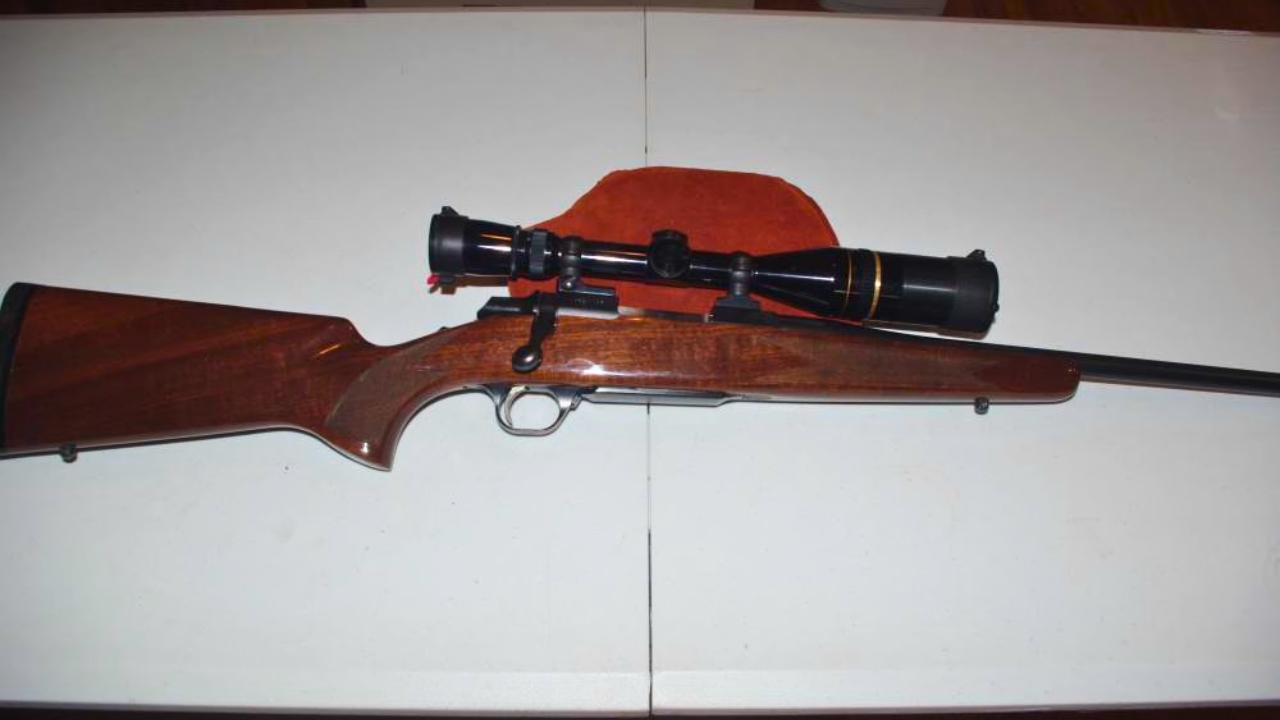
Browning has a way of making a rifle feel like it costs money, even before you look at the tag. The X-Bolt cycles slick, the triggers are generally solid, and they carry well in rough country.
What I’ve noticed is dealers pulling them from the floor when the next shipment is about to land higher. The X-Bolt crowd is loyal, and if you’re trying to match a specific finish or chambering, you don’t always have the luxury of waiting.
6. Winchester Model 70 (Featherweight, Super Grade)
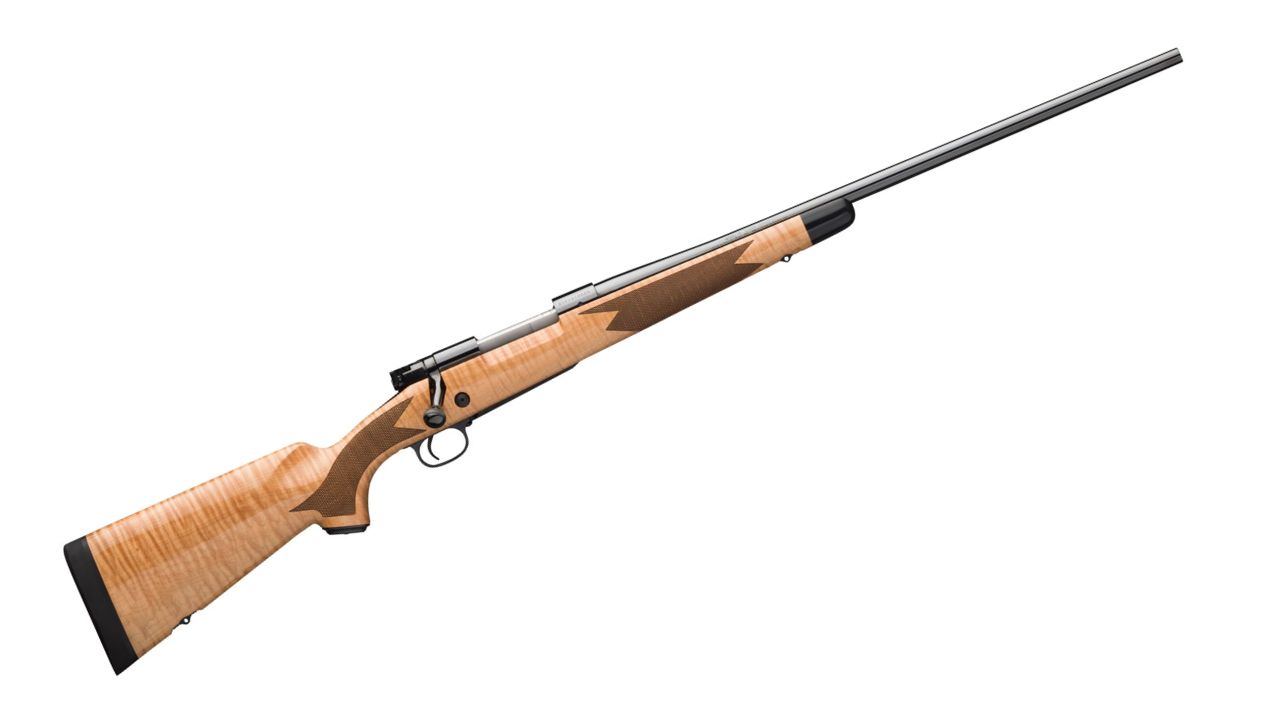
The “Rifleman’s Rifle” isn’t just a nickname. A Model 70 with a good stock and a controlled-round feed action is still a confidence-builder in the deer woods. It’s also one of those rifles guys regret selling when bills show up.
Dealers know the difference between a modern production gun and a rifle that’s going to get talked about at the counter. Nice Model 70s aren’t getting cheaper, and the prettier the wood, the faster the price runs away.
7. Ruger American Ranch (7.62×39, .300 Blackout, 5.56)

These don’t feel fancy. They feel useful. Short, handy, and the ones that take common mags are a big reason they leave the rack fast.
When ammo availability swings around, these rifles get hot in a hurry. Dealers who remember the last few years tend to hold them back if they think the next distributor price is going to hurt.
8. Colt AR-15A4 / Colt “CR” series ARs
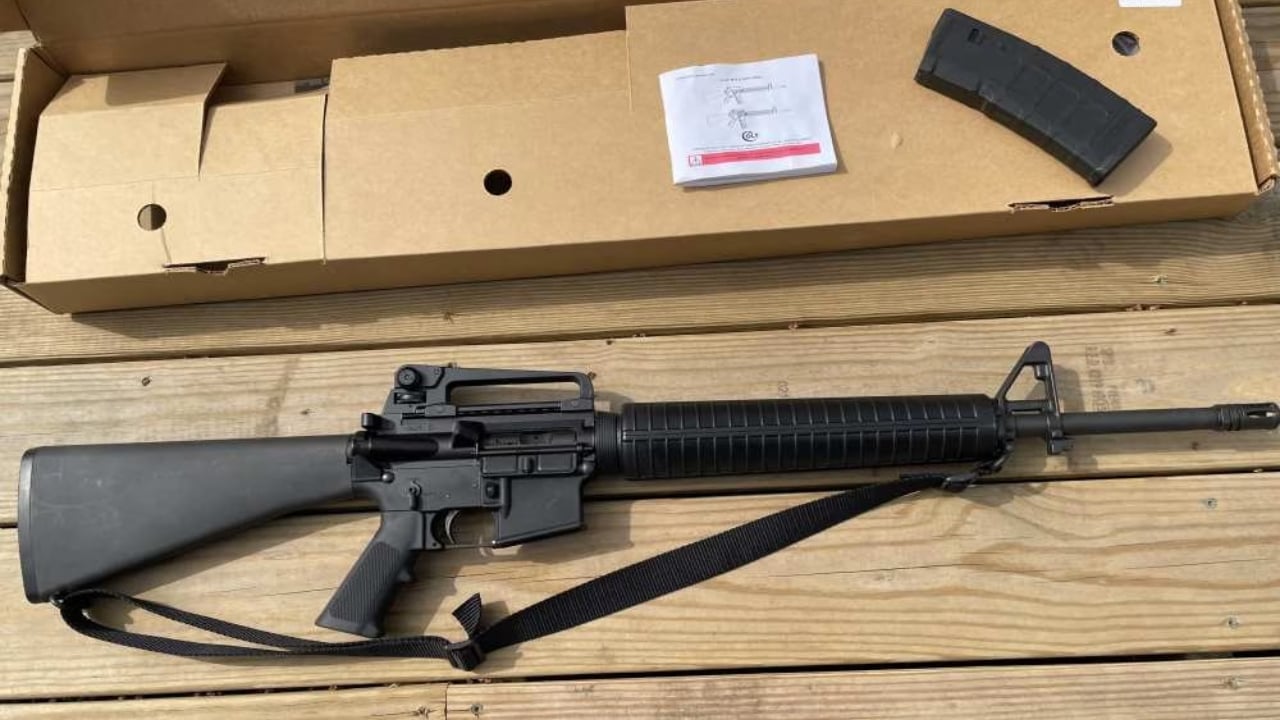
Colt’s civilian rifle availability has gone through enough mood swings that dealers don’t trust it. When a Colt-marked AR shows up, it’s not always about performance—it’s the name and the history, for better or worse.
Whether you think Colt is overrated or not, the market doesn’t care. When supply gets thin, those ponies get expensive quick.
9. Springfield Armory M1A (Standard and Scout Squad)

The M1A is heavy, loud, and not cheap to feed. It’s also one of the most satisfying rifles to run at the range if you like steel and walnut. The Scout Squad especially is a handy compromise if you actually plan to carry it.
Magazines and quality accessories matter with these, and dealers know customers will pay for one that’s set up right. The moment replacement costs climb, the nicer used ones stop being “used-gun bargains.”
10. Ruger Mini-14 (580-series and newer)
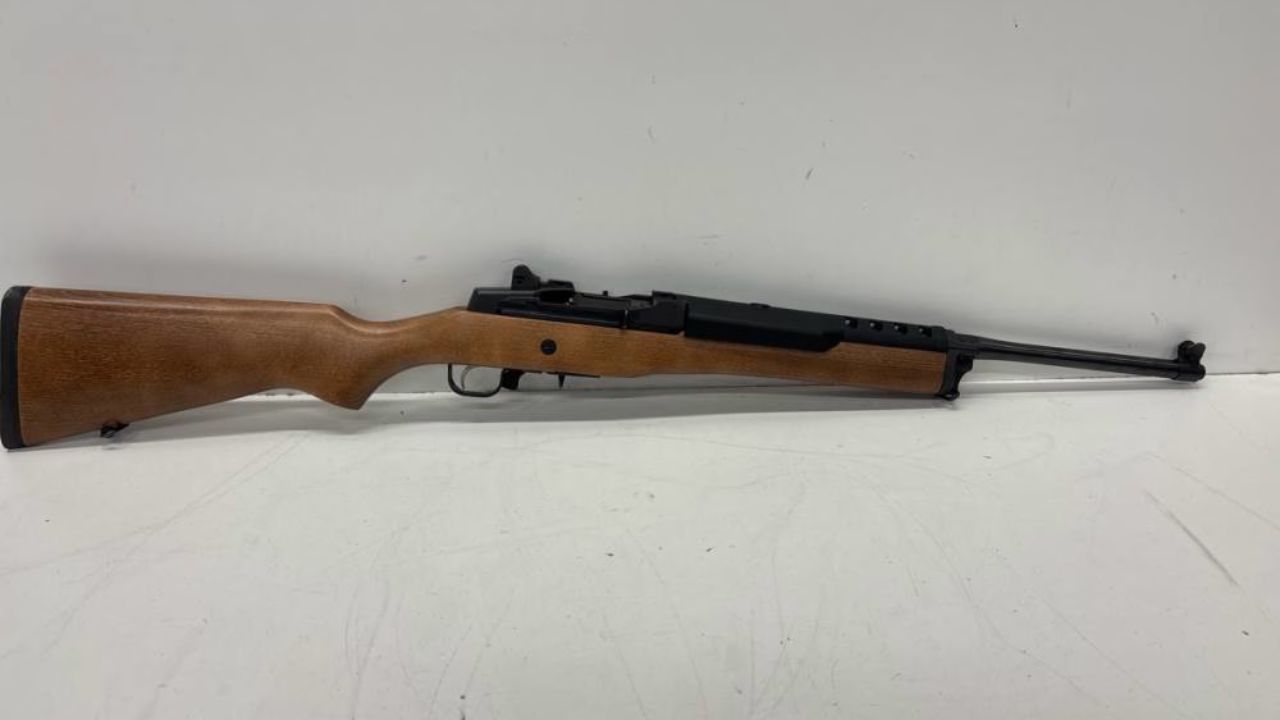
Every time the AR market does something weird, the Mini-14 gets interesting again. It’s not a benchrest rifle, but the newer ones shoot well enough for practical use, and they handle like a light ranch rifle.
Factory mags aren’t cheap, and off-brand mags can be a headache. A dealer with a clean Mini and a few good mags knows exactly what he has—and he’s not always eager to sell it before the next price bump.
11. IWI Galil ACE (7.62×39 and 5.56 rifle variants)
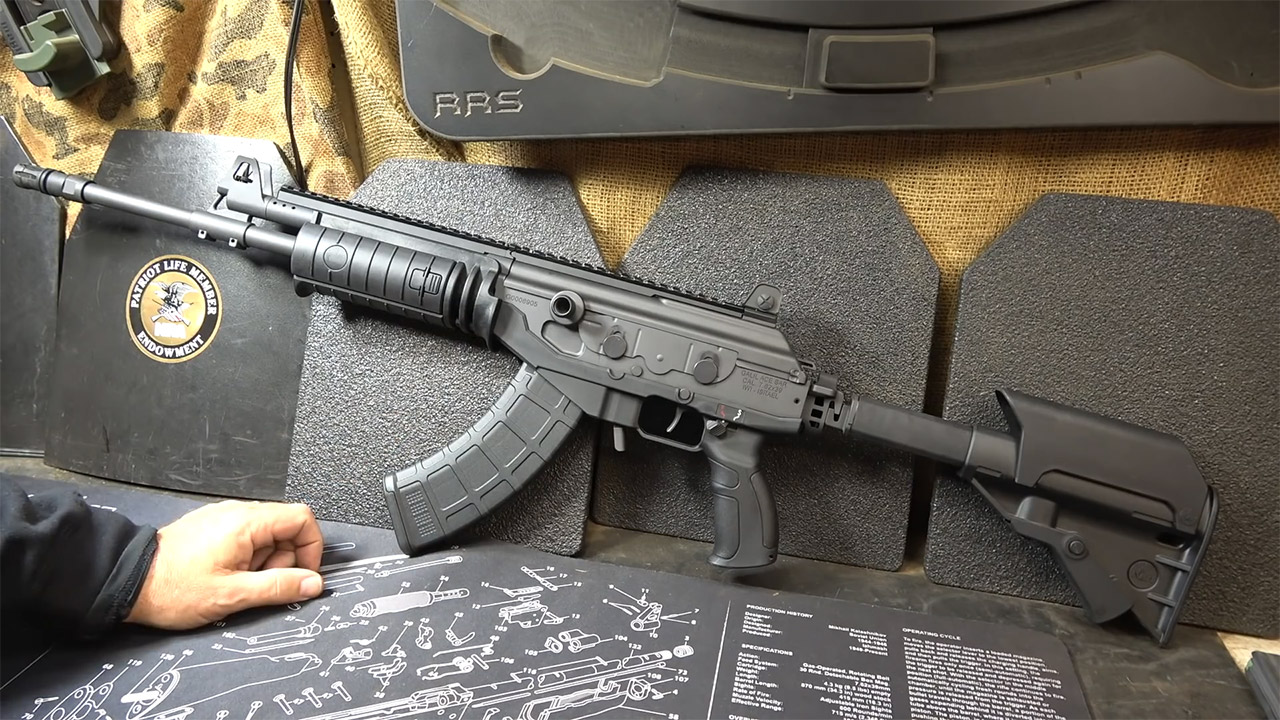
The Galil ACE is one of those rifles that feels like it was built by people who don’t tolerate nonsense. Reliable, overbuilt, and not shy about weight. If you like the AK idea but want better ergonomics, this scratches the itch.
Imports live under a cloud, and dealers act accordingly. When they suspect restocks will slow or prices will jump, the ACE tends to “disappear” from the front row.
12. Zastava ZPAP M70 (rifle configuration)
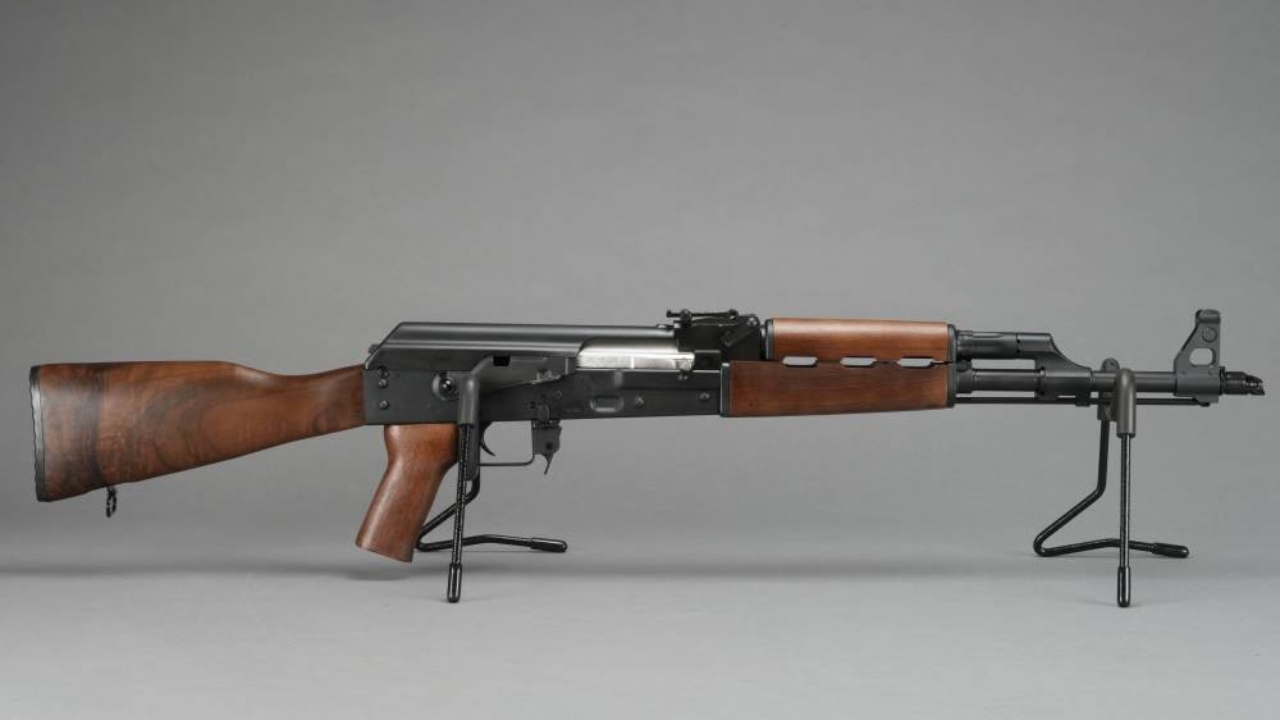
There are AKs, and then there are AKs you’d bet your season on. The ZPAP M70 has earned a reputation for being a solid workhorse, and it’s one of the few imports that feels like it’s built for real use.
Import supply and pricing can change fast. When a dealer gets a batch at a decent cost, he might sell a few—and stash a few—because he’s not convinced he’ll replace them at the same money next month.
13. Henry Big Boy X Model

Threaded lever guns with modern furniture used to be a niche thing. Not anymore. The X Model brings in shooters who never cared about lever actions until they saw one with a can and a light.
They’re fun, but they’re also practical for certain jobs—hog hunting, camp defense, and thick-woods deer. Dealers watch these walk out the door and know the next batch won’t be cheaper.
14. Savage 110 Ultralite
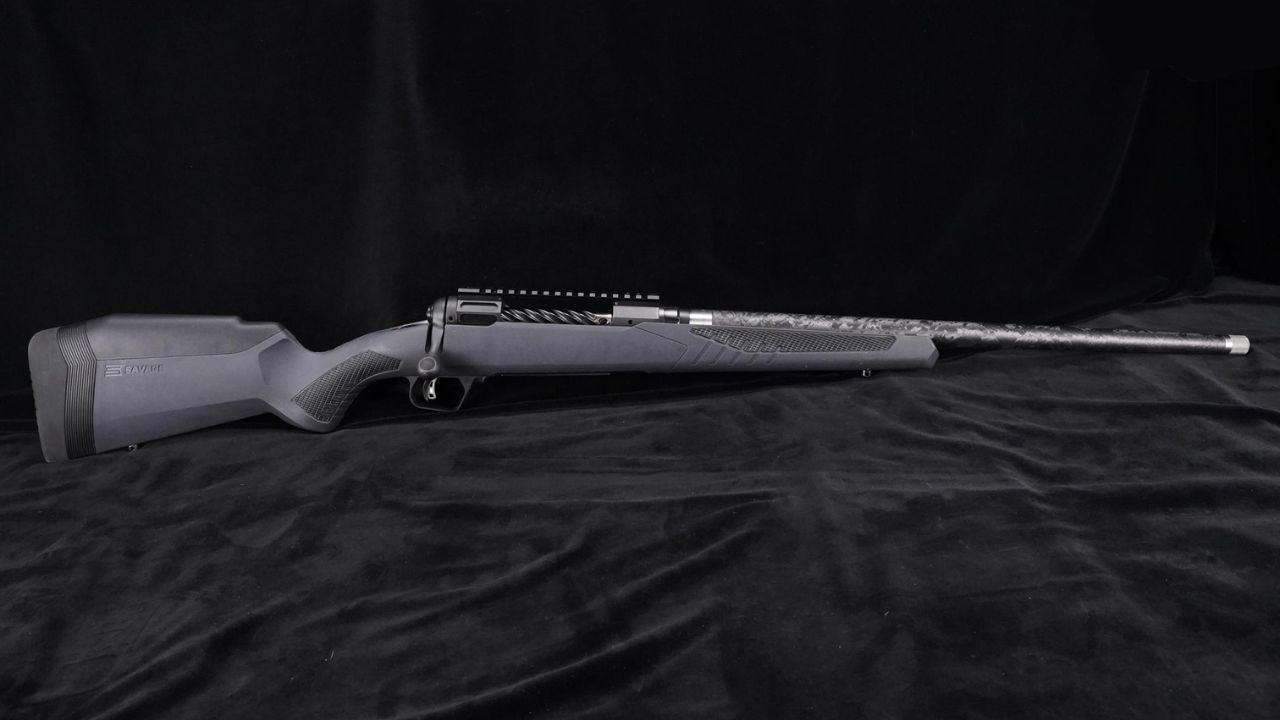
If you’ve ever counted ounces on a mountain hunt, you understand why this rifle sells. It’s not a “cheap Savage.” It’s a serious carry rifle that still tends to shoot.
Lightweight rifles live in the danger zone when prices rise because they’re expensive to build. Dealers who know their backcountry crowd will hold one back rather than sell it cheap and regret it when the next order comes in high.
15. Bergara B-14 HMR

This one gets bought by guys who want one rifle to do most things: hunt, ring steel, and not feel like a toy. The HMR is heavy enough to settle down, but it’s not so specialized that it can’t go deer hunting.
When component costs creep, these “value for the money” rifles are usually the first to get repriced. Dealers know customers compare them to higher-end guns and still feel good about the purchase.
16. Remington 700 (older, pre-bankruptcy production)

I’m not here to start a Remington argument. I’m just telling you what I see: older 700s that feed and shoot well don’t stay on the rack long, especially in classic hunting chamberings. Guys want the action for builds, or they want a familiar rifle they can service anywhere.
Dealers also know newer production has had mixed reputation in different eras, so “good old ones” get treated like their own category. If a clean, older 700 hits the floor with a fair tag, somebody notices.
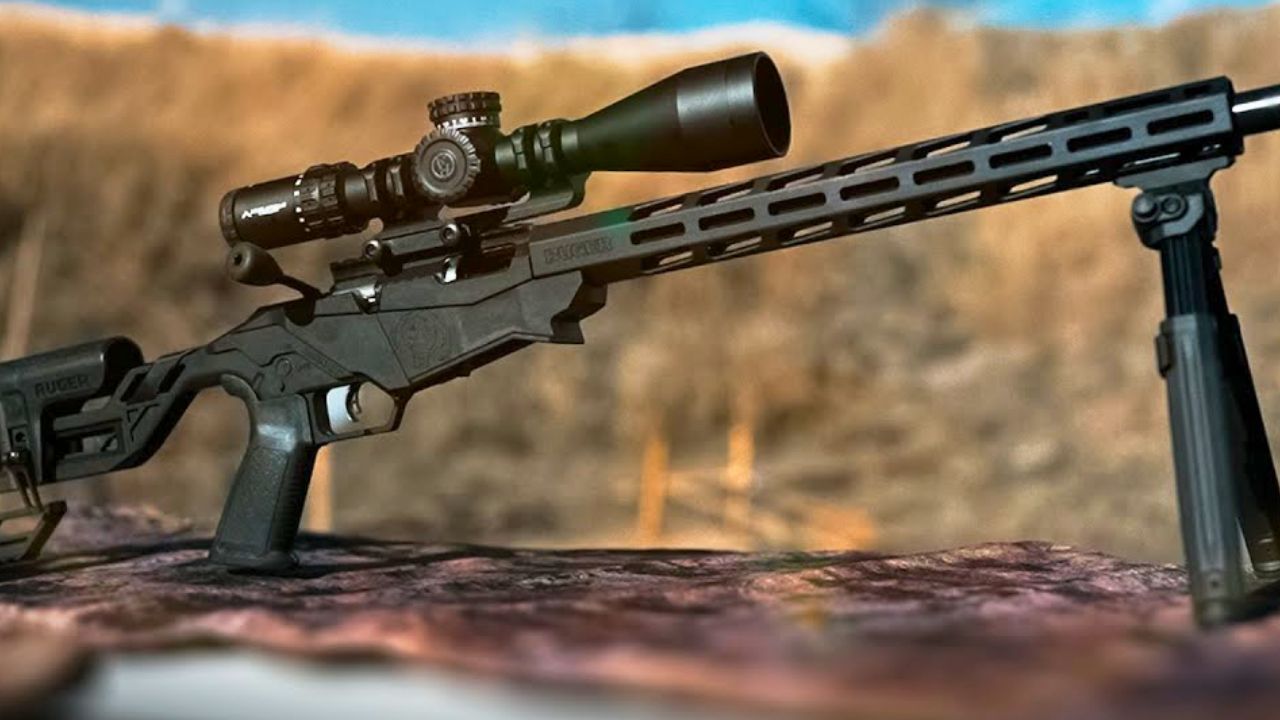
17. Ruger Precision Rimfire

This is a training rifle that accidentally became a staple. Cheap(er) to feed, easy to run hard, and it mimics the feel of larger precision rigs enough to make practice count.
When rimfire demand spikes, these go with it. Dealers who shoot understand that a decent trainer saves you money long-term, and they price them like it.
18. Smith & Wesson M&P15 Sport II

This has been the “first AR” for a pile of people. It’s not glamorous, but it generally runs, takes common parts, and doesn’t demand a second mortgage. When times get weird, entry ARs become the ones everybody asks for at the same time.
Dealers remember the last few cycles, and they don’t want to be the shop that sold out at old prices and then had to restock at new ones. So the Sports that come in may not all make it to the front wall.
19. Ruger 10/22 (especially older carbines and certain distributor exclusives)
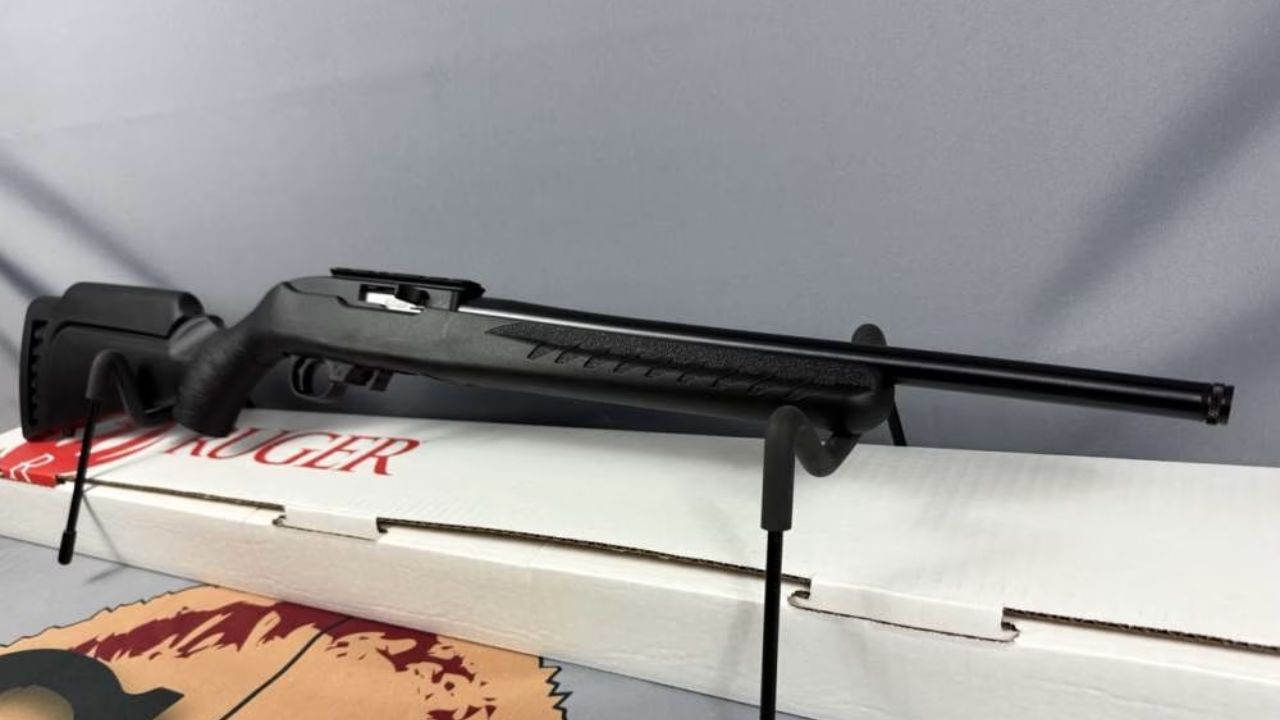
Everybody thinks they can always find a 10/22. Then they go looking for a specific version they used to own, or one with decent wood, or an older one that feels “right,” and suddenly the rack is full of not-quite-what-you-want.
Dealers don’t mind selling a plain new one. The older, cleaner carbines and the limited runs with better stocks are the ones that quietly get tagged high or moved to the used cabinet with a “firm” price.
20. Daniel Defense DDM4 (V7 and similar models)

There’s a certain point where AR buyers stop shopping on price and start shopping on “I want a good one and I’m done.” That’s where a DDM4 lives. Good barrels, solid QC, and a reputation that holds up when rifles get run hard.
When wholesale costs rise, the higher-end stuff climbs fast because it’s already built on premium components. Dealers who know what their next invoice looks like may keep one off the floor rather than sell it and watch the replacement cost jump by a few hundred.
If you’re noticing certain rifles “vanishing” from the rack, it’s usually not some grand conspiracy. It’s a shop owner protecting his inventory from the next wave of higher prices and lower availability. My advice is simple: if you’ve handled a rifle, you know it fits you, and it fills a real role in your hunting or range life, don’t assume it’ll be cheaper next month. Also, don’t get so caught up in the chase that you ignore ammo cost, magazine availability, and whether you’ll actually carry the thing when it’s cold, wet, and a mile from the truck.
Like The Avid Outdoorsman’s content? Be sure to follow us.
Here’s more from us: