
Photo credit: Leatherman
I scroll local listings the same way I glass a cut corn field at last light: slow, patient, and half-expecting nothing. Most of what you see is either beat to death, priced like it’s made of gold, or described by somebody who thinks “rare” means “old.” But every once in a while you spot a knife that’s actually worth burning a tank of gas for, if the numbers make sense and the photos don’t scream “parts knife.”
This isn’t a collector’s purity test. These are the knives I’ve handled, carried, sharpened, or watched disappear from a buddy’s pocket and then regretted it later. Some are modern hard-use pieces, some are old-school classics, and a few are just plain useful in a way the internet forgets until you need one in the rain with cold fingers.
1. Benchmade 940 Osborne

The 940 is one of those knives that looks a little odd until you live with it. Slim in the pocket, long enough blade to actually cut something, and that reverse tanto tip holds up better than it should. The Axis lock is fast and easy even with gloves, and that matters when you’re digging a tag out or trimming cord.
I get why guys sell them. They buy something bigger and “tougher,” or they get tired of the price of Benchmade. Still, when a clean 940 shows up at a fair price, it’s hard not to jump. It just carries right.
2. Spyderco Paramilitary 2 (PM2)

If you’ve ever needed a knife that cuts like it means it, the PM2 makes a believer out of you. That big leaf-shaped blade slices cardboard, rope, and hide without feeling like it’s wedging and tearing. The compression lock is strong and simple, and it stays out of the way of the cutting path.
The PM2 isn’t dainty, and it’s not the best “church pocketknife” if you care about printing. But for an outdoorsman’s daily tool that can handle ugly tasks, it earns its spot.
3. Spyderco Delica 4
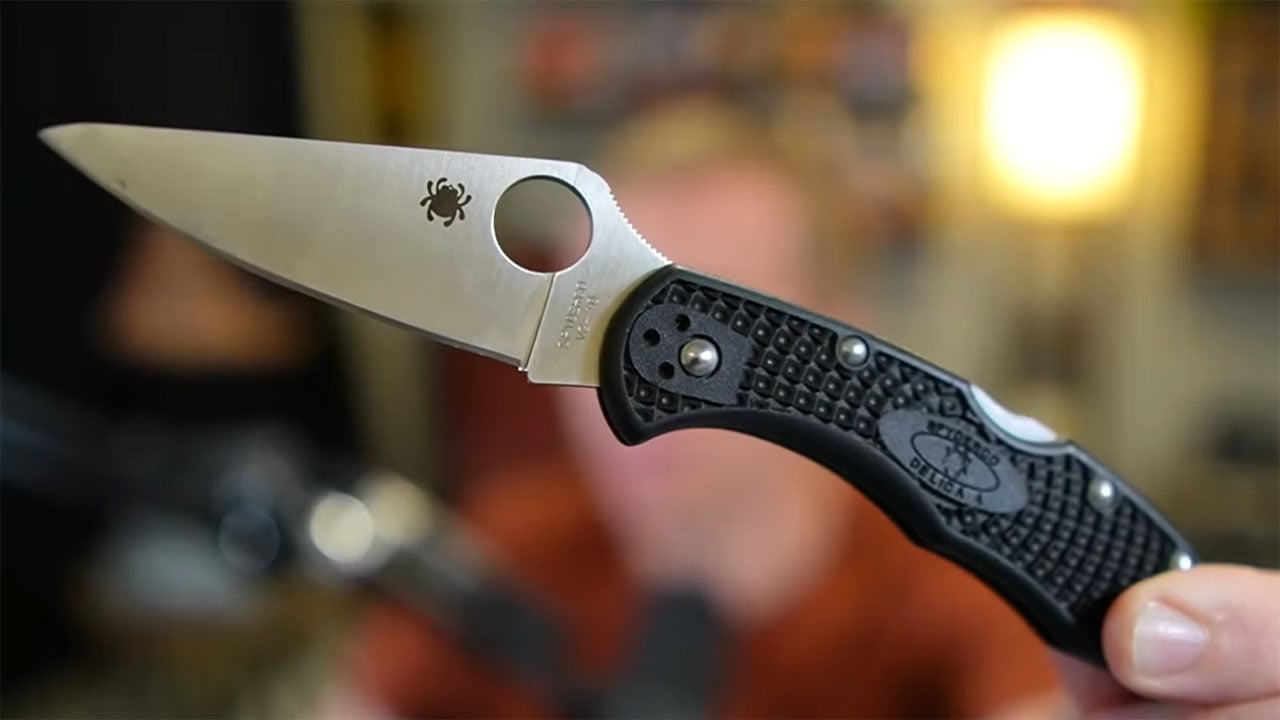
There is nothing fancy about a Delica, and that is kind of the point. It’s light, it disappears in a pocket, and it’s one of the few knives I trust to be a steady cutter without needing a big thick blade. The ergonomics are better than they look in pictures.
A used Delica at the right price is like finding a good headlamp for half off: not exciting, just smart. I’ve watched more than one guy sell theirs and then buy another one a year later.
4. Buck 110 Folding Hunter (USA)
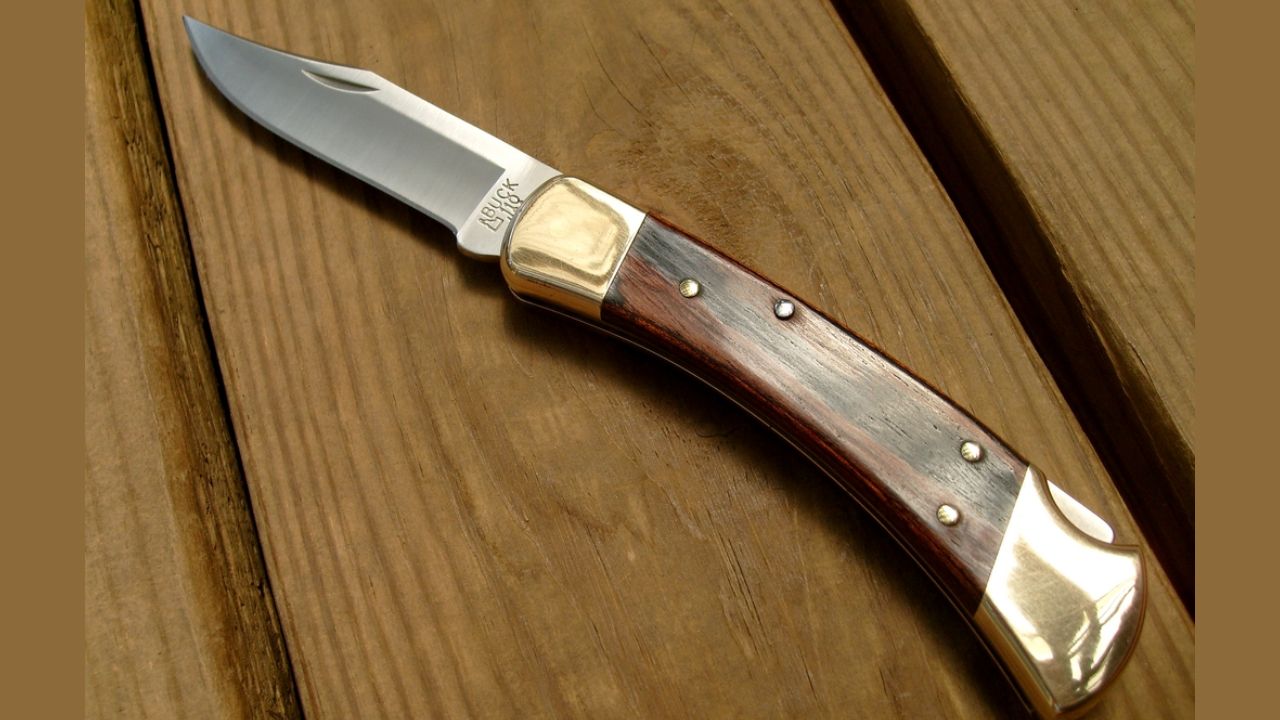
The Buck 110 is heavy and old-fashioned and absolutely still works. It rides better in a sheath than in a pocket, and in deer camp that’s not a downside. That blade shape is made for real cutting, not just opening feed bags.
When you find an older USA-made 110 that hasn’t been “sharpened” on a bench grinder, you stop and look. The sentimental value is real, but so is the usefulness.
5. Buck 112 Ranger (USA)

The 112 is the 110’s handier cousin. Same vibe, same lockback strength, just a little shorter and easier to manage for normal daily work. If the 110 feels like too much knife, the 112 usually feels right.
These pop up in drawers and estate listings more than you’d think. If the brass isn’t chewed up and the lockup is tight, I’ll drive for it.
6. Case XX Trapper

A Trapper is about as “pocketknife” as a pocketknife gets. Two blades, good belly, easy to maintain, and it does camp chores without looking tactical. In farm country, a Trapper is still a handshake item.
The older carbon steel ones take a scary edge and patina in a way stainless never will. You do have to wipe them down, especially around blood and humidity, but that’s part of owning a real tool.
7. Case XX Stockman
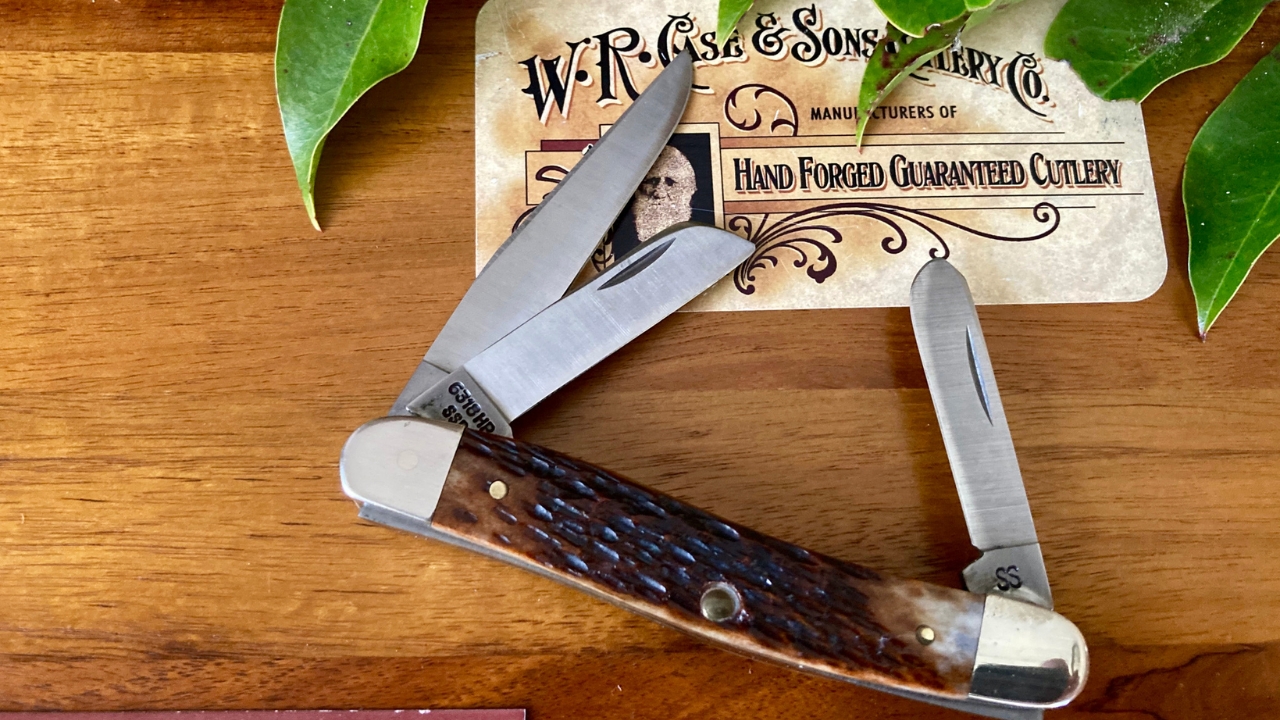
Stockman patterns are not glamorous, but you can do a lot with three blades. One stays razor sharp for clean cuts, one gets abused, and the third is for whatever weird thing comes up. I’ve seen Stockmans live in a pocket for decades.
When they’re priced right, they’re one of the best “actual working man” knives you can buy used. Check the snap and blade wobble before you hand over cash.
8. GEC (Great Eastern Cutlery) #15 Boy’s Knife
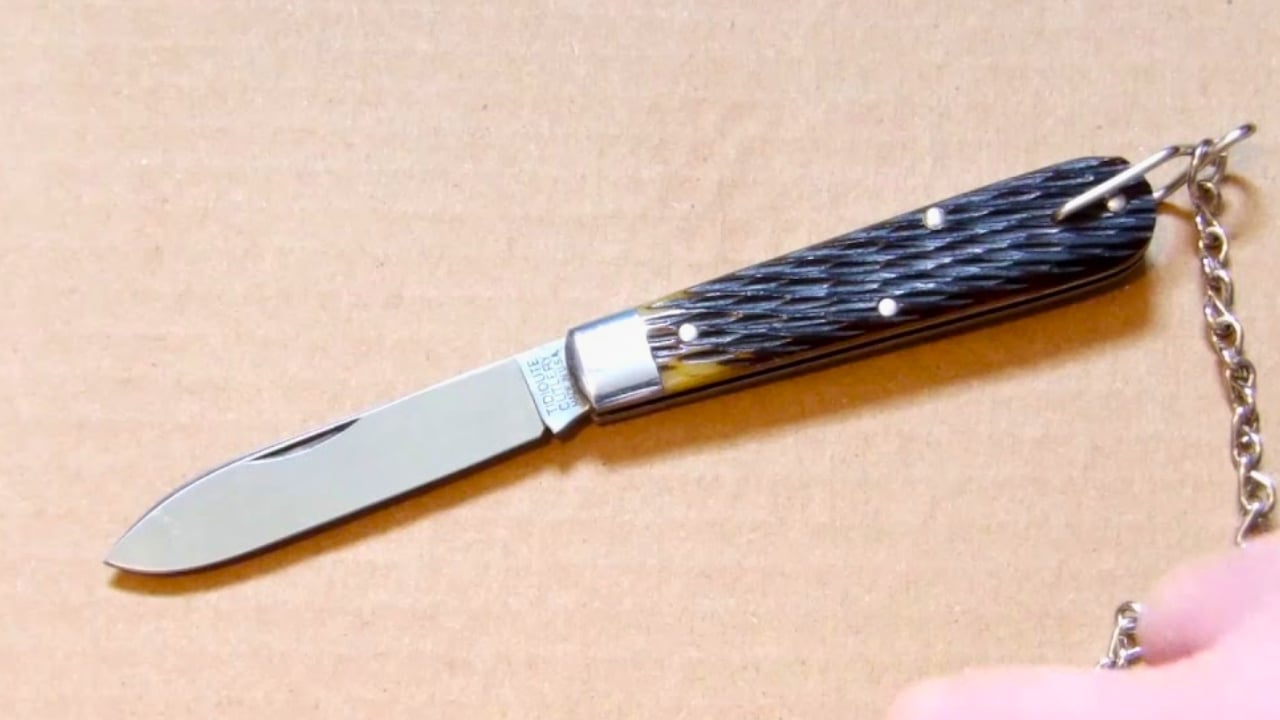
GEC knives are a headache because they’re hard to find and the fanboys can get ridiculous. Still, the #15 pattern is about as close as you get to a perfect traditional carry: compact, good blade shape, and built with the kind of fit that makes you grin.
If I spot one listed without the usual markup, I’m moving. Not because it’s an “investment,” but because it’s a traditional you’ll actually carry.
9. GEC #35 Cattle Knife
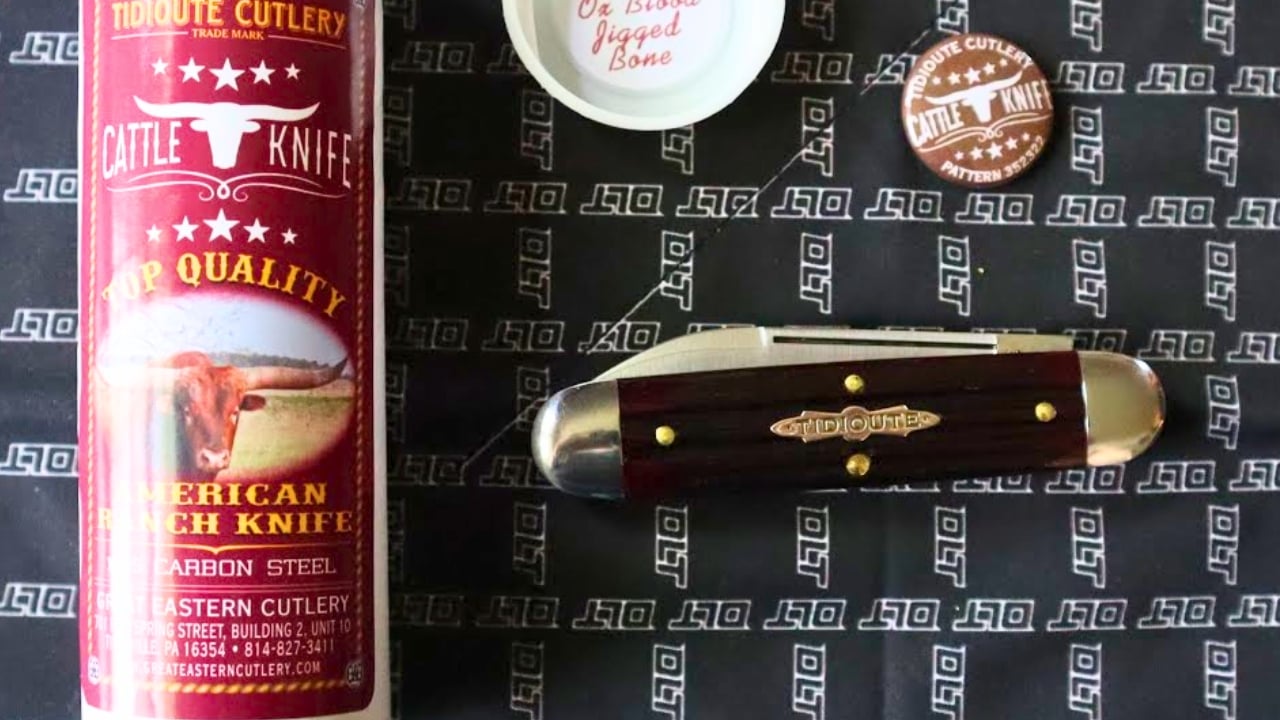
This one is a barn knife with manners. Big enough to feel solid, thin enough behind the edge to cut, and the patterns often have that old-timey feel without being fragile. A good #35 can be a forever knife if you don’t treat it like a pry bar.
It’s also one of those knives that disappears fast when listed by somebody who doesn’t know what it is. Ask me how I know.
10. Chris Reeve Sebenza 31

I don’t call many knives “perfect,” but the Sebenza gets close if you like simple, strong, and precise. The action is smooth without being toy-like, the lockup is bank-vault solid, and it’s easy to clean after a week of pocket lint and dust.
They’re expensive new, which is why a fair used price gets my attention. If it’s not beat up and the edge hasn’t been cooked on a power sharpener, it’s worth the drive.
11. Chris Reeve Inkosi
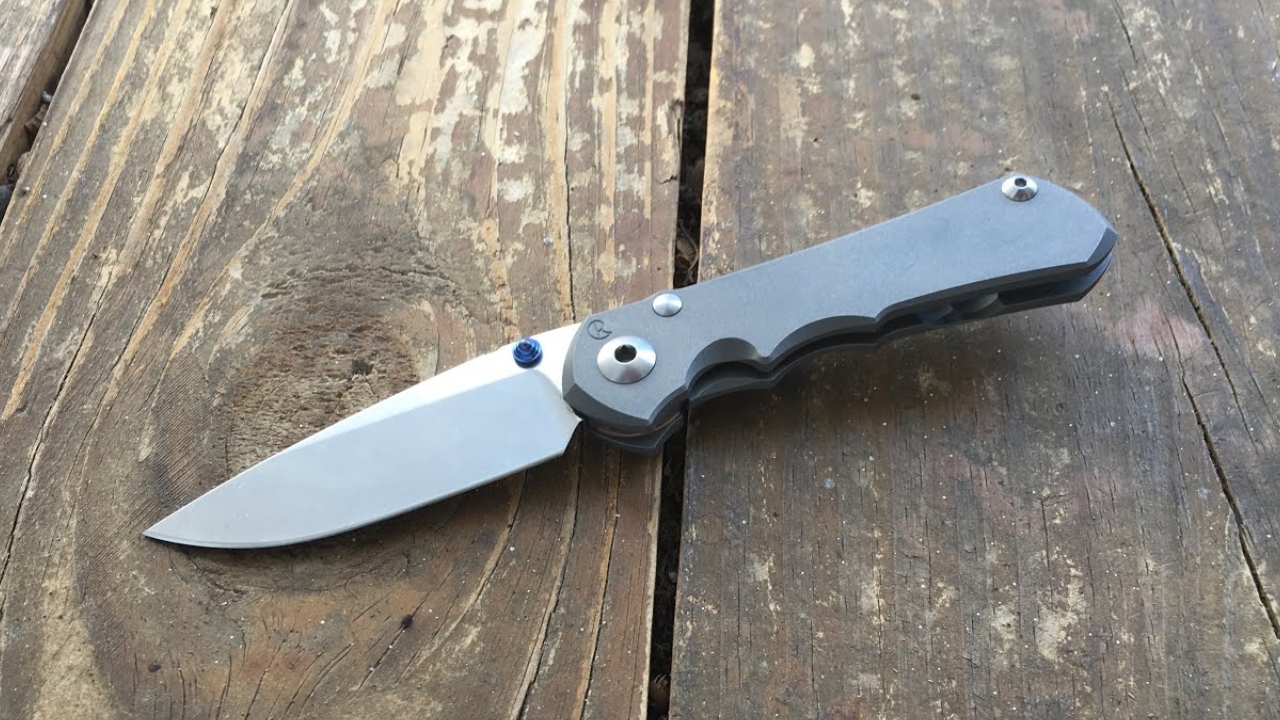
The Inkosi is the Sebenza’s thicker, more hard-use leaning brother. The handle fills the hand better, and the blade feels ready for work that makes you nervous with thinner knives. If you cut a lot of rope, heavy plastic, or dirty material, the Inkosi makes sense.
It’s not light, and it’s not cheap. But if you find one that’s already broken in and priced like a used knife should be, it’s a serious tool.
12. ESEE-4
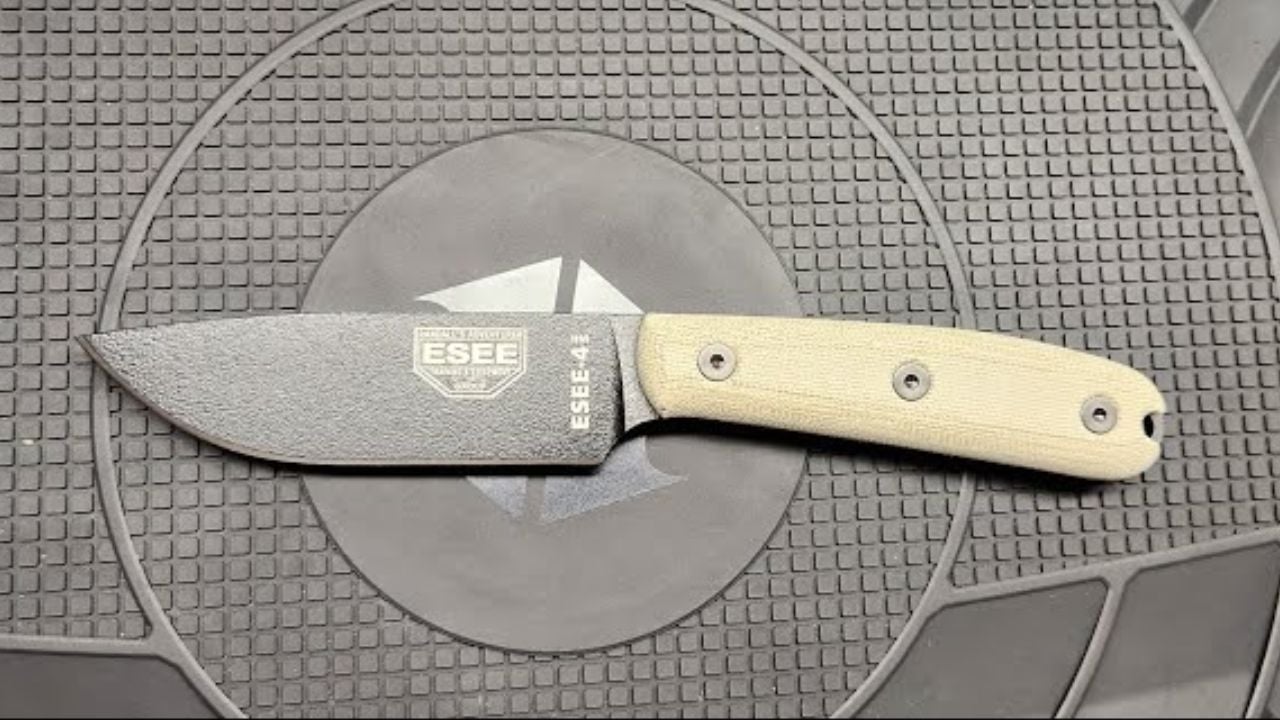
The ESEE-4 is one of my favorite “if I could only take one fixed blade” choices for normal outdoors use. It’s big enough to baton kindling if you have to, small enough to ride on a belt without poking you in the ribs, and simple enough that you don’t baby it.
Used ESEEs are usually either perfect or destroyed. If the edge isn’t chipped to the moon and the sheath isn’t cracked, it’s a good buy. I like tools that don’t mind getting dirty.
13. ESEE Izula-II
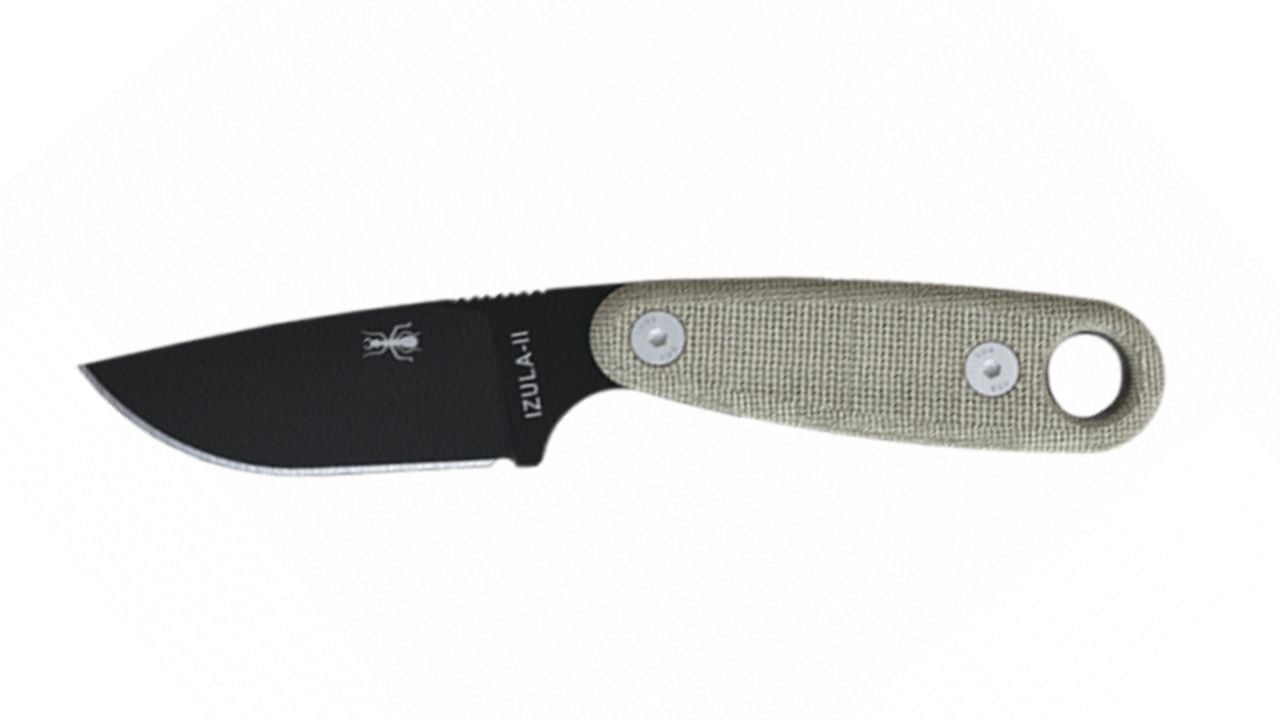
The Izula-II is a small fixed blade that acts like a bigger knife than it looks. It’s great for camp food, cord, and detailed work without feeling like you’re swinging a machete. And it’s one of the easiest knives to carry on-body without getting in the way.
If you’ve never carried a small fixed blade, this is the one that changes your mind. Find one with a decent sheath setup and you’ll understand.
14. KA-BAR Becker BK2 (Companion)
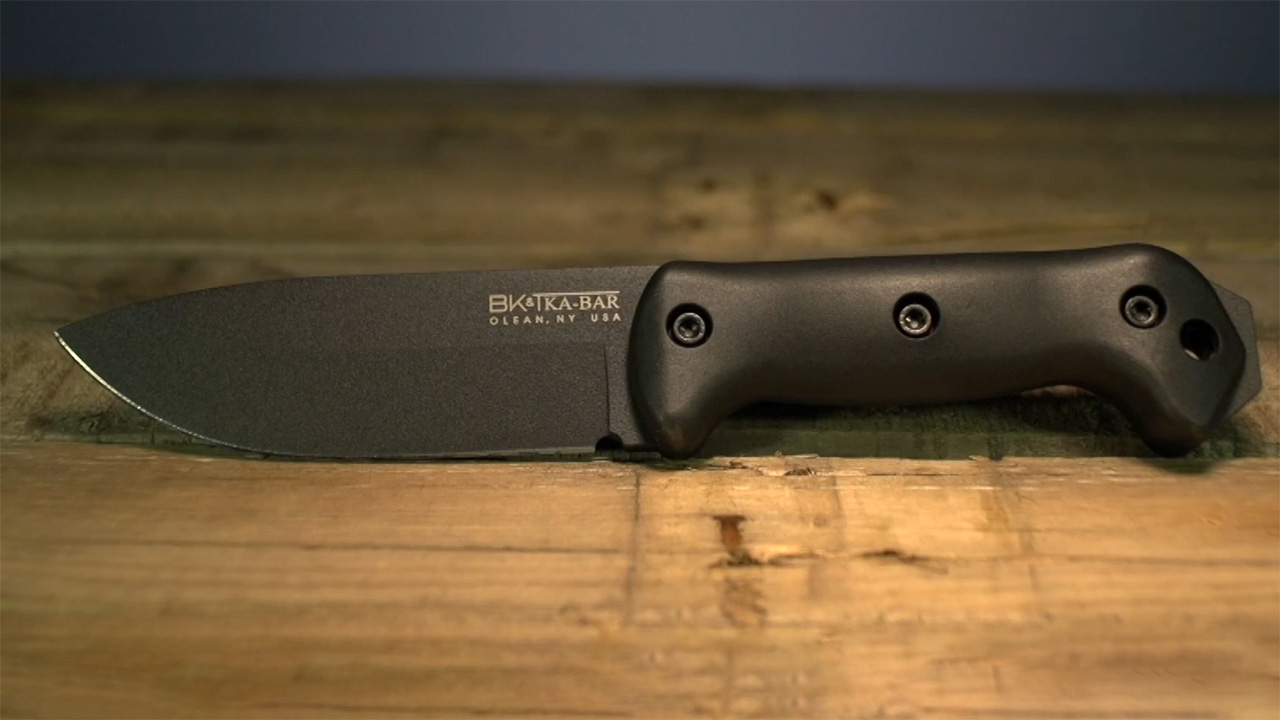
The BK2 is a chunk of steel. It’s not subtle, it’s not light, and it’s not for the guy who wants a dainty belt knife. But if you want a knife that can take abuse around camp—splitting, scraping, digging, and everything you’re not “supposed” to do—it’s hard to beat.
I don’t need a BK2 every day, but when I do, I really do. A used one at a fair price is a good way to try it without paying full pop.
15. TOPS BOB (Brothers of Bushcraft)

The TOPS BOB is one of those knives that just works in the woods. The blade shape is practical, the spine throws sparks well if you’re into that, and the handle is comfortable for longer cutting sessions. It feels like a camp knife designed by someone who actually uses camp knives.
TOPS can be a little “tacticool” in branding, but the BOB isn’t a gimmick. If I see one clean and priced right, I’m interested.
16. Morakniv Garberg (Full Tang)
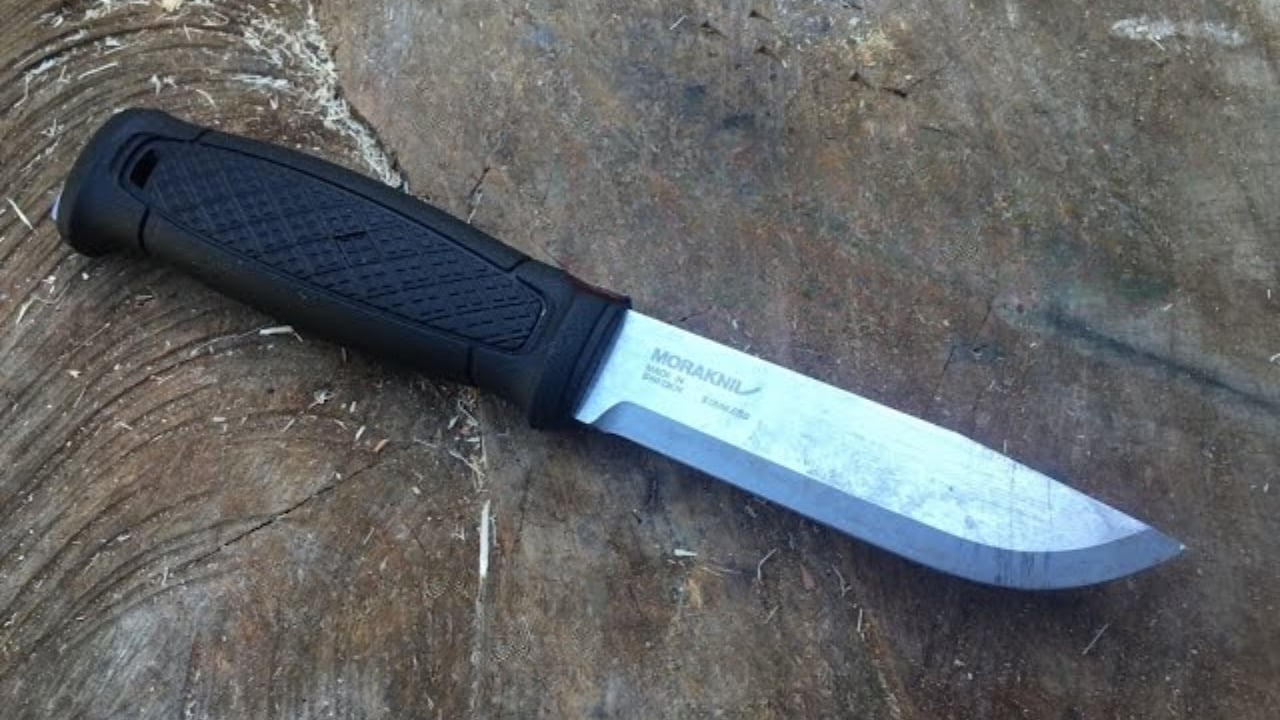
The Garberg is the Mora for folks who want a sturdier package without giving up the Mora cutting feel. It’s a great balance: robust enough for harder work, still slicey, and easy to maintain. For the money, it’s tough to argue with.
A used Garberg doesn’t always save you much, but sometimes you’ll find one sitting in a lot of random gear. If it hasn’t been abused, it’s a quick yes.
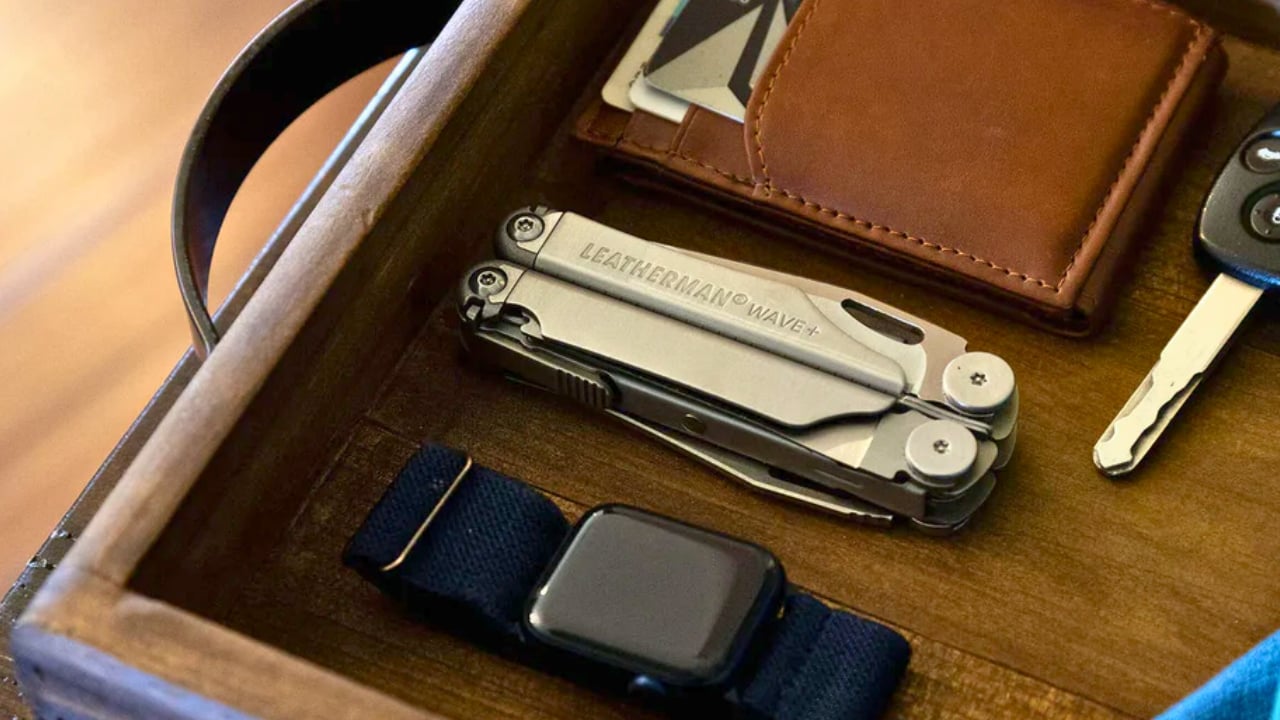
17. Leatherman Wave+

It’s not a “knife guy” pick, but the Wave+ solves problems. Pliers, drivers, a decent blade, and scissors that actually cut. In the real world, it’s the tool that keeps you from walking back to the truck five times.
I’ve watched more Wave+ tools get “borrowed” and never returned than I can count. When one pops up cheap and complete, I grab it, because I know it’ll get used.
18. Leatherman Super Tool 300
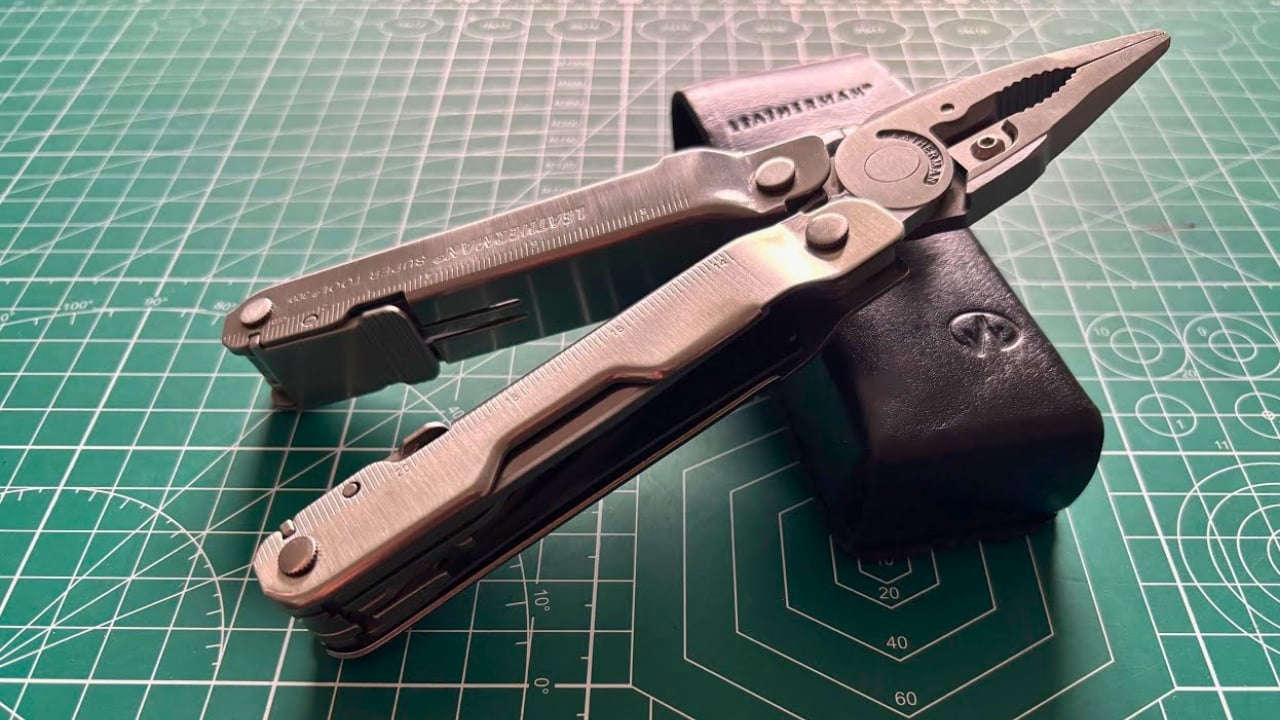
The Super Tool 300 is for the guy who breaks lighter multitools. It’s bigger, heavier, and more old-school, but it feels like something you can lean on. If you work around equipment, fencing, or constant repairs, it’s a dependable companion.
It’s not a pocket carry for most folks. But if you run it in a sheath, it becomes part of the daily uniform.
19. Victorinox SwissTool

The SwissTool is the multitool that makes you appreciate fit and finish. Everything opens clean, locks up solid, and it feels more refined than the average “worksite” tool. It’s not flashy, but it’s steady.
They’re not as common on local listings as Leatherman, which is exactly why I pay attention when one shows up. If it’s complete and not rusted, it’s a keeper.
20. Ontario RAT-1 (D2)
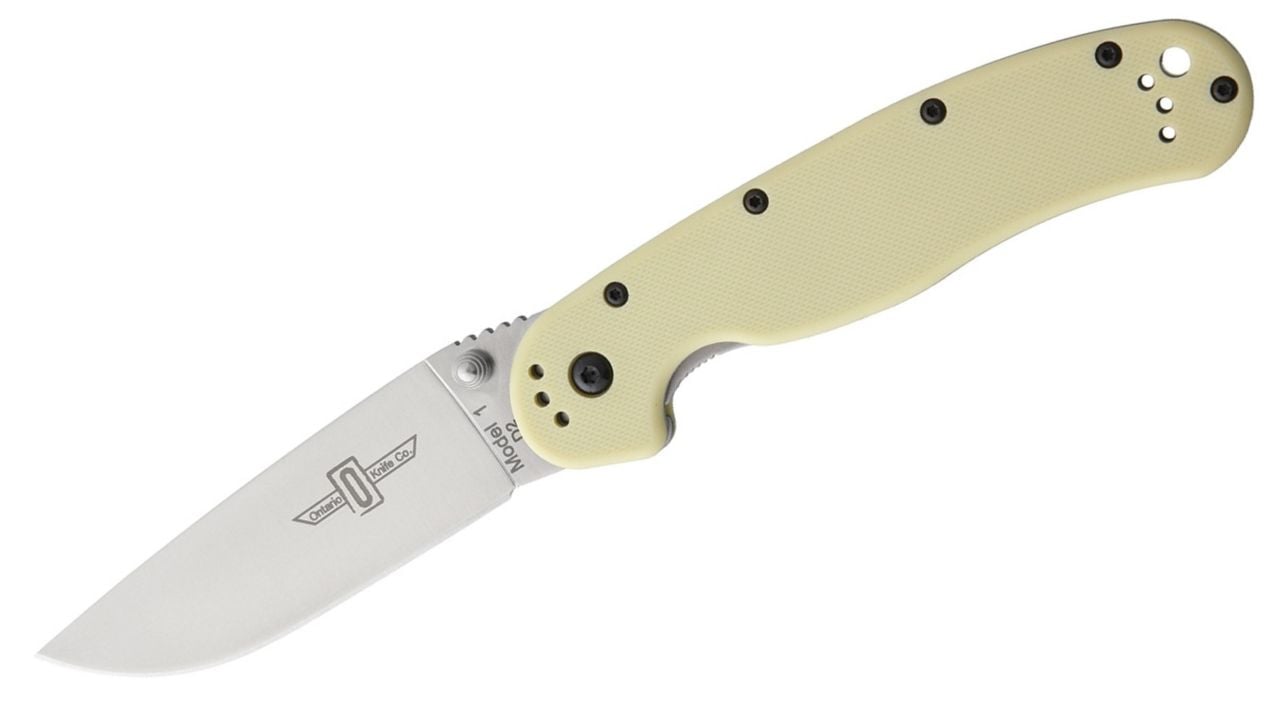
The RAT-1 is a working knife that never tried to be anything else. Big handle, plenty of blade, and it’s comfortable for long cutting sessions. D2 steel isn’t magic, but it holds up well if you’re cutting abrasive stuff all day.
They’re affordable new, so you’re not driving hours to “score” one for five bucks off retail. You drive because the right used price makes it a no-brainer, and because it’s the kind of knife you don’t mind lending out without sweating every scratch.
Here’s the honest truth: the knives worth driving for aren’t always the fanciest. They’re the ones you can picture using next weekend in the rain, with cold hands, when something needs cut and you don’t want to baby your gear. If you spot any of these at a fair price, check the lockup, check for cracks, look for signs of heat damage on the edge, and don’t be afraid to walk away if it feels off. But when it feels right, go get it.
Like The Avid Outdoorsman’s content? Be sure to follow us.
Here’s more from us:


