Photo credit: Guns N Fun/Youtube
There’s a certain kind of pain that only hits at a gun counter when you see a used revolver with a price tag that makes you blink twice. Not because it’s gold-plated or engraved. Just because it’s the same wheelgun that sat in the case for years “waiting on the right buyer,” and you were the guy who walked past it. Now it’s either discontinued, pinned up in somebody’s collection, or priced like it’s made of unobtainium.
Some of these are classics that got cut loose when manufacturers chased polymer pistols and micro-compacts. Others got caught up in short production runs, “limited editions,” or a run of internal-lock drama that pushed folks toward older examples. And a handful are simply revolvers that turned out to be better in real life than the forums gave them credit for. Here are 20 that are tougher to snag today than they ever were when they were sitting new in the glass.
1. Colt Python (original, pre-2020 production)

The old Pythons were never “cheap,” but they used to be obtainable if you were patient and not picky about a little holster wear. The action on a good one feels like it’s riding on oiled glass, and the barrel profile just looks right. These were the revolvers guys bought, shot a little, and then babied.
Now, between collector demand and the fact that a lot of the nicest ones are locked away, finding a clean original Python for sane money is a chore. The new-production Python is its own thing and it shoots fine, but it doesn’t magically make the older ones easier to buy. If you want that “old Colt” feel, you’re shopping in the hardest aisle of the store.
2. Colt Detective Special (2-inch classic)
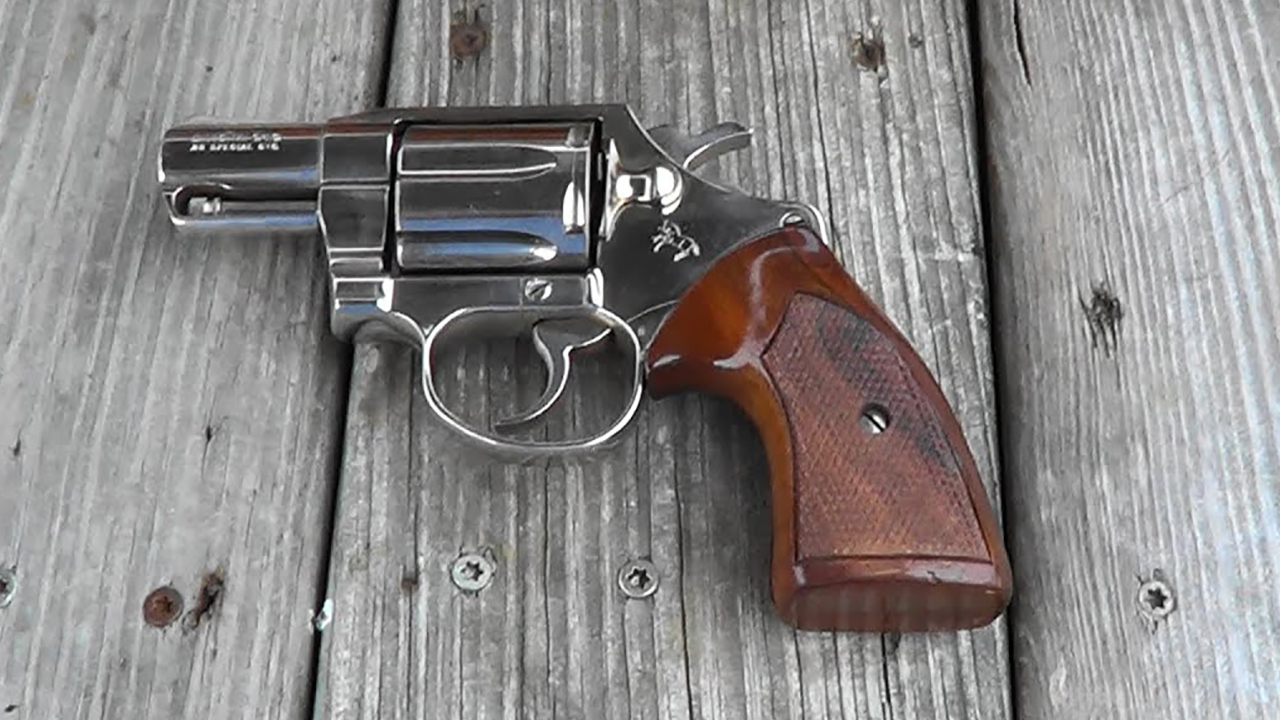
This is one of those revolvers that disappears the second it hits a used shelf. Six shots in a small frame is still a big deal, and the Detective Special carries flatter than you’d think for a steel snub. Pointability is excellent, especially for folks who grew up around revolvers.
The downside is they’re old enough that condition varies wildly. Timing matters, lockup matters, and a hard-used one can get expensive fast if it needs real work. Still, a solid Detective Special is a “buy it when you see it” gun now, because somebody else already has that mindset.
3. Colt Diamondback (.22 LR and .38 Special)
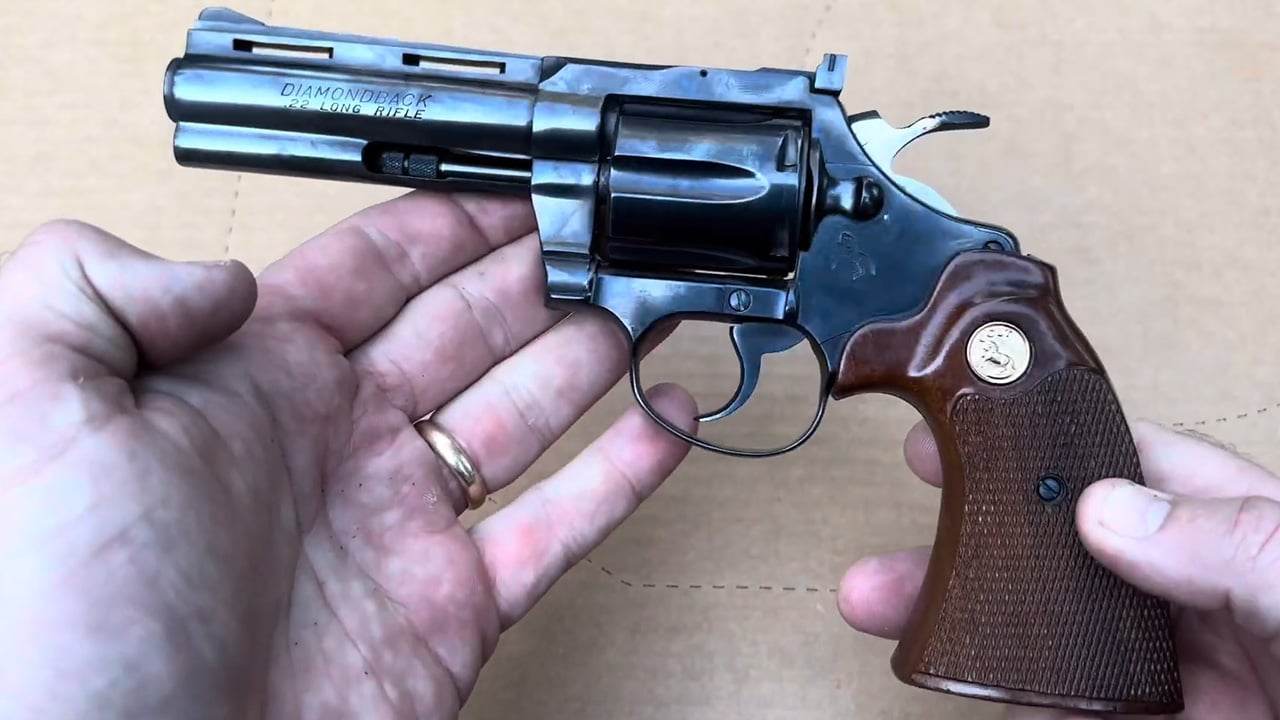
The Diamondback is basically the classy cousin of the Python, and the .22 LR versions are especially brutal to find at a normal price. They balance beautifully and have that sharp Colt styling that looks like it belongs in a leather rig in a pickup seat. Even folks who don’t collect guns tend to stop and stare at one.
It’s also one of those revolvers people regret selling because they don’t realize how good a nice .22 wheelgun is until they’re trying to teach a kid to shoot. A Diamondback does that job and looks good doing it. That combination gets expensive in a hurry.
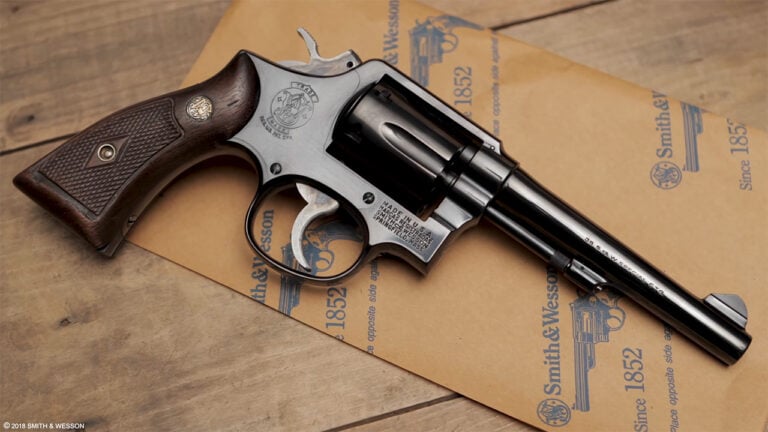
4. Smith & Wesson Model 19 (pinned-and-recessed era)

K-frame .357s are a sweet spot for a lot of shooters, and the older Model 19s have a feel that’s tough to replicate. They carry well on the hip, they point naturally, and the triggers on the good ones are the reason people still talk about “old Smith actions.” It’s a woods revolver that doesn’t feel like a boat anchor.
The catch is that everyone knows it now. The nice pinned-and-recessed examples don’t sit long, and the ones that do sit are either beat or priced like they’re museum pieces. If you find one that hasn’t been abused with a steady diet of hot loads, don’t expect it to last in the case.
5. Smith & Wesson Model 66 (no-lock, early production)
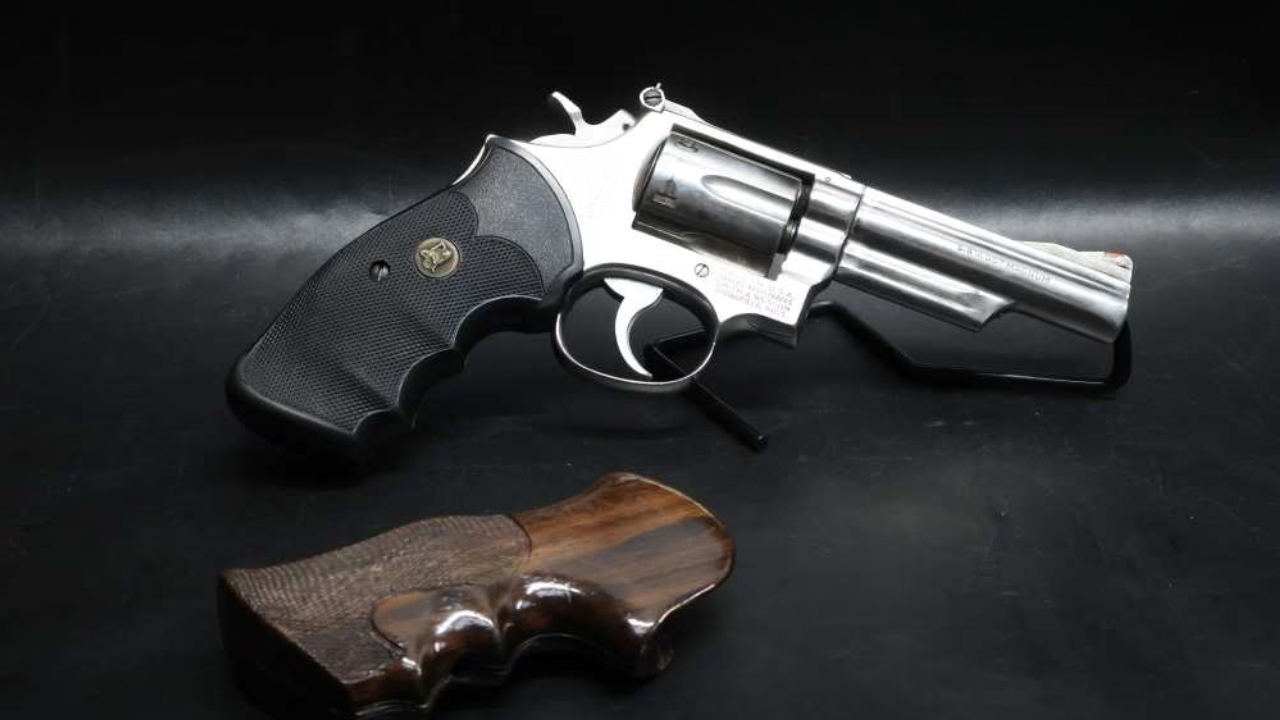
The stainless version of the 19 is a working man’s revolver, and it’s hard not to like. Rainy deer camp? Fishing trip? Riding in a holster while you cut firewood? Stainless makes life easier. The Model 66 does all that without being overly bulky.
Early, no-lock guns have their own fan club, and that fan club is shopping aggressively. Even the newer 66s are good guns, but the older ones hit that “just right” mix of size, durability, and smoothness. The market noticed, and prices followed.
6. Smith & Wesson Model 27 (classic N-frame .357)
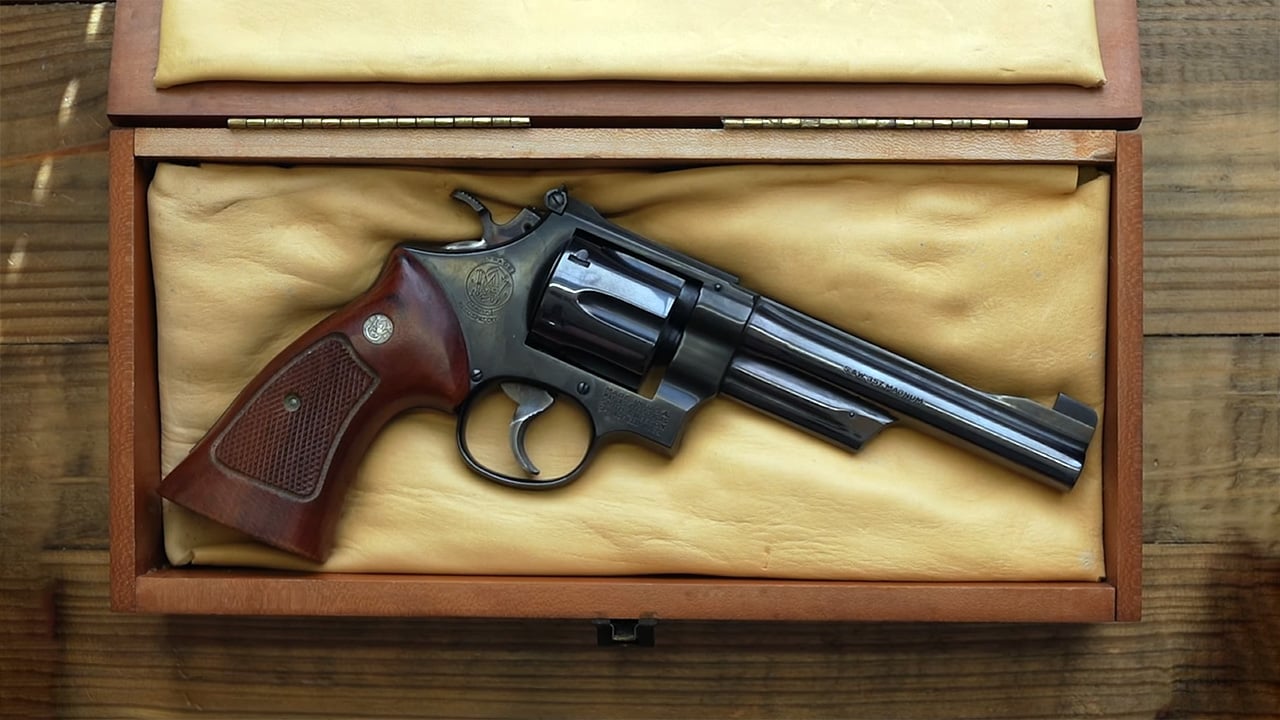
There’s nothing subtle about a Model 27. It’s big, it’s handsome, and it shoots .357 like it’s no big deal. The checkering, the polish, the way it locks up—this is old-school craftsmanship that you can feel in your hand.
Back when they were just “nice used Smiths,” you could find them if you poked around. Now they’re collector targets, especially in clean condition with the right barrel length. They’re not always practical, but that’s not the point. They’re a piece of revolver history that got harder to grab.
7. Smith & Wesson Model 29 (pre-lock, classic .44 Magnum)

Everybody knows the Model 29. Even people who don’t shoot know it. And yes, a full-size .44 is more romantic than it is practical for a lot of folks, but it’s still a legitimate hunting sidearm and a serious woods gun.
The older pre-lock guns—especially clean ones—tend to get snapped up fast. The recoil is real and the gun is heavy, but it carries a certain “don’t bother me” energy in bear country. When something has both usefulness and legend attached, it rarely gets cheaper.
8. Smith & Wesson Model 57 (.41 Magnum)
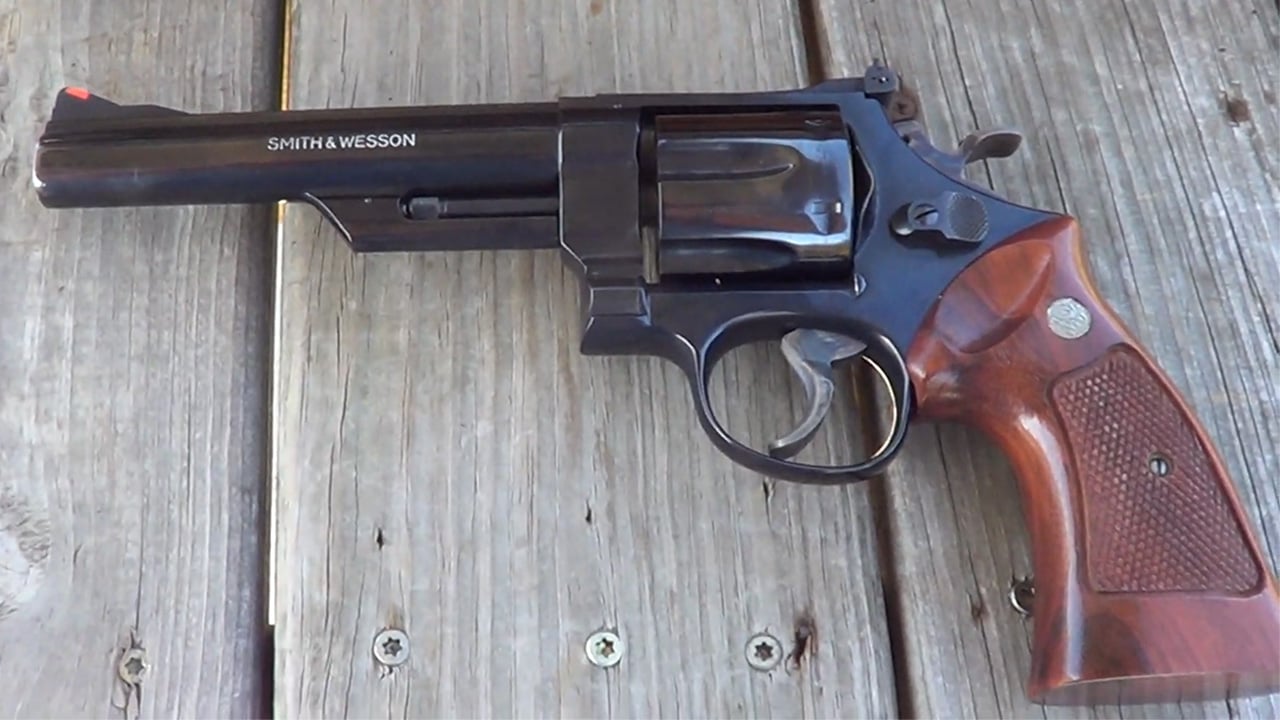
.41 Magnum is the cartridge that never needed to be “saved,” but it always felt like it might disappear. That keeps the faithful buying. A Model 57 is a classic way to run it, and the guns tend to be accurate and well-balanced for their size.
They also don’t show up everywhere. When they do, they’re often either pristine collector pieces or well-loved hunting revolvers with stories. Either way, the supply isn’t huge, and once a .41 guy decides he wants one, he’s usually not shopping casually.
9. Smith & Wesson Model 16 (.32 S&W Long / .32 H&R, K-frame)
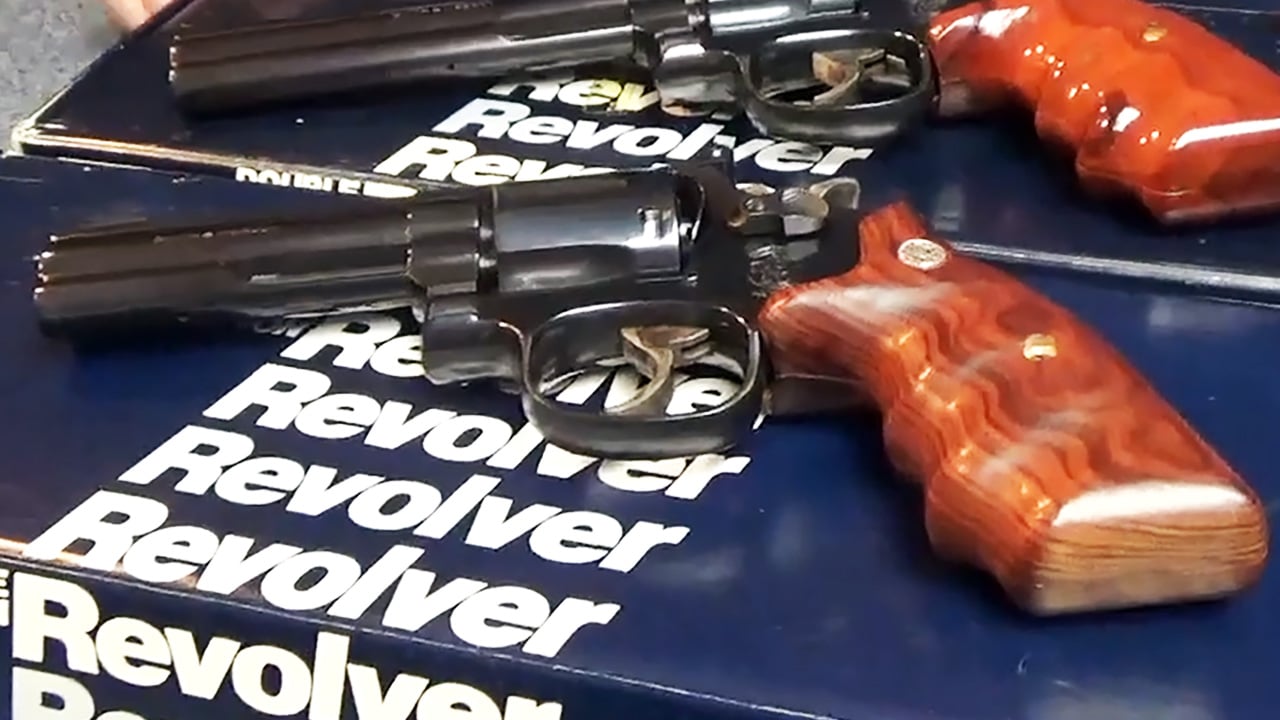
Here’s a sleeper that bites people. The K-frame .32s are unbelievably pleasant to shoot and more accurate than they have any right to be. They’re the kind of revolver you bring to the range “just for fun” and end up shooting all afternoon.
Then you go home and decide you need one. Good luck. The .32 crowd is loyal, and these guns have become quiet collectibles. If you see one, don’t assume you’ll see another next week.
10. Ruger Security-Six (especially early examples)

The Security-Six line was Ruger’s no-nonsense service revolver, and it still feels like it could survive a decade in a tackle box. They’re not fancy, but they work, and they tend to have excellent durability for the money. The grip shape and balance are also better than some folks expect.
They used to be the classic “used revolver bargain.” Not anymore. Prices have crept up because people figured out they’re a great all-around .357 that doesn’t make you nervous to actually use.
11. Ruger Speed-Six (2.75-inch .357)
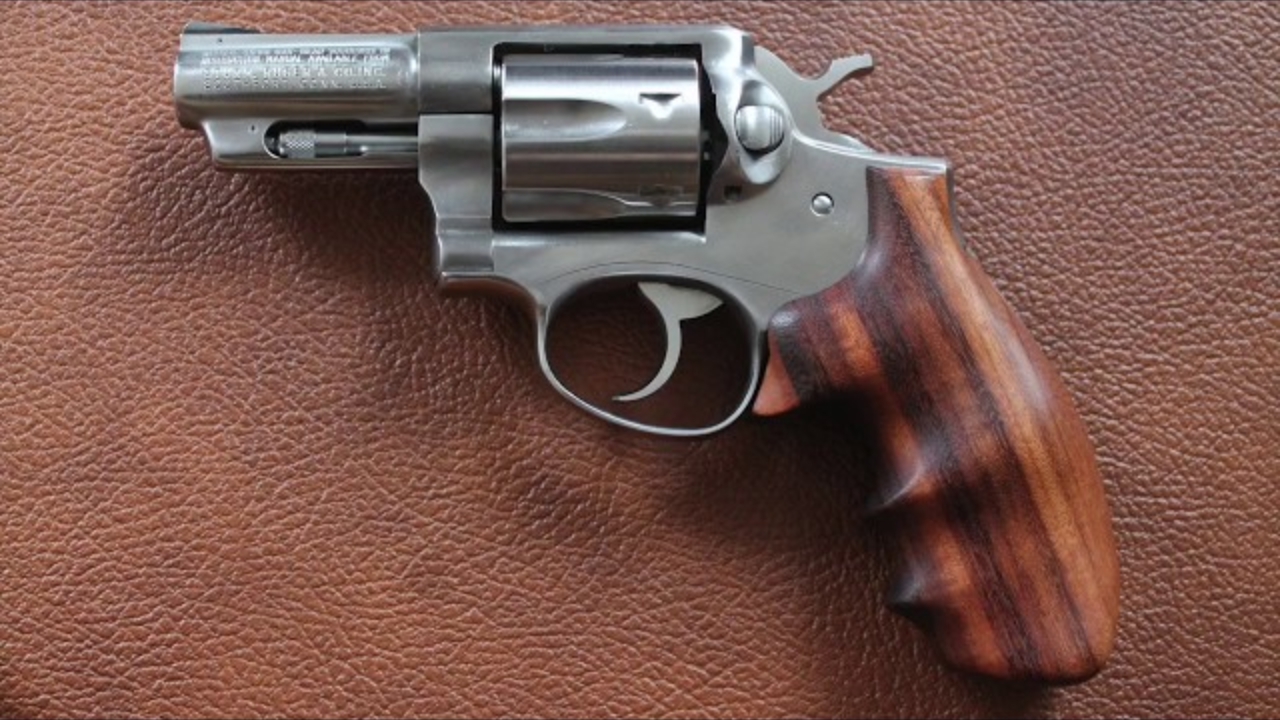
The Speed-Six in that short barrel is one of my favorite practical revolvers. It’s compact enough to carry, heavy enough to shoot real .357 loads, and simple enough that it just keeps going. It’s a true “truck gun revolver” without being a delicate collectible.
That’s exactly why they’re harder to find. Guys who own them tend to keep them, and if they sell one, it’s usually gone fast. Try replacing it and you’ll see how thin the market is in some areas.
12. Ruger Service-Six (4-inch duty .357)
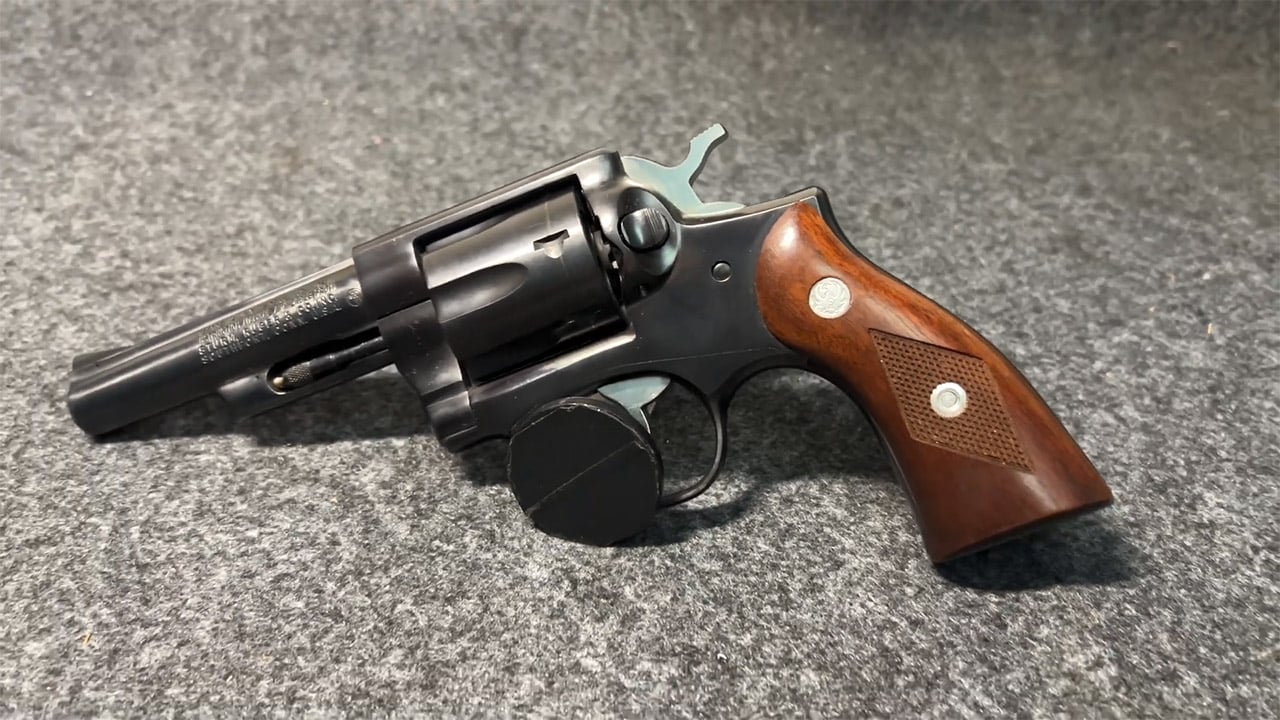
This one doesn’t get the same attention as the Speed-Six, but it’s a workhorse. A 4-inch .357 is still one of the most useful handgun setups ever made—range, woods, chores around the property, even as a nightstand gun if that’s your style.
Service-Sixes used to be “police trade-in” type guns that were easy to snag. Those days are mostly gone. The people who want a solid, older Ruger double-action are now competing with collectors and with folks who simply trust the older design.
13. Ruger GP100 (early production, blued 3-inch)
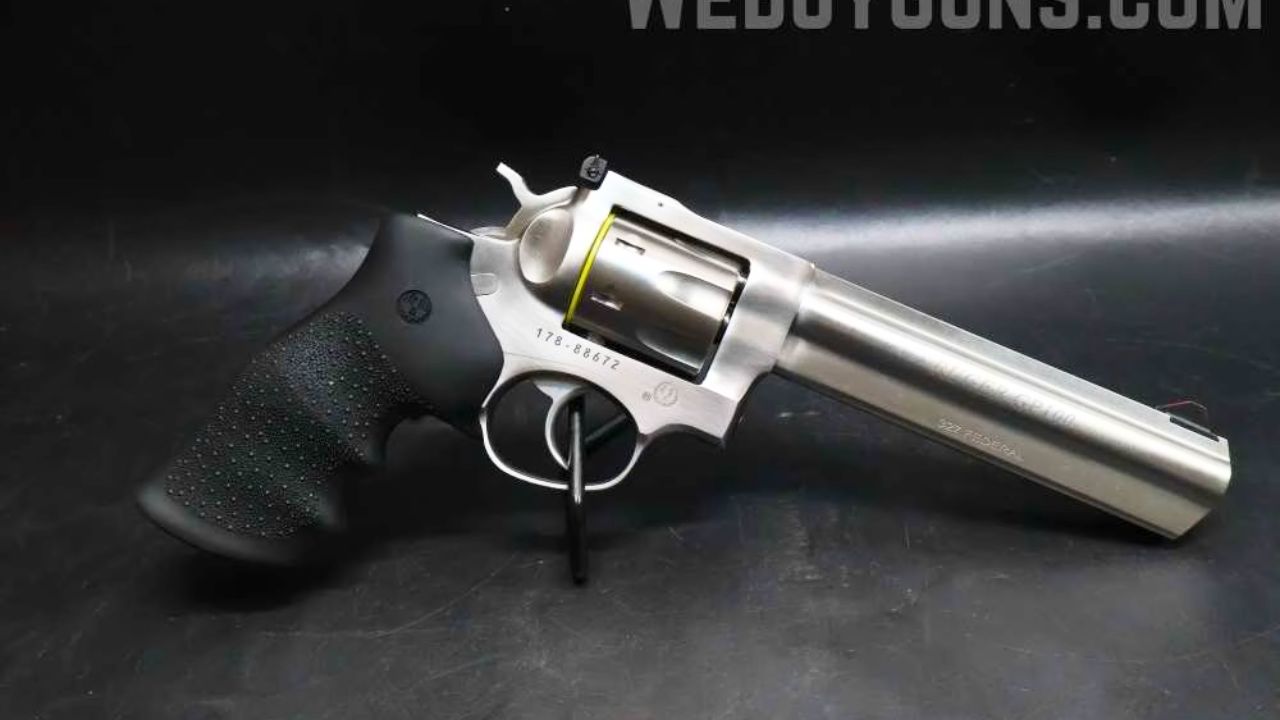
The GP100 isn’t rare in general, but certain versions are. The blued 3-inch guns in particular have gotten a lot of love because they balance so well. They carry better than the 4-inch and shoot better than most snubs. It’s a handy size for the woods and the range.
Ruger made them, sure, but not in endless numbers compared to the common stainless 4-inch. When a revolver hits that “do-everything” niche and looks good doing it, it stops being an easy buy.
14. Ruger Redhawk (.44 Magnum, early “no warning” barrels)

Redhawks are heavy, overbuilt revolvers that feel like they were designed by someone who didn’t believe in the word “enough.” For a lot of hunters, that’s the appeal. They soak up recoil, they hold up to hard use, and they’re simple to run with gloves on.
Early guns and certain markings have collector interest, and clean examples don’t hang around. A Redhawk isn’t for everyone, but if you decide you want that kind of tank-like .44, you’ll notice the nicer ones aren’t as common as they used to be.
15. Ruger Super Redhawk Alaskan (.454 Casull / .44 Magnum)

This is the revolver a guy buys when he’s thinking about bears, not paper targets. Short, brutal, and built like a brick. It’s not “fun” recoil for most shooters, but it’s a legitimate tool for certain places and certain jobs.
They come and go in waves, and when demand spikes, they dry up. It’s also one of those guns people buy, shoot once, and decide it’s not for them—then later they want it again when they plan a trip or move somewhere wilder. The market doesn’t always have one waiting.
16. Dan Wesson Model 15 (.357 with interchangeable barrels)
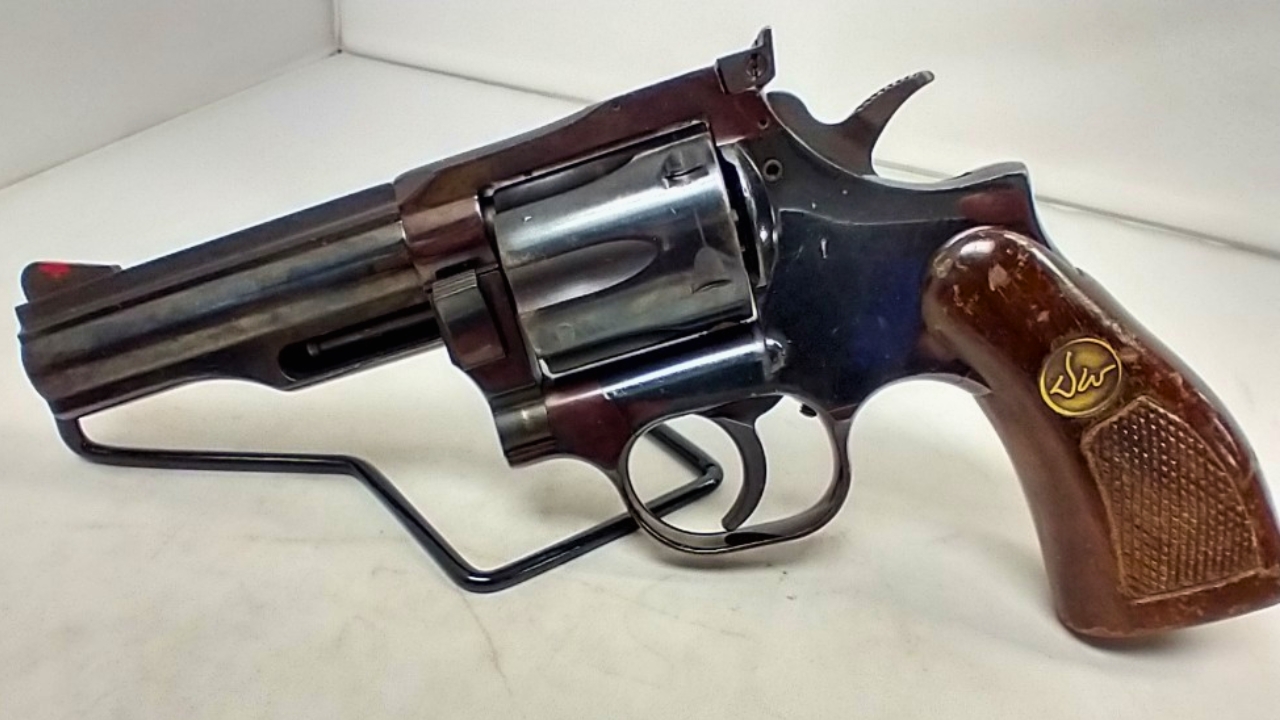
Dan Wesson revolvers have a cult following, and for good reason. The barrel system is genuinely useful, and many of these guns are scary accurate. They feel a little different than Smith or Ruger, but once you get used to them, they grow on you.
The problem is supply. They’re not sitting in every shop, and “complete” setups with extra barrels and tools are even tougher. When one pops up with the right parts, it’s not a slow decision.
17. Dan Wesson Model 44 (.44 Magnum)
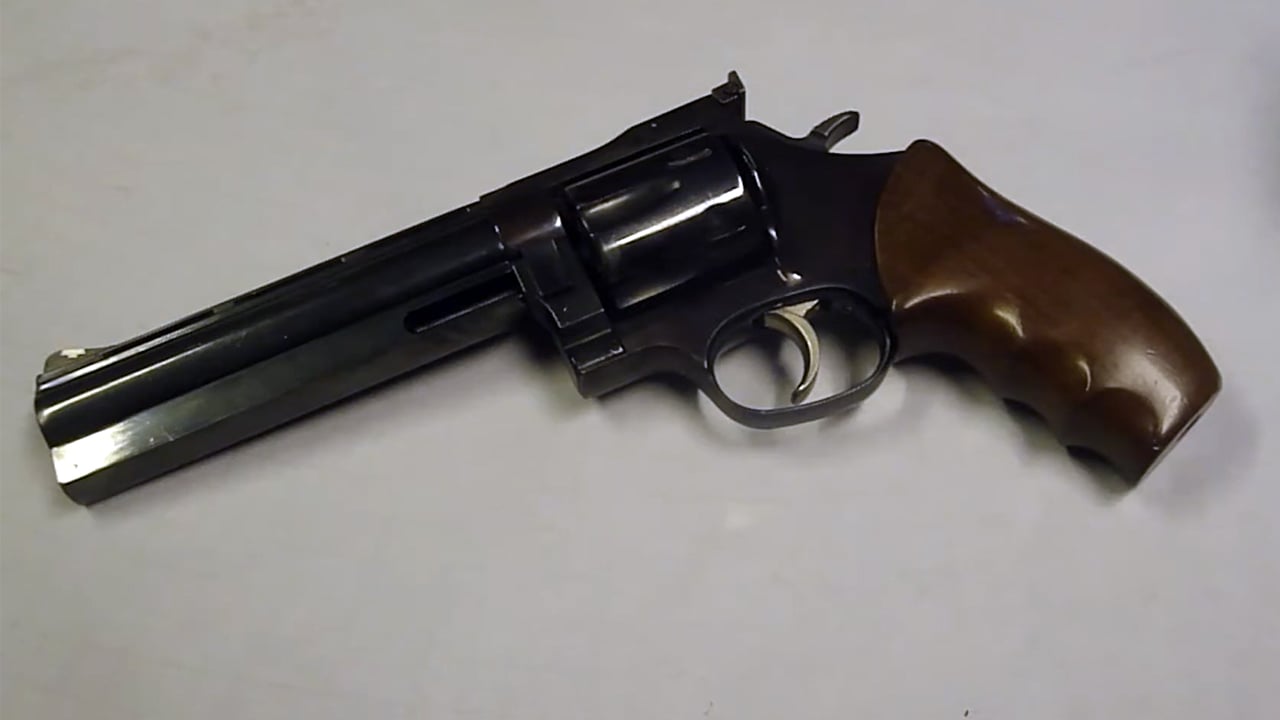
The Model 44 is one of those revolvers that makes you wonder why you don’t see more of them in the field. They’re solid, accurate, and they handle heavy loads well. They also tend to be a little less flashy than the big-name competitors, which used to keep prices reasonable.
That gap has narrowed. Once hunters and handgun guys started chasing them, the nice ones got scarce. Finding one with the barrel setups intact can feel like trying to buy a used chainsaw that still has the original case and manual.
18. Freedom Arms Model 83 (.454 Casull / .44 Magnum)
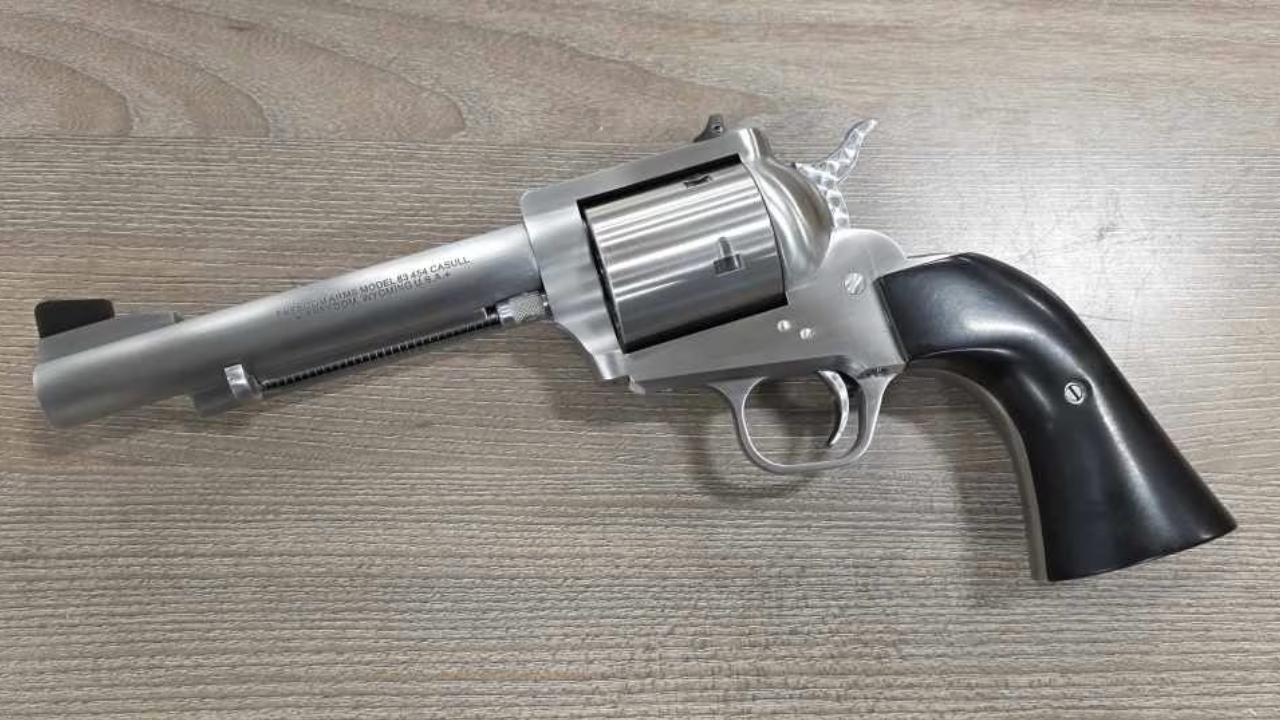
Freedom Arms is in the “heirloom tool” category. These are tight, precise single-actions that feel like they were made by people who don’t accept excuses. If you want a serious hunting revolver and you’re willing to pay for it, they deliver.
But even with the price tag, they’re not always easy to find when you’re ready to buy. Owners hang onto them, and used ones move fast because a lot of folks would rather buy a proven used Freedom Arms than wait around. It’s not the kind of gun you casually stumble into anymore.
19. Korth Combat (modern German double-action)

Korth revolvers live in a different financial zip code, but they still fit here because availability is its own battle. They’re exceptionally well-made, the actions are smooth, and they’re the kind of gun that makes other revolvers feel a little rough around the edges.
When you decide you want one, you’re often hunting more than shopping. Limited imports and small production mean you might wait, or you might pay extra when one finally shows up. It’s a specialty piece, but the scarcity is real.
20. Smith & Wesson Model 586 (no-lock, L-frame .357)
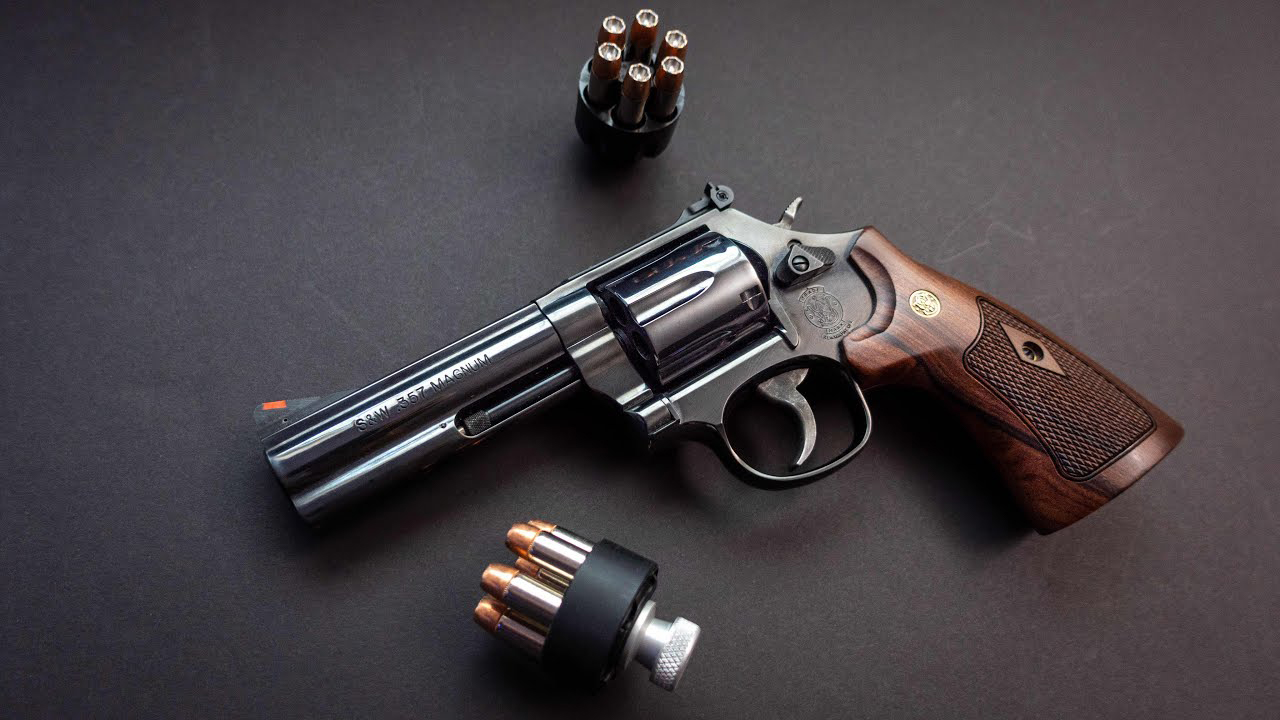
The 586 is the kind of revolver that’s easy to overlook until you shoot one back-to-back with lighter guns. The L-frame soaks up .357 recoil without being ridiculously oversized, and it’s a great platform for everything from mild .38s to serious magnums. For range work and general-purpose use, it’s hard to argue with.
No-lock versions have become the ones everybody wants, and clean blued guns always draw eyes. If you had one and let it go because you were chasing the next new thing, I get it. Still, replacing it later can be a surprise, especially if you want a specific barrel length and a clean finish.
Revolvers have a way of sticking in your memory because they’re simple and honest. When you find one that fits your hand, shoots where you look, and doesn’t act up, you stop thinking about it and just use it. Then one day you realize you don’t have it anymore, and the market has moved on without you. If any of the guns above are on your “someday” list, it might be worth treating “someday” like hunting season—because the good opportunities don’t always come back around on your schedule.
Like The Avid Outdoorsman’s content? Subscribe to our newsletter so you never miss an article.
Here’s more from us: