Photo credit: Sapper Gentleman/Youtube
Walk a gun show long enough or hover at the used-gun counter at the local shop and you start noticing a pattern. Certain revolvers sit there priced like working-class tools, even though the fit, finish, and real-world performance are way better than the tag suggests. If the same gun wore a more famous rollmark, it would be treated like it came with a velvet-lined story and a collector’s handshake.
This isn’t about “cheap” revolvers. It’s about honest wheelguns that get overlooked because they aren’t the ones everyone name-drops in the comments. Some are new production, some are discontinued sleepers, and a few are ugly-duckling guns that flat-out shoot. Here are 20 that keep earning their place in the safe.
1. Ruger GP100
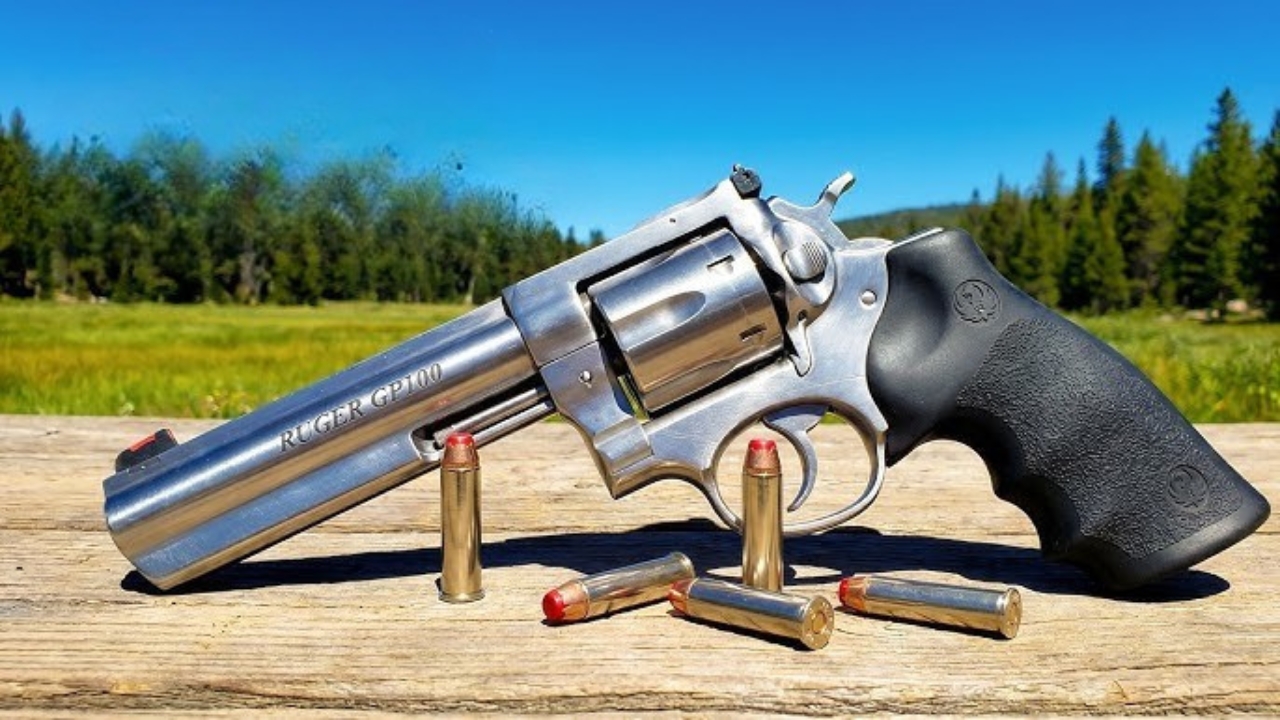
The GP100 is the kind of revolver you buy when you’re done babying guns. The lockup is stout, the frame is beefy, and it’ll digest full-house .357 loads all day without feeling like you’re doing it a favor. It’s not dainty, but it points well and soaks recoil like a truck suspension.
The funny part is how often you see them priced like “just a Ruger.” If this same durability and timing wore a different heritage name, you’d hear words like “heirloom” and “investment.” What it really is: a working revolver you can actually shoot a lot.
2. Ruger SP101
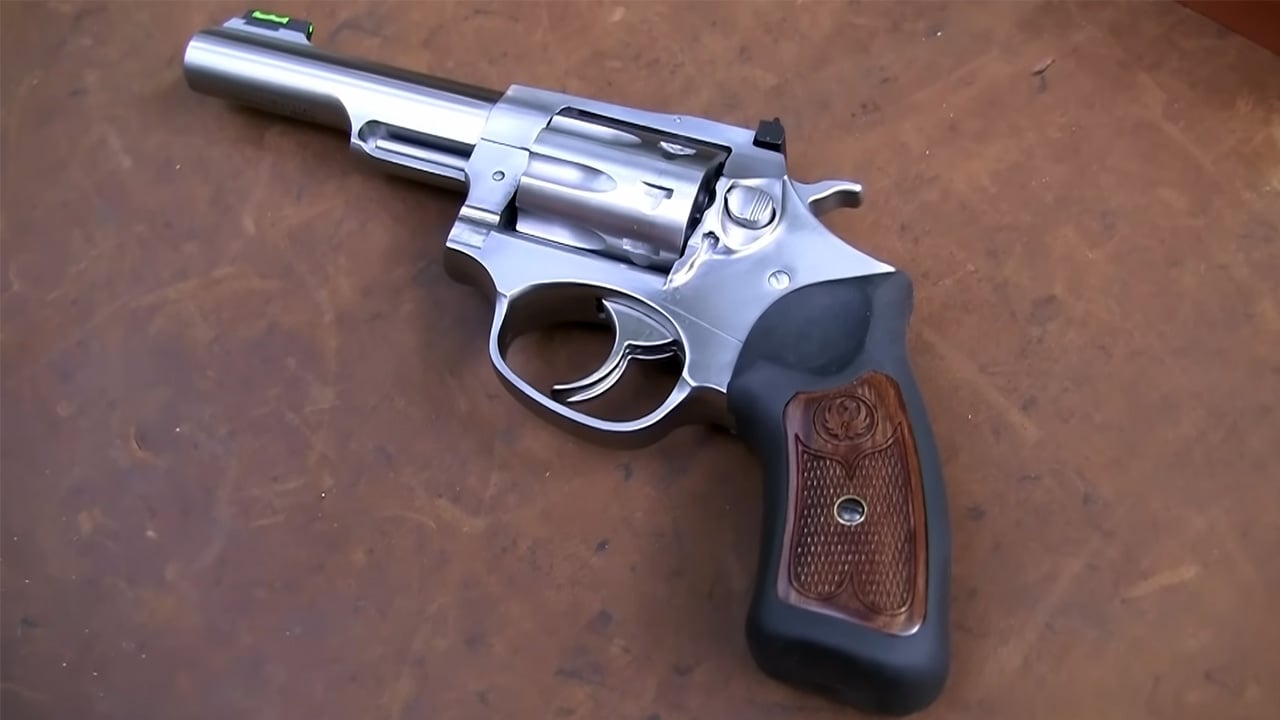
Small revolvers are where a lot of folks learn hard lessons. The SP101 is heavy for its size, and that’s exactly why it’s useful. In .357 it’s still lively, but it’s not the knuckle-busting experience some featherweight snubs deliver.
It carries well in a belt holster, rides fine in a pack, and it’s built like it expects to be dropped in the dirt. People complain it isn’t “slick” out of the box, and sure, it’s not tuned like a custom gun. Still, it’s one of the few small revolvers I trust to stay tight over years of real shooting.
3. Ruger LCR (in .38 Special)
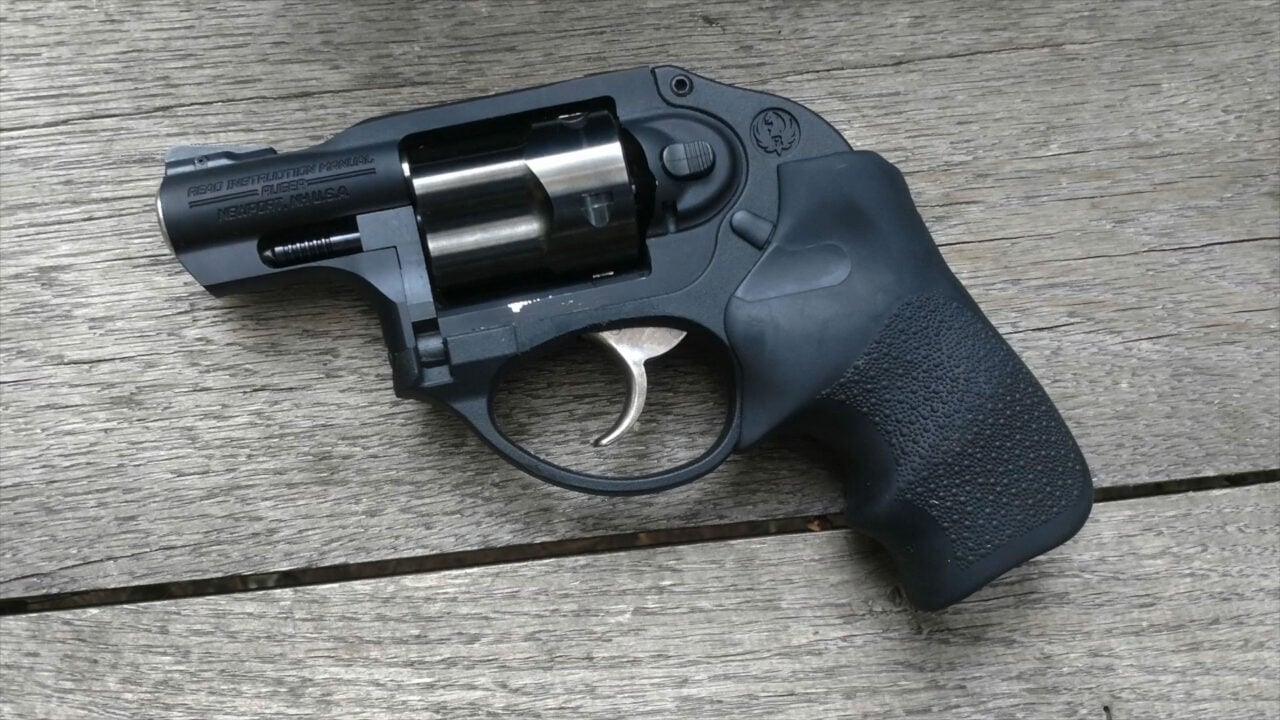
The LCR gets dismissed because it doesn’t look traditional. Polymer in a revolver makes some guys wrinkle their nose. Then you actually carry one for a summer and realize it disappears in a pocket holster in a way a steel snub never will.
The trigger is the whole story here—smooth, consistent, and easy to run well for what it is. If a big legacy brand released this exact design and trigger feel, it would be praised as “innovative.” Ruger did it, so it’s just “that plastic revolver.” Ask me how many people quietly keep one anyway.
4. Smith & Wesson Model 10 (police trade-ins)
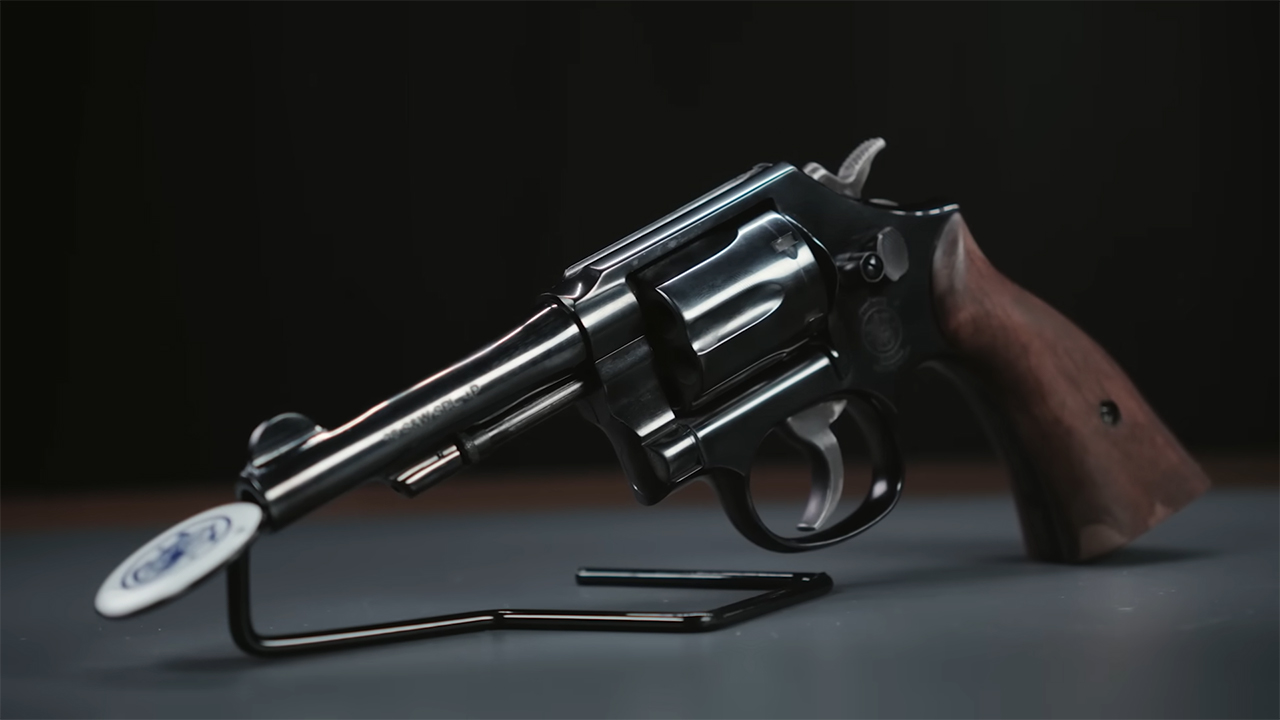
These aren’t flashy, and that’s why they’re still the best value in classic double-action revolvers. A lot of Model 10s have holster wear but clean bores, good timing, and triggers that feel like they’ve been gently polished by years of dry fire.
If you want a revolver that teaches you how to run a DA trigger the right way, this is it. They don’t always have the collector buzz of certain “icon” models, but the Model 10 is as honest as it gets. It’s also one of the easiest revolvers to live with for general range work and home duty.
5. Smith & Wesson Model 64
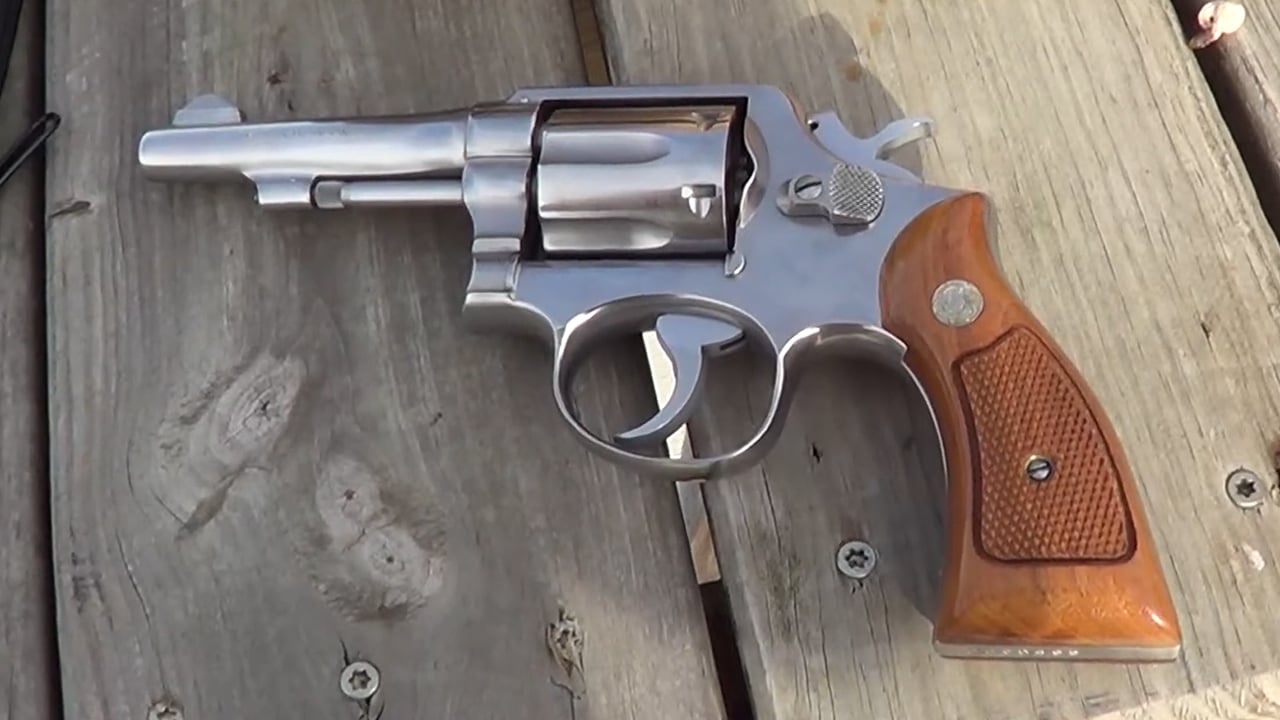
The stainless version of the classic fixed-sight .38 is a “buy once, keep forever” kind of gun. It’s the revolver you can toss in a tackle bag or truck console without worrying about bluing wear or sweat.
Plenty of them came out of agency racks, so you’ll see dings and honest carry marks. Don’t let that scare you off. Most of these guns were carried a lot and shot little, and the ones with good lockup and a decent bore are steals compared to what people pay for trendier stainless Smiths.
6. Smith & Wesson Model 67
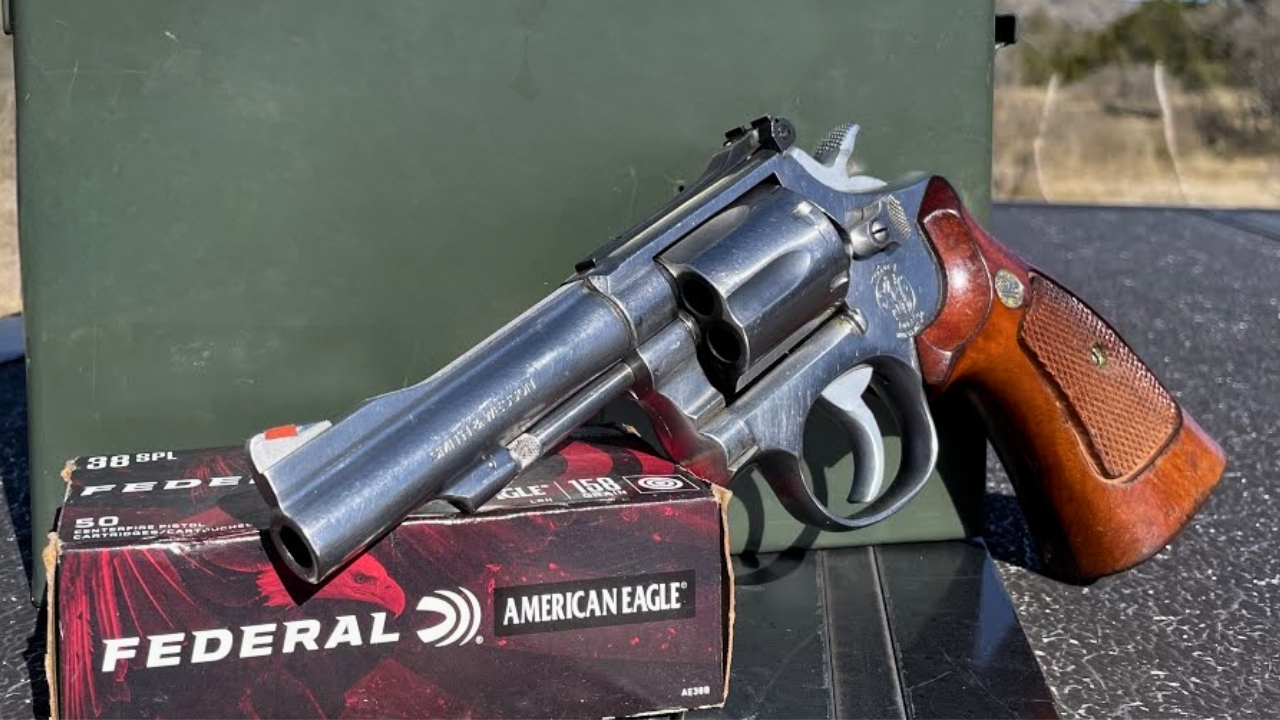
When you want adjustable sights on a K-frame .38, the Model 67 is a sweet spot. It balances like a “real” revolver should, points naturally, and doesn’t beat you up. For new shooters, it’s one of the best training revolvers ever made.
It also tends to get ignored because it’s “just” a .38. Meanwhile, .38 Special is still the cartridge that lets you practice more, flinch less, and actually improve. If this wore a more romantic reputation, folks would be paying silly money for clean examples.
7. Colt King Cobra (new production)
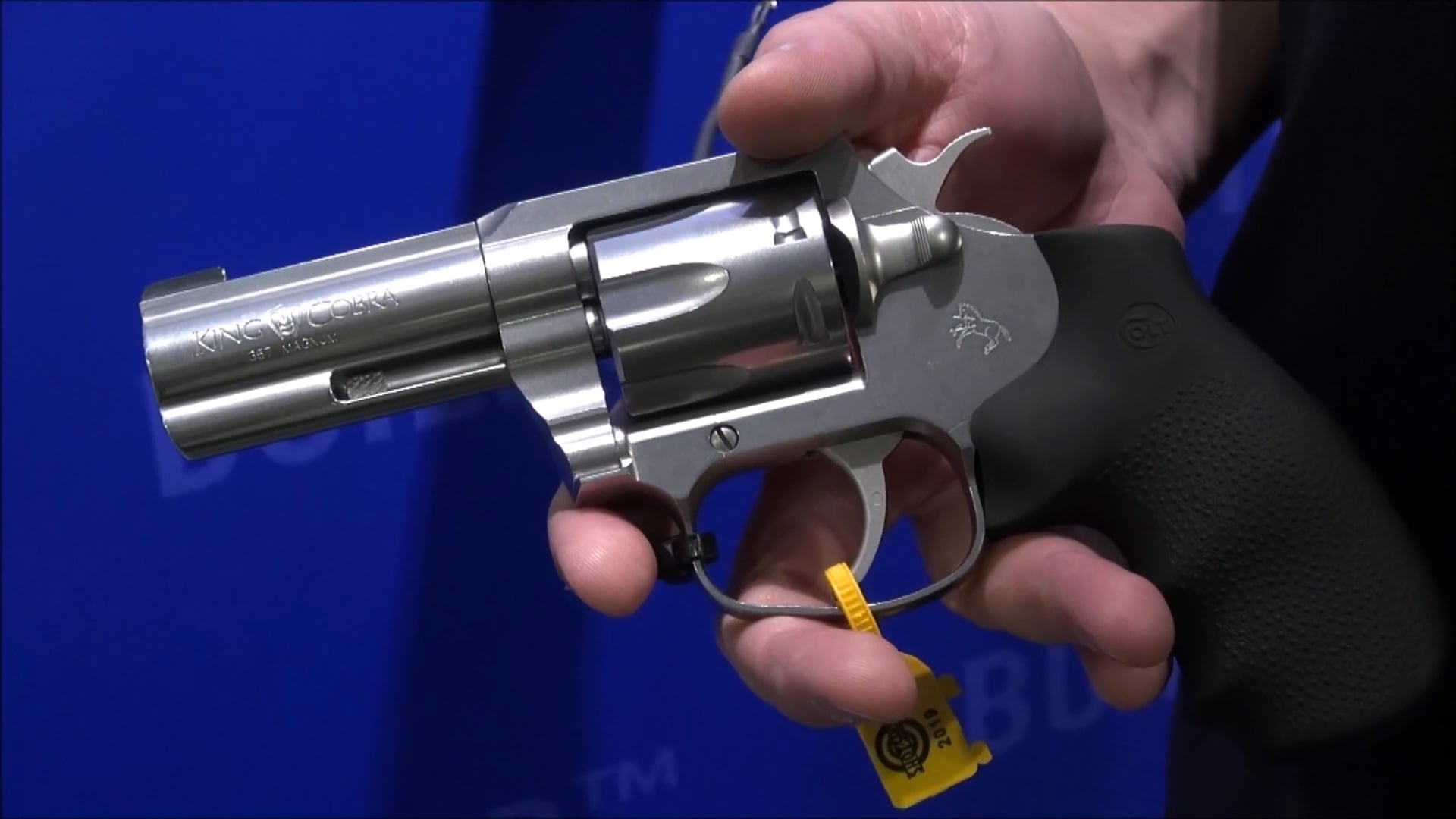
Colt’s modern King Cobra is a reminder that not every new gun is a compromise. The build feels solid, the trigger is usually very good, and it has that Colt feel without forcing you into collector prices for vintage guns.
It doesn’t get the same attention as the more famous Colt snake names, but it shoots. In the woods it’s a practical .357 that carries better than a big frame and doesn’t feel like a fragile museum piece. If it had a different snake on the side, the sticker would be painful.
8. Colt Cobra (new production)

Six shots in a small-frame-ish revolver is still a selling point, and the modern Cobra delivers. It’s not a tiny pocket gun for everyone, but for belt carry it’s a very sensible size. The sights are usable, and the gun feels like it was made to be carried, not just admired.
It gets overshadowed by older classics and by the semi-auto crowd, which is exactly why it can be a quiet bargain relative to what it offers. If another brand released a six-shot, carry-friendly revolver with this level of fit, you’d see a lot more hype.
9. Taurus 856 (steel frame)

Taurus gets argued about more than it gets shot, and that’s a shame because the 856 in steel is a legitimate tool. Six rounds in a compact revolver, reasonable size, and usually decent triggers once you run them a bit. It’s a working person’s carry gun.
Are there lemons? Sure—any brand has them, and Taurus has had more than its share across eras. But the current 856 models, especially the plain-Jane ones, can run. If a bigger-name company offered a six-shot compact at this price point, it would be considered revolutionary instead of “budget.”
10. Taurus 605

The 605 is one of those revolvers that shows up everywhere because it fits a real need: a small .357 that doesn’t cost a week’s pay. In .38 +P it’s actually enjoyable. In full .357 it gets your attention quick, and that’s not a bad thing if you’re honest about what you’ll practice with.
It’s not fancy, and the factory grips aren’t always the best match for every hand. Still, for a glovebox or pack gun—stored safely and legally—it’s a lot of capability in a small package. If it wore a premium rollmark, the same gun would be considered “hard-use minimalist.”
11. Taurus Tracker 627 (7-shot .357)
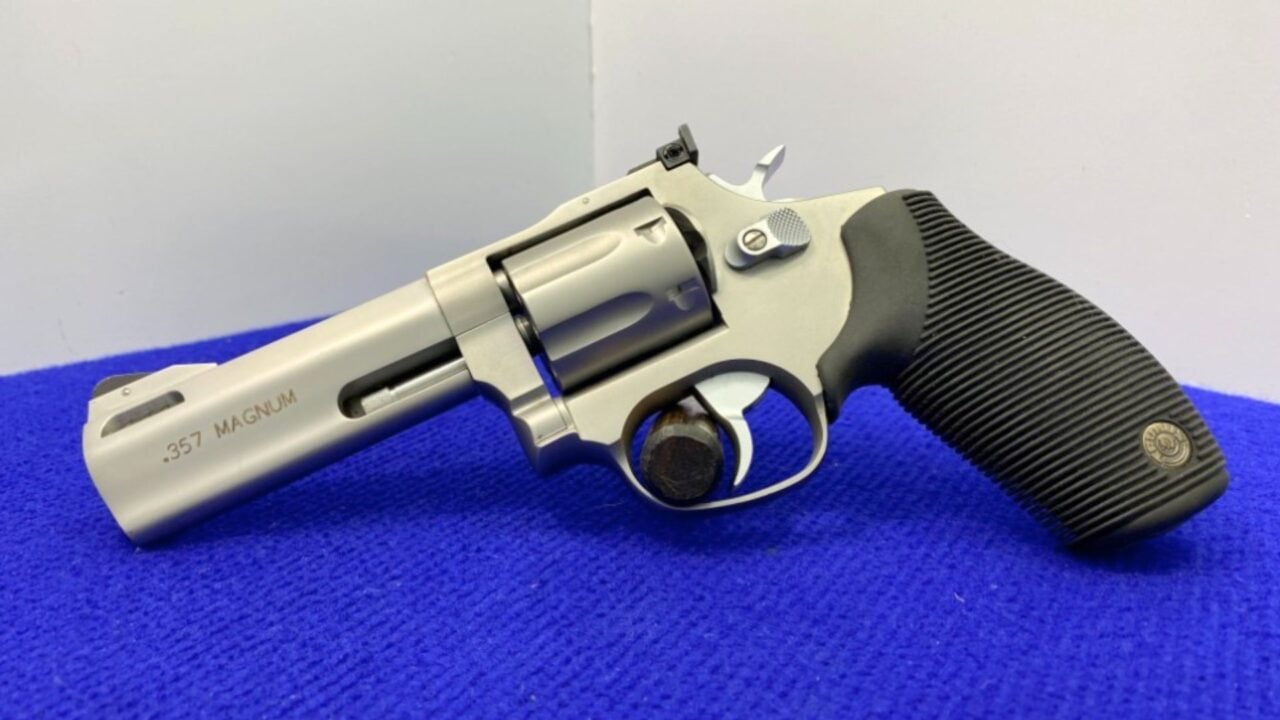
Seven-shot .357 revolvers are handy, and the Tracker 627 often gets overlooked. It’s a good trail revolver size, especially with a 4-inch barrel, and it gives you one more round without turning into a boat anchor.
The Tracker line has always been a bit “working grade,” but they shoot. If a legacy brand offered a seven-shot revolver that carried this well, you’d see people acting like it’s the final answer for woods carry. Instead, the Tracker sits there being useful without much fanfare.
12. Charter Arms Undercover
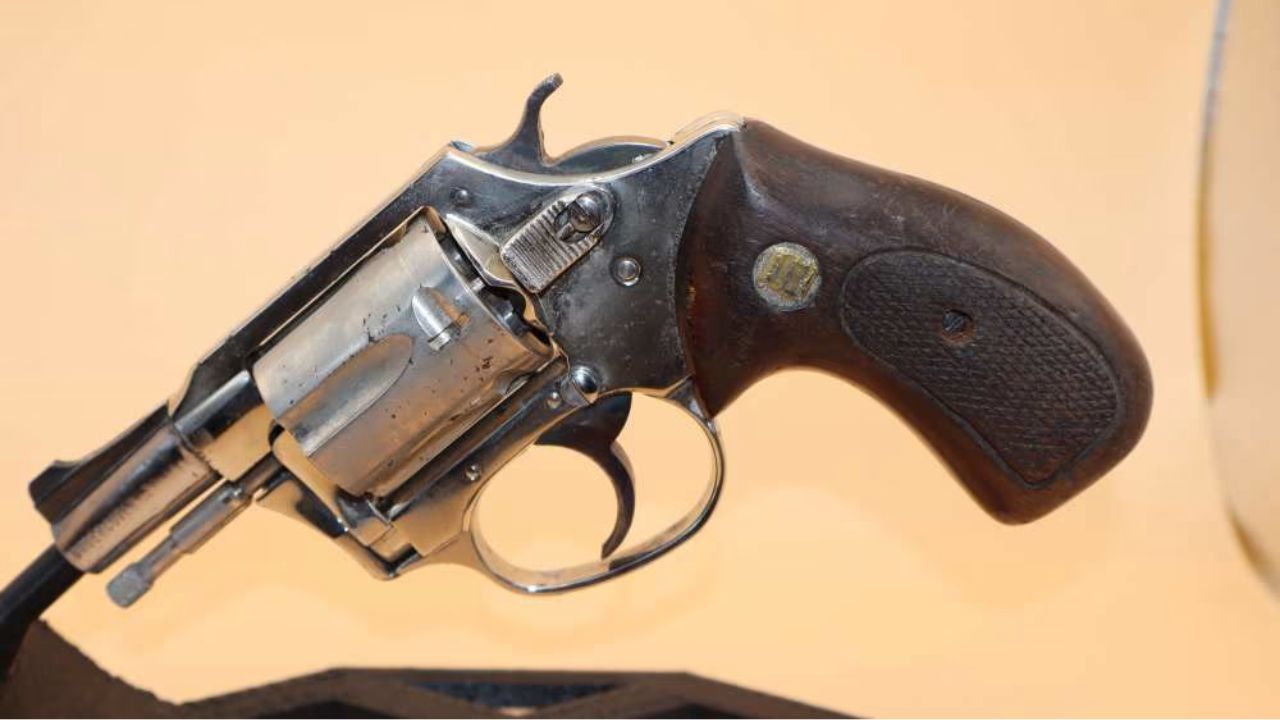
There is nothing fancy about the Undercover, and that is kind of the point. It’s a straightforward snub that’s been around forever, and it’s still one of the more affordable ways to get into a new-production revolver without rolling the dice on a beat-to-death used gun.
Triggers can vary, and the finish isn’t going to win beauty contests. But they’re light, simple, and practical. If a bigger “status” brand put out a no-frills carry revolver with this weight and price, it would be called a smart back-to-basics move.
13. Charter Arms Bulldog (.44 Special)
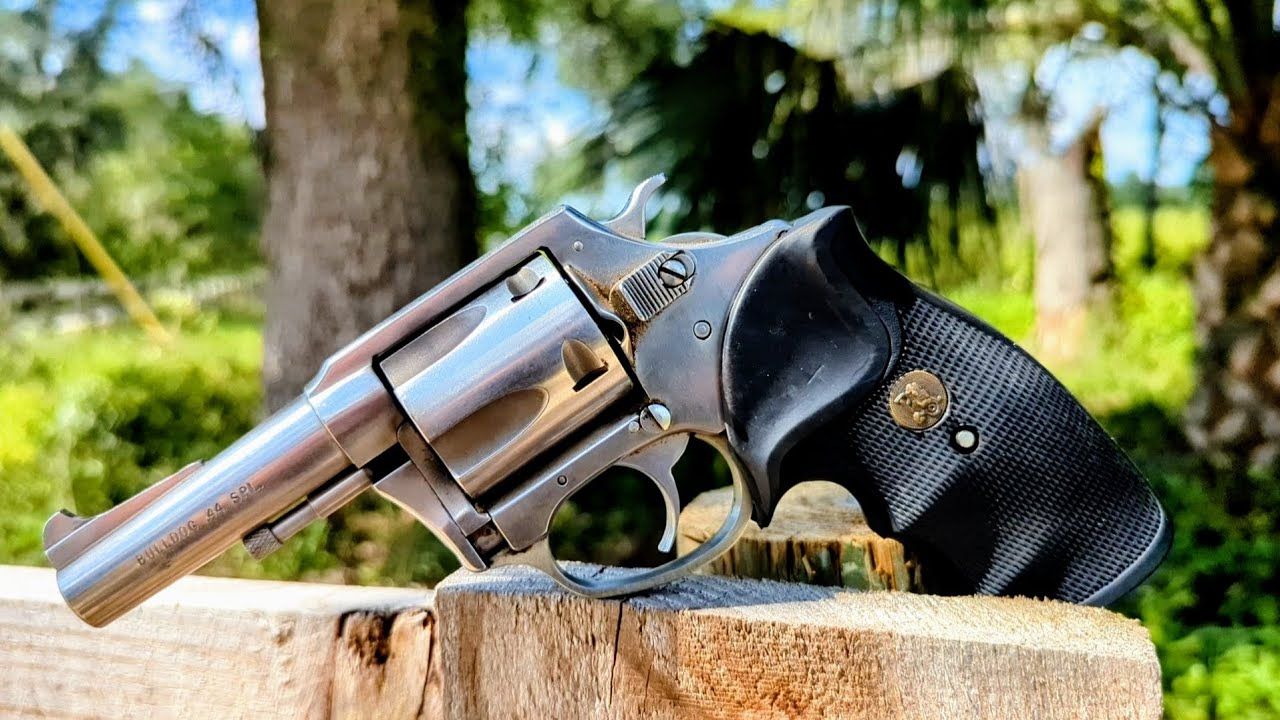
The Bulldog is one of those guns you either get immediately or you don’t. .44 Special hits hard without the wrist-wrecking blast of magnums, and in a compact revolver it makes a lot of sense for a woods walk or as a “better than nothing” bear-country companion when a bigger gun won’t get carried.
It’s not a target revolver. It’s a close-range, big-bore carry gun. If it had a more fashionable name on it, you’d see it in every “woods defense” conversation, and the used prices would reflect that.
14. Rossi RM66
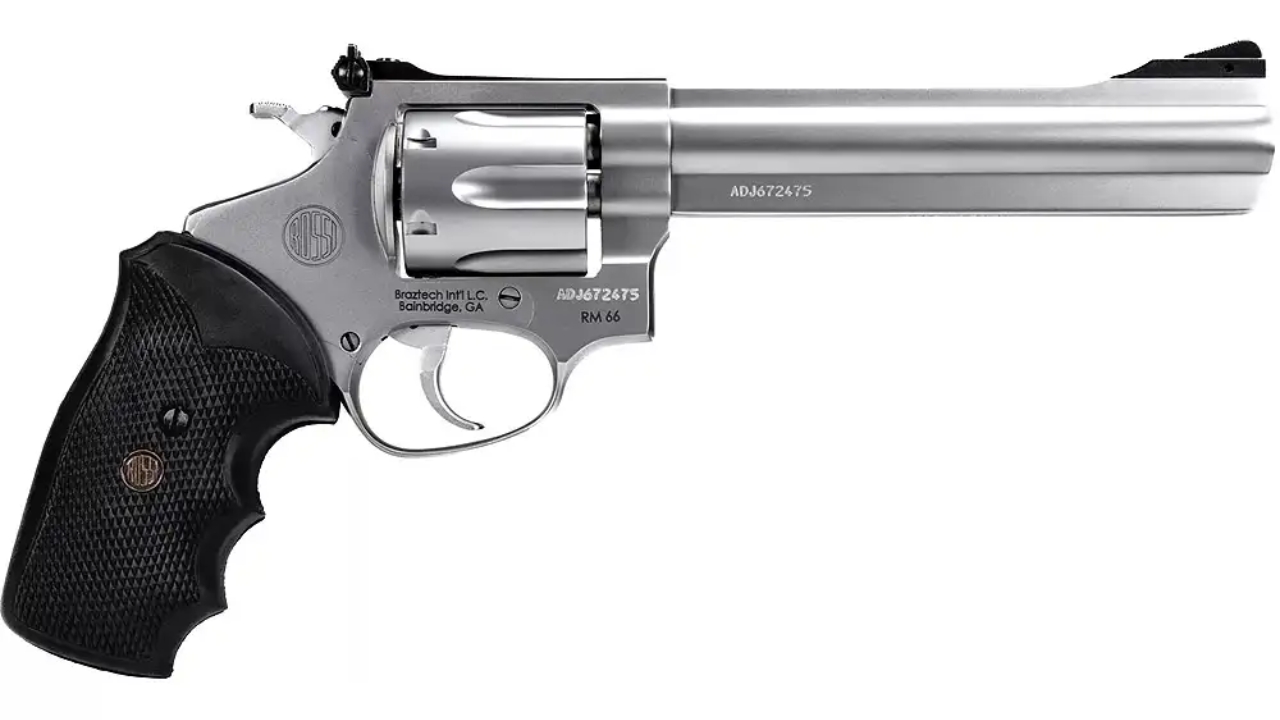
Rossi used to be a punchline to some folks, but the newer RM66 has turned a lot of heads. It’s a medium-frame .357 that generally feels tighter and cleaner than people expect at the price. The sights are decent, and the gun balances well.
I’ve handled a few that had surprisingly good triggers after a little use. Are they perfect? No. But if you want a range revolver that can also ride in the nightstand, it does the job. If it wore a more respected badge, you wouldn’t see them sitting on shelves for long.
15. Rossi RP63

The RP63 is a 3-inch .357 that hits a really practical niche. That barrel length gives you a better sight picture and a little more velocity without making it a chore to carry. For a belt gun on the property, it makes a lot of sense.
It’s also one of those guns that gets judged by old Rossi stories instead of what it is today. In hand, it often feels like more revolver than the price suggests. If a premium maker released a 3-inch “do-it-all” .357 in this format, it would be the darling of the internet for a year straight.
16. EAA Windicator
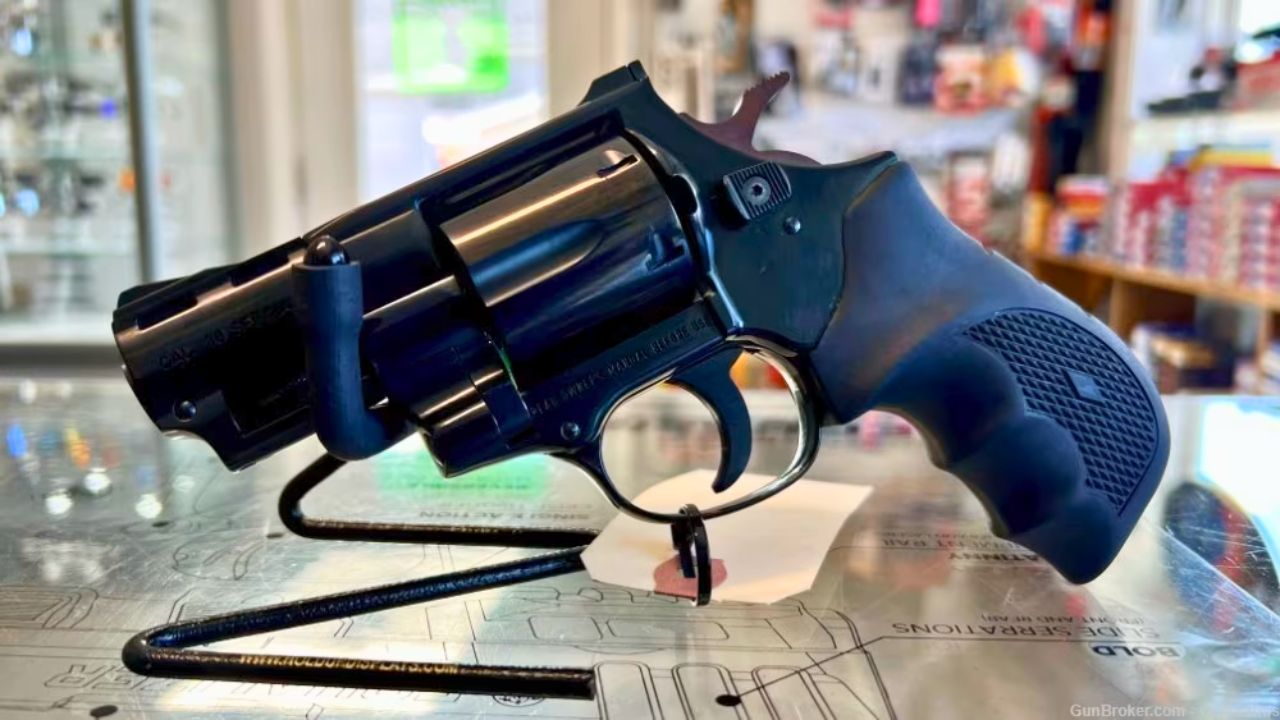
The Windicator is blunt and a little clunky looking, but it tends to run. It’s a German-made .357 that shows up as a sleeper option when folks want a revolver without spending premium money. The sights are basic, and the finish is usually utilitarian.
Where it shines is being a no-drama shooter for the range and a serviceable home gun. It’s not a refined piece, but it’s solid. If it had a more famous American rollmark, folks would call it “a rugged duty revolver throwback.”
17. Cimarron 1873 (Uberti-made Single Action Army clone)
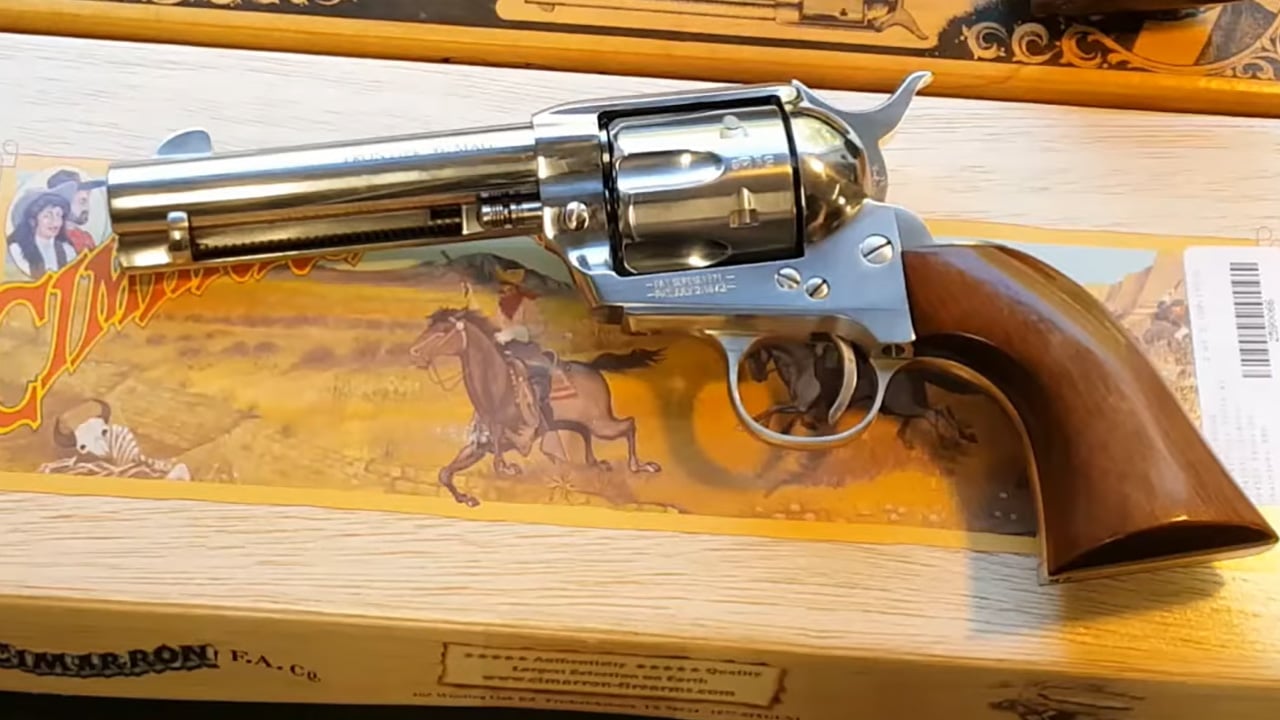
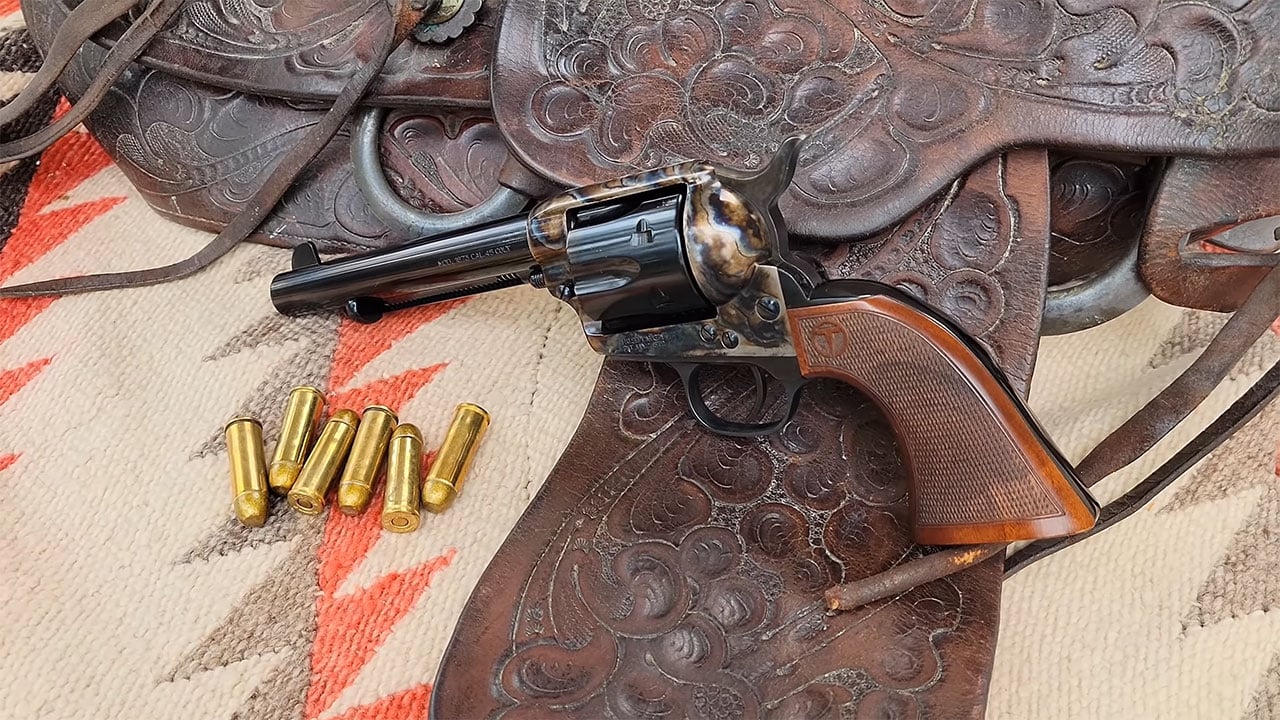
Single actions aren’t everybody’s idea of practical, but they are a whole lot of fun, and they teach good habits. A well-made Uberti-built 1873 clone through Cimarron can have fit and finish that surprises people used to seeing only top-dollar cowboy guns praised.
For .357 or .45 Colt plinking, ranch carry, or just scratching that western itch, they deliver the experience. If the same level of polish and timing came from a more “prestige” cowboy brand, you’d pay a painful premium for basically the same Italian iron.
18. Taylor’s & Company Smoke Wagon (Uberti)
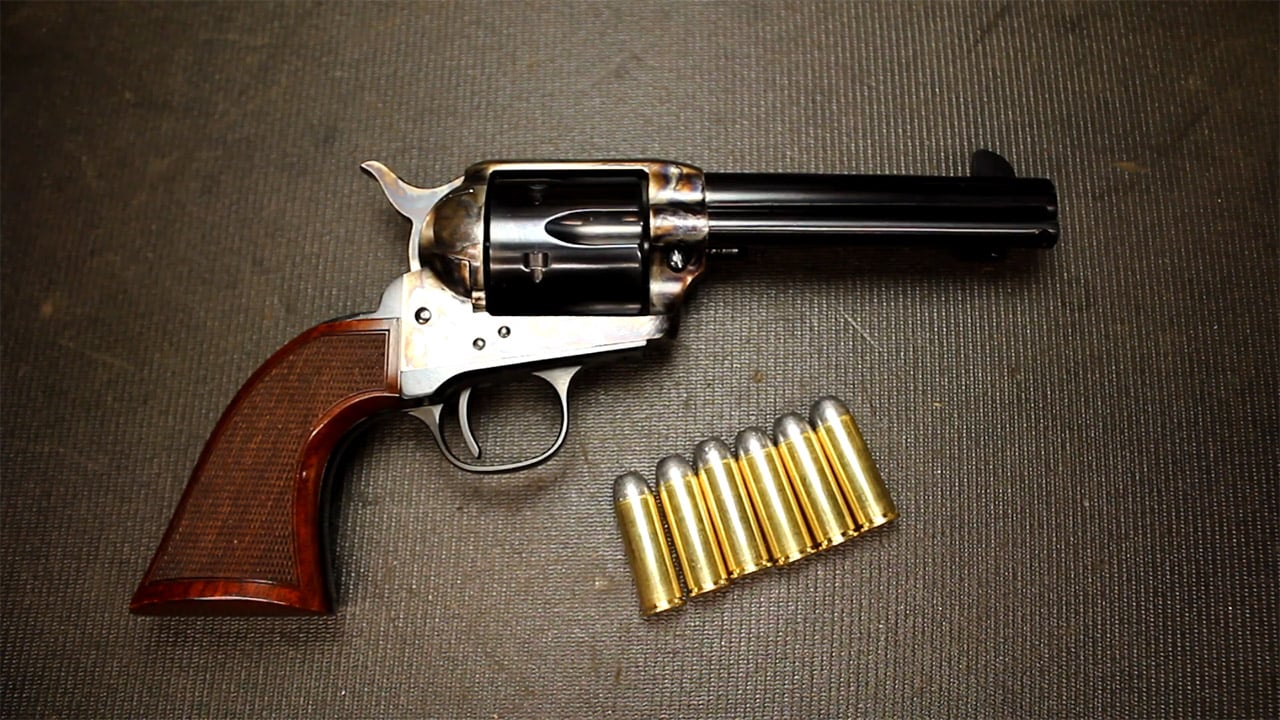
The Smoke Wagon gets bought by guys who want a slicked-up single action without sending a gun off to a smith. The action is usually smoother than a standard clone, and the overall package feels put together with some care.
It’s also one of those guns that makes you shoot better than you expect because the sights and trigger encourage you to slow down and do it right. If this revolver wore a more exclusive name, it would be priced like it’s “limited” even though the real value is just solid execution.
19. Ruger Blackhawk (convertible models)
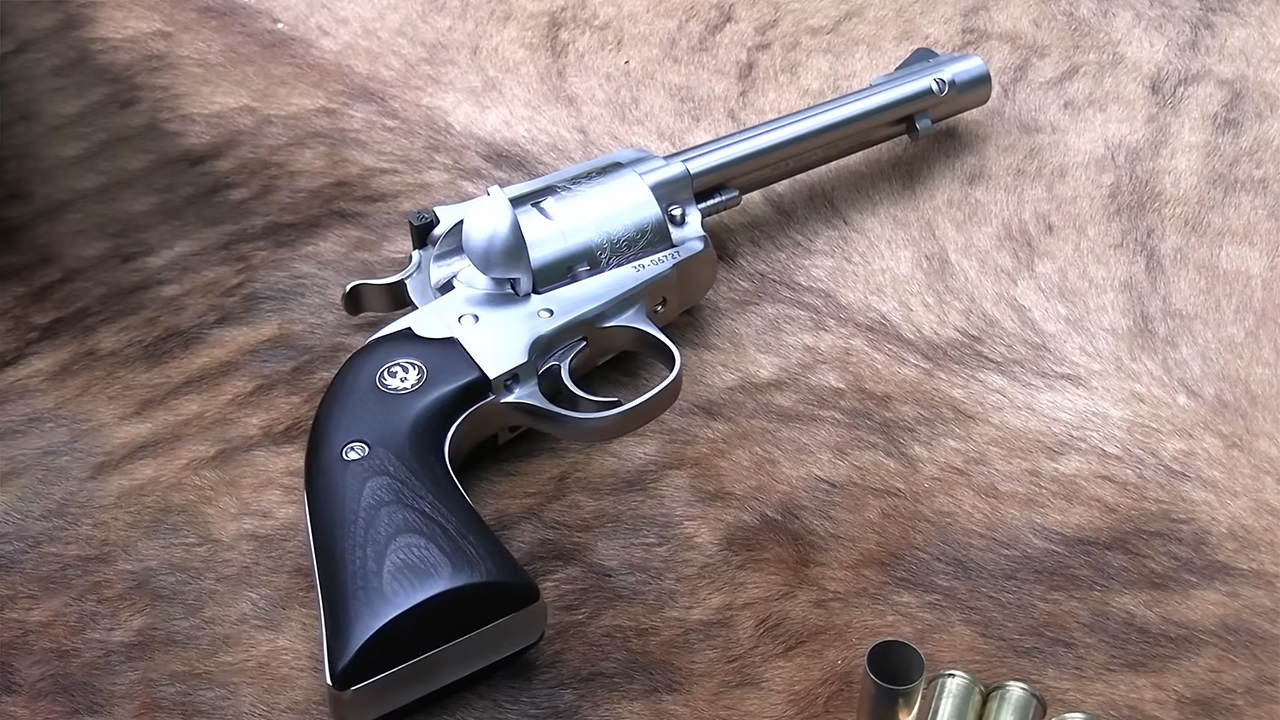
The Blackhawk convertible—especially the ones that come with an extra cylinder—is a ridiculously useful revolver. One day it’s a serious hunting-sidearm candidate, the next it’s a cheap-practice plinker depending on what cylinder you drop in. They’re tough, accurate, and not picky.
It’s not a small gun, and it’s single action, so it’s a different rhythm than a DA revolver. But for the property, for predator walks, or for a stand gun during deer season, it’s hard to beat. If a “heritage” brand made something this strong and versatile, the price would climb fast.
20. Ruger Wrangler
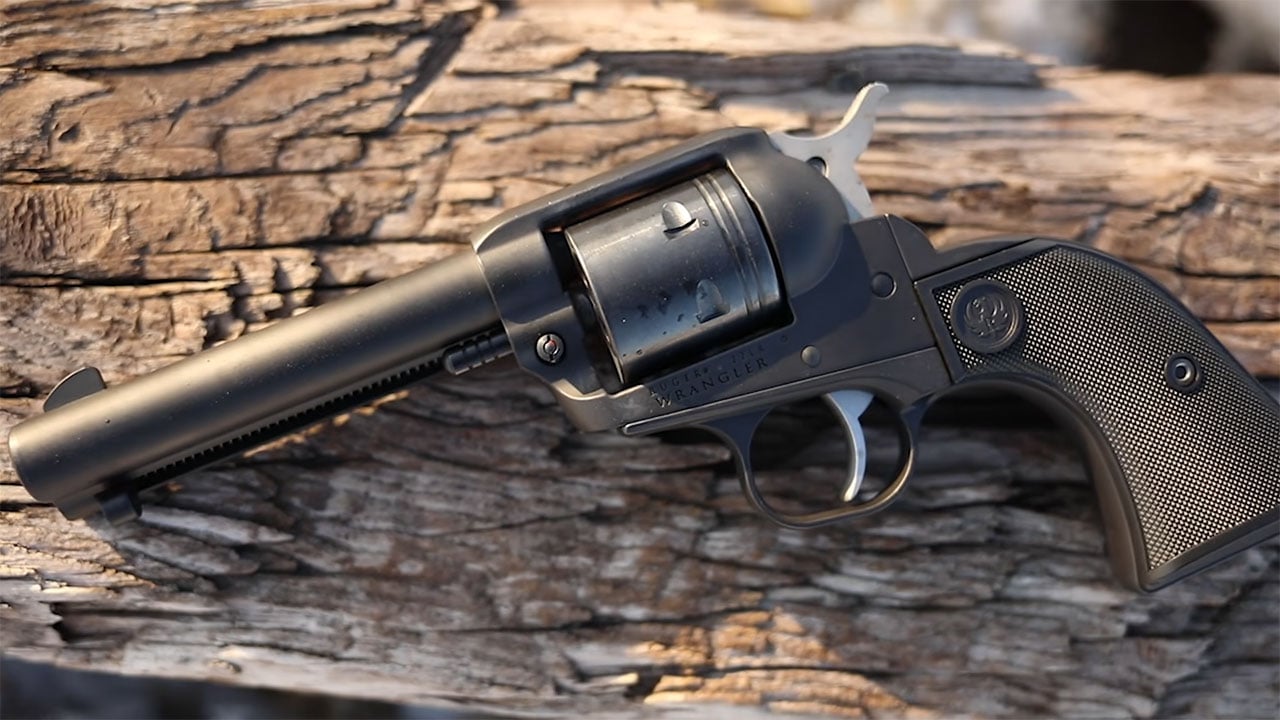
The Wrangler is the revolver you hand to a new shooter when you want them to have fun and learn without flinching. It’s simple, it works, and it’s affordable enough that you won’t cry over a scratch from a day in the woods. The finish is basic, but the gun does what it’s supposed to do.
.22 revolvers don’t get the respect they deserve, mostly because they aren’t glamorous. Still, a .22 wheelgun is one of the best tools for building real trigger control. If another name made a reliable single-action .22 at this level, the market would call it “the perfect kit gun” and jack the price up.
Revolvers aren’t immune to hype, they just wear it differently than semi-autos. The trick is separating the guns that are expensive because they’re truly scarce or truly special from the ones that are expensive because the logo does the talking. If you can live without the bragging rights on the frame, there are a lot of wheelguns out there that still do honest work for honest money.
Like The Avid Outdoorsman’s content? Subscribe to our newsletter so you never miss an article.
Here’s more from us: