
Photo credit: Gun Deity/Youtube
Estate sales are funny. Half the crowd is there for cookie jars and old coins, and the other half is quietly walking straight to the back bedroom closet or the gun cabinet like they’ve got a map. Shotguns sit in the middle of that. They’re common enough that casual buyers assume they’re all the same, and “Grandpa’s old scattergun” gets dismissed as just another dusty long gun.
Meanwhile, serious buyers are looking for certain names, certain features, and certain eras. They know which ones still point like a bird gun should, which ones take abuse in a duck blind, and which “plain” shotguns are actually hard to replace now without paying new-gun money. Here are the ones I see get ignored… right up until someone who knows what they’re looking at grabs it and heads for the cashier.
1. Remington 870 Wingmaster (older blued, walnut guns)
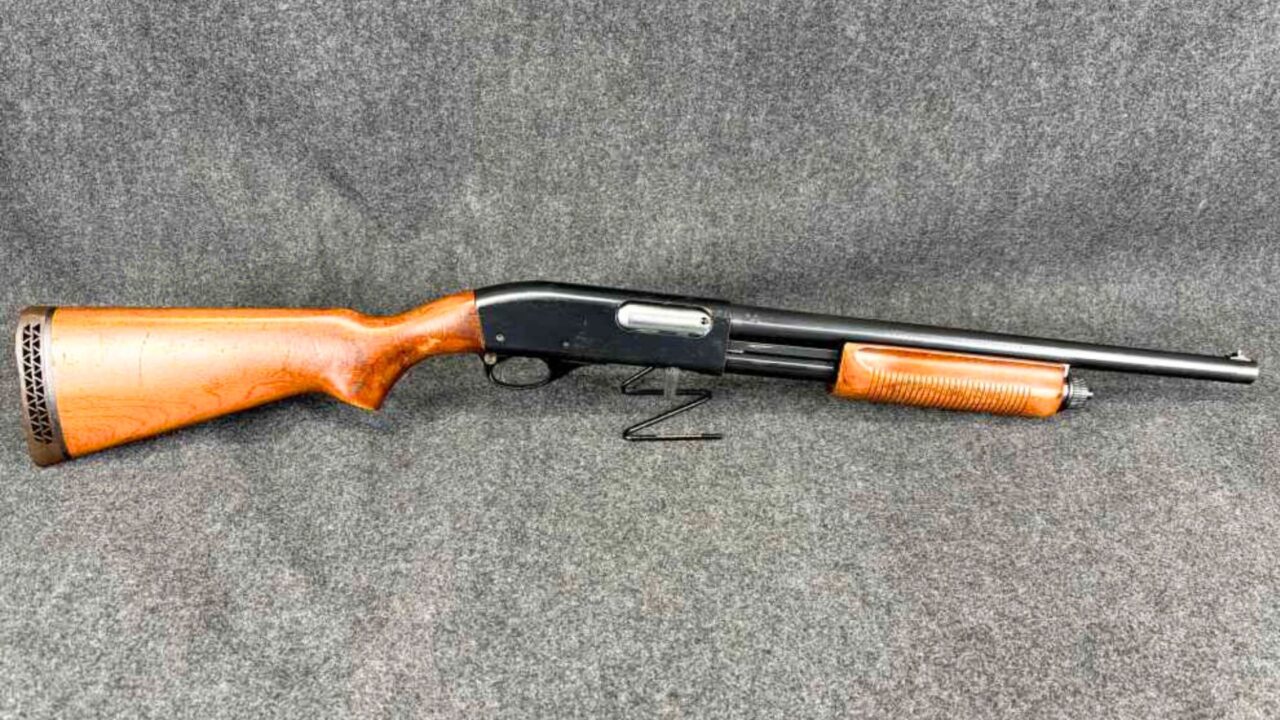
You’ll watch folks handle an 870 Wingmaster like it’s just another pump, then set it down because it doesn’t have ghost rings, a rail, or a “tactical” name. That’s fine. The old Wingmasters have a slick action that feels like it’s riding on ball bearings, and they tend to point naturally.
What the buyers know is you can still hunt anything in North America with one, and parts/support are everywhere. Check for rust under the fore-end, feel for gritty cycling, and look at the muzzle for dents. If it’s clean and the action feels right, it’s a forever shotgun.
2. Remington 1100 (standard field models)

Somebody will always mumble about “old gas guns being finicky.” Then a guy with experience will pick up the 1100, shoulder it once, and you can see the decision get made. The 1100 is soft shooting, steady, and it breaks clays better than it has any right to for an estate-sale price.
Yes, it has wear items. O-rings and old seals are part of the deal, and neglected 1100s can be a headache. But a cared-for 1100 is the kind of shotgun that makes average shooters look better, and that’s a rare trait.
3. Remington 11-87 (wood-stock hunting guns)

RedRockTrading/GunBroker
The 11-87 doesn’t get the same romance as the 1100, so it gets passed over more. That’s exactly why it’s a quick-grab for a buyer who wants a working semi-auto without paying modern semi-auto prices.
They’re not glamorous. They’re also not fragile. If the gun isn’t beat to death and the barrel fits tight without weird wobble, you’re looking at a solid deer/duck/turkey tool that will keep going with basic cleaning.
4. Browning Auto-5 (Belgian or Japanese production)
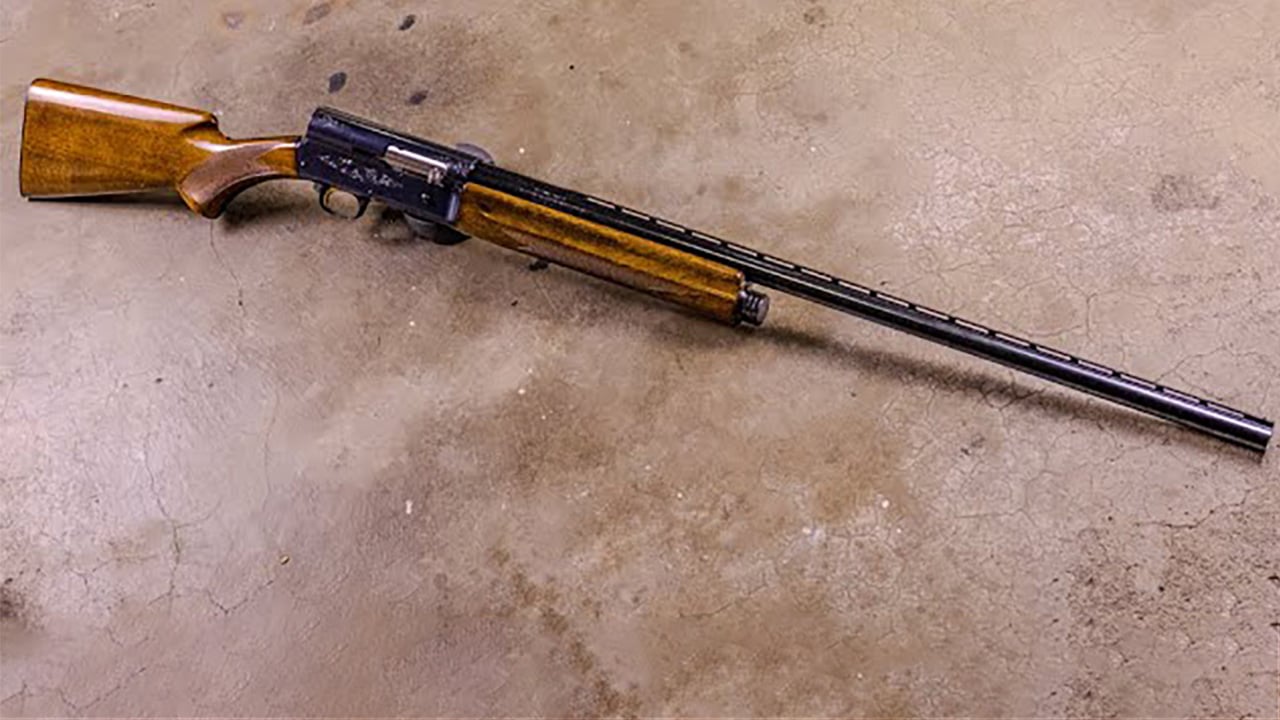
The “humpback” profile turns off folks who grew up on modern semi-autos. Good. The Auto-5 is one of those designs that looks odd until you shoot it and realize it has been dropping birds for over a century for a reason.
Serious buyers check the friction ring setup and general wear, because recoil-operated guns can be set up wrong by owners who didn’t know better. When they’re right, they run. And they’re getting harder to find in honest condition.
5. Browning BPS (bottom-eject pump)
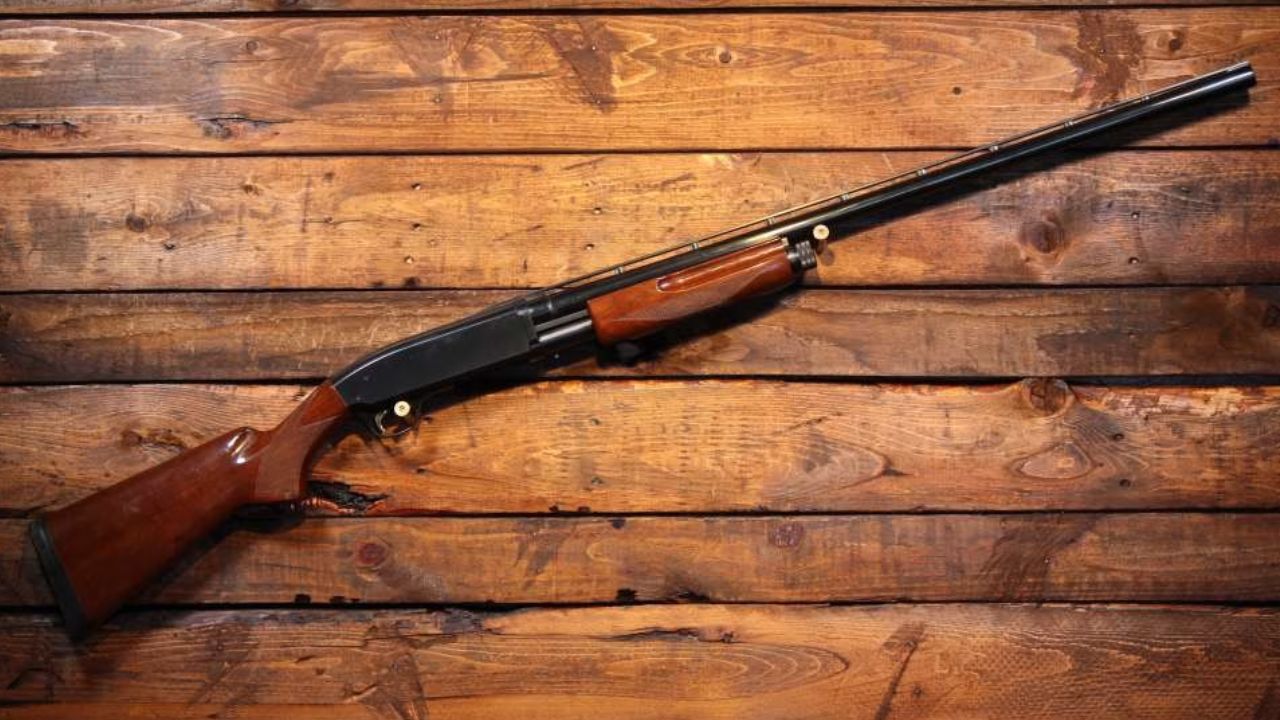
A lot of estate sale shoppers will pick up a BPS and put it down because it feels heavier than the average pump. That weight is part of why it swings so well on pheasants and why it soaks up recoil with heavy loads.
Bottom ejection is the sleeper feature. Lefties love it, and righties learn to appreciate not having hulls flying across their buddy’s face in a blind. Find one with a clean bore and a tight, smooth action and you’ll understand why owners hang onto them.
6. Browning Citori (field-grade over/unders)
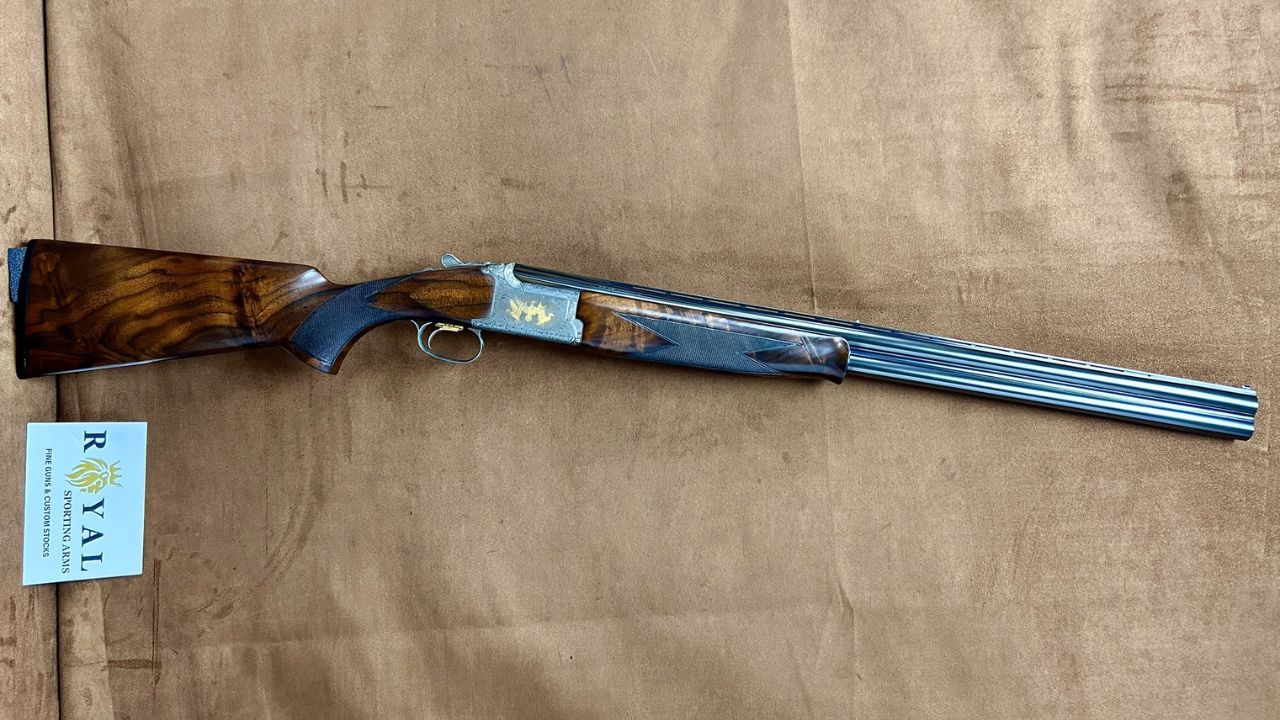
Over/unders confuse estate sale crowds because they can’t “test” anything without snapping it open and closed a few times. The Citori gets discounted as a “fancy” gun, when the truth is it’s a workhorse dressed nicer than it needs to be.
Buyers look for a tight lockup, no daylight at the breech, and a top lever that still sits right of center. If it’s loose, walk. If it’s tight, you’re looking at a gun that will outlast most of us with normal use.
7. Beretta 686/687 Silver Pigeon (used, honest hunting guns)
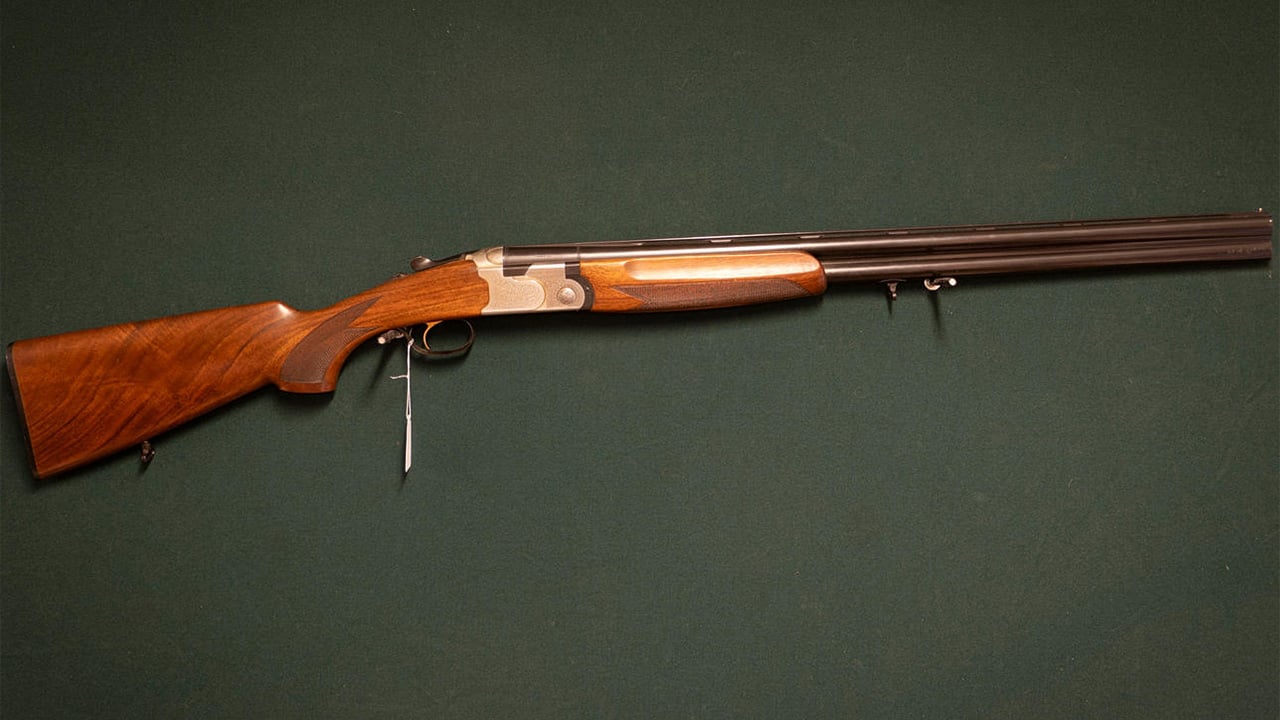
Beretta over/unders don’t always look “collectible” to casual eyes, especially if the stock has a few dings and the blueing is worn thin from real hunting. That’s the sweet spot. Those dings usually mean it was carried, not abused.
The good ones feel alive in your hands. They mount quick, they track smooth, and they don’t fight you. If the barrels ring true and everything locks up tight, a used 686/687 is a serious bird gun that won’t punish you on long days.
8. Beretta 3901/390 (gas semi-autos)

If it isn’t a brand-new “tactical” semi-auto, the crowd yawns. The Beretta 390 family is the opposite of flashy. They just run, and they do it with a wide range of loads without acting like a diva.
These are the guns guys keep as their “loaner” because they work for almost anyone. Look for cracked fore-ends and mangled screws from somebody with the wrong screwdriver. If it’s clean, it’s hard to beat for ducks and clays.
9. Beretta A300 Outlander (plain-jane semi-auto)
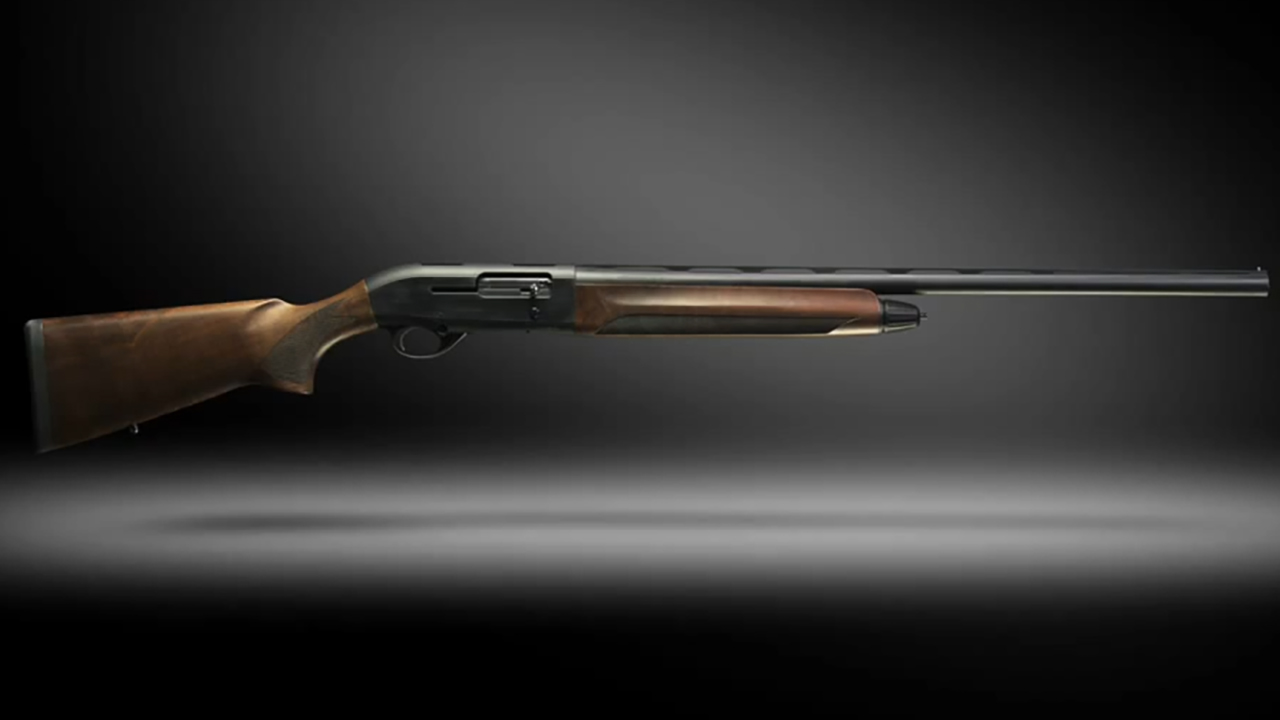
The A300 Outlander sometimes gets treated like a big-box special. That attitude is how one ends up sitting on a folding table with a tag that’s way too low. It’s a modern, simple gas gun that does what it says.
Buyers like it because it’s not temperamental and it’s not precious. If it cycles smoothly by hand and the bolt isn’t chewed up, it’s a solid buy for somebody who wants to shoot a lot without getting beat up.
10. Benelli Super Black Eagle (early models)

When a Benelli shows up at an estate sale, you’d think it would be an instant stampede. Not always. Some folks pick it up, feel the lightness, and assume it’ll kick like a mule so they pass.
The buyers know what they’re looking at: a hard-use waterfowl gun that shrugs off bad weather. Inertia guns like to be kept reasonably clean, but they’re not fragile. An older SBE in good shape is a serious piece of gear.
11. Benelli M1 Super 90 (field versions)

The M1 doesn’t have the modern hype of newer tactical variants, so it can slip through cracks. Field models in particular get overlooked because they don’t look “special.” Then the right person checks the fit and finish and smiles.
They’re quick handling and reliable, and they’ll live a long time if you don’t treat them like a shovel. If the recoil pad isn’t rotted and the bolt cycles clean, it’s a buy that makes sense for both birds and defensive use.
12. Franchi Affinity (inertia semi-auto)

Franchi sits in that zone where some buyers assume it’s “off brand.” That’s a mistake. The Affinity series is an inertia gun that shoulders well, carries easy, and doesn’t ask for much.
It’s a hunter’s shotgun, not a safe queen. Check the stock for cracks around the receiver and make sure it hasn’t been run loose. When they’re right, they’re a lot of shotgun for the money.
13. Winchester Model 12 (pump, pre-1964 especially)
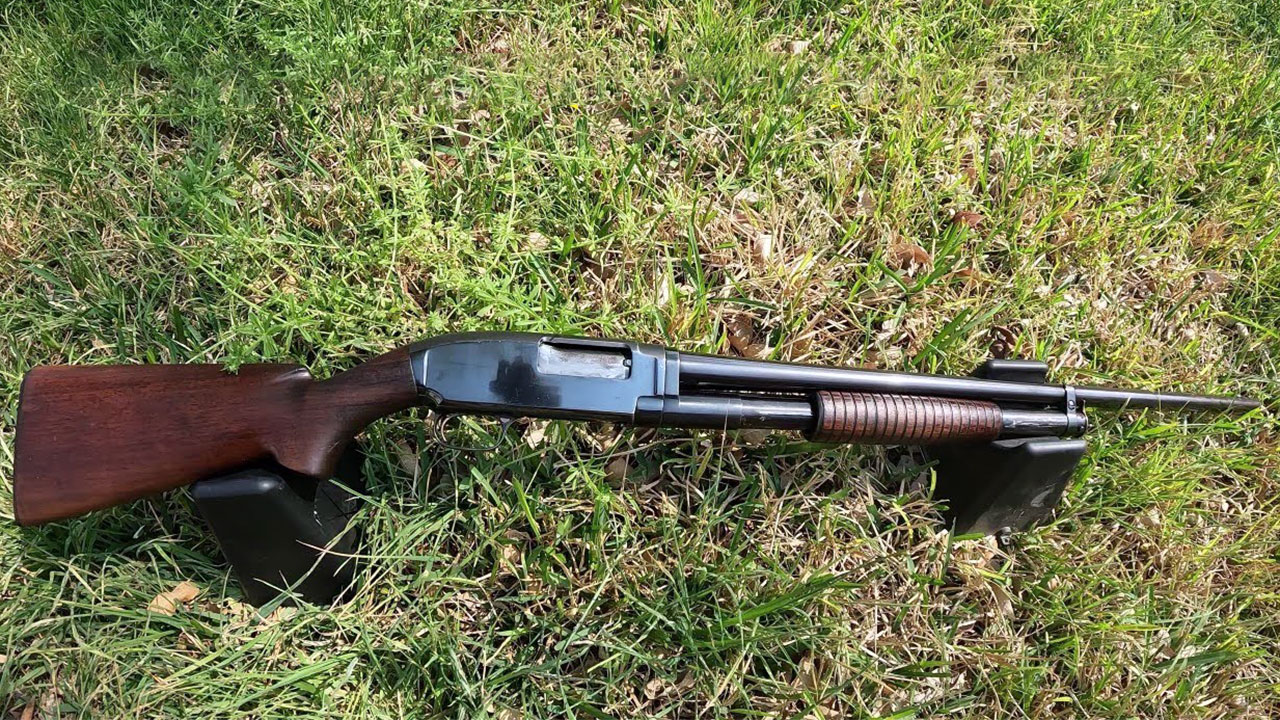
The Model 12 gets passed over by folks who don’t like “old stuff” or who are worried about finding parts. Then somebody who’s handled one before works the action once and it’s over. The slickness is real.
These were made to be carried and shot, not posted online. Look closely at the barrel and chamber markings and don’t assume every old Model 12 is ready for modern high-pressure loads. But as a field gun, a good Model 12 is hard not to love.
14. Winchester Model 37 (single-shot utility gun)
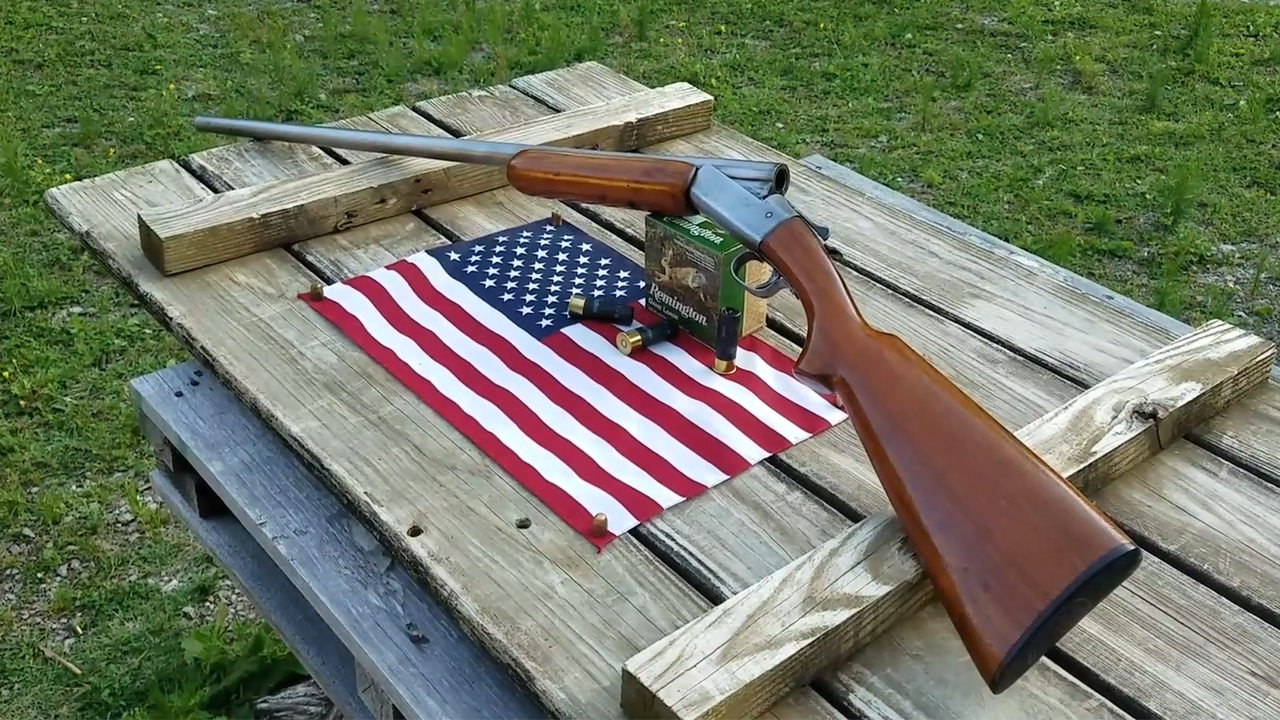
Single-shots get treated like poverty guns, and sometimes they are. The Model 37 is still one of the better “nothing fancy” shotguns ever sold. It’s light, it’s simple, and it rides in a truck without drama.
Serious buyers like them for teaching kids, for a knock-around farm gun, or for a backup. Make sure the lockup is solid and the extractor isn’t chipped. If it closes tight, it’ll do the job.
15. Ithaca 37 (bottom-eject pump)
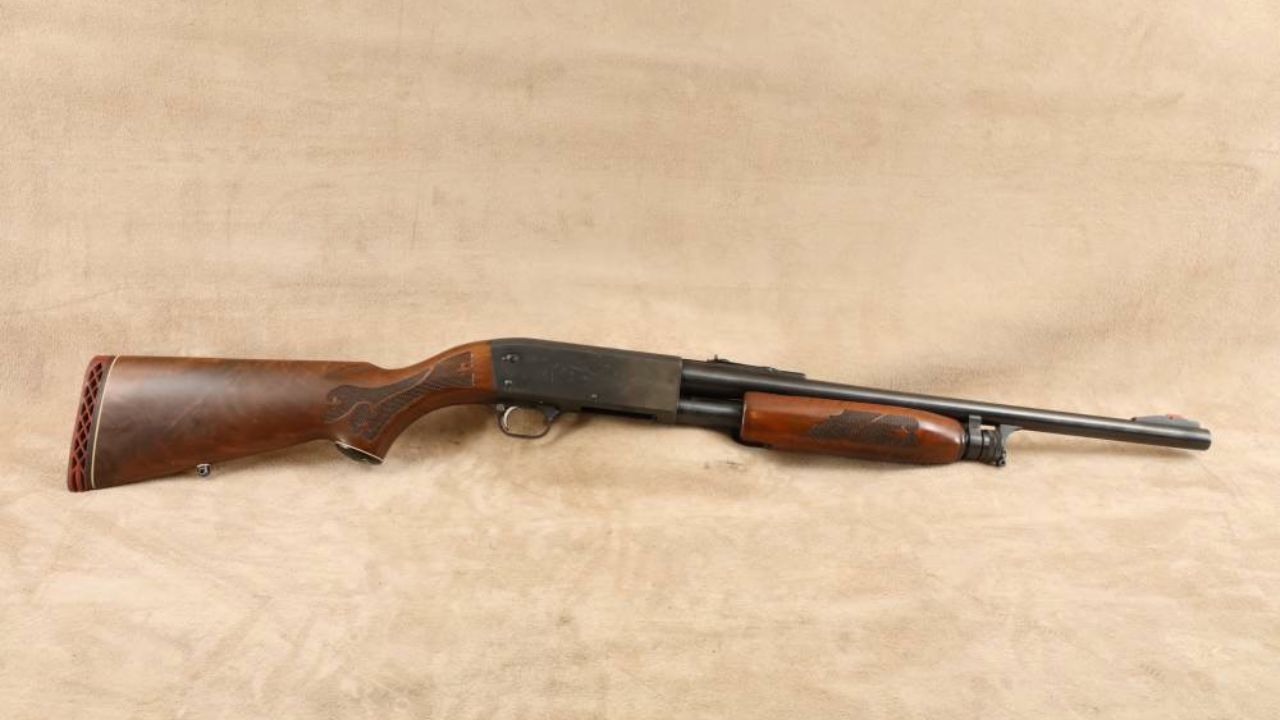
The Ithaca 37 is another bottom-eject sleeper. A lot of estate sale shoppers have never even heard of it, which is wild considering how many birds have fallen to one. They point fast and carry well.
They can be older than you think, so condition matters. Check for cracks in the stock wrist and make sure the action isn’t binding. A good Ithaca 37 feels like a hunting gun, not a project.
16. Savage/Fox Model B (simple side-by-side)
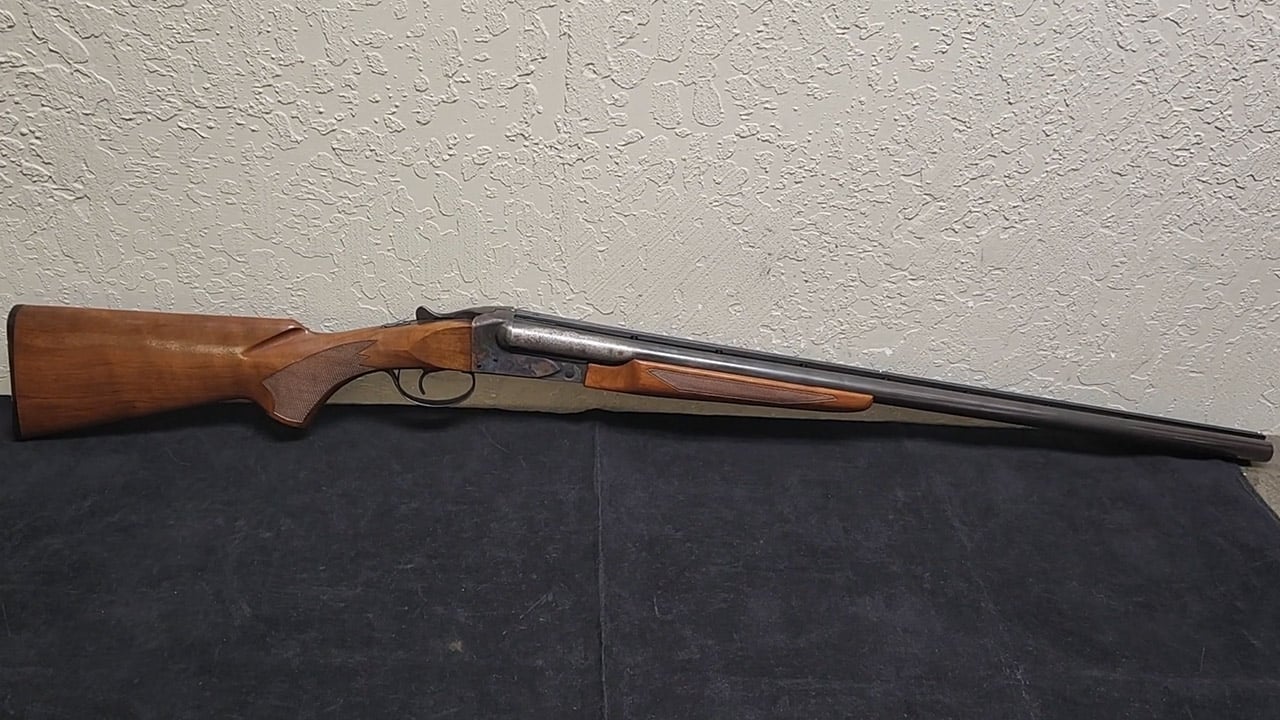
Side-by-sides get ignored because folks think they’re either expensive collectibles or wall-hangers. The Fox Model B is usually neither. It’s a straightforward double gun that was meant to hunt, not to impress anyone.
Buyers check for tightness and for any signs the barrels have been dented or messed with. If it locks up well and the bores are decent, it’s an easy gun to enjoy on quail or rabbits without babying it.
17. Stevens 311 (side-by-side, working grade)
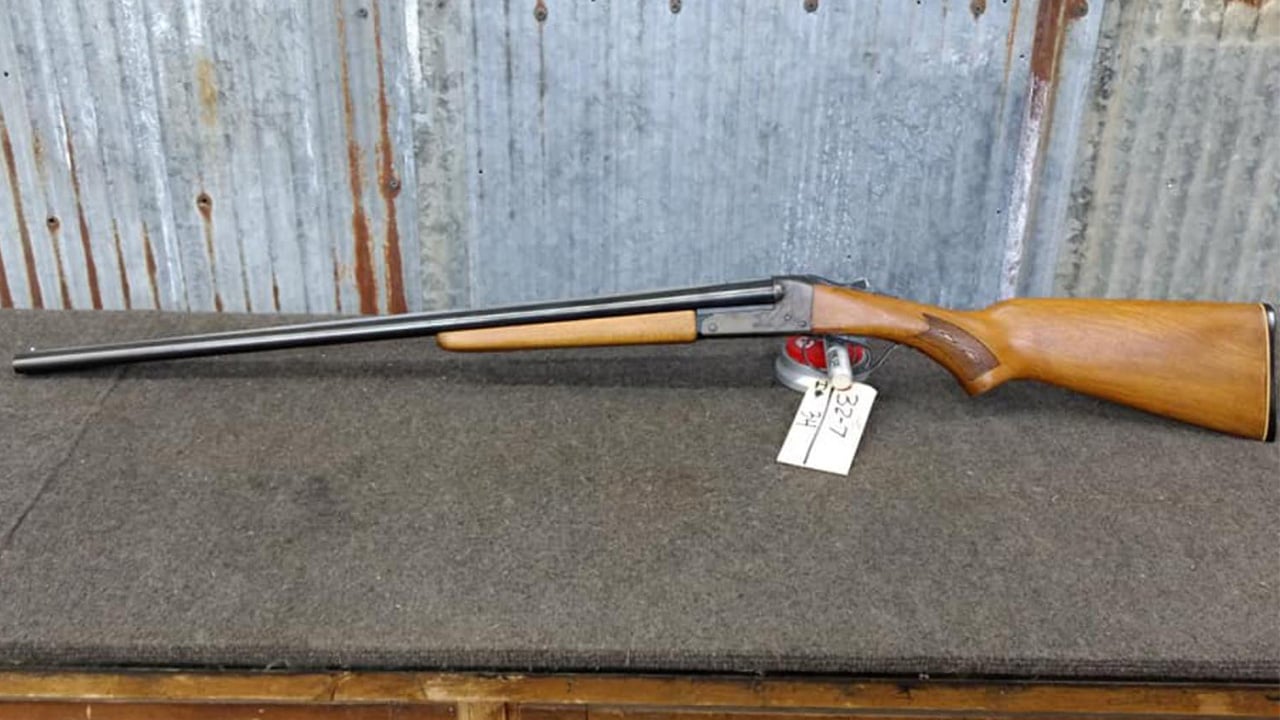
The Stevens 311 is not refined. The triggers can be heavy and the finish can look like it lived in a barn. And yet, it’s a tough old double that keeps showing up because it keeps surviving.
If you want a side-by-side you can actually carry through brush and not cry over the first scratch, this is the one. Check the forend fit and make sure the gun isn’t loose on face. Tight is good. Loose is a pass.
18. Mossberg 500 (older wood-stock guns)

Newer buyers sometimes act like the 500 is “just cheap.” That tells me they haven’t owned one through a few seasons. The older wood-stock 500s especially are handy, reliable, and easy to keep running.
They’re also modular in a practical way. Barrels and accessories are common, and you can set one up for birds, deer, or defense without getting weird about it. As long as the action isn’t battered and the safety works properly, it’s a solid estate-sale score.
19. Mossberg 835 Ulti-Mag (12-gauge heavy loader)
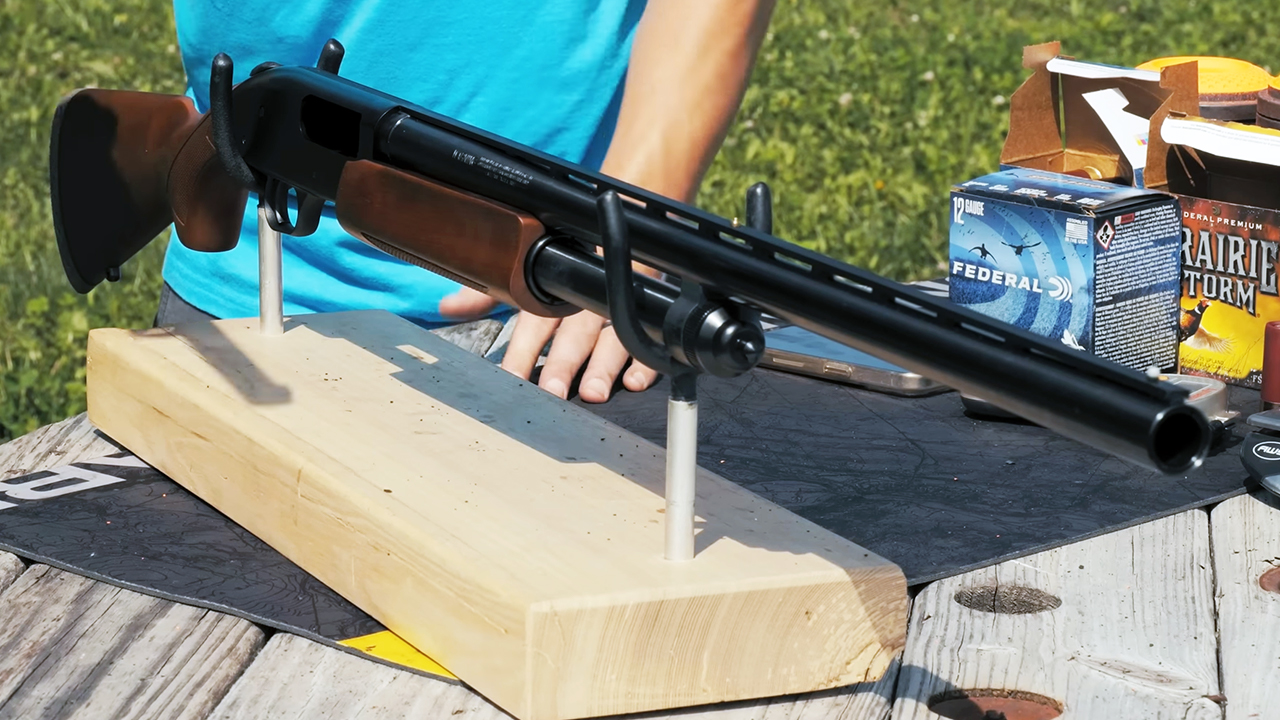
The 835 gets passed over because it’s not pretty and it’s not light. Then the waterfowl guy sees “3.5 inch” on the barrel and starts paying attention. If you hunt big geese or like heavy turkey loads, that chambering matters.
It’s not for everybody. Recoil can be stout with the hottest shells, and the gun is bigger in the hands. But as a dedicated duck/goose tool that can take rough treatment, it earns its keep.
20. H&R/NEF Pardner Pump (Remington 870-style clone)
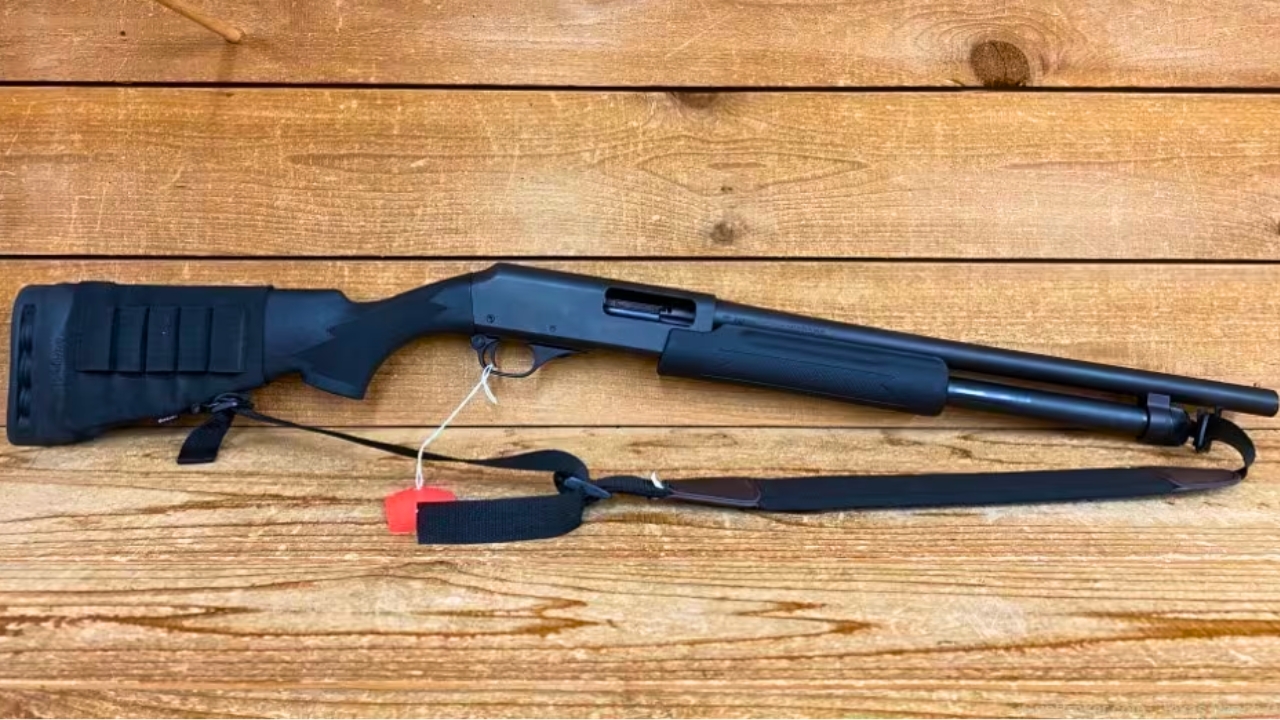
This one gets laughed at, and I get it. It’s not polished, it’s not trendy, and the rollmark doesn’t impress anyone. Still, the Pardner Pump is one of those guns that ends up being more useful than the internet gives it credit for.
They’re simple, generally reliable, and they can be a lifesaver for a new hunter who needs a functional shotgun without going broke. Check for rough machining, make sure it cycles smoothly, and don’t expect it to feel like a Wingmaster. But if it’s priced right, it’s a working gun.
Estate sales are full of “almosts” and “maybe laters.” With shotguns, the good ones don’t sit long once the right hands pick them up. If you’re walking into one of those sales, don’t just look for the newest-looking gun on the table. Shoulder a few. Work the action. Check the lockup. The boring ones are often the ones that keep hunting long after the flashy stuff is forgotten.
Like The Avid Outdoorsman’s content? Subscribe to our newsletter so you never miss an article.
Here’s more from us: