Photo credit: Academy Sports
Some rifles are good enough that choosing just one chambering feels like the hard part. You start with a deer caliber, then notice the same rifle comes in a lighter-recoiling option, a short-action cartridge, a magnum, or something better suited to hogs, predators, or long-range shooting. Before long, you are looking at the same basic rifle in four or five different configurations and convincing yourself they all serve different jobs.
That is the kind of rifle this list is about. These are platforms I would happily own in several chamberings because the action, stock, trigger, handling, or overall design is good enough to justify building an entire collection around it. If storage space and money were not factors, I would have a hard time stopping at one.
Tikka T3x Lite
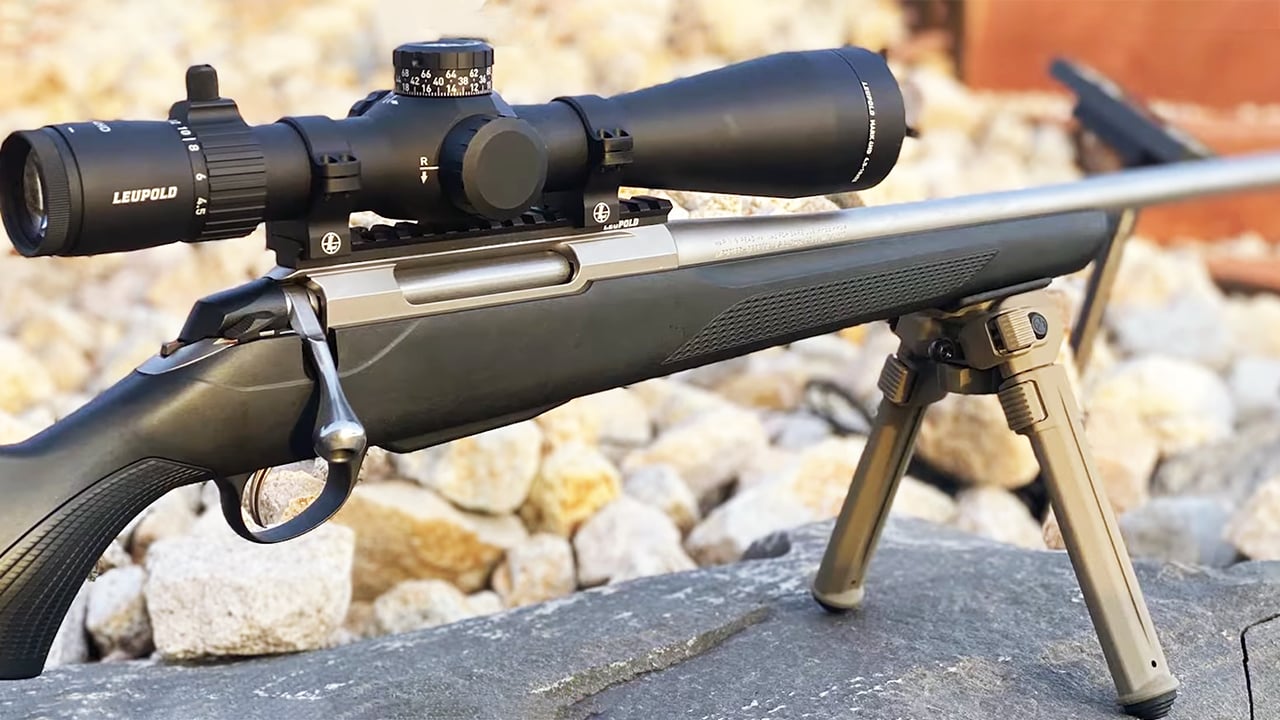
The T3x Lite is one of the easiest rifles to justify owning in multiple chamberings because the basic rifle gets so many important things right. The bolt is exceptionally smooth, the trigger is excellent from the factory, and the synthetic stock keeps weight low enough that the rifle works well for hunters who actually carry their guns all day. It also has a reputation for strong factory accuracy, which means you do not have to treat every new caliber as another project rifle that needs immediate upgrades.
I could easily see owning one in .243 Winchester for lighter deer and youth use, another in .308 Winchester as an all-around rifle, and something like .30-06 or a magnum chambering for larger game. The platform stays familiar while the cartridge changes the job.
Ruger American Gen II
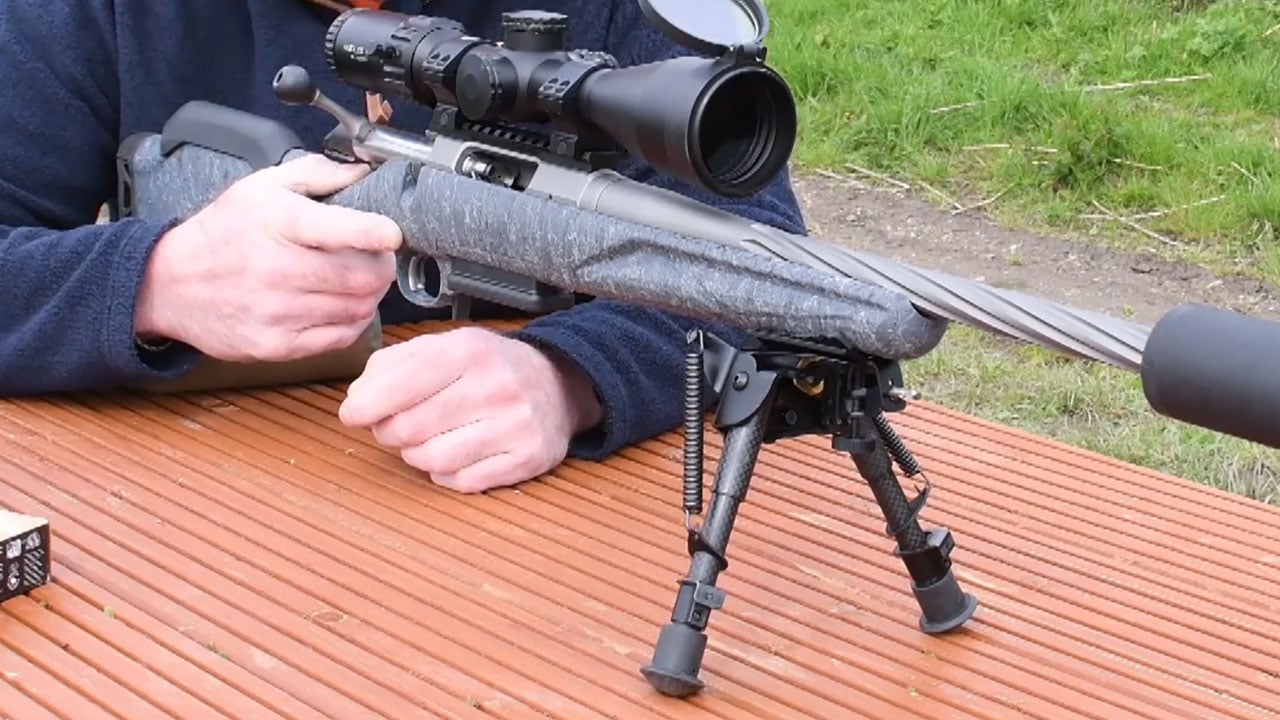
The second-generation Ruger American is exactly the kind of affordable rifle that becomes dangerous to your safe space. The basic price is low enough that buying another one in a different caliber does not feel completely ridiculous, yet the rifle is capable enough that you are not buying a disposable backup. Ruger improved the stock, handling, and overall feel compared with the original while keeping the same practical philosophy that made the American successful in the first place.
This is one rifle I could imagine owning across a huge spread of chamberings. A .223 version could handle predators and range work, a 6.5 Creedmoor could cover open-country deer, and a .308 or .350 Legend could take care of heavier woods hunting. They would all feel familiar.
Browning X-Bolt 2
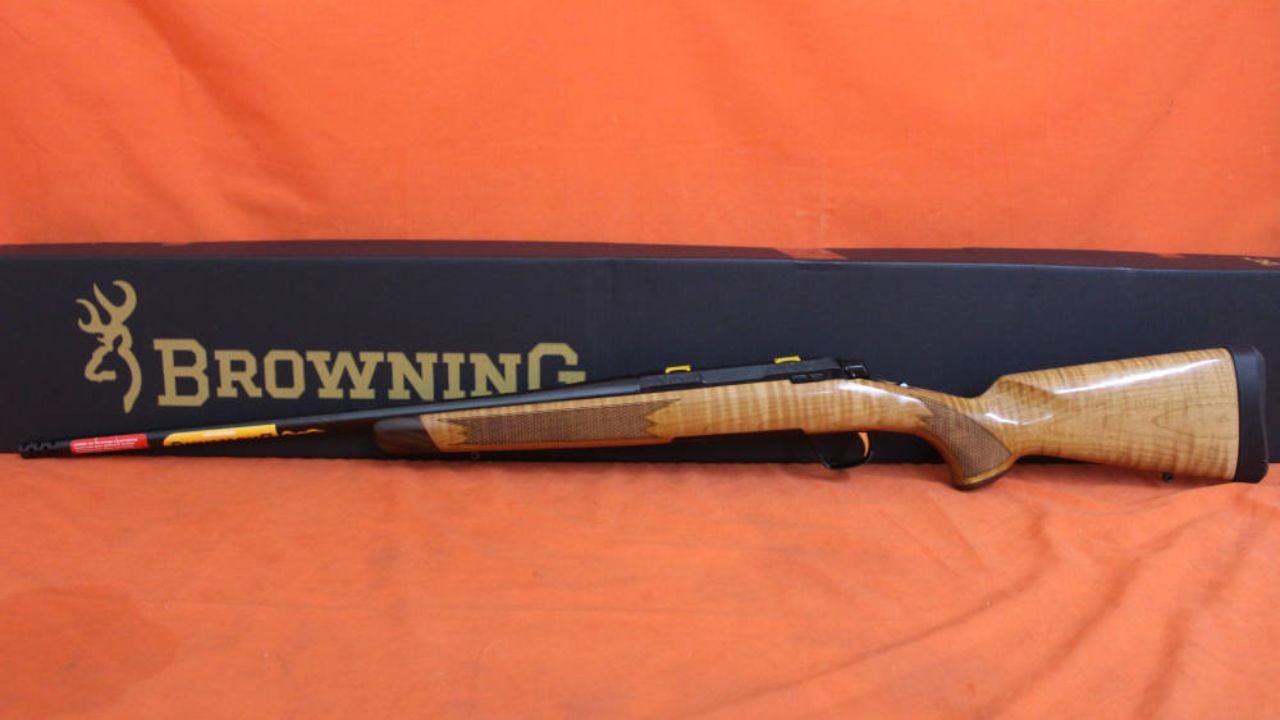
The X-Bolt 2 is refined enough that once you find a stock configuration that fits you properly, it makes sense to stay with it. Browning’s short bolt lift, flush rotary magazine, good trigger, and natural handling all contribute to a rifle that feels finished rather than merely functional. That becomes even more important when you start switching between cartridges because you do not have to relearn a completely different rifle every season.
I would gladly have a lighter chambering for deer and varmints, a short-action rifle for general hunting, and a heavier option for elk or larger game. The X-Bolt platform covers enough configurations that you could build most of a hunting battery without ever leaving the same family.
Winchester Model 70
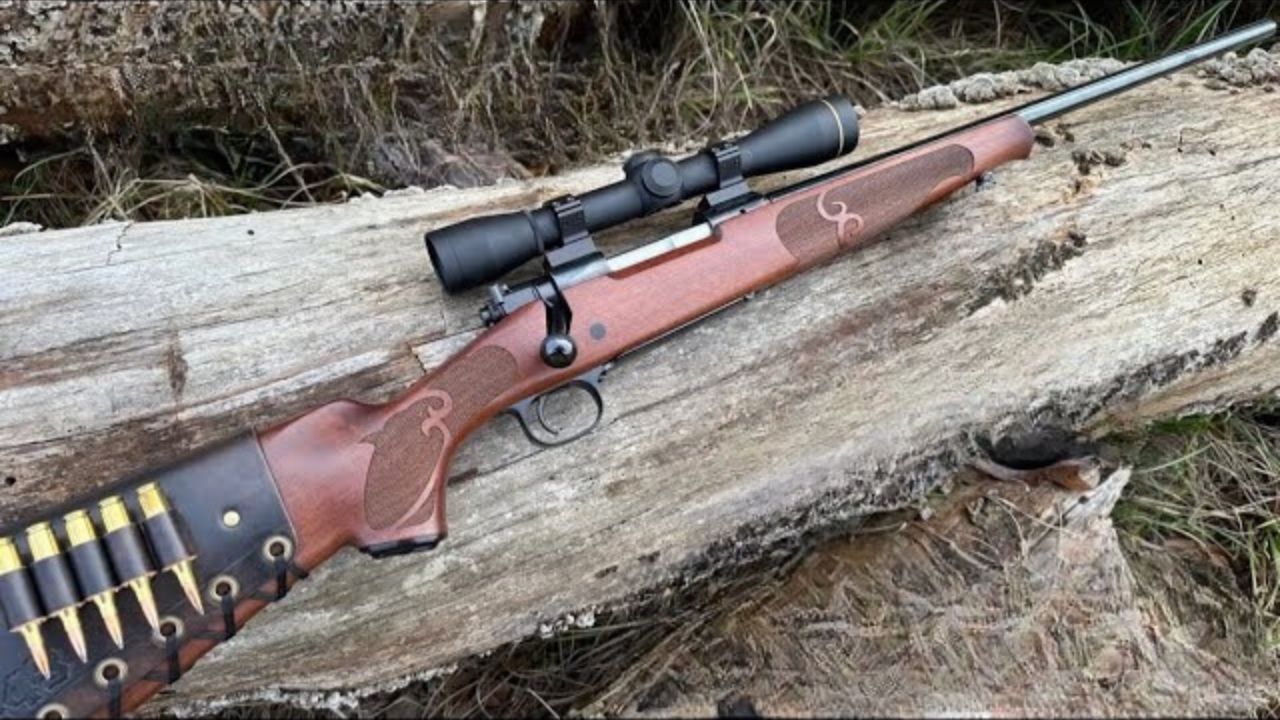
The Model 70 is one of those rifles I would want in nearly every traditional hunting cartridge just because the platform suits them so well. The controlled-round-feed action, three-position safety, classic stock shape, and long hunting history make it feel right whether it is chambered in .270 Winchester, .30-06 Springfield, .308 Winchester, or something significantly heavier. It is also a rifle that still feels appropriate with walnut and blued steel, which matters if you want a collection that does not look like 20 versions of the same black synthetic gun.
A lightweight .243 would be useful, a .270 would handle most deer hunting beautifully, and a .375-class version would cover entirely different territory. The basic rifle can scale across all of it without feeling forced.
CZ 600 Alpha
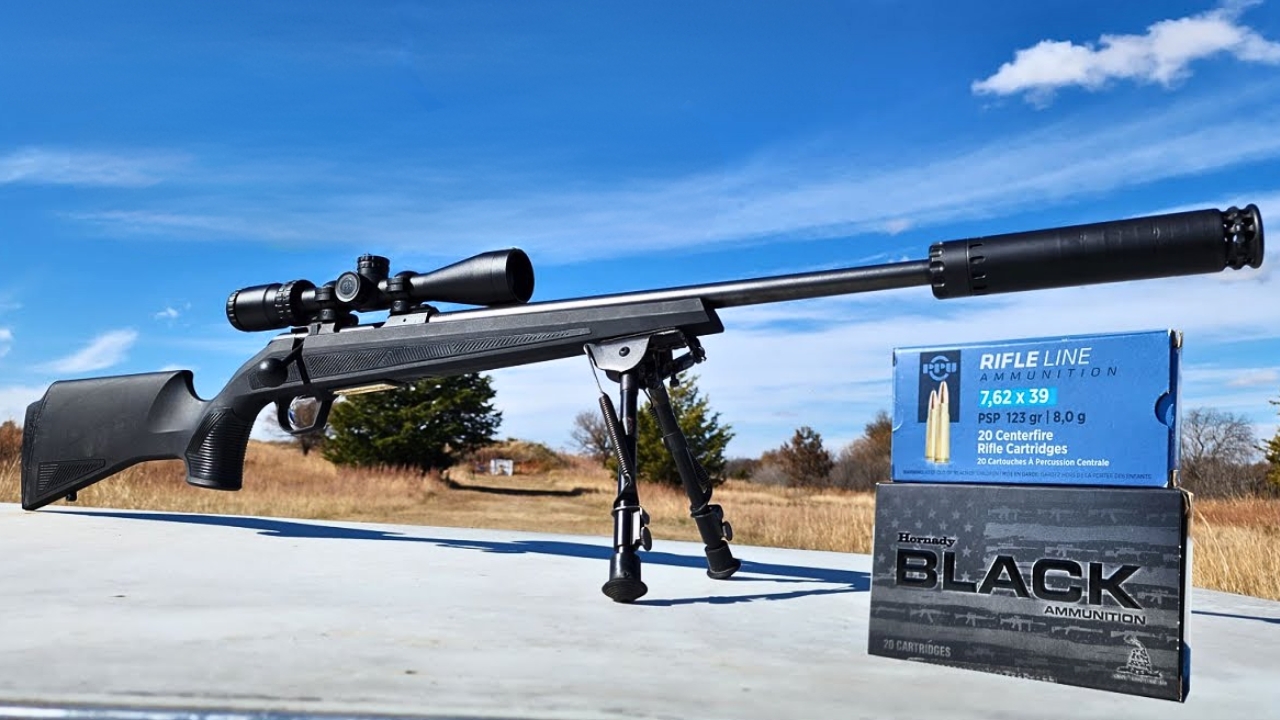
The CZ 600 Alpha is one of the more practical newer bolt rifles because it looks plain but feels much better once you start working the action and trigger. The stock is built around real field use, the controls are easy to understand, and the platform is offered in enough useful chamberings that you could cover several hunting roles without leaving the same basic rifle. It also has that European design feel without becoming expensive or overly complicated.
I would especially like having a small-caliber version for predators, a 6.5 Creedmoor for open country, and a .308-based setup for general deer and hog use. The rifles would not necessarily be exciting individually, but a rack full of them would cover almost anything.
Weatherby Vanguard
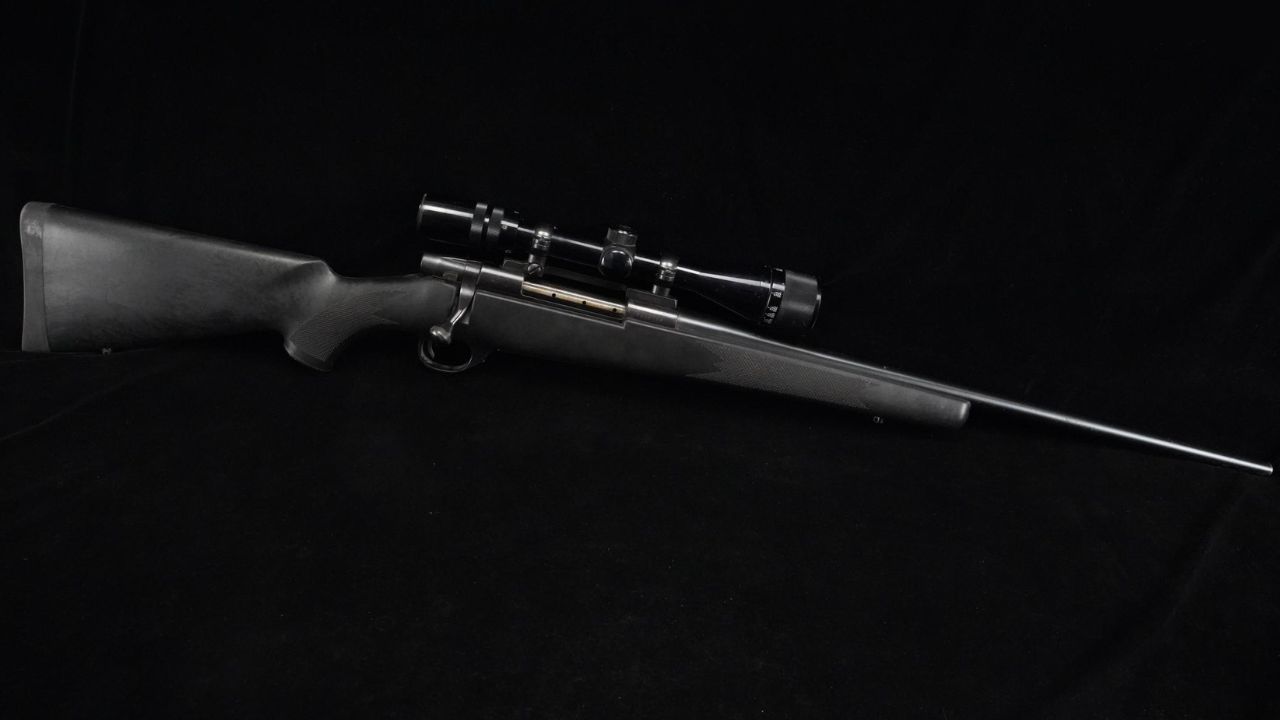
The Vanguard is one of the better examples of a rifle that deserves more respect than its position in the lineup suggests. It lives beneath the Mark V, so people tend to treat it as the inexpensive Weatherby, but the Howa-built action is durable, smooth, and known for solid accuracy. That makes it an ideal platform to own repeatedly because you know what you are getting every time you pick a new chambering.
A .243 or 6.5 Creedmoor Vanguard would make an excellent deer rifle, while .270 Winchester and .30-06 versions would cover larger game. Then you could start adding Weatherby chamberings if you wanted more velocity. This is the kind of rifle where the collection could get out of hand quickly.
Howa 1500
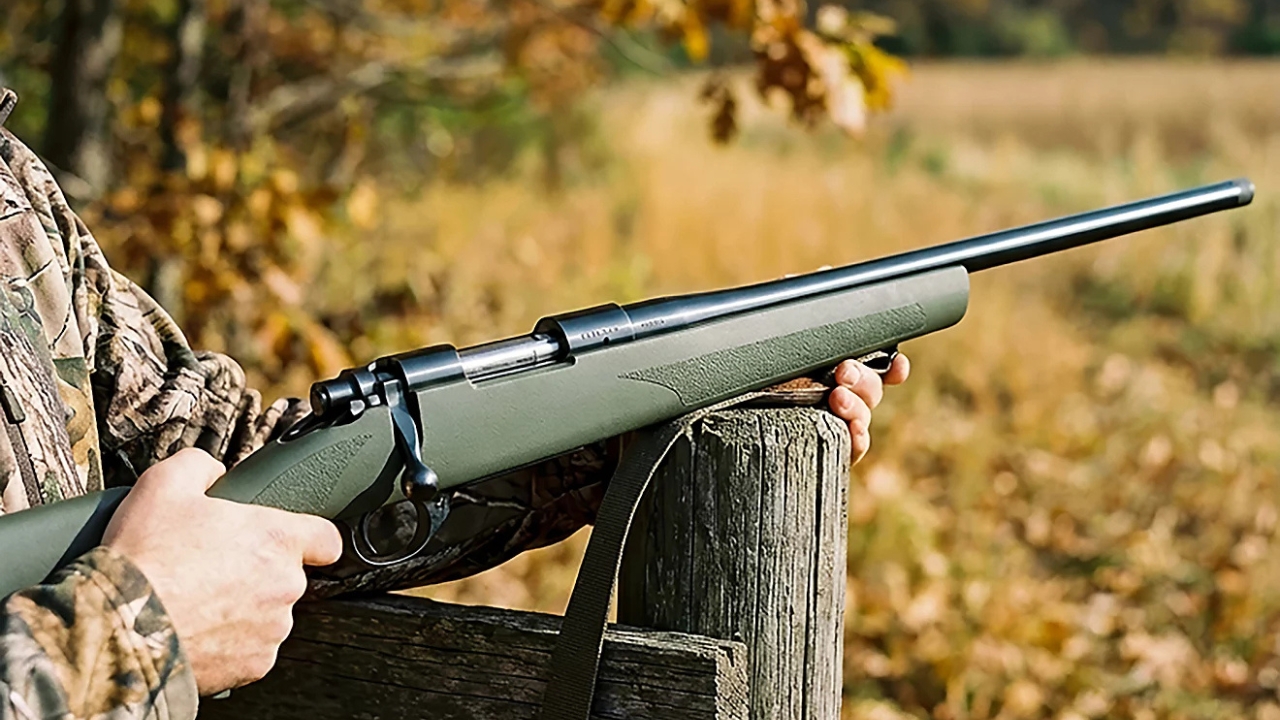
The Howa 1500 is almost built for people who like collecting the same rifle in different configurations. The action has been around forever, aftermarket stocks are plentiful, triggers are good enough to use as-is, and the rifle has a reputation for being much more accurate than its ordinary appearance suggests. It also shows up in enough barrel lengths and chamberings that you can build completely different rifles around the same core action.
I would have no problem owning one as a light .223, another as a .308 hunting rifle, and a heavier 6.5 Creedmoor for range work. Because the platform is so straightforward, each rifle could be configured around one specific job without creating an entirely new learning curve.
Bergara B-14
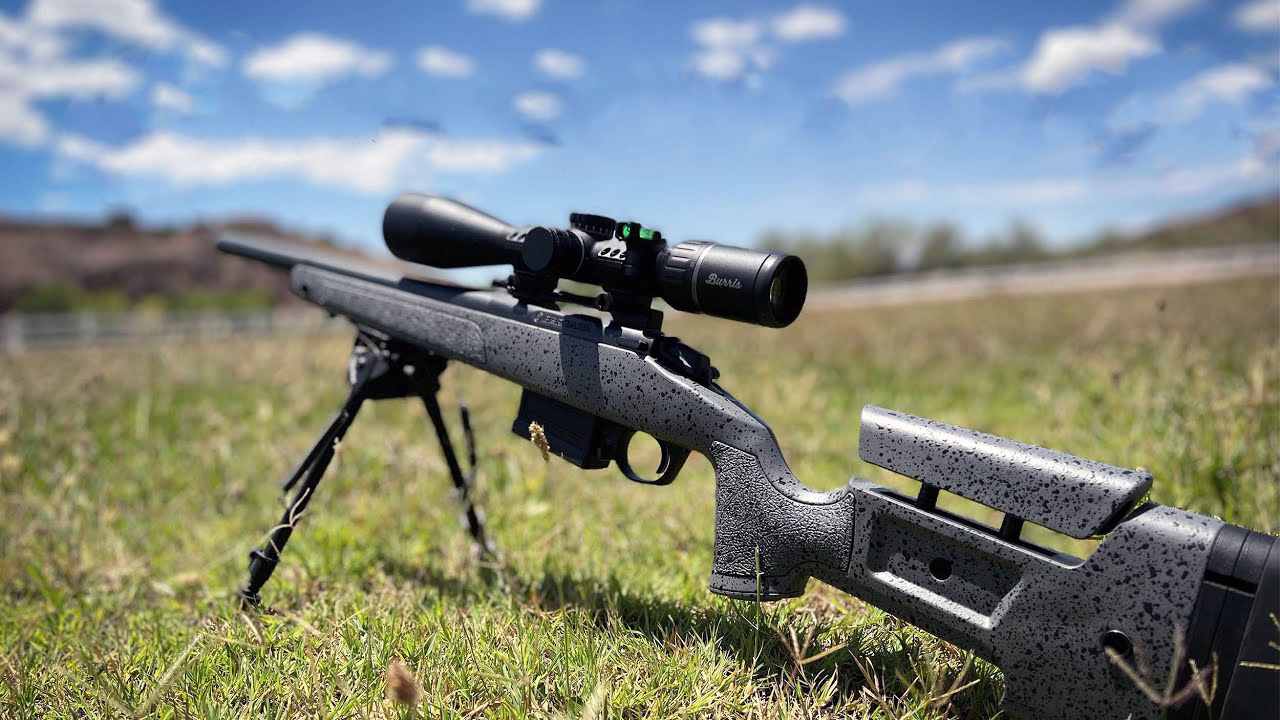
The B-14 line is another rifle family that makes it easy to justify multiple chamberings because Bergara combines good barrels with a familiar action footprint. The rifles generally shoot well, the triggers are respectable, and the Remington 700-style compatibility opens up a huge world of stocks, bases, and accessories. That means every caliber does not have to stay exactly the same even if the action family does.
I would keep one lightweight for hunting, set another up heavier for precision shooting, and probably have a short-action deer rifle somewhere in between. Once you know how one B-14 behaves, buying another in a different cartridge feels a lot safer than starting from scratch.
Sauer 100

The Sauer 100 is the kind of rifle people often overlook until they handle one, and then it becomes difficult not to want another. The bolt movement is smooth, the trigger is clean, and the stock has a more refined feel than what you expect from a relatively plain hunting rifle. It does not rely on gimmicks, which is exactly why it works so well across multiple chamberings.
I would gladly own a smaller-caliber Sauer for light game and practice, a 6.5 Creedmoor or .308 for deer, and something larger for elk or international hunting. The rifle’s handling remains consistent enough that each version would feel familiar while still covering a different role.
Sako S20

The S20 is more expensive than many rifles on this list, which is probably the only thing that would stop me from owning several. The action is extremely smooth, the trigger is excellent, and the stock system gives the shooter more adjustment than a traditional hunting rifle without turning the gun into a giant competition chassis. It is the kind of platform that feels good enough to make you want the same fit and controls in every cartridge you use.
A 6.5 Creedmoor version would be excellent for target work and open-country deer, while a .308 could cover general hunting. A larger chambering would make sense for bigger game. If money were no object, keeping the same Sako feel across all of them would be hard to resist.
Savage 110

The Savage 110 has been produced in so many versions and chamberings that you could probably fill an entire safe without repeating the exact same configuration. That variety is part of the appeal. The action is proven, the AccuTrigger remains one of the better factory trigger systems in its class, and Savage barrels have a long reputation for delivering strong accuracy without demanding custom work.
I could see owning a lightweight hunting version in .243, a .308 as the general-purpose rifle, and a heavier 6.5 Creedmoor or similar chambering for longer-range shooting. The 110 is not fancy, but it is one of those platforms that consistently gives you more capability than the exterior suggests.
Ruger Hawkeye

The Hawkeye is the rifle I would choose if I wanted a collection that leaned more traditional and rugged than lightweight and modern. The controlled-round-feed action, substantial receiver, and classic hunting layout make it especially appealing in cartridges that benefit from a tougher field rifle. Ruger has also offered the platform in everything from ordinary deer chamberings to serious dangerous-game cartridges over the years.
I would want a .308 or .30-06 for everyday hunting, a .338 or similar larger cartridge for heavier animals, and probably one of the compact versions in a milder chambering. The Hawkeye feels like a rifle you could build an entire lifetime of hunting around.
Browning BLR

The BLR is one of the few lever actions that makes me want multiple chamberings because it handles pointed rifle bullets and modern cartridges without giving up lever-gun handling. The detachable magazine makes that possible, and the action is strong enough to support cartridges that most traditional lever rifles cannot touch. That gives the BLR a range of roles far beyond ordinary woods hunting.
A .243 would make an excellent light deer rifle, a .308 would handle almost anything in the lower 48, and a larger chambering could cover elk or moose. The fact that all of those cartridges come in a lever action makes the collection more interesting than simply buying another bolt gun.
Henry Long Ranger
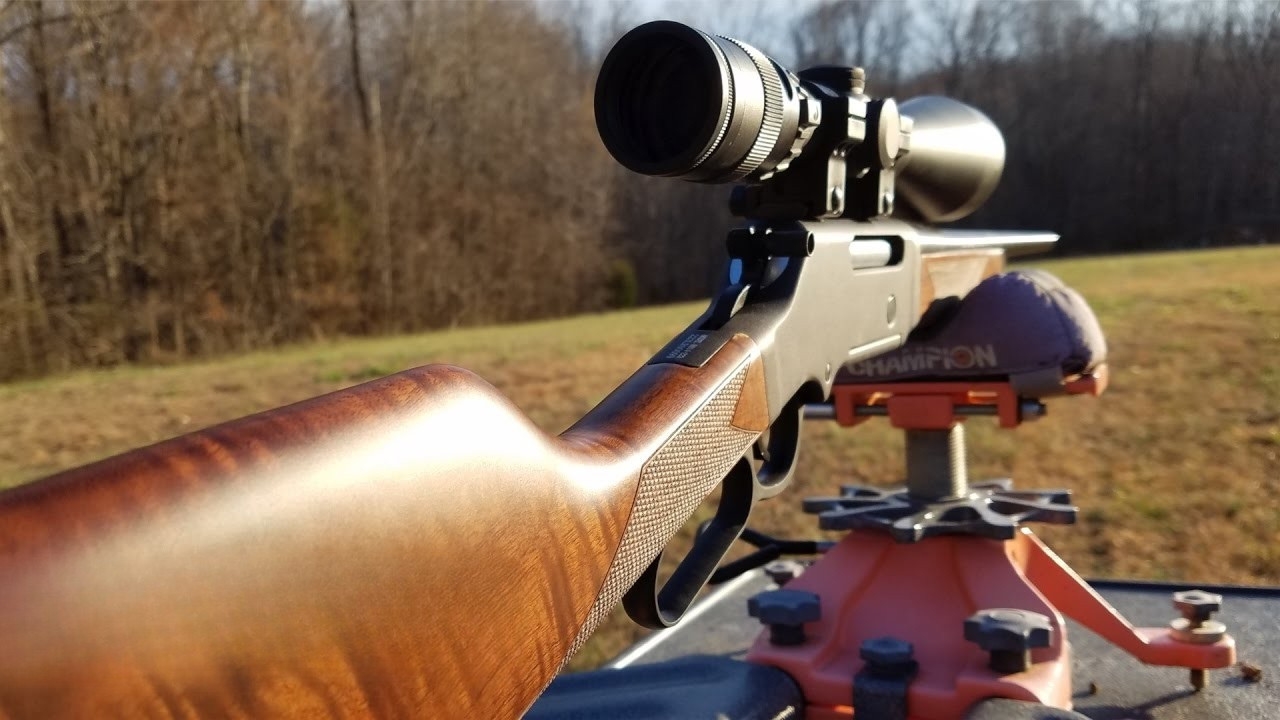
The Long Ranger appeals to me for many of the same reasons as the BLR. It gives you the handling and character of a lever rifle while using a box magazine that opens the door to modern high-velocity cartridges. That makes it much easier to justify owning more than one because each chambering can genuinely change what the rifle is capable of doing.
I would have one in a light deer cartridge, another in .308 Winchester, and probably a longer-range chambering if available in the configuration I wanted. A lever gun that can reach well beyond traditional .30-30 distances is useful enough that owning several versions does not feel redundant.
Marlin 1894
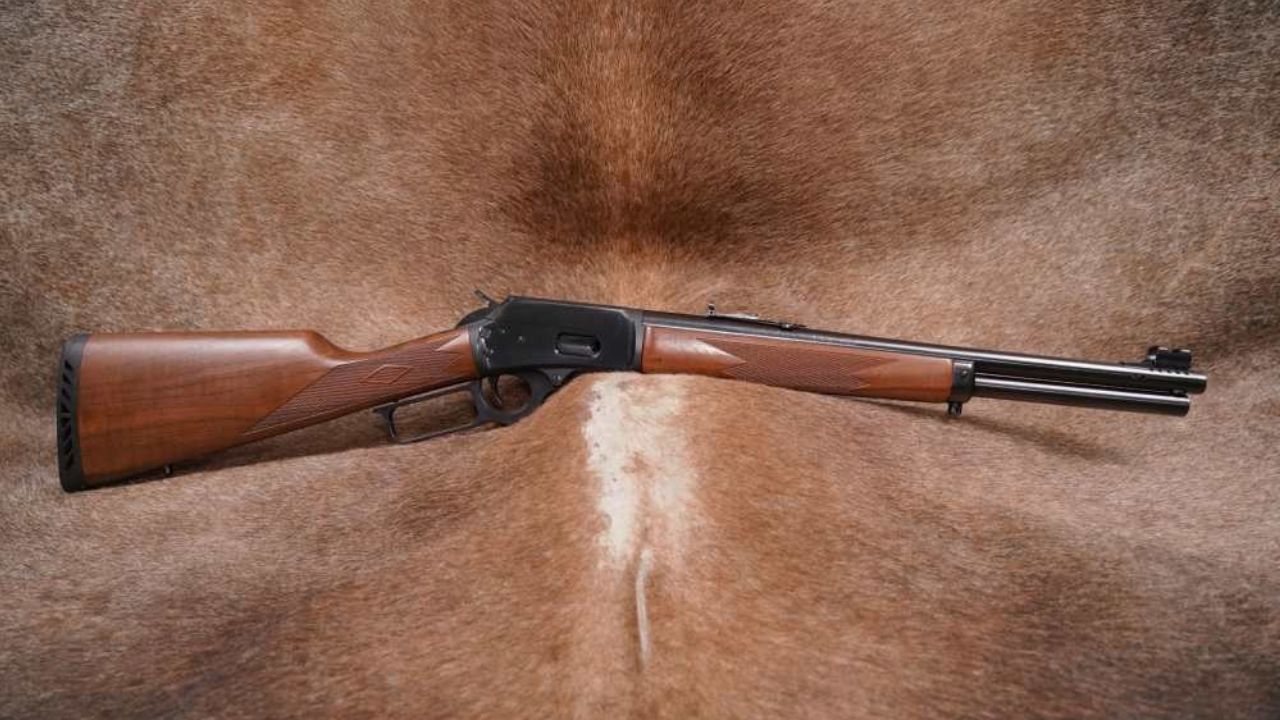
The 1894 is the rifle that would cause me the most trouble if I started collecting pistol-caliber lever guns. The same compact action works beautifully with cartridges that are inexpensive enough to shoot often yet powerful enough to be useful for hunting and property work. The rifles are short, light, easy to carry, and far more fun at the range than most serious hunting rifles.
I would absolutely want a .357 Magnum version, a .44 Magnum version, and probably any other practical chambering I could find. Each one would have a slightly different personality while keeping the same familiar handling. This is the sort of collection that could start with one rifle and become five before you noticed.
Henry Big Boy Steel
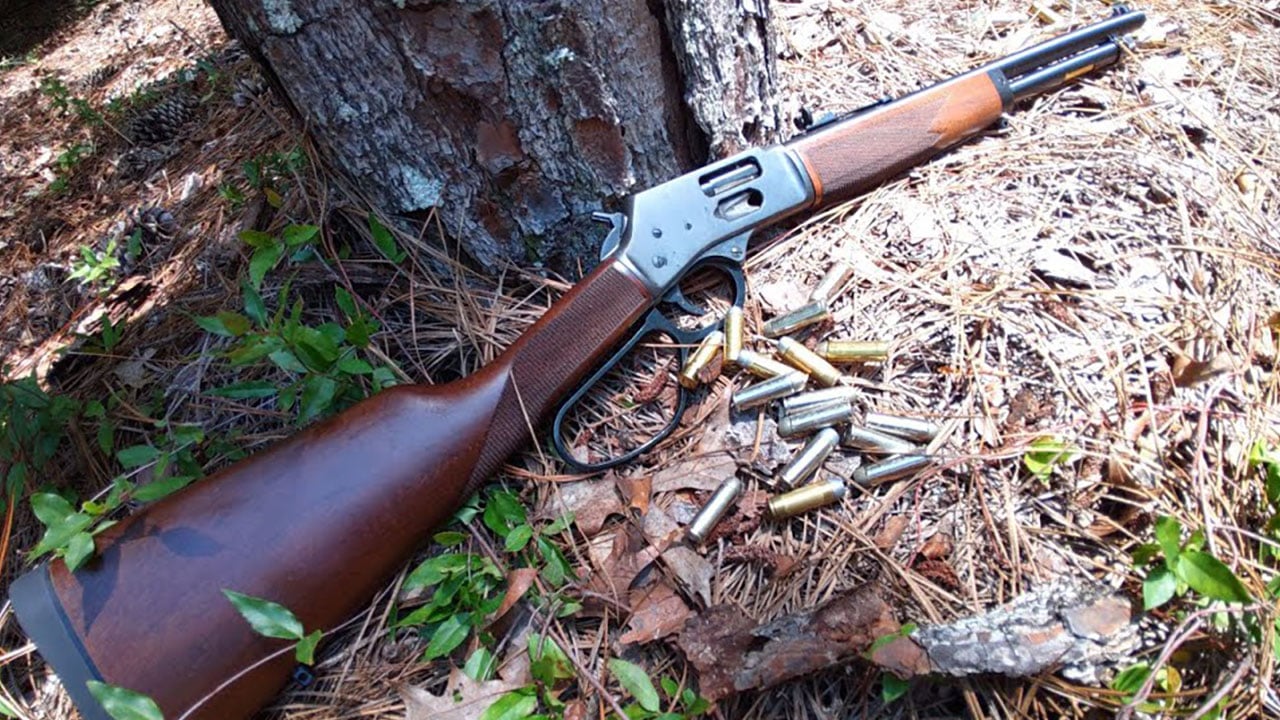
The Big Boy Steel is another platform where multiple pistol-caliber versions make perfect sense. The steel receiver keeps the rifle durable without adding the visual flash of the brass models, and the overall design is well suited to hard use in the woods or around a property. Pistol cartridges also gain enough performance from longer barrels to make the rifles genuinely useful rather than just entertaining.
A .357 version would probably see the most range time, while a .44 Magnum could handle heavier game at close range. A .45 Colt version would round out the collection for anyone who enjoys large-bore revolver cartridges. I would have a hard time choosing just one.
Ruger No. 1

If there is one rifle made for collecting by chambering, it may be the Ruger No. 1. The falling-block action is compact, strong, and elegant, and the lack of a conventional bolt action allows even long cartridges to fit into a rifle that still handles surprisingly well. Ruger has also chambered the No. 1 in an enormous variety of cartridges over the years, including plenty you rarely see anywhere else.
This is where I would stop pretending every rifle needed a practical justification. I would want ordinary deer cartridges, classic African rounds, oddball varmint chamberings, and anything else that looked interesting. A No. 1 collection could become an entire hobby by itself.
Winchester XPR
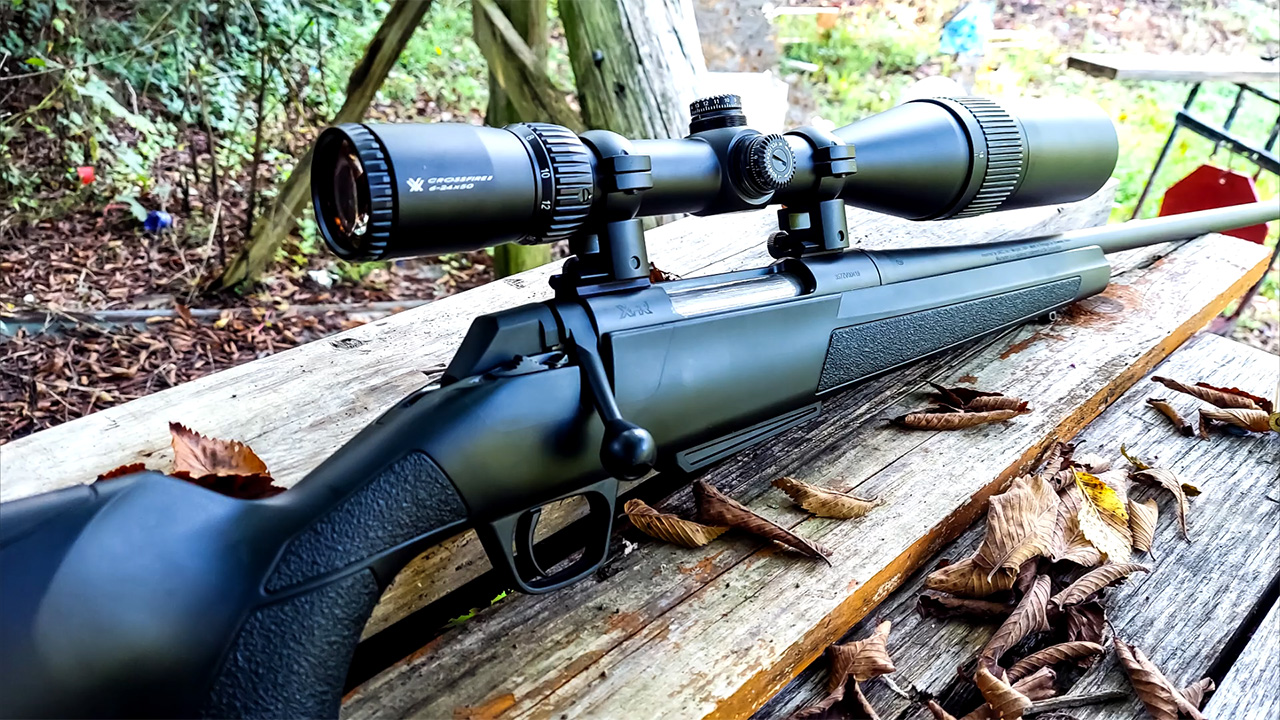
The XPR makes this list for almost the opposite reason. It is affordable, practical, and good enough that buying several chamberings would not require selling a truck. The action is straightforward, the trigger is usable, and the synthetic-stocked versions can take the kind of abuse most hunting rifles actually receive. It is not a prestige rifle, but it does the job without demanding much attention.
That makes it ideal for caliber-specific roles. One could stay set up for predators, another for deer, and another for larger game or loaner duty. Sometimes having several inexpensive rifles already sighted in for their exact job is smarter than trying to make one expensive gun do everything.
Mauser M18
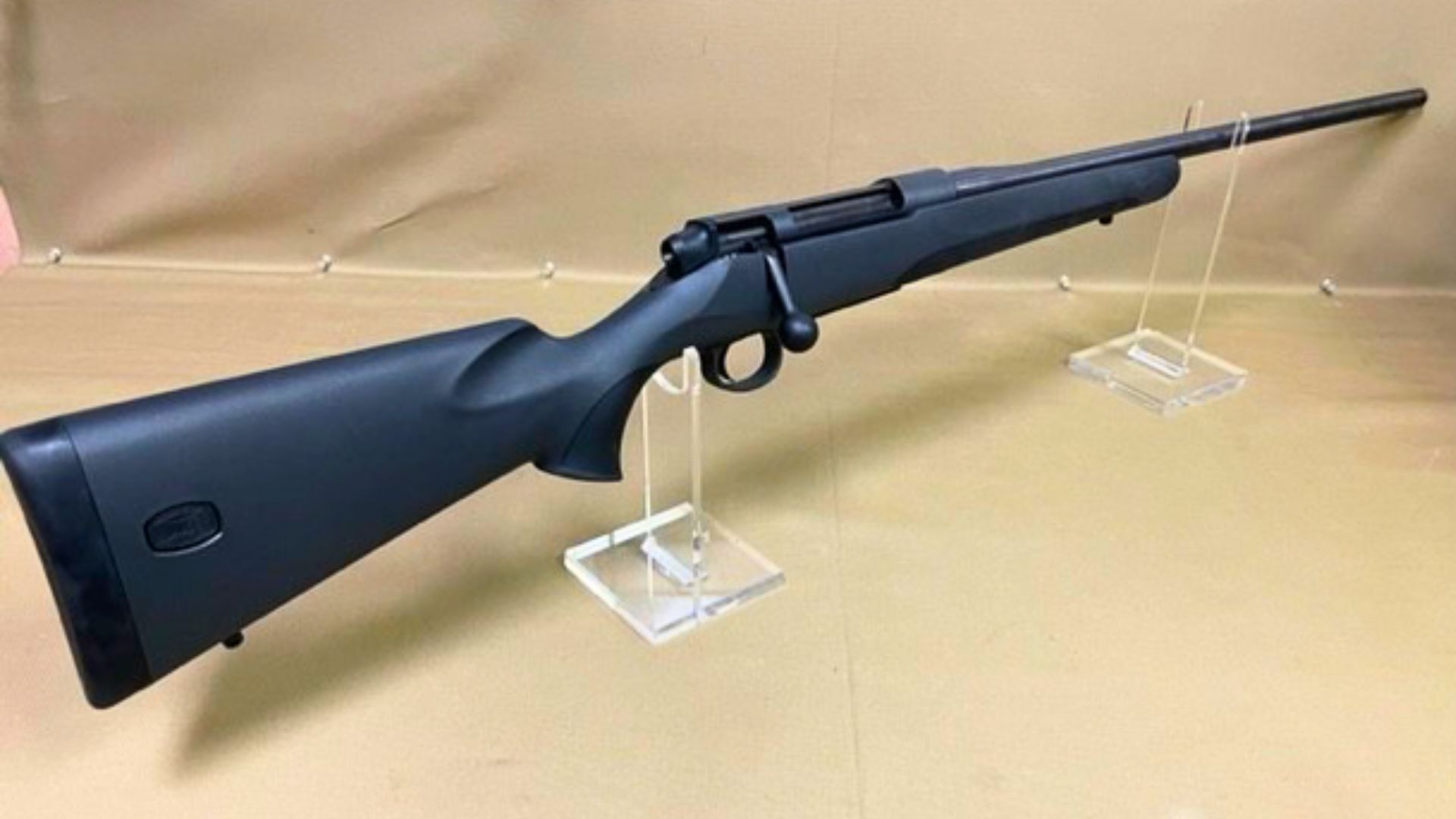
The M18 is another rifle that makes multiple ownership appealing because it gives you strong fundamentals without excessive cost. The action is smooth, the trigger is good, and the synthetic stock is built for actual hunting rather than impressing anyone at the counter. It has a distinctly European feel without requiring the owner to treat it like a luxury rifle.
I would want a light-recoiling version for deer, a .308 for general use, and a larger chambering for tougher game. Once you get used to the safety, trigger, and stock shape, having the same controls across several cartridges would be a major advantage.
Springfield Model 2020 Waypoint
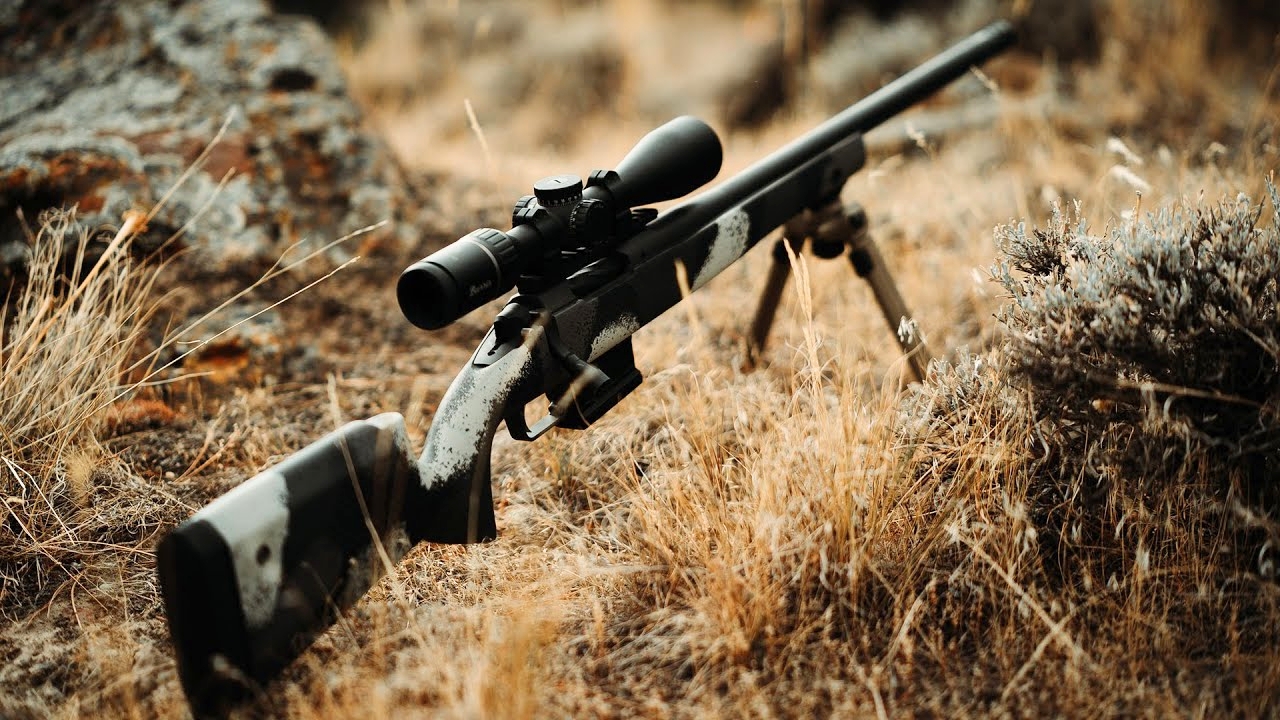
The Waypoint is expensive enough that owning every chambering would be a serious commitment, but it is also the kind of rifle that makes you understand why someone would try. The stock, barrel options, action, and overall balance create a rifle that can be light enough for hunting while still delivering the precision expected from a premium platform. It feels more like a semi-custom rifle than a basic factory bolt gun.
I would want a 6.5 Creedmoor for range work and deer, a larger short-action cartridge for tougher game, and anything else that matched the kind of terrain I hunted. If storage space and budget disappeared as concerns, a row of identical Waypoints in different chamberings would be very hard to argue against.
Like The Avid Outdoorsman’s content? Be sure to follow us.
Here’s more from us: