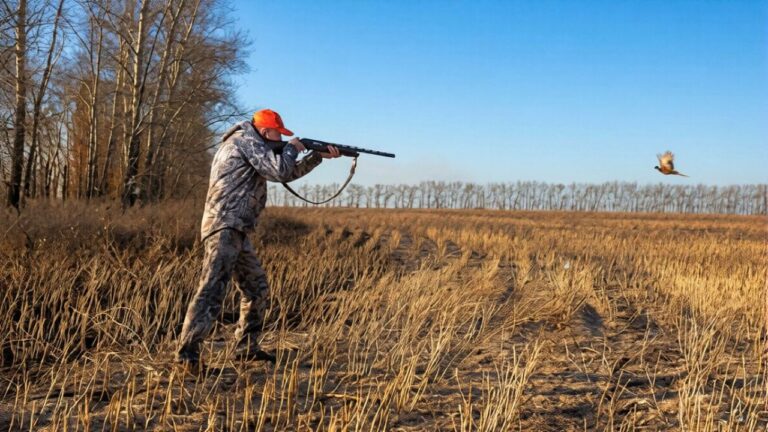
Photo credit: Rich Waite/Shutterstock.com
Every few years the hunting map gets redrawn, not by wildlife on the move, but by people. Lease prices spike. Public parcels get loved to death. A new access program shows up and suddenly everybody and their brother has OnX pins on the same ridge. Meanwhile, the serious guys—the ones who don’t talk much and don’t post much—quietly shift their “operations” to places that still have elbow room, workable tag systems, and just enough rough edges to keep crowds from piling in.
This isn’t about “secret honey holes.” It’s about states where a hunter can still put together a plan with realistic odds: decent habitat, a mix of public and private options, and regulations that aren’t designed to make you feel like you’re applying for a mortgage. Here are 20 states I keep hearing come up in truck conversations, at archery shops, and around skinning poles—places where folks are relocating hunts before the rest of the country catches up.
1. Kansas

Kansas has been a whitetail magnet for a long time, but it’s still one of the cleaner states to run a serious deer season if you’re willing to do it right. You’ve got ag ground, creek bottoms, shelterbelts, and those overlooked little parcels that don’t look like much until the rut flips the switch.
The reason operators move here is simple: consistent deer quality and a culture where landowners still understand hunting. Yes, leases can sting, and yes, access is competitive in the best counties. But if you’re willing to drive and knock, or pay for a modest lease and treat it like a business relationship, Kansas can still deliver.
2. Nebraska
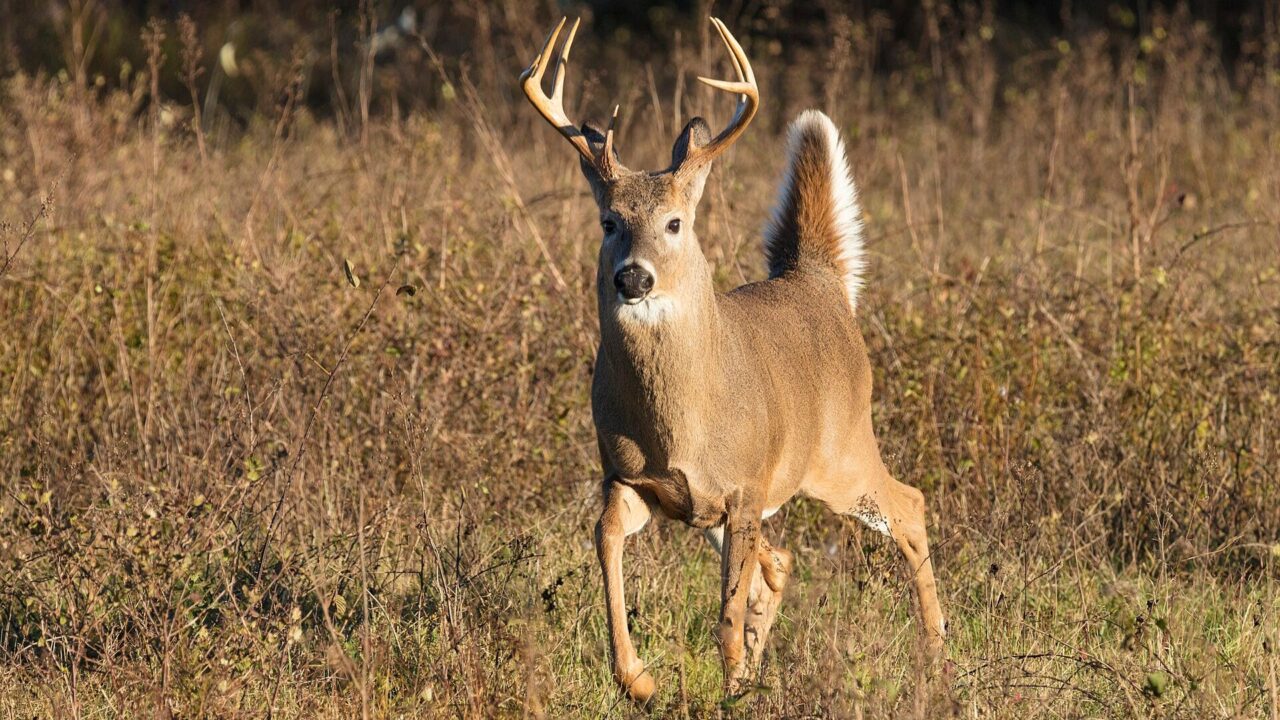
Nebraska is the quiet worker in the room. Big whitetails, mule deer out west, turkeys, and a lot of “in-between” ground that gets ignored because it doesn’t have a famous name attached to it.
What pulls serious hunters is the mix of opportunity and variety. You can glass big country one weekend and slip into river timber the next. The wind will humble you, and pressure exists, but there’s still room to hunt smart instead of fighting over the same parking spot.
3. South Dakota
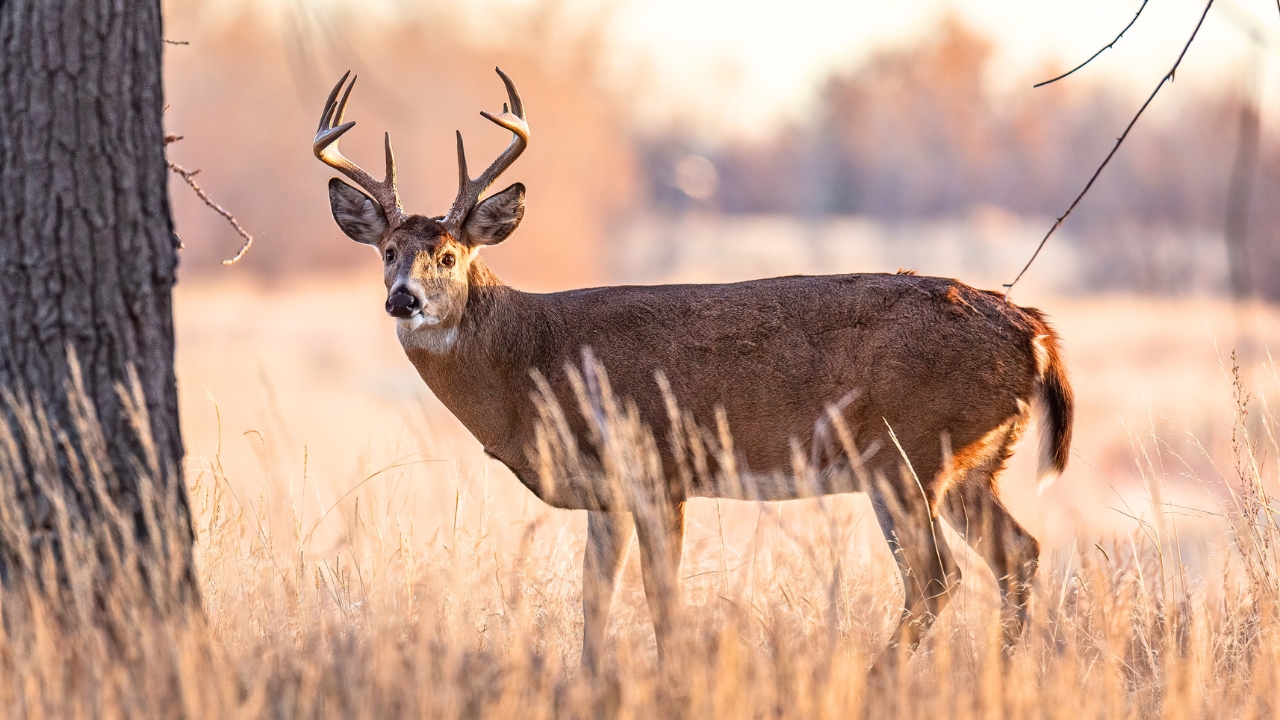
South Dakota gets pigeonholed as a pheasant state, and that’s fine—let everyone keep thinking that. The reality is you’ve got whitetails, mule deer, pronghorn, and birds, with enough public ground and access programs to keep a disciplined hunter in the game.
The draw here is the ability to build a multi-species season without living on social media. If you’re organized, you can stack scouting trips, glassing routes, and backup plans and not feel like you’re hunting in a parade.
4. North Dakota
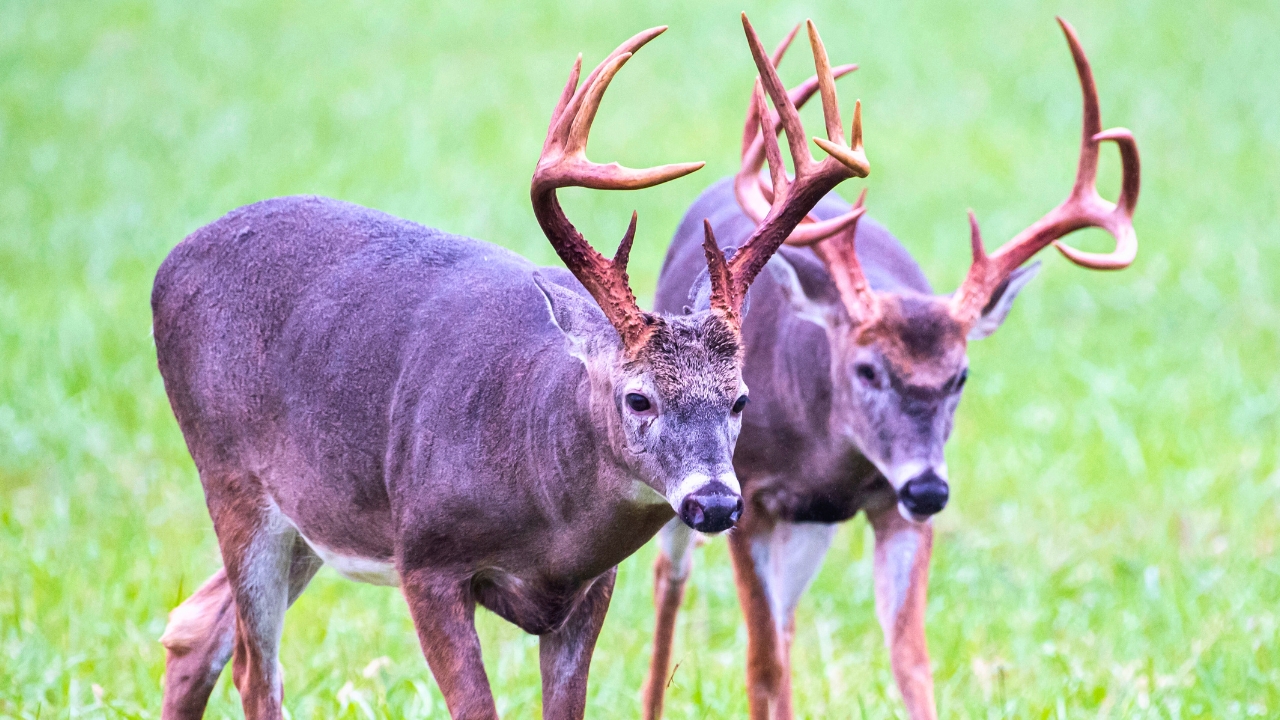
North Dakota isn’t glamorous. It’s windy, wide, and sometimes feels like it’s trying to sandblast your truck paint off. But it has deer, birds, and pockets of public ground where you can still hunt like it’s 2005.
Serious guys move into North Dakota because it rewards work. You’ll spend time behind optics. You’ll learn which section lines you can legally access and which ones will get you in trouble fast. The payoff is hunts that feel like hunts again, not managed events.
5. Iowa
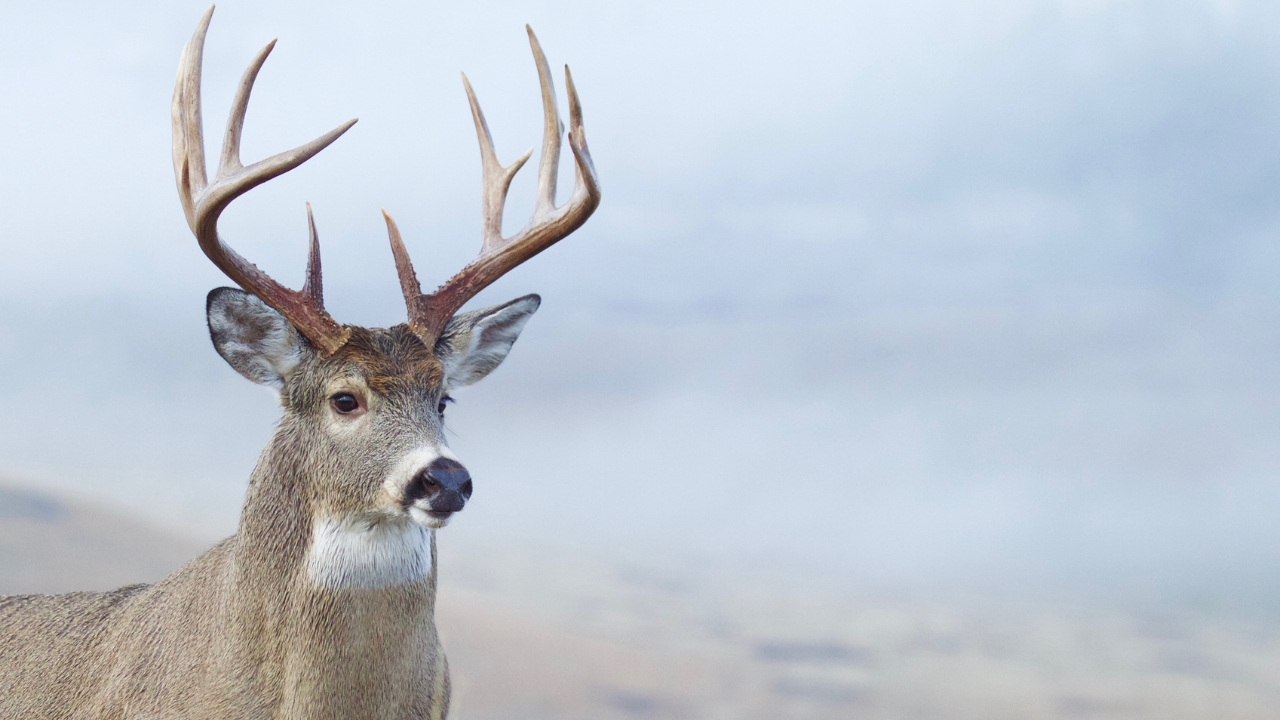
Iowa is no secret for whitetails, but the “quiet move” here is about doing it with patience and planning. Hunters who can handle a longer timeline—banking preference points, building landowner relationships, and waiting for the right year—keep investing.
When it clicks, it’s hard to beat. The terrain is sneakier than people think, and mature deer behave like mature deer. If you’re the type who’d rather hunt one good buck the right way than fling arrows at every young deer that walks by, Iowa fits.
6. Missouri
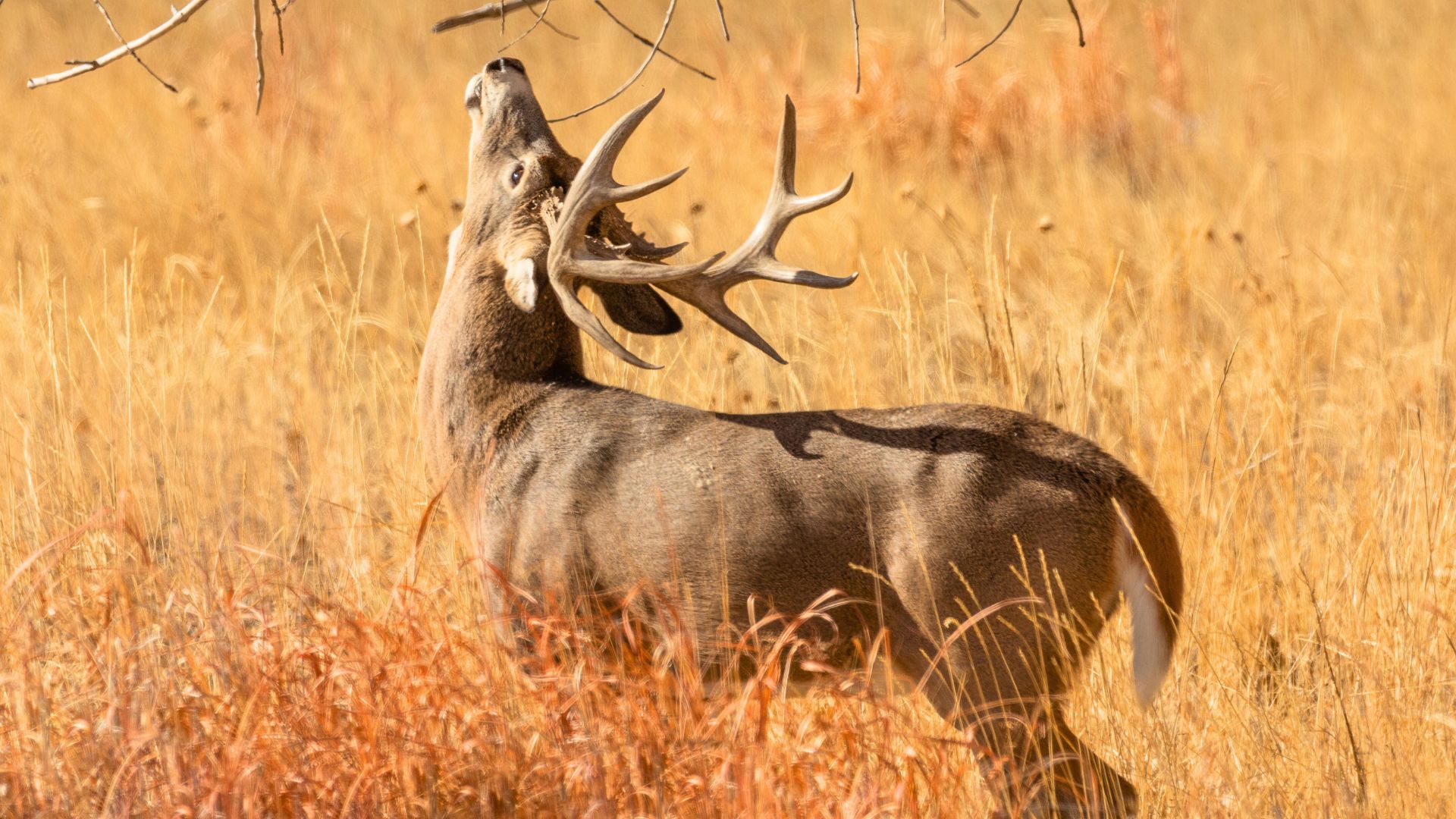
Missouri is one of those states where you can still run a full season without needing a second mortgage. There’s public land, there’s private opportunity, and there are plenty of counties where a guy can get away from the weekend circus.
The big advantage is flexibility. You can hunt deer hard, chase turkeys, and still have room to improvise when acorns fail or crops come off early. It’s not always trophy-central, but it’s steady, and steady keeps freezers full.
7. Arkansas
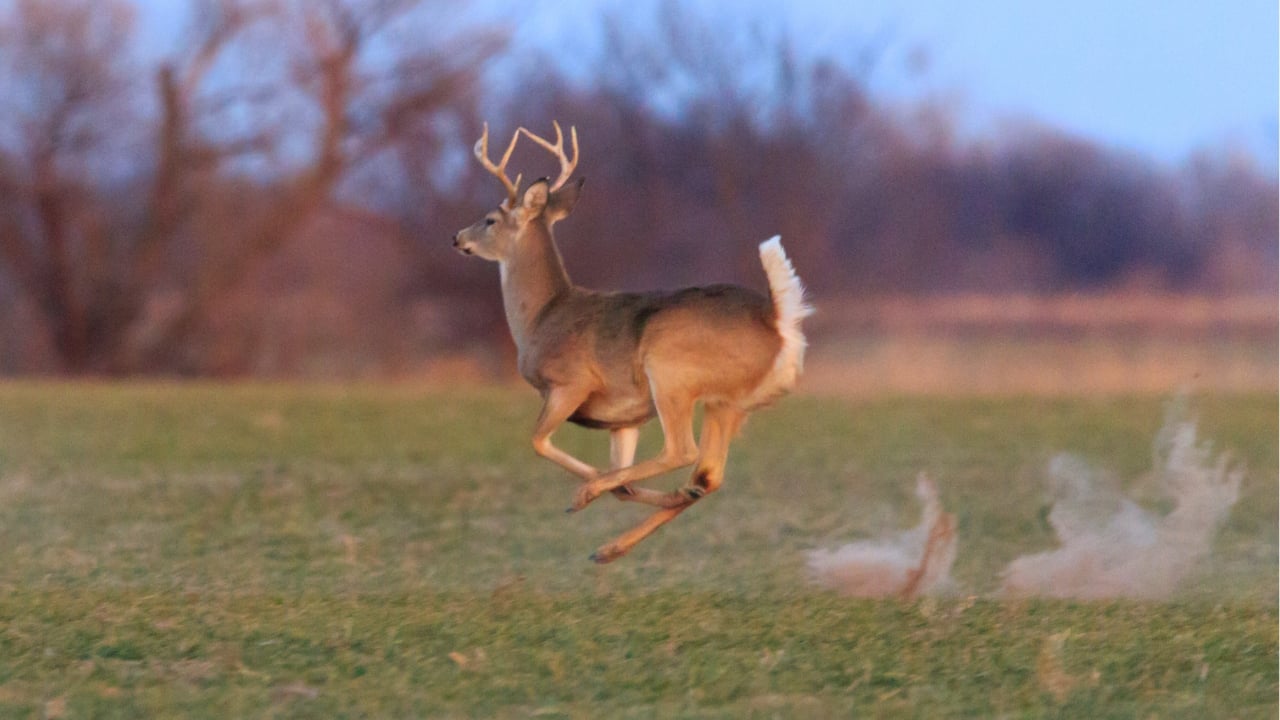
Arkansas doesn’t get enough respect from out-of-staters. The deer hunting can be legit, turkeys are part of the culture, and the public land options are bigger than people realize once you get away from the easy access points.
The reason hunters move operations here is cost and space. You can find affordable leases in places that don’t show up in highlight reels. Swamps, timber, and ridges all hunt different, and that variety keeps you learning—which keeps you lethal.
8. Mississippi
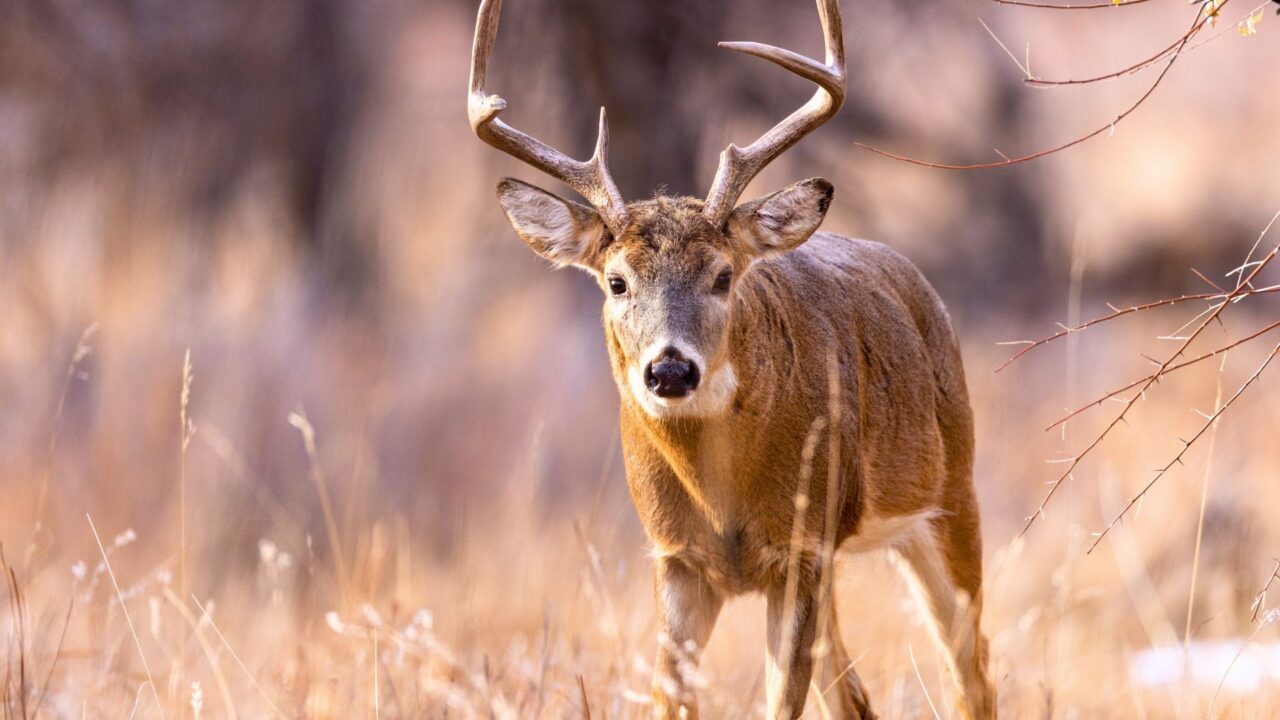
Mississippi is a whitetail state with a long season and a strong hunting tradition. Some folks only think “Delta,” but there’s plenty of other ground that grows good bucks if you manage pressure and food.
The quiet move is guys who want time. Longer seasons mean more windows to hunt around work and weather. If you’re the disciplined type who can sit when it’s right and stay out when it’s not, Mississippi gives you options.
9. Alabama

Alabama is another “season-length” play. Not everyone wants to hear that, but it matters. When you can hunt more days, you can hunt smarter days, and you don’t have to force bad sits just because you only have a one-week window.
The state also has a lot of regular, huntable deer country that doesn’t get talked about much outside the region. The pressure exists near big cities, but get a little farther out and it settles down.
10. Georgia
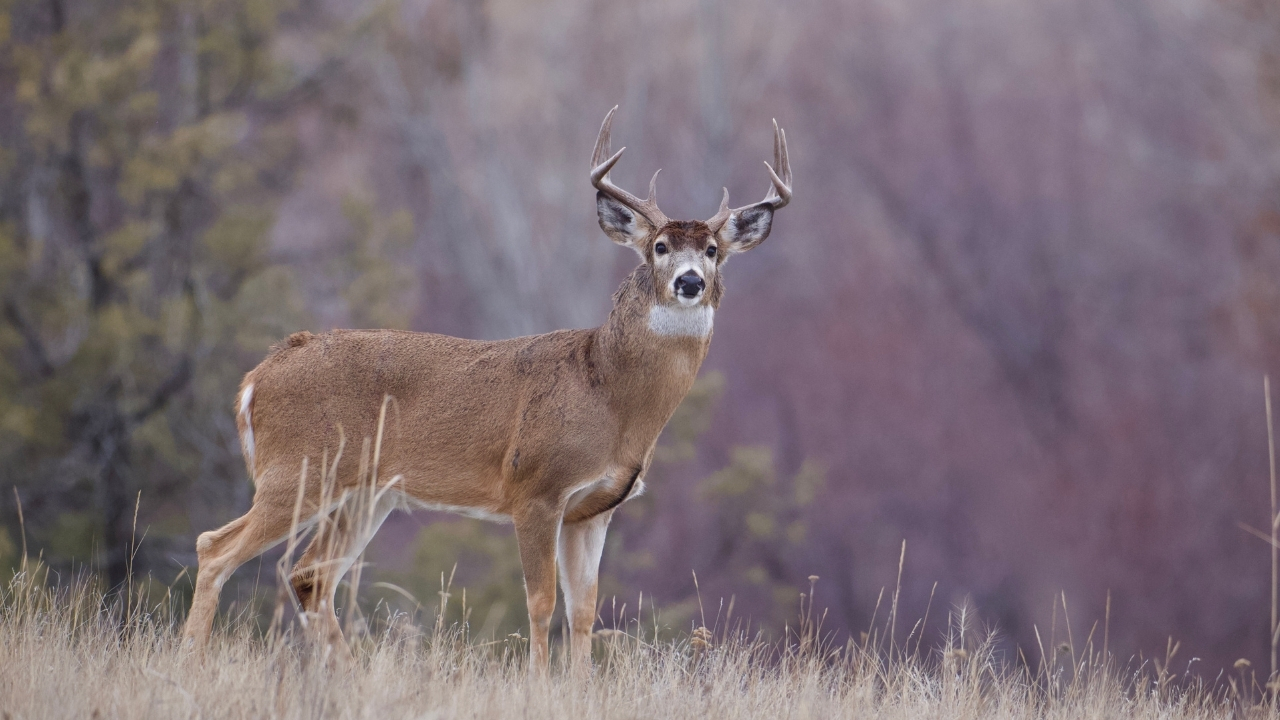
Georgia has deer, hogs, and enough public land to keep a hunter busy if he’s willing to walk. It’s not a “guaranteed giant” state, but it’s a “go hunt a lot” state, and those are different things.
The serious move here is to build a long-term rotation: a couple public parcels, maybe a small lease, and a willingness to hunt weekdays. Do that, and you’ll be shocked how quickly your odds improve.
11. Florida
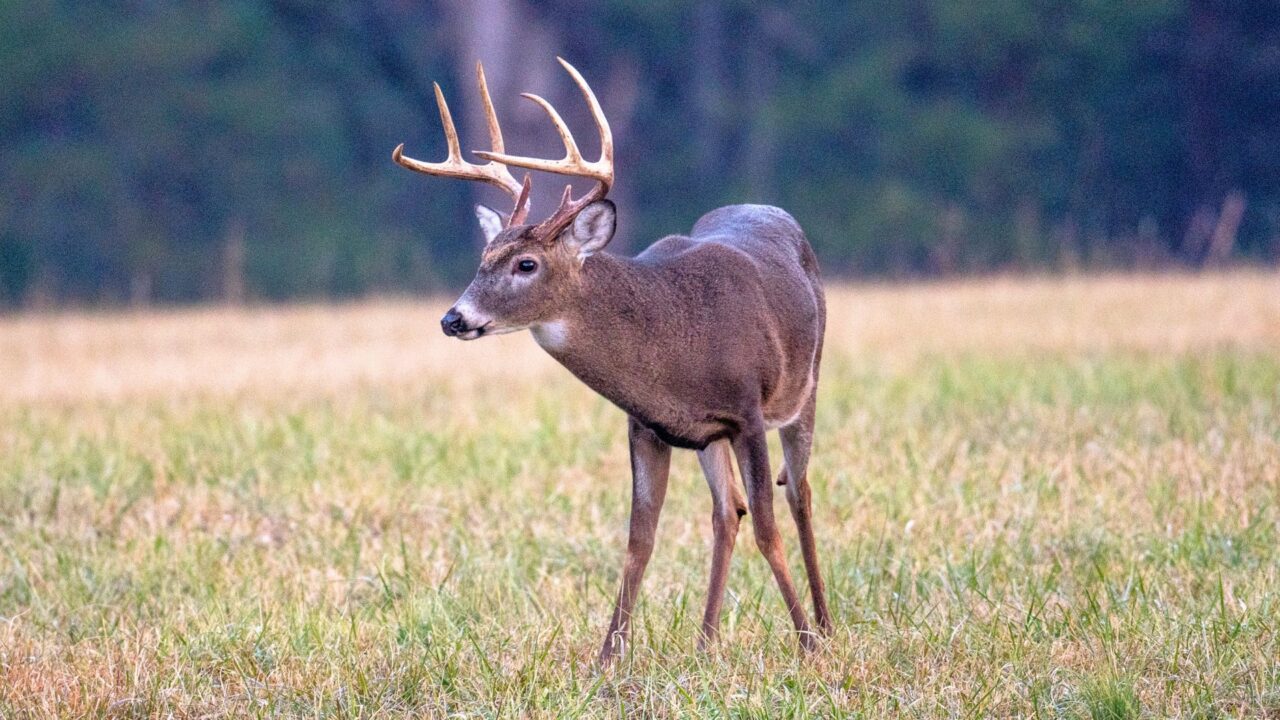
Florida sounds like a joke to some guys until they actually hunt it. Swamp deer are a different animal, public land can be productive, and the learning curve weeds out the tourists.
What draws serious hunters is the ability to hunt hard in winter when other places are iced in or closed. You’re dealing with heat, bugs, water, and thick cover. There is nothing fancy about it, and that is kind of the point.
12. Tennessee
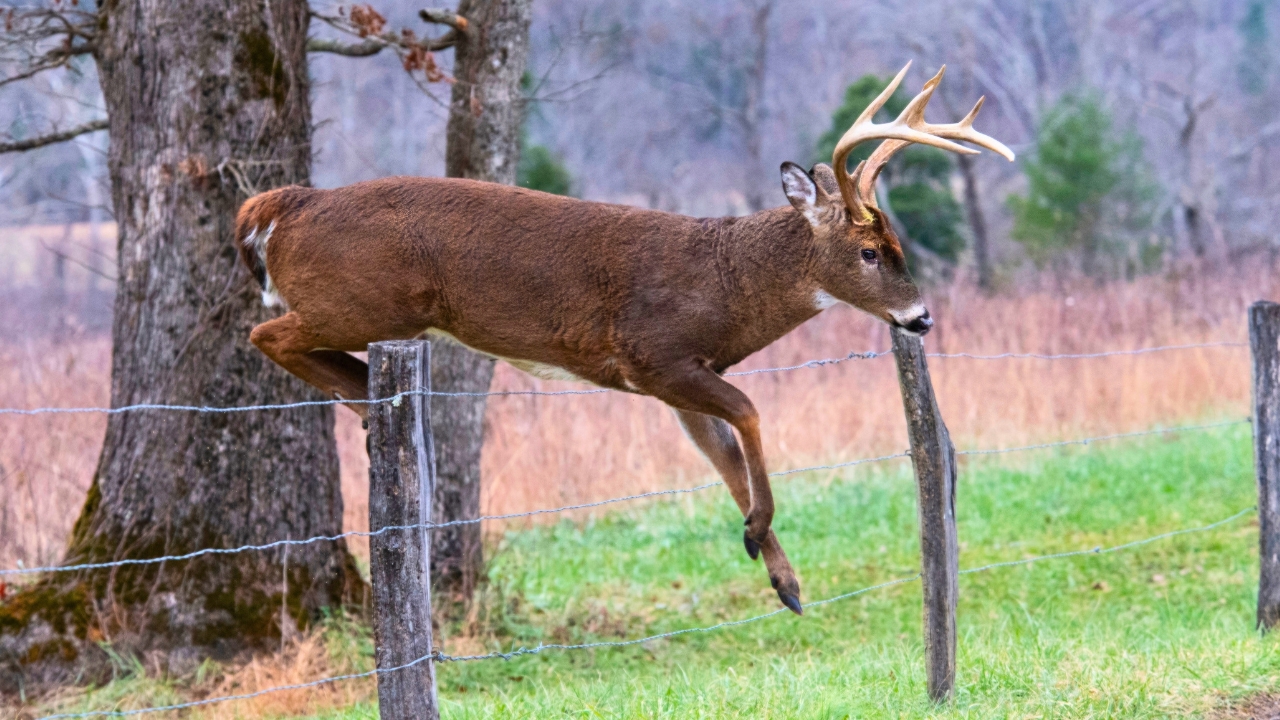
Tennessee keeps showing up because it’s workable. Deer numbers are solid, terrain ranges from river bottoms to mountains, and there’s enough public ground to build a plan if you’re not allergic to hiking.
The “quiet operation” crowd likes Tennessee for its balance. You can kill a good buck here without needing a legendary property. But you do need to stay ahead of pressure and be willing to scout like it matters.
13. Kentucky
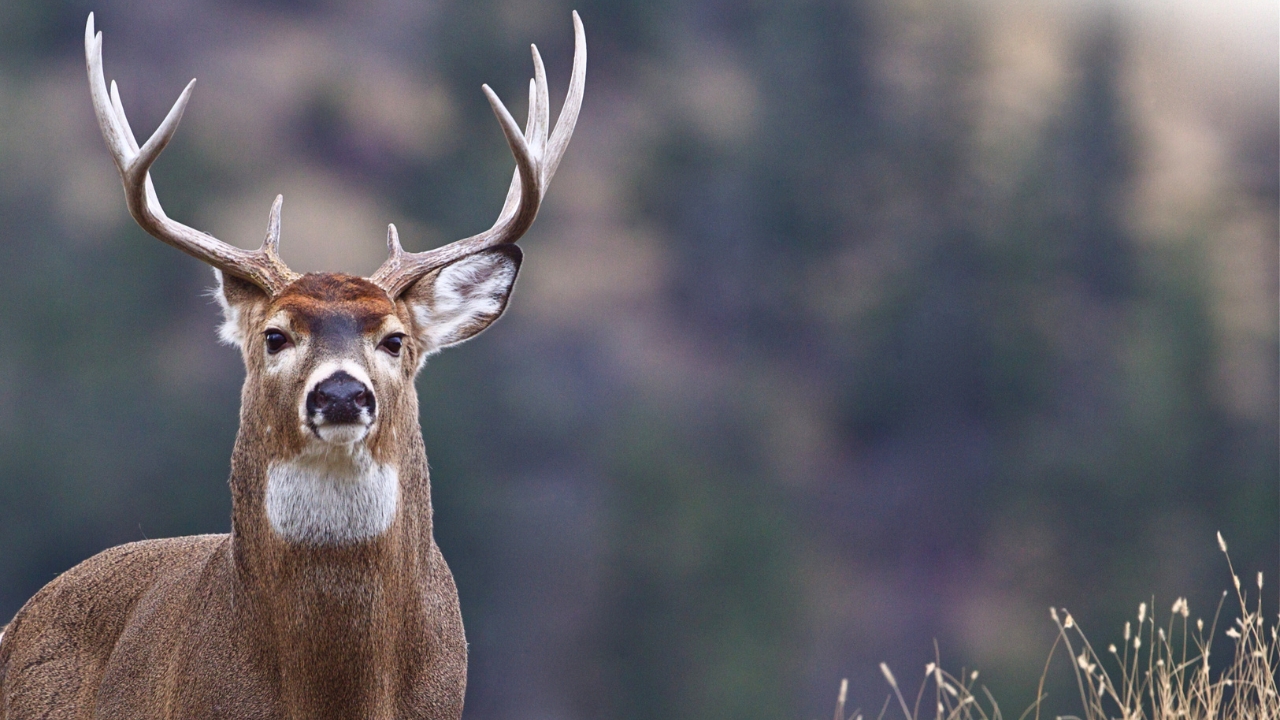
Kentucky has been producing quality bucks for years, but it still flies under the radar compared to the loudest Midwest states. There’s ag, there’s timber, and there’s a lot of edge habitat that makes deer movement predictable if you pay attention.
The move into Kentucky is often about value. Leases and land can still be more reasonable than the “brand name” states. And the hunting culture is strong enough that most folks understand boundaries and respect goes a long way.
14. West Virginia

West Virginia is steep, wooded, and not interested in making it easy on you. That’s exactly why a certain type of hunter ends up here. If you like still-hunting, tracking in snow when you get it, and hunting ridges like they’re their own counties, it fits.
Pressure exists near access points, but it thins fast when the walking starts. The deer aren’t farm-fed giants everywhere, but the hunts feel earned. Ask me how I know.
15. Pennsylvania

Pennsylvania has hunting pressure and plenty of orange in the woods, but it also has massive public land and a deep hunting tradition. The serious shift here isn’t newcomers—it’s experienced hunters moving deeper, changing tactics, and hunting smarter windows.
Big woods hunting is its own game. If you can read mast crops, understand laurel and cutovers, and keep your expectations realistic, Pennsylvania can be a very good state to “operate” in without paying lease money.
16. Michigan

Michigan is another pressure-heavy state that still keeps pulling serious hunters. Why? Because there’s a ton of public land and enough habitat variety that you can always find a new plan if your first one gets burned up.
The guys doing well here aren’t relying on magic. They’re hunting overlooked cover near roads, making quick adjustments, and getting aggressive in short windows. Michigan rewards adaptability more than just sitting a stand all season.
17. Wisconsin

Wisconsin has a reputation for both big bucks and crowded openers, and both can be true. The quiet move is hunters setting up away from the easy patterns: hunting weekdays, hunting late, hunting overlooked timber, and treating pressure like a tool instead of a problem.
If you can handle cold and you don’t mind learning public-land deer behavior, Wisconsin stays relevant. It’s not always comfortable, but comfortable doesn’t kill mature bucks very often.
18. Minnesota

Minnesota gives you room—real room. Big timber, farm country, marshes, and more water than you can shake a canoe paddle at. Deer numbers vary by region and winter severity, but the opportunity is there.
Serious hunters move into Minnesota because they can escape crowds if they’re willing to travel within the state. And if you’re the kind of person who likes to pair deer season with waterfowl or grouse, it’s hard to beat as an all-around destination.
19. Oklahoma

Oklahoma is a sleeper for whitetails and a legitimate option for hogs and other critters depending on your goals. The terrain changes fast across the state, and that keeps it from getting “samey” year after year.
What I hear most from guys who’ve shifted time into Oklahoma is that the state still feels negotiable. You can find permission if you’re respectful, you can find public that isn’t a zoo, and you can make a real plan without needing a guide.
20. Texas
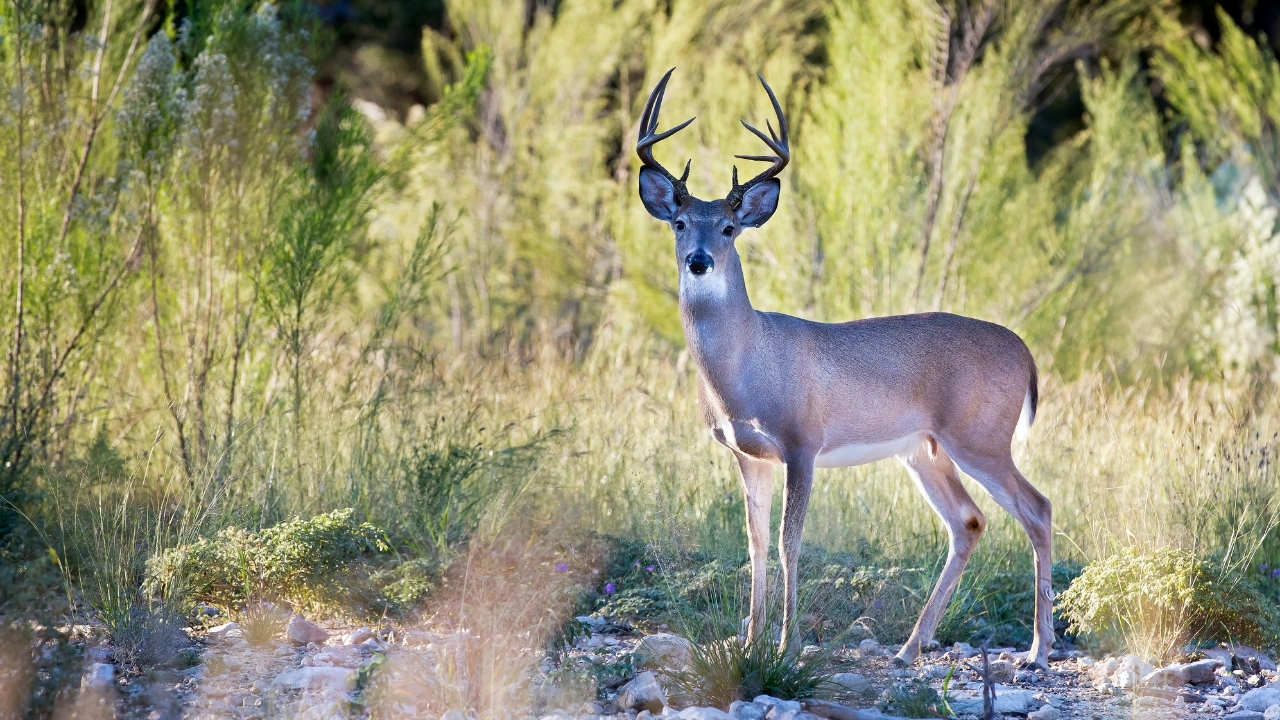
Texas is big, expensive in the wrong places, and absolutely loaded with opportunity if you know what you’re doing. The serious move isn’t everybody buying a high-fence fantasy. It’s hunters finding sensible leases, splitting them with trusted buddies, and running them like a long-term project.
You’ve got deer, hogs, exotics in some areas, and year-round things to do outdoors. The main caution is not getting starry-eyed. Have the access agreement in writing, understand the rules, and don’t assume every “great deal” stays great once the first season pressure hits.
The common thread in all 20 states isn’t that they’re untouched. None of them are. It’s that they still let a hunter win with effort instead of luck, and they still have enough access, habitat, and season structure to build a repeatable plan. If you’re thinking about shifting where you spend your time and money, do it before the crowd follows the same internet lists. And wherever you land, hunt like you live there—respect fences, respect landowners, and don’t burn good ground for a quick story.
Like The Avid Outdoorsman’s content? Be sure to follow us.
Here’s more from us: