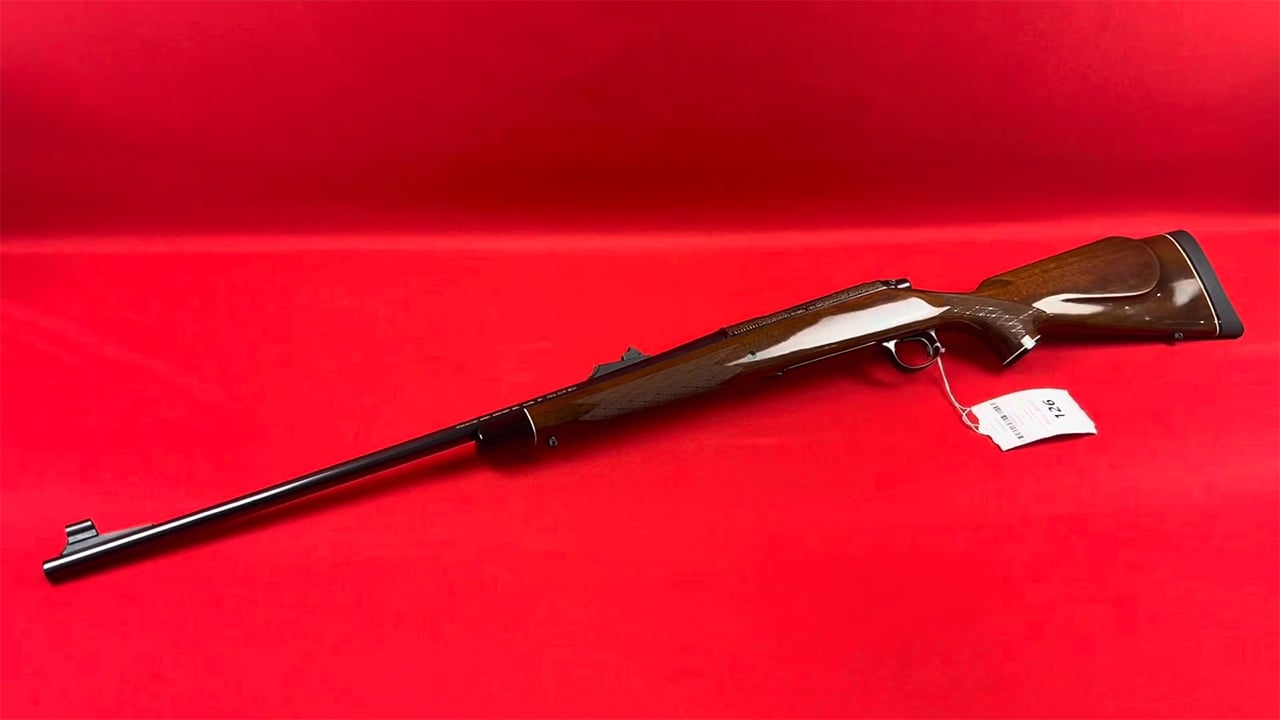
Photo credit: John Peck Auctions/Youtube
Every year the new rifles show up with fresh paint, louder marketing, and some “revolutionary” feature that’s supposedly going to change your whole season. Then opening morning rolls around, it’s cold enough to make your fingers clumsy, and the deer doesn’t care what brochure you read. That’s when hunters reach for the same familiar rifles they’ve trusted for decades.
These are the guns that keep getting carried even when the safe has newer, shinier options sitting right there. Some are classics because they’re accurate and reliable. Some are classics because they’re simple. And a few are classics because they just fit regular hunting better than the latest trend ever did.
1. Winchester Model 70 (pre-64)
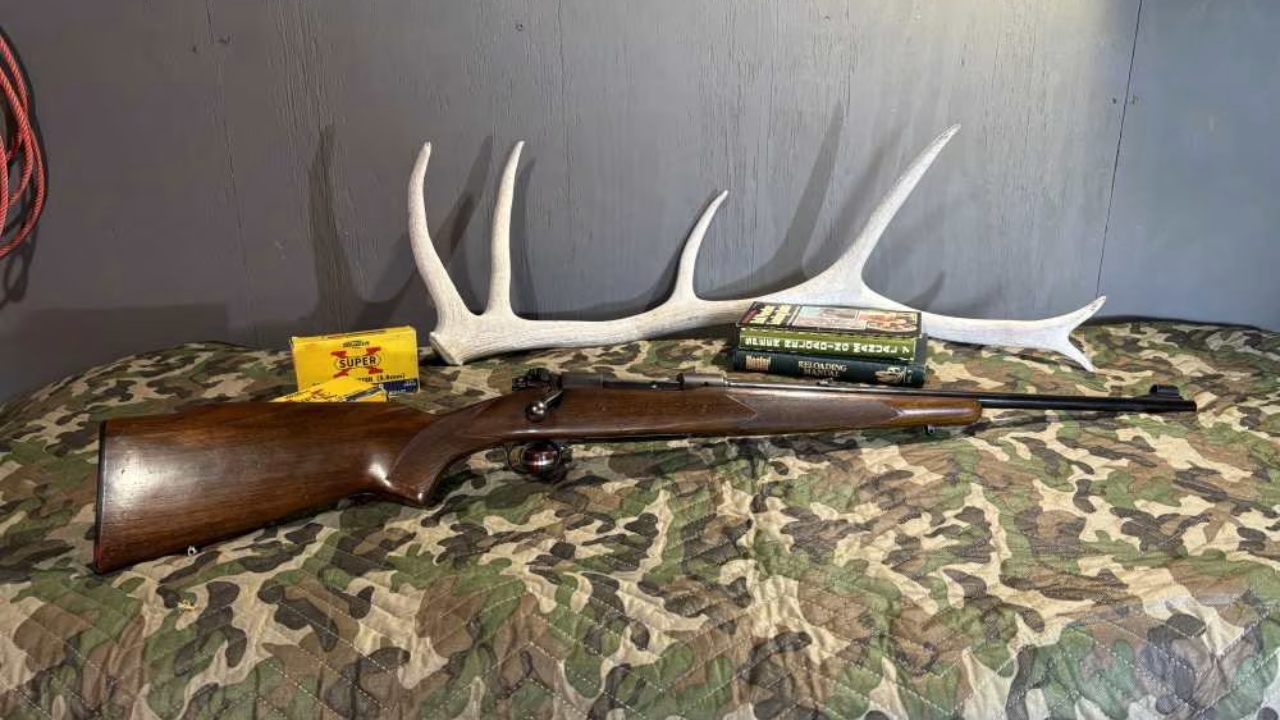
There’s a reason the “Rifleman’s Rifle” nickname stuck. The controlled-round feed and that big claw extractor feel like overkill—until you’re working the bolt fast with gloves on, in brush, when the angle is awkward and you can’t baby the action.
Is it fancy? Not really. The magic is how it carries and how it points, like it wants to settle into your shoulder the same way every time. When a rifle does that, you stop shopping.
2. Remington Model 700 (BDL and older ADL variants)
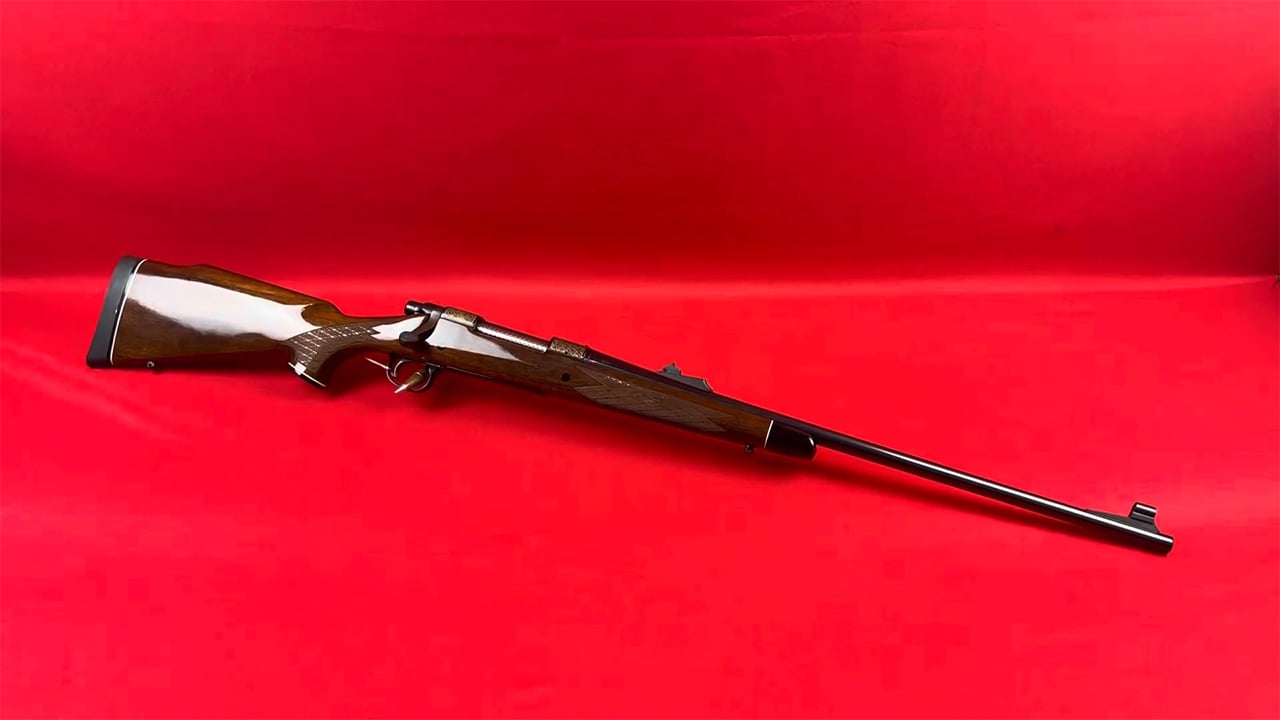
Everybody’s got an opinion about the 700, and the internet can turn it into a fight in about 30 seconds. In the real world, older 700s flat-out killed a mountain of deer, elk, and antelope because they shot well, bedded easily, and took scopes without drama.
The aftermarket is still a big deal, but the bigger deal is this: plenty of these rifles just plain shoot, even with “normal guy” loads. When you’ve got one that prints tight groups and feeds smooth, you tend to quit chasing the next thing.
3. Ruger M77 Mark II
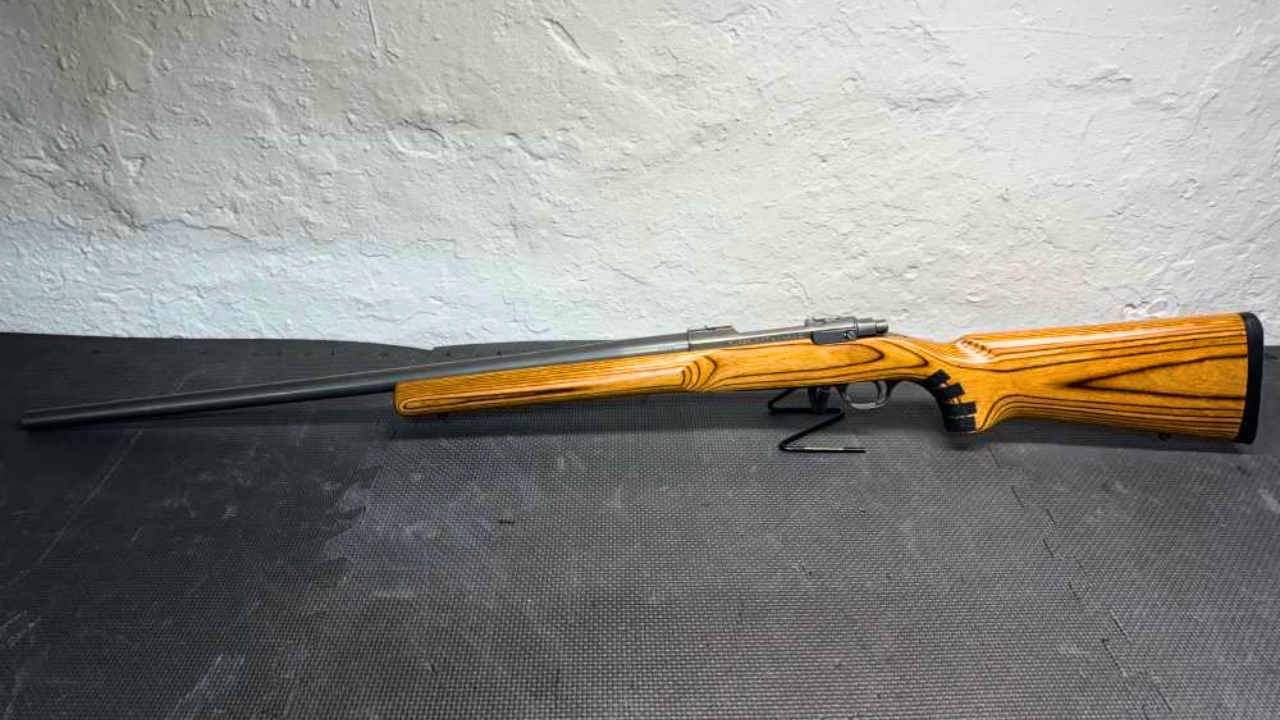
The M77 Mark II is one of those rifles that feels like it was built to be used, not admired. The controlled-round feed is comforting when the rifle is dirty, wet, or riding around in the truck for a week.
They can be a little heavier than the new featherweight stuff, but that weight isn’t wasted. It settles the rifle down, and it usually behaves with real hunting cartridges instead of feeling whippy.
4. Savage Model 110

The 110 has never been the prom king. It’s the guy that shows up, does the work, and goes home. When Savage added the AccuTrigger, a lot of average shooters suddenly had a rifle they could shoot well without paying a gunsmith.
They aren’t always pretty, and some of the older stocks feel cheap, but the accuracy-to-dollar ratio is hard to argue with. That’s why you keep seeing them at camp year after year.
5. Marlin Model 336

If you hunt timber, river bottoms, or thick hill country, the 336 makes sense in a way that a long, scoped bolt gun sometimes doesn’t. It carries flat, comes up quick, and doesn’t feel like you’re swinging a fence post in a tight lane.
In .30-30 especially, it’s the definition of “enough.” No drama, no punishment, and no need to pretend you’re taking 400-yard shots through brush.
6. Winchester Model 94

The Model 94 is light, handy, and about as honest as a hunting rifle gets. It’s not built for benchrest bragging, but it was never supposed to be. It was built to be carried, banged around, and used.
Plenty of hunters have tried replacing it with something more modern, then realize they miss how easy it is to live with. A rifle that’s pleasant to carry is a rifle that actually goes with you.
7. Browning BAR (hunting models)
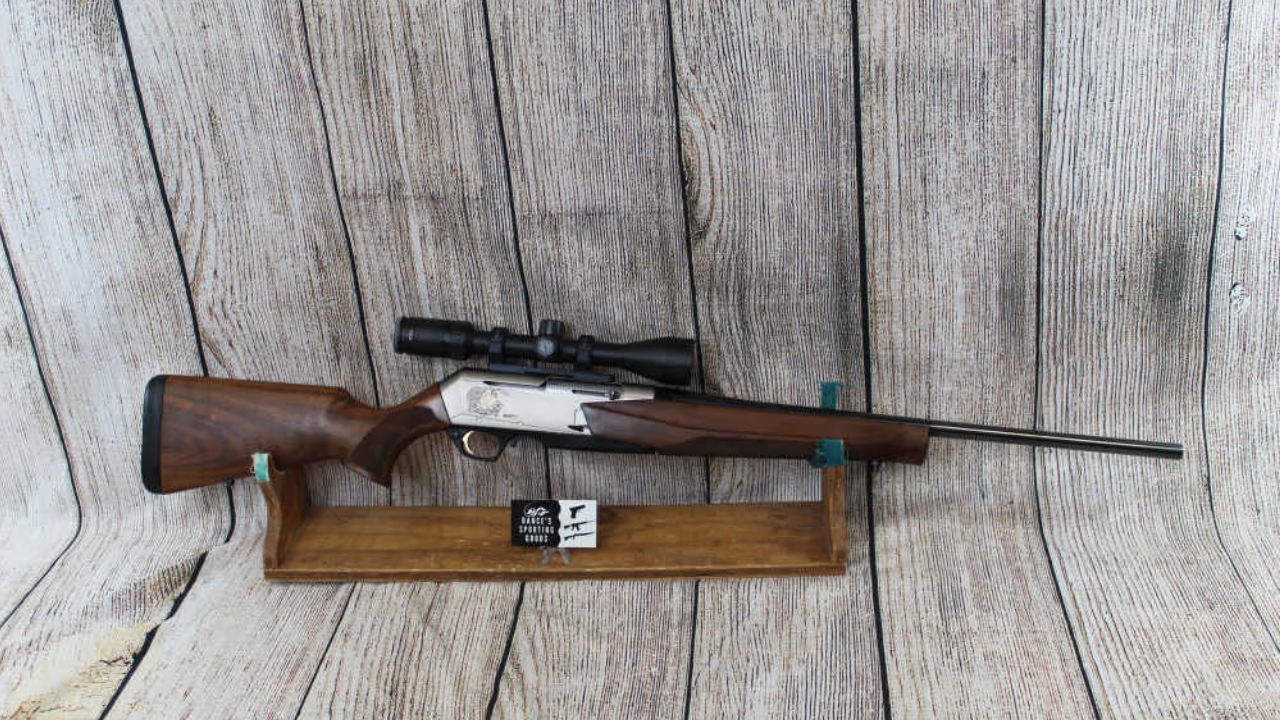
Not everybody wants a semi-auto in the deer woods, but the BAR has earned a place for the folks who do. It soaks up recoil, runs smooth, and it’s one of the few hunting autoloaders that doesn’t feel like it’s cutting corners.
They’re not light, and they’re not cheap, but they’re steady offhand and forgiving when a quick second shot is the difference between a short track job and a long one.
8. Ruger No. 1

A single-shot falling-block rifle should feel outdated on paper. Then you carry a Ruger No. 1 and realize how compact it is for the barrel length, and how solid it feels when you close it up. It’s simple in the best way.
It also forces a certain kind of discipline. One shot, make it count. Hunters who like that mindset tend to stick with it and stop caring what the latest repeating rifle is doing.
9. CZ 550

The CZ 550 has that old-world “built like a rifle” feel, with a controlled-round feed action and a stock profile that fits a lot of shooters. The set trigger feature on many of them is one of those things you don’t think you need—until you’ve used it from a steady rest.
They can be a bit chunky, and they’re not as common now, which is exactly why owners hang onto them. A good one is hard to replace without spending more than you planned.
10. Tikka T3 (and T3x)
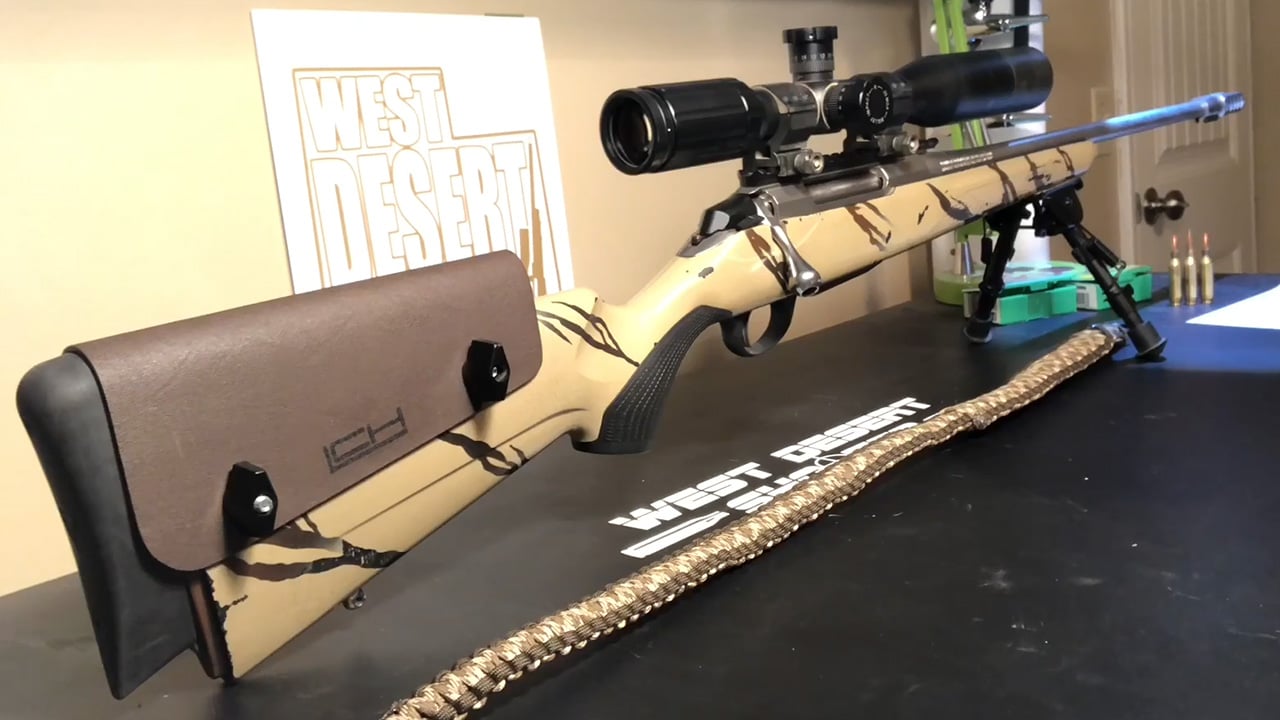
Here’s the “newer” rifle that still makes the list, because it’s been quietly embarrassing more expensive rifles for a long time. The bolt lift is smooth, the barrels usually shoot, and the whole package is light without feeling flimsy.
Some guys gripe about polymer parts and the feel of the magazines. Fair. But in the field, they work, and they carry like a dream in steep country.
11. Sako 85
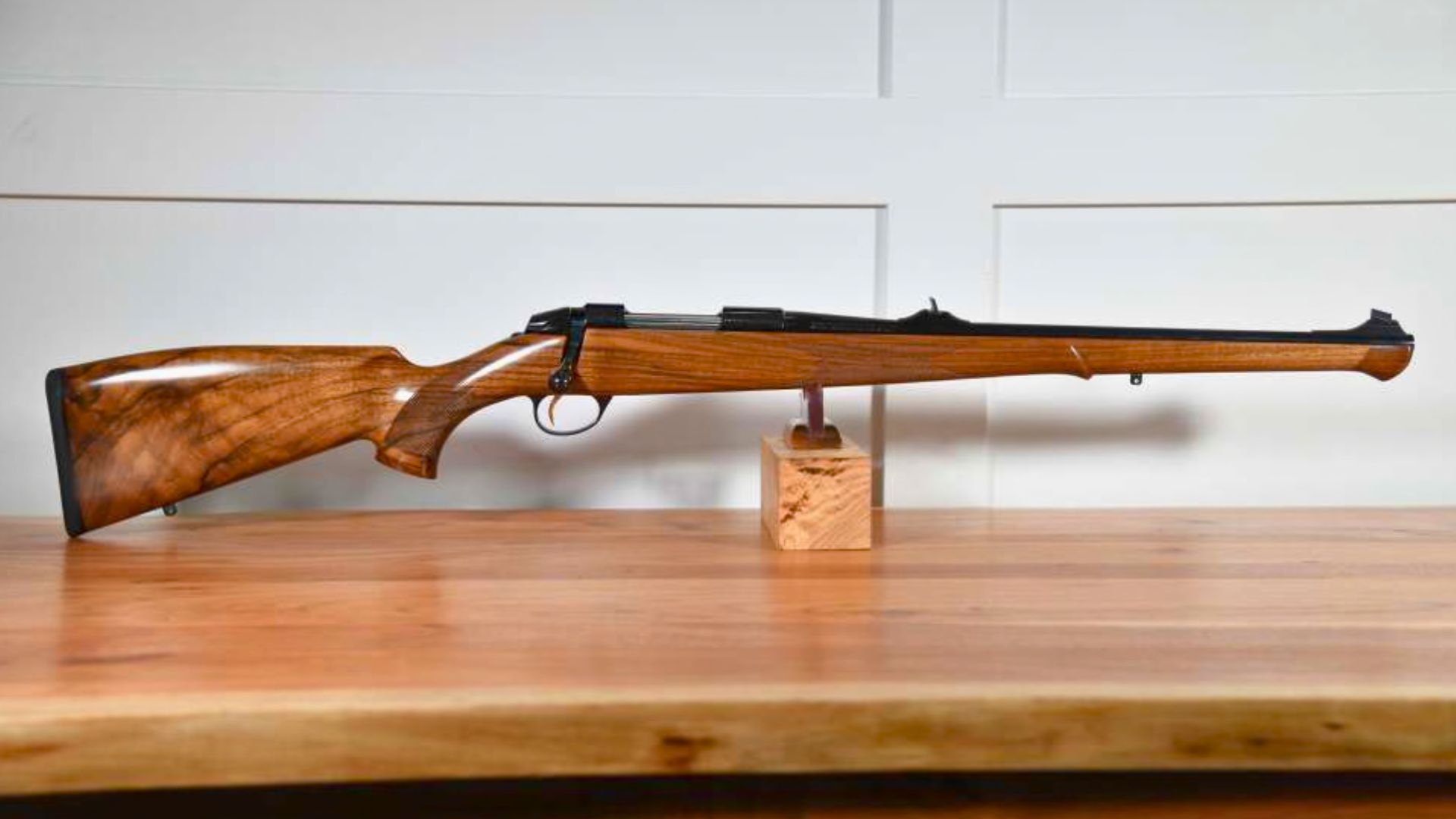
Sako rifles have a way of spoiling you. The action feels precise, the feeding is slick, and everything fits like it was built by someone who cares about details you don’t notice until they’re missing.
They’re pricey, and that’s the point. Owners aren’t constantly trading them off because they already bought the “nice rifle” and found out it actually performs like one.
12. Weatherby Mark V

The Mark V is tied to magnum hunting in a lot of minds, and those classic Weatherby cartridges still have a loyal following. But even beyond speed, the rifles tend to be strong, smooth, and finished well.
They aren’t for the guy counting ounces, and a hot magnum can be a lot from field positions. Still, if you’ve got one that fits you and you’ve put in the range time, it’s hard to feel undergunned anywhere.
13. Springfield Armory M1A (Standard)

The M1A isn’t the lightest or the cheapest way to launch .308, and it’s not as modular as modern rifles. What it is, though, is a rifle that balances well, points naturally, and has a trigger feel a lot of hunters like.
For hogs, for the occasional bear bait setup, or for a do-it-all “country rifle,” it can make a lot of sense. It’s also one of those guns that owners bond with, quirks and all.
14. Ruger Mini-14 (Ranch Rifle)
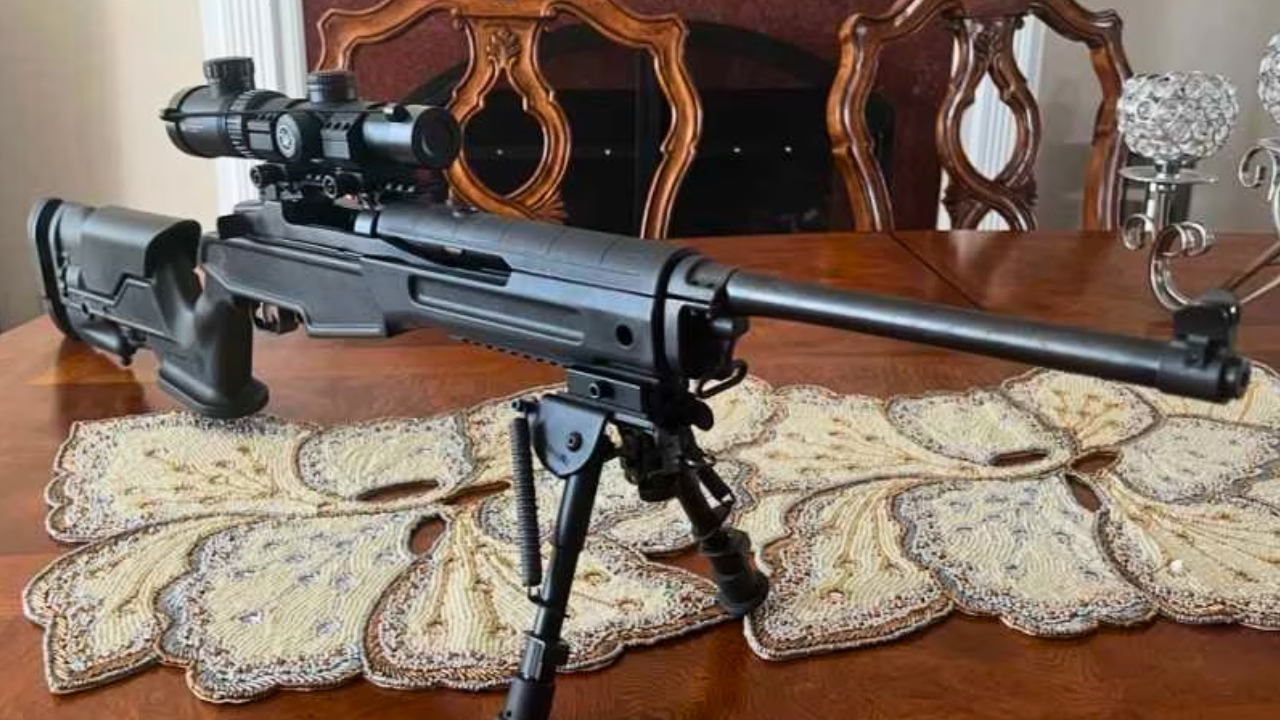
The Mini-14 gets underestimated because it’s not trying to be a bench gun. It’s a practical ranch and woods rifle that’s easy to carry and quick to shoulder. For coyotes, farm defense, and general knocking around, it’s been doing the job for a long time.
Newer tactical options might outshine it on paper, but the Mini’s simple manual of arms and traditional feel keeps it relevant. Plus, it’s the kind of rifle you’ll actually grab when you hear something in the barnyard.
15. Remington Model 870 (Wingmaster)

Yes, it’s a shotgun, but it’s still a “rifle replacement” for a lot of hunters in slug states and thick cover. A good Wingmaster cycles like it’s on rails, and it just feels right in the hands.
When you’ve carried one for years, the safety, the balance, the way it mounts—none of it requires thought. That familiarity matters when a buck jumps out at 30 yards and you’ve got one second to do it clean.
16. Mossberg 500 (rifled slug barrel setups)
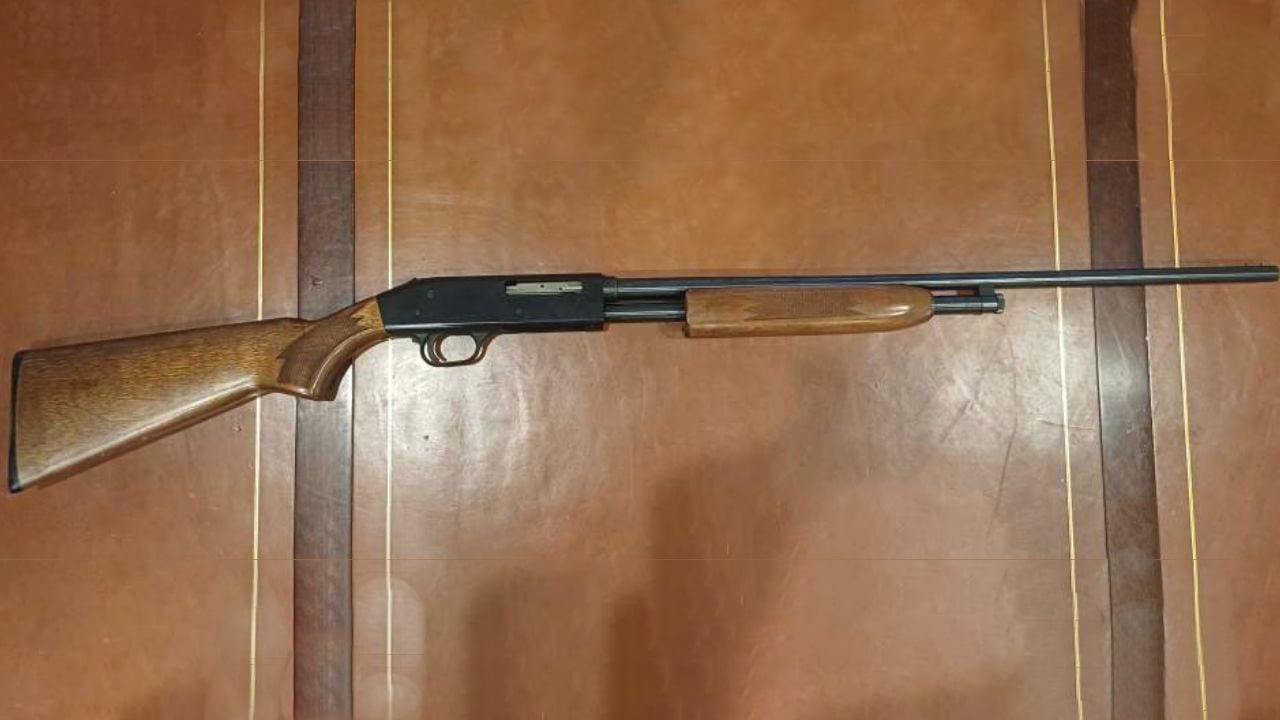
The 500 is not fancy. The finish can wear, and the fore-end has a different feel than some other pumps. But it runs, it’s easy to keep going, and the modular barrel setup makes it a legitimate “one gun for a lot of seasons” tool.
With a rifled barrel and decent sabot slugs, plenty of these guns shoot better than their owners expect. That surprise accuracy creates loyalty fast.
17. Ruger 10/22

Every hunter I know has some version of a .22 story—first squirrel, first rabbit, first tin can that didn’t stand a chance. The 10/22 sticks around because it’s reliable, magazines are everywhere, and it’s easy for new shooters to learn on.
You can modify them until they’re unrecognizable, or you can leave them bone stock and just use them. Either way, a 10/22 ends up being the rifle that’s always “by the back door.”
18. Marlin Model 39A

The 39A is one of those rifles that makes you slow down and appreciate good machining. The action is smooth, the rifle has real heft for a rimfire, and it feels like it was built when companies expected their products to be handed down.
They’re not cheap anymore, and that one hurts for anyone who sold theirs thinking they’d just buy another later. If you’ve got a good 39A, there’s no reason to get rid of it.
19. Remington Model 760/7600 (pump rifle)

Pump rifles don’t get enough respect until you hunt thick country where fast follow-ups are normal and shots are inside 100 yards. The 760/7600 points like a shotgun, and if you grew up on a pump, it feels natural immediately.
They’re also handy for folks who want a familiar action across seasons—bird gun in the fall, pump rifle for deer. The magazines and parts aren’t as everywhere as they used to be, which is why the good ones get kept.
20. Winchester Model 12 (heavy field and deer setups)
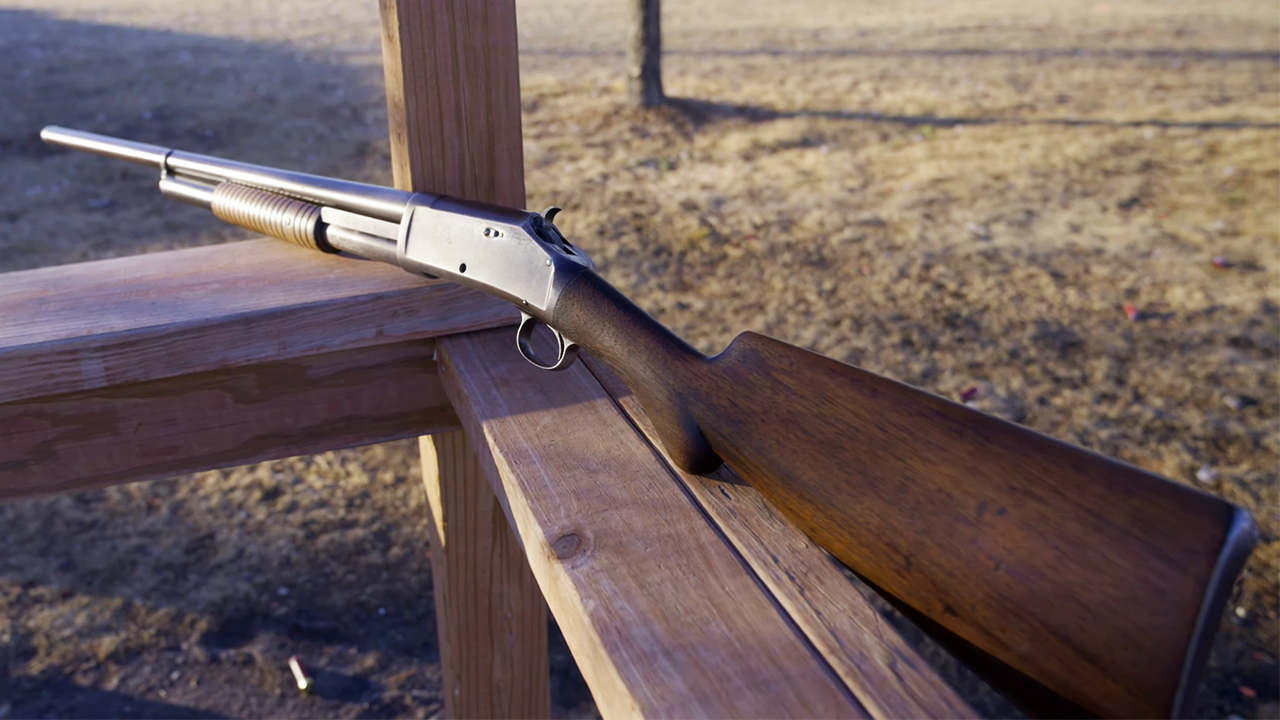
The Model 12 is another shotgun sneaking into a rifle conversation because it’s still filling tags where rifles don’t. A well-worn Model 12 has a feel that’s hard to duplicate, and the action has a smoothness newer guns rarely match.
It’s heavier than many modern pumps, sure. But that weight swings steady, and in cold weather it doesn’t feel like it’s going to rattle itself apart. There is nothing fancy about it, and that is kind of the point.
New rifles are fun. I like new gear as much as the next guy. But a hunting season has a way of stripping things down to what actually works when you’re tired, cold, and trying to do the right thing fast. If you’ve got one of these older standbys that fits you and shoots straight, I wouldn’t be quick to let it go. Ask me how I know.
Like The Avid Outdoorsman’s content? Be sure to follow us.
Here’s more from us: