Photo credit: 22plinkster/YouTube
Some pistols look perfect on paper until you start shooting them. A tiny frame, light slide, and short grip make concealed carry easier, but those same features can concentrate recoil into a much sharper impulse. A 9mm cartridge that feels almost boring through a full-size steel pistol can suddenly become surprisingly unpleasant when fired through a 17-ounce micro-compact.
If you dislike snappy recoil, I would stop chasing minimum dimensions and let the gun do more of the work. Extra weight, a longer grip, lower bore axis, rotating-barrel systems, and softer cartridges can make an enormous difference. None of the pistols below eliminate recoil completely, but they spread it out or reduce it enough that longer practice sessions become considerably more enjoyable. These are the guns I would look at first for someone who wants shooting to feel smooth rather than violent.
Beretta 92X Full Size
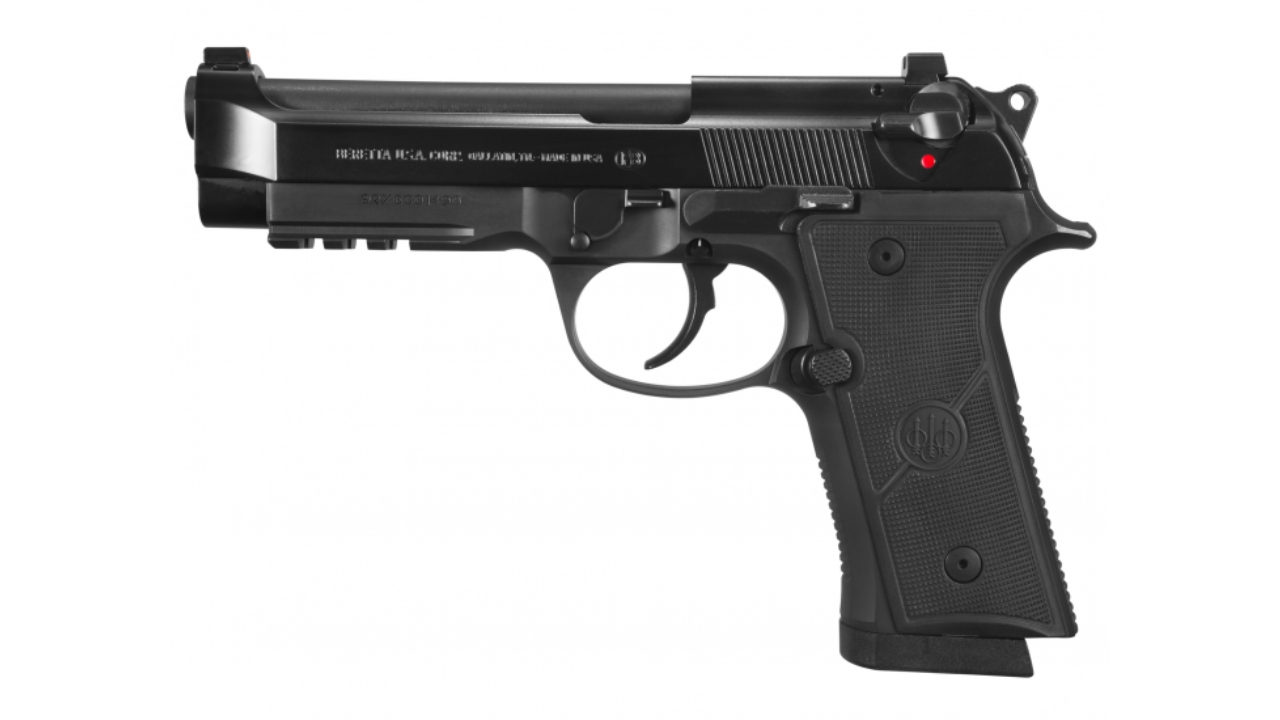
The Beretta 92 has always been one of my favorite answers for shooters who complain that 9mm feels sharp. The full-size aluminum frame provides real weight, the long slide spreads everything out, and Beretta’s locking-block system produces a recoil impulse that feels more like a gentle rearward push than the quick snap associated with many polymer compacts. The large grip also gives your support hand plenty of surface area to control.
The 92X improves the basic package with a more adaptable grip shape and modern controls while retaining the qualities that made the original 92 such an easy pistol to shoot. It is large for concealed carry, but that is exactly why it works here. If comfort matters more than shaving ounces, the 92X makes ordinary 9mm ammunition feel extremely mild.
CZ Shadow 2

If recoil comfort is the goal and carrying the gun is not the priority, the Shadow 2 is almost unfair. Its all-steel frame gives the pistol substantial mass, while the extended dust cover places plenty of that weight toward the muzzle. CZ’s low slide arrangement also keeps the bore relatively close to the shooter’s hand, reducing muzzle movement during rapid fire.
The result is a 9mm that barely seems interested in recoiling. You still feel the gun cycle, but the impulse is extremely controlled and the sights settle quickly. The Shadow 2 was built with competition in mind, so carrying it all day would be unnecessary punishment. On the range, that same weight becomes exactly what a recoil-sensitive shooter wants. Few conventional production 9mms make full-power ammunition feel easier.
SIG Sauer P226
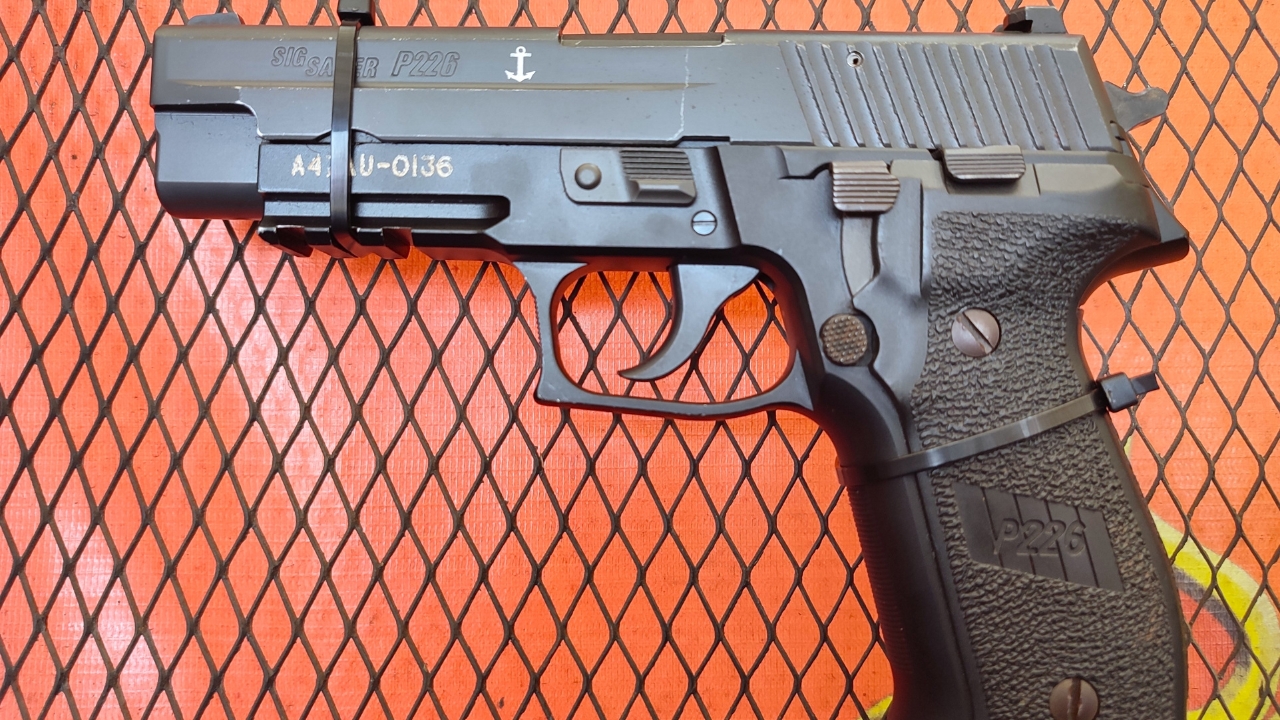
The P226 comes from an era before manufacturers were obsessed with making every service pistol as light as possible. Its aluminum frame and substantial slide give the gun enough mass to soak up recoil without becoming as heavy as a full-steel competition pistol. The long grip also gives you plenty of leverage, which can be just as important as weight when trying to keep a handgun comfortable.
I particularly like the P226 for someone who wants a soft-shooting pistol that still feels like a practical service gun rather than specialized range equipment. The DA/SA trigger requires some practice, but recoil management is easy. Once your hands are properly positioned, a P226 in 9mm tends to move gently and predictably rather than snapping sharply upward.
CZ 75 SP-01

The SP-01 is another pistol that uses old-fashioned steel to solve a very modern problem. Its full-size frame, extended dust cover, and low slide profile make the gun exceptionally stable when firing 9mm. The grip also fits many hands extremely well, allowing the shooter to lock both hands onto the pistol rather than fighting a short or narrow frame.
That stability becomes especially obvious after shooting a lightweight compact immediately beforehand. The same ammunition can feel dramatically softer through the CZ. The pistol is heavy enough that I would not choose it for someone obsessed with concealed-carry weight, but for home use and range practice the extra ounces are entirely beneficial. If you want a traditional hammer-fired pistol that barely moves during normal shooting, the SP-01 deserves serious consideration.
Staccato P
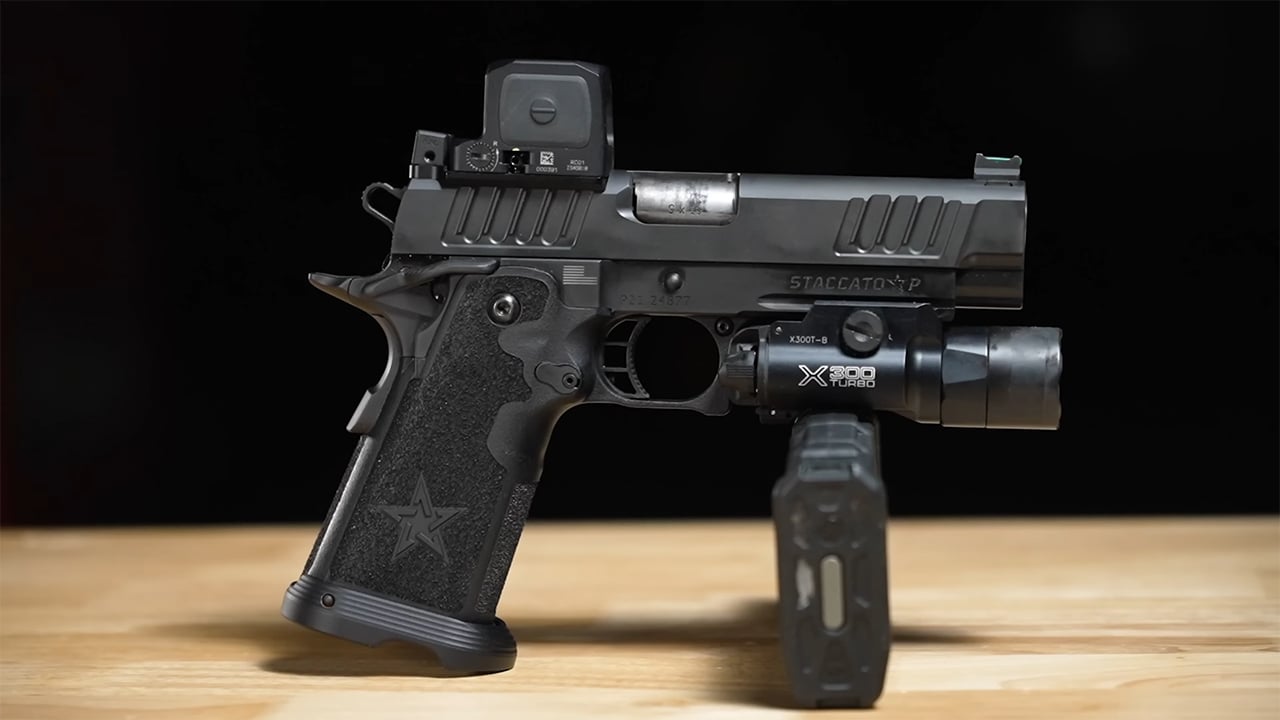
The Staccato P combines a substantial frame with the 2011 grip design and a very low-effort single-action trigger. All of that makes the pistol exceptionally easy to shoot quickly without feeling like you are wrestling recoil after every shot. The gun has enough weight to settle down, but the grip geometry may be even more important because it gives both hands so much usable surface area.
A Staccato is expensive, and nobody needs one simply to make 9mm manageable. What you are paying for is how effortless the complete shooting experience becomes. The trigger barely disturbs the sights, the slide movement feels controlled, and the pistol returns naturally. If someone is extremely recoil-sensitive but still wants a serious centerfire pistol, the Staccato P demonstrates how comfortable 9mm can become when almost nothing about the gun is designed around minimum weight.
Beretta PX4 Storm Full Size
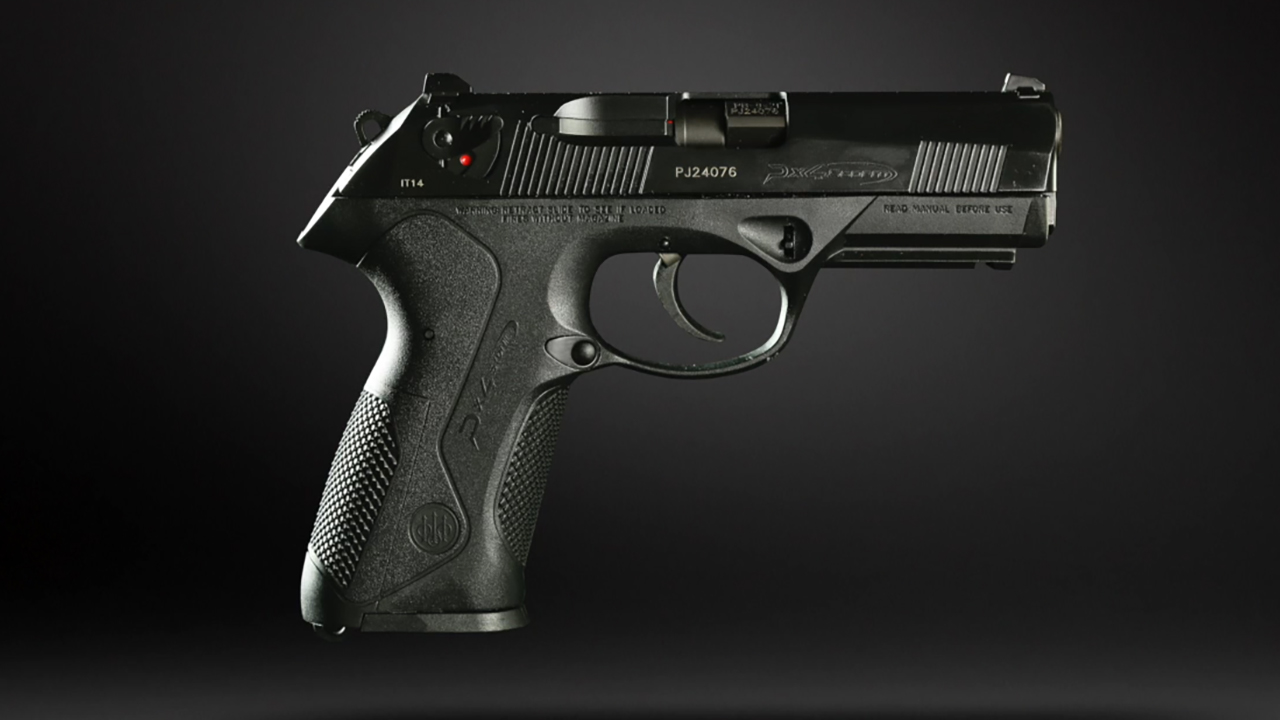
The PX4 deserves far more attention whenever recoil comes up because Beretta’s rotating-barrel system gives the gun a distinctly different feel from most tilting-barrel pistols. Instead of the barrel simply tipping during cycling, it rotates, and the resulting recoil impulse can feel unusually smooth.
The full-size PX4 adds enough grip and frame to make that operating system even easier to appreciate. It is not especially heavy compared with a steel pistol, yet it feels softer than many polymer guns in the same general weight class. That makes it a great choice for someone who wants less recoil without carrying a huge chunk of steel. The styling has always been divisive, but I would happily tolerate the appearance for a pistol that shoots this comfortably.
Walther Q5 Match Steel Frame

Walther’s Q5 Match Steel Frame is what happens when an excellent striker-fired platform gets enough mass to become incredibly calm. The steel frame adds significant weight below the slide, helping the pistol resist both rearward movement and muzzle rise. You also get the excellent ergonomics and trigger quality associated with Walther’s performance-oriented pistols.
The Q5 is not designed around discreet carry, and that is precisely why recoil-sensitive shooters may love it. The gun stays planted in the hand, allowing you to concentrate on the trigger rather than preparing for a sharp impulse every time the pistol fires. It is expensive and specialized, but for range work it demonstrates why serious competition guns are so pleasant to shoot. Weight can be inconvenient on a belt and wonderful everywhere else.
Canik SFx Rival-S

The steel-frame Rival takes Canik’s already shootable competition-oriented pistol and adds the one thing guaranteed to make recoil even less exciting: more mass. The Rival-S stays remarkably flat under normal 9mm loads, and the long grip gives the shooter enough room to build a strong support-hand position.
The excellent trigger also helps because you do not need excessive finger pressure that might disturb the gun immediately before the shot. That combination makes the Rival-S surprisingly approachable for someone who dislikes snappy pistols but still wants something modern and striker-fired.
I would choose it primarily for range use and competition rather than everyday carry. If your goal is firing a few hundred rounds in an afternoon without feeling beaten up, that distinction hardly matters.
Glock 34 Gen5
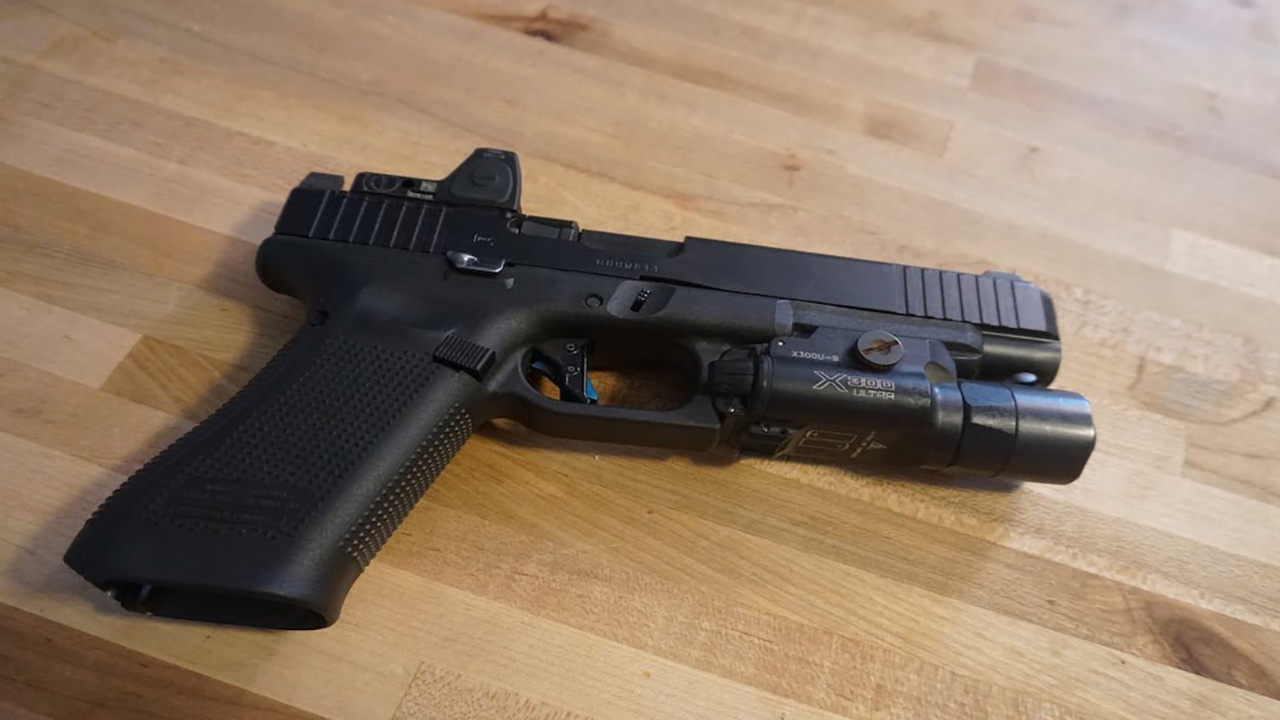
The Glock 34 takes the familiar Glock operating system and stretches it into a longer, more range-friendly package. The extra slide and barrel length give the pistol a different balance from the compact Glock 19, while the full-size grip lets the shooter maintain much more consistent pressure with both hands.
It is still a relatively light polymer pistol, so it will not feel like a Shadow 2. What it does offer is a noticeably calmer experience than the smallest carry guns without becoming excessively heavy. I also like the 34 for newer shooters because the controls are straightforward and the long sight radius makes iron sights easier to use. If you want a lightweight pistol but do not want the harshness of a micro-compact, going longer rather than smaller can make a lot of sense.
Smith & Wesson M&P9 M2.0 5-Inch

The five-inch M&P is another good example of letting dimensions work for you instead of against you. The longer slide gives the pistol more forward weight, while the full-size grip provides excellent control. Smith & Wesson’s aggressive M2.0 grip texture also keeps the gun from shifting around during recoil, which can make a pistol feel softer even if the actual recoil energy has not changed.
I like this option because it remains relatively light and practical compared with a steel competition gun. You get a soft, predictable shooting experience without carrying around three pounds of handgun. For someone who likes polymer pistols but finds micro-compacts unpleasant, the five-inch M&P can be an eye-opener. Sometimes adding an inch of gun is all it takes to make 9mm much more enjoyable.
HK VP9
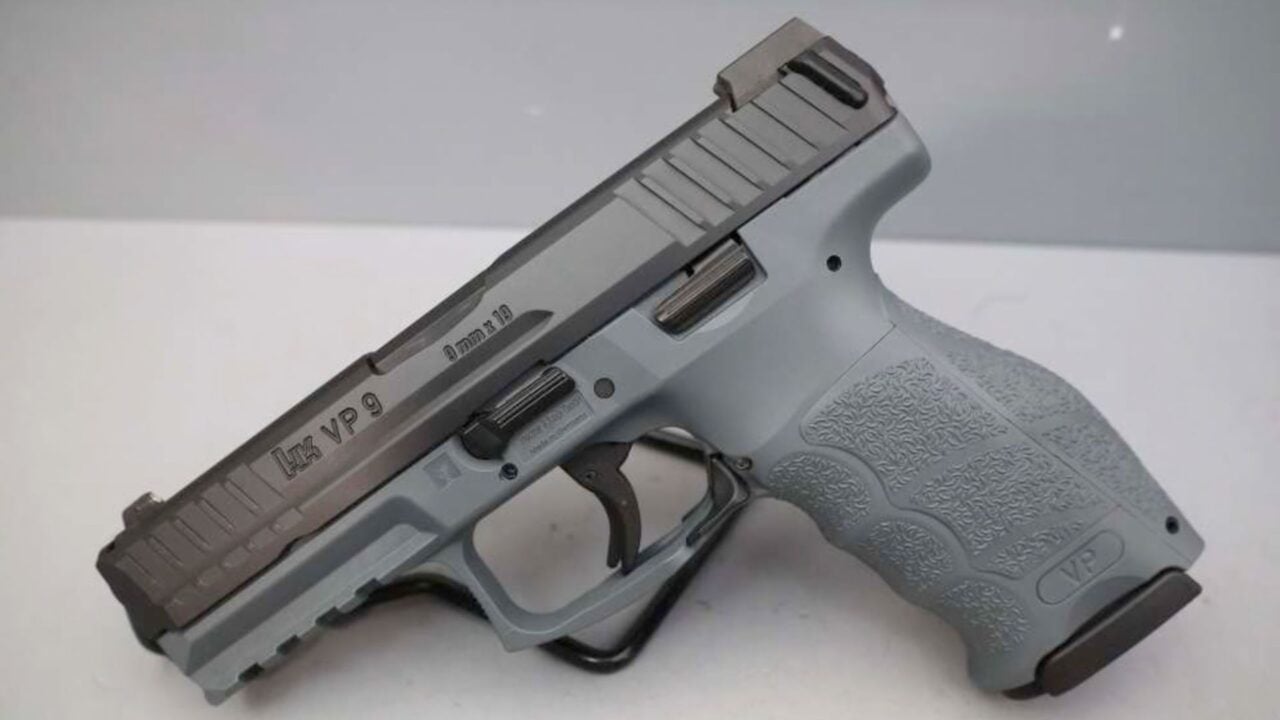
The VP9 earns its place through ergonomics as much as mechanical design. HK gives you interchangeable backstraps and side panels, allowing the grip to fit your hand far more precisely than many pistols. That matters because poor grip fit can make even moderate recoil feel much worse.
The full-size VP9 also has enough slide and grip length that nothing feels excessively compressed. It does not recoil as softly as a heavy steel CZ, but it spreads the impulse comfortably and gives the shooter enough grip to control it easily. The trigger is also good enough that new shooters do not need to fight the gun during each press. If weight is a concern but snappy recoil is equally undesirable, the VP9 offers a very sensible middle ground.
SIG Sauer P320 XFive Legion
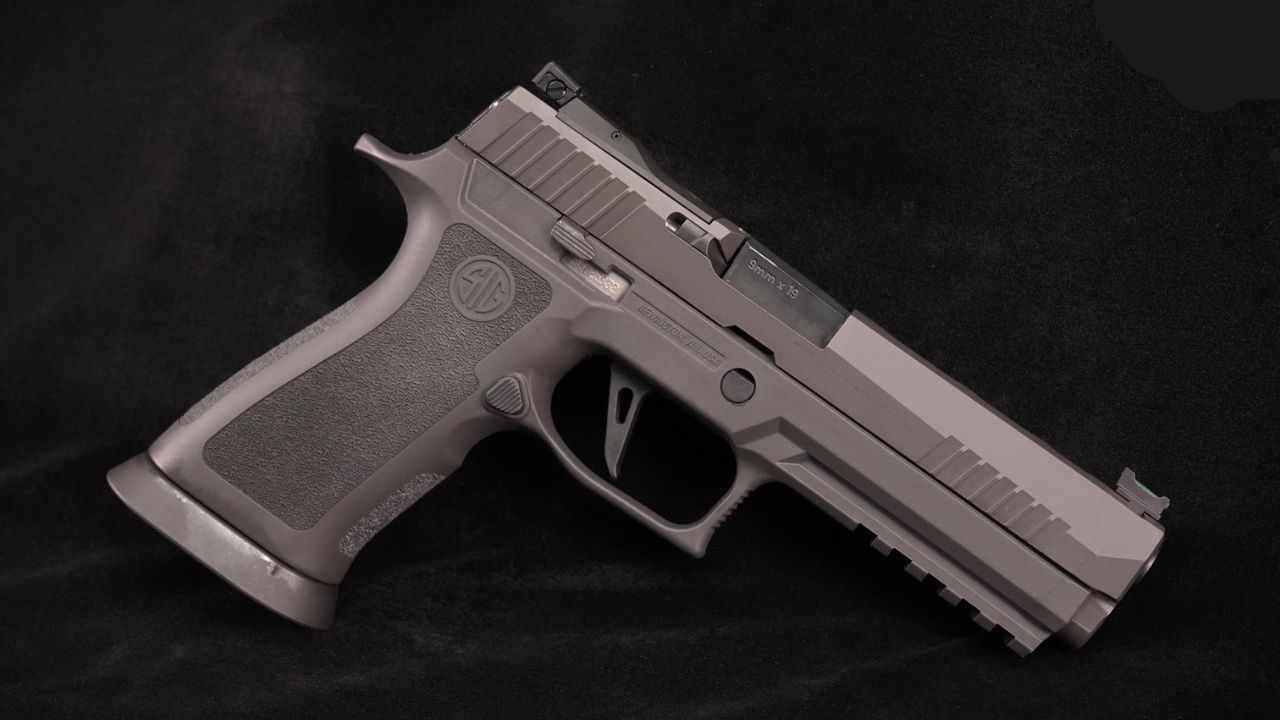
The XFive Legion was designed around competition, and its tungsten-infused grip module gives it more weight than you would expect from something that looks like a polymer-frame pistol. That additional mass sits low in the hand, exactly where it can help keep the muzzle from jumping.
The long slide and full-size grip reinforce the effect. Standard-pressure 9mm feels extremely manageable, and quick follow-up shots require relatively little effort. The pistol also has the modular ergonomics that make the P320 platform appealing to shooters who may want to adjust grip size or configuration.
It is larger and heavier than a typical defensive compact, but again, that is an advantage here. Someone who hates sharp recoil should not be afraid of a little extra handgun.
Smith & Wesson 5906
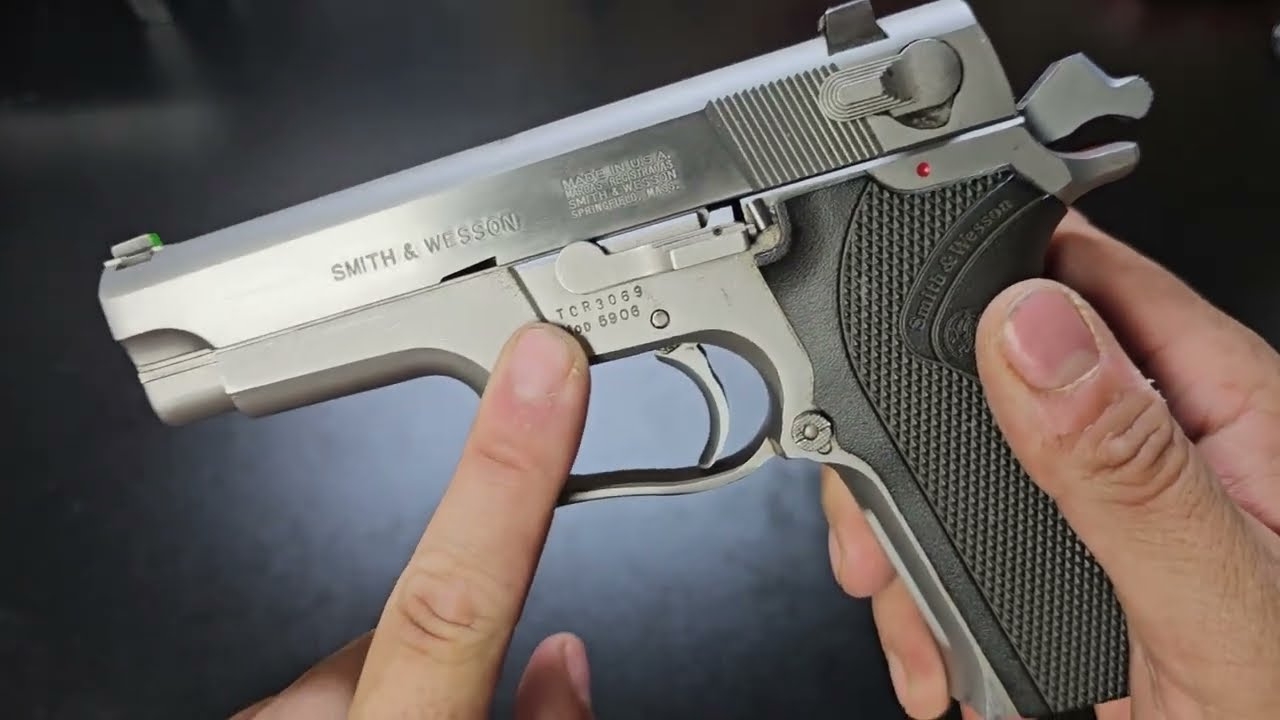
The 5906 is old, heavy, and increasingly out of step with current handgun fashion. Those are three reasons it is so pleasant to shoot. Smith & Wesson built the pistol with an all-stainless-steel frame and slide, creating enough mass that ordinary 9mm ammunition barely seems capable of getting the gun excited.
The DA/SA trigger takes familiarity, but recoil is almost never the problem. Police trade-in examples that have already been shot extensively can feel incredibly smooth, and the broad grip provides plenty of area for both hands.
A 5906 would be a terrible suggestion for someone whose first priority is shaving weight off a carry belt. For a recoil-sensitive shooter who wants a range pistol with old-school service-gun durability, it remains remarkably good.
Browning Hi-Power
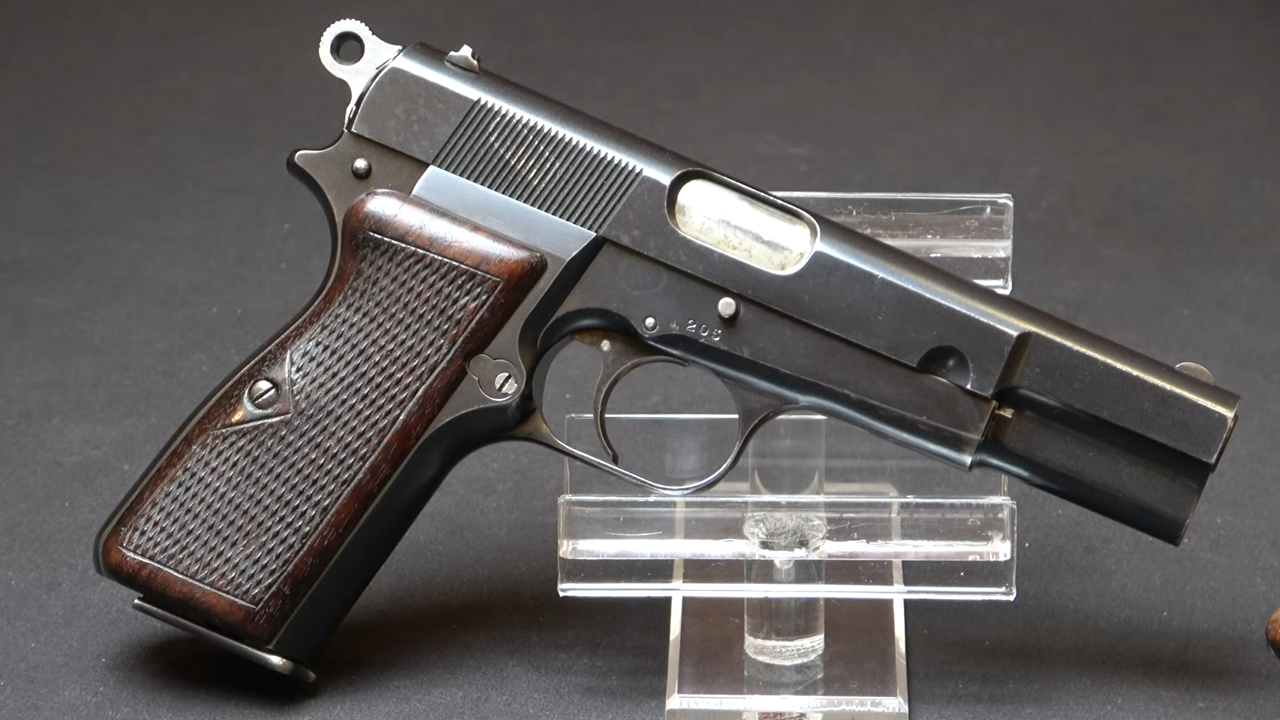
The Hi-Power proves a pistol does not need enormous dimensions to shoot softly. Its steel frame provides enough mass to calm 9mm recoil, while the grip remains unusually slim and comfortable compared with many modern double-stack service pistols.
That grip shape is a major reason the gun has remained so beloved. Shooters can get their hands securely around the pistol without feeling as though they are holding a block of polymer. Once properly gripped, the Hi-Power tracks naturally under recoil.
Older examples can have small sights and triggers affected by the magazine disconnect, so I would not automatically call every version ideal for a new shooter. Purely from a recoil perspective, though, a steel Hi-Power remains a wonderful demonstration of how pleasant a full-size 9mm can be.
Ruger Security-380
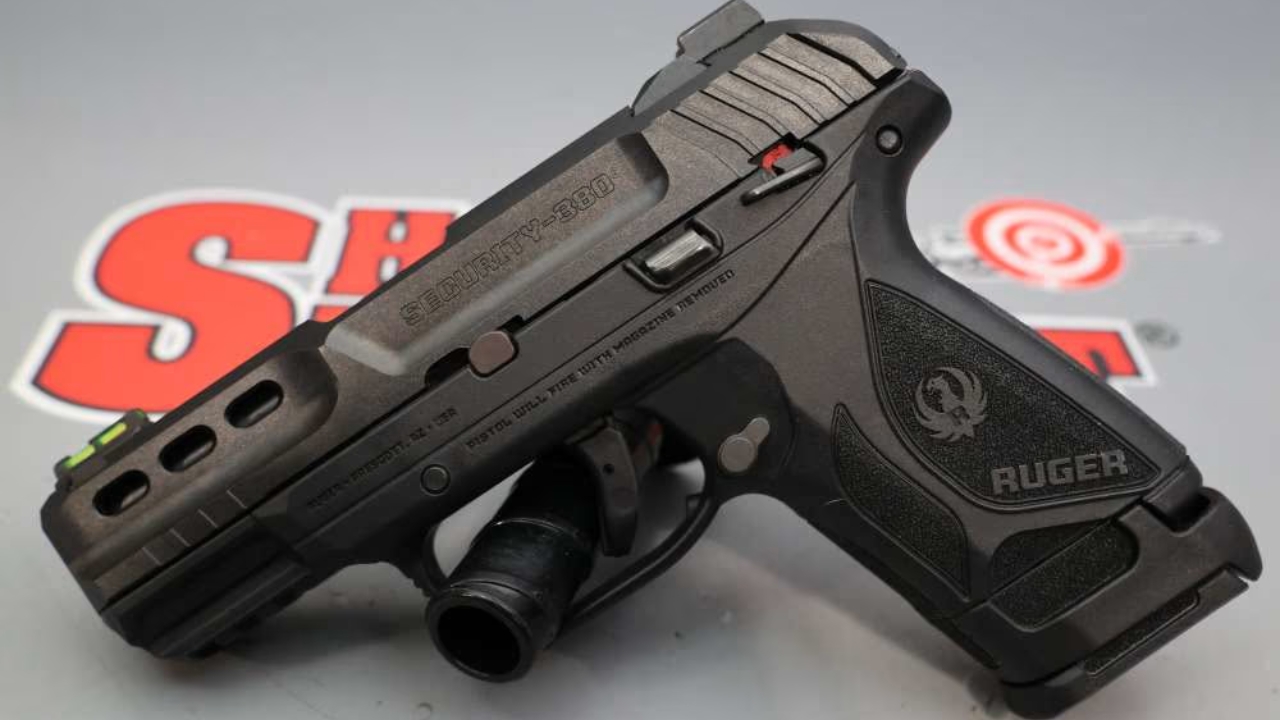
The Security-380 takes a completely different approach from the heavy pistols above. Ruger uses a relatively mild .380 ACP cartridge and its Lite Rack system to create a pistol intended for shooters who may struggle with both recoil and slide manipulation.
That combination makes sense for someone who finds even larger 9mm pistols uncomfortable. The locked-breech design helps keep the shooting experience softer than the tiny blowback .380s that gave the cartridge a reputation for being surprisingly unpleasant in small guns. There is also enough grip to control the pistol rather than pinching everything into a tiny pocket-size frame.
I would much rather put a recoil-sensitive shooter behind one of these than an ultra-light .380. The cartridge alone does not determine comfort. The gun surrounding it matters enormously.
Smith & Wesson M&P 380 Shield EZ

The Shield EZ was designed specifically around people who might find conventional semiautomatic pistols difficult to operate. The slide requires relatively little effort to rack, the magazines are easier to load than many tiny pistol magazines, and the .380 chambering keeps recoil modest.
Most importantly, Smith & Wesson did not try to make the pistol microscopic. That extra size gives the shooter a real grip and enough slide mass that the cartridge feels soft rather than sharp. This is why I think it remains one of the better choices for someone who genuinely dislikes recoil rather than merely wants a smaller handgun.
The grip safety is not everyone’s favorite feature, but I would gladly accept it if the alternative were a tiny .380 that becomes unpleasant after two magazines.
Browning Buck Mark
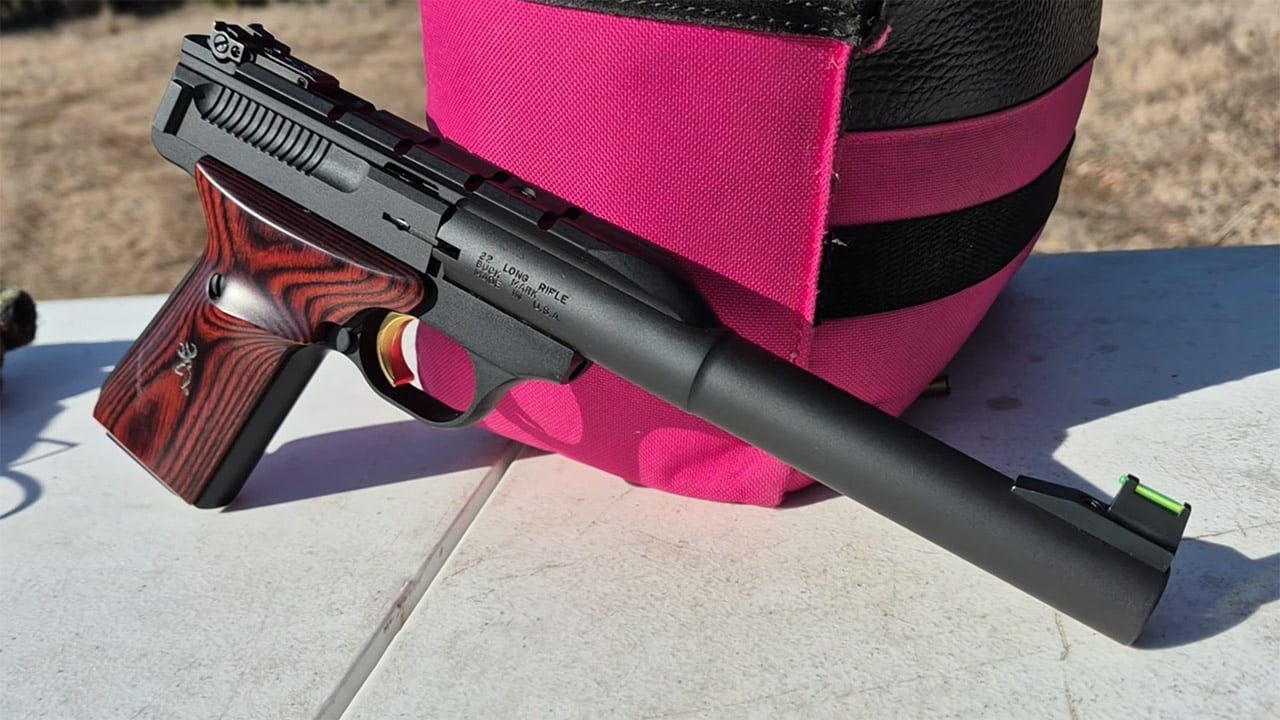
If recoil sensitivity is severe and centerfire power is not required, the Buck Mark is one of the easiest pistols to recommend. A full-size .22 LR pistol produces extremely little recoil, and Browning’s substantial barrel and frame make the already mild cartridge feel even calmer.
That makes the Buck Mark excellent for teaching fundamentals. A shooter can concentrate on grip, sight alignment, and trigger control without anticipating recoil after every shot. Building confidence this way often helps someone eventually transition into larger cartridges without developing a flinch.
I would not pretend a .22 fills every defensive role, but not every pistol needs to. For recreational shooting, training, and introducing someone who genuinely hates recoil to handguns, the Buck Mark can be far more useful than forcing them immediately into a centerfire gun.
Ruger Mark IV Target

The Mark IV Target offers much the same advantage as the Buck Mark with an even more substantial target-pistol feel. The heavy barrel gives the muzzle plenty of stability, and .22 LR produces so little movement that the shooter can watch the sights almost continuously throughout the firing cycle.
That is incredibly useful for someone learning not to flinch. Instead of bracing for recoil, you get immediate visual feedback about what your hands and trigger finger are doing. The Mark IV’s simplified takedown compared with older Ruger rimfires also makes the ownership experience far less frustrating.
If someone tells me every handgun feels unpleasant, this is the sort of pistol I would put in his hands first. Sometimes the best way to conquer recoil sensitivity is to remove almost all recoil from the equation.
Grand Power K100
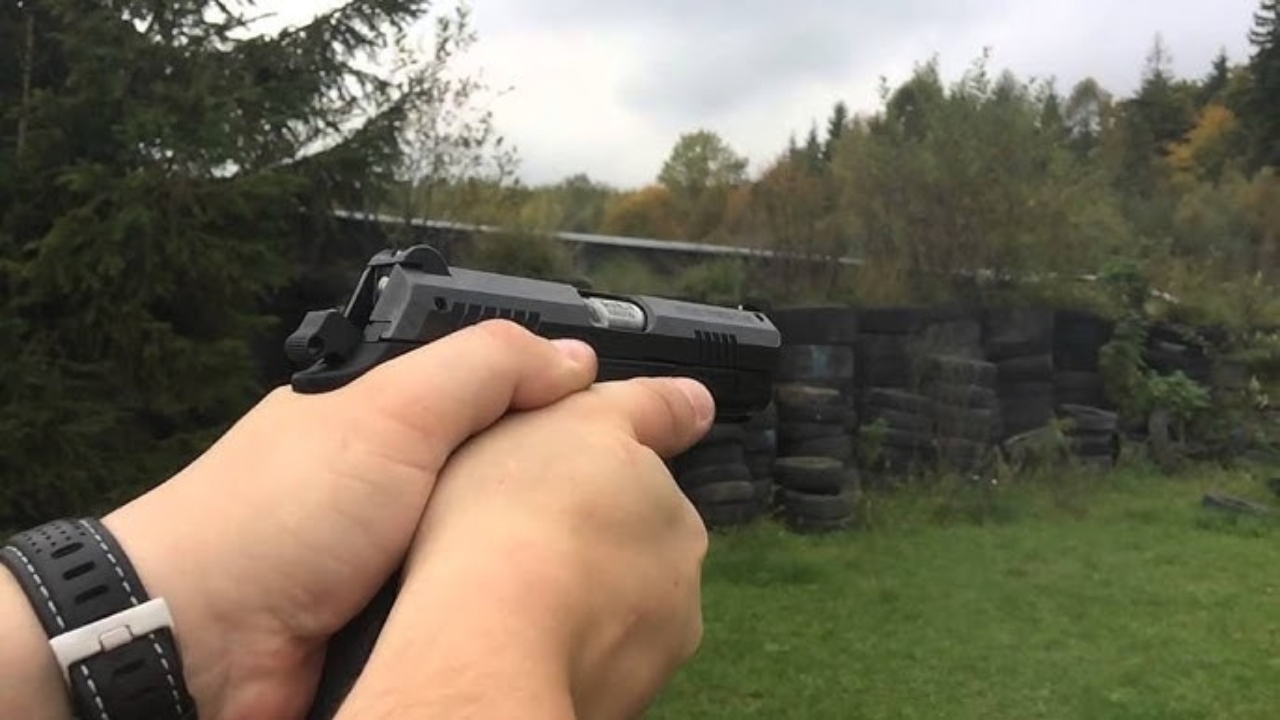
The K100 is another pistol whose rotating-barrel system gives it a recoil feel that stands out from conventional tilting-barrel guns. The barrel rotates during cycling, and the impulse tends to feel smooth and controlled rather than abrupt.
The full-size grip gives you plenty of leverage, while the polymer frame keeps the pistol from becoming excessively heavy. This makes the K100 an interesting middle ground between a big steel competition gun and a lightweight service pistol. You get relatively soft recoil without having to carry an enormous amount of mass.
Grand Power remains much less common in the United States than Glock or Smith & Wesson, which means magazines and support deserve consideration. Purely as a shooting experience, though, the K100 is one of the more pleasant 9mm pistols people frequently overlook.
Springfield Armory Echelon
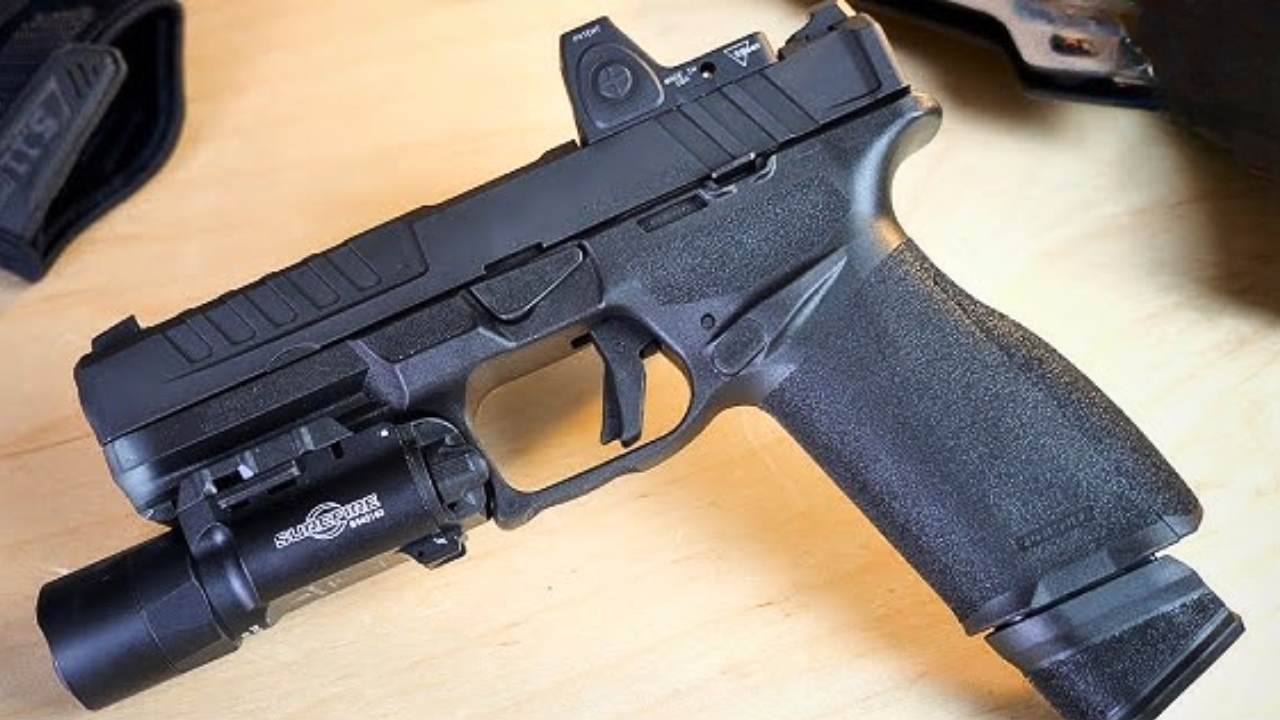
The full-size Echelon gives recoil-sensitive shooters a modern polymer pistol without squeezing everything into micro-compact dimensions. The grip is long enough for complete hand contact, the slide has enough mass to cycle smoothly, and Springfield designed the frame texture and interchangeable grip components to let the shooter establish a strong hold.
That secure grip may matter more than people realize. A pistol that shifts around during recoil feels much harsher than one that remains planted even when both technically generate similar recoil energy.
The Echelon is lighter than the steel guns at the top of this list, so it will not erase recoil the same way. What it does offer is an extremely manageable full-size 9mm in a package that remains practical enough for more than just range use. For someone who wants modern features without micro-pistol snap, it is a very sensible choice.
Like The Avid Outdoorsman’s content? Subscribe to our newsletter so you never miss an article.
Here’s more from us: