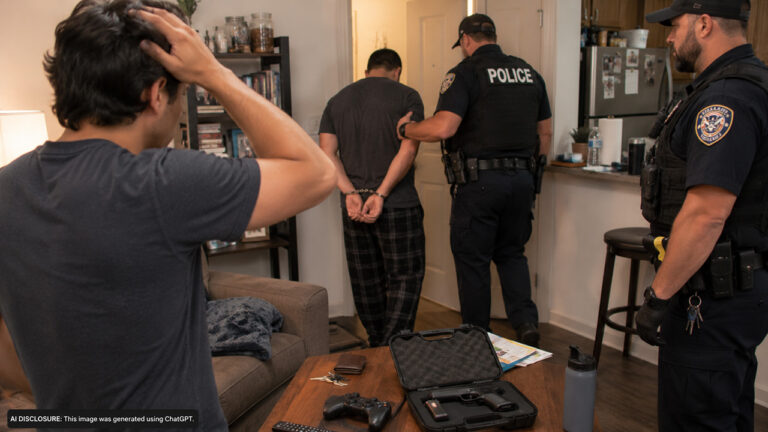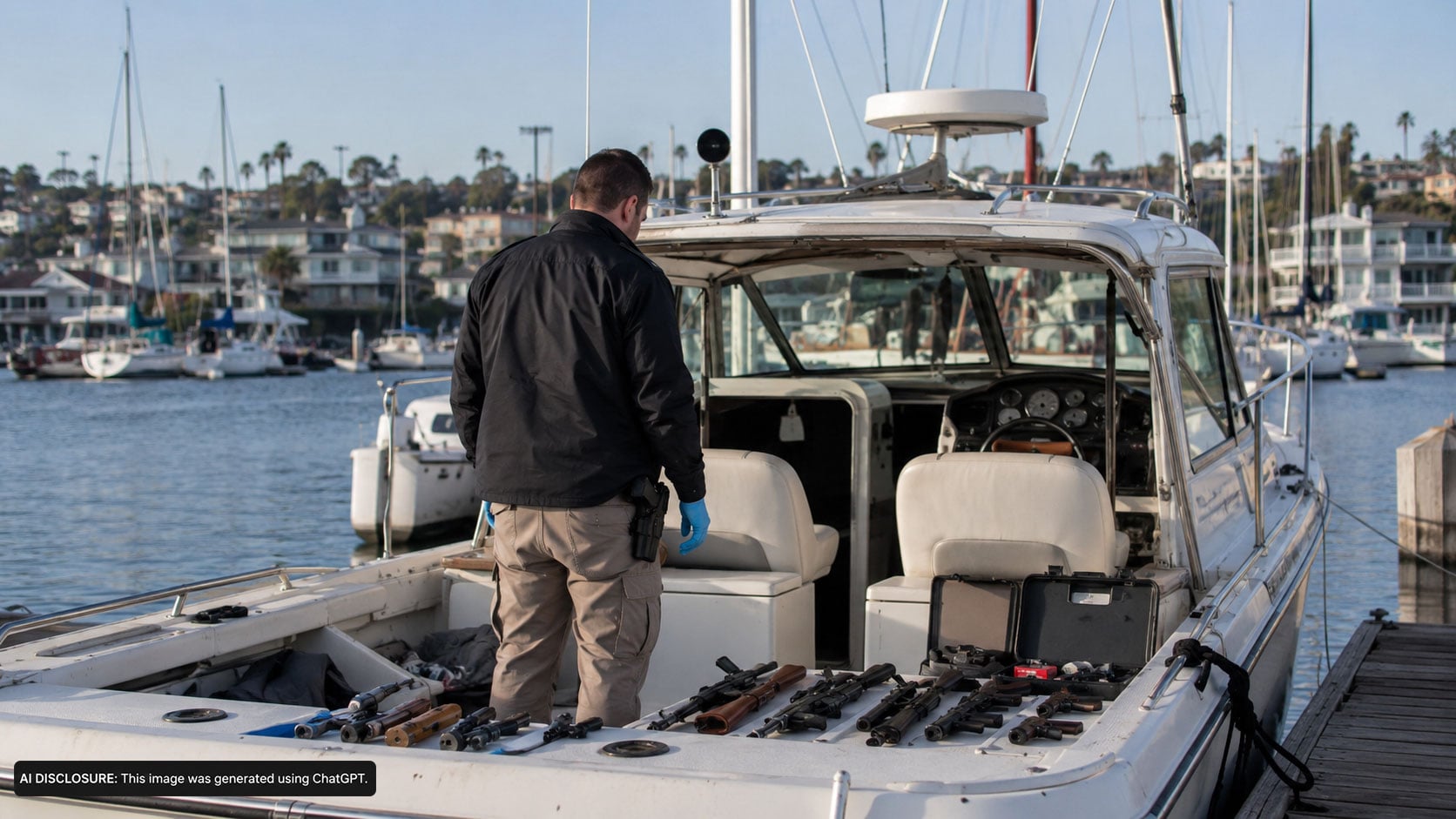
Photo credit: AI-generated image created using ChatGPT. Illustrative only
A man in California found himself staring down a problem a lot of gun-owning families never plan for: a sudden death, no will, and a pile of firearms that don’t have neat paperwork attached. The uncle had been living on a boat, and when he passed, the guns and ammo were still there—accessible, unsecured, and now sitting in the middle of a family situation that wasn’t exactly smooth.
In the original post, the nephew explained that his uncle left behind two children—one estranged and the other difficult to contact—and no written instructions for what happens next. Trying to do the cautious thing, the family moved the guns and ammo off the boat and locked them in a safe at their house, but the lack of a will and the lack of purchase records quickly turned “safe storage” into a legal and practical headache.
The guns weren’t the only thing left behind
The uncle didn’t just leave firearms behind—he left uncertainty. No will means no clear roadmap for who is legally in charge of his estate, and when there are heirs who are estranged or hard to reach, the timeline for sorting things out can stretch.
The nephew described his uncle as having “a plethora” of guns and ammo—enough that it wasn’t a simple matter of putting a hunting rifle in a closet until the funeral is over. It was a volume issue, a security issue, and—because this is California—a compliance issue, too.
Living on a boat turned a storage problem into a safety problem
A boat is a lot of things, but it’s not a gun safe. In the post, the nephew said there was no safe onboard, and the boat wasn’t locked to begin with. That changes the whole risk picture.
If you’ve spent time around marinas, you know people wander. Dockhands, neighbors, curious passersby—boats aren’t the same as a rural house on a dead-end road. Leaving firearms and ammo sitting unsecured on a boat after the owner has died is the kind of situation that can go sideways fast, and not just legally. The family’s decision to move the guns and ammo to a safe location was motivated by that reality.
No will and no paperwork is where things get complicated fast
The nephew said there were “no record of purchase or anything” and that searches of the boat, truck, and storage unit turned up nothing relevant. That’s more common than people think, especially with older firearms, private-party transfers, and collections that grew over decades.
But even if every firearm is lawful to own, the paper trail matters when you’re trying to transfer possession after a death. In California, the difference between “secured for safety” and “transferred to a new owner” isn’t just semantics. If the estate hasn’t been settled, and if the legal heirs aren’t clearly identified and participating, it can put the person holding the guns in an awkward spot.
The nephew also clarified an important detail: he initially wrote that he had an FFL, but corrected it to say he meant FSC (Firearm Safety Certificate). That’s a big distinction. An FSC doesn’t give someone special authority to take custody of someone else’s guns—it’s simply part of the state’s requirements for purchasing/handling transfers, not a license to act as a dealer or executor.
The estranged cousins became the real roadblock
On paper, the uncle’s two children are the central figures here. In real life, one is estranged and the other is hard to contact. That leaves the nephew stuck in the middle: he’s the only gun-savvy person in the family, he’s trying to keep things secure, but he’s not the decision-maker.
Even with good intentions, family dynamics can turn a “temporary safekeeping” move into accusations of theft or “looting,” especially when firearms are involved and emotions run hot after a death. The nephew addressed that directly in an edit, explaining the family had permission from the uncle’s daughter—who lives out of state—to access the boat and move items because the boat wasn’t locked and needed to be made safe.
That one detail—permission from an heir—helps explain why the family did what they did. But it also highlights the bigger issue: permission in a family conversation isn’t the same thing as an estate being legally administered.
People didn’t like the optics, even if the intent was safety
The sharpest reaction mentioned in the post wasn’t about California gun laws—it was about the move itself. The nephew noted “a lot of people being angry” and pushing the idea that he “looted the boat.” That’s the kind of criticism you’ll hear any time guns change hands informally after a death, even when it’s done to prevent theft or misuse.
From a practical outdoorsman’s standpoint, the safety piece is easy to understand: unsecured guns and ammo on an unlocked boat is a problem. But from a legal and family standpoint, the optics are rough. Once property leaves the deceased person’s control and crosses into someone else’s house, it can look like a claim of ownership—even if it isn’t. That’s why these situations need clear documentation and clear authority as quickly as possible.
What a practical, safer path tends to look like
The post didn’t include an outcome, but the problem is familiar: the family needs to get the estate side handled so the firearms side can be handled cleanly. That usually means identifying who is legally authorized to act for the estate (often through probate if there’s no will), then handling transfers in a way that matches state rules and keeps everybody protected.
On the ground, the immediate priorities are straightforward: keep everything secured, keep it inventoried, and keep it untouched beyond what’s needed for safety. If you’re the person holding the firearms temporarily, you want to be able to show that you acted to prevent theft or danger—not to help yourself to someone else’s property.
The hard part is patience. With estranged or unreachable heirs, the timeline can drag, and in that gap, the firearms are still there. That’s where families get tripped up: they solve the urgent storage problem in an afternoon, then realize the legal ownership problem can take weeks or months to untangle.
Most gun owners spend plenty of time thinking about the right rifle, the right load, the right safe. Not enough of us spend time thinking about what happens to the collection when we’re gone. This California family’s mess is a blunt reminder that a simple will, a basic inventory, and clear instructions can save the people you leave behind from a problem that’s equal parts emotional, logistical, and legal.
Like The Avid Outdoorsman’s content? Be sure to follow us.
Here’s more from us: