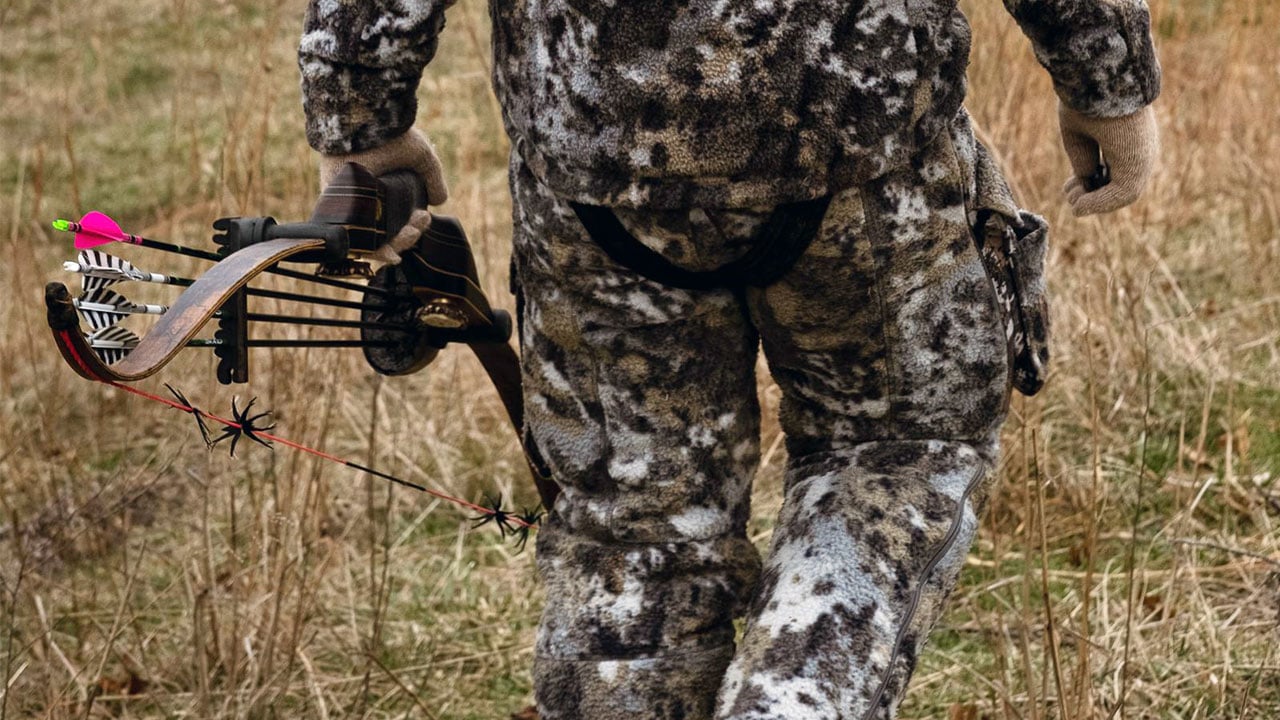
Photo credit: Bailey Cloud/Pexels.com
Every fall you see the same crowding on the same handful of “name brand” whitetail states. Nonresident tags get harder to draw, leases get pricier, and the public parcels that used to feel big start feeling like parking lots with treestands. Meanwhile, serious bowhunters are quietly sliding sideways into states that don’t get as much social-media noise, but still offer real deer, workable access, and seasons that let you hunt like an adult with a job.
This isn’t about finding some magic loophole or “hidden” honey hole. It’s about states where the numbers, timing, terrain, and culture still line up for a guy who wants to hang a stand, slip in clean, and not feel like he’s elbowing through a crowd at daylight.
1. Kentucky

Kentucky doesn’t get talked about the way some Midwestern darlings do, and that’s fine by me. The state has a solid mix of ag edges, big timber, and rolling hollers that naturally break hunters up instead of stacking them. You can hunt hard without feeling like you’re in a contest.
Bow seasons are long, and the rut action can be excellent if you can bounce between food and cover. The real key is doing your homework on access and not assuming every obvious field edge is going to be empty.
2. Ohio
Ohio can flat-out grow big-bodied deer, and the best part is you don’t have to pretend it’s “up and coming.” It’s been good. It just doesn’t always get the same glamorous reputation as a couple states west of it.
You’ve got plenty of private opportunities if you knock on doors the right way and don’t act entitled. Public can be good too, but like anywhere else, the easy spots near parking get pounded.
3. Indiana
Indiana is a sleeper for bowhunters who like edge habitat, creek corridors, and small woodlots that deer use like highways. It’s not all big woods, and that’s a good thing if you know how to hunt funnels and transitions.
The “serious” part matters here: be mobile, scout in-season, and don’t marry one stand. If you treat it like a chess match instead of a tradition, you’ll like what Indiana can do.
4. Michigan
Michigan gets dismissed because everybody thinks “pressure,” and sure, it has plenty of hunters. But Michigan also has a lot of ground, a long archery season, and a ton of overlooked cover where mature bucks get old by simply avoiding people.
If you’re willing to hunt the ugly stuff—swamps, nasty thickets, overlooked marsh edges—Michigan becomes a different state. Bring good boots and a tough attitude.
5. Pennsylvania

PA is big-woods whitetail country, and it still rewards the guy who understands terrain and bedding instead of just staring at a bean field. It’s not always a “see 20 deer a sit” place, and that’s why some hunters leave it.
But bowhunters who like to grind and hunt smart routes in and out do well here. When you finally connect on a mountain buck, it feels earned.
6. West Virginia

West Virginia is steep, thick, and full of spots where a buck can disappear in three steps. For the right bowhunter, that’s not a problem—it’s a feature. Less visibility means deer feel secure, and secure deer move.
There’s also something to be said for hunting where the terrain itself filters out the casual crowd. If you can handle the climbs and plan your exits, WV can be a strong play.
7. Virginia
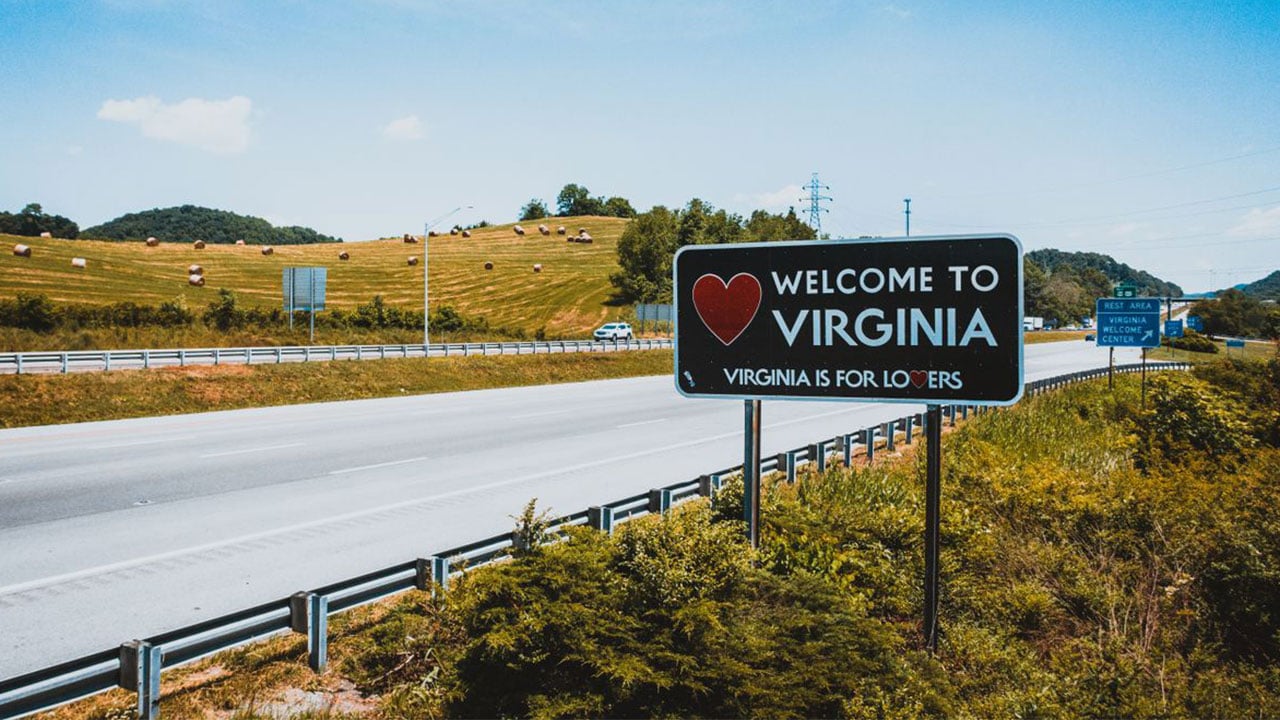
Virginia gives you long seasons and a lot of different habitat types, from farmland to big timber to suburban edge situations where deer get comfortable. That variety is a huge advantage if you’re willing to adjust.
Access can be the trick, especially near population centers, but that’s also where some surprisingly mature bucks live. The bowhunter who can navigate permission and be respectful has options.
8. North Carolina
North Carolina isn’t the first state guys brag about at the archery shop, which is exactly why it lands on lists like this. The state has both mountains and coastal plains, and the hunting styles are completely different.
Coastal habitat can be thick and wet, with deer living in places that feel more like hog country. If you’re comfortable hunting tight cover and small openings, you’ll find opportunity.
9. South Carolina
South Carolina can be a long-season bowhunter’s friend, especially if you like having time to figure a property out. In a world where everyone wants a one-week peak rut vacation, SC gives you room to breathe.
The biggest adjustment is accepting that it’s not always a “sit a white oak and watch” deal. You may be hunting cutovers, pines, swamp edges, and travel corridors you have to learn.
10. Georgia
Georgia has serious deer hunting, and the bow crowd here tends to be the steady, grind-it-out type. There’s a lot of timberland, a lot of transition habitat, and plenty of places where deer move in daylight if they don’t get educated.
Public land can be hit-or-miss depending on pressure and local culture, but there are pockets that hunt bigger than their map size. The hunters doing well usually keep their mouths shut and their boots moving.
11. Alabama
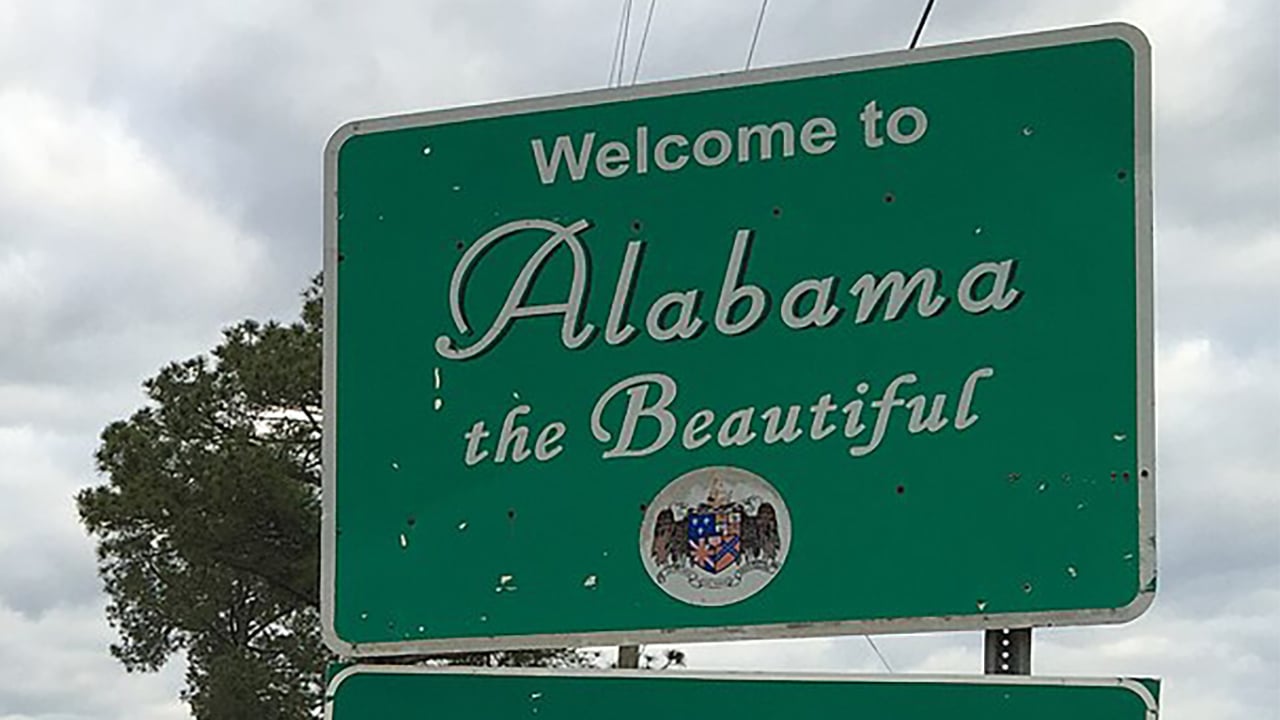
Alabama gets overlooked by traveling bowhunters, but it offers long seasons and rut timing that can vary by region. That can sound complicated, but it’s actually an advantage if you like to plan.
Instead of betting everything on one week, you can chase rut activity in different areas if you have the flexibility. Even if you don’t, the simple fact is you can hunt a lot here.
12. Mississippi

Mississippi has a mix of river bottoms, ag edges, and thick cover that makes for classic bowhunting setups. If you like pinch points and funnels created by water and timber cuts, you’ll feel at home.
It’s also a state where “quiet competence” matters. Get your access lined up, hunt the wind, and don’t tromp around like it’s a hiking trail, and you can have a very real season.
13. Arkansas

Arkansas doesn’t always show up in the big-buck bragging conversations, but it offers something a lot of bowhunters are starving for: room. Big woods, river bottoms, and public ground that can still feel wild.
You’re not going to out-sit everyone from the same ladder stand all season. The guys doing well are the ones who read sign, adjust quickly, and don’t mind getting away from easy access.
14. Missouri
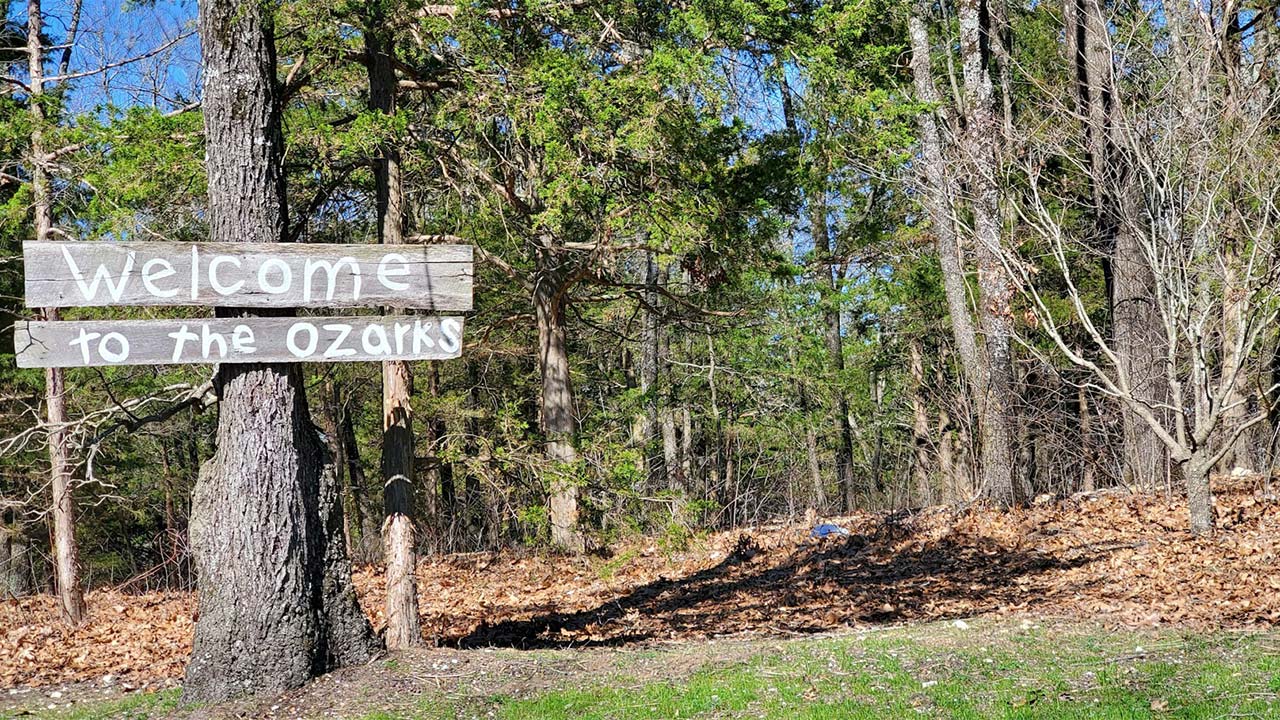
Missouri isn’t exactly unknown, but serious bowhunters are leaning on it harder right now because it still feels huntable compared to some trendier destinations. It has strong deer numbers, good habitat diversity, and plenty of public opportunities.
The trick is not hunting it like everyone else. If you’re willing to hunt midweek, slip into overlooked corners, and stay disciplined about entry routes, Missouri can treat you right.
15. Iowa (for the patient, not the impulsive)
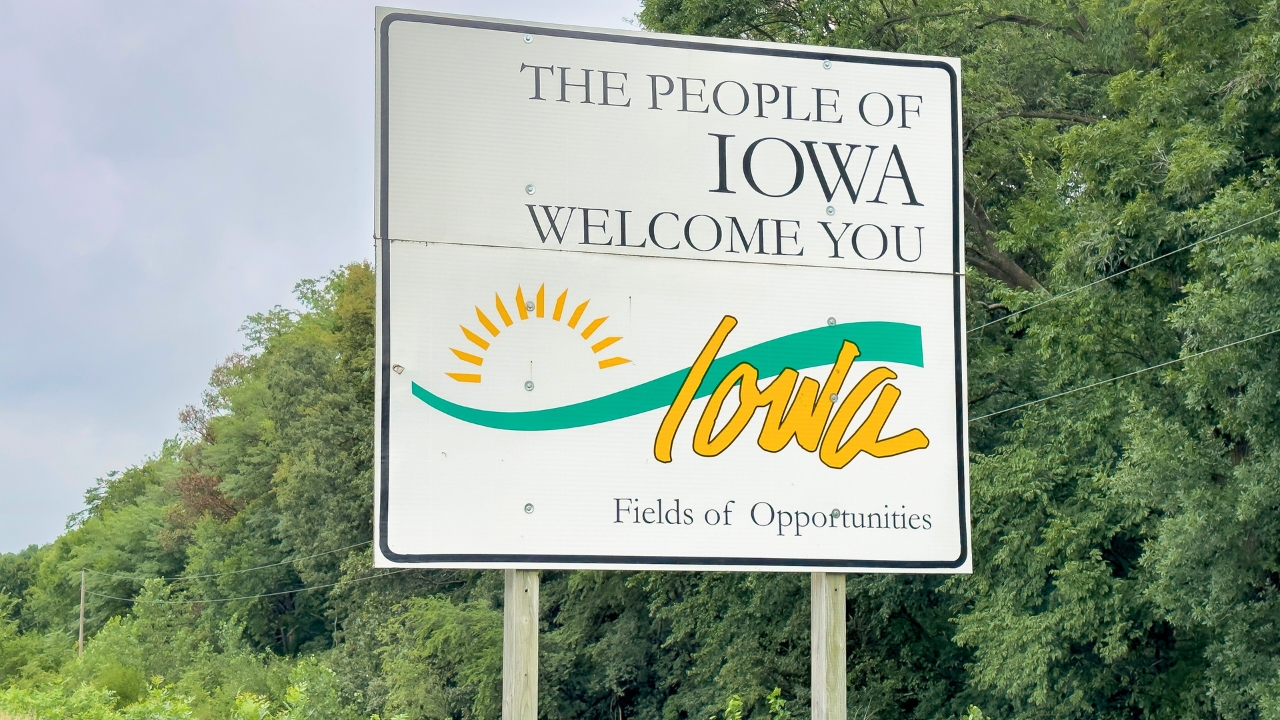
Iowa is still Iowa, but the reason it shows up here is because the serious bowhunters are the ones actually willing to play the long game. They apply, wait, and build a plan around the tag instead of complaining about the wait.
When it comes together, it can be as good as advertised. Just don’t show up thinking you can waltz into public the first weekend and have it all to yourself. That fantasy is expensive.
16. Wisconsin
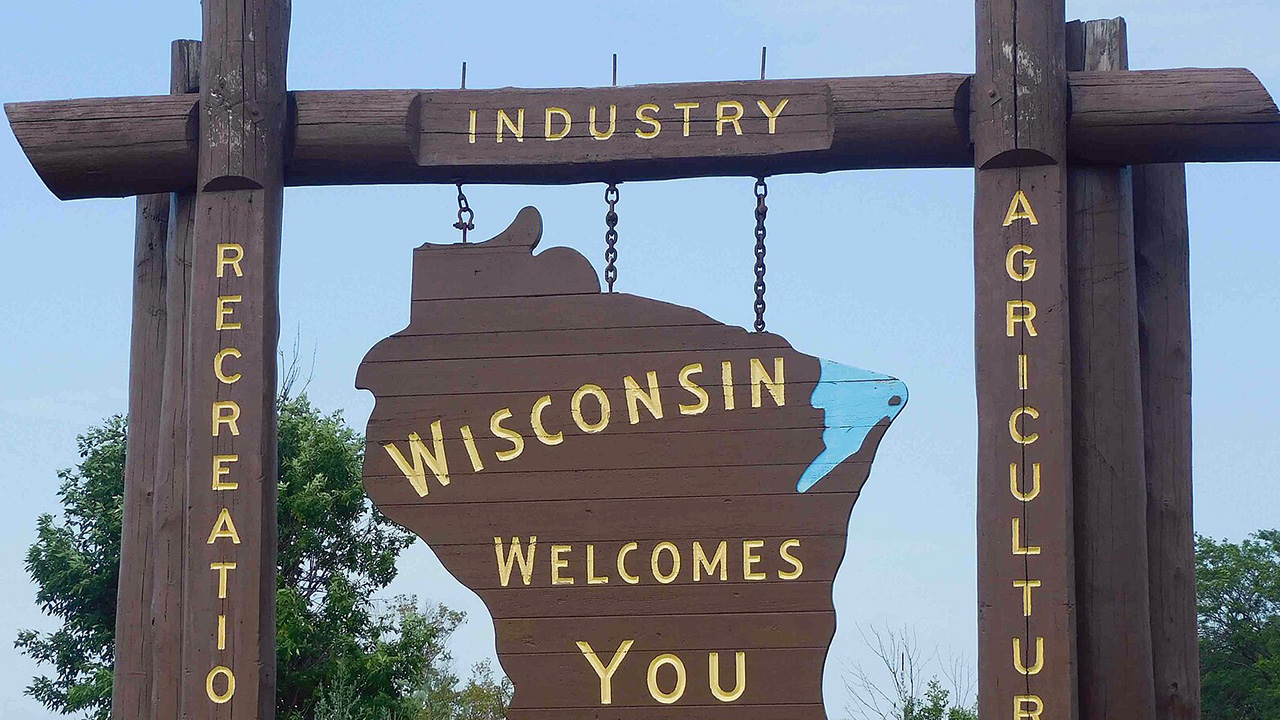
Wisconsin has pressure, no doubt. But Wisconsin also has an archery culture, a lot of deer, and some rugged, overlooked places where mature bucks survive because most hunters won’t go there.
Big timber, marsh, and hill country all exist in the same state, and that gives you multiple ways to win. If you like scouting and you’re not allergic to tough walks, Wisconsin stays in the conversation.
17. Minnesota
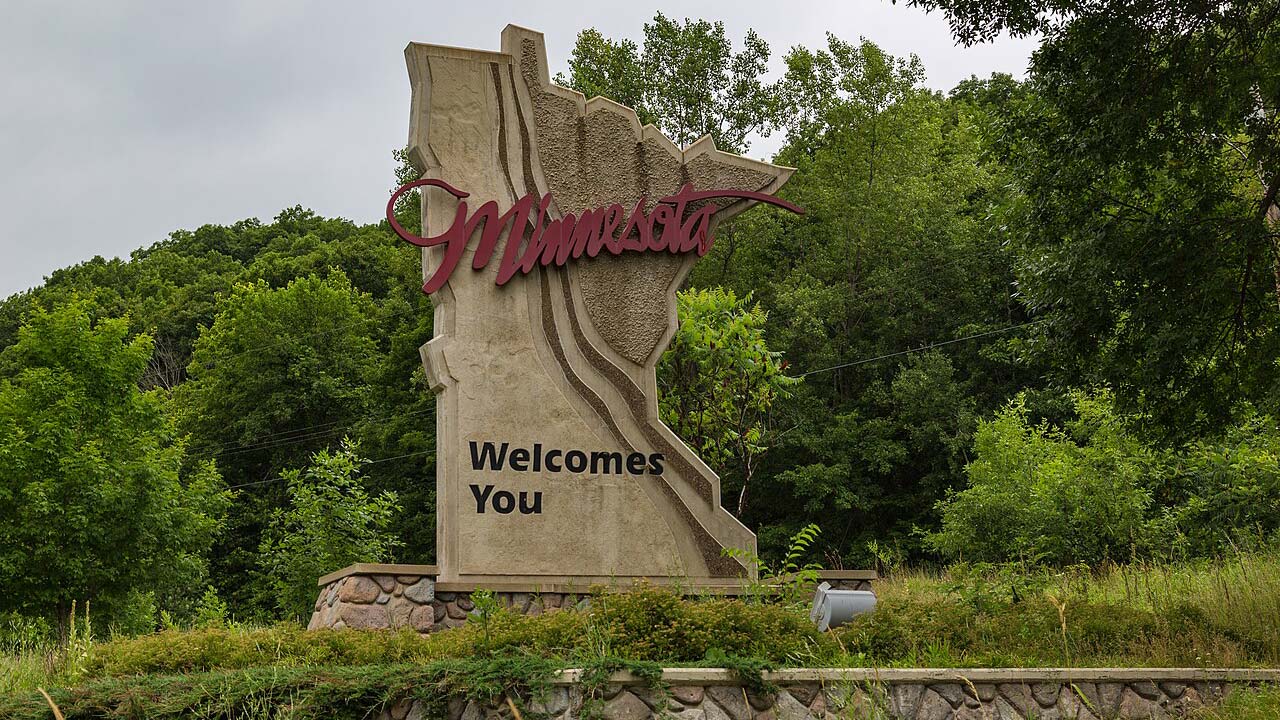
Minnesota is where bowhunters go when they want real woods hunting but still want a legitimate shot at a mature whitetail. The farm country can be excellent, and the northwoods can be a grind—but a rewarding one.
Weather can swing hard, which changes movement fast. A bowhunter who pays attention and adapts to conditions instead of hunting a calendar has an edge here.
18. Kansas

Kansas has gotten popular, but the sharp bowhunters are choosing it for a reason: it still has the kind of terrain that makes stand placement make sense. Creeks, draws, shelterbelts, and ag create natural funnels that whitetails use consistently.
Wind matters here in a big way because the country can be open, and deer can see forever. If you hunt smart and don’t force bad setups, Kansas can be a very efficient state to hunt.
19. Nebraska
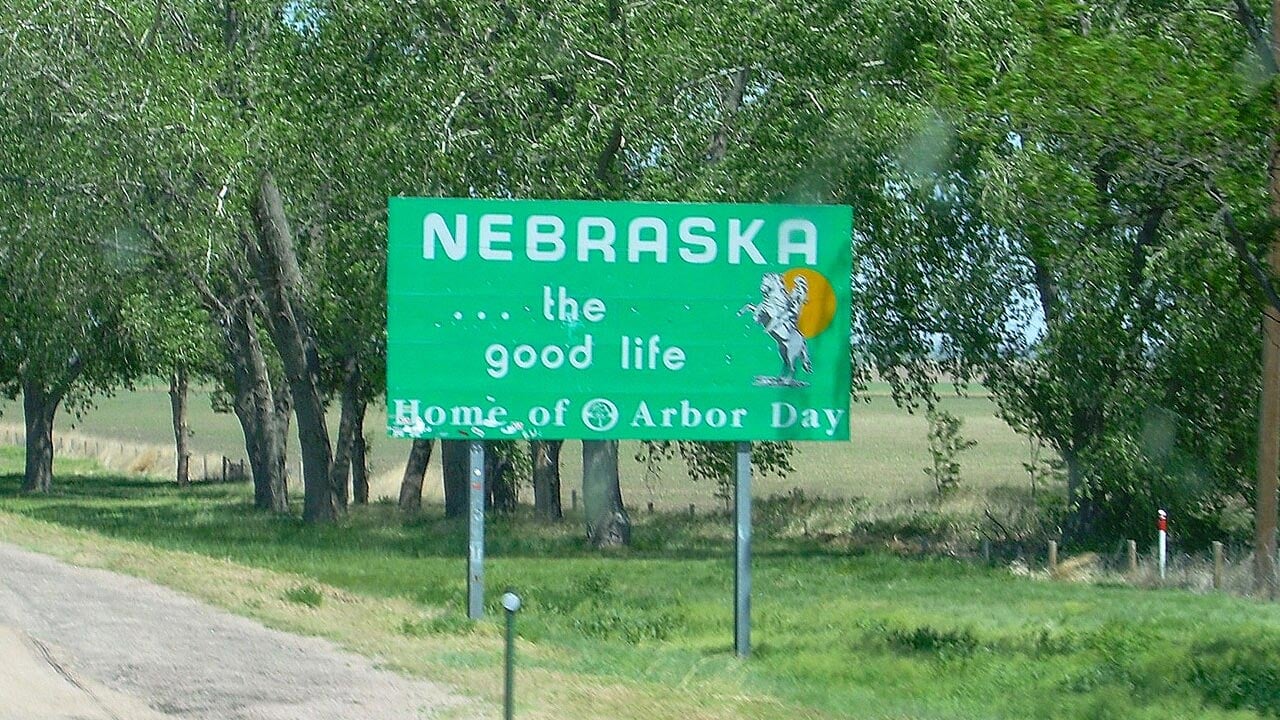
Nebraska is one of those places that doesn’t always get the glory, but it offers flexibility. You can chase whitetails in river corridors and ag, and in some areas you can add mule deer to the equation if you’re built for that kind of walking.
It’s also a good state for the bowhunter who likes to glass, move, and hunt edges that change with crops and pressure. You don’t have to overcomplicate it—hunt where deer want to travel, not where the map looks pretty.
20. South Dakota
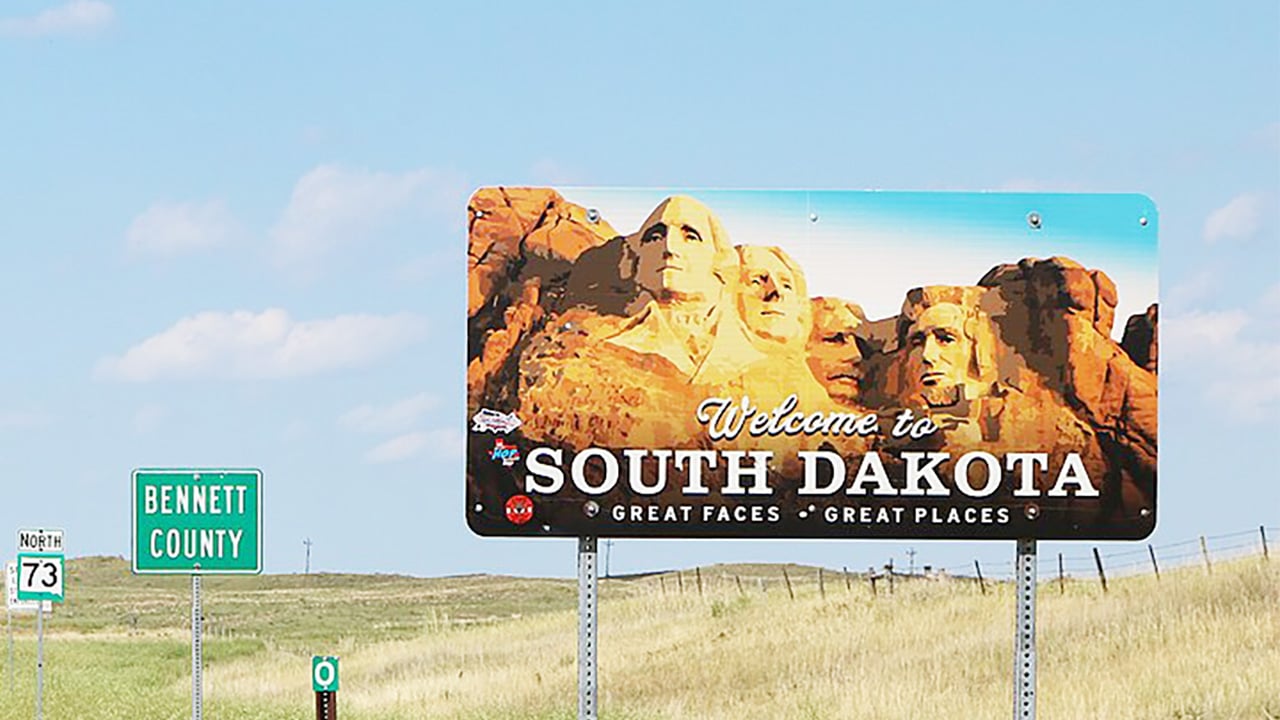
South Dakota is usually thought of for birds first, but serious bowhunters keep circling back for whitetails, especially along river breaks and ag edges. It’s a state where you can combine a deer plan with a lot of other outdoor opportunity if you’ve got the time.
The wind can be relentless, and that will expose sloppy setups fast. Still, if you accept that you’ll need a few different stand trees and you can handle changing conditions, SD can be a smart pivot away from the crowded usual suspects.
The common thread in all of these states isn’t that they’re “easy.” It’s that they’re still huntable if you show up prepared, act respectful about access, and don’t fall in love with the first plan you make at the kitchen table. The best state is the one you can actually hunt well—quietly, consistently, and without fighting a crowd every time you step out of the truck.
Like The Avid Outdoorsman’s content? Subscribe to our newsletter so you never miss an article.
Here’s more from us: