Photo credit: Ruger
Compact pistols live in a difficult middle ground. They need to be small enough that carrying one every day does not become irritating, but shrinking a semiautomatic pistol also reduces slide mass, grip area, and operating margin. Go too small and a design can become more sensitive to ammunition, springs, magazines, or an imperfect grip. That is why I generally trust true compacts more than the smallest possible pocket guns when reliability is my first concern.
For this list, I care less about compensators, fancy slide cuts, modularity, or whatever feature happens to be popular this year. I want pistols with mature operating systems, dependable magazines, solid extractors, and enough grip that the shooter can run them consistently. Some have decades behind them while a few newer designs have undergone serious testing. If I wanted a compact pistol primarily because I expected it to work every time I pressed the trigger, these are the 20 I would look at first.
Glock 19 Gen5
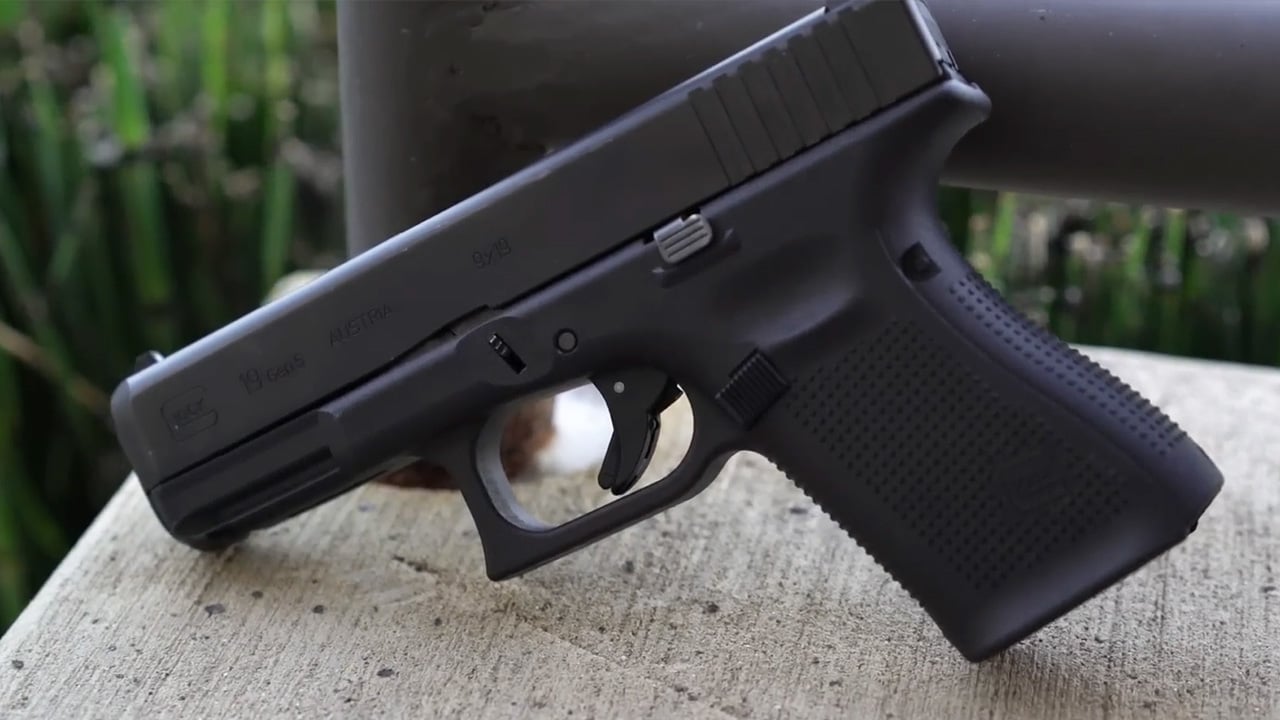
The Glock 19 remains the benchmark because it never had to become exceptionally small to conceal well. The current Gen5 gives you a 4.02-inch barrel, 15-round standard magazine, and a package Glock still categorizes as a compact rather than a subcompact. That gives the slide, recoil spring, magazine, and shooter enough room to operate without pushing everything to the dimensional limit.
Its biggest advantage may be how little mystery surrounds it. Magazines, springs, extractors, and virtually every other component are widely understood. The design has also been used hard enough that nobody needs to guess what a high-round-count Glock 19 generally looks like. It may not have the most impressive factory trigger or ergonomics for every hand, but reliability is rarely improved by making a pistol more complicated. The Glock 19’s boring predictability is exactly why it stays near the top.
Smith & Wesson M&P9 M2.0 Compact
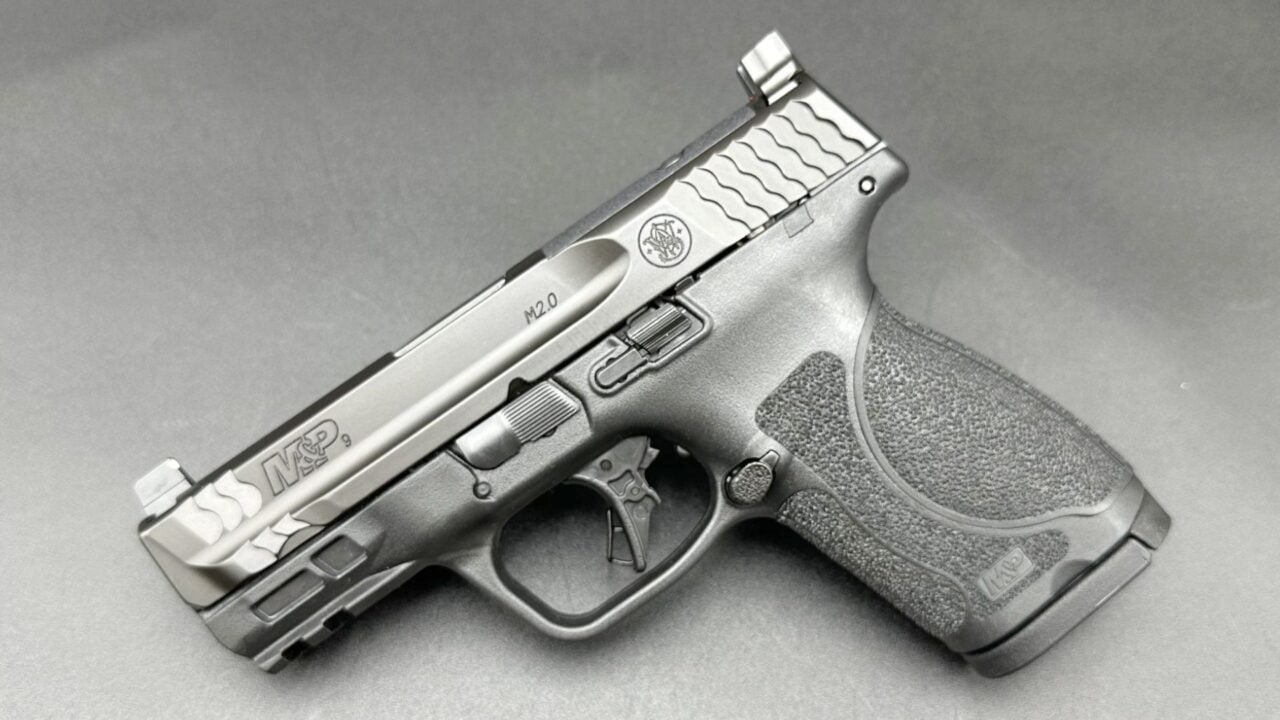
The M&P9 M2.0 Compact is one of the few pistols that can genuinely challenge the Glock 19 as an all-purpose American compact. Smith & Wesson gives you a substantial grip, mature striker-fired operating system, aggressive texture, and enough slide length that the gun behaves much more like a service pistol than a tiny carry gun.
What I like most is how thoroughly the M&P platform has matured. Early M&Ps have been around long enough that Smith & Wesson has had plenty of opportunities to refine the trigger, barrel, magazines, and small internal parts. The M2.0 generation is the beneficiary of that experience. I would much rather trust a platform that has spent years being corrected and improved than chase an unproven design just because it has more features. A good M&P Compact is remarkably easy to live with and difficult to upset.
Heckler & Koch P30SK
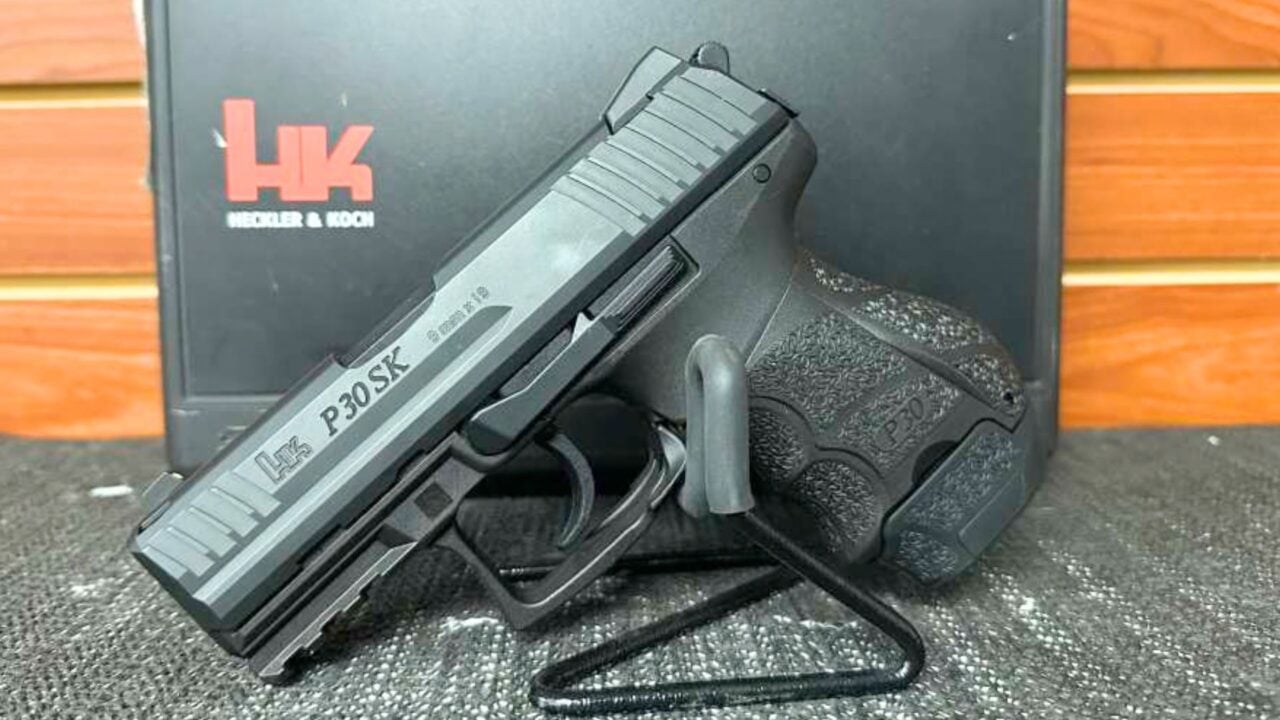
The P30SK takes HK’s service-pistol mindset and shrinks it without turning the gun into a tiny, lightweight experiment. The grip still provides enough surface area to control the pistol, and interchangeable backstraps and side panels make it easier to get a secure fit than with many small carry guns.
HK’s larger P30 family has an extremely strong durability reputation, and that matters to me more than whether the trigger wins a dry-fire contest. The compact version retains the same basic engineering philosophy rather than starting with a completely different ultra-small action. I particularly like a traditional DA/SA version for someone who already understands that trigger system. It may be thicker than the newest micro-compacts, but thickness bothers me far less than a pistol being finicky when dirty or fired with a less-than-perfect grip.
CZ P-10 C

The P-10 C is one of those pistols that does not need much explanation once you shoot it. The basic proportions are extremely sensible for a compact 9mm, with a four-inch barrel and 15-round standard magazine in the traditional model. CZ built it around a straightforward striker-fired system rather than trying to make the design unusually exotic.
The grip texture is aggressive, the trigger is generally very usable, and the low slide profile gives the gun a stable feeling during rapid fire. More importantly for this list, the P-10 C has now been around long enough that it is no longer some untested challenger. If I wanted something that felt different from a Glock while retaining the same basic compact-service-pistol concept, the CZ would be one of my first choices.
Beretta PX4 Compact Carry 2
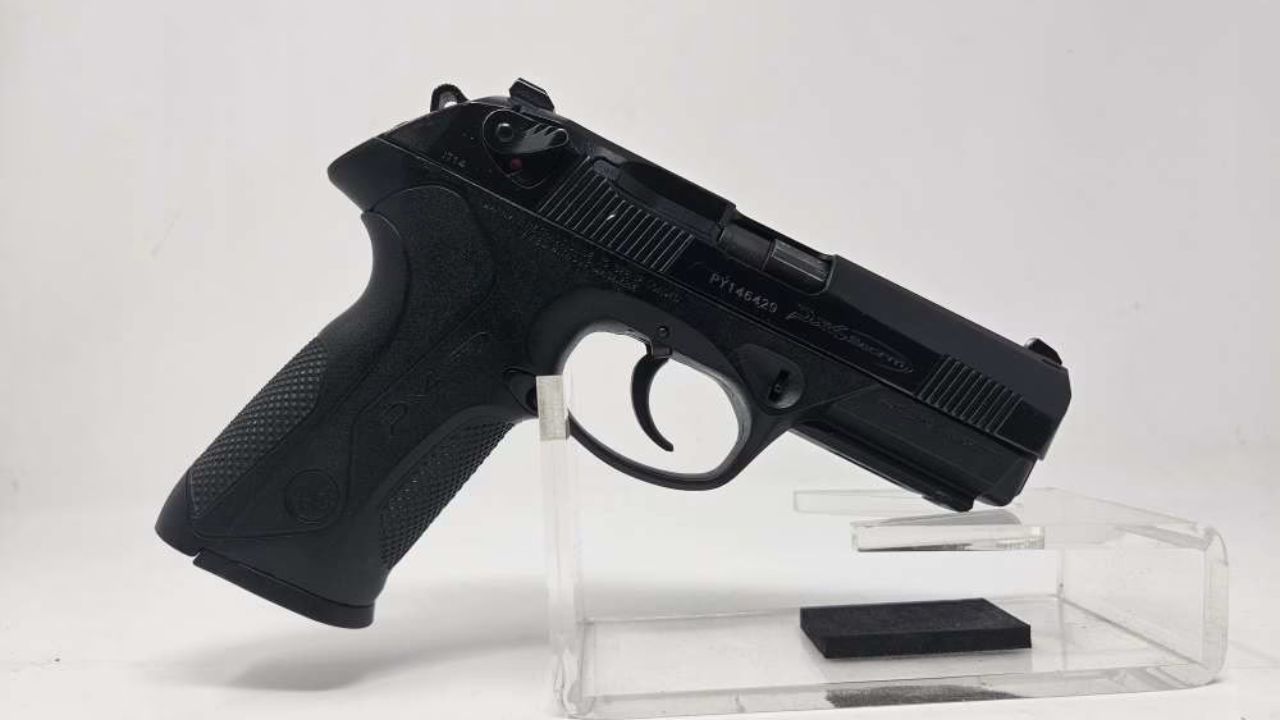
The PX4 Compact is mechanically different from nearly everything else here because of its rotating-barrel system. That unusual design has not prevented it from developing an outstanding durability reputation. Beretta currently lists the Compact and Compact Carry 2 in the PX4 family and says the platform has been reported to exceed 150,000 rounds without part breakage.
That is exactly the kind of engineering story I care about when reliability comes first. The rotating barrel also makes the pistol surprisingly soft-shooting for its size, which helps the shooter maintain a solid grip and run the gun consistently. The DA/SA trigger requires training, and the exterior styling has never been universally loved. Neither issue matters much to me. A compact pistol that shoots smoothly and has a serious endurance reputation deserves far more attention than its appearance usually gets.
SIG Sauer P229

The P229 comes from a period when compact pistols were allowed to be heavy. Its aluminum frame and substantial slide add ounces compared with modern polymer guns, but that extra material gives the pistol a remarkably solid operating feel and makes recoil extremely manageable.
SIG originally developed the P229 around serious service cartridges, and the platform has spent decades in institutional and civilian use. That history is more valuable to me than a new pistol having three additional mounting plates in the box. Springs and magazines are well understood, the decocking system is mature, and knowledgeable armorers know exactly what to replace as round counts accumulate.
I would not choose a P229 if the goal were the lightest possible carry rig. I would choose it if I wanted a compact pistol that behaved like a full-size duty gun every time I took it to the range.
Heckler & Koch USP Compact
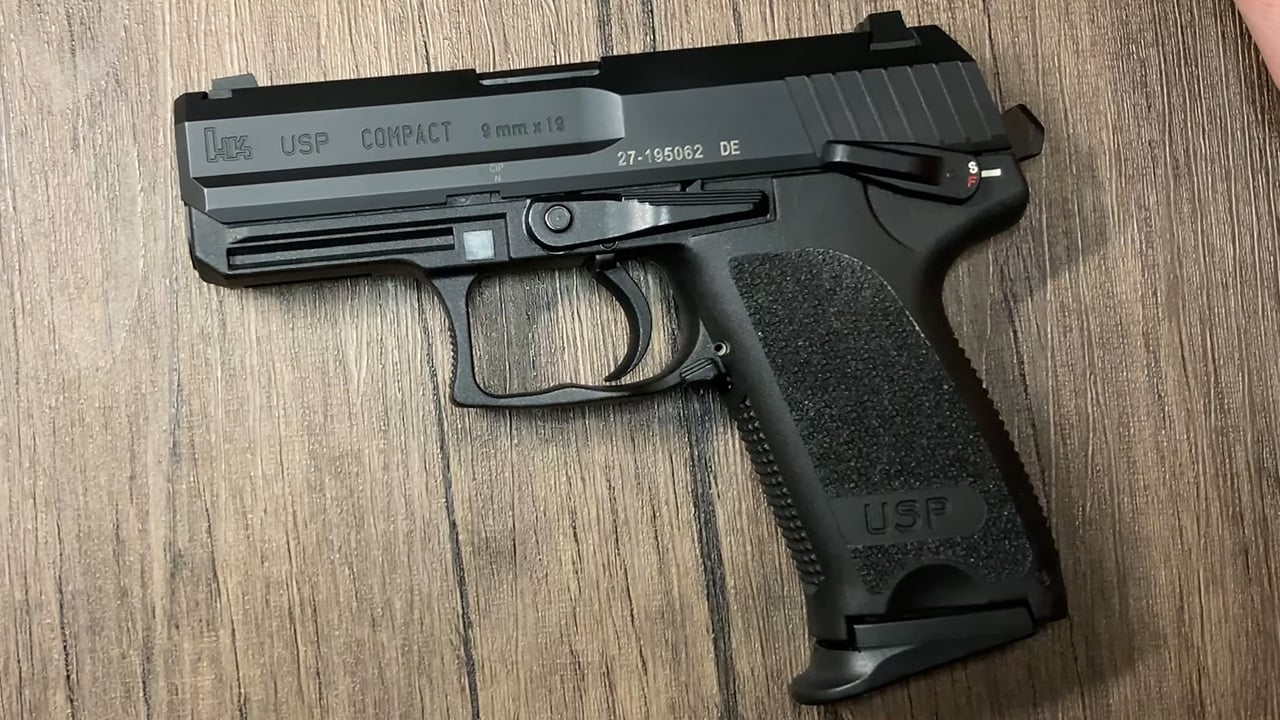
The USP Compact looks old because it is old, and that is almost the entire argument for owning one. HK designed the USP family during an era when overbuilding service pistols was considered perfectly acceptable. The compact version retains that heavy-duty feeling while shortening the package enough to make concealed carry realistic.
Its ergonomics are not as adaptable as the P30, the slide is chunky, and the accessory rail on older examples is dated. Those are feature problems rather than reliability problems. The operating system has had decades to establish its reputation, and the pistol remains one of those guns I would trust even after the exterior looked thoroughly used.
When reliability outweighs fashion, older proven designs become much easier to appreciate. I would take a boring USP Compact with good magazines over a more exciting pistol whose long-term durability is still largely theoretical.
Walther PDP Compact 4-Inch

The PDP Compact combines excellent ergonomics with enough overall size that Walther did not need to squeeze the operating system into micro-pistol dimensions. The four-inch compact models remain part of Walther’s PDP family and use the company’s Performance Duty Trigger with an optics-ready slide in many configurations.
The trigger naturally gets most of the attention, but reliability is why I would actually keep one. The PDP evolved from Walther’s earlier striker-fired service pistols rather than appearing from nowhere. That lineage gives it more credibility than a completely new design chasing current carry trends.
The slide is somewhat chunky and the grip texture can feel aggressive. I do not consider either a serious drawback. A compact pistol should give me enough gun to manipulate confidently when my hands are wet, cold, or tired, and the PDP does exactly that.
FN 509 Midsize
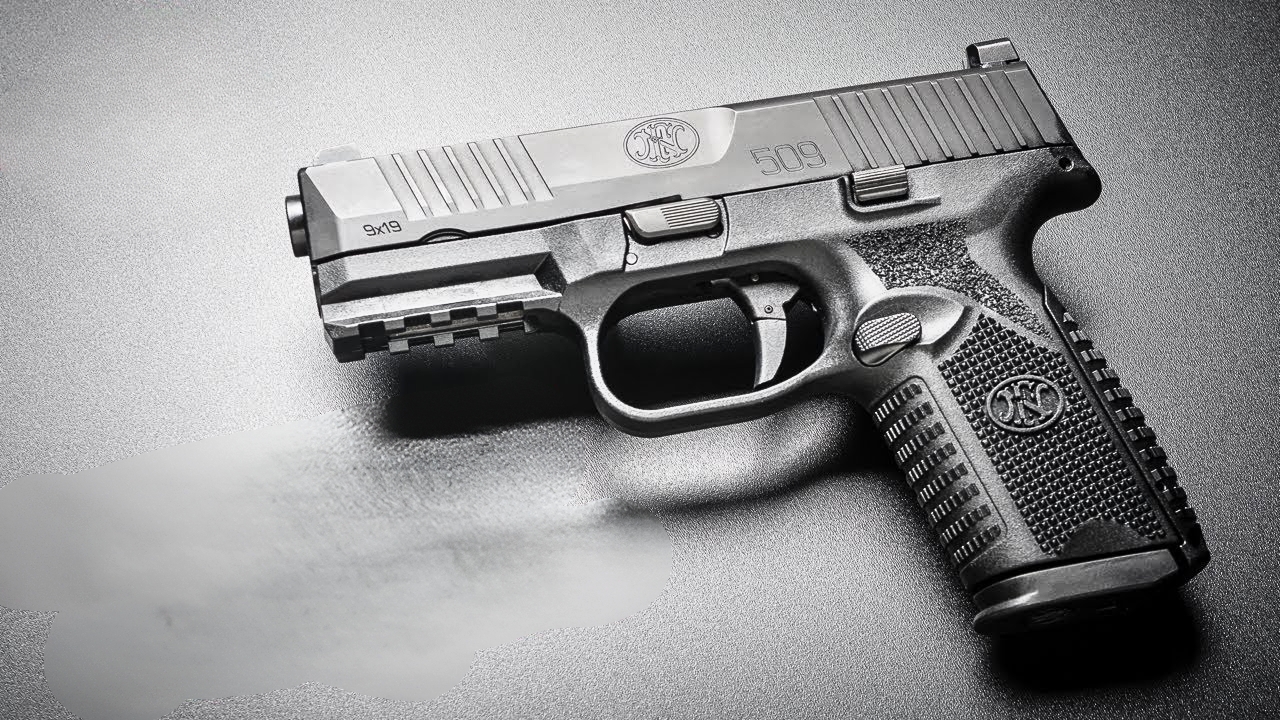
The 509 Midsize comes from a pistol family FN developed with serious duty use in mind. That shows in the substantial slide, aggressive grip texture, large extractor, and generally utilitarian construction. It does not feel like FN tried to remove every possible ounce just to make a specification sheet look better.
That approach makes sense for a reliability-focused compact. More mass can make carrying slightly less comfortable, but it also allows the pistol to retain the character of a service handgun instead of behaving like an enlarged pocket gun. FN’s magazines are robust, the controls are straightforward, and optics-ready configurations have been available without changing the basic operating system.
The 509 may not have the enormous aftermarket of a Glock, but I do not need a huge aftermarket when the factory pistol already does its primary job well. I would trust the basic gun before worrying about accessories.
Springfield Echelon 4.0C
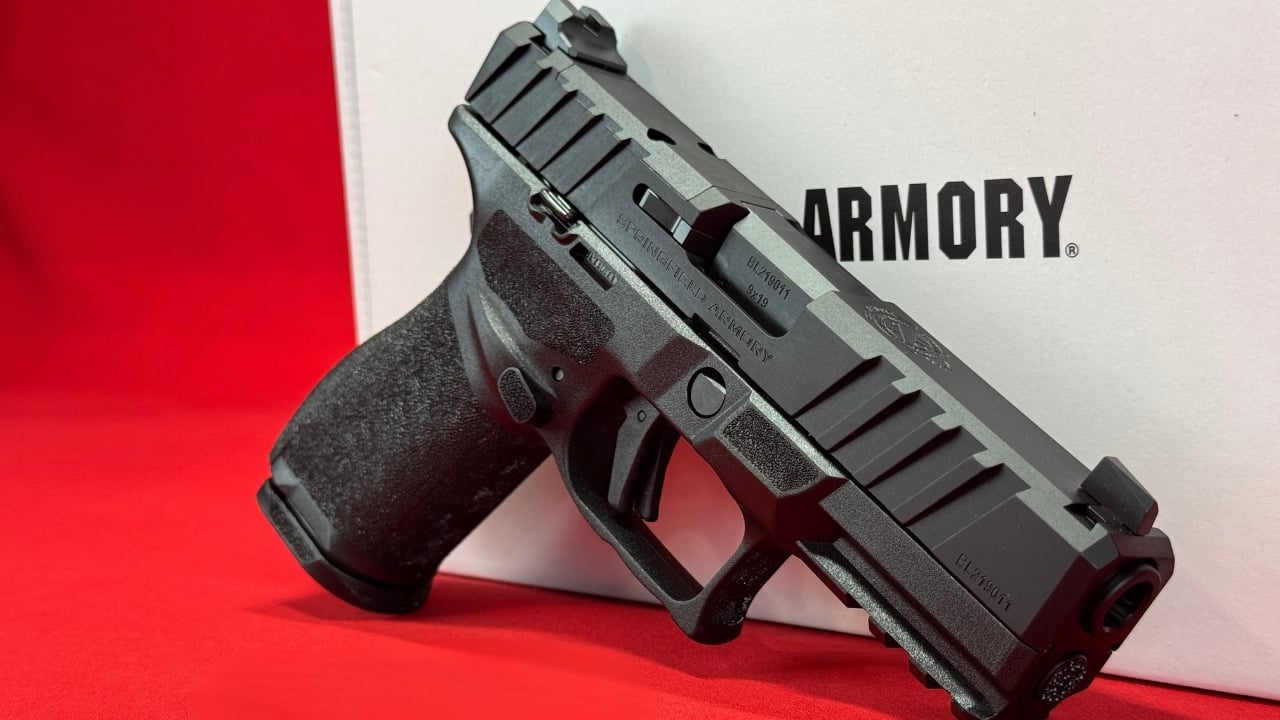
The Echelon 4.0C is newer than most pistols on this list, so I would not pretend it has the decades-long track record of a Glock 19 or P229. What makes it worth including is the amount of serious testing the platform has already received. The compact 4.0C earned the NTOA’s highest Member Tested and Recommended rating, and Springfield’s 2026 Alpha version uses the same serialized Central Operating Group chassis system in a 15+1 compact package.
That is a better reason to trust a relatively new pistol than simply believing advertising. The four-inch configuration also keeps the gun in the traditional compact-service size rather than shrinking it aggressively. I would still give older designs the advantage in sheer accumulated history, but the Echelon is one of the newer compacts I would feel comfortable putting serious rounds through.
CZ P-01
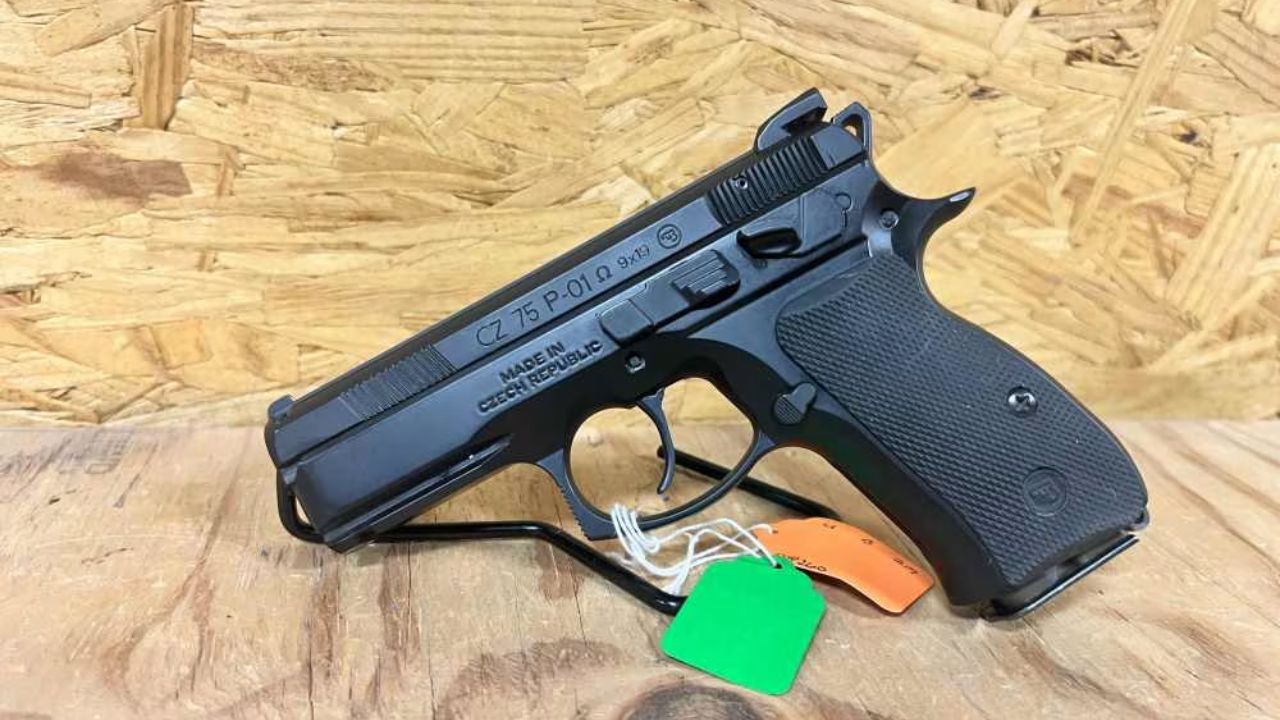
The P-01 combines a compact alloy frame with the traditional CZ 75 operating system, giving you something small enough for carry without removing the weight and grip area that make a pistol easy to control. I particularly like the decocker version because the manual of arms is straightforward once the shooter understands DA/SA operation.
Its steel slide rides inside the frame rails, the magazines have been around for years, and the basic system has far more history behind it than today’s flood of new micro-compacts. That maturity matters. I know what a CZ trigger feels like when new, how it improves with use, and which parts actually matter as the gun ages.
The P-01 may be heavier than the latest polymer compact, but carrying a few extra ounces is a trade I will gladly make for a pistol that feels exceptionally stable in the hand.
Glock 26 Gen5
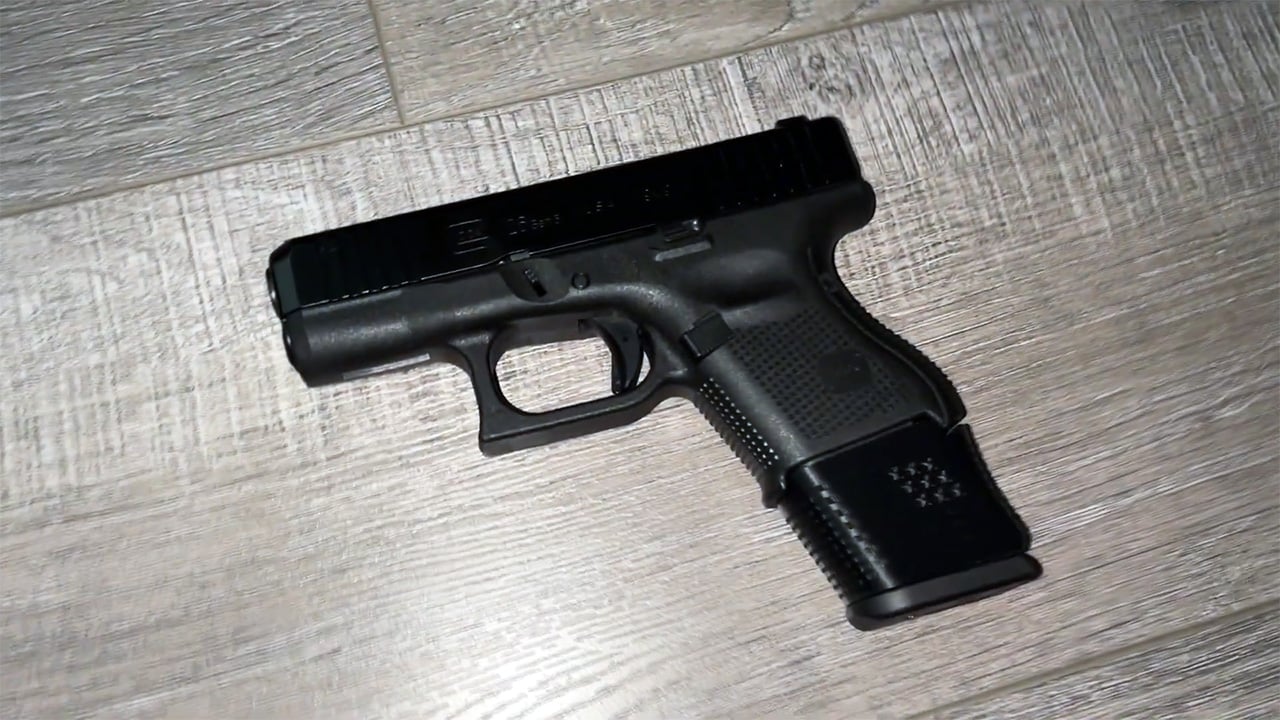
The Glock 26 is smaller than the G19, but it still retains enough of the original Glock service-pistol architecture that I do not mentally put it into the same category as the tiniest micro-compacts. It is short and thick rather than excessively thin and light.
That may sound less fashionable, but the thickness provides operating margin and gives the shooter more material to hold onto. The pistol also accepts larger Glock magazines, which means magazine availability is about as easy as it gets. Its short grip can be addressed with magazine extensions if needed without altering the operating system itself.
The Glock 26’s biggest strength is simply how long it has been proving that the basic concept works. Newer guns may hold more ammunition relative to their dimensions. Very few have accumulated the same amount of real-world history.
Heckler & Koch P2000 SK
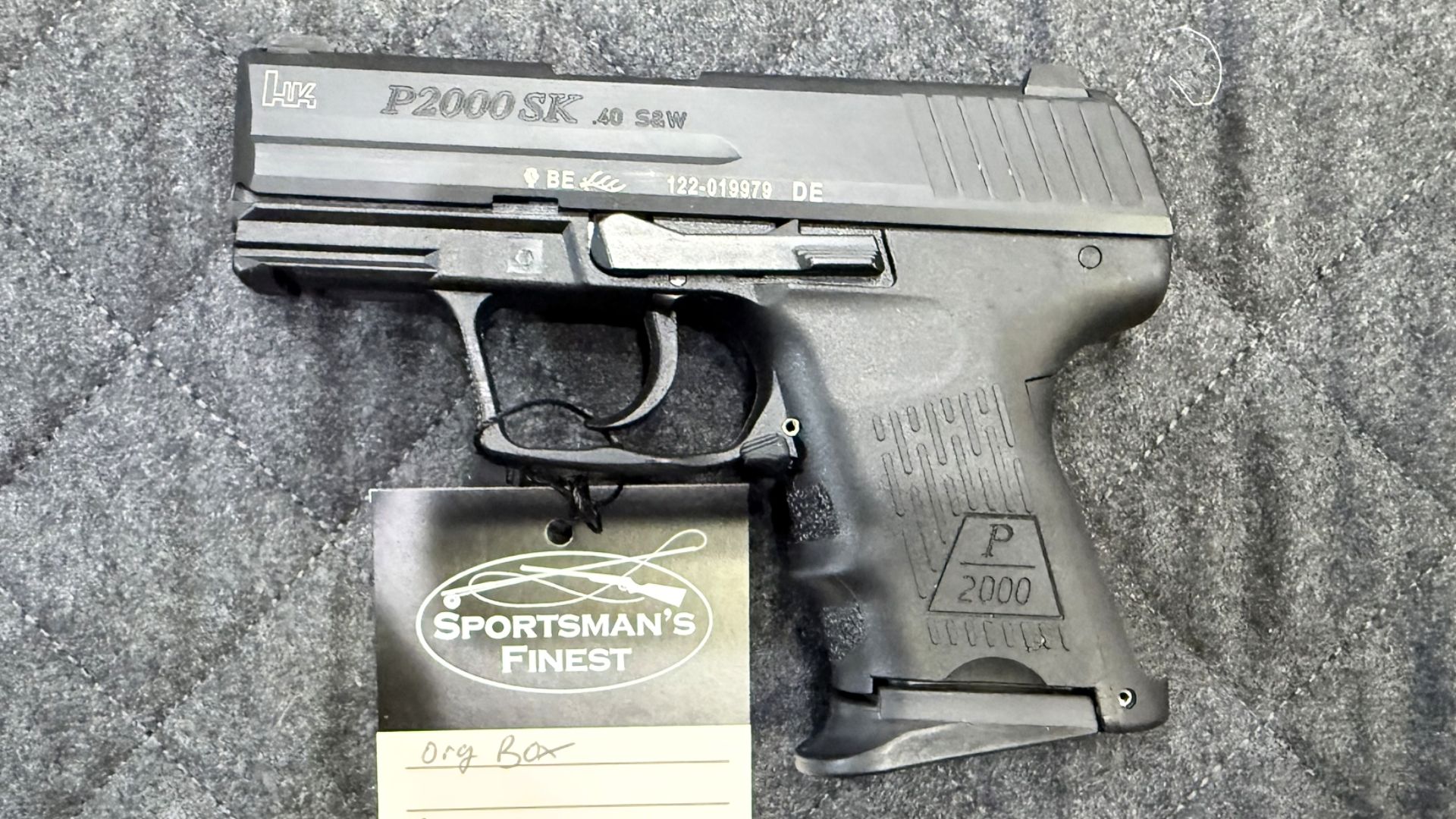
The P2000 SK often gets forgotten because HK now has newer carry pistols, but that does not make the older design any less dependable. It sits between the blocky USP era and the highly ergonomic P30 generation, giving you interchangeable backstraps and a more streamlined package while retaining HK’s traditional service-pistol construction.
I like the fact that it does not feel engineered around maximum capacity or minimum thickness. HK simply shortened a durable platform enough to make it convenient to carry. Traditional DA/SA and LEM trigger variants also give experienced shooters different ways to configure the gun without altering the basic mechanism.
This is the type of pistol I would happily buy used after verifying its condition. A proven design with a little holster wear is often more reassuring to me than an immaculate new model nobody has put serious mileage on yet.
Beretta 92X Centurion
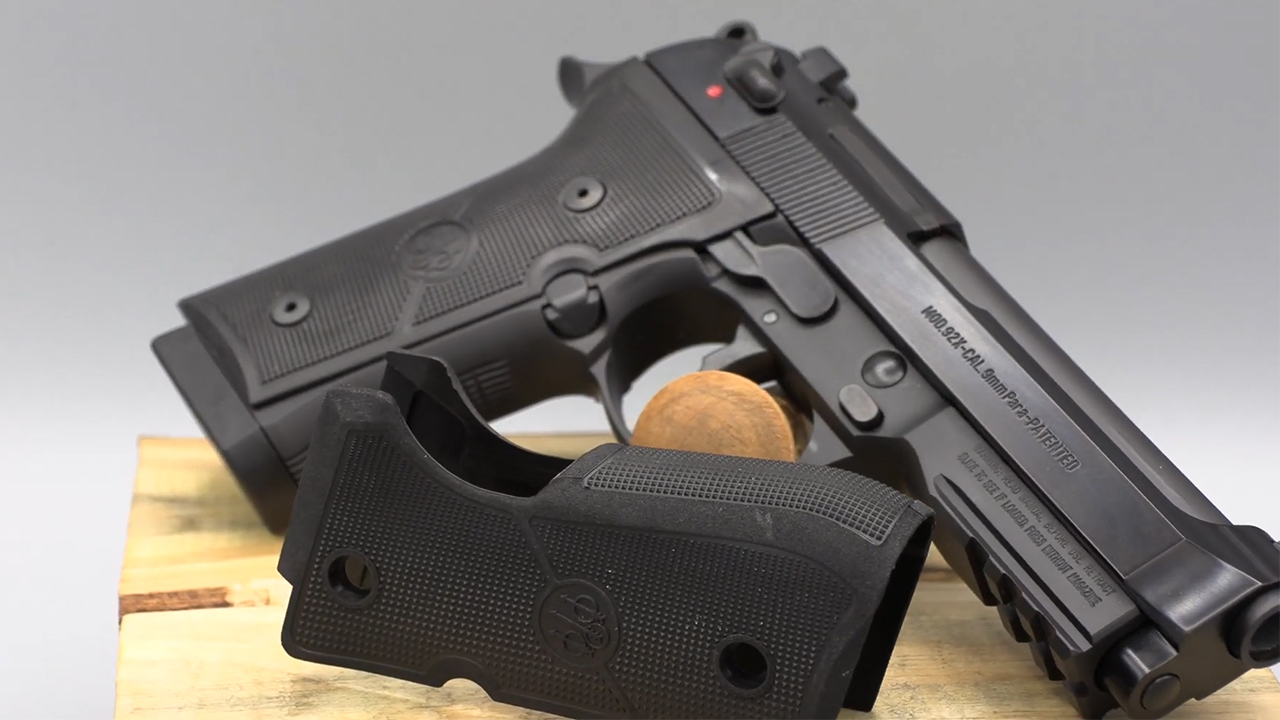
The Centurion sits at the larger edge of “compact,” but I am including it because that slightly increased size is exactly why it is so dependable and easy to shoot. You get a shorter slide and barrel than the full-size 92 while retaining a full grip and Beretta’s mature locking-block operating system.
That open-slide design gives fired cases an enormous ejection path, while the aluminum frame keeps the pistol from becoming as heavy as an all-steel service gun. The result is exceptionally smooth during shooting and forgiving of imperfect technique.
It will not disappear under clothing like a P365. That is not what I want from it. If reliability and shooting performance come before absolute concealment, I would much rather carry a little more gun and keep the operating margins that made the Beretta platform famous.
Canik METE SF

The METE SF offers a traditional compact-service footprint with one of the better factory striker triggers available at its price. That makes it enjoyable to shoot, which matters more to reliability than people sometimes acknowledge. A pistol that encourages regular practice is far more likely to reveal magazine, ammunition, or maintenance issues before they matter.
Canik has also been building this basic family of striker-fired pistols long enough that the operating system no longer feels experimental. The METE refinements are mostly improvements around ergonomics and mounting options rather than a reinvention of the internal mechanism.
I would still put Glock, HK, and some of the longer-established duty platforms ahead in sheer historical evidence. But if I wanted a compact pistol that provided excellent shootability without costing premium money, the METE SF is one I would be comfortable testing hard and trusting after it proved itself.
IWI Masada Slim

The Masada Slim is one of the thinner pistols here, but it avoids feeling like a tiny backup gun. The grip gives you enough room to control the pistol, and the basic striker-fired system remains straightforward. IWI still supports the Masada Slim with current accessories and holsters, including support for the newer Slim Elite configuration.
IWI’s background building military firearms does not automatically make every pistol perfect, but it gives me more confidence than buying an anonymous design with no established manufacturer behind it. The Masada Slim also provides a good middle ground for someone who wants less bulk than a Glock 19 without dropping all the way into tiny pocket-pistol dimensions.
I would still run any individual pistol hard before trusting it. Once proven, though, the Slim makes a compelling compact carry gun.
Ruger RXM
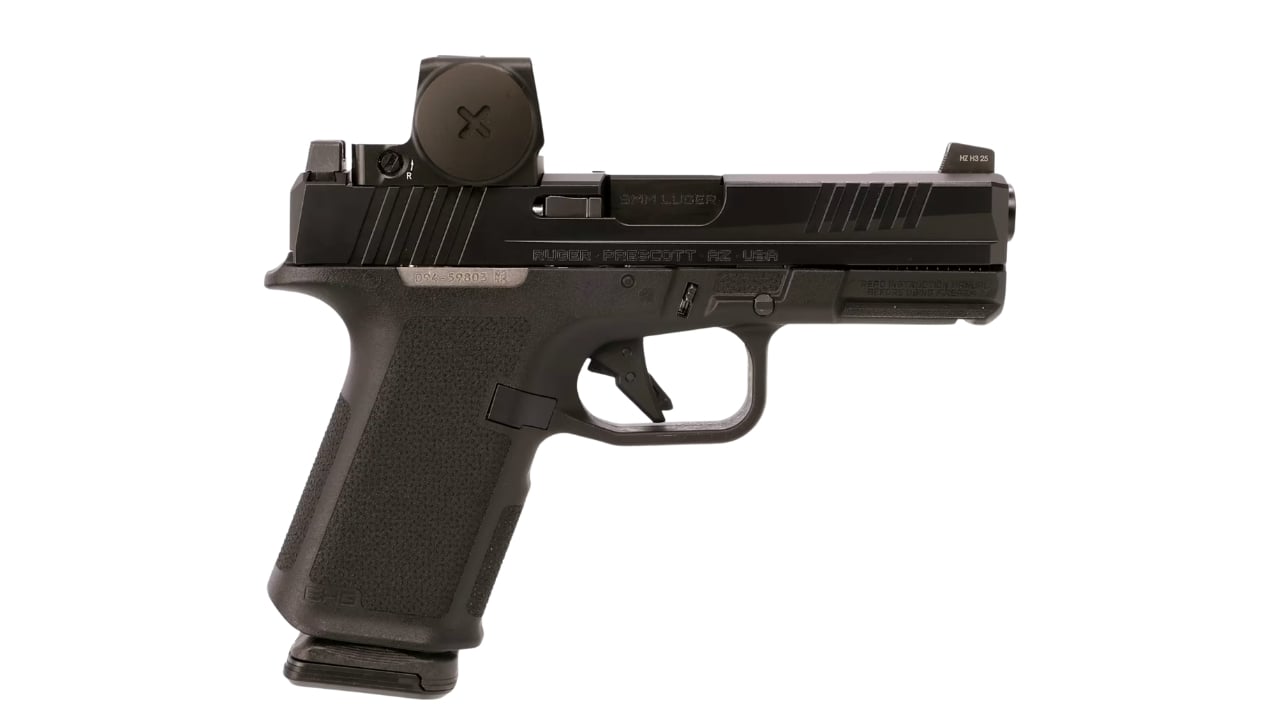
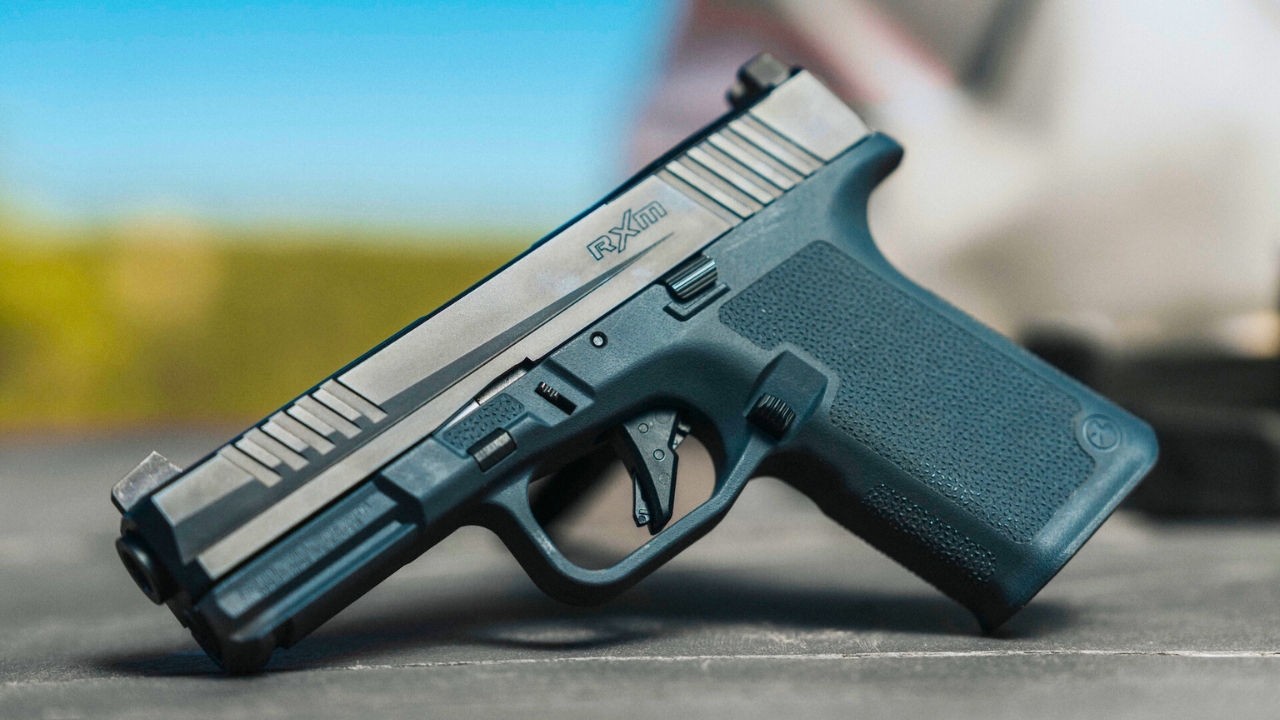
The RXM is another newer pistol that has not had enough years behind it to compete with the Glock 19 on history alone. What interests me is that Ruger did not build the platform around an obscure magazine or radically experimental action. Instead, the company partnered with Magpul and used a removable fire-control insert in a compact striker-fired design.
That gives the pistol modularity without requiring the entire operating system to become complicated. Ruger also has decades of experience building durable working handguns, which gives the RXM a manufacturer capable of supporting the design if problems emerge.
I would not declare a brand-new platform proven simply because I like the engineering. I would put serious ammunition through one first. The RXM belongs here because its basic architecture looks conservative enough that reliability was not sacrificed merely to create something visually different.
Stoeger STR-9C
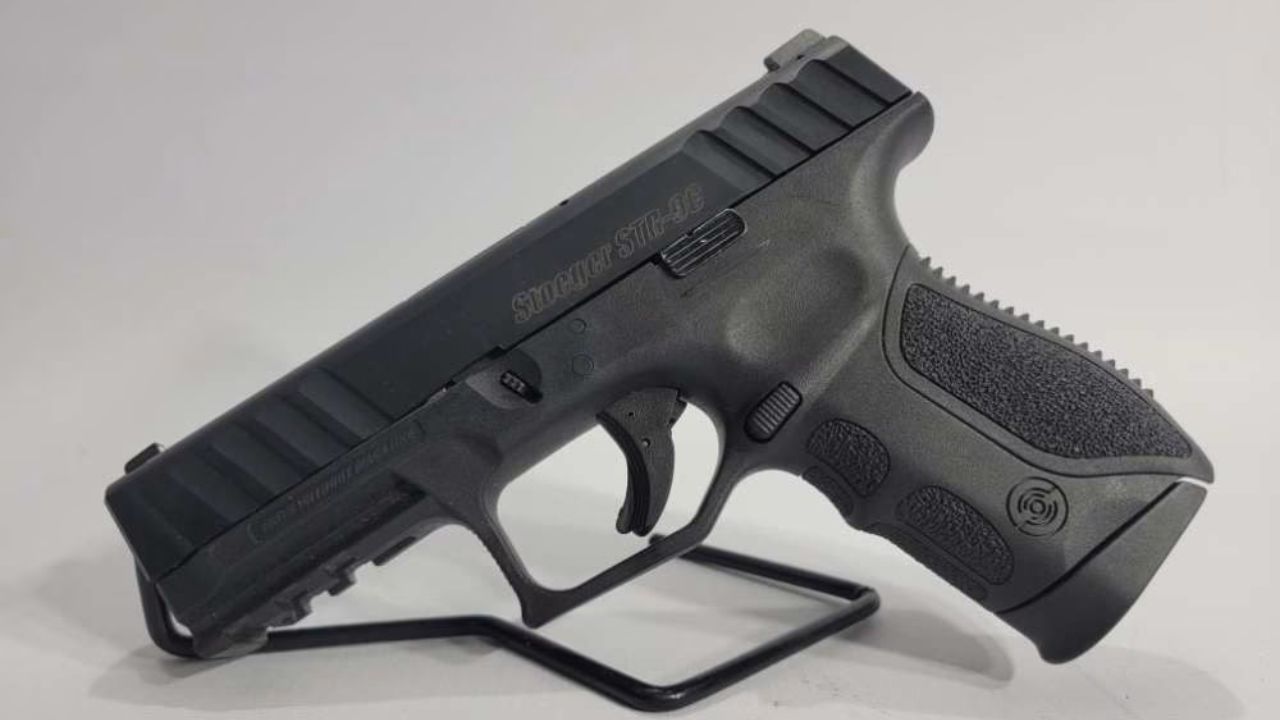
The STR-9C is easy to overlook because Stoeger is still far better known for shotguns. The compact pistol itself is very conventional, and that is a compliment. Stoeger’s current catalog continues to list the STR-9C, and the company’s manual shows a 3.82-inch barrel with magazine options up to 15 rounds.
There is no unusual locking system or complicated chassis to understand. It is a straightforward striker-fired compact offered at a price that makes it realistic to buy magazines and ammunition rather than spending the entire budget on the pistol.
I would still give more established handgun makers the benefit of longer institutional histories, but the STR family has now been around for several years. A simple design that has had time to mature can make a very sensible working pistol.
Smith & Wesson Shield Plus

The Shield Plus is closer to micro-compact territory than most of this list, but I include it because Smith & Wesson did not turn the pistol into an entirely new experiment when capacity increased. It evolved from the original Shield, one of the most widely used slim carry pistols of the previous decade.
That evolutionary path matters. Manufacturers generally discover weaknesses after thousands of customers put a platform into daily use, and later generations benefit from those lessons. The Shield Plus also retains enough grip length to make consistent shooting much easier than with the smallest pocket pistols.
If I wanted the thinnest pistol here, this would be one of my choices. I would still prefer a Glock 19-sized gun when concealment allowed it, but the Shield Plus is about as small as I would go before reliability margins and shootability become bigger concerns.
SIG Sauer P365 XL

The P365 XL takes the micro-compact concept and moves it back toward dimensions I find much easier to trust and shoot. The longer slide provides more operating mass than the shortest P365 variants, while the extended grip gives the shooter much better leverage and more consistent contact with the pistol.
That is why I prefer the XL to the absolute smallest carry guns when reliability is my priority. It remains thin enough to disappear easily, but it does not feel as though every component has been compressed to the minimum possible dimension. The P365 platform has also now accumulated enough years of use that it is no longer the unknown quantity it was at launch.
For maximum proven history I would still choose something like a Glock 19. When concealment requires something substantially thinner, the P365 XL is one of the compromises I am most comfortable making.
Like The Avid Outdoorsman’s content? Subscribe to our newsletter so you never miss an article.
Here’s more from us: