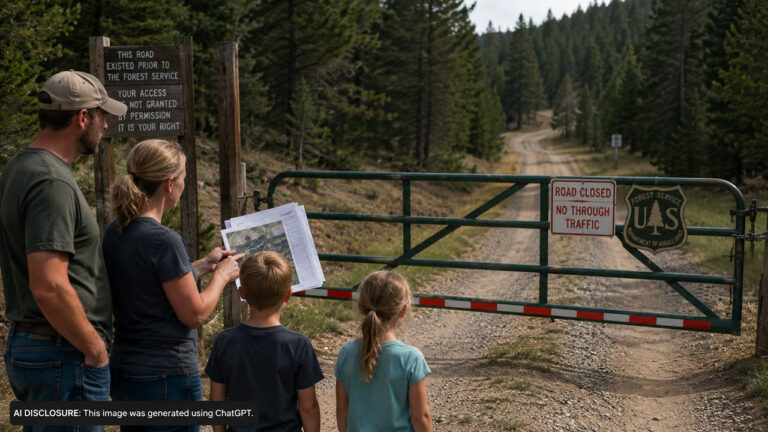
Photo credit: AI-generated image created using ChatGPT. Illustrative only
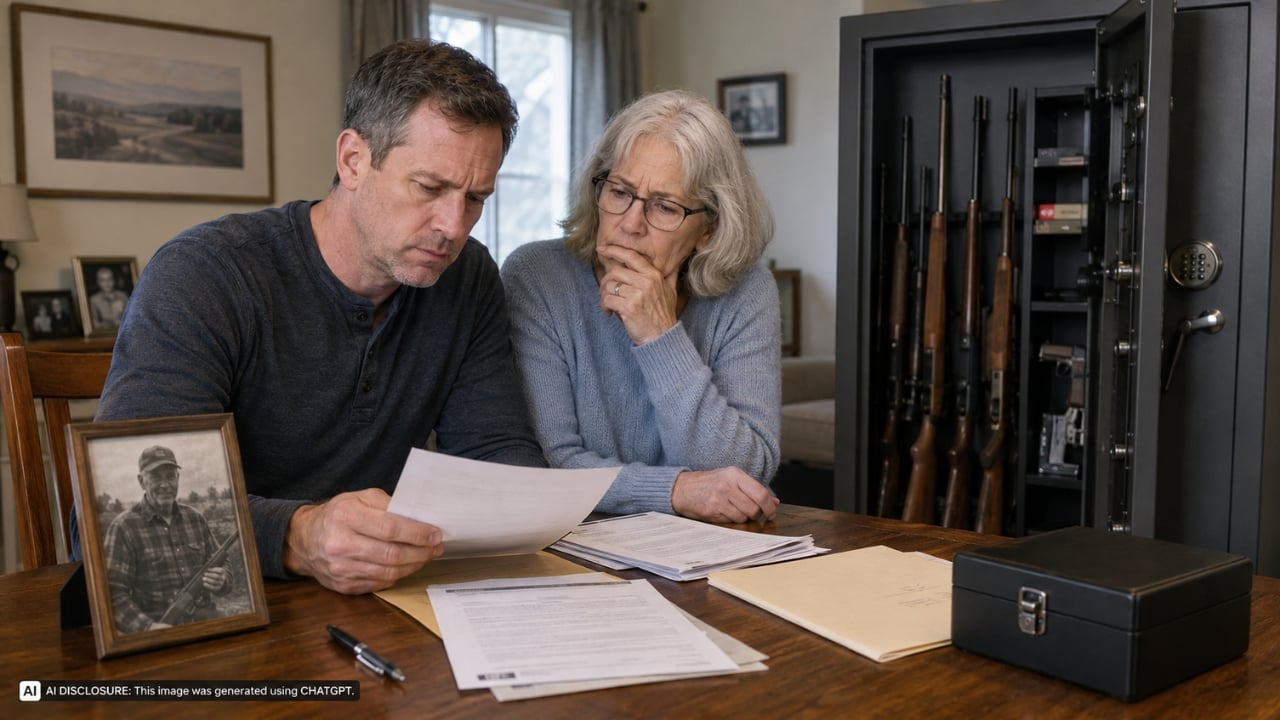
When a family loses a grandfather, the last thing anyone wants is a paperwork problem sitting in the gun safe. But that’s exactly where one Connecticut family found themselves after Grandpa passed and his will split things up in a way that sounded straightforward on paper: most everything to Grandma, and all the firearms—long guns and pistols—to his son.
In the original post, the grandson laid out the snag a lot of outdoors families eventually run into. Dad was named in the will to receive the guns, but he doesn’t have a permit of any kind. So the questions started piling up fast: Can he just take possession because they were legally left to him? Does he have to transfer them into his name? Does he need to get a pistol permit first?
A will can say “to my son,” but the state still has rules
Most gun owners understand the “regular” way firearms change hands—buy it at a gun shop, do the paperwork, follow the state process. Inheritance feels different, because it’s not really a purchase and it’s not a casual private sale. It’s the family sorting out property after a death.
But Connecticut is one of those places where the fine print matters, especially once handguns are involved. The family’s situation is a perfect example of how a will can spell out intent, but the state can still control what “taking possession” looks like in real life—particularly when the recipient doesn’t already have the credentials the state expects for certain firearms.
The pistol part is where things get sticky
The grandson said the firearms included both “long rifles and pistols,” and that detail is the whole ballgame. In many states, long guns and handguns don’t live under the same set of rules, and Connecticut gun owners know handguns tend to bring the most red tape.
That’s why the family’s questions centered on permits. Dad has no permit of any kind, and they’re trying to figure out whether a will changes that reality. It’s not just about eventual ownership in the eyes of probate—it’s about immediate possession, transport, and storage without accidentally stepping into a violation while everyone’s grieving and trying to do the right thing.
“Just take them” isn’t a plan when you’re dealing with estates
Out in the hunting world, we’re used to handing down rifles and shotguns—Grandpa’s deer gun, an old .22, the bird gun that’s been in the family forever. A lot of families handle those transfers with a handshake and good intentions, especially when they’re staying inside the family.
But the grandson’s post shows why that approach can backfire when the state’s definitions of “possession” and “transfer” don’t care about family history. If Dad throws everything in the truck and drives home, that might feel like “honoring the will,” but it could also be the moment the family unknowingly crosses into the kind of problem nobody wants—one that’s completely avoidable if they slow down and handle the sequence correctly.
The practical problem: where do the guns sit while the family sorts it out?
Even before you get to ownership and permits, there’s a basic, boots-on-the-ground question: where are the guns right now, and who has control of them? When a gun owner dies, the collection doesn’t disappear. It’s still in a closet, a safe, a bedside drawer, or a case in the basement.
That’s where real life kicks in. Grandma inherited “most everything,” but the will earmarked the firearms for Dad. If Dad can’t legally possess pistols yet, the family has to think about temporary storage and access in a way that keeps everyone safe and square with the law. That includes making sure the guns are secured, that keys or combinations are controlled, and that nobody is casually handling or moving them “just to get organized” without understanding the implications.
It’s also a safety issue, not just a legal one. In the chaos after a death—visitors, family coming and going, people cleaning out rooms—firearms need to be locked down so they don’t walk off or end up in inexperienced hands. A will might decide who gets them, but it doesn’t automatically solve the short-term reality of secure storage.
What the family was really asking: “What does legal ownership look like here?”
The grandson’s wording is the kind you hear from normal, responsible families: “Are there any steps he needs to take, in order to take legal ownership of them?” That’s not somebody trying to skirt the system. That’s somebody trying to avoid mistakes.
And it’s an important distinction. “Left to him” is a statement of intent. “Transferred into his name” is a question about process. In states with tighter firearm laws, those aren’t interchangeable. The family is trying to learn whether inheritance has its own lane, whether permits gatekeep possession of pistols regardless of inheritance, and whether there’s a way to do it cleanly without Dad having to gamble on a “maybe it’s fine” assumption.
In plain terms, they’re asking the same thing a lot of hunters and gun owners eventually ask: If you don’t already have the right permit, can you even touch what you inherited?
The most common mistake in situations like this: trying to solve it fast
When you’re cleaning out an estate, everybody wants progress. You want the house secured, valuables accounted for, and the stress off Grandma. Firearms add pressure because they’re valuable, regulated, and emotionally charged at the same time.
But speeding through this part is how families get burned. The safest path is usually the boring one: pause, keep everything locked up, and verify what Dad needs before any pistols change hands. That might mean Dad getting the proper permit before he takes possession of the handguns. It might mean using an appropriate lawful transfer process for firearms that require it. It might mean arranging lawful temporary custody with someone who can legally possess them until Dad is properly set up.
None of that is flashy. It’s just smart, especially in a state where the rules can be specific and the consequences can be a mess even when nobody had bad intentions.
In the end, this Connecticut family’s situation is a reminder for every gun-owning household: if you want your guns to stay in the family without drama, don’t just list names in a will and call it good. Talk through the permit reality ahead of time, write down what you have, keep them secured, and make sure the person you’re leaving them to can actually receive them the legal way—especially when pistols are part of the mix.
Like The Avid Outdoorsman’s content? Be sure to follow us.
Here’s more from us: