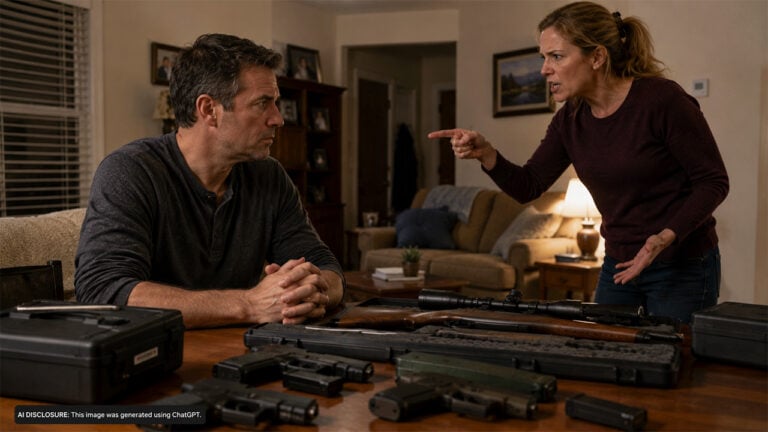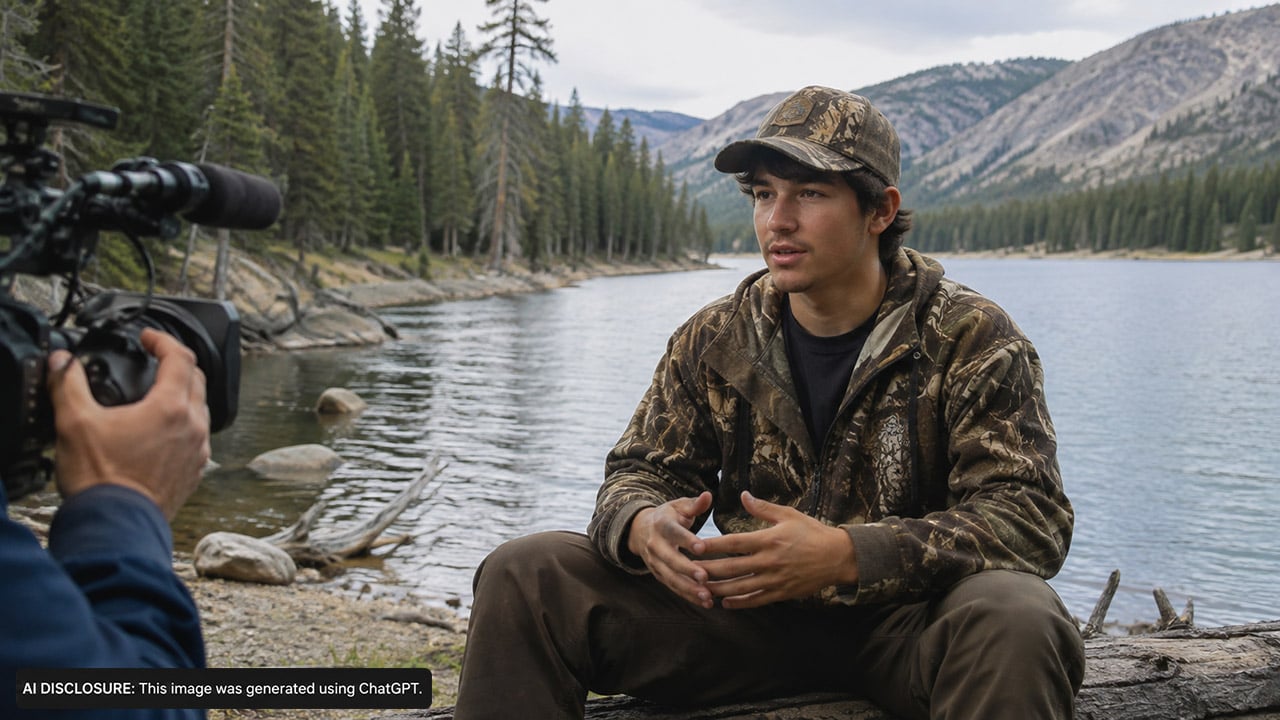
Photo credit: AI-generated image created using ChatGPT. Illustrative only
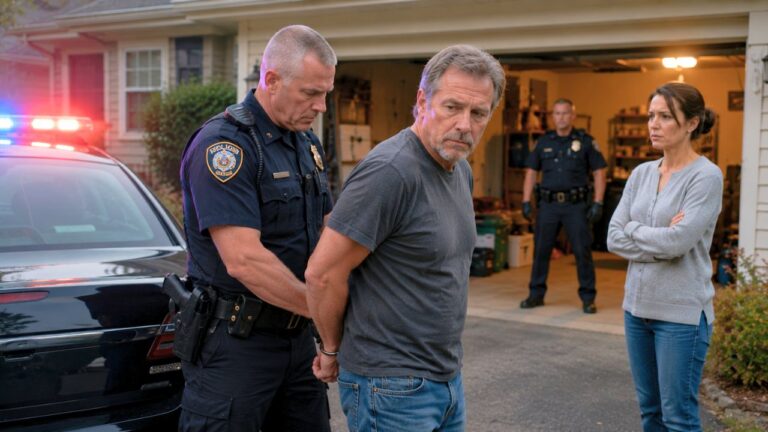
There’s a difference between a campfire story told among hunting buddies and a confession recorded under studio lights. One Northern California hunter learned that line still matters, even a decade later, when an old college acquaintance—now working at a local news station—asked to put him on camera to talk about how he fed his family as a kid.
In the original post, the man laid out a hard, familiar kind of rural winter: deep snow, no work, and a pantry that ran empty. Starting around age 12 and running into his late teens and early twenties, he says he hunted and trapped to keep his mother and younger siblings from going hungry—deer, grouse, squirrels, rabbits, and fish when the river wasn’t locked up.
A winter reality that turned a kid into the provider
The way he tells it, this wasn’t about thrill-seeking or trophy pictures. It was about calories and making it to spring. When the road is buried, the paycheck stops, and you can’t “just run to town,” the choices get narrow fast.
He described grabbing a rifle when the family ran out of food and taking whatever game was available. Small game came from snares and traps. Fish came from nets and set traps whenever open water allowed. He’s clear on one point: he doesn’t want a morality debate—he’s not asking for forgiveness, he’s asking what kind of legal trouble could follow him into adulthood.
He admits the violations were serious, not technicalities
A lot of folks hear “poaching” and picture a guy shining fields for bucks or hauling a pickup-bed of salmon for cash. This wasn’t that story, but the violations he described weren’t minor paperwork mistakes either.
By his own account, he hunted and fished out of season, ignored bag limits, and used a gill net. He noted that gill nets are illegal for non-native anglers to use at any time of year. That detail matters, because it points to potential charges beyond “took game out of season,” and because certain gear violations can be treated more harshly than people expect.
The curveball: a news interview request years later
More than ten years have passed since the last time he says he hunted illegally. These days he still hunts, but legally, and that’s part of why the interview request hit like a gut check. It’s one thing to leave the past in the past; it’s another to walk into a newsroom and say it out loud with your face attached.
What he’s really weighing is risk versus reward. The station gets a compelling human-interest segment about rural hardship and survival. He gets…what, exactly? Maybe a chance to tell his side. But he also potentially hands ammunition to anyone who wants to make an example out of him, or anyone who thinks “poacher” is the whole story and the only story.
His biggest worries: criminal charges and losing hunting privileges
He asked three plain questions. First: could he still be charged with a crime for what he did as a minor and young adult, even though it was more than a decade ago? Second: could his current hunting or fishing licenses be revoked if he goes on camera and admits to those past acts? Third: is there a solid reason not to do the interview that he hasn’t thought about?
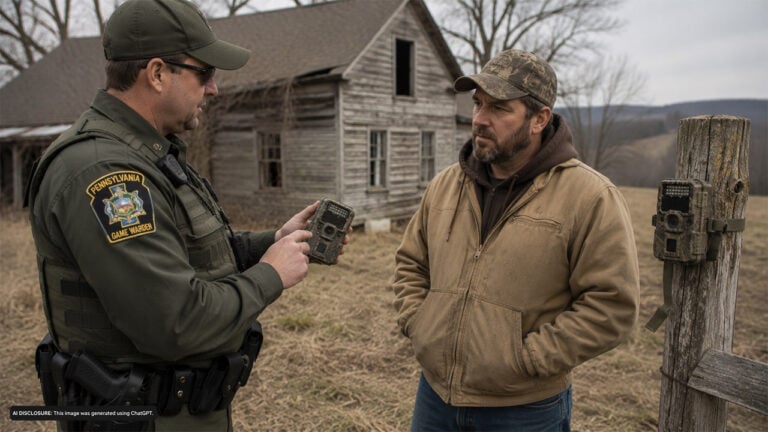
Outdoorsmen know how this plays out in real life. Game laws aren’t just about a fine; they can come with loss of privileges, equipment seizure in some cases, and long-term consequences that follow you across state lines depending on the violation and how it’s handled. Even if no one files charges, being publicly labeled can cost a person friendships, work opportunities, and access—especially in small towns where everybody knows everybody.
Where outdoorsmen tend to get burned: statutes, details, and paper trails
He specifically mentioned not knowing whether there’s a statute of limitations on “any of this stuff.” That’s a smart concern, and it’s exactly where people get themselves in trouble by guessing. Limitations periods can depend on the exact offense, how it’s classified, and sometimes whether it’s treated as an infraction, misdemeanor, or something more.
And then there’s the part hunters don’t talk about enough: the details you volunteer can create their own paper trail. Dates, locations, methods, the kind of net, the species taken—those aren’t just story flavor. Those are the building blocks of a case if someone decided to connect dots. Even if nothing comes of it, you’ve now created a recorded statement that can’t be “unsaid,” edited or not.
There’s also a practical angle here. He still hunts legally today. If you’re a current license holder, you have more to lose than the guy who hasn’t bought a tag in 20 years. It’s not just “could I be charged?” It’s “could I lose what I do now—my seasons, my traditions, my meat in the freezer—because I wanted to tell a story on TV?”
The common-sense reasons hunters avoid the camera for old mistakes
Even without getting into a legal lecture, there are a few grounded reasons seasoned outdoorsmen get cautious when a microphone shows up. First, interviews aren’t controlled environments. A producer may pitch it as a sympathetic story, but the final cut has to fit a time slot and a narrative. Context is the first thing that gets trimmed.
Second, “I was hungry and I fed my family” can still be framed as “admitted poaching on air,” and those are two very different headlines. Third, once it’s public, it’s not just the local station. Clips get reposted, watched by people who don’t know you, and judged by folks who’ve never seen a hard winter or an empty pantry.
Finally, there’s the quiet reality that enforcement can be complaint-driven. A lot of investigations start because someone calls. Going public can create the very complaint that didn’t exist yesterday.
None of this changes what he lived through as a kid, and it doesn’t pretend rural hunger isn’t real. It’s just acknowledging how the world works now: cameras, permanent recordings, and a public that loves simple villains.
For hunters and anglers watching this situation, the lesson isn’t “never tell your story.” It’s to understand the stakes before you do. When the past involves illegal seasons, illegal limits, and illegal gear, the smartest move may be keeping the story where it belongs—off the record, and out of the studio lights.
Like The Avid Outdoorsman’s content? Subscribe to our newsletter so you never miss an article.
Here’s more from us: