Photo credit: Historic Militaria/YouTube
Not every firearm needs to earn its keep through hard use. Some guns are too historically important, too mechanically delicate, or too difficult to repair for regular range trips to make sense. A single broken extractor, cracked stock, or mismatched replacement part can erase thousands of dollars in value.
Others should stay put for a different reason. Their safety systems are questionable, their ammunition is obsolete, or age has made proper inspection more important than another box of cartridges. These 20 firearms may deserve a place in a serious collection, but they are better preserved than treated like ordinary shooters.
Colt Walker Reproduction Conversion
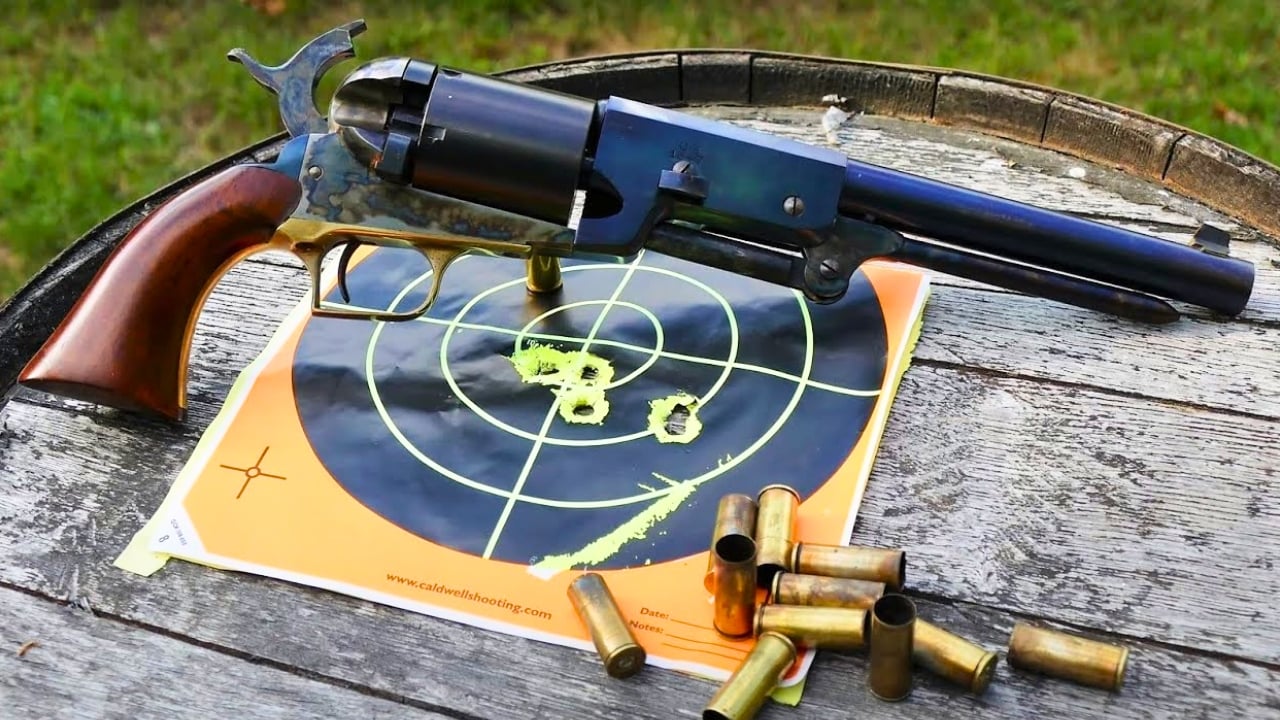
A quality Colt Walker reproduction is already an enormous and mechanically demanding black-powder revolver. Converting one to fire metallic cartridges can add even more stress to a design originally created around much lower pressures.
Even when the conversion is properly made, the massive cylinder, loading cutout, wedge system, and open-top frame require careful attention. Hot ammunition can batter components quickly, while improper loads create obvious safety concerns. It is an impressive historical piece, but there are far stronger revolvers available for regular cartridge shooting.
Colt Model 1900 Sight Safety
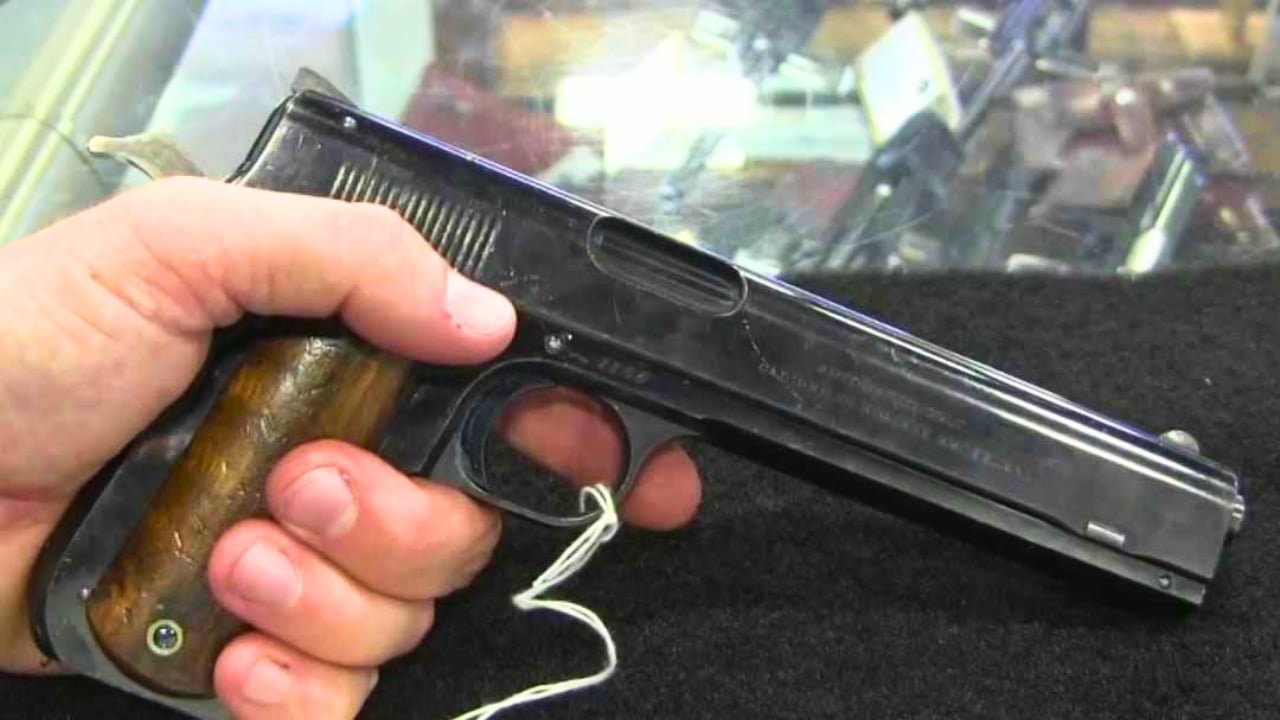
The Colt Model 1900 represents one of the earliest successful semiautomatic pistol designs produced in the United States. Its unusual rear sight also serves as a safety by physically blocking the firing pin.
That system is historically fascinating and thoroughly outdated. Small parts are scarce, metallurgy varies between surviving pistols, and many examples have significant collector value. Regular shooting offers little benefit when a broken sight, extractor, or slide component could permanently reduce the gun’s originality.
Borchardt C93
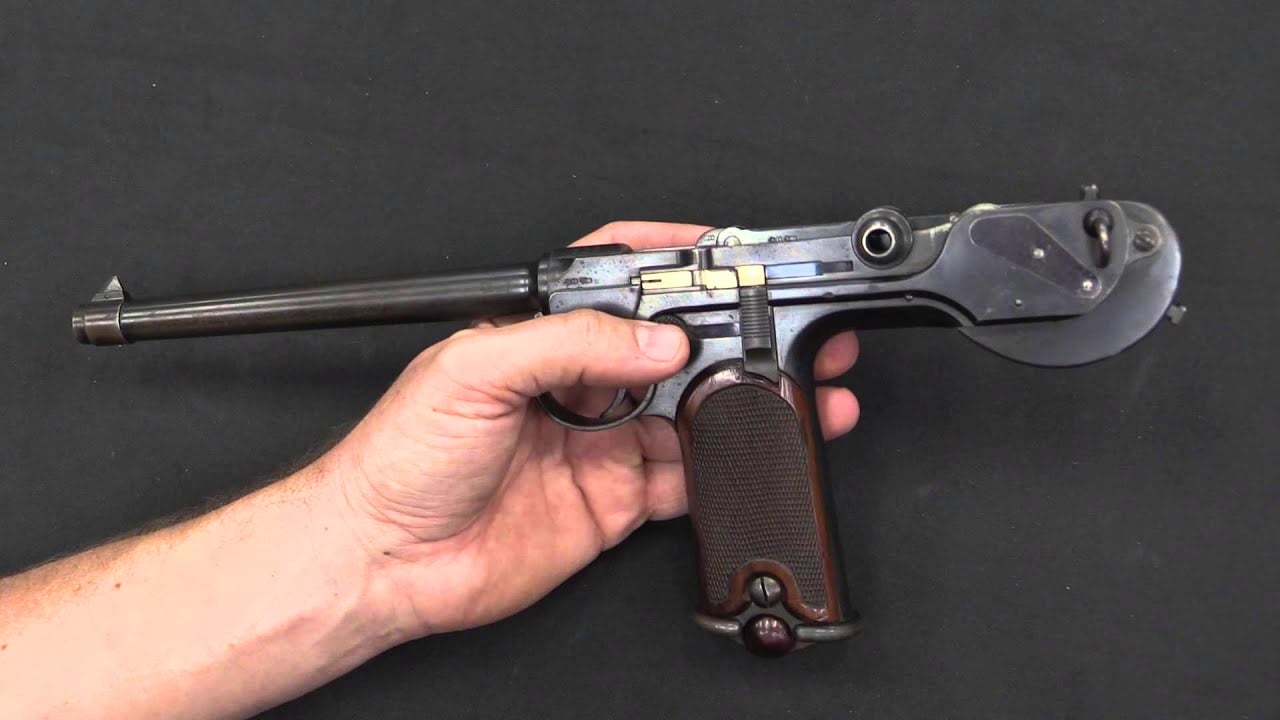
The Borchardt C93 helped establish the basic mechanical foundation that eventually led to the Luger. Its toggle action, detachable magazine, and powerful bottleneck cartridge were highly advanced for the 1890s.
Today, almost every surviving example is a major historical artifact. Ammunition is rare, magazines are extremely valuable, and internal parts are nearly impossible to replace. Even a harmless-looking malfunction can damage components that no modern shop keeps on hand. A Borchardt belongs behind glass or in a carefully controlled collection.
Mauser C96 Cone Hammer

Early cone-hammer C96 pistols are among the most desirable Mauser variants. Their distinctive hammer shape, early markings, and connection to the development of military semiautomatics give them considerable collector value.
The bolt stop is a critical wear component, and failure can allow the bolt to move rearward dangerously. Springs, locking parts, and frames may also be more than a century old. Later commercial shooters can be inspected and maintained, but an original cone-hammer example is too valuable to risk for routine range use.
Colt Model 1905
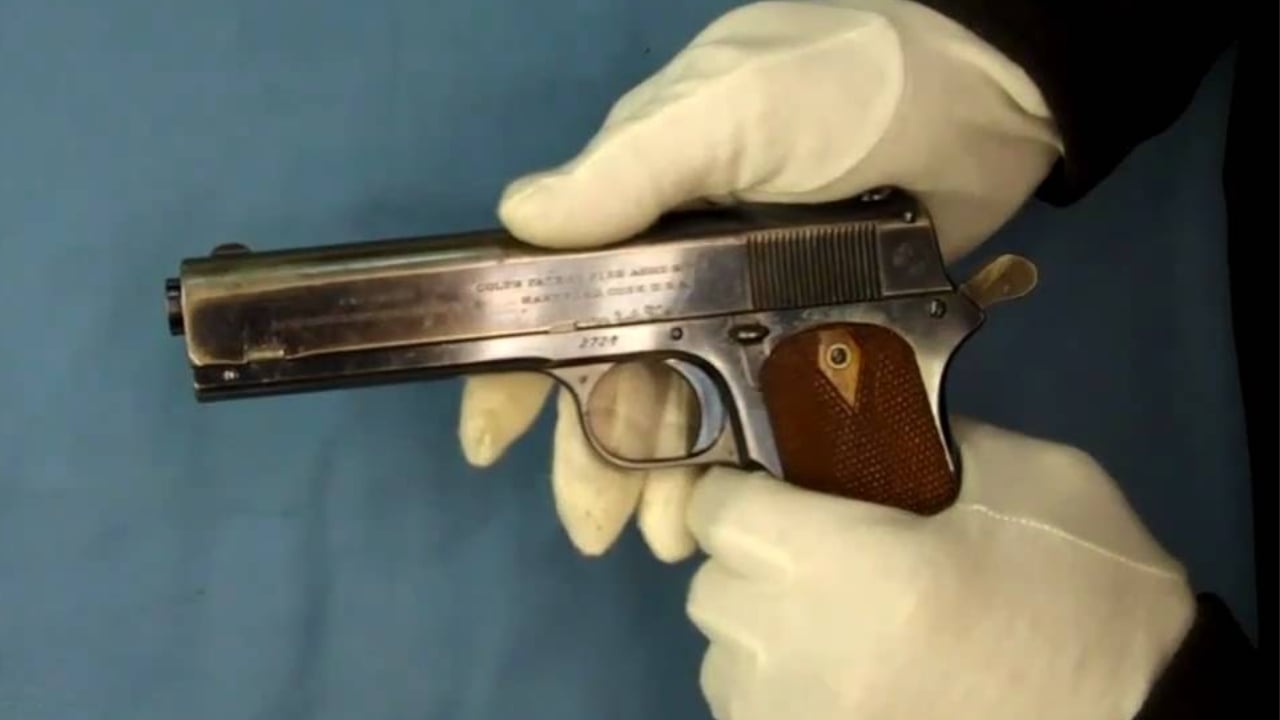
The Model 1905 was one of the earliest pistols chambered for .45 ACP and contributed directly to the development of the 1911. That historical importance makes surviving examples particularly valuable.
Its operating system lacks many of the safety and durability improvements incorporated into the later Government Model. Slides and internal parts were not built around modern high-volume shooting. Ammunition selection also requires caution. A modern 1911 delivers the shooting experience without risking an irreplaceable piece of firearms history.
Savage Model 1907 Trials Pistol
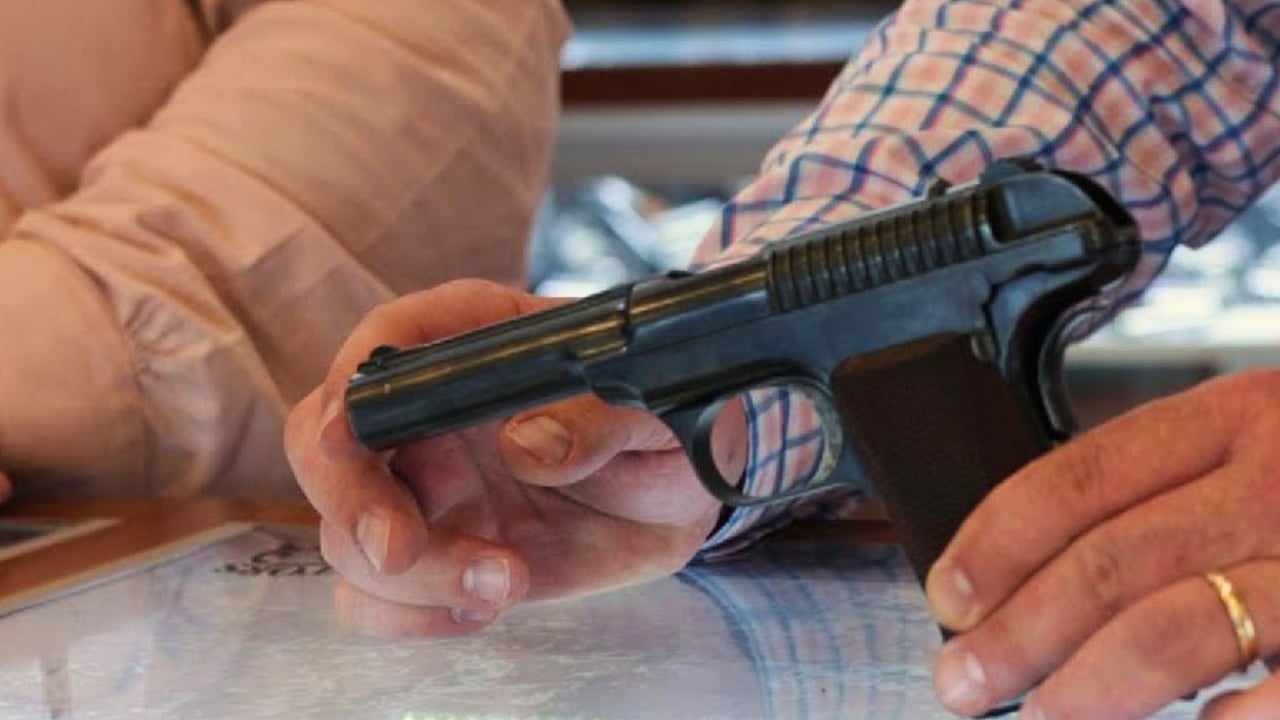
Standard Savage Model 1907 pistols remain collectible but shootable. Rare military-trial variants are a completely different matter.
These pistols connect directly to the American handgun trials that eventually selected the 1911. Their markings, configurations, and provenance make originality extremely important. Breaking or replacing even a minor component can significantly affect value. There is no practical reason to risk a genuine trials pistol when ordinary commercial Savages provide a similar experience.
Japanese Type 26 Revolver
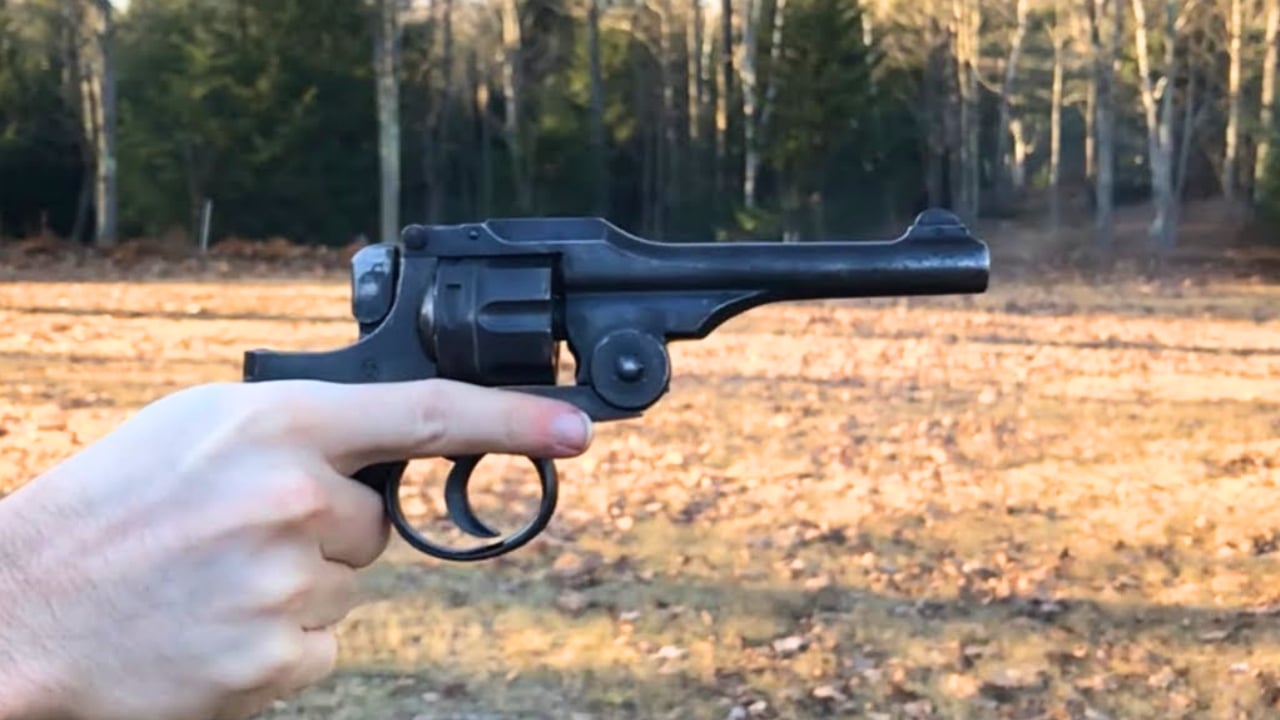
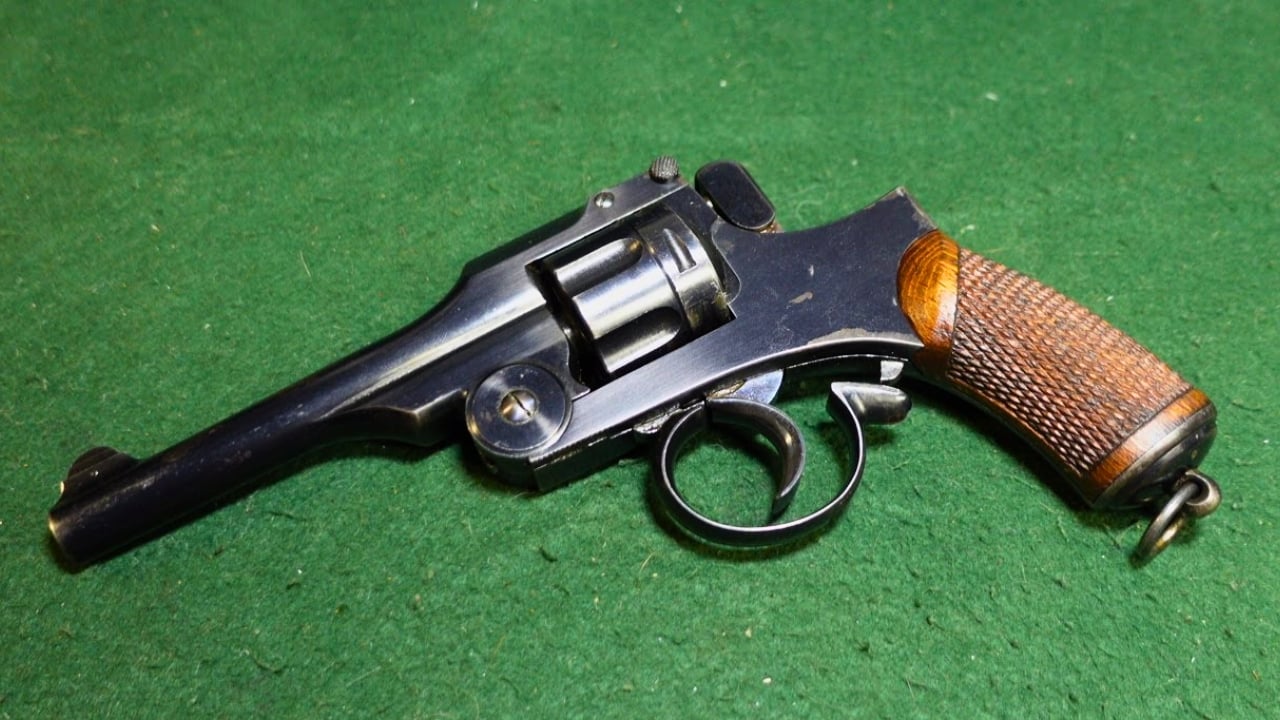
The Type 26 is an unusual top-break revolver with a double-action-only trigger and a place in early Japanese military history. Its odd mechanics make it interesting to collectors.
The cartridge is obsolete, lockwork is complicated, and timing issues can be difficult to repair. Many surviving revolvers also have rough bores or uncertain mechanical histories. Firing one requires handloaded ammunition and a careful inspection by someone familiar with the design. Most examples are better preserved than exercised.
Webley-Fosbery Automatic Revolver
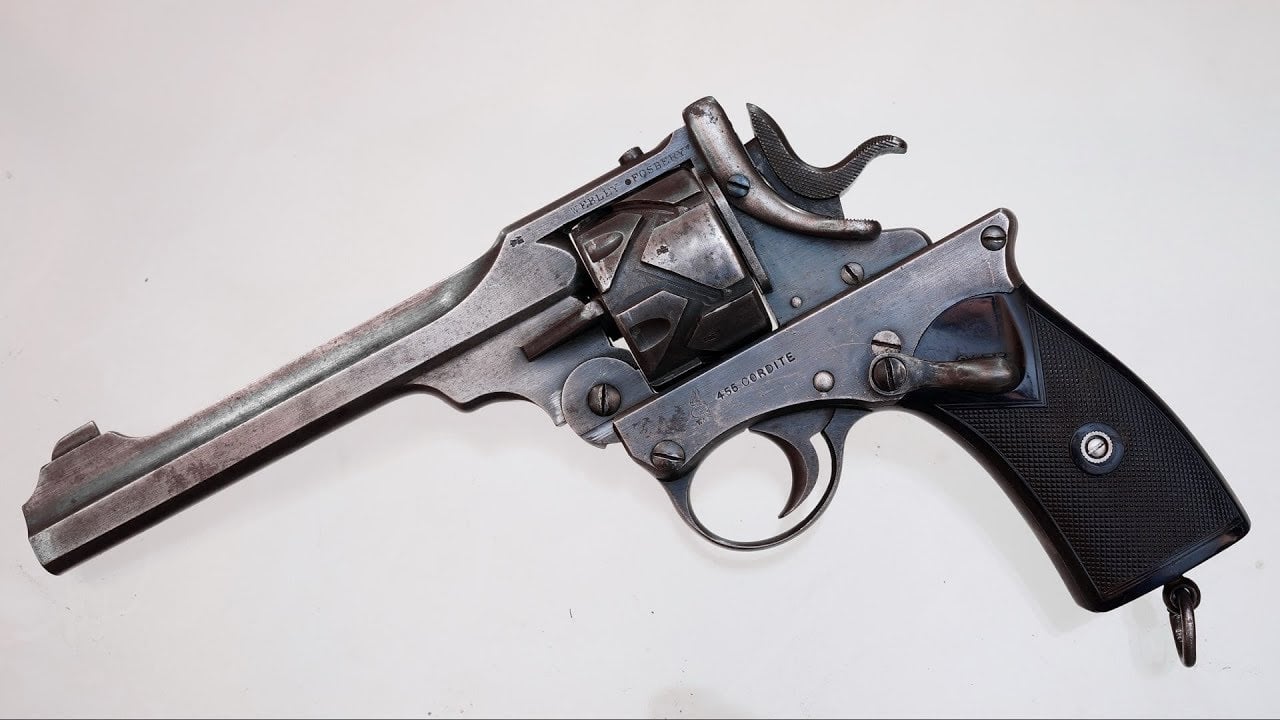
The Webley-Fosbery uses recoil to rotate the cylinder and cock the hammer. The zigzag grooves cut into the cylinder make it one of the most recognizable revolvers ever produced.
The mechanism is sensitive to ammunition, grip technique, and proper lubrication. Original parts are scarce, and many examples are worth far more than ordinary Webley revolvers. A damaged cylinder track or worn recoil system would be extremely difficult to correct. Its engineering is best appreciated without trying to prove it still works every weekend.
Merwin Hulbert Pocket Army
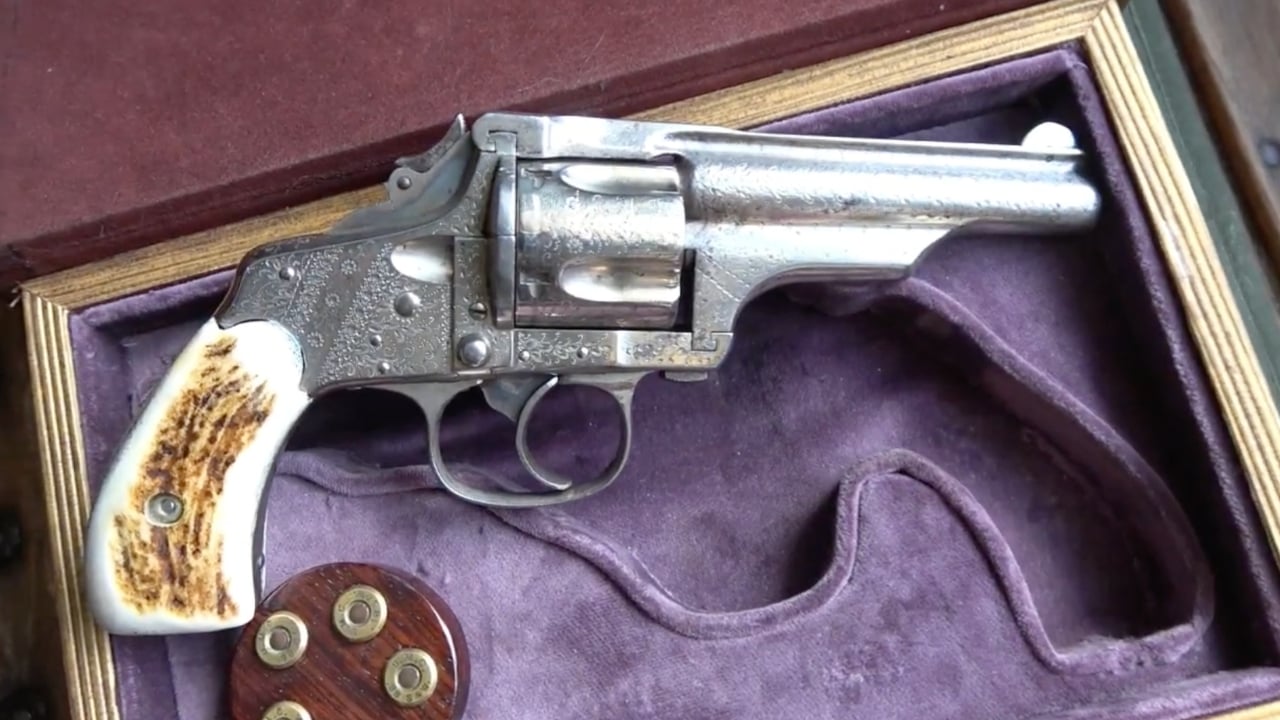
Merwin Hulbert revolvers used a clever rotating-and-sliding barrel system that allowed empty cases to fall free while retaining unfired cartridges. The design was elegant and unusually sophisticated for its period.
It is also mechanically complex compared with a conventional solid-frame revolver. Barrel lugs, locking surfaces, and internal parts are difficult to replace. Original finishes and matching components add substantial value. Regular firing risks loosening a mechanism that has already survived well over a century.
Smith & Wesson Registered Magnum
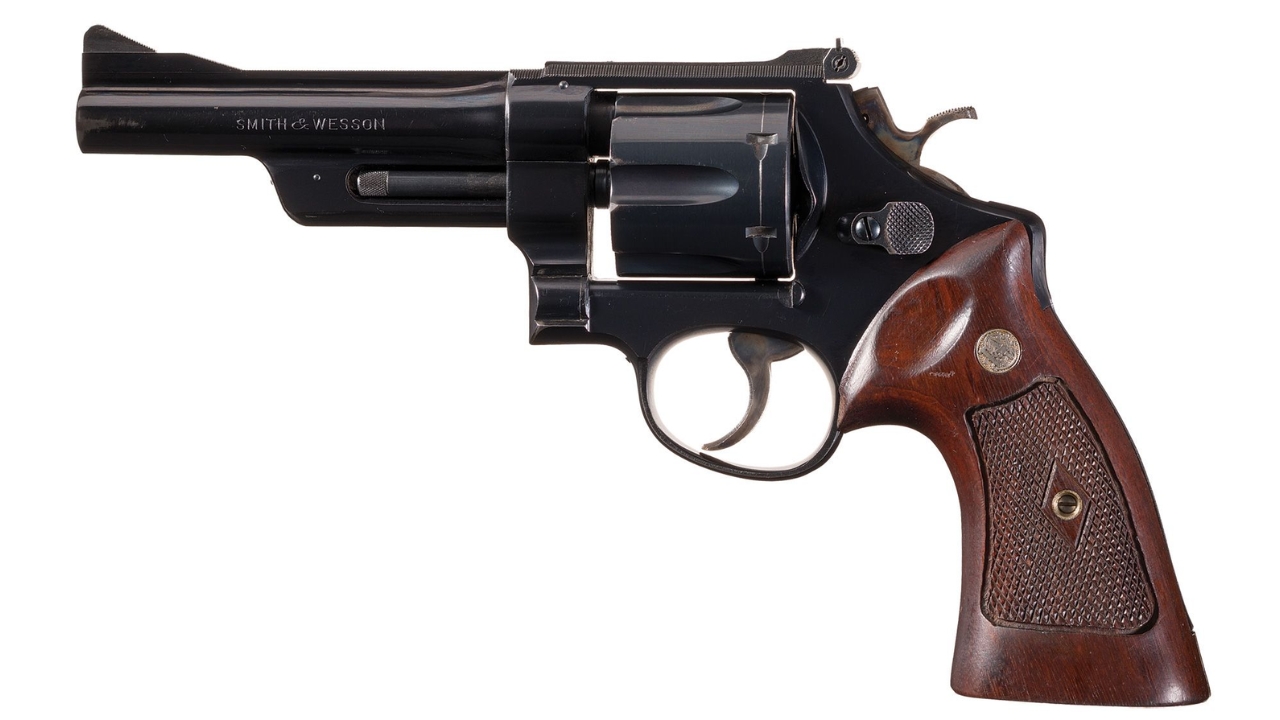
The Registered Magnum was the original premium .357 Magnum revolver. Buyers could order custom barrel lengths, sights, grips, and registration certificates tied to the individual gun.
That documentation and originality are a major part of the revolver’s value. Heavy magnum shooting can produce finish wear, forcing-cone erosion, timing changes, or damage to numbered grips. A standard modern Model 27 or Ruger Blackhawk can handle range duty without putting a historically significant Registered Magnum at risk.
Colt Python 3-Inch First Generation

Original 3-inch Pythons are significantly scarcer than the common 4- and 6-inch versions. Their rarity has pushed values far beyond what their practical performance alone would justify.
The traditional Colt action can lose timing when treated roughly or fired extensively with heavy magnum ammunition. Even routine holster wear can reduce collector value. Modern 3-inch Pythons are available for shooters who want the same general configuration. An original example makes more sense as a preserved collectible.
Smith & Wesson Model 29 No-Dash
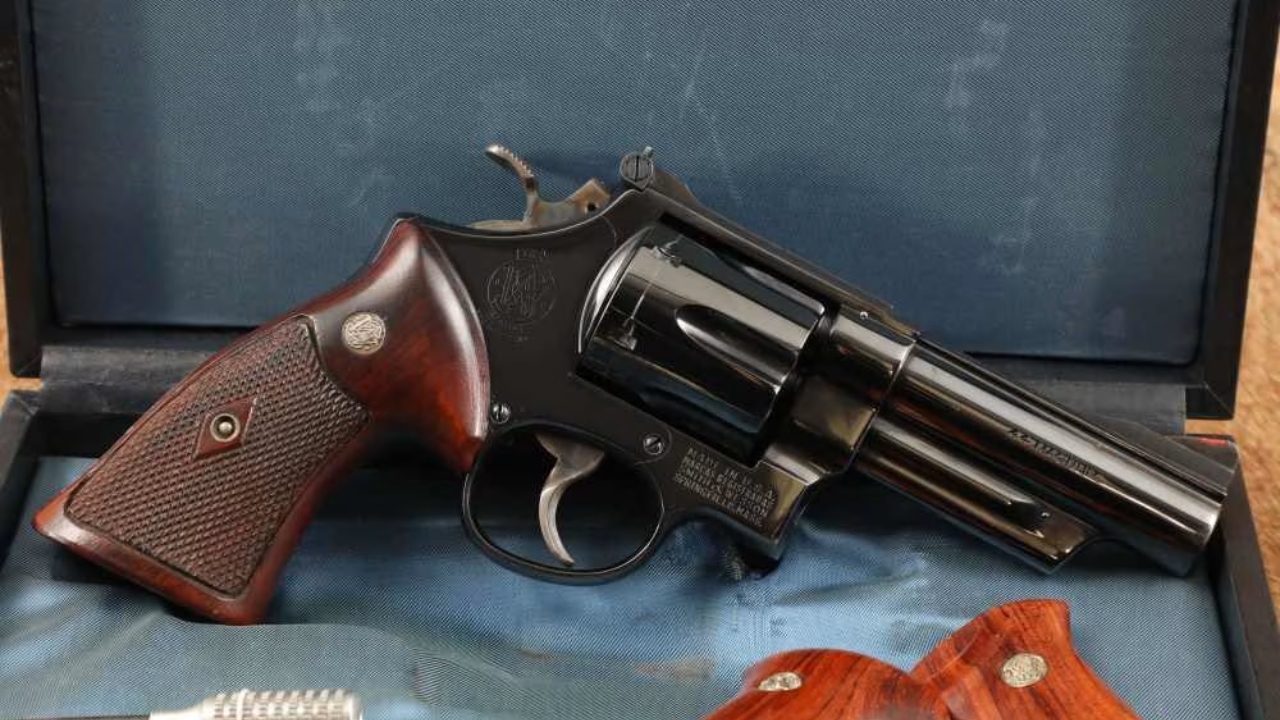
Early Model 29 revolvers carry tremendous cultural and collector appeal. No-dash examples represent the original configuration before later engineering changes.
Repeated use with heavy .44 Magnum loads can affect timing, cylinder lockup, and internal components. Later endurance-package improvements were introduced for a reason. An early revolver can still be fired carefully with moderate ammunition, but pounding it with full-power loads sacrifices value for an experience a newer Model 29 can provide more safely.
Colt Single Action Army Artillery Model
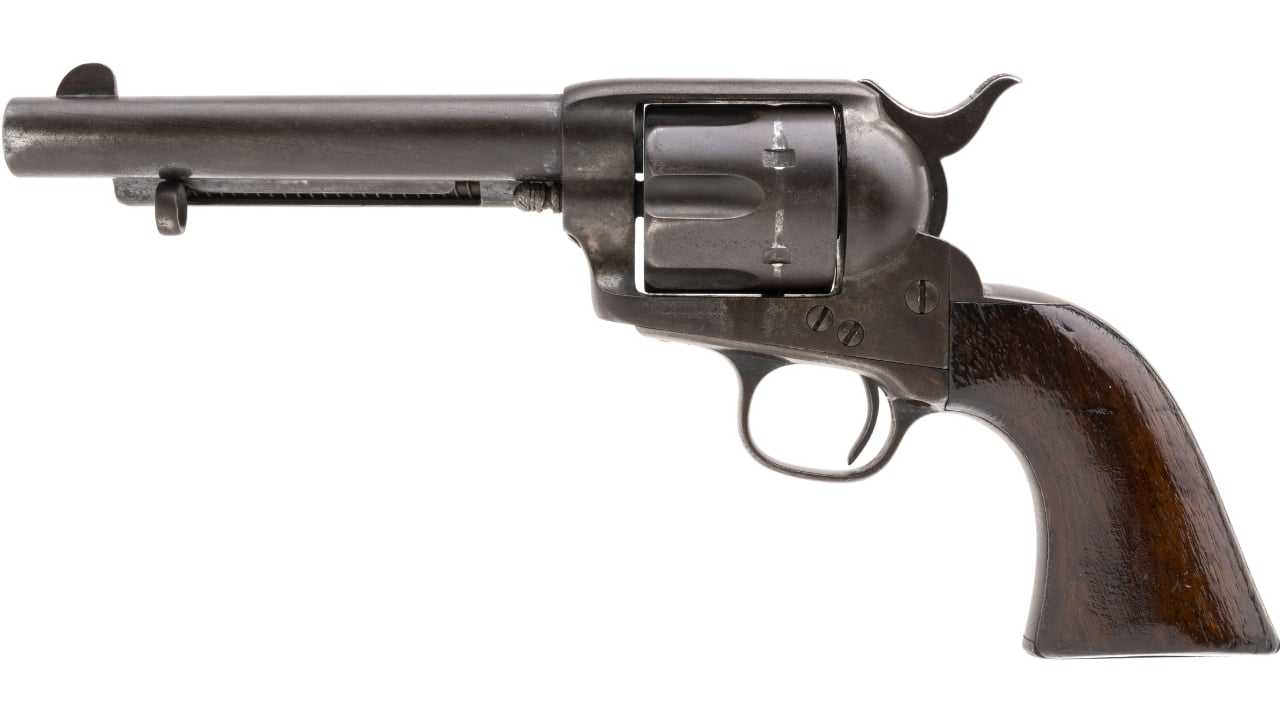
Authentic Artillery Model revolvers were assembled from earlier military Single Action Army parts and often contain mixed serial numbers applied during arsenal rebuilding. That history is central to their collector appeal.
Original black-powder-era frames, old springs, and uncertain cylinder histories make regular shooting risky. Replacing a worn part can also disturb the revolver’s historical integrity. Modern Colt and Italian reproductions offer the same handling without endangering a genuine military artifact.
Winchester Model 1876 One of One Thousand
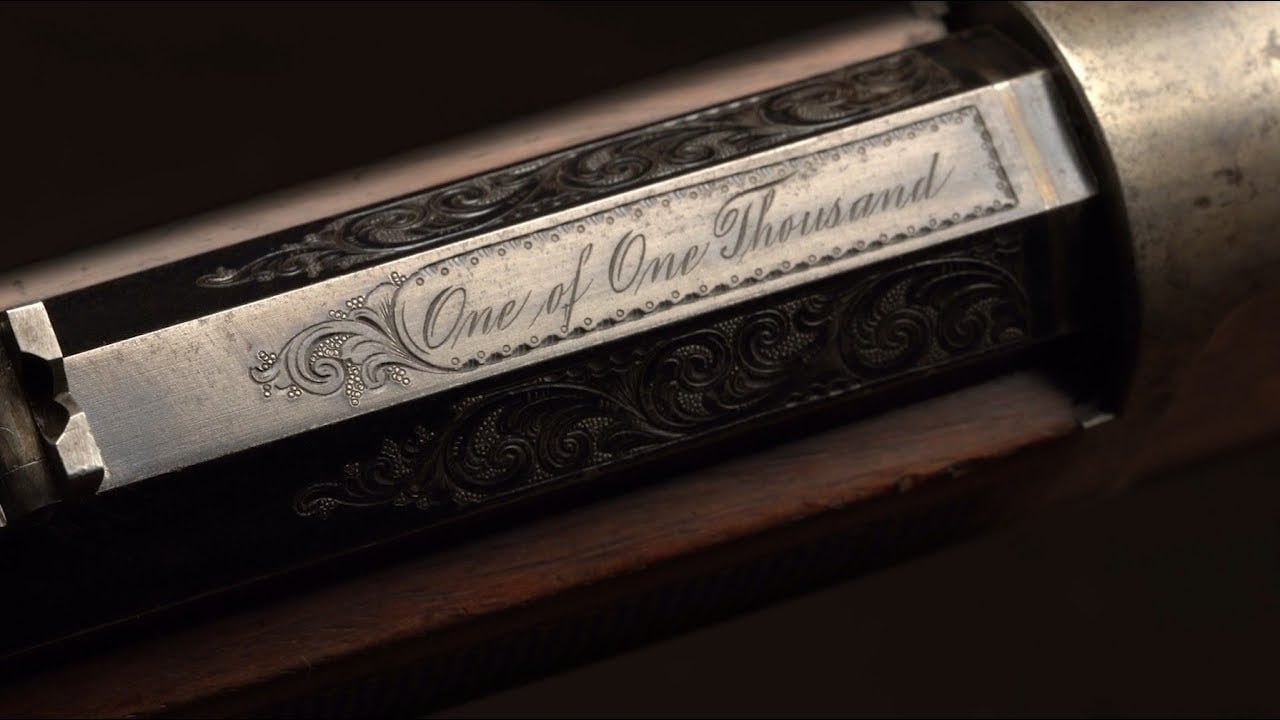
Winchester’s “One of One Thousand” rifles were specially selected for exceptional accuracy and marketed as premium examples of the company’s production. Genuine rifles are exceptionally rare and valuable.
Every scratch, replaced screw, and worn internal component matters. Ammunition is obsolete, and many rifles require custom handloads kept within conservative pressure limits. Firing one adds almost no practical understanding that cannot be gained from a reproduction. Its value lies in surviving unchanged.
Winchester Model 1895 Russian Contract

Russian-contract Model 1895 rifles are distinctive because of their stripper-clip guides, military configuration, and chambering in 7.62x54mmR. They occupy an unusual place in both American and Russian military history.
Many surviving examples endured extremely hard service and may have questionable bores, headspace, or replacement parts. Hot surplus ammunition adds further risk. A properly inspected rifle can function, but uncommon furniture and military-specific components are difficult to replace. Better examples deserve preservation.
Pedersen Device Mark I
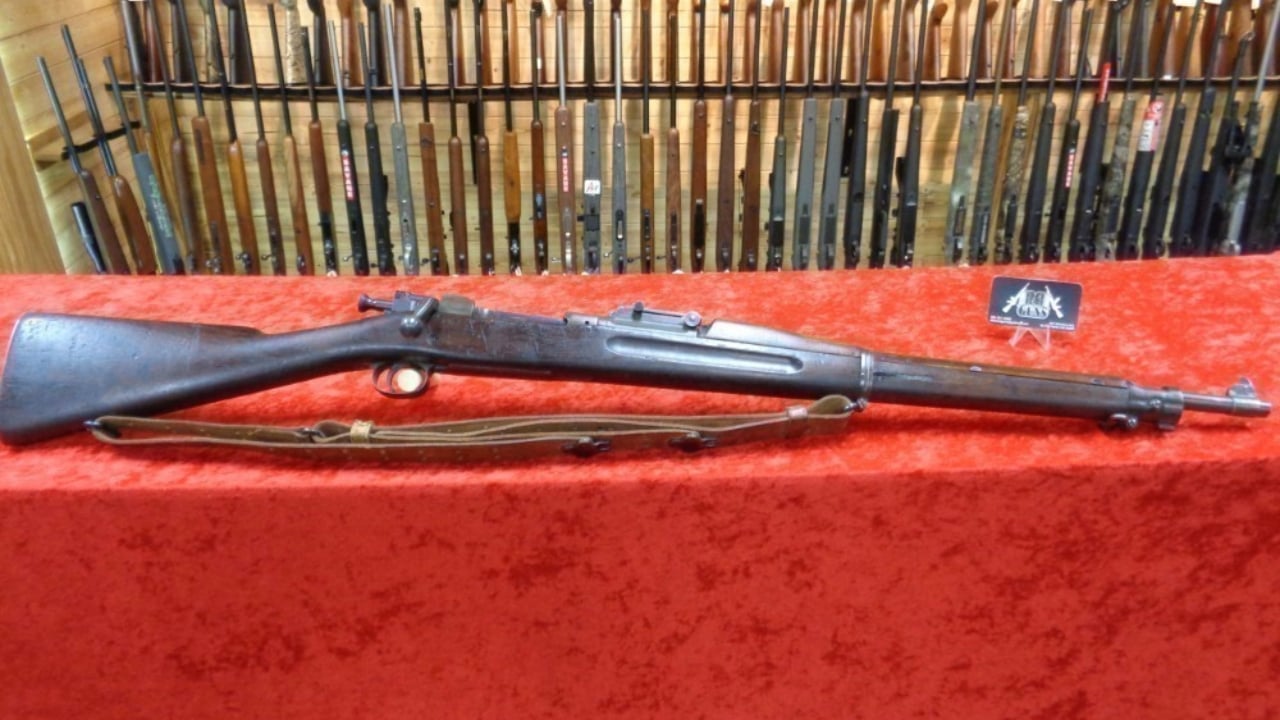
The Pedersen Device converted a modified M1903 rifle into a semiautomatic firearm firing a small pistol-like cartridge. Most devices were destroyed after World War I, leaving very few surviving examples.
A genuine device is an extraordinarily rare military artifact. Magazines and ammunition are almost unobtainable, while damaging the mechanism would destroy irreplaceable history. There is no reasonable shooting purpose that outweighs the risk. It should remain secured, documented, and untouched.
FG 42

The FG 42 is one of the most advanced and valuable infantry rifles of World War II. Original examples combine rare production, unusual engineering, and strong collector demand.
Its proprietary components, difficult-to-find magazines, and high-pressure 8mm ammunition make regular use an unnecessary gamble. Even legally transferable automatic examples are worth extraordinary sums. Modern reproductions exist for shooters interested in the handling and operating system. An original should not be worn out proving what history already established.
Johnson M1941 Rifle

The Johnson M1941 competed against the M1 Garand and saw limited military use during World War II. Its rotary magazine, recoil-operated action, and removable barrel make it mechanically distinctive.
Original rifles have increased sharply in collector value, while replacement parts and magazines remain limited. The recoil system also depends on proper ammunition and spring condition. A damaged stock or proprietary component would be costly to replace correctly. Occasional careful firing may be possible, but routine use makes little sense.
Colt Monitor

The Colt Monitor was a lighter, specialized version of the Browning Automatic Rifle intended primarily for law enforcement. Very few were produced, making genuine examples exceptionally rare.
Its Cutts compensator, pistol grip, shortened barrel, and unique configuration are central to its value. Automatic fire places considerable wear on parts that cannot be casually replaced. A genuine Monitor is far more important as a surviving artifact than as a range attraction.
Original ArmaLite AR-10

Early Portuguese and Sudanese AR-10 rifles represent the first generation of Eugene Stoner’s revolutionary design. Their lightweight construction and straight-line layout influenced nearly every modern military rifle that followed.
Original composite furniture can be fragile, magazines are scarce, and several internal components differ significantly from later AR-pattern rifles. Hard use could crack parts that are nearly impossible to replace without reducing originality. Modern AR-10-type rifles provide better support and durability. The originals have already done enough to prove their importance.
Like The Avid Outdoorsman’s content? Be sure to follow us.
Here’s more from us: