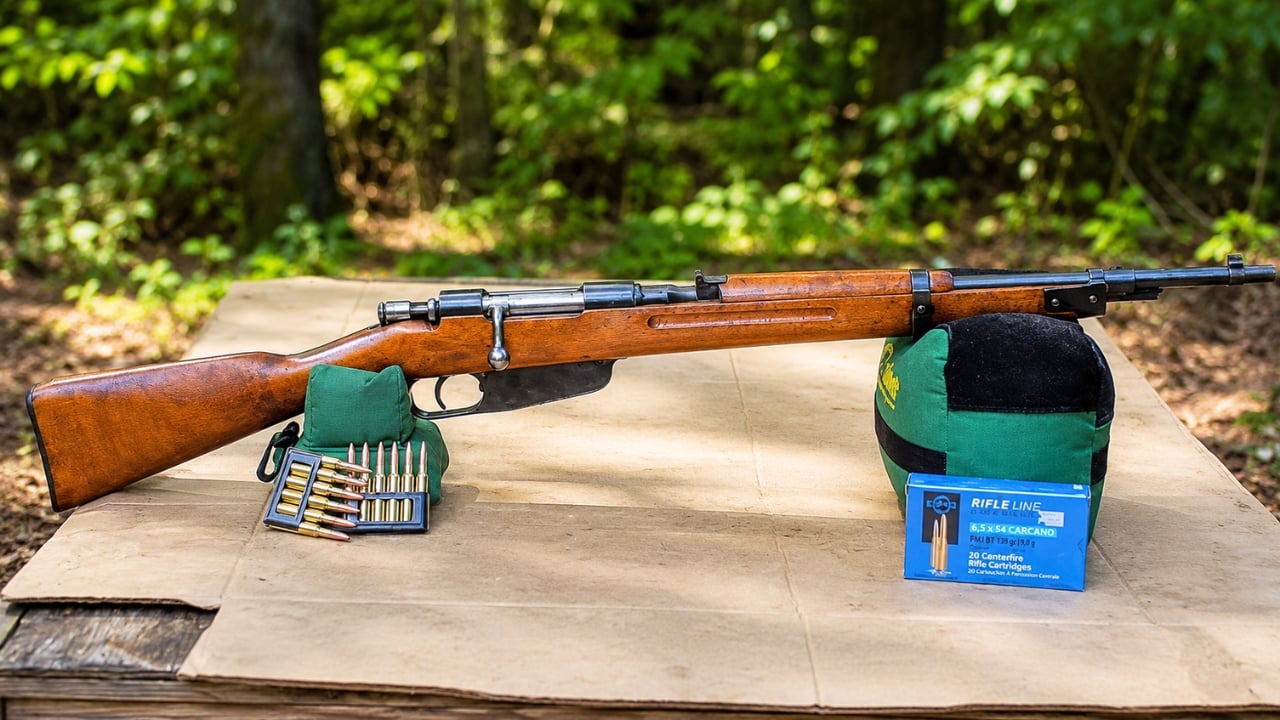
Photo credit: Jeb Clark/YouTube
Muzzle velocity can make almost any cartridge look impressive. A light bullet leaving the barrel at high speed creates flat-looking short-range numbers, while a heavy bullet can produce enough muzzle energy to resemble a much larger hunting round.
The real test begins after the bullet has traveled a few hundred yards. Poor ballistic coefficients, low starting velocity, light projectiles, and outdated bullet shapes can drain performance much faster than hunters expect. These 20 rifle calibers are not useless, but their effective range is often shorter than their reputation or muzzle numbers suggest.
.17 Winchester Super Magnum
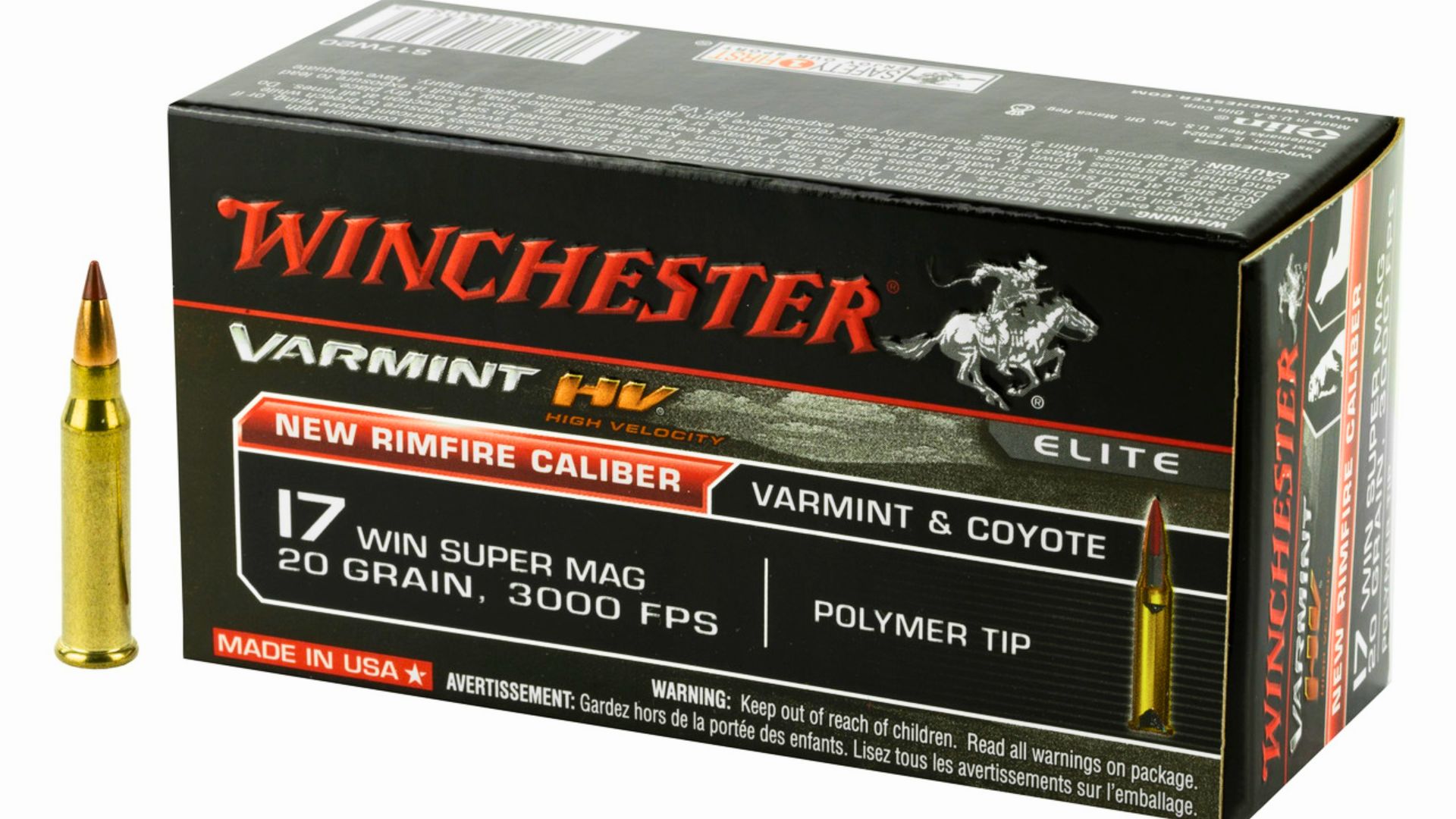
The .17 WSM is the fastest commercial rimfire cartridge and produces impressive velocity from a lightweight rifle. At ordinary varmint distances, it shoots flatter and hits harder than the .17 HMR.
Its tiny bullets still have very little mass. Once velocity begins falling, wind drift increases quickly and terminal performance becomes less dependable on larger predators. The cartridge looks like a miniature centerfire on the box, but it cannot retain energy like one. It is strongest on prairie dogs, ground squirrels, and similar targets at controlled distances.
.17 HMR

The .17 HMR earned its popularity by combining low recoil with a flatter trajectory than the .22 LR. It makes small targets surprisingly easy to hit inside normal rimfire distances.
The 17- and 20-grain bullets lose energy rapidly. Wind can move them considerably, and expansion becomes less dramatic as impact velocity falls. The cartridge may reach past 150 yards, but that does not mean it delivers consistent terminal results there. Its practical performance disappears faster than its sharp muzzle crack suggests.
.22 Winchester Magnum Rimfire
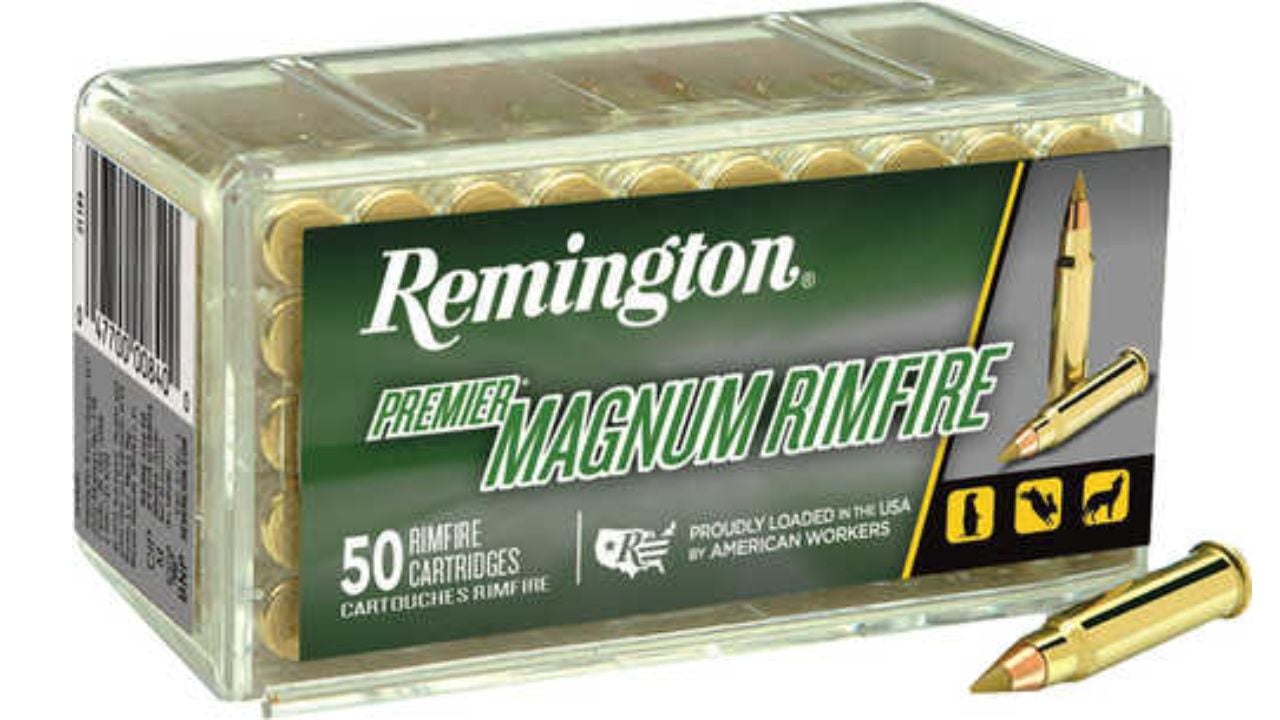
The .22 WMR gives hunters more velocity and energy than the .22 LR without requiring a centerfire rifle. It is useful for pests, small game, and close-range predators with carefully selected ammunition.
Its bullets are still light and generally not very aerodynamic. Energy falls quickly after 100 yards, while the trajectory becomes increasingly curved. The cartridge can kill beyond that distance, but accurate range estimation and precise shot placement become much more important. It is a stronger rimfire, not a replacement for the .22 Hornet.
.22 Long Rifle
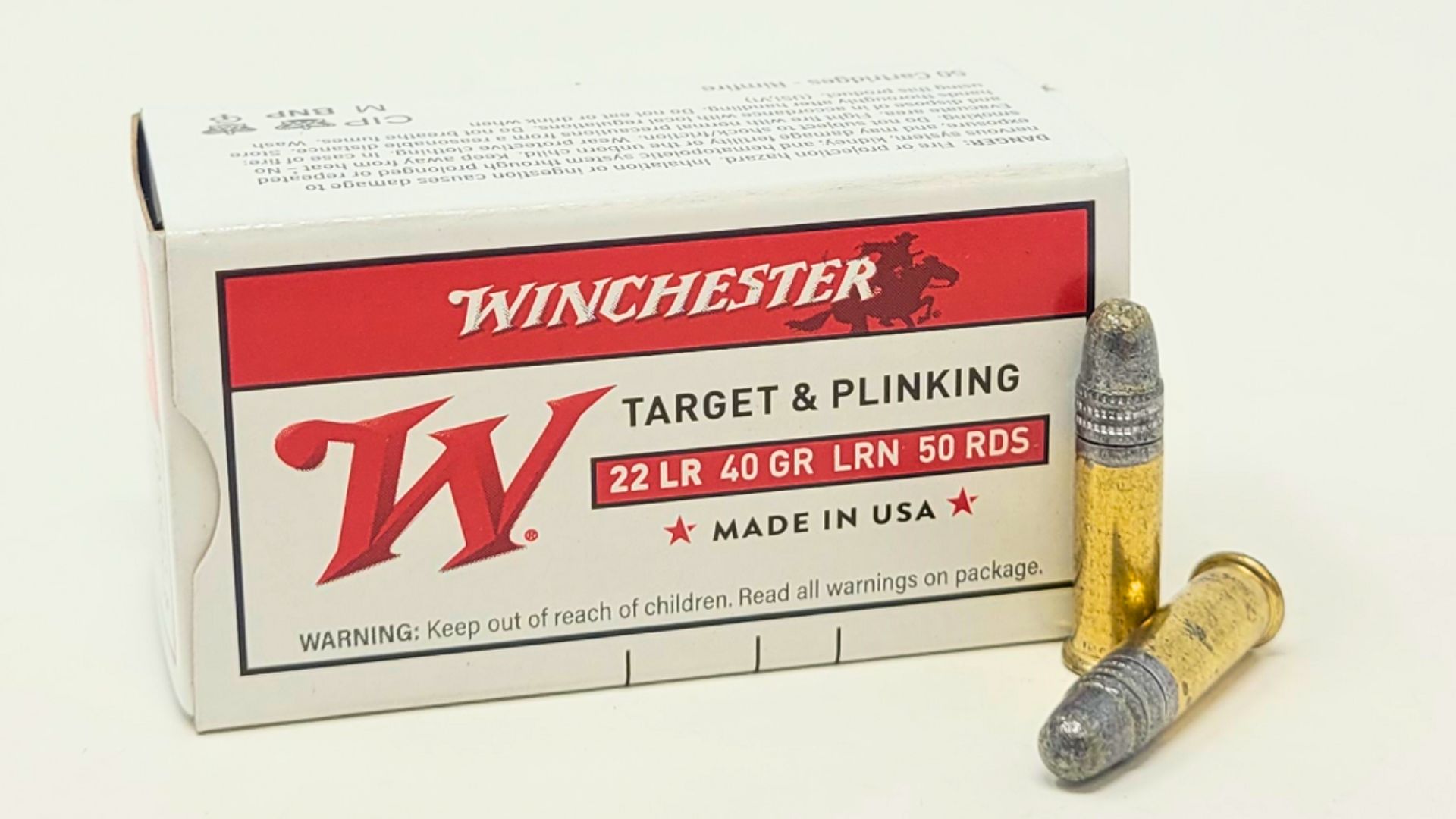
The .22 LR is one of the most useful cartridges ever produced. It is inexpensive, quiet, accurate at reasonable distances, and capable of taking a wide range of small game.
Its low starting velocity and lightweight bullet leave almost no downrange reserve. Standard-velocity loads may become subsonic almost immediately, while high-velocity loads slow dramatically within the first 100 yards. Wind drift and drop become severe surprisingly quickly. The cartridge remains dangerous at long distances, but its practical hunting performance fades much sooner.
.25-20 Winchester
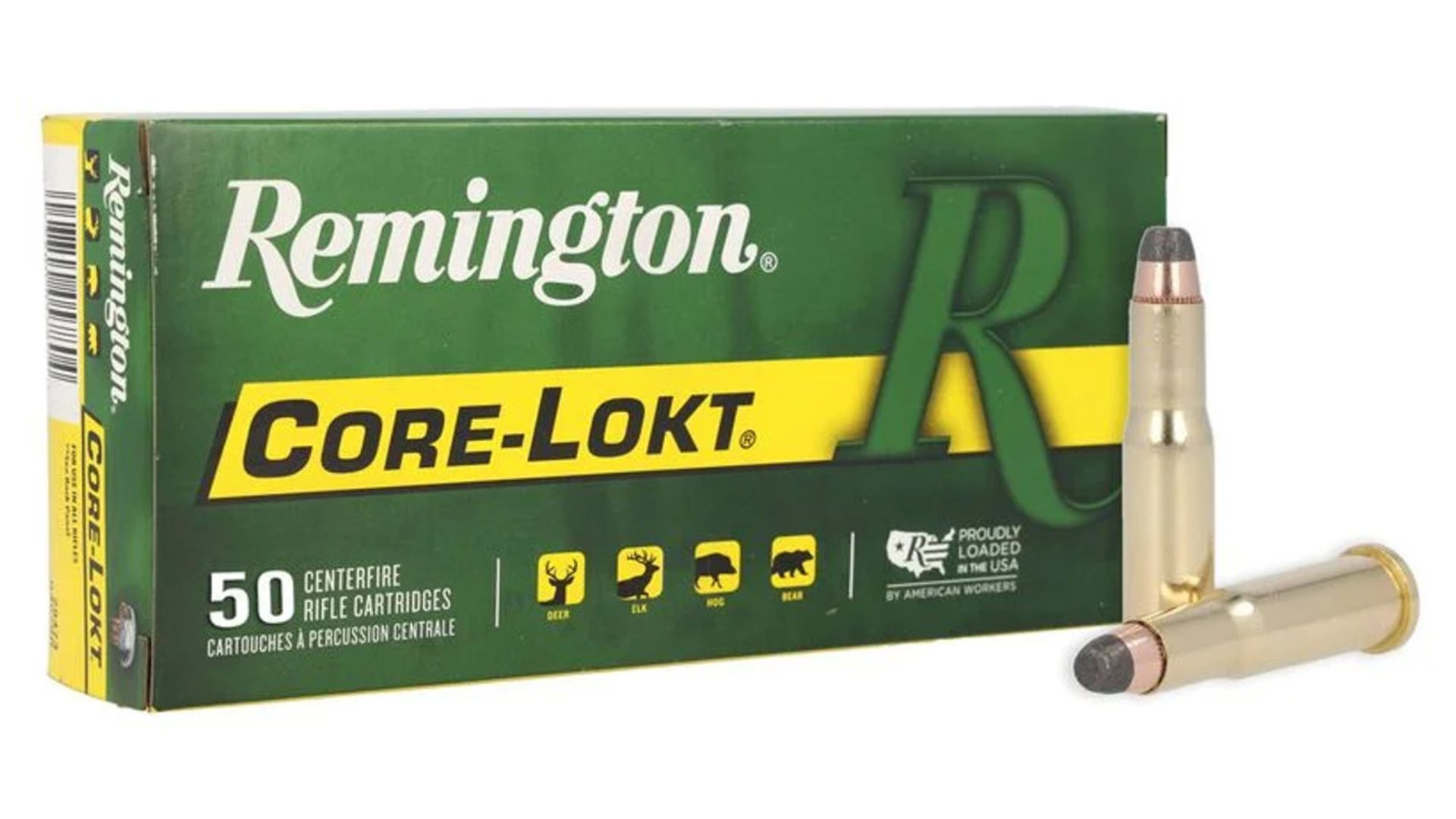
The .25-20 was developed as a mild small-game and varmint cartridge for lever-action rifles. It offers little recoil and does not destroy as much meat as larger centerfires.
Its modest powder capacity and blunt bullets limit downrange performance. Even relatively light projectiles begin at moderate velocity and lose it rapidly. Past normal woods distances, drop becomes pronounced and terminal effect diminishes quickly. The .25-20 remains enjoyable in classic rifles, but it runs out of useful hunting authority faster than its centerfire classification suggests.
.25-35 Winchester

The .25-35 was once considered a mild deer cartridge for lever-action rifles. It can still perform well on smaller deer when loaded with appropriate bullets and used at close range.
Tubular magazines require flat- or round-nosed bullets, which create substantial drag. The cartridge also begins with less velocity than modern .25-caliber hunting rounds. By 200 yards, it has lost much of the energy and trajectory advantage hunters associate with small-bore rifle cartridges. It works best when treated as a traditional woods round.
.303 Savage
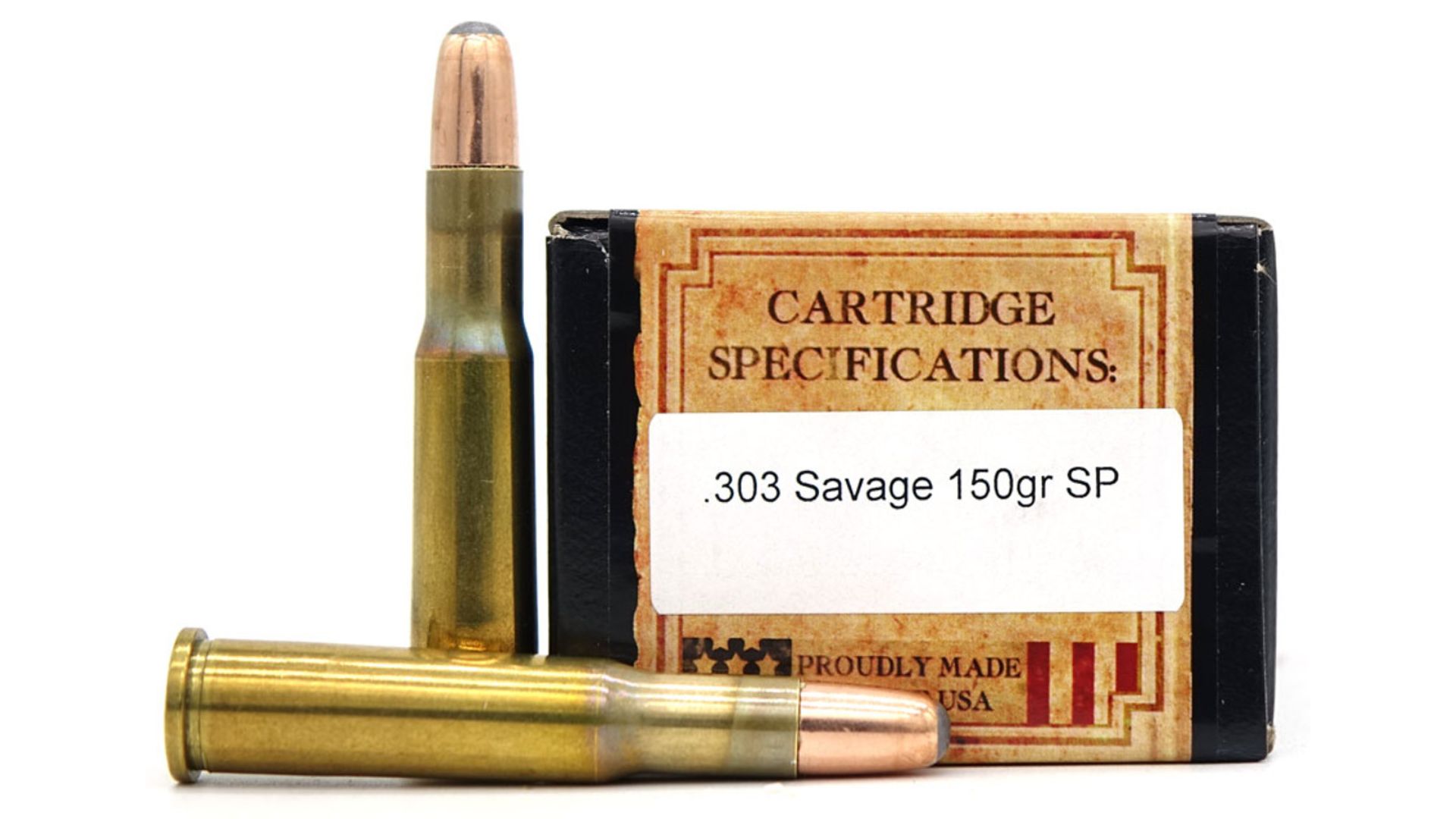
The .303 Savage was designed to offer greater hunting performance than early lever-action cartridges while fitting into the Savage Model 99. It took plenty of deer during its useful life.
Modern shooters sometimes assume its name places it near the .303 British. Ballistically, it is closer to a moderate short-range deer cartridge. Traditional round-nosed bullets lose velocity quickly, and the limited case capacity prevents it from keeping pace with newer .30-caliber rounds. It remains effective, but its usable range is more modest than the name suggests.
.30 Remington

The .30 Remington offered performance similar to the .30-30 Winchester in early Remington rifles. It used a rimless case, which gave it a more modern appearance than many lever-action cartridges.
That case design does not create modern downrange ballistics. Traditional loads use moderate velocities and relatively blunt bullets. Energy and trajectory deteriorate quickly past 150 to 200 yards. The .30 Remington can still handle deer cleanly within its limits, but it does not retain performance like later rimless .30-caliber cartridges.
.30-40 Krag

The .30-40 Krag was the first smokeless-powder cartridge adopted by the United States military. It launches heavier bullets than many shooters expect and can be effective on deer, elk, and similar game.
Most factory loads are kept relatively mild because many surviving rifles are more than a century old. Heavy round-nosed bullets also lose speed faster than modern pointed projectiles. The cartridge carries useful momentum, but trajectory and expansion become increasingly limiting with distance. It is capable, though far less flat shooting than its military-rifle heritage may imply.
.300 Savage

The .300 Savage was advanced when introduced and helped inspire the later .308 Winchester. It delivered serious .30-caliber performance from the compact Savage Model 99 action.
Its short case and lower operating envelope leave it behind modern .308 loads, particularly with heavier bullets. Traditional ammunition also uses projectiles with modest ballistic coefficients. The .300 Savage remains an effective deer cartridge, but it sheds velocity faster and drops more than shooters familiar with the .308 may expect.
.32 Winchester Special
The .32 Winchester Special was intended to provide slightly more bullet diameter than the .30-30 while working in familiar lever-action rifles. At close range, it performs well on deer and black bear.
Its common flat-nosed bullets experience substantial drag, and the cartridge offers only moderate starting velocity. The larger bullet does not translate into strong long-range energy retention. Past 150 to 200 yards, trajectory becomes difficult and expansion margins shrink. It is a capable timber cartridge that loses usefulness quickly in open country.
.35 Remington

The .35 Remington has a strong reputation as a close-range deer and black-bear round. Its relatively heavy bullet and broad diameter produce good results in thick cover.
Those same bullets are usually round- or flat-nosed and begin at moderate velocity. The cartridge retains useful momentum, but velocity and trajectory fall off quickly compared with modern bottleneck rounds. It hits hard inside its intended range, yet many hunters overestimate how much performance remains once the distance passes 200 yards.
.356 Winchester
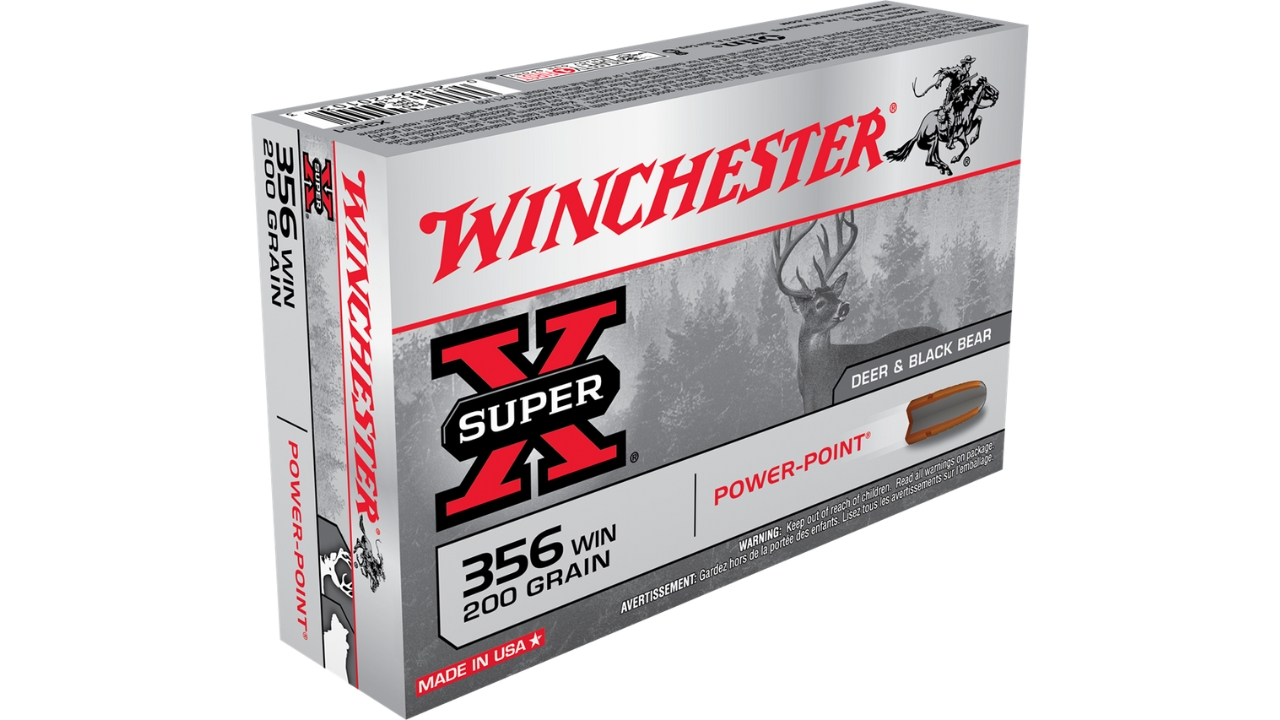
The .356 Winchester was designed to bring near-.358 Winchester performance to lever-action rifles. It is noticeably stronger than the .35 Remington at the muzzle.
Its flat-nosed bullets and lever-action pressure limits still restrain its downrange performance. It begins with impressive energy but gives much of it back as drag slows the bullet. The cartridge can be effective at moderate range, but it does not carry like a modern pointed-bullet .358-caliber load fired from a bolt action.
.375 Winchester

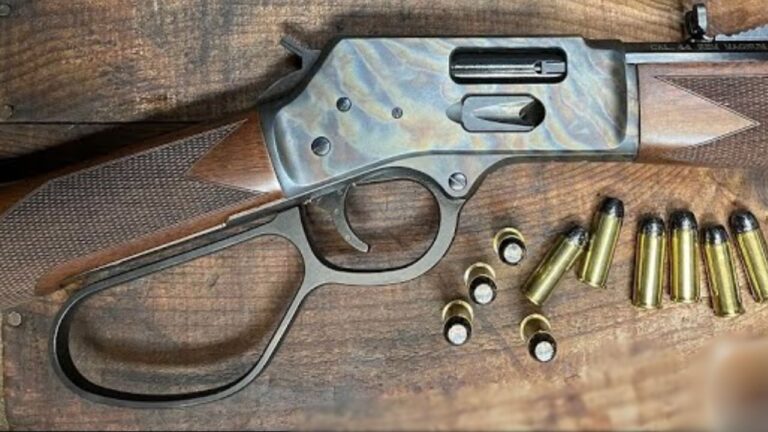
The .375 Winchester gives lever-action hunters a large-diameter bullet and more power than older black-powder-era cartridges. It can be extremely effective on hogs, deer, and black bear in dense cover.
Its bullets have poor ballistic coefficients, and factory velocities are moderate. Energy looks substantial at the muzzle but declines sharply as distance increases. The cartridge is built around penetration and frontal area rather than long-range efficiency. Once shots stretch beyond normal timber distances, trajectory becomes the dominant problem.
.405 Winchester
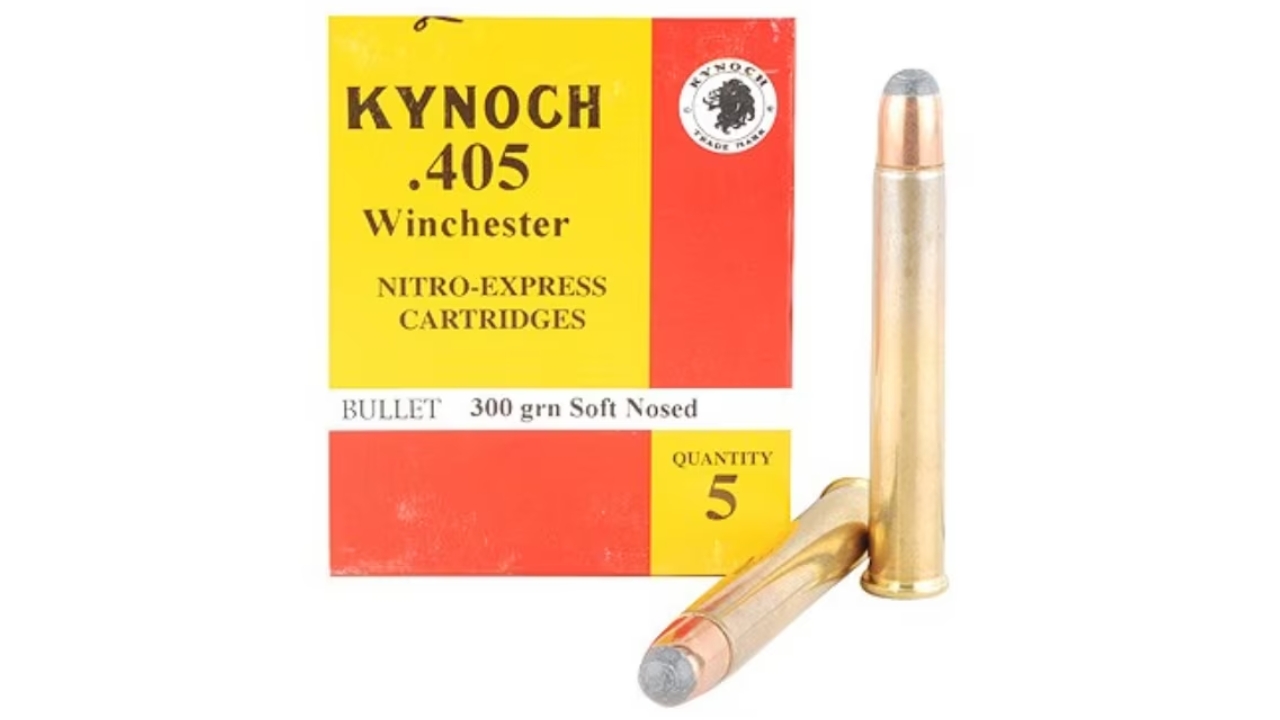
The .405 Winchester earned a formidable reputation on large game and remains one of the most powerful traditional lever-action cartridges. Its heavy bullet can penetrate deeply and deliver serious close-range impact.
The large, blunt projectile produces significant drag. Even though the cartridge starts with considerable energy, it loses velocity quickly and develops a steep trajectory. It can still kill large animals at distance in skilled hands, but the hunter must know the range exactly. Its historical reputation can make it seem flatter and more versatile than it is.
7.62x54mmR with 180-Grain Round-Nose Loads
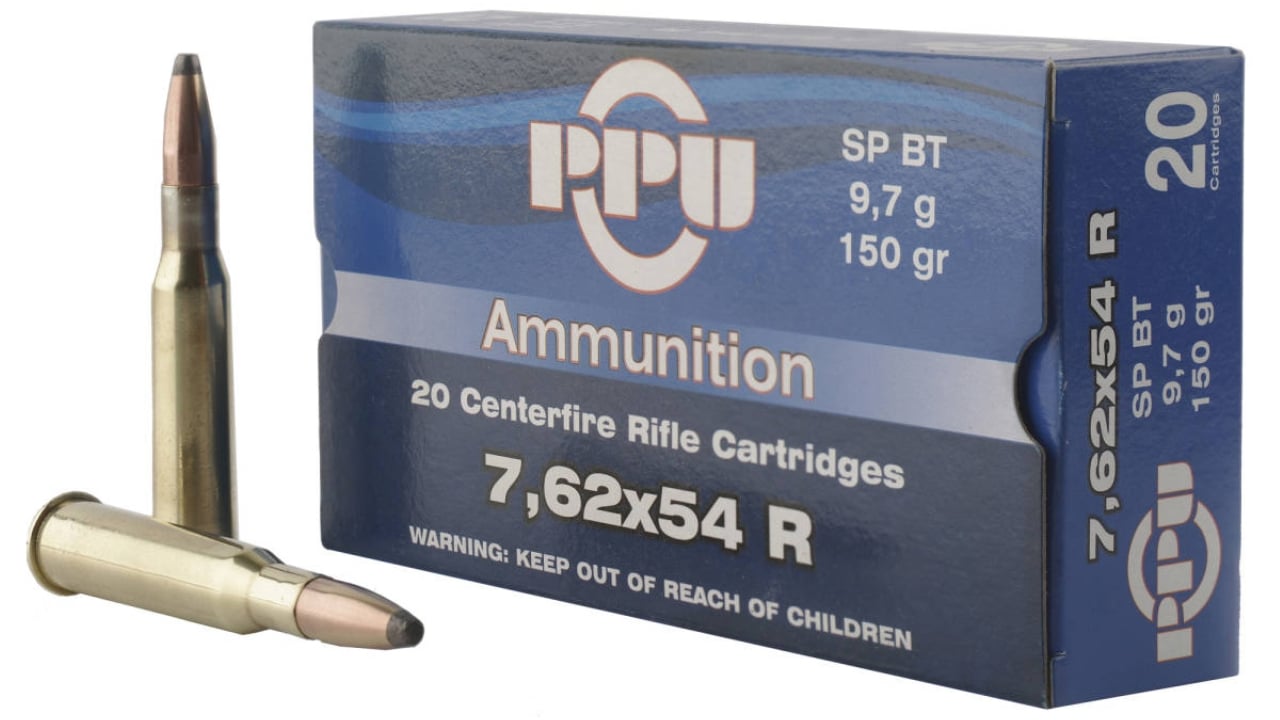
The 7.62x54mmR can approach .30-06 performance when loaded with modern pointed bullets. The cartridge itself is not inherently short ranged.
Older hunting and surplus-style round-nose loads are a different story. Heavy blunt bullets shed velocity much faster and create more drop than modern spitzers. Shooters may assume every load shares the cartridge’s military long-range capability, but bullet shape changes the result dramatically. With poor projectiles, the round runs out of usable speed much sooner than expected.
6.5x52mm Carcano
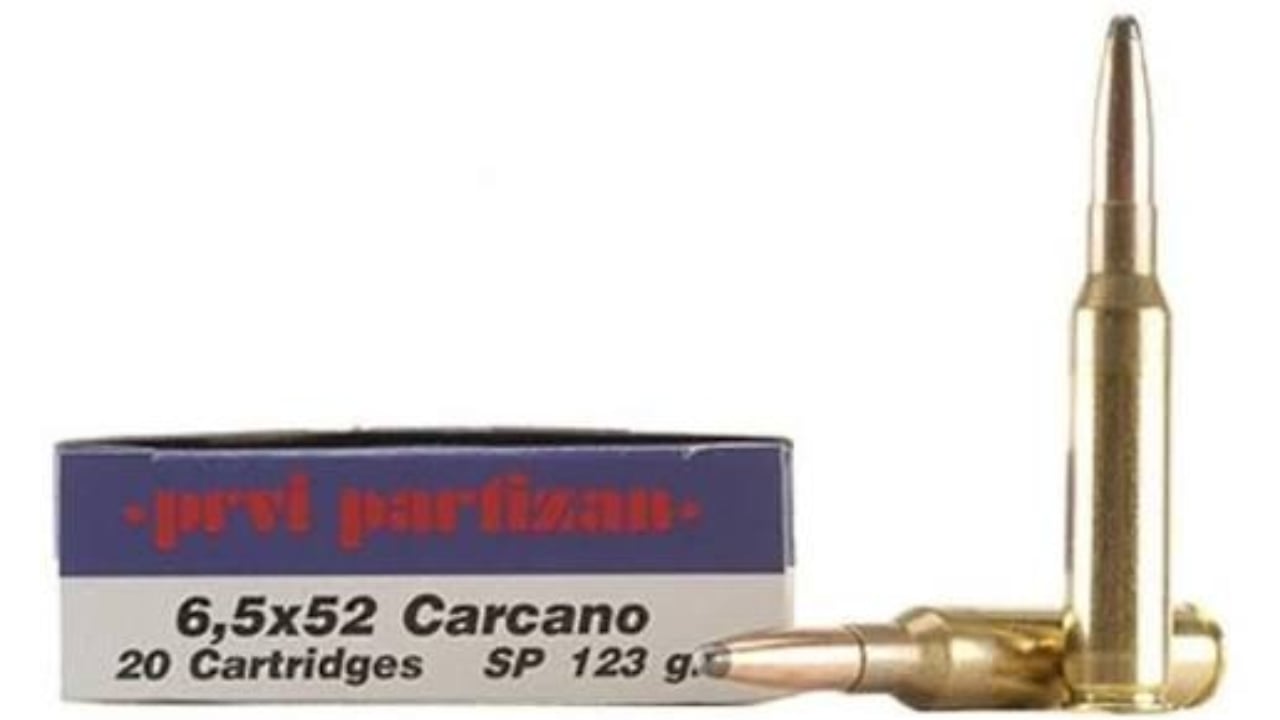
The 6.5 Carcano fires a long, heavy bullet with good sectional density. On paper, that sounds similar to modern 6.5mm cartridges celebrated for efficient flight.
Traditional Carcano ammunition begins at much lower velocity and often uses round-nosed bullets. That combination produces a curved trajectory and less downrange energy than the bullet diameter suggests. Properly loaded ammunition can improve performance, but the cartridge does not behave like a 6.5 Creedmoor simply because both use 6.5mm projectiles.
6.5x54mm Mannlicher-Schönauer
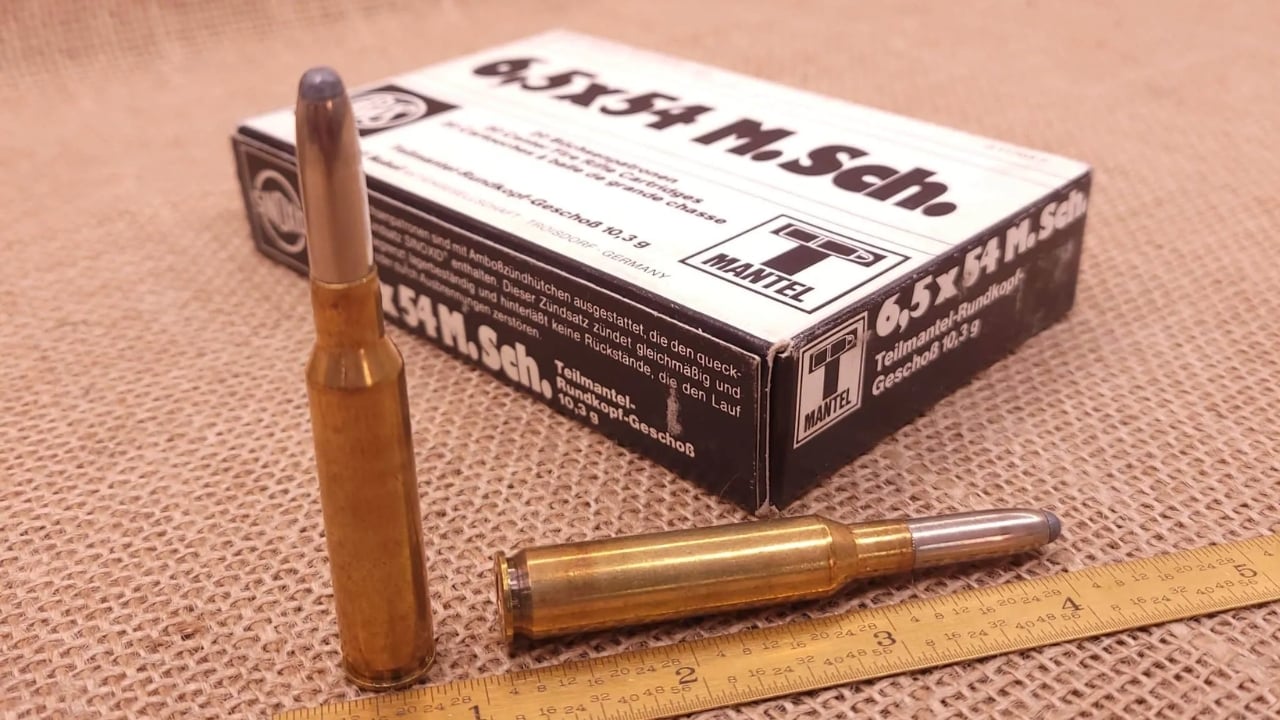
The 6.5×54 Mannlicher-Schönauer developed a strong hunting reputation using long, heavy bullets at moderate velocity. It became known for deep penetration and excellent performance on surprisingly large animals.
Its traditional 156- to 160-grain round-nosed bullets do not retain speed efficiently. Penetration can remain good, but trajectory becomes steep and expansion may diminish with distance. The cartridge succeeds through sectional density and precise placement, not through high retained energy. Modern 6.5mm rounds are considerably more forgiving once the range grows.
8x56mmR Mannlicher
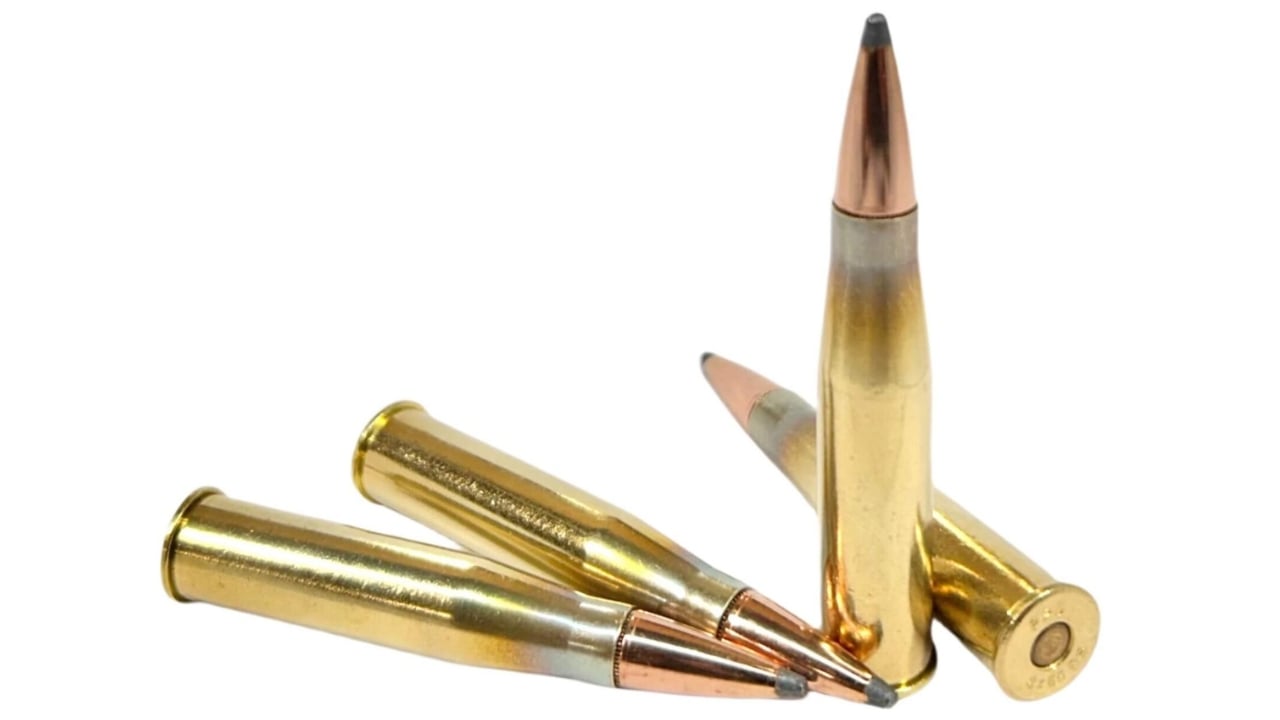
The 8x56mmR launches a relatively heavy .329-caliber bullet and produces substantial recoil from lightweight surplus rifles. That recoil can make the cartridge feel more powerful than its downrange ballistics actually are.
Many available loads use bullets with modest ballistic coefficients, while surplus ammunition may vary in consistency. Velocity and energy decline faster than they do with modern .30-caliber hunting cartridges. It remains powerful at moderate range, but the shooter should not mistake heavy recoil and muzzle blast for efficient long-range performance.
.348 Winchester

The .348 Winchester was built for the Winchester Model 71 and remains one of the strongest classic lever-action hunting cartridges. It launches heavy bullets with enough authority for elk, moose, and large black bear.
Its common flat-point bullets are required by the tubular magazine and create considerable aerodynamic drag. Muzzle energy is impressive, but the cartridge sheds speed quickly and develops substantial drop. The .348 hits very hard in the woods, yet it runs out of easy-to-use trajectory sooner than many owners expect from such a powerful round.
Like The Avid Outdoorsman’s content? Be sure to follow us.
Here’s more from us: