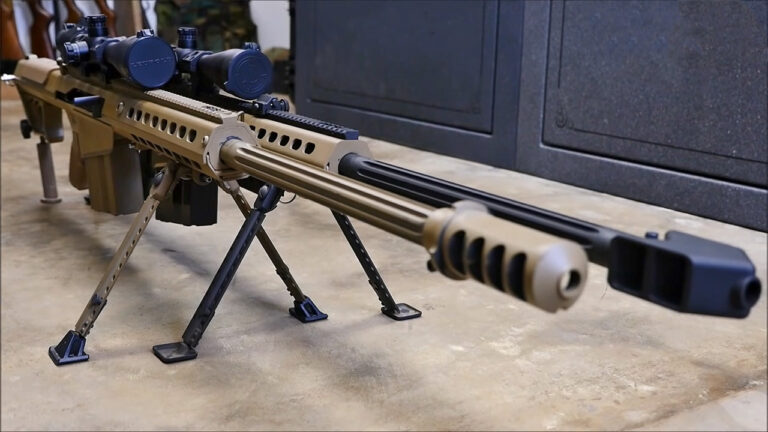
Photo credit: Gunroom.tv/YouTube
Almost any new firearm can look reliable during its first few boxes of ammunition. The real test begins after springs weaken, finishes wear, carbon builds up, magazines get dropped, and the gun has been fired enough for minor design flaws to become obvious.
The firearms owners trust most are rarely the ones that stay cosmetically perfect. They are the guns with polished contact points, worn controls, and round counts high enough to prove the design. These 20 models have earned loyal followings because owners continue relying on them long after the new-gun excitement disappears.
SIG Sauer P226 MK25
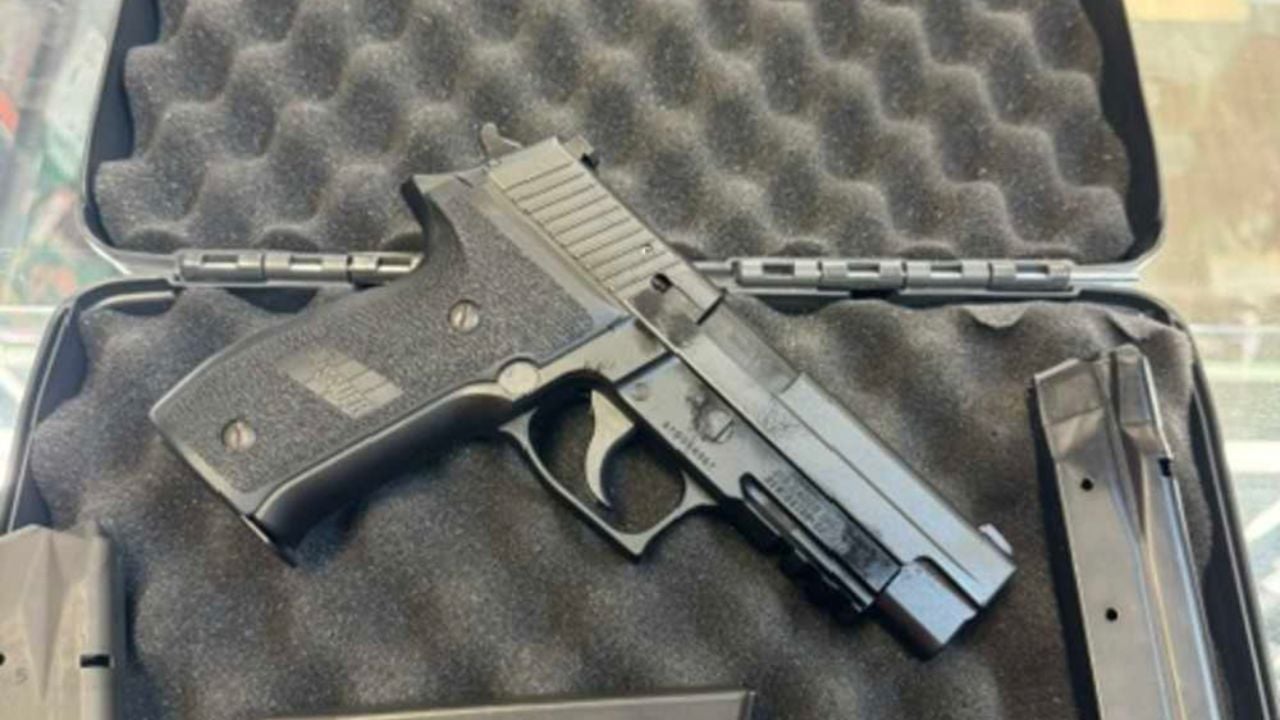
The P226 MK25 is closely associated with military use, but its reputation extends well beyond a roll mark and anchor engraving. The full-size aluminum frame, substantial slide, and mature locking system hold up well under frequent training.
High-round-count owners eventually replace recoil springs, trigger-bar springs, and locking inserts just as they would service any serious pistol. The difference is that the P226 usually gives plenty of warning before small parts become a problem. Its finish may wear along the rails and controls, but the gun often becomes smoother rather than less trustworthy.
Heckler & Koch HK45C
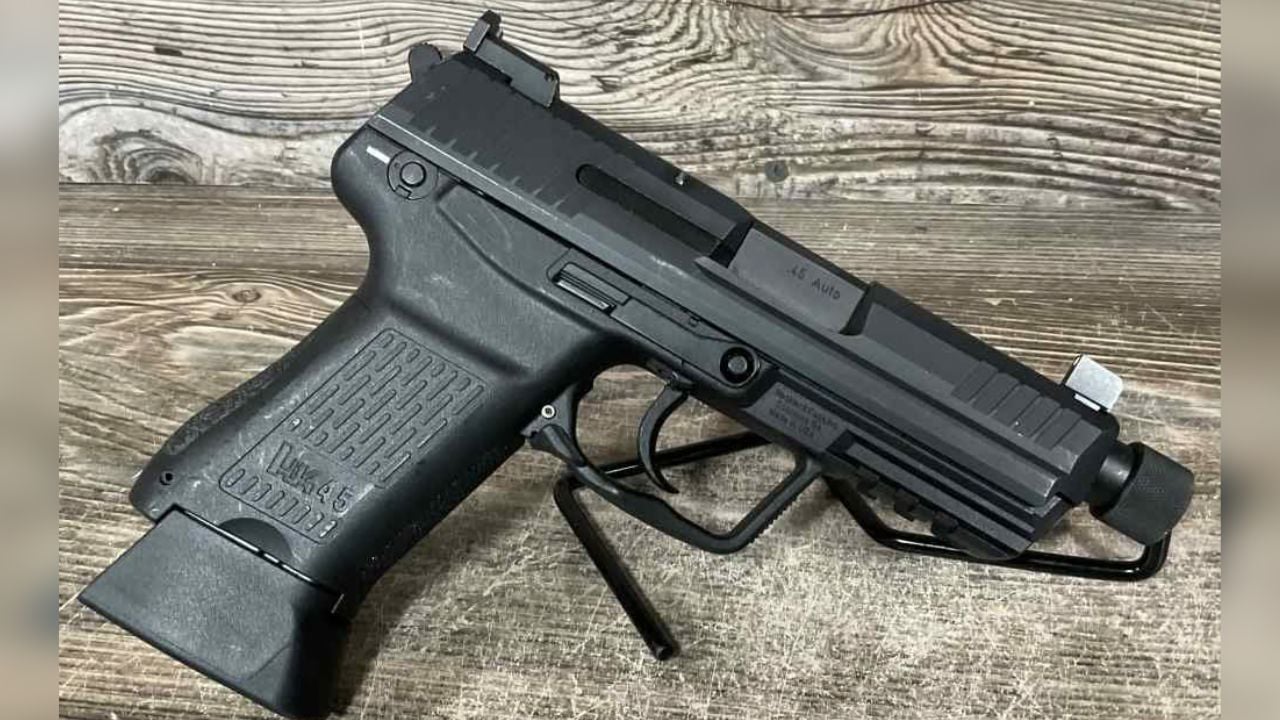
The HK45C combines compact dimensions with oversized internal parts and a recoil system built for a full-power service cartridge. It is not especially light or high-capacity, but durability was clearly given priority over impressive specifications.
Owners who shoot them heavily tend to report gradual wear rather than mysterious failures. The hammer-fired action remains dependable when dirty, and the pistol handles defensive ammunition without needing delicate tuning. It is the kind of handgun that looks ordinary until several thousand rounds reveal how little drama it creates.
CZ 75 SP-01 Tactical
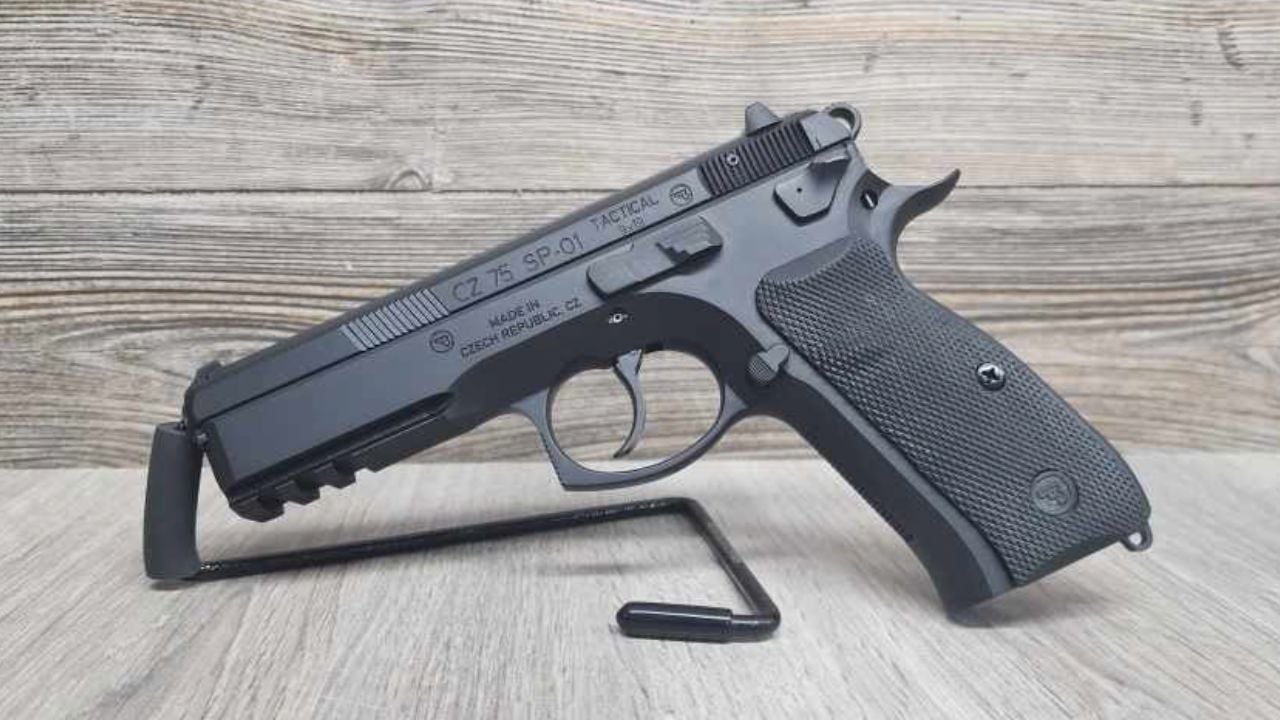
The SP-01 Tactical uses a steel frame, full-length rails, and a full-size grip that makes it comfortable during long practice sessions. Its weight reduces recoil while also limiting the battering that lighter frames experience.
The slide rides inside the frame, so lubrication still matters. Properly maintained examples commonly become smoother as the bearing surfaces polish themselves through use. Recoil springs and slide stops deserve replacement on schedule, but the basic pistol is capable of absorbing far more shooting than most owners will ever give it.
Staccato P
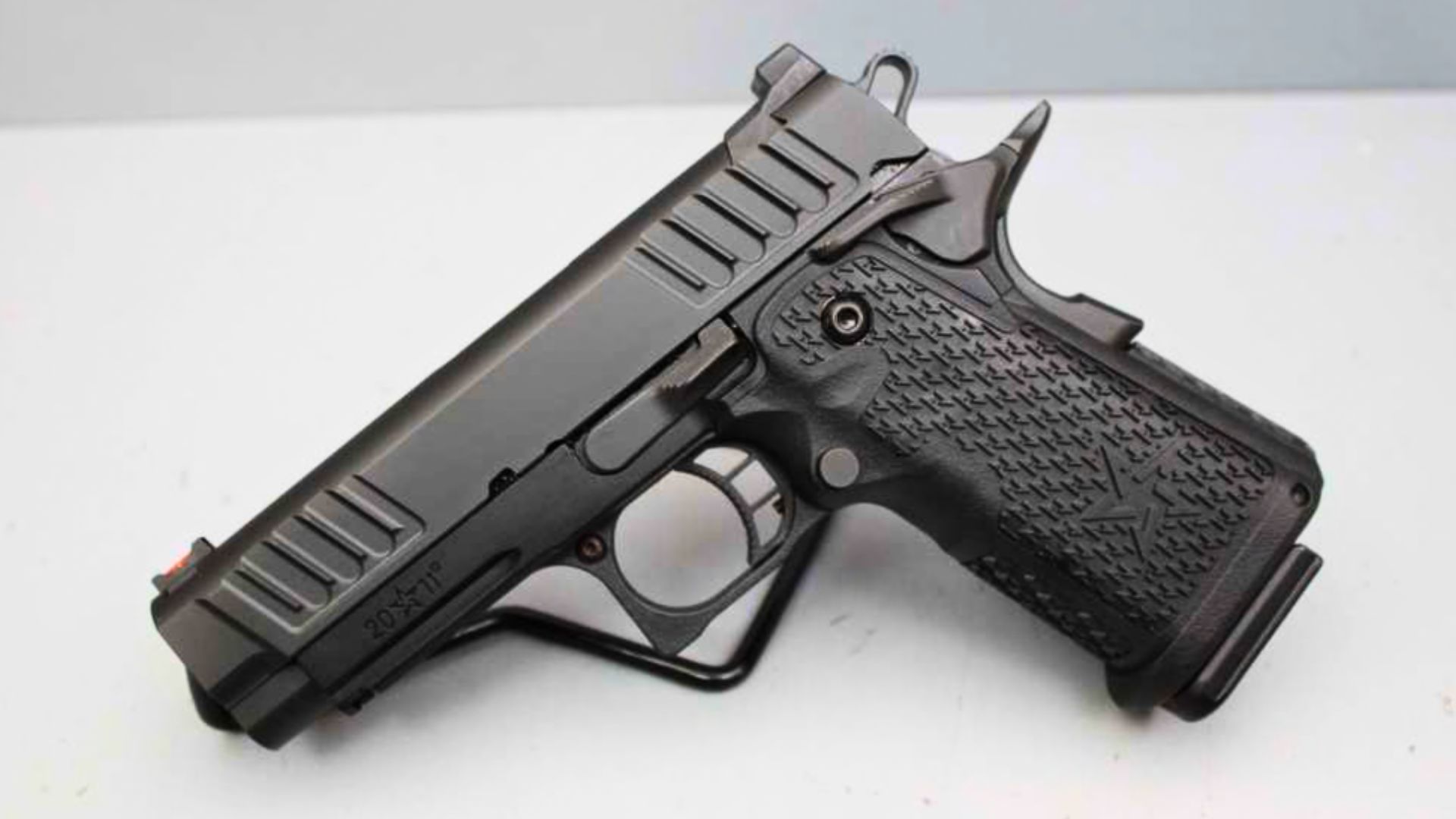
The Staccato P helped move the double-stack 1911 from competition circles into the duty and defensive market. Its appeal comes from combining a light single-action trigger with capacity and construction intended for serious use.
It still requires more lubrication and maintenance awareness than a basic striker-fired pistol. Owners willing to provide that care often put very high round counts through the platform without losing confidence in it. Good magazines are essential, but a properly maintained Staccato P can remain fast, accurate, and dependable long after cheaper 1911-style pistols begin loosening.
Smith & Wesson Model 4006
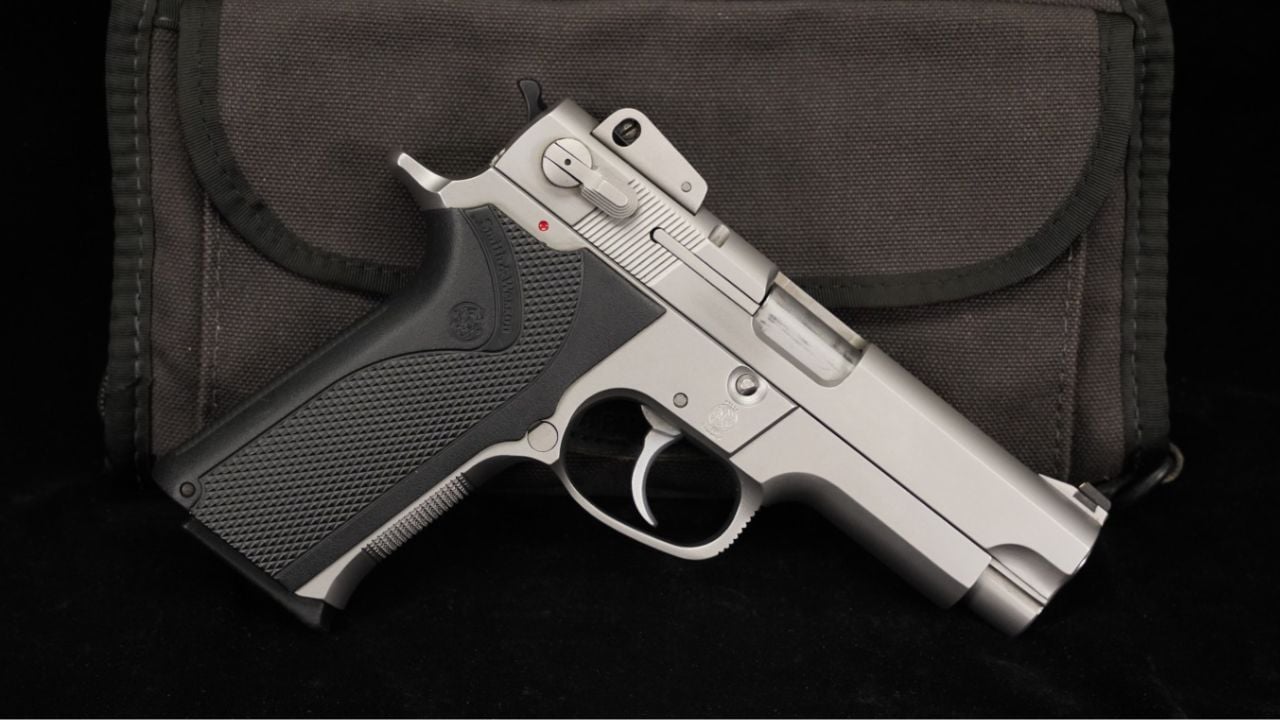
The Model 4006 came from an era when Smith & Wesson built heavy stainless-steel pistols for police agencies expecting constant carry and frequent qualification. It is bulky, complicated, and almost impossible to describe as elegant.
That excess material is part of why surviving examples continue working. The slide, frame, locking surfaces, and controls were built around the .40 S&W cartridge before manufacturers began shrinking the platform. Used pistols may show holster wear and scratched finishes, yet the core action often remains completely serviceable after years of agency use.
Ruger Mark IV Competition
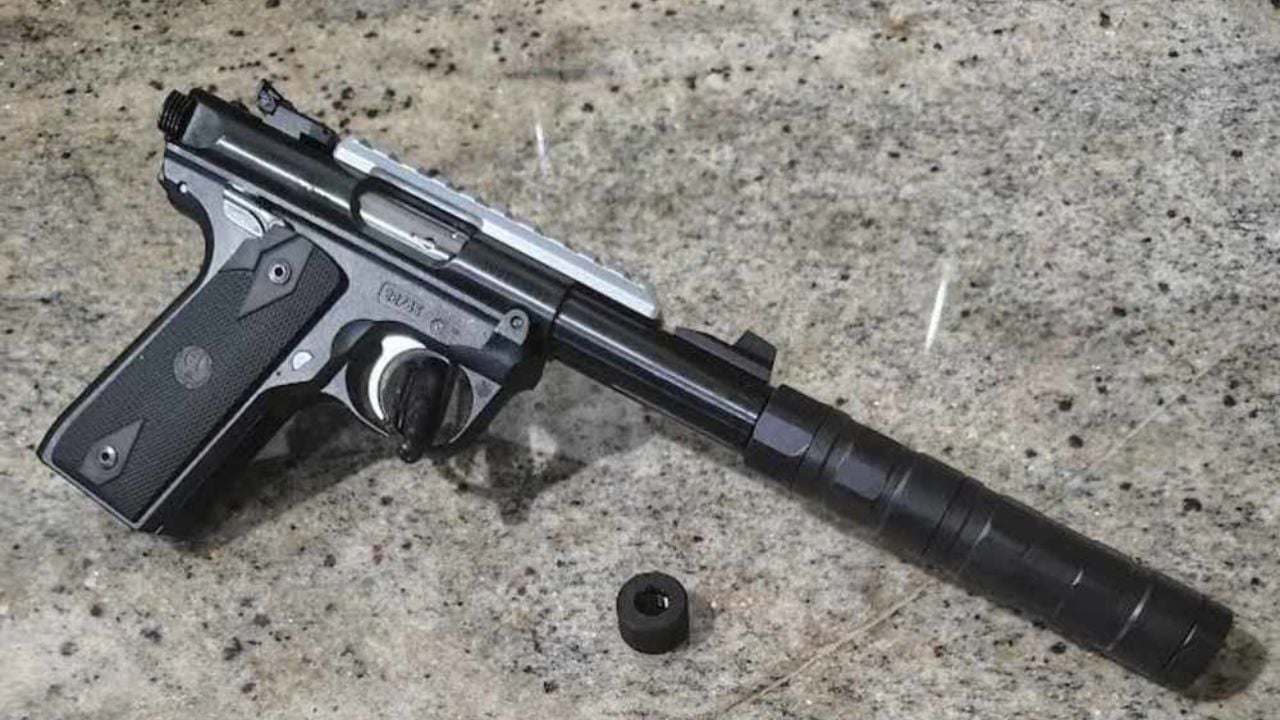
The Mark IV Competition is built for shooters who expect to fire far more .22 LR than an ordinary plinker will ever see. Its heavy barrel, steel receiver, and stable grip make it well suited to league shooting and constant practice.
Rimfire residue will eventually slow any semiautomatic pistol, but the Ruger’s bolt and chamber are straightforward to service. Extractors, firing pins, and recoil components are readily replaceable. Owners trust the platform because high round counts usually lead to routine maintenance rather than a worn-out pistol.
Smith & Wesson Model 627 Pro Series
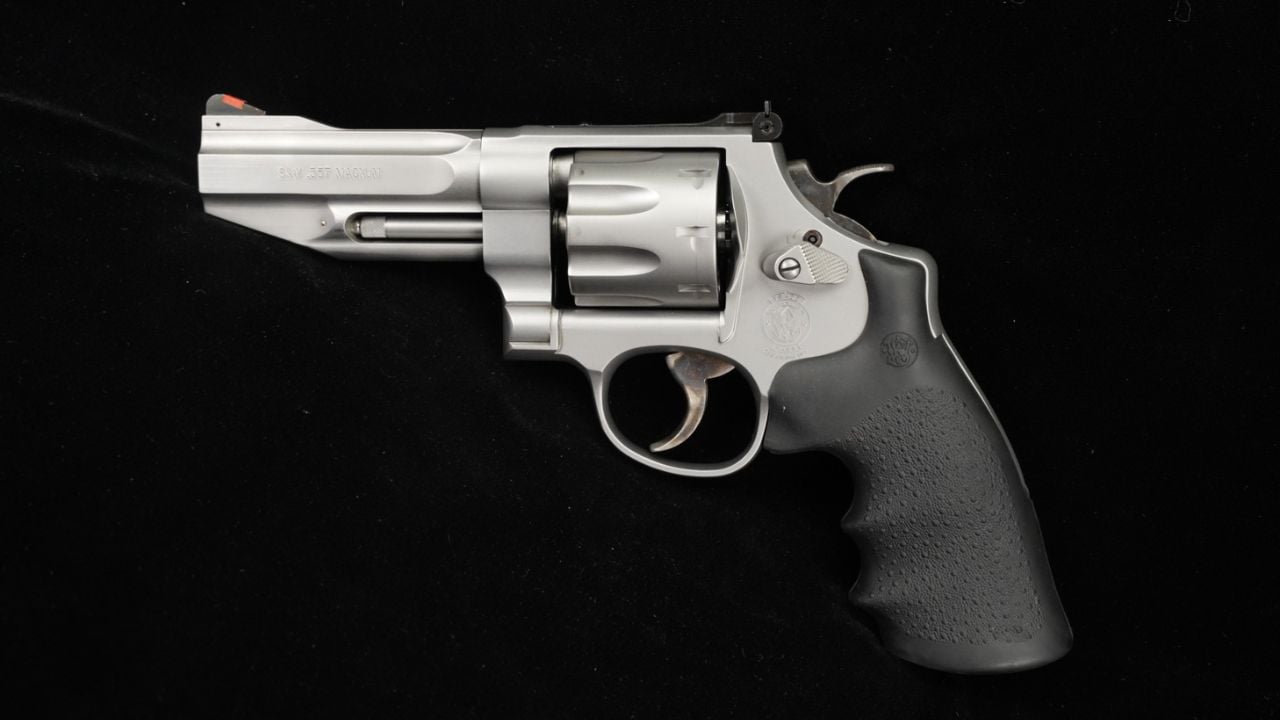
The Model 627 Pro Series uses Smith & Wesson’s large N-frame and an eight-round .357 Magnum cylinder. Its size makes it less convenient to carry, but it gives the revolver substantial strength for competition and range use.
Owners who shoot revolvers heavily still need to watch for endshake, timing changes, and residue beneath the extractor. The 627 handles that schedule better than lightweight carry revolvers because it was not built around minimum mass. Fed mostly .38 Special, it can absorb an enormous amount of practice while remaining smooth and accurate.
BCM RECCE-16 MCMR
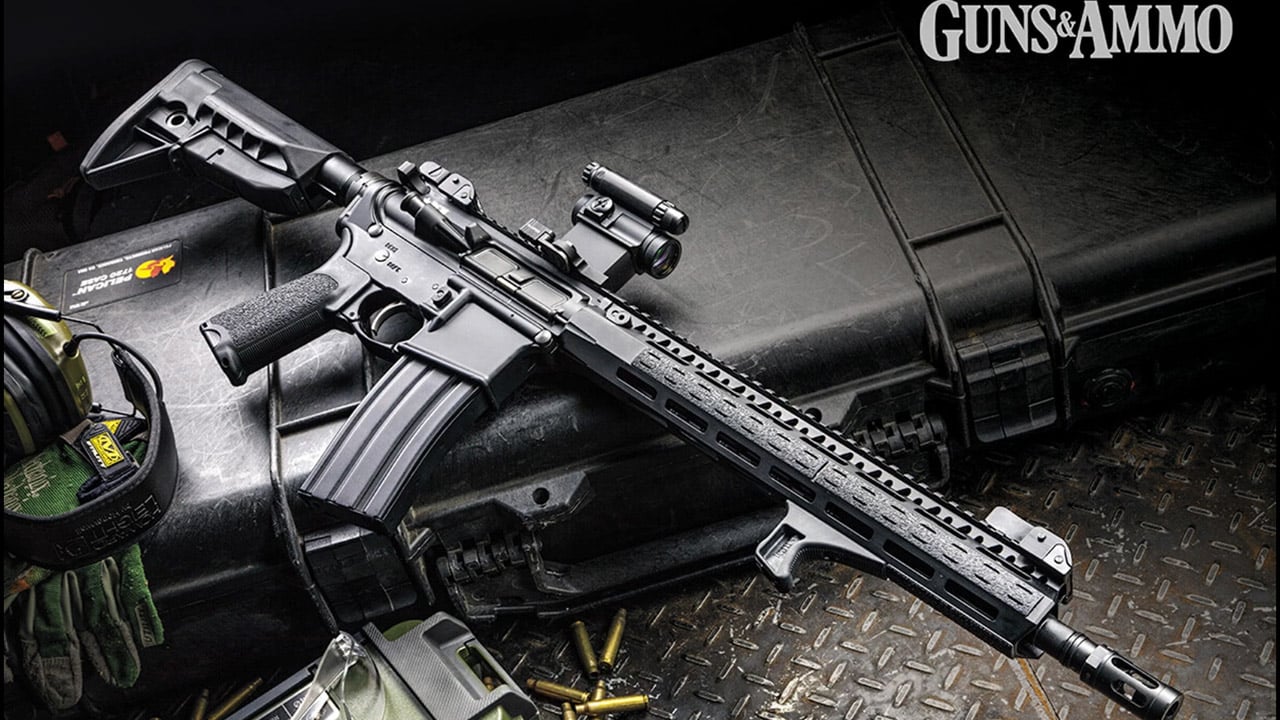
The BCM RECCE-16 is not built around flashy proprietary features. Its strength is a properly assembled AR-15 using proven materials, a durable bolt-carrier group, and a barrel intended for serious training.
Owners who fire several thousand rounds may eventually replace gas rings, extractor springs, bolts, or barrels. Those are service items rather than evidence the rifle is unreliable. The RECCE earns confidence because it tends to function predictably between maintenance intervals and uses components that are easy to inspect and replace.
Colt LE6920

The LE6920 became a standard reference point for a basic duty-grade AR-15. It lacks many of the free-floating rails and ambidextrous controls found on newer rifles, but its operating system is proven and uncomplicated.
Heavy use will wear the bolt, gas system, and barrel like it does on every AR. The rifle’s advantage is that it was built around common dimensions and established specifications rather than a collection of unusual parts. Owners know what to replace, when to replace it, and where to find the components.
Daniel Defense DDM4 V7
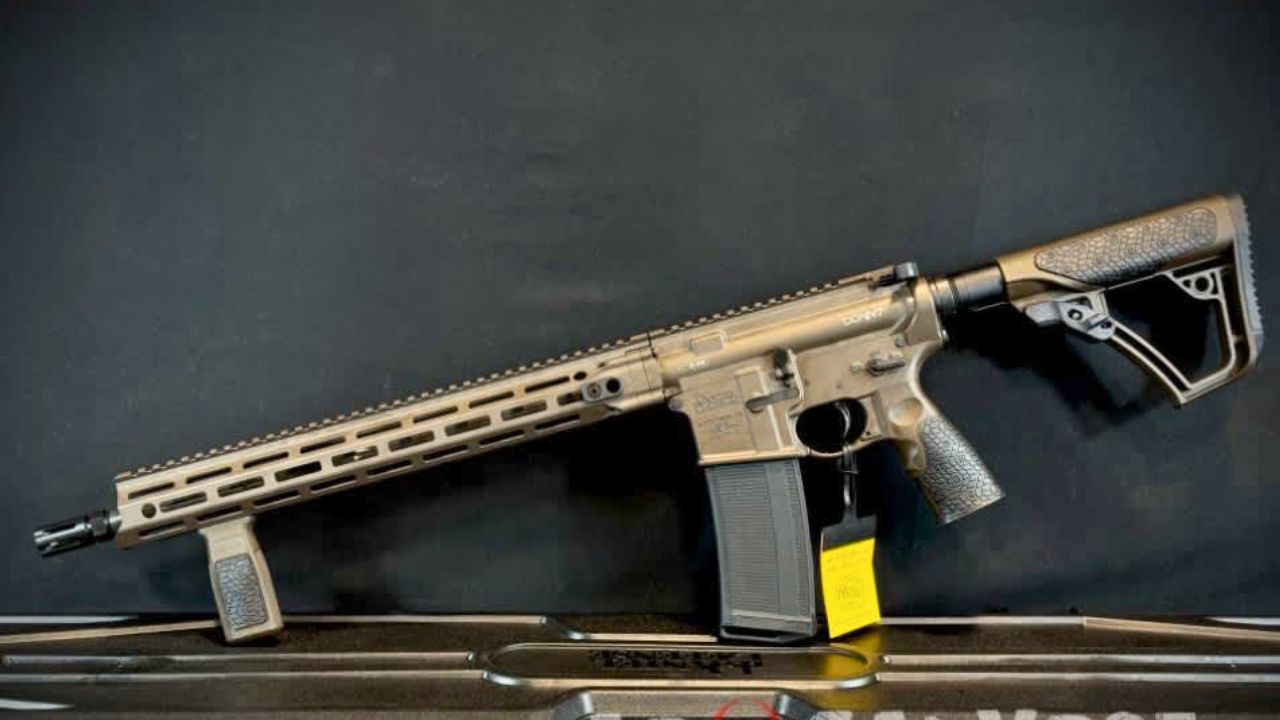
The DDM4 V7 combines a cold-hammer-forged barrel, free-floating handguard, and well-established direct-gas system. It is expensive, but much of the cost goes into components expected to survive frequent training.
The lightweight handguard can become hot during long strings, yet the rifle itself generally keeps running with lubrication and sensible maintenance. Owners often trust the V7 because the barrel, gas block, receiver assembly, and bolt components arrive properly assembled. Thousands of rounds tend to confirm the rifle rather than expose major shortcuts.
LMT MARS-L
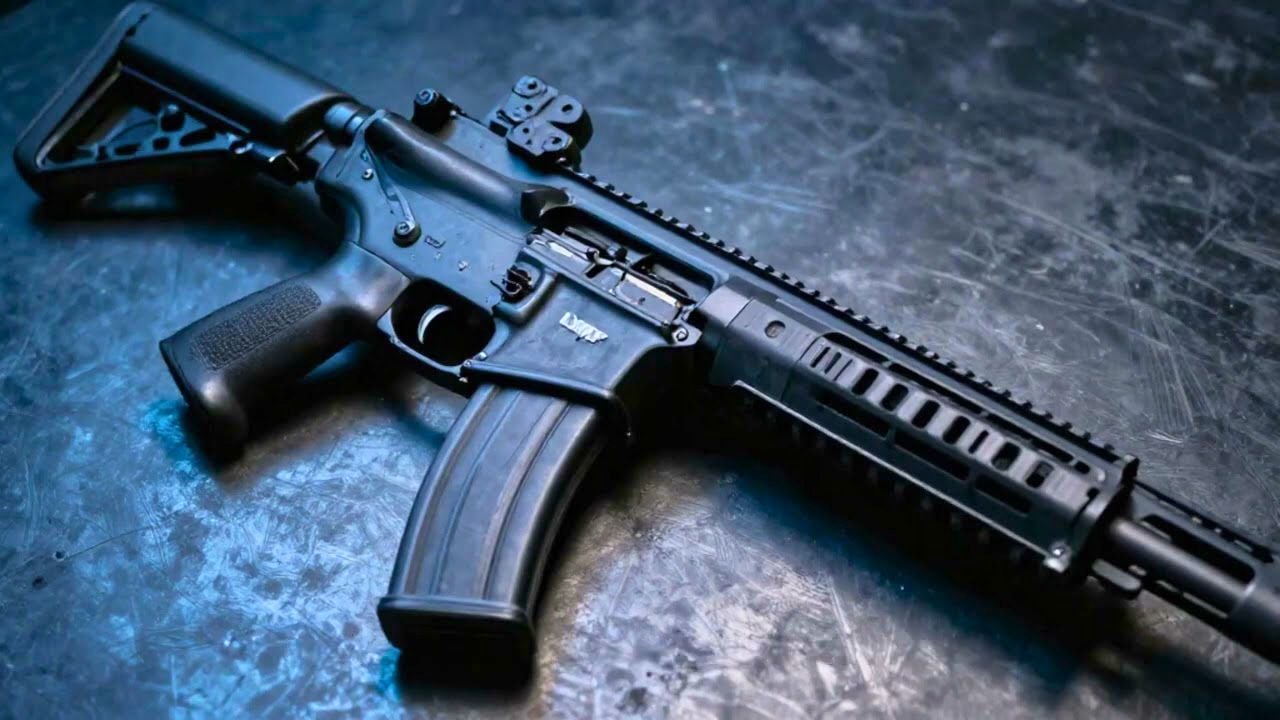
The MARS-L is built for users who want an AR-pattern rifle with fully ambidextrous controls and a monolithic upper system. Its quick-change barrel arrangement adds flexibility without making the rifle feel delicate.
LMT rifles are heavier and more expensive than basic commercial ARs. They earn loyalty through robust receivers, durable bolts, and parts designed around hard use. High-round-count owners still monitor barrels and bolt components, but the foundation rarely feels like the limiting factor.
FN SCAR 16S

The SCAR 16S uses a short-stroke piston and a substantial bolt carrier inside a rifle originally developed around military requirements. It stays relatively clean internally and handles extended firing without depending on a finely tuned direct-gas setup.
The reciprocating assembly and polymer stock create an unusual shooting experience, and replacement parts are expensive. Owners who accept those limitations often trust the rifle deeply because it continues functioning across large round counts with little change in accuracy or reliability.
Arsenal SAM7SF

The SAM7SF uses a milled receiver, heavy-duty long-stroke operating system, and folding stock. It is heavier than a stamped AKM, but that extra material gives the rifle an extremely solid feel.
Its action is tolerant of carbon, dust, and ammunition variation. High round counts may eventually affect springs, extractors, and the barrel, yet the receiver and trunnion system are unlikely to be the weak points. Owners trust the rifle because it behaves like an AK built with more material than strictly necessary.
Steyr AUG A3 M1

The AUG A3 M1 has a removable barrel, piston-driven action, and compact bullpup layout. Its unusual controls take practice, but the internal design was built around military service rather than casual sporting use.
The rifle can accumulate substantial firing without filling the receiver with the same level of fouling seen in many direct-gas systems. Barrels and bolt components are easy to remove for inspection. Once owners become comfortable with the layout, the AUG often earns trust through consistency rather than conventional ergonomics.
Benelli M2 Tactical
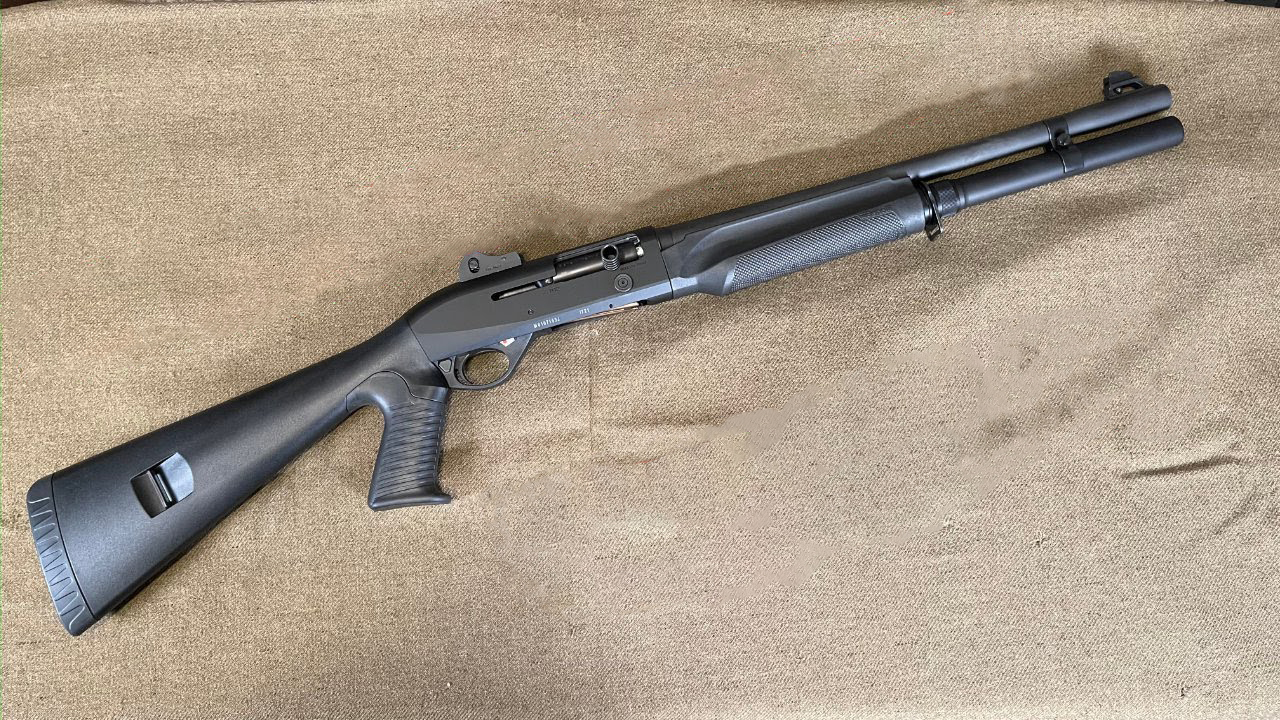
The M2 Tactical uses Benelli’s inertia-driven system, keeping most combustion residue out of the action. That makes it particularly attractive to owners who put large numbers of shells through a defensive or competition shotgun.
It needs enough recoil energy to cycle and may require replacement recoil springs after extensive use. With suitable ammunition and a firm mount, the M2 tends to keep functioning through long training days. Its simple operating system gives owners fewer gas components to clean or replace.
Beretta 1301 Comp Pro
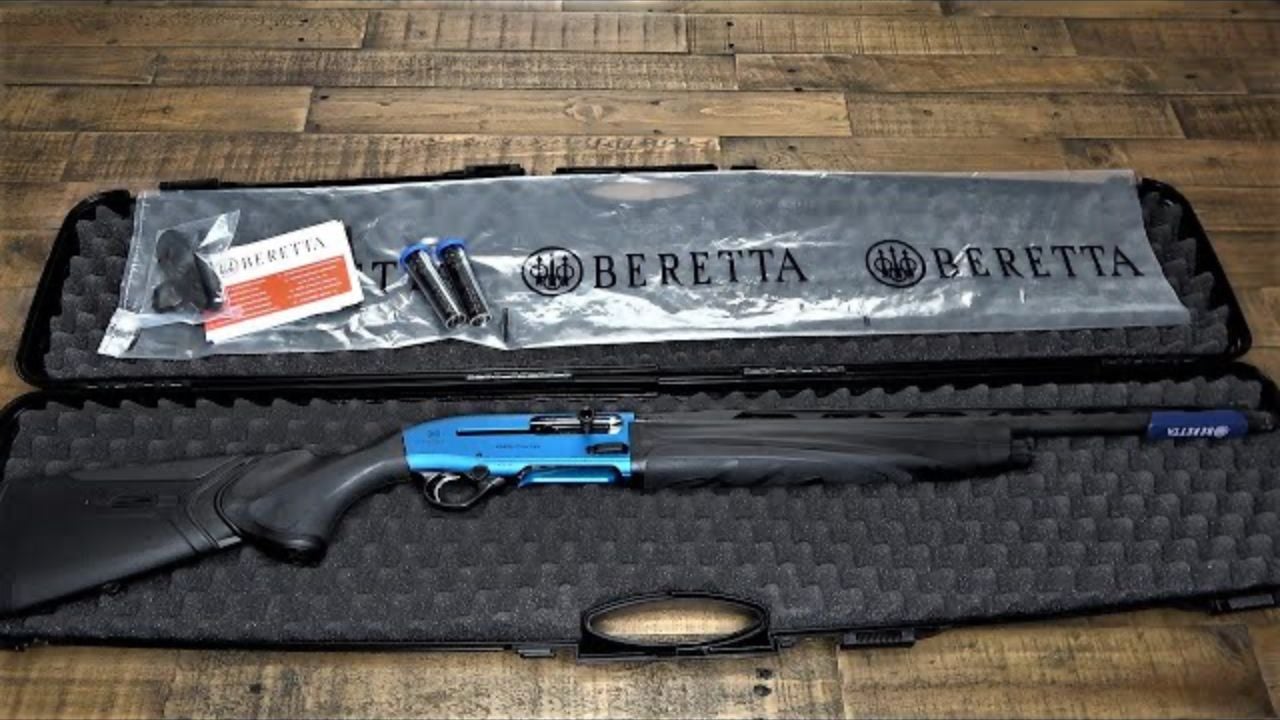
The 1301 Comp Pro was designed around high-volume practical shotgun competition. Its gas system cycles rapidly, while the enlarged loading port and controls support repeated manipulation under pressure.
Competition shooters quickly expose weak lifters, shell stops, pistons, and magazine systems. The 1301 has earned loyalty because it handles that abuse while remaining soft shooting. Routine cleaning and spring replacement still matter, but the shotgun is expected to fire thousands of shells rather than spend most of its life in a safe.
Mossberg 590A1
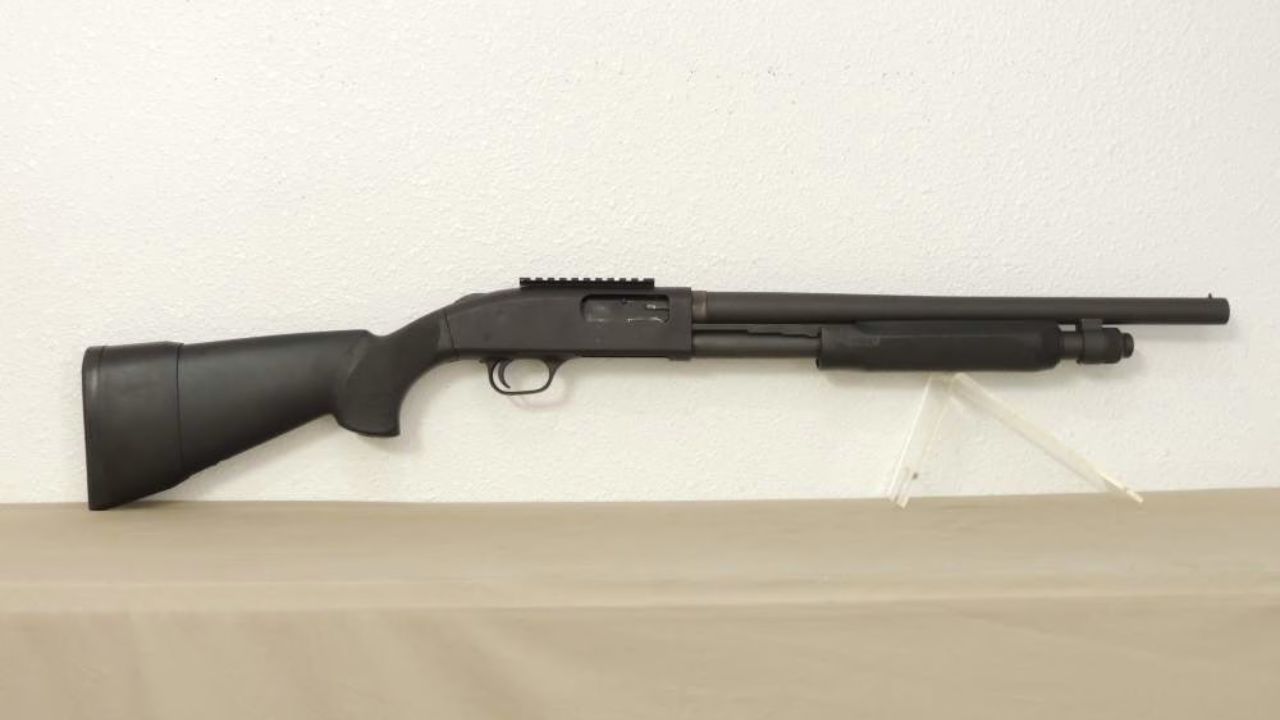
The 590A1 is heavier than a basic field pump because it uses a thick barrel, metal trigger housing, and ruggedized components. Those features were included for institutional users who could not treat every shotgun carefully.
A pump gun still depends on the shooter operating it completely, and magazine springs or extractors can eventually wear. The 590A1 earns trust because the receiver, barrel, action bars, and locking system tolerate years of use without becoming delicate. Worn finish usually appears long before meaningful mechanical weakness.
Browning Citori CXS
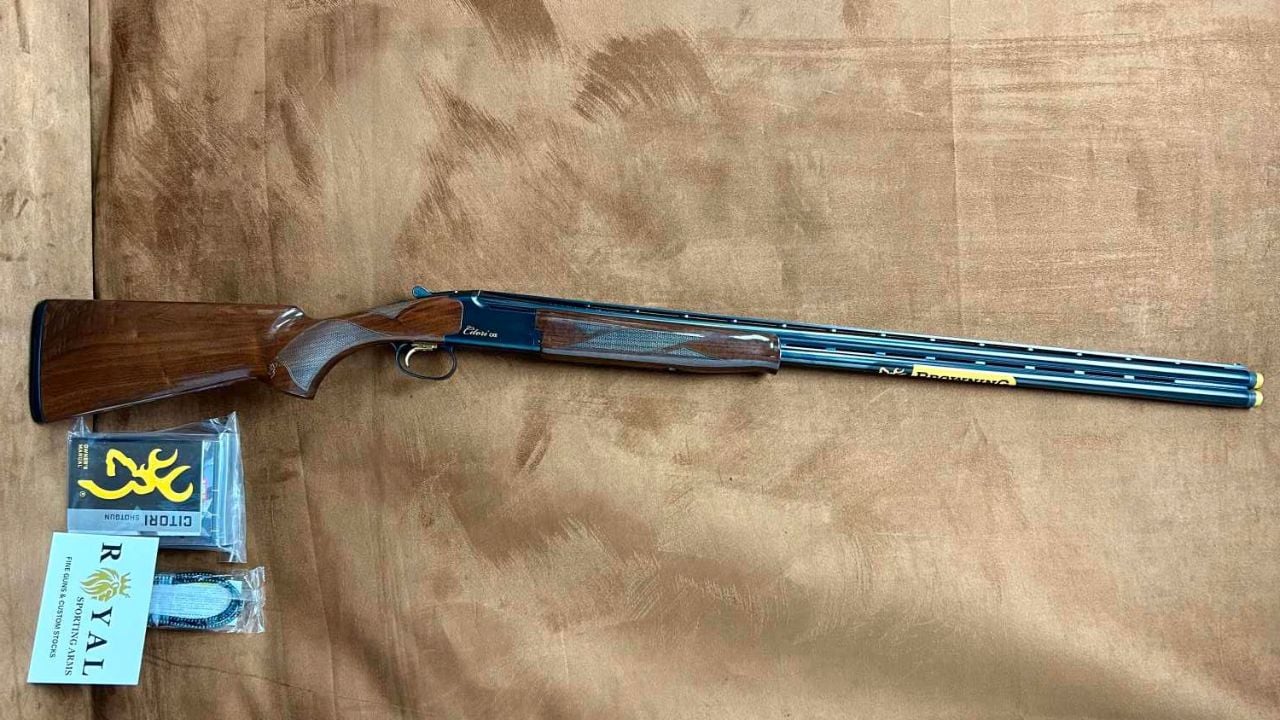
The Citori CXS is built for shooters who move between sporting clays, skeet, trap, and field use. Its steel receiver and proven hinge-and-locking system are far heavier than those of inexpensive upland over-and-unders.
Serious clay shooters may put tens of thousands of shells through one shotgun. The Citori platform is popular because worn locking components can be serviced instead of making the entire gun disposable. It is expensive up front, but the design is meant to become a long-term shooting tool.
Beretta 686 Silver Pigeon I Sporting

The 686 Silver Pigeon Sporting uses a low-profile steel action that has become a common sight at clay ranges. It balances well enough for competition without relying on an excessively complicated internal system.
Its finish is attractive, but the more important feature is that the locking shoulders and hinge areas can be maintained as round counts climb. Owners may eventually replace firing pins, springs, or locking parts. The shotgun earns trust because those repairs are expected service work on a platform capable of lasting through years of regular shooting.
Tikka T3x CTR
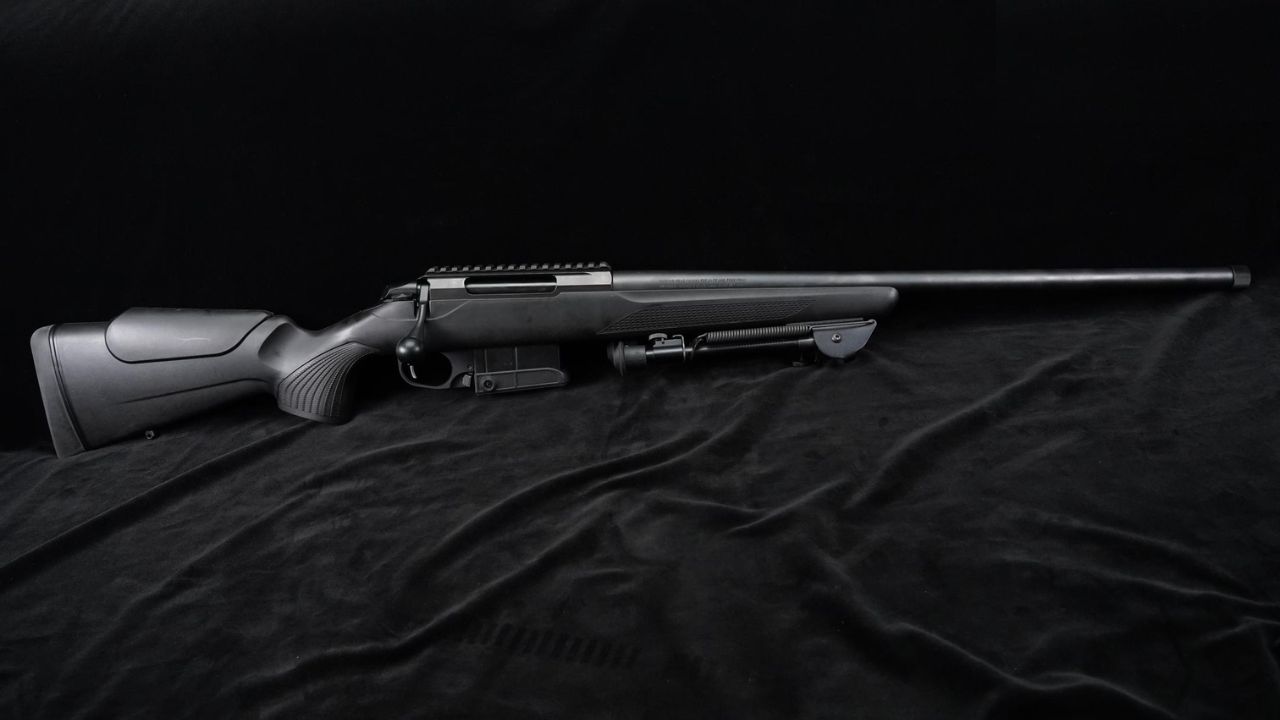
The T3x CTR is not a semiautomatic rifle, but owners still build trust through repeated firing, rough field use, and consistent accuracy. Its smooth bolt, dependable detachable magazine, and stiff barrel make it better suited to sustained practice than many lightweight hunting rifles.
Barrel life depends heavily on chambering and firing schedule, but the action itself is straightforward and durable. The rifle rarely needs tuning to feed or extract properly. After thousands of rounds, many owners trust it because the bolt still feels the same and the point of impact remains predictable.
Like The Avid Outdoorsman’s content? Be sure to follow us.
Here’s more from us: